-
Is My Plant Dead or Dormant? Hostas, Hebes, Wisteria & More
 Lee Burkhill: Award Winning Designer & BBC 1's Garden Rescue Presenters Official Blog
Every winter without fail, I get sent the same photo by worried clients and readers. A sad, brown, apparently lifeless clump of something sitting in a border, with a message along the lines of "I think this has died, what do I dig up and replace it with?" More often than not, nothing has died at all. Let me exeplain how to tell if your plant is dead or very much alive!
Quick Answer
Most plants that look dead in winter are simply dormant, having dropped their leaves or died back to the ground as a normal survival strategy against cold and low light. To check, scratch a fingernail against a stem or bend it gently: green and pliable means alive, brown and snapping means that particular piece is dead. Herbaceous perennials like hostas, salvias and agapanthus are supposed to disappear completely below ground each winter, while shrubs like hebes and fuchsias keep their woody framework and only need checking at the base if the top growth has browned off.
This guide exists to settle that panic before secateurs or a spade get involved. Some plants are dramatic about winter, disappearing entirely, dropping every leaf, or turning an alarming shade of brown, purely because that is how they survive the cold rather than because anything has gone wrong. Below you will find a quick diagnostic test that works on almost anything, a rundown of the plants gardeners message me about most, and a longer reference table covering the rest.
Jump To
This page contains affiliate links for products I use and love. If you take action (e.g., subscribe or make a purchase) after clicking a link, I may earn a small affiliate commission, which helps me keep the Garden Ninja Blog free for all.
Why Plants Look Dead in Winter
Dormancy is a survival strategy, not a symptom. As light levels and temperatures drop through autumn, many plants pull nutrients back down into their roots, rhizomes or woody framework and shut down everything above ground that would otherwise be vulnerable to frost. Herbaceous perennials take this furthest, dying back to nothing but a crown at soil level, since soft leafy growth simply cannot survive a hard freeze.
Shrubs and climbers tend to be less dramatic, keeping their woody stems intact through winter while dropping leaves or simply pausing growth, so a deciduous shrub with bare branches in January is doing exactly what it should. The plant has not failed; it has followed exactly the same survival pattern it has used every winter of its life. The confusion usually comes from not knowing which category a particular plant falls into, which is exactly what the rest of this guide sorts out.
The Test That Works on Almost Anything
Before you dig anything up, run this quick check. It takes seconds and works on the woody stems of shrubs, climbers and trees just as well as it does on the crown of a herbaceous perennial.
The scratch test: using a fingernail or the blade of a knife, gently scratch away a small patch of the outer bark or skin on a stem. Underneath, living tissue is green or pale and slightly moist. Dead tissue is brown, dry and papery all the way through. Test a few different stems if the plant is large, since a shrub can have some dead growth and plenty of living growth at the same time.
The bend test: take hold of a thin stem and bend it gently. A living stem flexes and springs back. A dead stem snaps cleanly and feels dry and brittle rather than fibrous.
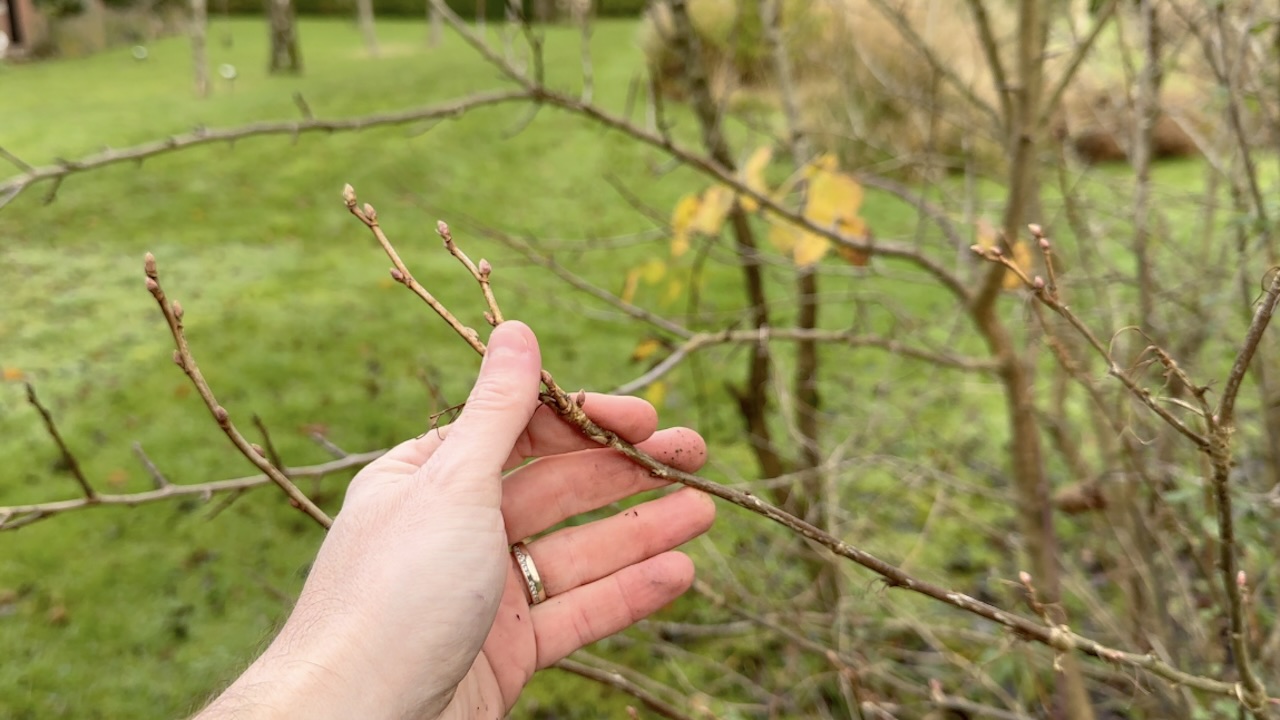
The root check: for a herbaceous perennial obothythingonta is often more reliable than testing top growth alone. Gently dig down to expose a portion of the root, or ease the plug out of its pot. Roots that are pale, firm and slightly fleshy are alive and simply waiting for warmer weather. Roots that are dry, shrivelled, or conversely black and mushy from rot, mean that part of the plant, or the whole plant, has actually died. If the outer roots look poor but the thicker central root or crown still feels firm, there is often still life left to work with.
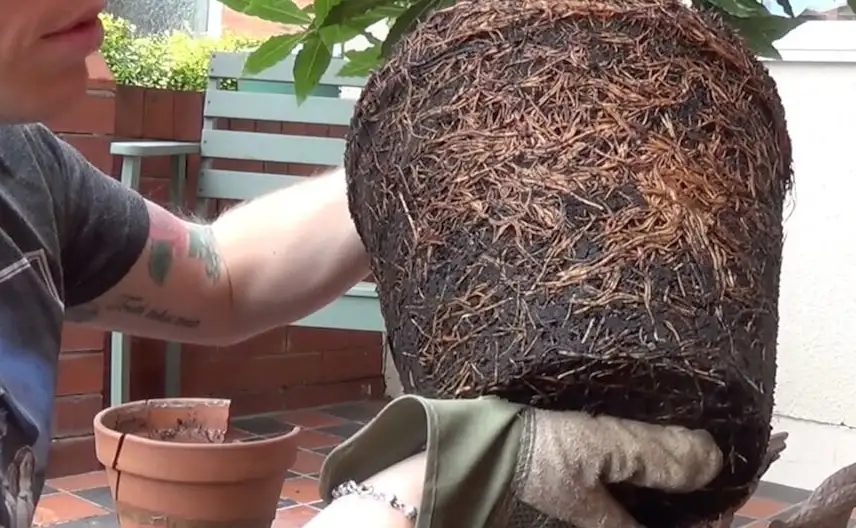
Watch for swelling buds as spring approaches. On trees, shrubs and climbers, buds that plump up and visibly swell as the weeks pass are a reliable sign that sap is moving and the plant is waking up, even before any leaf actually appears. A stem covered in small, tight, apparently unchanging buds through late winter is not necessarily bad news, it may simply not be that plant’s moment yet.
Check at the base, not just the top. Many shrubs and perennials that have suffered dieback in a hard winter will still be sending up fresh growth from the crown or the lowest part of the stem, even if everything above that point is dead. Do not judge the whole plant by its worst-looking branch, and always look right down at soil level before writing anything off.
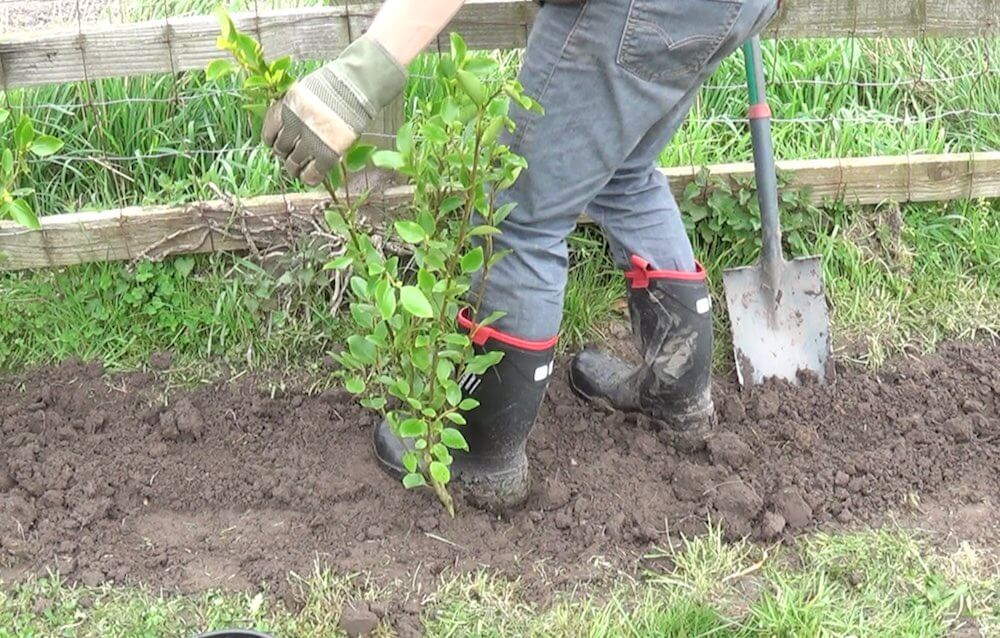
🛒 Buy Sharp Secateurs for Testing and Pruning on Amazon UK
Plants Gardeners Most Often Panic About
These are the plants that generate the most worried messages every autumn and winter, based on what actually lands in my inbox and forum. Each one has a completely normal winter habit that gets mistaken for the plant dying.
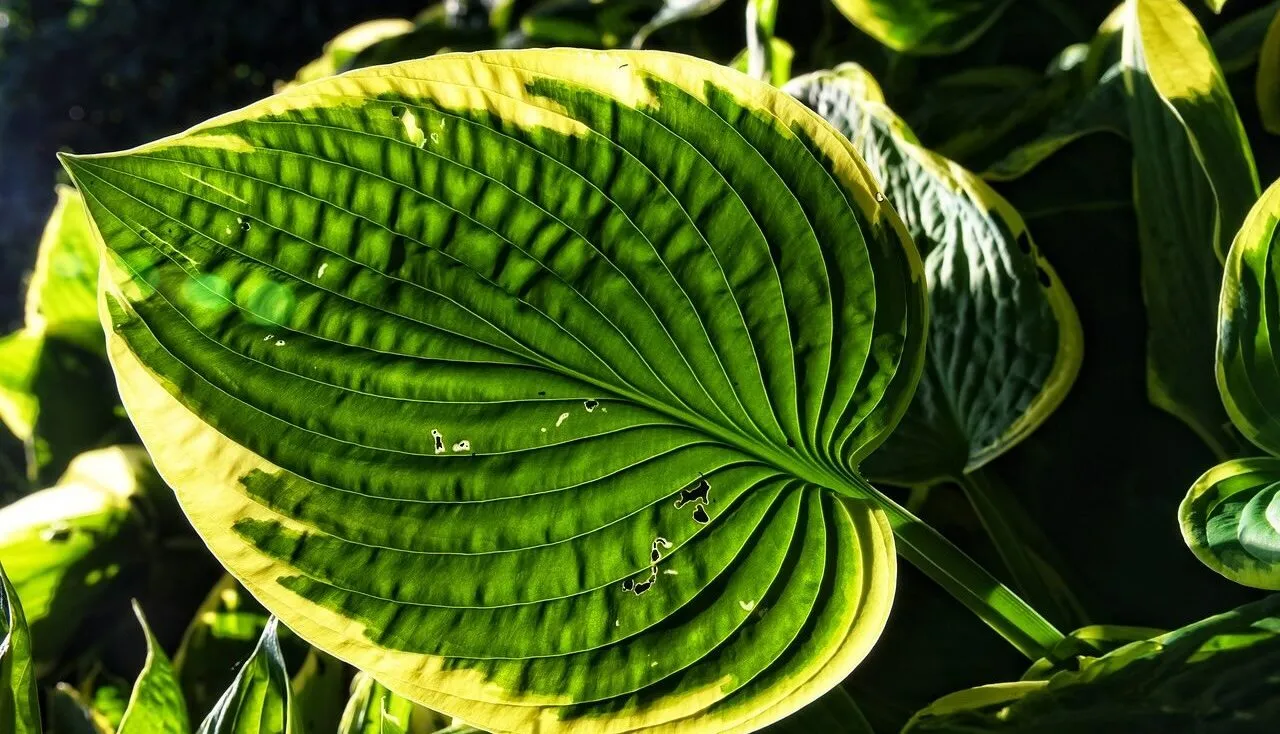
Hostas
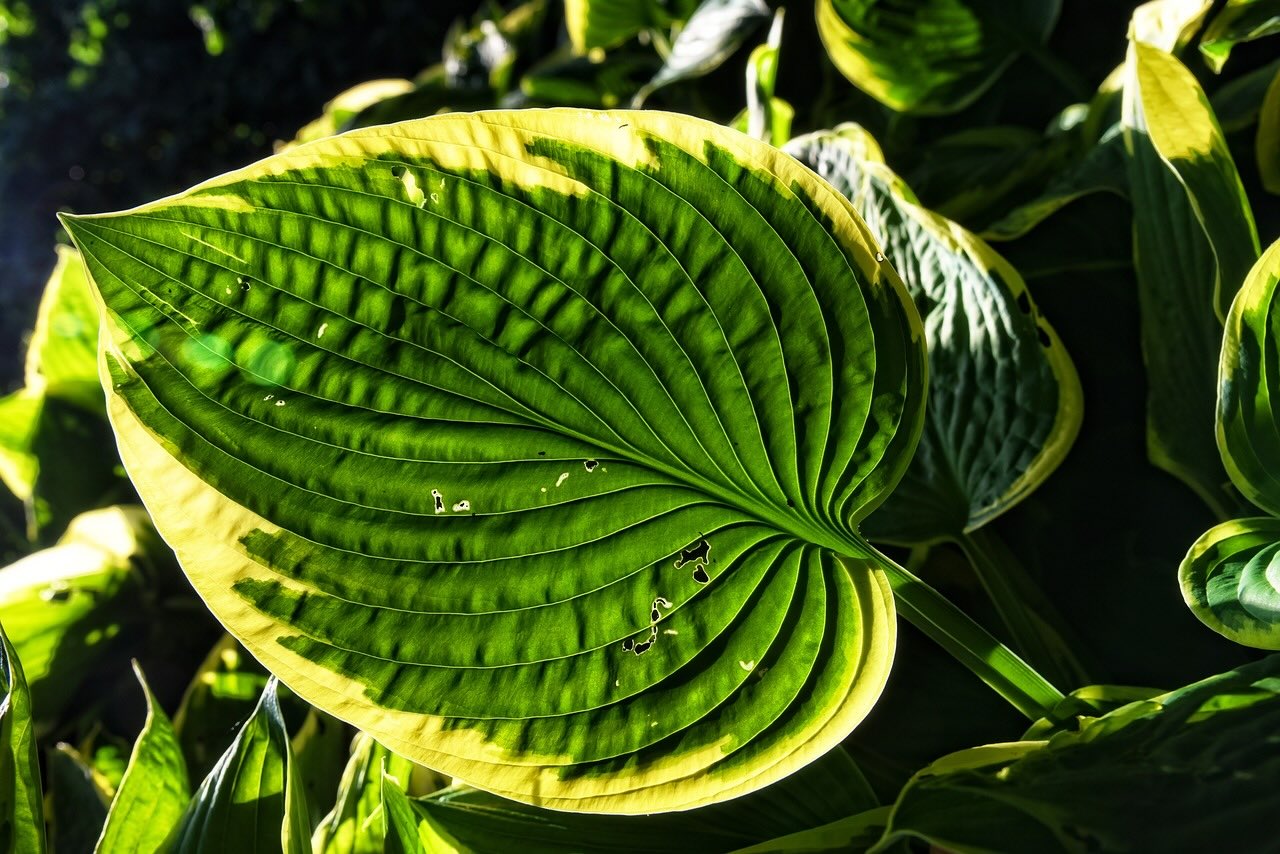
Verdict: completely normal. Hostas are herbaceous perennials and are supposed to die back to nothing once the first worrying frosts arrive, Autumn turning to yellow mush seemingly overnight. This is not a sign of disease or failure; it is simply the leaves finishing their job for the year. Cut the collapsed foliage away, and the crown will send up fresh shoots from the same spot in spring, usually surprisingly early, from March onward. My full hosta growing guide covers everything else, from slug control to dividing an established clump.
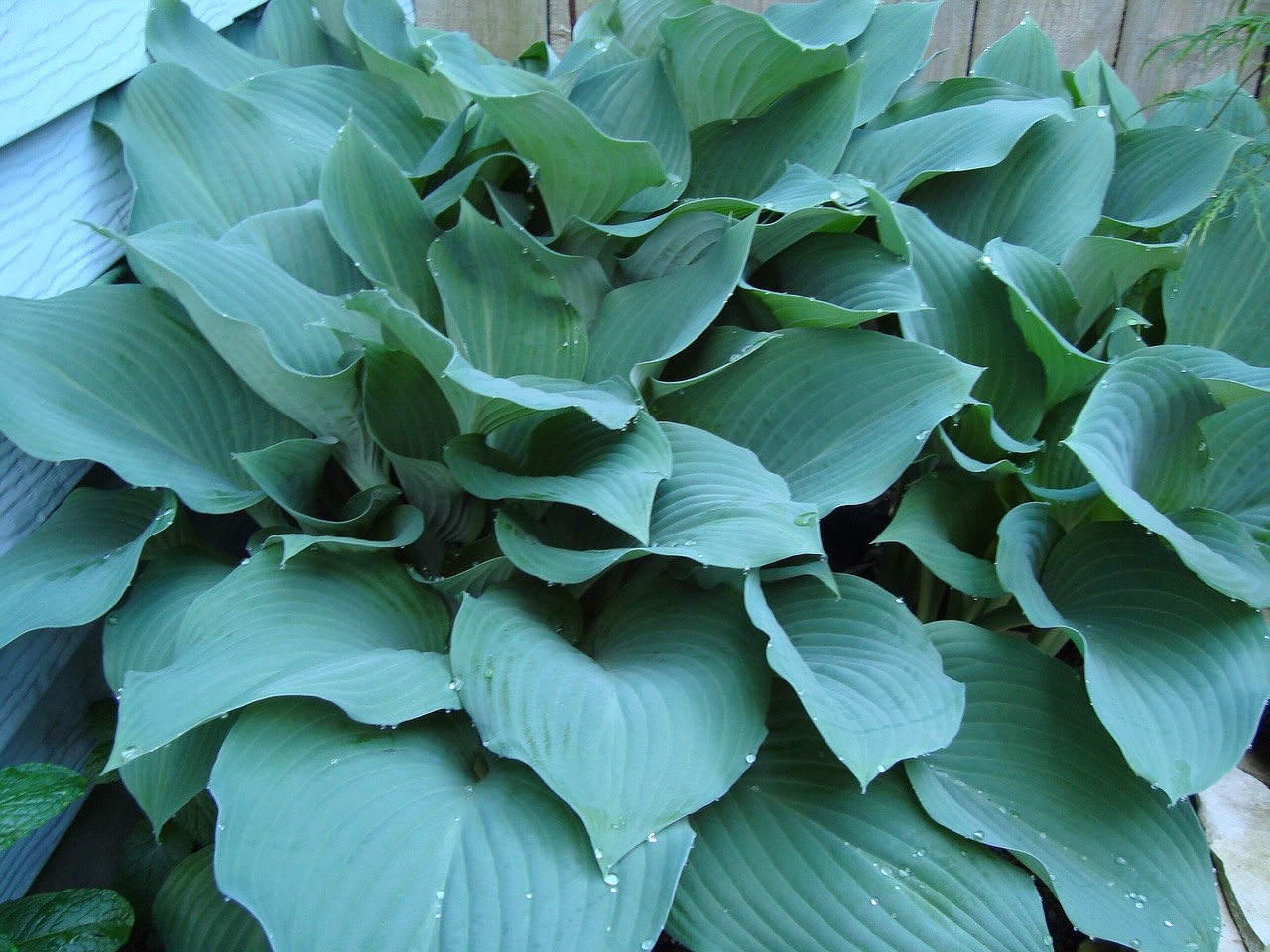
🛒 Buy Hosta Plants on Amazon UK
Camellias
Verdict: often normal, but this is the one to take most seriously. Camellias drop buds and can look sparse or sorry for themselves after a cold snap, particularly if a hard frost caught the plant just as buds were forming. Scratch test any branches that look completely bare of leaf, and check that the whole shrub is not uniformly brown, since a camellia losing leaves on one exposed side while the rest stays healthy is usually just cold or wind damage rather than anything worse.
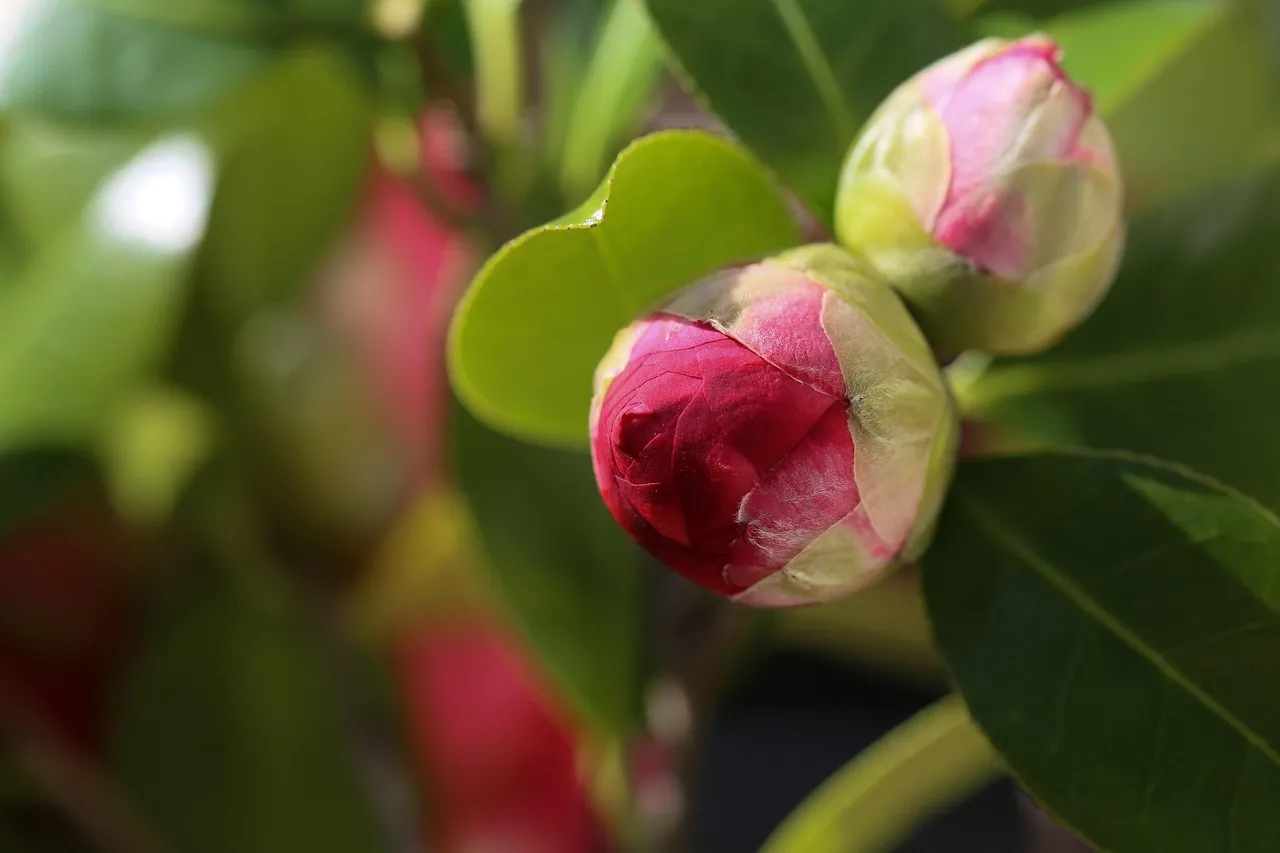
This is the plant I get asked about more than any other, so if yours is loleavesg distinctly unwell rather than just a bit cold-nipped, uniform browning throughout, leaves dropping from the whole plant rather than one side, or no green at all under the scratch test, it is worth reading my full camellia diagnostic guide rather than assuming cold alone, since root rot and vine weevil are both common real culprits that look similar to winter damage at first glance.
🛒 Buy Camellia Plants on Amazon UK
Hebes
Verdict: usually fine, check for genuine winter damage. Hebes are evergreen, so unlike a hosta they should never disappear entirely, but a hard, exposed winter can leave leaves bronzed, blackened or dropped on one side of the plant. Run the scratch test on a few stems. If you find green under the bark, the plant is very likely to recover once the weather warms, even if it looks rough through February. Hebes that have truly died tend to have uniformly brown, brittle stems throughout rather than just cosmetic winter damage on the exposed side.
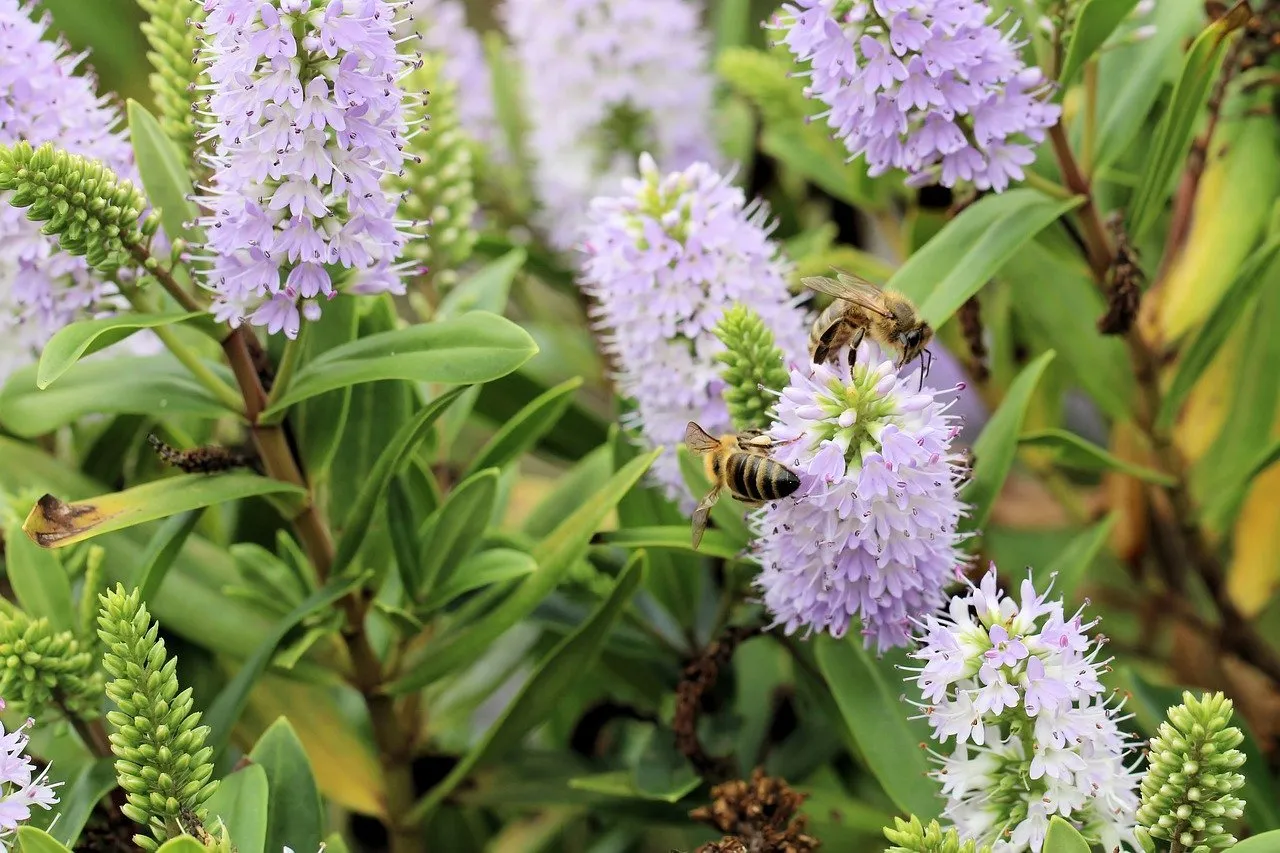
🛒 Buy Hebe Plants on Amazon UK
Passion Flowers
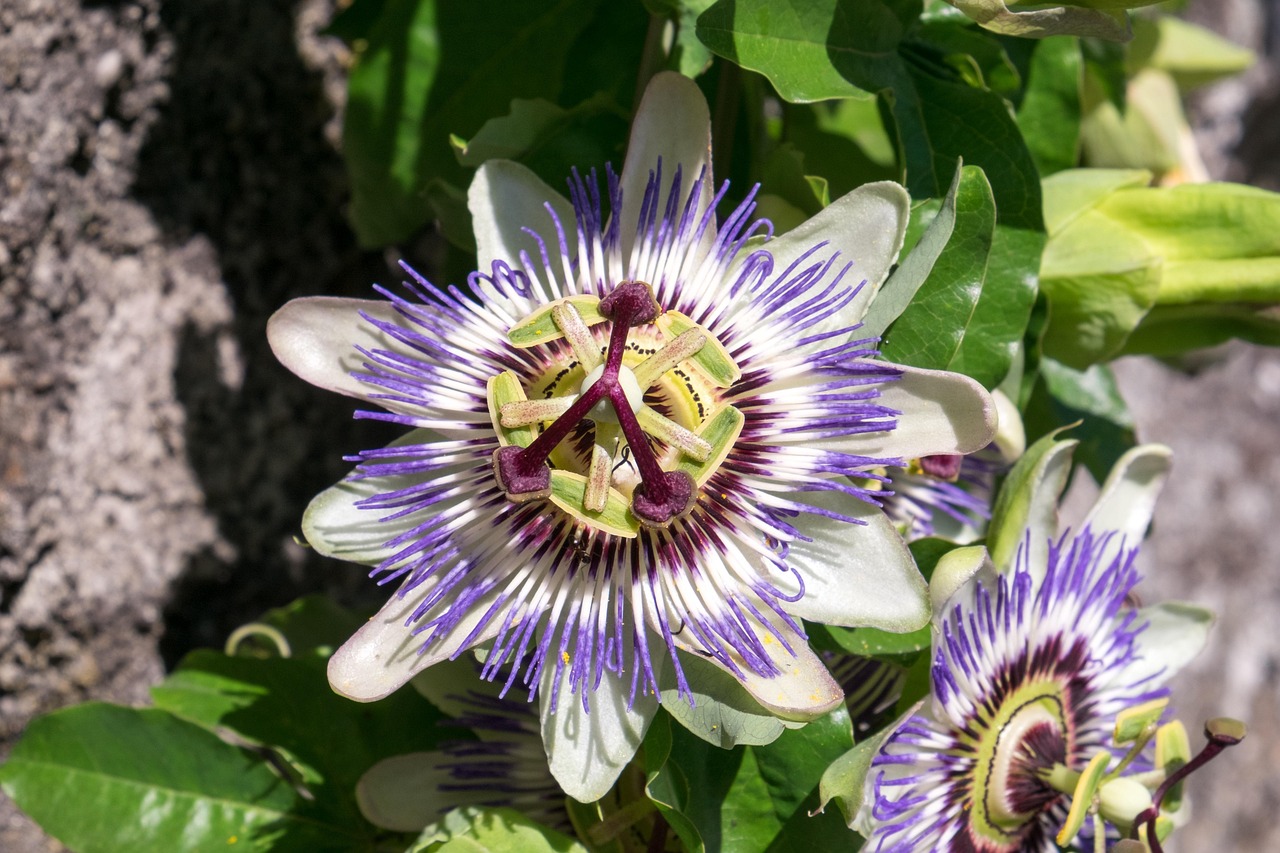
Verdict: normal in most UK gardens. Passiflora caerulea, the hardy blue passion flower most commonly grown here, will often lose most or all of its leaves in a cold winter and can look thoroughly dead by January, especially in an exposed spot. Scratch test the main woody stems near the base rather than the thin trailing growth further up, which is far more likely to have actually died off.
New growth typically does not appear again until surprisingly late, often not until May, so resist cutting the whole thing down in a fit of tidying before then. A similar case came up on our forum recently, worth a read if yours is looking equally sorry for itself.
🛒 Buy Passiflora Caerulea on Amazon UK
Jasmine
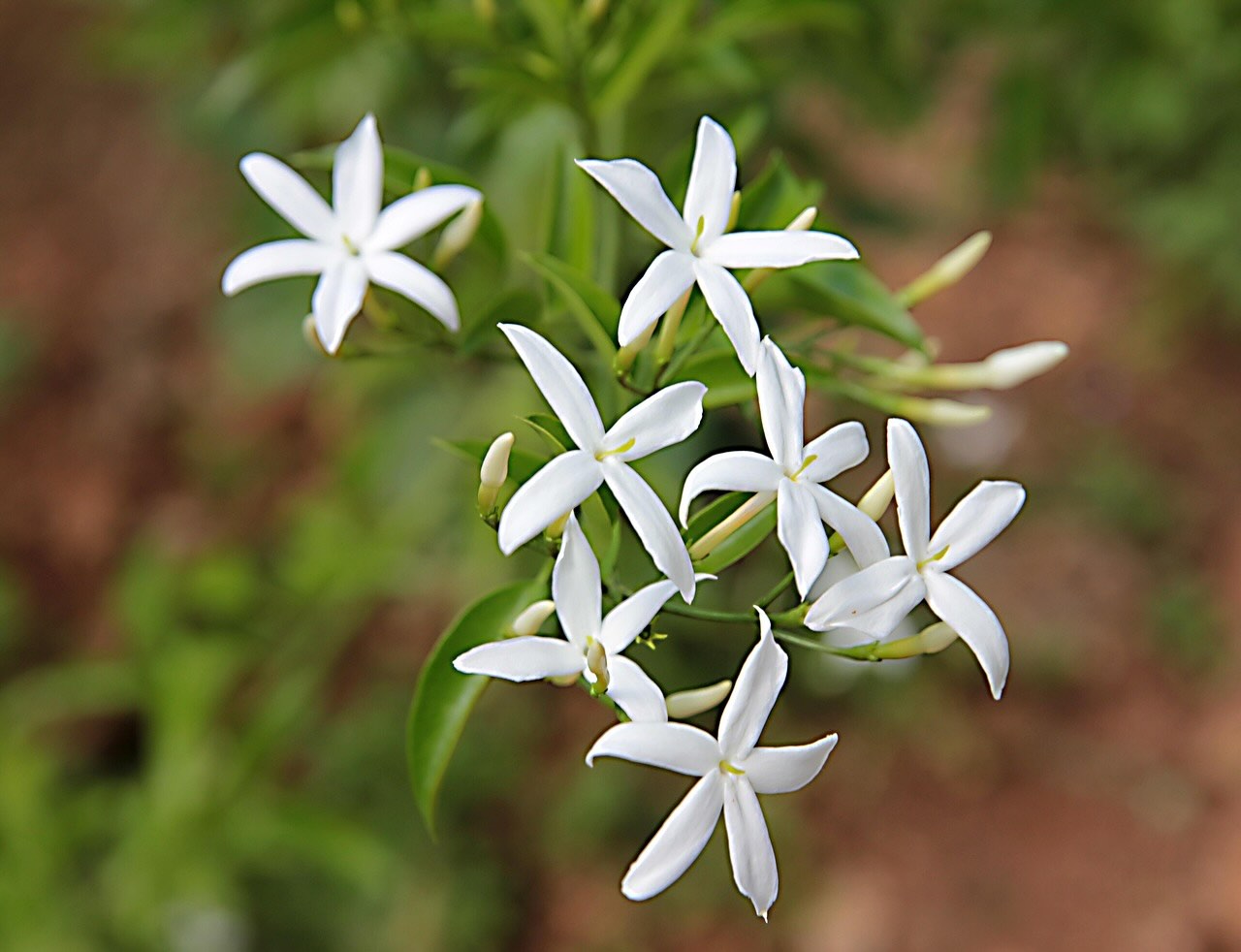
Verdict: depends on which Jasmine you have. Winter jasmine, Jasminum nudiflorum, is meant to look bare through the coldest months and then flower on those apparently dead-looking stems from December onward, so bare growth on that one is not a fault, it is the display. Common Jasmine, Jasminum officinale, is more likely to hold on to Jasmine leaves but can lose a good number in a cold snap. Either way, the scratch test on the main stems settles it quickly.
🛒 Buy Winter Jasmine on Amazon UK
Rhubarb
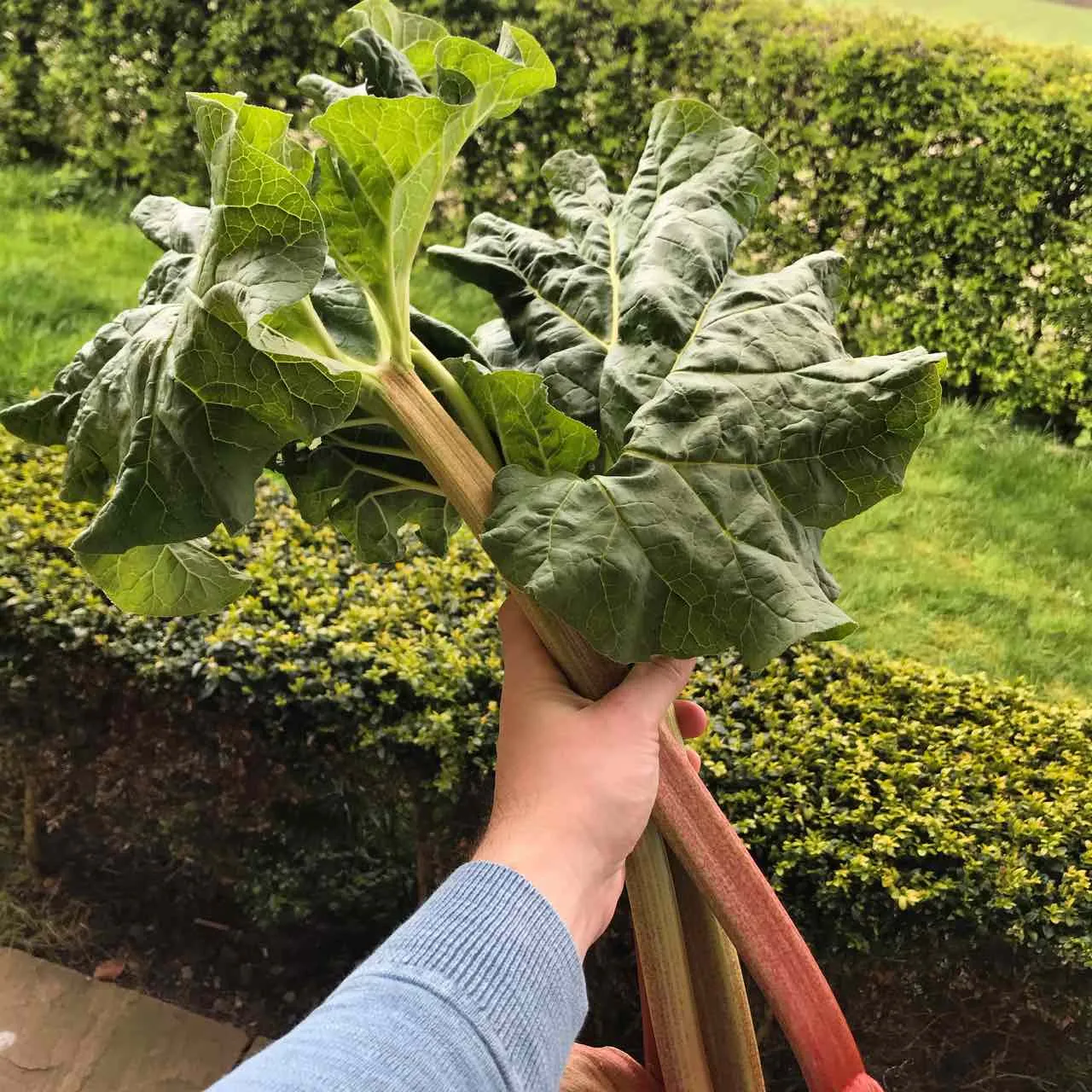
Verdict: completely normal. Rhubarb dies back to a bare crown every single winter without exception, and an established crown left sitting as nothing more than a brown lump of soil for months is doing exactly what it should. Resist the urge to dig around checking on it, since disturbing a dormant rhubarb crown does more harm than the apparent lack of growth ever would. It will push up fresh, tightly furled stems from that same crown as early as February, and my guide to forcing rhubarb shows you how to get an even earlier crop from it.
🛒 Buy Rhubarb Crowns on Amazon UK
Agapanthus
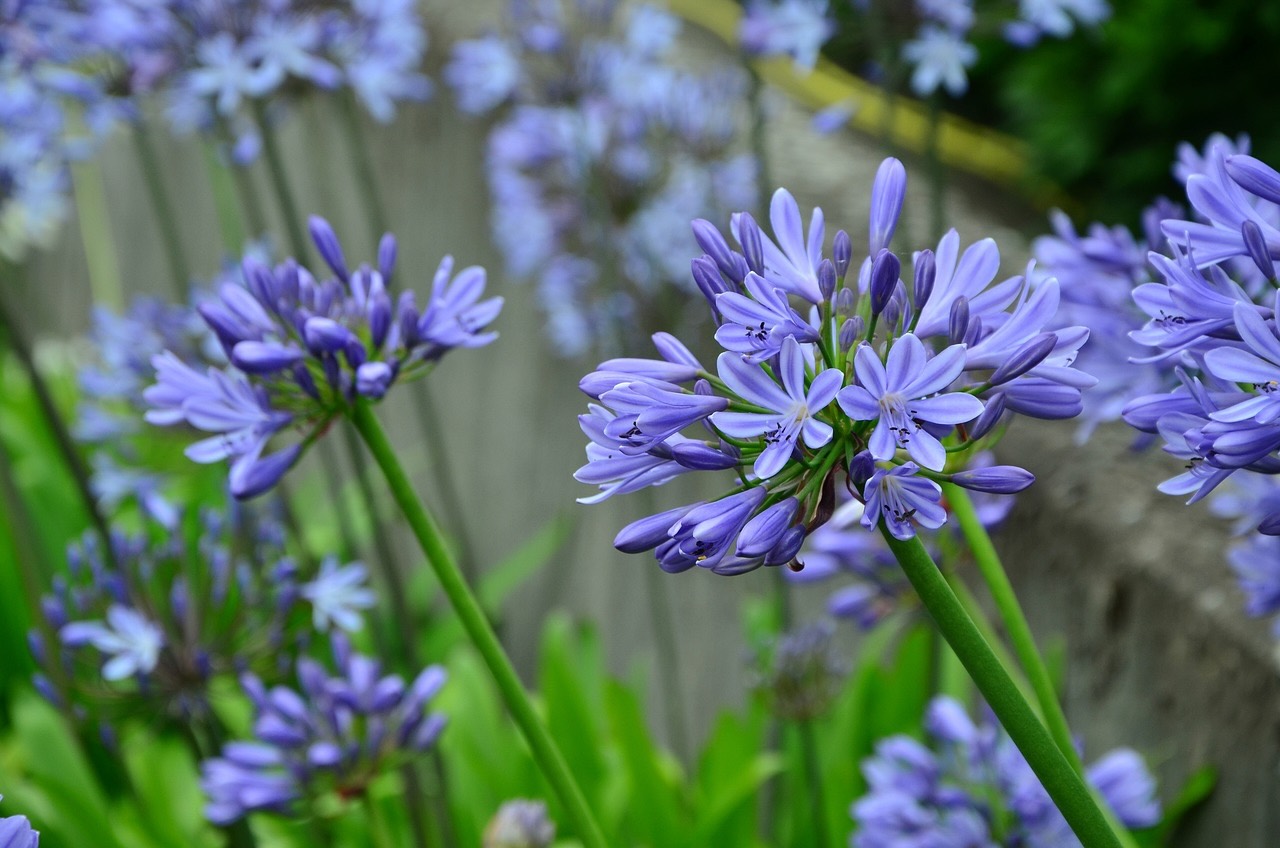
Verdict: normal, with one important caveat. Deciduous Agapanthus varieties die back to nothing above ground each winter and reappear reliably in late spring. Evergreen varieties keep their strappy leaves year round, but those leaves can look distinctly sorry for themselves after a hard frost, yellowing and flopping without the plant actually being dead. Agapanthus is worth checking to ensure that the crown itself has not rotted from sitting in waterlogged soil or a container that drains poorly, since that is a year-round failure mode for this plant rather than cold alone. My Agapanthus growing guide covers winter care and container choice in full.
🛒 Buy Agapanthus Plants on Amazon UK
Salvias
Verdict: normal, but do not cut back too early. Many of the popular garden salvias die back to a low woody framework or die back entirely to ground level depending on the variety and how cold the winter gets. The old top growth left standing over winter actually protects the crown from frost, so the real mistake here is not misreading a dead-looking Salvia, but cutting that apparently dead growth away too early in a tidy-up, which removes the very insulation the plant needed.
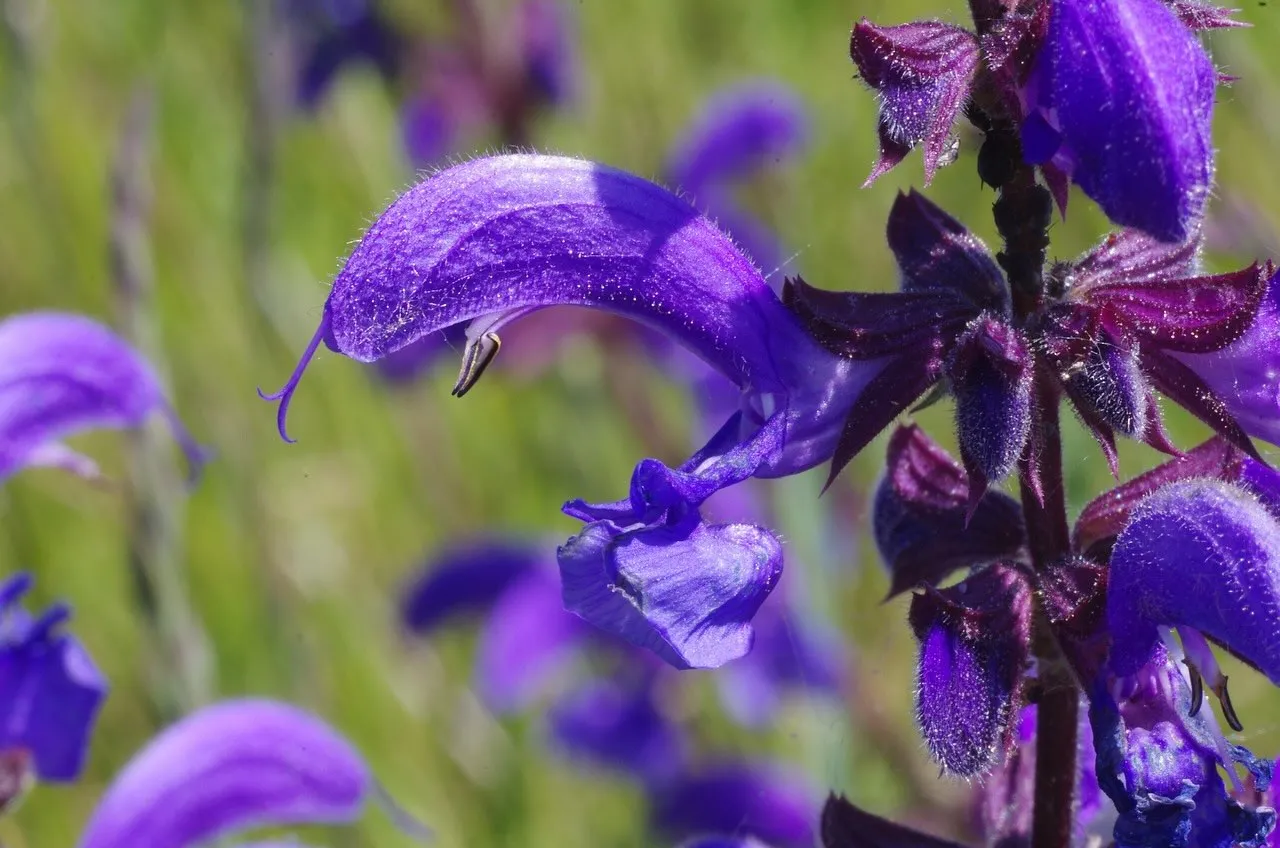
Wait until you see new growth emerging from the base in spring before cutting the old stems down, rather than tidying on a schedule. My full salvia growing guide covers variety selection and care in more depth.
🛒 Buy Hardy Salvia Plants on Amazon UK
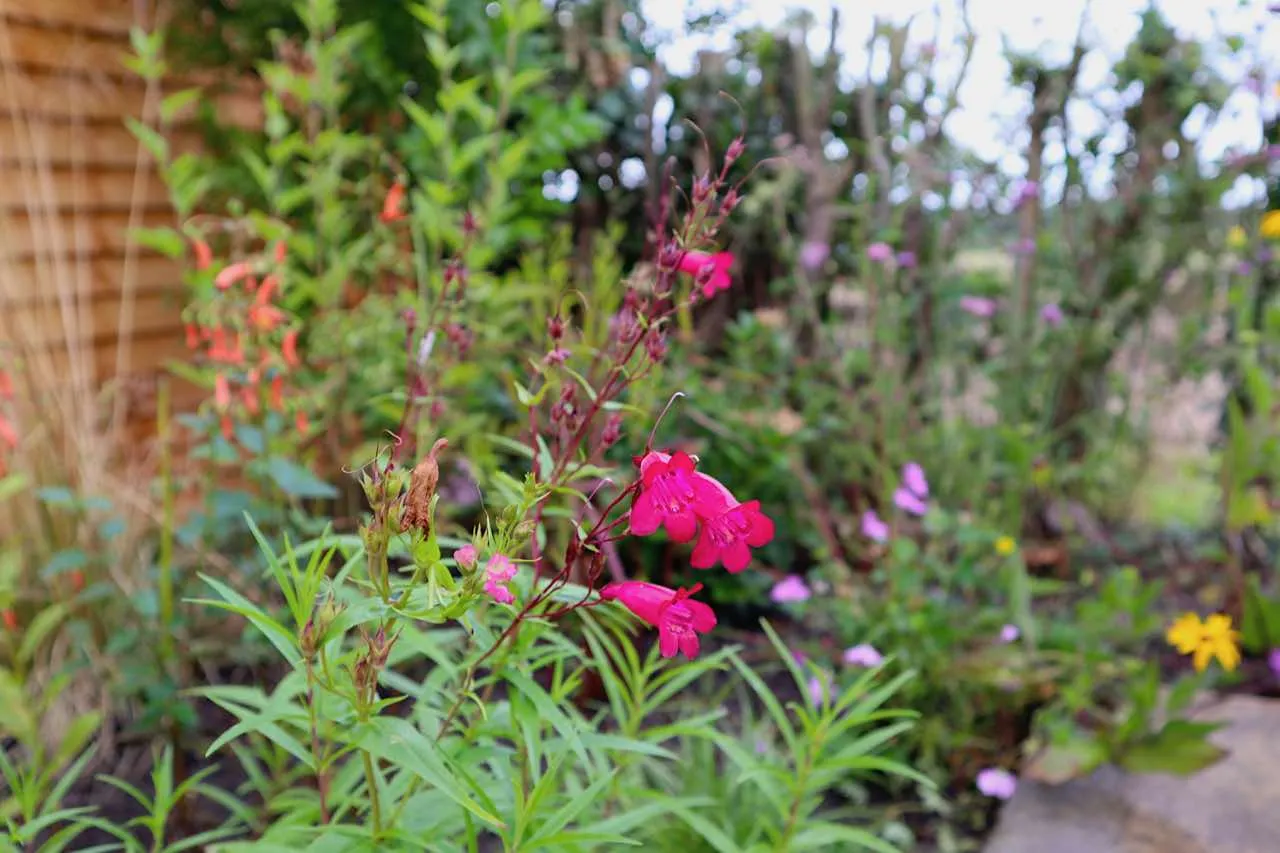
Penstemon
Verdict: normal, same rule as salvias. Penstemon behaves in almost exactly the same way, holding onto a framework of old growth through winter that looks tatty and half dead but is doing useful frost protection work for the crown underneath. The same advice applies: leave it alone until spring growth appears low down on the plant, then cut back to just above the new shoots rather than to an arbitrary height.
🛒 Buy Penstemon Plants on Amazon UK
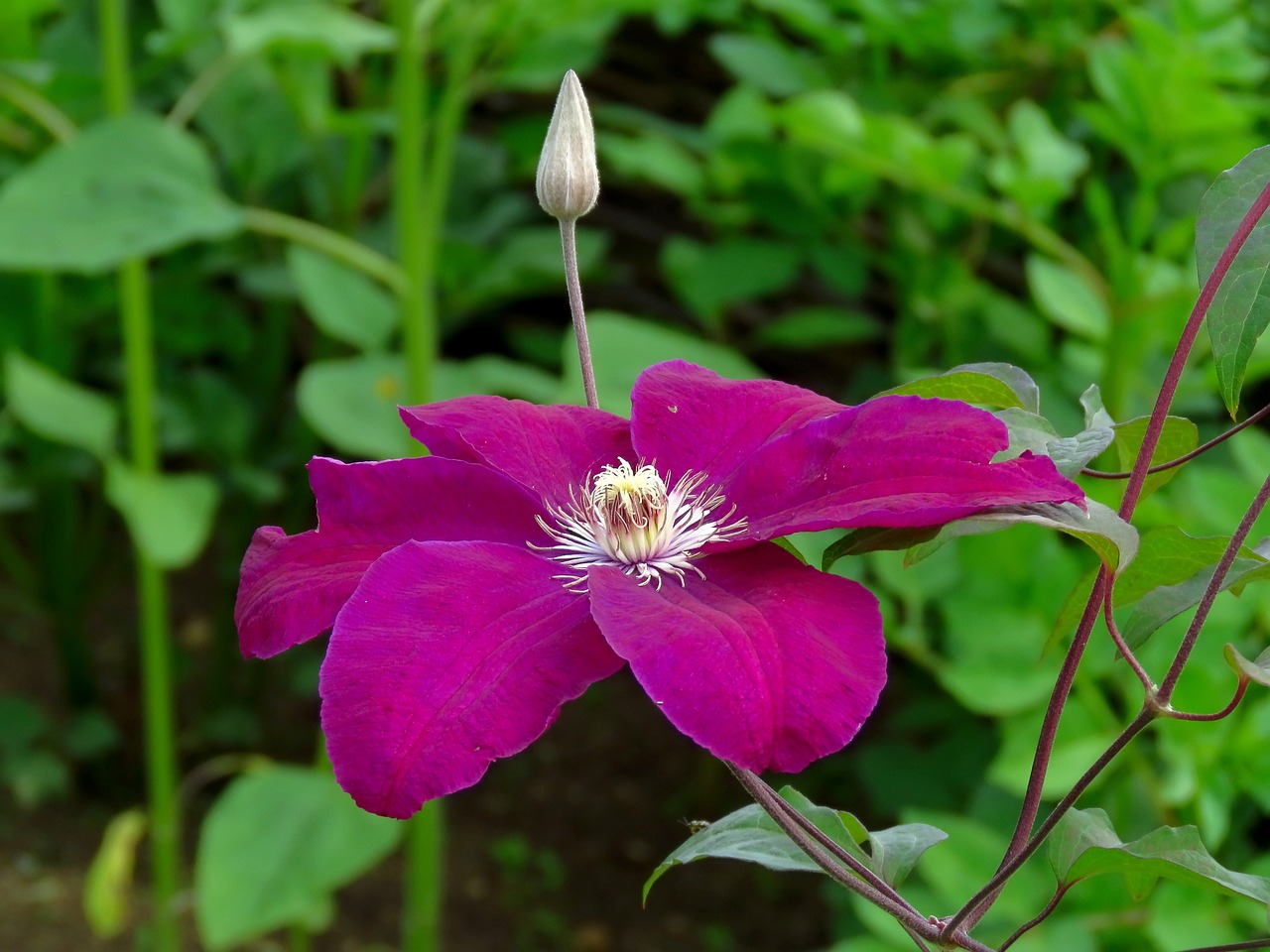
Clematis
Verdict: depends on the pruning group. A group three clematis, the type pruned hard each spring, is meant to look like a pile of brown twigs for most of winter, so do not panic about that one at all. Group one and two clematis keep more of their woody framework and should be scratch tested along the main stems if they look thin on leaf, checking especially near the base where the plant is most likely to still be alive even if higher growth has browned off. If a clematis does not recover once spring is fully underway, my guide to why clematis die covers clematis wilt and scratch-tested causes worth ruling out.
🛒 Buy Clematis Plants on Amazon UK
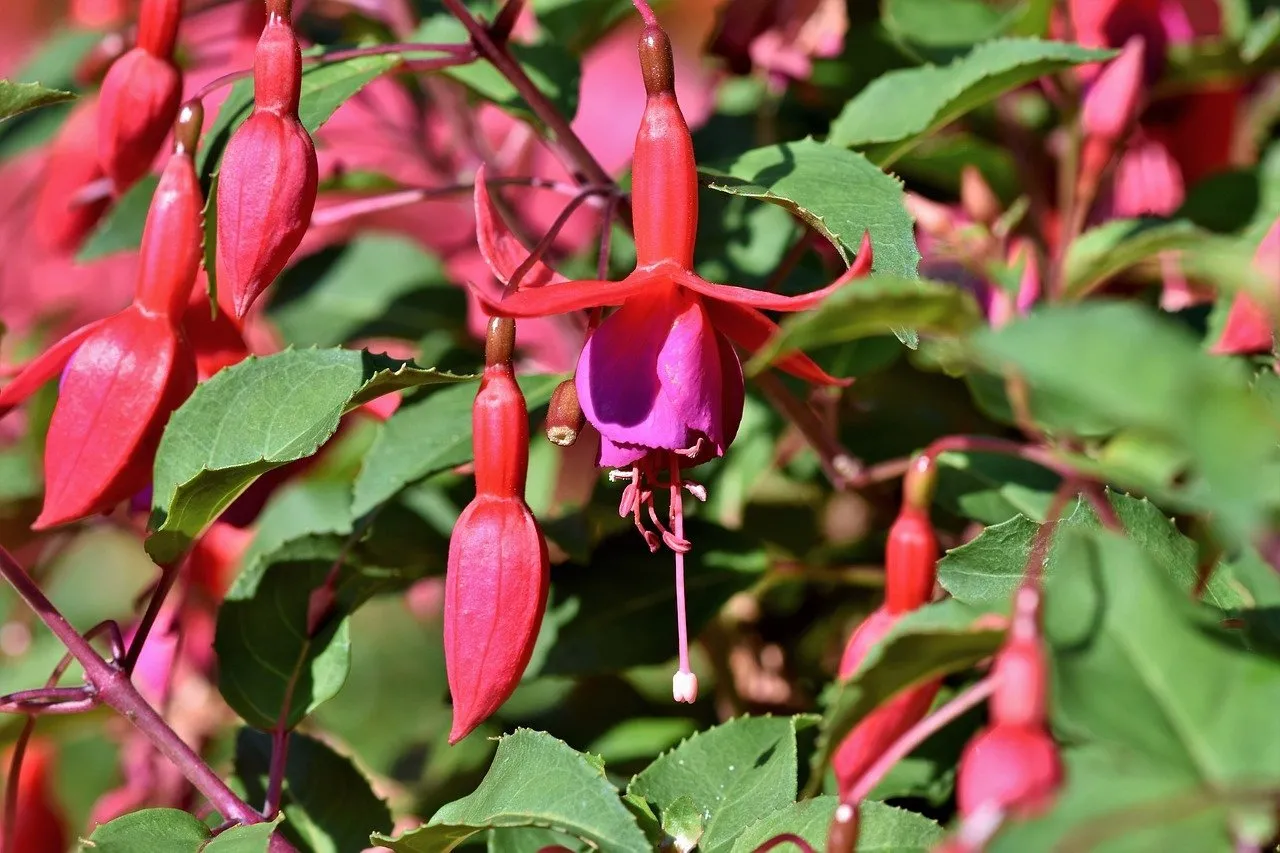
Fuchsias
Verdict: normal for hardy garden varieties. Hardy fuchsias commonly die back to ground level in a UK winter, particularly in colder regions, and reliably resprout from the base in late spring, often later than gardeners expect, sometimes not until May. Scratch test low down near the crown rather than the upper stems, since it is entirely normal for the whole top of the plant to have died back while the root system underneath is completely fine.
🛒 Buy Hardy Fuchsia Plants on Amazon UK
Wisteria
Verdict: normal, and it is one of the slowest to wake up. Wisteria is deciduous and drops its leaves completely for winter, leaving what can look like a network of dead, twisted wood on a pergola or wall. It is also one of the later plants to come back into leaf in spring, often not showing real signs of life until April, which catches out a lot of gardeners who assume the worst too early. Scratch test the smaller side stems rather than the thick main trunk, since those thinner stems show colour change faster.
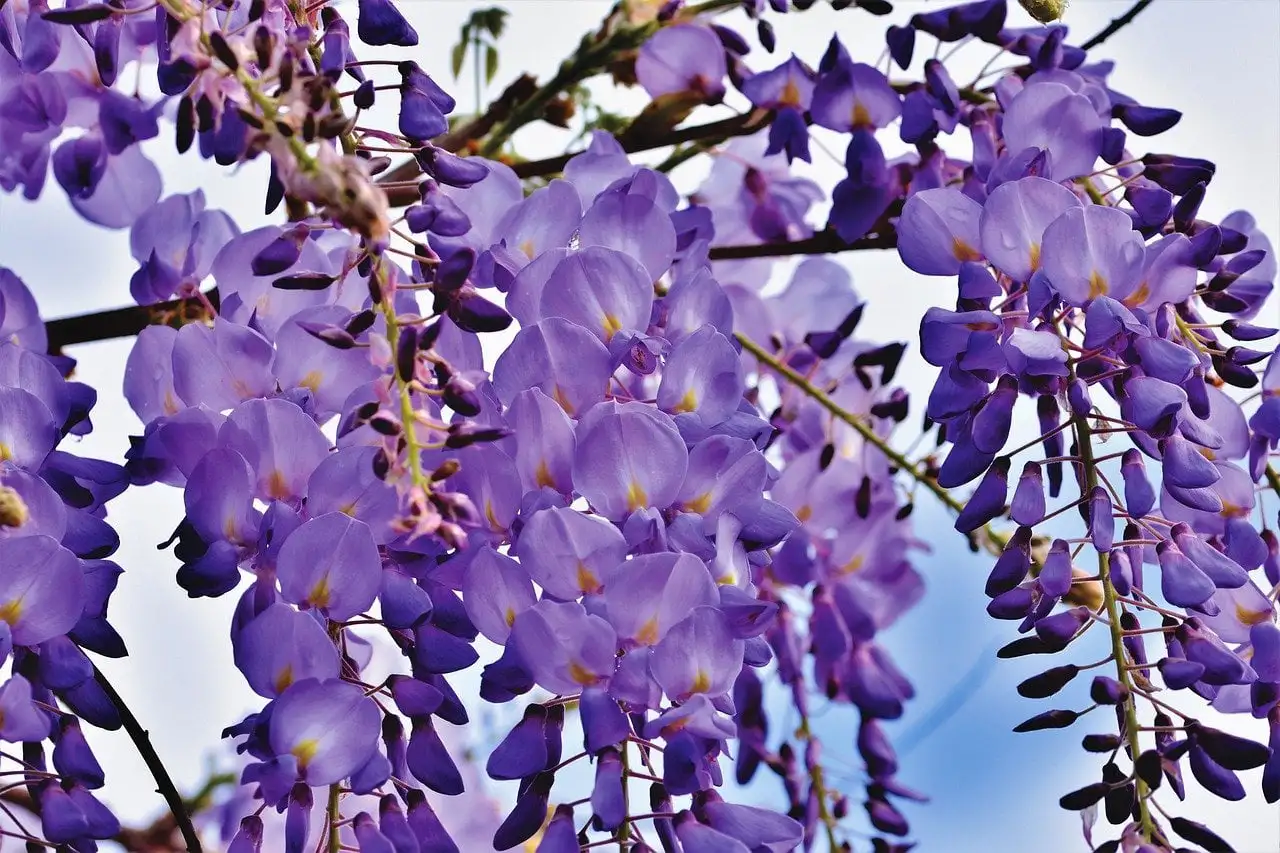
A bit of the confusion with wisteria comes from a lack any of pruning by many beginner gardeners. Pruning is manyl if you want your wisteria to flower each Scratch-testteria pruning guide covers the winter and summer pruning routine once you know it is alive and gchanges.
🛒 Buy Wisteria Plants on Amazon UK
Lavender
Verdict: usually fine, but genuine losses do happen. Lavender is evergreen and should keep its grey-green foliage through winter, so it should never look as dramatically dead as a hosta or fuchsia. That said, lavender dislikes winter wet far more than cold, and a plant sitting in heavy, poorly drained soil can rot at the base and die for real. Scratch test the woody stems close to the ground. If they are uniformly brown and dry with no green anywhere, particularly after a wet winter, that plant may well have actually died rather than simply gone dormant.

My lavender rescue guide covers what to do next if that is the case. The top reason lavender that has survived winter might still not flower.
🛒 Buy Hardy Lavender Plants on Amazon UK
🛒 Buy Hardy Lavender Plants on Amazon UK
Hydrangeas
Verdict: normal, and do not remove the old flower heads too early. Deciduous hydrangeas drop their leaves and can look like a bundle of bare, brown stems with papery dead flower heads still attached through winter. Both the bare stems and the crispy old flowers are doing a genuine job protecting next year’s buds from frost damage, so leave them in place until the real risk of hard frost has passed in spring, rather than tidying the plant back in Autumn.
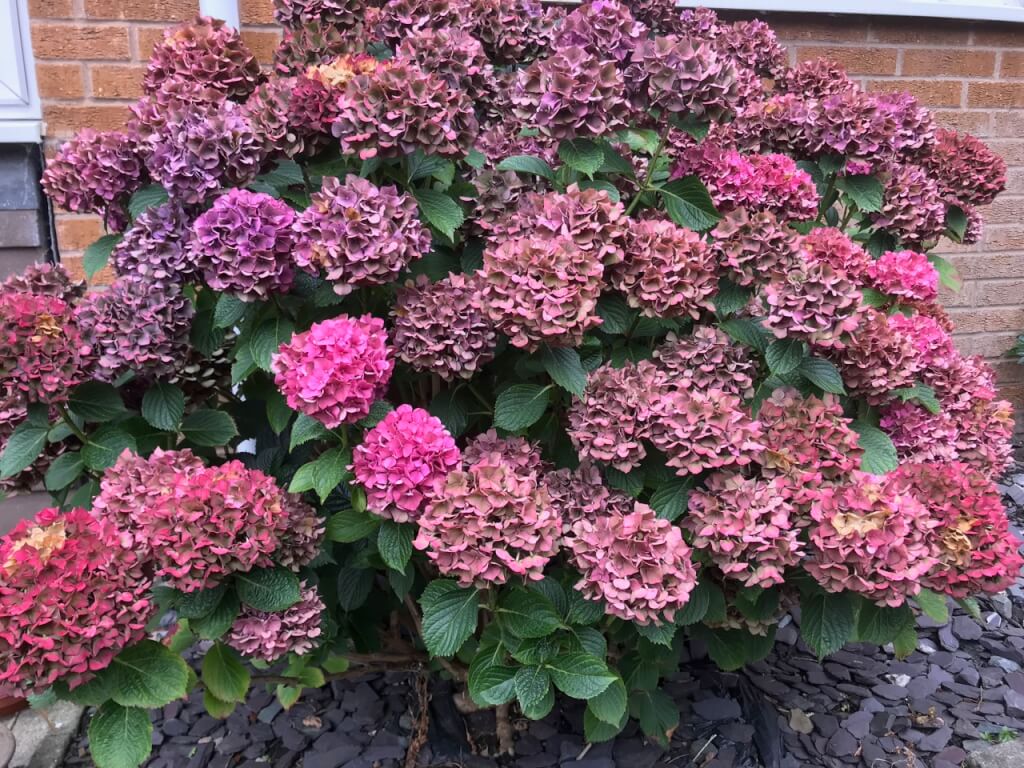
See my hydrangea pruning guide for exactly when and how to cut back once that risk has passed. This pruning also helps you work out which parts of the shrub are actually dead and need removing, so it is worth doing rather than skipping.
🛒 Buy Hydrangea Plants on Amazon UK
Quick Reference: More Plants That Look Dead But Usually Aren’t
These come up less often than the plants above, but follow the same principles. Run the scratch or bend test before assuming the worst on any of them.
Cannas come up on the forum more than any of the others in this table, usually gardeners deciding whether to risk leaving rhizomes in the ground or lift them, worth a browse through that discussion if you are weighing up the same choice.
What to Do If a Plant Really Has Died
Occasionally the scratch test does confirm the worst, uniformly brown, dry material with no green anywhere, no give when you bend a stem, and nothing stirring at the base by late spring. At that point it really is time to act rather than keep waiting. Our own forum has a good example of this process playing out in real time, with a Ninja checking whether their camellia had actually died after several weeks of browning leaves.
Wait until at least late spring before making a final call, since some of the plants on this list, wisteria and passion flower especially, are naturally so late to show growth that pulling them out in March is jumping the gun. Once you are confident a plant has actually died, lift it along with as much of the root system as you can manage, since leaving woody roots behind can affect what you plant in that spot next. If the cause looks like waterlogging or poor drainage rather than simple cold, it is worth improving that spot with grit or raised planting before putting anything new in the same place.
Mistakes to Avoid
The single biggest mistake is cutting back or digging up a plant too early, before it has had a fair chance to show spring growth. Many of the plants covered in this guide are late risers, and removing them in February or March, when April or even May growth was always coming, is the single most common way a perfectly healthy plant gets thrown away unnecessarily.
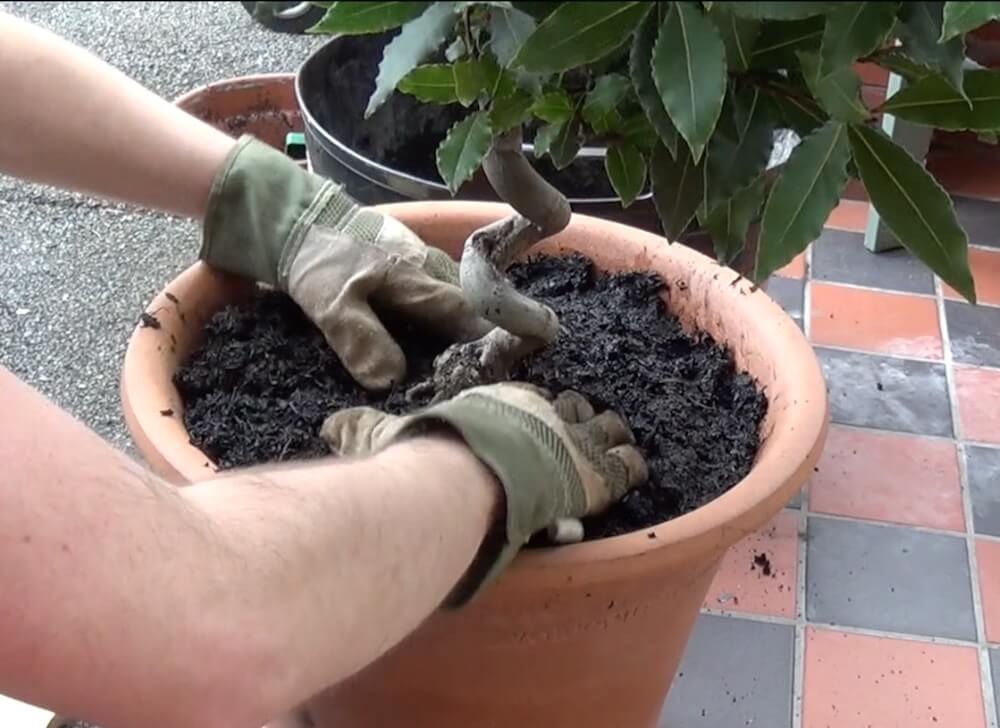
Overwatering a dormant plant in an attempt to revive it is the second most common mistake. A plant that has died back naturally for winter does not need extra water, and a container plant in particular can rot at the roots if kept consistently wet through a period when it is not actively growing and using that moisture. Water sparingly, if at all, until you see genuine new growth.
When It Is Not Dormancy: Disease and Pest Dieback
Everything in this guide covers ordinary winter dormancy, the normal, seasonal, comes-back-every-year kind of dieback. It is worth being honest about where that stops. If a plant is declining steadily through spring and summer as well as winter, showing patchy dead patches rather than a whole-plant collapse, or losing branches one at a time over months rather than all going dormant together, the cause is far more likely to be disease or a pest than cold weather.
Box hedging, conifers, laurel and ceanothus are the plants I would flag here specifically, since dieback on all four is very often blight, caterpillar damage, Phytophthora root rot or another genuine health problem rather than winter dormancy, and treating it as the latter can waste months waiting for a recovery that was never going to come. If any of these are showing dieback that does not fit the dormancy pattern described above, my dedicated guides go into proper diagnosis: why box hedges die, why conifers turn brown, why laurel hedges die, and why ceanothus dies.
From Winter Worry to Spring Confidence: Garden Ninja’s Courses
Knowing whether a plant has died is one thing. Knowing how to plan a border so that winter interest, structure and next year’s growth all work together, rather than leaving you staring anxiously at bare soil every January, is a different skill, and it is exactly what my online courses are built to teach.
With courses starting from just £29, you get the same design thinking I bring to client gardens, so winter stops being the season you worry through and starts being a season you have actually planned for.
Frequently Asked Questions
How do I know if my plant is dead or just dormant?
Scratch a small patch of bark or skin on a stem with a fingernail. Green and slightly moist underneath means the plant is alive, while brown and dry all the way through means that piece has died. For a herbaceous perennial or anything in a pot, digging down to check the roots is often more reliable, pale and firm means alive, black and mushy or bone dry and shrivelled means dead. Also check low down near the base or crown, since many plants keep life there even when everything above looks dead.
Is my hosta dead or just dying back for winter?
Almost certainly just dying back. Hostas collapse to nothing every winter without exception, often turning to mush very suddenly after the first hard frost. Clear away the old foliage and expect fresh shoots from the same spot from March onward.
Do hebes die back in winter?
No, hebes are evergreen and should not disappear the way a herbaceous perennial does. A hard winter can leave leaves bronzed or dropped on the exposed side, but if a scratch test on the stems shows green underneath, the plant is very likely to recover.
Why does my wisteria look completely dead in winter?
Wisteria is fully deciduous and drops all its leaves, leaving bare, twisted wood that can look lifeless. It is also one of the slowest plants to come back into growth in spring, often not showing real signs of life until April, so patience is truly required before assuming the worst.
When should I cut back dead-looking perennials?
Wait until you see fresh new growth emerging from the base in spring before cutting the old top growth away. That tatty old growth is often protecting the crown from frost, and cutting it back too early in a winter tidy-up removes that protection right when the plant needs it most.
Can overwatering make a dormant plant look dead?
It can contribute, particularly in containers. A dormant plant is not actively using much water, and keeping compost consistently wet through winter can cause roots to rot, which then actually kills a plant that would otherwise have survived the cold perfectly well.
Join over 100,000 gardeners on YouTube
Free gardening videos from the Garden Ninja, with 8 million views and counting.
Subscribe on YouTube, it’s freeFinal Thoughts
Winter makes even experienced gardeners doubt themselves, and there is no shame in sending a photo to a forum asking whether something has died. Most of the time, the honest answer is that nothing is wrong at all, the plant is simply doing what it has always done to get through the cold months.
Run the scratch test before you reach for a spade, check low down at the base rather than judging by the worst looking growth, and give the truly late risers, wisteria and passion flower especially, until spring is fully underway before giving up on them. Do that, and you will dig up far fewer perfectly healthy plants than you might think.
Happy Gardening!





Lee Burkhill
Lee Burkhill, known as the Garden Ninja, is an award-winning garden designer and horticulturist with over 30 years of gardening experience and 15 years as a professional garden designer. A qualified RHS (Royal Horticultural Society) professional, Lee specialises in sustainable garden design and practical horticultural advice. He designs and presents on BBC1’s Garden Rescue and in leading gardening publications. Lee combines three decades of hands-on gardening knowledge with professional design qualifications to help gardeners create beautiful, functional outdoor spaces.
View all posts by Lee Burkhill






Categories
Other posts
-

Start here: to begin your gardening journey! Read more
-
Exploding Atom Garden Part 5: Herbaceous Planting Guide Read more
-
Orchid Care guide – How to look after Phalaenopsis moth orchids Read more
-
How to water plants effectively in a heatwave – myths debunked Read more
-
When to Harvest Pumpkins & Autumn Squash: Your Complete UK Guide Read more
-
Why Is My Ceanothus Dying? Complete UK Diagnosis Guide Read more