For the garden you’ve already got, not the one you’re starting from scratch. Seven checklists and video lessons from BBC Garden Rescue’s Lee Burkhill, built to help you work out what’s worth keeping before you spend a penny.
69


🌱 Quick Answer
For most UK gardens the Ryobi OBV18 18V ONE+ Brushless Blow-Vacuum is the best all-rounder, powerful enough for a full autumn clear-up and versatile enough to mulch leaves into the bag rather than just moving them somewhere else. If you would rather stay corded, the Flymo PowerVac 2700 covers the same blow, vacuum and mulch functions at a real saving. If you want maximum cordless runtime and suction volume, the Einhell VENTURRO 36/240 leads the pack, since its twin-battery system gives it more staying power than most single-battery cordless blowers.
This guide covers what I actually recommend to clients and use myself across corded, cordless and petrol options. Along with the honest downsides of each leaf blower based on my own experience of them, so you buy the right one for your garden rather than the most powerful one you can find. If you are clearing the leaves as part of a wider autumn tidy, my guide to making leaf mould from fallen leaves is worth reading alongside this one, since a blower is only half the job if you are composting what you collect rather than bagging it for the green bin.
In This Guide
1. Do You Actually Need a Leaf Blower? 2. Types of Leaf Blower Explained 3. Leaf Vacuums and Shredders Explained 4. Best Leaf Blower UK: My Top Picks 5. What to Look for When Buying 6. Are Leaf Blowers Bad for Wildlife? 7. Storing Leaves for Leaf Mould 8. FAQsBefore I recommend spending anywhere from £60 to £500+, it is worth being honest about who actually needs one. If you have a small courtyard garden with one or two trees, a decent leaf rake and a stiff garden broom will do the job in the time it takes to set up and charge a blower, and you will save yourself the noise and the money. Where a blower earns its place properly is on larger lawns, gravel driveways, patios and paths, or where you have several mature deciduous trees dropping leaves over a sustained period rather than one manageable flush.
The other case for a blower is speed on hard surfaces. Leaves left on a patio or path go slippery and dangerous within days of a wet spell, and a blower clears that risk in minutes rather than the sweeping session a broom demands. If safety on paths and driveways is your main concern rather than tidiness of the lawn, that alone justifies buying one of the smaller, cheaper corded models covered below.
I worked on a client garden last November with a long gravel drive under a row of mature limes, and by the second week of leaf fall the drive was properly treacherous underfoot, slick and hidden under a good three inches of wet leaf litter. A rake would have taken the best part of an afternoon to clear it properly. A corded blower cleared the same drive in under fifteen minutes, and that is the kind of job a blower is built for, rather than the borders and beds where I would always reach for a rake instead.

Lawns are a slightly different conversation. A thin scattering of leaves left on grass over winter is not the disaster many gardeners assume, and worms will pull a surprising amount into the soil naturally. What actually damages a lawn is a thick, wet mat of leaves left for weeks, which blocks light and encourages fungal problems underneath. If you are only dealing with light coverage, raking or mowing over with a mulching mower setting can be enough, and a blower becomes more of a convenience than a necessity.
If your lawn is due a proper autumn overhaul rather than just a leaf clear, my best lawn scarifiers guide covers the machines worth using once the leaves are off and the moss and thatch need dealing with.
There are three broad categories of leaf blower sold in the UK, and which one suits you comes down to garden size, how often you will use it, and how much you mind noise and maintenance.
Corded electric blowers are the most common choice for average UK gardens, and for good reason. They deliver more sustained power than most cordless models since they are not limited by battery capacity, they tend to be cheaper, and many combine blowing with vacuum and mulch functions in one unit, which cordless blowers rarely do at the same price point. The obvious limitation is the cable itself, which restricts how far from a socket you can work and adds a trip hazard to think about around borders and steps.
Cordless blowers have improved enormously over the last few years and are now properly capable for most domestic gardens, not just a compromise you accept for convenience. Their real advantage is freedom of movement, particularly useful on larger plots or anywhere a cable would be awkward, such as around a pond or over a wall. The trade-off is runtime, since even a good battery will only give you 15 to 30 minutes of continuous use, and if you do not already own a battery platform from the same brand, the cost of buying battery and charger on top of the tool itself pushes the price up considerably.
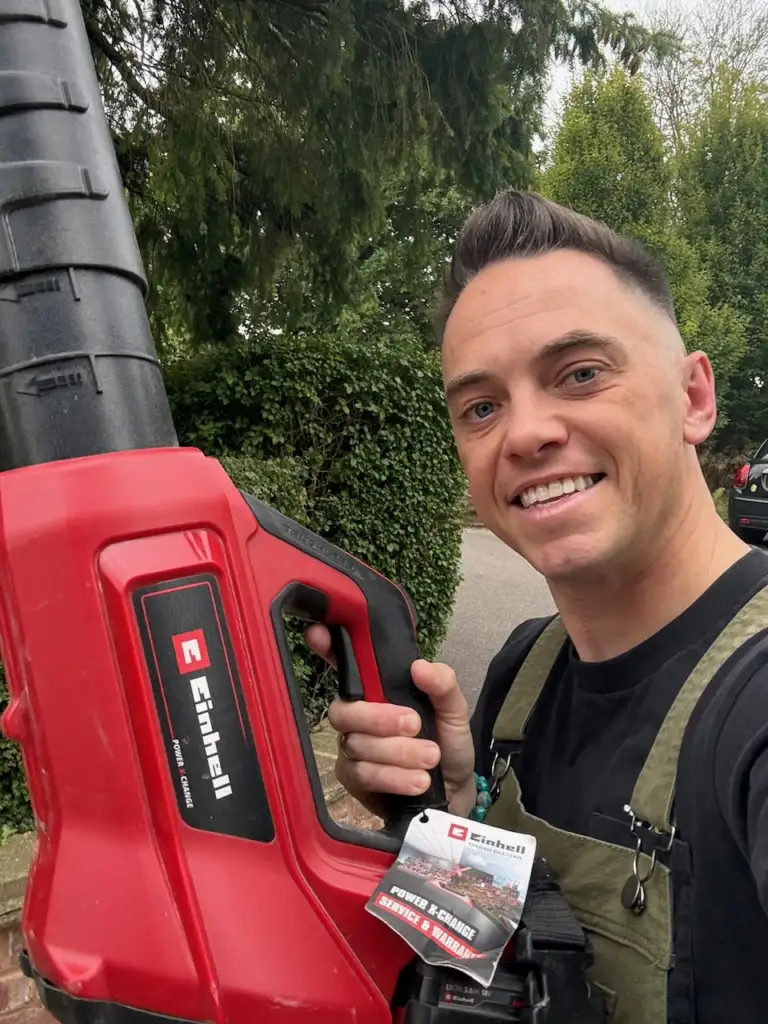
I’ll be honest, these are my preferred type of all leaf blowers and I haven’t touched a corded or petrol leaf blower for yonks!
Petrol blowers, particularly backpack models, are the choice for large gardens, estates or anyone clearing leaves professionally. They deliver considerably more sustained power and airspeed than anything corded or cordless can match, and there is no cable or battery runtime to worry about. The downsides are real though: they are noisy, need two-stroke fuel mixing and regular maintenance, and at 5 to 10kg worn on your back for an extended session, they are real hard work compared to a lightweight electric model. Unless you are managing a garden well over an acre or working professionally, I would steer most homeowners away from petrol.
Blower, vacuum and shredder get used almost interchangeably in product listings, and it is worth being clear on what each term actually means before you buy, since not every tool that claims to do all three actually does.
A blower moves air to push leaves from one place to another. It does not collect anything itself, so you are relying on piling leaves up and then clearing them by hand, rake or barrow. This is the simplest and lightest category of tool, and for hard surfaces where you just want leaves off a path or driveway, it is often all you need.
A leaf vacuum reverses the airflow to suck leaves directly into a collection bag rather than just relocating them. This saves the second step of raking or barrowing what you have blown into a pile, and it is the feature that turns a blower into a proper collection tool. Not every vacuum shreds what it collects, though, and a vacuum without a shredding function fills its bag with whole, bulky leaves that take up far more space than the same weight of leaves would once broken down.
A shredder, sometimes listed as a mulcher, chops leaves down as they pass through the tool, usually via a metal impeller blade in the airflow path. This is what gives a machine a shredding ratio, typically quoted as something like 10:1 or 16:1, meaning 10 or 16 litres of loose leaves are compressed down to roughly 1 litre in the bag. A good shredding ratio is the difference between emptying a collection bag every few minutes and emptying it once for a whole session. Shredded leaves also break down into leaf mould considerably faster than whole ones once you come to compost them.
Most of the corded 3-in-1 tools covered in this guide combine all three functions, switching between blow and vacuum with a lever and shredding automatically as leaves pass through on the way to the bag. Cordless and lighter tools sometimes drop the shredding function to save weight and battery drain, which is worth checking on the spec sheet rather than assuming, since “blower” and “lightweight” on the box don’t automatically mean it shreds.
One honest downside worth flagging on any small, light vacuum and shredder is bag capacity. A compact cordless model with a 30-litre bag and a modest shredding ratio will fill up considerably faster than a corded 45-litre tool with a 16:1 ratio, and on anything beyond a small courtyard or patio, you will find yourself stopping to empty it far more often than the spec sheet implies. The Flymo 18V EasiBlowVac is a good example of this trade-off in practice.
It is useful for a small garden, and if you are collecting leaves specifically to use as fresh mulch straight away rather than storing a whole season’s worth, its smaller bag is not a real problem since you are emptying it onto the border directly. Where it falls down is anything beyond that: a full-sized lawn or a driveway under several mature trees will have you emptying a 30 litre bag every few minutes, which quickly becomes more hassle than it saves.
Best for: Small gardens and courtyards, and anyone collecting leaves to use as mulch immediately rather than storing them for leaf mould.
🛒 Buy the Flymo 18V EasiBlowVac on Amazon
These are the leaf blowers I actually recommend, covering a budget corded option, the best all-round pick, the best cordless model for runtime and volume, and a petrol option for anyone managing a properly large garden. I have used or specified every model below on real jobs rather than working from spec sheets alone.
| Model | Type | Best For | Price Band |
|---|---|---|---|
| Ryobi OBV18 18V ONE+ | Cordless (bare tool), blow/vac/mulch | Best overall, most gardens | £150 to £205 (body only) |
| Einhell VENTURRO 36/240 | Cordless (twin battery), blow/vac/mulch | Best cordless for runtime and volume | £110 to £150 (body only) |
| Ryobi OBL1820S 18V ONE+ | Cordless, blow only | Existing ONE+ owners, lighter budget | £65 to £90 (body only) |
| Flymo PowerVac 2700 | Corded, blow/vac/mulch | Tight budget, medium gardens | £55 to £75 |
| Mitox 760BPX | Petrol backpack | Large gardens, estates, professionals | £250 to £320 |
| Flymo 18V EasiBlowVac | Cordless, blow/vac/shred | Small gardens, instant mulching, small bag | £45 to £65 (body only) |
Around £150 to £205, body only, battery and charger sold separately
This is the cordless blower I recommend to most homeowners, and it is the one I reach for on my own jobs when a full leaf collection is needed rather than a quick tidy. The Ryobi OBV18 runs on a brushless motor, which gives it more power and a longer working life than the brushed motors in cheaper cordless tools, and it reaches an airspeed of 201km/h in blow mode, enough to shift stubborn leaves that lighter cordless blowers tend to leave behind.
A turbo button delivers extra power on demand for tougher patches, and the variable-speed dial means you are not stuck running flat out near delicate borders and planting. I love this turbo button; you feel like you’re levelling up when you use it, and it’s great fun to scare my dogs if they are being a pest when blowing leaves!
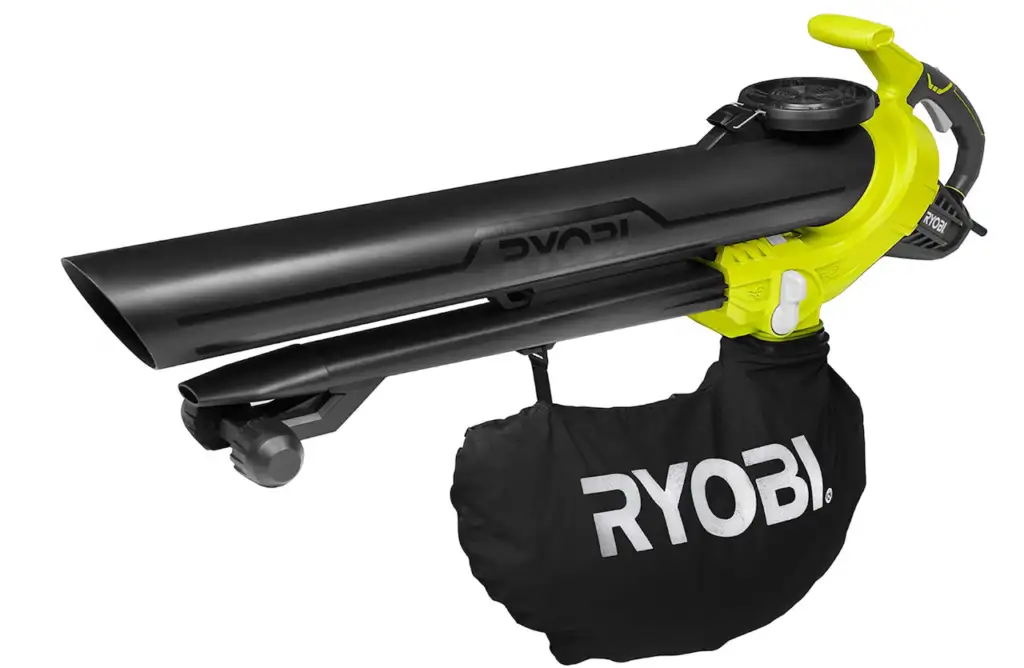
Flip the switch and it becomes a vacuum, pulling leaves into a 35 litre bag at 165km/h and shredding them down at a 10:1 ratio as they go in. That ratio is what saves you emptying the bag every few minutes, and shredded leaves also break down into leaf mould considerably faster than whole ones once you come to compost them.
Bear in mind this is a bare tool, so a battery and charger need adding to the cost above if you do not already own the Ryobi ONE+ platform. On a 5.0Ah battery it will cover around 400m² on a single charge, which is plenty for most gardens, though a large plot under several mature trees may still need a battery swap partway through a single session. The reason I love Ryobi is that many of their batteries are interchangeable across the range, but it does tie you to their ‘tool ecosystem’ to avoid needing many different battery chargers for different tools; just something to bear in mind, Ninjas!
Best for: Most UK gardens with borders, lawns and hard surfaces where you want one cordless tool that both clears and collects, particularly if you already own Ryobi ONE+ batteries from other tools.
🛒 Buy the Ryobi OBV18 18V ONE+ Blower Vac on Amazon
Around £110 to £150 (body only, batteries sold separately)
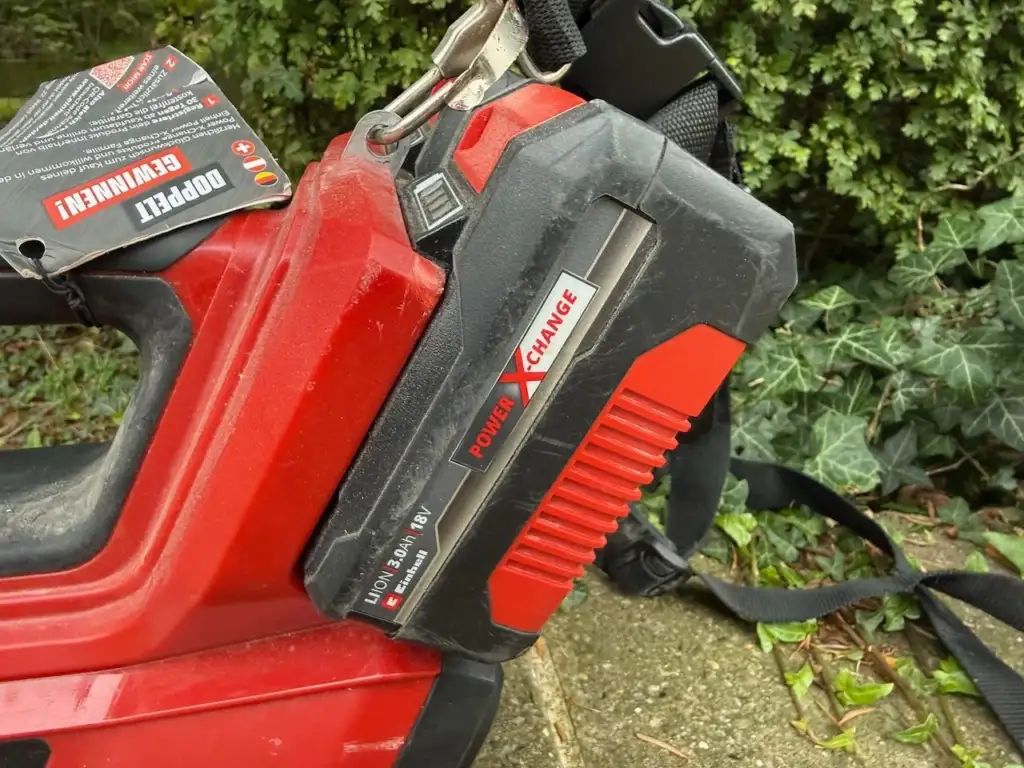
If you want cordless freedom without the usual cordless compromise on power and runtime, this is the one to go for. Most cordless blowers run on a single 18V battery and start to lose suction as it drains. The VENTURRO 36/240 uses Einhell’s TWIN-PACK system, running on two 18V Power X-Change batteries at once for effectively 36V of output, which is where both its extra runtime and its class-leading 740m³/h suction volume come from. That suction figure comfortably beats most single-battery cordless rivals and gets close to what you would expect from a corded machine.
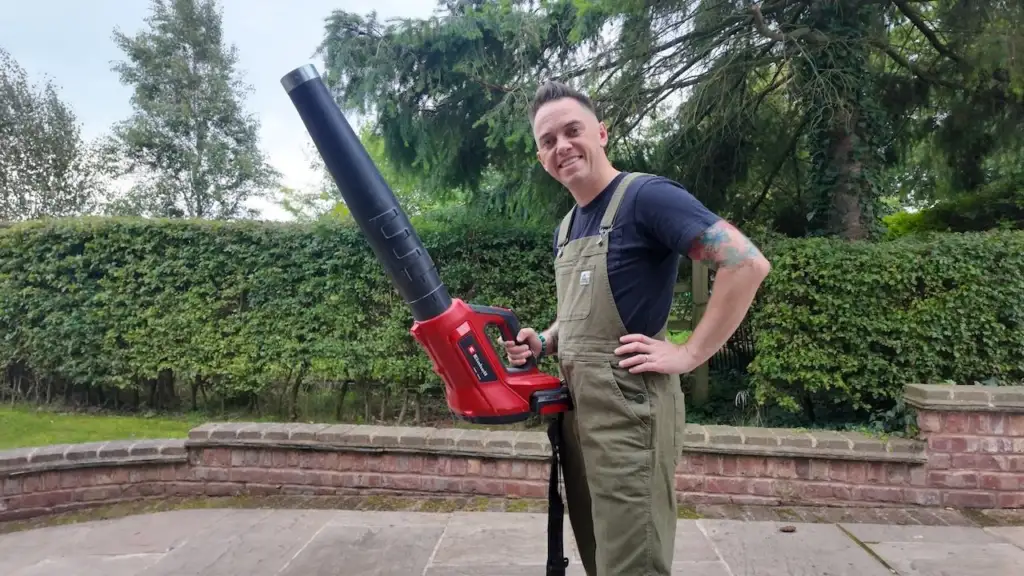
This machine is a BEAST! Yet it’s super quiet, which is why it is my personal favourite and the one I use the most here at Garden Ninja HQ. As I have 140 trees here, I use the leaf blower regularly to either collect leaves for leaf mould or to clear paths.
The brushless motor is doing real work here too, not just a marketing label. Brushless motors run cooler and more efficiently than the brushed motors in cheaper cordless blowers, which is a large part of why Einhell can get sustained high volume out of a battery pack rather than a short burst of power that tails off. The 45 litre collection bag and 10:1 shredding ratio bring it in line with the best corded blow, vac and mulch tools, and the boost function gives you extra power on demand for stubborn, wet leaves without needing to run flat out constantly.
The catch is cost and battery ownership. Running two batteries at once means you need a pair of Power X-Change batteries rather than one, and if you are starting from scratch with no Einhell tools already, that adds meaningfully to the price beyond the body-only cost above. If you already have Einhell Power X-Change batteries from other tools, or you are prepared to invest in the platform, this is the strongest cordless option on the market for anyone who wants to leave the cable behind without giving up performance.
Best for: Larger gardens where you want cordless freedom without a meaningful drop in suction power, and anyone already invested in or willing to invest in the Einhell Power X-Change battery system.
🛒 Buy the Einhell VENTURRO 36/240 on Amazon
Around £65 to £90 (body only, battery sold separately)
This is the lighter, cheaper cordless option, and it makes most sense if you already own Ryobi ONE+ tools and their batteries rather than as a standalone purchase. It is lightweight enough to use one handed for a full patio clearance without your arm tiring, and being part of the ONE+ system means the same battery already powering your hedge trimmer or strimmer will run this too, which is where the real value lands if you are building a cordless tool collection rather than buying blowers in isolation. It will not match the Einhell above on raw suction volume, but for light hard-surface clearing it is more than capable, and considerably cheaper to get started with if you are already in the ONE+ ecosystem.
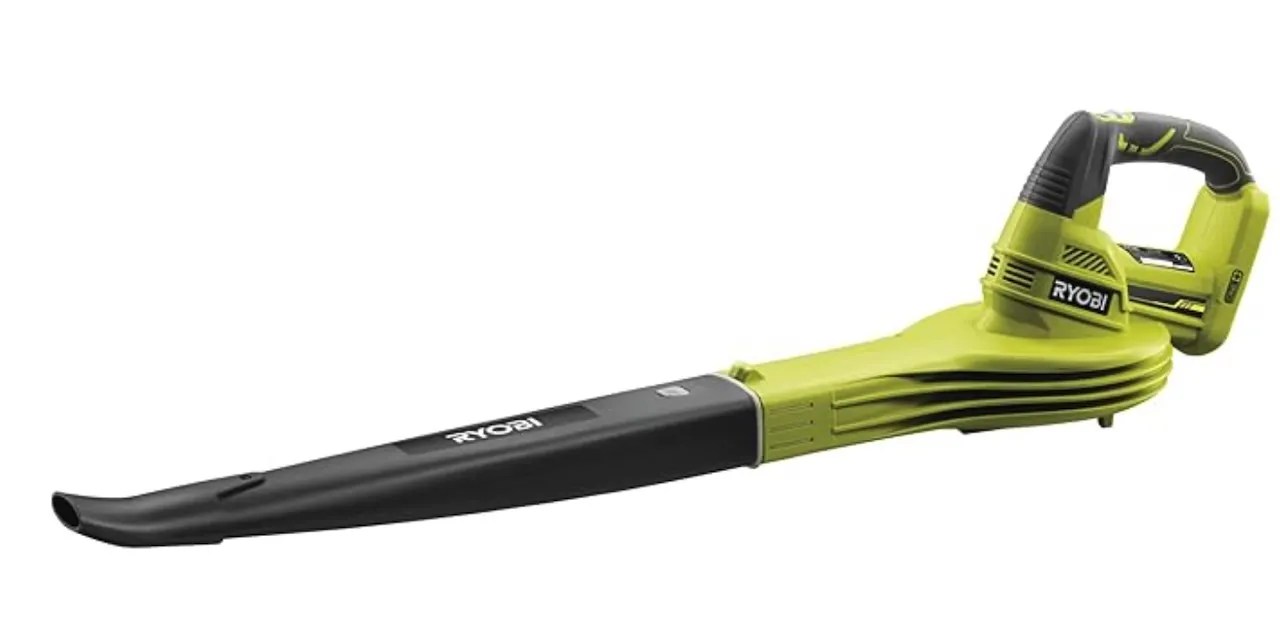
Be realistic about runtime before you buy: on a 4.0Ah battery you are looking at roughly 20 to 25 minutes of continuous use, which is plenty for a patio and paths but will need a battery swap partway through a full lawn of wet autumn leaves. If you do not already own a ONE+ battery and charger, factor that cost in, since the body-only price is not the full picture.
Best for: Smaller to medium gardens, hard surface clearing, and anyone already invested in the Ryobi ONE+ battery platform.
🛒 Buy the Ryobi 18V ONE+ Blower on Amazon
Around £55 to £75
If the Ryobi OBV18 is more tool than your garden needs, or you would rather not think about battery platforms at all, the Flymo PowerVac 2700 covers the same blow, vacuum and mulch functions at a real saving, since it is corded rather than battery-powered. The 2700W motor is a step down in raw power, at 310km/h airspeed rather than the corded 3-in-1 tools at the top of the range, but for a small to medium sized garden with borders and lawn rather than a sprawling plot, that difference will not be noticeable in practice. However, bear in mind the cord and your external power outlets, since the plug needs somewhere to connect!
The tool-less mode switch between blow and vacuum is quick and does not require fiddling with screws or clips, which matters more than it sounds when your hands are cold on a November afternoon.
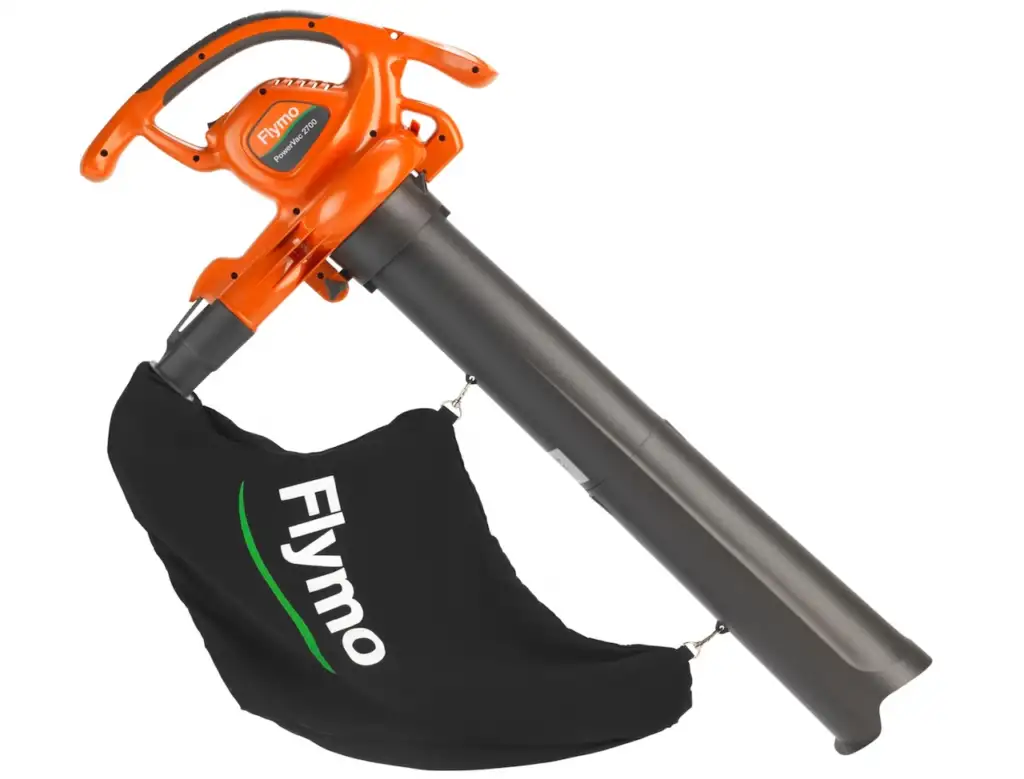
Best for: Gardeners who want a proper blow, vac and mulch tool without paying for capacity they will not use, and anyone buying their first leaf blower who is not yet sure how much they will use it.
🛒 Buy the Flymo PowerVac 2700 on Amazon
Around £500
This is a proper step up in category rather than just a more expensive version of the domestic blowers above, and it is not a tool I would recommend for an average garden. Where it earns its price is on estates, large rural gardens, or anywhere you are clearing leaves across a properly large area where a corded or cordless tool would mean hours of battery swaps or extension leads. The 75.6cc engine produces airspeeds over 200mph, considerably more than anything electric, and the 2.3-litre fuel tank means long sessions without stopping to refuel.
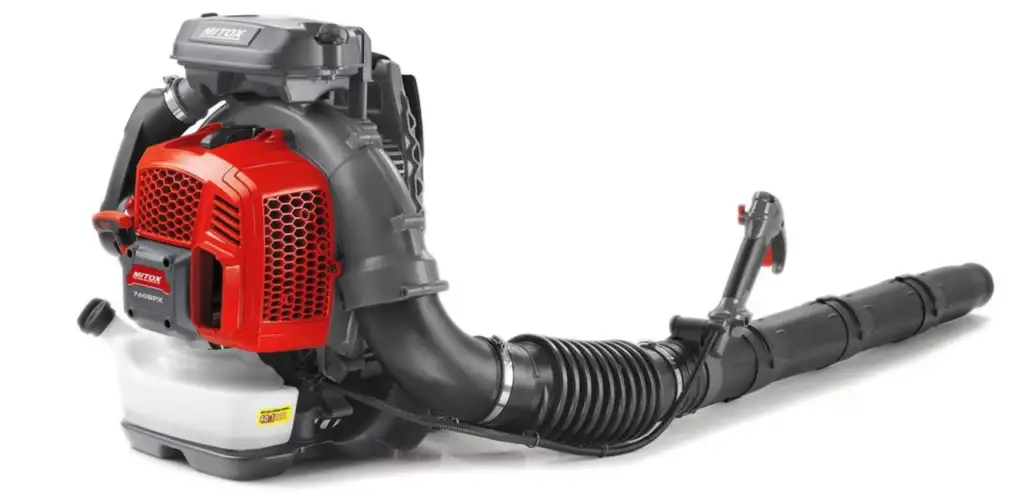
The padded harness and cruise control trigger are not luxuries on a tool this size. A backpack blower worn for a long working session needs proper weight distribution, and the ability to set a cruise throttle rather than holding a trigger the whole time makes a real difference to fatigue over an hour or more of clearing. Be prepared for the noise and the two-stroke maintenance that comes with any petrol tool, and check your local guidance on hours of use if you are near neighbours, since backpack blowers are considerably louder than electric models.
Best for: Large gardens, estates, landowners and anyone clearing leaves professionally where electric power simply cannot cover the ground in a reasonable time.
🛒 Buy the Mitox 760BPX Backpack Blower on Amazon
Air speed and air volume are not the same thing, and both matter. Air speed, when given in km/h or mph, indicates how forcefully the blower moves leaves, which matters when shifting wet or stuck material. Air volume, measured in m³/min or CFM, indicates how much air the blower moves overall, which affects how quickly you can clear a wide area. A high-speed, low-volume blower can push through a stubborn, wet pile but take longer to clear an entire lawn than a high-volume model running at a slightly lower speed.
Decide whether you actually want vacuum and mulch functions before you buy. A blower-only tool is lighter, simpler and cheaper, and is all you need to blow leaves into a pile and rake or barrow them away afterwards. A vacuum-and-mulch tool does most of the work for you, sucking leaves directly into a bag and shredding them, but it adds weight and complexity, and the vacuum tube is invariably heavier and more tiring to use for an extended session than the blower tube alone.

If you are going cordless, check what battery platform you are buying into, not just the tool itself. A body-only blower looks like the cheapest option on the shelf, but if you do not already own a compatible battery and charger, that cost needs to be added on top. If you already have cordless tools from Ryobi, DeWalt, Bosch or another brand’s shared battery system, staying within that ecosystem saves considerably more than buying the cheapest blower on the market with an incompatible battery.
Weight matters more than the spec sheet suggests, especially for vacuum use. A blower that feels fine held for thirty seconds in a shop can feel very different after twenty minutes of a real autumn clear-up, particularly with a full collection bag pulling on your shoulder. If you have any shoulder or wrist issues, prioritise a model with a proper harness or strap over one with slightly higher power figures. A decent pair of gloves earns their keep here too, since wet leaves and the debris hiding underneath them are colder and grubbier work than most people expect; my gardening gloves guide covers what I actually wear for this kind of autumn work.
Think about noise before you operate, not just for your own sake but for your neighbours too. Electric and cordless blowers run at a noticeably lower volume than petrol equivalents, and most manufacturers list a decibel rating on the box or product page. Many UK councils ask residents to avoid using loud garden power tools before 9am or after 6pm on weekdays and to keep to shorter hours at weekends, and while these are usually guidance rather than strict law for domestic gardens, a bit of consideration goes a long way, particularly if you are running a petrol backpack blower for an extended session.

This is worth addressing honestly rather than glossing over, since I very often hear from clients who care about wildlife gardening. Leaf litter is a properly important winter habitat for hedgehogs, insects, amphibians and overwintering invertebrates, and blowing a border completely bare removes shelter that would otherwise support your garden’s ecosystem through winter. A high powered blower or vacuum can also injure or kill small creatures sheltering in the leaves directly, which is a real risk rather than a theoretical one.
My honest advice is to be selective about where you use a blower rather than avoiding one altogether. Clear leaves from lawns, patios, paths and driveways where they actually need to go, but leave leaf litter in place under hedges, in borders and around the base of shrubs and trees, where it protects roots over winter and provides exactly the habitat wildlife needs.
If you are clearing a border that has had leaves sitting for a while, a quick visual check for hedgehogs before you start is a habit worth building, particularly from October through to the depths of winter when they are most likely to be nesting in a leaf pile. If autumn hedge trimming is also on your list, my best cordless hedge trimmers guide covers timing that considers wildlife too, since cutting a hedge with nesting birds or hedgehogs still active nearby is worth avoiding wherever possible.
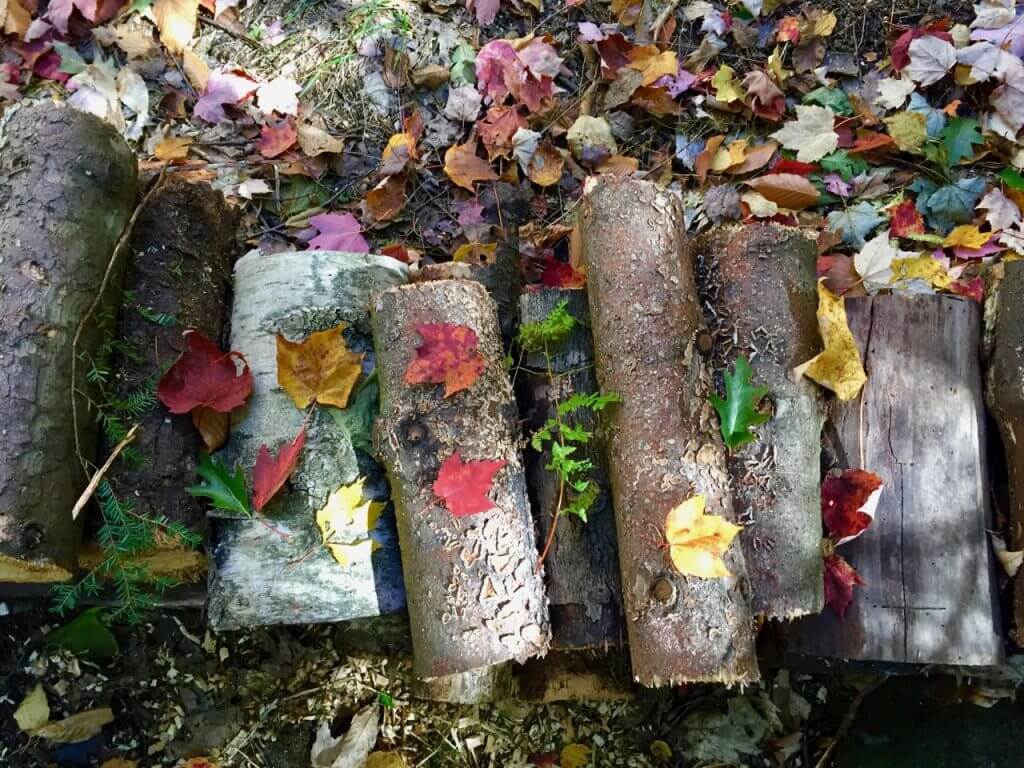
Bagging leaves for the green bin is the easiest option but is the biggest waste of what is otherwise a free, valuable resource. Fallen leaves break down into leaf mould, one of the best soil conditioners you can make at home, and it costs nothing beyond something to hold them in while they rot down.
Before you start, here is the kit I actually use for a leaf mould session from start to finish. Nothing on this list is expensive, and most of it will earn its keep well beyond one autumn.
| Item | Best For | Price Band | Buy |
|---|---|---|---|
| Thick Black Bin Bags | Punching holes yourself for a cheap, cage-free storage method | £8 to £12 | Buy Now |
| VonHaus 78L Wheelbarrow | Moving barrow loads of leaves to your storage spot without back strain | £55 to £70 | Buy Now |
| Spear & Jackson Ergo Wide Leaf Rake | Raking beds and borders where you don’t want a blower disturbing bulbs | £30 to £40 | Buy Now |
| 373L Wooden Slatted Compost Bin | A permanent, tidy alternative to tonne bags if you have the space | £90 to £120 | Buy Now |
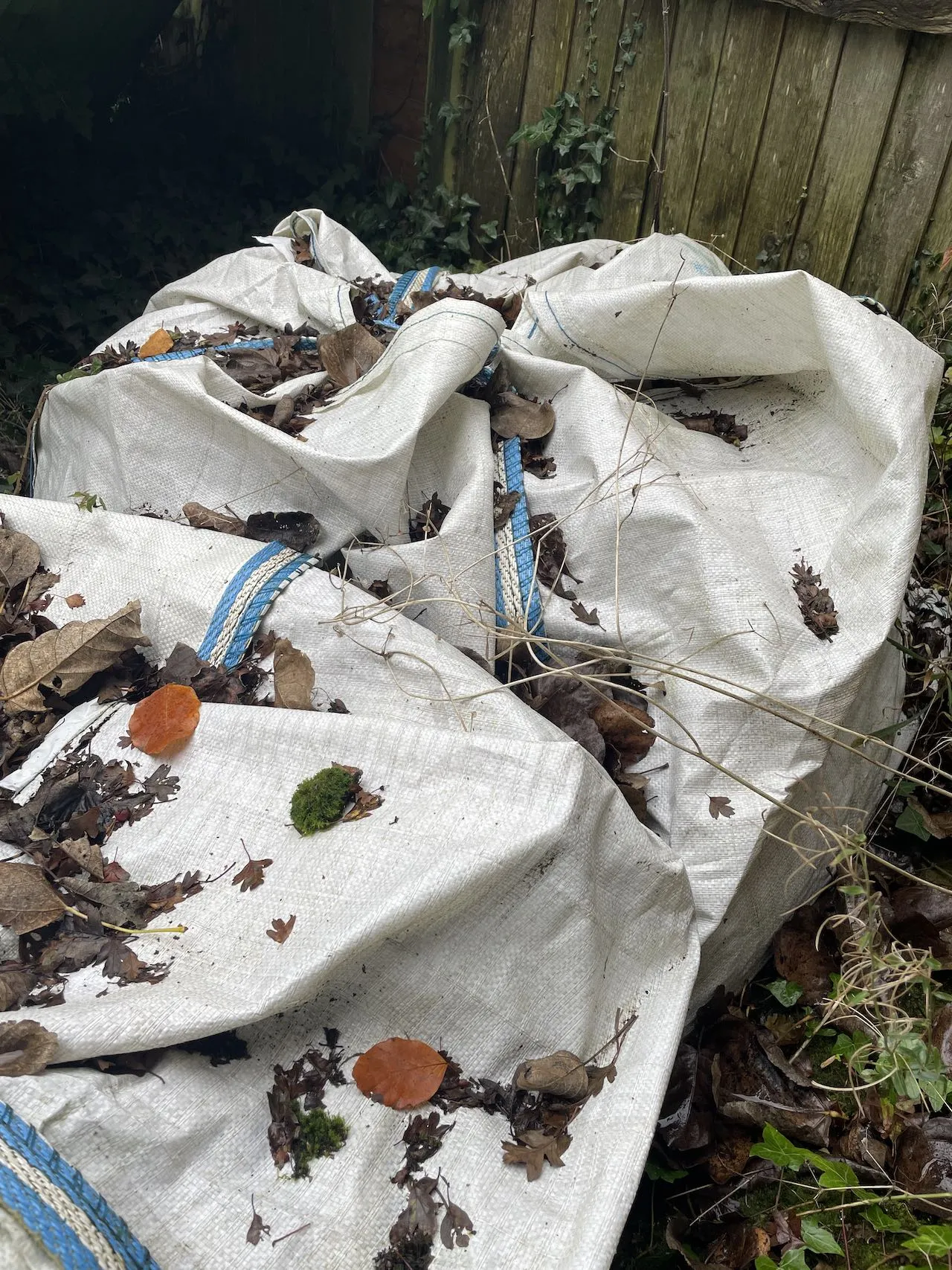
This is what I actually use on my own jobs, and it is by far the easiest storage method for a serious quantity of leaves. Builders’ merchants sell empty tonne bags cheaply, and the woven polypropylene they are made from is exactly what you want for leaf mould: sturdy enough to sit outside for a year or more, permeable enough to let air and moisture through, and large enough to hold several barrow loads without needing to be moved or emptied partway through the season. Fill one, fold the top over loosely rather than sealing it, and leave it somewhere out of the way at the back of the garden. If the bag has no drainage at the base, cut a few slits in the bottom corners so it does not sit in a puddle over winter.
Leaves need moisture to break down, so if you fill a tonne bag during a dry spell, give it a proper soak with a hose before leaving it. Beyond that, it is a proper fill-it-and-forget-it method: no turning, no maintenance, just time. A bag of shredded leaves from a blow, vac and mulch tool will be usable as a rough mulch within six to twelve months, while whole, unshredded leaves take closer to two years to break down into the fine, dark leaf mould you would use in potting mixes.
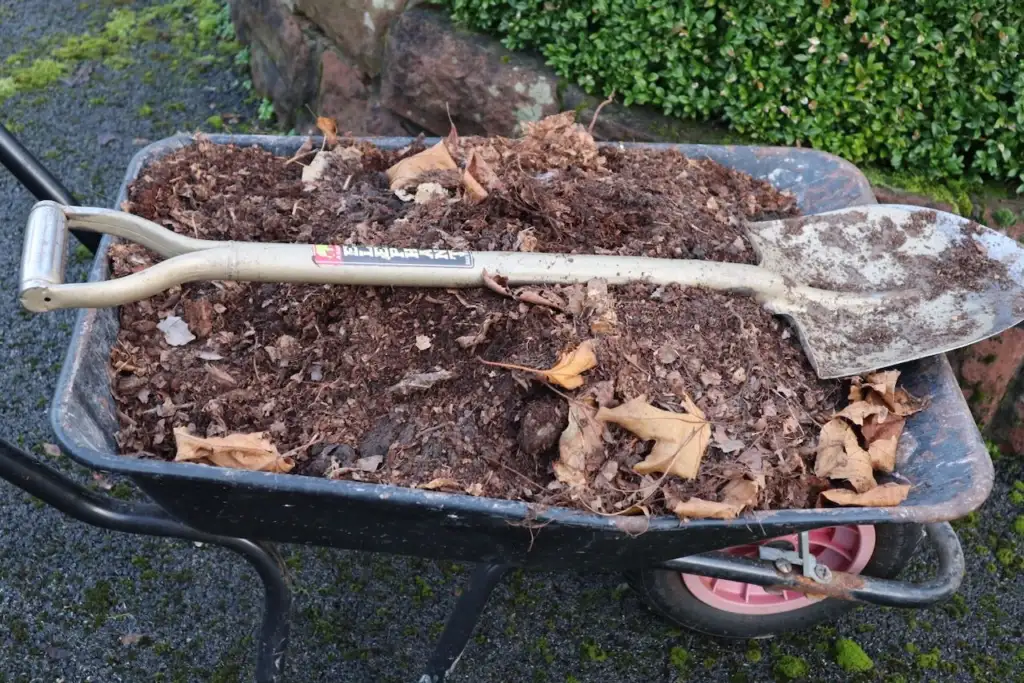
If you are moving several barrow loads of leaves across the garden to where your bags or cage sit, this is exactly the job my best wheelbarrow guide covers, since the wrong barrow makes light work feel like a chore.
A simple wire mesh cage, four stakes and a length of chicken wire formed into a circle, works well if you have the space and want good airflow around the leaves, though it takes up a fixed spot in the garden rather than sitting neatly out of the way as a bag does.
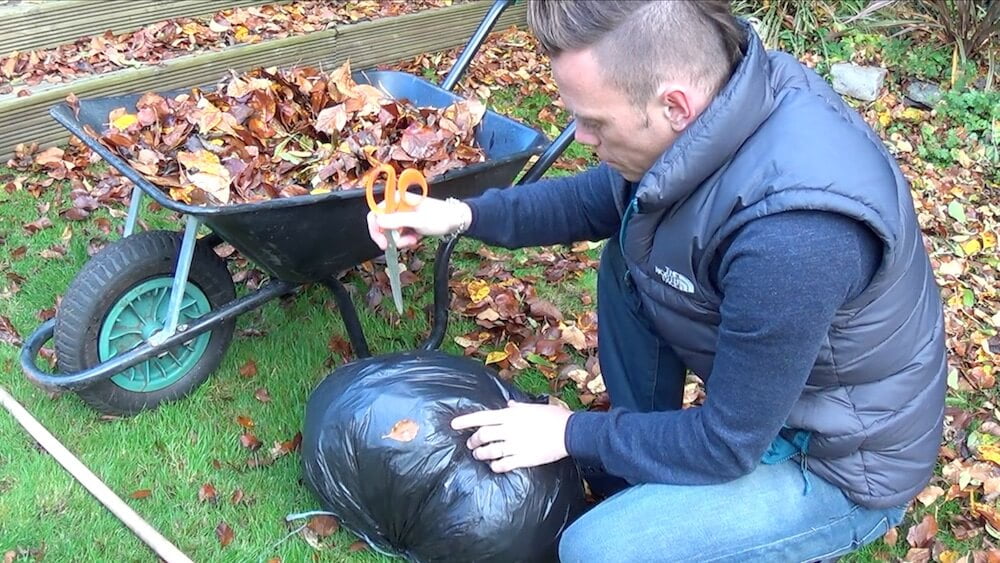
Ordinary black bin bags are another common option, and they work perfectly well as long as you punch a generous number of holes in the sides with a garden fork before filling, since an unpunctured bin bag traps moisture and produces a slimy, anaerobic mess rather than the crumbly leaf mould you are after. Between the three, a tonne bag gives you the best balance of capacity, airflow and tidiness for the least effort, which is why it is what I reach for every autumn.
If you would rather watch the process than read it, I cover exactly how I turn a season’s leaves into finished leaf mould in this video.
If you have vacuumed and shredded your leaves with one of the blow, vac and mulch tools above, you have already done half the work, since shredded leaves rot down considerably faster than whole ones. I have written a full guide to making leaf mould from fallen leaves covering how long it takes, what to store them in, and how to use the finished mould once it is ready, which is well worth a read before you commit a full autumn’s worth of leaves to the green bin.
Finished leaf mould is also exactly what I dig into the soil before planting spring bulbs, so if tulips are next on your autumn list, my guide to when and how to plant tulips is worth reading alongside this one.
For most UK gardens, the Ryobi OBV18 18V ONE+ Brushless Blow-Vacuum offers the best balance of cordless power, versatility and price. If you would rather stay corded, the Flymo PowerVac 2700 is a solid, more affordable alternative, while the Einhell VENTURRO 36/240 leads on runtime and suction volume among cordless options thanks to its twin-battery system. Petrol backpack blowers are only worth the cost and noise for properly large gardens or estates.
Corded blowers generally offer more sustained power and are cheaper, since they are not limited by battery capacity. Cordless blowers offer freedom of movement and no trailing cable, but runtime is limited to around 15 to 30 minutes per charge and the cost of a battery and charger needs factoring in if you do not already own one.
Not necessarily. A blower-only tool is lighter and cheaper and is enough if you are happy to blow leaves into a pile and collect them by hand or with a barrow. A combined blow, vac and mulch tool does the collecting for you and shreds the leaves down, which is worth the extra weight and cost if you are composting them into leaf mould afterwards.
Used indiscriminately across a whole garden, leaf blowers can remove important winter habitat for hedgehogs, insects and other wildlife, and petrol models produce meaningful emissions and noise pollution compared to electric options. Used selectively, clearing hard surfaces and lawns while leaving leaf litter under hedges and borders, the impact is much smaller.
A decent corded blow, vac and mulch tool costs between £55 and £100. Cordless blow, vac and mulch tools, body only, typically run from £100 to £205, with a battery and charger adding further cost unless you already own the platform. Petrol backpack blowers for large gardens typically cost £250 to £320 or more.
Corded and cordless electric blowers typically run at a noticeably lower volume than petrol models, though exact decibel ratings vary by model and are usually listed on the packaging. Most UK councils issue guidance asking residents to avoid loud garden power tools before 9am or after 6pm on weekdays, though this is generally advisory rather than a strict legal restriction for domestic use. Checking your local council’s noise guidance is worth doing if you plan to use a petrol backpack blower regularly.

Join over 100,000 gardeners on YouTube
Free gardening videos from the Garden Ninja, with 8 million views and counting.
Subscribe on YouTube, it’s freeClearing leaves is one small part of getting a garden ready for winter and set up well for spring. If you want a proper plan for your borders through every season rather than reacting to whatever job is in front of you, that is exactly what my courses walk you through, starting from just £29.
For the garden you’ve already got, not the one you’re starting from scratch. Seven checklists and video lessons from BBC Garden Rescue’s Lee Burkhill, built to help you work out what’s worth keeping before you spend a penny.
Garden Design Examples for Small Gardens: 30 Design Templates & Planting Plans: In this online gardening course, I’ll walk you through 30 fantastic garden designs, explaining the logic behind the layout, the plant choices, and take-home tips for applying them in your own garden.
Learn how to transform and design your own garden with Lee Burkhills crash course in garden design. Over 5 hours Lee will teach you how to design your own dream garden. Featuring practical design examples, planting ideas and video guides. Learn how to design your garden in one weekend!
Garden Design for Beginners Online Course: If you want to make the career jump to becoming a garden designer or to learn how to design your own garden, this is the beginner course for you. Join me, Lee Burkhill, an award-winning garden designer, as I train you in the art of beautiful garden design.
Buy for the garden you actually have rather than the biggest blower on the shelf. Most gardens are well served by a cordless blow, vac and mulch tool like the Ryobi OBV18, a corded option such as the Flymo PowerVac 2700 suits a tighter budget or anyone who would rather skip the battery platform question, and petrol backpack blowers only earn their weight, noise and cost on properly large gardens or professional jobs.
Whichever you choose, use it selectively rather than blowing every border bare, and put the leaves you collect to work as leaf mould rather than sending them to landfill in the green bin. It is a small change that costs nothing and pays your soil back within a year or two.
If clearing leaves is one job on a longer autumn list, my best garden tools guide covers the wider kit worth having, and my garden kneelers guide is worth a look if a season of bending over borders has started to take a toll on your knees.
Happy gardening, and here is to a tidy garden without a sore back to show for it. If you have a question this guide has not covered, drop it in the forum and I will get back to you.


Lee Burkhill, known as the Garden Ninja, is an award-winning garden designer and horticulturist with over 30 years of gardening experience and 15 years as a professional garden designer. A qualified RHS (Royal Horticultural Society) professional, Lee specialises in sustainable garden design and practical horticultural advice. He designs and presents on BBC1’s Garden Rescue and in leading gardening publications. Lee combines three decades of hands-on gardening knowledge with professional design qualifications to help gardeners create beautiful, functional outdoor spaces.
View all posts by Lee Burkhill










JOIN THE NINJAS

Be the first in line for new Guides, Discount codes and Offers