For the garden you’ve already got, not the one you’re starting from scratch. Seven checklists and video lessons from BBC Garden Rescue’s Lee Burkhill, designed to help you decide what’s worth keeping before you spend a penny.
69


Quick Answer
The fastest growing plants for UK gardens include flowering shrubs such as Buddleja, Lavatera, Forsythia, and Photinia ‘Red Robin’, which can add 60cm to 1.5m per year. For ground cover, Vinca, Ajuga, and Geranium macrorrhizum spread rapidly with minimal effort. Fast-growing small trees including Amelanchier lamarckii, Sorbus aucuparia (Rowan), and Prunus ‘Amanogawa’ deliver height and seasonal interest without the nightmare of Leylandii. Combine rapid growers with permanent structural planting for a garden that looks full quickly but stays manageable for years to come.
There is a particular kind of gardening panic that I recognise immediately when clients call me. It usually starts with the words “the neighbours have just got planning permission” and ends with a wide-eyed plea for something, anything, that will grow fast enough to restore a sense of privacy before the builders even finish.
I have been on hundreds of garden consultations where a newly built extension, a raised decking platform, or an overlooked bedroom window has triggered an urgent need for instant screening. It is one of the most common design problems I encounter, and I have a huge amount of sympathy for it.
Jump To
Before we dive into the plant list, I want to be honest with you about something that took me years of client consultations to understand properly. Speed is genuinely important when you need privacy fast, but it can also be the source of your next gardening problem if you do not plan carefully. The gardener who plants a row of fast-growing evergreens in desperation today may well find themselves in a tense boundary dispute with their neighbour in five years’ time, when those same plants are blocking light from the garden next door.
There is important legislation around this in England and Wales in the form of the High Hedges Act 2003, which gives councils the power to compel you to reduce a hedge over 2 metres tall if it is causing a reasonable loss of light to a neighbour’s property. This is worth knowing before you plant anything. A hedge of fast-growing evergreens that you let get to 4 metres because you are enjoying the privacy could become a legal obligation to cut back, and cutting fast-growing conifers back hard is something we will come to shortly because it comes with its own significant problems.
The best approach I recommend in professional practice is a layered one. Plant a fast-growing flowering shrub or two to get some immediate coverage in the short term, while also putting in a slower-growing but ultimately more appropriate structural plant alongside it.
The fast grower does the heavy lifting for years two to four, while the more considered, permanent planting fills in behind it. You can then remove or heavily cut back the fast-growing filler plants once the permanent structure takes over. This is exactly how experienced garden designers think about instant gardens, and it is worth holding in mind as you read through the plants below.
💡 Top Tip
Before planting a fast-growing hedge or screen, check your title deeds to understand who owns the boundary. In many cases, you can only plant on your own land, and a fast-growing plant that spreads over the boundary line can create legal complications. When in doubt, keep planting at least 50cm from the boundary edge.
I also want to acknowledge that sometimes slower really is better, and not just for legal reasons. Many of the most beautiful mature gardens I have designed over the years contain plants that took a decade to reach their full potential. The Betula pendula I planted in a Cheshire garden fifteen years ago is now a magnificent multi-stemmed specimen that would have been impossible to buy at that size.
There is a joy in watching a garden mature gradually that gets lost when every planting decision is driven purely by speed. So if your situation is not genuinely urgent, consider mixing in a few slower-growing plants with real long-term merit alongside your fast growers. Your future self will thank you.
I need to talk about Leylandii, or Cupressus x leylandii, because it is the plant that almost every panicking gardener reaches for first. I understand why. It grows fast, it is cheap, it is evergreen, and every garden centre sells it by the yard. The problem is that Leylandii is responsible for more neighbourly disputes, planning complaints, and gardening regrets than almost any other plant in the UK, and I have spent enough time professionally dealing with the aftermath to feel strongly about this.

The growth rate of Leylandii sounds appealing until you do the maths. At 60 to 90 centimetres per year, a row of young trees will be screening your garden nicely within five years. But they will not stop there. Leylandii has an ultimate height of 20 to 35 metres if left to its own devices, and the critical problem is that unlike most hedging plants, it cannot be cut back hard into old brown wood and recover. If you let it get too large and then try to reduce it severely, you will be left with dead brown patches that never green up again. This means once it is too large, your only real option is removal, which costs considerably more than the original plants.
Then there is the light problem. Leylandii is so dense and grows so tall that it casts a heavy shadow. A mature row of it on a south-facing boundary will plunge a neighbour’s garden into deep shade for most of the year. This is precisely why the High Hedges Act exists, and precisely why local councils receive thousands of complaints about these trees every year. It is not uncommon for homeowners to face enforcement action requiring them to reduce a Leylandii hedge at their own expense, sometimes costing thousands of pounds.
⚠ Important Warning
Under the High Hedges Act 2003, your local council can issue a remedial notice requiring you to reduce a hedge that is over 2 metres tall and causing a significant loss of light or amenity to a neighbouring property. Failure to comply can result in the council carrying out the work themselves and charging you for it. Fast-growing evergreen screens that are left unmanaged are the most common trigger for these notices.
There are also wildlife considerations worth mentioning. Leylandii provides virtually no ecological value. It does not flower for pollinators, its berries are not suitable for birds, and its dense canopy excludes the light that most wildlife-supporting understorey plants need. Compare this with Pyracantha, which gives you similar screening potential, beautiful white flowers for bees, and berries that thrushes and blackbirds rely on through winter, and the case for Leylandii becomes even weaker.
The final argument against Leylandii is purely aesthetic. After twenty-plus years designing gardens, I cannot think of a single client who has come to me and said “I am so glad we planted that Leylandii.” I can think of dozens who have said the opposite. There are so many better options available that grow nearly as fast, look beautiful, support wildlife, and do not carry the legal and neighbourly risks that Leylandii brings with it. Every plant in this guide will serve you better.
Flowering shrubs are my first choice for fast-impact gardening because they provide both privacy and colour. The plants below are all ones I have planted professionally and watched perform. The given growth rates are approximate and will vary depending on soil quality, aspect, and rainfall, but these figures represent what you can realistically expect in a well-prepared border.
Buddleja is the fastest-growing flowering shrub I know for UK gardens, and it is one I have used on countless client projects where speed was the priority. In its first full season after planting, a young Buddleja can genuinely add a metre of growth in the right conditions.
By year two, you will have a substantial shrub that provides real height and presence in a border. The long, arching flower spikes in shades of purple, white, and pink are extraordinarily attractive to butterflies and bees, making this one of the most ecologically valuable fast-growing shrubs available.
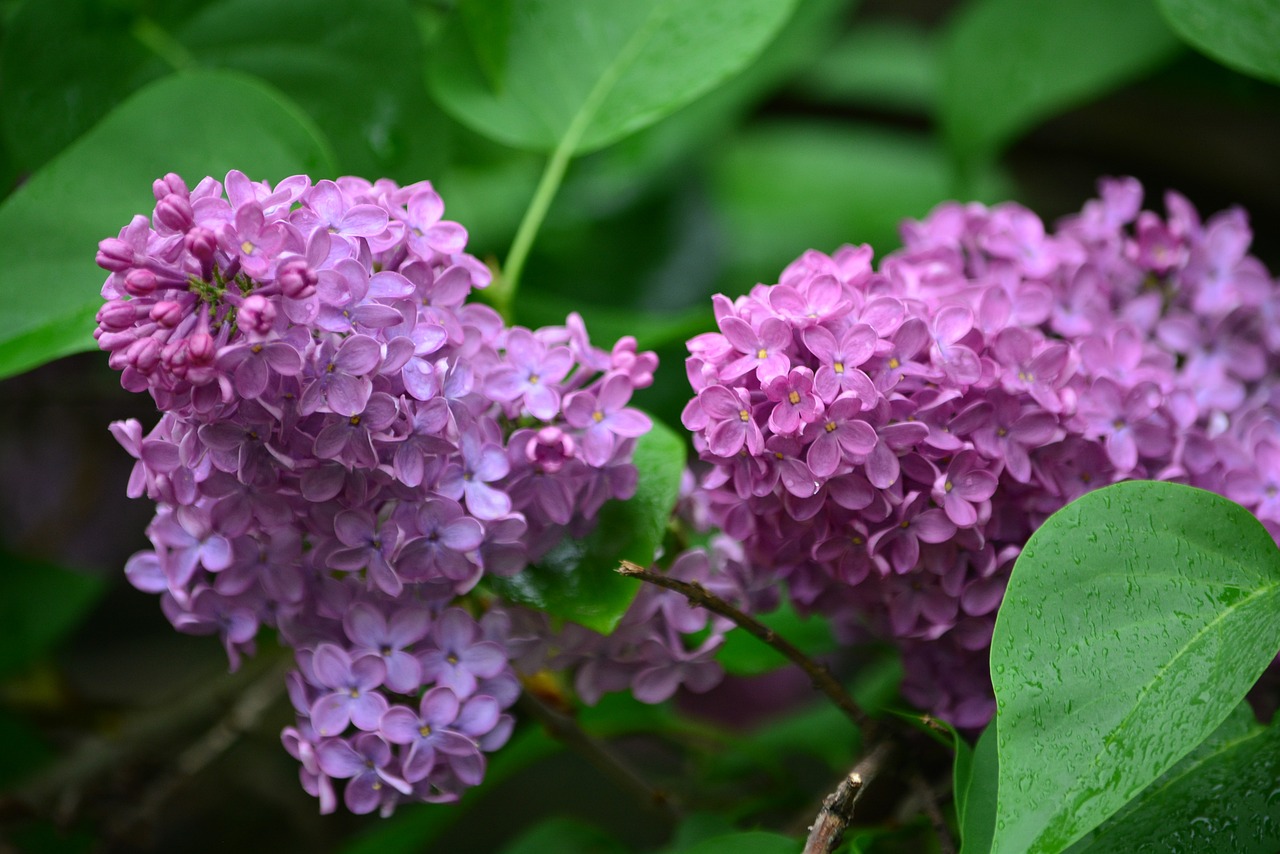
The important thing to know about Buddleja is that it responds brilliantly to hard pruning in late winter or early spring. Cut it back to about 30cm above ground each year and it will throw up vigorous new growth that flowers on the current season’s wood. Without this annual cut it becomes straggly and leggy at the base, so build the pruning into your spring routine. It is also worth noting that Buddleja davidii is considered invasive in some habitats, particularly on brownfield sites and railway embankments, so deadhead the spent flower spikes before they set seed if you are gardening near wild spaces.
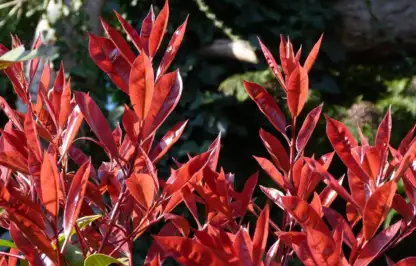
Photinia ‘Red Robin’ is one of the hardest-working evergreen shrubs in my professional toolkit. It is not quite as explosively fast as Buddleja, but it offers something more valuable for long-term screening: year-round evergreen cover combined with spectacular seasonal interest. The new spring growth emerges in brilliant scarlet before deepening to dark glossy green, and the effect is genuinely stunning in a border or as a formal hedge. Clusters of small white flowers follow in spring, and the whole plant has a tidiness that Buddleja cannot match.
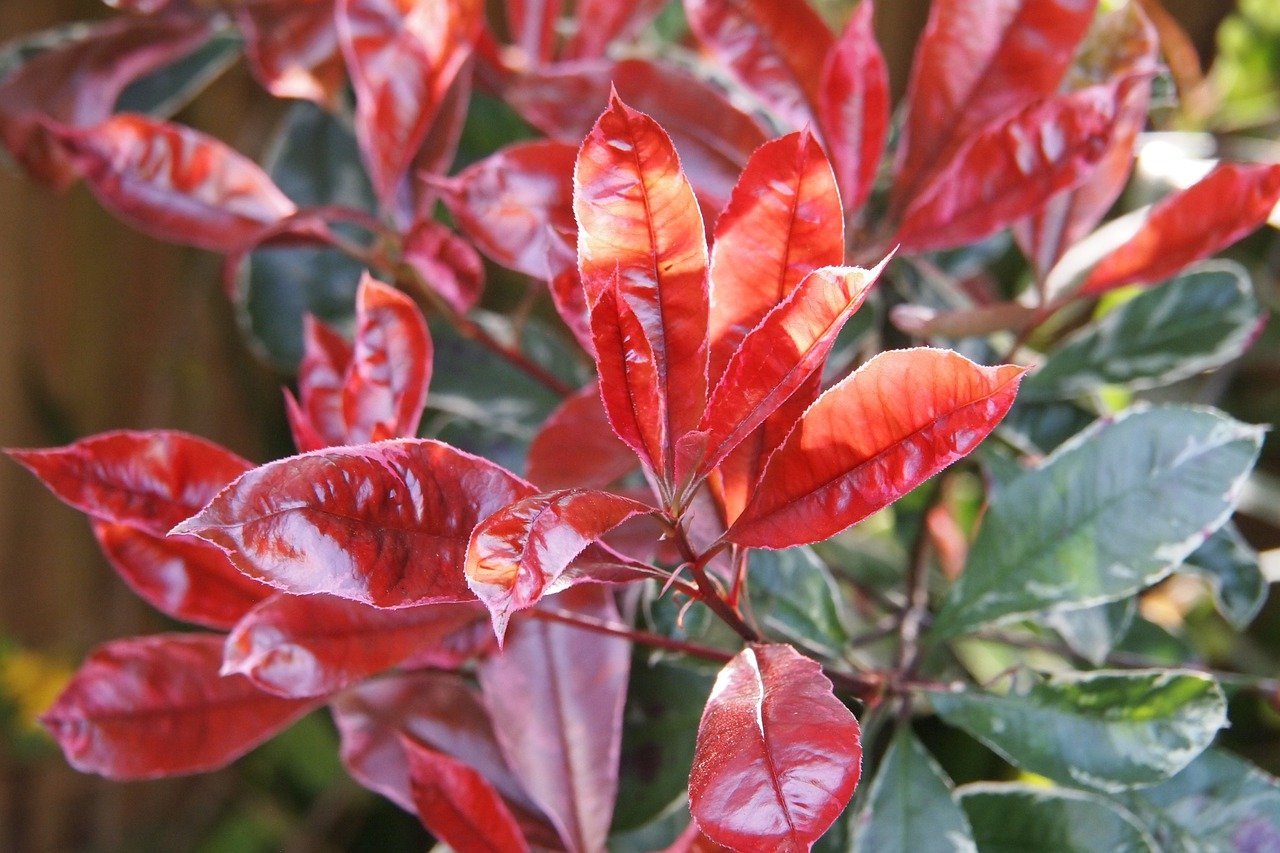
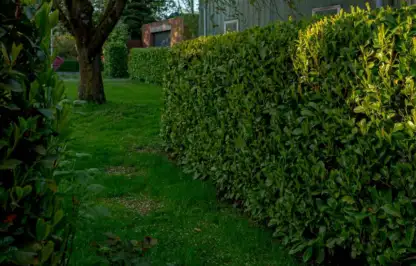
What makes Photinia particularly useful is its flexibility. You can grow it as a free-standing shrub, clip it into a formal hedge, or train it as a standard to get height on a single stem. I have used it as a screening hedge on hundreds of projects and it responds well to trimming once or twice a year, which triggers new flushes of that spectacular red growth.
One tip from experience: do not clip it between May and September if you are in an area where Photinia leaf spot (Diplocarpon mespili) is a problem, as fresh wounds during humid weather are the primary entry point for this disease. Which causes leaf drop and unsightly, burnt-looking leaves!
🛒 Buy Photinia Red Robin from Amazon UK
Forsythia is the shrub that announces spring has arrived before any other plant in the garden. The bare stems erupt in vivid yellow flowers from late February onwards, months before the leaves emerge, and the effect is genuinely cheering after a long winter. As a fast-growing deciduous shrub it puts on a solid 60cm or more per year in reasonable conditions, and it is extraordinarily tolerant of different soil types, aspects, and neglect. I have seen Forsythia thriving in gardens that would challenge most other plants.
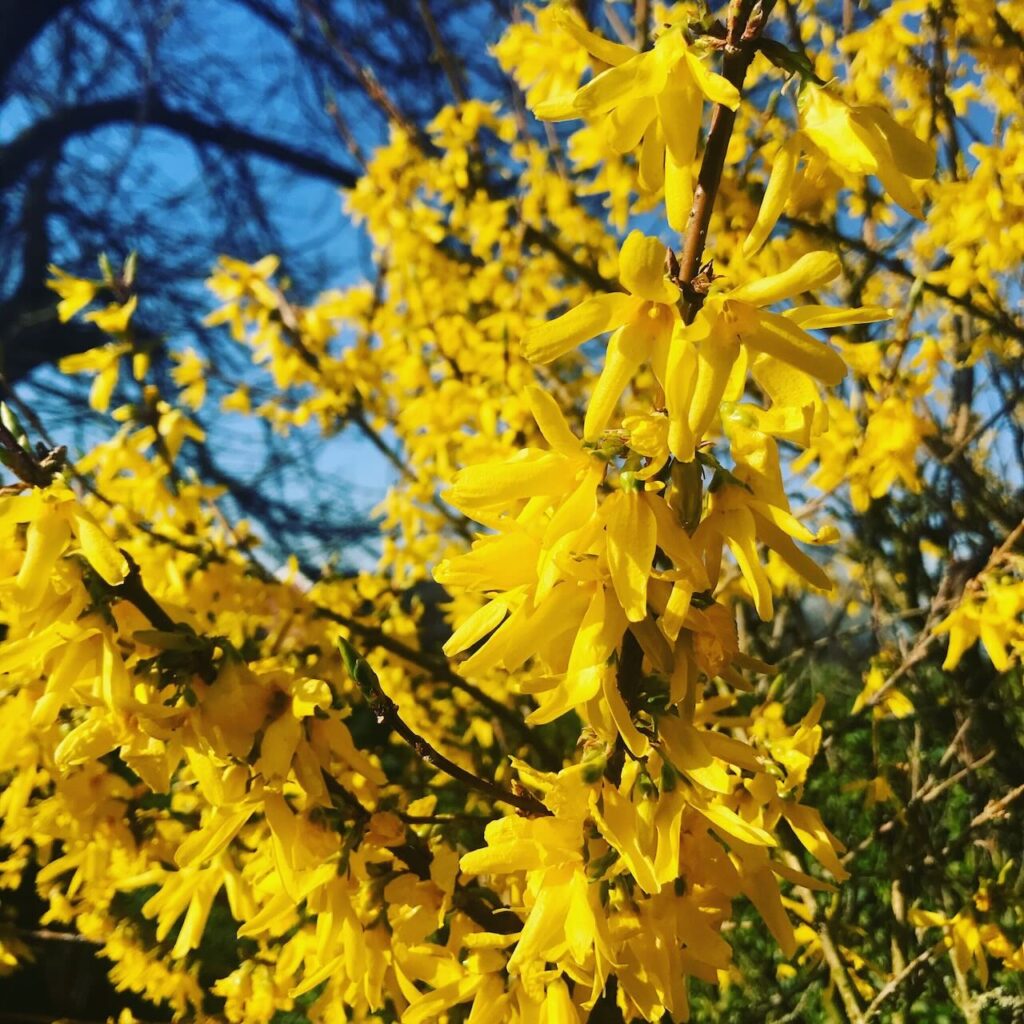
The most important thing to remember with Forsythia is when to prune it. Because it flowers on wood produced the previous year, you must prune immediately after flowering finishes, usually in April. Prune it in autumn or winter and you will remove all the flower buds for the following spring. After flowering, cut back around one third of the older stems to near ground level to keep it vigorous and flowering well rather than becoming a congested tangle of unproductive wood.
🛒 Buy Forsythia from Amazon UK
Viburnum tinus is one of the most underrated fast-growing evergreen shrubs available to UK gardeners. It grows steadily and densely, creating a solid screen of dark green foliage that is particularly useful in shadier spots where many other fast growers would struggle. What elevates it above a purely functional screening plant is its extraordinary flowering season. I have it here at Garden Ninja HQ, and it will quickly bulk up to 5-6ft after about two years. It’s slow to start but soon speeds up!
The pinkish-white flower clusters appear from November and continue right through to April, providing colour through the darkest months of the year. These are followed by metallic blue-black berries that birds find irresistible.
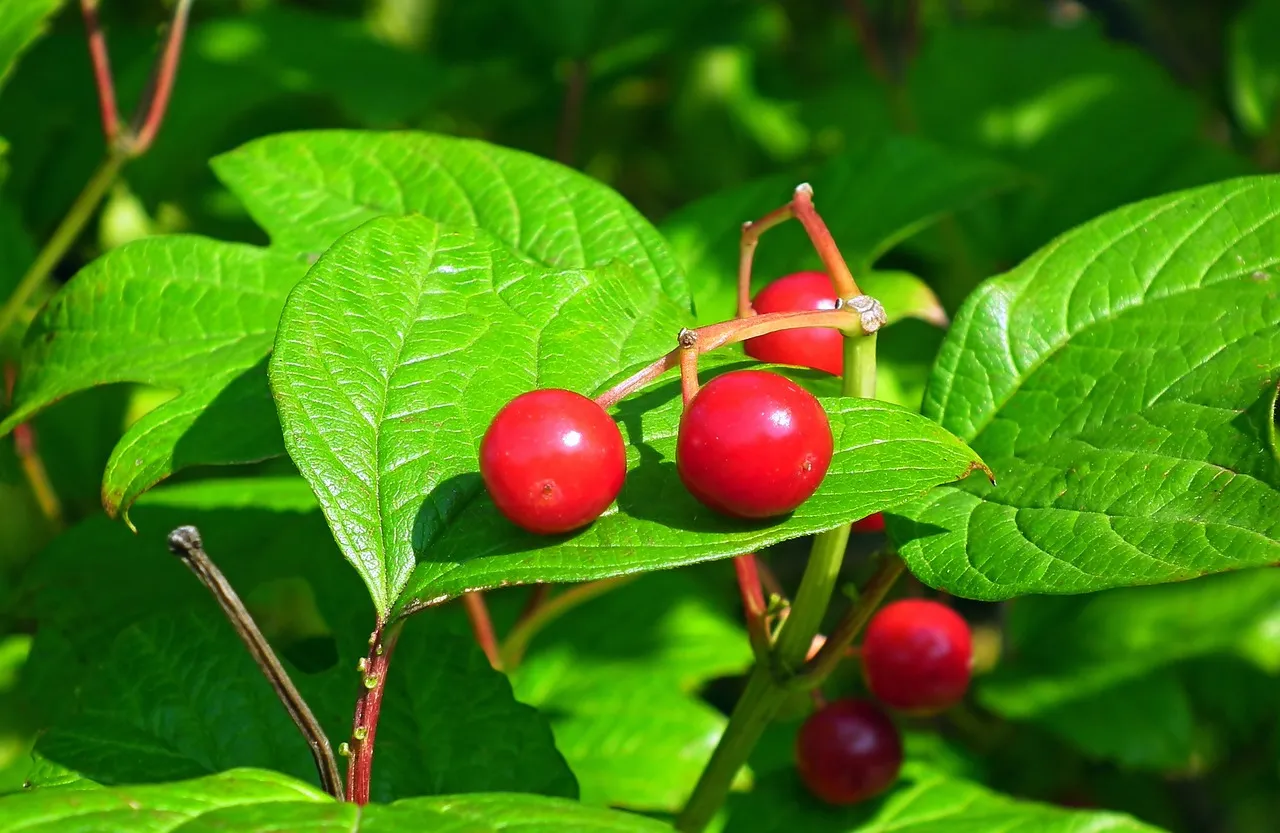
In a mild winter I have had Viburnum tinus in almost continuous flower from late October through to May. That is almost half the year of flowers on an evergreen shrub that also happens to grow quickly and tolerate conditions from full shade to full sun. Varieties to look for include ‘Eve Price’, which is slightly more compact, and ‘Gwenllian’, which has particularly pink flower buds. Give it a tidy prune after flowering in late spring to keep it shapely.
🛒 Buy Viburnum tinus from Amazon UK
Weigela is a shrub I find myself recommending more often than almost any other when clients want fast colour in a new garden. It is deciduous, so it will not provide year-round screening, but its speed of establishment and the sheer generosity of its flowering make it an invaluable plant in a new planting scheme.
The trumpet-shaped flowers in shades of deep crimson, pink, or white are produced in such abundance in May and June that the whole shrub can look almost entirely covered in bloom. Hummingbird hawk-moths and bumblebees are particularly fond of it.
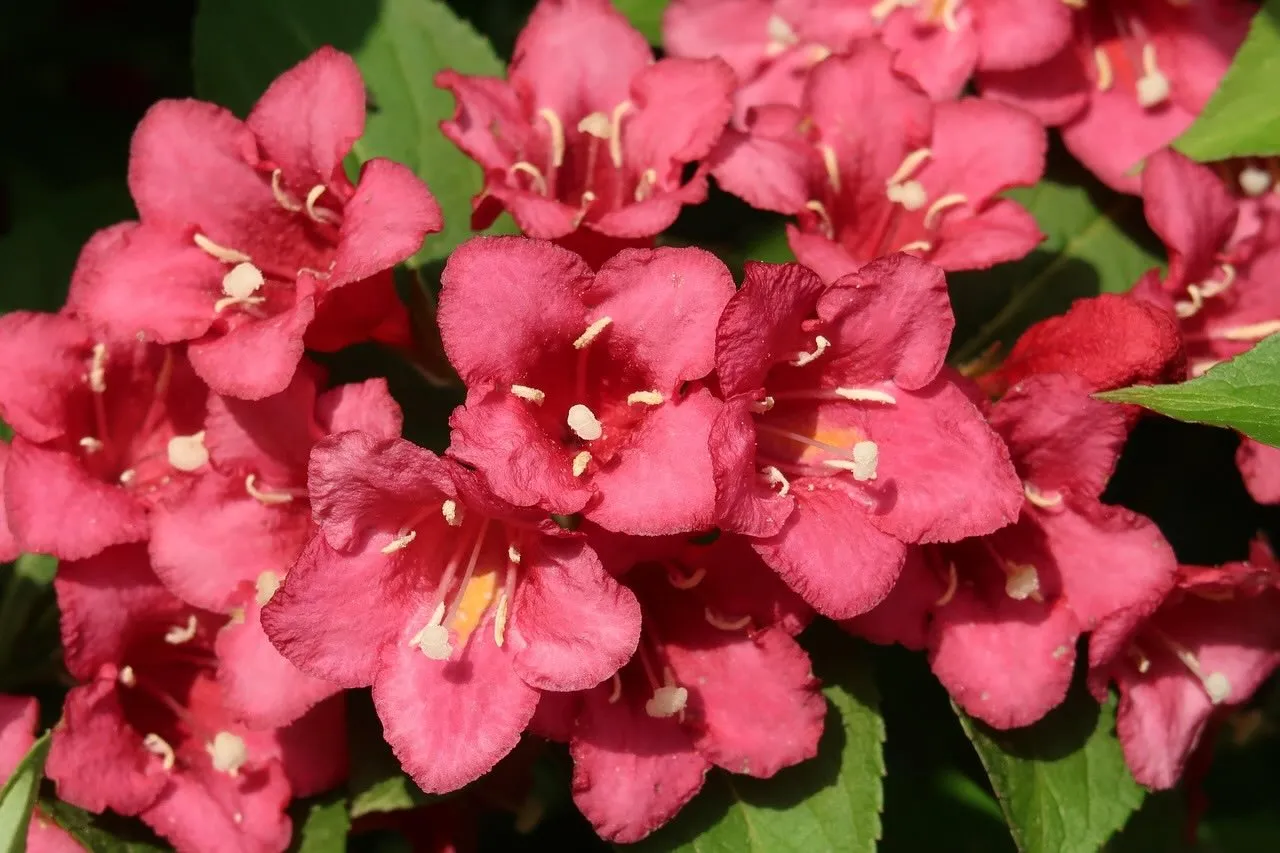
Weigela is also gloriously unfussy. I have planted it in everything from heavy clay to free-draining sandy soil, in full sun and partial shade, and it has established reliably in all of them. After flowering, prune out roughly one third of the older, thicker stems at the base to encourage vigorous new growth. The variety ‘Red Prince’ gives the deepest red flowers and I find it particularly attractive alongside dark-leaved shrubs. ‘Bristol Ruby’ is another excellent performer that has been a garden staple for good reason for decades.
Escallonia is one of those shrubs that proves its worth most decisively in the gardens where other plants struggle. If you are gardening in an exposed coastal position, on a windy hillside, or in a garden that gets the full force of prevailing westerly winds, Escallonia will establish and grow where Buddleja would be flattened, and Forsythia would sulk. It grows quickly into a dense, glossy-leaved evergreen screen with the bonus of small red, pink, or white tubular flowers through the summer months that bees adore.
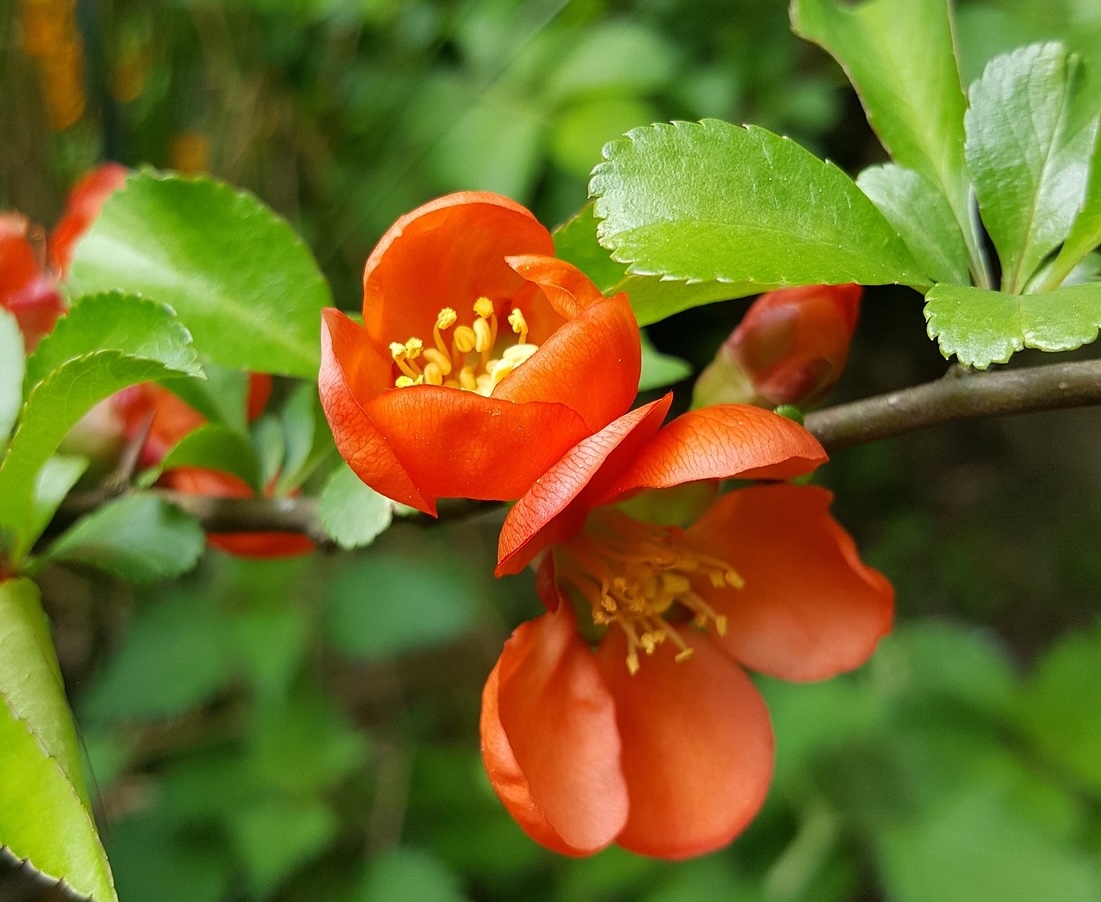
I have used Escallonia as a windbreak hedge on several client projects in exposed northern England and it never fails to establish well. The glossy aromatic foliage gives it an attractive quality even out of flower. One note of caution: in inland areas of the UK that experience hard frosts below minus 10°C, Escallonia can suffer from die-back and is better replaced with a hardier alternative such as Viburnum tinus or Forsythia.
🛒 Buy Escallonia from Amazon UK
Choisya ternata is one of the most satisfying evergreen shrubs to work with in garden design because it delivers so much from a single plant. The fragrant white flowers, which smell of orange blossom and genuinely lift the spirits, appear in spring and then again in late summer, giving you two seasons of flowering from one plant. The glossy, aromatic leaves provide a year-round evergreen structure that smells wonderful when brushed. It grows into a naturally dome-shaped plant that needs very little intervention to look good.
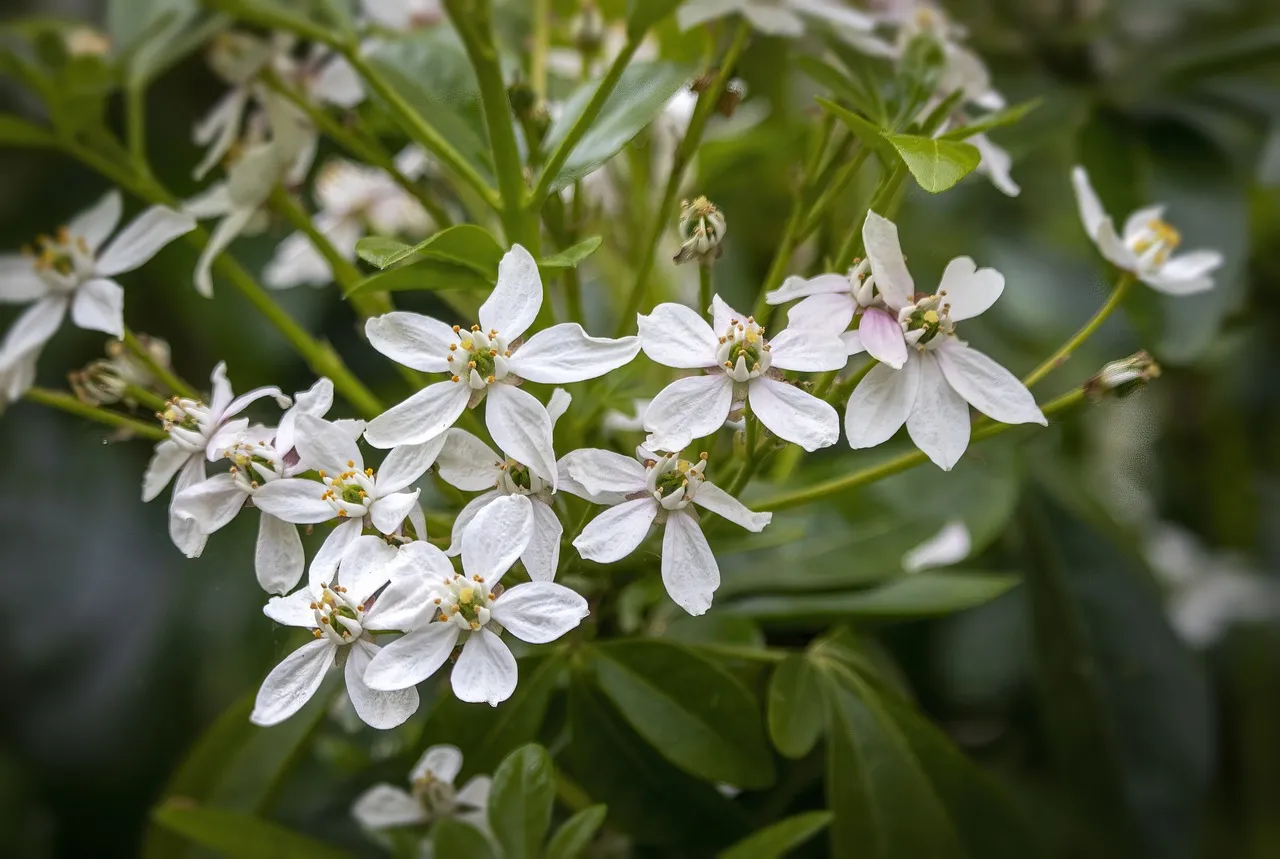
What I particularly like about Choisya as a fast-growing option is that it tolerates partial shade far better than most other rapid evergreen shrubs. If you have a north or east-facing border that needs screening, Choisya is one of the best options available. The variety ‘Sundance’ has golden-yellow foliage that adds a completely different dimension to a border, though it does need a slightly more sheltered position than the green-leaved species.
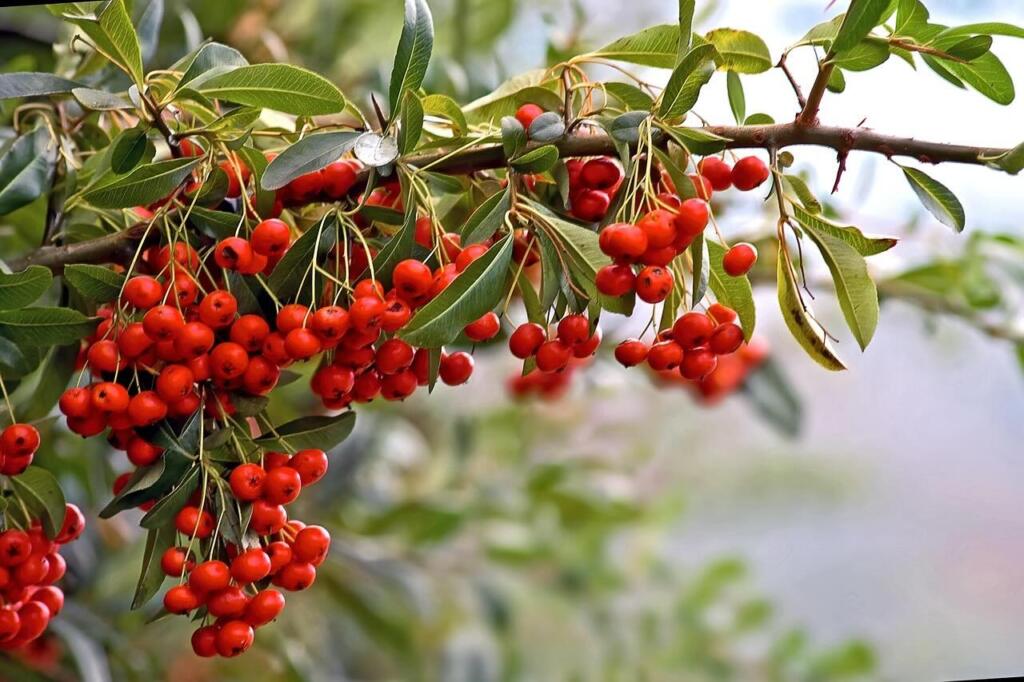
Pyracantha, or Firethorn, is one of the most genuinely useful plants in the fast-growing arsenal because it works on absolutely any aspect. You can train it against a north-facing wall, a south-facing fence, or grow it as a free-standing shrub, and it will establish and grow vigorously in all of these situations. The small white flowers in early summer are magnets for pollinators, and the autumn and winter berries in red, orange, or yellow are one of the most important food sources for thrushes, blackbirds, and waxwings in the UK.
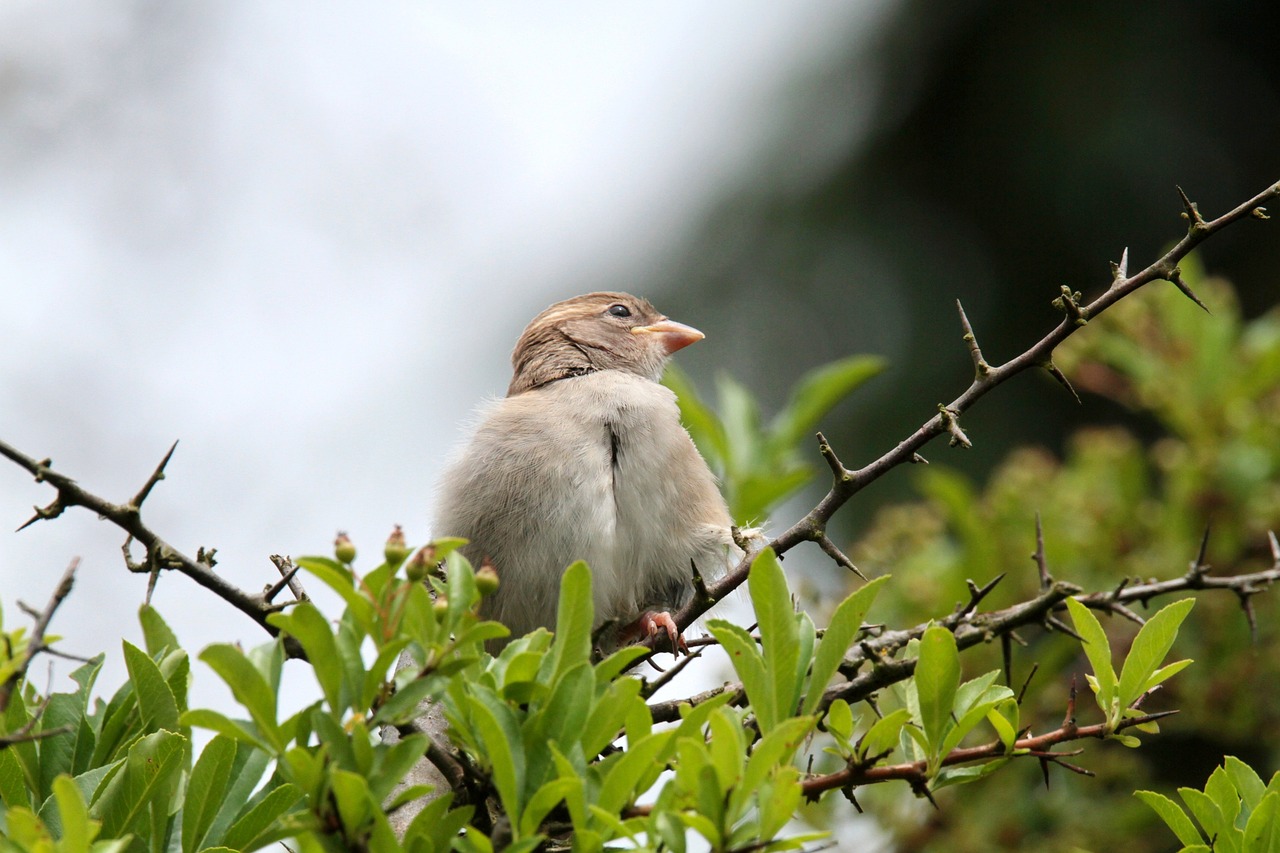
For screening a fence quickly, I often recommend training a Pyracantha horizontally against horizontal wires or a fence panel. Within three to four years you can cover a 2-metre high fence completely with dense, thorny, evergreen coverage that is also one of the best wildlife plants you can grow. The thorns, which are formidable, also act as a genuine security deterrent. For fast coverage, look for varieties such as ‘Saphyr Rouge’, ‘Orange Glow’, or ‘Soleil d’Or’.
🛒 Buy Pyracantha from Amazon UK
Ground cover plants are often overlooked in the urgency to get height and screening, but they are genuinely one of the most effective ways to make a new garden look established quickly. Bare soil between newly planted shrubs and trees looks sparse and unfinished, and it also means the full burden of weeding falls on you. Fast-spreading ground cover plants solve both problems simultaneously: they suppress weeds while filling in the visual gaps between your structural planting, giving the whole garden a sense of cohesion and maturity much sooner than the shrubs and trees can provide alone.
Vinca minor is the ground cover plant I reach for most reliably in shady gardens where grass will not grow and other plants struggle. It spreads by long trailing stems that root wherever they touch the ground, building up a dense, weed-suppressing mat of glossy evergreen leaves with remarkable speed. Once established, a single Vinca plant will have spread across two or three square metres within a couple of years without any assistance from you. The blue-purple flowers, which appear from early spring through summer with a second flush in autumn, are a generous bonus.
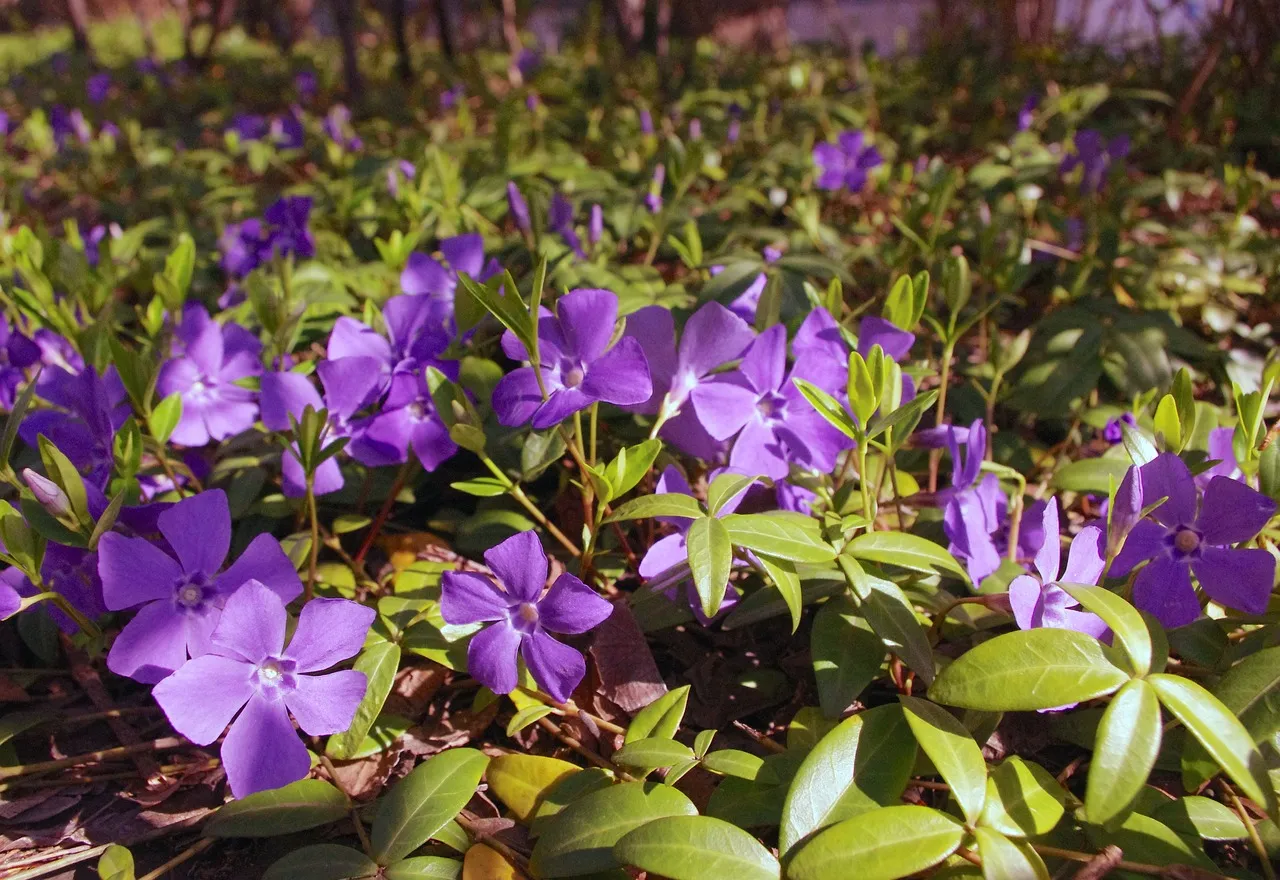
Plant Vinca at about 45cm spacing and it will knit together into a seamless carpet within one to two seasons. It tolerates dry shade under trees better than almost any other ground cover plant, making it invaluable in the difficult spots that new gardeners find most challenging. Trim it back hard with shears in early spring every few years to keep it tidy and encourage fresh new growth. The variety ‘Illumination’ has bright gold variegated leaves and is a particularly striking option for lifting a dark corner.
🛒 Buy Vinca minor from Amazon UK
Ajuga reptans is a native British plant that spreads rapidly by runners in exactly the same way as strawberries, producing new plantlets that root quickly and build up a dense, low mat of leaves. The foliage is available in a wide range of varieties from the species’ plain green to ‘Atropurpurea’ with deep bronze-purple leaves that look excellent in both sun and shade, or ‘Burgundy Glow’ which has tricolour foliage in pink, cream, and purple. In April and May the whole plant erupts into upright blue flower spikes that are particularly attractive to bumblebees.
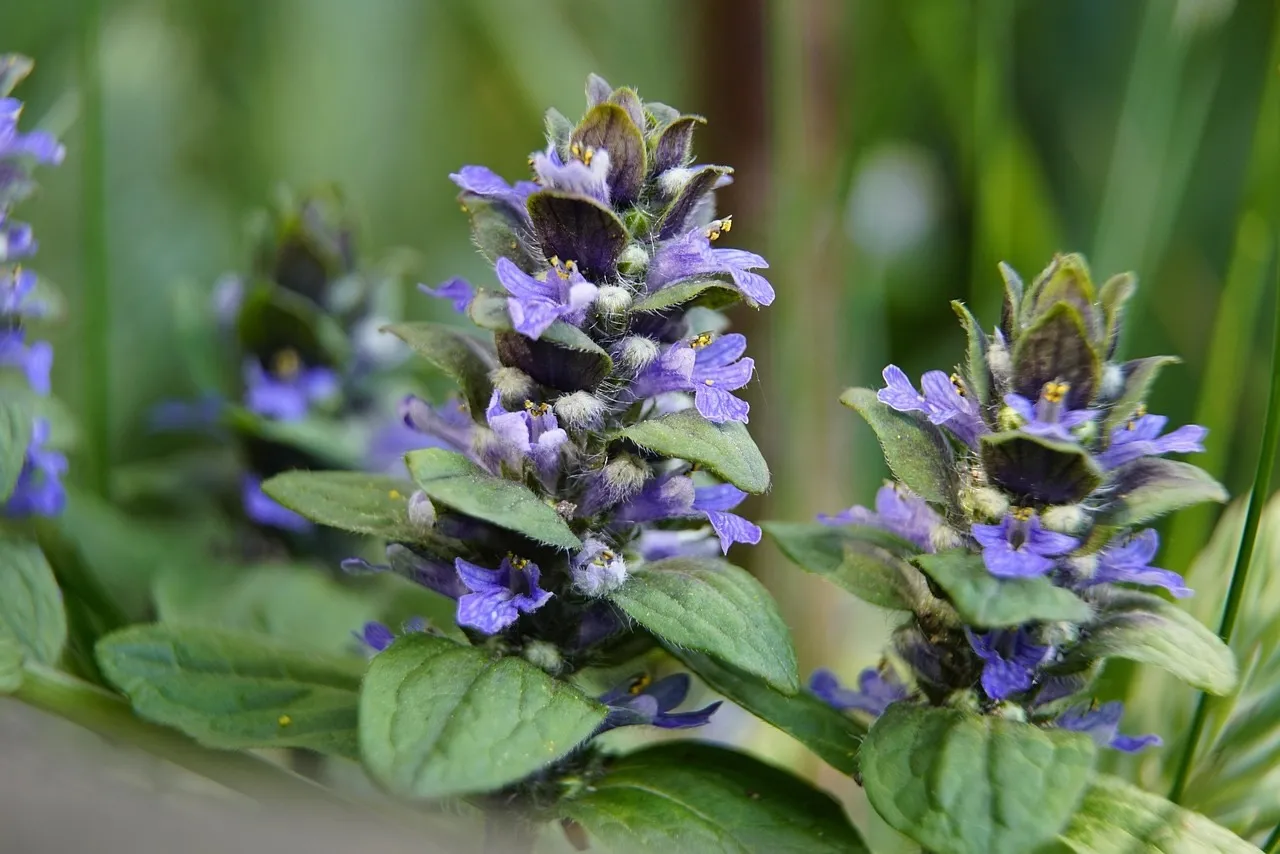
What I like about Ajuga as a ground cover choice is that it genuinely thrives in the most difficult growing conditions. Dry shade under a dense canopy, compacted soil around tree roots, and north-facing slopes are all situations where Ajuga will persist where more glamorous ground cover plants would give up. Plant at 30cm spacing and it will form a continuous mat within one season. The only maintenance it needs is to occasionally pull up runners that have wandered into unwanted areas, which takes about ten minutes a year.
🛒 Buy Ajuga reptans from Amazon UK
Geranium macrorrhizum is, in my view, one of the most underrated garden plants available. It spreads quickly by shallow underground rhizomes, expanding into impressive weed-suppressing clumps within one or two seasons of planting. The aromatic foliage, which smells pleasantly of pine and herbal notes when brushed, provides excellent ground cover through summer and turns to shades of orange and red in autumn before dying back partially over winter. The pink, magenta, or white flowers (depending on variety) appear in early summer in large numbers and are attractive to bees.
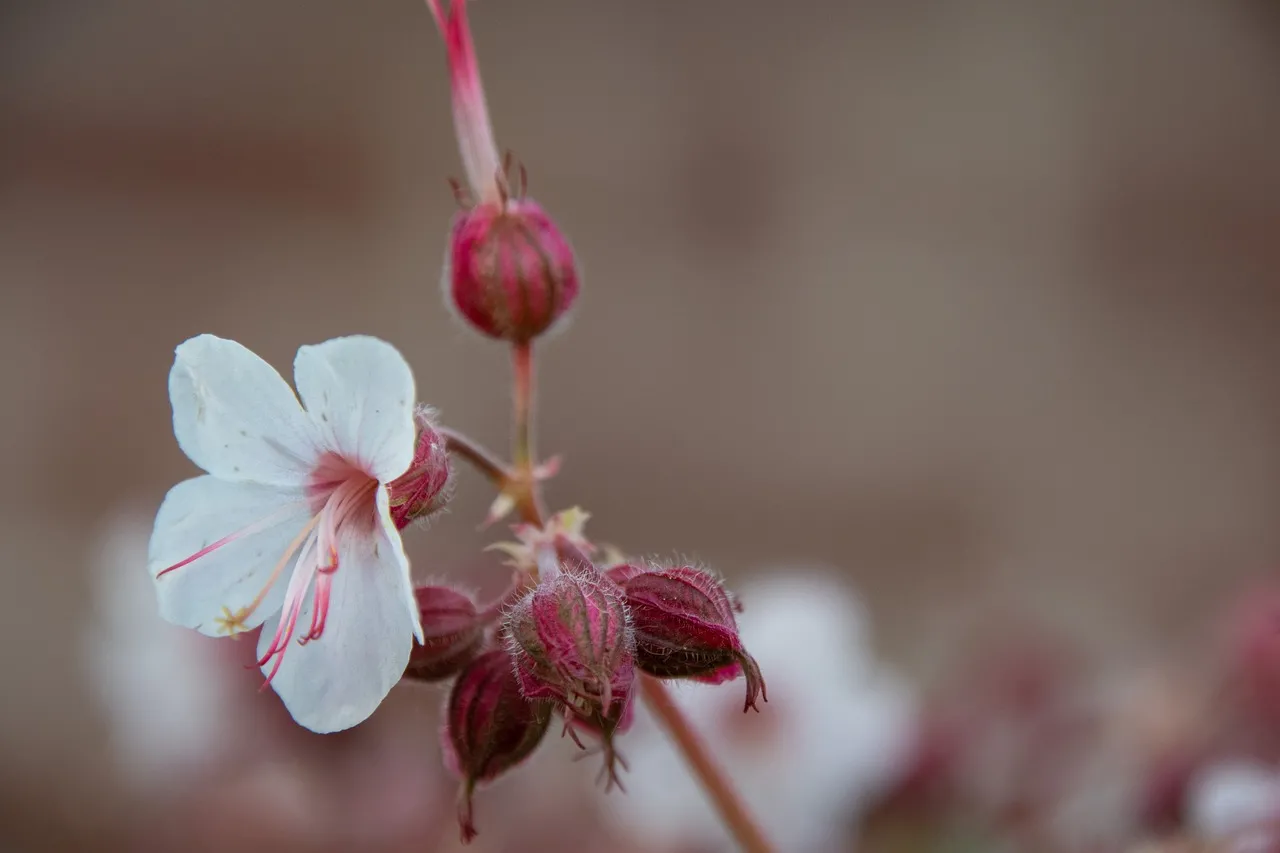
What elevates Geranium macrorrhizum above many other ground cover plants is its extraordinary tolerance of dry shade, including the difficult conditions under conifers or large deciduous trees where soil moisture is minimal. I have used it successfully under established conifers, beside large tree roots, and in positions that had defeated three previous plantings of other species. The variety ‘Ingwersen’s Variety’ has soft pink flowers and is one of the most reliable in dry conditions, while ‘Bevan’s Variety’ gives a more vivid magenta-pink that lights up a shady corner.
🛒 Buy Geranium macrorrhizum from Amazon UK
Waldsteinia ternata is a plant I recommend enthusiastically to clients who want fast, completely maintenance-free ground cover. It looks like a strawberry plant (hence the common name Barren Strawberry, because it produces no edible fruit), with three-lobed leaves that stay evergreen through most winters, and spreads rapidly by stolons to build a dense, tight mat. The bright yellow flowers in spring are a cheerful bonus. Once established, it is essentially self-managing: I have patches in client gardens that have been growing for over ten years without any intervention whatsoever.
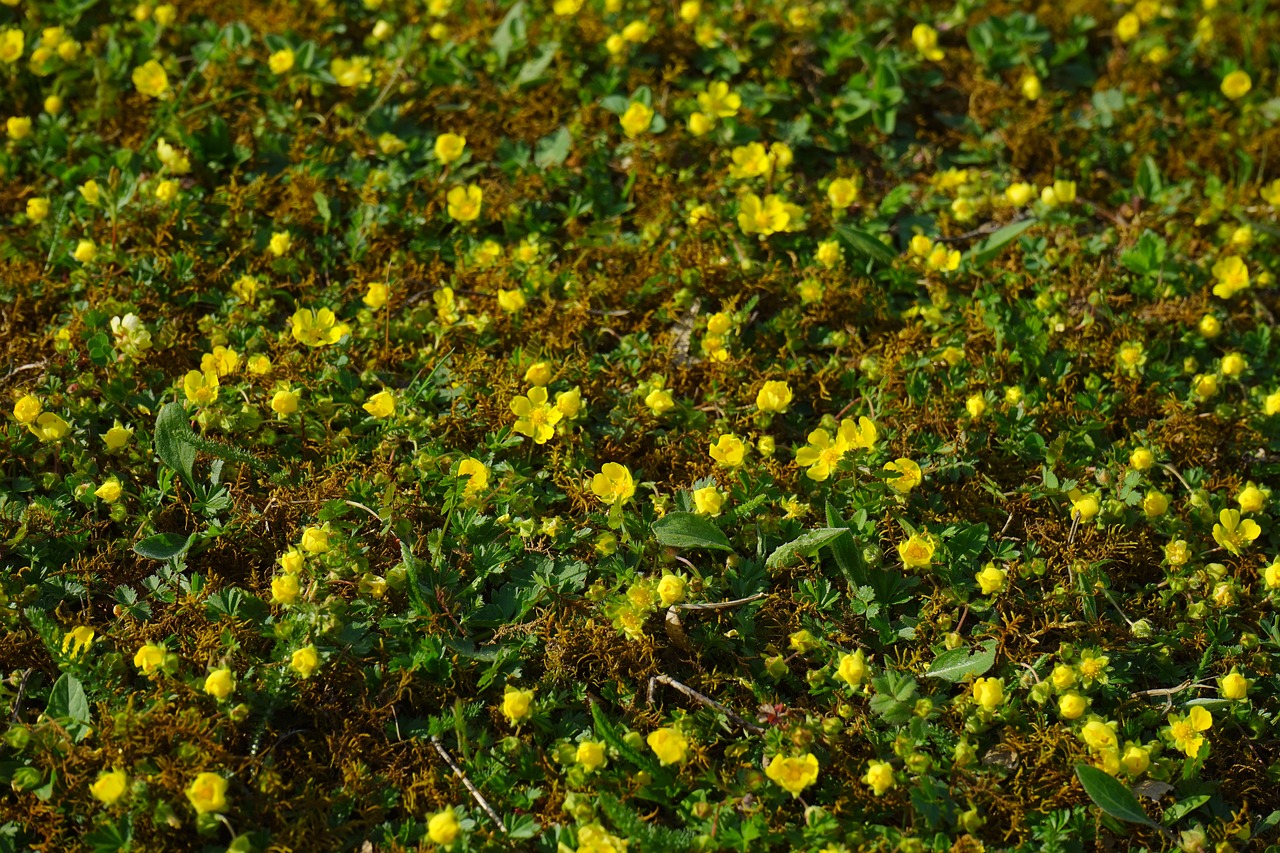
Plant Waldsteinia at around 30cm intervals and you will have complete ground coverage within one to two seasons. It is particularly useful on banks or slopes where maintaining other planting is difficult, as the creeping stems bind the soil effectively. In partial shade under deciduous trees it performs especially well, appreciating the summer shade and winter light that this position provides.
🛒 Buy Waldsteinia ternata from Amazon UK
Trees are where I would encourage you to think most carefully about the balance between speed and suitability. A tree that grows fast will also need managing carefully, and the stakes are considerably higher than with a shrub. A Buddleja that gets too large gets cut back hard in spring. A tree that outgrows its position causes structural issues, shades out the garden, and is expensive to remove. That said, there are genuinely excellent fast-growing trees for UK gardens that offer height and presence within a reasonable timescale without becoming the problem their faster-growing relatives inevitably do.
Amelanchier lamarckii is, quite simply, one of the finest small garden trees you can plant in the UK. I specify it on a huge proportion of my design projects because it is genuinely a four-seasons plant: the emerging copper-bronze young leaves and star-shaped white blossom in April are one of spring’s great garden moments, followed by small purple berries that birds consume enthusiastically in summer, then a spectacular autumn display of orange, red, and crimson before the leaves fall. Even in winter the elegant, multi-stemmed silhouette has real structure and character.
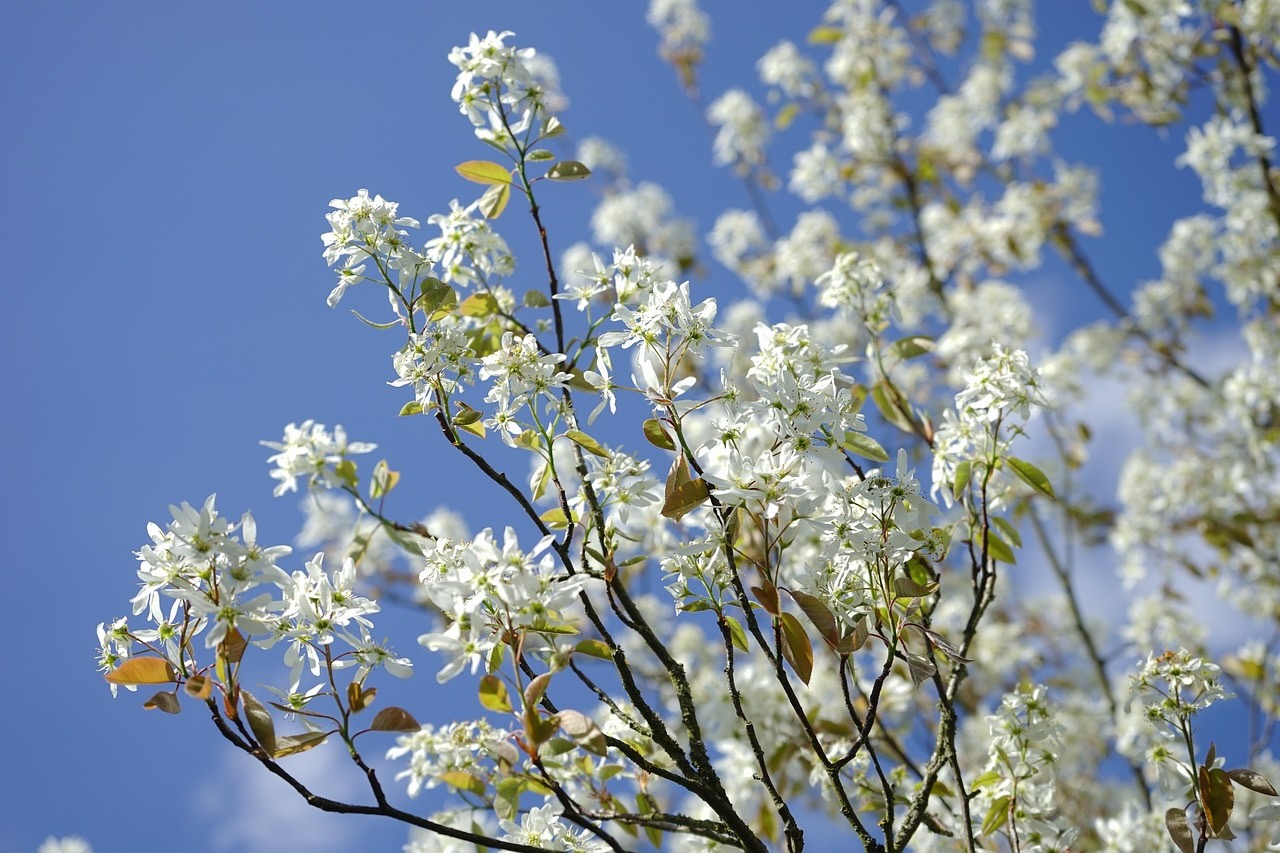
For a fast-growing small tree it reaches a respectable height within five to seven years, and because its ultimate size of around 6 to 10 metres is well within the range that many gardens can accommodate, you are not planting something that will cause problems later. It has a relatively non-invasive root system compared with larger trees, making it appropriate for planting closer to boundaries and buildings than most. As a multi-stemmed specimen it will fill significant visual space within the first few years, giving the impression of a more mature planting than the calendar would suggest.
🛒 Buy Amelanchier lamarckii from Amazon UK
If you need height in a small garden and cannot afford the spread of most trees, Prunus ‘Amanogawa’ is one of the most useful trees in the designer’s repertoire. Its fastigiate (column-shaped) habit means it grows upwards rather than outwards, making it possible to plant in positions that would exclude most other trees. A mature specimen is only about 1.5 to 2 metres wide at its broadest point, yet it reaches 8 metres in height over twenty or so years. In the first five years it will be providing useful screening height while barely impinging on the surrounding space.
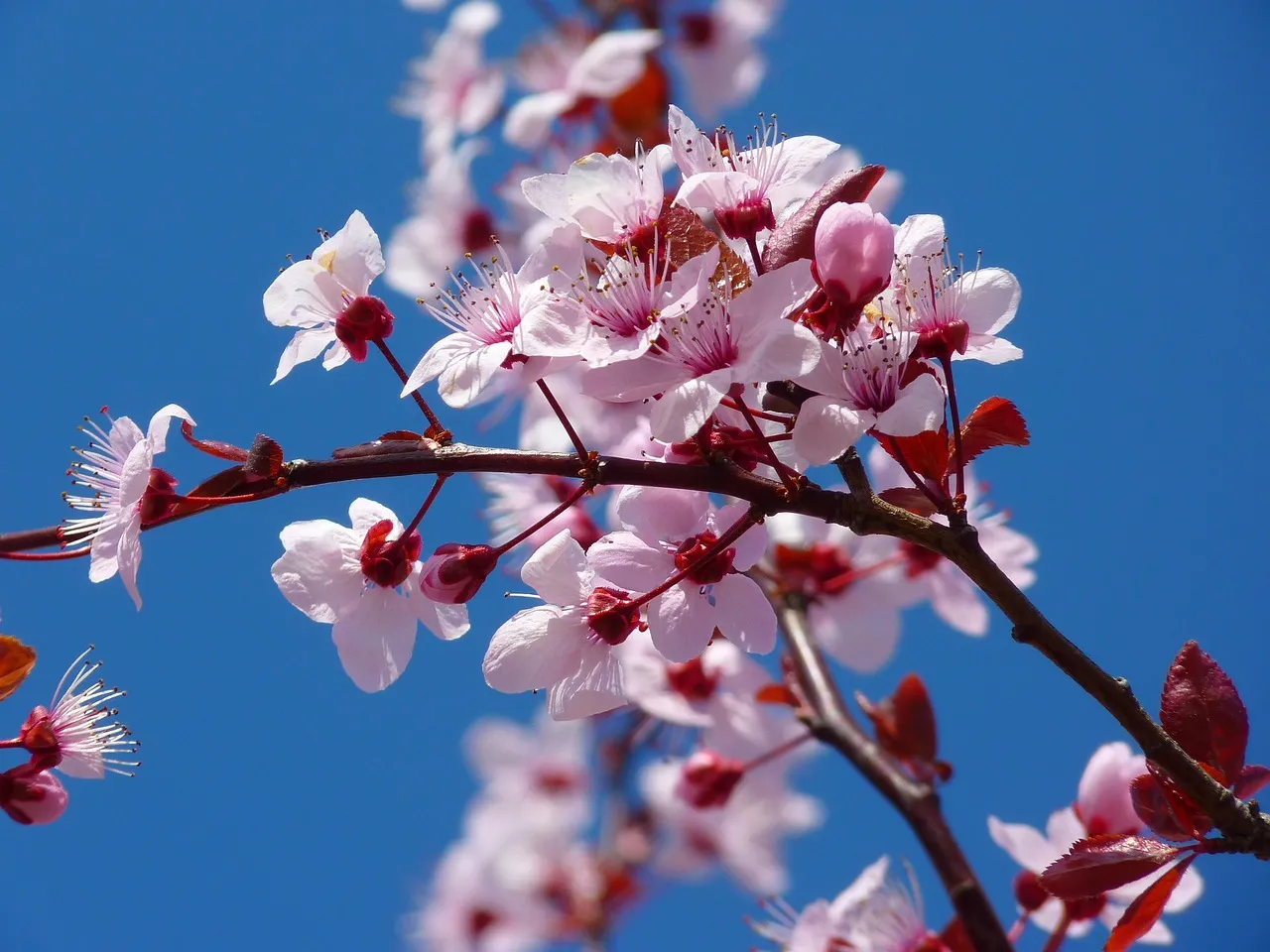
The blossom in late April and early May is genuinely spectacular: large clusters of semi-double pale pink flowers smother the upright branches before the leaves emerge, creating the effect of a pink column of flower at exactly the moment when spring is most exciting. The autumn colour is also excellent, with leaves turning shades of orange and gold before falling. For a small courtyard or a tight boundary situation where you need height but not spread, this is one of the first trees I think of.
🛒 Buy Prunus ‘Amanogawa’ from Amazon UK
The Rowan is one of Britain’s most beautiful native trees and one I find endlessly useful in garden design because it tolerates such a wide range of conditions. On exposed hillside gardens in the north of England and Scotland that would defeat many ornamental trees, Rowan establishes without complaint. In urban gardens it handles pollution and compacted soil with considerable resilience. The flat-topped clusters of creamy-white flowers in May are attractive to pollinators, followed by the vivid orange-red berries in late summer and autumn that mistle thrushes, fieldfares, and redwings rely on as a critical food source during migration.
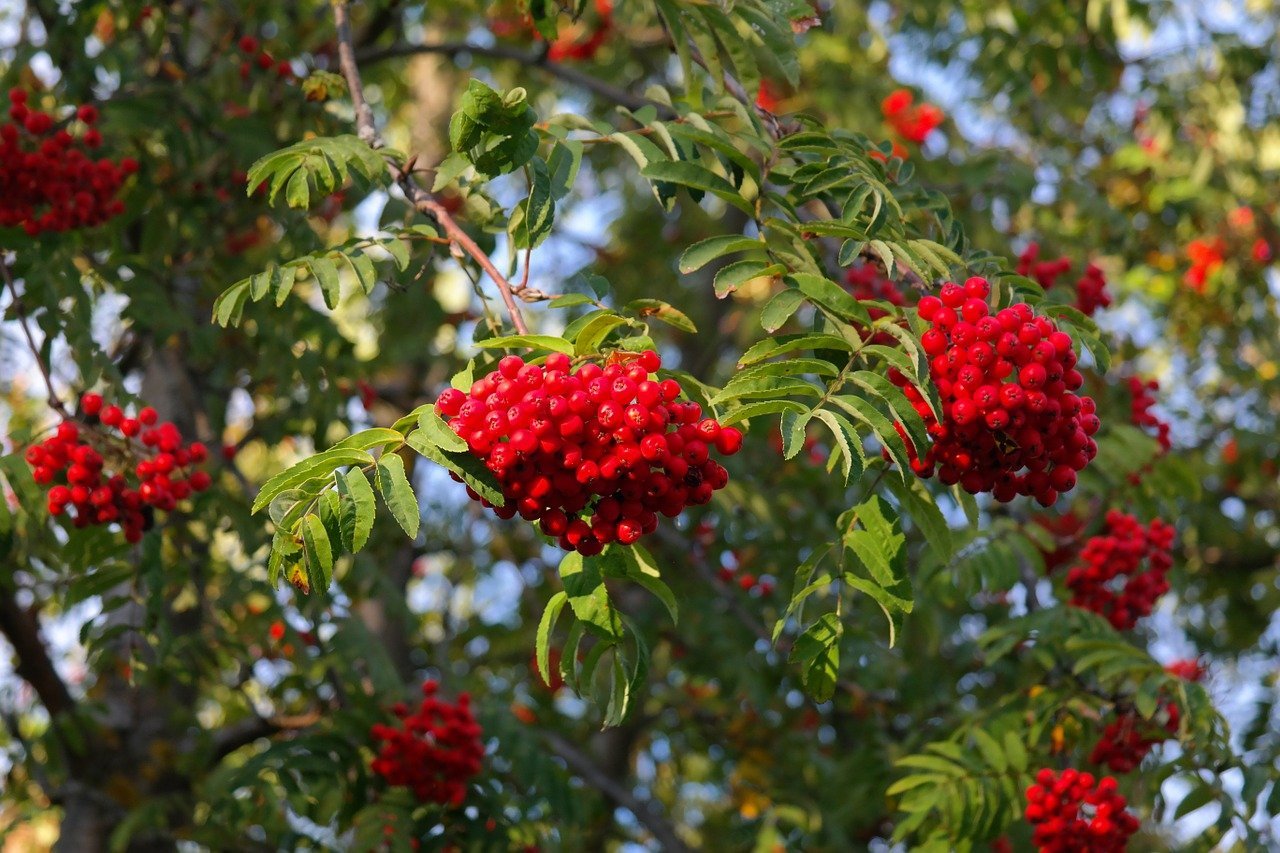
The feathery, pinnate leaves give a light, airy quality to the tree that does not cast heavy shade, making it a good choice for gardens where you want height and structure without blocking all the light. In autumn the foliage turns to yellow and red before falling. The variety ‘Joseph Rock’ has particularly beautiful pale yellow berries that tend to be left by birds for longer, extending the seasonal interest. For smaller gardens the more compact varieties like ‘Sheerwater Seedling’ are worth seeking out as they have a more upright, narrower habit.
🛒 Buy Rowan tree from Amazon UK
Silver Birch is one of Britain’s most elegant native trees and one of the fastest-growing options for a UK garden. The white peeling bark is genuinely beautiful at all times of year, particularly in winter when it catches low sunlight with extraordinary effect. I often specify it as a multi-stemmed specimen planting, where three or five trees planted closely together create the impression of a woodland glade, with the white stems creating a dramatic architectural effect that looks expensive but is achieved relatively quickly. Planted as a group, Silver Birch can be providing real screening height within five to seven years.
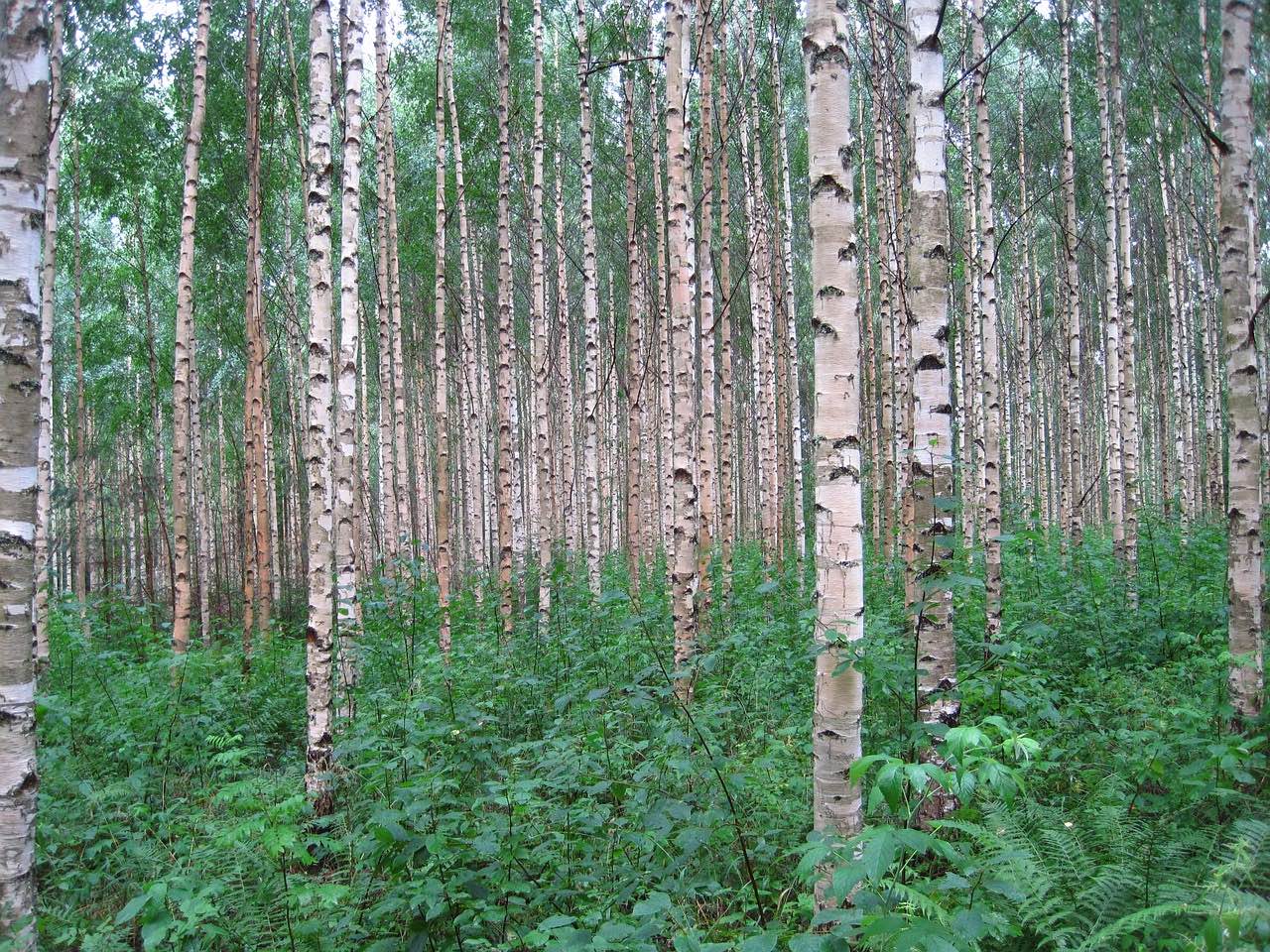
The important thing to understand about Silver Birch is that the species tree can ultimately reach 25 metres, which is too large for many gardens. In a small garden, it is worth choosing a more compact named variety such as ‘Tristis’, which has a narrower upright habit, or ‘Youngii’, which is a weeping form that stays much smaller. Silver Birch has wide-spreading roots, so keep it at a sensible distance from structures and drains. Its light, dappled canopy casts far less shade than most trees of the same height, making it one of the more garden-friendly large trees available.
🛒 Buy Silver Birch from Amazon UK
💡 Top Tip
The single most important factor in how fast a plant establishes is not the plant itself but the quality of planting. Dig a planting hole at least twice the width of the rootball, improve the soil with organic matter such as garden compost or well-rotted manure, water in thoroughly, and mulch with a 7cm layer of compost or bark around (but not touching) the stem. This simple process makes a bigger difference to growth in the first two years than any other intervention.
Fast-growing plants will only grow fast if they have the right conditions to do so. Even the most vigorous Buddleja will sit sulking in a poorly prepared planting hole, showing minimal growth in its first season. Conversely, a seemingly modest Photinia planted into well-prepared, well-mulched soil with regular watering in its first summer will establish with remarkable speed. The investment in good planting preparation pays back many times over in terms of growth rate.
For all the plants in this guide, the autumn planting window, from October to November, is ideal. The soil is still warm from summer, which encourages root establishment, while the cooler air temperatures and rainfall reduce the stress on the plant. Bare-root plants, which are available from November to March for deciduous shrubs and trees, are considerably cheaper than pot-grown plants and establish just as well or better in most situations because they have not spent years in a container developing a restricted root system.

Watering in the first two summers is the other factor that has the most impact on how fast your plants establish. Even drought-tolerant plants need regular irrigation in their first year while their root systems are still developing. A deep soak once or twice a week during dry periods is much more effective than frequent light sprinklings, which encourage shallow root development rather than deep root growth. Once established after two full growing seasons, most of the plants in this guide will look after themselves remarkably well.
🛒 Buy RHS Rootgrow mycorrhizal fungi from Amazon UK to help new plants establish faster
Buddleja davidii is the fastest-growing flowering shrub, adding up to 1.5m per year in the right conditions. For evergreen privacy, Photinia x fraseri ‘Red Robin’ and Viburnum tinus are reliable fast growers reaching 60cm or more per year once established. If you need a fast-growing hedge for year-round screening, Cherry Laurel (Prunus laurocerasus) can add 60cm or more per year and tolerates hard pruning well.
Leylandii grows at 60 to 90cm per year and can reach 20 to 35 metres if left unchecked. My strong advice is to avoid it for the reasons I have explained above: it cannot be hard pruned into old wood, causes serious neighbourly disputes, falls under the High Hedges Act, blocks light aggressively, and creates long-term problems that are very expensive to resolve. There are better-performing, less problematic alternatives for almost every situation.
Amelanchier lamarckii is one of the best all-round fast-growing small trees for UK gardens, combining spring blossom, summer berries, and autumn colour in a tree that reaches a manageable size. Silver Birch grows at around 30 to 40cm per year and provides height quickly, though in a small garden choose a compact named variety. Prunus ‘Amanogawa’ grows upward rather than outward, making it excellent for tight spaces where height without spread is the priority.
Vinca minor, Ajuga reptans, Geranium macrorrhizum, and Waldsteinia ternata are among the fastest ground cover plants for UK gardens. They establish quickly, suppress weeds effectively, and require very little maintenance once in place. Plant at the spacings recommended above and they will produce complete ground coverage within one to two seasons.
Choose plants that are appropriate to the long-term size of your space rather than relying entirely on fast growers. Combine rapid-establishing plants with slower, more permanent specimens and prune or cut back fast growers annually to keep them in check. Avoid plants with invasive root systems such as running bamboo or Leylandii, which become genuinely difficult to manage once established.
Always check the mature root spread of any tree before planting near foundations, drains, or structures. As a general rule, plant trees at a minimum distance equal to their expected mature height from any buildings. Silver Birch and Rowan have less aggressive root systems than willows, poplars, or large maples. If you are in any doubt, consult a structural engineer before planting.
Fast growing plants generally benefit from a balanced slow-release fertiliser applied in spring and regular watering in their first one to two years until established. After that, most fast-growing flowering shrubs are relatively self-sufficient, though they will perform better with an annual mulch of garden compost or composted bark to retain moisture and gradually improve the soil.
Colour is one of the most powerful tools in any garden designer’s toolkit, and once you start thinking about planting through the lens of a single colour, the whole design process becomes so much more intentional and rewarding. Whether you are drawn to cool, calming tones or bold, high-impact drama, there is a dedicated Garden Ninja colour guide to help you make the most of every border, bed, and container in your garden.
As a BBC1 Garden Rescue presenter and award-winning garden designer with over 20 years of professional experience, I have used every one of these colours extensively across hundreds of real garden designs. These guides are not theoretical colour wheel exercises. They are practical, plant-by-plant resources drawn from years of hands-on planting design, so you can be confident that every plant listed genuinely performs in UK conditions.
Each guide follows the same comprehensive structure I use when designing planting plans for my professional clients: trees, shrubs, perennials, ground cover, bulbs, and climbers, all with hardiness ratings, ultimate dimensions, growing conditions, and my personal top tips drawn from real garden design experience. Whether you are starting from scratch with a blank canvas or looking to refine an existing border, these guides give you the plant knowledge to make genuinely confident, well-informed choices.
If you want to take your planting design skills even further, my Garden Design for Beginners course walks you through the entire process of creating a beautiful, cohesive planting scheme from the ground up. Thousands of UK gardeners have already used it to transform their outdoor spaces, and it will change the way you think about plants and colour forever.
If this guide has inspired you to think more carefully about your own garden planting, I would love to help you take it further. Whether you are starting from scratch, refreshing an existing border, or trying to solve a specific problem, my online courses and design resources cover everything you need.
My Garden Design for Beginners course takes you through the entire design process from understanding your space to creating a planting plan, everything I do professionally, adapted for home gardeners. You can also download my free Garden Design Brief, an eight-page guide that helps you clarify what you actually want from your garden before you spend a single pound on plants.
For the garden you’ve already got, not the one you’re starting from scratch. Seven checklists and video lessons from BBC Garden Rescue’s Lee Burkhill, designed to help you decide what’s worth keeping before you spend a penny.
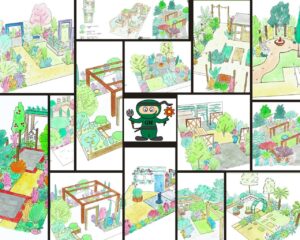
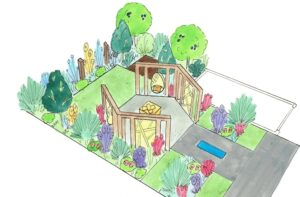
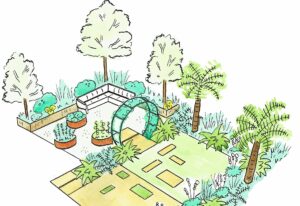
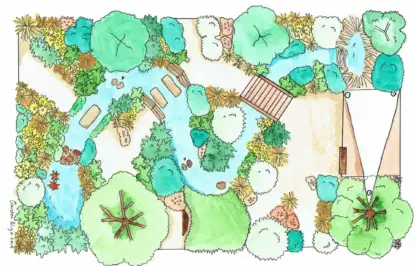
Garden Design Examples for Small Gardens: 30 Design Templates & Planting Plans: In this online gardening course, I’ll walk you through 30 fantastic garden designs, explaining the logic behind the layout and plant choices, plus take-home tips for applying them in your own garden.
Learn how to transform and design your garden with Lee Burkhill’s crash course in garden design. In over 5 hours, Lee will teach you how to design your dream garden. Featuring practical design examples, planting ideas and video guides. Learn how to design your garden in one weekend!
Garden Design for Beginners Online Course: Want to become a garden designer or design your own garden? This beginner course is for you. Join me, Lee Burkhill, an award-winning garden designer, as I train you in the art of beautiful garden design. Enjoy 20 hours of online study and video lessons, along with quizzes and a completion certificate.
There are genuinely excellent fast-growing plants for UK gardens across every category, from the explosively vigorous Buddleja to the reliable evergreen coverage of Photinia, the cheerful winter flowers of Viburnum tinus, and the spectacular four-season interest of Amelanchier lamarckii. The key is to use speed strategically, combining fast-establishing plants with more considered permanent planting so your garden looks full and established quickly but remains manageable for years to come.
Avoid Leylandii for all the reasons I have outlined above. It solves an immediate problem and creates a much larger long-term one. The plants in this guide will give you speed, beauty, wildlife value, and a garden you will actually enjoy rather than come to resent.
For ground cover: Vinca minor, Ajuga reptans, Geranium macrorrhizum, and Waldsteinia ternata. For flowering shrubs: Buddleja, Photinia, Forsythia, Viburnum tinus, Weigela, Escallonia, Choisya, and Pyracantha. For small trees: Amelanchier lamarckii, Prunus ‘Amanogawa’, Sorbus aucuparia, and Betula pendula.
Happy Gardening!



Lee Burkhill, known as the Garden Ninja, is an award-winning garden designer and horticulturist with over 30 years of gardening experience and 15 years as a professional garden designer. A qualified RHS (Royal Horticultural Society) professional, Lee specialises in sustainable garden design and practical horticultural advice. He designs and presents on BBC1’s Garden Rescue and in leading gardening publications. Lee combines three decades of hands-on gardening knowledge with professional design qualifications to help gardeners create beautiful, functional outdoor spaces.
View all posts by Lee Burkhill





JOIN THE NINJAS

Be the first in line for new Guides, Discount codes and Offers