-
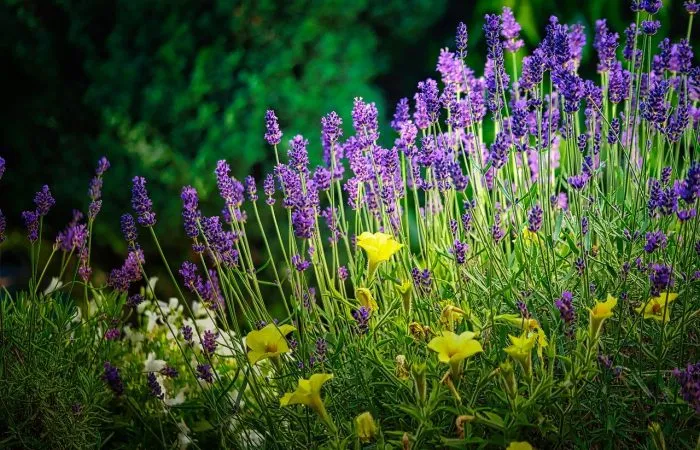
Why Is My Lavender Dying? The Complete UK Rescue Guide
 Lee Burkhill: Award Winning Designer & BBC 1's Garden Rescue Presenters Official Blog
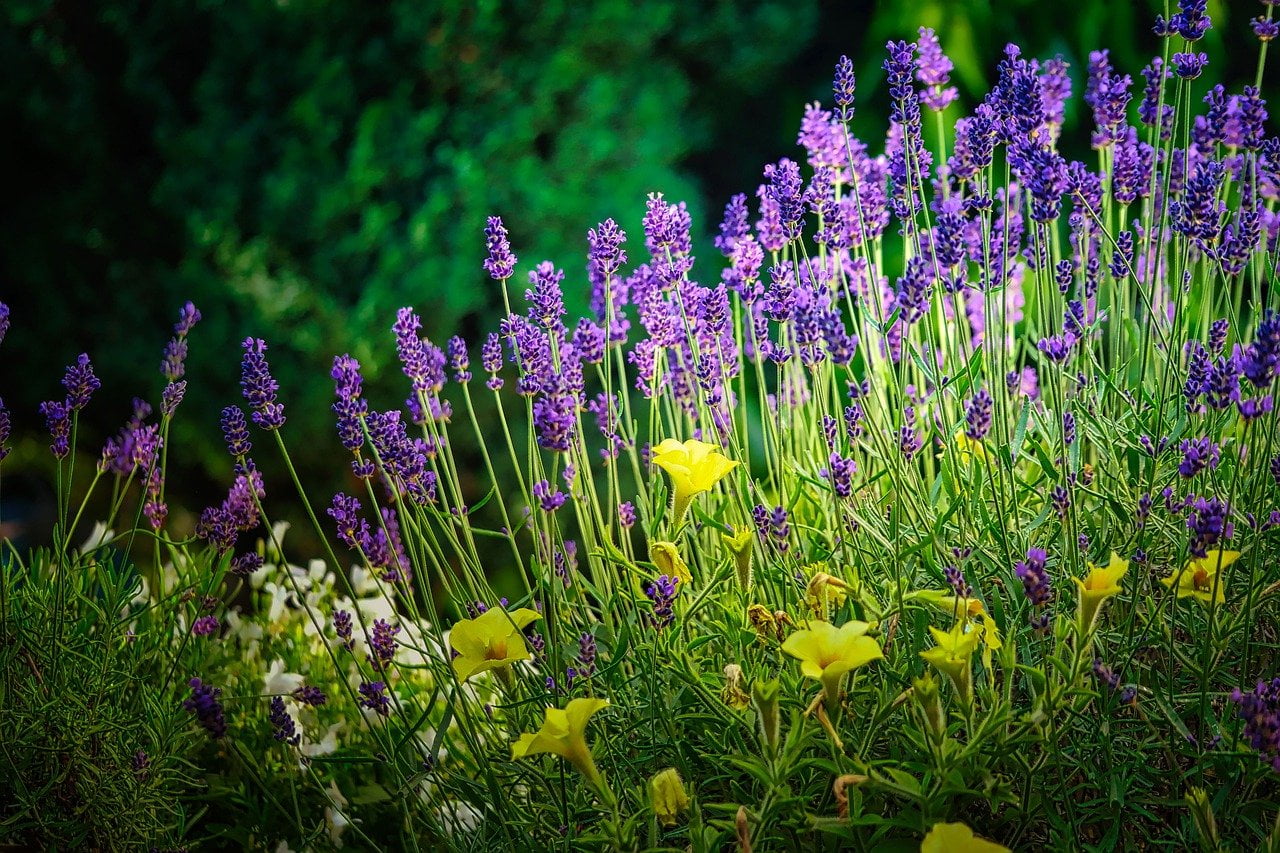
Lavender is one of those plants that looks effortless in a sun-drenched Mediterranean garden and then somehow manages to sulk, droop, go brown, and die in a UK border despite your best efforts. If yours is struggling, I want to reassure you that this is one of the most commonly asked questions I receive through this site and on BBC Garden Rescue.
Lavender dying or looking poorly is genuinely one of the most misdiagnosed plant problems in UK gardening, because the symptoms of almost every possible cause look identical. Brown, drooping, wilting foliage can mean overwatering, root rot, too much shade, wrong soil, overly woody growth, or simply old age.
The good news is that once you identify the actual cause, most lavender problems are fixable. I have brought back lavenders that looked completely gone, and I have also had to tell clients to accept that a plant was done and needed to be replaced. This guide walks you through every cause of lavender dying in the UK, shows you how to diagnose which one you are dealing with, and gives you the specific fix for each. If your lavender can be saved, we will save it. If it cannot, you will know what to do differently next time.
Quick Answer
Lavender most commonly dies in the UK from overwatering or poor drainage causing root rot, waterlogged or clay soil, too much shade, cutting back into old woody growth during pruning, or simply old age after 10 to 15 years. Lavender is a Mediterranean plant that needs full sun, very free-draining soil, and minimal watering. Get those three things right and most lavender problems disappear.
Jump To
1. Lavender at a glance: what it needs to thrive
The single most important thing to understand about lavender is that it is a Mediterranean plant at heart. Lavandula angustifolia, what most of us call English lavender, is not actually English at all. It is native to the mountains of southern Europe, where it grows in thin, dry, alkaline soils in full scorching sun with very little rain in summer.
Every problem lavender experiences in UK gardens flows from the gap between those conditions and what we inadvertently provide: too much water, too much shade, too much rich soil, and not enough sun or drainage. Keep that context in mind, and the diagnosis becomes much more intuitive.

2. How to diagnose what is wrong with your lavender
Before treating anything, spend a moment actually looking at the plant. The pattern and location of the symptoms tell you almost everything. Pull back some of the outer foliage with your hands. Smell the base of the plant. Push your finger an inch into the soil. These three simple checks will point you clearly toward the most likely cause.
3. Overwatering and root rot: the most common killer
Overwatering is the single most common reason lavender dies in UK gardens. The tragic irony is that it almost always starts with good intentions. A gardener notices their lavender looking a little droopy in a dry spell, adds some water, notices it does not improve, adds more water, and the problem accelerates. The drooping was the root rot announcing itself, not the plant asking for a drink. More water made it worse, not better.
Root rot occurs when lavender roots sit in consistently moist soil. The roots become soft, dark, and mushy, losing their ability to transport water and nutrients up through the plant. The foliage then droops and browns for exactly the same reason it would if the plant were underwatered: water is no longer reaching it. The soil feels wet, the plant looks parched, and the gardener adds more water. It is a cruel trap.
💡 Top Tip
An established lavender (more than two years old) in a UK garden with average rainfall needs virtually no supplemental watering. Rainfall alone is sufficient in most UK regions. Only newly planted lavenders in their first spring and summer need occasional watering during dry spells, and even then far less than most gardeners instinctively provide. When in doubt, do not water.
How to check for root rot: gently pull the plant from the soil or scrape away the top layer of compost at the base. Healthy lavender roots are pale cream or white and firm. Rotten roots are dark brown or black, soft, and smell unpleasant. If most of the roots look rotten, the plant is very difficult to save. If some healthy roots remain, there is a chance.
The fix: if you catch root rot early, remove the plant from the soil, trim off all visibly rotten roots with clean secateurs, allow the remaining root ball to air dry for a day, then replant in fresh, very gritty, free-draining compost in a sunny position. Do not water for at least two weeks after replanting. Stop all additional watering going forward unless the plant is newly planted and you are in a prolonged drought. In most UK conditions, established lavender simply does not need watering at all.
🛒 Find horticultural grit for lavender planting on Amazon UK
4. Wrong soil or poor drainage
Even if you never water your lavender, heavy clay soil or compacted borders can create the same root rot conditions as overwatering. Water simply cannot drain away fast enough, and lavender roots sit in moisture for far longer than they can tolerate. If your garden has clay soil, you will see the signs clearly: water sitting on the surface after rain, soil that is sticky and smears when you rub it, and borders that feel squelchy underfoot for days after a wet spell.
Lavender also dislikes very rich, nutrient-heavy soil. The fertile borders that most UK gardeners lovingly improve with compost and manure are genuinely counter-productive for lavender. Rich soil produces lush, soft growth that is more susceptible to frost and disease, reduces flowering, and holds more moisture around the roots. Lavender genuinely performs better in poor, lean soil that replicates its native mountain terrain.
The fix for clay soil: dig generous amounts of coarse horticultural grit into the planting area, at least 50 per cent grit to 50 per cent existing soil in the immediate planting hole, and ideally in a wider area around it. Alternatively, move the lavender to a raised bed where you can control the growing medium entirely, or grow it in a container with a mix of three parts peat-free compost to two parts horticultural grit.
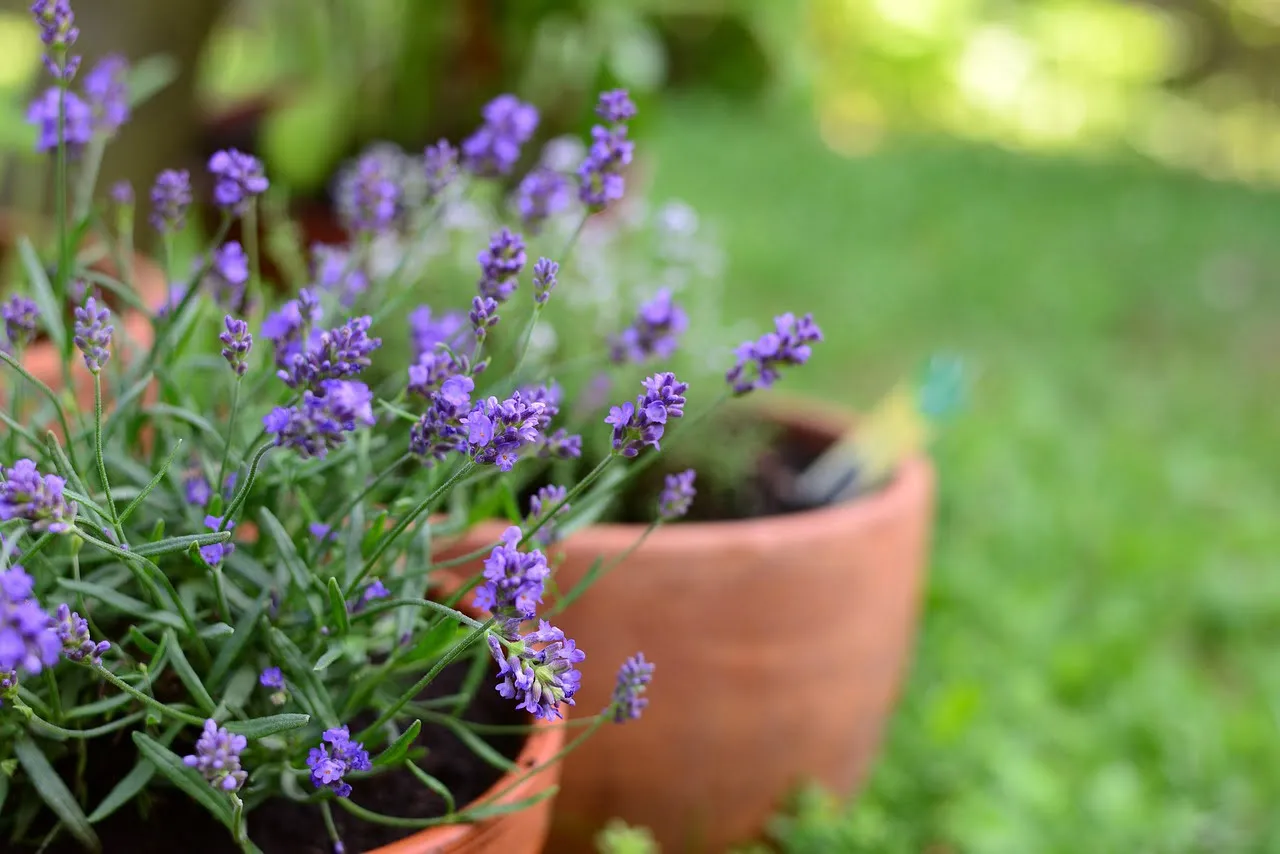
Containers are often the best solution for lavender in clay-heavy UK gardens. The drainage is perfect, you can position it in the sunniest spot on your patio, and it can be moved undercover in wet winters.
🛒 Find perlite for improving drainage on Amazon UK
🛒 Find terracotta pots for lavender on Amazon UK
5. Too much shade
Lavender needs at least 6 hours of direct sunlight per day to grow well and flower properly. Fewer than that and the plant becomes increasingly stressed over time: the growth becomes leggy and drawn toward available light, flowering reduces dramatically, and the plant is far more susceptible to fungal problems because the soil around it stays moister in lower-light conditions where evaporation is slower.
The problem often develops gradually rather than appearing overnight. A lavender planted in a reasonable position three years ago can become steadily more shaded as surrounding plants mature, a nearby shrub fills out, or a new structure creates additional shadow. The lavender that flowered well in year one begins to look thinner and produce fewer spikes by year three, and the gardener suspects disease or soil problems when the real culprit is simply the changed light environment.
The fix: if the plant is in a container, move it immediately to the sunniest available spot. South or west-facing positions are ideal in the UK. If garden-planted, consider whether the lavender can be transplanted to a sunnier border, or whether the surrounding planting can be cut back to restore the light levels it originally enjoyed. Transplant lavender in autumn or early spring when the soil is workable. Water in well, then leave it largely alone. Most lavenders transplant successfully and reward you with much-improved performance in the right position.
6. Pruning into old wood
This is one of the most heartbreaking lavender problems because it is entirely self-inflicted and entirely irreversible. Lavender, unlike most woody shrubs, absolutely will not regenerate from old wood. Cut into the thick, dark, leafless woody stems at the base of the plant, and those stems simply die. No new growth emerges. The section of the plant above your cut point is gone permanently.
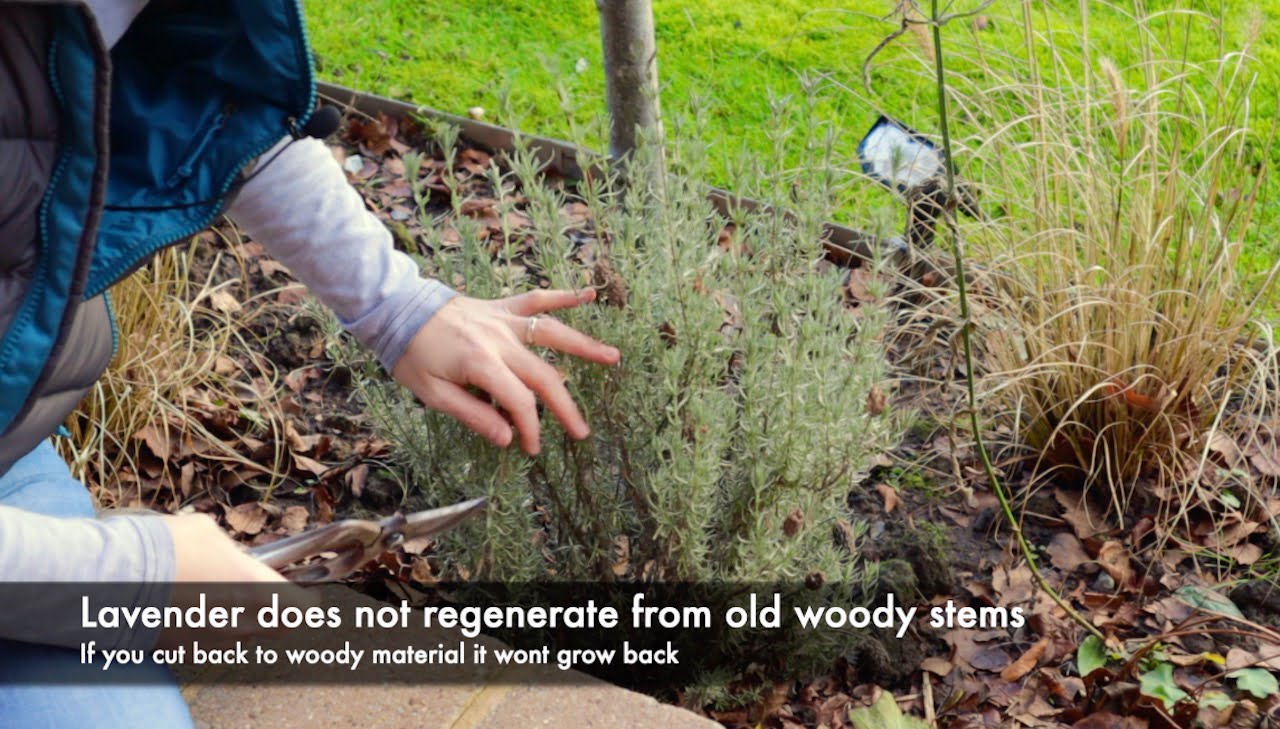
Most gardeners cut into old wood either by accident when attempting an ambitious renovation of an overgrown plant, or when following general shrub-pruning advice that works fine for buddleja or roses but is fatal for lavender. The rule for lavender pruning is absolute: only ever cut into soft, leafy, green growth. Never cut into the hard, woody, brown or grey stems.
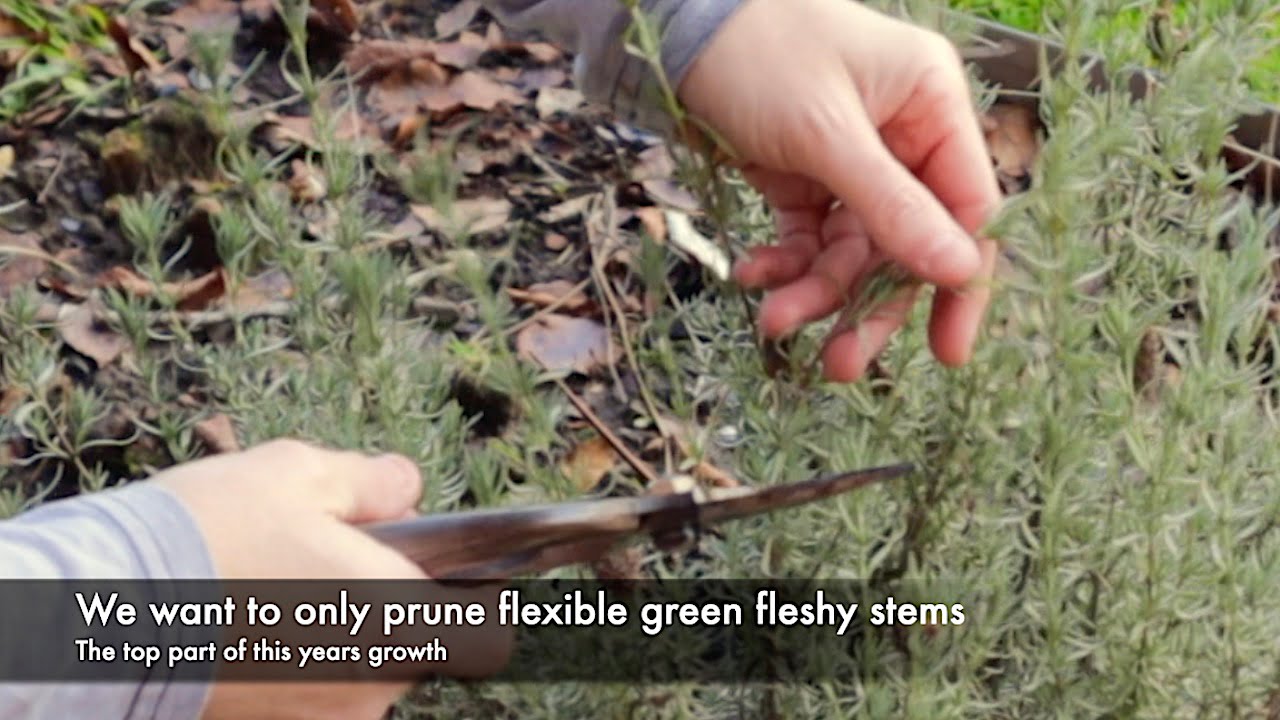
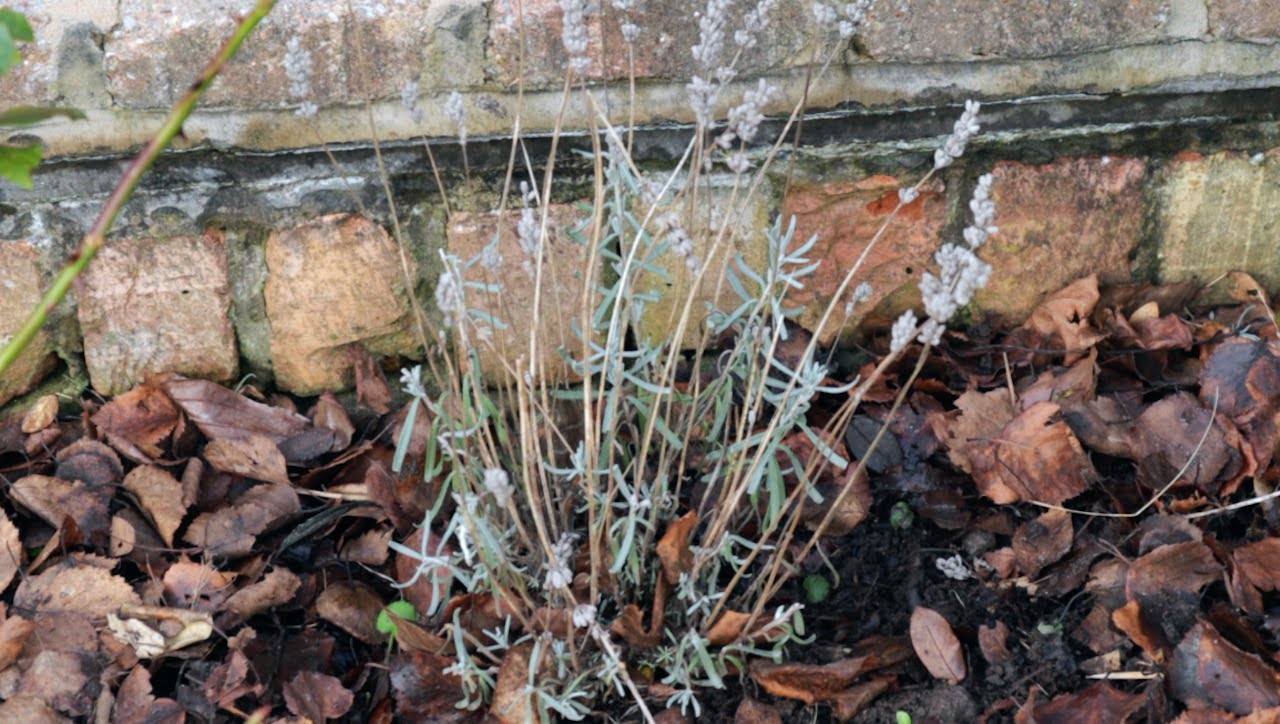
If this has already happened, look carefully at the base of each affected stem. If any green growth emerges from the woody section, however small, the plant may still recover. Leave it entirely and see what develops over the following weeks. If there is no green anywhere on an affected stem and the wood snaps rather than bends, that section is dead and will not come back.
💡 Top Tip
Prune lavender once a year, after flowering finishes in late summer, removing around a third of the leafy green growth all over the plant. This keeps it compact, bushy, and prevents the gradual woodiness that reduces flowering over time. The more consistently you do this every year from the plant’s second season onwards, the longer your lavender will live and the better it will look. My full lavender pruning guide shows you exactly how to do this step by step.
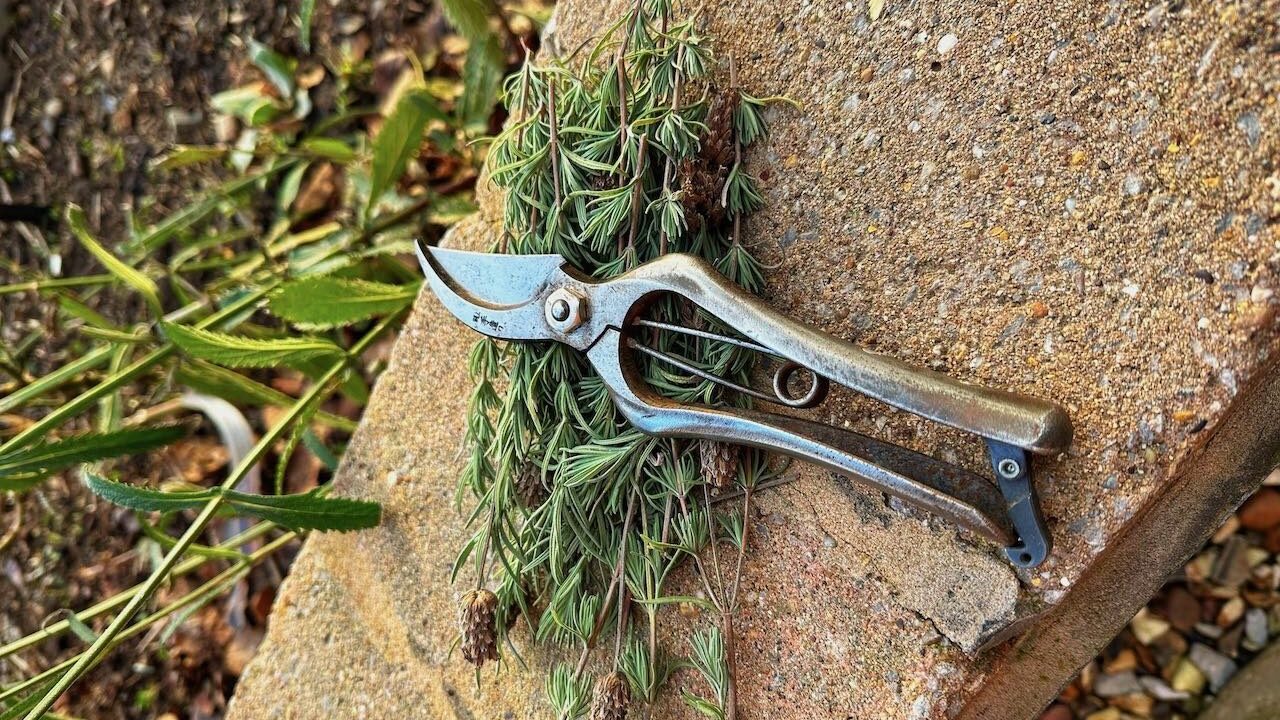
🛒 Read my guide to the best secateurs for pruning lavender cleanly
7. Old age and woodiness
Lavender is not a plant for life. Most lavenders, even with perfect care and correct annual pruning, eventually become increasingly woody and unproductive. The natural lifespan of a well-managed English lavender is around 10 to 15 years. French and Spanish lavenders are shorter-lived at 5 to 8 years in UK conditions. If yours is in this age range, declining performance may simply be a natural process rather than a problem you have caused or can fix.
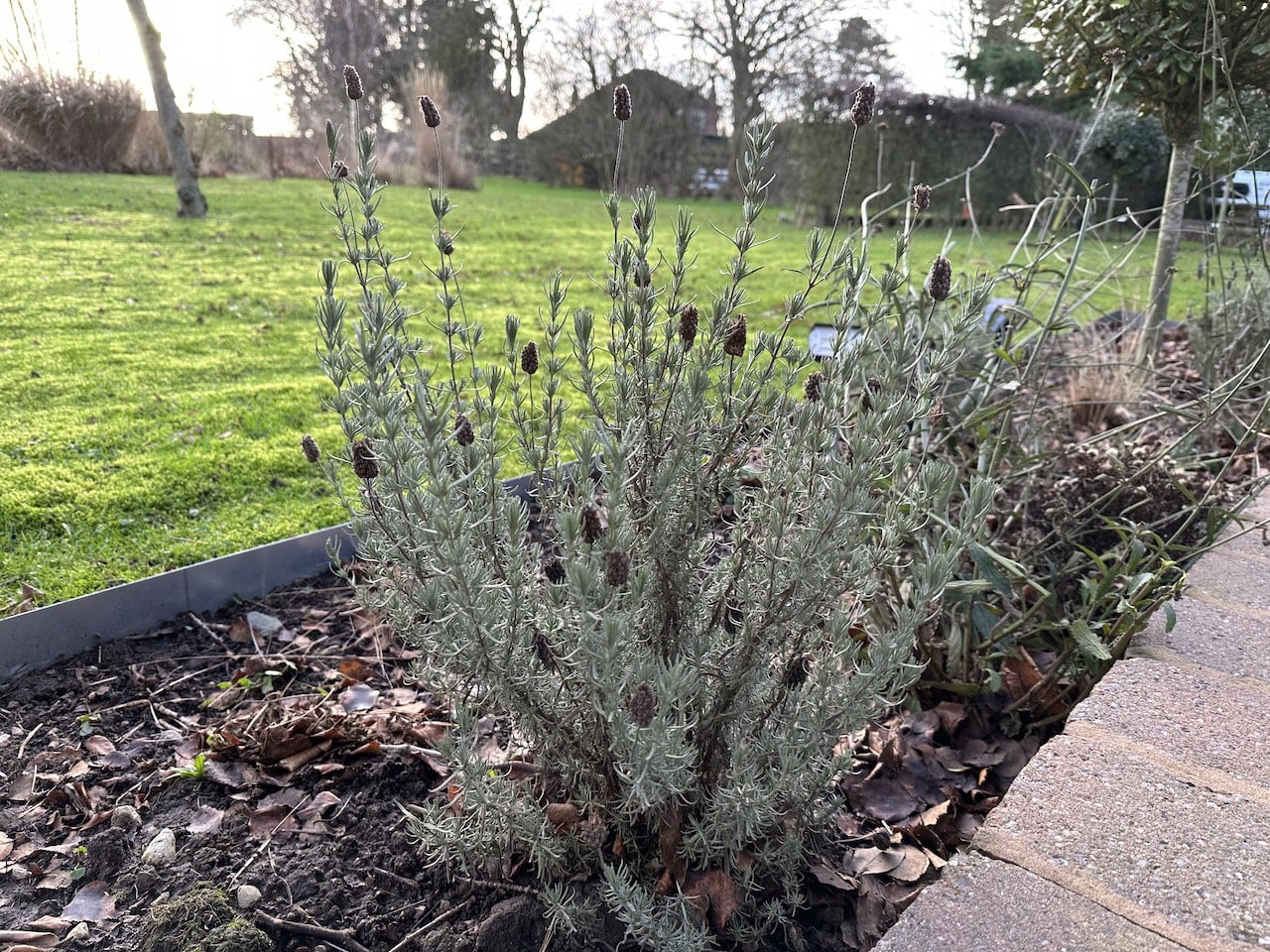
The signs of age-related decline are specific: the base of the plant becomes heavily woody with minimal green foliage, the centre of the plant dies back, leaving a ring of growth at the edges, flowering becomes sparse even in a good year, and the overall shape becomes open and untidy no matter how you prune it. A very old lavender can sometimes look like it is dying back from the centre in a doughnut shape, which is characteristic of a plant past its productive prime.
The fix: propagate before it is too late. Take cuttings from the green leafy growth in late summer, or buy a new plant and position it correctly from the start. Growing lavender from cuttings is genuinely straightforward and costs nothing.
Snip 8 to 10-centimetre lengths of non-flowering green shoots, strip the lower leaves, push into a mix of peat-free compost and grit, and keep in a light, frost-free spot over winter. They root readily within six weeks and will flower the following year. My lavender growing guide covers propagation in full detail.
🛒 Find English lavender plants on Amazon UK
8. Frost damage
English lavender (Lavandula angustifolia) is reliably hardy in most of the UK, rated H5 by the RHS, meaning it can withstand temperatures down to around minus 15°C. It is perfectly at home outdoors year-round in almost all UK gardens. French and Spanish lavenders (L. stoechas) are a different matter entirely. These more decorative types with their distinctive ear-shaped bracts are rated H3 to H4 at best, which means they are at risk in any UK winter below minus 5°C and are genuinely not suitable for permanent outdoor planting in most of the UK without protection.
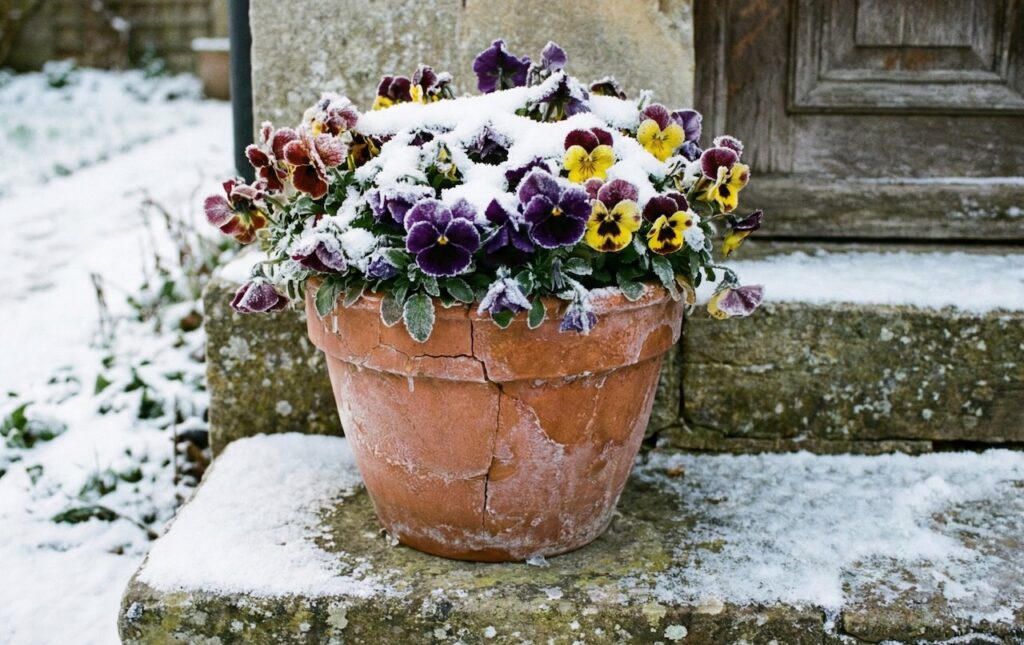
If you have a lavender that looks dead or severely damaged in late winter or early spring after a cold winter, first identify which type you have before assuming the worst. English lavender will almost always show green growth from the base by late March or April, even after hard winters, and will often look dead for weeks before new growth appears. French and Spanish lavender are genuinely more vulnerable and may not return. Do not give up on English lavender until you see no green whatsoever by mid-April.
💡 Top Tip
If you live in a colder part of the UK and love the look of French or Spanish lavender, grow them in containers that you can move into a frost-free greenhouse, cold frame, or even a bright porch for winter. They are perfectly happy in pots and the added drainage actually benefits them. Bring them back out after the last frosts in April or May and they will perform brilliantly through summer.
🛒 Find cold frames for overwintering tender lavender on Amazon UK
9. Fungal disease: Botrytis and lavender shab
Fungal disease in lavender is almost always a symptom of underlying conditions rather than an independent problem. Lavender growing in the right conditions, full sun, free-draining soil, good air circulation, rarely suffers from fungal disease. It is lavender that has been weakened by too much moisture, too much shade, overcrowding, or excessive feeding that becomes susceptible.
Botrytis (grey mould) appears as a fuzzy grey coating on stems and foliage, typically in humid conditions after wet summers or in poorly ventilated spots. Remove affected material immediately with clean secateurs, improve air circulation around the plant, and if possible, move it to a drier, sunnier position. Avoid overhead watering.
Lavender shab is more serious and less common. It produces twisted, distorted brown stems with small black dots on the bark, and the affected areas die back entirely. There is no chemical treatment available to home gardeners in the UK. Remove all affected stems as far back as healthy growth immediately. If the whole plant is affected, remove and dispose of it in general waste rather than composting it, as fungal spores can persist in compost. Do not replant lavender in the same spot.
10. How to revive a dying lavender: step by step
If your lavender is struggling but still has some green foliage and living stems, work through this sequence before giving up on it.
Step 1: Stop watering immediately. Unless you are in a genuine prolonged drought and the plant is less than two years old, stop all watering. Let the soil dry out completely. This is the single most important step for almost every struggling lavender.
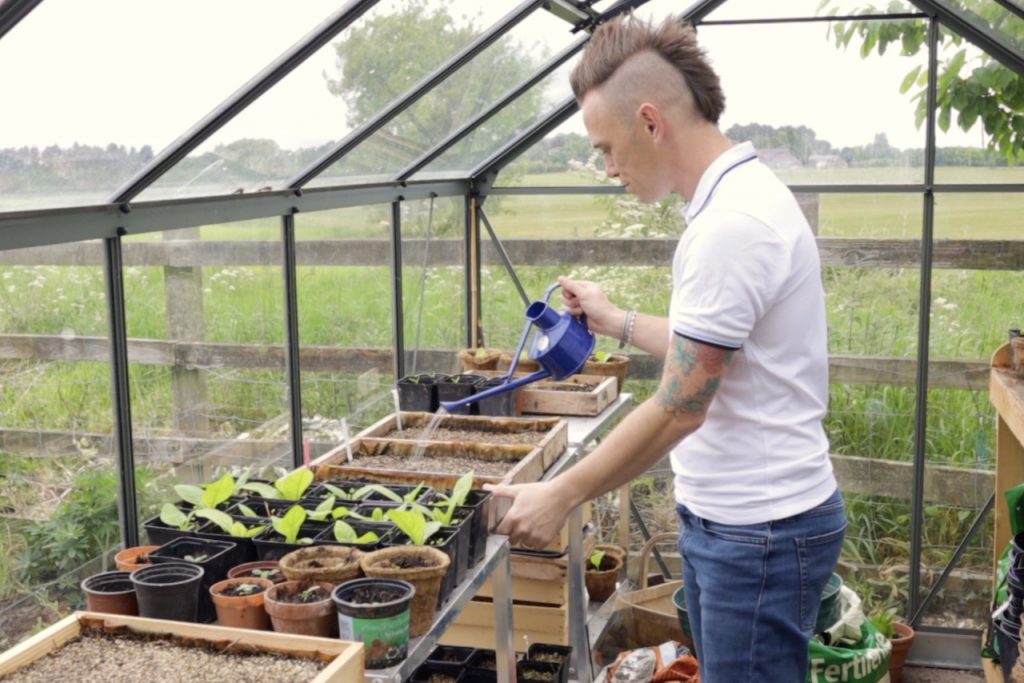
Step 2: Check the roots. Pull the plant gently from the soil or pot. If the roots are healthy (cream, firm), this is not root rot. If they are dark and mushy, trim all rotten roots away with clean secateurs and repot in fresh, gritty compost.
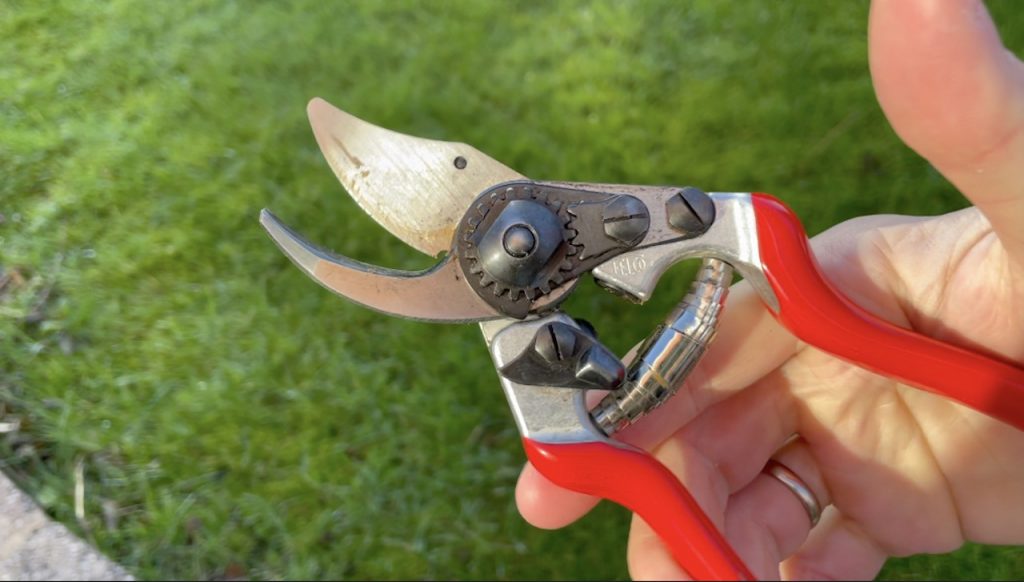
Step 3: Prune back all dead material. Remove any brown, dried, or clearly dead stems using clean, sharp secateurs. Cut back only to where you can see living green tissue. Do not cut into old wood below the green growth.
Step 4: Assess the position. Is the plant getting at least six hours of direct sun? Is it in free-draining soil? If neither answer is yes, moving the plant is more important than any other intervention.
Step 5: Improve drainage if needed. Work horticultural grit into the surrounding soil if drainage is poor. If the plant is in a container, add grit to the compost mix and ensure there are adequate drainage holes.
Step 6: Be patient. A lavender that has been through a difficult period needs several weeks of correct conditions before you will see obvious improvement. New growth from the base is the key sign that the plant is recovering. Patience is the final ingredient.
The Best Alternatives to Lavender for UK Gardens
If your lavender has given up the fight, or you have concluded that your garden conditions simply are not right for it, that is not a reason to forgo the Mediterranean-style planting you are after. Over the years, I have designed hundreds of client gardens where lavender was the first choice, but clay soil, shade, or a permanently damp aspect made it the wrong plant for the space.
In each of those cases, I found something that produced a similar effect with far better results. The five plants below are my most-reached-for alternatives, all of which share lavender’s love of sun and pollinators while being considerably more forgiving of typical UK growing conditions.
1. Perovskia (Russian Sage)
Perovskia is the plant I reach for most often when lavender won’t work. The airy, silver-stemmed spires of lavender-blue flowers have an almost identical effect in a border from a distance, and the silvery-grey foliage echoes the look of English lavender closely enough that most visitors to a client garden would not notice the swap. What they would notice is how much bigger and more structural perovskia is: it grows to around 90 to 120cm tall, which makes it genuinely useful at the back of a sunny border rather than just at the front.
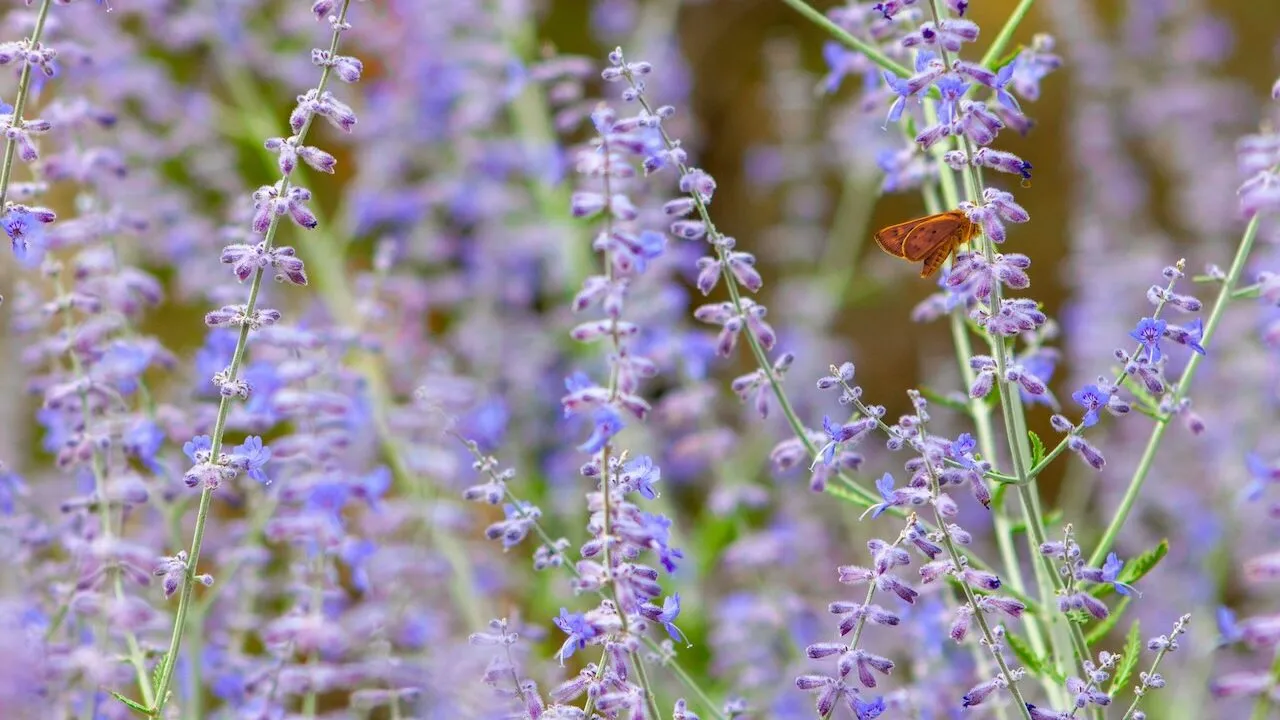
Perovskia is considerably more drought-tolerant than lavender once established, and it copes better with heavier soil, provided it does not sit in standing water. It dies back to the ground in winter and shoots from the base in spring, which means you cut it back hard to around 15cm each March without any of the agonising over woody growth that lavender demands.
It is one of the best late-summer-flowering plants for pollinators, with bees absolutely covering it from July through October. The cultivar ‘Blue Spire’ is my go-to for UK gardens, with strongly upright stems that hold their shape well even in an exposed site.
🛒 Buy Perovskia Blue Spire from Amazon UK
💡 Top Tip
Cut perovskia back hard to around 15cm in March once you can see the new growth emerging from the base. Never cut it back in autumn. The old stems provide useful frost protection for the crown over winter and the seedheads look beautiful well into January.
2. Nepeta (Catmint)
Nepeta is my most-used lavender substitute for clients who have struggled with drainage issues, partial shade, or slightly heavier soil. It has a wonderful soft, billowing quality in a border, with grey-green aromatic foliage and masses of small lavender-blue flower spikes from May right through to September if you shear it back lightly after the first flush. Unlike lavender, Nepeta tolerates partial shade and handles a wider range of soil types without complaint, which makes it far more versatile in a typical UK garden setting.
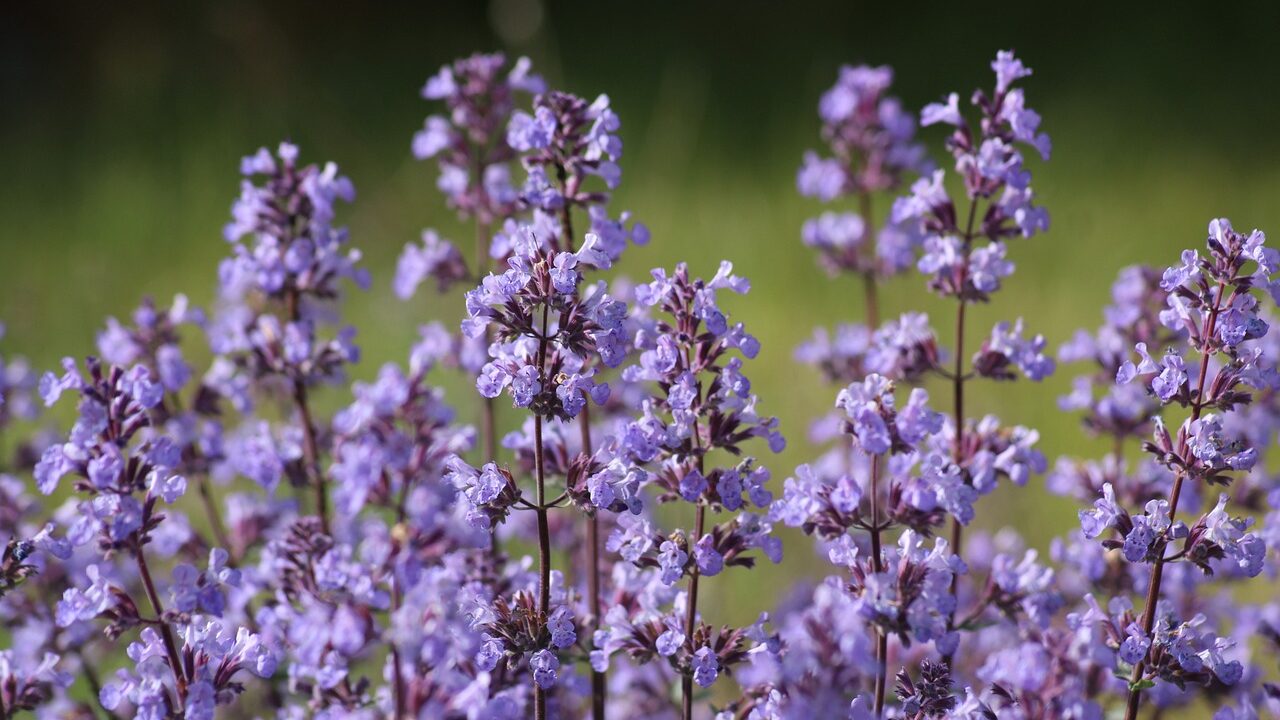
From designing client gardens over the years, I have found Nepeta to be one of the most reliable front-of-border plants available. ‘Six Hills Giant’ is the variety I specify most often, growing to around 90cm and putting on an astonishing floral display. For smaller spaces or path edging where you would previously have used lavender, ‘Walker’s Low’ is excellent at around 45cm and extremely free-flowering. Both are slug-resistant, which is a significant advantage over many softer perennials in a UK garden.
Cut the whole plant back by about half in July after the first flush of flowers, and you will get a strong second wave by September.
🛒 Buy Nepeta Six Hills Giant from Amazon UK
💡 Top Tip
After the first main flush of flowers in June or early July, shear nepeta back by about half with a pair of hedging shears. It looks brutal for about two weeks, then produces a fresh flush of aromatic foliage and a second wave of flowers by late August that is often just as good as the first.
3. Salvia nemorosa (Meadow Sage)
If you want the upright purple spikes of lavender but with even more colour punch and none of the drainage anxiety, Salvia nemorosa is outstanding. The flower spikes are denser and a deeper, richer purple than lavender, particularly in the cultivar ‘Caradonna’, which produces striking deep indigo flowers on near-black stems. It is a plant that stops people in their tracks in a client garden, and I have specified it more times than I can count as a direct lavender replacement in mixed sunny borders.
Salvia nemorosa is fully hardy to around -20°C, so it handles UK winters without any of the problems that can finish off a French or Spanish lavender in a cold, exposed site.
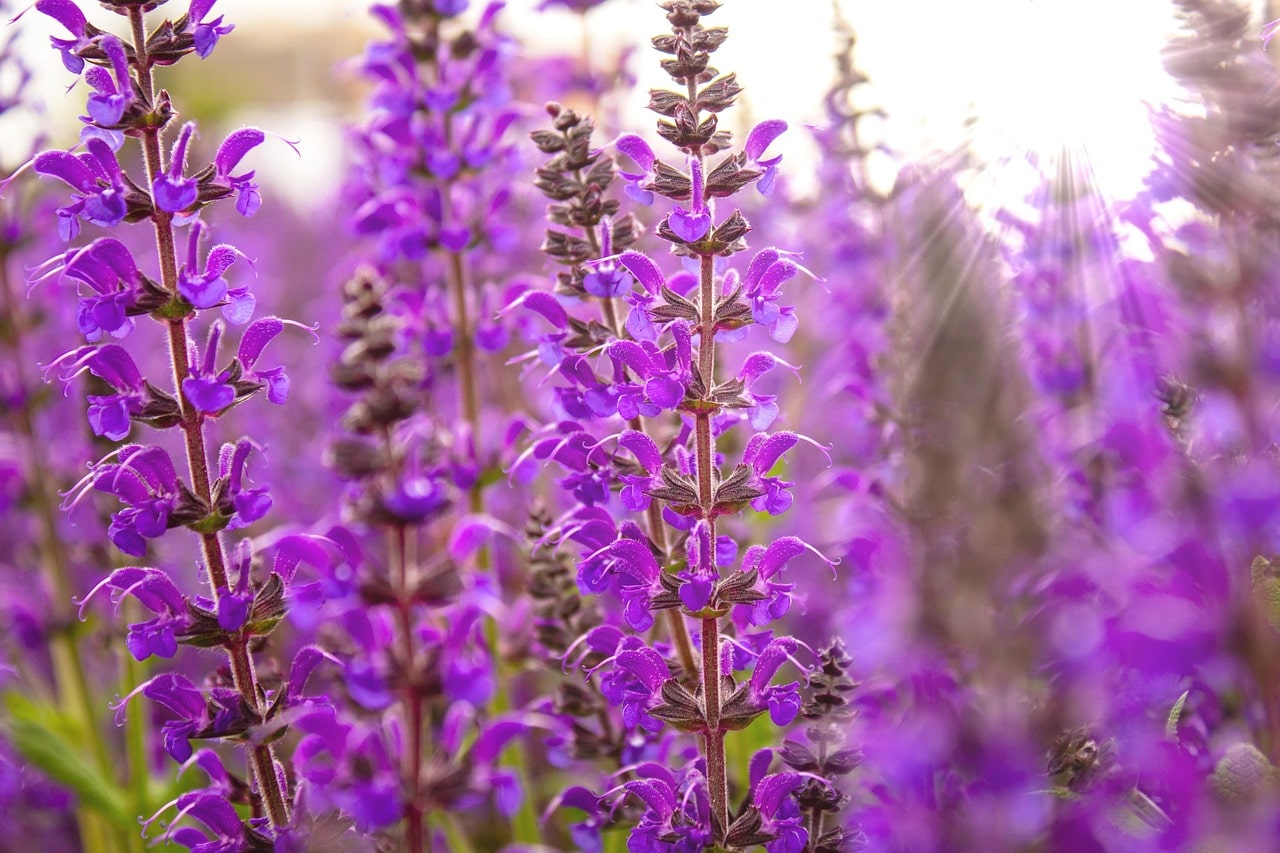
The foliage is lush green rather than the silvery-grey of lavender, which gives a slightly different effect, but the overall planting style is very similar: upright flower spikes above ground-hugging mounds, excellent for bees and other pollinators, and looks superb planted in drifts of three or five. Cut the spent flower spikes back to the base after the first flush, and you will usually get a second wave of flowers in late summer. ‘May Night’ is another excellent cultivar, flowering slightly earlier and in a vivid violet that is hard to beat for a June border.
🛒 Buy Salvia nemorosa Caradonna from Amazon UK
4. Agastache (Hyssop / Anise Hyssop)
Agastache is a plant that does not get nearly enough attention in UK gardens, and I find myself recommending it more and more to clients who want something with the feel of lavender but with an extended flowering season that runs well into October. The bottlebrush-like flower spikes in blue, purple, or occasionally orange and pink are absolutely irresistible to bees, butterflies, and hoverflies. ‘Black Adder’ is the cultivar I specify most often in UK gardens, with deep violet-blue flower spikes on dark stems reaching around 90cm, and it has proved reliably hardy in my own garden through several cold winters.
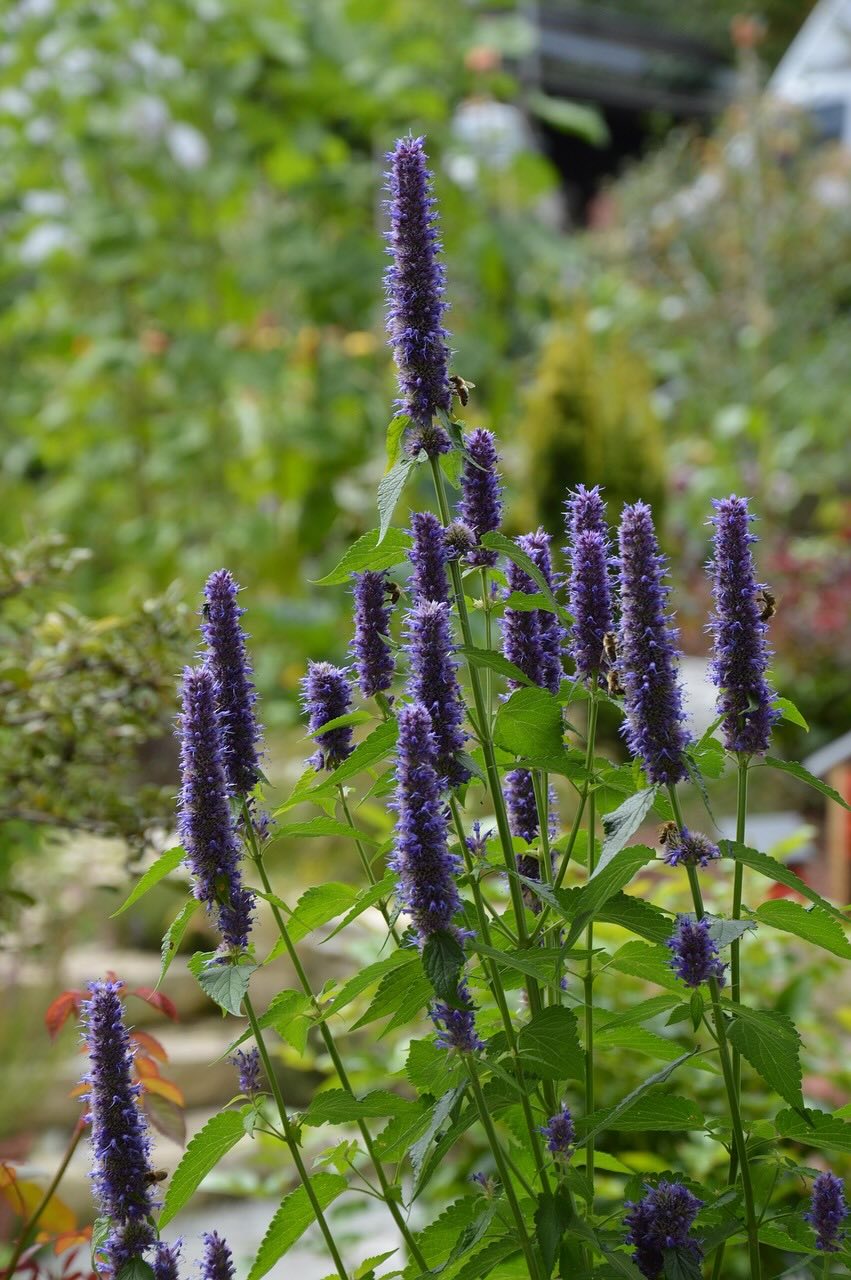
The foliage of agastache is strongly aromatic with a pleasant anise or liquorice scent when crushed, which gives it a similar sensory role to lavender in a planting scheme. It needs good drainage and a sunny, reasonably sheltered position to perform well and overwinter successfully in the UK, so it is not quite as reliable as Nepeta or Salvia nemorosa, but in the right spot, it is spectacular.
In colder northern gardens or exposed sites, treat it as you would a slightly tender perennial and add a dry mulch around the crown in November. ‘Blue Fortune’ is a slightly more compact option at around 60cm and marginally hardier, which makes it a safer bet in northern or more exposed UK gardens.
🛒 Buy Agastache Black Adder from Amazon UK
💡 Top Tip
In colder or wetter UK gardens, give agastache the best possible drainage by adding a generous layer of horticultural grit to the planting hole, and apply a dry mulch of gravel or grit around the crown rather than organic compost over winter. Moisture around the crown in cold weather is its biggest enemy.
5. Rosmarinus (Rosemary)
Rosemary shares lavender’s Mediterranean origins and almost identical growing requirements, which makes it a logical alternative when lavender has failed. It is evergreen, where lavender is semi-evergreen, which gives it a structural advantage in winter, and it flowers earlier in the year with small blue to lilac flowers from March onwards that are invaluable for early pollinators.
The needle-like aromatic foliage gives a similar sensory quality to lavender, and the overall growth habit, a low to medium rounded shrub with grey-green foliage, reads as a very similar design element in a border or path edging scheme.
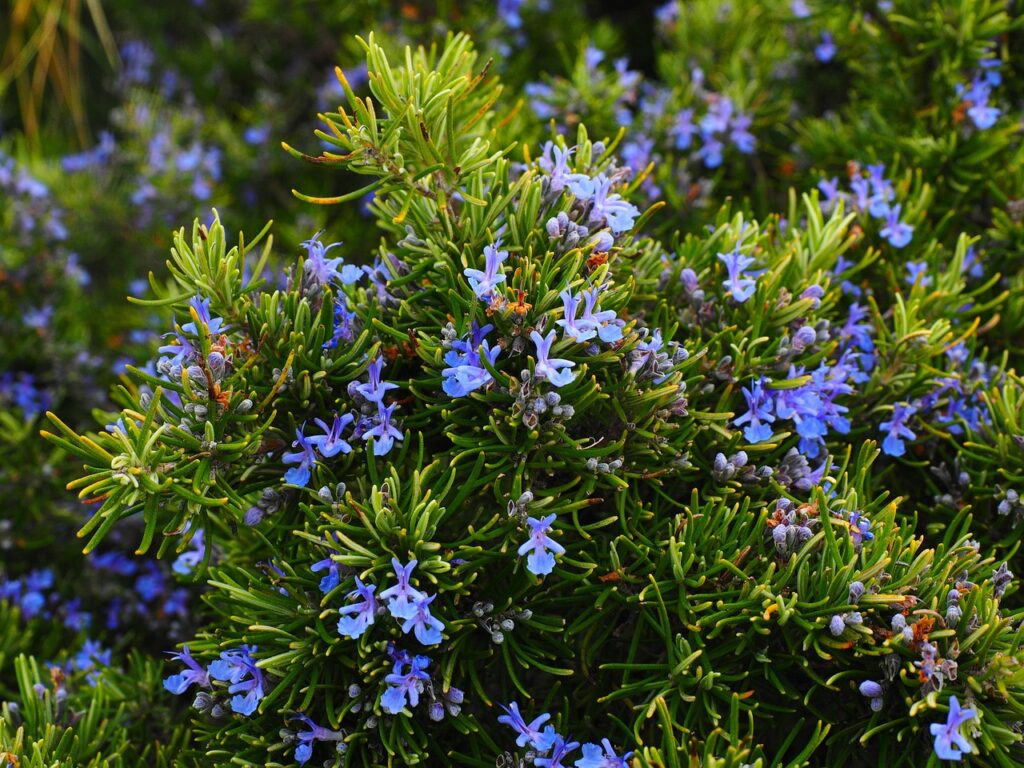
Rosemary does share one of lavender’s key weaknesses in that it dislikes waterlogged or clay soil, and in an exposed or very cold northern UK garden, it can suffer in a harsh winter. Given those caveats, in a sheltered sunny position with good drainage, it is one of the most rewarding and longest-lived shrubs you can plant. ‘Miss Jessopp’s Upright’ is the variety I use most in client gardens for its strongly upright habit and excellent structure, while ‘Prostratus’ works beautifully spilling over walls or at the front of a very free-draining raised bed. The additional bonus, of course, is that you can harvest it for the kitchen, which lavender cannot quite match for everyday culinary use.
🛒 Buy Rosemary plants from Amazon UK
💡 Top Tip
Like lavender, rosemary will not regenerate from very old woody stems, so trim it lightly each year after flowering in late spring rather than leaving it to get woody and leggy. A light annual trim keeps it compact and productive for many more years than if you leave it to its own devices.
Which Lavender Alternative Is Right for Your Garden?
Choosing the right alternative comes down to your specific growing conditions and what you want the plant to do. If your main problem was drainage or clay soil, Nepeta or Salvia nemorosa are your safest bets, as both handle a wider range of soil conditions than lavender. If you want the closest visual match to lavender with that same airy, silver-stemmed quality, perovskia is the answer. For the longest flowering season and the greatest pollinator impact, agastache is hard to beat. And if you want year-round structure with that same Mediterranean feel and the added bonus of a kitchen herb, rosemary is the obvious choice.
In many of the client gardens I design, I use a combination of two or three of these plants together rather than replacing lavender with a single alternative. Perovskia at the back, Salvia nemorosa in the middle, and Nepeta at the front give you a continuous succession of blue and purple flowers from May right through to October, with aromatic foliage throughout. It is one of my favourite low-maintenance planting combinations for a sunny border and one that consistently delights clients who had previously fought a losing battle with lavender.
11. Frequently asked questions
Why is my lavender turning brown and dying?
Browning and dying lavender in the UK is almost always caused by overwatering or root rot from poorly drained soil. The plant wilts and browns for the same reason it would if it were underwatered, because rotten roots cannot transport water to the foliage. Stop all watering, check the roots, and improve drainage. If the soil is clay-heavy, move the plant to a pot or raised bed with a gritty compost mix.
Can I revive a dead lavender?
If a lavender plant has no green tissue whatsoever on its stems or at the base, it is unlikely to revive. Lavender, unlike many shrubs, cannot regenerate from completely dead wood. However, if any green remains, even a small amount at the base, there is hope. Trim back all dead material to just above the living green growth, improve the growing conditions, and give it several weeks. Many lavenders that appear completely dead in early spring produce new growth by May as temperatures warm.
How often should I water lavender in the UK?
An established lavender in a UK garden with average rainfall needs no supplemental watering. The UK’s climate provides more than enough moisture for a well-established plant. Newly planted lavenders in their first spring and summer benefit from occasional deep watering during prolonged dry spells, perhaps once a fortnight in dry weather. Container lavenders need watering when the compost is completely dry, roughly every 7 to 10 days in summer and hardly at all through winter.
Why is my lavender going woody and not flowering?
Woodiness and reduced flowering in lavender are caused either by insufficient annual pruning or by old age. If the plant is less than eight years old and has not been pruned regularly, annual pruning of one-third of the leafy green growth after flowering will significantly improve it. If it is older and very woody throughout, consider replacing it with a young plant and committing to annual pruning from the second year onwards to prevent the same problem recurring.
Why did my lavender die over winter?
English lavender very rarely dies from cold in UK winters. If yours did not return after winter, the most likely cause is wet soil rather than cold. Lavender is far more vulnerable to damp conditions in winter than to frost. Waterlogged soil through a wet UK winter kills far more lavenders than the cold ever does. If you grow French or Spanish lavender, these are genuinely tender and will not reliably survive UK winters outdoors, particularly in colder regions. Grow these in containers that can be moved undercover from November to April.
What is the best lavender to grow in a UK garden?
For reliability, hardiness, and longevity in a UK garden, English lavender (Lavandula angustifolia) is the gold standard. Varieties I regularly recommend include ‘Hidcote’ for deep-purple, compact growth, ‘Munstead’ for slightly larger, bushier plants, and ‘Vera’ for a tall, intensely fragrant option. All three are RHS Award of Garden Merit winners and genuinely earn their place in any UK border with minimal intervention. For a compact patio container, ‘Little Lady’ is a particularly reliable variety that stays tidy and flowers freely.
12. When to replace your lavender
Sometimes the most useful thing a gardener can do is accept that a plant has run its course and make a fresh start. Lavender that is ten years old or more, very woody throughout, producing minimal flowers despite correct care, or that has suffered severe root rot with no remaining healthy roots, is a candidate for replacement rather than rescue.
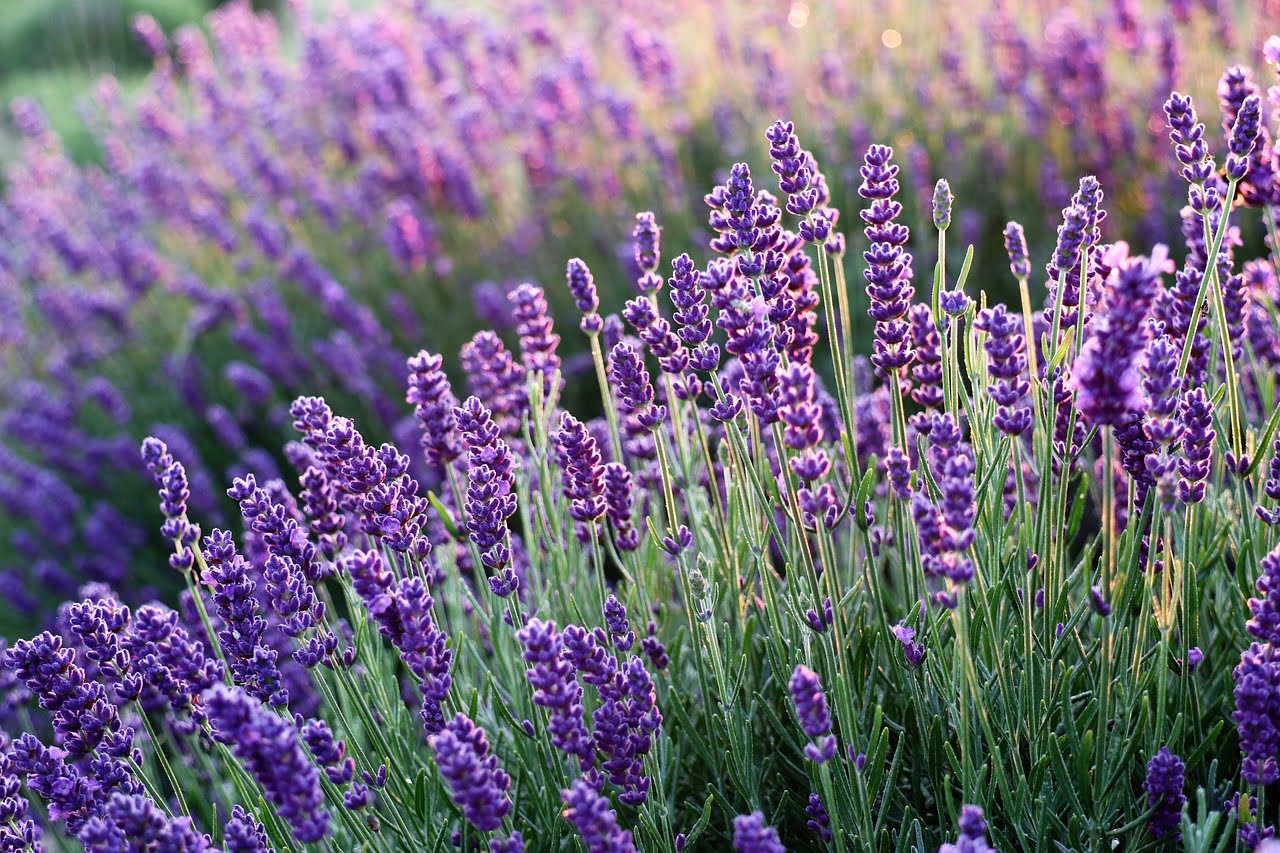
Replacing a dying lavender is not a failure. It is sensible garden management. The important thing is to understand why the previous plant struggled, so you do not repeat the same conditions. If it were in clay soil, improve drainage before replanting. If it was shaded by a neighbouring shrub, cut that back first. If it was overwatered, commit to a different approach.
Plant the replacement in spring or early autumn in full sun with grit worked into the soil. Water it in well on planting day, then leave it alone. Feed it nothing. Do not add rich compost. And prune it every year from its second season onwards, taking off a third of the leafy green growth after flowering. Do these things and your new lavender will reward you with years of fragrant, bee-friendly flowers.
🛒 Find Lavender Hidcote plants on Amazon UK
Summary
The great majority of dying lavender in UK gardens comes down to one root cause: conditions that are too wet, too shaded, or too rich. Lavender is asking for the opposite of what most UK gardens naturally provide. Get the drainage right, give it maximum sun, stop watering it, prune it faithfully every year into green growth only, and choose a hardy English variety. Do those five things, and lavender becomes one of the most rewarding and low-maintenance plants in the garden rather than one of the most frustrating.
For the full pruning method and propagation guide, visit my lavender growing and pruning guide.
Happy Gardening!





Lee Burkhill
Lee Burkhill, known as the Garden Ninja, is an award-winning garden designer and horticulturist with over 30 years of gardening experience and 15 years as a professional garden designer. A qualified RHS (Royal Horticultural Society) professional, Lee specialises in sustainable garden design and practical horticultural advice. He designs and presents on BBC1’s Garden Rescue and in leading gardening publications.
View all posts by Lee Burkhill





Other posts
-

Start here: to begin your gardening journey! Read more
-
A Beginner’s Guide to Tree Rootstock Sizes: What You Need to Know Read more
-
Essential Garden Tools for Beginners: 2026 Read more
-
How to prune Ornamental grasses the easy way Read more
-
The Best Garden Spades and Forks to Buy: 2025 Complete Tool Guide Read more
-
Niwaki Okatsune vs Felco Secateurs: The Complete UK Gardener’s Guide Read more