For the garden you’ve already got, not the one you’re starting from scratch. Seven checklists and video lessons from BBC Garden Rescue’s Lee Burkhill, built to help you work out what’s worth keeping before you spend a penny.
69


Quick Answer
Niwaki and Okatsune secateurs give the sharpest, cleanest cut and the best feel in the hand, but need regular cleaning and oiling to stay rust free. Felco secateurs are slightly less razor sharp out of the box, but their replaceable parts, huge UK service network, and low maintenance make them the practical choice for daily professional use. Both are bypass secateurs, built for slicing through living growth rather than crushing dead wood. Most experienced gardeners, myself included, end up owning both.
As someone who has spent countless hours with secateurs in hand, transforming overgrown gardens and reviving plants, I can tell you that your choice of pruning tool will make or break your gardening experience. After years of testing everything from budget snips to professional grade tools, I’ve narrowed down the premium market to two standout secateur brands that I use here at Garden Ninja HQ: the artisanal Japanese craftsmanship of Niwaki Okatsune and the Swiss precision engineering of Felco.
Jump To
Both brands represent the pinnacle of secateur design, but they cater to very different gardening philosophies and skill levels. Whether you’re a beginner looking to invest in your first proper pair of secateurs or an experienced gardener seeking to upgrade, this comprehensive comparison will help you make the right choice for your UK garden.
This page contains affiliate links (see full details here). If you purchase through these links, I may earn a small commission at no extra cost to you.
🛒 If you already know you lean Swiss, the Felco Model 2 is the sensible starting point, and if you lean Japanese, the Okatsune 103 is the equivalent all rounder. Read on for the detail behind that choice.
Niwaki secateurs embody the Japanese principle of Monozukuri, the beauty of craftsmen’s work with tools and precision. All for the relentless pursuit of perfection. Even just looking at these secateurs, you can see that they are beautifully made and there’s a flow to them. That’s what first drew me to them over a decade ago!
These aren’t just tools in Japan; they’re an extension of the ‘gardener’s hand’, crafted using traditional methods that have been refined over generations. Which may sound lofty, but having used their secateurs and snips now for over a decade, and being a Japanese garden design super fan, it really does feel like they are more than just a tool.
During my visits to Japanese gardens over the years in Tokyo and other parts of Japan I’ve seen their gardeners using a whole host of beautifully made specific tools for each of their jobs. The Japanese gardeners don’t have one multi tool, instead opting for a precise tool for each gardening task! I remember visiting Kyoto and watching gardeners pruning with pairs of Okatsune secateurs that looked like they had been through several decades of daily use, and yet every single cut was silent and clean.
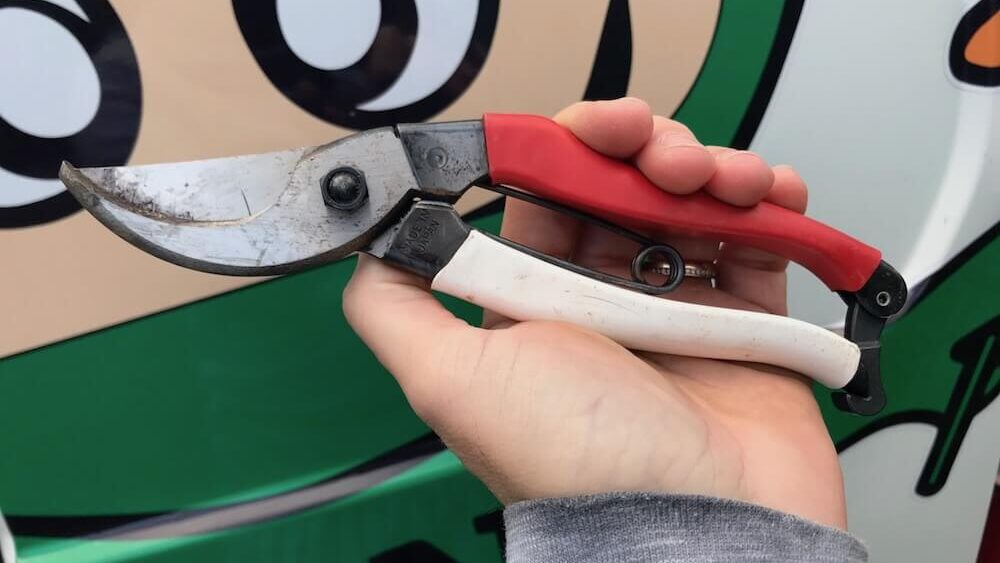
The blade geometry on their Okatsune secateurs is simply extraordinary. The razor-sharp edge, when properly maintained, slices through stems with almost surgical precision, leaving clean cuts and promoting faster healing in plants. If you’re not careful, you will easily slice your fingers open on a pair of recently sharpened Niwaki or Japanese steel secateurs. This is particularly useful for delicate pruning work on fruit trees, roses, and ornamental shrubs, where the quality of the cut directly impacts plant health.
However, this exceptional performance comes with a commitment.
Japanese secateurs require regular maintenance and proper storage. The carbon steel blades, while incredibly sharp, are more susceptible to rust and dulling than their European counterparts. Think of them as the sports car of the secateur world, thrilling performance, but you need to know how to look after them. One thing to bear in mind is that Okatsune are not just specialist to Niwaki, you can buy them direct too. They are connected to Niwaki as they used to be their flagship ‘good all-rounder model’.
💡 Top Tip
Keep a small maintenance kit by the back door rather than tucked away in the shed. If your sharpening stone and camellia oil are not within easy reach, you simply will not bother reaching for them after a long day of pruning, and that is exactly how a good pair of Niwaki secateurs ends up rusty within a single season. If you have smaller hands, look for the Okatsune 101 rather than the standard 103, it is a smaller pair rather than just a different price point.
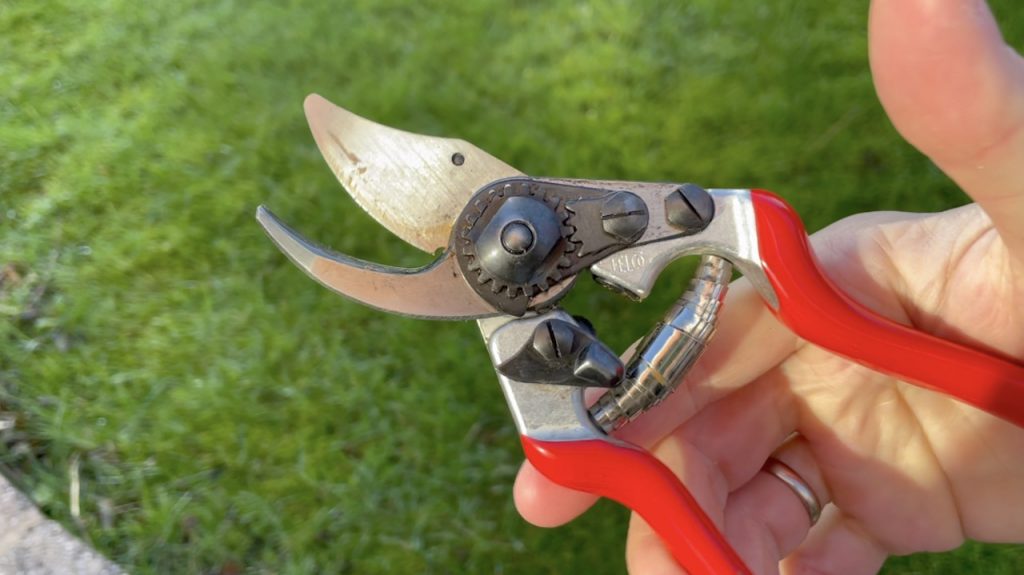
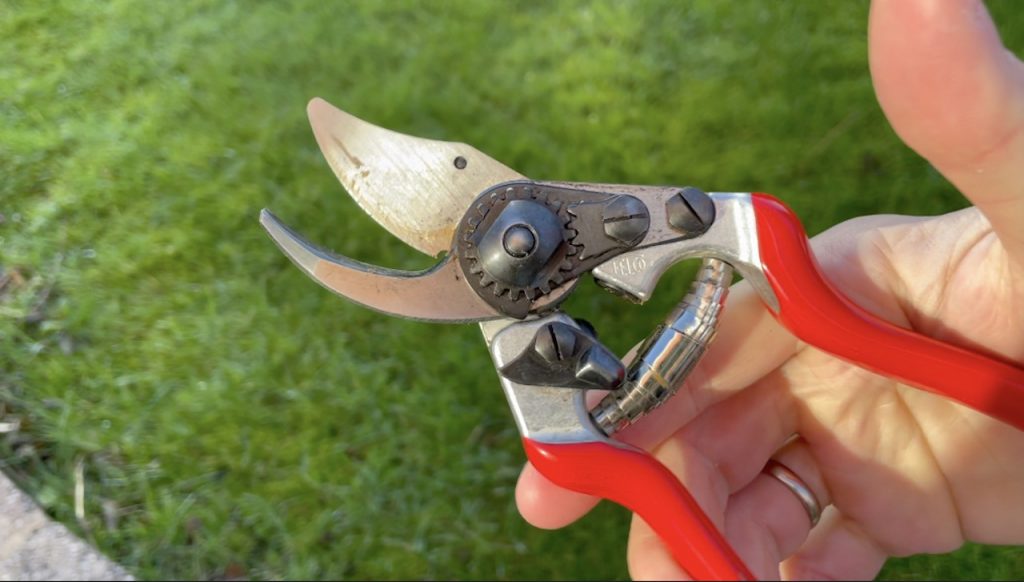
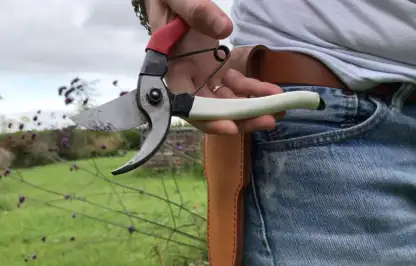
Felco secateurs represent a completely different approach to tool design. Where Niwaki focuses on traditional craftsmanship, Felco brings Swiss engineering precision to every component. These are the workhorses of the professional gardening world, built to withstand daily abuse whilst maintaining consistent performance. You can see it in the cogs, switches, and super-thick rubber handles. Everything is made for function and results.
Each component part is replaceable, fixable, serviceable and tweakable.
I have a battered pair of Felco 2 secateurs in my own kit that must be pushing fifteen years old now. They have been dropped off ladders, left out in a downpour more times than I would like to admit, and once got run over by my own wheelbarrow whilst I was distracted loading up prunings. A new spring, a replacement blade, and they are still my daily pair for anything thicker than a pencil. That is the whole Felco argument in one paragraph really. They do not need to be treated delicately to keep performing.
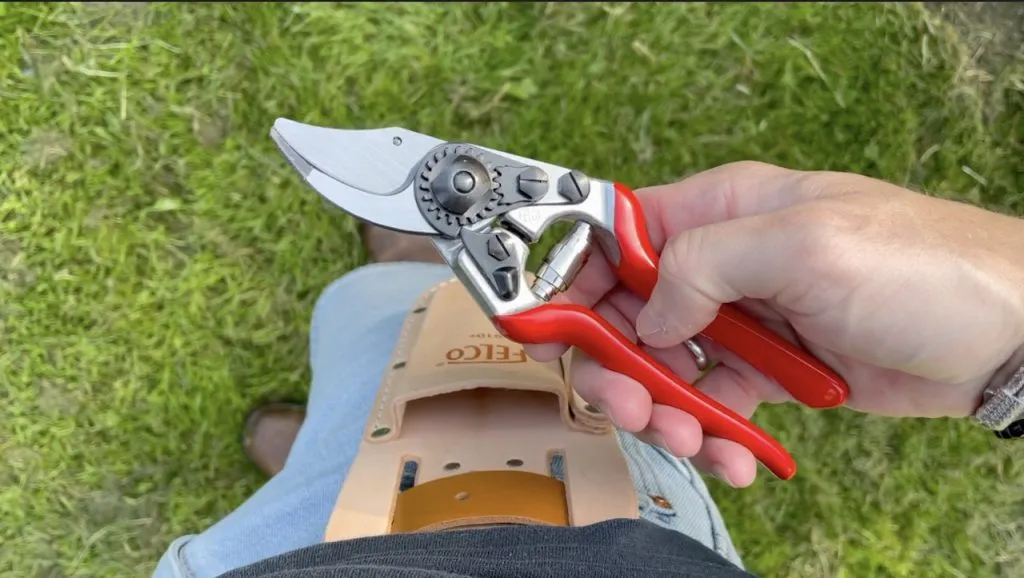
The modular design philosophy sets Felco apart in the market. Every single component, from the springs to the cutting blades, can be replaced individually. This means your initial investment can literally last decades with proper care.
I’ve seen gardeners still using Felco secateurs purchased in the 1980s, cutting as cleanly as the day they were bought. They have an amazing repair-and-replace service where even battered, ruined Felcos can be sent off and repaired, then returned nearly as good as new!
The ergonomics of Felco tools are second to none, particularly important for gardeners who spend hours pruning. The handles are designed to reduce hand fatigue, and the range includes options for different hand sizes and cutting preferences. For UK gardeners dealing with everything from delicate herbaceous perennials to tough old apple wood, this versatility is invaluable. Felco are one of the only truly size specific secateur ranges, something Niwaki often struggles to match given their more limited sizing options. The Felco 7 in particular has a rotating handle that pivots as you cut, which takes a surprising amount of strain off the wrist over a long pruning session and is worth seeking out if you already suffer from any wrist discomfort.
💡 Top Tip
Always check the handle opening width before buying, not just the brand name on the box. A pair that is technically excellent but too wide for your hand will tire you out far faster than a slightly less prestigious pair that actually fits properly. If you possibly can, hold a pair in a shop before committing to buying online.
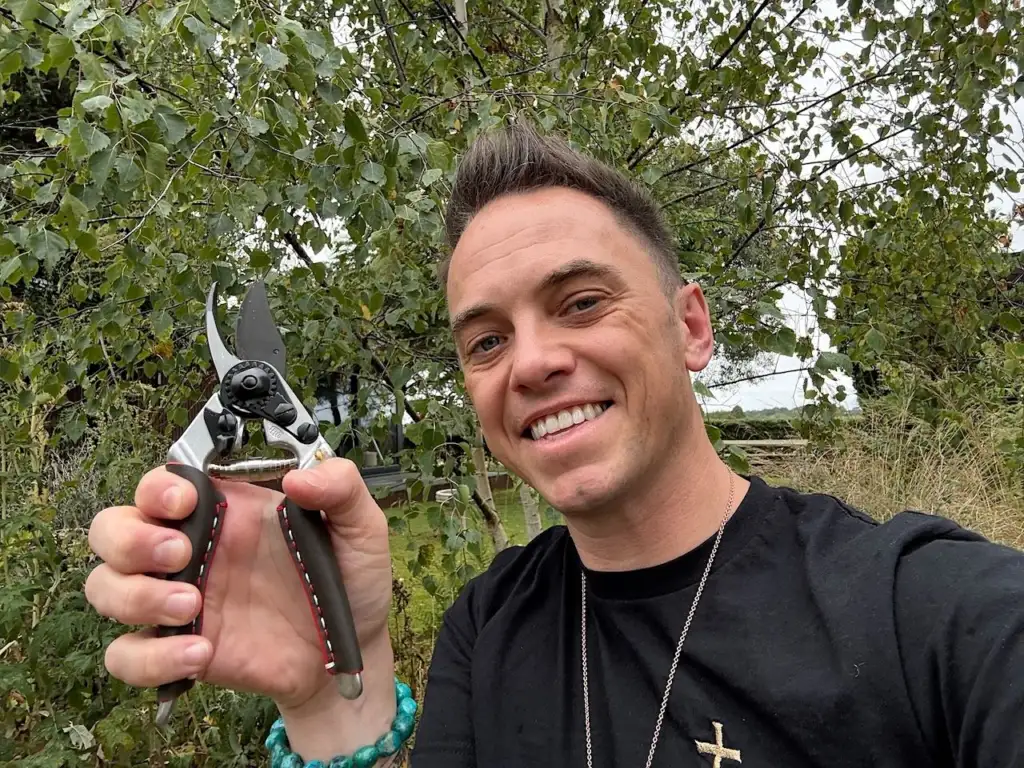
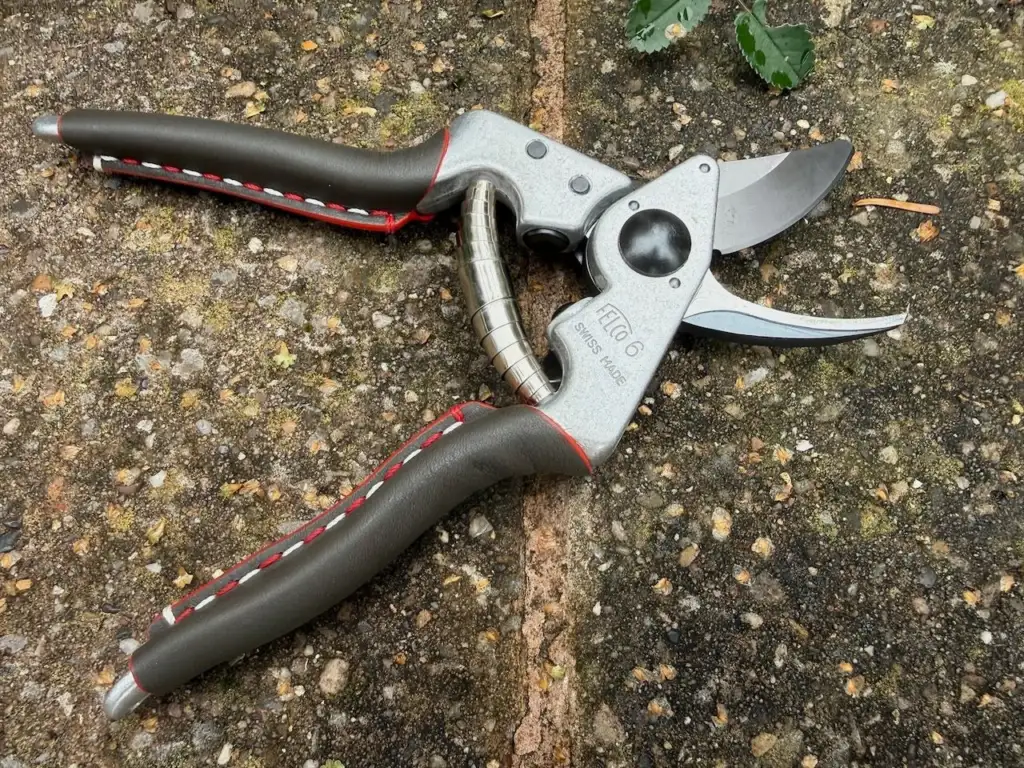
Where this comparison usually splits neatly into two camps, the Felco 6 Elite sits in an interesting spot between them. It is built on the same compact Model 6 body sized for smaller hands, but Felco has added an F-Tech-coated blade that cuts friction and resists sap and bacteria, a mid-opening thumb catch, and grips wrapped in stitched leather rather than the standard rubber. I have been trialling a pair this season, and it is the closest a Felco has come to matching the feel that draws people to Niwaki and Okatsune in the first place.
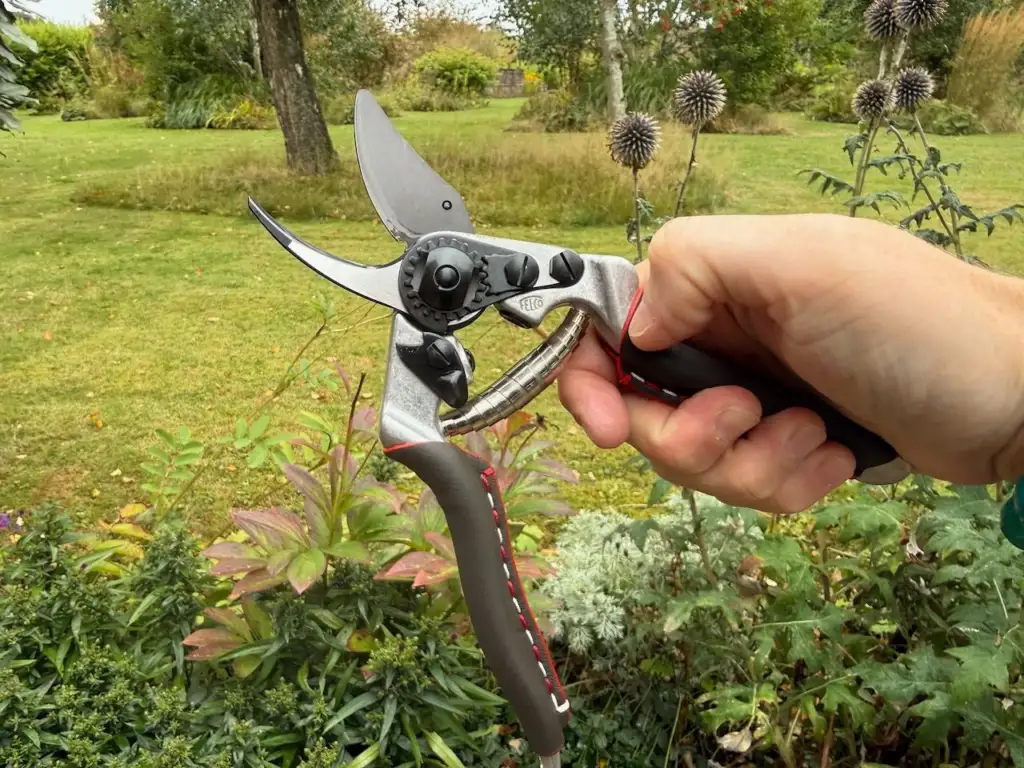
The leather grips are what set it apart in daily use. They are saddle-stitched rather than moulded, and after a few weeks of regular pruning, they have already begun to soften and shape themselves around my palm the way a good pair of leather work boots does over a season.
Despite the extra material, the 6 Elite does not feel any heavier on the wrist than a standard Model 6, and it feels heavy-duty without feeling awkward or out of balance. They feel closer to bulletproof than delicate, which is exactly what you want from a tool that gets dropped in a border more often than any of us would like to admit.
I would put the 6 Elite forward as a serious alternative to Okatsune for anyone who wants that same premium cutting feel without taking on the upkeep that Japanese carbon steel demands in a damp UK garden. It holds its edge well and only requires the same light maintenance routine as any other Felco: wipe, oil, and occasional sharpening, rather than the more involved rust-prevention regimen that Niwaki and Okatsune blades need.
Best for: gardeners who want the compact Model 6 fit with a premium finish, anyone weighing up Felco against Niwaki on feel alone, and those who prune often enough to appreciate grips that improve with age.
🛒 Find the Felco 6 Elite on Amazon UK
Both Niwaki Okatsune and the core Felco range are bypass secateurs, meaning two curved blades pass each other in a scissor action rather than one blade crushing down onto a flat anvil. This matters enormously if you are pruning anything alive, since bypass secateurs slice cleanly through green stems and living wood, while anvil secateurs crush the tissue as they cut. That crushing action is fine for dead wood, but it leaves a bruised, ragged wound on a living plant that heals far more slowly and gives disease an easy way in.
If most of your pruning involves roses, shrubs, perennials, or fruit trees while they are in leaf, bypass is the type you want, and that is exactly why both Niwaki and Felco built their reputations on it. Felco does also make anvil and ratchet models within its wider range for tougher, drier material, so it is not a strict either-or choice once you look beyond the flagship Model 2. If you want the full rundown of when to choose bypass over anvil or ratchet, including options for anyone who finds gripping a standard pair difficult due to arthritis or reduced hand strength, I’ve covered that in detail in my wider secateurs buying guide.
Both ranges are far wider than the flagship name suggests, and knowing which specific model suits your garden matters more than simply picking a brand. I get asked this constantly by people who have read every comparison going and are still none the wiser, because most reviews talk about Niwaki and Felco as if each only makes one pair of secateurs.
Within the Okatsune range, the 101 is the compact option and suits smaller hands rather than being a scaled-down version in name only. The 103 is the one most people mean when they simply say Okatsune, and it is the sensible starting point for almost everyone. The 104 has a slightly larger blade and copes better with the thicker end of shrub work, though you do lose a little of that surgical precision in exchange.
Felco’s range is arranged a little differently. The Felco 2 remains the original all-rounder and the one I would point most gardeners towards first. The Felco 6 is essentially the same tool built around a smaller handle opening, so it is worth trying before assuming the 2 will fit you, and the Felco 6 Elite covers the same compact fit with the added leather grip and coated blade for anyone who wants that step up. The Felco 7 introduces the rotating handle I mentioned earlier, which earns its higher price if you prune for hours at a stretch, and the Felco 12 has a narrower blade profile designed for precise cuts among crowded foliage rather than raw cutting power.
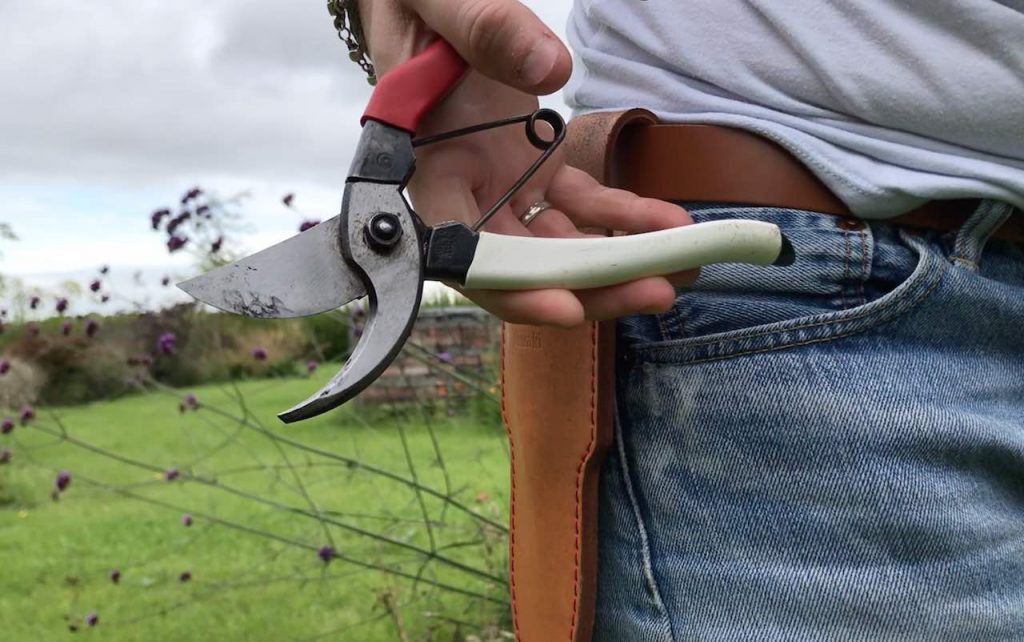
Niwaki Okatsune: Delivers extraordinary cutting performance that professionals consistently rate as superior. Recent comprehensive testing found Okatsune to be “clear winners” with “sharpness, precision, ease of cutting” significantly better than competitors. Professional gardeners report they “keep an edge longer than Felcos, they feel more robust and have only needed replacing when I have pushed them beyond their limits too often”. They do struggle with thicker branches and laterals though, typically topping out around 20 to 22mm, where more heavy-duty secateurs are needed. I’d say they have a smaller window for the thickness they can cut compared to Felco in my experience.
Felco: Consistent, reliable cutting across all stem types with proven durability. The range includes anvil and bypass options, with cutting capacity up to 30mm on premium models. I’ll be honest, whilst Felcos make light work of a wider thickness of plant stems and branches, their cutting isn’t as razor-sharp as Niwaki unless recently sharpened. The Felco 6 Elite closes some of that gap thanks to the F-Tech blade coating, which reduces the drag through the cut compared with a standard Felco blade, though it still asks for a sharpening sooner than Okatsune does to reach the same finish. Recent testing placed them “not only third, but a distant third, as no one cared for their cut even remotely compared to Japanese alternatives.”
Niwaki: Hand-forged carbon steel blades using traditional Japanese methods, the same steel quality used in katana sword crafting. The blades are thinner than Felco’s and are super tough, though they require careful rust prevention and cleaning after each use. This need for regular cleaning and sharpening is the biggest downside of Niwaki and Japanese secateurs generally.
Felco: Engineered for longevity with replaceable parts. Hardened steel components resist wear and weather. Built to professional standards for daily commercial use with comprehensive parts availability. Felcos require far less cleaning and oiling, so they are better for day-to-day commercial gardeners.
Niwaki: Exceptionally well balanced with superior weight distribution thanks to the full-length construction. The longer handles provide excellent leverage and feel more natural in the hand than shorter European designs. BBC Gardeners’ World Magazine noted they “feel well balanced and comfortable to use”.
I love the counter-balance of all of my Niwakis, though they take a bit of getting used to! An Okatsune 103 weighs roughly 140g, which surprises people the first time they pick a pair up given how substantial they look in photographs.
Felco: Multiple handle sizes and grip options available, though the shorter, more compact design can feel less balanced in larger hands. Shock-absorbing systems on premium models. Designed specifically for extended professional use without fatigue. If you do a lot of pruning, Felcos reduce fatigue significantly.
A Felco 2 comes in at around 220g, noticeably heavier than the Okatsune equivalent thanks to the thicker rubber grips and the extra hardware inside, though that added weight is part of what makes them feel so planted through a tough cut. The Felco 6 Elite sits closer to the Okatsune on weight than a standard Felco does, since the leather grips add far less bulk than the moulded rubber, without giving up the shock-absorbing feel Felco is known for.
The initial investment in either brand represents excellent value compared to repeatedly buying cheaper alternatives, but the long-term economics favour Felco significantly. A well-maintained Felco can outlast multiple Niwaki secateurs if they get damaged, making it the more economical choice for most gardeners. Though in reality, I’ve not managed to break a pair of Niwakis beyond repair yet, I am very careful with them!
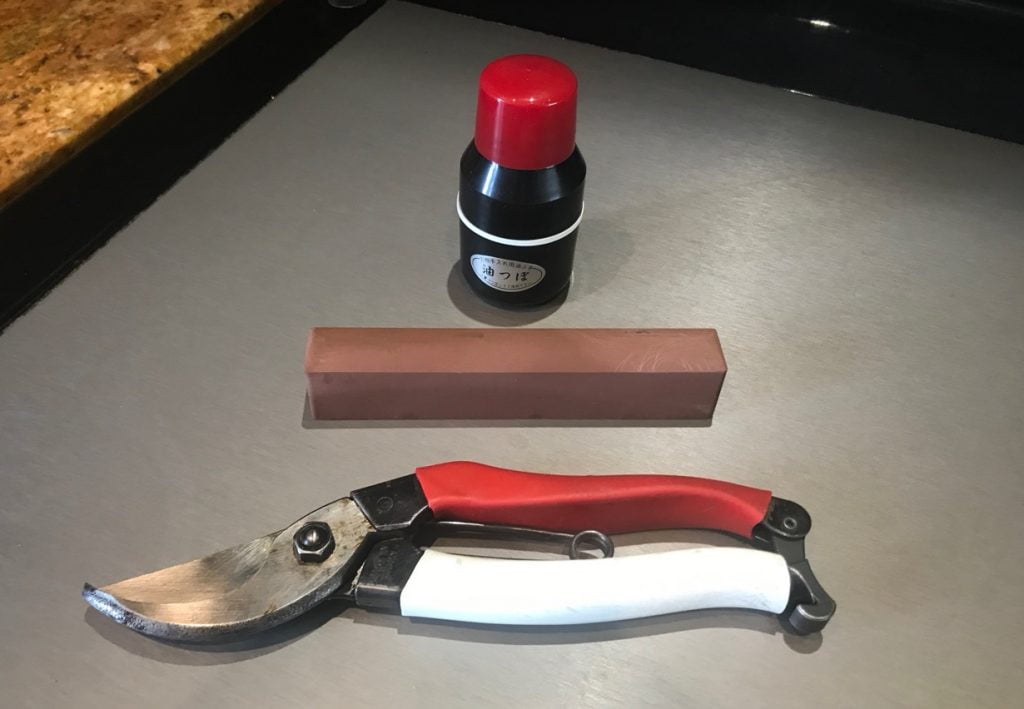
The carbon steel blades require regular cleaning and a light coat of camellia oil to prevent rust, but maintenance is more straightforward than many assume. The simple, robust construction means fewer components to service, and the handles are all steel covered by a rubber or plastic tool handle covering. One thing you need to consider, though, is the consistent cleaning needed for Niwakis compared to Felco. They tarnish faster and seem to get gunked up more quickly than their competitors.
The locking mechanism is particularly praised by professionals who note it works consistently, but I’ve found sometimes it does engage during use, which can be frustrating. The locking mechanism is easy to use, even with your thigh (the clasp at the bottom of the handles). It’s very deliberate and easy to use, even with gloves on, which is an advantage over Felco if you tend to garden in thicker gloves.
You will need a whetstone, a rust eraser, and camellia oil to keep them sharp and clean, all specific bits of kit for Japanese secateurs rather than anything you would reach for on a general-purpose tool.
Felco secateurs are designed for the real world. Basic maintenance involves occasional cleaning and oiling of the pivot points. The hardened steel blades hold their edge longer and can be easily sharpened using standard techniques or replaced entirely when worn. I too can testify that the locking mechanism is a joy, whereas the Niwaki clasps can sometimes snap over fingers or stop the secateurs from fully closing mid-cut!
The company provides excellent maintenance guides, and replacement parts are readily available from garden centres across the UK. Many components can be serviced by the gardener themselves, making ongoing costs predictable and manageable. Felco also produces its own 902 ceramic sharpening stone, ground specifically to match its blade angle, which takes a lot of the guesswork out of sharpening if you are doing it yourself for the first time.
If you have been doing crown lifting or working around resinous shrubs and conifers, plain water will barely touch the sticky residue that builds up on the blades. A wipe with white spirit or a dedicated garden tool resin remover lifts it off in seconds, whereas trying to scrub it away dry just dulls the edge faster and leaves a gummy film that attracts more dirt next time you use them.
The question I get asked most since trialling the Felco 6 Elite is whether the leather grips need the same fussing over as a pair of Niwakis, and the honest answer is no. The blade itself is still hardened Felco steel with the F-Tech coating, so it follows the standard Felco routine of a wipe after use, an occasional drop of oil on the pivot, and a sharpen when the edge starts to drag rather than slice. Carbon steel imported from Japan needs that same wipe done every single time it is used, plus proper camellia oiling and a dry, humidity-controlled spot to live in, or rust spots appear within days rather than weeks.
The leather grips themselves are the only new maintenance consideration worth noting. Left permanently wet in a bucket or a damp shed, leather will eventually stiffen or crack in ways that rubber never does, so a light leather conditioner once or twice a season is worth doing if you want it to keep softening rather than drying out. That is a five-minute job a couple of times a year, nowhere near the weekly rust patrol that a pair of Okatsune demands through a wet UK autumn. In practice, the 6 Elite gives you most of the tactile benefits of premium Japanese steel without inheriting the maintenance discipline that comes with it.
Niwaki offers a traditional approach to customer service, with support primarily through specialist retailers and their UK distributor. While the quality of service is excellent, the network is smaller, and accessing repairs or advice may require more effort, particularly for gardeners outside major urban areas.
The warranty covers manufacturing defects but emphasises proper maintenance. Given the specialised nature of these tools, users are expected to understand and commit to appropriate care from day one.
Felco provides industry-leading support with a network of authorised service centres across the UK. The company offers comprehensive warranties covering both manufacturing defects and normal wear components. Most impressively, they guarantee parts availability for discontinued models, ensuring your investment remains serviceable for decades.
Their customer education resources are extensive, including maintenance guides, video tutorials, and technical support. For beginners, this level of support can make the difference between a tool that lasts decades and one that fails prematurely due to poor maintenance. I’ve known many professional gardeners who still have 40-year-old Felcos, and they get them serviced! The Elite range, including the 6 Elite, is backed by the same lifetime guarantee and parts availability as the rest of the standard Felco line, so choosing the leather-gripped model does not mean stepping outside that support network.
If you are still torn between the two, the table below sets out the honest trade-offs side by side. There is no wrong answer here, just a different set of priorities.
I’ll be honest, I’m a secateur fanatic. I have more pairs than I am allowed to admit to my other half! I’ve spent hundreds on a single pair of specific snips, and sometimes £50 on a good all-rounder. As a professional gardener, I have pairs of Felco and Niwaki secateurs that I use every day, plus super-specialised or preferred secateurs for different jobs. This makes it hard to narrow it down to one universal pair.
If I’m pruning fruit trees, I always use Niwaki Tobisho B-type or St Type secateurs as they provide a near glass-like sharp finish on cuts. For shrubbery work and crown lifting trees, I use Felco as they can withstand a bit more brutal bashing, dropping and resin build-up. Whereas Niwaki tend to get mucky quickly and are a bit more work to clean than Felcos. The Felco 6 Elite has become my pick for client visits and demonstrations, where I want something that looks the part in front of a camera or a client but still performs properly once the cutting starts.
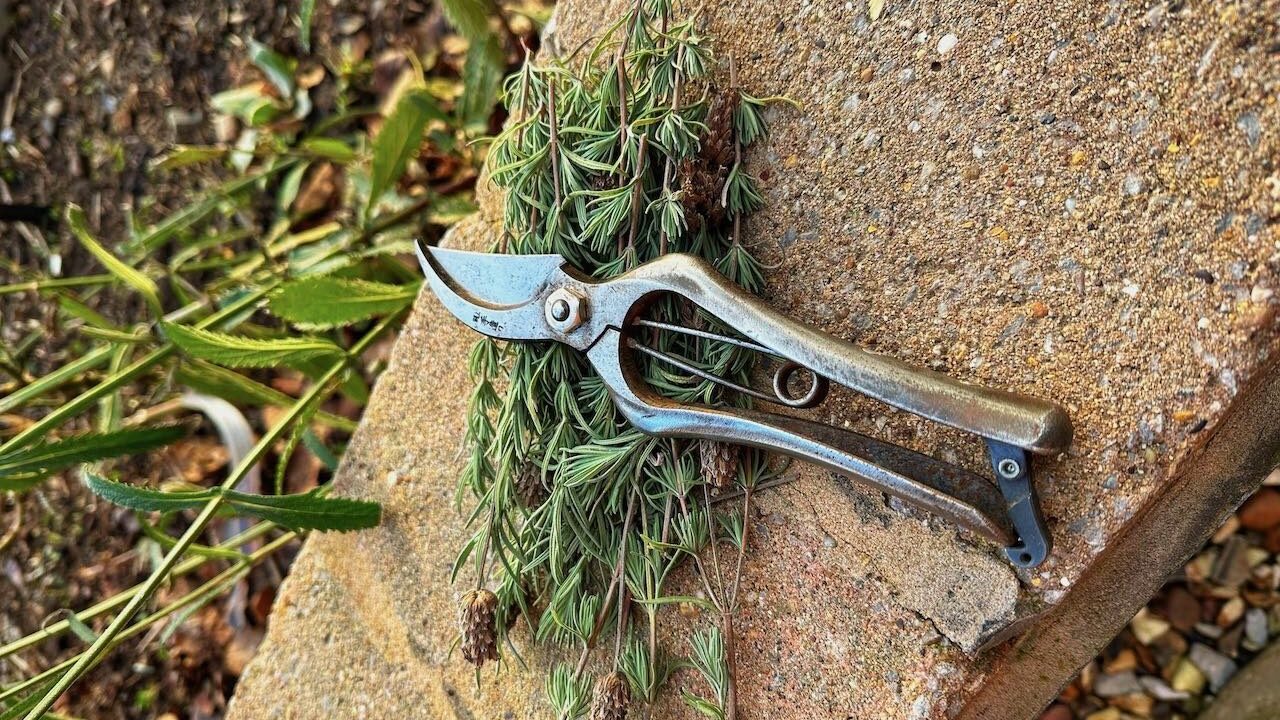
Recent comprehensive testing with multiple users consistently ranked Niwaki Okatsune as the clear winner in cutting performance and ease of use, even for first-time users. The simple, robust construction and superior locking mechanism make them surprisingly beginner-friendly, with BBC Gardeners’ World Magazine awarding them Best Buy status. However, Felco has heritage, history, and a huge base of professional gardener fans!
Both brands offer excellent foundations for developing proper pruning techniques. Niwaki provides unmatched cutting performance and superior balance, whilst Felco offers comprehensive support and parts availability. Your choice ultimately depends on whether you prioritise cutting excellence (Niwaki) or service convenience (Felco). If low maintenance matters to you as a beginner but you still want that premium feel in the hand, the Felco 6 Elite is worth trying before you commit either way.
The reality is that either tool, properly maintained, will serve you for decades and dramatically improve your pruning results compared to cheaper alternatives.
Remember, the best secateurs are the ones you’ll actually use and maintain properly. Both brands offer exceptional quality, but your gardening style, maintenance commitment, and long-term goals should guide your decision, along with your budget! With either pair, you’ll be pruning like a pro and making all cuts far easier than with cheaper secateur alternatives.
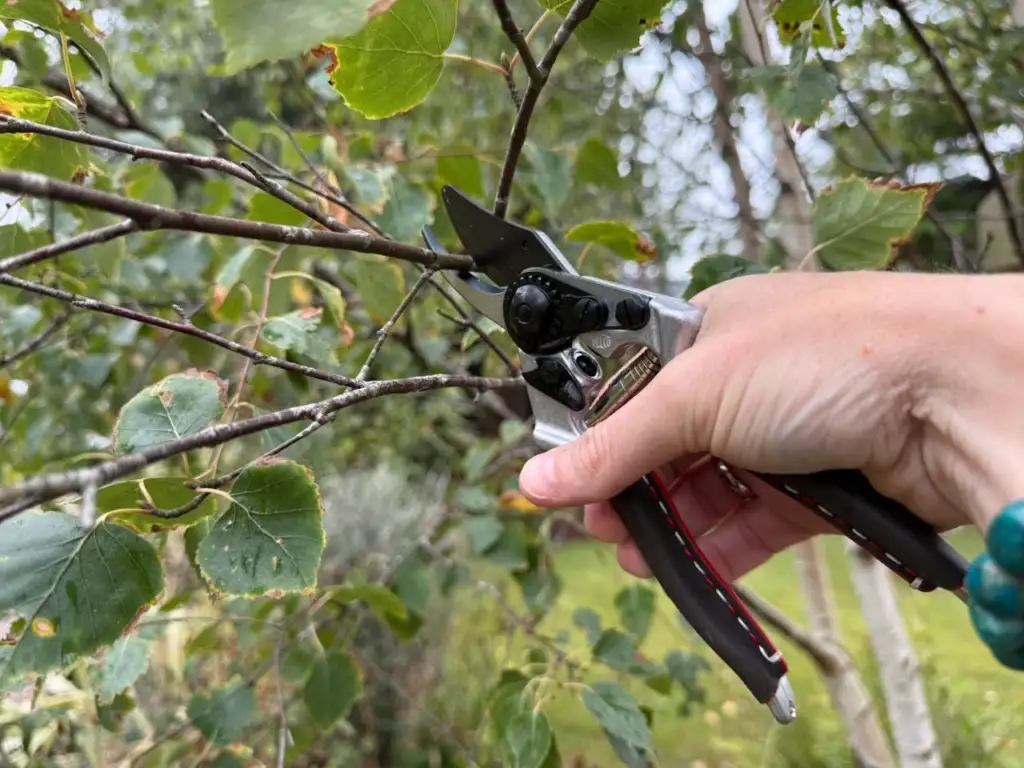
The Felco 6 Elite is the closest a Swiss-made pair comes to matching the feel of a Niwaki Okatsune. It shares the compact Model 6 body, sized for smaller hands, but swaps the standard rubber grip for stitched leather and adds an F-Tech coated blade that cuts friction through the stem.
Where it pulls ahead of Niwaki for day-to-day use is maintenance. The blade only needs the same wipe, oil and occasional sharpening as any other Felco, rather than the more careful rust prevention routine that Japanese carbon steel demands in a damp UK garden. If you like the idea of a premium, tactile secateur but do not want to take on Niwaki-level upkeep, this is the pair I would point you towards.
🛒 Find the Felco 6 Elite on Amazon UK
Are Niwaki and Okatsune the same brand?
Not quite. Okatsune is a separate Japanese manufacturer, and Niwaki is a UK company that imports and distributes Japanese garden tools, including Okatsune’s secateurs as one of their flagship all-rounder models. You can buy Okatsune secateurs directly from other Japanese tool retailers too, but Niwaki is where most UK gardeners first come across them.
Are Niwaki and Felco secateurs bypass or anvil?
Both are primarily bypass secateurs, designed to slice through a stem rather than crush it. This makes them the right choice for pruning anything alive, since a clean bypass cut heals far faster than the bruised wound an anvil blade leaves behind.
Which secateurs do professional gardeners use?
Most professional gardeners in the UK use either Felco or a Japanese brand such as Niwaki or Okatsune, often owning both and choosing between them depending on the job. Felco tends to dominate for heavy daily commercial use because of the low maintenance and parts availability, while Japanese secateurs are favoured for precision work where cut quality matters most.
How often should I sharpen my secateurs?
For regular use, aim to touch up the blade edge every few weeks during the growing season, and give them a proper sharpen at the start and end of each season. Japanese carbon steel blades on Niwaki and Okatsune secateurs need more frequent attention than Felco’s hardened steel, but they also take an edge more readily when you do sharpen them.
Can left-handed gardeners use Niwaki or Felco secateurs?
Felco makes dedicated left-handed models, the Felco 9 and Felco 10, which mirror the standard right-handed Felco 2 and Felco 6 respectively. Niwaki and Okatsune secateurs are generally right-handed only, so left-handed gardeners who prefer the Japanese cutting style will usually need to adapt their technique.
What size Felco secateurs should I buy?
Felco sizes their range around handle opening width, and for most adult hands an opening of around 65 to 75mm feels comfortable. If your hands are smaller, look for a Felco model with a reduced-size handle rather than assuming the standard size will fit.
Are Niwaki secateurs worth the extra maintenance?
If you value cut quality above all else and are prepared to clean and oil your blades after use, yes, without question. If you would rather spend less time on tool care and more time actually gardening, Felco’s lower maintenance requirements will suit you better day-to-day.
Are Niwaki or Felco secateurs easier to use with gloves on?
The Okatsune-style locking catch on Niwaki secateurs is generally easier to operate with thick gardening gloves, since it requires a deliberate, larger movement using the thigh or thumb. Felco’s catch is a smaller thumb-flick action designed for a bare or thinly gloved hand, and it can be fiddly with bulkier gloves on.
Where can I get Felco secateurs serviced in the UK?
Felco has a network of authorised service centres and stockists across the UK that can supply replacement parts or carry out a full service. Many garden centres selling Felco tools can also order parts for you if they don’t have them in stock.
Is the Felco 6 Elite worth the extra cost over a standard Felco 6?
If you prune often enough to notice how a tool feels in the hand over a full day, yes. The leather grips and coated blade are a genuine step up in feel, and the maintenance remains close to that of a standard Felco rather than jumping to Japanese steel levels of upkeep. If you only prune occasionally, the standard Felco 6 will do the same job at a lower cost.
Stop dreaming about stunning gardens and start designing them! Lee Burkhill’s online garden design courses are your shortcut from complete beginner to confident designer, all from the comfort of your sofa. These online courses allow you to learn at your own pace and are jam-packed with video tutorials, quizzes, sample designs and planting lists. Best of all, there is no time limit to complete them, so you can refer back to them as much as you need to!
For the garden you’ve already got, not the one you’re starting from scratch. Seven checklists and video lessons from BBC Garden Rescue’s Lee Burkhill, built to help you work out what’s worth keeping before you spend a penny.
Garden Design Examples for Small Gardens: 30 Design Templates & Planting Plans: In this online gardening course, I’ll walk you through 30 fantastic garden designs, explaining the logic behind the layout, the plant choices, and take-home tips for applying them in your own garden.
Learn how to transform and design your own garden with Lee Burkhills crash course in garden design. Over 5 hours Lee will teach you how to design your own dream garden. Featuring practical design examples, planting ideas and video guides. Learn how to design your garden in one weekend!
Garden Design for Beginners Online Course: If you want to make the career jump to becoming a garden designer or to learn how to design your own garden, this is the beginner course for you. Join me, Lee Burkhill, an award-winning garden designer, as I train you in the art of beautiful garden design.
To make the most of whichever secateurs you choose, proper pruning technique is essential. My comprehensive pruning guide covers everything from basic cuts to advanced techniques, helping you achieve professional results whilst maintaining plant health. Understanding when, where, and how to prune is just as important as having the right tools for the job.
Whether you opt for the artisanal excellence of Niwaki Okatsune, the practical perfection of the standard Felco range, or the Felco 6 Elite as a middle ground between the two, investing in quality secateurs will enhance your gardening experience and help you cultivate the garden of your dreams. Whichever brand from above you pick, you won’t be disappointed in having decent secateurs with you as you level up your gardening skills, Ninjas!

Lee Burkhill, known as the Garden Ninja, is an award-winning garden designer and horticulturist with over 30 years of gardening experience and 15 years as a professional garden designer. A qualified RHS (Royal Horticultural Society) professional, Lee specialises in sustainable garden design and practical horticultural advice. He designs and presents on BBC1’s Garden Rescue and in leading gardening publications. Lee combines three decades of hands-on gardening knowledge with professional design qualifications to help gardeners create beautiful, functional outdoor spaces.
View all posts by Lee Burkhill









JOIN THE NINJAS

Be the first in line for new Guides, Discount codes and Offers