Why Is My Hydrangea Not Flowering? The Complete UK Guide
Lee Burkhill: Award Winning Designer & BBC 1's Garden Rescue Presenters Official Blog
Beginner level
A hydrangea full of glorious blooms is one of summer's great garden pleasures. A hydrangea with lush green leaves and absolutely nothing else is one of summer's great garden frustrations. If yours falls into the second category, I want you to know two things. First, you are far from alone. This is genuinely the question I am asked about hydrangeas more than any other, both through the forum here and from clients on BBC Garden Rescue. Second, and more importantly, the problem is almost always fixable once you understand which of several quite different causes is responsible.
The critical point with hydrangeas not flowering is that different causes require completely different solutions. The fix for wrong pruning timing is not the same as the fix for frost damage, which is not the same as the fix for too much shade or too much nitrogen.
Reaching for a general-purpose fertiliser and hoping for the best is the approach most gardeners take first, and it rarely helps because feeding is not the problem at all most of the time. Work through this guide, identify your actual cause, and apply the correct fix. Most hydrangeas respond within a single growing season once the underlying issue is addressed.
Quick Answer
Hydrangeas most commonly fail to flower because of pruning at the wrong time, late spring frost killing old-wood buds, too much shade, or too much high-nitrogen fertiliser pushing leafy growth instead of flowers. Identify which cause applies, apply the correct fix, and most hydrangeas will flower well the following season.
Old wood vs new wood: the single most important thing to understand
Before you can diagnose why your hydrangea is not flowering, you need to know which group it belongs to. This is not optional background reading. It is the foundation on which every other decision rests, because two of the most common causes of hydrangeas not flowering, wrong pruning time and frost damage, only apply to one group and not the other. Both are covered below.
Hydrangeas divide into two clear groups based on where they produce their flower buds.
🌿 Old Wood vs New Wood Hydrangeas
Group
Species / types
When buds form
Prune when?
Old wood bloomers
Hydrangea macrophylla (mopheads, lacecaps), H. serrata, H. quercifolia (oakleaf), H. anomala petiolaris (climbing)
Previous summer and autumn, on stems from last season
Immediately after flowering in late summer. Never in autumn, winter, or spring
New wood bloomers
Hydrangea paniculata (panicle, including Limelight, Little Lime, Pinky Winky), H. arborescens (Annabelle, Incrediball)
Current season’s new growth, spring each year
Late winter to early spring before new growth begins. Can be cut hard.
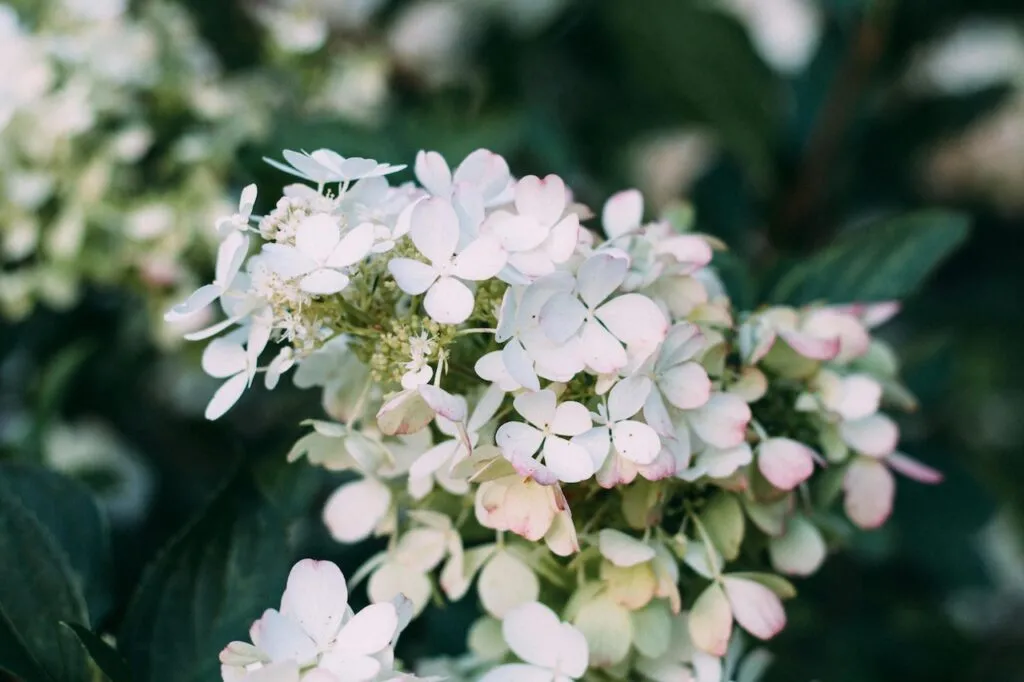
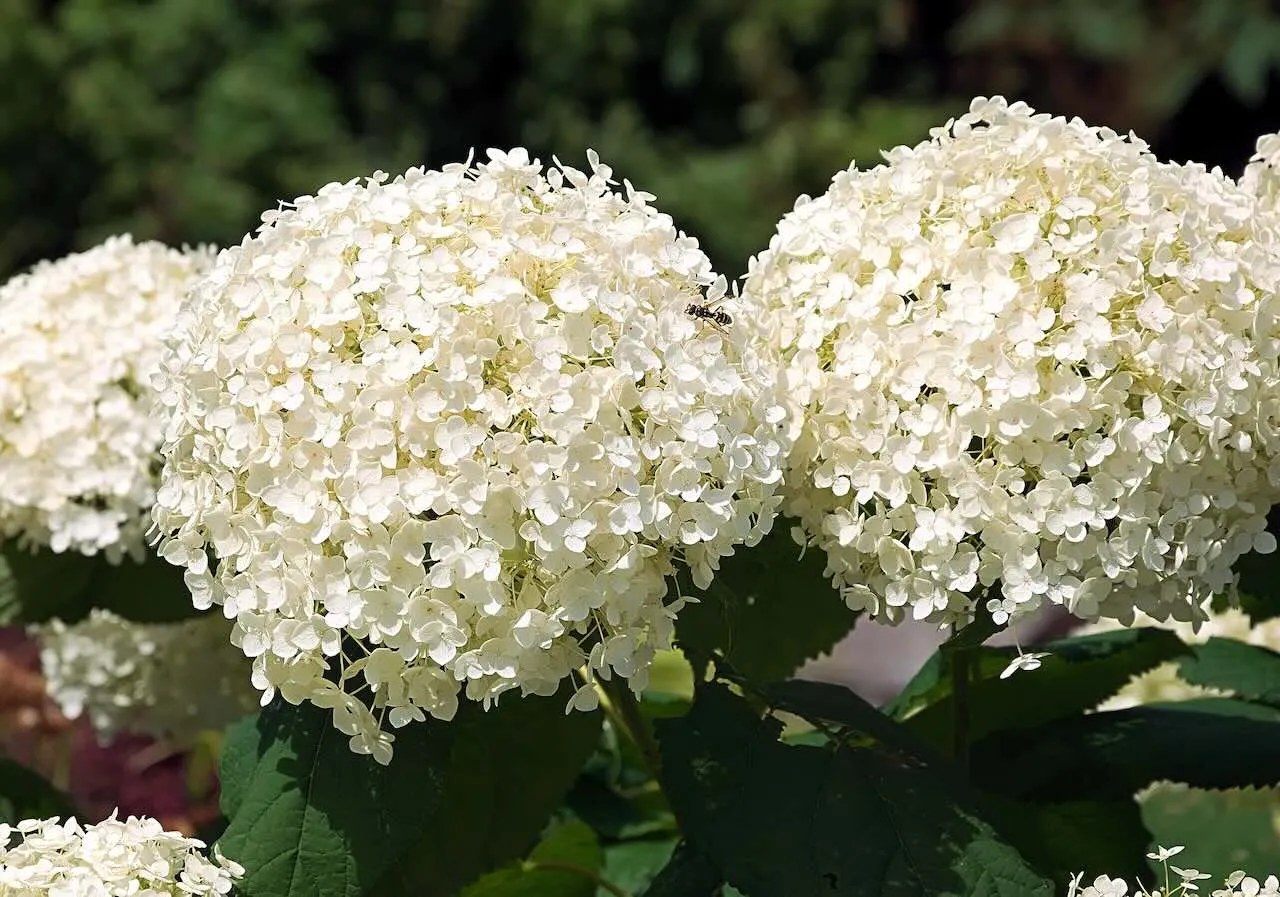
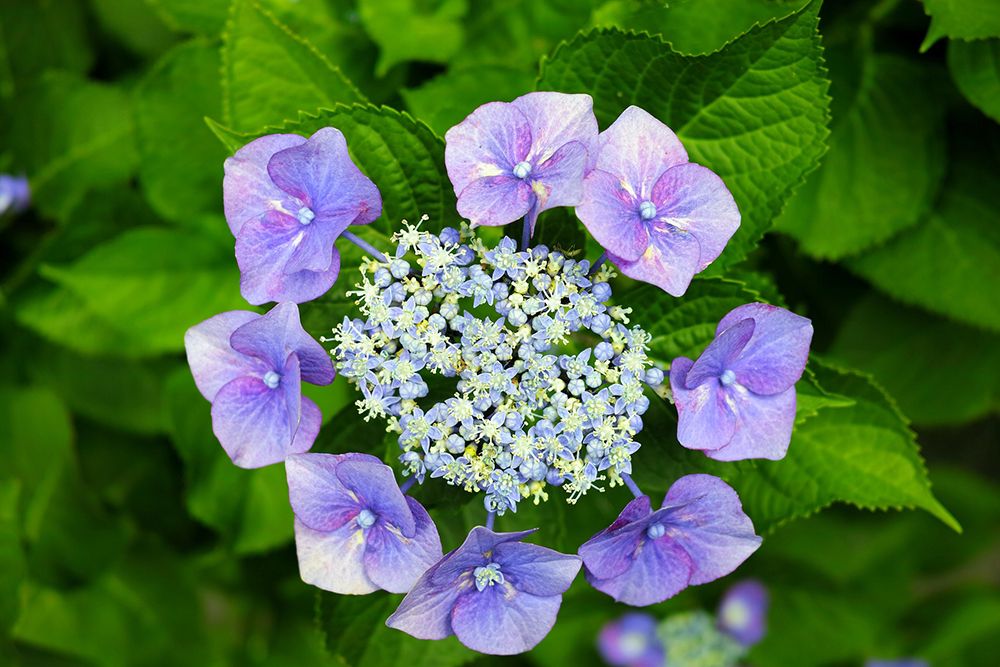
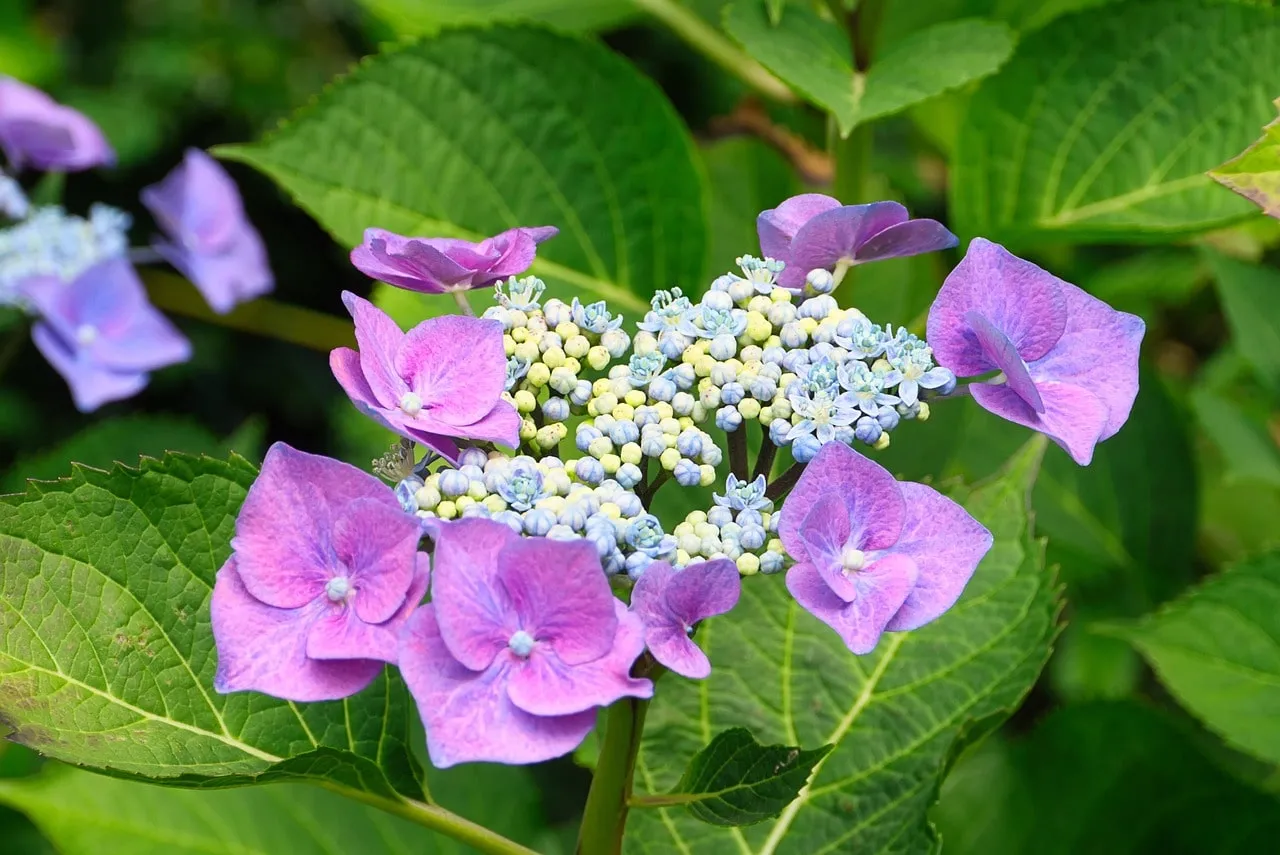
The most popular hydrangeas in UK gardens are mopheads and lacecaps, both forms of Hydrangea macrophylla. These are old wood bloomers. If you have a blue or pink rounded flowerhead hydrangea, assume it is an old wood bloomer unless the label says otherwise. The white conical-flowered panicle hydrangeas and the round white Annabelle types are new wood bloomers and are far more tolerant of hard pruning and cold winters. If in doubt, check the plant label or search the variety name.
1. Wrong pruning time: the most common reason by far
If your hydrangea is an old wood bloomer and you pruned it at the wrong time of year, you removed next year’s flower buds. This is the most common reason I hear from gardeners whose hydrangeas produced nothing but leaves. It happens because the general gardening advice to tidy up shrubs in autumn or spring is correct for many plants, but specifically wrong for mopheads and lacecaps.
Old wood hydrangeas set their flower buds in late summer and autumn on the stems they have just grown. Those buds then sit on the plant through winter, ready to open the following summer. If you cut those stems off in autumn, thinking you are being tidy, or in spring, thinking you are giving the plant a fresh start, the buds are gone, and you will have no flowers that year. No amount of feeding or watering will bring them back because the buds simply no longer exist.
The fix for this year is straightforward: leave the plant alone. Do not prune it again. Let it do what it wants through the current season, even if it looks a bit shapeless. The buds it is setting right now will be next summer’s flowers. The fix going forward is to change when you prune.
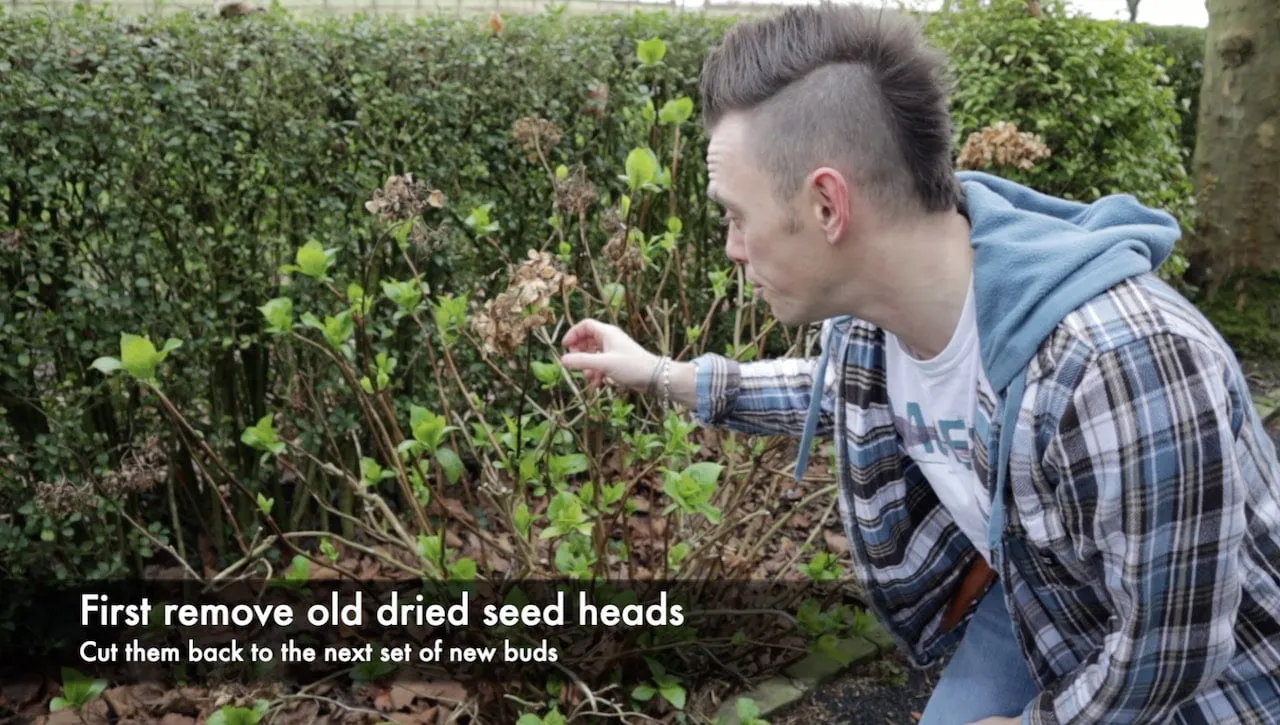
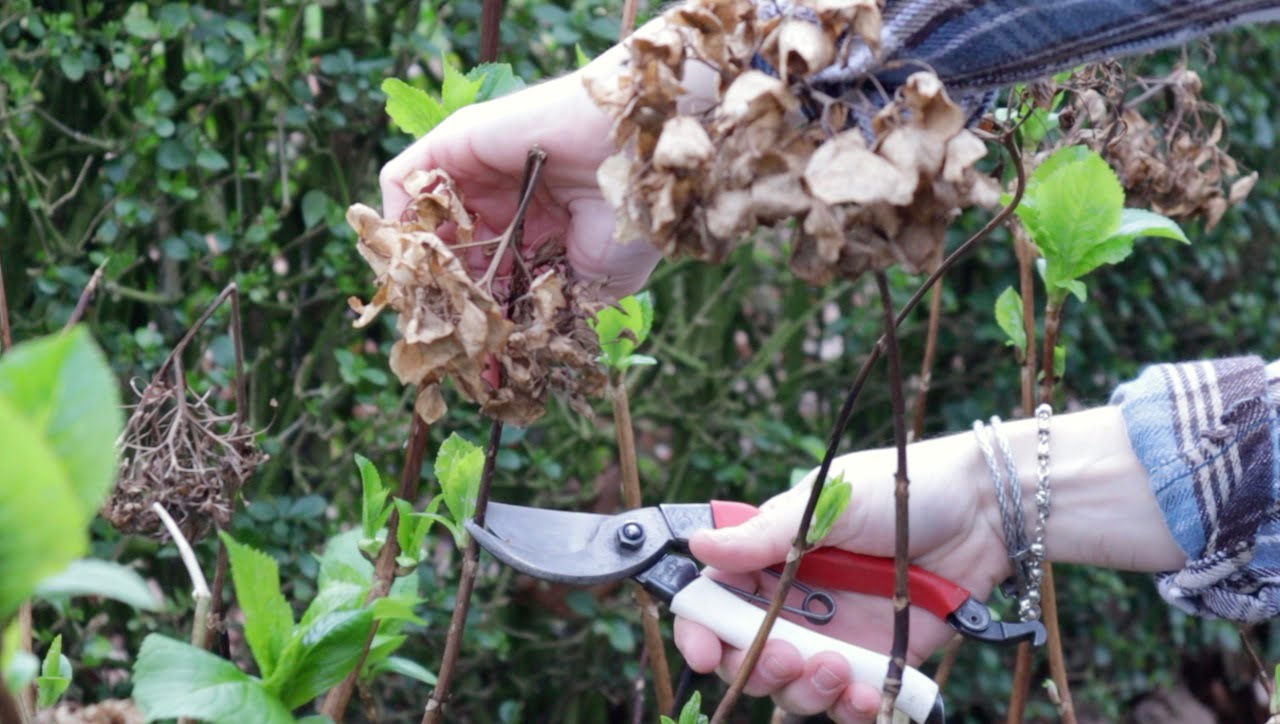
For mopheads and lacecaps, prune immediately after flowering finishes in late summer, removing the spent flower heads down to the next pair of healthy buds. Do nothing further until the same point next year. This gives the plant the whole of late summer and autumn to set new buds on the fresh growth, so those buds are present and intact the following season.
💡 Top Tip
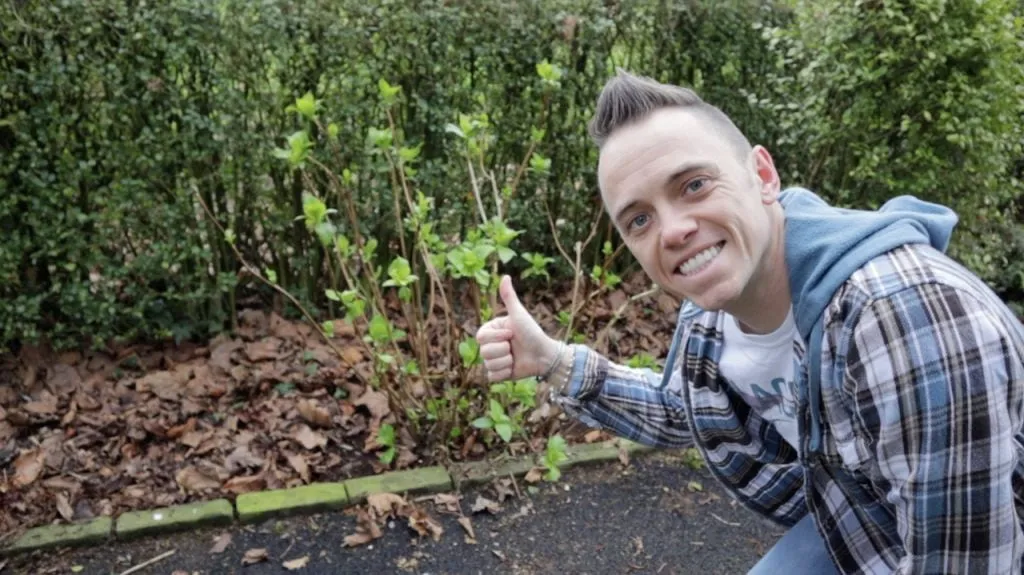
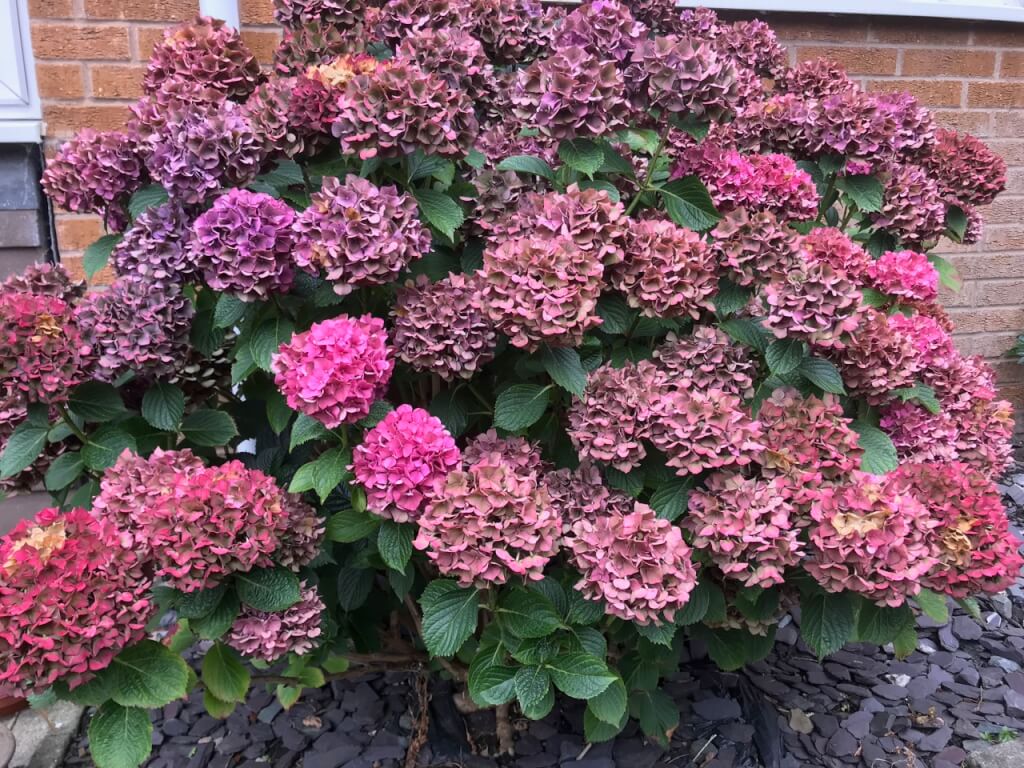
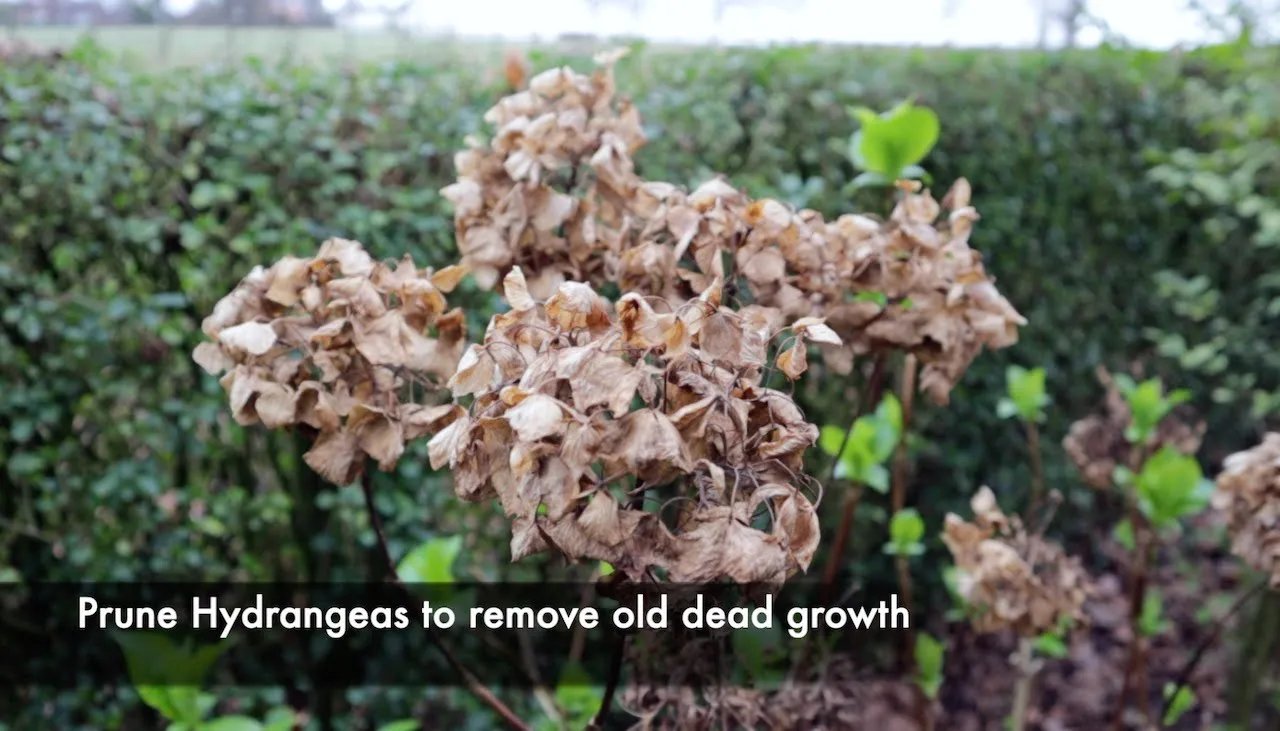
In the UK, I leave the old dried flower heads on mophead hydrangeas through the entire winter. They look beautiful as a structural feature in the winter garden and provide some frost protection for the young buds on the stems beneath them. I remove them in late spring the following year, just before the new blooms appear. This is the correct timing for the UK climate.
For panicle and Annabelle hydrangeas, the opposite is true. These new wood bloomers can be cut back hard in late winter or early spring to outward-facing buds, or even close to the ground, and they will still flower prolifically on the new growth they produce from scratch each season. If you are pruning a panicle hydrangea incorrectly, you are likely cutting it too lightly, which can produce weak stems that flop under the weight of the flowers rather than no flowers at all. For the full timing and technique for all hydrangea types, my hydrangea pruning guide goes into full detail.
2. Late spring frost killing the flower buds
Even if you have pruned perfectly, a cold snap in late spring can still rob you of your summer display. This is a particularly frustrating cause because it happens through no fault of your own, and it tends to affect the same gardens in the same spots year after year. Old wood hydrangeas are vulnerable because the buds that will become this year’s flowers are already visible on the stems from spring onwards. A frost after those buds have begun to swell and develop is far more damaging than a frost in January when the buds are still tight and dormant.
The tell-tale sign is that the bud tips or new growth go black or brown after a cold night in April or May. The surrounding stems may still look healthy and green, but the growing tip where the flower bud was has died. The plant will often attempt to produce new growth from below the frost-damaged point, but this new growth comes from the current season rather than last year’s wood, which means it will not carry flower buds in old wood bloomers.
In gardens that experience regular late frosts, switching to a panicle hydrangea or Annabelle type removes this problem entirely. Both flower on new wood so frost damage to existing growth is irrelevant. The plant simply produces new shoots from scratch each spring and flowers on those. For gardeners who love mopheads, temporary fleece protection on forecast frost nights in April and May is effective. Draping a double layer of horticultural fleece over the plant and removing it the following morning provides enough insulation to protect developing buds in all but the most severe late frosts.
Hydrangeas have a reputation as shade-loving plants, and while they do appreciate protection from hot afternoon sun, they still need meaningful light to flower. A hydrangea in deep shade will often grow very vigorously, producing large, lush leaves but few or no flowers. The plant is using available energy for survival and growth rather than reproduction. If your hydrangea sits directly beneath a dense tree canopy, against a dark north-facing wall, or in a spot where it receives less than three to four hours of daylight, lack of light is likely your cause.
The ideal position for most UK hydrangeas is morning sun with dappled or light shade through the afternoon. East-facing aspects are often perfect: bright morning light encourages flowering while afternoon shade protects the blooms and the plant from the most intense heat of a summer day. West-facing positions can work well too. North-facing spots with limited direct sun are the most challenging, though oakleaf hydrangea (H. quercifolia) is the most shade-tolerant of the common types and performs better than others in lower-light conditions.
💡 Top Tip
If your hydrangea is in a container, this is an easy fix: move it to a brighter position for the growing season and monitor the results. For a garden-planted hydrangea in genuinely poor light, consider whether moving the plant is realistic. Autumn is the best time to transplant hydrangeas in the UK. I have moved established mopheads successfully and seen them flower the following summer. If the light problem is caused by a tree canopy rather than a building, raising the canopy by removing lower branches significantly improves conditions for anything growing beneath it.
4. Too much nitrogen fertiliser
If your hydrangea is producing an impressive amount of leaf and stem growth but absolutely no flowers, too much nitrogen is a strong candidate. This is a common issue because many popular all-purpose fertilisers are high in nitrogen, which is the nutrient responsible for leafy, vegetative growth. Used on nitrogen-hungry plants like vegetables or lawns, that is exactly what you want. Used on a hydrangea in flower-bud production mode, it pushes the plant to produce more shoots and leaves instead of channelling energy into flowering.
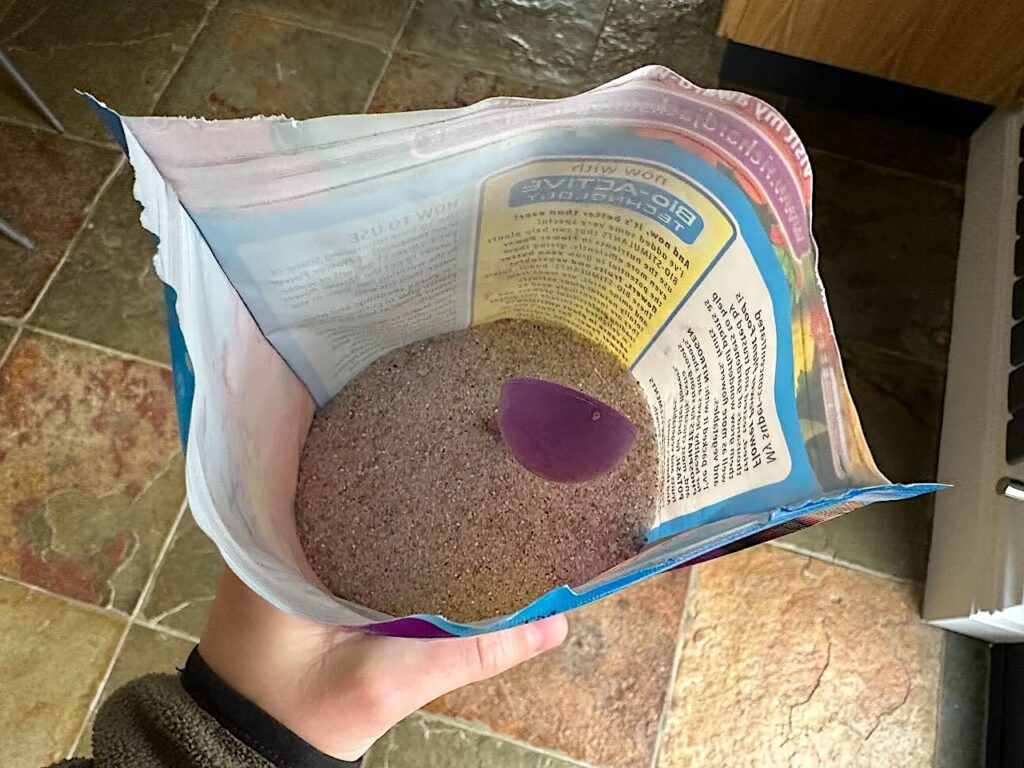
Miracle-Gro All Purpose and other general granular fertilisers with high nitrogen ratios are particular culprits. So is lawn feed accidentally overspraying onto adjacent hydrangea beds, or heavy applications of fresh manure close to the roots. A hydrangea with large, very dark green leaves but no flower buds is often telling you clearly that nitrogen is not what it needs.
The fix is to stop feeding with high-nitrogen products immediately. Switch to a low-nitrogen, higher-phosphorus feed instead. Phosphorus is the nutrient most strongly associated with flowering and root development. A rose fertiliser or a specific shrub and flower fertiliser with a ratio where the middle number (phosphorus) is relatively high compared to the first (nitrogen) is exactly what hydrangeas need to encourage bud production.
Apply in spring as the plant breaks dormancy and again in early summer if needed. Do not feed after midsummer, as this pushes soft growth heading into autumn that is more vulnerable to frost damage.
A newly planted hydrangea, or one planted within the last one to two years, may simply not be ready to flower yet. Plants have priorities. In the first season or two after planting, establishing a root system deep enough to support the plant through a UK summer takes precedence over flowering. The plant looks healthy, produces reasonable foliage, and may even show some tentative buds, but the flowering display is thin or absent entirely.
This is not a problem. It is the plant being sensible. Most mopheads and lacecaps settle into reliable annual flowering by their third season in the ground.
Panicle hydrangeas tend to establish slightly faster. The best thing you can do during the establishing period is keep the plant well-watered in dry spells, mulch the base generously with peat-free compost to retain moisture and feed the soil slowly, and resist the urge to feed heavily with quick-release fertiliser, which pushes top growth at the expense of root development.
If your plant is three years old or older and still not flowering, something else is causing it. A young plant not flowering is patience. An established plant not flowering is a problem to diagnose.
6. Too dry at the roots
The name hydrangea comes from the Greek for water vessel, and the etymology is not accidental. These are thirsty shrubs, particularly in their first two years and during hot, dry summers. A hydrangea suffering from drought stress will prioritise survival over flowering. You may notice wilting leaves in the afternoon, even on relatively cool days, or leaves that develop brown, crispy edges in dry spells. Both are signs that the plant is water-stressed and directing whatever energy it has toward staying alive rather than producing blooms.
Container-grown hydrangeas are particularly vulnerable. The limited compost volume dries out very quickly in warm weather, and a pot-grown hydrangea may need watering daily in summer.
Mulching around the base of garden-planted hydrangeas with a thick layer of peat-free compost, bark, or leaf mould significantly reduces water loss from the soil surface and is one of the single most effective things you can do to support consistent flowering in dry summers. Aim for a 5- to 8-centimetre layer, kept away from the main stems to avoid rot.
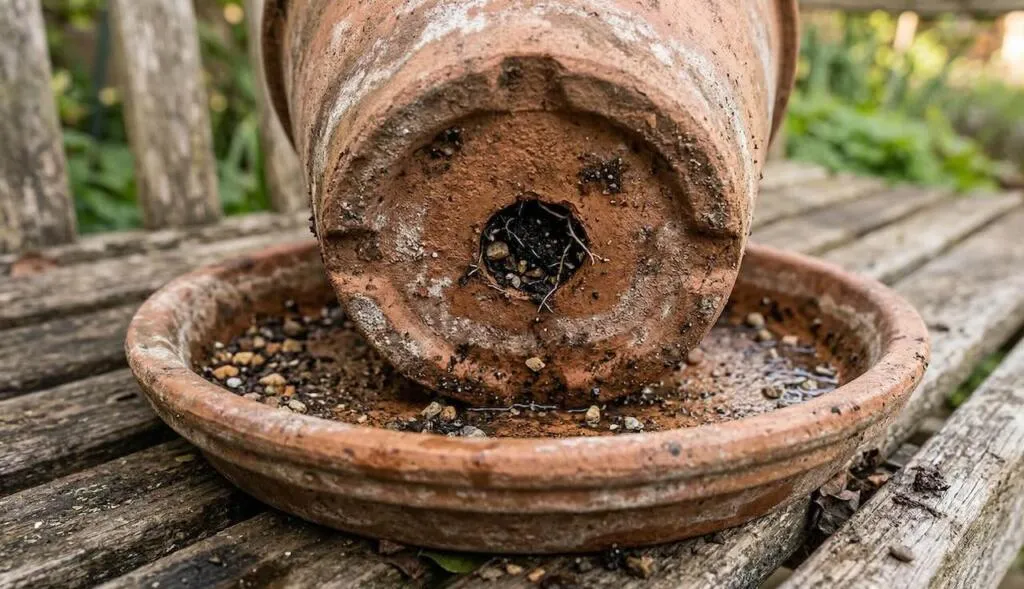
Two less obvious but real causes are worth checking if none of the above seems to fit. First, a hydrangea growing in a pot that is significantly too small will become root-bound. The roots circle the inside of the container and can no longer expand.
The plant becomes stressed, and flowering is one of the first things to stop. If you can see roots emerging from the drainage holes, or the plant dries out extremely quickly after watering and needs daily attention, it needs repotting into a larger container with fresh peat-free compost. Do this in spring before the growing season begins.
Second, a hydrangea planted too close to a south-facing wall or in a position that receives intense afternoon sun in summer may actually be getting too much heat rather than too little light. Scorched leaves with brown edges and flower buds that wither before opening are the signs. This is less common than too much shade but does occur in south-facing town gardens, particularly during hot UK summers. Moving the plant or providing afternoon shade with a nearby taller shrub or structure resolves the issue.
Quick diagnosis: what you see and what it means
🌿 Hydrangea Not Flowering: Diagnosis at a Glance
What you see
Most likely cause
Fix
Lots of healthy leaves, no buds at all on a mophead or lacecap
Pruned at wrong time last year
Leave it alone this year, prune only after flowering in late summer from now on
Buds visible in spring but tips go black or brown after a cold night
Late frost damage
Fleece in future, or switch to panicle / Annabelle type
Large, very dark green leaves, vigorous growth, no flowers
Too much nitrogen
Stop high-nitrogen feeds, switch to rose or shrub fertiliser
Thin, pale growth, few flowers, in a dark corner or under trees
Too much shade
Move to a brighter spot or raise tree canopy
Plant less than two to three years old, otherwise looks healthy
Still establishing
Be patient, mulch and water well
Wilting in dry spells, crispy leaf edges, needs very frequent watering
Drought stress or pot-bound
Mulch generously, water more consistently, repot if in a container
Scorched leaves, flower buds shrivelling before opening
Too much direct afternoon sun
Move to a position with afternoon shade, or create shade
Which hydrangea should I grow if mine keeps failing to flower?
If you have experienced several consecutive seasons without flowers from a mophead or lacecap despite correcting the care, it is worth honestly considering whether that variety is the right plant for your garden conditions. Frost-prone gardens, north-facing aspects, and gardens where late-spring cold snaps are frequent will always favour new-wood bloomers over old-wood types.
Hydrangea paniculata ‘Limelight’ is my most reliable recommendation for UK gardens that struggle with mophead flowering. It produces enormous conical cream and lime flower heads from July through to autumn, flowers on the current season’s new growth, so pruning time is irrelevant, tolerates a much wider range of positions, including full sun, and shrugs off late frosts with complete indifference because any frost-damaged growth can simply be cut back and new flowering growth takes its place. It is genuinely hard to get Limelight wrong.
Hydrangea arborescens ‘Annabelle’ is the other near-foolproof option, producing huge spherical white flower heads from July, flowering on new wood, and tolerating more shade than most hydrangeas. Both are available widely in UK garden centres and represent a significant step up in flowering reliability for gardens that have consistently struggled with the classic mophead types.
Your subscription could not be saved. Please try again.
Your subscription has been successful.
Frequently asked questions about hydrangeas not flowering
Why does my hydrangea have lots of leaves but no flowers?
The most common causes of leafy growth without flowers are pruning at the wrong time (cutting off next year’s buds on an old wood hydrangea), too much high-nitrogen fertiliser pushing vegetative growth instead of flowering, and too much shade. Check which cause applies using the diagnosis table above. Pruning timing is the most frequent culprit in UK gardens.
When should I prune my mophead hydrangea?
For mopheads and lacecaps (Hydrangea macrophylla), prune immediately after flowering finishes in late summer, removing only the spent flower heads down to the next pair of healthy buds. Do not prune in autumn, winter, or spring. Leave the old dried flower heads on through winter as they provide both ornamental structure and some frost protection to the developing buds below. For panicle and Annabelle hydrangeas, prune in late winter or early spring before new growth begins.
Will my hydrangea flower if I prune it at the wrong time?
If you pruned an old wood hydrangea in autumn, winter, or spring, it is unlikely to flower this season. The buds that formed last summer have been removed. Leave the plant completely alone through the coming season, let it set new buds in late summer, and it should flower normally the following year. Do not attempt to compensate by feeding heavily, as this will push leafy growth rather than flowering. Simply leave it, be patient, and adjust your pruning timing going forward.
How do I encourage my hydrangea to produce more flowers?
The single most effective change most gardeners can make is to prune at the correct time for their hydrangea type. Beyond that, position matters significantly: morning sun with afternoon shade suits most mopheads and lacecaps well. Feed with a low-nitrogen, high-phosphorus fertiliser, such as a rose feed, in spring. Mulch the base generously to retain moisture. Protect developing buds from late spring frosts with horticultural fleece. These five practices, consistently applied, produce reliably well-flowered hydrangeas in most UK gardens.
Why did my hydrangea flower last year but not this year?
A sudden failure after previous flowering years is almost always due to pruning timing or frost damage. Think back to whether you pruned at a different time than usual, or whether there was a late frost in April or May that followed warm early spring weather. Both cause exactly this pattern: normal flowering in previous years, then nothing, with no other obvious explanation. Adjust pruning timing or protect the plant in future frost-prone springs.
Should I deadhead my hydrangea to get more flowers?
For panicle and Annabelle hydrangeas, deadheading in late winter as part of the pruning process is fine and helps keep the plant tidy. For mopheads and lacecaps, remove spent flowers in late summer immediately after blooming ends, cutting back to the next pair of healthy buds. This is the correct pruning technique for these types and also serves as deadheading. Do not deadhead or tidy mopheads at any other time of year, as you risk removing the buds forming for the following season.
Can I move my hydrangea to get it to flower better?
Yes, and autumn is the best time to do it in the UK. Dig up the plant with as much root ball as possible, transplant to a position with morning sun and light afternoon shade, water in thoroughly, and mulch the base well. Most hydrangeas recover well from autumn transplanting and will settle into their new position by the following summer. Moving a hydrangea from deep shade to a brighter spot often results in noticeably improved flowering the first season after the move.
Transform Your Garden Knowledge with Garden Ninja’s Expert Resources
Ready to elevate your gardening beyond basic tasks? My comprehensive online courses provide the expertise to transform you from enthusiastic beginner to confident garden creator.
With courses starting from just £29, you gain access to award-winning design knowledge.
29
Garden Design Examples for Small Gardens: 30 Design Templates & Planting Plans
Garden Design Examples for Small Gardens: 30 Design Templates & Planting Plans: In this online gardening course, I’ll walk you through 30 fantastic garden designs, explaining the logic behind the layout, the plant choices, and take-home tips for applying them in your own garden.
Weekend Garden Makeover: A Crash Course in Design for Beginners
Learn how to transform and design your own garden with Lee Burkhills crash course in garden design. Over 5 hours Lee will teach you how to design your own dream garden. Featuring practical design examples, planting ideas and video guides. Learn how to design your garden in one weekend!
Garden Design for Beginners: Create Your Dream Garden in Just 4 Weeks
Garden Design for Beginners Online Course: If you want to make the career jump to becoming a garden designer or to learn how to design your own garden, this is the beginner course for you. Join me, Lee Burkhill, an award-winning garden designer, as I train you in the art of beautiful garden design.
A hydrangea not flowering is almost never a plant that has given up. It is nearly always a plant trying to tell you something specific about how it is being managed or where it is positioned. Get the pruning timing right for your type, protect old-wood bloomers from late-spring frosts, give the plant adequate morning light, resist the urge to feed with high-nitrogen products, and keep the roots consistently moist with a good mulch. Do those five things, and you will have a hydrangea that earns its place in the garden every summer.
For the full step-by-step pruning method for every hydrangea type, visit my hydrangea pruning guide.
Your subscription could not be saved. Please try again.
Your subscription has been successful.
Lee Burkhill
Lee Burkhill, known as the Garden Ninja, is an award-winning garden designer and horticulturist with over 30 years of gardening experience and 15 years as a professional garden designer. A qualified RHS (Royal Horticultural Society) professional, Lee specialises in sustainable garden design and practical horticultural advice. He designs and presents on BBC1’s Garden Rescue and in leading gardening publications. Lee combines three decades of hands-on gardening knowledge with professional design qualifications to help gardeners create beautiful, functional outdoor spaces.