Lee Burkhill: Award Winning Designer & BBC 1's Garden Rescue Presenters Official Blog
Beginner level
Beginner gardeners can often feel frustrated when they start to garden. Especially with the wrong tools it can feel like much harder work than it is. That plastic trowel makes planting almost impossible. The scissors you're using wont cut through that stem and are blunt. Your spade is missing its handle. If this sounds like you then my top 5 tools for beginner gardeners will help make that first step into the garden much easier and even fun!
Starting to garden as a beginner can be daunting. You search the shed and find a rusty trowel, maybe a wobbly-handled spade that has seen better days. They may have even been left by the last owners, too ashamed to take them with them. You have a go at using them to find that they are now bent or in a worse condition than when you started.
It all feels like a lot of trouble and hard work. Do not fear, though; help is at hand. I have been gardening professionally for over thirty years, and these are the tools I would press into the hands of any new gardener starting out. Not the most expensive, not the most impressive, but the ones that will actually get used and make the whole thing feel worthwhile from day one.
Quick Answer
The eight essential tools for beginner gardeners are: a steel-headed trowel, a quality spade, bypass secateurs, a hori hori knife, a kneeling pad, a garden fork, a sharpening block, and an oscillating hoe. Start with the trowel, spade, and secateurs, then build from there as your garden grows.
This page contains affiliate links for products I use and love. If you take action (e.g., subscribe or make a purchase) after clicking a link, I may earn a gardening commission, which helps me keep the Garden Ninja Blog free for all.
1. Trowel: The First Tool Every Beginner Needs
“You’re starting with a trowel?” established gardeners may cry. Surely you should start with a spade or a fork? Here is why a gardening trowel should be the first tool you invest in.
New gardeners usually want quick wins. The trowel delivers them. People do not usually start off gardening in acres. They do so in pots, window boxes, and small manageable borders, and for all of that, the trowel is the tool you will reach for first. Small enough to store anywhere, versatile enough for almost everything at this scale, and cheap enough that getting started does not require a significant investment.
🌿 At A Glance: Garden Trowel
Best for
Planting, potting, container gardening
Material to look for
Stainless or carbon steel head, rubber or wood handle
Avoid
Plastic heads. They snap under even light pressure
Budget option
£5 to £15 for a reliable steel trowel
Investment option
£25 to £35 for Japanese steel (Niwaki)
Priority for beginners
Essential from day one
What to look for in a trowel
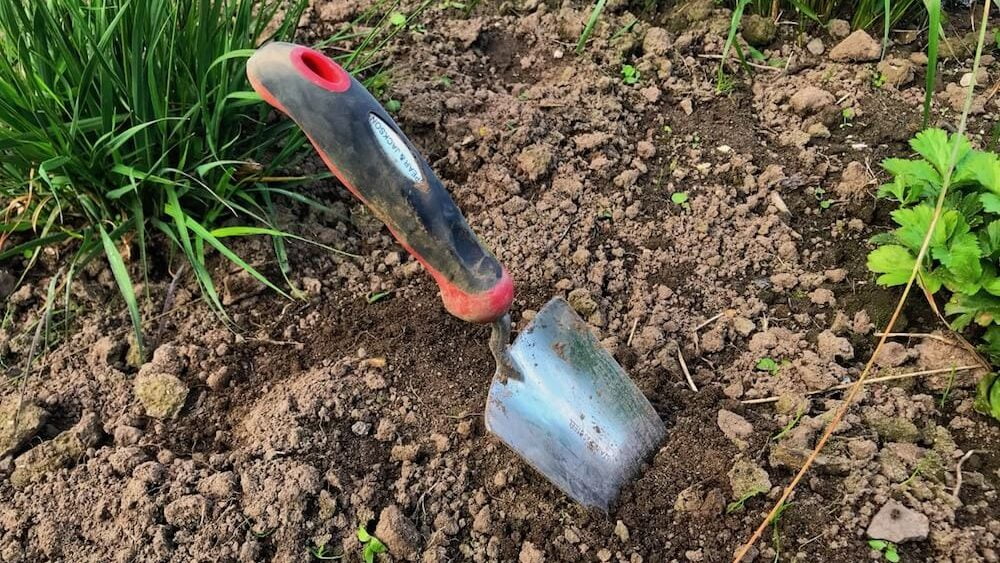
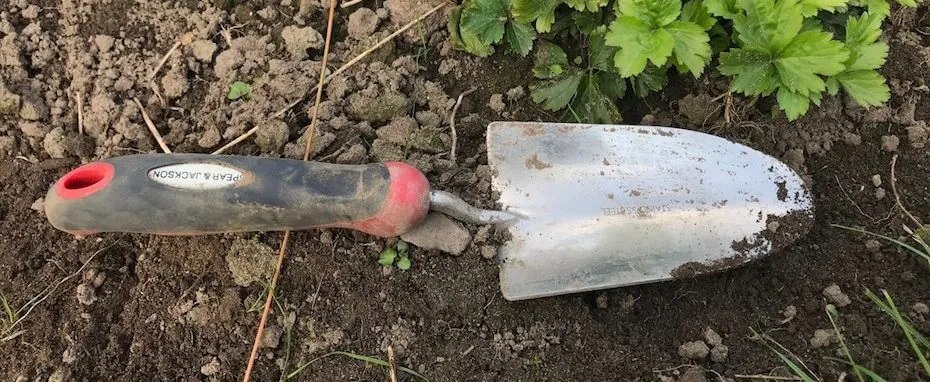
My best advice for the new gardener is to choose a steel-headed trowel. Plastic trowels are completely useless for anything other than light, airy compost, so do not waste your money. I also used to prefer wooden-handled tools, but knowing how lazy I can be with cleaning them, I sometimes opt for a rubberised handle instead. They have less chance of splitting or cracking when you inevitably drop them, and they stay comfortable even when wet. For new gardeners, a rubberised handle and a stainless steel head are the sensible starting point.
Once you catch the gardening bug and want something that will last a lifetime, I use a Niwaki Japanese trowel. Beautifully balanced, forged steel, and a joy to use every single day. Start with something modest and upgrade when you know gardening is your thing.
Now, most experienced gardeners can finally jump for joy. It is time to talk about garden spades. When you think of gardening, the spade is probably the first tool that comes to mind, and for good reason. It is the tool that lets you actually dig in and get things done at scale. Planting trees and shrubs, moving soil, cutting through turf. The spade handles all of it.
I have been burned a few times as a new gardener with cheap garden spades. They are lighter, leave more cash in your pocket, and are a tempting offer, especially when packaged up with the matching fork and flowery gardening gloves. But they will crack at the first sign of pressure: that tree root you did not see, or those bricks left by the builders an inch under the soil. The head bends, cracks, or snaps off. You will spend more money replacing cheap garden spades than you ever saved on them.
What to look for in a garden spade
Look for a garden spade with a substantial metal one-piece head that does not flex when you apply pressure. The handle matters too. If you have smaller hands, check the grip size before buying. Wooden handles look beautiful but need oiling to prevent cracking. Rubber-coated handles are easier to look after. I always recommend wearing gardening gloves when digging as well. The reason is not grip but blister prevention. You would be surprised how many beginners dig enthusiastically and then cannot pick up a secateur the next day.
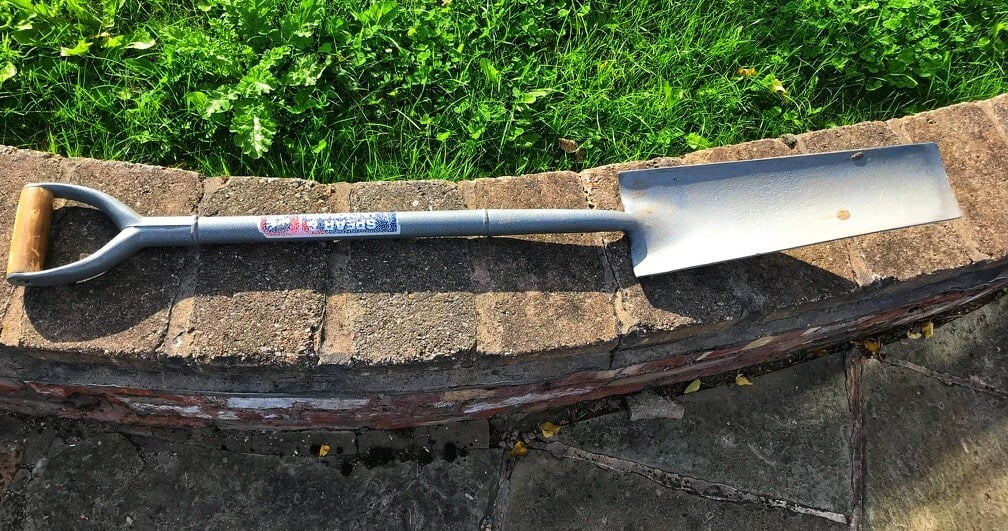
What about clay or compacted soil?
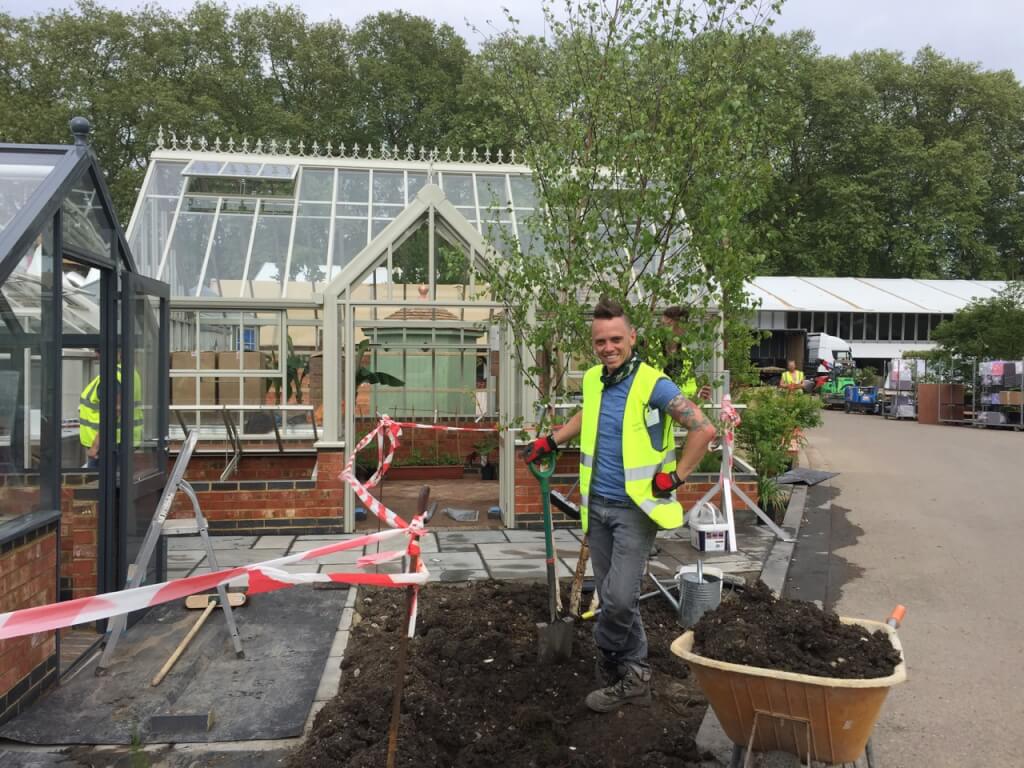
If you have heavy clay soil, consider a drain spade for the really tough work. I used mine nonstop at the Chelsea Flower Show 2018 to get through compacted ground. It is heavy and hard work, but it will cut through soil that would defeat a standard spade. Not an everyday tool, but invaluable when you need it.
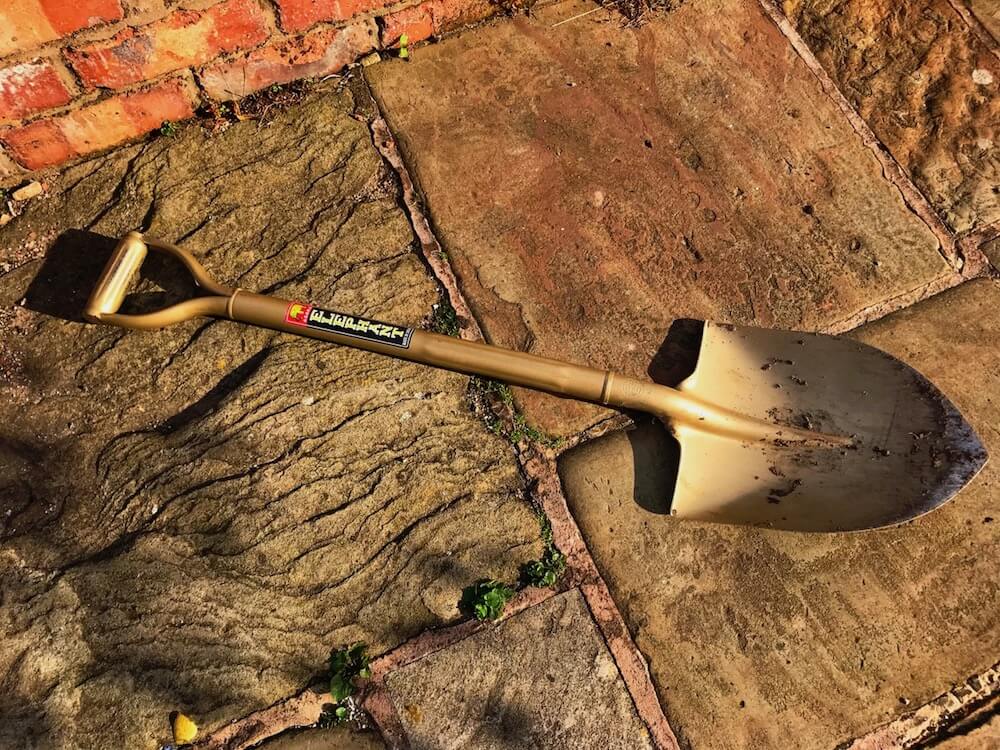
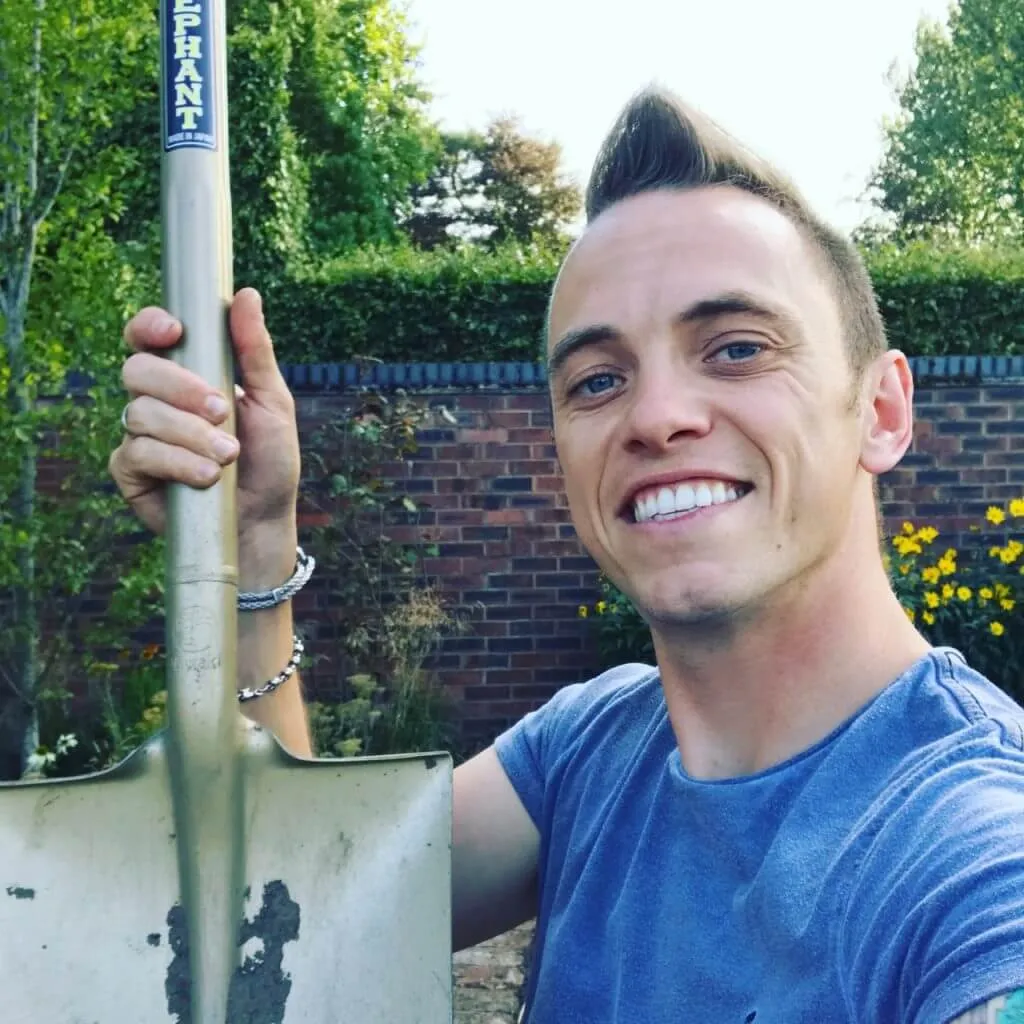
My personal spade is the Niwaki Golden Spade. Japanese, forged in one piece, sharpenable, and gold. Completely over the top and worth every penny. It has been going strong for years and shows no sign of stopping.
Secateurs can feel like a contentious choice. Everyone seems to have strong opinions about handle weight, blade length, and cutting diameter. For a new gardener, I would set all of that aside. What matters is choosing the correct type.
🌿 At A Glance: Secateurs
Best type for beginners
Bypass secateurs, suitable for roughly 95% of all pruning
Avoid
Anvil secateurs for live, green stems. They crush rather than cut
Best for arthritis
Ratchet secateurs. Cut in 3 to 4 small squeezes
Budget to spend
£20 to £40 for a solid beginner pair
Investment option
£55 and above for Felco or Okatsune. They last decades
Priority for beginners
Essential. Buy alongside your trowel and spade
Bypass vs Anvil Secateurs Explained
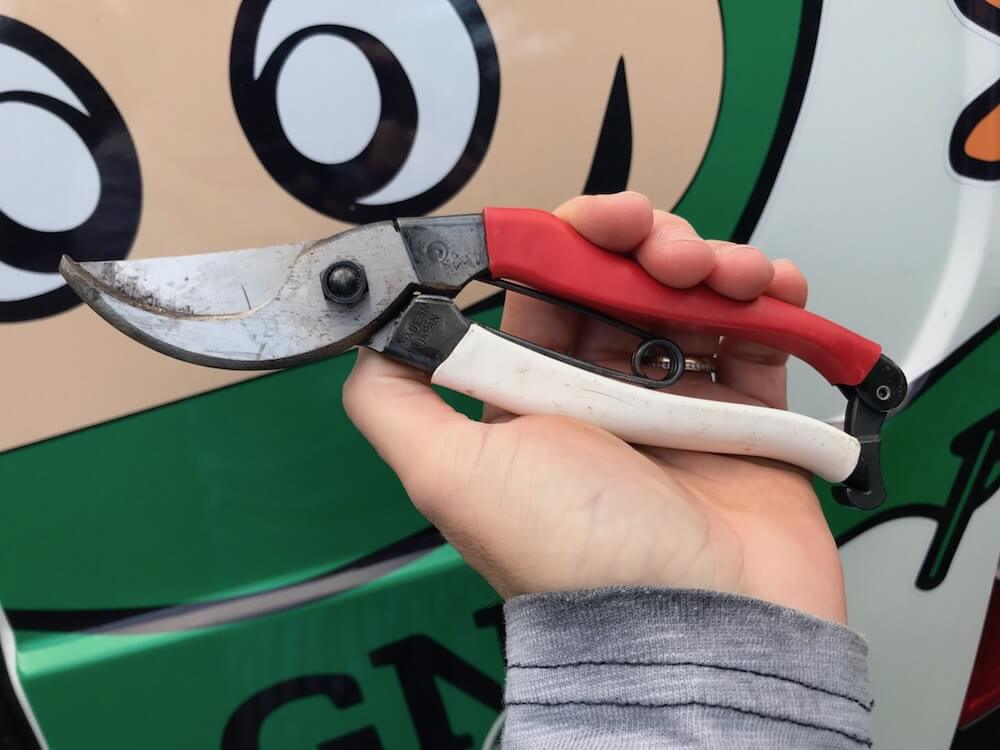
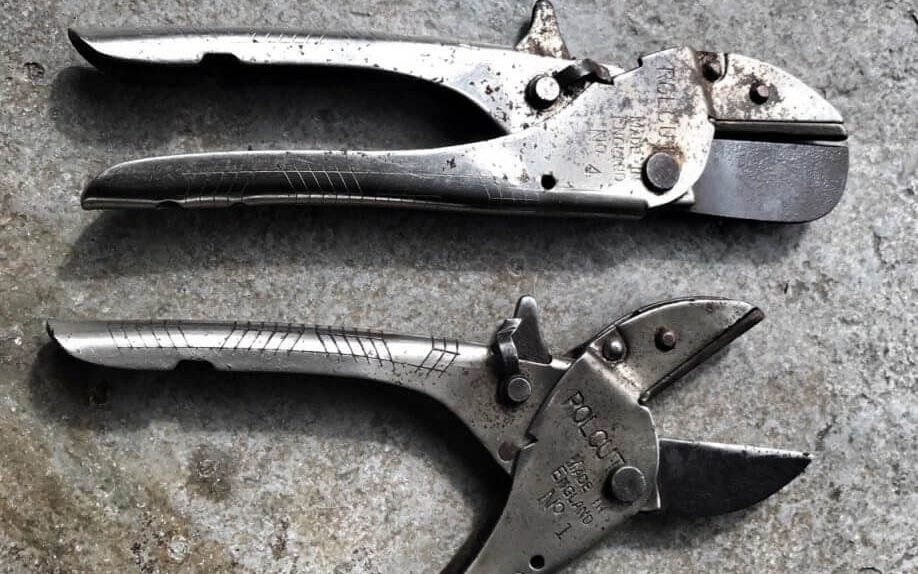
The biggest mistake gardeners make is using the wrong type. For new gardeners, avoid anvil secateurs to start with. They have a single blade that presses down onto a flat plate, like a knife pressing onto a chopping board. They are designed for hard, dead, or very woody stems. If you use them on live, fleshy material, they crush and tear through it, leaving the plant vulnerable to disease. Not a great start.
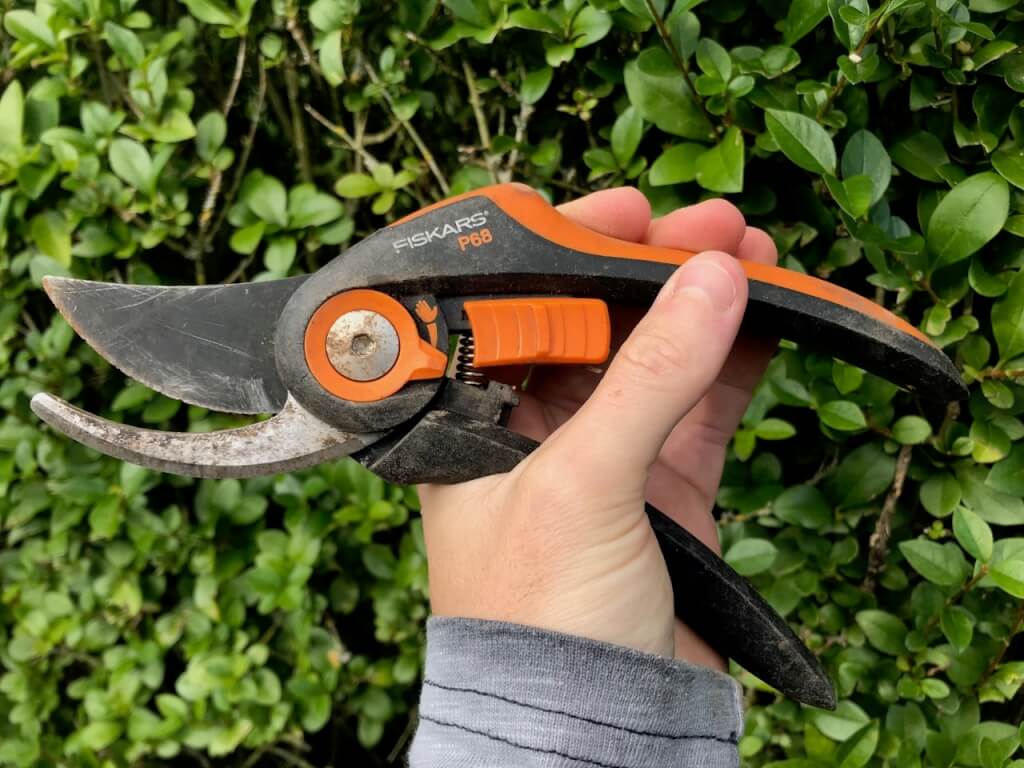
Bypass secateurs are the ones to buy. Two blades pass each other like scissors, making a clean cut through live stems that heals quickly. They cover roughly 95% of all pruning tasks you are ever likely to face. For new gardeners, bypass is the only type you need to think about.
For beginners, I would recommend a relatively affordable pair to start with, because until your garden is more established, you may not use them daily. The money you save is better spent on a sharpening block to keep them in good condition. If you are ready to invest in a pair that will last you decades, read my full secateurs buying guide for detailed recommendations, including the Felco 2, Okatsune 103, and the best options for small hands and arthritis.
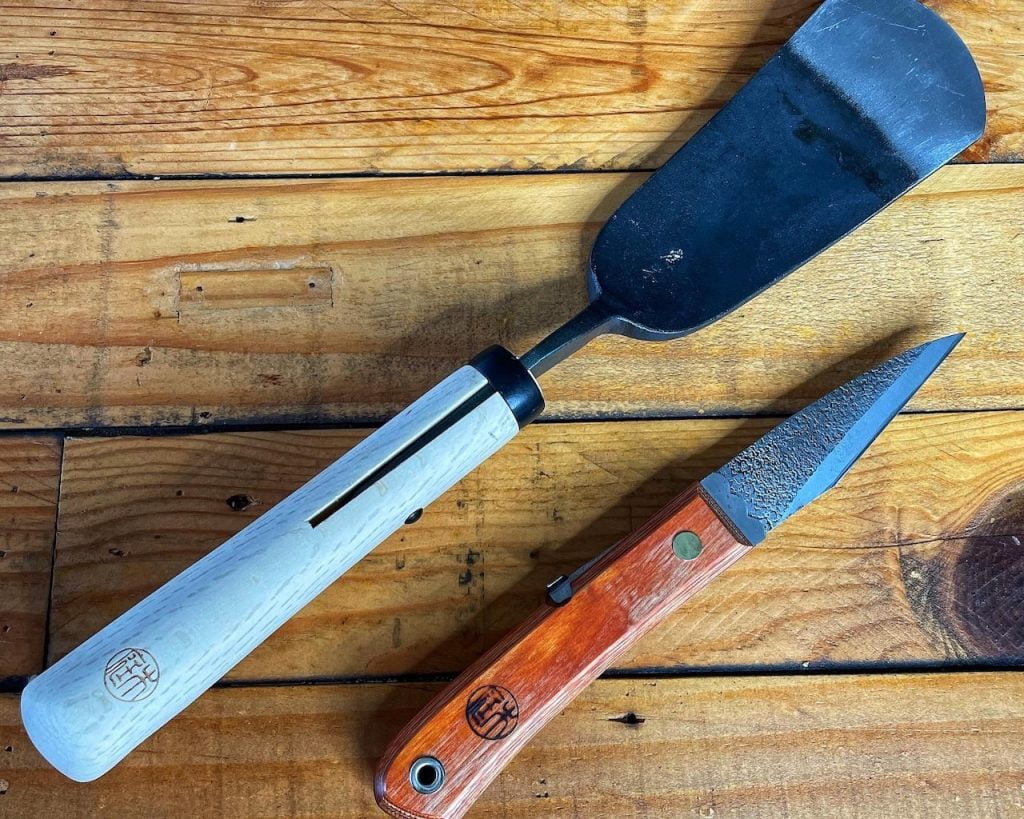
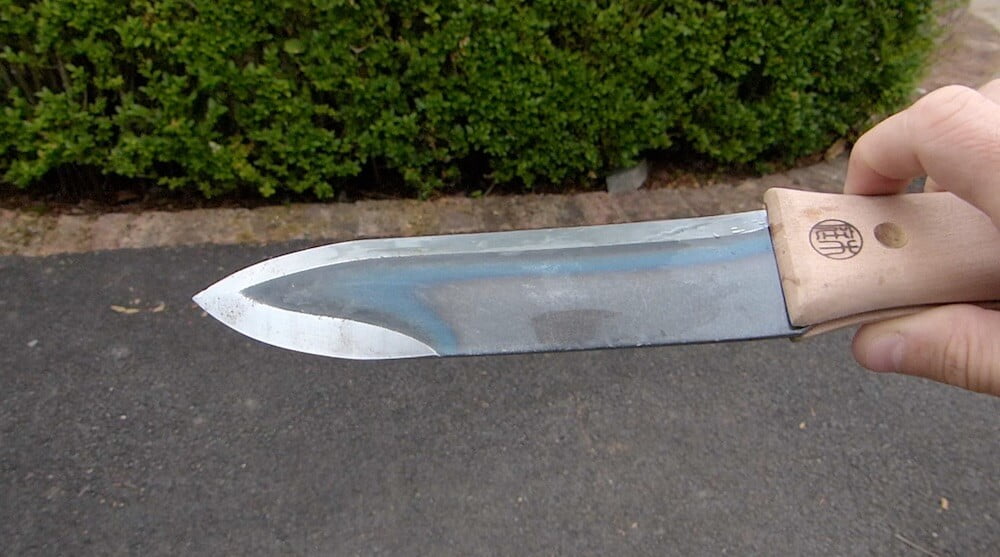
You will not believe how useful a proper gardening knife can be until you have one. Whether it is opening bags of compost, digging out deep-rooted perennial weeds, or marking out seed drills, a knife earns its place in the tool bag very quickly. I recommend going straight for a Japanese Hori Hori rather than grabbing an old kitchen knife. The width and strength of the blade is on a different level entirely.
Wide, concave, forged steel. Much stronger than a kitchen knife
Avoid
Serrated blades for beginners. They can cause more damage than needed
Budget to spend
Around £45 for a quality hori hori that will last a lifetime
Budget alternative
An old kitchen knife for very light tasks only
Priority for beginners
High. Add this early in your tool collection
With a hori hori, you can clean out around roots, dig deep in one motion, and loosen compacted soil without the blade flexing or snapping. It is the shape and strength of the knife that does the work, not the sharpness alone. I have written a full hori hori guide if you want to go deeper on this one. If budget is tight, add the hori hori to your wish list rather than cutting corners on the trowel or spade.
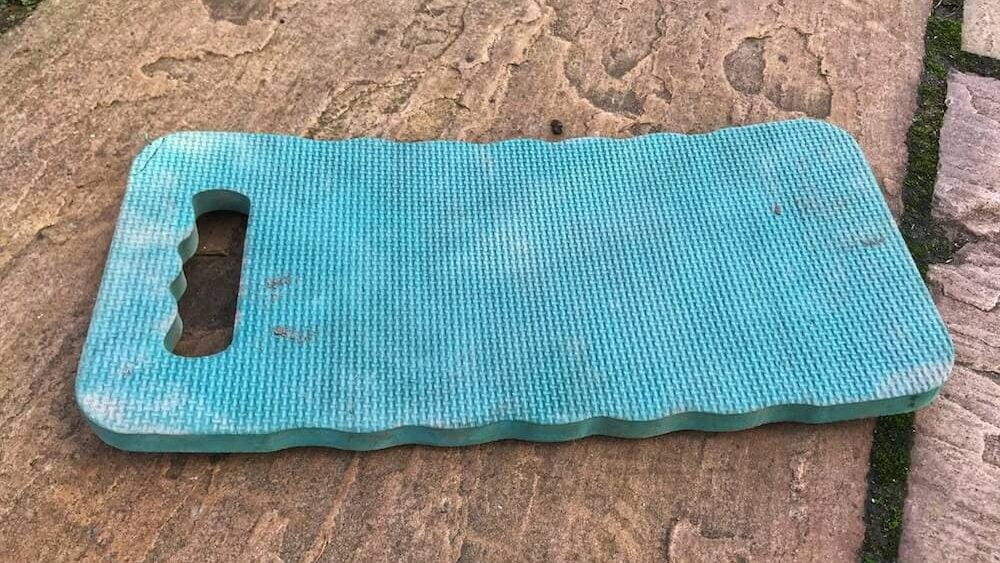
Fancy kneeling on sharp rocks or sitting on wet ground? Of course, you do not, and this is where the humble foam gardening kneeling pad earns its place. I will make a bold claim here: the kneeling pad is the best value-for-money item you will ever buy for the garden. Costing around £3 to £6, it will see you through years of rough ground and cold mornings without complaint.
🌿 At A Glance: Kneeling Pad
Best for
Kneeling, weeding, planting, carrying small tools
Material to look for
Basic foam. Washable, durable, and does the job
Avoid overspending on
Gel or designer options. They get muddy like everything else
Budget to spend
£2 to £8. Do not spend more than this
Alternative
A garden kneeler bench with handles. Great for bad knees
Priority for beginners
Essential. Your knees will thank you within the first session
The kneeling pad is not just for kneeling while you weed and plant. I use mine as a makeshift seat during a tea break, as a mini tray for seedlings, and as a surface to rest tools on so they do not get lost in the border. It even doubles as padding in my van between plants. Avoid gel-filled or designer versions. The foam version can be washed, abused, dropped in puddles, and it will still be there for you the next day.
Those first five are the ones I would hand to any beginner without hesitation. The following three tools are close runners-up and will become essential as your garden and confidence grow. If you are starting with containers or small borders, the spade may carry you through early on. But once you are cultivating soil in earnest, the fork, sharpening block, and hoe all earn their space.
6. Garden Fork
A garden fork is the tool for breaking up ground, unearthing root vegetables, and working compost into beds. The reason it sits at number six rather than number two is that beginners starting on small plots or containers can often manage with a spade initially. But once you are cultivating in earnest, trying to break up large amounts of soil with a spade alone is genuinely back-breaking. The fork makes this work feel effortless by comparison.
🌿 At A Glance: Garden Fork
Best for
Breaking up soil, lifting root veg, turning compost
Number of tines
4 to 5. The more the better for breaking heavy ground
Avoid
Cheap forks with thin tines. They bend in heavy clay
Budget to spend
£15 to £35 for a well-forged fork
Works well with
Spade. Use fork first to loosen, then spade to lift and move
Priority for beginners
High. Essential once you are cultivating any amount of soil
The biggest issue with cheaper garden forks is bent tines, usually from tree roots or heavy clay soil. Look for a well-forged fork with substantial tines that will not flex under pressure. Follow the same buying logic as the spade: buy once, buy well. A good fork should also be sharpenable, which is why you want a solid head rather than a flimsy pressed steel one.
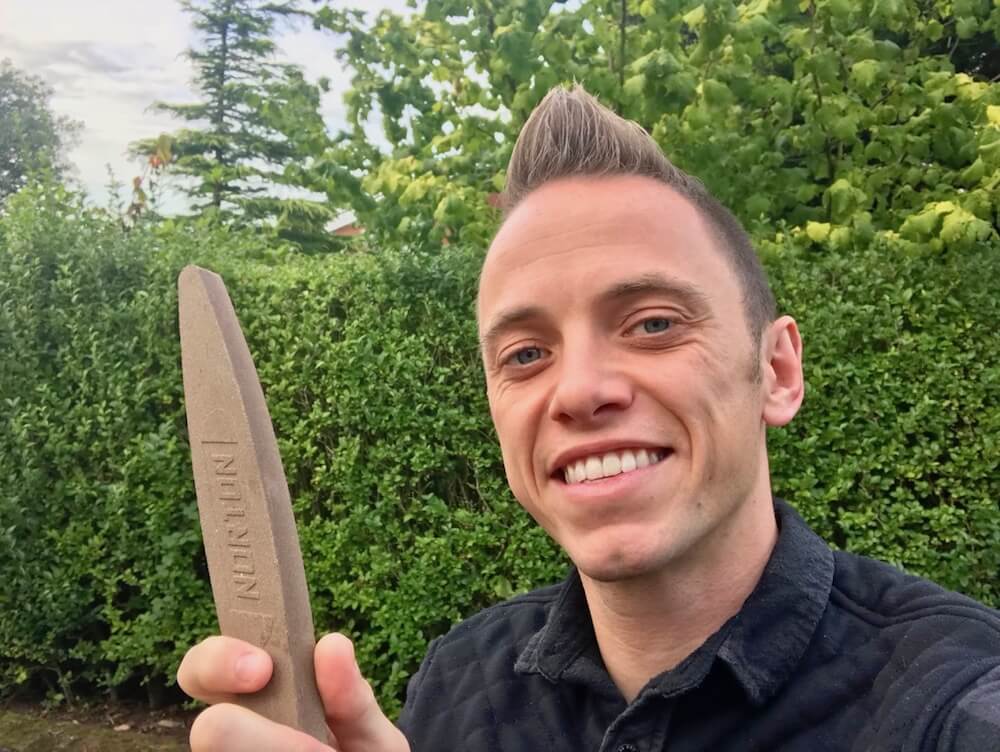
If you have some spare cash after the core tools, a sharpening block or diamond file is the next purchase. This is the tool that protects your investment in everything else. A sharp spade slices cleanly through turf and roots. Sharp secateurs make cuts that heal fast. A blunt tool does not just feel worse to use; it actually damages plants. Clean, sharp tools are one of the most meaningful differences between a struggling new gardener and a confident one.
£10 to £20 for a diamond file, £15 to £25 for a whetstone
Works on
Secateurs, spades, forks, hoes, hori hori knives
Priority for beginners
Important. Buy this before your tools go blunt, not after
For secateurs specifically, only sharpen the bevelled inner face of the cutting blade. Sharpening the flat back face throws off the geometry. A few careful strokes with a diamond file are all it takes to restore a working edge. Check out my guide on how to sharpen secateurs for a step-by-step walkthrough.
So you have started to garden, and things are growing. Then something else starts growing too. Weeds. Inevitably, they will appear, and that is where the trusty garden hoe comes in. If you are not keen on being on your hands and knees to weed, a hoe takes the pain out of this task entirely.
🌿 At A Glance: Garden Hoe
Best for
Weeding between rows and borders without bending
Best type
Oscillating hoe. Cuts on both push and pull strokes
Dutch hoe
Cheaper alternative. Cuts on push stroke only, still effective
Budget to spend
£15 for a basic Dutch hoe, £40 for an oscillating hoe
Most useful for
Vegetable plots and allotments where weeding between rows is frequent
Priority for beginners
Useful. Particularly good if you are growing vegetables
I prefer an oscillating hoe, which has a horseshoe-shaped head with a double-sided blade that cuts on both the push and pull strokes. This makes weeding between rows genuinely fast work. A standard Dutch hoe only cuts on the push stroke, which is still effective and considerably cheaper. For an ornamental garden with established planting, either will do. For a productive vegetable plot with rows to hoe between, the oscillating version is worth the extra investment.
What are the most essential tools for a beginner gardener?
Start with a steel-headed trowel, a quality spade, and a pair of bypass secateurs. These three tools will cover the vast majority of tasks in a beginner’s garden. Add a kneeling pad for comfort and a sharpening block to keep everything in good condition, and you have a complete starting kit for well under £100.
Should I buy cheap garden tools to start with?
For some tools, yes. A budget kneeling pad or a modest pair of secateurs to begin with is perfectly sensible. For spades and forks, though, buying cheap almost always costs more in the long run. Cheap metal heads bend and snap under the kind of pressure that a quality tool would handle without complaint. Buy cheap on the things that will not break, and invest properly in the things that will be under constant stress.
How do I keep my garden tools in good condition?
Wipe them clean after every use, remove any sap or soil buildup, and give metal parts a quick spray with WD-40 or a light oil to prevent rust. Sharpen blades before they get blunt rather than after. Store tools hanging rather than leaning against a wall or lying on the ground, where they rust and get damaged. A fifteen-minute clean at the end of every gardening session extends the life of your tools by years.
What is the difference between a spade and a fork?
A spade has a flat, solid blade for cutting into soil, moving earth, and planting. A fork has four or five tines and is better for loosening and aerating soil, lifting root vegetables, and turning compost. They work best together rather than as alternatives. Start with the spade, then add the fork when you are ready to cultivate the soil more seriously.
Do I need both bypass and anvil secateurs?
Not to start with. A good pair of bypass secateurs will handle roughly 95% of what a beginner needs to prune. Anvil secateurs are useful for removing dead, hard, or very woody material, but that is a secondary task. Buy bypass first and only add anvil secateurs once you understand what job they are suited to. My full secateurs guide covers both types in detail.
How much should I budget for beginner garden tools?
You can put together a solid beginner toolkit for between £60 and £120 if you are thoughtful about where you spend and where you save. Prioritise quality on the spade and fork. Buy sensibly on secateurs and a trowel. Spend as little as possible on the kneeling pad. That spread of investment will give you tools that last rather than a drawer full of things that broke in the first season.
Transform Your Garden Knowledge with Garden Ninja’s Expert Resources
Ready to elevate your gardening beyond basic tasks? My comprehensive online courses provide the expertise to transform you from enthusiastic beginner to confident garden creator.
With courses starting from just £29, you gain access to award-winning design knowledge.
29
Garden Design Examples for Small Gardens: 30 Design Templates & Planting Plans
Garden Design Examples for Small Gardens: 30 Design Templates & Planting Plans: In this online gardening course, I’ll walk you through 30 fantastic garden designs, explaining the logic behind the layout, the plant choices, and take-home tips for applying them in your own garden.
Weekend Garden Makeover: A Crash Course in Design for Beginners
Learn how to transform and design your own garden with Lee Burkhills crash course in garden design. Over 5 hours Lee will teach you how to design your own dream garden. Featuring practical design examples, planting ideas and video guides. Learn how to design your garden in one weekend!
Garden Design for Beginners: Create Your Dream Garden in Just 4 Weeks
Garden Design for Beginners Online Course: If you want to make the career jump to becoming a garden designer or to learn how to design your own garden, this is the beginner course for you. Join me, Lee Burkhill, an award-winning garden designer, as I train you in the art of beautiful garden design.
There you have it: eight essential tools for beginner gardeners. Start with the trowel, spade, and bypass secateurs, and you will be equipped for the vast majority of gardening tasks. Add the kneeling pad for your knees, the sharpening block to protect your investment, and bring in the fork and hoe as your garden grows. I use every tool on this list myself and would recommend it without hesitation.
If you want to go deeper on any of these, I have a detailed secateurs buying guide and a spades and forks guide that cover specific product recommendations in much more detail.
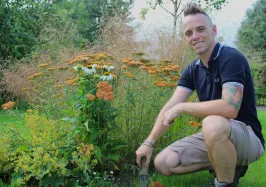
Lee Burkhill, known as the Garden Ninja, is an award-winning garden designer and horticulturist with over 30 years of gardening experience and 15 years as a professional garden designer. A qualified RHS (Royal Horticultural Society) professional, Lee specialises in sustainable garden design and practical horticultural advice. He designs and presents on BBC1’s Garden Rescue and in leading gardening publications. Lee combines three decades of hands-on gardening knowledge with professional design qualifications to help gardeners create beautiful, functional outdoor spaces.