Top 25 Coastal Plants, Shrubs and Trees for Garden Design: Tough and Beautiful Seaside Heroes
Lee Burkhill: Award Winning Designer & BBC 1's Garden Rescue Presenters Official Blog
Intermediate level
Coastal gardening presents unique opportunities alongside its challenges. The milder temperatures, extended growing seasons, and dramatic backdrops that come with seaside living can create some of the most spectacular gardens in the UK. The key is understanding which plants not only survive but actually flourish in these conditions, creating displays that are both resilient and breathtakingly beautiful.
Dream of creating a stunning coastal garden but worried about battling relentless winds, salt spray, and sandy soils? Perhaps you’ve moved to a beautiful seaside location only to discover that your favourite garden plants simply won’t survive the harsh coastal conditions.
Maybe you’re standing in your windswept garden, wondering if you’ll ever achieve that picture-perfect seaside paradise you’ve been dreaming of? Well, I’m here to help you create a fantastic coastal garden without any plant or design drama!
Creating a spectacular coastal garden isn’t about fighting against nature – it’s about working with it. The secret lies in choosing the right plants, and there are far more tough, beautiful options than you might imagine.
From elegant windbreak trees to stunning flowering shrubs that actually thrive in salt spray, the plant kingdom offers an impressive array of coastal warriors that can transform even the most challenging seaside plot into a garden paradise.
This comprehensive guide, from me, Lee Burkhill (Garden Design and Plant Expert), will introduce you to 25 of the most reliable and stunning plants for coastal gardens, each chosen for its proven ability to withstand salt spray, strong winds, and challenging soils whilst delivering exceptional beauty throughout the seasons.
Whether you need robust windbreak trees, elegant flowering shrubs, or striking perennials that dance in the sea breeze, you’ll find your perfect coastal companions here.
This page contains affiliate links for products I use and love. If you take action (i.e. subscribe, make a purchase) after clicking a link, I may earn some gardening commission, which helps me keep the Garden Ninja Blog free for all.
Understanding Coastal Garden Challenges
Before diving into our plant selections, it’s crucial to understand what makes coastal gardening unique. The very elements that make seaside living so appealing, fresh sea air, coastal breezes, and open skies, create specific challenges for plants.
a) Salt spray is perhaps the biggest hurdle.
Salt-laden winds can cause leaf scorch, dehydration, and soil salinity issues that many traditional garden plants simply cannot tolerate. However, coastal-adapted plants have evolved fascinating strategies to cope, from waxy leaf coatings to specialised salt-filtering mechanisms.
b) Strong winds create constant stress
Winds can cause physical damage and rapid moisture loss. Successful coastal plants typically have flexible stems, small or needle-like leaves to reduce wind resistance, or robust root systems that anchor them firmly in sandy soils.
c) Sandy, free-draining soils drain quickly
Making drought tolerance a crucial factor. Many coastal plants have adapted to store water in succulent leaves or develop extensive root systems to access deeper moisture reserves.
d) Exposure to intense sunlight
Bright sunlight means plants need to cope with higher light levels and increased UV radiation. Silver-leaved plants often excel here, their reflective surfaces protecting them from sun damage.
The good news? Once you understand these conditions, you can turn them to your advantage. Many coastal plants are naturally drought-tolerant, low-maintenance, and incredibly resilient once established.
The Top 25 Coastal Champions
Before introducing our star plants, it’s worth noting that creating some shelter dramatically expands your planting possibilities. A well-positioned windbreak can protect more tender plants whilst reducing wind speed for a distance up to ten times the height of the barrier.
The most effective windbreaks filter rather than block wind completely. Solid barriers like walls can create turbulence, whereas permeable hedges or tree belts slow and filter coastal winds more effectively. Many of our featured trees and shrubs work excellently as windbreak plants, creating protected microclimates for more diverse planting.
Coastal Trees: The Backbone of Seaside Gardens
Trees add the much needed height that all gardens need and beginner gardeners often miss them off. However, a few suitable trees for the size of your garden can make all the difference. They help add privacy, link up heights and offer a habitat for wildlife.
1. Monterey Pine (Pinus radiata)
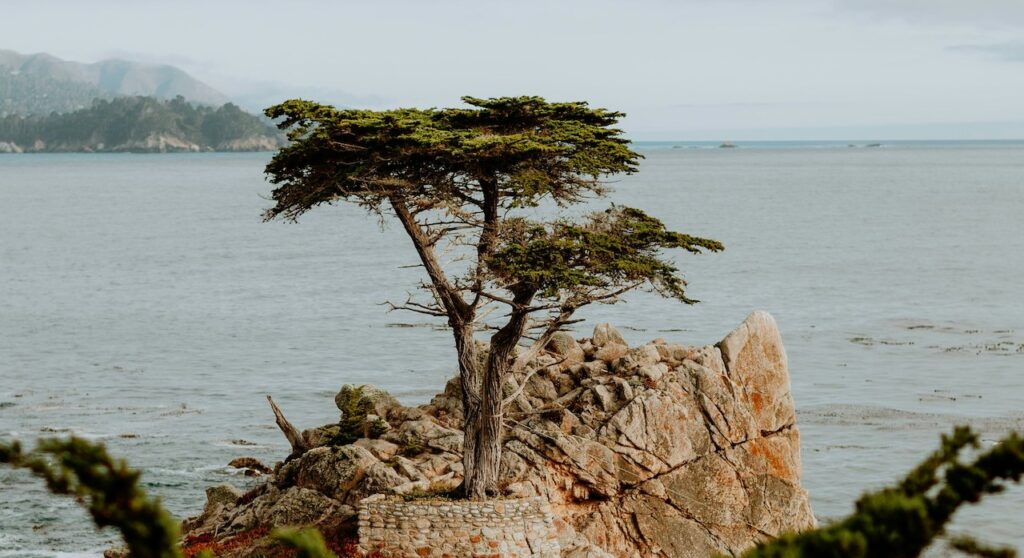
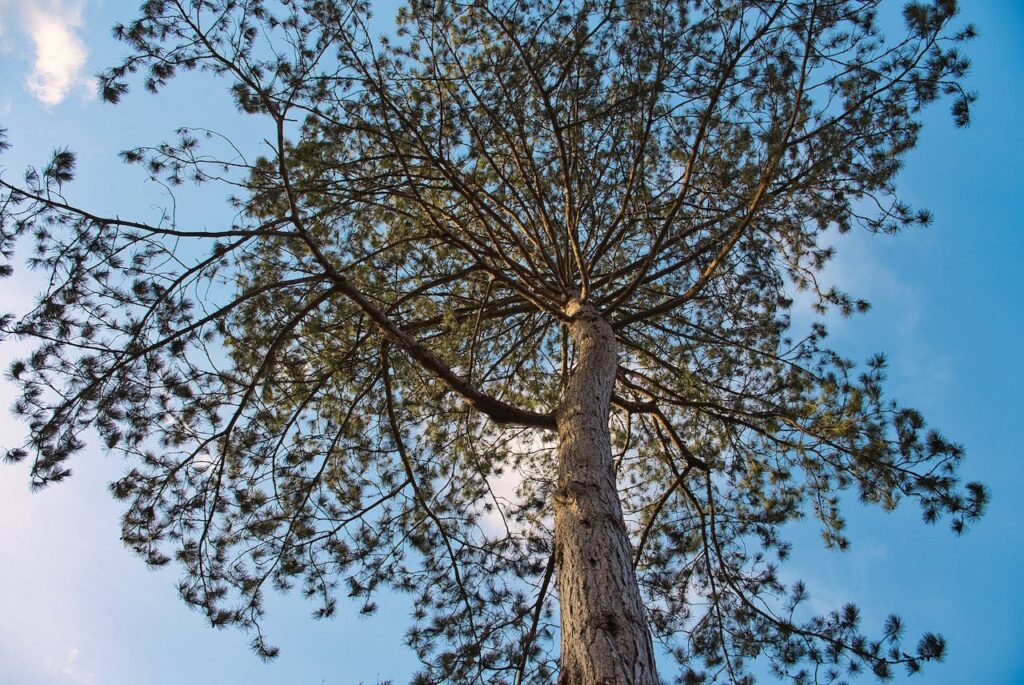
There’s nothing quite like the Monterey Pine for speed of growth and its ability to withstand salt sprays and wind. This fast-growing evergreen conifer creates impressive windbreaks and can reach substantial size quickly, making it ideal for establishing shelter in new coastal gardens that have the space. This tree gets big, but adds that windswept look so popular with those sandy coastal gardens.
Why it works: Needle-like foliage reduces wind resistance, deep taproot provides excellent anchorage, and exceptional salt tolerance makes it perfect for frontline coastal planting.
Design use: Primary windbreak, shelter belt, or dramatic specimen tree Height: 20-30m Best for: All UK coastal regions, particularly exposed sites needing rapid establishment
One of the most common trees seen growing near the coast, Scots Pine exemplifies natural coastal adaptation. Its distinctive reddish bark and blue-green needles create year-round architectural interest whilst providing robust wind resistance. Again this is a big tree but once established it’s pretty much bulletproof. If you have the space this gorgeous specimen provides shelter for wildlife and gorgeous cracked bark as it ages.
Why it works: Native adaptation to British conditions, needle-shaped leaves prevent water loss, and ability to grow in infertile soils with deep anchoring roots.
Design use: Windbreak, specimen tree, or naturalistic woodland planting Height: 15-25m Best for: Northern and western coasts, particularly Scotland and Wales
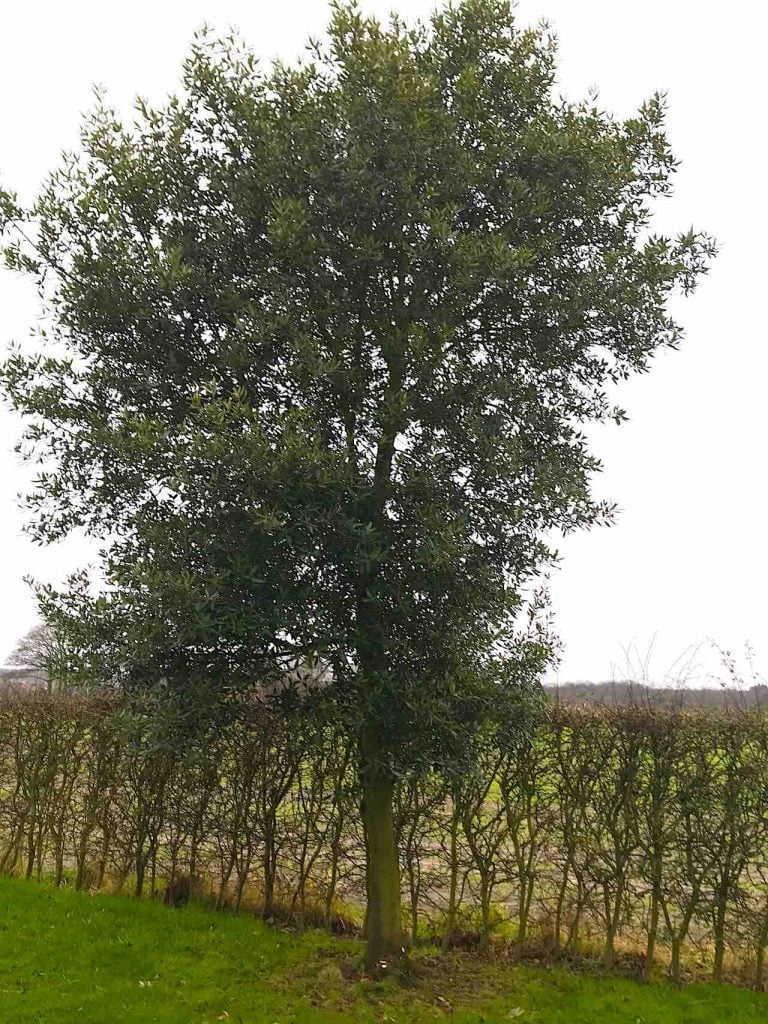
This magnificent evergreen oak provides year-round structure and formality to coastal gardens. Its glossy, dark green leaves with pale undersides create beautiful movement in coastal breezes, and the dense growth habit of Quercus ilex makes it excellent for shelter. Even in smaller gardens this specimen can be shaped and crown lifted. I’ve used it in the tree planting layer of many small to medium sized gardens.
Why it works: Evergreen foliage provides constant protection, extremely wind-resistant, and naturally develops interesting windswept shapes.
Design use: Formal hedging, specimen tree, or shelter belt Height: 15-20m Best for: Southern and western coasts with milder winters
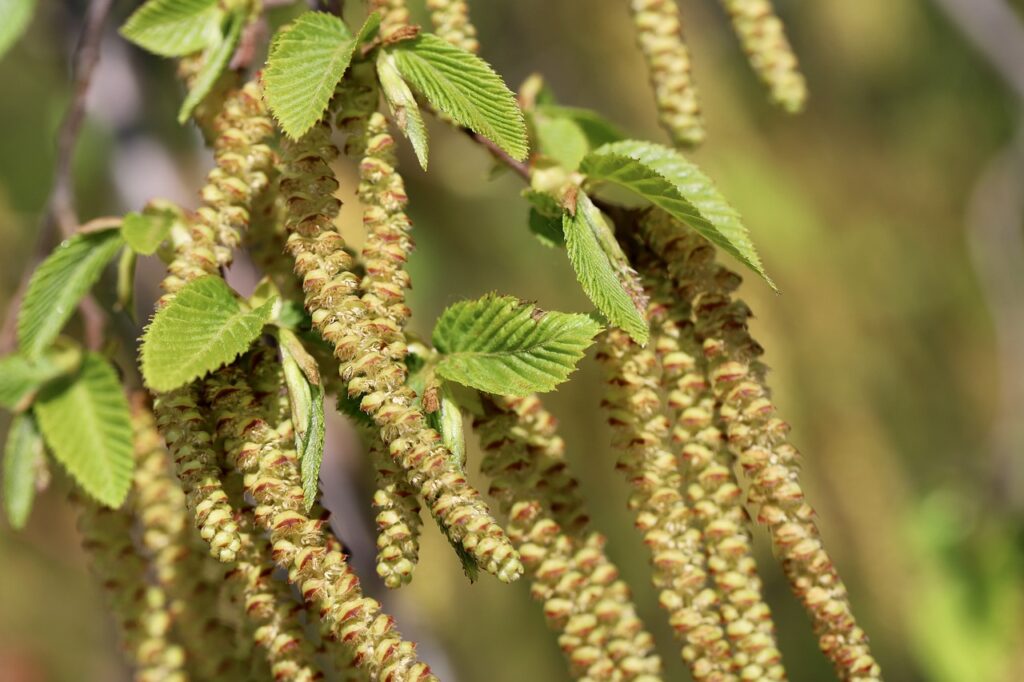
An incredibly hardy choice that retains its leaves through winter despite being deciduous, creating excellent wildlife habitat and year-round shelter. The fresh green spring foliage and golden autumn colour add seasonal interest. Carpinus betulus can be pruned to give a very slender column-shaped tree, and I’ve used these in small garden designs to bring height and a refuge for birds and wildlife. I’ve even used them in my Chelsea show garden as well-behaved specimens.
Why it works: Exceptional hardiness, wind tolerance, and ability to maintain structure through winter with persistent leaves.
Design use: Formal hedging, pleached screens, or specimen planting Height: 10-20m (easily managed through pruning) Best for: All UK coastal regions, particularly as formal hedging
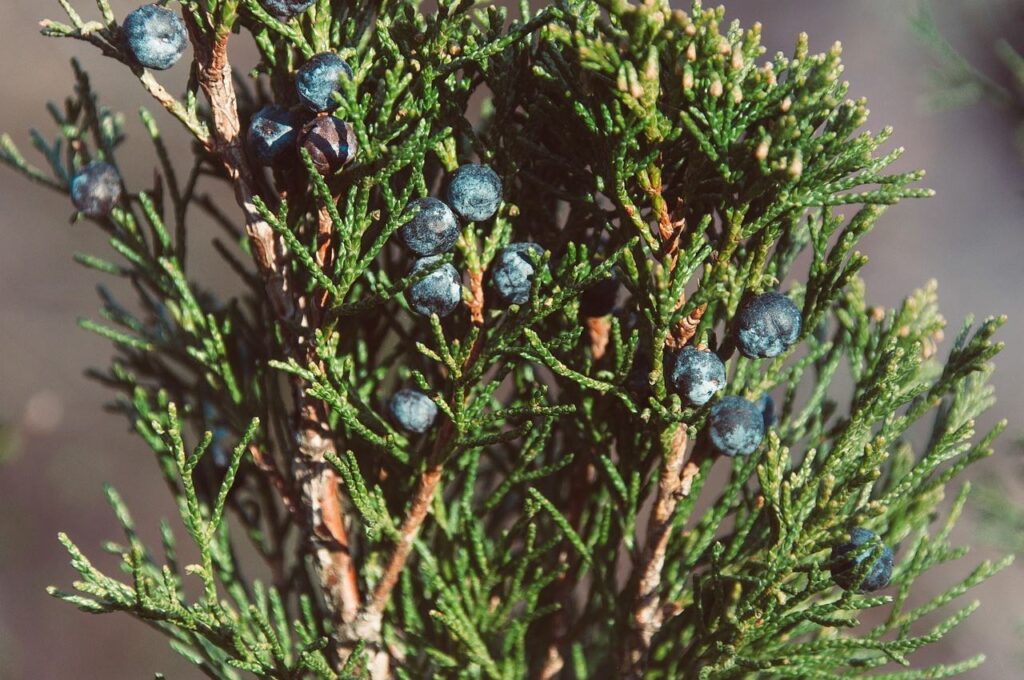
These pyramid-shaped conifers bring structural elegance to coastal gardens with their blue-green foliage and neat, compact growth habit. Juniperus scopulorum is extremely drought-tolerant and happy in exposed locations. They can add great structure to more formal coastal gardens or rental properties if you’re not going to be around for much of the year. Just take care when pruning them as with most conifers they will not survive a hard prune and don’t regenerate from old wood!
Why it works: Compact growth reduces wind resistance, exceptional drought tolerance, and attractive fruits provide winter interest.
Windbreak and Screening Shrubs: Creating Shelter with Style
With coastal gardens, providing a barrier against the exposed winds and elements can help you then plant slightly more delicate specimens within the garden. This is where the term ‘garden windbreak’ comes in, where we as garden designers and horticulturalists use more hardy specimens around the edge or hedge line of our properties to protect other plants.
6. Griselinia (Griselinia littoralis)
The glossy coastal champion that I have used extensively in my coastal and exposed garden designs. Griselinia littoralis is practically bulletproof for all levels of gardening skills and sites.
With its glossy, leathery leaves, Griselinia creates lush, vibrant screening whilst providing excellent salt tolerance. It’s become the go-to choice for coastal hedging across the UK, from Aberdeen to St Ives. I even have it here at Garden Ninja HQ and my hedge guides feature my Griselinia hedge frequently!
Why it works: Exceptional salt tolerance, fast growth rate, and naturally dense habit creates effective screening.
Design use: Hedging, windbreak, or informal screening Height: 3-4m Best for: All UK coastal regions as primary screening plant
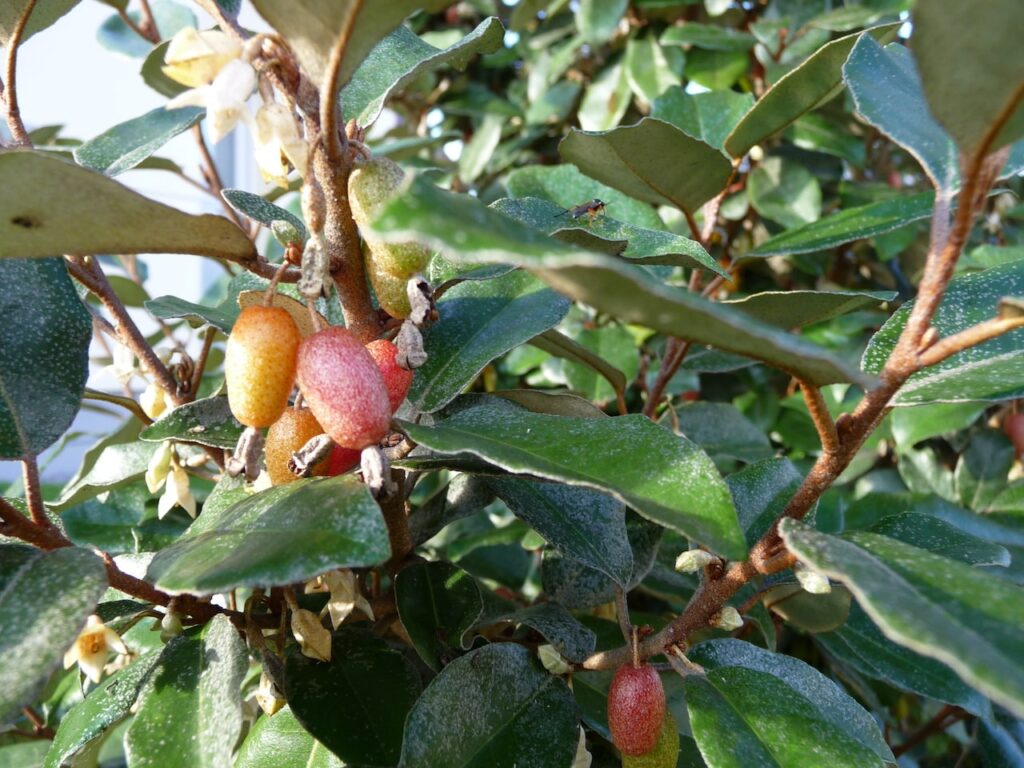
This tough evergreen creates beautiful silvery effects as its speckled leaves flutter in coastal breezes. Elaeagnus × ebbingei is highly tolerant of salt spray and poor soils, with the bonus of fragrant autumn flowers. It even has small elongated pink fruits and can pretty much withstand anything you throw at it — the silvery colouration always makes me think of salt spray too!
Why it works: Silver undersides reflect light and heat, extremely wind and salt tolerant, and thrives in poor coastal soils.
Design use: Hedging, windbreak, or textural backdrop planting Height: 3-4m Best for: Eastern and southern coasts with drier conditions
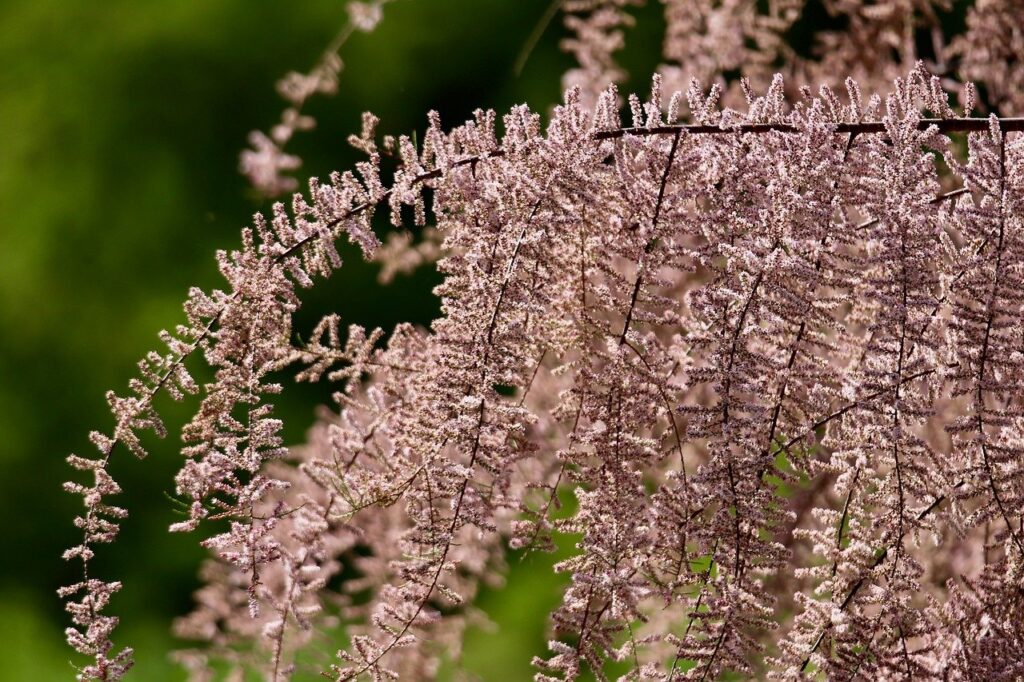
This feathery coastal beauty gives not only seaside vibes but has a tropical feel to it when it flowers. Tamarix ramosissima is one of my secret weapons for coastal gardens and is great for smaller spaces. I’ve used this plant frequently in my Garden Rescue designs to make the contributors’ jaws drop!
This graceful shrub transforms into a feathery mass of pink flowers in late summer, creating spectacular seaside displays. Its fine, needle-like foliage gives an almost ethereal appearance whilst being incredibly tough.
Why it works: Excellent salt tolerance, drought resistance, and spectacular flowering display that thrives in sandy soils.
Design use: Informal windbreak, flowering feature, or naturalistic planting Height: 3-5m Best for: Eastern and southern coasts with free-draining soils
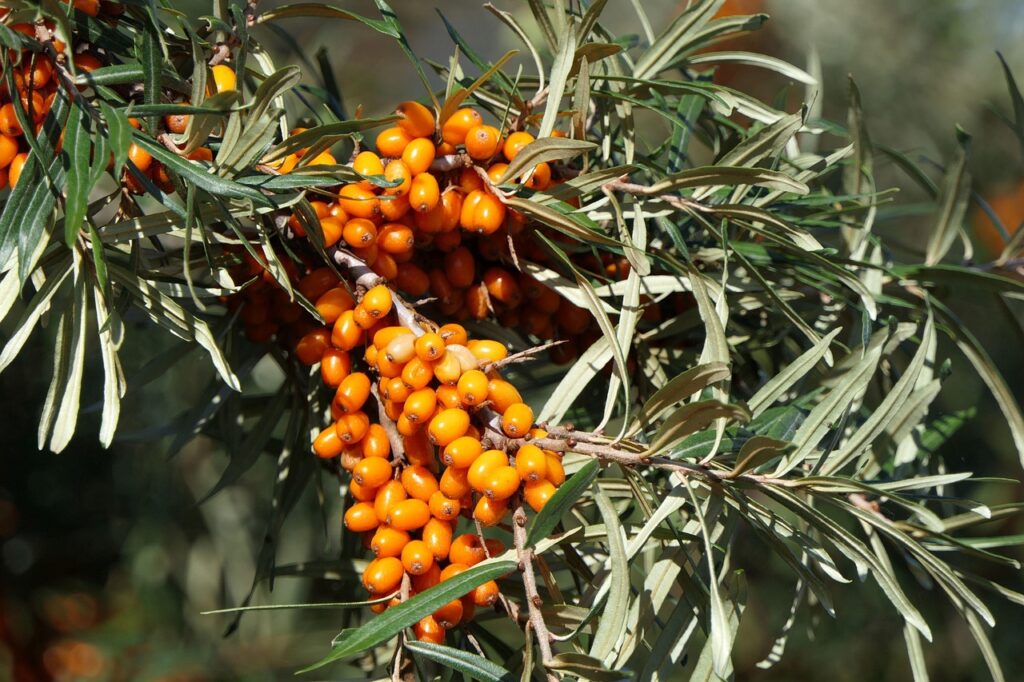
This native shrub is the true coastal survivor and perfectly adapted to coastal conditions, producing masses of bright orange berries on female plants. Sea Buckthorn has silvery foliage and a thorny habit that makes it excellent for wildlife gardens. Think of it as an easier to handle version of Gorse! I also like to add this to garden designs in the place of Olive trees as its silvery foliage adds that light touch but without the delicate conditions that Olives often need. It’s useful in Mediterranean garden designs as an alternative and more cost-effective too!
Why it works: Native adaptation to sand dunes, exceptional salt tolerance, and provides food for coastal wildlife.
Design use: Wildlife hedging, informal windbreak, or naturalistic coastal planting Height: 2-4m Best for: All UK coasts, particularly for wildlife-friendly gardens
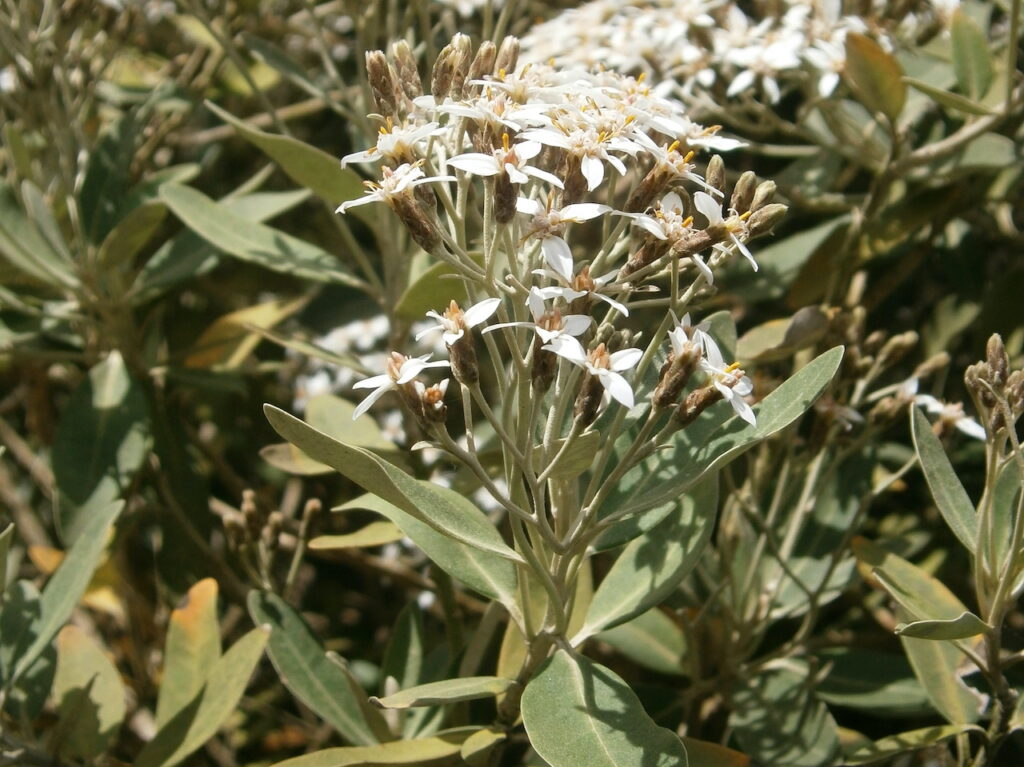
The New Zealand daisy bush is another tough silvery evergreen, but this coastal gem offers abundant small, daisy-like flowers that are great for wildlife and a summer pop of colour. Olearia traversii is known for its resilience and ability to form dense, wind-resistant hedging.
Why it works: Exceptional wind resistance, salt tolerance, and attractive year-round foliage with bonus summer flowering.
Design use: Coastal hedging, textural planting, or informal windbreak Height: 2-3m Best for: Southern and western coasts with milder conditions
Spectacular Flowering Shrubs: Beauty that Thrives in Salt Spray
The next plant layer for your coastal garden are the shrubs — these form the punctuation points of any good garden design and will help give structure to your flower beds. Those students on my Online Garden Design courses will know exactly why shrubs are such a valuable and necessary part of garden design planning.
11. Lavender (Lavandula angustifolia)
No coastal garden is complete without lavender’s distinctive spires and heavenly fragrance. English lavender varieties are particularly hardy and long-lived, thriving in sunny, well-drained coastal conditions and as long as you follow my lavender pruning guide they will survive for 7 to 10 years in neat bushy forms.
Why it works: Aromatic foliage deters pests, drought tolerance, and Mediterranean origins provide perfect coastal adaptation.
Design use: Low hedging, sensory gardens, or informal cottage garden planting Height: 0.5-1m Best for: All UK coasts in sunny, well-drained positions
The coastal cottage garden favourite is often overlooked for exposed gardens but it’s surprisingly tough — you will see it in the windswept gardens of the Scottish coasts for this very reason!
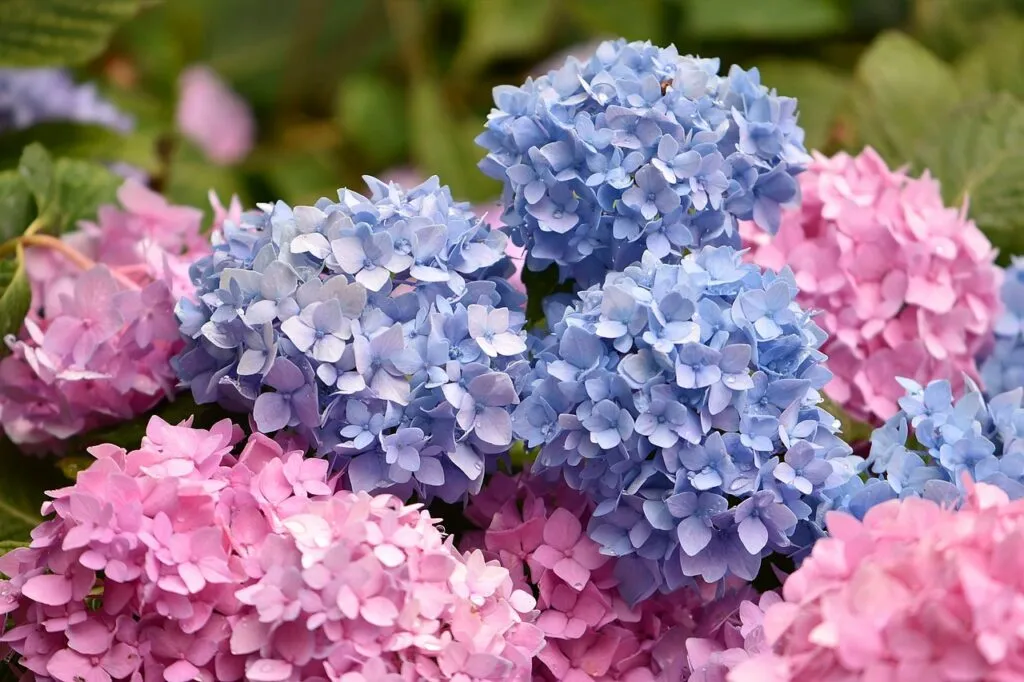
Surprisingly, hydrangeas thrive in coastal conditions, particularly the mophead and lacecap varieties. Their large flower heads create spectacular summer displays and the sea air seems to intensify their colours.
Why it works: Natural adaptation to high humidity, wind tolerance, and ability to thrive in coastal conditions better than many expect.
Design use:Cottage garden planting, specimen shrubs, or mixed borders Height: 1-2m Best for: All UK coasts, particularly in partially sheltered positions
The reliable evergreen flowerer is another of my design favourites for low-fuss gardens. Escallonia rubra provides not only super dense glossy greenery but a haven for wildlife when used in new build gardens, where often there isn’t much else going on in neighbouring gardens!
This tough evergreen produces masses of small, tubular flowers in pink, orange, red, or white throughout summer. Excellent for creating flowering hedges that provide year-round structure.
Why it works: Evergreen foliage provides constant structure, excellent wind tolerance, and long flowering season.
Design use: Flowering hedges, mixed borders, or informal screening Height: 2-3m Best for: Southern and western coasts with milder winters
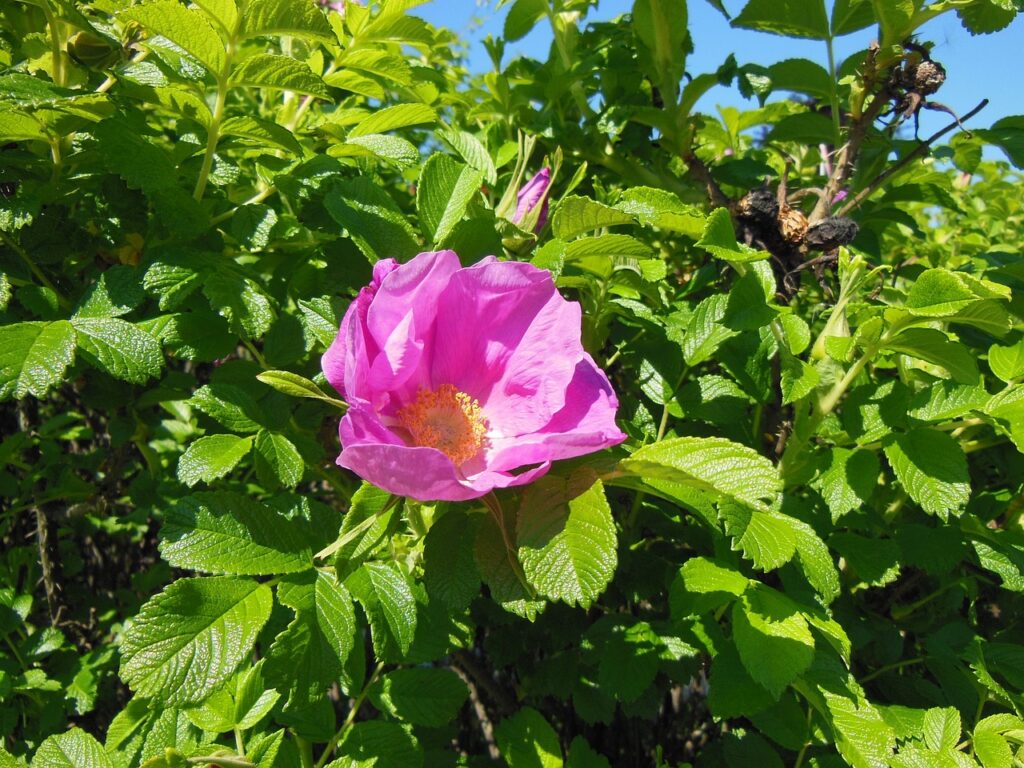
The tough coastal rose is nearly always missed out of the top rose guides and blogs, which makes me incredibly sad. The dog rose is often ignored and left out but it’s an amazing coastal shrub that really deserves more attention! Its neon pink flowers in summer are not to be missed and it doesn’t even need pruning like lots of cultivar and double-bloom roses! Rosa rugosa can withstand salt spray and sandy soils whilst producing fragrant flowers followed by large, colourful hips — much tougher than traditional roses in coastal conditions.
Why it works: Natural sand dune adaptation, exceptional hardiness, and provides flowers, hips, and autumn colour.
Design use: Informal hedging, wildlife gardens, or mixed coastal borders Height: 1.5-2m Best for: All UK coasts, particularly for wildlife-friendly gardens
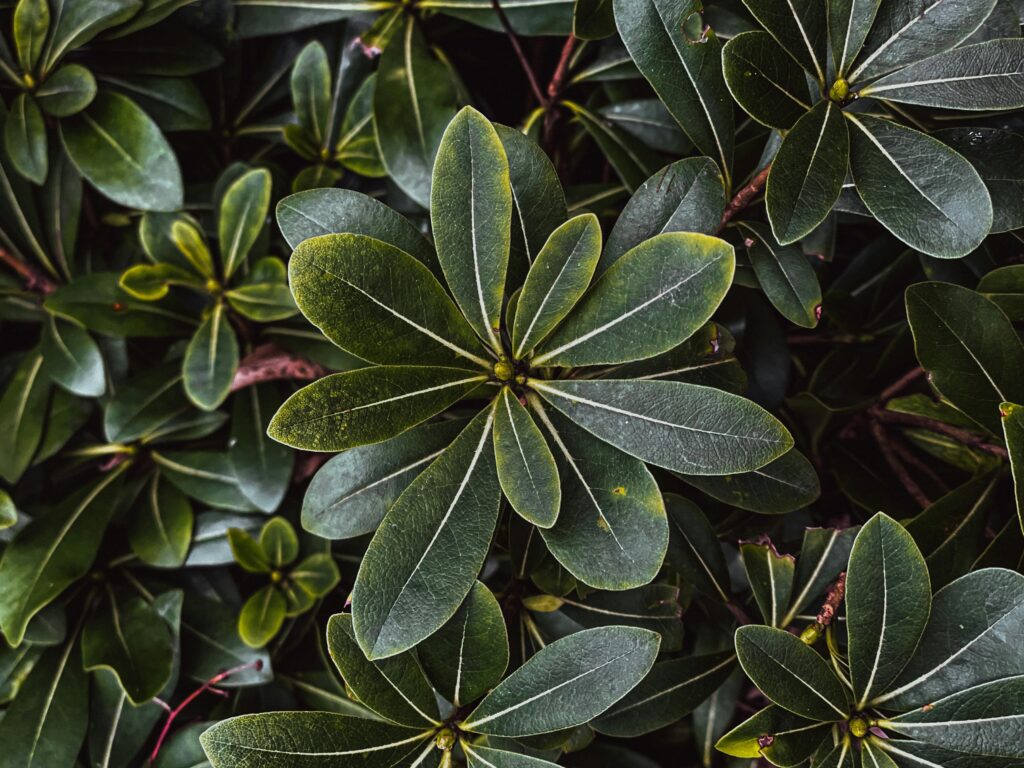
The evergreen architectural shrub is a favourite of newer gardeners across the country. Pittosporum tobira is a tough, super slow-growing evergreen that tolerates abuse. But it’s more than just a lump of green — it can create great form in exposed gardens as it originates from New Zealand originally, like Griselinia.
This versatile evergreen thrives in coastal conditions with its glossy foliage and fragrant spring flowers. Excellent for creating structured, formal plantings that maintain year-round appeal.
Why it works: Thick, waxy leaves resist salt damage, architectural form, and fragrant flowers add seasonal interest.
Design use:Formal gardens, specimen planting, or structural hedging Height: 2-4m Best for: Southern and western coasts with milder winters
The next layer of plants that all coastal gardens need is the beautiful herbaceous layer that flowers and then dies back each winter. This layer keeps the garden changing and evolving throughout the year and there are some amazingly resilient taller specimens even for wind-battered coastal gardens.
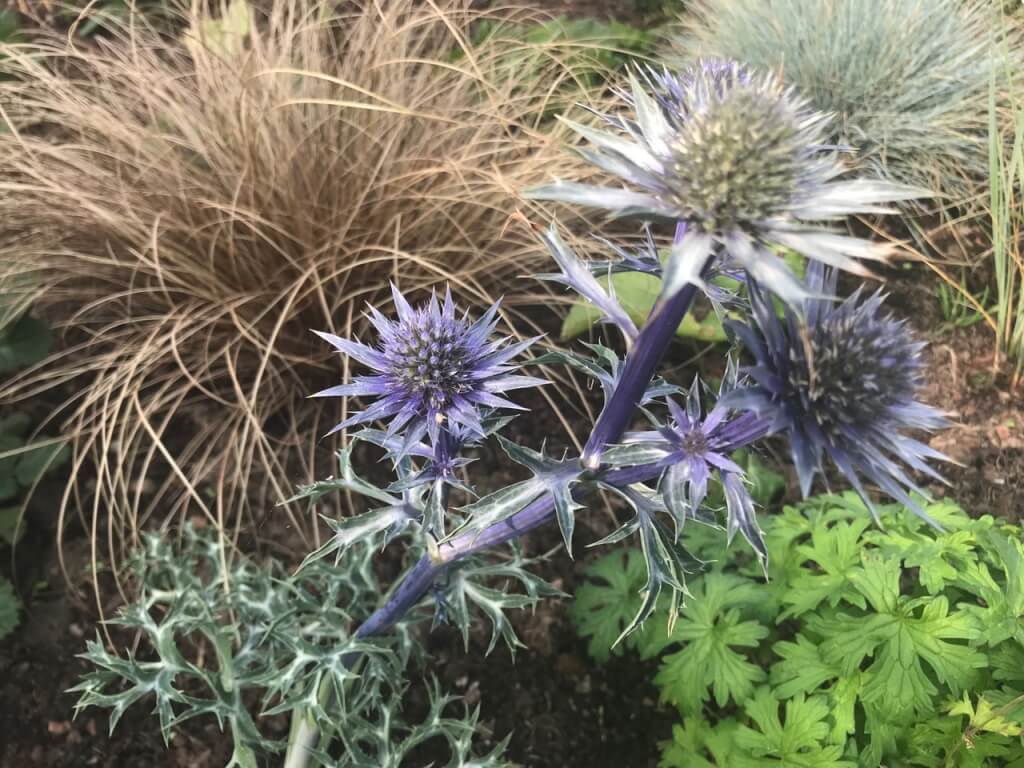
16. Sea Holly (Eryngium maritimum)
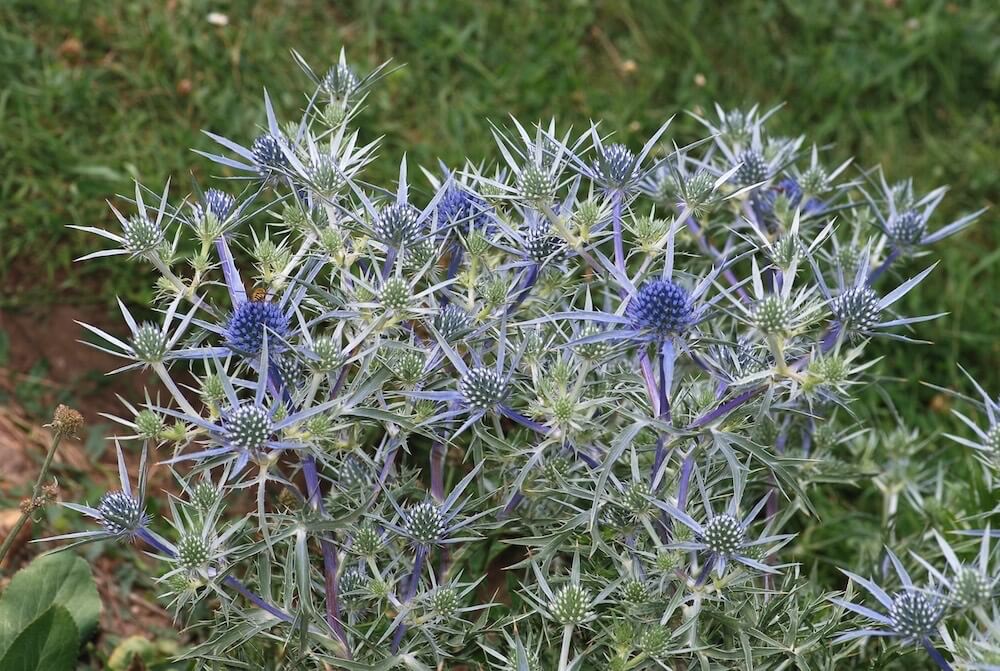
This spiky sensation often gets gaps in my planting plans and my garden here at Garden Ninja HQ. Sea Holly looks so alien when it flowers from June to September.
With its distinctive thistle-like appearance and metallic blue-silver colouring, sea holly epitomises coastal planting. Its architectural form and exceptional drought tolerance make it perfect for gravel gardens.
Why it works: Native coastal adaptation, striking architectural form, and exceptional drought and salt tolerance.
Design use: Gravel gardens, architectural borders, or naturalistic coastal planting Height: 0.6-1m Best for: All UK coasts, particularly in well-drained positions
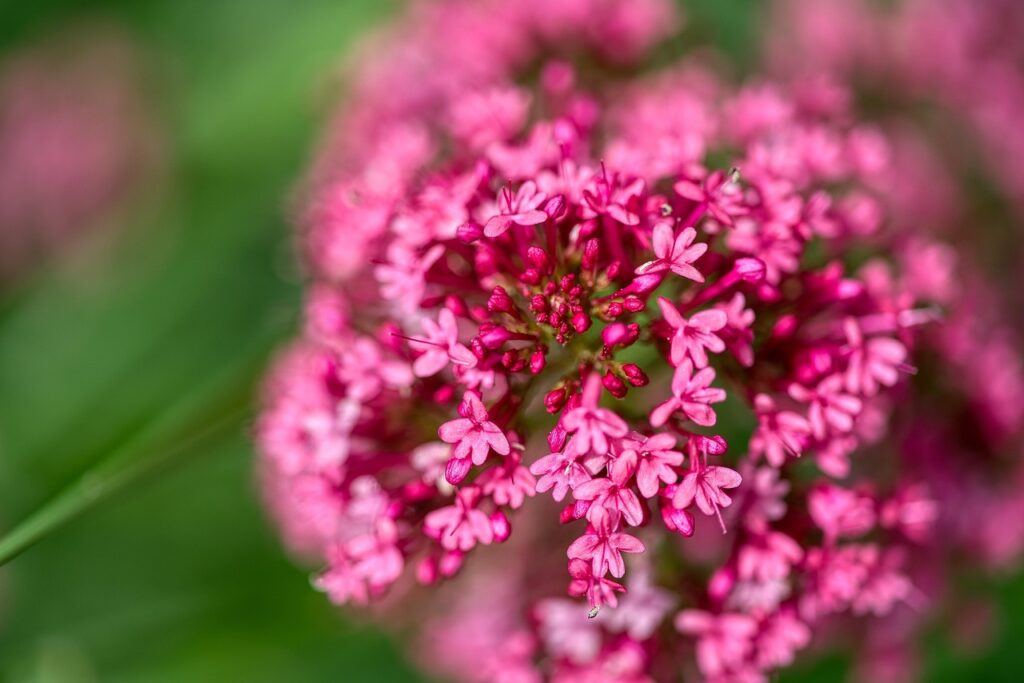
The self-seeding survivor is often seen growing in the cracks in walls and in the most barren seaside towns, so why not make the most of its tenacity and include it in your own coastal garden planting plans?
This cheerful perennial produces masses of fragrant flowers in red, pink, or white whilst thriving in the poorest coastal soils. Centranthus ruber self-seeds prolifically, making it excellent for naturalising. Once you’ve introduced a few you will have this plant forever — it will never leave! So go with it Ninjas.
Why it works: Thrives in poor soils, exceptional drought tolerance, and long flowering season with minimal care.
Design use: Naturalistic planting, Mediterranean gardens, or informal borders Height: 0.6-1m Best for: All UK coasts, particularly in sunny, well-drained positions
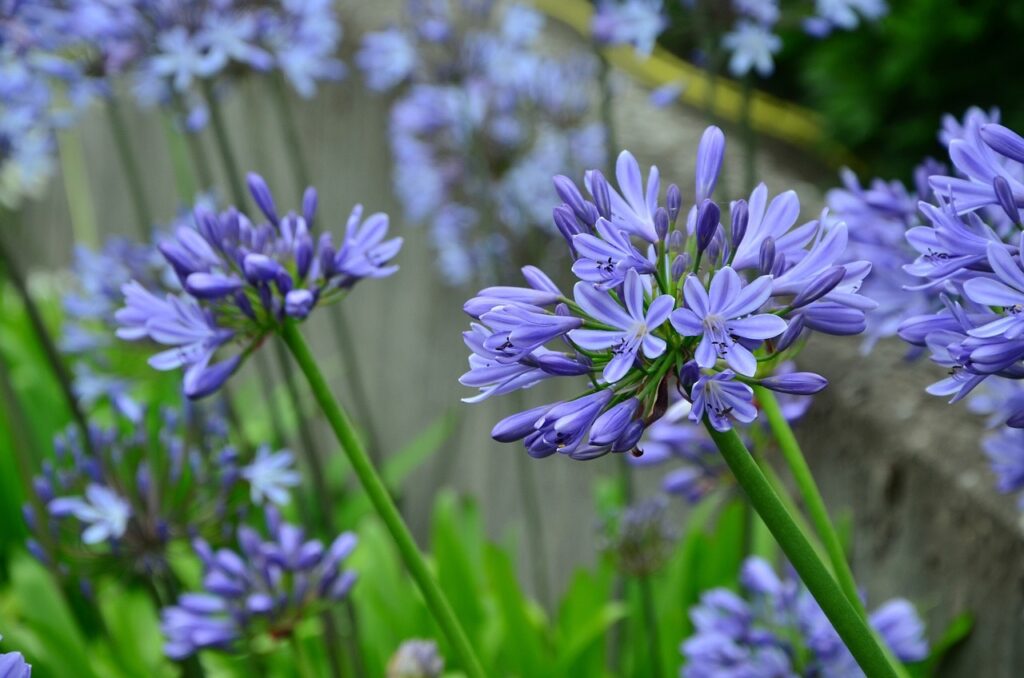
These striking plants form large clumps with tall stems topped by drumstick-shaped flower heads in brilliant blues and whites. Agapanthus praecox is perfectly tolerant of coastal conditions and excels in containers. They love being constrained and contained in rocky gardens or planters so go with it. Their large leaves add texture even in the winter months.
Why it works: Natural tolerance of coastal conditions, dramatic flowering display, and excellent container performance.
Design use: Container planting, mixed borders, or architectural focal points Height: 0.8-1.2m Best for: Southern and western coasts, may need winter protection further north
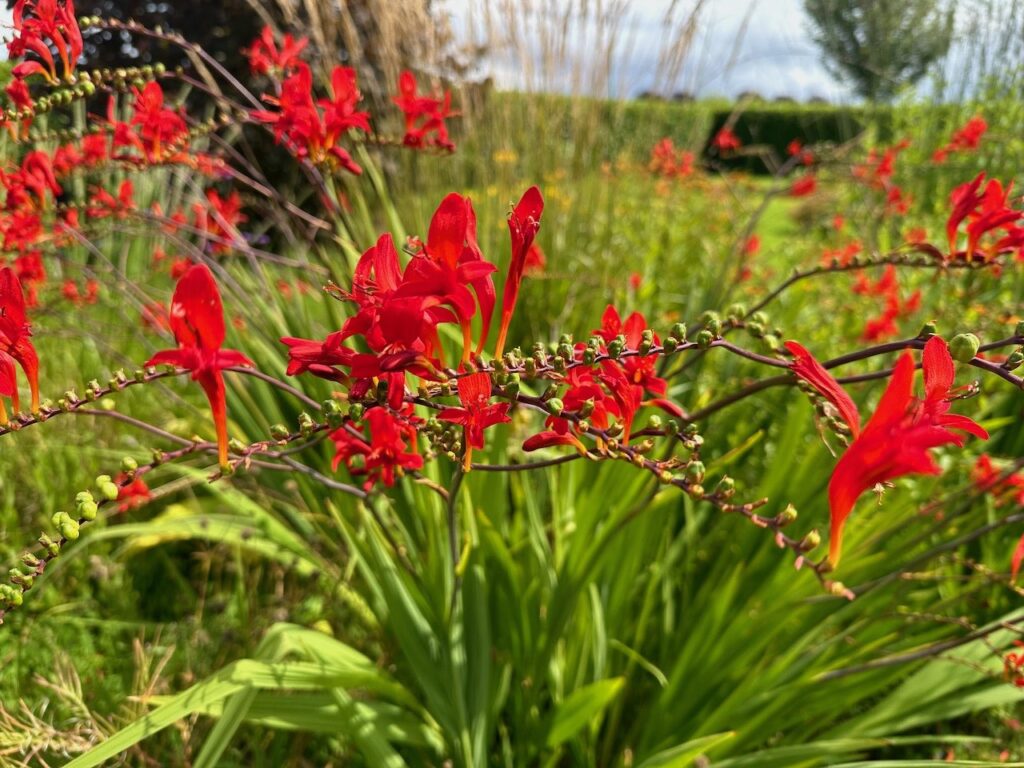
Finally I can wax lyrical about why this is a brilliant coastal plant and beginner specimen. It needs no care and will quickly bulk up, forming strap-like leaves from April to October before the real fireworks start with its mid-July flowers!
Crocosmia ‘Lucifer’ produces arching stems of brilliant orange-red flowers that create spectacular late summer displays. Extremely hardy and spreads well in coastal conditions. Honestly, if you haven’t seen these before you’re in for a plant treat.
Why it works: Exceptional hardiness, vigorous spreading habit, and brilliant flower colour that stands out in coastal settings.
Design use: Naturalising, mixed borders, or dramatic colour displays Height: 1-1.2m Best for: All UK coasts, though may become invasive in ideal conditions
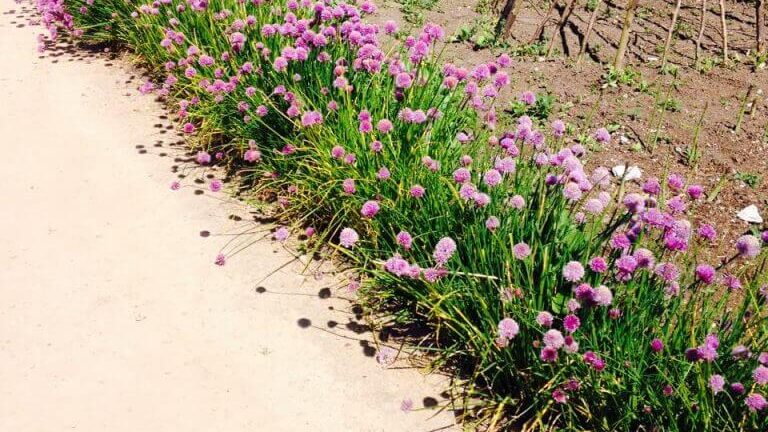
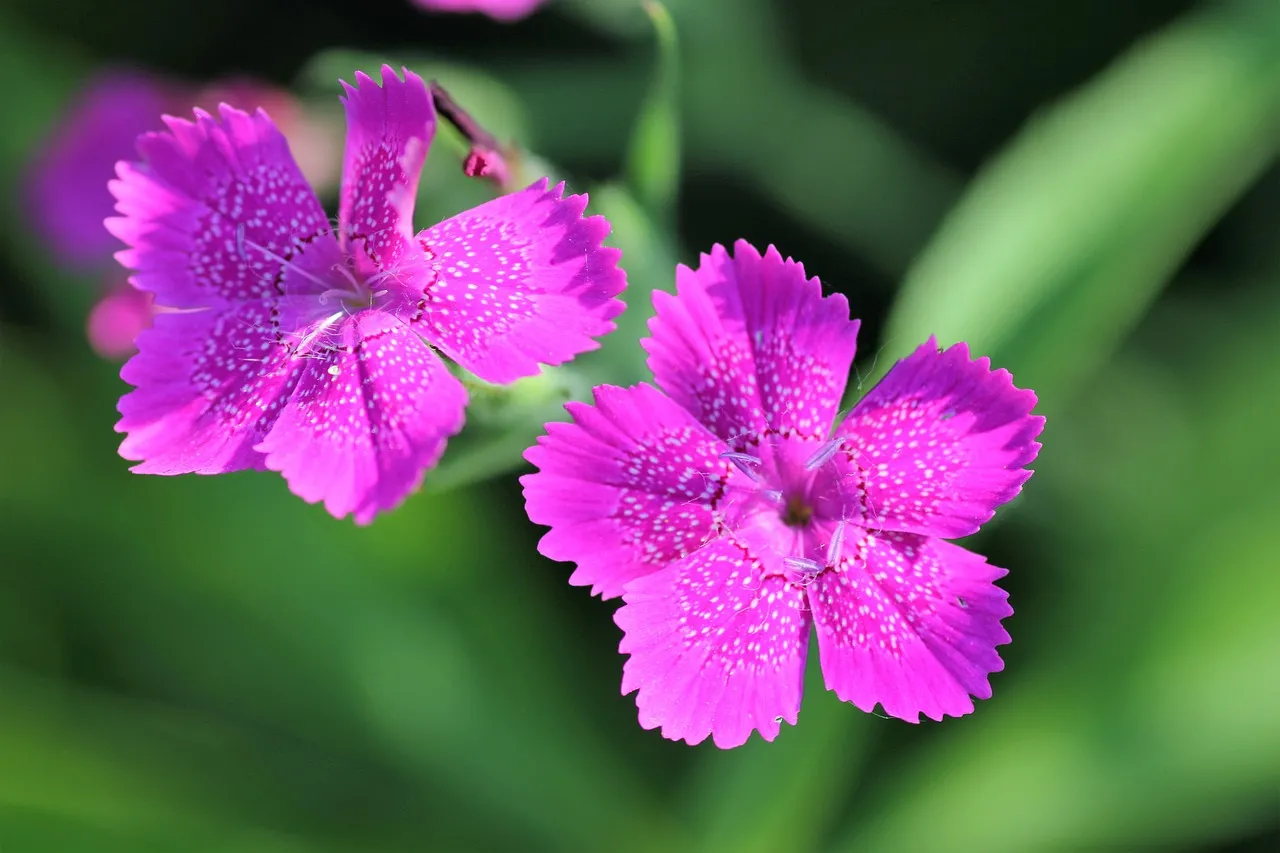
The cushion of coastal pink was one of the first plants I grew as a child. I loved the tiny pink flowers and the fact it could easily survive in dry containers and small spaces.
Sea Thrift forms neat cushions of grass-like foliage topped with globe-shaped pink flowers. Perfect for rock gardens, coastal paths, or anywhere you need low, drought-tolerant colour.
Why it works: Native coastal adaptation, extremely drought tolerant, and forms attractive, maintenance-free clumps.
Design use: Rock gardens, coastal path planting, or low-maintenance ground coverHeight: 0.2-0.3m Best for: All UK coasts in sunny, well-drained positions
Ornamental Grasses: Movement and Texture by the Sea
The next layer that I always encourage new gardeners to include are the taller herbaceous perennials in the form of ornamental grasses. These help bring texture and movement to any sized garden and can create beautiful dynamic flower beds.
21. Miscanthus sinensis (Chinese Silver Grass)
If you want a slug-proof ornamental grass with silvery tones that is fuss-free then Miscanthus sinensis is the one for you. I have used it countless times and it never fails to impress. The best part is you can leave it right through the winter and it continues to add structure before you cut it down to the ground each February.
This elegant grass provides height, movement, and seasonal interest with its arching foliage and fluffy autumn seed heads that catch the light beautifully in coastal gardens.
Why it works: Wind tolerance, autumn interest with seed heads, and graceful movement in coastal breezes.
Design use: Screening, specimen planting, or naturalistic prairie-style gardens Height: 1.5-2.5m Best for: All UK coasts as background or specimen planting
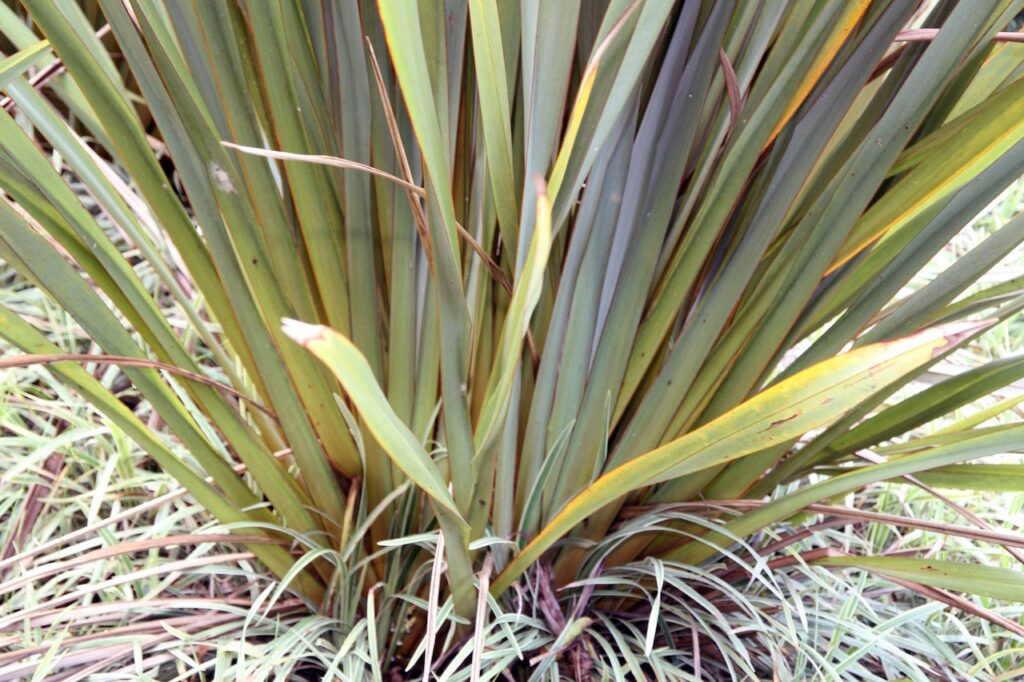
The architectural New Zealand flax is not my favourite plant, I’ll be honest — I once spent an entire week removing them from a client’s garden and it’s been burnt into my memory bank ever since. Even though this memory has scarred me, they are excellent coastal plants so I cannot ignore them for you!
These dramatic, sword-like plants bring instant structure and exotic appeal to coastal gardens. Phormium tenax is available in various colours from green to bronze, purple, and variegated forms.
Why it works: Extremely wind and salt tolerant, architectural form provides year-round structure, and excellent container performance.
Design use: Architectural focal points, container planting, or modern garden structure Height: 1-3m depending on variety Best for: All UK coasts, particularly in modern or architectural garden designs
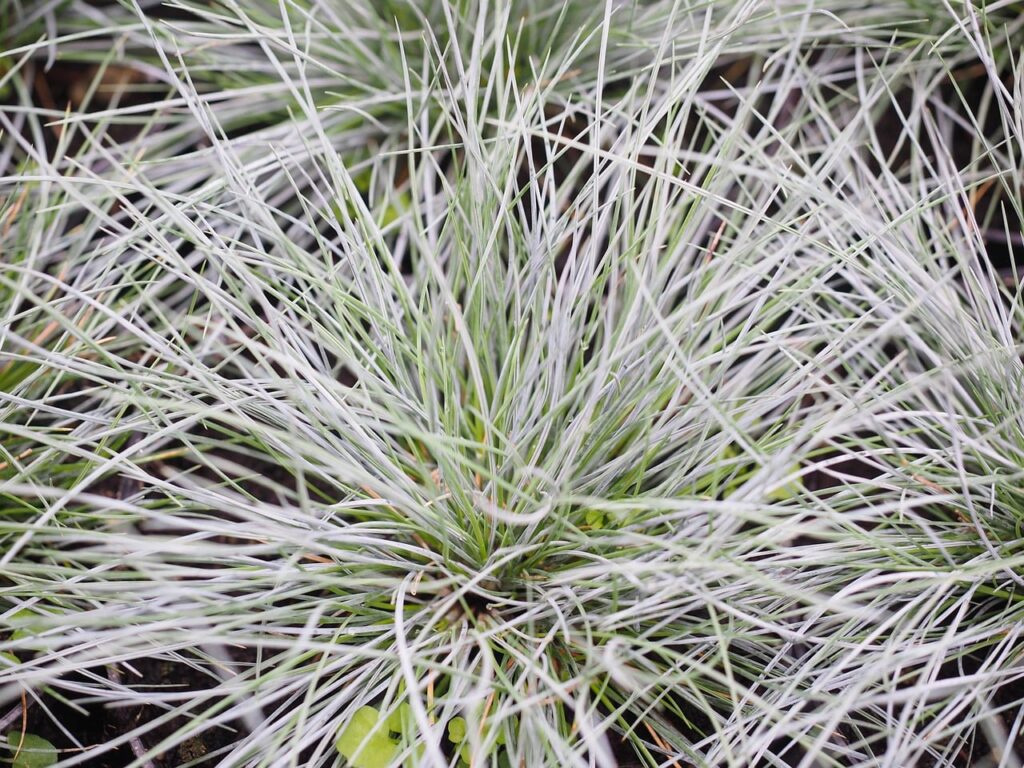
This compact ornamental grass forms neat, silvery-blue mounds that provide perfect textural contrast in coastal plantings. Festuca glauca is excellent for edging, rock gardens, or mass planting. Just make sure you rake through it each autumn to remove old growth so it doesn’t get congested.
Why it works: Compact growth, exceptional drought tolerance, and attractive blue-silver colouring complements coastal settings.
Design use: Edging, rock gardens, or textural ground cover Height: 0.2-0.4m Best for: All UK coasts in sunny, well-drained positions
Your subscription could not be saved. Please try again.
Your subscription has been successful.
Climbing Plants: Vertical Beauty for Coastal Gardens
For those coastal gardens with walls or fences it’s always a nice touch to grow some climbing plants up them. Not only does it green up vertical surfaces but it can help provide a habitat for honeybees, birds, and other wildlife.
24. Passion Flower (Passiflora caerulea)
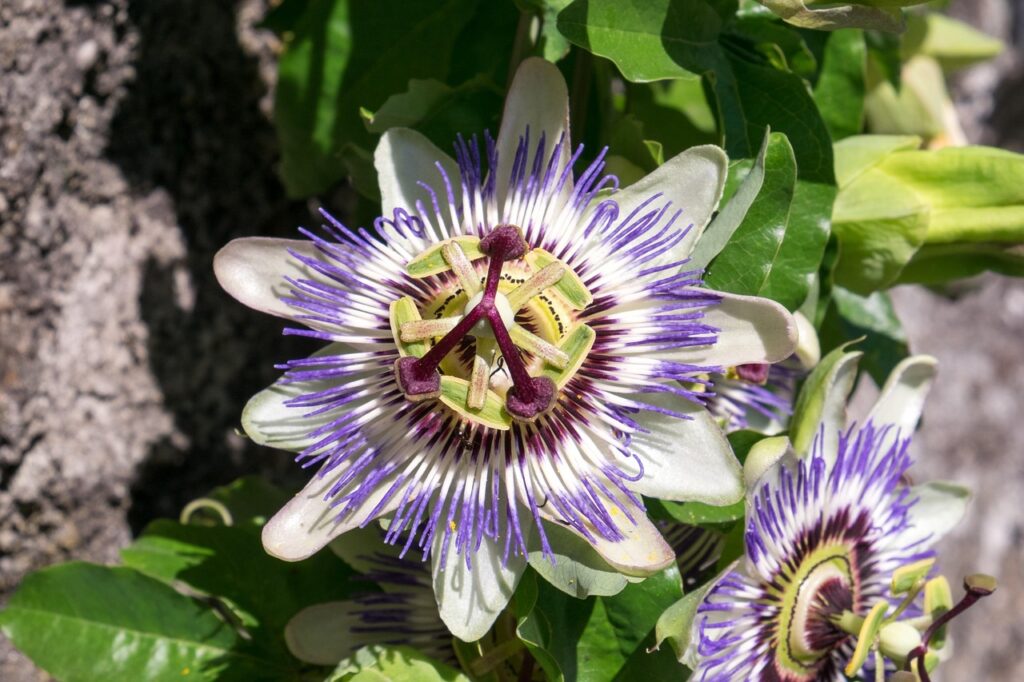
This surprisingly hardy climber produces exotic, intricate flowers followed by orange fruits. In coastal areas, Passiflora caerulea can remain semi-evergreen, providing year-round coverage for walls and fences. I bet you didn’t think a Passion Flower would be making this list!
Why it works: Greater hardiness in coastal areas, spectacular exotic flowers, and vigorous growth for quick coverage.
Design use: Wall coverage, pergola climbing, or exotic garden features Height: 5-8m Best for: Southern and western coasts with milder winters
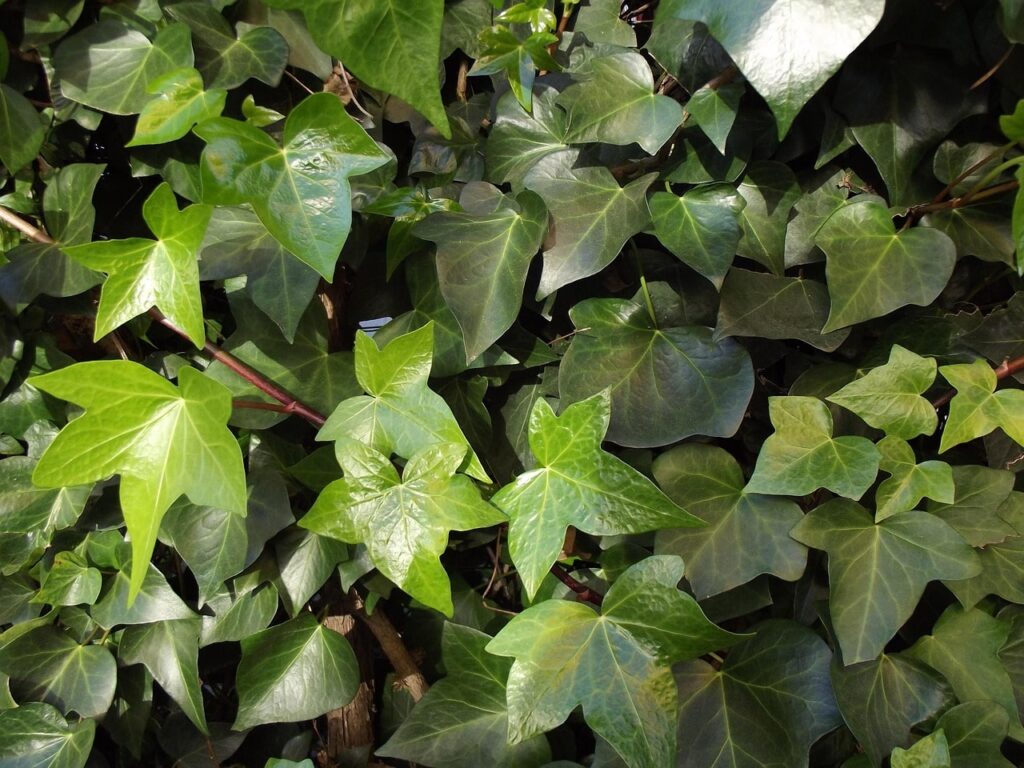
Often overlooked but incredibly valuable, ivy provides essential year-round coverage for unsightly walls whilst being completely unbothered by salt spray or coastal winds. Let’s not miss out the most obvious and worthwhile climber for any coastal or exposed planting scheme!
Why it works: Complete salt and wind tolerance, evergreen coverage, and excellent wildlife value for coastal birds and insects.
Design use: Wall coverage, ground cover, or wildlife garden planting Height: Unlimited climbing potential Best for: All UK coasts where evergreen coverage is needed
Creating stunning coastal gardens requires thoughtful planning that works with natural conditions rather than against them. Here are key strategies that professional garden designers use for seaside success.
A) Layer your defences
By creating multiple levels of protection. Start with robust windbreak trees, follow with screening shrubs, and finish with ornamental plantings in the protected areas behind. This creates diverse microclimates within your garden.
B) Embrace the naturalistic style
Informal drifts of ornamental grasses, self-seeding perennials, and naturally shaped shrubs create gardens that feel integrated with their coastal environment.
C) Use hardscaping wisely
By incorporating gravel mulches, driftwood features, and stone elements that complement the coastal setting whilst providing excellent drainage for your plants. I always think more planting to hardlandscaping is the better design choice.
D) Plan for year-round interest
Since coastal gardens are often enjoyed throughout the year. Evergreen structure plants, ornamental grasses with winter seed heads, and shrubs with attractive bark or berries ensure your garden never looks dormant.
Planting and Establishment Tips fotr Coastal Gardens
Success with coastal plants often depends as much on establishment techniques as plant selection. Here are the professional secrets that ensure your coastal garden thrives from day one.
Timing matters – autumn planting allows plants to establish before facing their first summer drought, whilst spring planting gives tender varieties time to toughen up before winter.
Wind protection during establishment is crucial. Even the toughest coastal plants benefit from temporary windbreak netting during their first year while roots develop and plants acclimatise.
Soil improvement pays dividends. Adding organic matter to sandy soils improves water retention, whilst ensuring good drainage prevents waterlogging during winter storms.
Mulching with gravel or shingle looks natural in coastal settings whilst conserving moisture and suppressing weeds. Organic mulches can blow away in exposed positions.
Plant in groups rather than as isolated specimens. Clustering plants provides mutual protection and creates more naturalistic displays that look established faster.
Seasonal Interest in Coastal Gardens
Coastal gardens offer unique opportunities for year-round beauty, with the changing seasons bringing different aspects of plants to the fore.
Spring brings fresh growth and early flowers, with the clean coastal air making colours appear particularly vibrant. This is when structural evergreens really earn their keep, providing backdrop for seasonal displays.
Summer is showcase time, with salt-tolerant perennials and shrubs producing spectacular displays that often outperform their inland cousins in the favourable coastal conditions.
Autumn extends later in coastal areas due to maritime influence, allowing late-flowering plants like tamarisk and sedums to shine whilst ornamental grasses develop their characteristic seed heads.
Winter reveals the bones of the garden, when evergreen structure plants prove their worth and the architectural forms of plants shaped by coastal winds become garden features in their own right.
Want to master the art of coastal garden design?
My comprehensive online garden design courses will transform you from someone who’s battling the elements to a confident designer who creates coastal gardens that are the envy of the neighbourhood. Whether you’re designing your own seaside sanctuary or dreaming of a career helping other coastal dwellers create their perfect outdoor spaces, these courses give you everything you need.
In just a few hours of study (at your own pace, from your own home), you’ll learn:
How to select plants that thrive in salt spray and sandy soils
Design principles that work with coastal conditions, not against them
Professional planting combinations that create year-round interest
Real-world case studies from actual coastal garden transformations
The logic behind successful plant choices, even if you’re starting with zero experience
29
Garden Design Examples for Small Gardens: 30 Design Templates & Planting Plans
Garden Design Examples for Small Gardens: 30 Design Templates & Planting Plans: In this online gardening course, I’ll walk you through 30 fantastic garden designs, explaining the logic behind the layout, the plant choices, and take-home tips for applying them in your own garden.
Weekend Garden Makeover: A Crash Course in Design for Beginners
Learn how to transform and design your own garden with Lee Burkhills crash course in garden design. Over 5 hours Lee will teach you how to design your own dream garden. Featuring practical design examples, planting ideas and video guides. Learn how to design your garden in one weekend!
Garden Design for Beginners: Create Your Dream Garden in Just 4 Weeks
Garden Design for Beginners Online Course: If you want to make the career jump to becoming a garden designer or to learn how to design your own garden, this is the beginner course for you. Join me, Lee Burkhill, an award-winning garden designer, as I train you in the art of beautiful garden design.
From absolute beginner to confident intermediate in just one weekend!
No expensive college courses, no years of study, no geographical constraints. Just practical, proven techniques taught by an award-winning garden designer who’s spent years perfecting coastal garden solutions.
Ready to create the coastal garden of your dreams?
Because life’s too short for gardens that just survive when they could be thriving!
Summary
Whether you’re creating shelter with Monterey Pine and Griselinia, adding summer spectacle with Agapanthus and Crocosmia, or bringing year-round structure with Phormium and Pittosporum, you’re working with nature’s own coastal specialists. These plants have spent millions of years perfecting their seaside survival strategies – all you need to do is give them the right conditions and step back to enjoy the show.
Your coastal garden adventure starts here. Choose your favourites from our 25 champions, plan your planting strategy, and prepare to discover that gardening by the sea offers some of the most rewarding and spectacular results in the gardening world. The salt air that once seemed like your enemy will become your garden’s greatest asset, creating a unique and beautiful space that celebrates its spectacular seaside setting.
Your subscription could not be saved. Please try again.
Your subscription has been successful.
Lee Burkhill
Lee Burkhill, known as the Garden Ninja, is an award-winning garden designer and horticulturist with over 30 years of gardening experience and 15 years as a professional garden designer. A qualified RHS (Royal Horticultural Society) professional, Lee specialises in sustainable garden design and practical horticultural advice. He designs and presents on BBC1’s Garden Rescue and in leading gardening publications. Lee combines three decades of hands-on gardening knowledge with professional design qualifications to help gardeners create beautiful, functional outdoor spaces.