Lee Burkhill: Award Winning Designer & BBC 1's Garden Rescue Presenters Official Blog
Beginner level
If you have a north facing garden, you might have been told it's a problem. Estate agents mention it, neighbours warn you about it, and maybe you're wondering whether anything decent will ever grow there. As an award winning gardener designing and presenting on BBC1's Garden Rescue, I can tell you with experience that a north facing garden is not a problem. It's an opportunity, and a rather brilliant one at that!
North facing gardens receive limited direct sunlight, particularly during the winter months when the sun stays low in the sky. In summer, they can catch some evening sun along the boundaries, but the central area will remain shaded for much of the day. This position is also known as the Garden Aspect or the compass point it faces.
Quick Answer
North facing gardens receive limited direct sun, but support a beautiful and wide range of plants. The best choices include climbing hydrangea, Clematis armandii, pyracantha and Rosa ‘Madame Alfred Carrière’ for walls; camellias, skimmia, rhododendrons and fatsia for shrubs; hostas, astilbes, astrantias, foxgloves and brunnera for perennials; and ferns and Hakonechloa grass for texture. Moist, fertile soil and a generous mulch each spring are the two most important practical steps to success.
The soil in these gardens tends to hold moisture longer, which is actually wonderful news for a whole range of plants that would shrivel and scorch in a south facing position. The key to making a north facing garden sing is understanding exactly what conditions you’re working with, and then choosing plants that genuinely thrive in those conditions rather than simply tolerating them.
In this guide, I’m going to walk you through my tried and tested plant choices for north facing gardens, from climbing plants that will transform a shaded wall into a thing of beauty, through to ground level perennials, shade loving shrubs, and seasonal bulbs that will give you colour and interest throughout the year.
Before you start spending money on plants, take a proper look at what you’re actually working with. North facing gardens are not all the same. There is a significant difference between a garden that faces north and receives open sky above it, and one that is hemmed in by tall buildings on three sides.
The RHS categorises garden shade into several types: open shade, where there is bright light but no direct sun; filtered shade through tree canopies; medium shade; and deep shade, which is found beneath dense trees and receives very little light at all.
Spend a day watching where the light falls at different times. You may find that the boundaries along the east and west sides of your garden catch more sun than you realised, particularly during the long days of late spring and summer. These pockets of slightly more light are where you can push things slightly further with your planting choices. The central section of most north facing gardens, however, will benefit most from the plants I’m recommending throughout this guide.
Soil moisture is another factor worth understanding properly. North facing gardens tend to retain moisture more effectively than south facing ones because they are not exposed to the drying effect of direct sun for extended periods. This is great news for moisture loving plants, but it does mean you need to be aware of drainage. If you have heavy clay soil and it stays waterlogged, that’s a different challenge entirely, and you may need to improve drainage before planting.
Best Climbers for a North Facing Wall
A north facing wall or fence is one of the most valuable planting surfaces in any garden, and yet it’s often left bare because people assume nothing will grow there. On BBC Garden Rescue, I’ve transformed more north facing walls than I can count, and the results are always spectacular because the right climbers absolutely love these conditions. Here are my favourites.
Hydrangea petiolaris (Climbing Hydrangea)
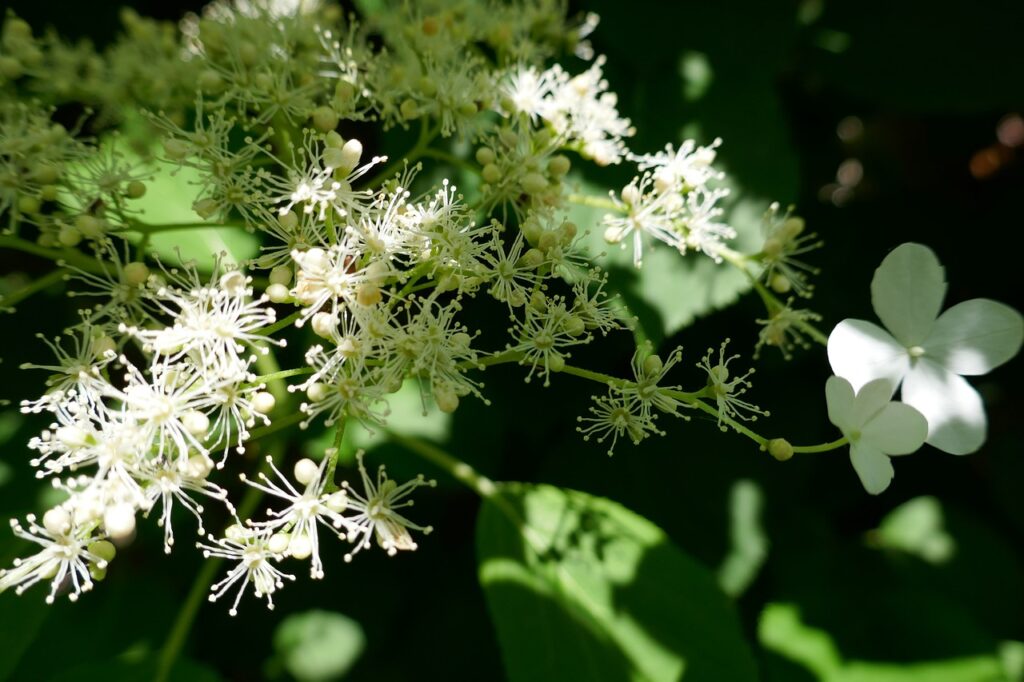
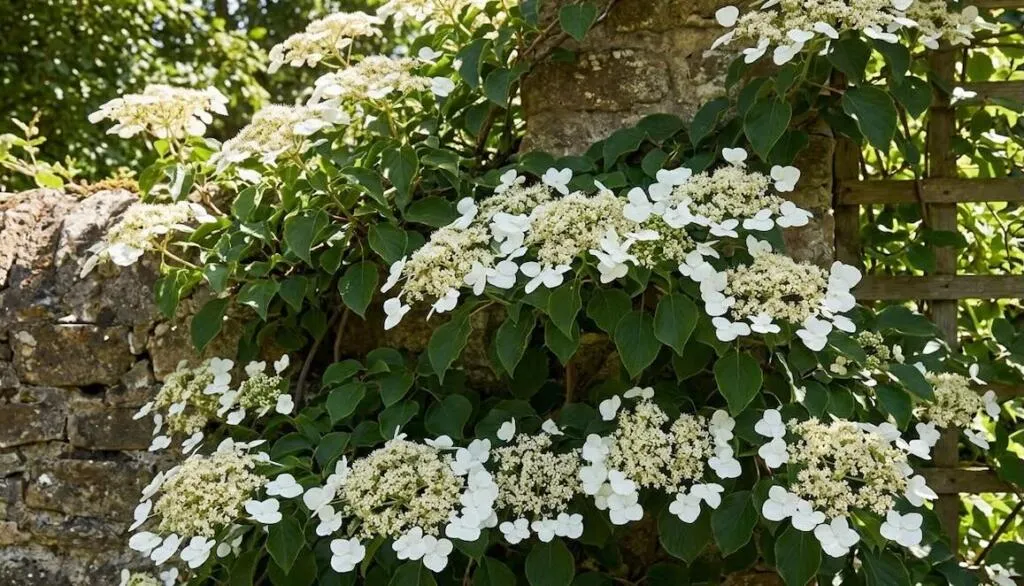
This is, without question, one of the finest plants you can grow on a north facing wall. Hydrangea petiolaris is a self-clinging, deciduous climber that produces beautiful lacecap flowers in creamy white during early summer. It holds an RHS Award of Garden Merit, which tells you everything you need to know about its reliability. What I particularly love about this climber is that it’s genuinely slow to establish but absolutely spectacular once it gets going.
Be patient for the first couple of years and it will reward you beyond expectation. The autumn colour is also worth mentioning, as the leaves turn a gorgeous golden yellow before they drop. It will eventually cover an enormous wall, so give it plenty of space.
🌿 At A Glance
Height: Up to 15m over time | RHS Hardiness: H5 | Flowering:June to July
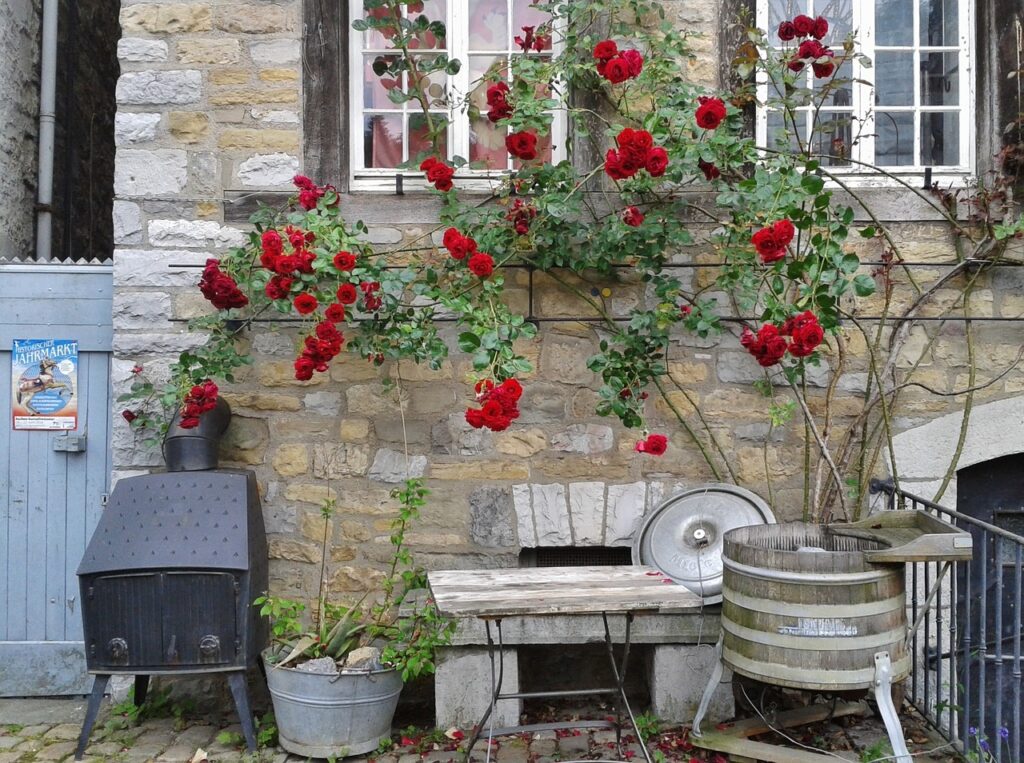
This beautiful climbing rose is one of the very few roses that will genuinely perform on a north facing wall, and it does so with considerable charm. It produces pale blush pink, highly fragrant flowers repeatedly from early summer right through to autumn. The RHS has awarded it the Award of Garden Merit, and it’s been popular with gardeners for over 100 years for very good reason.
One of the practical advantages of growing this rose on a north facing wall is that the delicate pale flowers are protected from bleaching in bright sun, so the blooms last considerably longer and look fresher throughout the flowering season. It has relatively few thorns compared to other climbing roses, which makes training and tying in much more pleasant work.
🌿 At A Glance
Height: Up to 5m | RHS Hardiness: H5 | Flowering: June to October
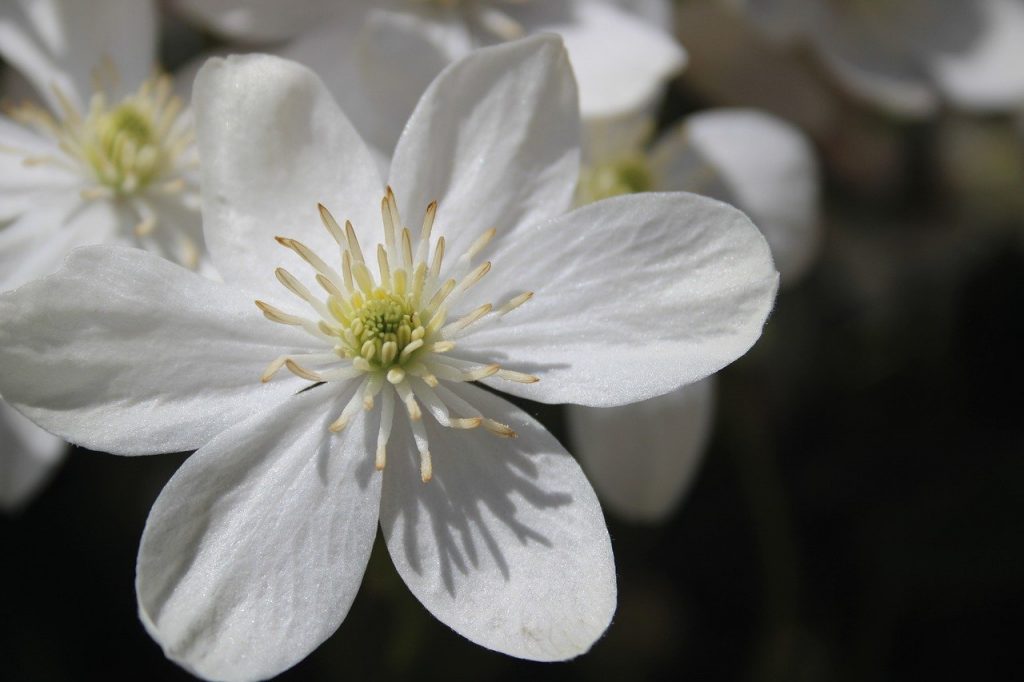
For something with genuine wow factor in late winter and very early spring, Clematis armandii is a superb choice. This evergreen clematis produces masses of small, scented white flowers on long arching stems from late February into March, at a time when very little else is flowering in the garden.
The pointed, glossy dark green leaves are architectural and attractive all year round, making this a real workhorse of a climber. It does want a sheltered spot and will grow vigorously once established. On a north facing wall with some protection from cold drying winds, it performs wonderfully. Train it through a trellis or along wires fixed to the wall, and it will romp away with great enthusiasm.
🌿 At A Glance
Height: Up to 8m | RHS Hardiness: H4 | Flowering: February to March
Often overlooked in favour of its relative Hydrangea petiolaris, Schizophragma hydrangeoides is a stunning climber that produces panicles of flowers in summer that are similar to climbing hydrangea but with a slightly different, arguably more elegant character.
The variety ‘Roseum’ has pale pink flowers, while ‘Moonlight’ has beautiful silver-toned foliage that really brightens up a shaded wall. It is self-clinging and deciduous, making it an excellent choice for north facing walls and fences. Like climbing hydrangea, it needs a couple of seasons to really get established, but once it does, it is quite magnificent.
🌿 At A Glance
Height: Up to 12m | RHS Hardiness: H5 | Flowering: July to August
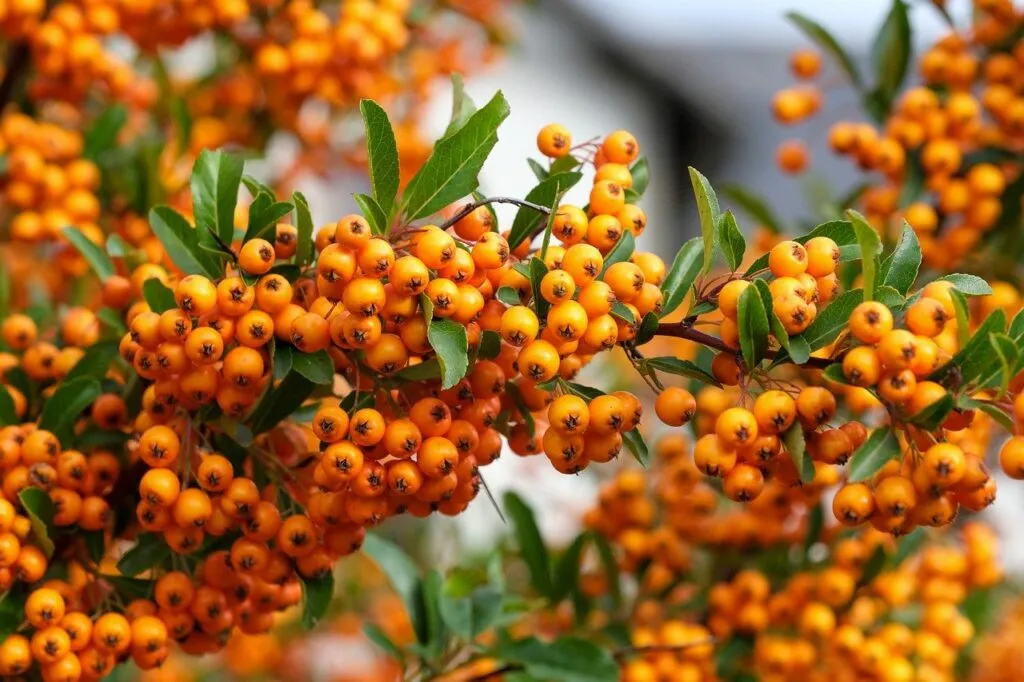
Pyracantha is one of the most underrated plants for a north facing wall, and I find myself recommending it constantly on garden projects where people want year-round interest with minimal effort. The small white spring flowers are excellent for bees and other pollinators, and the berries that follow in autumn and winter are a vital food source for birds including redwings and fieldfares.
It is evergreen, incredibly tough, and comes in varieties with red, orange or yellow berries. Train it flat against the wall as an espalier and it will cover an enormous amount of space efficiently and attractively. Varieties such as ‘Orange Glow’ and ‘Red Column’ are compact enough for smaller gardens.
🌿 At A Glance
Height: 2m to 4m depending on variety | RHS Hardiness: H5 | Flowering: May to June
Shrubs provide the backbone of any planting scheme, and there are some genuinely excellent choices for north facing gardens that will give you structure, colour and year-round interest.
Camellia
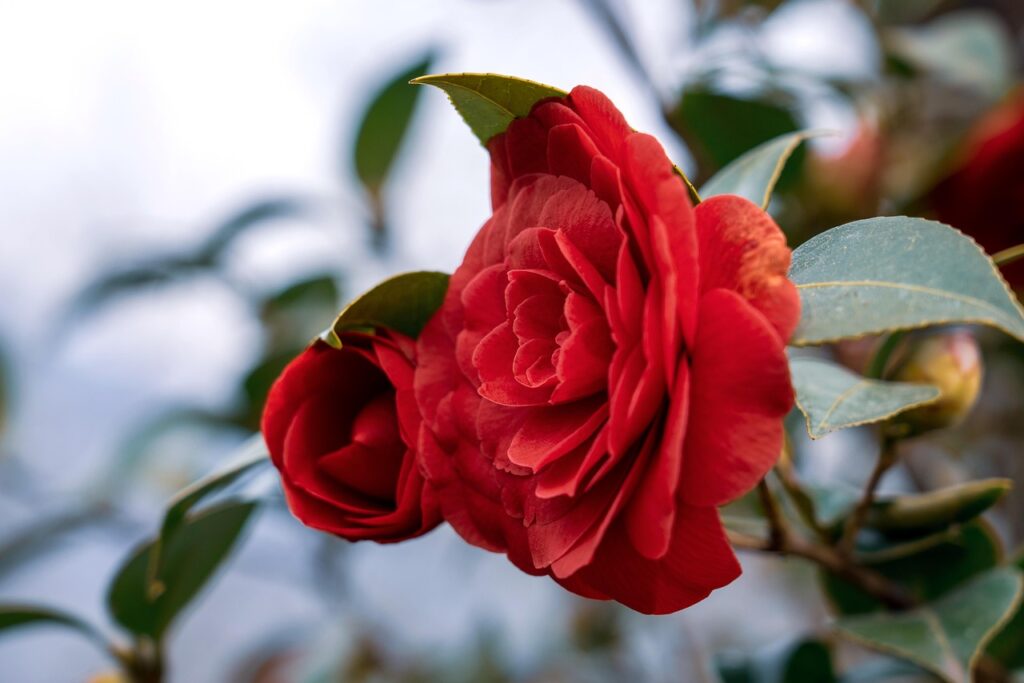
Camellias are one of my great passions, and a north facing position is actually ideal for them. In a south facing spot, late frosts can catch the buds and flowers as they develop in the warmth of the morning sun, turning them brown and ruining the display. On a north facing wall or in a shaded border, the flowers open more slowly and last considerably longer, and late frosts are far less damaging because the flowers thaw gradually rather than rapidly.
Camellias are ericaceous plants, meaning they need acid soil, so if your soil is neutral to alkaline you will need to grow them in ericaceous compost in containers. The flowers, which appear from late winter through to spring, are absolutely spectacular in shades of white, pink and red.
🌿 At A Glance
Height: 1m to 3m depending on variety | RHS Hardiness: H4 to H5 | Flowering: February to April
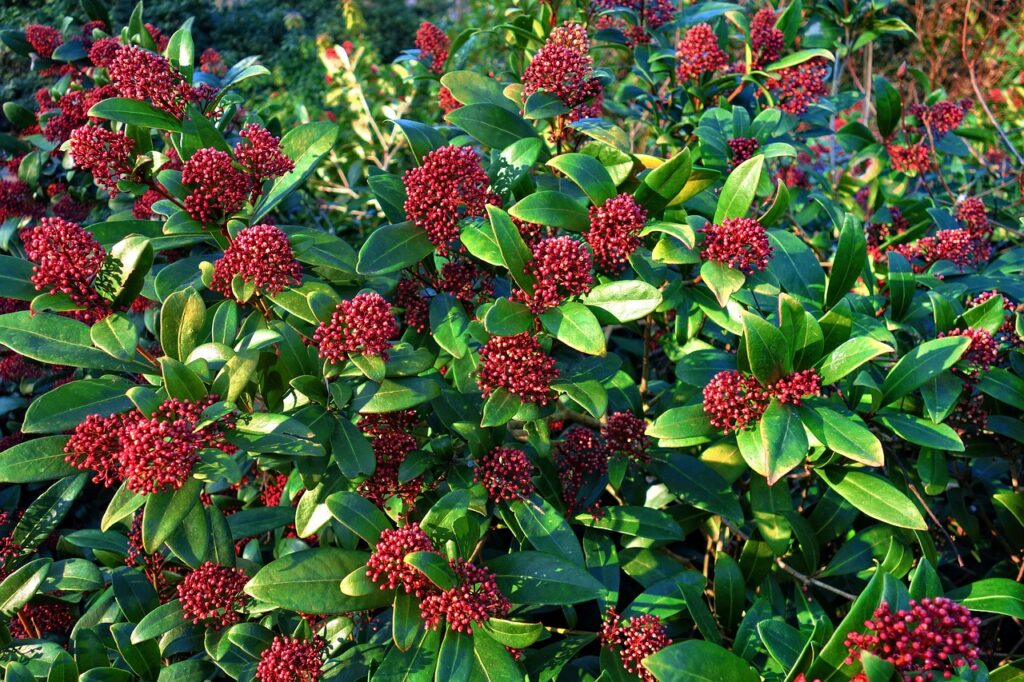
Skimmia is an absolute gem for shaded gardens and is one of the most reliable evergreen shrubs you can buy. It is compact, slow-growing and produces attractive clusters of red berries through autumn and winter when both male and female plants are grown together. The white or pink-tinted flower buds, which form in autumn and last all winter before opening in spring, are also incredibly decorative. Skimmia reticulate is perhaps the best for north facing gardens as it tolerates even quite deep shade well.
It thrives in moist, slightly acidic soil and looks wonderful in containers or as a border plant in a woodland style scheme.
🌿 At A Glance
Height: 60cm to 1.5m | RHS Hardiness: H5 | Flowering: March to May
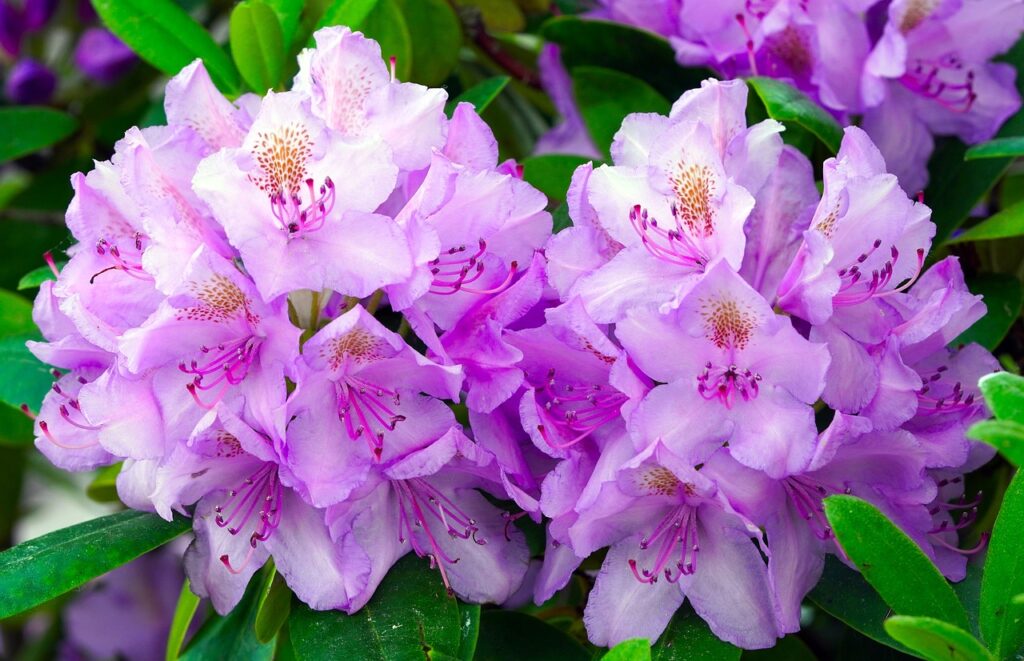
Rhododendrons are another ericaceous plant that genuinely loves a shaded, north facing position. The flowers in late spring are among the most spectacular of any shrub, coming in every shade from white through to the deepest purple. For smaller gardens, look at dwarf varieties such as ‘Praecox’ or ‘Patty Bee’ rather than the enormous Victorian species that can eventually take over an entire garden.
Like camellias, rhododendrons are best grown in ericaceous compost if your soil is not naturally acidic. They prefer moist, well-drained soil and will not tolerate waterlogging or drought.
🌿 At A Glance
Height: 60cm to 3m+ depending on variety | RHS Hardiness: H4 to H6 | Flowering: April to June
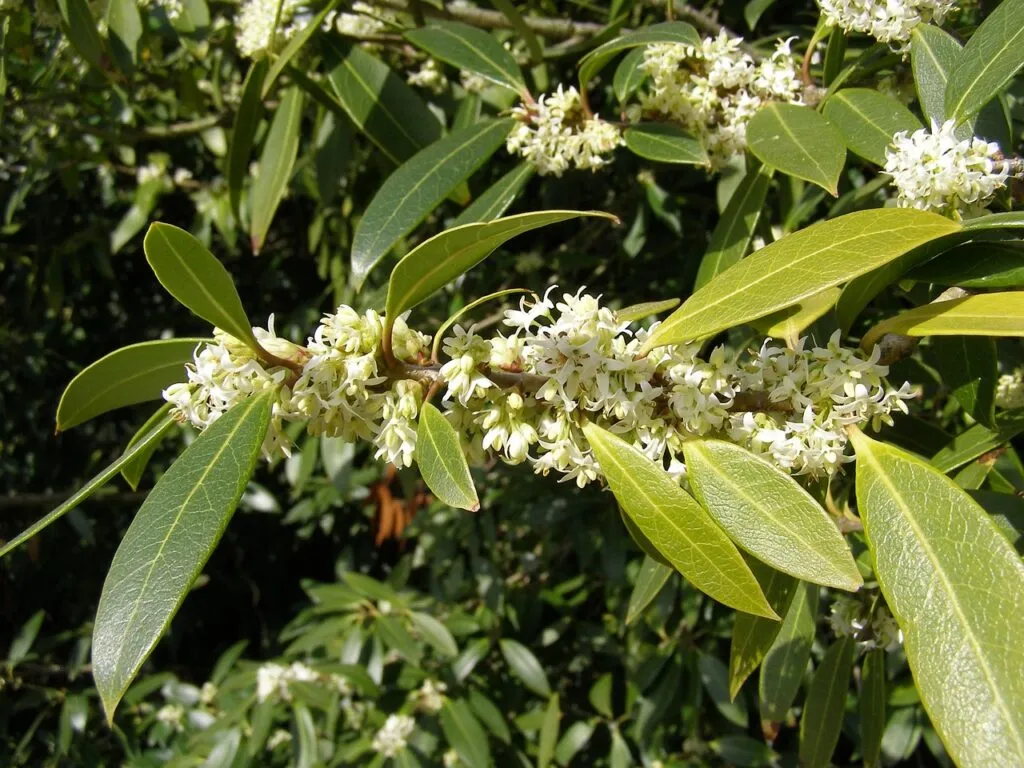
This is a plant I don’t see used often enough, and that’s a genuine shame because it is absolutely outstanding for a north facing garden. Osmanthus delavayi is a slow growing, neat evergreen shrub with small, dark, holly-like leaves and masses of tiny white, intensely fragrant tubular flowers in mid-spring. The fragrance is remarkable — a sweet, far-reaching scent that fills the garden.
It holds an RHS Award of Garden Merit and is remarkably unfussy about conditions, growing well in shade or partial shade on most soils. It takes pruning well and can be lightly clipped after flowering to keep it in shape.
🌿 At A Glance
Height: Up to 3m | RHS Hardiness: H5 | Flowering: March to April
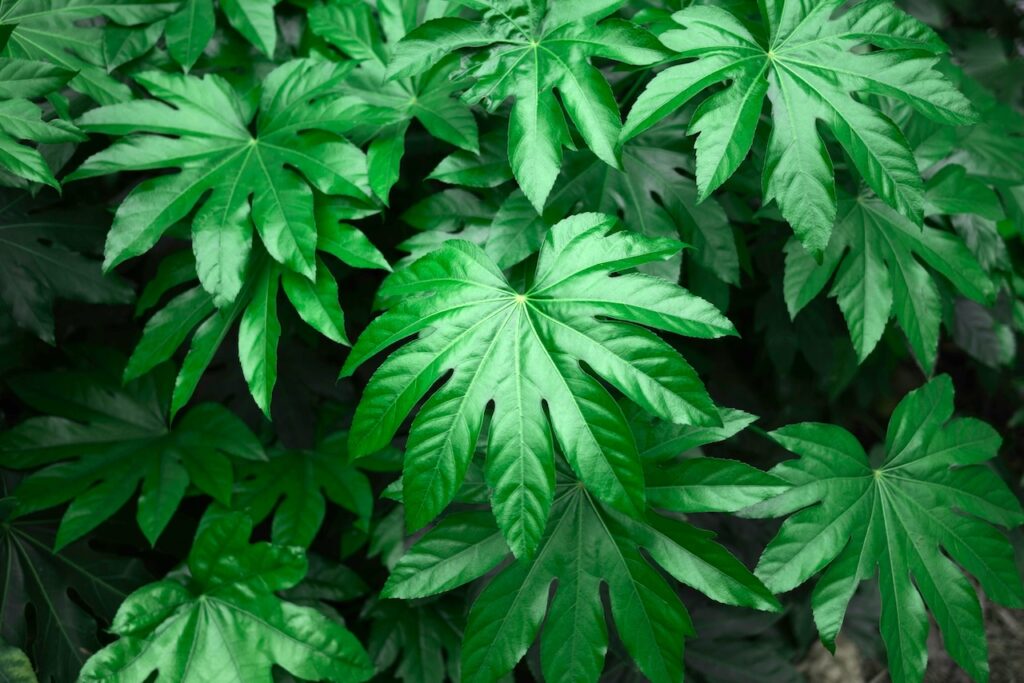
If you want to create a dramatic, lush, almost tropical feel in a north facing garden, Fatsia japonica is your plant. The enormous, glossy, palmate leaves are architectural and bold, creating an immediate sense of drama and substance. It is fully hardy in most parts of the UK, tolerates deep shade remarkably well, and is evergreen, meaning it looks good all year.
Cream-white globe-like flower heads appear in autumn, which are followed by black berries. It grows vigorously once established and makes a real focal point in a shaded scheme.
🌿 At A Glance
Height: 2m to 4m | RHS Hardiness: H4 | Flowering: October to November
Perennials are the workhorses of any planting scheme, and the range of shade-tolerant perennials available to UK gardeners is more extensive than most people realise. These are the plants I reach for time and again on north facing garden projects.
Hosta
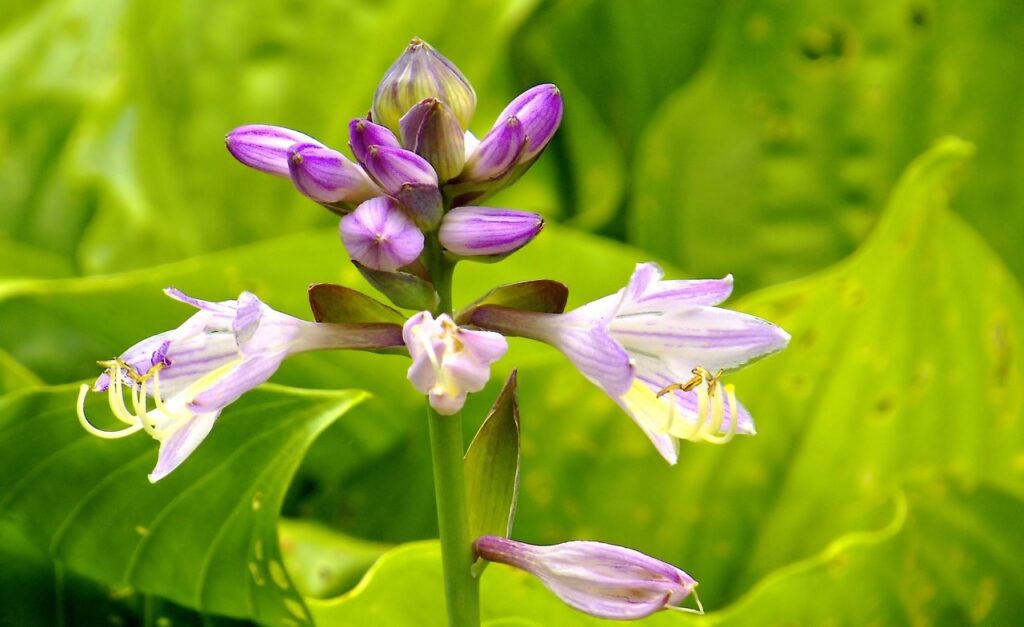
Hostas are, for many gardeners, the quintessential shade plant, and with good reason. The diversity of leaf colour, size and texture available in hostas is extraordinary, ranging from tiny 15cm mounds of blue-green leaves to enormous specimens with leaves the size of dinner plates in acid yellow, pale gold, glaucous blue, or rich variegated green and white.
The key to growing hostas well in a north facing garden is moisture. They want consistently moist, fertile soil and will reward you with increasingly impressive clumps year after year. Green-leafed varieties will tolerate the deepest shade, while yellow-leafed forms prefer a little more light.
🌿 At A Glance
Height: 15cm to 90cm depending on variety | RHS Hardiness: H6 | Flowering: June to August
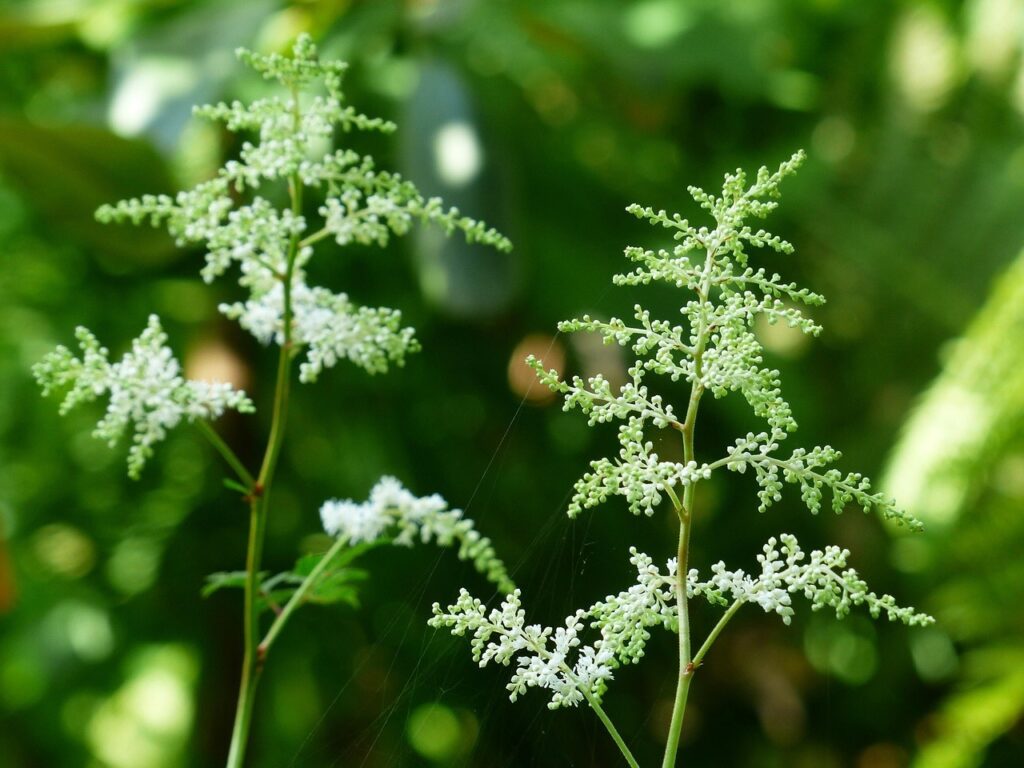
Astilbes are among the most beautiful of all shade-tolerant perennials, producing fluffy, feathery plumes of flower in shades of white, cream, soft pink, hot pink, lilac and deep red through summer. They are moisture-loving plants that thrive in the reliably damp conditions often found in north facing gardens, and they look spectacular planted en masse alongside hostas, ferns and other textural foliage plants. The dried flowerheads also provide excellent winter interest.
Varieties such as ‘Deutschland’ in white and ‘Rheinland’ in pink are reliable performers, while ‘Fanal’ in deep red adds real drama to a planting scheme.
🌿 At A Glance
Height: 45cm to 1.2m | RHS Hardiness: H6 | Flowering: June to August
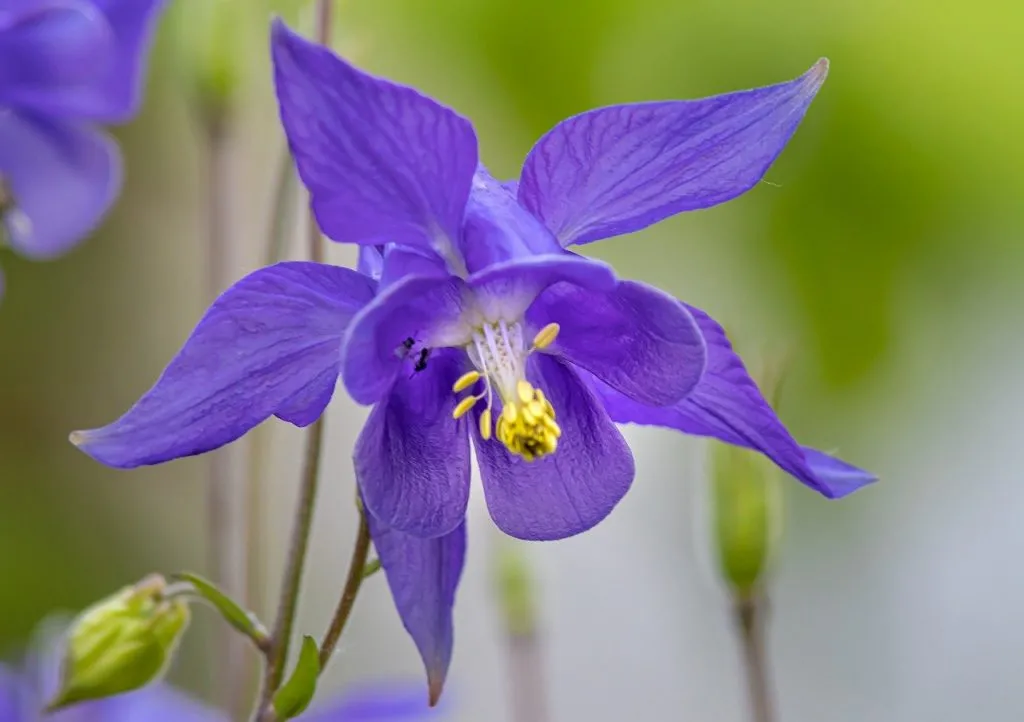
Aquilegias are wonderfully easy-going cottage garden perennials that self-seed with cheerful abandon in north facing gardens. The flowers are extraordinarily intricate and beautiful, with long spurred petals in combinations of purple and white, yellow and red, pink and cream, and many others besides. They bloom from late spring into early summer and are excellent for cutting. Once established, a drift of aquilegias in a shaded border looks effortlessly natural.
They cross-pollinate freely, so after a few years you’ll have your own unique colour forms. ‘Ruby Port’ in maroon-purple is a particularly striking named variety.
🌿 At A Glance
Height: 45cm to 1m | RHS Hardiness: H6 | Flowering: May to June
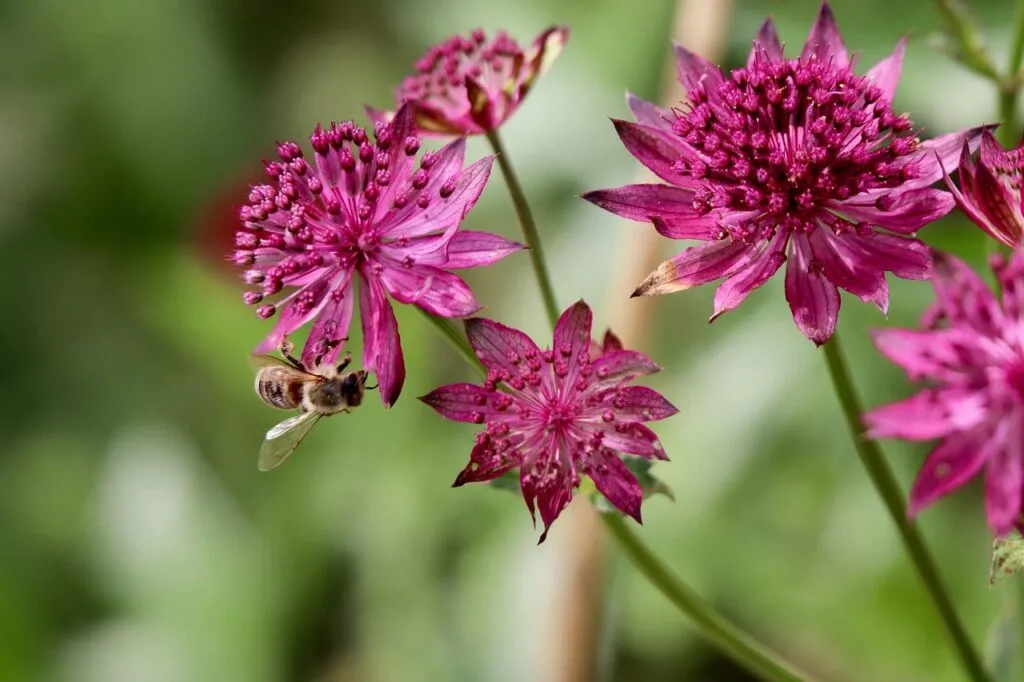
Astrantia is a plant that florists adore, and once you’ve grown it, you’ll understand why. The flowers are utterly unique: domed, pincushion-like centres surrounded by a ruff of papery bracts in shades of white, pink, deep red and burgundy. They flower from late spring into autumn with regular deadheading, and they thrive in the moist, fertile soil that north facing gardens so often provide.
In my experience, astrantias are one of the easiest and most rewarding plants to grow in shade. Varieties such as ‘Hadspen Blood’ in deep burgundy red and ‘Sunningdale Variegated’ with its attractively marked leaves are particularly fine. They are also excellent for dividing and spreading around the garden.
🌿 At A Glance
Height: 45cm to 90cm | RHS Hardiness: H6 | Flowering: June to September
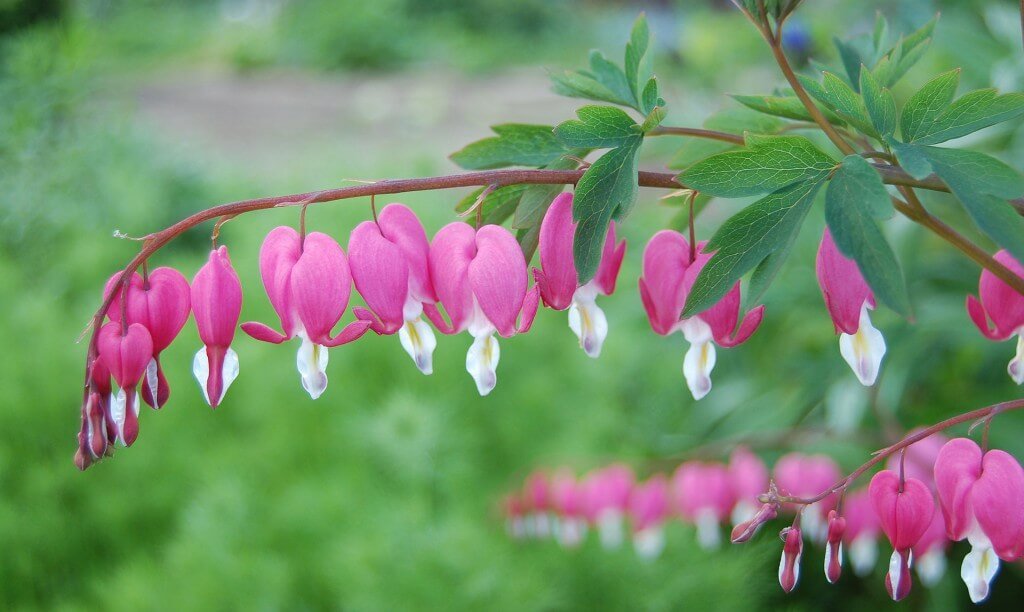
Bleeding heart is one of those plants that stops people in their tracks when it’s in flower. The arching stems carry rows of perfectly heart-shaped pendant flowers in pink and white, and the overall effect is delicate, graceful and rather romantic. It thrives in exactly the conditions a north facing garden provides: dappled shade and moist, humus-rich soil.
The ferny foliage is attractive from the moment it emerges in early spring, and the flowering stems, which arch out from the base of the plant in a beautiful cascade, are one of the great pleasures of the spring garden. It does die back in summer, so plan other plants around it to fill the gap.
🌿 At A Glance
Height: 60cm to 90cm | RHS Hardiness: H6 | Flowering: April to June
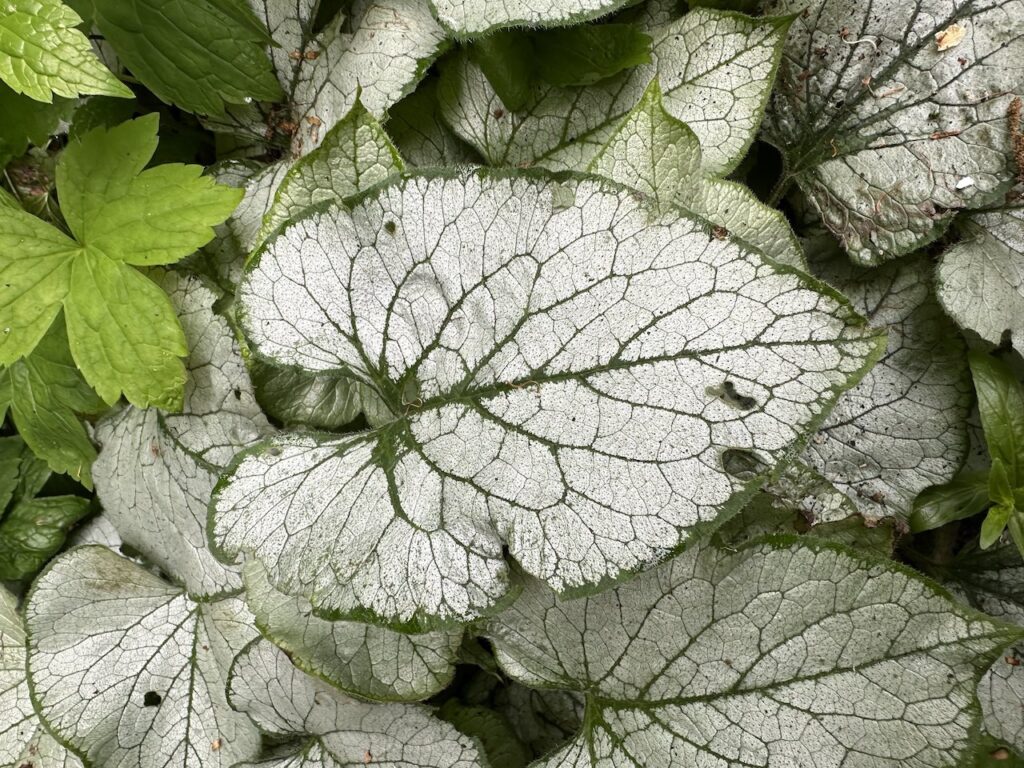
Brunnera is an absolute workhorse for north facing gardens, producing clouds of tiny, intensely blue forget-me-not flowers in spring above handsome heart-shaped leaves. The variety ‘Jack Frost’ is particularly delightful, with leaves that appear to be overlaid with silver, producing a remarkable frosted effect that brightens even quite deep shade throughout the growing season.
It spreads steadily to form a good-sized clump, tolerates dry shade better than many plants once established, and is completely unfussy in its requirements. In my experience, Brunnera is one of the most reliable ground-level plants you can use in a shaded north facing garden.
🌿 At A Glance
Height: 30cm to 45cm | RHS Hardiness: H6 | Flowering: March to May
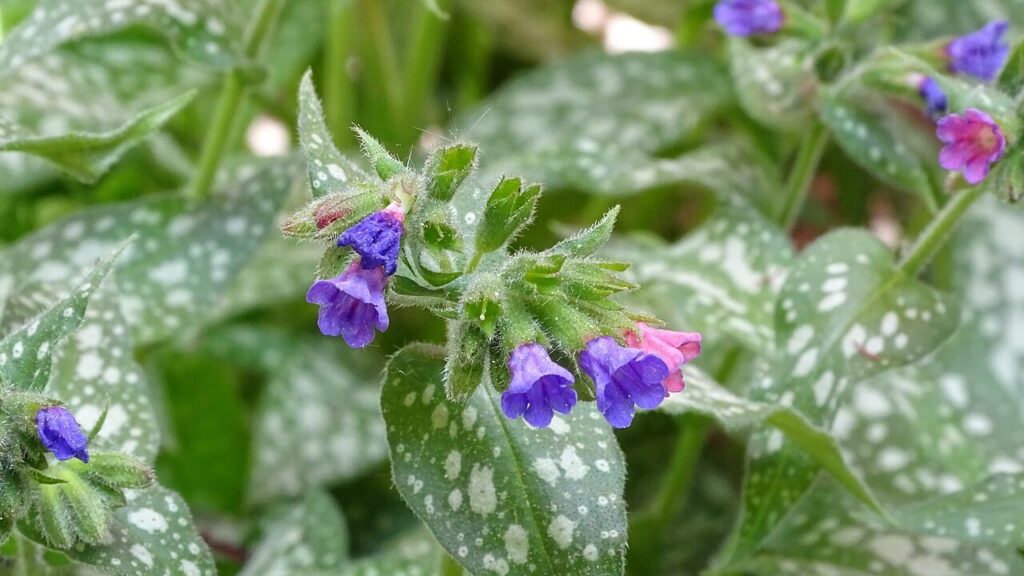
Pulmonaria is one of the most valuable early-season plants for a north facing garden, producing flowers in late winter and early spring at a time when there is very little colour anywhere. The flowers open red and mature to blue-purple on the same plant, creating a charming multi-toned effect. The foliage is typically spotted or mottled in silver, which is attractive all summer long.
Varieties such as ‘Sissinghurst White’ and ‘Blue Ensign’ are particularly reliable. Pulmonaria spreads steadily to form a weed-suppressing mat of foliage, making it an excellent choice for covering ground beneath shrubs or in the front of a shaded border.
🌿 At A Glance
Height: 25cm to 40cm | RHS Hardiness: H6 | Flowering: February to April
Ground cover plants are the unsung heroes of the north facing garden. They suppress weeds, protect soil from erosion and drying out, and create a lush, finished appearance at the base of taller plants and shrubs.
Ajuga reptans (Bugle)
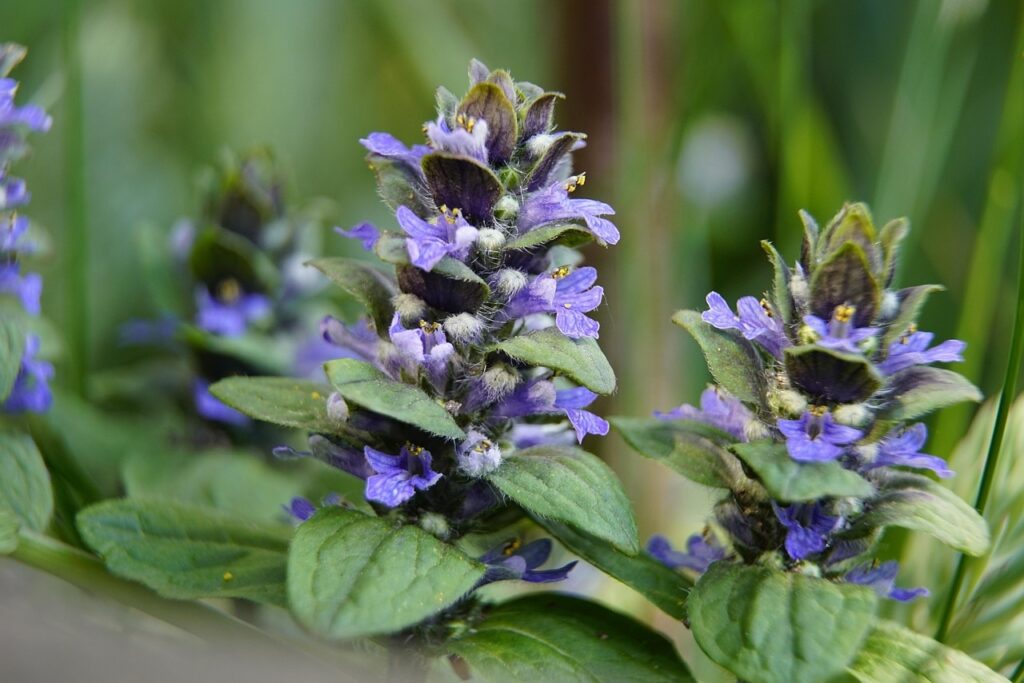
Ajuga is one of the most effective ground cover plants available for shaded gardens, spreading steadily by runners to create a dense, weed-suppressing mat. The spikes of deep blue-purple flowers in spring are attractive and valuable for early pollinators. The foliage comes in a range of colours from plain green through to the dramatic dark purple-bronze of ‘Atropurpurea’, the rich burgundy of ‘Braunherz’, and the extraordinary multi-toned ‘Multicolor’ with its bronze, pink and cream leaves.
Ajuga will grow even in quite deep shade and is completely unfussy about soil type, making it one of the most reliable ground cover plants for difficult north facing spots.
🌿 At A Glance
Height: 15cm to 20cm | RHS Hardiness: H6 | Flowering: April to June
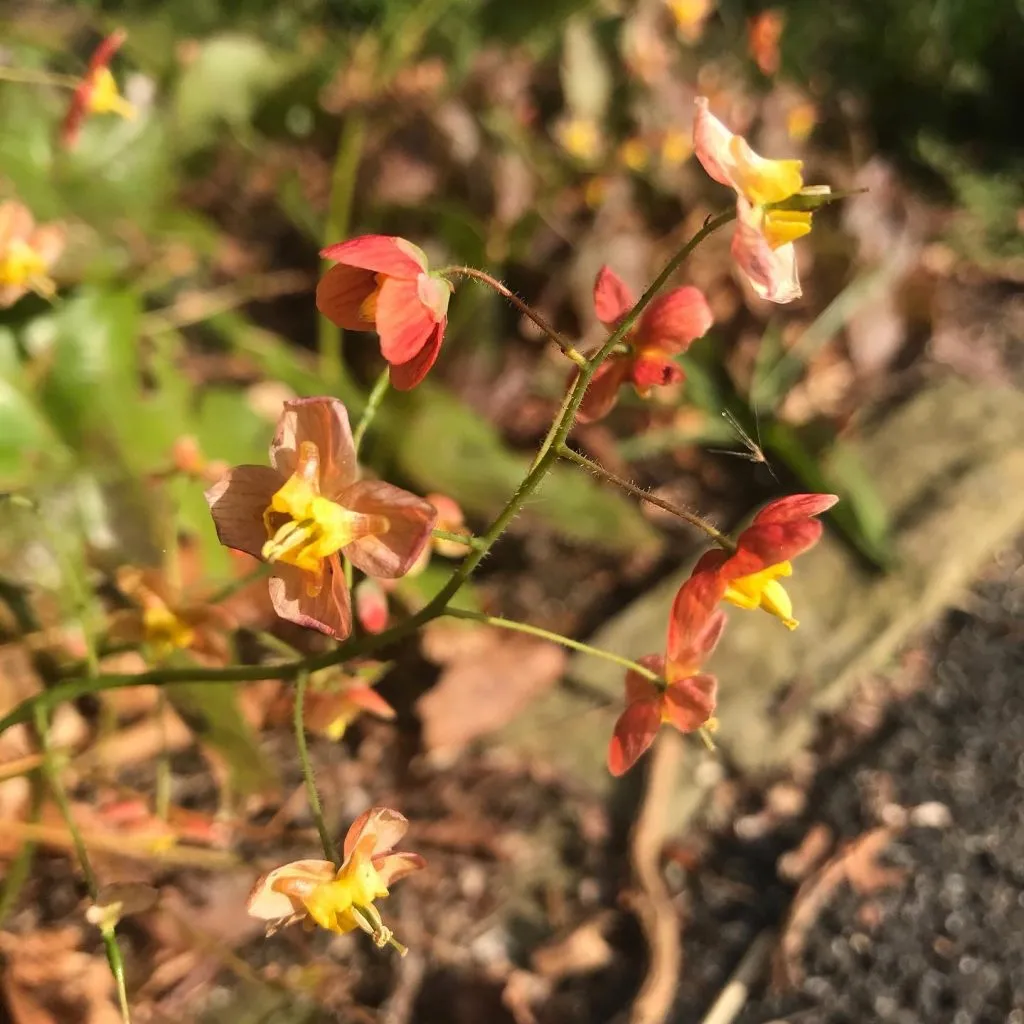
Epimedium is one of those plants that garden designers love and the general public are only slowly discovering. These are extraordinarily tough, adaptable ground cover plants that will grow in dry shade once established, which is a remarkably difficult condition to satisfy. The heart-shaped leaves, often flushed with bronze or red in spring and autumn, are attractive throughout the growing season, and the small but charming flowers in yellow, white, pink or red appear in spring.
They are semi-evergreen, providing good winter cover, and they form a dense, weed-suppressing mat over time. If you have a dry, shaded area under a hedge or fence in your north facing garden, Epimedium is the plant to reach for.
🌿 At A Glance
Height: 20cm to 40cm | RHS Hardiness: H6 | Flowering: March to May
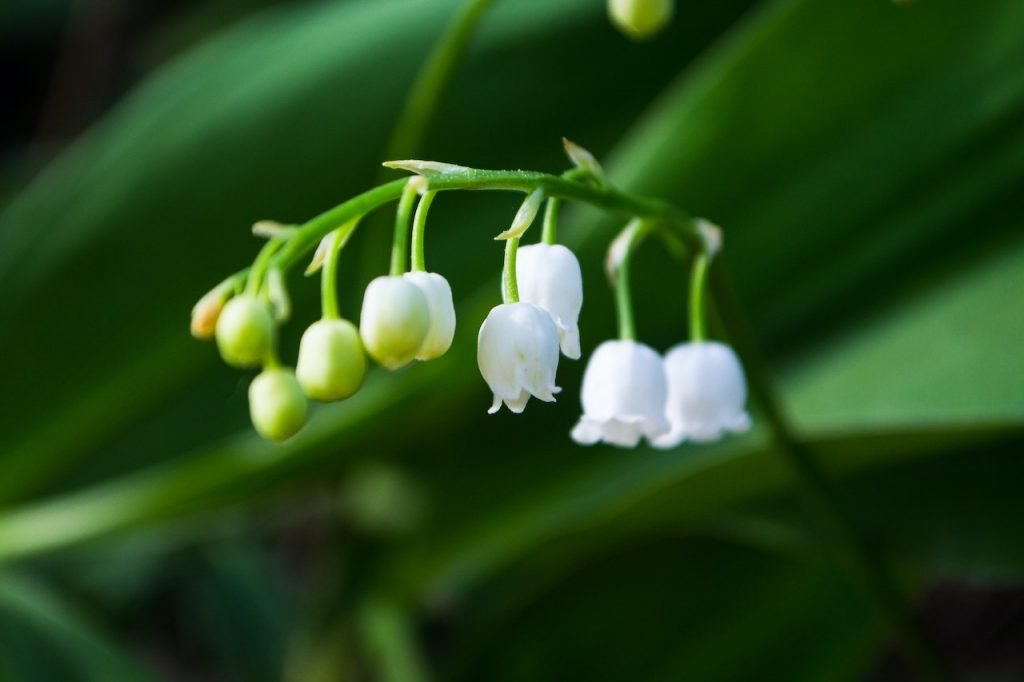
Lily of the valley is one of the most intensely fragrant plants in the British garden, and it thrives in exactly the conditions that a north facing garden provides. The small, pure white, bell-shaped flowers dangle from arching stems in late spring and early summer, and their scent is quite extraordinary. It spreads steadily by rhizomes to form an expanding colony, eventually creating a carpet of foliage and flowers that is both beautiful and fragrant.
Plant it where you can appreciate the scent, perhaps along a path edge or beneath a shaded window, and allow it to naturalise at its own pace. It is toxic if ingested, so be mindful if you have children or pets.
🌿 At A Glance
Height: 15cm to 25cm | RHS Hardiness: H6 | Flowering: April to June
Bulbs are often overlooked for north facing gardens, with many gardeners assuming they need full sun. In reality, a good range of bulbs are perfectly at home in shaded or partially shaded conditions, and they are invaluable for providing colour and interest through late winter and spring, when the rest of the garden may be just waking up.
Galanthus (Snowdrops)
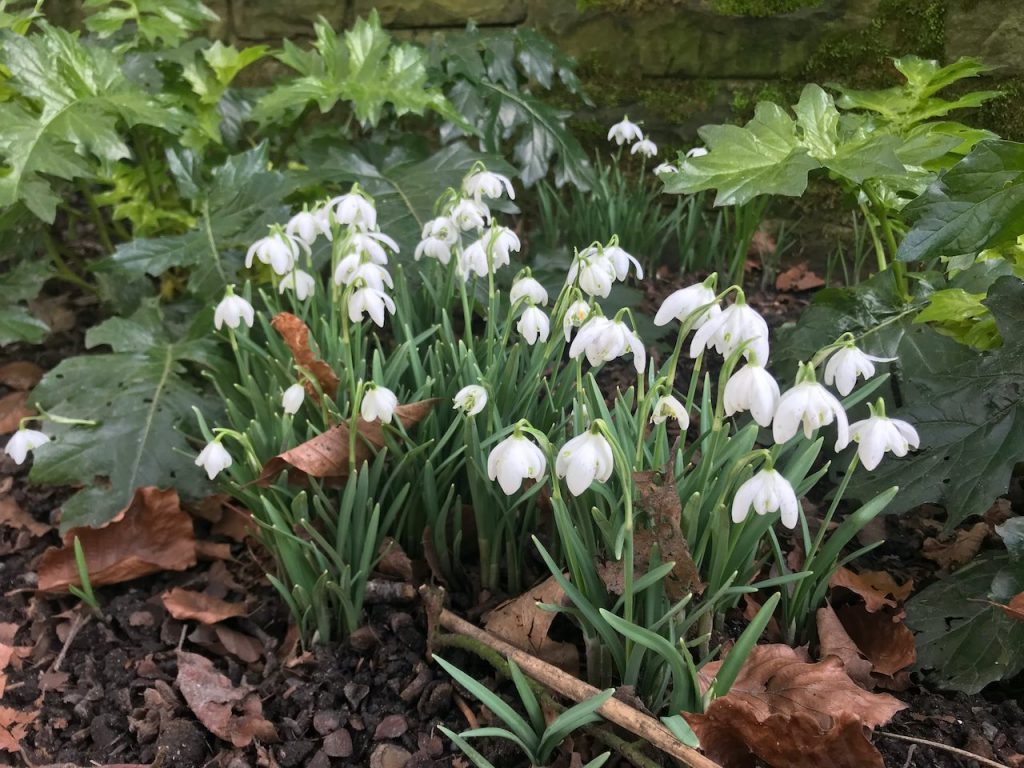
Snowdrops are perhaps the most perfectly suited of all bulbs to a north facing garden. In a south facing position, the delicate flowers open and finish remarkably quickly in the winter sunshine. In a north facing garden, however, the flowers last considerably longer because they open more slowly in the cooler, shadier conditions.
I’ve watched snowdrops hold their flowers for weeks in north facing gardens when the same varieties in south facing spots have finished in a matter of days. Galanthus elwesii is particularly robust and a good choice for less-than-perfect conditions.
🌿 At A Glance
Height: 10cm to 15cm | RHS Hardiness: H6 | Flowering: January to March
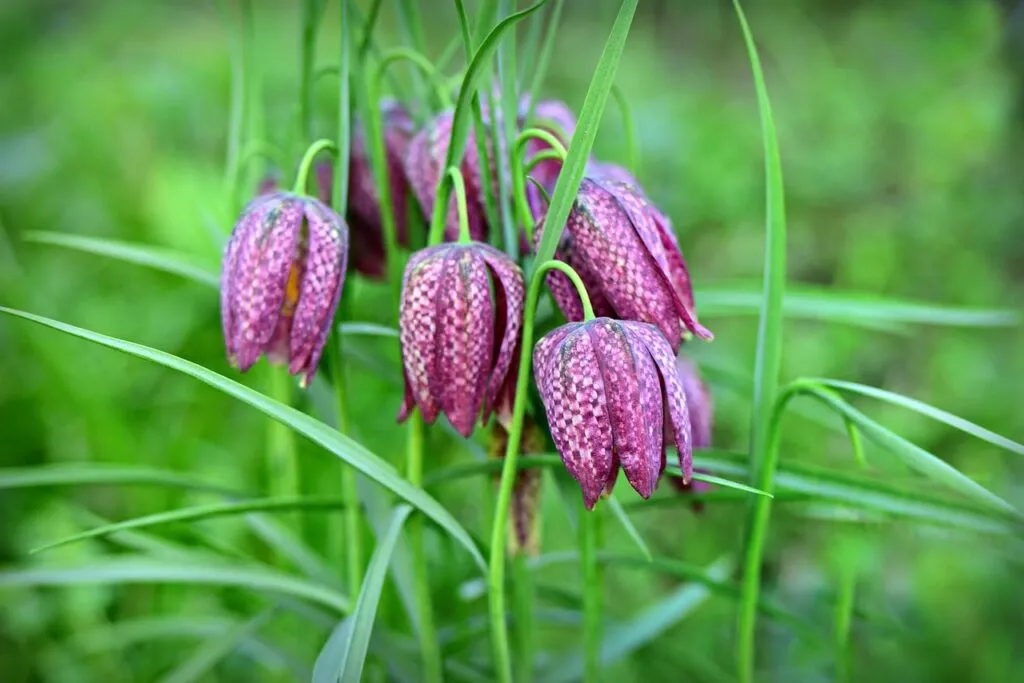
Snake’s head fritillaries are exquisite spring-flowering bulbs that naturalise beautifully in the moist, shaded conditions of a north facing garden. The chequered, nodding flowers in shades of purple and white are among the most beautiful and unusual of any spring bulb, and they look particularly lovely when planted in sweeping drifts where they can naturalise undisturbed. They prefer the consistently moist soil that a north facing position often provides and will increase year on year once happy.
🌿 At A Glance
Height: 20cm to 30cm | RHS Hardiness: H6 | Flowering: April to May
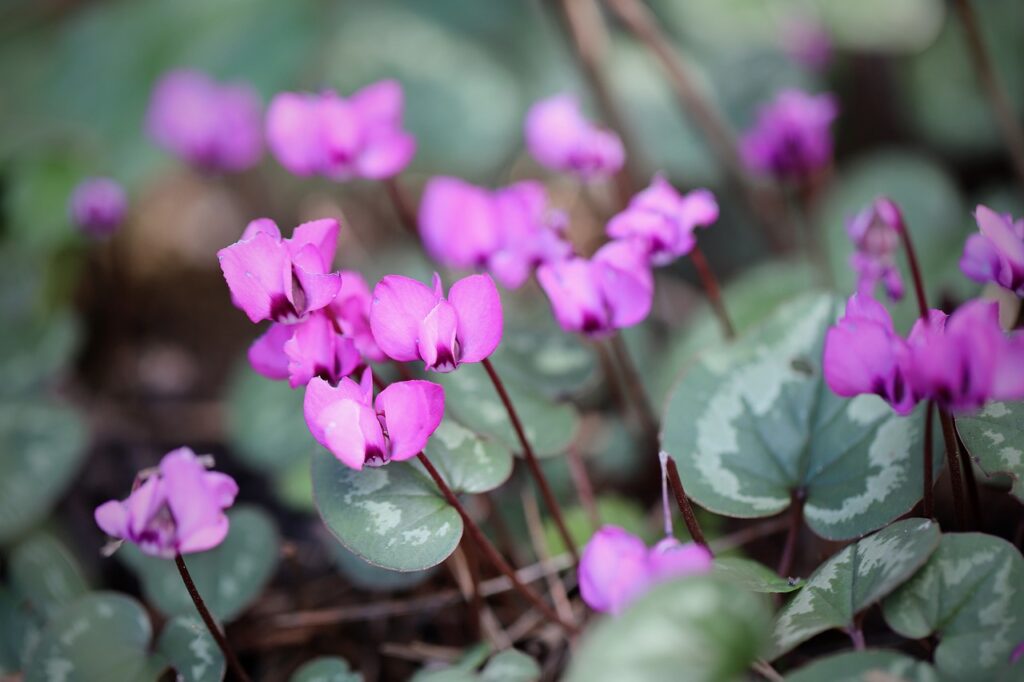
Hardy cyclamen are absolutely invaluable for providing colour and interest in shaded gardens from late summer right through to early winter. The small, swept-back flowers in shades of pink and white appear before the beautifully marbled, ivy-shaped leaves, and the foliage then provides excellent ground cover through winter and into spring.
They naturalise happily in dry shade, including beneath trees, which makes them genuinely useful in spots where little else will grow. Once established, they require essentially no maintenance and increase steadily each year.
🌿 At A Glance
Height: 10cm to 12cm | RHS Hardiness: H5 | Flowering: August to November
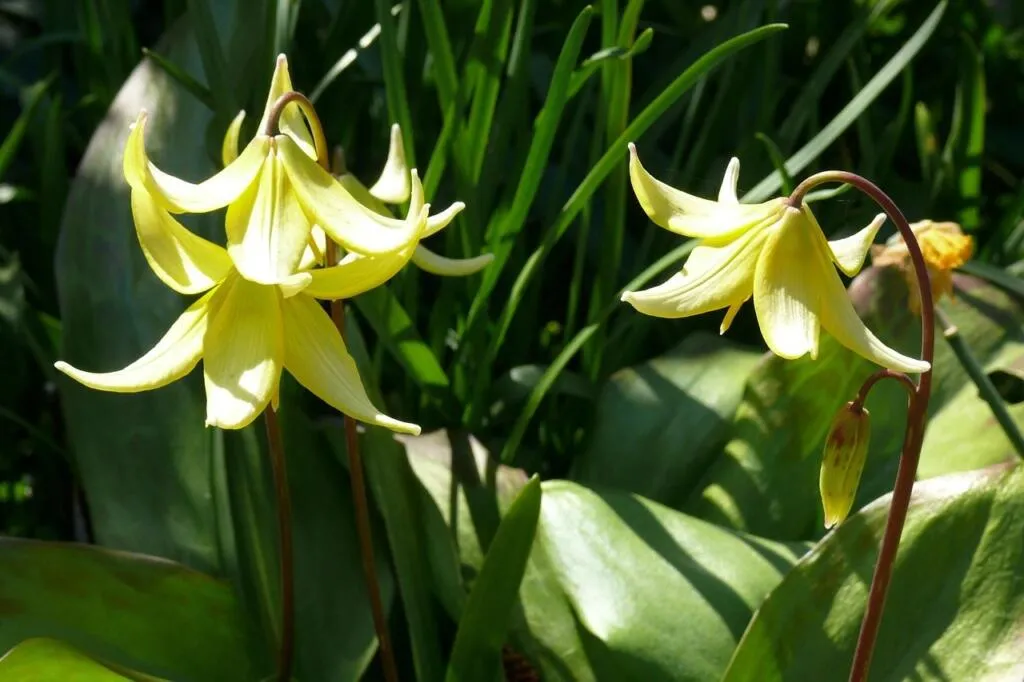
Erythroniums are among the most beautiful of all spring-flowering bulbs, and they adore the moist, humus-rich, shaded conditions of a north facing garden. The swept-back flowers, which resemble shooting stars, come in shades of white, cream, yellow and pink, and are held above attractively mottled foliage.
Plant them towards the front of a shaded border where you can appreciate their delicate beauty. They dislike being disturbed once established, so choose their position carefully and then leave them to increase at their own pace.
🌿 At A Glance
Height: 15cm to 35cm | RHS Hardiness: H6 | Flowering: March to May
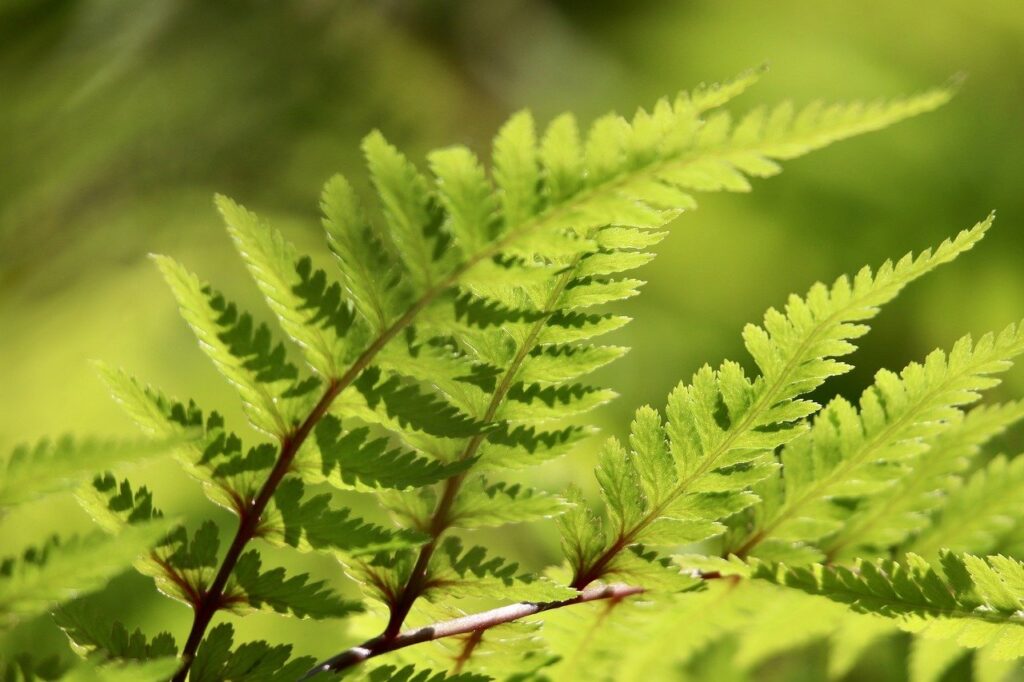
Ferns are perhaps the plant group most associated with shaded, north facing gardens, and for very good reason. They are supremely well adapted to low light conditions and the moist soil that north facing gardens often provide, and the range of forms, textures and sizes available is quite extraordinary. Combined with shade-tolerant grasses, they provide a lush, textural backdrop that makes all the flowering plants pop.
Dryopteris filix-mas (Male Fern)
This is the fern I recommend most often for north facing gardens because it is completely unfussy and extraordinarily versatile. It will grow in everything from light shade to quite deep shade, copes with both moist and relatively dry soil, and produces beautiful shuttlecock-shaped fronds in a rich, deep green. It is semi-evergreen in most UK winters, providing good structure year-round.
There are numerous selected forms with more ornate, cut or crested fronds if you want something more decorative than the species. It is one of the most reliable plants I know for difficult north facing gardens.
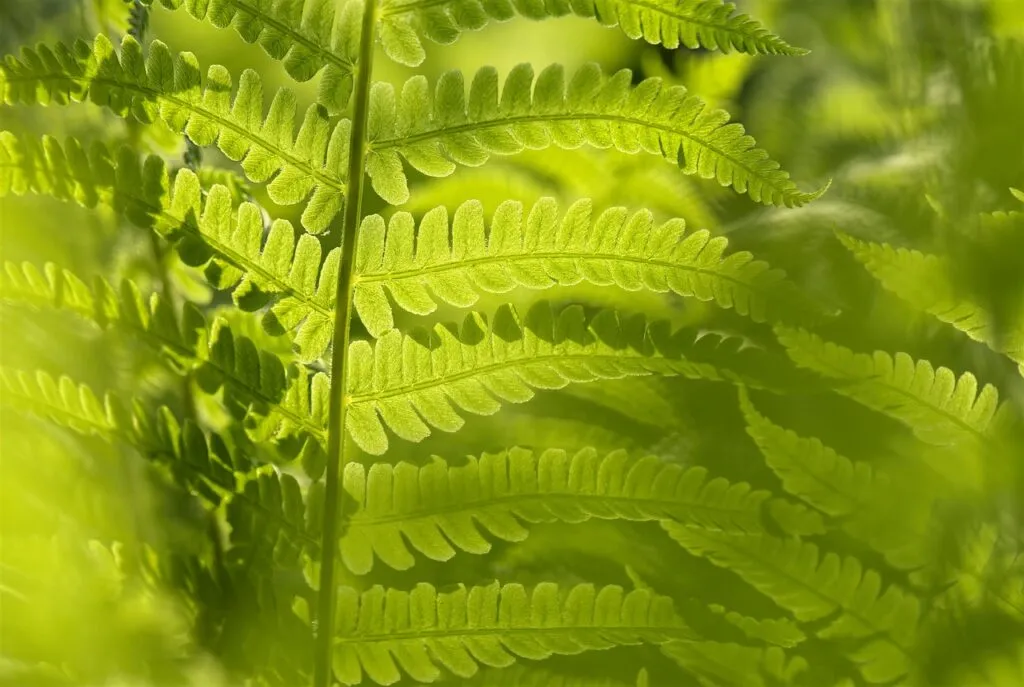
The shuttlecock fern is one of the most elegant and architectural of all ferns, producing perfectly symmetrical vase-shaped clumps of bright green, fresh-looking fronds that emerge with wonderful vigour in spring. It is deciduous, so it dies back completely in winter, but the moment those fronds start to unfurl in early spring it is one of the most uplifting sights in the garden.
It spreads by underground stolons to form increasing colonies over time. It wants consistently moist soil and will tolerate boggy conditions, making it ideal for the damper areas of a north facing garden.
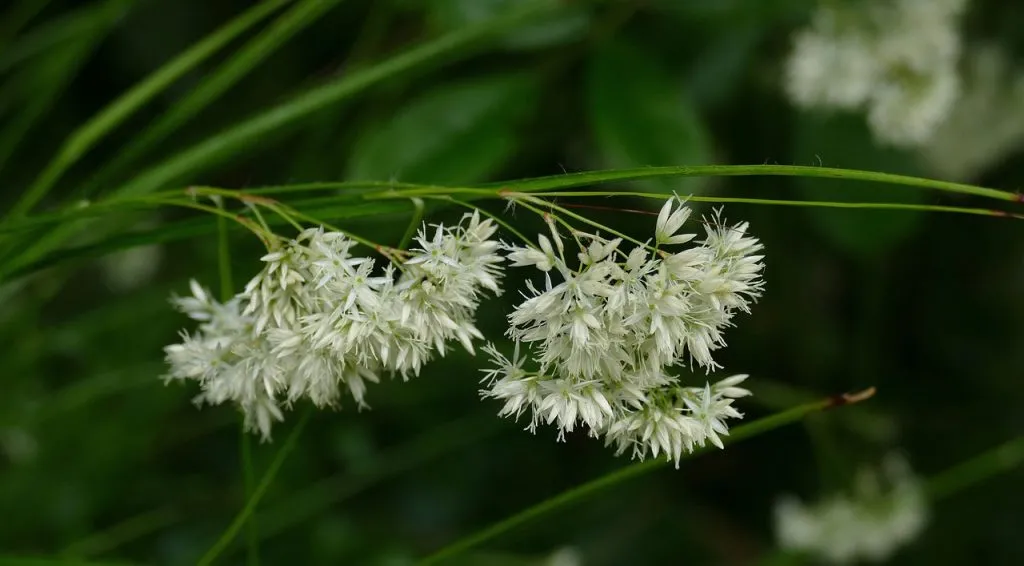
For a shade-tolerant grass-like plant that provides year-round interest with minimal effort, Luzula sylvatica is excellent. It forms evergreen tussocks of broad, strap-like leaves with attractive russet-coloured flower stems in spring and early summer. It tolerates even deep dry shade and spreads steadily to create good ground cover. The variety ‘Marginata’ has attractive cream leaf margins that brighten shaded areas particularly effectively. In my experience, it’s one of the most reliable evergreen ground-covering plants for tricky north facing spots.
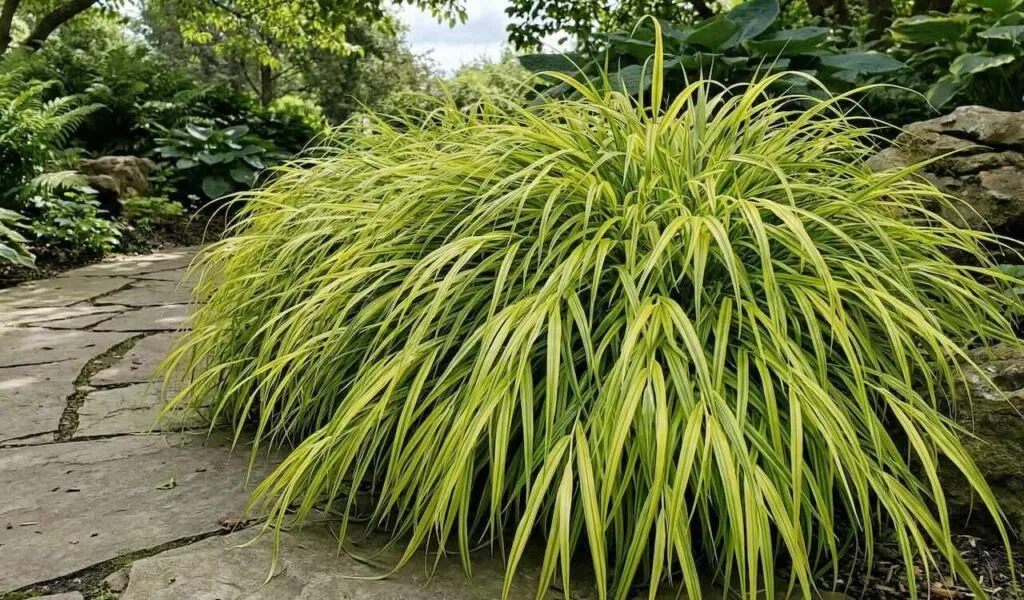
This beautiful ornamental grass is one of my absolute favourites for shaded gardens. The cascading, bright green or golden yellow (in the variety ‘Aureola’) foliage has a bamboo-like quality that brings an almost Japanese aesthetic to a planting scheme. It glows in shade like few other plants, particularly the golden forms, and moves beautifully in any breeze. It is deciduous but the dried winter stems are attractive, and it is completely hardy. Plant it where you can appreciate its movement and the way it catches any available light.
Colour by Colour: Planting Inspiration for Your North Facing Garden
One of the best ways to plan your north facing garden planting is by thinking about colour. Light plays differently in shaded gardens, and certain colours perform far better than others. White and pale yellow flowers genuinely glow in shade, catching and amplifying whatever light is available. Deep blues and purples create beautiful depth, while vibrant pink flowers add welcome warmth. To help you plan your scheme by colour, I’ve put together a series of guides covering the best flowers for UK gardens by colour.
When planning colour for a north facing garden specifically, I always encourage people to lean heavily into white and pale cream flowers, silver foliage, and the luminous lime-green of plants like Alchemilla mollis. These tones genuinely amplify the available light and stop a shaded garden from looking gloomy. Use deeper colours — the burgundies, the dark purples and the rich reds — as accents rather than the dominant planting, and the overall effect will be far more dynamic and beautiful.
Garden Aspect Plant Guides
Many gardens contain more than one aspect, particularly larger plots or corner gardens where boundaries face different directions. If you want to understand the best plant choices for every part of your outdoor space, take a look at my complete set of garden aspect guides below.
Soil Preparation and Planting Tips for North Facing Gardens
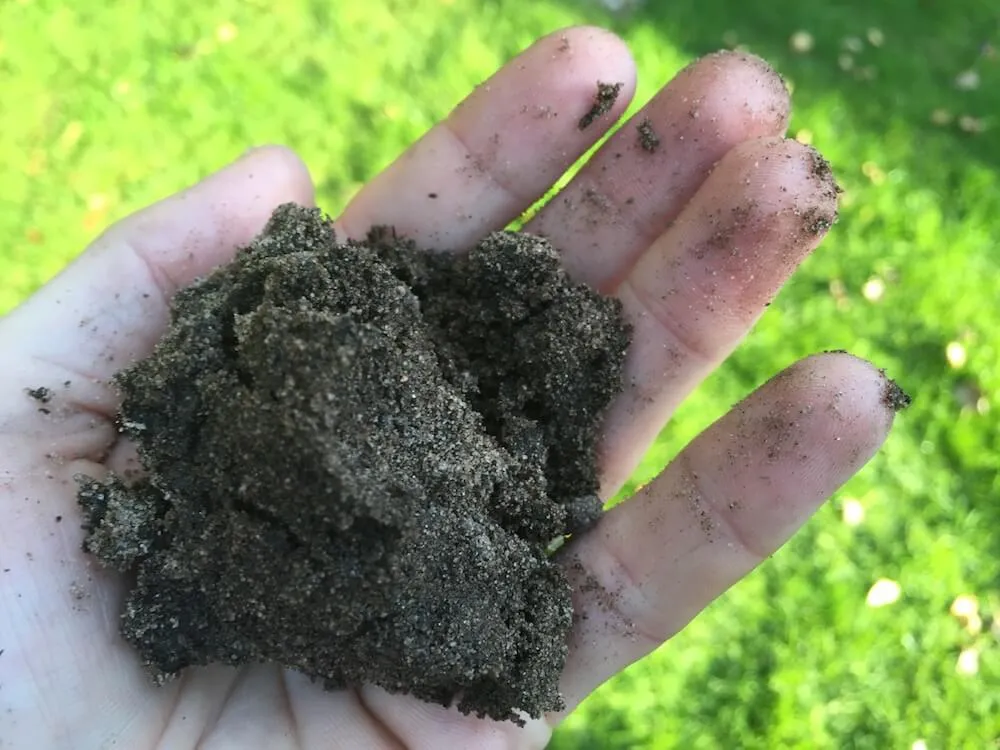
No matter how carefully you choose your plants, they will struggle if you plant them into poorly prepared soil. North facing gardens often have soil that is cool, damp and, in some cases, rather poor in organic matter. Before you plant anything, I’d strongly recommend digging in a generous amount of garden compost or well-rotted manure. This improves the structure of the soil, adds nutrients, and crucially improves drainage without drying the soil out, which is exactly what most shade-loving plants want.
If you have heavy clay soil that sits wet for extended periods, consider raising the level of your beds slightly by adding topsoil and organic matter, or installing simple drainage using gravel-filled channels before you plant. Most of the perennials and shrubs I’ve recommended will cope with reliably moist soil, but very few will survive true waterlogging for extended periods.
💡 Top Tip
Mulching is particularly valuable in north facing gardens. Apply a 5 to 7cm layer of composted bark or garden compost around your plants each spring, taking care to keep it away from the crowns and stems of plants. Mulching conserves soil moisture, suppresses weeds, moderates soil temperature, and gradually improves soil structure as it breaks down. In a north facing garden where the soil can become compacted, regular mulching makes an enormous difference to plant performance over time.
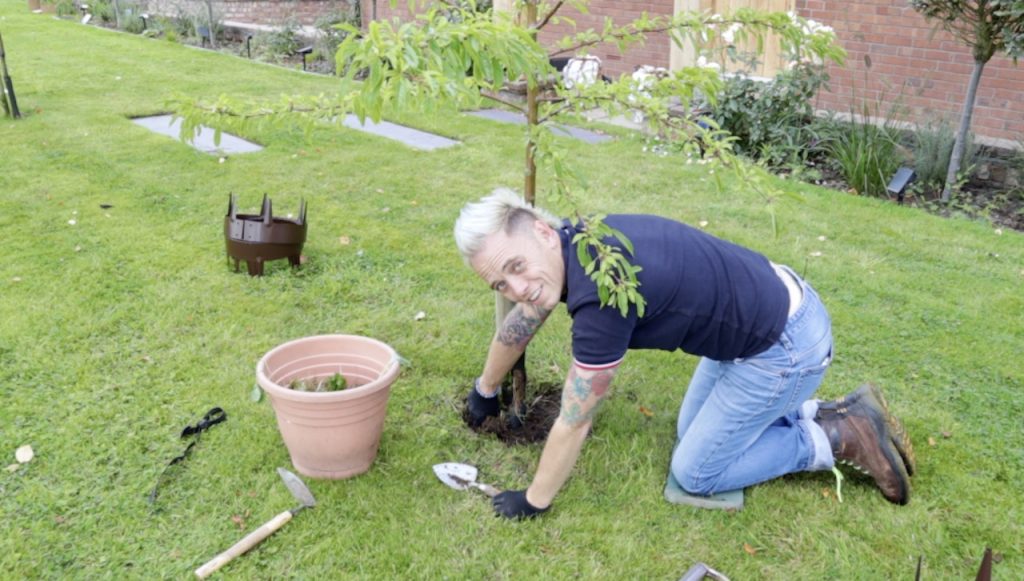
When planting climbers against a north facing wall or fence, always plant at least 30 to 45cm away from the structure itself. The soil directly at the base of a wall is often extremely dry because of the rain shadow effect the wall creates. Lean the plant in towards the wall at a slight angle when planting, and provide a cane or wire to guide the growth initially. Water thoroughly after planting and keep the plant well watered throughout its first season while it gets established.
My Top 5 Tools for Planting Your North Facing Garden
Having the right tools makes any gardening job significantly more enjoyable and effective, and planting up a north facing border is no exception. Here are the five tools I would reach for when tackling a north facing garden project. For a full rundown of essential gardening tools, take a look at my complete beginner’s garden tools guide.
1. Quality Garden Trowel
For planting perennials, bulbs and smaller shrubs, a quality stainless steel trowel with a rubberised handle is your most important tool. Avoid plastic-headed trowels completely. Expect to spend between £5 and £35, or up to £60 for premium Japanese steel.
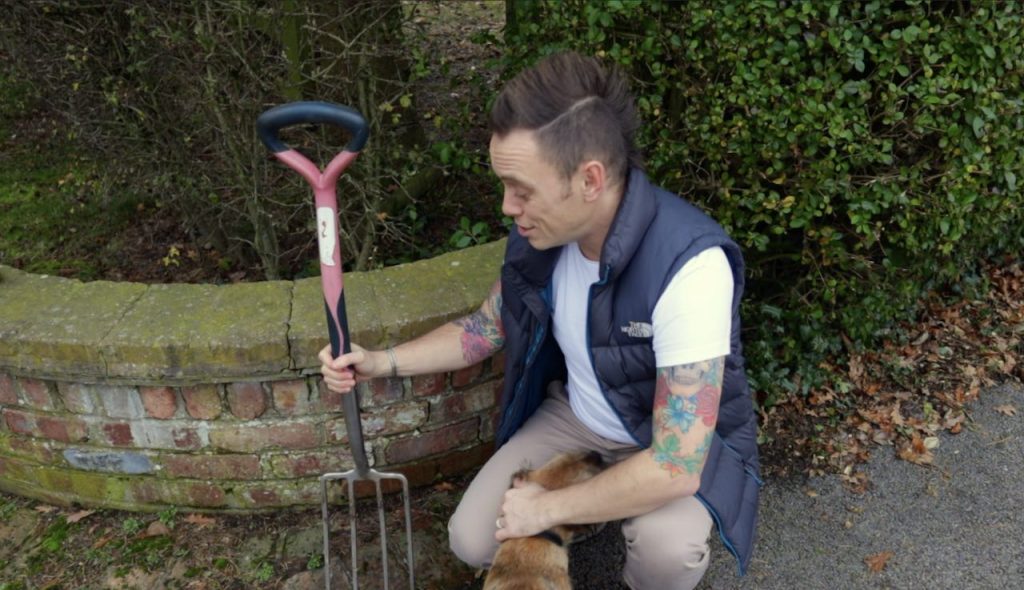
For soil preparation and planting larger shrubs and climbers, a quality garden spade with a solid one-piece metal head is essential. Invest between £35 and £65 for a tool that will last decades.
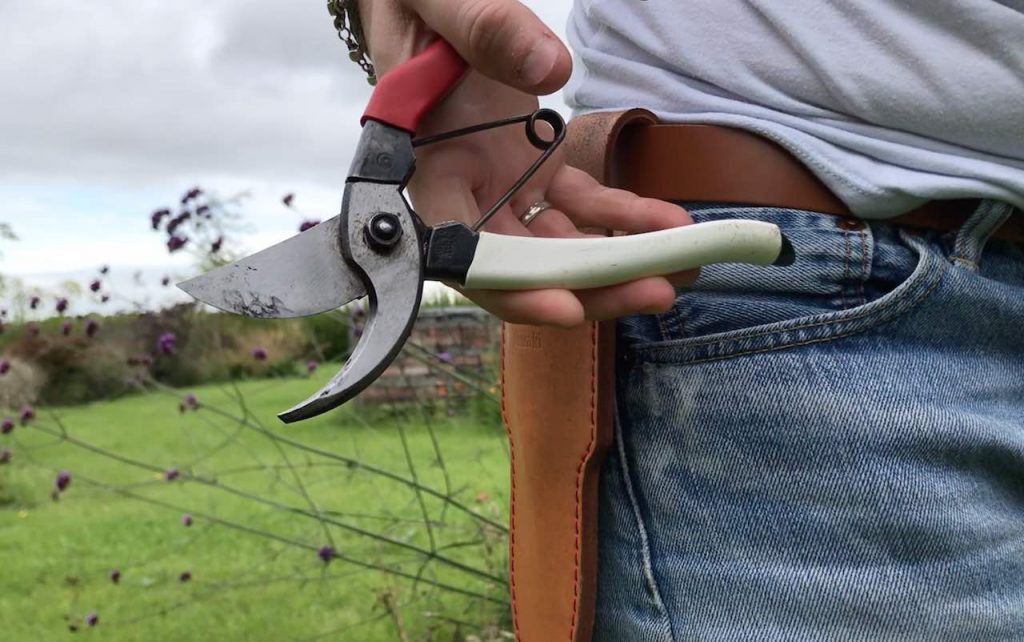
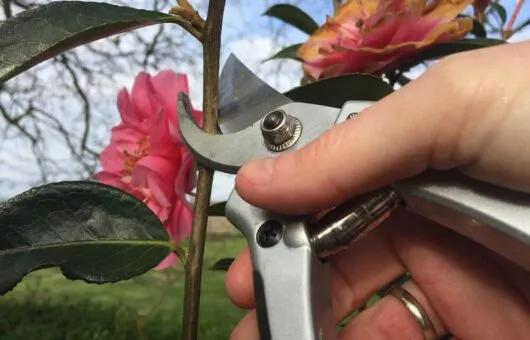
For deadheading, pruning climbers, and shaping shrubs, a good pair of bypass secateurs is indispensable. Spend between £20 and £60 for a reliable everyday pair. Felco are some of my most favourite snips as they have excellent repair and serviceability. Niwaki are also fabulous!
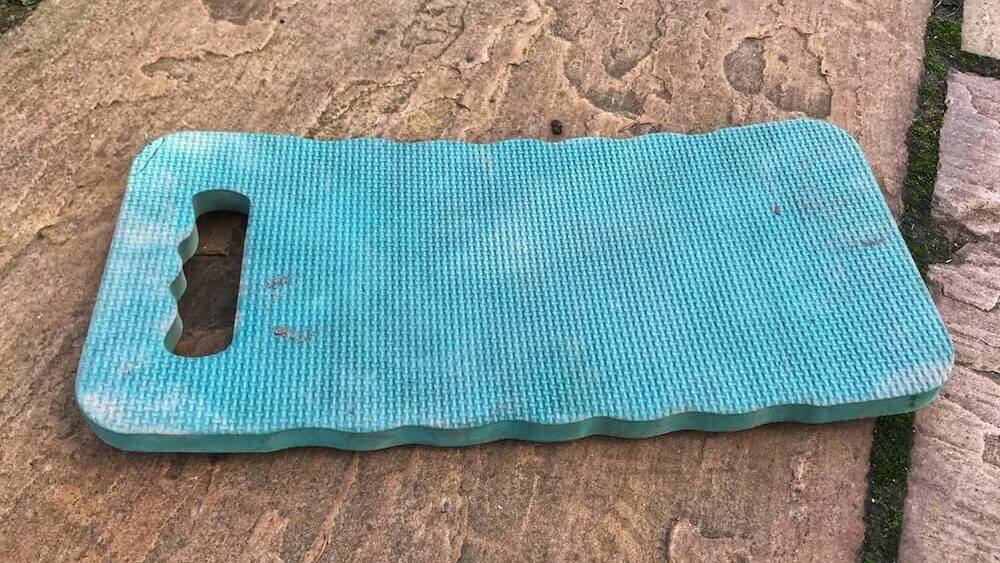
The greatest value-for-money gardening purchase you will ever make. A simple foam kneeling pad protects your knees and makes every border planting session considerably more comfortable. Spend no more than £3 to £15. The super thick ones are best!
Frequently Asked Questions About North Facing Gardens
Q: What can I grow in a north facing garden? A: Far more than most people realise. Climbing hydrangea, Clematis armandii, pyracantha and Rosa ‘Madame Alfred Carrière’ for walls; camellias, skimmia, rhododendrons, osmanthus and fatsia for shrubs; hostas, astilbes, astrantias, brunnera, foxgloves, dicentra and pulmonaria for perennials; snowdrops, fritillaries and hardy cyclamen for bulbs; and ferns and Japanese forest grass for texture. The list is genuinely extensive.
Q: Can roses grow on a north facing wall? A: Yes — but only certain varieties. Rosa ‘Madame Alfred Carrière’ is the classic recommendation and one of the most reliable choices. The cool conditions actually help the pale-coloured blooms to last longer. Most repeat-flowering climbers and ramblers need more sun than a north facing wall typically provides.
Q: Is a north facing garden bad for gardening? A: Not at all. It is a different environment, not a worse one. North facing gardens stay cooler and moister, which suits a very wide range of plants and reduces watering requirements. The planting palette is genuinely broad, and many of the most beautiful garden plants — hostas, ferns, camellias, astilbes — actively thrive in these conditions.
Q: How do I improve a north facing garden? A: Start with the soil: dig in generous quantities of compost or manure and mulch every spring. Use light-coloured surfaces, pale-painted fences and white or cream flowers to maximise reflected light. Layer the planting from tall climbers and shrubs at the back through to low ground cover at the front. Choose plants that genuinely thrive in shade rather than those that merely tolerate it.
Q: What is the sunniest part of a north facing garden? A: The boundaries along the east and west sides of a north facing garden often receive considerably more sun than the central area, particularly in summer when the sun is high. These are the spots to use for slightly more sun-hungry plants. In high summer, even a north facing garden may receive some direct evening sun along the fence lines.
Q: Can I grow vegetables in a north facing garden? A: A limited range, yes. Salad crops including lettuce, spinach, rocket and some herbs such as mint, chives and parsley will all cope reasonably well. Most fruiting vegetables — tomatoes, courgettes, beans — need more sun than a north facing garden typically offers. Raised beds placed along the sunniest boundaries give you the best chance.
Unlock Your Garden Potential with Garden Ninja’s Expert Online Training
Ready to transform your gardening skills beyond just choosing plants? Garden Ninja’s expertly crafted online courses will fast-track your development from keen amateur to skilled garden designer in months rather than years. Starting at just £29, you’ll gain access to professional garden design expertise from BBC Garden Rescue’s Lee Burkhill, delivered at a fraction of traditional horticultural education costs.
29
Garden Design Examples for Small Gardens: 30 Design Templates & Planting Plans
Garden Design Examples for Small Gardens: 30 Design Templates & Planting Plans: In this online gardening course, I’ll walk you through 30 fantastic garden designs, explaining the logic behind the layout, the plant choices, and take-home tips for applying them in your own garden.
Weekend Garden Makeover: A Crash Course in Design for Beginners
Learn how to transform and design your own garden with Lee Burkhills crash course in garden design. Over 5 hours Lee will teach you how to design your own dream garden. Featuring practical design examples, planting ideas and video guides. Learn how to design your garden in one weekend!
Garden Design for Beginners: Create Your Dream Garden in Just 4 Weeks
Garden Design for Beginners Online Course: If you want to make the career jump to becoming a garden designer or to learn how to design your own garden, this is the beginner course for you. Join me, Lee Burkhill, an award-winning garden designer, as I train you in the art of beautiful garden design.
After more than 30 years of gardening and over a decade and a half of professional design work, including countless north facing gardens on BBC Garden Rescue, I can tell you with complete confidence that a north facing garden is not something to be apologetic about. It is a genuinely distinctive garden environment that, when planted thoughtfully, can be extraordinarily beautiful, lush and interesting throughout the year.
The secret is to work with the conditions rather than against them. Embrace the shade, embrace the moisture-retentive soil, and choose plants that are genuinely suited to the conditions rather than those you wish would grow there. A north facing garden filled with hostas, astilbes, climbing hydrangeas, camellias, ferns and astrantias is a garden of real distinction. It has a quiet, cool, contemplative quality that you simply cannot create in a hot, sunny south facing garden, and it demands far less watering during dry summers.
If you’d like help planning your north facing garden or any other aspect of your outdoor space, I offer online garden design consultations through Garden Ninja design services, and my online garden design courses are a brilliant way to develop your own skills and confidence. And if you have a specific question about your north facing garden, why not post it in the Garden Ninja forum where I answer questions personally.
Your subscription could not be saved. Please try again.
Your subscription has been successful.
Lee Burkhill
Lee Burkhill, known as the Garden Ninja, is an award-winning garden designer and horticulturist with over 30 years of gardening experience and 15 years as a professional garden designer. A qualified RHS (Royal Horticultural Society) professional, Lee specialises in sustainable garden design and practical horticultural advice. He designs and presents on BBC1’s Garden Rescue and in leading gardening publications. Lee combines three decades of hands-on gardening knowledge with professional design qualifications to help gardeners create beautiful, functional outdoor spaces.