Lee Burkhill: Award Winning Designer & BBC 1's Garden Rescue Presenters Official Blog
Beginner level
Top dressing is one of those lawn care tasks that the professionals use routinely and most home gardeners have never tried, usually because nobody has explained it clearly enough for them to feel confident attempting it. That is a shame, because top dressing is one of the most genuinely transformative things you can do for a UK lawn. A well implemented top dressing session in early autumn can level a bumpy, uneven surface, break down the thatch layer, improve drainage on clay-heavy soil, and create the perfect seedbed for overseeding, all in a single afternoon.
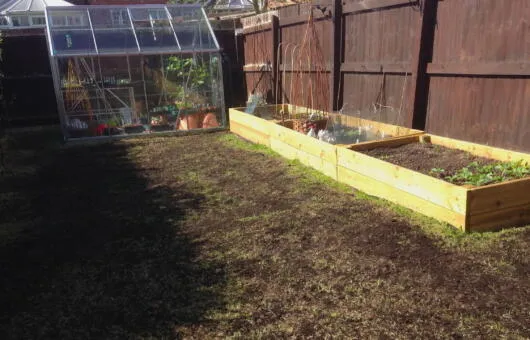
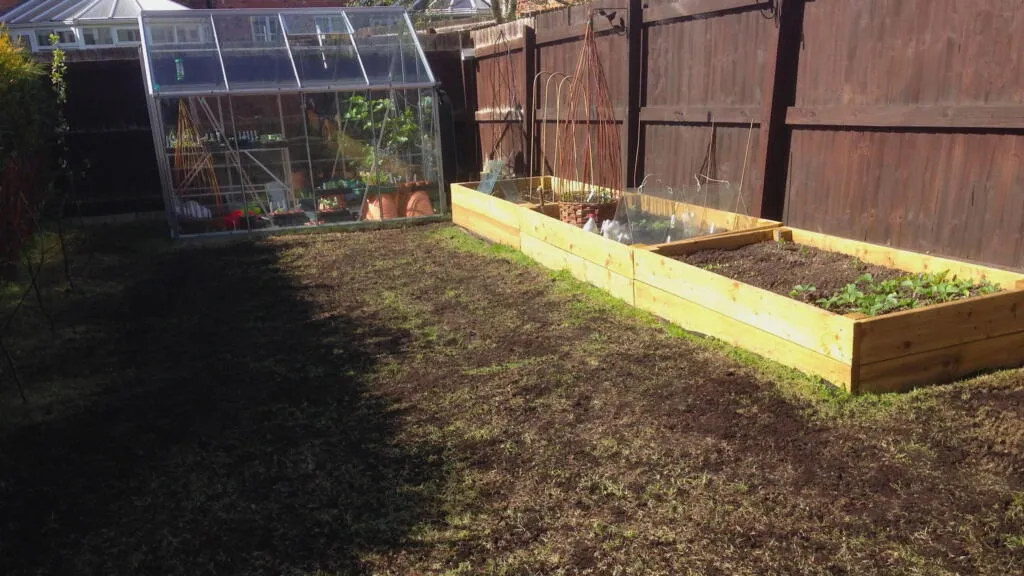
I have been top dressing lawns as part of the autumn renovation programme since early in my career, both in my own garden and on client projects. The first time I top dressed my own lawn properly, I remember standing back afterwards thinking it looked absolutely dreadful! See below!
The grass was barely visible through the thin layer of sandy loam I had brushed in, and my wife was less than impressed. Ten days later, that same lawn looked dramatically better than it had all season, the overseeded patches were germinating evenly, the surface was noticeably smoother, and the grass had a depth and richness of colour that told you something genuinely good had happened in the soil below.
Quick Answer
Top dress your lawn in early autumn (September to mid-October) after scarifying and aerating. Apply a sandy loam top dressing at 2 to 4kg per square metre (approximately 3 to 5mm deep), brush it thoroughly into the sward with a stiff broom or the back of a rake, then overseed into the dressed surface. The grass tips must remain visible through the dressing at all times. Water in if no rain is forecast within 48 hours.
This guide covers everything you need to know: what top dressing actually does and why it works, which materials to use for different soil types, when to do it in the UK calendar, how to apply it correctly, whether you use a roller, a spreader, or simply a shovel and a rake, how much you need per square metre, and which products I recommend. By the end, you will have all the information you need to make top dressing a regular part of your autumn lawn care programme and see the results for yourself.
This page contains affiliate links for products I use and trust. If you make a purchase after clicking a link, I may earn a small gardening commission at no extra cost to you, which helps keep the Garden Ninja blog free for everyone.
1. What Top Dressing Actually Does: The Science Behind the Shovel
Top dressing means applying a thin layer of a specific material over the surface of your existing lawn and working it down into the sward. That material fills the gaps between the grass plants at soil level, improving the conditions around the root zone in ways that feed, fertilise, and water alone simply cannot achieve.
The five things a well-executed top dressing achieves are distinct and cumulative. First, it levels the lawn surface by filling minor hollows, bumps, and undulations that accumulate through use, ground movement, and frost. A truly level lawn is not just aesthetically pleasing: it makes mowing significantly easier, reduces scalping in high spots that thin the grass and invite weeds, and eliminates the ankle-twisting trip hazards that uneven domestic lawns develop over time.
Second, top dressing dilutes and helps break down the thatch layer. Thatch is the dense mat of dead organic material that builds up between the soil surface and the base of the living grass. A thin layer of thatch is natural and beneficial. A thick layer prevents water, air, and nutrients from reaching the roots, encourages moss growth, and creates the soft, spongy underfoot feel that signals the lawn is in trouble. Top dressing introduces organic material and soil microbes that accelerate the biological breakdown of excess thatch beneath the surface, complementing the physical removal achieved by scarification above.
Third, a sandy top dressing improves drainage on compacted or clay-heavy soil. Sand particles introduced through the aeration holes and worked down into the surface layer permanently open the soil structure, improving water movement through the profile. This is particularly valuable in UK gardens where clay is prevalent, and waterlogging in autumn and winter is one of the main causes of moss invasion and grass death.
Fourth, organic top dressings improve drought tolerance by adding moisture-retentive material to the root zone. This matters on sandy or free-draining soils that dry out quickly in summer, leaving grass stressed and vulnerable to disease. Fifth, and most relevant to the autumn renovation programme, top dressing creates an ideal seedbed for overseeding. The new seed settles into the top dressing material, stays moist, and germinates far more reliably than seed sown onto bare, unamended soil.
2. When to Top Dress Your Lawn in the UK
Timing matters significantly for top dressing results. The material needs to be worked down into actively growing turf, which means the grass must be in a phase of root activity to absorb the benefit of improved conditions around the root zone. Top dressing applied to dormant or stressed grass sits on the surface without integrating properly.
Early autumn, September to mid-October, is the best time to top dress a UK lawn. The soil is still warm from summer, which means grass roots are active and the top dressing material integrates quickly. The natural UK autumn rainfall does much of the watering-in work for you. The timing aligns perfectly with scarification and aeration, which should always be done immediately before top dressing as part of the same session. And it precedes overseeding, which benefits directly from the prepared seedbed the top dressing creates.
Late spring, April to May, is the secondary window and suits gardeners who missed the autumn programme or whose lawns suffered through a particularly damaging winter. The soil is warming up, and grass is growing vigorously, which helps the dressing integrate reasonably well. The main disadvantage of spring top dressing is the higher risk of dry spells in April and May, requiring supplementary watering, and the greater weed pressure as annual weeds germinate into the prepared surface.
Avoid top dressing in midsummer when grass is potentially drought-stressed, and the soil is dry, or in winter when growth has stopped, and the dressing cannot integrate. Do not top dress in wet conditions: applying to a waterlogged lawn pushes the material down into saturated soil, where it does very little good and can create anaerobic conditions that harm the grass roots.
💡 Top Tip
Always top dress on a dry day with dry material and a dry lawn surface. Wet top dressing is extremely difficult to spread evenly, clumps together rather than dispersing through the sward, and can sit in lumps on the surface for weeks. If you have a bag of top dressing but the lawn is wet, wait. One dry day later in the week produces dramatically better results than forcing the job in damp conditions.
3. What Materials to Use for Top Dressing
The right top dressing material depends on your soil type and what you are trying to achieve. There is no single universally correct formulation: a clay-heavy garden in the Midlands has different needs from a free-draining sandy garden in East Anglia, and the material you choose should address the specific characteristics of your soil rather than being applied generically.
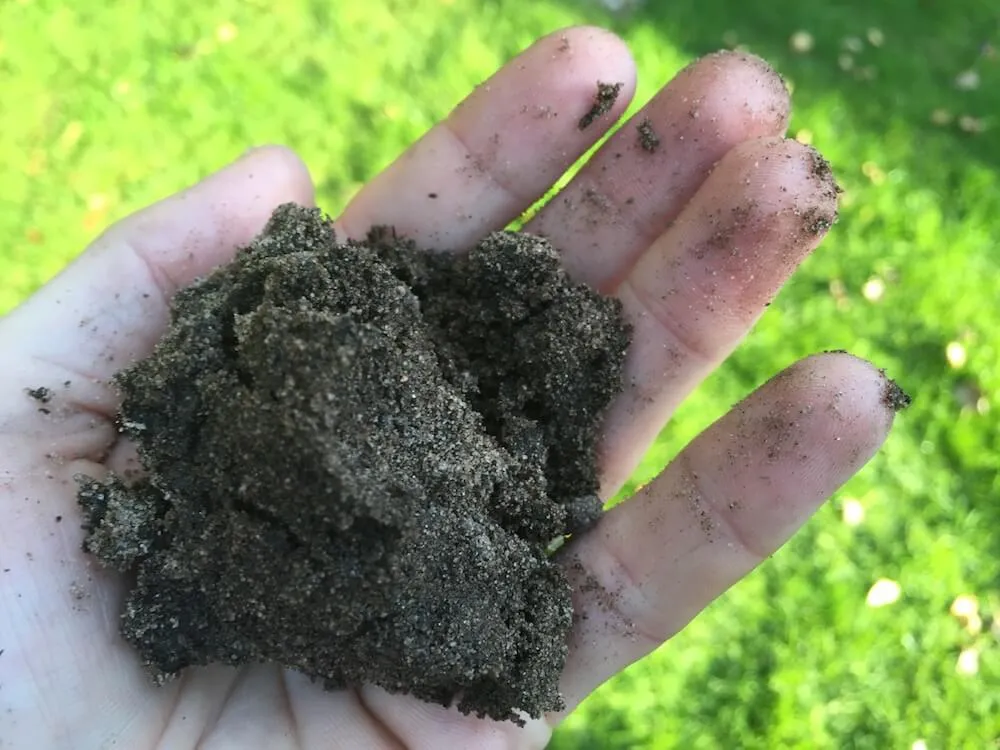
The most widely recommended formulation for UK domestic lawns is a 70/30 mix of sharp horticultural sand and loam. The sand component opens the soil structure, improves drainage, and firms the surface. The loam component provides organic matter and nutrients, preventing the sand from creating an overly dry, sterile profile. This combination is the basis of most commercially available bagged top dressing products, and it works well on the majority of UK soil types.
For clay-heavy soils, increase the sand proportion to improve drainage more aggressively. An 80/20 sand to loam ratio suits very clay-dominant soils that waterlog regularly. For sandy or free-draining soils that need more moisture retention, reduce the sand proportion and increase the organic matter content, using a blend that is roughly 60% sand and 40% loam or compost. For lawns in reasonable condition simply being maintained rather than renovated, a pure organic top dressing of sieved compost is an excellent and ecologically sound choice that improves biological activity and feeds the grass naturally.
🌿 Top Dressing Materials by Soil Type
Soil Type
Recommended Mix
Why
Heavy clay
80% sharp sand, 20% loam
Maximises drainage improvement. Sand opens the clay structure over successive seasons.
Medium loam
70% sharp sand, 30% loam (standard)
All-purpose formulation. Most bagged products. Good for drainage and levelling.
Sandy / free-draining
50% sharp sand, 50% loam or compost
Improves moisture retention without making drainage worse.
Reasonable condition, maintenance only
Sieved compost or organic top dressing
Feeds soil biology, improves colour and growth without altering drainage characteristics.
4. DIY Mix vs Bought Products: Which Is Better?
You have two practical options for sourcing top dressing: buying purpose-made bagged lawn top dressing, or mixing your own from separate ingredients. Both approaches work, and the right choice depends on your lawn size, how much you want to spend, and how much of a perfectionist you are about the formulation.
Bought bagged top dressing is the most convenient option and perfectly adequate for most domestic lawns. The 70/30 sand and loam formulation is consistent, screened to remove stones and debris, and free-flowing enough for easy application. For lawns up to about 100 square metres, the cost of bagged product is not prohibitive, and you avoid the effort of mixing yourself. The main disadvantage is the cost per litre compared to buying ingredients separately in bulk, which becomes relevant on larger lawns.
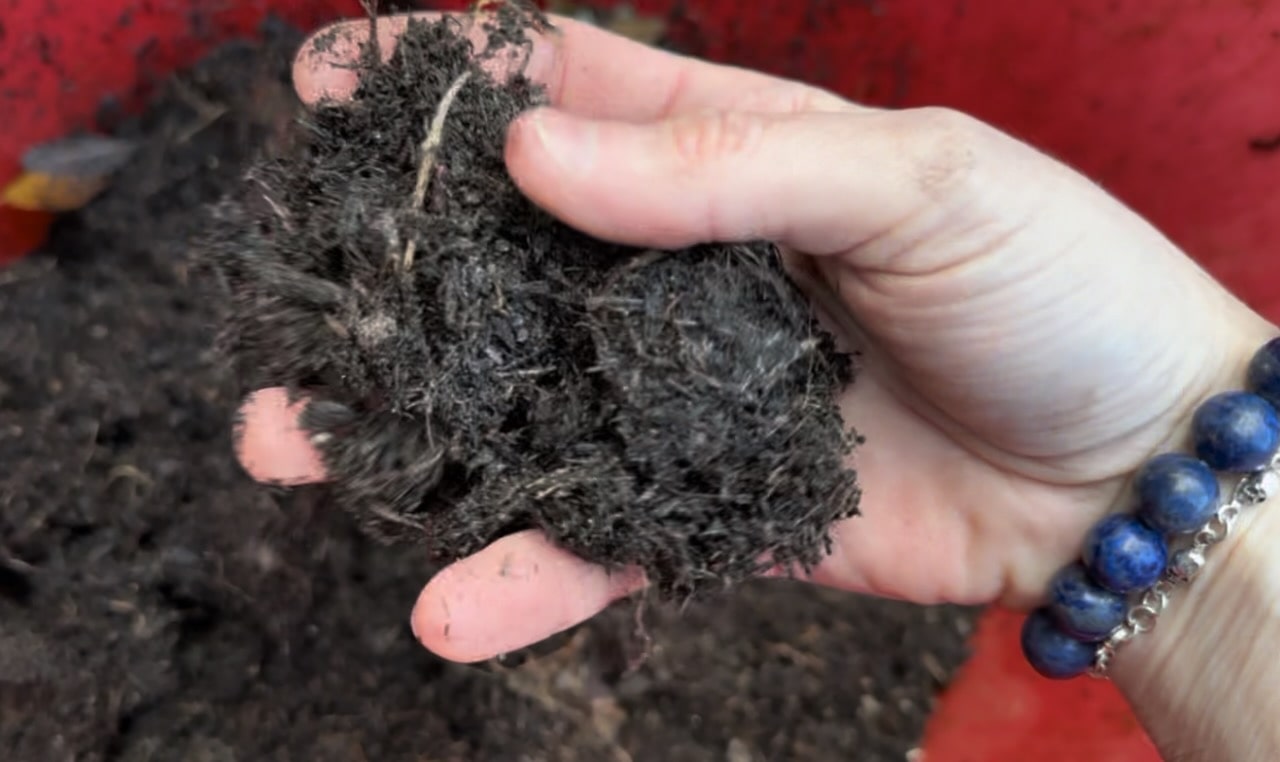
My own preference for well-maintained lawns is finely sieved homemade compost as a top dressing, applied as a thin organic layer. This is a position I have held for years and one that several respected professional horticulturalists share. Good homemade compost, sieved to remove twigs and undecomposed material, is incredibly rich in soil microbes and organic matter. Applied thinly across the lawn surface and brushed in, it feeds the grass and soil biology simultaneously while suppressing moss through improved drainage and root zone health. It costs nothing essentially beyond the time spent making it, and the biological benefit to the lawn over successive seasons is genuinely significant.
If you want to make your own formulation using bought ingredients, combine one part loam-based topsoil with two parts sharp horticultural sand and one part peat-free compost. Mix thoroughly in a wheelbarrow, ensuring there are no clumps or dry pockets, and sieve through a coarse garden sieve before applying to remove any material too large to work through the grass sward. The sieving step is important: material larger than about 5mm will sit on the surface rather than integrating into the root zone.
5. How Much Top Dressing Do You Need?
Calculating your requirements before you buy avoids both the frustration of running out halfway through and the expense of buying too much. The standard application rate for domestic top dressing is 2 to 4kg of material per square metre, producing a layer approximately 3 to 5mm deep. At this depth, the grass tips remain visible through the dressing throughout the application, which is the key visual indicator that you are applying at the right rate.
To calculate how much you need: measure your lawn length by width in metres to get the area in square metres, then multiply by 3 (for the lighter end of the rate) or by 4 (for a more thorough treatment). The result is the kilograms of top dressing required. A standard 25kg bag of top dressing covers approximately 6 to 12 square metres, depending on how liberally you apply it.
🌿 Top Dressing Quantity Calculator
Lawn Size
Light Application (2kg/m²)
Standard (3kg/m²)
Heavy (4kg/m²)
20m²
40kg (2 x 25kg bags)
60kg (3 x 25kg bags)
80kg (4 x 25kg bags)
50m²
100kg (4 x 25kg bags)
150kg (6 x 25kg bags)
200kg (8 x 25kg bags)
100m²
200kg (8 x 25kg bags)
300kg (12 x 25kg bags)
400kg (16 x 25kg bags)
For lawns over 50 square metres, buying top dressing in bulk bags (typically 500 litre or 1000 litre tonne bags) from a local landscaping supplier is considerably more economical than buying 25kg retail bags. A bulk bag from a local supplier often costs less than half the equivalent retail price and is delivered directly to your garden. The trade-off is that you need space to store and work with a large bulk bag, and you will need a good wheelbarrow to move the material around the lawn.
6. How to Top Dress Your Lawn: Step by Step
The process takes a single afternoon for most domestic lawns and the results are visible within two weeks. Here is the sequence I follow and recommend.
Step 1: Scarify and aerate first. Top dressing should always follow scarification and aeration in the same session; it should never precede them. Scarifying removes the thatch that would otherwise prevent the dressing from reaching the soil. Aeration creates channels that allow sandy material to penetrate the profile, improving drainage at root depth rather than just sitting on the surface. Do not skip this sequence. For full guidance on both, see my scarifying guide and my aeration guide.
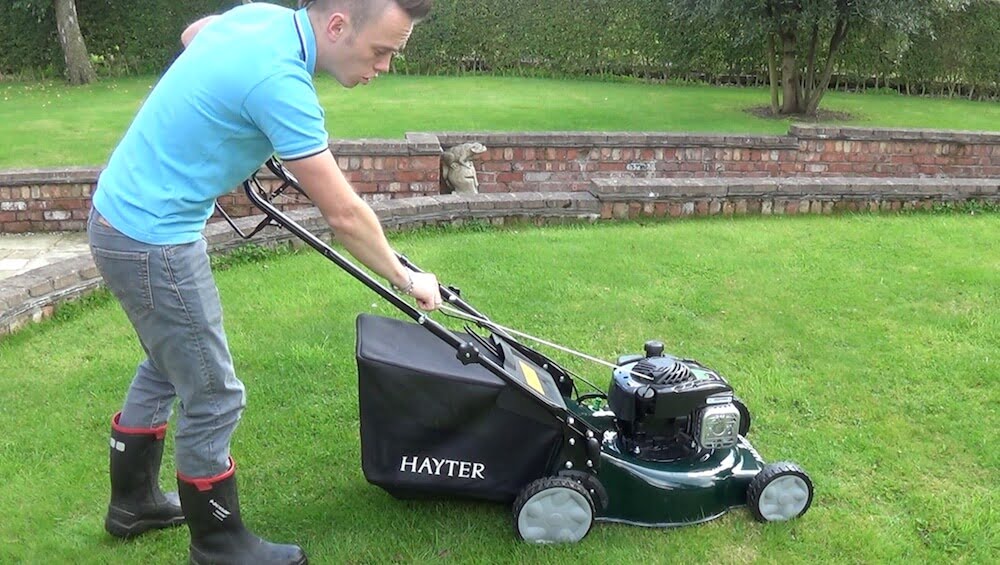
Step 2: Mow the lawn to a short but not scalped height. A close cut reveals the unevenness of the surface, making it easier to identify where extra dressing is needed, and ensuring the material can reach the soil level through the grass rather than sitting on top of long grass blades.
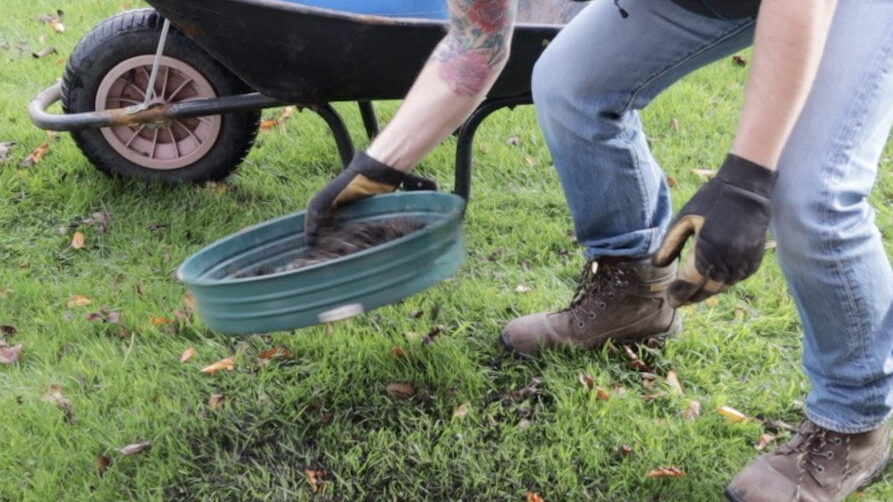
Step 3: Portion the top dressing into evenly spaced piles across the lawn surface. Load a wheelbarrow and deposit small shovel-fulls at regular intervals of approximately every 1.5 to 2 metres across the entire lawn area. This pre-distribution step is more efficient than spreading from a single pile and ensures you do not run out of material in one area while another goes untreated.
Step 4: Spread each pile using a shovel in a casting motion, flinging the material in a fan-shaped arc to distribute it as evenly as possible across the surrounding area. Work methodically from one end to the other. At this stage the dressing will look uneven and patchy, which is completely normal.
Step 5: Level and work in using the back of a metal rake or a specialist levelling rake, using pushing, pulling, and sweeping motions to distribute the material evenly and work it down through the grass sward toward the soil surface. Fill any obvious hollow areas first by concentrating extra material there before levelling the surrounding area. The grass should remain clearly visible throughout: if you can no longer see grass tips, you have applied too much in that area.
Step 6: Finish with a stiff broom, sweeping in multiple directions across the dressed surface. This final brushing works the remaining surface material down through the grass sward, giving the lawn a much more finished appearance than the rake alone can achieve. It also helps level any minor ridges left by the raking process.
Step 7: Overseed immediately into the dressed surface. The top dressing material provides an ideal germination environment, and the seed should be sown before watering in so the dressing and seed settle together. For full guidance on overseeding rates and aftercare, see my complete overseeding guide.
Step 8: Water thoroughly if no significant rain is forecast within 48 hours. The watering both settles the top dressing into the aeration holes and initiates seed germination. Do not mow for at least two to three weeks after top dressing, and avoid heavy foot traffic during this period.
7. Tools for Top Dressing: Roller, Spreader, or Shovel and Rake?
The traditional approach uses a wheelbarrow, a shovel, a metal rake, and a stiff broom. This combination works perfectly well on lawns of any size and requires no additional equipment purchases beyond tools most gardeners already own. It is also the most flexible approach for dealing with uneven surfaces and filling specific hollows where extra material is needed.
Compost spreader rollers have become increasingly popular in recent years, driven by UK lawn care YouTube content and the visibility of the results they produce. A spreader roller is a drum-shaped tool filled with top dressing material that you push across the lawn, with the rotating drum depositing a consistent, even layer as you walk. The results are noticeably more uniform than hand spreading, the application rate is more consistent, and the process is significantly faster on medium and larger lawns.
For lawns over 50 square metres where you top dress regularly as part of an annual programme, a spreader roller is a worthwhile investment that pays for itself in time and improved results within a season or two. For smaller lawns or occasional top dressing, the traditional shovel and rake approach is entirely adequate and considerably cheaper. The key point either way is the final brushing step: regardless of how you apply the material, a thorough broom finish working the dressing into the sward is what separates a good result from an excellent one.
💡 Top Tip
A landscaper’s levelling rake, sometimes called a lute, makes the raking-in stage significantly faster and produces a more level finish than a standard garden rake. If you are doing the job by hand regularly, it is worth the modest investment. For occasional use, the flat back of a standard metal rake works perfectly well for most domestic lawns.
8. Products I Recommend for Top Dressing
Lawn Dressing Sandy Loam (Bagged)
Around £10 to £15 for 25 litres
Purpose-made 70/30 sand-and-loam lawn top dressing, screened and dried for easy application, is the most practical option for most domestic gardeners. It is free-flowing, integrates easily into the sward, and produces reliable results across a wide range of soil types. Look for products labelled specifically as lawn top dressing or lawn dressing rather than general topsoil, which is too coarse and inconsistent for this application. Several branded and own-label versions are available on Amazon UK from lawn suppliers and the results are consistently good across the category.
Best for
Most UK domestic lawns. Annual autumn renovation programme. Levelling, drainage improvement, and overseeding preparation.
Lawn sand is a specific formulation combining fine sharp sand with iron sulphate, and it serves a different purpose from standard top dressing. Rather than levelling and improving soil structure, lawn sand is primarily used as a moss suppressant and grass hardener. The iron sulphate component kills or suppresses moss while the sand fraction opens the surface layer. It is particularly useful on lawns where moss is a persistent problem and drainage improvement is the primary goal rather than levelling. Apply at a lighter rate than standard top dressing, around 70 to 100 grams per square metre, and in dry conditions as the iron sulphate is highly corrosive to equipment if left damp.
Best for
Moss-prone lawns, spring surface hardening, drainage improvement on clay soils. Not for levelling. Use alongside standard top dressing rather than as a direct replacement.
A compost spreader roller is the tool that transforms top dressing from a laborious, slightly imprecise job into something genuinely efficient and satisfying on medium and larger lawns. You fill the drum with dry top dressing material, push it across the lawn at walking pace, and it deposits a consistent, even layer as the drum rotates. The coverage is more uniform than hand spreading, and the process is faster once you have filled the drum. KCT’s 27-inch model and the Selections drum spreader are the two most widely available options on Amazon UK, and both perform reliably. Look for a drum with good volume capacity for your lawn size, a solid build that handles the weight of the material without flexing, and an easy-clean design for post-use maintenance.
Best for
Lawns over 50m² where top dressing is part of the annual programme. Gardeners who want consistent, even coverage without the arm-ache of hand spreading.
Applying too much in one session is the most frequent mistake and it produces results that look alarming for weeks. If you bury the grass tips completely, the smothered grass dies back, the surface looks like a muddy building site, and you have introduced more problems than you started with. Apply at the correct rate, ensure grass tips remain visible at all times, and if in doubt apply less rather than more. You can always top dress again in spring.
Applying to a wet lawn or in wet weather turns fine top dressing into a claggy, unworkable paste that clumps on the surface rather than dispersing into the sward. Wait for a dry day. In a typical UK autumn you will need to pick your window, but a single suitable day makes the difference between a job done well and one done wrong.
Not brushing in thoroughly is the step most people shortchange when energy is running low at the end of the job. The raking gets the bulk of the material into position, but the final broom work is what integrates it properly. A thorough broom finish in multiple directions across the dressed surface makes a visible and lasting difference to how evenly the material settles into the sward. Do not skip it.
Using topsoil instead of purpose-made top dressing is a common substitution that produces poor results. Topsoil is too coarse, too variable in composition, and often contains weed seeds. It does not integrate into the sward the way a fine-graded top dressing does, and it can create a lumpy surface worse than the one you started with. Use purpose-made screened top dressing or a properly sieved DIY mix: the fine particle size is not optional.
Top dressing without scarifying or aerating first means the material sits on top of thatch rather than reaching the soil where it can do useful work. The sequence matters: scarify, aerate, top dress, overseed. Doing them in the right order takes no extra time and produces dramatically better results than any individual operation done in isolation.
10. Frequently Asked Questions About Top Dressing
How often should I top dress my lawn?
For most domestic lawns, top dressing once a year as part of the autumn renovation programme is ideal. Lawns in good condition being maintained rather than renovated can be top dressed with a light organic dressing every autumn. Lawns with significant drainage problems or persistent unevenness may benefit from spring and autumn top dressing in the first year or two until the underlying issues are resolved. Very fine ornamental lawns can be top dressed at lighter rates two to three times per growing season, but this is beyond the scope of most domestic lawn care programmes.
Can I use builder’s sand for top dressing?
No. Builder’s sand is the wrong type for lawn top dressing and using it will cause problems rather than solve them. Builder’s sand contains fine particles that compact and set almost like cement when wet, creating a hard, impermeable layer in the root zone that is worse for drainage than the untreated soil you started with. Always use sharp horticultural sand, also called grit sand or coarse washed sand, which has a particle size that remains free-draining after incorporation.
Why does my lawn look terrible after top dressing?
It always does for the first week to ten days and this is completely normal. The grass appears flattened, the surface looks rough and uneven, and the overall appearance is far worse than before you started. This is the phase every gardener who has not top dressed before finds alarming and it is the phase that every gardener who has done it before knows to ignore. By day ten the grass will be visibly growing through, by two weeks it will look substantially better than it did before, and by four weeks the improvement will be obvious. Resist the urge to intervene during the settling period.
Do I need to water after top dressing?
Yes, if no significant rain is forecast within 48 hours. Watering serves two purposes: it settles the top dressing material down into the aeration holes and through the sward to the soil surface, and it initiates germination of any overseeded grass. Use a fine sprinkler setting to avoid displacing the material. In an average UK autumn, natural rainfall will usually handle the watering-in for you, which is one of the reasons autumn is the preferred top dressing window.
Can I top dress without scarifying first?
Technically yes, but the results will be noticeably inferior. Without scarification, there is a thatch layer between the soil and the top dressing material that prevents the dressing from reaching the root zone where it does its most useful work. If you genuinely cannot scarify before top dressing, rake the lawn vigorously with a spring-tine rake to remove as much loose thatch and dead material as possible before applying the dressing. It is not as effective as a proper scarification but it is significantly better than applying top dressing to an unraked surface.
If you want professional support designing a garden or any other challenging outdoor space, take a look at my online garden design courses. Whether you are starting from scratch or improving an existing layout, my courses, priced from £29 to £199, give you the tools and confidence to design your own garden to a professional standard.
29
Garden Design Examples for Small Gardens: 30 Design Templates & Planting Plans
Garden Design Examples for Small Gardens: 30 Design Templates & Planting Plans: In this online gardening course, I’ll walk you through 30 fantastic garden designs, explaining the logic behind the layout, the plant choices, and take-home tips for applying them in your own garden.
Weekend Garden Makeover: A Crash Course in Design for Beginners
Learn how to transform and design your own garden with Lee Burkhills crash course in garden design. Over 5 hours Lee will teach you how to design your own dream garden. Featuring practical design examples, planting ideas and video guides. Learn how to design your garden in one weekend!
Garden Design for Beginners: Create Your Dream Garden in Just 4 Weeks
Garden Design for Beginners Online Course: If you want to make the career jump to becoming a garden designer or to learn how to design your own garden, this is the beginner course for you. Join me, Lee Burkhill, an award-winning garden designer, as I train you in the art of beautiful garden design.
Top dressing is the lawn care task that separates good lawns from genuinely excellent ones. It is the professional standard for a reason: nothing else combines levelling, drainage improvement, thatch management, biological enrichment, and seedbed preparation in a single operation. And it is far more accessible to home gardeners than the professional association of the technique might suggest. A shovel, a rake, a stiff broom, and a couple of bags of top dressing are all you need to start.
The sequence that consistently delivers the best results is the same one professionals follow: scarify to remove thatch, aerate to open the soil, top-dress to improve the surface layer, overseed into the prepared seedbed, and water in. Each step supports the next, and the cumulative effect over two or three seasons of consistent application is a lawn that looks substantially different from one that has only ever been mowed, fed, and watered. The investment of time and money is modest. The improvement in results is not.
If you take one principle away from this guide, it is this: keep the grass tips visible. At every stage of applying and working in the top dressing, if you cannot see green grass tips through the material, you have applied too much. Work it in further or redistribute it to a thinner area. That single rule, consistently applied, is the difference between top dressing that transforms a lawn and top dressing that smothers it.
For the complete autumn lawn renovation programme that top dressing sits within, take a look at these related guides:
Your subscription could not be saved. Please try again.
Your subscription has been successful.
Lee Burkhill
Lee Burkhill, known as the Garden Ninja, is an award-winning garden designer and horticulturist with over 30 years of gardening experience and 15 years as a professional garden designer. A qualified RHS (Royal Horticultural Society) professional, Lee specialises in sustainable garden design and practical horticultural advice. He designs and presents on BBC1’s Garden Rescue and in leading gardening publications. Lee combines three decades of hands-on gardening knowledge with professional design qualifications to help gardeners create beautiful, functional outdoor spaces.