Blog
-

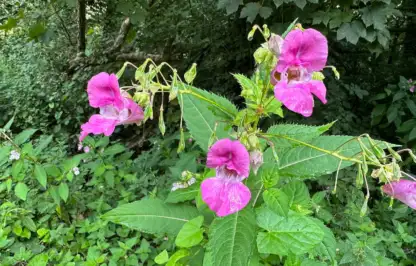
Himalayan Balsam: Identification, Removal and Ghost Bees
Quick Answer Himalayan balsam grows 1.5 to 2.5 metres tall with hollow, reddish, translucent looking stems and distinctive pink to purple, helmet shaped flowers from June to October. It is not illegal to have it on your land, but it is an offence to let it spread into the wild, and its seed pods explode […]
Read more -
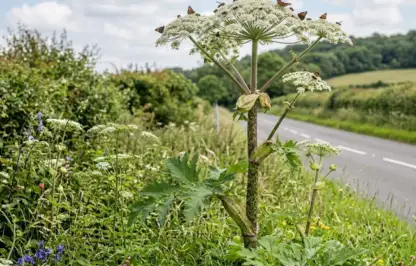
Giant Hogweed: How to Identify It and What to Do If Burned
Quick Answer Giant hogweed grows up to 5 metres tall with thick, hollow stems covered in purple blotches and coarse bristles, and umbrella shaped white flower heads up to 60cm across. Its sap contains compounds that make skin extremely sensitive to sunlight, causing severe burns and blistering on contact combined with UV exposure. If sap […]
Read more -
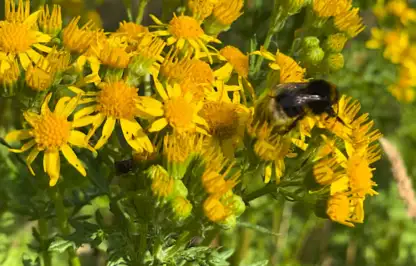
Ragwort: Is It Illegal, Dangerous, or Just Misunderstood?
Quick Answer Ragwort is a UK native wildflower with clusters of small daisy like yellow flowers on stems 30 to 100cm tall. It is not illegal to have it in a garden, but it is listed as an injurious weed under the Weeds Act 1959 because it is toxic to horses and livestock if eaten. […]
Read more -
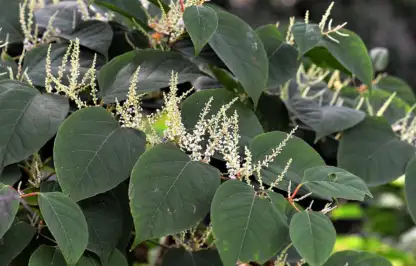
Japanese Knotweed: How to Identify It and Its Look-Alikes
Quick Answer Japanese knotweed has hollow, bamboo like stems speckled with purple, shovel shaped leaves that grow in a zigzag pattern, and clusters of small white flowers from August to October. It dies back to ground level every winter and regrows from the same root system each spring. Several ornamental garden plants are regularly mistaken […]
Read more -
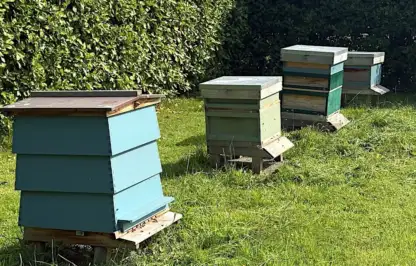
Beekeeping Equipment for Beginners: Essential UK Kit Guide
Quick Answer A beginner beekeeper needs a hive, a bee suit or jacket with gloves and boots, a smoker, a hive tool, frames and foundation, and a feeder, which together cost roughly £400 to £650 for a complete British National setup. Extraction equipment such as an uncapping knife, extractor and settling tank can wait until […]
Read more -
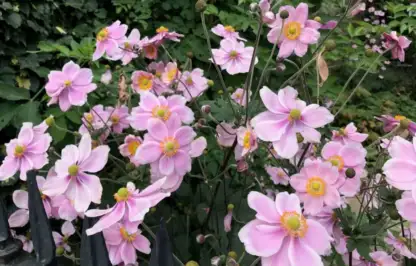
Early and Late Season Plants for Bees: How to Feed Wildlife All Year, Not Just for a Few Weeks
Quick Answer Lavender and roses feed bees brilliantly for a few weeks in midsummer, but pollinators are active in the UK from January through to November. Add early plants such as winter aconite, snowdrops, primrose, hellebores and mahonia for late winter, and late plants such as echinacea, sedum, asters, Japanese anemone and ivy for autumn, […]
Read more -
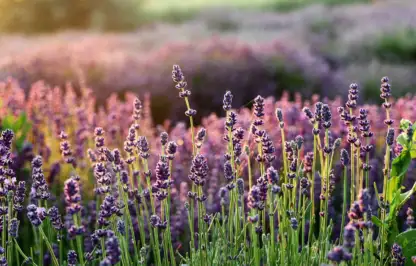
Why Is My Lavender Not Flowering? UK Fixes That Work
Quick Answer Lavender usually fails to flower because of too much shade, soil that’s too rich or too wet, or a lack of annual pruning that has let it become woody. Check the season and variety first, then work through sunlight, soil, watering and pruning history. Most causes are fixable within a single growing season. […]
Read more -
How to Prune Herbaceous Perennials: Complete UK Guide + Chelsea Chop Technique
Quick Answer Prune herbaceous perennials in late winter, from January to February, once plants are fully dormant and before new growth begins. Cut ground cover types back to around 5cm, taller perennials to between 6cm and 12cm, and only lightly tidy evergreen herbaceous plants. Leaving the dried stems in place over autumn and winter feeds […]
Read more -
How to start a garden from scratch: 10 Steps for beginner gardeners
Quick Answer To start a garden from scratch, clear the ground of turf, weeds and debris, then assess your soil type and aspect before you buy a single plant. Plan your layout on paper, choose plants suited to your actual conditions rather than ones you simply like the look of, and build your tool collection […]
Read more -
Help, Stop My Tomato Plants Leaves Curling: Your Complete Rescue Guide
Quick Answer Tomato leaves curl mainly due to environmental stress, inconsistent watering, pests such as aphids or broad mites, nutrient imbalances, viral infection, or chemical drift from nearby weedkillers. Most causes are fully reversible once you correct the underlying problem, and new growth typically emerges flat within a week or two. The one exception is […]
Read more