Blog
-

Bare Root Hedging UK: When and How to Plant a Hedge
Quick Answer Bare root hedging plants are lifted from the field while dormant and sold without a pot or compost, costing roughly half to a third of the equivalent container grown plant. Plant them between November and March, work mycorrhizal fungi into the trench, then cut them back hard the first spring to force bushy […]
Read more -

When & How to Plant Tulips: A Garden Designer’s UK Guide
🌱 Quick Answer Plant tulip bulbs in November, after the first hard frosts, in a sunny spot with sharp drainage. Set them three times their own depth, roughly 15 to 20cm down, pointy end facing up. Waiting until November rather than jumping in with the daffodils in September is the single biggest factor in avoiding […]
Read more -
Sloe Gin Recipe: How to Forage, Make & Bottle Your Own
Quick Answer Sloe gin is made by pricking ripe sloes, layering them with sugar and gin in an airtight jar, then leaving the mixture in a dark cupboard for at least three months, shaking it weekly. Sloes are traditionally picked after the first autumn frost, though freezing fresh sloes overnight has exactly the same softening […]
Read more -
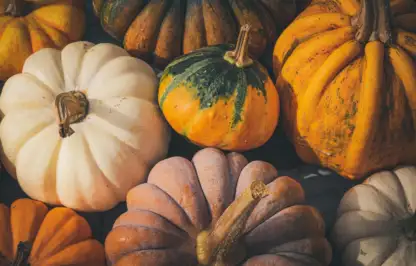
When to Harvest Pumpkins & Autumn Squash: Your Complete UK Guide
Quick Answer Pumpkins and squashes are ready to harvest once the skin resists a firm thumbnail press, the colour has fully changed for that variety, and the stem has dried out and gone woody. In the UK this usually falls in the last two weeks of September through to the first week of October, ideally […]
Read more -
Why Is My Acer Dying? The Complete UK Diagnostic Guide
Quick Answer Acers most often die or decline in UK gardens because of leaf scorch from drying wind, hot sun or drought, which is environmental rather than a disease and is by far the commonest cause. Late spring frost damaging tender new growth, a container that has become root bound and dries out faster than […]
Read more -

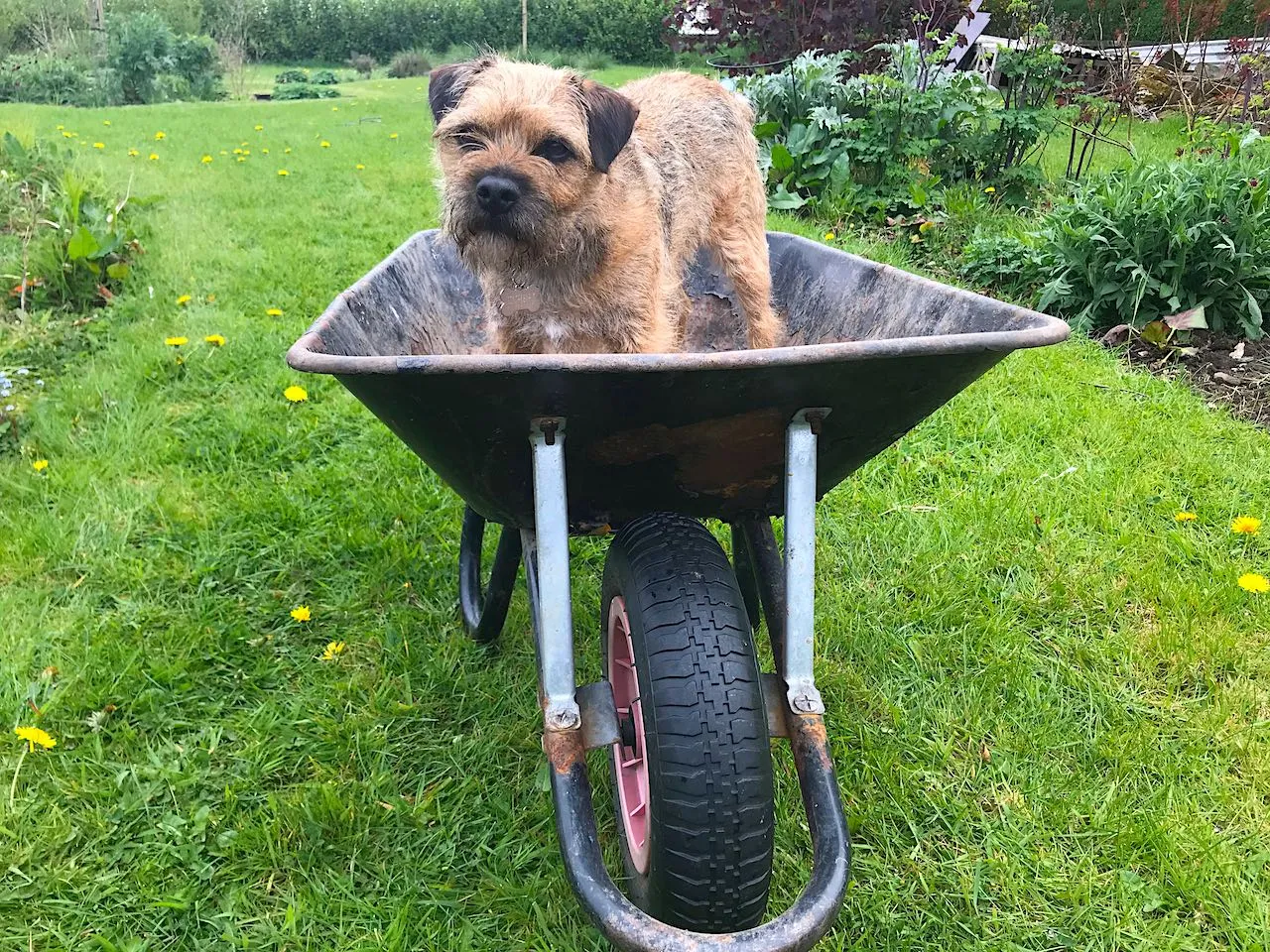
Best Wheelbarrow UK: A Garden Designer’s Honest Guide
Quick Answer For most UK gardens, an 85 litre single wheel barrow with a pneumatic tyre handles everyday jobs comfortably. If you regularly move a lot of soil, compost or rubble, a two wheel barrow around 200 litres, such as the Agri Barrow twin wheel model, saves trips and keeps you steadier underfoot. If balance […]
Read more -
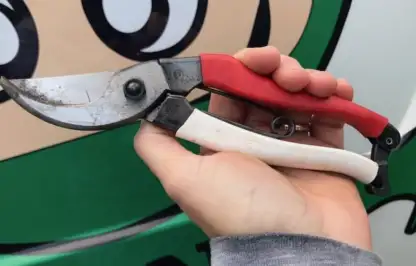
Best Secateurs UK 2026: A Garden Designer’s Honest Guide
Quick Answer For most UK gardeners, bypass secateurs are the best all-round choice. The Felco Model 2 and Okatsune 103 are the two professional benchmarks. If arthritis or grip is a concern, go straight to ratchet secateurs. The right pair for your hand size, maintained properly, will last years rather than months. What frustrates me […]
Read more -
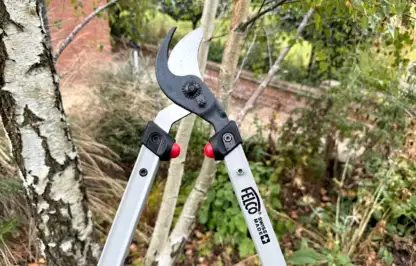
Best Garden Loppers UK 2026: A Garden Designer’s Honest Guide
Quick Answer: For branches between 25mm and 50mm thick, quality bypass loppers are the right tool. The Felco 221-80 is my top pick, since its 80cm handles reach most jobs without a ladder. For thicker or dead wood, a telescopic ratchet anvil lopper such as the Spear & Jackson Razorsharp handles what secateurs cannot. I […]
Read more -
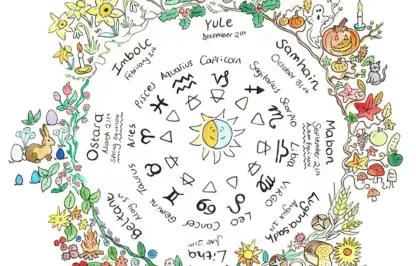
What Is the Wheel of the Year? A Gardener’s Guide
Quick Answer The Wheel of the Year is an eightfold calendar of seasonal festivals, called sabbats, that marks the turning points of the natural year, the solstices, the equinoxes and the four cross quarter days that fall between them. For a gardener it maps almost exactly onto the growing year you already live by, from […]
Read more -

Monkey Puzzle Tree Care Guide UK: Planting, Pruning and Why It’s Turning Brown
QUICK ANSWER Monkey puzzle trees (Araucaria araucana) need a sheltered, sunny spot with moist but well drained soil and room to reach 12 metres or more, so check your space before planting. Browning is usually one of three things: natural shedding of the oldest lower branches, drought stress in a pot or newly planted specimen, […]
Read more