For the garden you’ve already got, not the one you’re starting from scratch. Seven checklists and video lessons from BBC Garden Rescue’s Lee Burkhill, designed to help you decide what’s worth keeping before you spend a penny.
69


🌿 Quick Answer
Winter pruning happens while plants are dormant and encourages vigorous new growth, so it suits apples, roses, wisteria and gooseberries. Summer pruning happens while plants are in leaf and restricts growth while boosting flowers and fruit, so it suits plums, cherries, forsythia and trained fruit trees. Get the season wrong on a spring-flowering shrub and you can cut off next year’s entire flower display.
We seem to have a bit of an issue with pruning as gardeners. I remember when I first started gardening, the thought of cutting off parts of the plants I’d spent ages nurturing felt horrific. I let them grow however and wherever they wanted. Just grateful they were growing. However, this laissez-faire approach always ends up with a tangled mess or shrubs that you’re not quite happy with.
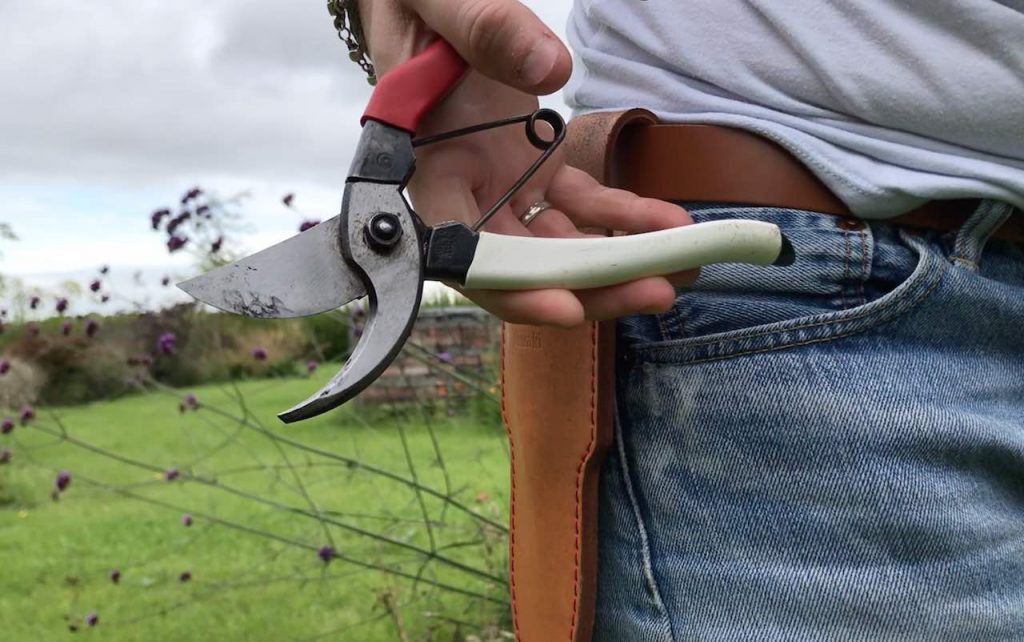
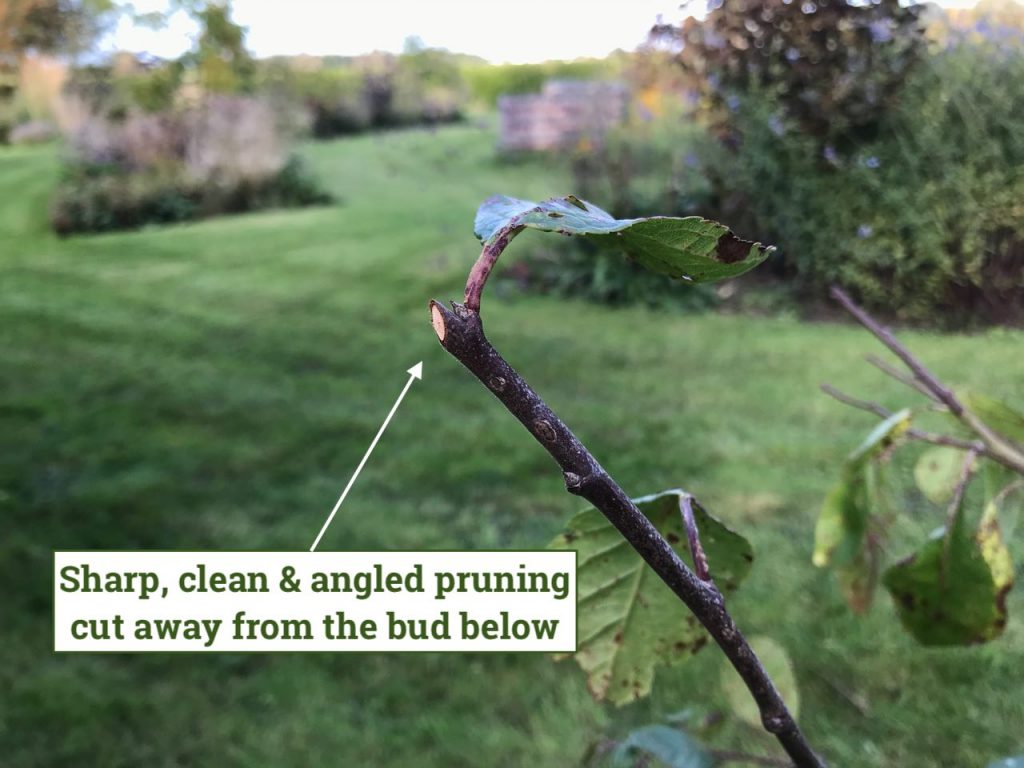
I’m a total pruning convert and now look forward to pruning a plant, tree, or shrub. Whether it’s a quick summer maintenance prune or a winter hard prune, I relish the thought of helping Mother Nature out and keeping my garden in its most productive form. I’m going to show you why you need to start pruning with vigour and the right time of year to prune pretty much anything. (If you’ve not already watched my pruning guide, check that out here to show you in 60 seconds the correct way to prune.)
| Aspect | Winter Pruning | Summer Pruning |
|---|---|---|
| Purpose | Encourages strong new growth | Restricts vigour, focuses energy on flowers and fruit |
| Plant State | Dormant, leafless, sap retreated | Actively growing, in leaf, maybe in flower or fruit |
| Best For | Shaping young trees, hard renovation, dormant shrubs | Restricting overvigorous trees, trained fruit forms, spring-flowering shrubs |
| Effect Next Year | Boosts foliage and branch growth | Boosts flower buds and fruit quality |
| Typical Window | November to March | June to August |
| Risk If Timed Wrong | Removes next year’s flower buds on old-wood shrubs | Can stress the plant or encourage soft, frost-tender growth |
| Classic Examples | Apples, roses, wisteria (spur prune), gooseberries | Plums, cherries, forsythia, philadelphus, trained fruit |
Jump to a section:
This page contains affiliate links for products I use and love. If you take action (e.g., subscribe or make a purchase) after clicking a link, I may earn a small commission, which helps me keep the Garden Ninja Blog free for all.
Winter pruning takes place during the dormant period of the year, when the leaves have fallen, and growth has slowed. The sap in trees has retreated back down the plant, and the chances of plants wilting, becoming stressed or needing triage are low.
As deciduous trees and shrubs have now lost their leaves, it’s an excellent time to see their true skeleton form. This means you can see exactly which offending or unruly branches need taming or removing. There’s far less guesswork with winter pruning, no battling with fruits or leaves. You can stand back, review the tree or shrub, and then clearly take out or reduce the areas.
There is a common misconception that winter pruning is only about reducing the size of a tree or shrub. Removing a part or section of the plant is only half the story. Doing so in winter actually invigorates growth ready for spring, rather than simply making the plant smaller.
Winter pruning will send all the hormones and auxins (growth hormones) back down to the next set of buds from where you have cut. This is because plants exhibit apical dominance; hormones direct growth to the main stem, which in turn leads to increased upward growth. Survival of the tallest, I suppose.
When we prune plants back, we temporarily divert this dominance to another part of the plant until another apical bud forms as the leader. Usually, this diversion takes the form of increased lateral (horizontal) growth further down the plant. This is why some plants ‘bush out’ after pruning. So if you remove a whole branch on an Apple tree, the lower branches will be urged by the tree to use the diverted energy.
Conifers, for example, exhibit very strong apical dominance, with an erect main stem and more passive lateral growth. If you try to take cuttings, they usually fail to grow into like-for-like specimens. Weeping forms of trees, on the other hand, usually have weak apical dominance.
If you prune in winter, expect increased spring growth.
So when we prune in winter, we are signalling to the tree or shrub to send energy elsewhere, which results in a boost in foliage growth the following year. Sometimes this will be in lieu of fruit, as the plant only has so much energy to allocate to either growth or fruiting.
If a tree is growing too tall and its branches are long and unproductive, i.e., lacking flowers or fruit, then winter pruning can help redirect its energy back down the tree. Snipping back some growth in branches or reducing the leader stem will help the remaining tree or shrub bush out.
Summer pruning is a different beast altogether, as your trees or shrubs are usually in full growth and may be in flower or bearing fruit. Pruning in summer of trees and shrubs is usually done to promote fruiting or flowering in this and the following year.
If we take the example of an apple tree in Summer, it will hopefully have fruit on it if it’s been pollinated. Sometimes the branches may be overburdened with fruit, which can lead to the branches snapping or the fruit being spoiled by pests or damage.
Summer pruning will remove a portion of these fruits and also return the branch to a spur or set of buds, helping focus energy next year on those fruiting buds. It also preserves this year’s fruit, helping it grow larger because energy isn’t sent to additional foliage or fruit. You’re restricting the growth to divert the energy into fruit or flowers.
Summer pruning is also really useful to keep an eye on growth. If something is growing the wrong way, then a summer prune can help reduce the size of your trees or shrubs. Certain trees benefit more from summer rather than winter pruning, such as Plum trees and the Prunus family (i.e., cherry trees). This is because they are susceptible to silver leaf disease if pruned in winter from September to May. Prune this in mid-summer on an overcast day if possible.
Summer pruning in this fashion restricts growth and fruiting. So if you want to reduce a tree’s or shrub’s overall vigour, then summer pruning is best.
This is where most people are tentative with pruning. They see fruits or lots of potential flowers and prefer to leave their plants to do their thing. However, you can end up doing more harm than good or sacrificing really good fruits and flowers for a poor show. It’s quality, not quantity, remember.
With summer pruning, you’re politely saying to a plant, ‘Right, that’s enough growth. Thank you, let’s focus on what we’ve got here, please’.
The theory above is only useful once you can put it into practice. Here’s my quick reference for the plants I’m asked about most often, organised by the season that suits them best. Where I’ve written a dedicated step-by-step guide for a plant, I’ve linked it so you can get the full detail.
| Plant | Prune In | Why |
|---|---|---|
| Apple trees (bush form) | Winter (Nov to Mar) | Shapes the tree and encourages strong framework growth while dormant |
| Wisteria (spur prune) | Winter (Jan to Feb) | Tidies the framework and encourages flowering spurs for spring |
| Roses (most bush and shrub types) | Winter (Feb to Mar) | A hard dormant prune drives strong new flowering growth |
| Gooseberries & currants | Winter (Nov to Feb) | Opens the framework and improves airflow and fruiting next year |
| Cornus & Salix grown for stem colour | Winter (Feb to Mar) | A hard “stooling” cut low to the ground produces the brightest new stems |
| Deciduous hedges (renovation) | Winter (Nov to Mar) | Hard structural work is best done while the hedge is dormant and bare |
| Grape vines | Winter (Dec to Jan) | Pruned before the sap rises, or the cuts will “bleed” heavily |
| Plums, cherries & ornamental Prunus | Summer (Jun to Aug) | Avoids silver leaf disease, which infects wounds made in the dormant season |
| Forsythia | Summer, immediately after flowering (Apr to May) | Flowers on the previous year’s wood, so late pruning removes next year’s blooms |
| Philadelphus (Mock Orange) | Summer, immediately after flowering (Jun to Jul) | Flowers on old wood, the same rule as Forsythia |
| Ribes (Flowering Currant) | Summer, immediately after flowering | Flowers on old wood, prune straight after the display fades |
| Camellias | Summer, immediately after flowering | Next year’s flower buds start forming early, so late pruning cuts them off |
| Star jasmine (Trachelospermum) | Summer, after flowering | Keeps vigorous climbing growth in check without losing next year’s flowers |
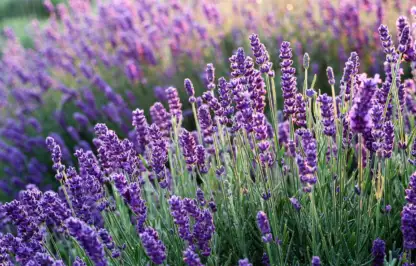
| Lavender | Summer, after flowering (Aug) | Prevents the bare, woody legginess that untrimmed lavender develops |
| Wisteria (tie-in prune) | Summer (Jul to Aug) | Controls the whippy summer growth before the winter spur prune |
| Trained fruit (espaliers, cordons, fans) | Summer (Jul to Aug) | Lets light reach and ripen the fruit, and keeps the trained shape |
| Evergreen hedges (box, yew, privet) | Summer (Jun to Aug) | Shapes while actively growing; late cuts leave soft growth prone to frost damage |
If your plant isn’t listed above, the rule of thumb still holds: anything grown for flowers that appear on the current season’s new growth, such as Buddleja or Hydrangea paniculata, is generally pruned hard in late winter. Anything that flowers on last year’s wood, like most of the shrubs in the summer half of the table, wants pruning straight after it finishes flowering. My Winter Plant Pruning Guide and January pruning calendar both go into more detail month by month if you want a fuller planner, and my Hydrangea pruning guide covers one of the most-asked exceptions to the rule in detail.
There are a few do’s and don’ts for pruning to help you avoid issues such as disease or plant stress.
🛒 Buy a Secateur Sharpening Stone on Amazon UK
Get these basics right and you’ll avoid the vast majority of pruning problems before they start. A well-timed, well-tooled cut helps your garden design earn its keep year after year, giving trees and shrubs a helping hand in winter or summer to grow into productive, beautiful specimens. Woody prunings also make great kindling for log burners and fires, so make sure you leave them somewhere dry for 3 months so you can fully recycle your clippings.
Good pruning starts with the right tool for the cut in front of you. Trying to force secateurs through a branch they’re not designed for is how you end up with a crushed, ragged cut that heals poorly and invites disease in. Here’s what I reach for and why, at a glance, before the detail below.
| Tool | Best For | Why It Matters |
|---|---|---|
| Bypass secateurs | Live green stems up to around 2cm thick | Two curved blades slide past each other for a clean cut that heals fast |
| Anvil secateurs | Dead or woody stems | A single blade closes onto a flat “anvil”, giving more cutting power on tough, dry wood |
| Loppers | Branches from 2cm up to around 4 to 5cm | Long handles give the leverage secateurs can’t, without reaching for a saw |
| Folding pruning saw | Branches too thick for loppers | A fine Japanese-style pull-saw gives a cleaner cut than a bow saw on garden-scale branches |
| Tripod ladder | Pruning trees and tall shrubs safely | A single centre leg sits stable in borders where a standard step ladder can’t |
| Gardening gloves | Thorny or sappy prunings | Protects hands from roses, berberis and irritant sap alike |
Bypass vs anvil secateurs trips up a lot of beginner gardeners. Bypass secateurs work like scissors, with two curved blades sliding past each other, and they’re what I reach for on almost every live, green stem, since they leave a clean cut that seals quickly. Anvil secateurs bring a single blade down onto a flat plate, crushing rather than slicing, which makes them better suited to dead or very woody material where a bypass blade would struggle and wear out fast.
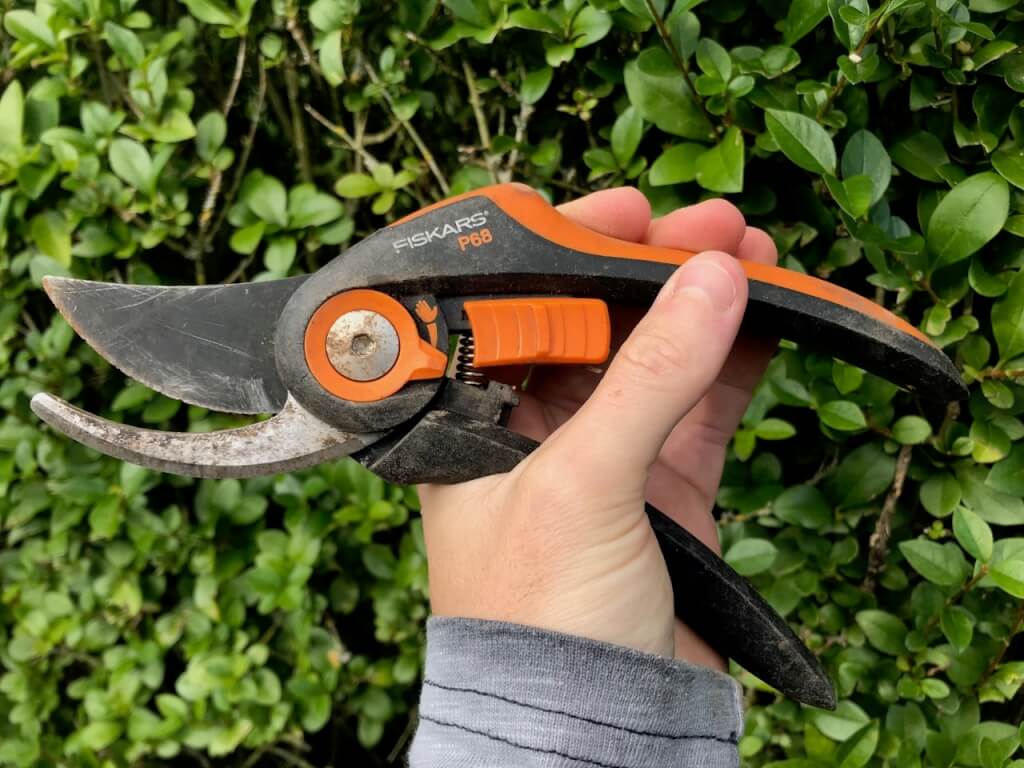
🛒 Buy Felco Bypass Secateurs on Amazon UK
Once a branch is beyond what secateurs can comfortably manage, usually anything thicker than 2cm, it’s time to move up to loppers. The long handles give you the leverage to cut through material that would otherwise strain or damage a secateur blade, and a decent pair will see you through hedge renovation and fruit tree work alike.
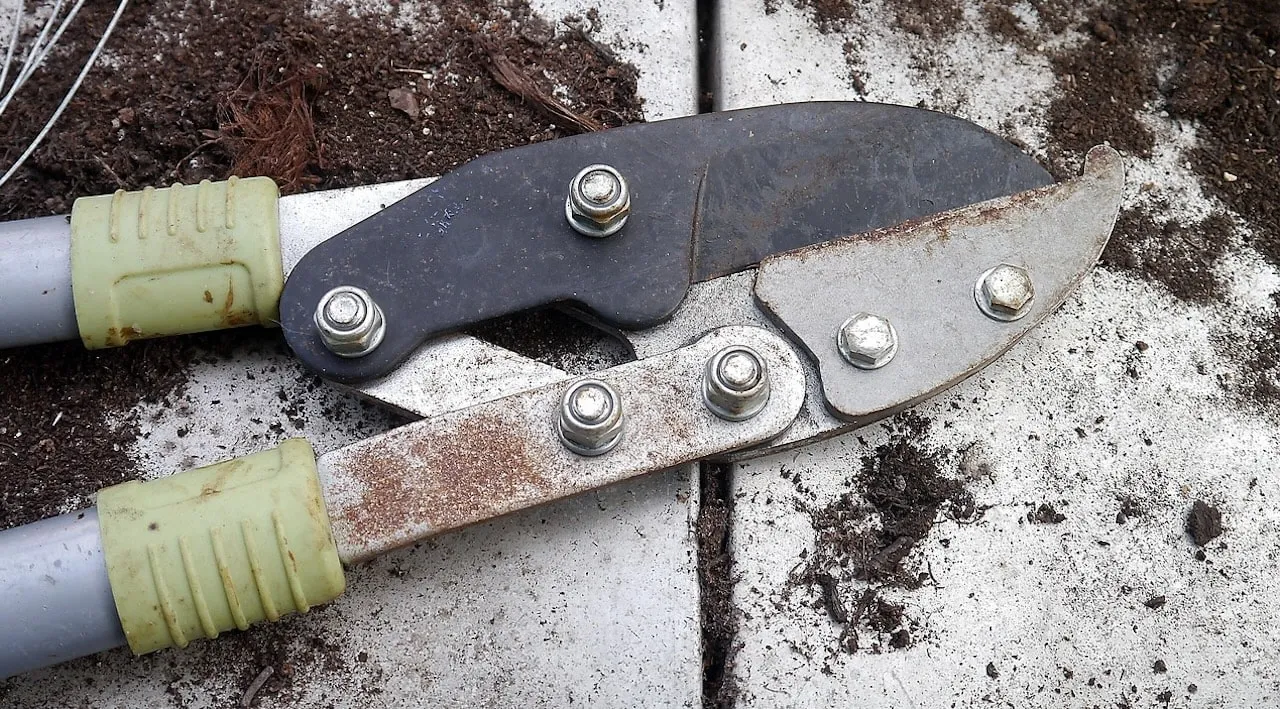
🛒 Buy Garden Loppers on Amazon UK
For anything thicker still, a folding pruning saw earns its keep. I favour the Japanese pull-saw style, which cuts on the pull stroke rather than the push, giving you far more control and a cleaner finish on garden-scale branches than a traditional bow saw.
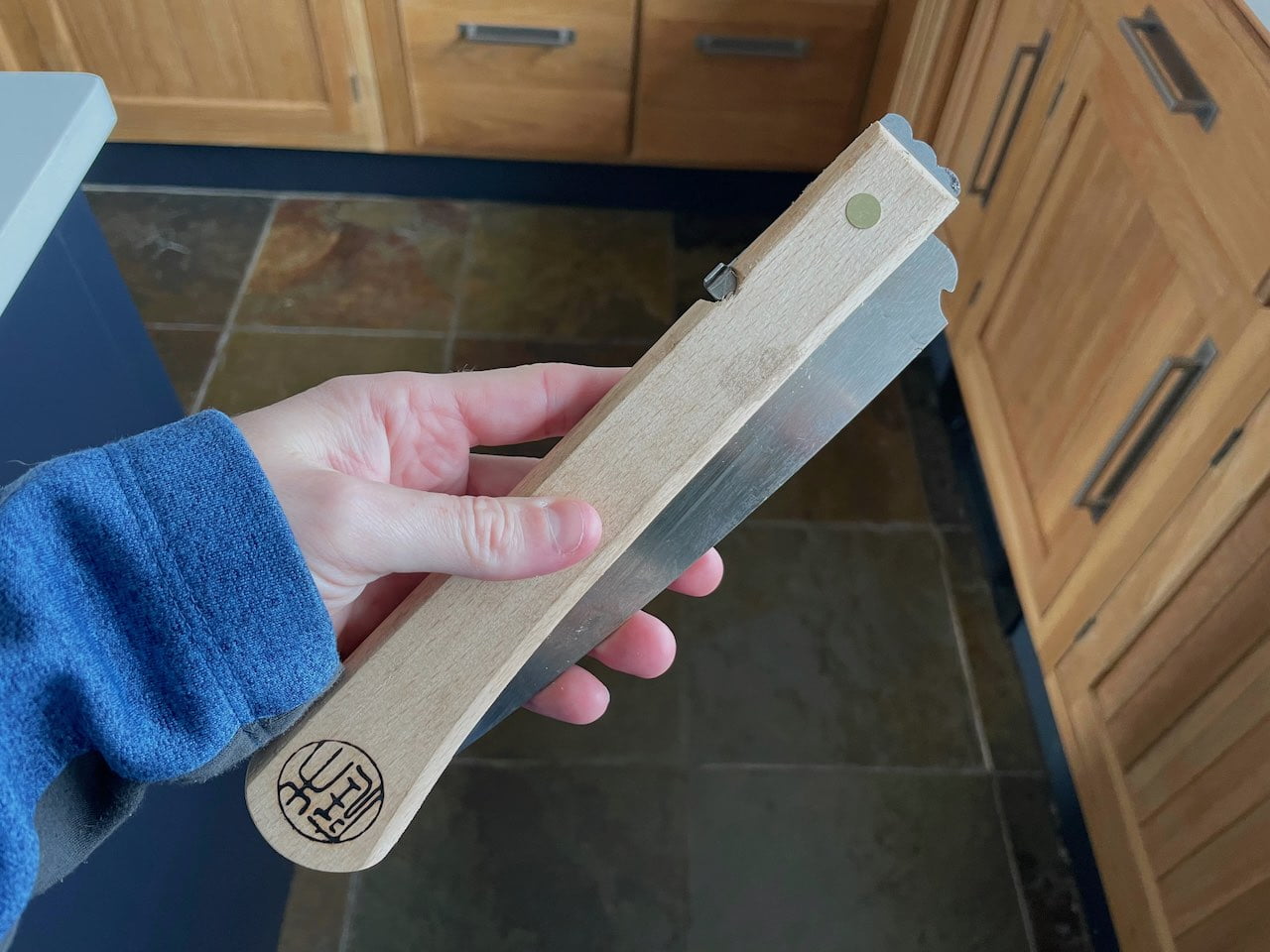
🛒 Buy a Folding Pruning Saw on Amazon UK
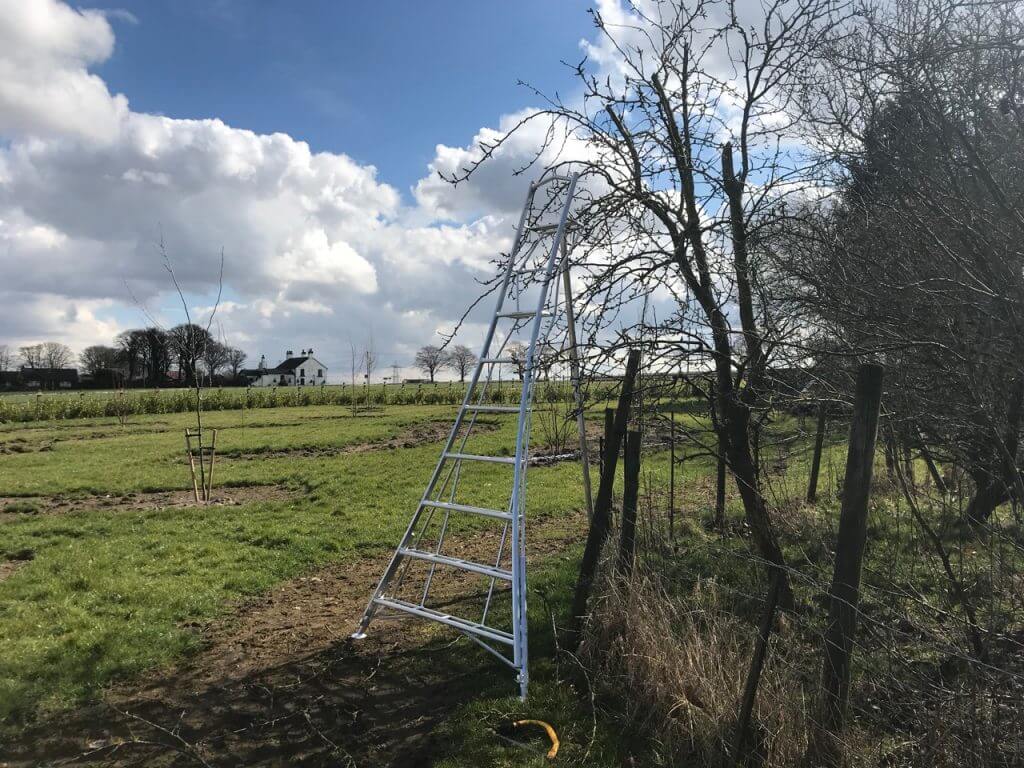
Getting up into the canopy safely matters just as much as the cutting tool itself. I’ve used Henchman tripod ladders for years on client gardens precisely because the single centre leg sits securely on sloped or uneven ground, in borders, and between shrubs, where a conventional step ladder simply won’t stand safely.
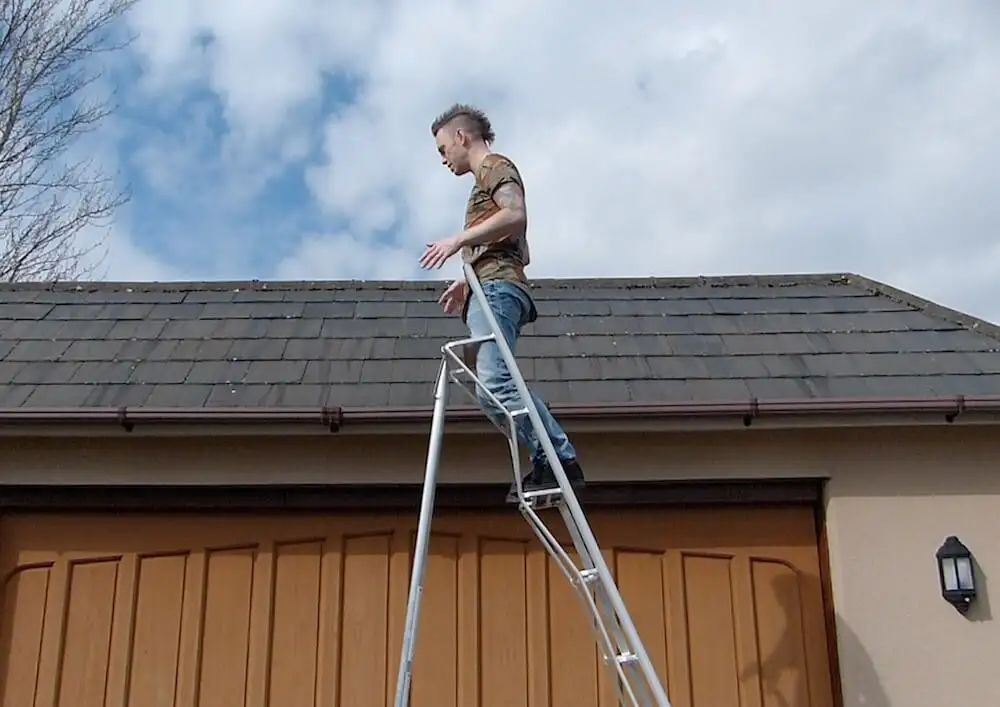
🛒 Buy a Tripod Garden Ladder on Amazon UK
Finally, a decent pair of gloves saves your hands from thorns, splinters and the irritant sap of plants like Euphorbia. Look for a pair with reinforced, thorn-resistant palms and fingertips if roses or berberis feature heavily in your garden.
🛒 Buy Thorn-Proof Gardening Gloves on Amazon UK
I pruned my shrub at the wrong time of year, and it hasn’t flowered since
This is the single most common pruning mistake I see, and it’s rarely fatal. If you’ve pruned a shrub that flowers on old wood, such as Forsythia, Philadelphus or Camellia, at the wrong time, you’ve most likely removed the buds that would have carried this year’s flowers rather than damaged the plant itself. Note the date it finished flowering this year; prune it then, and normal flowering should resume the following season.
I missed the ideal pruning window, is it too late?
For most established shrubs, a late prune is rarely a disaster; it simply costs you some of this year’s or next year’s display rather than harming the plant long term. The exceptions worth taking seriously are Prunus (plums, cherries, and ornamental varieties), which should never be pruned during the dormant season because of the risk of silver leaf disease, and Acers and Birch, which will bleed heavily if cut while the sap is rising. For these three, it’s better to wait for the correct window than to prune out of season.
My cuts aren’t healing and look diseased
Slow-healing, blackened or weeping cuts are usually down to one of three things: a blunt or dirty blade that crushed rather than sliced the stem, pruning in very wet weather when infection spreads more easily, or pruning a disease-prone plant like Prunus outside its safe summer window. Clean, sharp tools and correct timing solve the vast majority of these problems before they start.
My tree or shrub has gone mad with growth after a hard winter prune
This is exactly what winter pruning is meant to do, so it’s a sign of success rather than a problem. A flush of vigorous new growth is the plant redirecting its stored energy into the buds nearest your cuts. If the regrowth is too dense or crowded, thin out around a third of the new shoots in summer to open the plant back up, rather than removing all of it and triggering the same reaction again next year.
Winter pruning happens while a plant is dormant and leafless, which redirects its stored energy into vigorous new growth the following spring. Summer pruning happens while a plant is actively growing and in leaf, which restricts vigour and diverts the plant’s energy into flowers and fruit rather than more foliage. As a simple rule, prune in winter to encourage growth and prune in summer to control it.
Plums, cherries and other members of the Prunus family should never be pruned during the dormant season, as this significantly increases the risk of silver leaf disease; prune these in summer instead. Acers and birch trees should also be pruned in winter with caution, or avoided in favour of late summer, since cutting them while sap is rising causes heavy bleeding. Spring-flowering shrubs such as Forsythia and Philadelphus can technically be pruned in winter without harming the plant, but doing so removes the old wood that would have carried that year’s flowers.
For most shrubs, pruning slightly outside the ideal window will cost you some flowers or fruit that year rather than causing lasting harm. The real risks are limited to a handful of plants: Prunus species risk silver leaf disease if pruned while dormant, and Acers and birches bleed heavily if cut while sap is rising in spring. Outside of these specific cases, most garden plants are forgiving of imperfect timing.
Yes. Plants have a growth response called apical dominance, where hormones concentrate growth at the topmost buds. When you prune a stem back in winter, those hormones redirect to the buds nearest the cut, producing a flush of vigorous new growth once the growing season starts. This is why winter pruning is the standard technique for shaping young trees and rejuvenating overgrown, leggy shrubs.
A good bypass secateurs handles most live green growth up to around 2cm thick. Loppers extend your reach and cutting power for branches between roughly 2cm and 5cm. A folding pruning saw takes over for anything thicker than loppers can manage. Anvil secateurs are worth having separately for dead or very woody material, since they crush rather than slice and will blunt quickly on live green stems. A stable tripod ladder is essential for reaching into the canopy of trees and tall shrubs safely.
As a general rule, shrubs that flower early in the year, from late winter through early summer, such as Forsythia, Philadelphus, Ribes and Camellia, flower on wood produced the previous year and should be pruned immediately after flowering finishes. Shrubs that flower from midsummer into autumn, such as Buddleja and Hydrangea paniculata, typically flower on the current season’s new growth and are pruned hard in late winter instead. If in doubt, check when your specific plant flowers and prune straight afterwards, which is rarely the wrong answer.

Join over 100,000 gardeners on YouTube
Free gardening videos from the Garden Ninja, with 8 million views and counting.
Subscribe on YouTube, it’s freeKnowing when to prune is only one part of building a garden that performs well year-round. My Garden Design for Beginners course covers the planting and structural decisions that pruning alone can’t address, and I offer a range of courses from £29 to £199, depending on how far you want to take it.
In my most comprehensive course, I, Lee Burkhill, award-winning garden designer and presenter on BBC1’s Garden Rescue, will guide you step by step through choosing, placing and maintaining the right plants for your space, so pruning becomes routine upkeep rather than damage control.
What You’ll Learn:
Course Features:
This course is available now for just £199. Start your garden design journey today and gain the skills to create stunning spaces with confidence.
For the garden you’ve already got, not the one you’re starting from scratch. Seven checklists and video lessons from BBC Garden Rescue’s Lee Burkhill, designed to help you decide what’s worth keeping before you spend a penny.
Garden Design Examples for Small Gardens: 30 Design Templates & Planting Plans: In this online gardening course, I’ll walk you through 30 fantastic garden designs, explaining the logic behind the layout and plant choices, plus take-home tips for applying them in your own garden.
Learn how to transform and design your garden with Lee Burkhill’s crash course in garden design. In over 5 hours, Lee will teach you how to design your dream garden. Featuring practical design examples, planting ideas and video guides. Learn how to design your garden in one weekend!
Garden Design for Beginners Online Course: Want to become a garden designer or design your own garden? This beginner course is for you. Join me, Lee Burkhill, an award-winning garden designer, as I train you in the art of beautiful garden design. Enjoy 20 hours of online study and video lessons, along with quizzes and a completion certificate.
Pruning really will help you get the most out of your plants and garden designs. Winter pruning invigorates a dormant plant, spurring strong new growth, while summer pruning restrains an actively growing plant and channels its energy into flowers and fruit instead. Get the season right for each plant, using the quick reference table above as your starting point, and you’ll avoid the single most common pruning mistake I see: accidentally cutting off next year’s flowers.
By giving trees and shrubs a helping hand at the right time of year, in winter or summer, you can create a properly productive and beautiful garden. So get out there with a sharp, clean pair of secateurs and be bold. Your plants can take it.
If you have questions or pruning comments, why not let me know below? You can Tweet, Facebook or Instagram me. You can also follow me on YouTube, where I’ve got plenty of garden guide vlogs.
Happy Pruning!

[trustindex no-registration=google]
Lee Burkhill, known as the Garden Ninja, is an award-winning garden designer and horticulturist with over 30 years of gardening experience and 15 years as a professional garden designer. A qualified RHS (Royal Horticultural Society) professional, Lee specialises in sustainable garden design and practical horticultural advice. He designs and presents on BBC1’s Garden Rescue and in leading gardening publications. Lee combines three decades of hands-on gardening knowledge with professional design qualifications to help gardeners create beautiful, functional outdoor spaces.
View all posts by Lee Burkhill




You must be logged in to post a comment.


JOIN THE NINJAS
Be the first in line for new Guides, Discount codes and Offers




Thank you for giving me the best ideas when it is the best time to prune a plant.