For the garden you’ve already got, not the one you’re starting from scratch. Seven checklists and video lessons from BBC Garden Rescue’s Lee Burkhill, built to help you work out what’s worth keeping before you spend a penny.
69


How do you get rid of chafer grubs? Water in nematodes of the species Heterorhabditis bacteriophora, sold as chafer grub killer, between late July and September while soil sits above 12°C. Keep the lawn moist for a fortnight afterwards. No chemical treatment is available to UK gardeners, so nematodes are the only effective control.
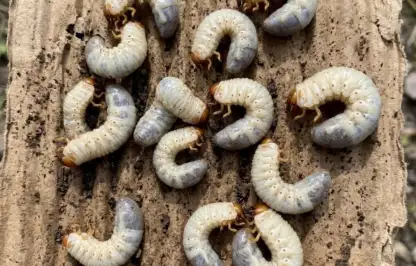
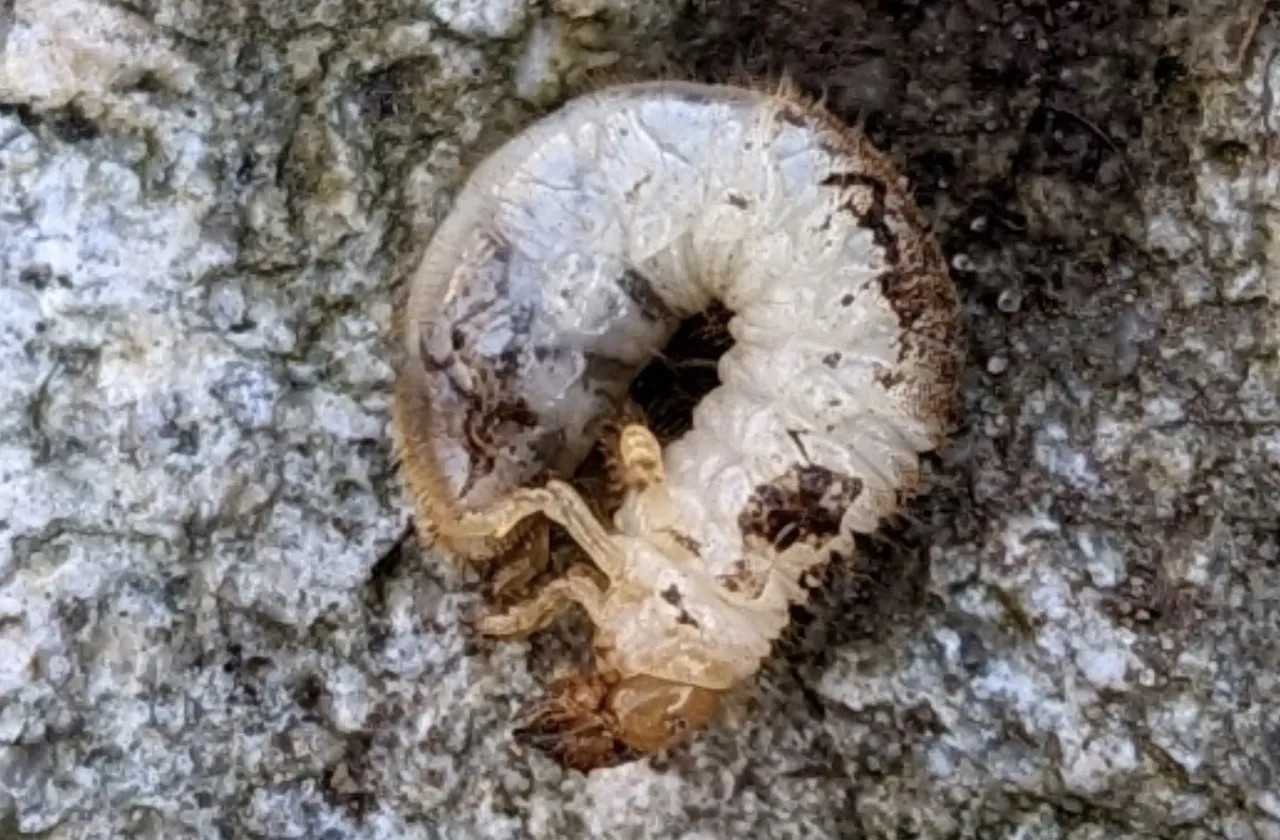
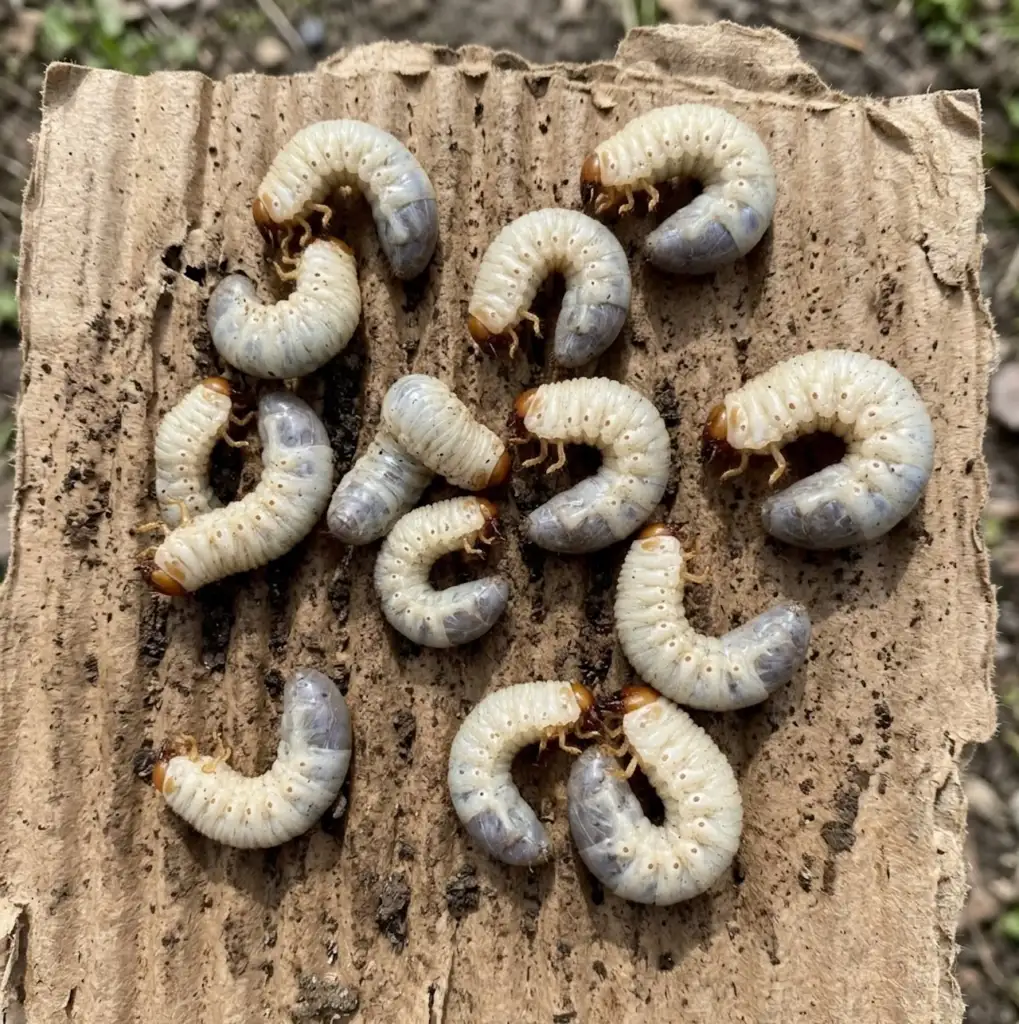
What do chafer grubs look like? Fat, creamy white, C shaped larvae up to 18mm long for the garden chafer, with an orange brown head capsule, three pairs of legs behind it, and a dark swollen rear end.
What do chafer grubs turn into? Chafer beetles. In lawns it is almost always the garden chafer, Phyllopertha horticola, a 9mm beetle with a metallic green head and light brown wing cases that flies at dusk in May and June.
I have dealt with chafer grubs on client lawns across the north west for years, and the two things that decide whether a treatment works are both settled before you buy anything. The first is correct identification, because the nematode that kills chafer grubs is a different species from the one that kills leatherjackets. The second is timing, because the chafer window is far narrower than most people expect and it closes in September. Get those two right and a single application clears the large majority of the population. Get either wrong and you have watered a dead product into your grass.
This guide covers how to be certain you have chafer grubs rather than something else, which of the UK chafer species actually matter, when and how to treat them, and how to put the lawn back together afterwards. There is also a section on which chafers to leave well alone, because several of them are harmless and one is rare enough to be worth protecting.
🛒 If you have already identified chafer grubs and just need the treatment, you can order chafer grub nematodes here ready for the late summer window.
This page contains affiliate links for products I use and recommend. If you take action after clicking a link, such as subscribing or making a purchase, I may earn a small gardening commission, which helps keep the Garden Ninja blog free for everyone.
Chafer grubs are the larvae of chafer beetles, a group that sits within the scarab family alongside dung beetles. There are eight chafer species in Britain and only two of them cause consistent trouble in lawns. Several of the others are useful. Some adults pollinate, some larvae break down decaying wood or compost, and all of them feed birds, bats, badgers and hedgehogs, which is worth holding onto before you decide to treat every white grub you turn up with a spade.
The species that damages turf is the garden chafer, Phyllopertha horticola. The adult is a small beetle, roughly 9mm to 10mm long, with a metallic green head and thorax and chestnut brown wing cases. On a warm, still evening in late May or June, they come up out of the grass in numbers, fly around at head height to mate, and the females drop back down to lay eggs in the turf. Those eggs become the grubs that eat your grass roots from midsummer onwards.
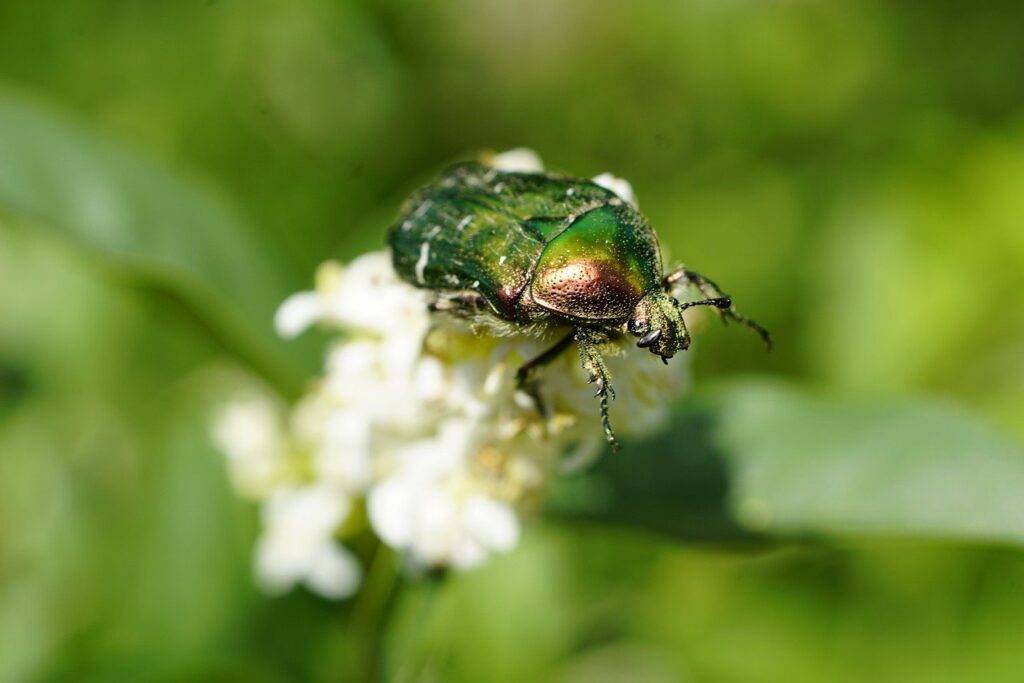
The Welsh chafer, Hoplia philanthus, is the other lawn species. It is a similar size with a black head and reddish brown wing cases, despite the name it turns up across southern England and the Midlands as well as Wales, and it favours lighter free draining soils. For treatment purposes the two behave closely enough that the same nematode and the same window cover both.
Lift a flap of damaged turf with a spade and look at what is sitting in the root zone. A chafer grub curls into a firm C shape the moment you turn it out of the soil, and it has an obvious hard orange brown head with three pairs of legs tucked behind it. The body is creamy white, plump and soft, with a darker swollen section at the rear end where the gut contents show through. Garden chafer grubs reach around 15mm to 18mm. Cockchafer grubs, which you meet less often in turf, can go past 30mm and look alarming when you first turn one up.
Two other grubs get confused with chafers, and telling them apart changes what you buy.
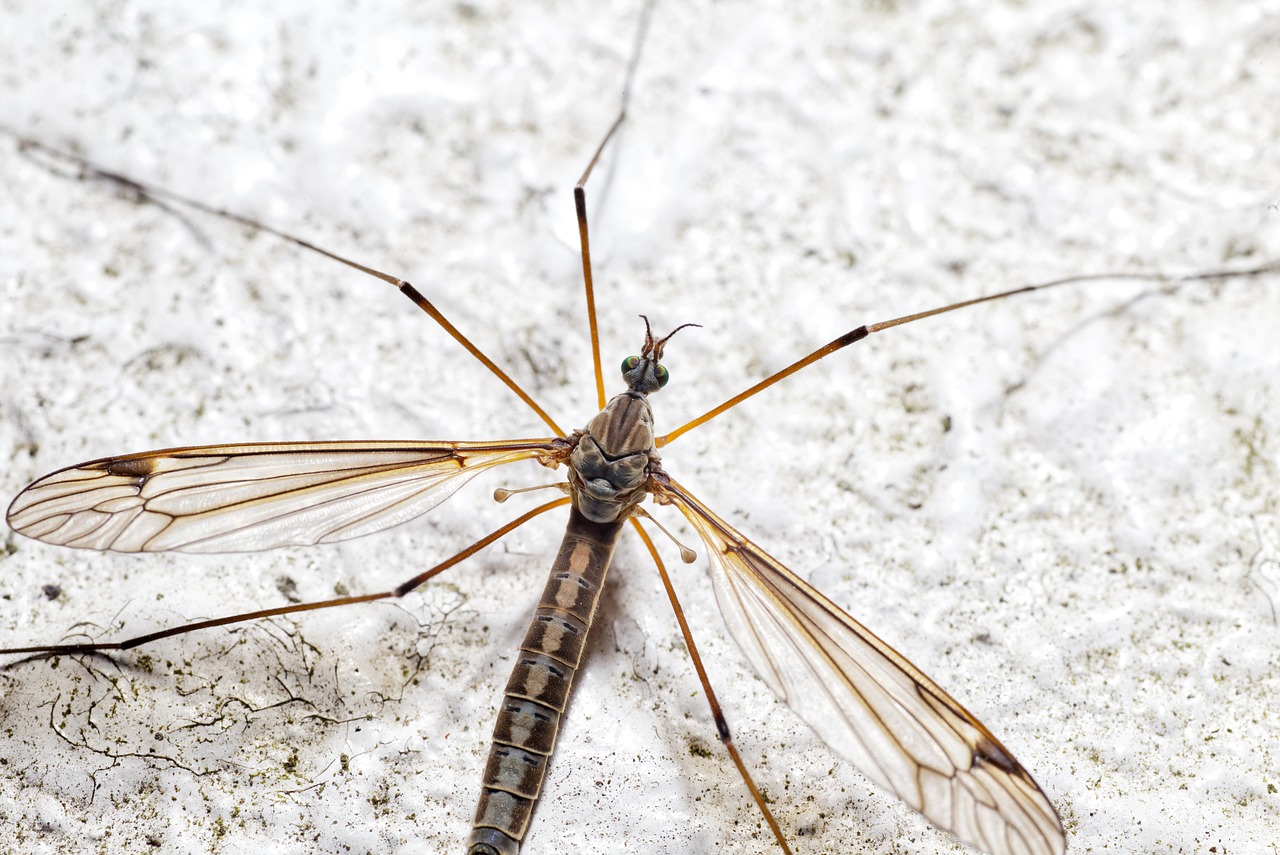
Leatherjackets are the larvae of crane flies and they look nothing like a chafer once you have seen both. They stay straight rather than curling, they have no legs whatsoever, there is no head you could point to, and the skin is a tough grey brown leather rather than soft white. They also need a different nematode species and a later treatment window. My full guide on leatherjackets and how to tell them from chafer grubs carries a side by side comparison table if you are still not certain which you are looking at.
Vine weevil larvae are also creamy white and C shaped with a brown head, which is why the confusion happens. The difference is legs and size. Vine weevil grubs have no legs at all and they are much smaller, roughly 10mm, and you find them packed around the roots inside pots and containers rather than out in open turf. If you have tipped a container out and found small legless white grubs, that is a vine weevil problem and needs a different approach.
This one matters, because stag beetles are in serious decline and their larvae are worth protecting. Stag beetle larvae are also C shaped with legs, but they are much larger and they live in and around buried dead wood, old tree stumps and rotting roots rather than in living turf. If you have dug up a large white grub next to a decaying stump, put it back and cover it over. Location is the deciding factor here rather than appearance.
Gardeners tend to use chafer as a single label, then treat anything that fits. Here is what you might actually meet in a British garden and whether it deserves any action at all.
| Species | Botanical name | Adult | On the wing | Lawn pest? |
|---|---|---|---|---|
| Garden chafer | Phyllopertha horticola | 9mm to 10mm, metallic green head, chestnut wing cases | May and June, flying at dusk | Yes, the main one. Treat if numbers justify it |
| Welsh chafer | Hoplia philanthus | Similar size, black head, reddish brown wing cases | June and July | Yes, common on lighter soils. Same treatment |
| Cockchafer or May bug | Melolontha melolontha | Up to 30mm, reddish brown wing cases, fan tipped antennae | May, often blundering into windows at night | Occasionally. Larvae sit deep in borders for years and rarely need treating |
| Summer chafer | Amphimallon solstitiale | 15mm to 20mm, like a small hairy cockchafer with a rounded tail | Late June and July, around the solstice | Rarely. Usually a border insect, leave alone |
| Rose chafer | Cetonia aurata | Around 20mm, brilliant metallic green, often on flowers | May through to autumn | No. Larvae live in compost and rotting matter and speed composting up |
| Noble chafer | Gnorimus nobilis | Around 20mm, metallic green flecked with white, narrow waisted | June through August | No, and it is rare. Lives in decaying old orchard trees. Leave it entirely alone |
| Brown chafer | Serica brunnea | Around 10mm, plain reddish brown, night flying | July and August | Very rarely a problem in gardens |
That brilliant green beetle above is a rose chafer, and it is the one people most often mistake for a lawn pest because it is large, obvious and shiny. Its larvae live in compost heaps and piles of rotting vegetation, where they help the heap break down faster. Finding fat white grubs in your compost bin in autumn is good news rather than a problem, so tip them back in.
The noble chafer is the one to be careful about. It looks much like a rose chafer, the clearest difference being the small triangle between the wing cases, which forms an even sided triangle on the noble chafer and a longer shape on the rose chafer. It survives in a handful of old orchard districts and its larvae develop inside decaying fruit tree wood over two or three years. If you have veteran apple, plum or cherry trees and you find large white grubs inside rotting trunk wood, leave the wood where it is.
The garden chafer runs a single year cycle, and understanding it explains why the treatment window sits where it does and why the damage arrives so abruptly.
Adults emerge from the turf in late May and June and fly at dusk to mate. Females burrow back into the grass and lay eggs in the top few centimetres of soil. Those eggs hatch within a couple of weeks and the tiny first stage grubs start feeding on fine grass roots. Through July they are small, soft and doing barely any visible damage, which is precisely why that is the moment to treat. Nematodes work best against young larvae in warm moist soil, and by the time you can see the problem the grubs are bigger and tougher.
From late August into October the grubs are approaching full size and feeding hard, severing roots across a wide area. This is when a lawn that looked fine in July falls apart in six weeks. It is also when badgers, foxes and corvids notice, because a fat grub near the surface is worth digging for. As the soil cools the grubs move deeper and feeding slows. In spring they may feed briefly near the surface again before moving down to pupate, and by May the cycle restarts with a new generation of beetles.
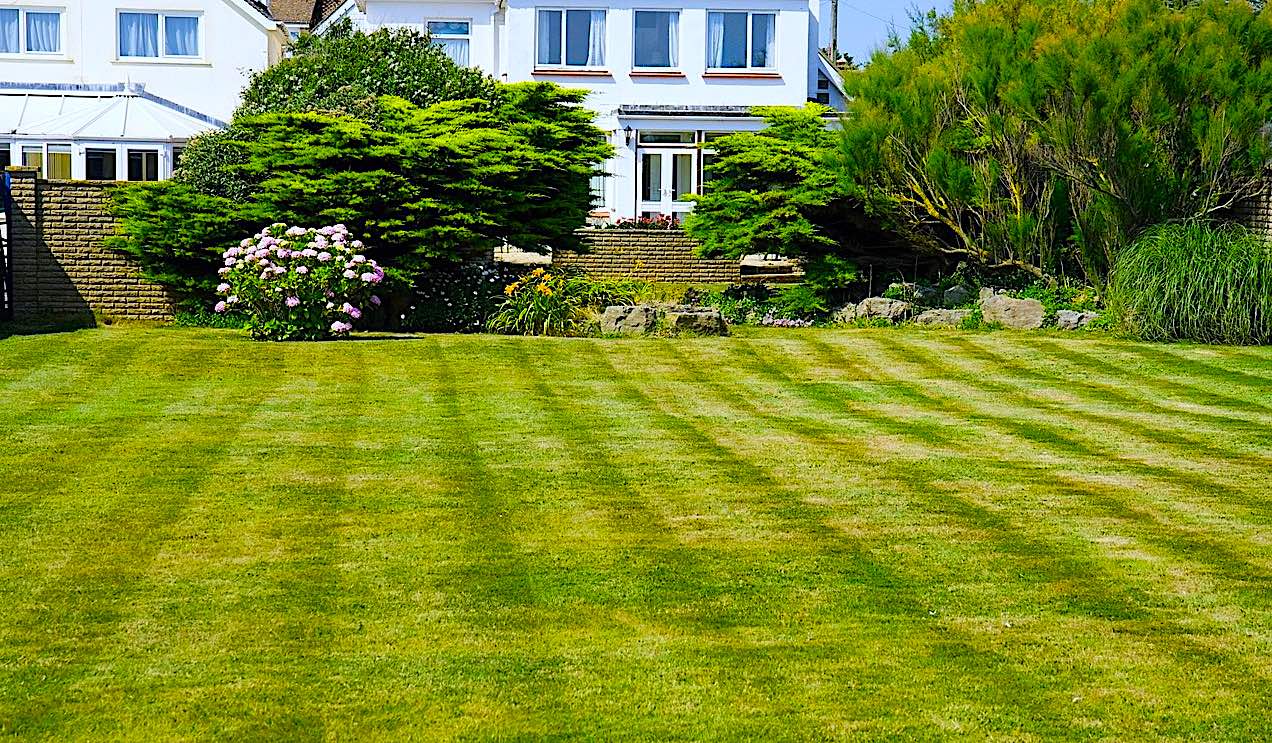
The practical consequence is that chafer grubs give you a narrow shot each year. Miss late July to September and the next real opportunity is twelve months later, because spring applications land when the grubs are large, deep and heading for pupation. That is different from leatherjackets, which offer a weaker but usable spring window, and it is the single most common reason a chafer treatment fails.
Chafer damage comes in two layers, and the second is usually what brings people to my gardening forum in a panic.
The first layer is the root feeding itself. Patches of grass yellow off and then go brown, usually from late summer onward, in irregular shapes scattered across the lawn rather than concentrated where the ground is driest. The turf in those patches feels spongy underfoot, and it lifts away with almost no resistance when you pull it, because the roots holding it down have been eaten. On a badly affected lawn you can roll turf back by hand like a rug.
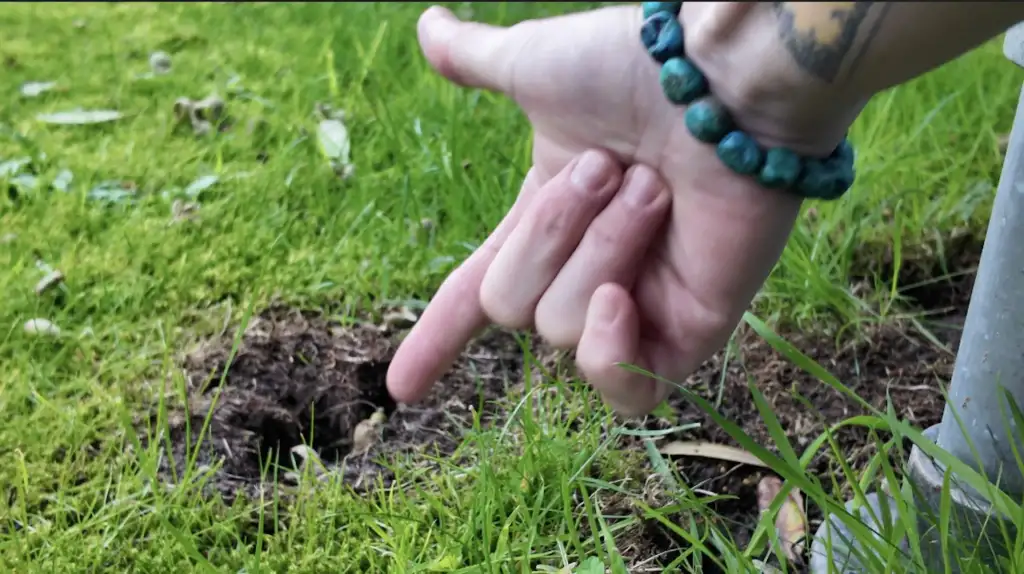
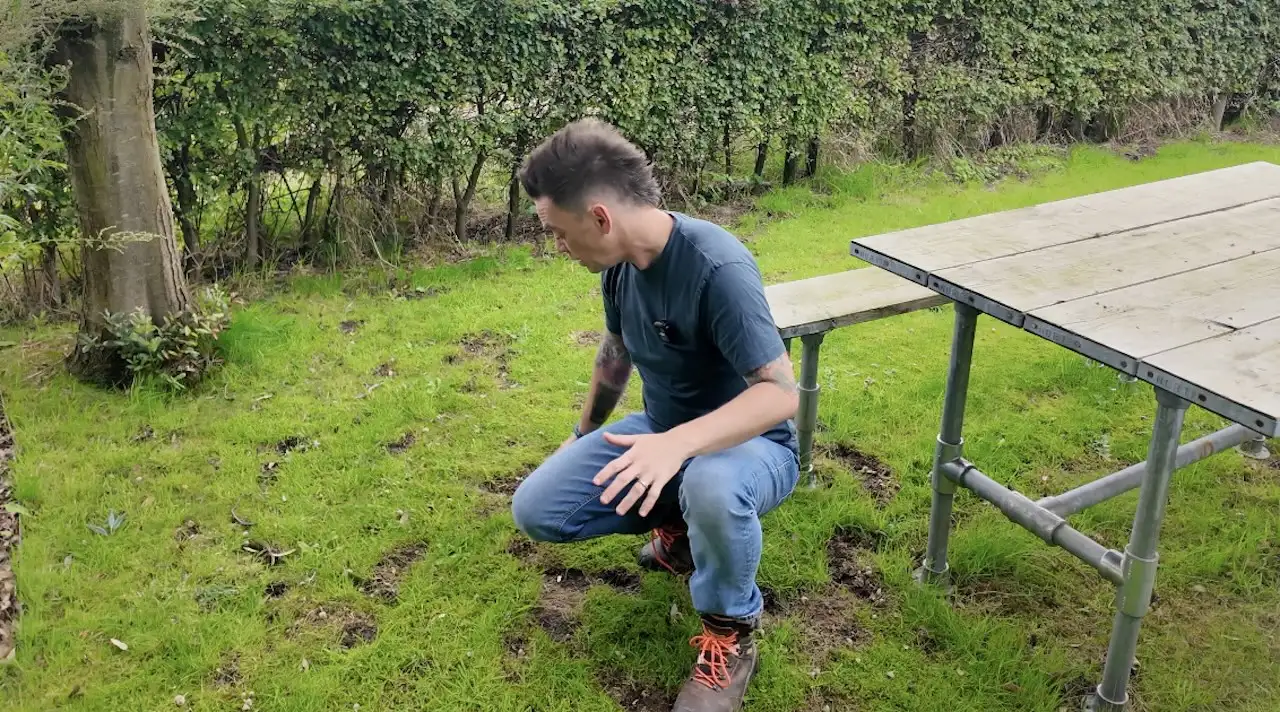
The second layer is the animal damage. Badgers, foxes, crows, magpies and rooks will tear a lawn to pieces to reach chafer grubs, and in a single night they can do more visible harm than the grubs have managed all season. Badgers in particular work methodically, flipping turf over in sheets and leaving soil strewn across paths and borders. If you have woken up to that, chafer grubs are the first thing to check for rather than the last.
This is a useful diagnostic in its own right. Leatherjackets attract birds that peck neat holes in the surface. Chafer grubs attract mammals and corvids that rip the turf up wholesale. Churned, rolled back turf points at chafers almost every time.
Before you commit to treating, rule out the alternatives. Drought stress, compaction, dog urine, moss taking over thin turf and simple underfeeding all produce yellow patches without a single grub involved. My lawn diagnosis guide runs through the full list if the picture is not yet clear.
Chafer grubs will not come to the surface overnight under sacking the way leatherjackets do, so the check has to be direct. Cut three sides of a 30cm square of turf with a spade, keeping the cut about 5cm deep, and fold the flap back on its fourth side like a trapdoor. Count the grubs in the root zone and the loose soil underneath, then fold the turf back, firm it down with your heel and water it in.
Do this in two or three separate places, including one patch that still looks healthy. Chafer populations are patchy, and a single test square either flatters or panics you depending on where you happened to cut. Grubs turning up consistently across several squares in turf that is already lifting means it is worth treating. One or two grubs across the whole lawn in otherwise healthy grass does not.
Judge it alongside the damage rather than on numbers alone. A thick, well rooted, well fed lawn absorbs a grub population that would visibly wreck thin, compacted, hungry turf. On several client gardens the honest answer has been to feed and aerate rather than treat, and the lawn has grown through it.
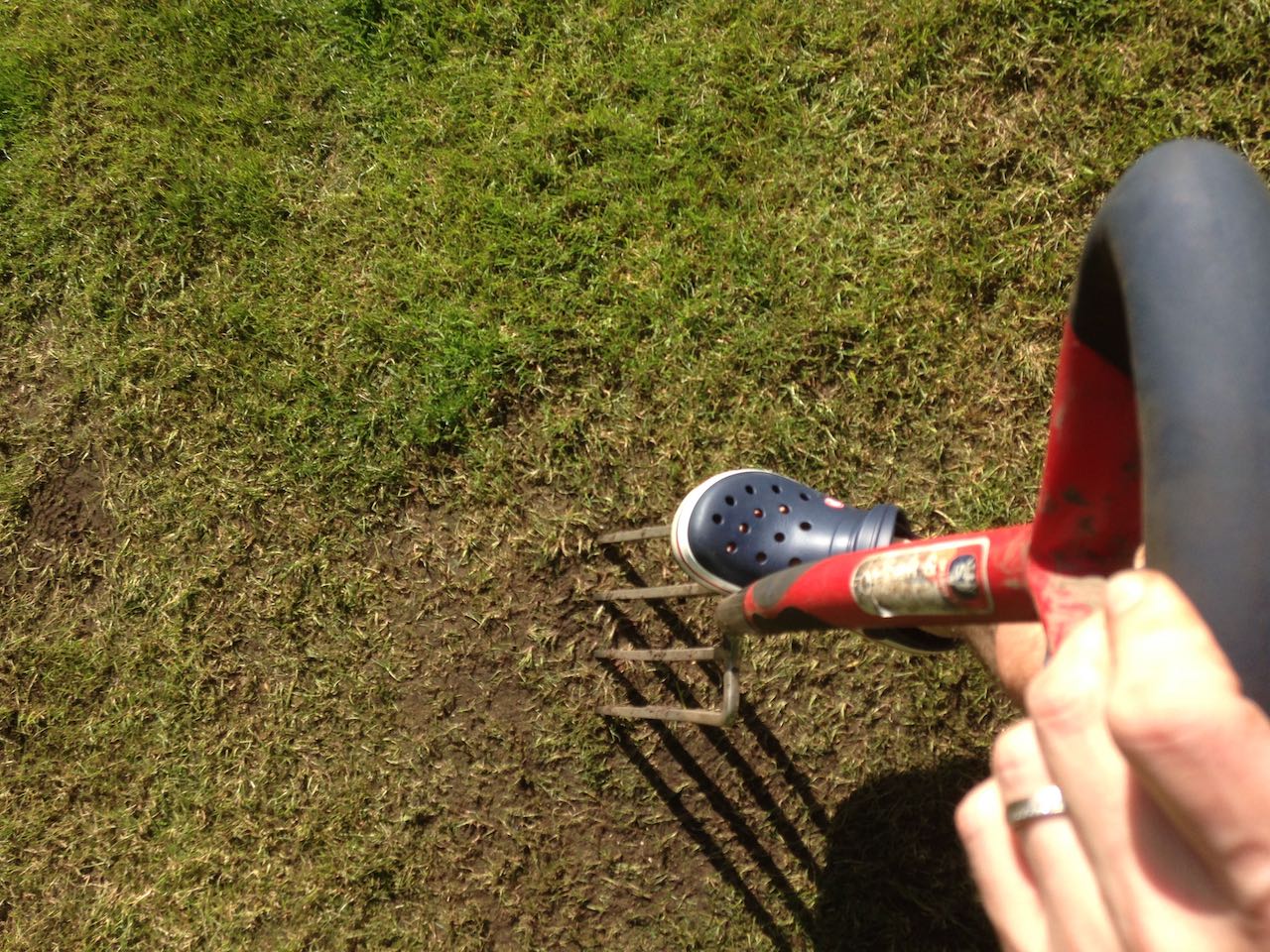
Nematodes are microscopic parasitic worms that hunt soil dwelling larvae. They locate a grub, enter it through natural openings, release bacteria that kill it within a few days, then reproduce inside the dead grub before the next generation emerges to hunt again. Applied correctly they clear the large majority of a chafer population, and since the old amateur insecticides were withdrawn they are the only effective option a home gardener has.
The species you need is Heterorhabditis bacteriophora, sold as chafer grub killer. It is the same nematode used against vine weevil larvae, so a pack labelled for vine weevil will often state chafer grubs on the same box. What it will not do is control leatherjackets, which need Steinernema feltiae instead. Buying the wrong box is the most expensive mistake in lawn pest control, because the product is alive, perishable and non returnable.
🛒 You can buy chafer grub nematodes here, and pre ordering is worth doing so fresh stock lands inside your window.
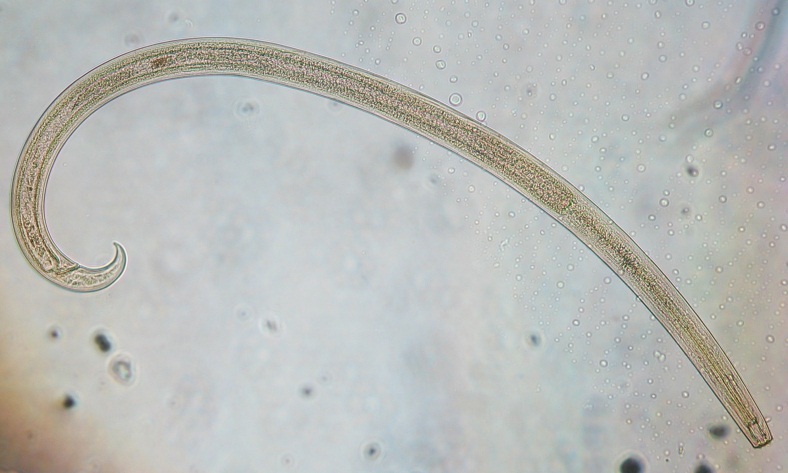
The window runs from late July through to the end of September, with August and early September the strongest part of it. Two conditions have to hold at the same time. Soil temperature needs to sit above 12°C, and this species prefers real warmth, working best between roughly 12°C and 20°C. The grubs also need to be young, near the surface and feeding, which is exactly what they are doing through that stretch.
Soil temperature is the part people guess at and get wrong. Air temperature in September can read 18°C while the soil under a shaded lawn is still at 10°C, which is enough to waste an entire application. A probe pushed 5cm into the turf settles it in thirty seconds.
🛒 A soil thermometer costs a fraction of a pack of nematodes and stops you applying them into soil that is too cold to work.
Nematodes are living organisms and they die easily, so handling matters as much as timing. Six steps, in order.
Packs are sold by area, usually covering 100 or 500 square metres, so measure before you order rather than guessing and under dosing. Buy from a supplier with quick turnover, check the use by date when the pack arrives, and either apply that day or keep it in the fridge and use it well within the stated life. A pack sitting in a warm shed for a fortnight is a pack of dead nematodes.
Water the lawn thoroughly the day before if the soil is dry, because nematodes need moisture to travel through it. Mow to normal height first so the solution reaches the soil rather than sitting on long grass. Do not scarify immediately beforehand. Aerating a week or two earlier helps on compacted ground, since it opens routes into the root zone.
Direct sunlight and UV kill nematodes on the surface within minutes, so pick a cloudy day or wait until the evening. Mix the powder or sponge with a small volume of water first to make a suspension, then dilute that into your watering can or sprayer at the rate on the packet. Use the whole batch immediately once mixed.
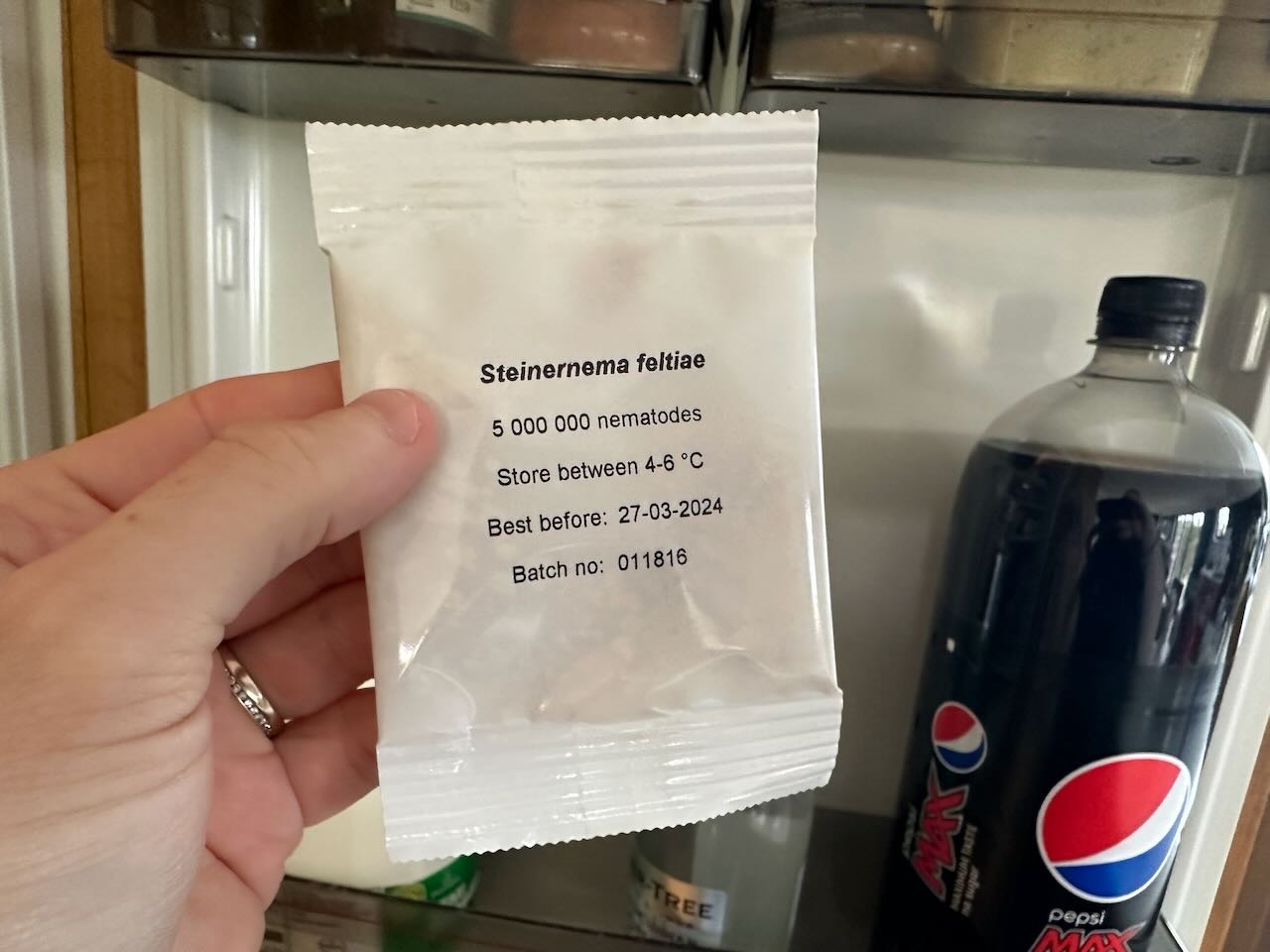
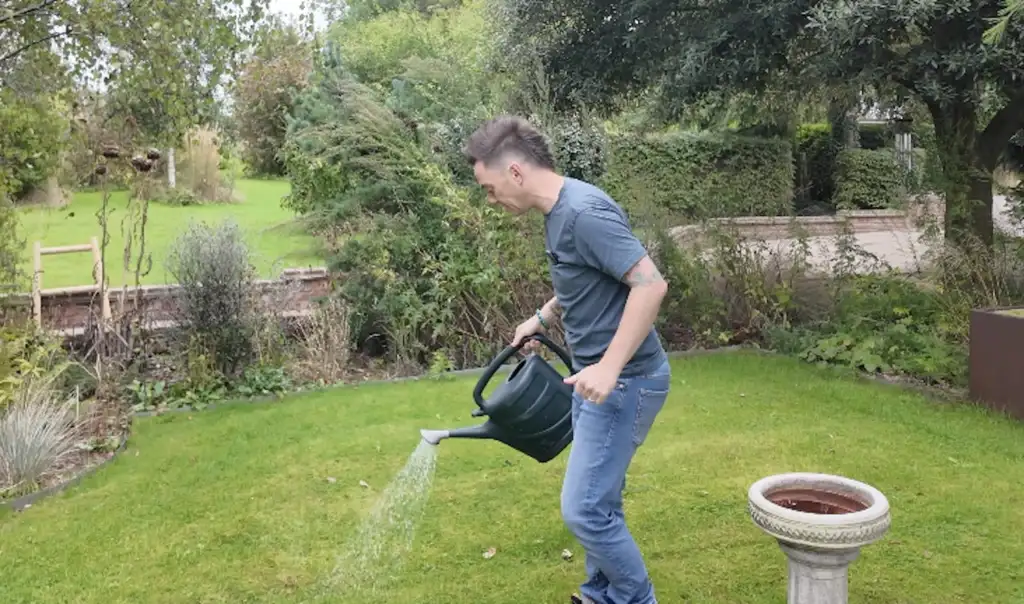
Cover the entire lawn rather than the visible patches, because grubs are present well beyond the damage you can see and spot treating just moves the problem along. Keep stirring or agitating as you go, since nematodes settle to the bottom of a can within a couple of minutes and you will otherwise triple dose one strip and miss the rest. A watering can with the rose off works for a small lawn. For anything larger, use a knapsack sprayer or a hose end feeder made for nematodes, at the coverage rate on the pack, usually around 5 litres of finished solution per square metre.
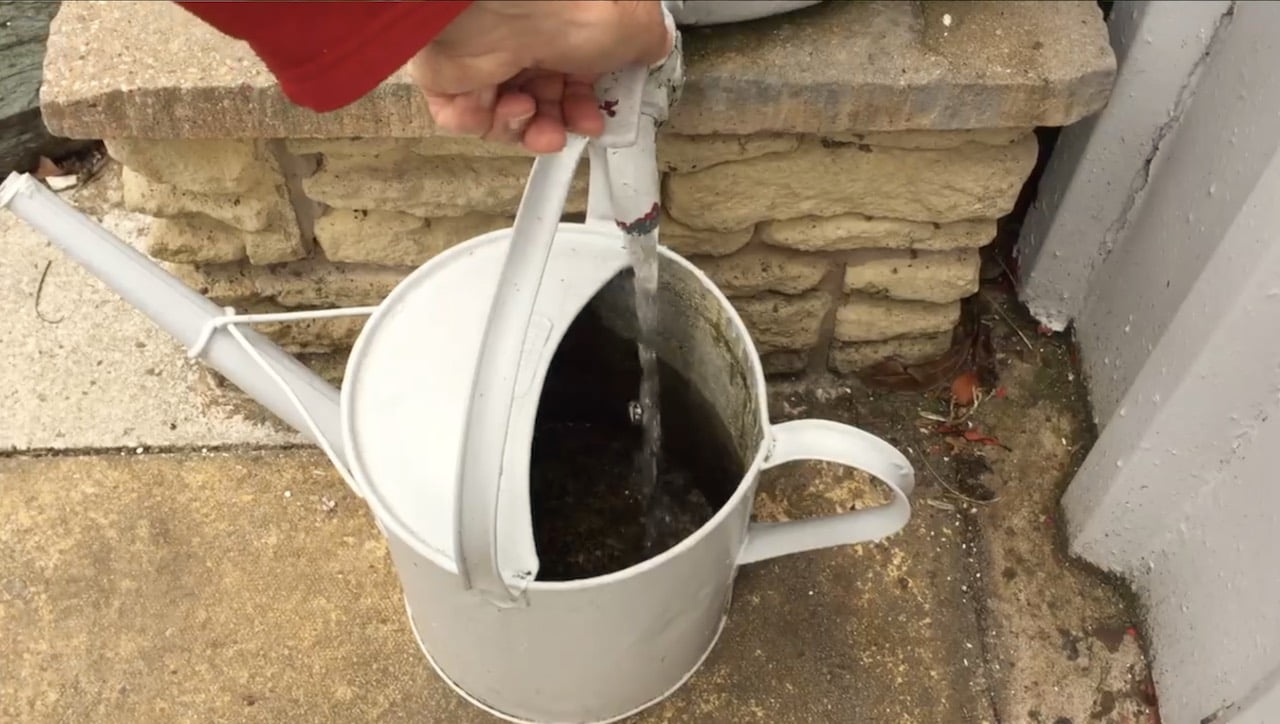
Immediately after applying, water the lawn again with plain water to wash the nematodes off the grass blades and down into the soil where the grubs are. Then keep the soil moist for at least a fortnight, watering through any dry spell. August and early September in Britain can run dry for weeks, and this is the step that decides whether you get 80 per cent control or almost none.
No fertiliser, no weed killer, no fungicide and no scarifying for a fortnight. Keep foot traffic down, because compaction slows nematode movement through the soil. Mowing at normal height is fine.
Digging usually drops off within a week or two as the population falls, which is the clearest early signal that it has worked, and you may find dead grubs brought to the surface. Root damage stops within two to three weeks and the surviving grass starts putting roots back down. A single well timed application typically achieves 80 to 90 per cent control. On a severe infestation, or where you treated late in the window, a second application four to six weeks later mops up survivors, provided soil temperature is still holding above 12°C.
Here is the chafer year set against what you should actually be doing, so you can see how narrow the treatment window is and where the rest of the effort goes.
| Time of year | What the chafers are doing | What you should do |
|---|---|---|
| January and February | Larvae deep in cold soil, barely feeding | Map the damage, plan repairs, keep off waterlogged turf |
| March and April | Brief feeding near the surface, then moving down to pupate | Too late to treat. Overseed and feed the damaged areas instead |
| May and June | Adult beetles flying at dusk, mating and laying eggs in turf | Nothing to treat. Watch for beetle swarms, which tell you what is coming |
| Late July | Newly hatched grubs feeding near the surface, small and vulnerable | Treatment window opens. Check soil temperature and order nematodes |
| August | Grubs growing steadily, soil at its warmest | Prime time to apply nematodes, then keep the lawn moist for a fortnight |
| September | Grubs approaching full size, damage becoming visible | Last of the window. Treat now if you have not, while soil holds above 12°C |
| October and November | Peak feeding, then slowing as soil cools. Animal digging at its worst | Window closed. Firm rolled back turf down, water it in and repair what you can |
| December | Dormant | Improve drainage where the ground allows and book next summer’s nematodes |
Killing the grubs stops the damage. Putting the grass back is a separate job, and on a badger dug lawn it is the bigger one.
Start with anything that has been rolled back but is still in one piece. If the turf is intact and has been off the soil for less than a couple of days, lay it back down, firm it with your heel or the back of a rake, and water it thoroughly. Some of it will take, particularly if there is any root left. Do this as soon as you find it rather than leaving it to dry out on the surface.
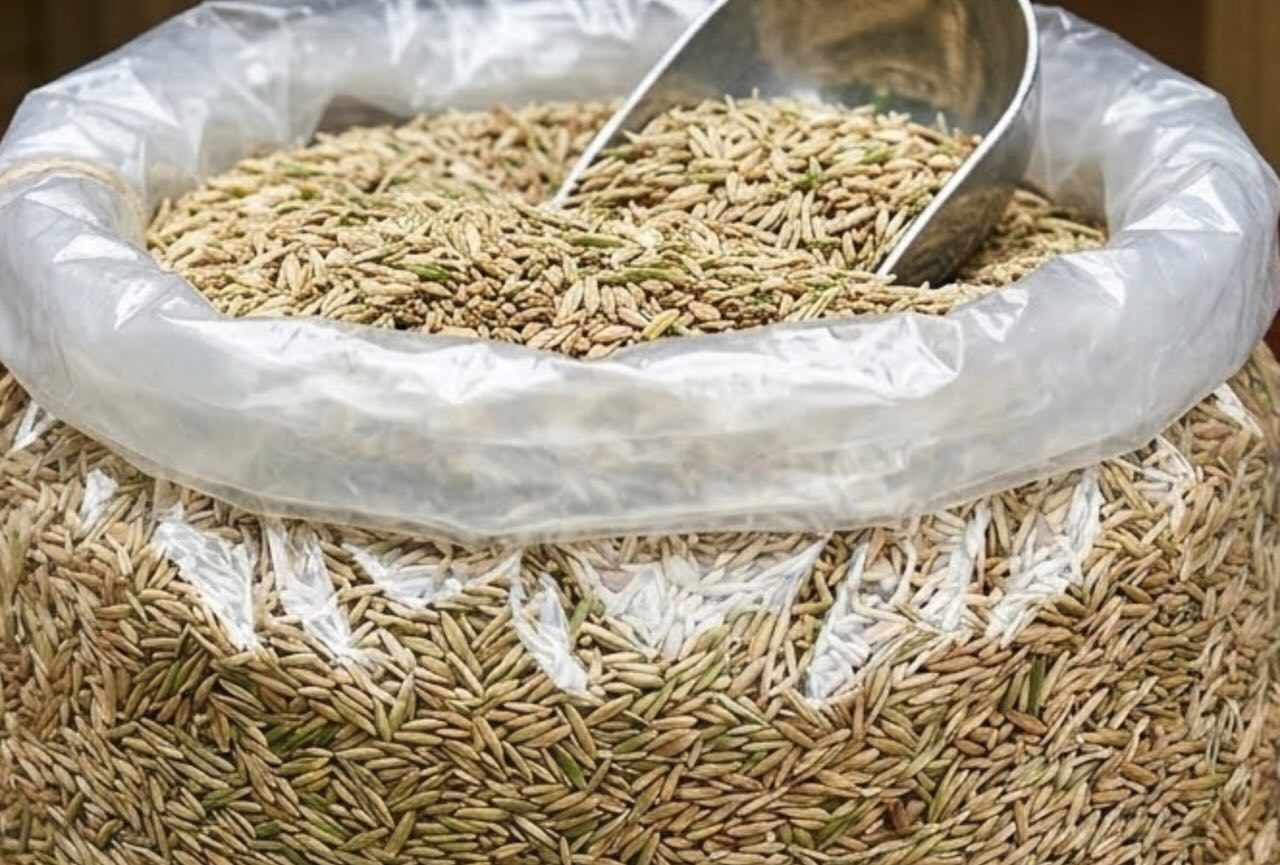
Where the grass has thinned but the sward is still alive, overseeding is the answer, in early autumn or mid spring when soil is warm and moisture reliable. Rake the patch to open the surface, sow at the rate on the box, and work a little top dressing in so the seed has something to root into. Where the roots have gone entirely and the turf has died back, lift the dead sections and lay fresh turf once you are confident the grub population is under control, which in practice means after a successful nematode application rather than before one.
🛒 A hard wearing grass seed mix is what I use on repaired patches, since it establishes quickly and stands up to traffic while it knits in.
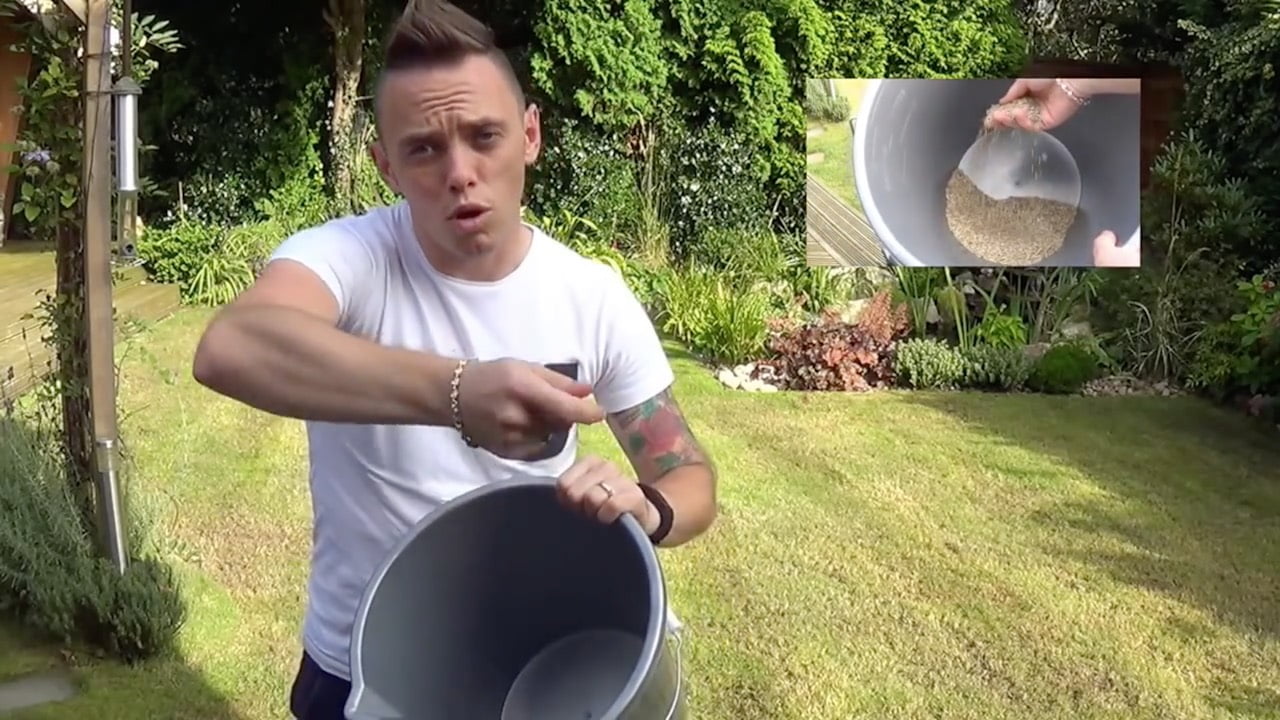
There is no way to stop chafer beetles flying into your garden in May, so prevention here means making the lawn a harder place for their offspring to do damage rather than keeping the adults out.
Feed the grass properly. Deep rooted, well fed turf tolerates a level of root loss that thin, hungry grass cannot. A spring and an early autumn feed, applied at the right rate, does more for chafer resilience over five years than any single treatment. My lawn feeding guide covers what to use and when, and the month by month planner sets it against the rest of the year.
Deal with compaction. Compacted soil produces shallow rooted grass, which is exactly the turf that collapses first when grubs start feeding. Annual hollow tine aeration on a lawn that takes traffic is worth the afternoon.
Keep the birds around. Starlings, thrushes and blackbirds working a lawn are doing free pest control, and a garden with feeders, water and some structural planting holds more of them. A bug hotel and a mixed border do more for this than anything you can buy in a box.
Watch the beetles in May. If you see clouds of small green headed beetles lifting off your lawn at dusk in late May, put a note in your calendar for late July. You have just watched next season’s problem being laid, and you now know to have nematodes ordered before the window opens.
A fair amount of chafer advice circulating online is either out of date or simply wrong. Here is what to skip.
1) Chemical insecticides. The amateur products that used to control chafer grubs, containing imidacloprid or chlorpyrifos, were withdrawn from garden use years ago on environmental grounds. Anything sold to home gardeners today claiming to kill lawn grubs chemically is either ineffective or should not be on the shelf. There is a professional product, acelepryn, approved for licensed turf care operators rather than gardeners, so that route means hiring a lawn care company rather than buying anything yourself.
2) Treating in spring. Spring applications are the most common wasted purchase I hear about. By March the grubs are large, tough and heading deeper to pupate, so the nematodes cannot reach them and would struggle to kill them if they did. Save the money and treat in late July instead.
3) Fencing out or deterring the badgers. The digging is a symptom. Remove the animals and the grubs carry on eating roots out of sight, so you trade visible damage for invisible damage and still lose the lawn. Badgers are also a protected species, so interfering with a sett is a legal matter as well as a gardening one. Treat the food source instead.
4) Garlic, chilli and washing up liquid drenches. These come up every year on forums. Chafer grubs sit in the root zone where a surface drench does not reach them at a meaningful concentration, and the beetles are not put off laying by smell. Soap solutions can also scorch grass in warm weather, so you end up with the grubs and a burnt lawn.
5) Rolling the lawn to crush them. Rolling compacts soil, which makes it harder for grass roots to grow and does nothing to grubs sitting below the compaction zone. You keep the population and degrade the soil.
6) Treating every white grub you find. Worth repeating after the species table above. Grubs in a compost heap, in leaf mould, or inside decaying wood are almost certainly doing something useful. Only the ones in the root zone of damaged turf are the problem.
Chafer beetles. In UK lawns it is almost always the garden chafer, Phyllopertha horticola, a beetle around 9mm to 10mm long with a metallic green head and thorax and chestnut brown wing cases. The adults fly at dusk in May and June to mate, and the females lay their eggs back into the turf.
Nematodes of the species Heterorhabditis bacteriophora, sold as chafer grub killer. Apply them between late July and September while soil temperature sits above 12 degrees Celsius, water them in, and keep the lawn moist for a fortnight afterwards. No chemical treatment is available to UK home gardeners.
Late July to September, with August and early September the strongest part of the window. The grubs are small, near the surface and feeding at that point, and the soil is warm enough for the nematodes to work. Spring treatment does not work because the grubs have moved deeper to pupate.
Chafer grubs curl into a firm C shape, are creamy white, and have an orange brown head with three pairs of legs. Leatherjackets stay straight, are grey brown and leathery, and have no legs or obvious head. They need different nematode species, so the identification decides what you buy.
They are after chafer grubs. Turf rolled back in sheets overnight is the classic sign, and it points at chafers rather than leatherjackets, which attract birds that peck neat holes instead. Deterring the animals leaves the grubs in place, so treating the grubs is what stops the digging.
No. Vine weevil larvae are smaller with no legs and live in pots. Stag beetle larvae are much larger and live around buried dead wood. Rose chafer larvae live in compost heaps and help the heap break down. Only grubs in the root zone of damaged turf are worth treating.
Judge it alongside the damage rather than on a number alone. Grubs turning up consistently across several test squares in turf that is already lifting justifies treatment. One or two across an otherwise healthy, well rooted lawn does not, and feeding the grass is the better response.
The usual reasons are buying leatherjacket nematodes by mistake, applying outside the late July to September window, soil below 12 degrees Celsius, letting the soil dry out in the fortnight afterwards, or applying in bright sunshine rather than at dusk.
Late August into early September is the only period where both windows overlap. Apply the two nematode species as separate applications rather than mixing them in one can, since the products have different dilution rates and coverage figures.
Most do. Firm rolled back turf down and water it in straight away, overseed thinned areas in early autumn or mid spring, and lay fresh turf where the roots have gone entirely. Feeding the grass afterwards makes a real difference to how quickly it knits back together.

Join over 100,000 gardeners on YouTube
Free gardening videos from the Garden Ninja, with 8 million views and counting.
Subscribe on YouTube, it’s freeChafer grubs tend to surface as a question about lawns and end up as a question about the whole garden, because a lawn that struggles year after year is usually a symptom of soil, drainage and design rather than pests alone. If you have reached the point of wondering whether the lawn should be that size, or be there at all, my online garden design courses take you through the process I use on client work.
They cover reading your own site properly, working out what you actually want from the space, choosing plants that suit the conditions you have rather than the ones you wish you had, laying out a garden that works day to day, and spending a budget where it shows. Everything comes from more than 200 garden transformations, with video walkthroughs at each stage.
For the garden you’ve already got, not the one you’re starting from scratch. Seven checklists and video lessons from BBC Garden Rescue’s Lee Burkhill, built to help you work out what’s worth keeping before you spend a penny.
Garden Design Examples for Small Gardens: 30 Design Templates & Planting Plans: In this online gardening course, I’ll walk you through 30 fantastic garden designs, explaining the logic behind the layout, the plant choices, and take-home tips for applying them in your own garden.
Learn how to transform and design your own garden with Lee Burkhills crash course in garden design. Over 5 hours Lee will teach you how to design your own dream garden. Featuring practical design examples, planting ideas and video guides. Learn how to design your garden in one weekend!
Garden Design for Beginners Online Course: If you want to make the career jump to becoming a garden designer or to learn how to design your own garden, this is the beginner course for you. Join me, Lee Burkhill, an award-winning garden designer, as I train you in the art of beautiful garden design.
Chafer grubs are the larvae of chafer beetles, and in UK lawns the culprit is nearly always the garden chafer. Identify them by the firm C shape, the creamy white body, the orange brown head and the three pairs of legs, which separates them from legless leatherjackets and from much smaller vine weevil larvae. Turf rolled back in sheets by badgers, foxes or crows is the clearest field sign you have them. The only effective control is Heterorhabditis bacteriophora nematodes, applied between late July and September while soil sits above 12°C, watered in and followed by a fortnight of moist soil.
Everything else is supporting work that pays off over years rather than weeks. Feed the grass, deal with compaction, keep the birds in the garden, and repair damage promptly with overseeding or fresh turf. Watch for beetle swarms at dusk in late May, because that tells you what is coming and gives you two months to get organised. A thick, deep rooted lawn carries a grub population that would strip a thin one bare, and that resilience is worth more than any single treatment.
Happy gardening, Ninjas!

Lee Burkhill, known as the Garden Ninja, is an award-winning garden designer and horticulturist with over 30 years of gardening experience and 15 years as a professional garden designer. A qualified RHS (Royal Horticultural Society) professional, Lee specialises in sustainable garden design and practical horticultural advice. He designs and presents on BBC1’s Garden Rescue and in leading gardening publications. Lee combines three decades of hands-on gardening knowledge with professional design qualifications to help gardeners create beautiful, functional outdoor spaces.
View all posts by Lee Burkhill





JOIN THE NINJAS
Be the first in line for new Guides, Discount codes and Offers