For the garden you’ve already got, not the one you’re starting from scratch. Seven checklists and video lessons from BBC Garden Rescue’s Lee Burkhill, designed to help you decide what’s worth keeping before you spend a penny.
69


Quick Answer
The best ground cover plants for shade in UK gardens are Epimedium, Vinca minor, Ajuga reptans, Hardy Geraniums, Hostas, and Pachysandra. These low-growing plants suppress weeds, protect soil, and thrive in dappled to deep shade under trees, north-facing borders, and difficult dry spots where grass will not grow.
I get more questions about shade planting than almost any other subject on the forum, and specifically about what will actually grow and spread under trees, alongside north-facing walls, or in those dark back borders where the sun barely reaches. The answer is not grass. Grass struggles and becomes patchy in deep shade, eventually dying out. The answer is a thoughtfully chosen mix of low-growing shade-tolerant plants that do the work for you once they are established.
This guide covers the nineteen best ground cover plants for shade that I use and recommend in UK gardens, with planting advice, maintenance tips, and At A Glance tables for each. I have also included a practical section on how to successfully plant ground cover in shade, because even the toughest shade-tolerant plants need a good start.
Jump To
Ground cover plants are low-growing plants that spread horizontally across the soil surface, forming a dense mat or carpet of foliage that covers bare ground. They can be evergreen or deciduous, flowering or foliage-only, and they range from a few centimetres to around 60cm in height.
What all ground cover plants share is a spreading, low habit that excels at three things: weed suppression by blocking light from reaching the soil surface, moisture retention by acting as a living mulch, and soil protection from erosion and compaction during wet weather. In a shaded garden, those three benefits are especially valuable because bare soil under trees tends to become dry, compacted, and colonised by weeds with remarkable speed.
Shaded areas are some of the most challenging spots in any UK garden. The combination of low light, root competition from trees and shrubs, and often dry soil underneath a tree canopy creates conditions where ordinary garden plants struggle, and grass becomes a maintenance headache of moss, bare patches, and annual overseeding that never quite works.
Ground cover plants evolved to occupy exactly this niche. Many of the best performers in this category are woodland plants by nature, having evolved beneath the canopy of deciduous forests, where light is low, soil is rich in organic matter, and competition from neighbouring plants is fierce. They are perfectly adapted to the conditions that defeat most garden plants, and once established, they require very little from you.
From a garden design perspective, ground cover in shade also solves a specific aesthetic problem. Bare soil under a tree looks unfinished and draws the eye for all the wrong reasons. A dense carpet of Epimedium, Vinca, or Hosta beneath a mature tree creates a layered, woodland-garden effect that looks intentional and beautiful, and it improves with every passing year as the plants spread and knit together.
Before choosing ground cover plants, it is worth understanding what kind of shade you are actually dealing with, because not all shade is the same, and the wrong plant in the wrong shade type will struggle or fail to spread.

Dappled shade is the most generous type, as the shifting, light-and-shadow pattern found beneath deciduous trees in summer. Many plants thrive here, including most of the ground cover plants in this guide. The soil often receives reasonable moisture, and the light levels are sufficient for flowering plants to perform well.
Partial shade refers to areas that receive direct sun for 2 to 4 hours daily, typically in the morning or afternoon. Borders along a fence or the edge of a large tree’s canopy often fall into this category. The planting choices here are generous and include many flowering ground covers.
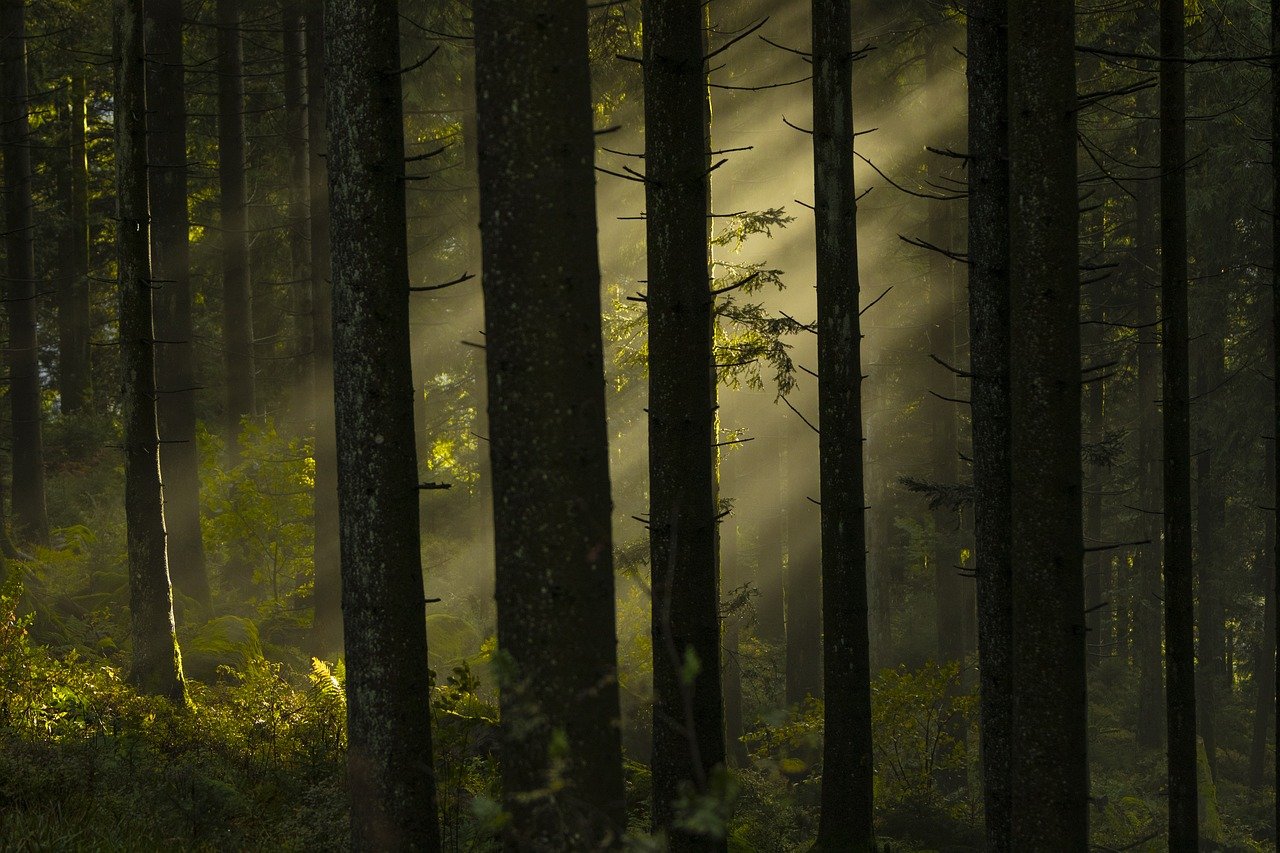
Full or deep shade is the most challenging. The area directly under a dense evergreen tree, alongside a tall north-facing wall, or in a narrow passage between two buildings where direct sunlight never reaches. The plant palette narrows considerably here, but several of the plants in this guide — Epimedium, Pachysandra, and Vinca in particular — cope with very deep shade and will spread successfully in places that feel almost impossibly dark.
Dry shade is a particular subcategory worth knowing about separately. The dry shade found beneath shallow-rooted trees like birch or beneath overhanging eaves where rain does not reach is one of the hardest conditions in UK gardening. The specialised ground covers in this guide are flagged for their ability to handle dry shade wherever relevant.
If I had to pick a single ground cover plant for shade in UK gardens, it would be Epimedium. I have used it on more client projects than I can count, in every kind of difficult shade imaginable, whether thats dry shade under mature Birch trees, deep shade beside north-facing walls, and awkward transitional strips between paving and borders where nothing else would settle. It handles all of them with barely any fuss.
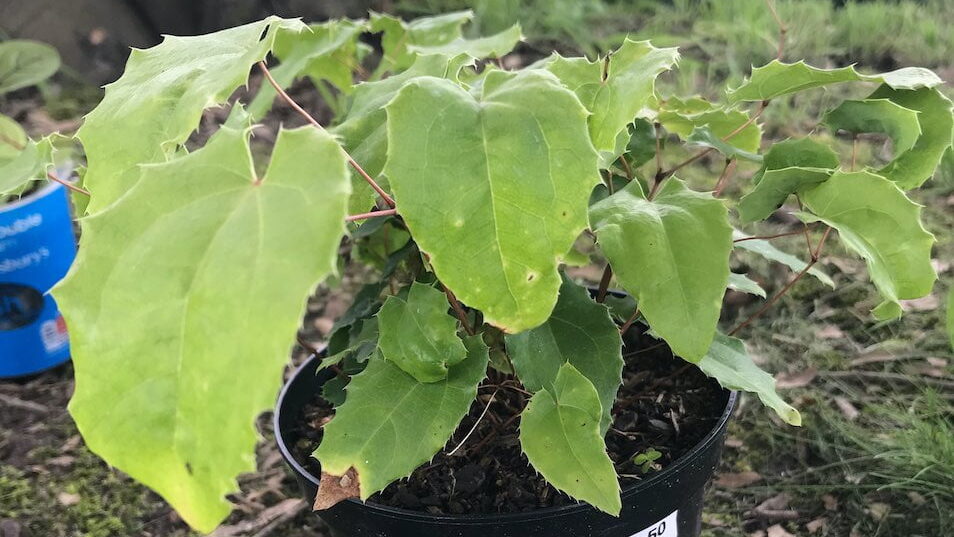
Epimedium forms low, dense clumps of attractive heart-shaped leaves that emerge with warm bronze or coppery tints in spring, before settling to green through summer. In autumn, many varieties turn rich reddish-bronze again. The delicate, columbine-like flowers appear in April, often before the new foliage fully emerges, in shades of yellow, white, pink, or purple depending on variety. The key to unlocking the full flower display is to cut back all the old foliage in February. Just run a pair of hand shears or a battery hedge trimmer over the whole clump before the new growth and flowers emerge.
Once established, Epimedium tolerates remarkably dry conditions and competition from tree roots. It is slow in its first year, but from year two it spreads steadily and starts to do the weed-suppressing work you planted it for. The variety Epimedium x versicolor ‘Sulphureum’ is my go-to for the toughest dry shade; Epimedium grandiflorum varieties have showier flowers for more comfortable dappled shade positions.
🛒 Buy Epimedium plants on Amazon UK
Vinca minor is the workhorse of the shade ground cover world as it is tough, evergreen, fast-spreading, and reliable in almost any shaded situation. I grow it under most of my trees here at Garden Ninja HQ. It spreads by long, trailing stems that root wherever they touch the soil, forming a dense, weed-smothering carpet of glossy dark green leaves studded with periwinkle-blue flowers from March through to October, with a particularly generous flush in spring.
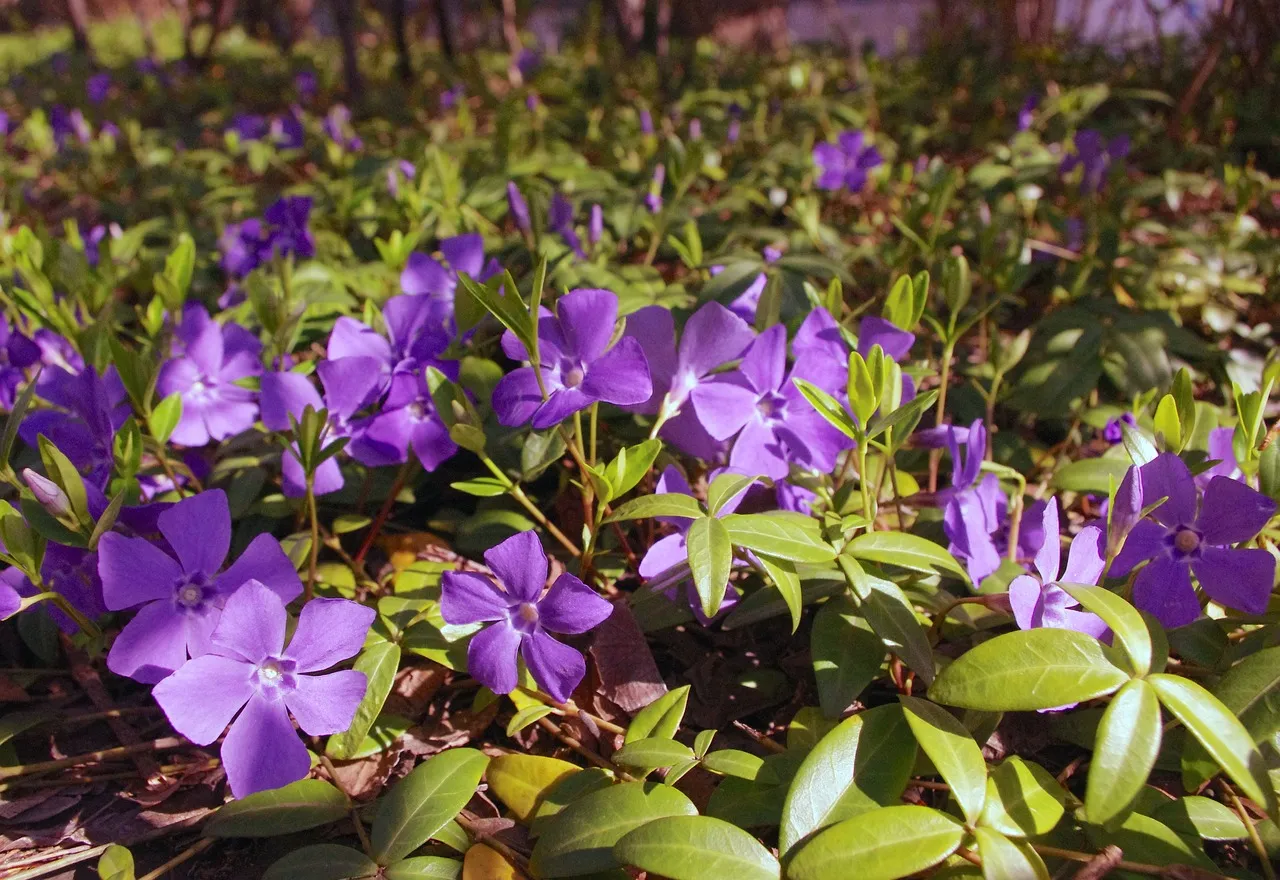
One important distinction: always choose Vinca minor (lesser periwinkle) rather than Vinca major (greater periwinkle) for ground cover. Vinca major is significantly more vigorous and can become somewhat invasive, swamping neighbouring plants and becoming difficult to remove. Vinca minor spreads at a more civilised pace and is considerably easier to manage. Cut it back hard every few years in March to keep it dense and prevent it from becoming leggy. It responds brilliantly to a firm trim and will flush back with vigorous new growth.
The variety ‘Illumination’ has striking golden variegated foliage; ‘Gertrude Jekyll’ has white flowers; and ‘Atropurpurea’ produces deep reddish-purple blooms. All have the RHS Award of Garden Merit.
🛒 Buy Vinca minor plants on Amazon UK
Ajuga is one of my favourite ground cover plants for a shaded border that needs both good foliage colour and spring flowers. It spreads by runners at an impressive rate, up to 60cm per season in good conditions. Making Bugle one of the fastest ground covers available for partial to full shade. Each rosette produces a spike of deep blue flowers in April and May that are genuinely beautiful and attract early bees.
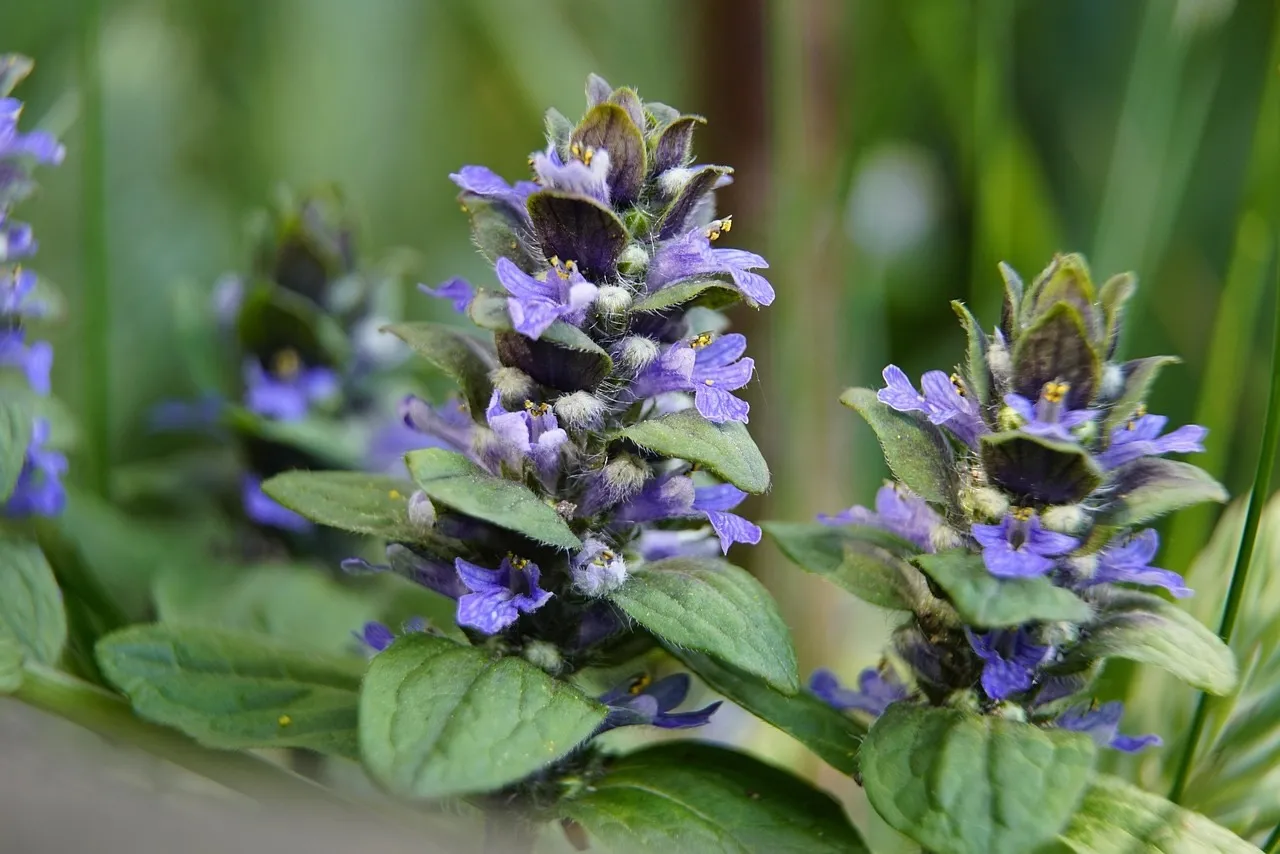
The foliage is where Ajuga really earns its place. The variety ‘Atropurpurea’ has deep bronze-purple leaves that are genuinely striking twelve months of the year; ‘Burgundy Glow’ adds cream and pink variegation for a more intricate tapestry effect; and ‘Black Scallop’ produces some of the darkest, most dramatic foliage of any ground cover plant available. Ajuga prefers moist soil and performs best in partial to full shade, though it will manage in dappled shade too. It struggles in very dry conditions, so if you have dry shade under trees, pair it with Epimedium rather than relying on Ajuga alone.
🛒 Buy Ajuga reptans plants on Amazon UK
Hardy geraniums are perhaps the most versatile plants in the entire perennial world, and their performance as shade ground cover is no exception. The key is knowing which varieties to reach for in shade, because not all hardy geraniums are equally happy in low light conditions. Geranium macrorrhizum is the standout performer for shade.
It is wonderfully aromatic, spreads steadily by thick rhizomes, and produces magenta or white flowers in May and June. I have used it successfully under mature oak trees and in quite deep, dry shade where little else will establish.
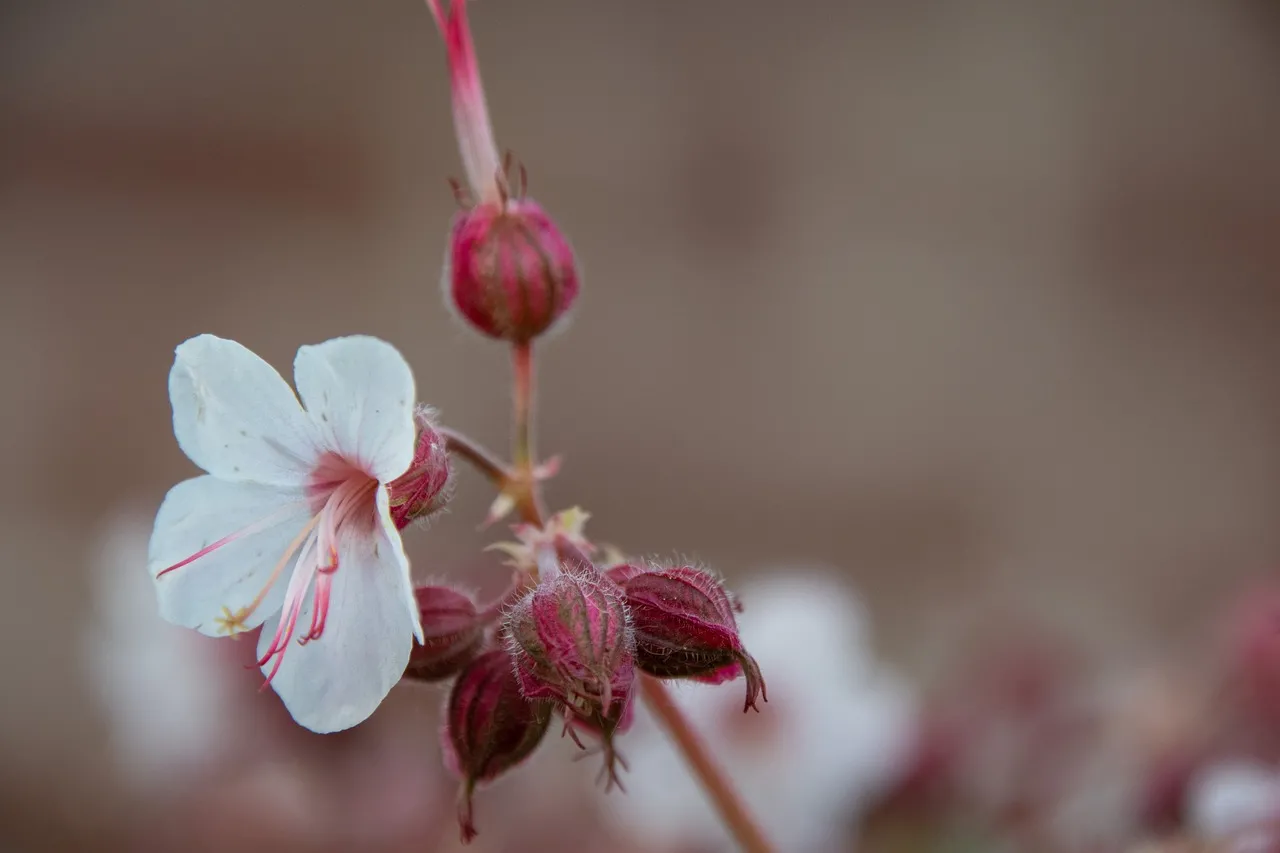
Geranium x cantabrigiense is a smaller, tidier relative with similar shade tolerance and a long flowering season. Geranium nodosum is particularly useful for deep shade where other geraniums would struggle, producing lilac-pink flowers with a glossy sheen from May right through to October. Geranium phaeum (the dusky cranesbill) flowers in deep maroon and is outstanding in very shaded borders. For dappled shade and partial shade, the celebrated Geranium ‘Rozanne’ provides one of the longest flowering seasons of any garden plant, with vivid blue-purple flowers from June to October.
🛒 Buy Hardy Geraniums on Amazon UK
Hostas are the glamour queens of the shade garden, and when it comes to bold, architectural ground cover, they are in a category of their own, especially if your garden has a pond already to keep the slug population down. The large, overlapping leaves come in every shade from near-darkest green through to ice-blue, golden yellow, and every imaginable combination of variegation, creating a dense cover that weeds struggle to push through once the plants reach maturity.

I use hostas as the anchor plants within a layered ground cover planting scheme. Large clumps of a bold variety like Hosta ‘Sum and Substance’ or Hosta sieboldiana ‘Elegans’ provide the structural weight, while lower-growing Ajuga, Epimedium, or Vinca fill in the gaps between them. The combination creates a genuinely weed-proof planting that requires almost no maintenance once established, and it looks exceptional from spring through to autumn when the hostas take on their warm golden tones before dying back.
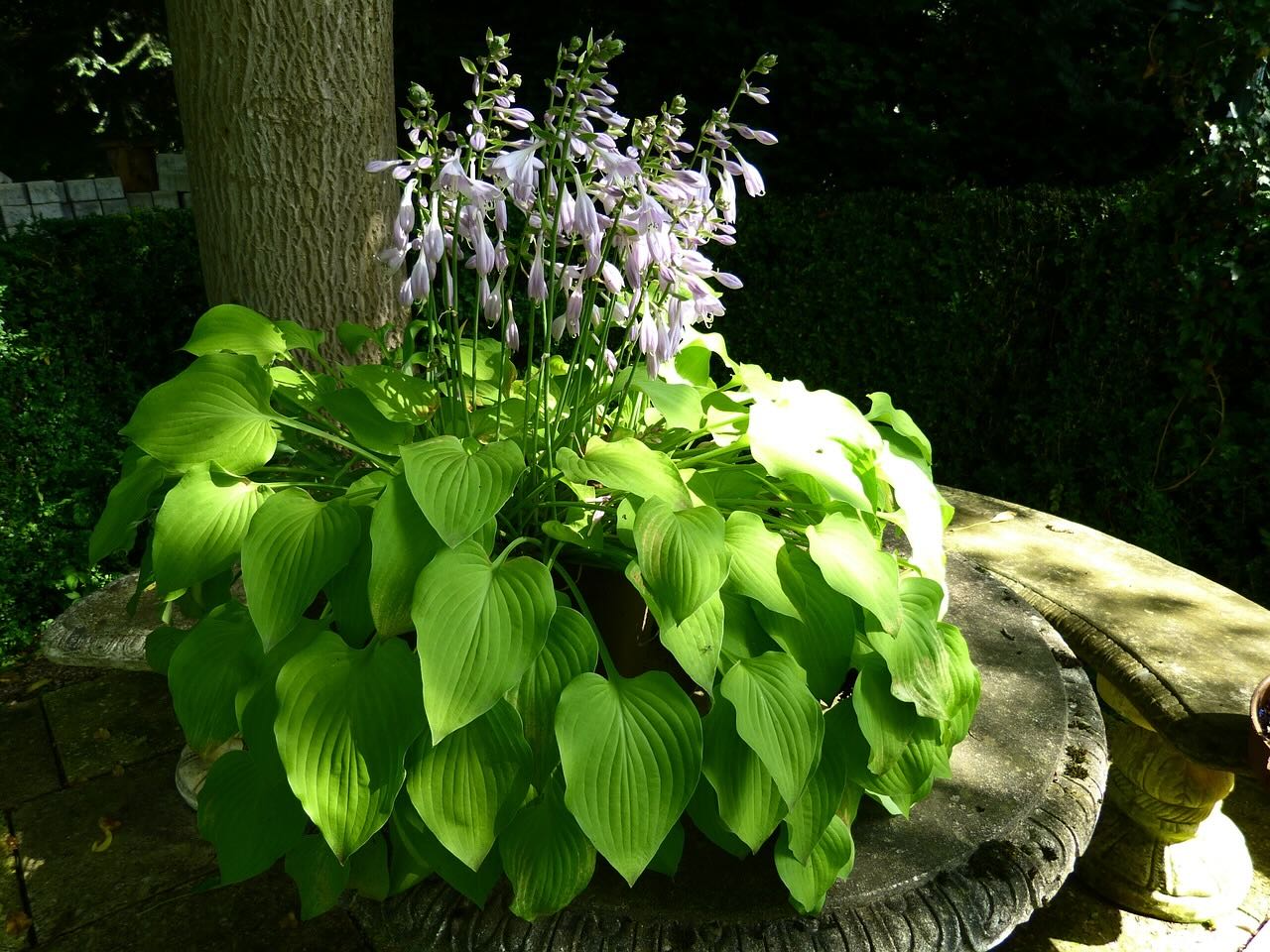
The one genuine challenge with hostas in a ground cover setting is slug damage. Hostas are notoriously attractive to slugs and snails, particularly in the damp conditions often found under trees. My preferred approach is to use the most slug-resistant varieties — Hosta ‘Halcyon’, ‘Krossa Regal’, and the thick-leaved blue varieties are considerably less bothered than thin-leaved green types — combined with nematode treatments in spring and autumn if needed. Hostas are deciduous, so pair them with evergreen ground covers to maintain winter coverage.
🛒 Buy Hosta plants on Amazon UK
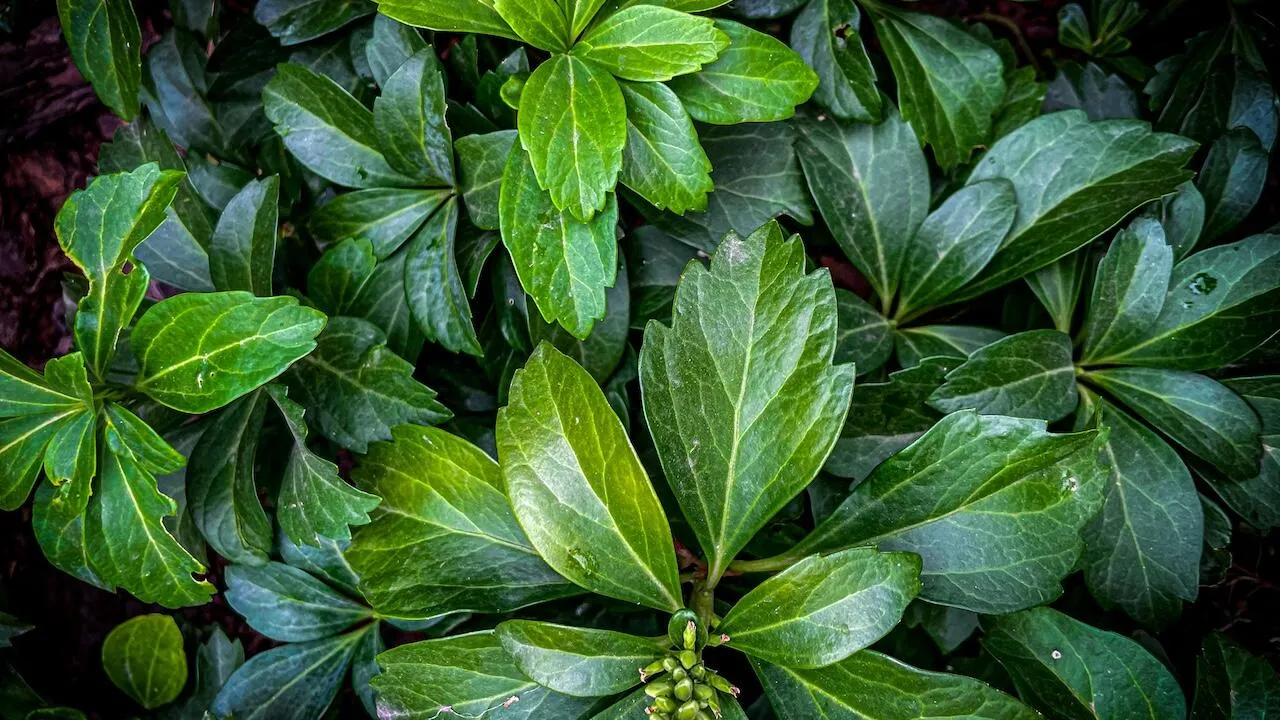
Pachysandra is one of the most reliably effective evergreen ground covers available for deep shade in UK gardens. It produces a dense, 20cm-tall carpet of glossy, serrated, dark green leaves and small white flowers in May and June. Under mature trees (particularly rhododendrons and other acid-loving woodland plants with which it shares a preference for acidic soil), Pachysandra creates an immaculate, weed-free surface that requires almost no management once established.
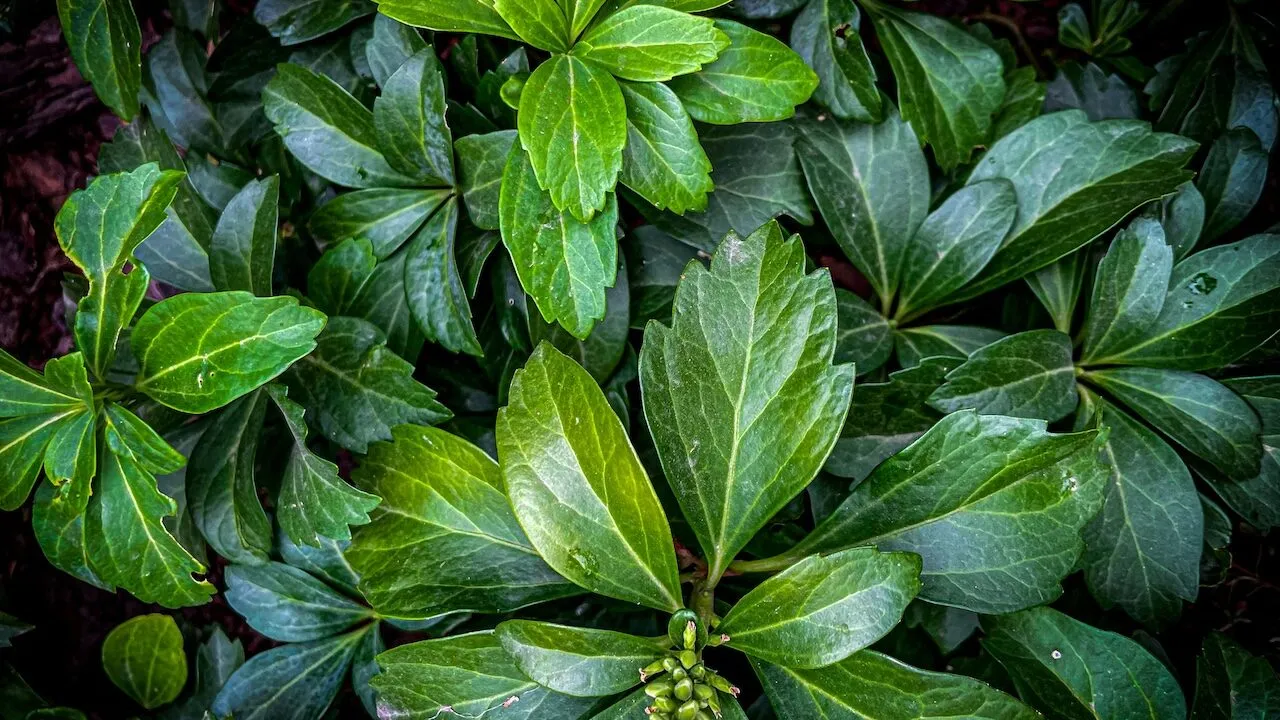
Pachysandra is slower to establish than Vinca or Ajuga. Expect it to take three to four years to form a really dense cove, but once it does, it is extraordinarily low-maintenance. Note that it prefers slightly acidic soil; on neutral to alkaline soil, it can be less vigorous and may struggle to spread with the same enthusiasm. The variety ‘Silver Edge’ has a white leaf margin that adds lightness to dark areas. As a wildlife note, it provides good ground cover for small birds and hedgehogs in winter.
🛒 Buy Pachysandra terminalis on Amazon UK
Heucheras bring something unique to the shade ground cover palette: year-round colour in a range that no other plant can match. From near-black to amber, caramel, bright lime, deep burgundy, and every shade of purple and coral, the variety available is remarkable. And unlike many colourful foliage plants, Heucheras thrive in partial to full shade. In fact, the deep purple and dark-leaved varieties often produce their richest colour in shade rather than full sun, where the foliage can bleach.
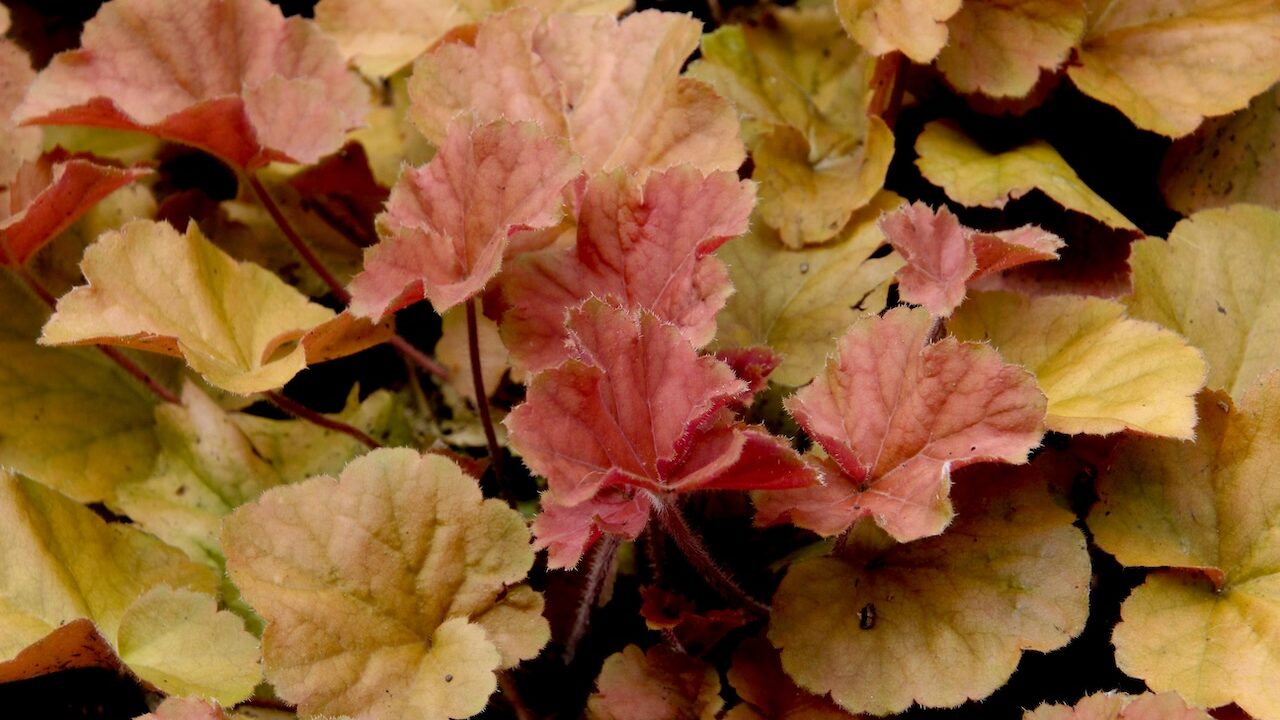
As a ground cover, Heucheras work best when planted in drifts of three to five plants, where their mounding habit and layered leaves create a dense, weed-resistant carpet at 30 to 40cm tall. They also produce airy wands of small flowers in summer which are typically in shades of pink, red, or white. The tiny flowers attract hummingbird hawkmoths and bees. Good varieties for shade include ‘Palace Purple’ (deep reddish-purple), ‘Lime Marmalade’ (bright lime-gold), and ‘Plum Pudding’ (silvery-plum). Heucheras are evergreen to semi-evergreen and benefit from a light tidy in spring, removing any dead or tatty leaves from around the base.
🛒 Buy Heuchera plants on Amazon UK
Brunnera is a plant that consistently astonishes people when they first encounter it, because it manages to look simultaneously elegant and tough. The large, heart-shaped leaves of the variety ‘Jack Frost’ are almost entirely silver with dark green veining, creating a frosted effect that reflects what little light is available and genuinely brightens a dark border. In spring, Brunnera produces clouds of tiny, vivid blue forget-me-not flowers that hover above the foliage in a haze of colour. It’s an early-season beauty, particularly alongside dark-leaved Ajuga or the bronze new growth of Epimedium.
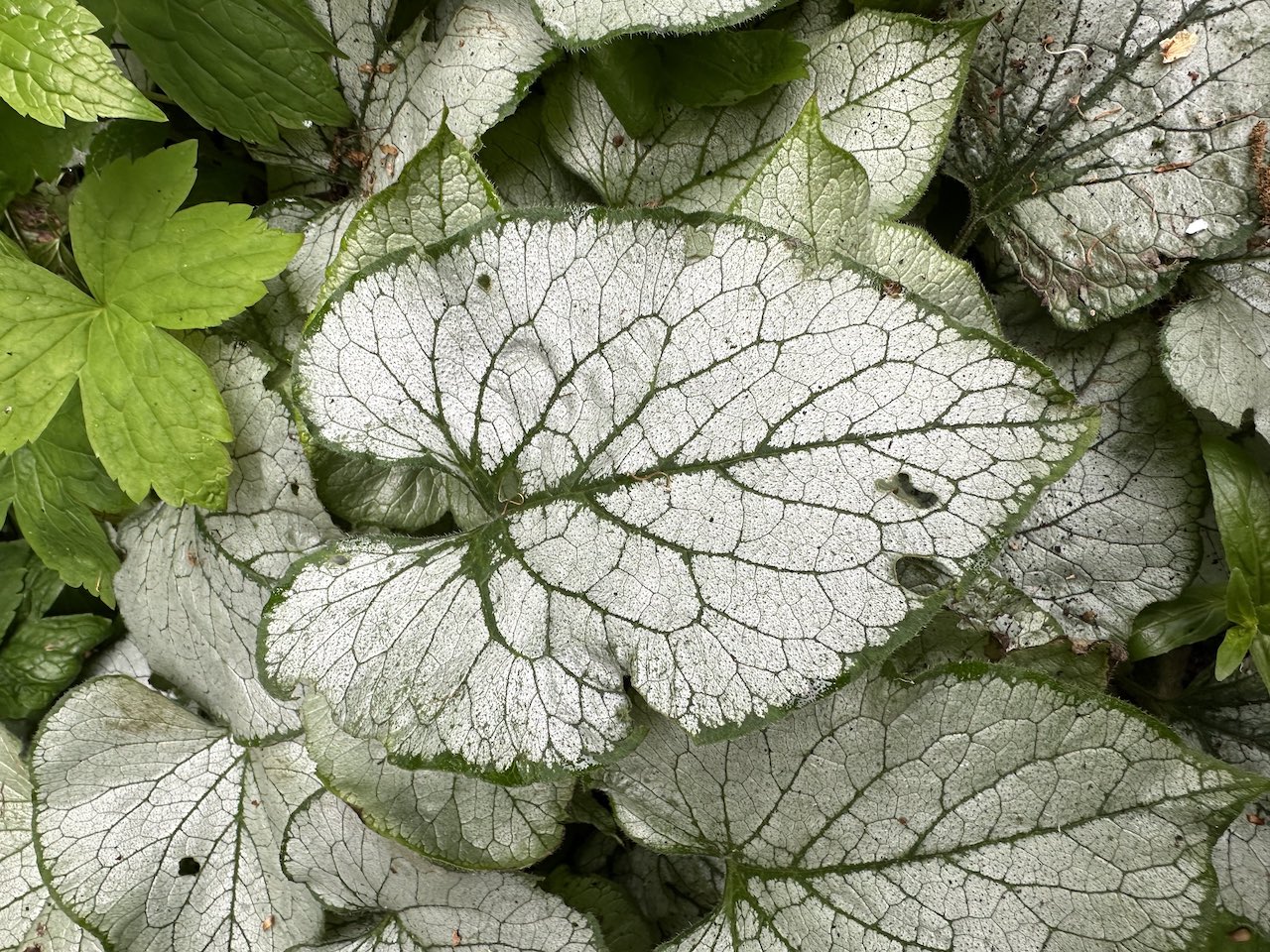
Brunnera is not the fastest spreader in this guide, but it forms substantial clumps that can be divided every three to four years to increase coverage across a border. It prefers moisture-retentive soil and performs best in dappled to partial shade; in dry shade, it can be slower to establish and may show leaf scorch in summer. ‘Jack Frost’ is the standout variety and holds the RHS Award of Garden Merit. ‘Looking Glass’ is almost entirely silver and even more striking. Both are slug-resistant, which is a significant advantage in a shaded border.
🛒 Buy Brunnera plants on Amazon UK
Lamium maculatum is one of the most underrated ground cover plants available for shade in UK gardens. I grew it as a child and have always had a soft spot for it. The name ‘dead nettle’ does it no favours as it sounds utilitarian and weedy, but the reality is a low-growing, fast-spreading plant with attractive silver-splashed foliage and a generous display of pink, purple, or white hooded flowers from April through to late summer.
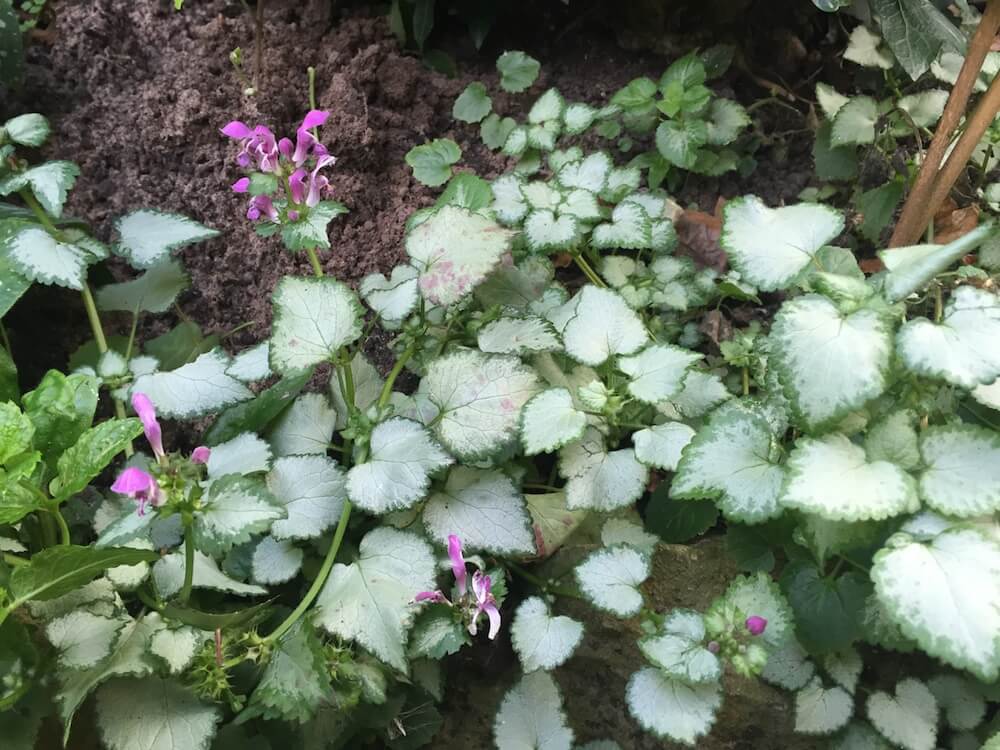
One important note: consider choosing Lamium maculatum (spotted dead nettle) rather than Lamium galeobdolon (yellow archangel). The yellow archangel is sometimes classified as an invasive plant in the UK and is very difficult to remove once established (though I’ve never had that problem with it). L. maculatum is well-behaved and easy to manage. Good varieties include ‘White Nancy’ (silver foliage, white flowers), ‘Beacon Silver’ (silver leaves, pink flowers), and ‘Pink Pewter’ (silver foliage, shell-pink flowers). Lamium is semi-evergreen, providing reasonable winter coverage, and spreads quickly enough to fill a new border within a season or two. It also tolerates clay soil admirably.
🛒 Buy Lamium maculatum plants on Amazon UK
Ferns are the original woodland ground cover and among the most ancient plant families on earth, perfectly evolved for the low-light, high-humidity conditions found under tree canopies. In a UK shade garden, ferns offer a texture and movement that no other plant group can match, and many are fully hardy, evergreen, and almost completely maintenance-free once established. Whats not to love about that?
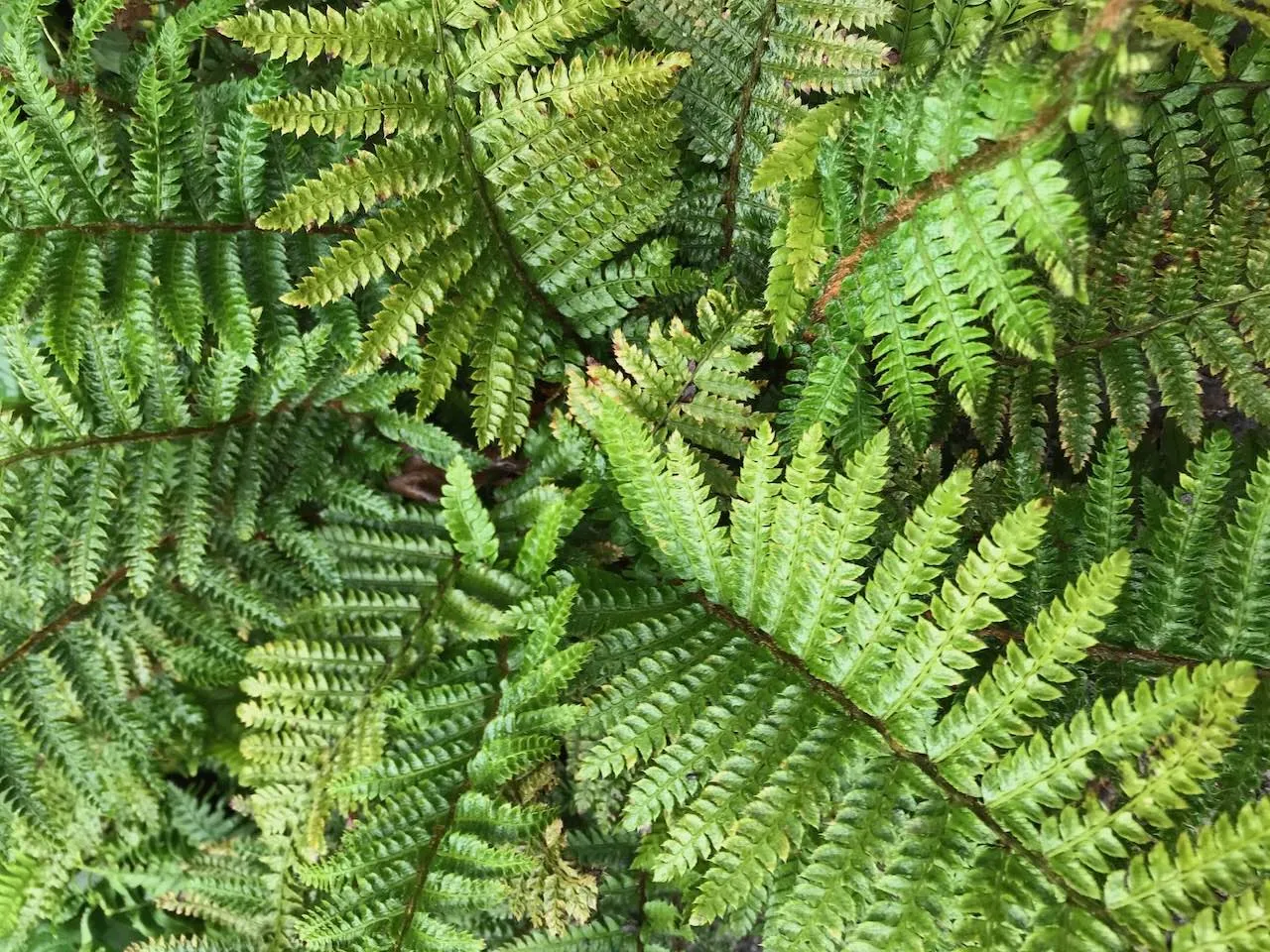
For evergreen ground cover in shade, Dryopteris (male fern) is the outstanding choice. Dryopteris tolerates dry shade, wind, poor soil, and deep shade under trees, and comes back year after year without any attention whatsoever. Polystichum setiferum (soft shield fern) is similarly evergreen and produces beautifully divided, almost lace-like fronds. For moist shade, the deciduous Matteucia struthiopteris (ostrich fern) is spectacular, with tall, vase-shaped fronds in vivid fresh green.
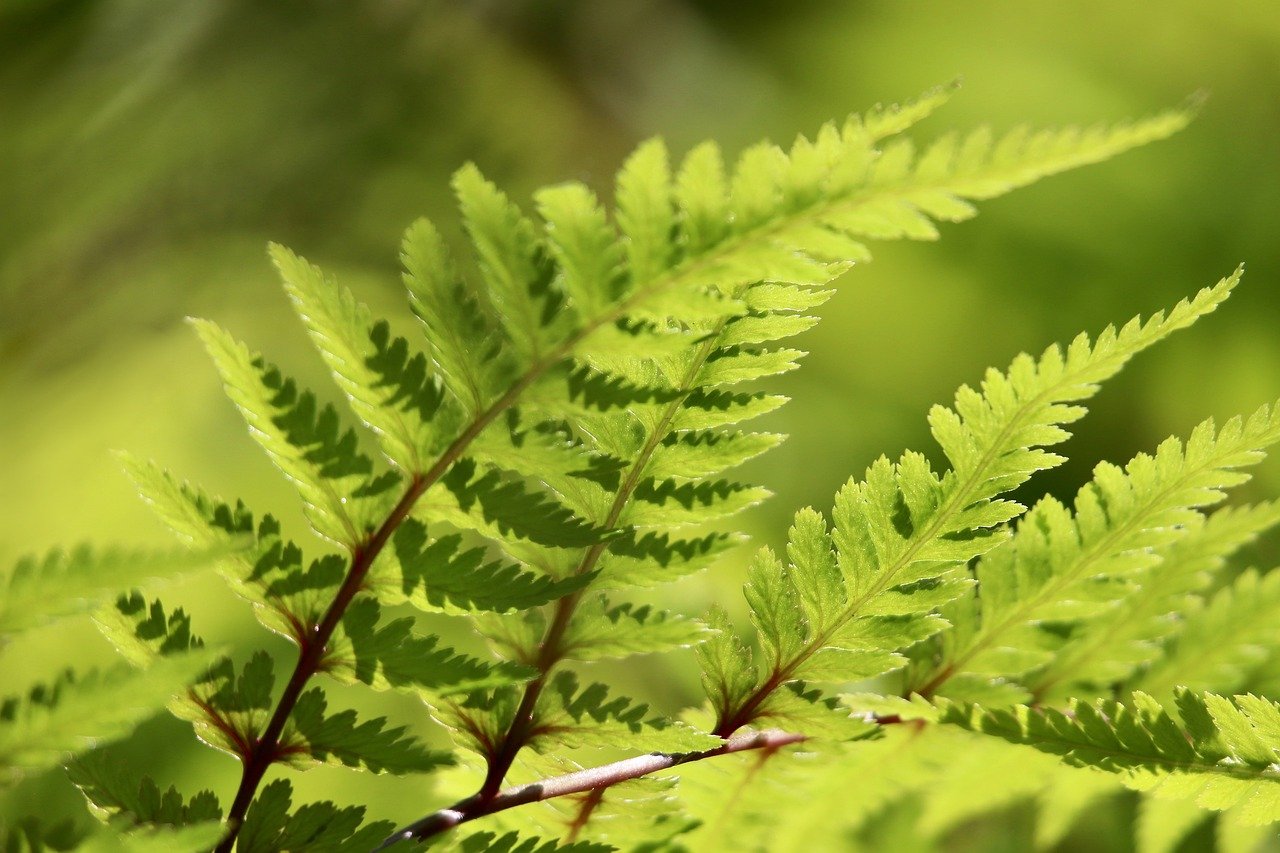
Ferns work particularly well as companions to Hostas, Ajuga, and Epimedium in a layered woodland planting scheme. The contrasting textures, such as the bold, smooth hosta leaves alongside the intricate fern fronds, create a planting that looks designed rather than simply planted by accident. For ground cover purposes, plant ferns at roughly 45cm spacing and allow three to four seasons for them to fill in. Remove any old or tatty fronds in late winter before the new growth emerges.
🛒 Buy hardy ferns on Amazon UK
Bergenia is one of the great unsung workhorses of the shade garden. The large, glossy, rounded leaves give it the common name ‘Elephant’s ears’. It provides bold, year-round ground cover that slugs largely avoid, which, in a moist, shaded setting, is a significant practical advantage. In late winter to early spring, Bergenia produces clusters of deep pink, magenta, or white flowers on stout red stems that provide valuable early nectar for bees when the garden is still mostly bare. It can be a marmite plant, you will love it or loathe it, but I for one am in the former camp!
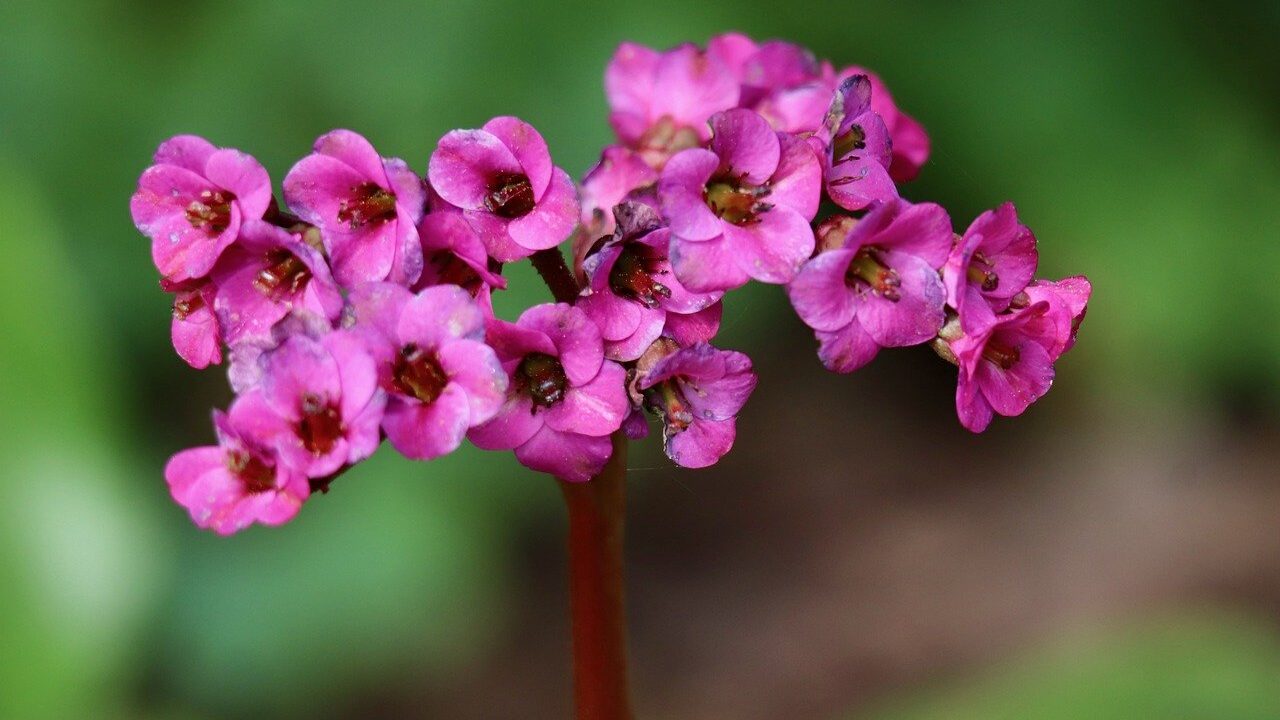
One of Bergenia’s underappreciated qualities is its winter foliage colour. As temperatures drop, many varieties develop spectacular reddish-bronze winter colouring that transforms the plant and adds a completely different dimension to the border. The variety ‘Overture’ has particularly good winter colouration; ‘Bressingham White’ is elegant with white flowers; and ‘Ballawley’ has some of the largest leaves available. Bergenia is tolerant of practically any amount of shade from dappled to quite deep, copes with heavy clay, and is drought-resistant once established. Divide clumps every three to five years in spring or autumn to keep them vigorous.
🛒 Buy Bergenia plants on Amazon UK
Pulmonaria is a spring-flowering shade perennial that does double duty as both an early-season nectar source and a reliable ground cover. The flowers, which open pink and age to blue on the same plant, are irresistible to bumblebees in early spring, often appearing before almost anything else in the garden. The leaves that follow are long-lasting, attractively spotted or silvered, and form a dense weed-suppressing clump through the growing season.
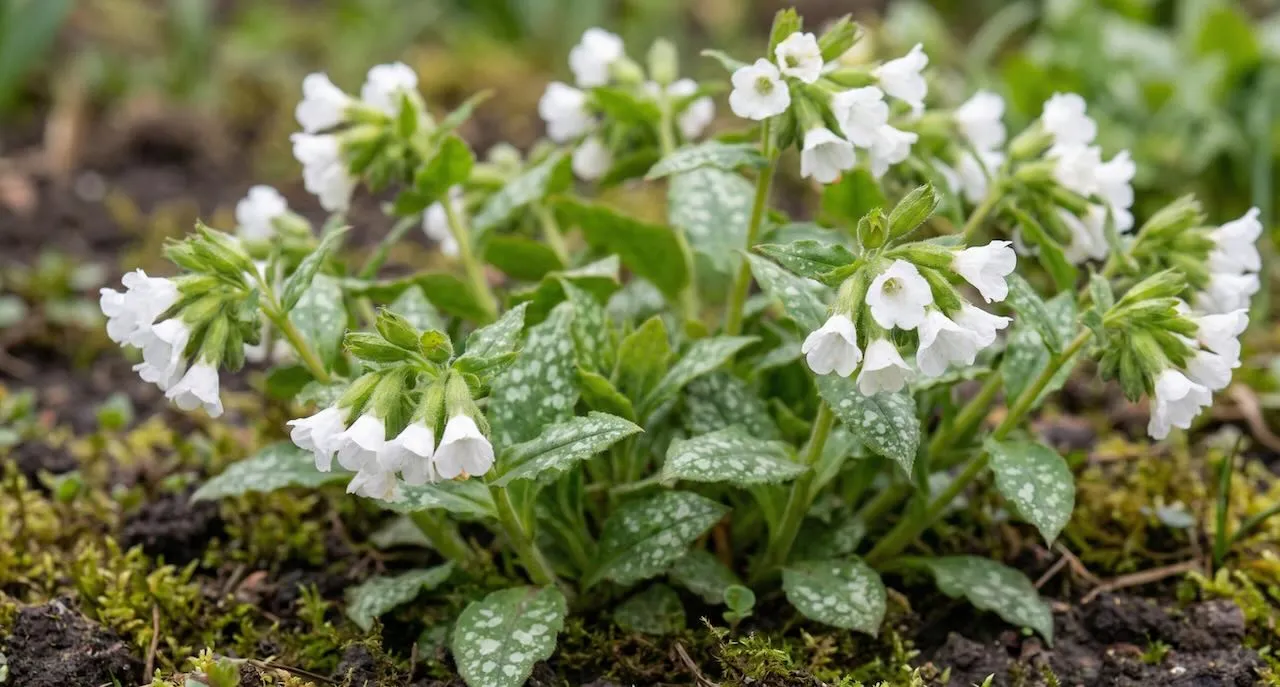
The variety ‘Sissinghurst White’ offers pure white flowers, silver-spotted leaves, and a wonderfully elegant habit. ‘Diana Clare’ produces vivid violet-blue flowers and heavily silver-splashed leaves. Majeste’ is almost entirely silver-leaved and makes a striking companion to dark-leaved Ajuga. Pulmonaria spreads steadily by self-seeding and gentle clump expansion; divide every three years to maintain vigour. It prefers moist, humus-rich soil and performs best in dappled to partial shade, though it will manage in deeper shade with reduced flowering.
🛒 Buy Pulmonaria plants on Amazon UK
Tiarella is a delicate-looking woodland plant that belies its considerable toughness. The deeply lobed, maple-shaped leaves often carry attractive dark markings along the veins, and in late spring the plant produces frothy spikes of tiny white or pink flowers that genuinely look like foam frothing above the foliage, which is where it gets its common name. It is one of the prettiest ground cover plants for dappled or partial shade and complements Heuchera beautifully (they are closely related, and Heucherella is the hybrid between them).
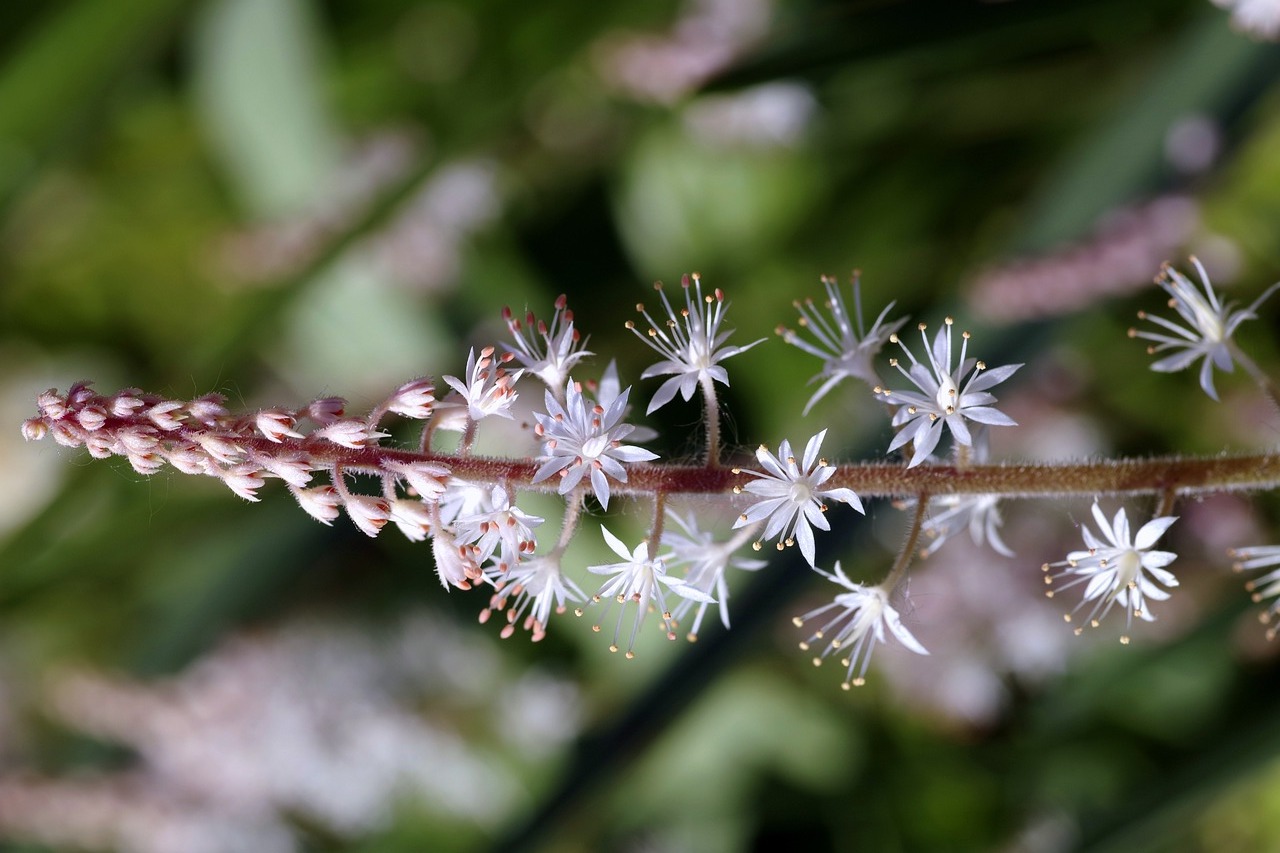
Tiarella prefers moisture-retentive, humus-rich soil and will not perform in very dry shade, so position it where the soil remains reasonably moist through summer. It is semi-evergreen, providing reasonable winter ground cover even in colder years. The variety ‘Spring Symphony’ has deeply cut, dark-veined leaves and masses of pink flower spikes; ‘Jeepers Creepers’ is a vigorous spreading variety with an especially ground-covering habit. Plant at 30cm spacing in drifts for the best coverage and combine with Ajuga and Epimedium for a year-round layered woodland effect.
🛒 Buy Tiarella plants on Amazon UK
Sweet Woodruff is a native British woodland plant, and one of the most delightful ground covers for shaded areas in UK gardens. I use it all the time under trees, in shaded fence-line borders, or in other awkward spots.
The whorled, bright green leaves form a dense, feathery carpet no more than 15cm tall, and in May the whole plant disappears under a haze of tiny white star-shaped flowers that smell of fresh hay when crushed. Its fragrance has been valued in potpourri and drinks (it is the traditional flavouring for Maiwein, German May wine) for centuries.
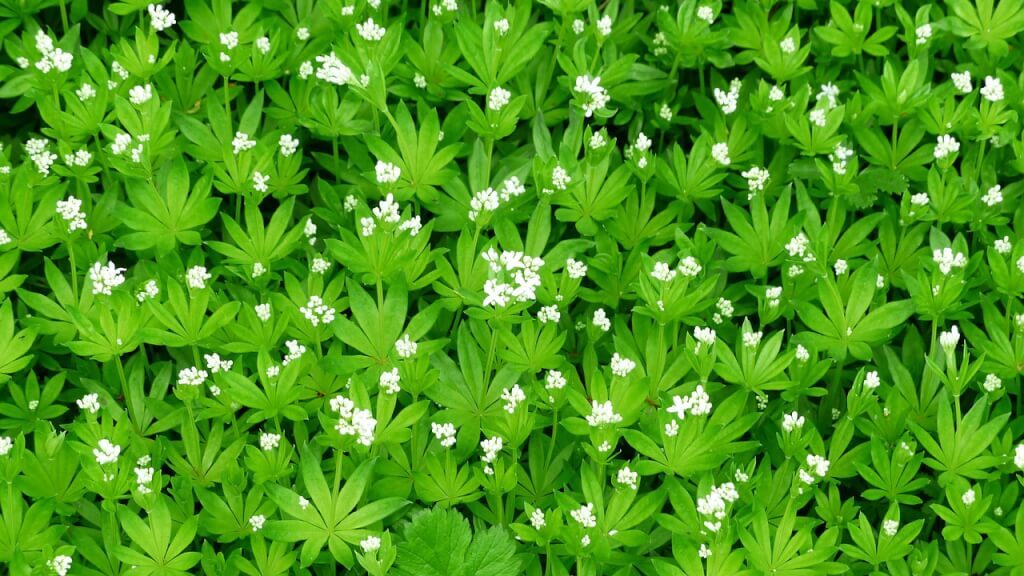
Sweet Woodruff spreads by underground rhizomes and can be vigorous once established, but it is easy to control and nowhere near as rampant as some of the more invasive woodland plants. It thrives in dappled to partial shade under deciduous trees, where it will naturalise and form an increasingly dense carpet over time. It is deciduous, dying back completely in autumn and re-emerging in spring, so pair it with Vinca or Pachysandra in a ground cover scheme for year-round coverage. It is also a native plant, making it an excellent choice for wildlife, as its flowers are visited by a wide range of small insects and hoverflies.
🛒 Buy Galium odoratum on Amazon UK
Ivy is one of the most versatile plants in UK gardening, and as a shade ground cover, it earns its reputation for toughness. Hedera helix (common ivy) will grow in conditions that defeat almost every other plant: deep, dry shade under dense evergreen trees, north-facing slopes, poor, compacted soil, and exposed conditions. It is evergreen, provides year-round cover, and its berries in autumn and winter are an invaluable food source for birds.
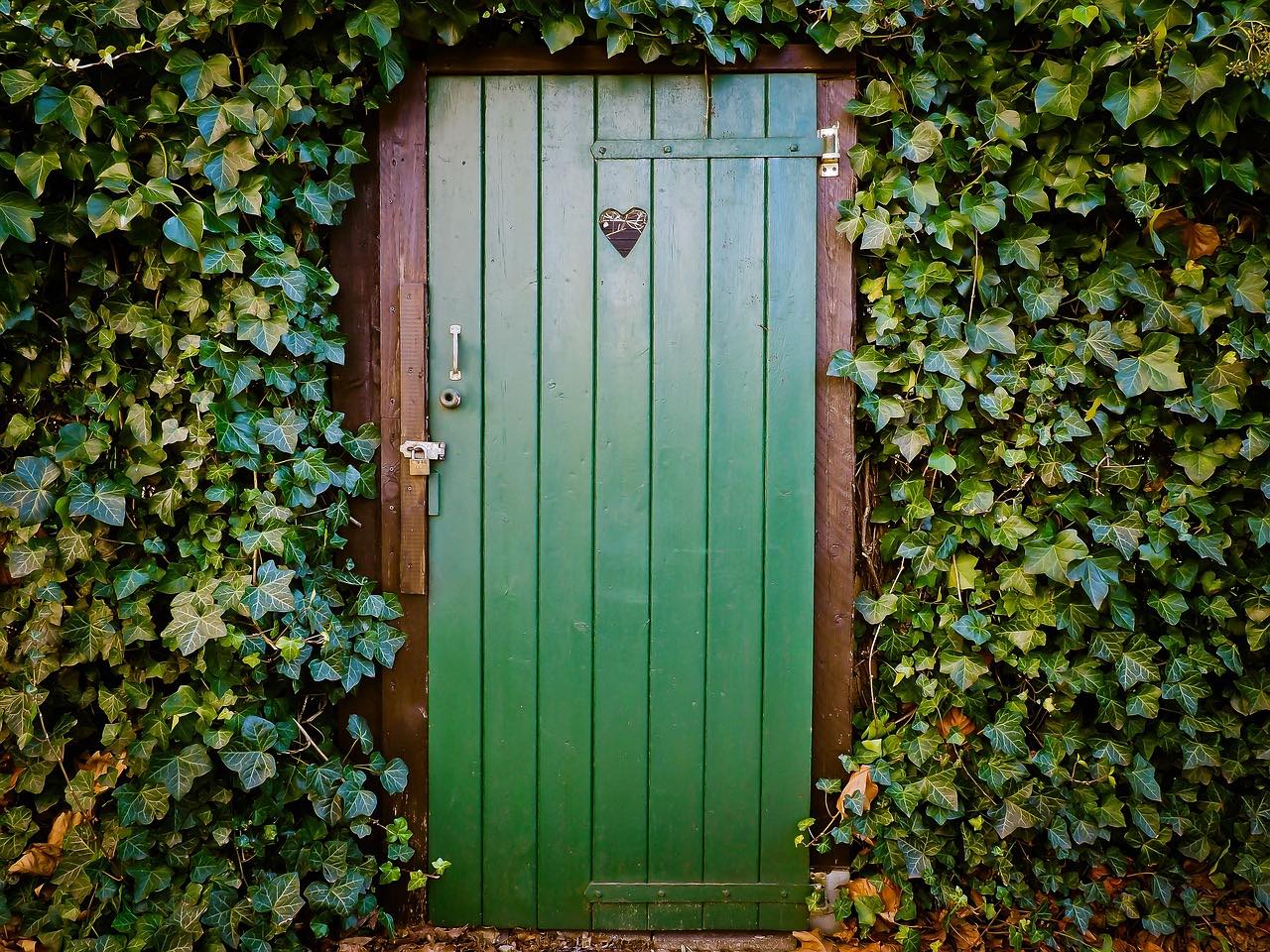
The key with ivy as ground cover is variety selection and management. The large-leaved Hedera colchica (Persian ivy) ‘Dentata Variegata’ or ‘Sulphur Heart’ make genuinely attractive ground cover with bold, interesting foliage. Among H. helix varieties, ‘Glacier’ (silver-grey variegated), ‘Goldheart’ (green with a bold yellow centre), and ‘Buttercup’ (golden-yellow in sun, pale green in shade) are all well-behaved and attractive.
Trim hard every two to three years in March to keep the ivy dense and prevent it from becoming woody and bare at the base. Do not plant common ivy near trees with damaged bark, as it can enter through wounds on very old trees.
🛒 Buy Hedera ivy plants on Amazon UK
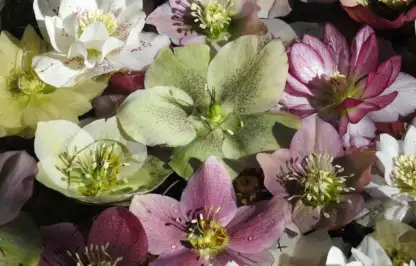
Hellebores are not the fastest-spreading ground cover in this guide, but they are among the most rewarding. Once a colony becomes established, it self-seeds and spreads to create an increasingly dense planting that is stunning in late winter and early spring, when the garden desperately needs colour. The nodding flowers, which come in every shade from pure white through cream, pink, plum, deepest purple, to near-black, appear from January through April, depending on the variety.
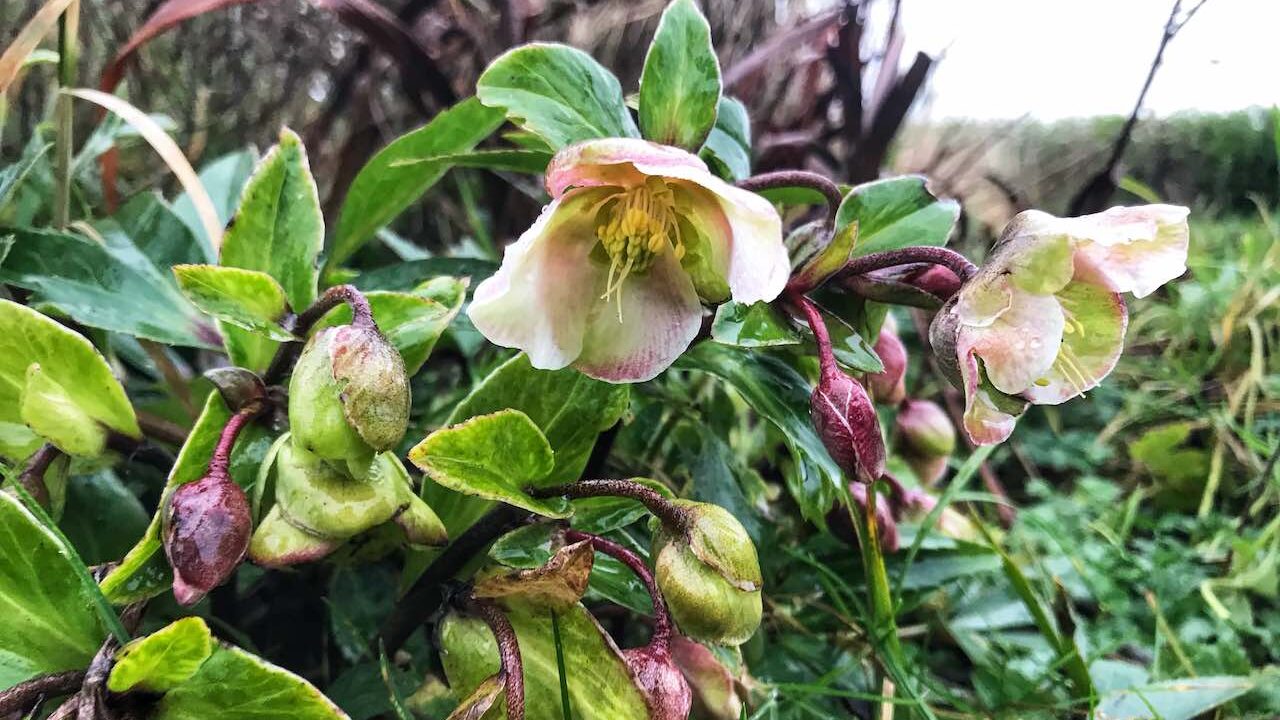
Helleborus orientalis (Lenten rose) and its hybrids are the most garden-worthy for ground cover. They are fully evergreen, tolerant of dry shade once established, and spread reliably by self-seeding. Remove the old leaves in January to reveal the flowers and encourage air circulation. Helleborus niger (Christmas rose) flowers earliest, often from December, and is slightly more demanding about drainage. For ground cover under trees, I plant Hellebores in combination with Pulmonaria and Epimedium so that each plant covers the others’ downtime.
🛒 Buy Hellebore plants on Amazon UK
Even the toughest shade-tolerant ground cover plants need a proper start to establish well and spread as you want them to. I have seen many otherwise excellent ground cover schemes fail simply because the soil preparation was inadequate or the planting density was too thin. Here is how to give them the best possible start.
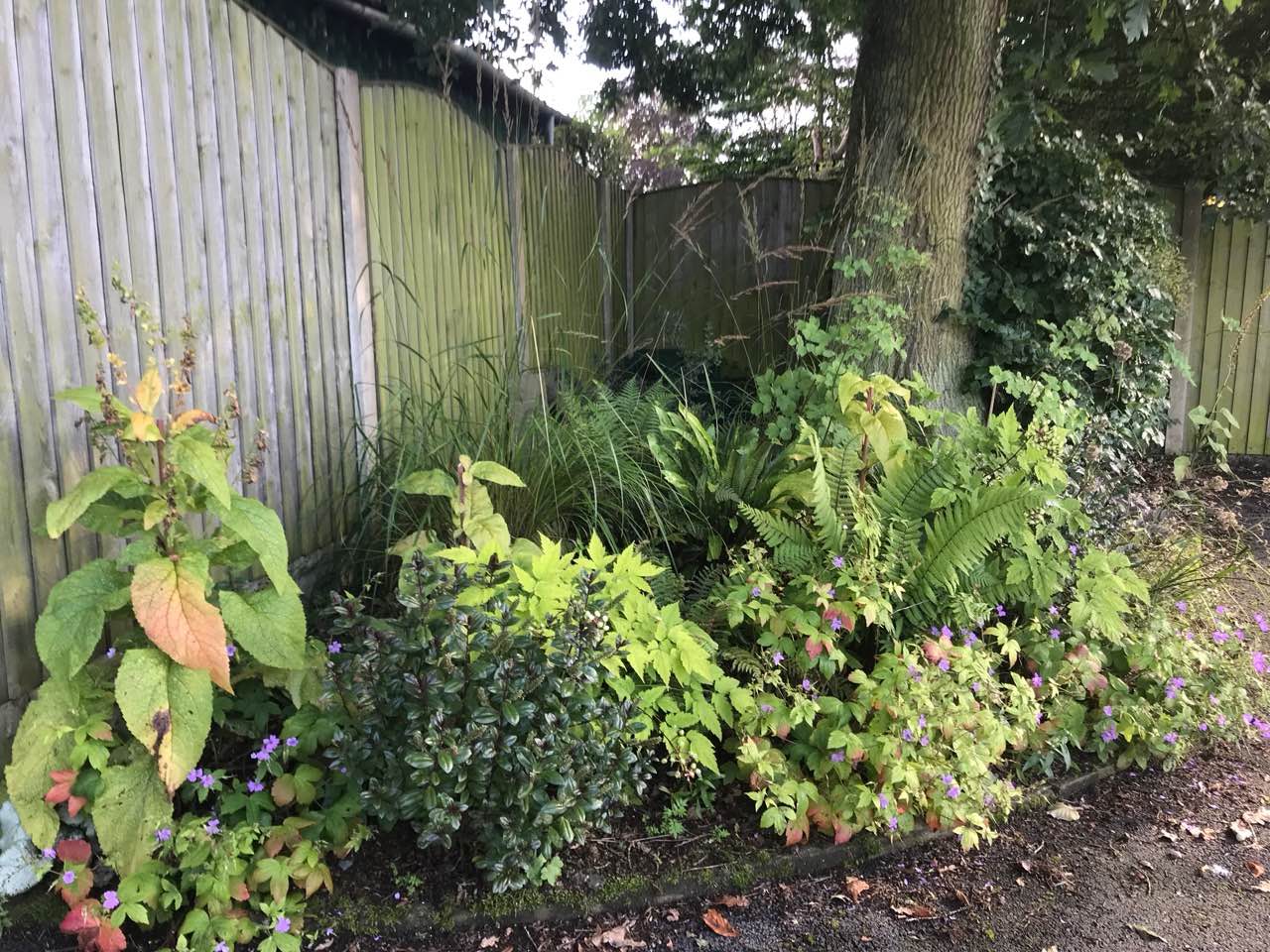
Under trees and in established shaded borders, the soil is often dry, compacted, and nutrient-depleted. Before planting ground cover in these areas, I always dig in a generous layer of well-rotted garden compost or leaf mould, at least 10 to 15cm thick, worked into the top layer of soil. This improves moisture retention, adds nutrients, and significantly improves the soil structure that ground cover roots need to get going. If the area is very dry under a tree canopy, water it well the day before planting, then water thoroughly again after planting.
The temptation with ground cover is to space plants widely to save money upfront, but this backfires by leaving bare soil where weeds can establish during the two to three seasons it takes for the plants to fill in. As a practical guide: plant fast spreaders like Ajuga and Vinca at 20 to 30cm spacing; medium spreaders like Geranium macrorrhizum, Heuchera, and Epimedium at 30 to 40cm; and slower, larger plants like Hostas and Bergenias at 45 to 60cm. Invest in reasonable plant density at the outset and the scheme will reward you far more quickly.
A common mistake in shade ground cover planting is choosing entirely deciduous plants, which leaves bare soil through winter and early spring when weeds are most active. An effective shade ground cover scheme mixes evergreen types — Vinca, Pachysandra, Epimedium, Bergenia, Heuchera, and Ferns — with deciduous interest plants like Hostas, Hardy Geraniums, and Brunnera. The evergreens hold the structure and weed suppression through winter, while the deciduous plants provide seasonal drama and variety through the growing season.
The most effective shade ground cover schemes think in layers rather than planting everything at the same height. I use low ground-huggers like Ajuga (10 to 15cm), Vinca, and Galium as the carpet layer; medium-height fillers like Epimedium, Geranium, Pulmonaria, and Lamium (20 to 40cm) as the main coverage layer; and taller anchor plants like Hostas, Bergenias, and Ferns (45cm to 90cm) as the structure layer. This layered approach creates a planting that looks considered and intentional rather than flat, and it maximises the area covered at different heights, leaving no gaps for weeds to exploit at any level.
The following table summarises all nineteen ground cover plants in this guide, organised by their shade tolerance and spreading speed, to help you make quick decisions for specific situations in your garden.
| Plant | Shade Level | Evergreen? | Dry Shade? | Speed |
|---|---|---|---|---|
| Epimedium | Partial to deep | Semi-evergreen | ✅ Yes | Slow–medium |
| Vinca minor | Partial to deep | Evergreen | ✅ Yes | Fast |
| Ajuga reptans | Partial to full | Evergreen | ❌ No | Fast |
| Hardy Geraniums | Partial to full | Semi-evergreen | ✅ G. macrorrhizum | Medium |
| Hosta | Partial to full | Deciduous | ❌ No | Medium |
| Pachysandra | Deep to partial | Evergreen | ✅ Once established | Slow–medium |
| Heuchera | Partial to full | Evergreen | ❌ Prefers moist | Medium |
| Brunnera | Dappled to partial | Deciduous | ❌ No | Medium |
| Lamium maculatum | Partial to full | Semi-evergreen | ✅ Once established | Fast |
| Ferns | Partial to deep | Evergreen (Dryopteris) | ✅ Dryopteris | Medium |
| Bergenia | Dappled to full | Evergreen | ✅ Yes | Slow–medium |
| Pulmonaria | Dappled to partial | Semi-evergreen | ❌ No | Medium |
| Tiarella | Dappled to partial | Semi-evergreen | ❌ No | Medium |
| Galium odoratum | Dappled to partial | Deciduous | ❌ No | Medium |
| Ivy (Hedera helix) | Deep to partial | Evergreen | ✅ Yes | Fast |
| Hellebore | Dappled to partial | Evergreen | ✅ Once established | Slow (self-seeds) |
For deep shade, Epimedium is my top recommendation. It genuinely copes with very low light, dry soil, and root competition under mature trees, which puts it in a category of its own. Vinca minor and Pachysandra terminalis are strong alternatives that will also perform reliably in genuinely dark conditions. Ivy is the toughest of all if you need something that will grow in truly difficult deep shade with poor, dry soil. Avoid plants labelled for dappled or partial shade such as Brunnera or Tiarella in genuinely dark spots, as they will struggle to flower and may not spread as expected.
The dry shade under shallow-rooted trees like Birch, Beech, and established conifers is one of the most challenging conditions in UK gardening. The plants with the best track record in this situation are Epimedium (especially E. x versicolor ‘Sulphureum’), Geranium macrorrhizum, Bergenia, Ivy, and Vinca minor. Thorough soil preparation before planting makes a significant difference to establishment rates even in these difficult conditions. Work in as much compost as you can manage into the planting area before anything goes in, and water consistently through the first summer.
For year-round evergreen ground cover in shade, the best options are Vinca minor, Pachysandra terminalis, Heuchera, Bergenia, Ivy, and Dryopteris (male fern). Epimedium is semi-evergreen, retaining its leaves through mild UK winters and only dying back in hard frosts. Lamium maculatum and Tiarella are also semi-evergreen. For complete winter coverage, combining a fully evergreen type like Vinca or Pachysandra with the semi-evergreens gives you a robust year-round scheme that looks presentable even in January.
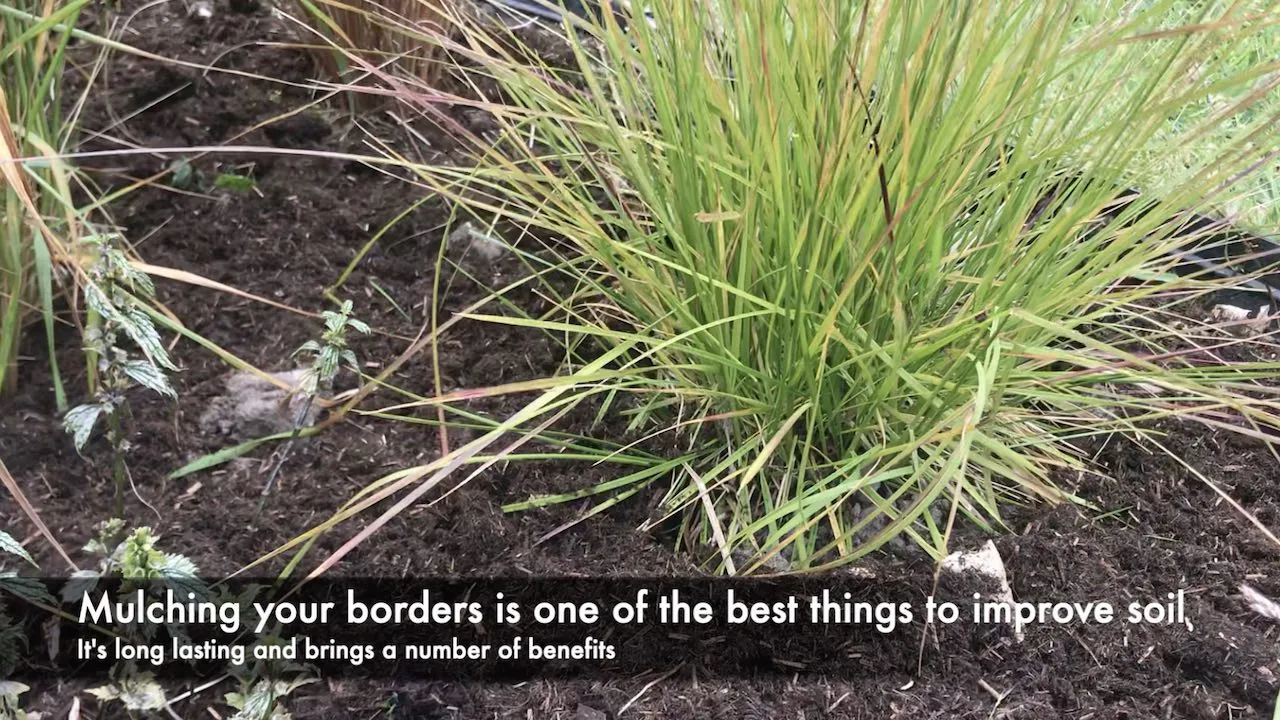
The key is starting with thoroughly weeded soil before planting, and applying a seven to eight centimetre bark mulch between the plants while they establish. The mulch suppresses weeds during the first two to three seasons while the ground cover fills in. Once the plants form a dense mat, they do the weed-suppressing work themselves, which is the whole point of using ground cover. Any perennial weeds like bindweed or ground elder must be removed completely before planting, as they become extremely difficult to extract once ground cover plants are established around them.
Under mature conifers, which create very dry, acidic and often deeply shaded conditions, the plant palette is genuinely limited. Pachysandra terminalis performs well here, particularly under rhododendrons and other acid-loving plants. Epimedium and Ivy will also cope. The soil under conifers is often extremely dry and depleted, so additional compost and regular watering in the first season are important to get plants established. Avoid plants that prefer moist conditions as Hostas, Brunnera and Tiarella will all struggle considerably in these conditions.
Spread rate depends significantly on both the plant and the conditions. Fast spreaders like Ajuga reptans and Vinca minor can cover a substantial area within one to two growing seasons. Medium-speed plants like Epimedium, Geranium macrorrhizum and Heuchera take two to three seasons to form dense coverage. Slower-establishing plants like Pachysandra and Hellebores may take three to four seasons before you see truly dense coverage, but they are worth the wait for the long-term results. Thorough soil preparation and adequate watering in the first summer accelerates establishment considerably for all types.
North-facing walls create a combination of shade and often dry soil where the wall base intercepts rainfall before it reaches plant roots. The plants that perform best in this position are Epimedium, Vinca minor, Hardy Geraniums (particularly Geranium macrorrhizum), Bergenia and Ivy. Hellebores also do very well alongside north-facing walls once established and add a real elegance to a difficult spot. This is a position where thorough soil improvement before planting is especially important, as the combination of shade and dry soil is one of the more challenging situations in the garden.
Once established, most shade ground cover plants are genuinely low-maintenance, which is one of the main reasons I specify them so often in professional garden designs. Evergreen types like Vinca and Pachysandra benefit from a hard cut-back every two to three years in March to keep them dense and prevent legginess. Epimedium fronds should be cut back in February before the flowers appear. Hostas can be divided every three to four years to keep them vigorous. The main maintenance task in the first two seasons is filling gaps with bark mulch and removing any weeds before they establish. Once the ground cover fills in, this becomes much less of a task and the planting largely looks after itself.
If you want professional support designing a shaded garden or any other challenging outdoor space, take a look at my online garden design courses. Whether you are starting from scratch or improving an existing layout, my courses, priced from £29 to £199, give you the tools and confidence to design your own garden to a professional standard.
For the garden you’ve already got, not the one you’re starting from scratch. Seven checklists and video lessons from BBC Garden Rescue’s Lee Burkhill, designed to help you decide what’s worth keeping before you spend a penny.
Garden Design Examples for Small Gardens: 30 Design Templates & Planting Plans: In this online gardening course, I’ll walk you through 30 fantastic garden designs, explaining the logic behind the layout and plant choices, plus take-home tips for applying them in your own garden.
Learn how to transform and design your garden with Lee Burkhill’s crash course in garden design. In over 5 hours, Lee will teach you how to design your dream garden. Featuring practical design examples, planting ideas and video guides. Learn how to design your garden in one weekend!
Garden Design for Beginners Online Course: Want to become a garden designer or design your own garden? This beginner course is for you. Join me, Lee Burkhill, an award-winning garden designer, as I train you in the art of beautiful garden design. Enjoy 20 hours of online study and video lessons, along with quizzes and a completion certificate.
Choosing the right ground cover plants for shade is one of the most practical and transformative things you can do in a difficult part of your garden. The plants in this guide are tried and tested and I have used all of them on client projects and in my own garden over the course of twenty years, and every one of them earns its place when matched to the right conditions.
For deep, dry shade under trees, start with Epimedium, Geranium macrorrhizum, and Vinca minor as your core plants. For dappled and partial shade with reasonable moisture, you can expand into Hostas, Heuchera, Brunnera, Tiarella, and Pulmonaria for a more varied and colourful scheme. Always combine evergreen and deciduous plants for year-round coverage, invest in proper soil preparation before planting, and use a bark mulch to bridge the gap while the plants establish. The reward for getting this right is a beautiful, weed-free planting that improves with every season and requires almost no maintenance once it reaches maturity.
If you have questions about which plants will work in your specific shade situation, drop them on the Garden Ninja forum where I answer questions regularly and am always happy to help.
Happy gardening!



Lee Burkhill, known as the Garden Ninja, is an award-winning garden designer and horticulturist with over 30 years of gardening experience and 15 years as a professional garden designer. A qualified RHS (Royal Horticultural Society) professional, Lee specialises in sustainable garden design and practical horticultural advice. He designs and presents on BBC1’s Garden Rescue and in leading gardening publications. Lee combines three decades of hands-on gardening knowledge with professional design qualifications to help gardeners create beautiful, functional outdoor spaces.
View all posts by Lee Burkhill








JOIN THE NINJAS

Be the first in line for new Guides, Discount codes and Offers