For the garden you’ve already got, not the one you’re starting from scratch. Seven checklists and video lessons from BBC Garden Rescue’s Lee Burkhill, designed to help you decide what’s worth keeping before you spend a penny.
69


From designing hundreds of client gardens across the UK, I can tell you that the gardeners who stop fighting their soil and start choosing plants that genuinely love it are the ones who achieve the most spectacular results. Acid soil is home territory for some of the most beautiful plants in cultivation.
In this guide I’ll take you through everything you need to know: testing your soil pH accurately, understanding why trying to change acidic soil is usually a waste of time and money, and then a comprehensive plant selection covering trees, shrubs, perennials, climbers, edibles, and ground cover that will genuinely thrive in your acidic conditions.
Quick Answer
The best plants for acidic soil in the UK include rhododendrons, azaleas, camellias, pieris, heathers, blueberries, magnolias, Japanese acers, hydrangeas, foxgloves, ferns, astilbes, and lupins. These ericaceous and acid-tolerant plants thrive in soil with a pH of 4.5 to 6.5 and will outperform anything you might try to grow on neutral or alkaline ground. Work with your soil, not against it, and the results will be spectacular.
Jump To
Soil pH is measured on a scale from 0 to 14, with 7 representing neutral ground. Anything below 7 is considered acidic, and in UK gardens the range you’re most likely to encounter sits between 4.5 and 6.5. Most plants are perfectly content anywhere between 5.5 and 7.5, but a significant group of plants, many of them among the most spectacular in cultivation, have evolved to thrive specifically in acidic conditions and genuinely struggle when pH rises above 6.5 or so.
Acidic soil is most commonly caused by the accumulation and breakdown of organic matter over long periods. Woodland soils are the clearest example: centuries of fallen leaves, particularly from oaks, pines, birches, and beeches, decompose to produce humus-rich, acidic growing conditions with pH readings that can dip as low as 3.5 to 4.5 in beech woodlands.
In the UK, you’re most likely to find naturally acidic soils in areas with high rainfall, heathland, peaty ground in Wales, Scotland, and the West Country, and the sandier heathland soils of Surrey, Hampshire, and Dorset. If you live in any of these regions, there’s a strong chance your garden is naturally acidic without you ever having done anything to encourage it.
The reason pH matters so much to plant health is that it directly controls which nutrients are chemically available in the soil. In very acidic conditions, elements like iron and manganese become highly soluble and easy for specialist plants to absorb, while calcium and phosphorus become locked up. Acid-loving plants have evolved to exploit exactly this chemistry. When you plant a rhododendron or a blueberry into neutral or alkaline soil, they can’t access the iron they need, which is why you see that characteristic yellowing between the leaf veins, called chlorosis, that tells you the plant is struggling. It isn’t a watering problem or a pest issue. It’s chemistry. It isn’t a watering problem or a pest issue. It’s chemistry.
Before spending a single penny on plants, test your soil. This is the most important piece of advice I can give, because without knowing your actual pH reading, you’re essentially guessing. I’ve seen clients buy an entire border’s worth of rhododendrons after deciding their soil “looked acidic,” only to discover they were sitting on a pH of 7.2, and every plant gradually went yellow and miserable. A soil testing kit costs less than £10 and takes ten minutes. That’s the cheapest insurance in gardening.
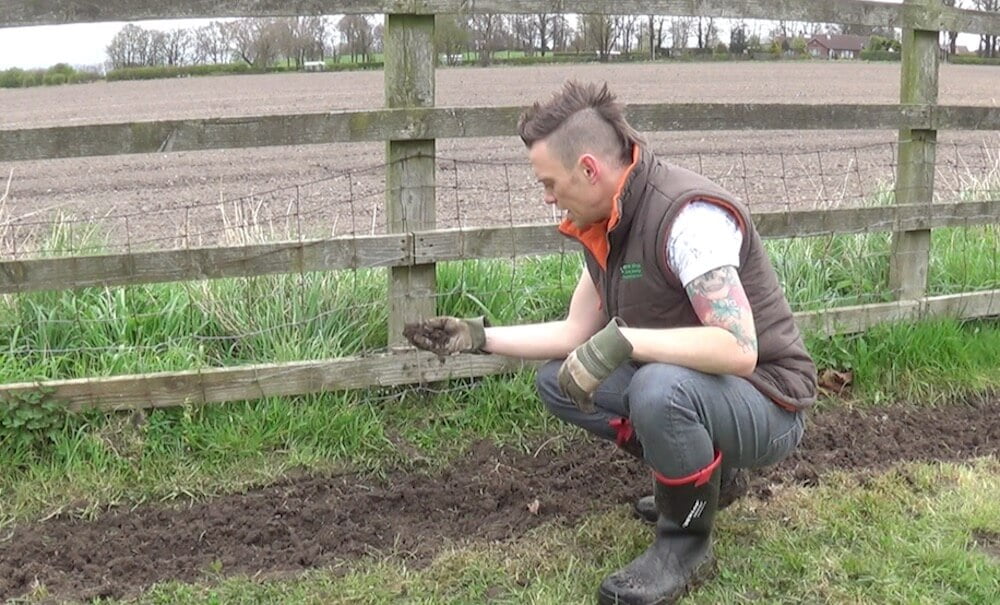
Basic liquid or powder testing kits are available at virtually any garden centre and work perfectly well for the purpose of plant selection. You take a small sample of soil from a depth of about 10 to 15cm, mix it with the testing solution, and compare the resulting colour against the chart provided. A reading of 6.5 or below tells you that you’re working with acidic conditions and that the plants in this guide will thrive for you. A reading of 5.0 to 6.0 puts you in the sweet spot for most ericaceous plants. Below 4.5 is very strongly acidic and limits your choices to the most specialist acid-lovers.
💡 Top Tip
Test soil from several different areas of your garden, not just one spot. pH can vary significantly across a single plot, particularly if part of the garden was previously paved, concreted, or had building work done on it. I always recommend taking at least three samples from different areas to build up an accurate picture of the growing conditions you’re working with.
🛒 Buy a soil pH testing kit from Amazon UK
If you want a more precise result, digital pH meters are excellent and reusable for years. Simply insert the probe into moist soil and get an instant reading. They’re particularly useful if you’re monitoring soil over time or managing a larger garden with varied conditions.
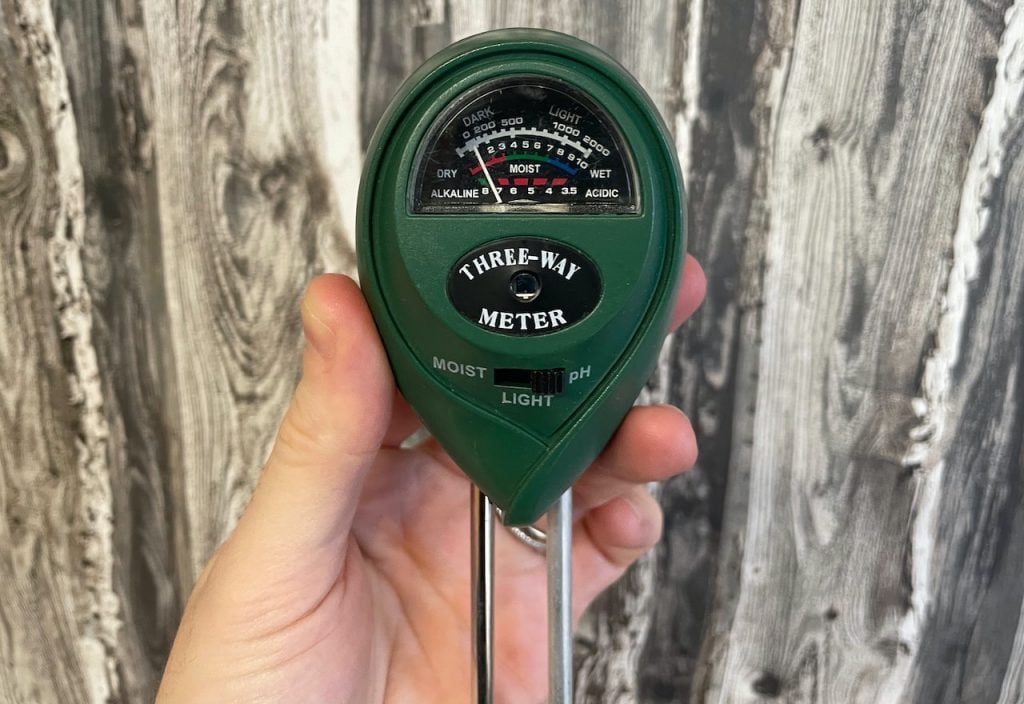
🛒 Buy a digital soil pH meter from Amazon UK
You can also get a reasonable indication from observing the plants already growing around you, particularly in neighbouring gardens. If rhododendrons and hydrangeas in true blue or purple are thriving nearby, the soil is likely acidic. If your neighbours are growing lavender and clematis successfully in the open ground, the soil is probably neutral to alkaline. The plants don’t lie.
Every growing season, I see gardeners attempting to permanently alter their soil pH, either by acidifying neutral ground to grow ericaceous plants, or by adding lime to neutralise acidity. I understand the impulse entirely, particularly when you’re attached to a specific plant and determined to grow it, whatever the conditions. But I want to be honest with you about what actually happens when you go down this route, because the reality is rather different from the promise on the bag of sulphur or lime.
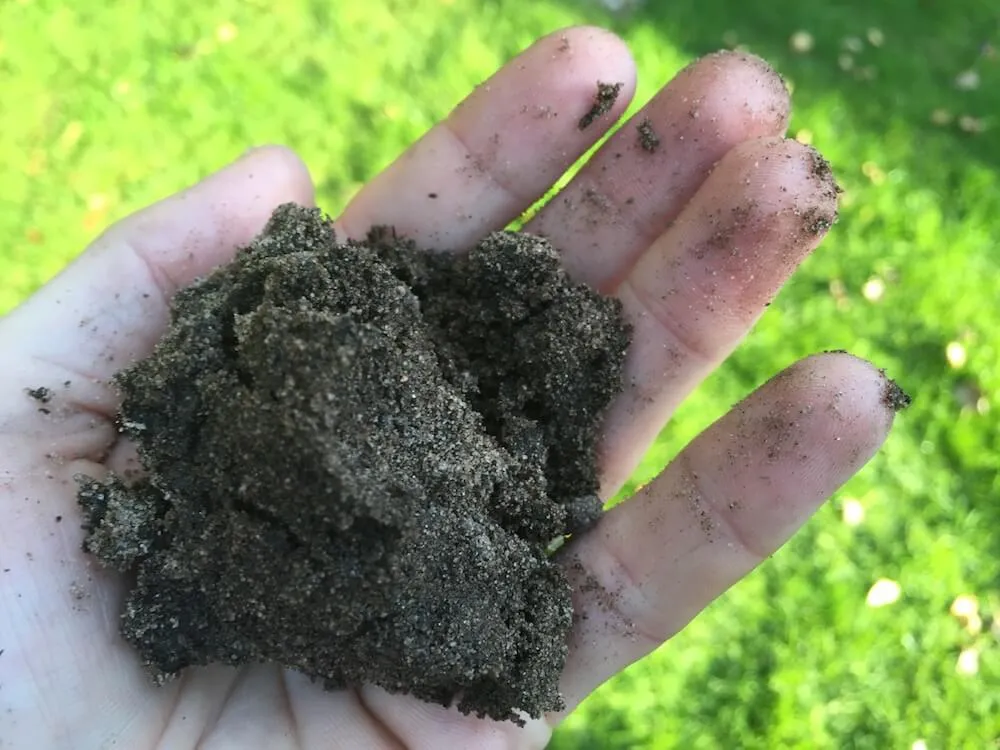
Changing soil pH is extremely difficult to do permanently, and even harder to do uniformly across an entire border. The pH of your soil is largely determined by your underlying geology and decades of accumulated organic matter, both of which are essentially fixed. You can apply sulphur to lower the pH, or lime to raise it, and you’ll see a change on a test kit. But the soil’s natural buffering capacity, the built-in resistance of the soil chemistry to change, means that it will gradually drift back towards its baseline over months and years.
This means you’re committing to repeated applications indefinitely, at a cost both financially and in terms of your time. Meanwhile, the pH will be uneven across the treated area, meaning some plants will benefit and others won’t, and you’ll find yourself chasing a moving target that never quite settles where you want it.
There’s also a broader soil health argument against significant pH manipulation. Soil is a living ecosystem, and the biology of your soil, the mycorrhizal fungi, bacteria, earthworms, and countless other organisms that support plant health, is calibrated to your existing pH.
Significant shifts in pH disrupt these communities. You may lower the pH successfully on paper, but find that the soil structure and biology underneath have been knocked sideways, which is counterproductive for everything else you want to grow.
💡 Top Tip
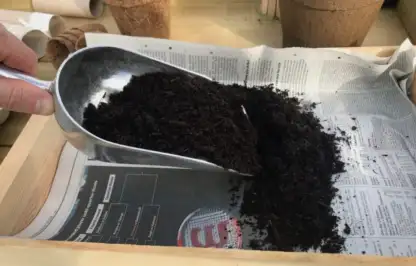
If there’s one ericaceous plant you’re desperate to grow but your soil is neutral or mildly alkaline, grow it in a container filled with ericaceous compost. A decent large pot gives you full control over the growing medium, and you can water with collected rainwater rather than tap water, which in many UK areas is alkaline enough to gradually raise the pH of container compost. This is a far better solution than trying to change an entire border’s chemistry.
🛒 Buy ericaceous compost from Amazon UK
The smarter approach, and the one that consistently produces the best results in my experience, is to identify what pH you have and choose plants accordingly. Acidic soil is not a disadvantage. It’s a growing medium that unlocks some of the most coveted and beautiful plants you can put in a British garden. Let the following list show you exactly what I mean.
Acid soil suits a remarkable range of trees, from the spectacular spring-flowering magnolias through to the fiery autumn displays of acers and amelanchiers. If you have acidic ground and you’re looking for structural planting, you’re spoiled for choice.
If there’s one tree that sums up everything wonderful about growing on acidic soil, it’s the magnolia. Those great goblet or star-shaped flowers opening on bare branches in early spring, before a single leaf has appeared, represent one of the most theatrical moments in the gardening calendar. Magnolias prefer acidic, humus-rich, moist but well-drained soil, and they resent lime to such a degree that planting one on alkaline ground is essentially setting money on fire very slowly.
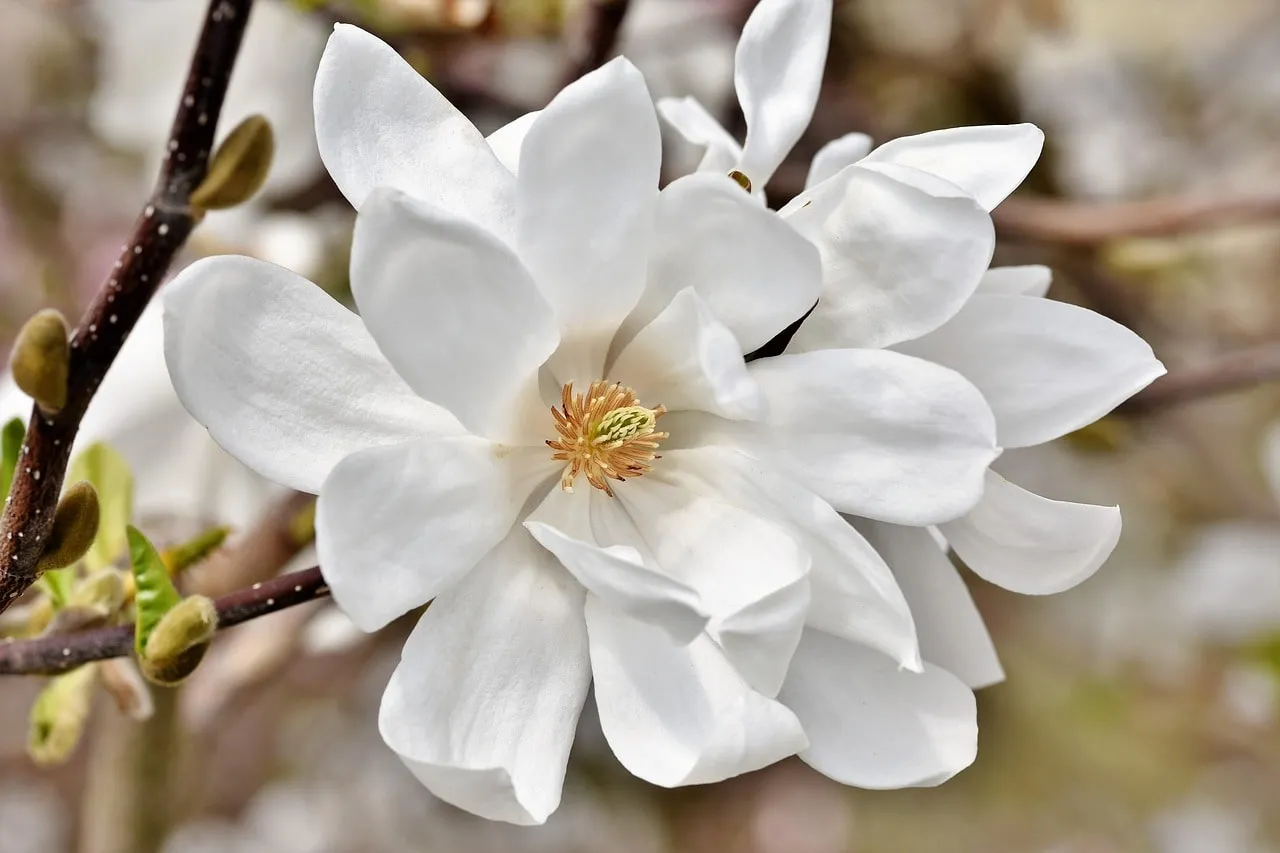
Magnolia x soulangeana is the classic large-growing hybrid with huge pink and white chalice flowers, but for smaller gardens I’d point you firmly towards Magnolia stellata, the star magnolia, which reaches just 2 to 3 metres and covers itself in white, spidery flowers in March. Magnolia ‘Susan’ is another excellent compact choice with upright, deep pink-purple flowers and a reliable, repeat-flowering habit. The key with magnolias is siting: plant them somewhere sheltered from hard late frosts, which will brown the flowers overnight. East-facing spots are particularly risky because of the rapid morning thaw.
🛒 Buy magnolia trees from Amazon UK
Japanese acers are one of my absolute favourite plants for acidic soil, and I’ve included them in more client gardens than I can count. The combination of delicate, hand-shaped foliage in every colour from lime green through to near-black purple, spectacular autumn colour in orange, red, and gold, and an elegant, naturally architectural structure makes them worth every penny. They grow more happily in slightly acidic conditions, where they can access the iron and manganese that give the red and purple-leafed forms their intensity of colour.
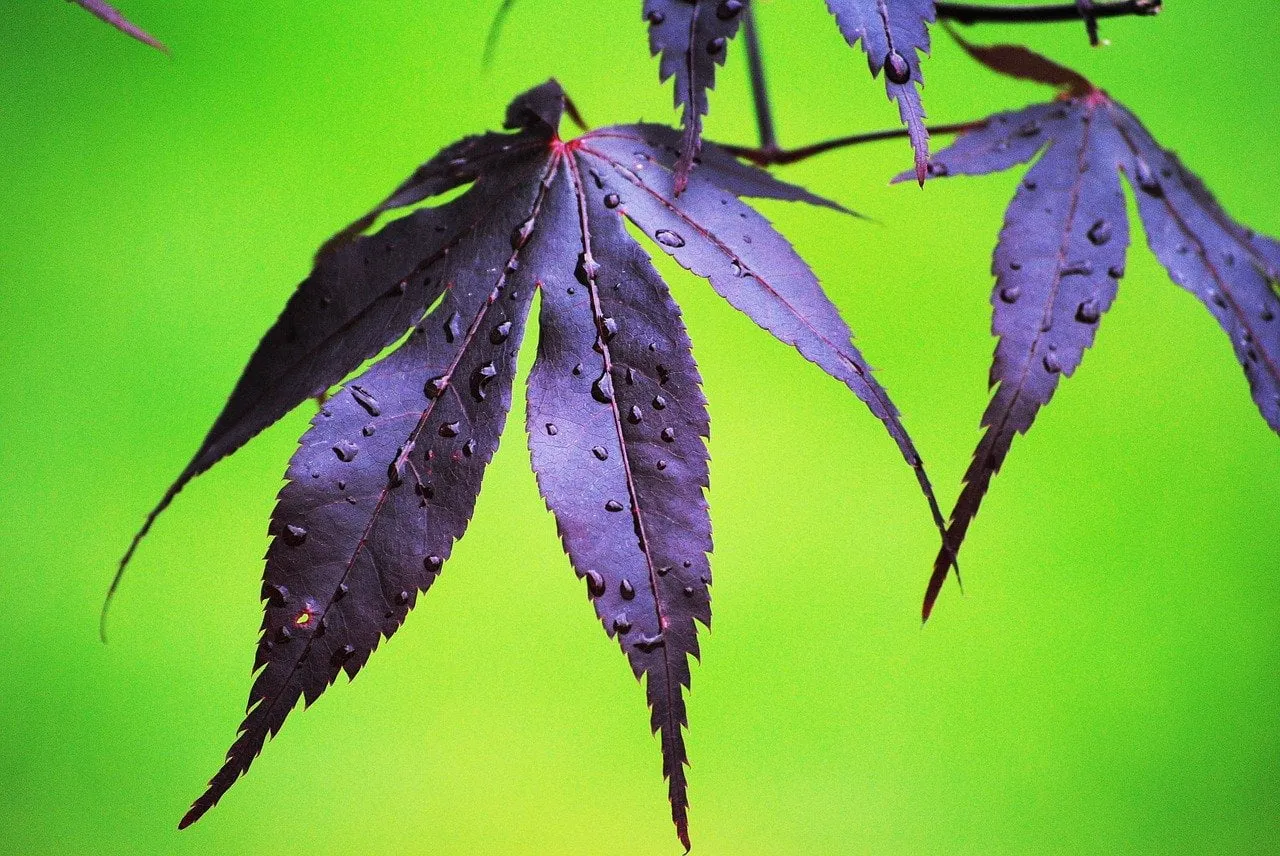
Acer palmatum ‘Bloodgood’ is the most reliable dark-leafed form for UK gardens, holding its deep burgundy-purple through the summer without fading. Acer palmatum dissectum ‘Garnet’ produces a mounding, weeping habit with finely cut crimson foliage that transforms to brilliant orange in autumn. Shelter from cold, desiccating winds is essential, as the delicate leaves scorch and brown in exposed positions regardless of how good the soil is.
🛒 Buy Japanese acer trees from Amazon UK
The amelanchier, sometimes called snowy mespilus or serviceberry, earns its place through sheer multi-season interest. In spring the bronze-tinged emerging leaves and clouds of white blossom appear simultaneously, creating one of the best combinations in the early garden. Summer brings small, dark berries that birds adore. Autumn delivers a pyrotechnic display in shades of orange, red, and flame that rivals the best Japanese acers.
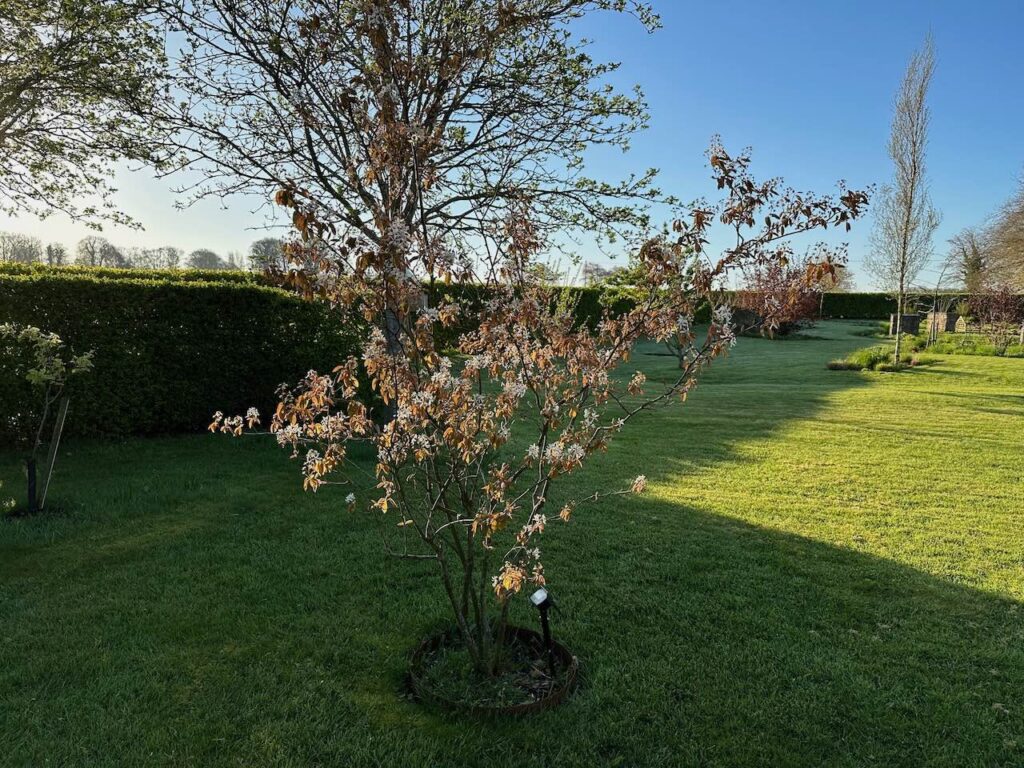
It’s also notably tolerant of a wider pH range than some acid-lovers, performing well anywhere from 5.0 to 6.5, which makes it a safer choice if your soil sits closer to neutral. For smaller gardens, look for the cultivar ‘Ballerina’, which has a more compact habit and particularly good autumn colour. Amelanchier is one of those plants that look like they were designed specifically for UK conditions, and it’s enormously underused.
🛒 Buy amelanchier trees from Amazon UK
The shrub category is where acidic soil really comes into its own. Some of the most coveted garden shrubs in cultivation are ericaceous plants, meaning they have adapted specifically to life in low-pH soil. Get this category right and you’ll have a garden that’s genuinely the envy of your high-pH neighbours.
I have spent time at Bodnant Gardens in Wales watching acres of rhododendrons in full spring flower, and it’s honestly one of the most overwhelming sensory experiences in British horticulture. The sheer scale of colour, from the deepest blood-red and purple to the softest apricot and white, is only possible because the acid soil in that part of North Wales is ideal territory for the genus. Rhododendrons are among the most demanding of the ericaceous plants when it comes to pH: they really do want soil below 6.0 and will show their displeasure with yellowing leaves if conditions are too alkaline.
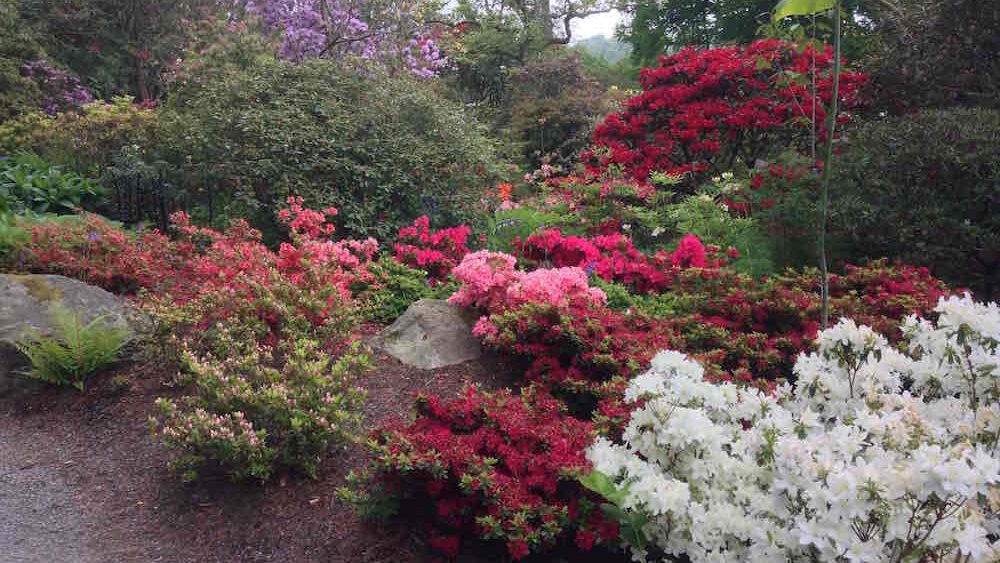
For smaller UK gardens I always recommend looking at the smaller, more compact cultivars rather than the enormous Victorian species that can eventually smother a border entirely. Rhododendron ‘Praecox’ is a beautiful early-flowering dwarf form with lilac-pink flowers in February and March. ‘Dopey’ is a compact, mound-forming variety with brilliant red trusses. ‘Bashful’ gives clear pink flowers with a striking darker blotch and grows to around 1.5 metres. The YAKUSHIMANUM hybrids are particularly good for smaller gardens, with a naturally tidy, dome-shaped habit and exceptional hardiness.
🛒 Buy rhododendron shrubs from Amazon UK
Botanically speaking, azaleas are rhododendrons, but they’re typically smaller in stature, with flowers in a more vivid range of colour, and some forms are gloriously fragrant in a way that rhododendrons rarely are. The deciduous azaleas, such as the Ghent hybrids and the Knap Hill series, often deliver the most extraordinary autumn colour as well as spectacular spring flowers, making them genuinely a three-season plant.
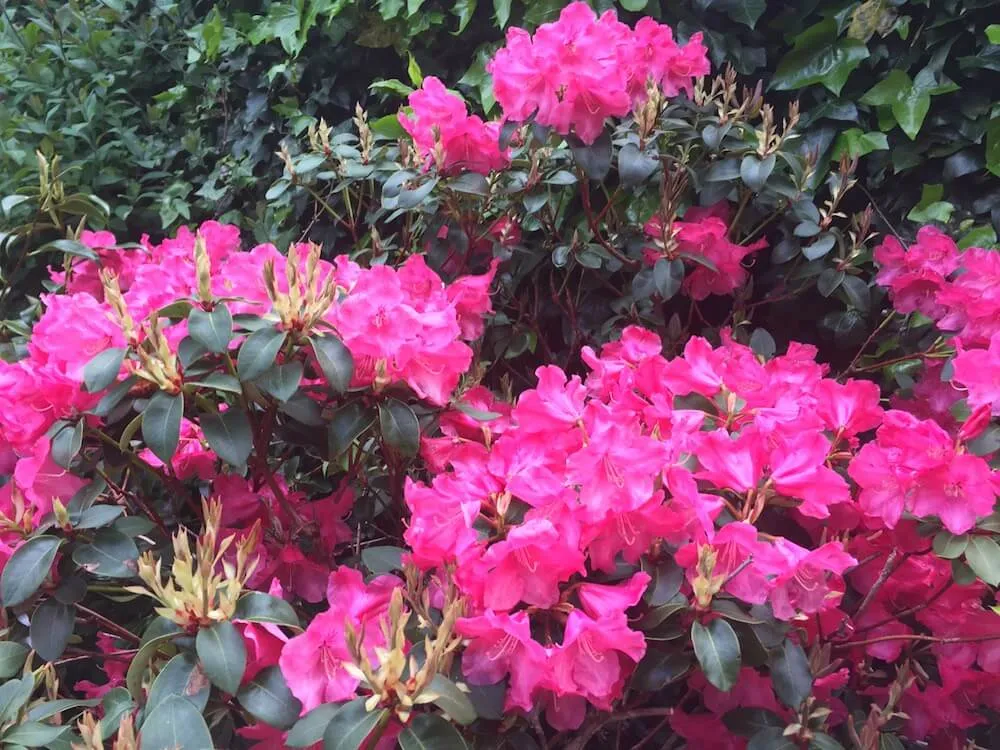
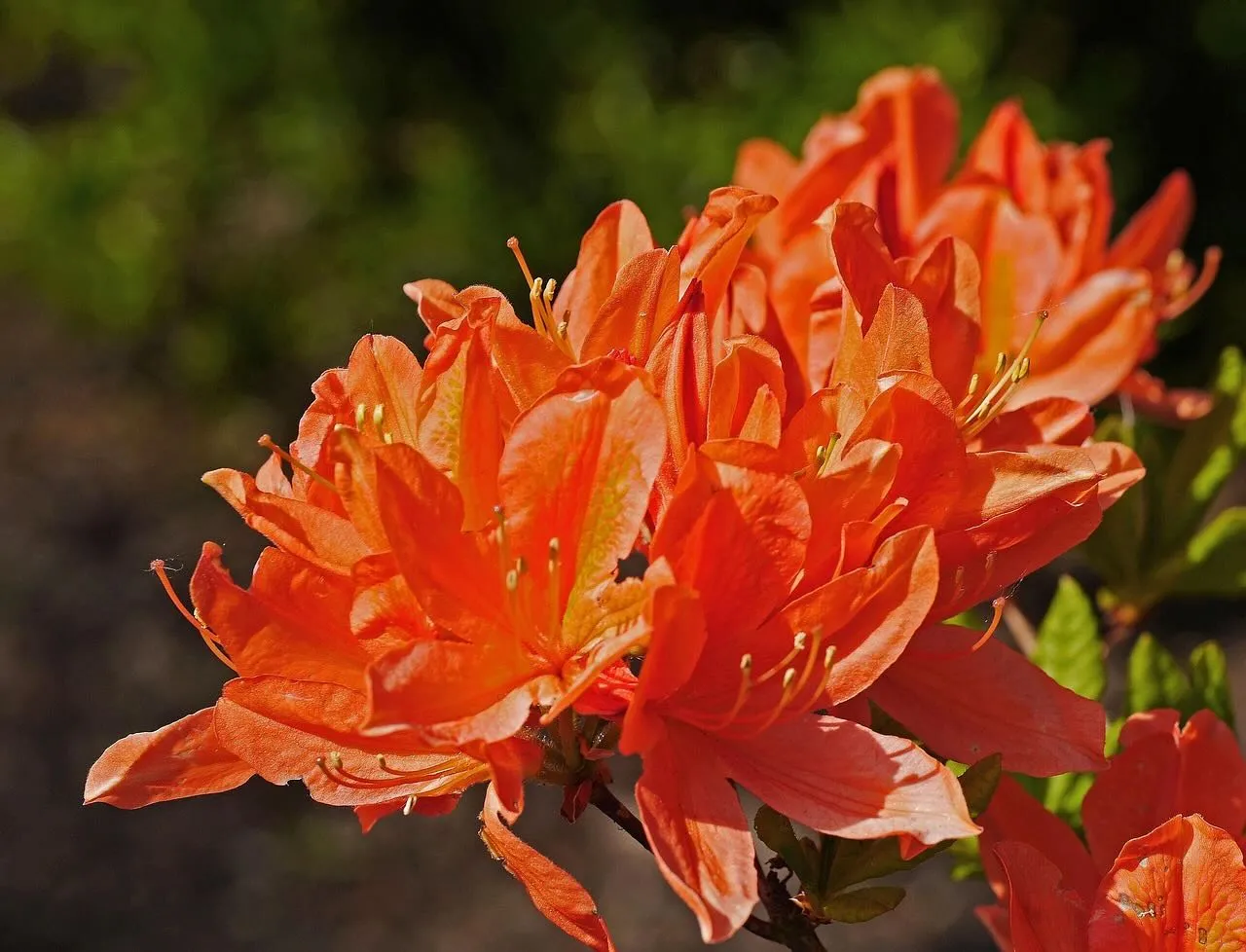
Evergreen Japanese azaleas, the low-mounding types that become carpeted with flowers in May, are the most commonly seen in UK gardens and are superb for creating colour at a lower level in a border. Rhododendron ‘Gibraltar’ is a Knap Hill deciduous azalea with vivid flame-orange flowers that seem almost incandescent in spring light. ‘Daviesii’ gives sweetly fragrant, creamy-white flowers with a yellow flush. For genuinely scented azaleas, the deciduous forms are where to look, and they repay their place in the garden many times over.
🛒 Buy azalea shrubs from Amazon UK
Camellias are among the most rewarding acid-soil shrubs for UK gardens, delivering formal, perfectly formed flowers from midwinter through to late spring at a time when most of the garden is still asleep. The glossy, deep-green evergreen foliage is attractive year-round, providing a dark backdrop that makes the flowers appear almost porcelain-bright when they open.
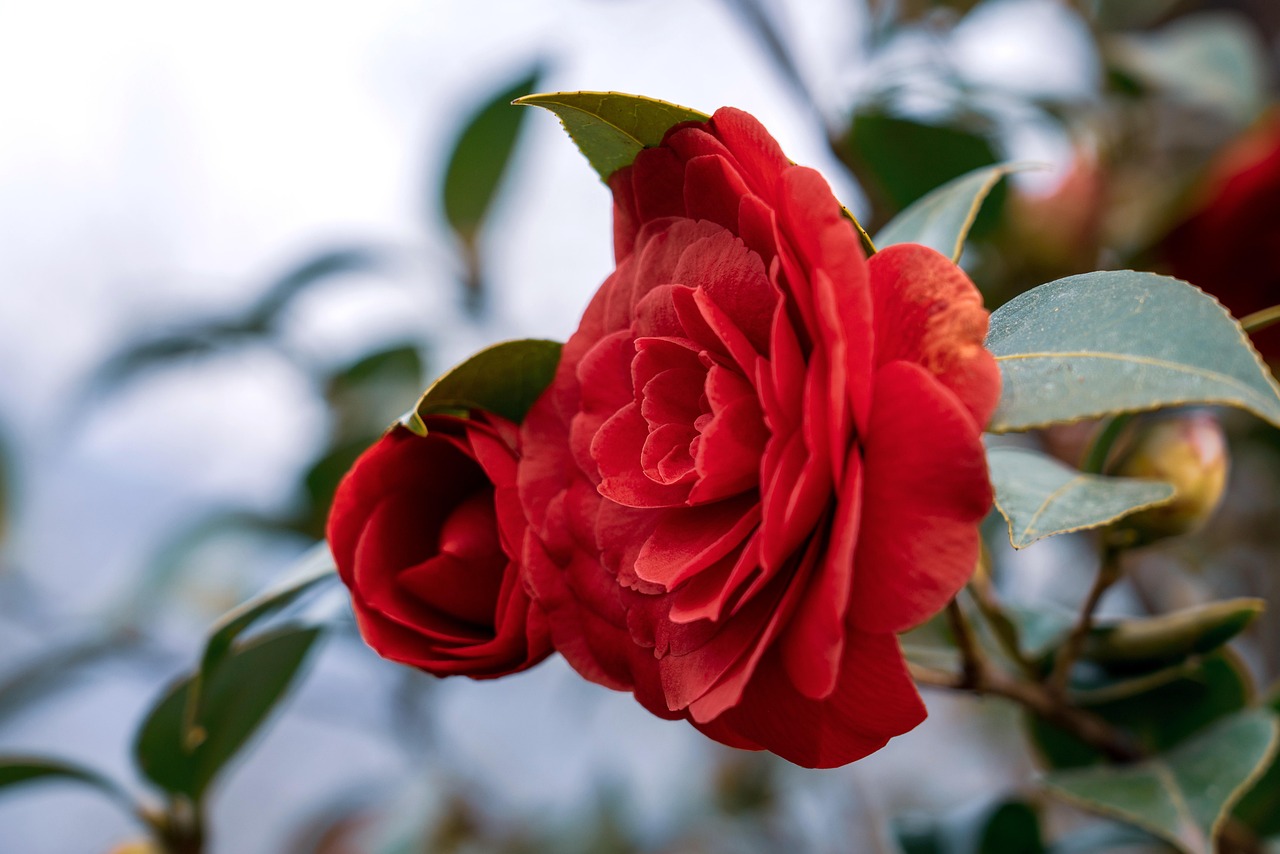
The Camellia x williamsii hybrids are particularly well-suited to UK conditions and are hardier and more free-flowering than many pure japonica forms. ‘Donation’ is the most widely grown, with semi-double orchid-pink flowers from February onwards, and is deservedly one of the most popular garden shrubs in the country. ‘Jury’s Yellow’ gives an unusual creamy-yellow centre within white petals. Site camellias away from east-facing positions if possible, as the combination of frosted buds thawing rapidly in early morning sun is the most reliable way to damage an entire season’s flowers. A west-facing wall or sheltered border is ideal.
🛒 Buy camellia shrubs from Amazon UK
Pieris earns its reputation as one of the finest evergreen shrubs for acidic soil through sheer dual-season interest. In spring, it simultaneously produces cascades of white or pale pink, lily-of-the-valley-style flowers and brilliant new growth in shades of red, orange, or copper, depending on the cultivar. This is the best ericacious plant for small gardens, containers or planters as it is ridiculously slow growing!
The contrast between the scarlet new shoots and the white flower racemes on ‘Forest Flame’ and ‘Flaming Silver’ is genuinely striking. By summer, the new growth matures to green, and the plant settles into a year-round backdrop of neat, glossy foliage.
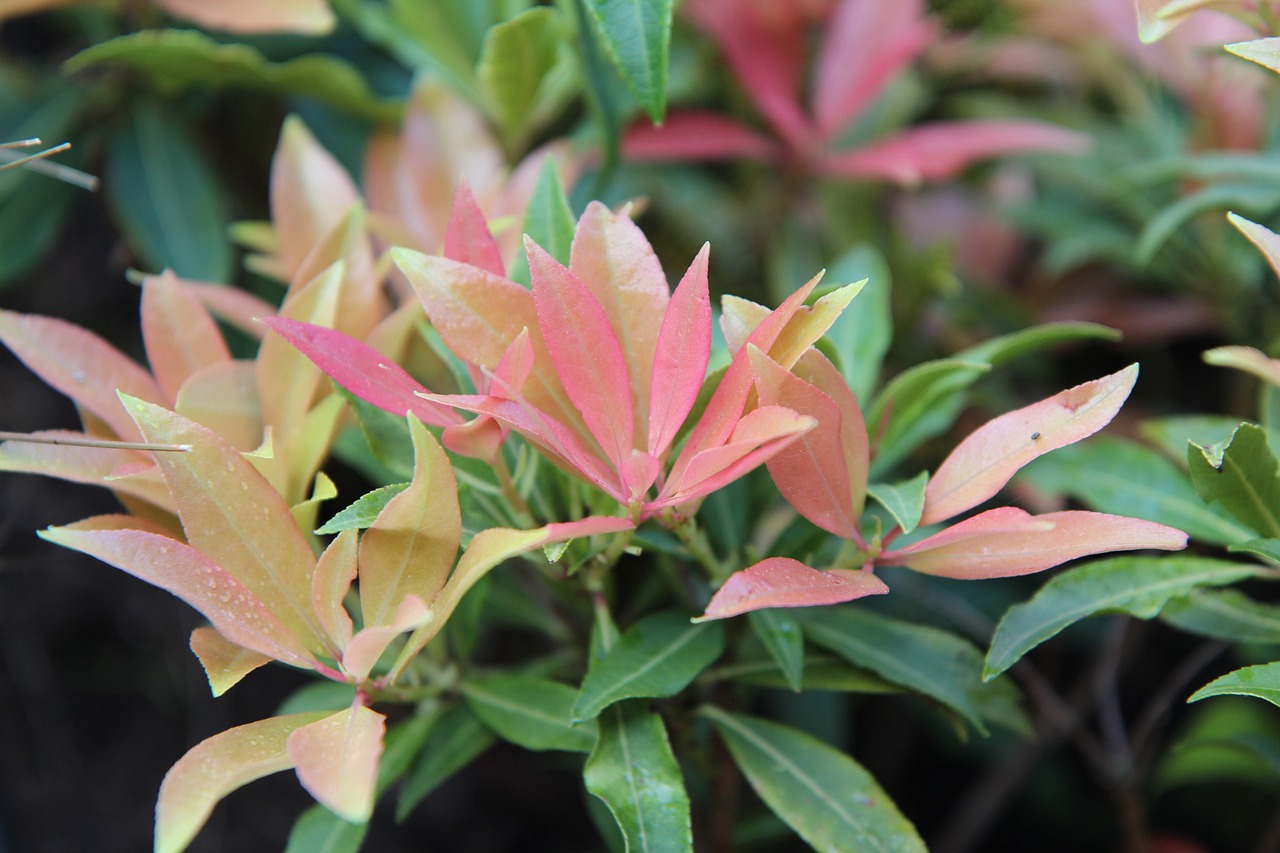
Pieris is slower growing than most shrubs in this list, which is actually an advantage in smaller gardens where you don’t want plants outgrowing their space every few years. The compact cultivar ‘Purity’ reaches only 1 metre and produces pure white flower clusters. ‘Little Heath’ is even smaller, at around 60cm, with attractively variegated cream-edged leaves. Be aware that all parts of pieris are toxic if ingested, which is worth knowing if you have young children or dogs.
🛒 Buy pieris shrubs from Amazon UK
Heathers are the backbone of the acid-soil garden and, planted in groups, they create a tapestry of colour and texture that changes across the seasons in the most satisfying way. Calluna vulgaris (ling or Scots heather) is the classic late-summer to autumn-flowering species, producing masses of tiny bell-shaped flowers in pink, purple, red, or white from August into October.
The Erica family offers winter and spring interest: Erica carnea (winter heath) is particularly valuable, flowering from December to April in white or pink, and it’s also considerably more tolerant of slightly higher pH than most other heathers, coping with conditions up to around pH 6.5.
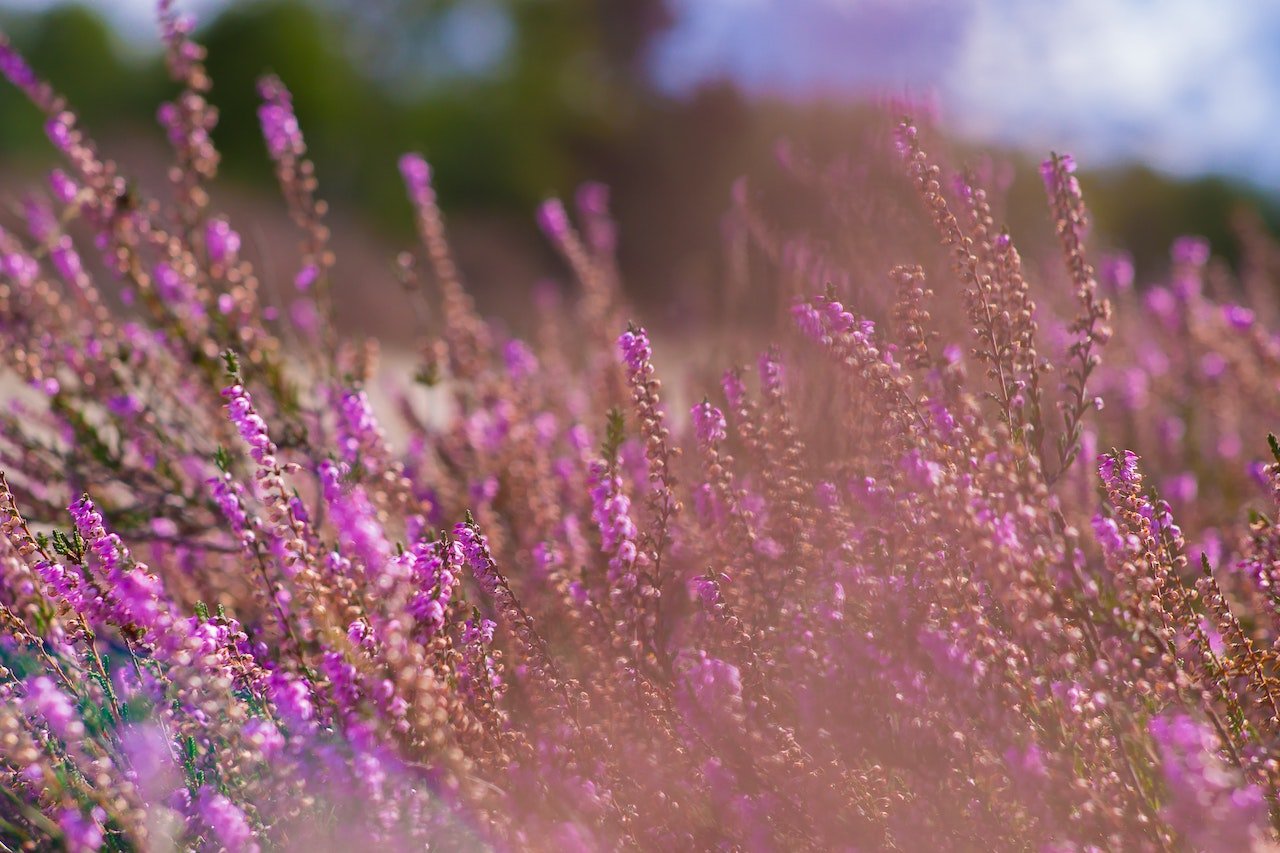
By choosing varieties carefully, you can have heather in flower in every single month of the year, which makes them a remarkable low-maintenance ground cover for acidic, open ground. They’re also completely invaluable for pollinators: bees are extraordinarily attracted to heather flowers, making a heather bank one of the most wildlife-friendly features you can create in a UK garden. Clip them back lightly after flowering to keep them compact and bushy rather than leggy.
🛒 Buy heather plants from Amazon UK
Skimmia is one of those shrubs that genuinely earns its place through every single month of the year. The persistent, brilliant red berries on female plants glow through winter and into spring. The fragrant clusters of white or pink flowers in March and April are pollinator magnets. The neat, dome-shaped habit and glossy evergreen foliage provide structure and greenery even in the depths of January. And it tolerates shade beautifully, which makes it invaluable in parts of the garden where other acid-loving plants won’t thrive. I have it behind my garage where even in part shade it still flowers and berries each year!
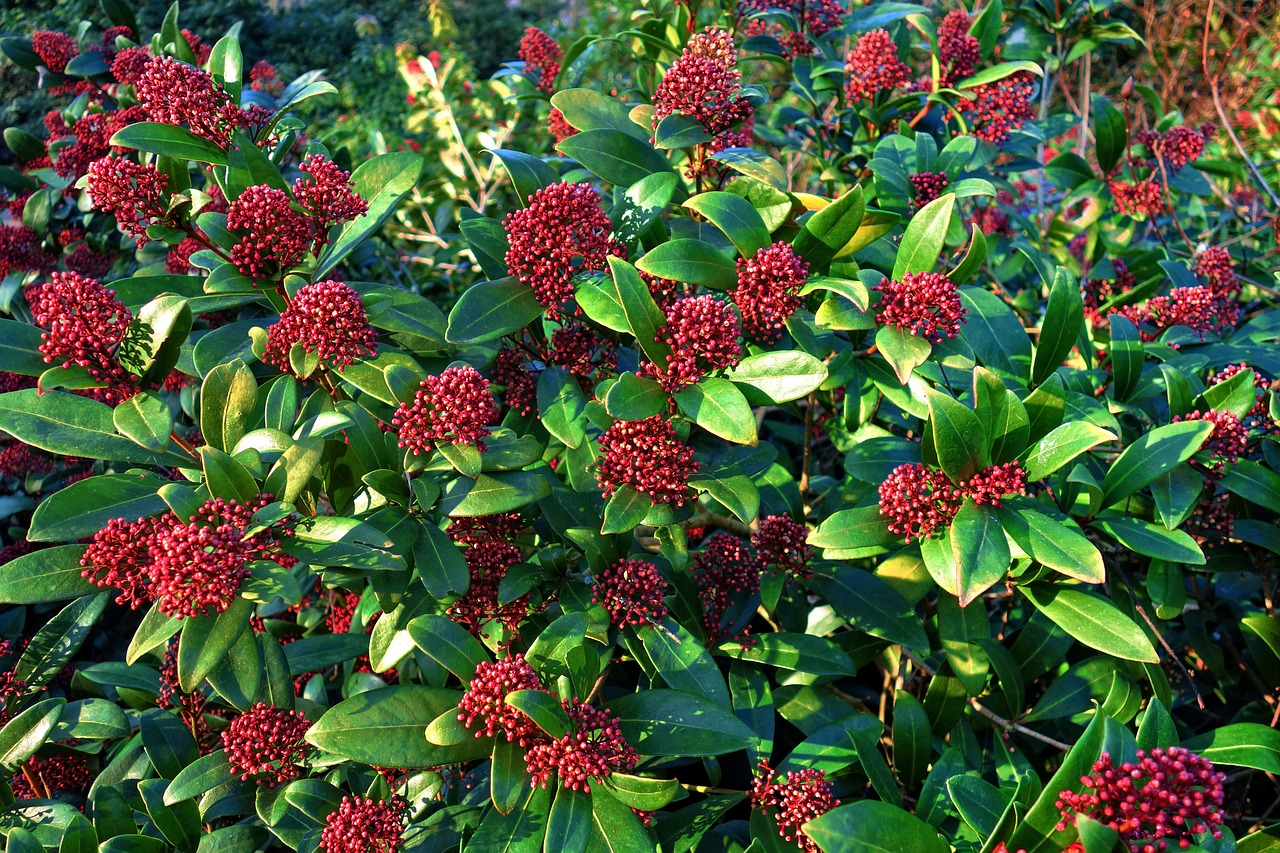
The key detail with skimmia is that you need both a male and a female plant to get berries on the female. Skimmia japonica ‘Rubella’ is a widely available male with distinctive red-tinged flower buds that are ornamental through winter before opening white in spring. Plant it near a female such as ‘Veitchii’ or the self-fertile Skimmia japonica subsp. reevesiana, which doesn’t need a pollinator at all. Skimmia is particularly well suited to smaller gardens and urban conditions, where its tolerance of pollution and dry shade makes it one of the most reliable workhorses available.
🛒 Buy skimmia plants from Amazon UK
If you want a living demonstration of what soil pH actually does to a plant, look no further than Hydrangea macrophylla. The flowers of the mophead and lacecap forms change colour depending on the availability of aluminium in the soil, which is itself governed by pH.
In acidic conditions, aluminium is freely available, and the flowers turn blue. In alkaline conditions, aluminium is locked up, and the flowers are pink. At neutral pH, you often get a rather indeterminate mauve. Your hydrangea is essentially a continuous pH test you don’t need any equipment for.
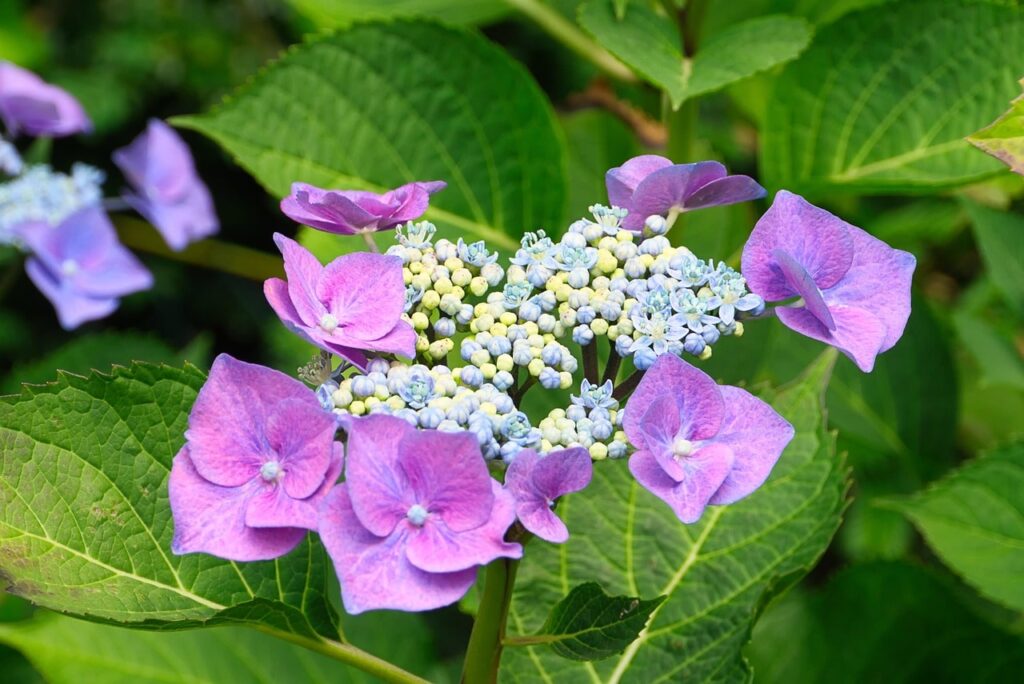
If you have genuinely acidic soil and you want blue-flowered hydrangeas, this is your moment. The blue shades achievable in acidic ground, particularly on varieties like ‘Nikko Blue’, ‘Endless Summer Blue’, and the lacecap ‘Bluewave’, are simply not reproducible on neutral or alkaline soil, regardless of how much bluing compound you apply. The summer-to-autumn flowering season is exceptionally long, and the dried flower heads on wide varieties persist through winter, providing structure in the garden long after everything else has died back.
🛒 Buy hydrangea shrubs from Amazon UK
Beyond the headline ericaceous shrubs, there’s a rich selection of herbaceous perennials, bulbs, and woodlanders that genuinely prefer acidic conditions and will reward you with decades of reliable performance on low-pH soil.
The foxglove is the defining plant of the British woodland edge, and the reason it thrives in those conditions is precisely because of the acidic, humus-rich soil that accumulates there. These are quintessentially native plants, evolved in our own landscape, and they self-seed prolifically once established, which means a single packet of seeds or a tray of plug plants can fill an entire border with vertical interest for years without any further intervention from you.
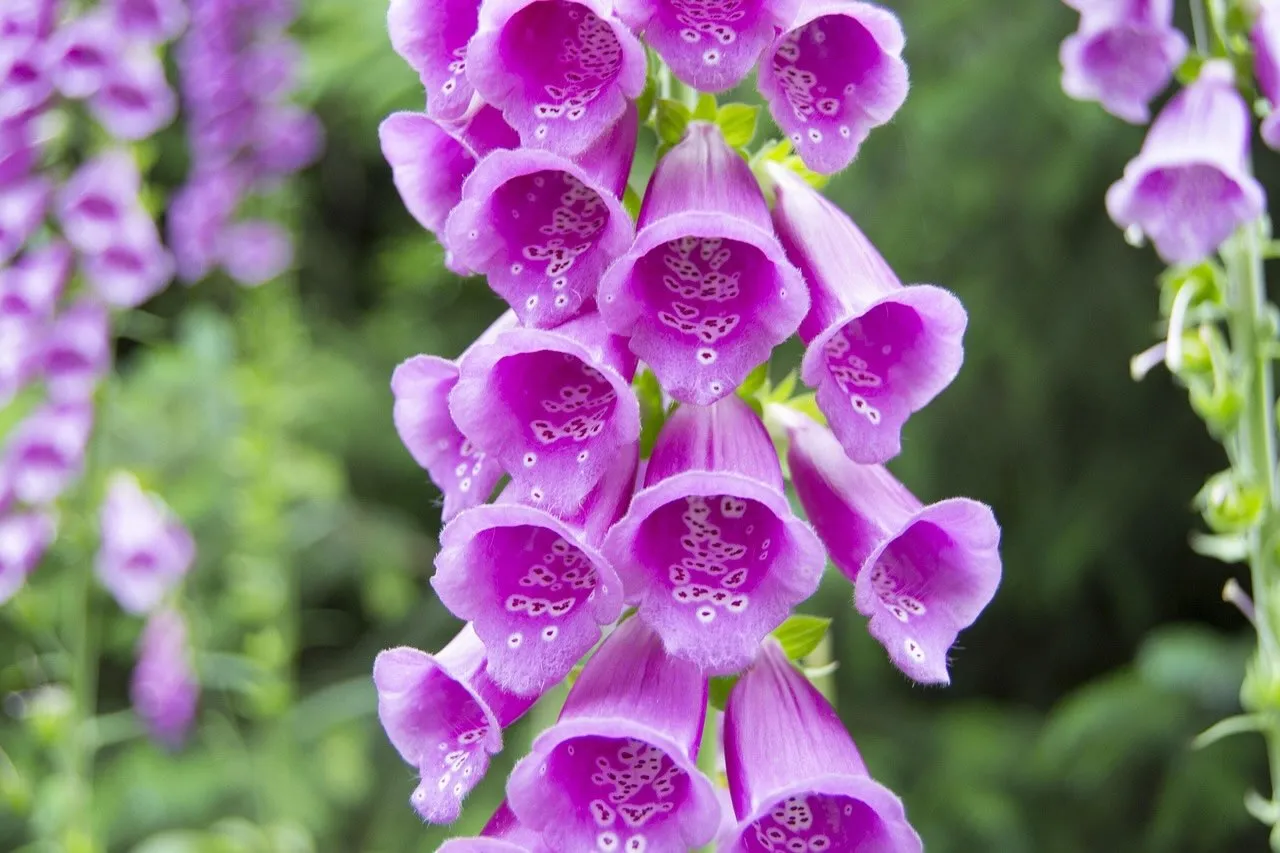
The classic form, with its purple-pink spotted bells, is one of the finest cottage garden plants available, but the modern ‘Camelot’ and ‘Dalmatian’ series offer a wider colour range, including cream, peach, and deep cherry, and tend to produce a larger, more robust flower spike. Be aware that all parts of foxgloves are toxic, so they’re worth positioning thoughtfully in gardens with young children or dogs. Allow them to self-seed freely once established, and you’ll find they naturalise happily, appearing in unexpected and pleasing spots around the border for years afterwards.
They are one of the key plants for witchcraft or occult gardens with plenty of folklore to boot. People believe that fairies use the bell flowers as shelter in the garden!
🛒 Buy foxglove seeds and plants from Amazon UK
Lupins are an interesting case in this list because they span a wider pH range than strictly ericaceous plants, performing well from pH 5.5 to around 7.0. However, they genuinely dislike alkaline, chalky conditions, and on acidic, well-drained soil, they can be exceptional. The towering spires of pea-flowers in June, available in almost every colour imaginable and often beautifully bicoloured, make them among the most dramatic border perennials in the early-summer garden.
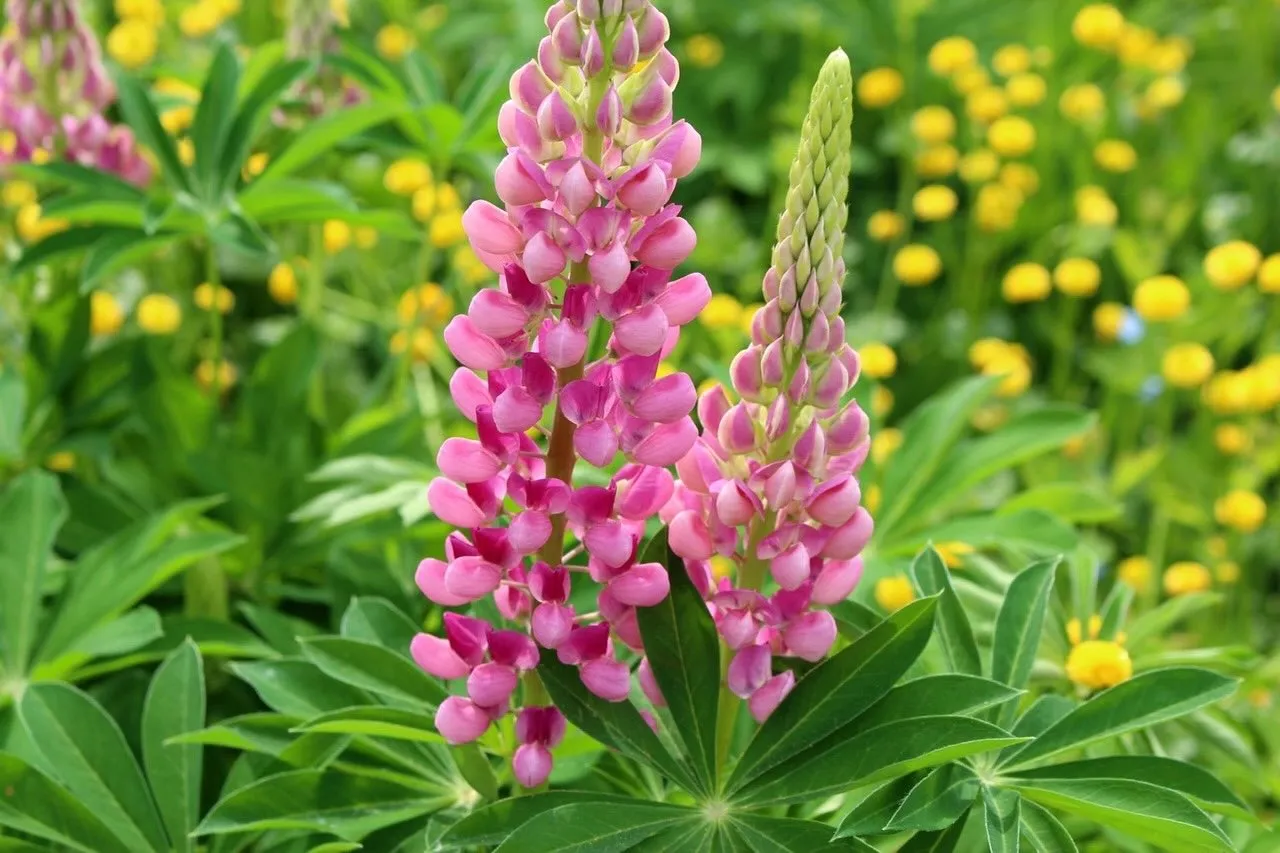
The Russell Hybrid lupins remain the benchmark for UK gardens, and the ‘Gallery’ series gives a more compact option at around 50cm for smaller borders. An added benefit that many gardeners don’t realise: lupins are legumes (part of the pea family) and fix atmospheric nitrogen through their root nodules, which means they actually improve the soil for surrounding plants as they grow. Cut the first flower spikes back to the basal foliage once they fade, and you’ll often get a second, smaller flush of flowers later in summer.
🛒 Buy lupin plants from Amazon UK
Astilbes are among the most reliable perennials you can grow in moist, acidic conditions, and they genuinely love exactly the sort of ground that other plants struggle with: damp, cool, slightly acidic soil in partial shade, the type of border conditions that seem to defeat almost everything else you try. The feathery plumes of flowers in shades from deep crimson through pink, lilac, and white stand above the attractive, fern-like foliage from June to August, and even after flowering, the seed heads remain ornamental into autumn.
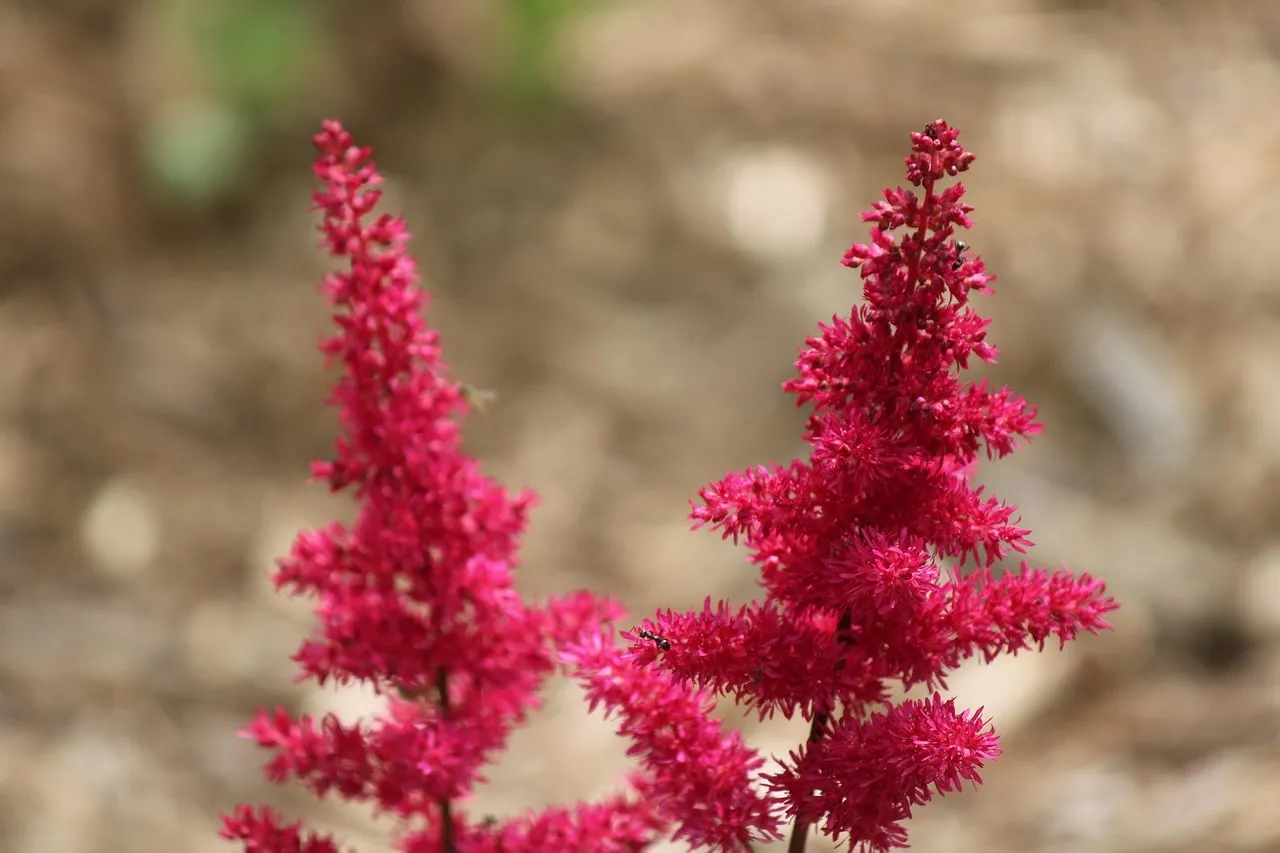
‘Fanal’ is one of the deepest and most saturated reds available and is deservedly one of the most popular cultivars. ‘Deutschland’ gives pristine white plumes on compact, 50cm stems. ‘Rheinland’ produces clear pink flowers in early summer. The one requirement that astilbes are completely unforgiving about is moisture: allow them to dry out in summer, and the foliage will scorch, and the plant will weaken significantly. In a moist, slightly acidic border in dappled shade, however, they’re one of the most trouble-free and long-lived perennials you can grow.
🛒 Buy astilbe plants from Amazon UK
Lily of the valley has one of the most intoxicatingly beautiful fragrances in the plant world, and once you’ve established a colony of it spreading beneath trees and shrubs in acidic, leafy soil, it will return faithfully every spring for decades. It’s a woodland plant by nature, happiest in the conditions that acidic soil under a deciduous canopy creates: cool, moist, humus-rich ground with the pH that falling leaves have been slowly reducing for years.
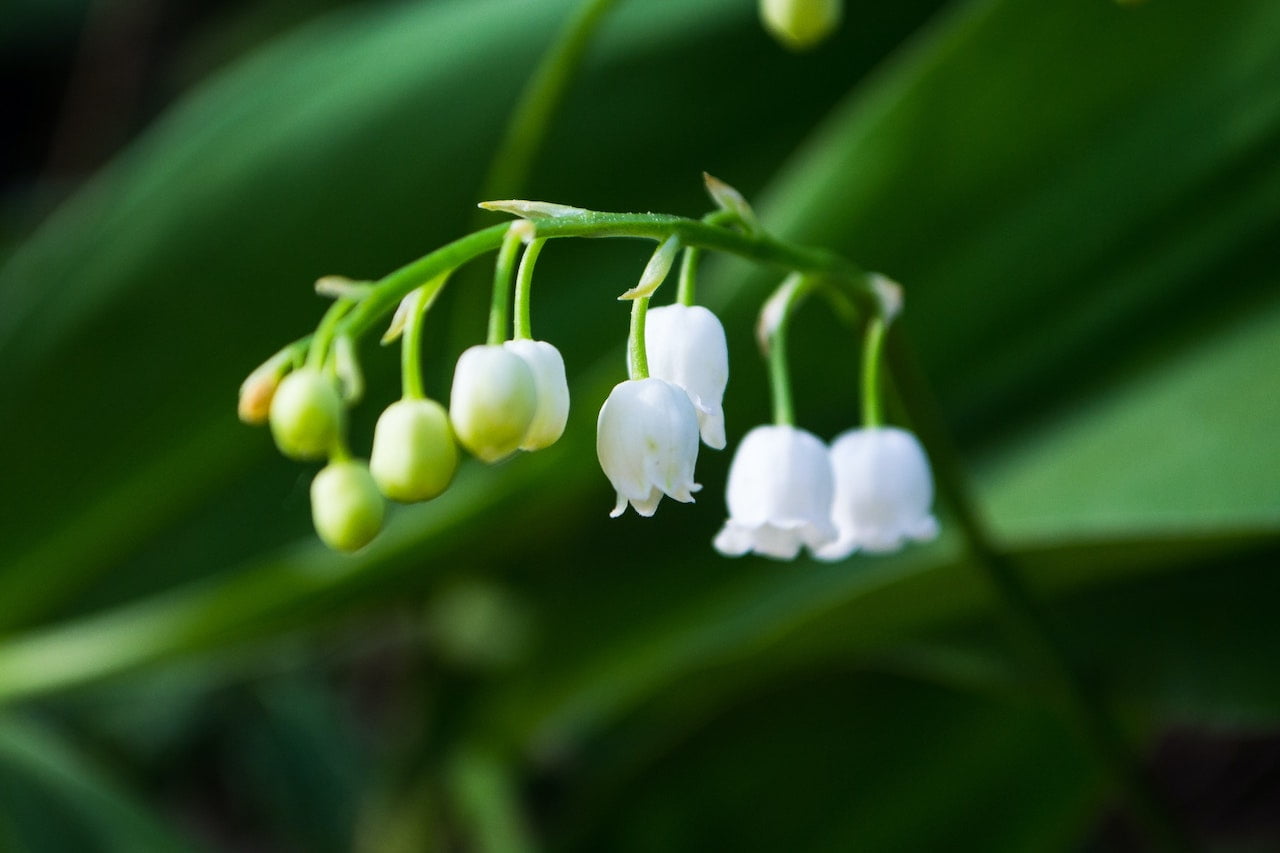
Plant the rhizome ‘pips’ in autumn, just below the surface, and leave them to it. Once established, lily of the valley spreads reasonably vigorously via rhizomes and can colonise the dry, difficult ground under trees and hedges that defeat many other planting attempts. Be aware that all parts of the plant are toxic, which is worth noting before planting in gardens with pets or small children. The pink-flowered cultivar ‘Rosea’ is a charming alternative to the standard white for those who want something a little different.
🛒 Buy lily of the valley pips from Amazon UK
The Himalayan blue poppy is perhaps the most breathtakingly beautiful flowering plant you can grow in a British garden, and the reason it appears in this list is that it’s essentially impossible to grow well without acidic, cool, humus-rich soil. Those extraordinary, sky-blue to turquoise petals surrounding a boss of golden stamens are one of the genuine wonders of the plant world, and if you have the right conditions, particularly in cooler, wetter parts of the UK such as Scotland, Wales, and the North of England, growing them successfully is a genuinely rewarding achievement.
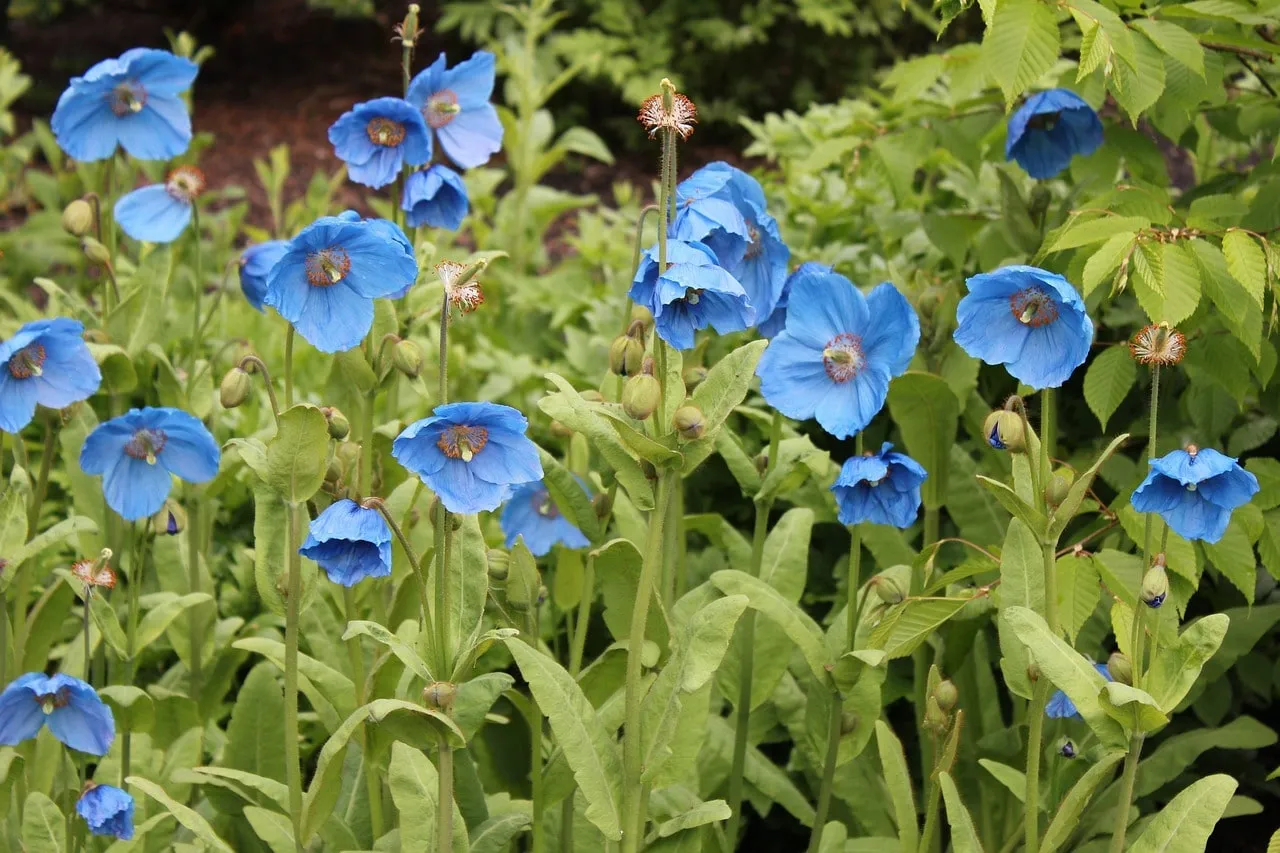
Meconopsis x sheldonii ‘Lingholm’ is the most reliable and long-lived perennial form for UK gardens. The Welsh poppy, Meconopsis cambrica, is the less demanding native relative, producing yellow or orange flowers and self-seeding prolifically in shaded, acidic conditions. Meconopsis are not easy plants, and I won’t pretend otherwise. They need cool summers, consistently moist (but never waterlogged) soil, and a sheltered, partially shaded position. In the right conditions, though, nothing comes close.
🛒 Buy meconopsis blue poppy plants from Amazon UK
Trilliums are among the most refined and elegant of all woodland perennials, producing a single stem with three leaves, three petals, and three sepals in perfect symmetry. Trillium grandiflorum, the great white trillium, produces large, pure-white flowers that age to pink as they mature. Trillium sessile gives upright, dark maroon-red petals above beautifully marbled foliage.
They’re slow-growing plants that take a few years to build into established clumps, but once settled in the right conditions, cool, moist, humus-rich, acidic soil in dappled shade, they’re essentially permanent and need almost no attention whatsoever.
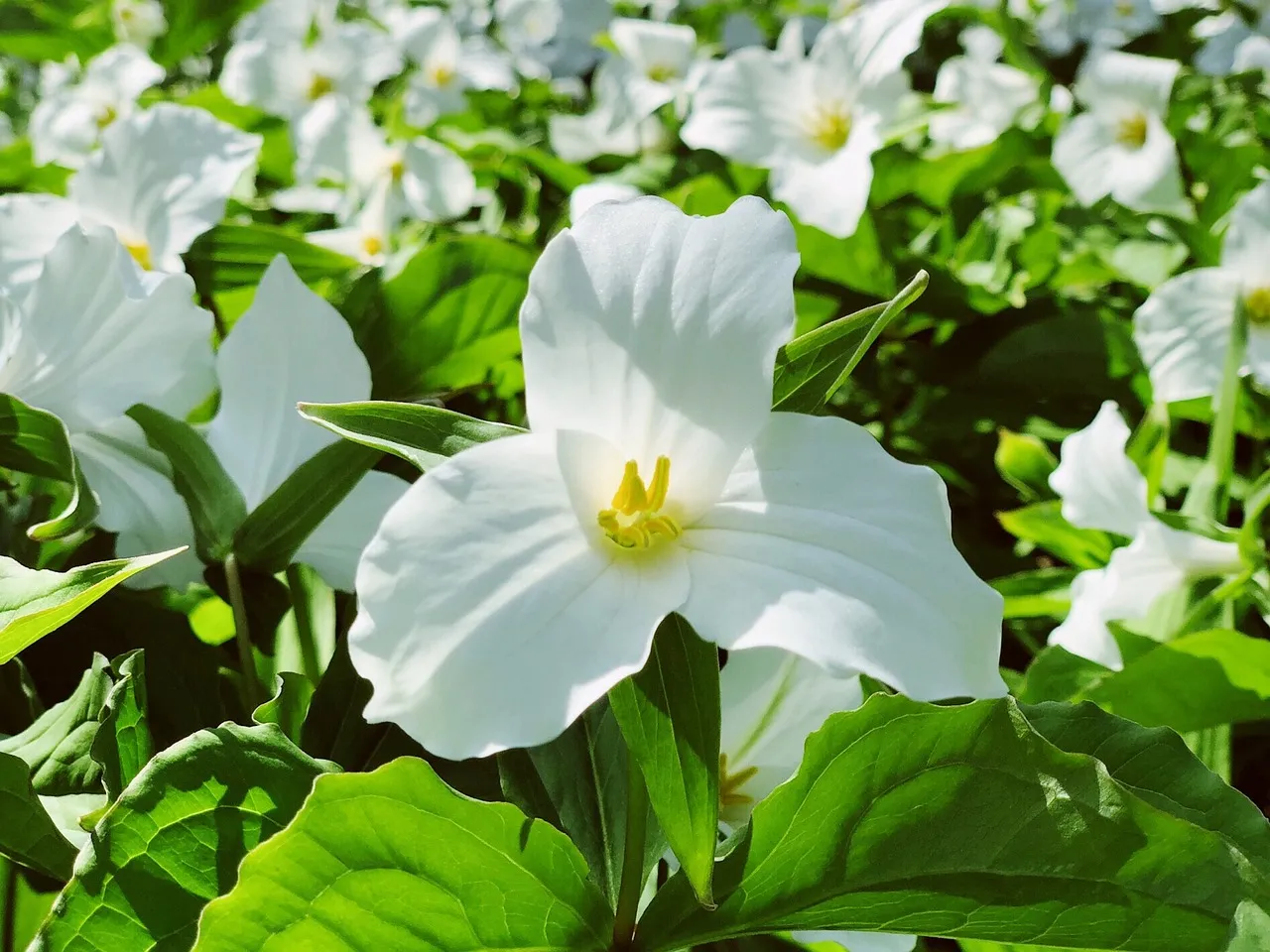
The cardinal rule with trilliums is not to disturb them once planted. They form associations with specific mycorrhizal fungi in the soil, and moving or dividing them disrupts this relationship and sets them back significantly. Plant them in the right place from the start, in moist, leaf-mould-rich, acidic soil, and give them time to establish.
🛒 Buy trillium plants from Amazon UK
If you’ve been wondering what that extraordinary pure blue is in alpine gardens and specialist nurseries, it’s almost certainly a gentian, and the autumn-flowering Gentiana sino-ornata is the one that produces the most breathtaking colour of all. The trumpets are a deep cobalt-blue with paler striping, and they sit at ground level on trailing stems from September onwards, when almost everything else in the garden is winding down. This is a plant that actively demands acidic, moist, humus-rich soil, and will simply refuse to grow on anything approaching neutral or alkaline ground.
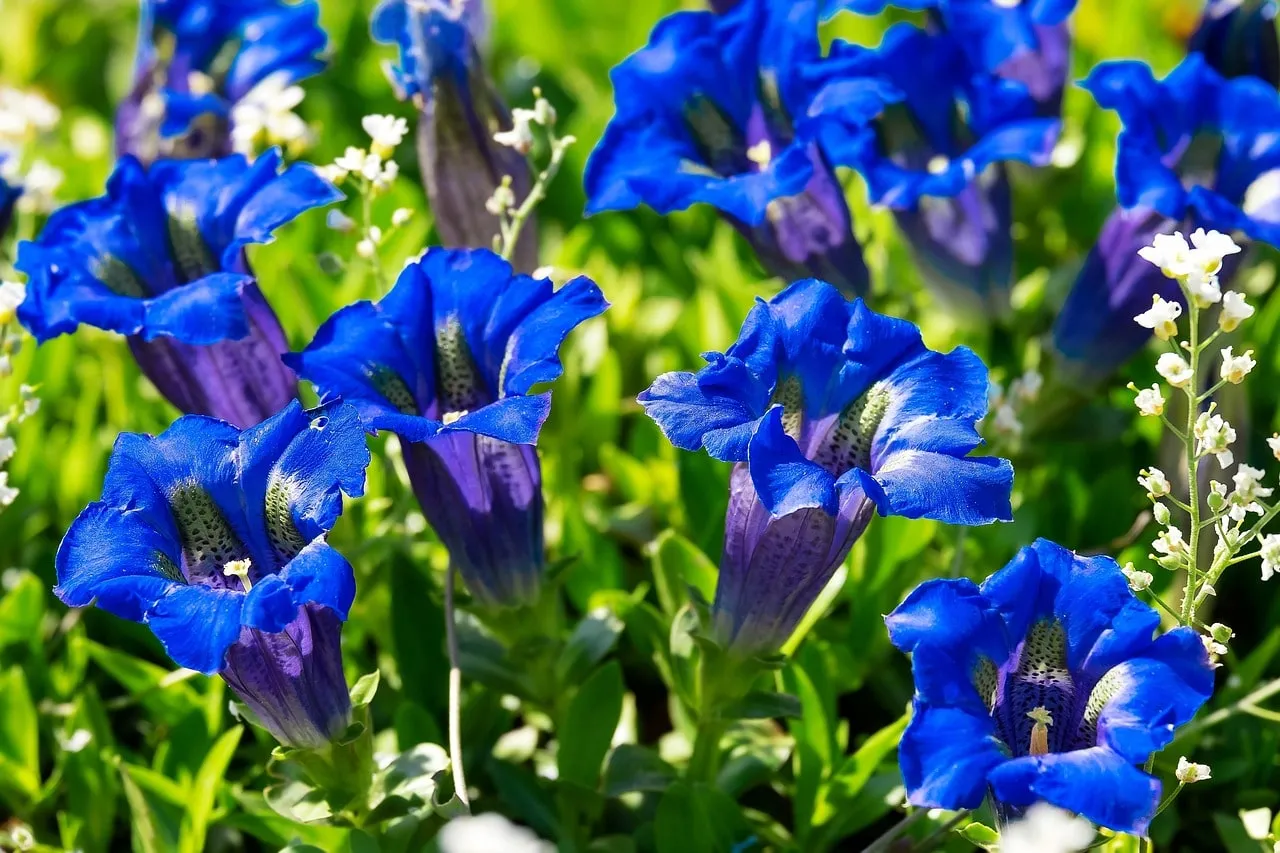
Gentiana acaulis, the trumpet gentian, flowers in spring with slightly larger, deep blue trumpets and is excellent in a rock garden or at the front of a border in acidic, gritty soil. Gentians do best in cool, moist conditions and tend to struggle in the drier south-eastern counties during summer, making them particularly well suited to gardens in the north and west of the UK.
🛒 Buy gentian plants from Amazon UK
Ferns are among the most ancient plant families on earth, and they have been growing in acidic woodland conditions for hundreds of millions of years. The best garden ferns, the ones that produce the most dramatic and beautiful foliage, genuinely prefer acidic, humus-rich, consistently moist ground in shade, which makes them perfect companions for rhododendrons, azaleas, and other ericaceous shrubs.
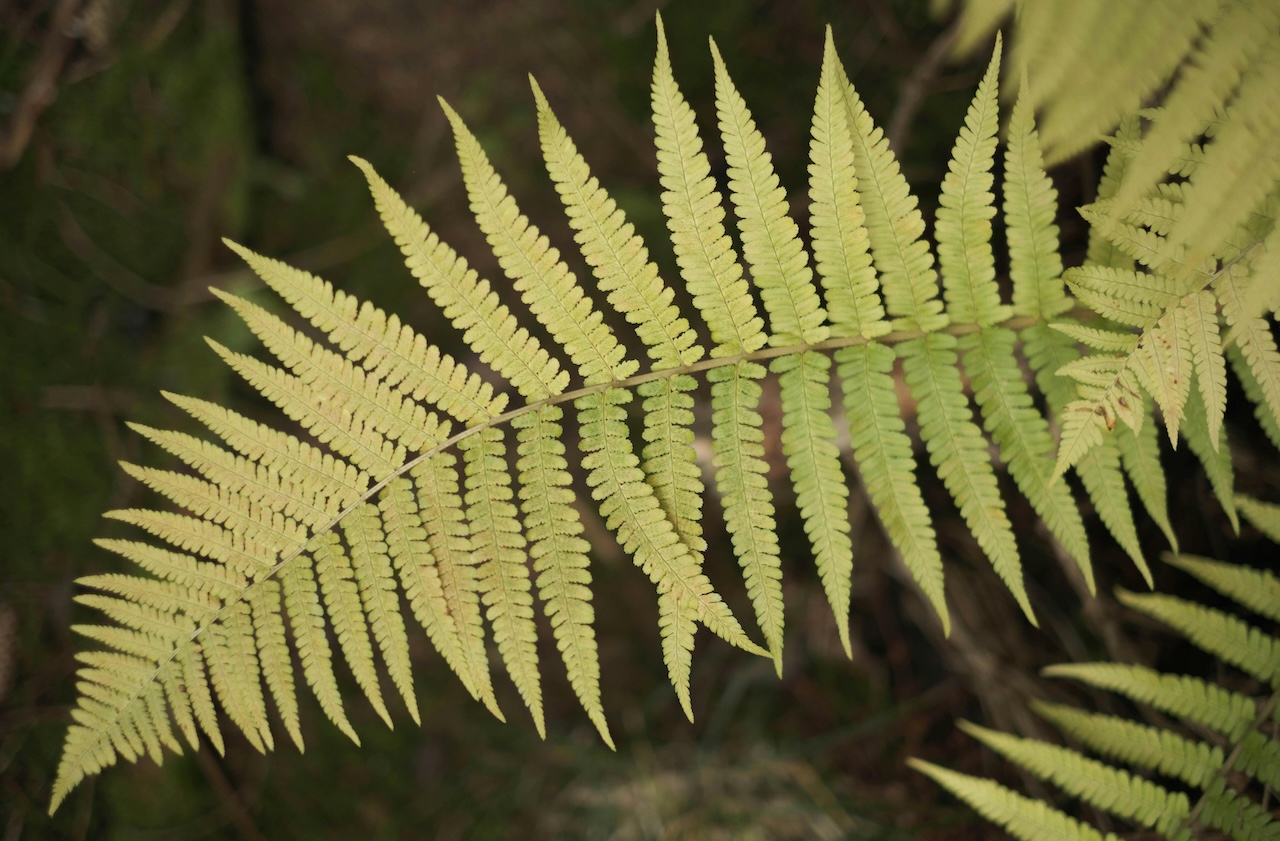
Dryopteris filix-mas, the male fern, is the most robust and widely available UK species, producing magnificent arching fronds to 1.2 metres and tolerating surprisingly dry conditions once established. Athyrium niponicum var. pictum, the Japanese painted fern, is one of the most beautiful foliage plants in existence, with silver, grey, and burgundy-suffused fronds that look extraordinary alongside the deep greens of acid-loving shrubs. I’ve used ferns in dozens of woodland-style garden designs, and they consistently provide the textural backdrop that makes everything else look more considered and composed.
🛒 Buy hardy fern plants from Amazon UK
Acidic soil isn’t just an asset for ornamental planting. Some of the most productive and valuable edible plants for UK gardens actively thrive in low-pH conditions, and if you have naturally acidic ground, you can grow these crops more successfully than gardeners on neutral or alkaline soils will ever manage.
Blueberries are among the most demanding of all acid-loving plants when it comes to pH, genuinely wanting conditions between 4.0 and 5.5 for optimal fruiting. On neutral or alkaline soil they’ll produce chlorotic, yellowing leaves and a poor crop regardless of how well you care for them. But in genuinely acidic, humus-rich, well-drained ground in a sunny position, they’re among the most productive and satisfying fruiting shrubs you can grow. The berries from a well-established garden bush, picked warm from the plant in August, are incomparably better than anything available in a supermarket.
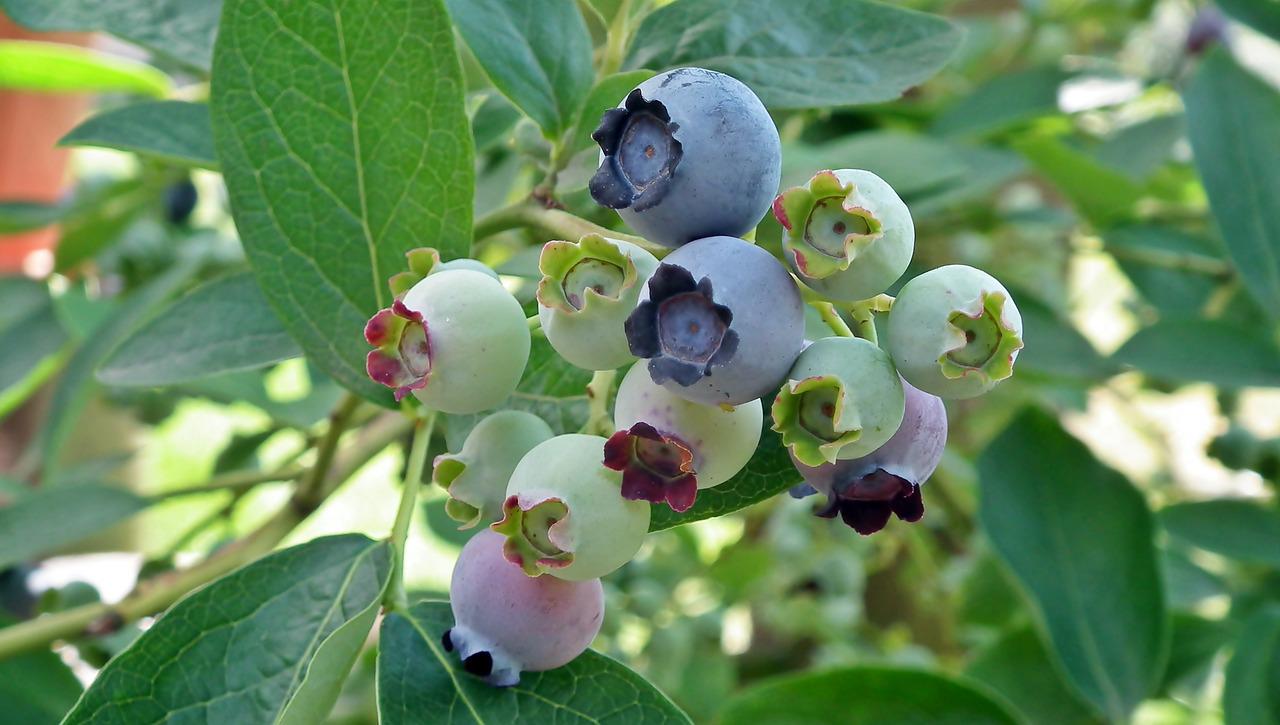
Plant at least two different cultivars for cross-pollination and significantly improved yields. ‘Bluecrop’ is the most reliable and widely available for UK gardens. Bluejay’ gives excellent flavour and good disease resistance. ‘Duke’ is an early-cropping cultivar, extending the harvest season. Water with collected rainwater wherever possible, as tap water in many parts of the UK is alkaline enough to gradually raise the pH of the root zone over time, which will affect cropping.
🛒 Buy blueberry plants from Amazon UK
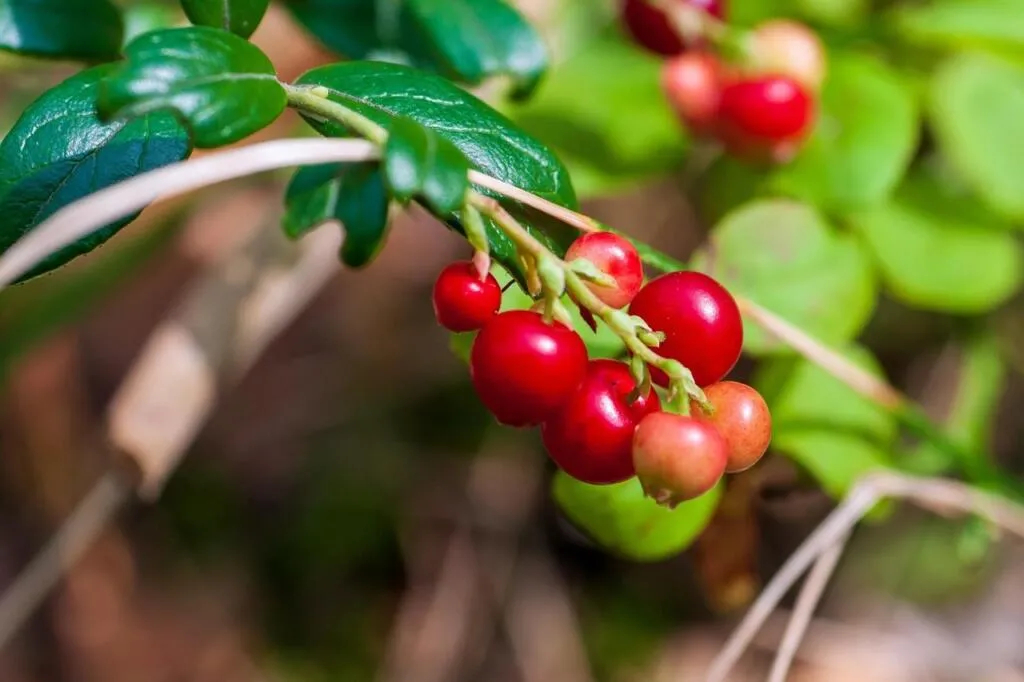
Cranberries thrive in very acidic, consistently moist or even boggy conditions, making them an excellent choice for low-lying areas of the garden where water tends to sit. They produce attractive trailing evergreen stems with tiny, dark-green leaves, small pink flowers in summer, and then the familiar red berries ripening in autumn.
If your soil is on the very acidic end of the scale, 4.0 to 5.0, and you have a damp corner that defeats other planting, cranberries are one of the most productive solutions available.
🛒 Buy cranberry plants from Amazon UK
Angel’s fishing rod is one of those plants that creates a genuinely unique effect in the garden, producing long, arching wands to 1.5 metres that end in pendant, bell-shaped flowers in shades of deep pink, magenta, or occasionally white, swaying in any breeze with extraordinary grace. It’s a plant that photographs well but is even more beautiful in person, particularly planted beside a garden pool where the reflection doubles the effect.
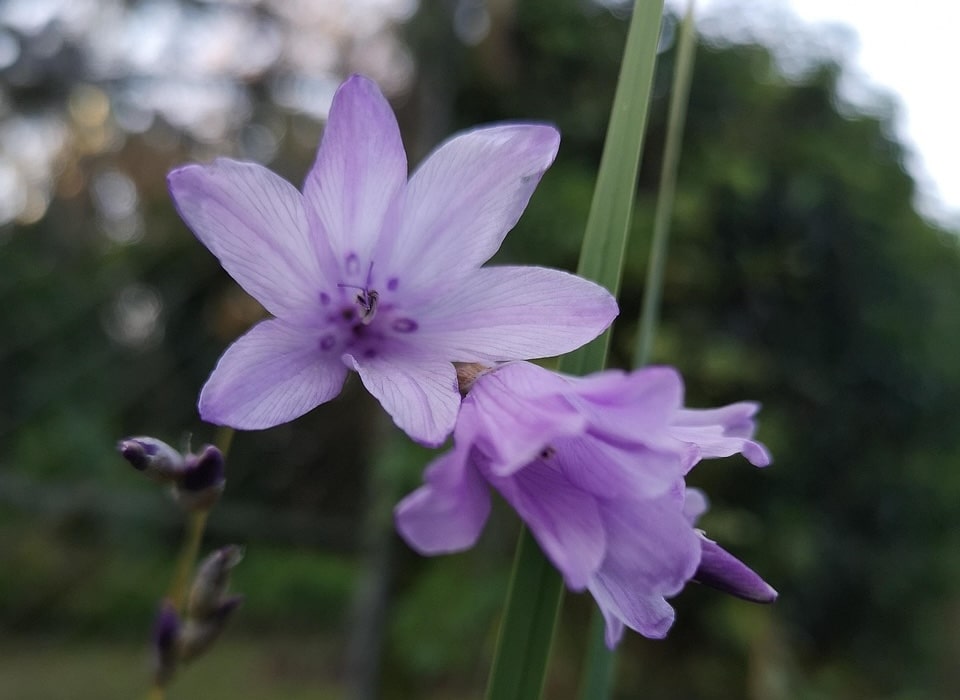
Dierama performs best in moist but well-drained, slightly acidic soil in a sheltered, sunny position. Resent being disturbed once established, so choose the planting position carefully, and don’t be discouraged if it sulks for the first season after planting. This is entirely normal and it will reward patience.
🛒 Buy dierama plants from Amazon UK
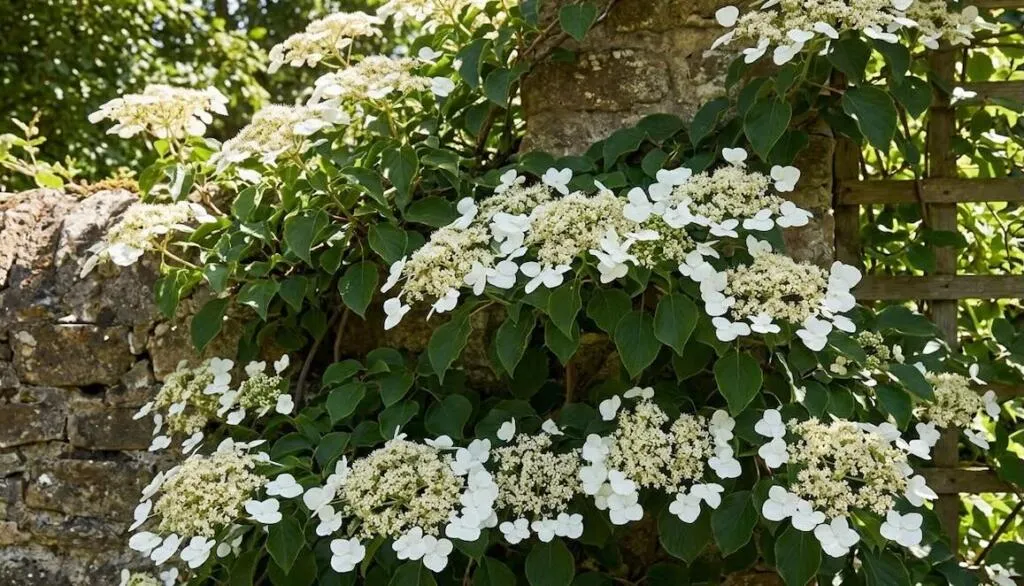
The climbing hydrangea is one of the most versatile and ultimately spectacular self-clinging climbers for UK gardens, and it performs superbly on acidic soil. It’s one of the very few climbers that will genuinely thrive on a north or east-facing wall in shade, eventually covering the surface with a layer of attractive, heart-shaped leaves and lace-cap flower clusters in June and July.
The peeling, cinnamon-brown bark provides winter interest once the leaves have fallen. It’s slow to establish in the first two to three years, but once it gets going, it becomes one of the most reliable and low-maintenance plants in the garden.
🛒 Buy climbing hydrangea plants from Amazon UK
Growing plants in their naturally preferred pH range significantly reduces the amount of intervention required, but there are still some practices worth following to keep acid-loving plants performing at their absolute best.
Mulching with the right material is one of the single most beneficial things you can do. Bark, pine needles, leaf mould, or composted wood chips all break down gradually to release organic acids, maintaining and even gently reinforcing the acidic conditions your plants need.
Apply a 7-10cm layer around the base of shrubs and trees in early spring, keeping it clear of the stems. This simultaneously conserves moisture, suppresses weeds, and feeds the soil biology that ericaceous plants depend on.
💡 Top Tip
If you’re growing acid-loving plants in a chalky or clay area, collect and save rainwater to use for watering rather than tap water. In many parts of England particularly, tap water is drawn from chalk aquifers and is significantly alkaline. Using this repeatedly over a container or border will gradually neutralise the pH, even if the compost started out correctly acidic. A water butt is one of the most cost-effective investments you can make for maintaining ericaceous plants.
🛒 Buy a garden water butt from Amazon UK
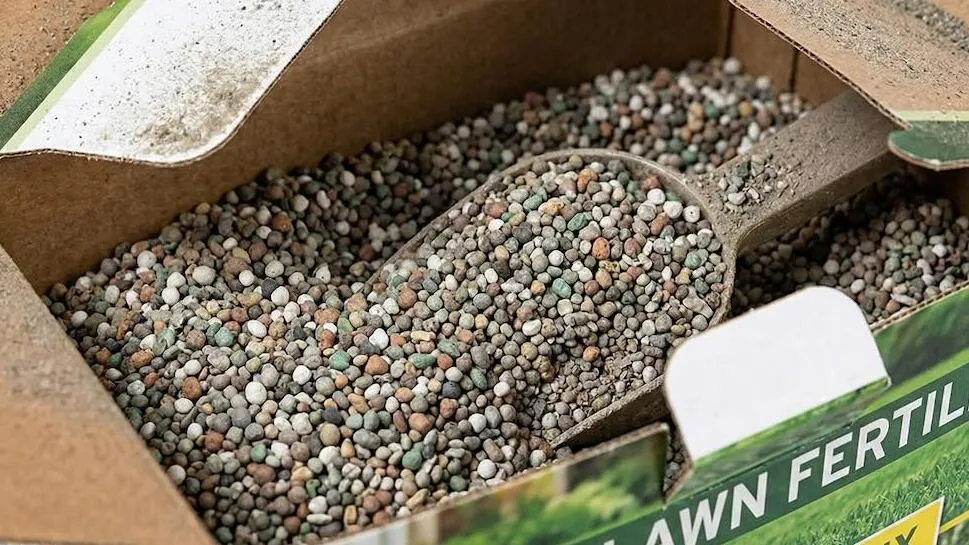
Feeding ericaceous plants with the right fertiliser is important. Standard general-purpose fertilisers often contain calcium, which raises soil pH and counteracts the acidic conditions you’re trying to maintain. Use a dedicated ericaceous fertiliser instead, formulated to provide nutrients in the low-pH form that rhododendrons, azaleas, camellias, and heathers can access.
🛒 Buy ericaceous fertiliser from Amazon UK
Yellowing leaves on otherwise healthy-looking acid-loving plants, where the veins remain green while the leaf tissue between them turns yellow, is the classic sign of iron chlorosis caused by insufficient acidity. If you see this, test your soil pH again and consider applying a chelated iron supplement, which provides iron in a form that plants can absorb even at slightly higher pH values. This treats the symptom while you work on addressing the underlying pH issue.
🛒 Buy sequestered iron for ericaceous plants from Amazon UK
Soil with a pH below 7.0 is technically acidic, but in practical UK gardening terms, soil that genuinely suits ericaceous plants typically has a pH between 4.5 and 6.5. The sweet spot for most acid-loving shrubs like rhododendrons and camellias is between 5.0 and 6.0. Soil below 4.0 is very strongly acidic and limits your choices considerably.
The most reliable way is to use a soil testing kit, available from any garden centre for under £10. You can also get a strong indicator by looking at neighbouring gardens: if rhododendrons, camellias, and blue hydrangeas are thriving in the open ground nearby, the soil is likely acidic. Gardens on heathland, moorland, in high-rainfall areas, or in woodland settings in the UK are most likely to have naturally acidic soil.
You can shift pH temporarily by applying sulphur or acidifying fertilisers, but changing your soil’s baseline pH permanently across an entire border is extremely difficult and requires repeated, ongoing applications to maintain. Your soil’s pH is largely determined by the underlying geology, and its natural buffering capacity means it will always drift back towards its starting point. For one or two ericaceous plants, growing in containers of ericaceous compost is a far more practical and reliable solution.
Ericaceous plants are those that belong to or share the growing requirements of the Ericaceae family, which includes heathers, rhododendrons, azaleas, blueberries, and vaccinium. The term is used in UK gardening to refer to any plant that requires acidic soil conditions, typically below pH 6.0. They evolved in heath, moorland, or woodland conditions where organic matter accumulation produces naturally acidic ground. They can’t effectively absorb iron in neutral or alkaline soil, which is why they show yellowing leaves when planted in the wrong conditions.
Yes. The blue flower colour in Hydrangea macrophylla is produced by aluminium ions in the plant’s sap, and aluminium is only freely available in the soil at pH below about 5.5. On neutral or alkaline soil, aluminium is chemically locked up and unavailable, so the flowers come out pink or mauve instead. This is why blue hydrangeas look so spectacular in genuinely acidic gardens, and why trying to produce blue flowers by adding bluing agents to alkaline soil produces only partial and temporary results.
Many of the finest acid-loving plants are woodland species that actually prefer shade or dappled light. The best choices for shaded, acidic conditions include rhododendrons and azaleas, camellias (avoiding morning sun to protect frosted buds), pieris, skimmia, ferns of all kinds, astilbe, lily of the valley, trillium, and the climbing hydrangea. These are some of the most useful plants in the UK garden context, where north-facing and partially shaded borders are extremely common.
The most practical approach for gardeners on neutral or alkaline soil who want to grow ericaceous plants is to use raised beds or containers filled with ericaceous compost. This gives you complete control over the growing medium and is a far more sustainable long-term solution than trying to alter the pH of your entire garden soil. Water with collected rainwater rather than tap water, feed with ericaceous-specific fertiliser, and mulch with bark or pine needles to maintain the acidity of the container compost over time.
The most characteristic symptom is interveinal chlorosis: the leaf tissue between the veins turns yellow while the veins themselves remain green. This indicates iron deficiency caused by the iron being chemically locked in the soil at too high a pH. You may also see poor flowering, slow growth, leaf drop, and dieback of new shoots. If you see these symptoms, test your soil pH immediately before assuming any other cause.
Ready to stop guessing and start designing with confidence? My Garden Design for Beginners online course takes you from blank canvas to brilliant layout, step by step.
I’m Lee Burkhill, award-winning garden designer and BBC1’s Garden Rescue presenter, and I’ve built this course around the same principles I use for every client garden — practical, honest, and designed to actually work in the real world.
In 20 hours of flexible online study you’ll cover:
Video lessons, real-world case studies, quizzes, and a certificate on completion — all for just £199.
Enrol today and start designing your dream garden.
For the garden you’ve already got, not the one you’re starting from scratch. Seven checklists and video lessons from BBC Garden Rescue’s Lee Burkhill, designed to help you decide what’s worth keeping before you spend a penny.
Garden Design Examples for Small Gardens: 30 Design Templates & Planting Plans: In this online gardening course, I’ll walk you through 30 fantastic garden designs, explaining the logic behind the layout and plant choices, plus take-home tips for applying them in your own garden.
Learn how to transform and design your garden with Lee Burkhill’s crash course in garden design. In over 5 hours, Lee will teach you how to design your dream garden. Featuring practical design examples, planting ideas and video guides. Learn how to design your garden in one weekend!
Garden Design for Beginners Online Course: Want to become a garden designer or design your own garden? This beginner course is for you. Join me, Lee Burkhill, an award-winning garden designer, as I train you in the art of beautiful garden design. Enjoy 20 hours of online study and video lessons, along with quizzes and a completion certificate.
Acidic soil is not a gardening problem. It’s an invitation to grow some of the most beautiful and coveted plants available in the UK. Test your soil pH before spending anything on plants, choose species that genuinely prefer low pH conditions, and resist the temptation to fight your soil chemistry.
The 22 plants in this guide represent just a fraction of what’s possible, but they cover all the main categories: spectacular flowering trees like magnolias and amelanchiers, the iconic ericaceous shrubs, reliable perennials and woodlanders, productive edibles including blueberries, and elegant climbers. Work with your soil rather than against it, and you’ll spend less time, money, and effort while getting far better results.
The key plants to start with: Rhododendrons and azaleas for spring colour, camellias for winter flowering, heathers for year-round texture, blueberries for edible productivity, hydrangeas for summer impact, and ferns to fill the shaded gaps underneath everything else.
Happy Gardening! If you’ve found this guide useful, I’d love to hear how you get on with your acid-loving plants. You can find me over on Instagram, YouTube, and the Garden Ninja forum, where I answer questions from the gardening community every week.



Lee Burkhill, known as the Garden Ninja, is an award-winning garden designer and horticulturist with over 30 years of gardening experience and 15 years as a professional garden designer. A qualified RHS (Royal Horticultural Society) professional, Lee specialises in sustainable garden design and practical horticultural advice. He designs and presents on BBC1’s Garden Rescue and in leading gardening publications.
View all posts by Lee Burkhill







JOIN THE NINJAS

Be the first in line for new Guides, Discount codes and Offers