For the garden you’ve already got, not the one you’re starting from scratch. Seven checklists and video lessons from BBC Garden Rescue’s Lee Burkhill, designed to help you decide what’s worth keeping before you spend a penny.
69


The plants on this list are the ones I return to again and again in my own garden designs because they deliver season after season with minimal intervention from you. Besides, once you’ve bossed these specimens, you’ll be relishing more challenging plants in future years and thats where the gardening magic really happens!
Quick Answer
The best low maintenance garden plants for UK gardens are hardy, drought-tolerant once established, and require minimal pruning or staking. Top choices include hardy geraniums, alchemilla, geum, rudbeckia, achillea, salvia, and nepeta for borders, structural shrubs like mahonia, viburnum, and berberis, and small ornamental trees such as Sorbus, Prunus serrula, and compact apple trees that reward you year after year with almost no intervention.
Jump To
What follows is a curated list of 30 plants I wholeheartedly recommend for low-maintenance UK gardens. These aren’t a random collection of anything vaguely tough. These are plants I’ve used personally, recommended professionally, and watched thrive in some of the trickiest UK gardens, including clay-heavy northern plots, wind-blasted coastal borders, and sun-baked south-facing city gardens. Each one has earned its place through reliable performance, not just a reputation.
Before I run through the plants themselves, it’s worth being honest about what low maintenance actually means in a garden context, because it’s not quite the same as zero maintenance. Every plant needs something. What we’re looking for are plants that, once properly established, largely look after themselves. The key qualities are drought tolerance once settled in, disease resistance (so you’re not constantly reaching for sprays or scissors), a natural growth habit that doesn’t need constant staking or cutting back, and a reasonable tolerance of UK soil types and our unpredictable weather.
The plants that fail the low-maintenance test are often the ones we love most in catalogues: bedding plants that need replacing twice a year, roses that want regular feeding, spraying, and deadheading, or perennials that collapse outward without caging. There’s nothing wrong with any of those plants, but they’re not what this guide is about. I want to give you the building blocks for a border that thrives on benign neglect.
💡 Top Tip
Establishment is everything. Even the toughest low maintenance plants need watering in during their first season. Give them that, and in subsequent years you can largely step back and let them get on with it. Cutting corners at planting stage is the single biggest reason these plants disappoint.
Shrubs are the backbone of any low-maintenance planting scheme and add punctuation and weight to any garden or flower bed. Shrubs are a bit like the furniture in your rooms, such as a sofa, they add that oompf the space needs. Get them right, and they form the structure, seasonal interest, and year-round framework that hold everything together. The shrubs below have all been chosen because they do all of that without constant attention from you.
Buddleja is the definition of tough and rewarding. Cut it back hard to a framework in spring, and it will produce enormous, fragrant flower spikes by midsummer that butterflies absolutely cannot resist. I have watched clients who claimed to be non-gardeners maintain a buddleja successfully for years with nothing more than an annual hard prune and the occasional watering during a summer drought. The flowers come in purple, white, pink, and deep magenta depending on your chosen variety, and they fill late summer borders with colour at a time when many shrubs are past their best.
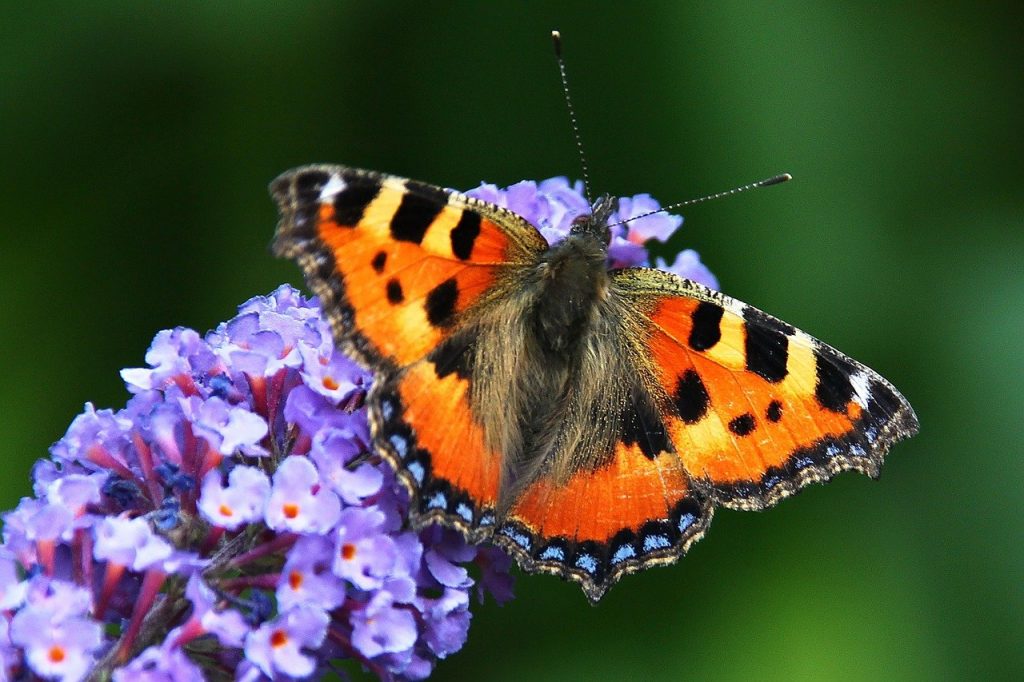
Do keep an eye on the varieties you choose. Buddleja davidii can self-seed prolifically and is considered invasive in some habitats, so deadhead spent flowers before they set seed, or choose one of the newer sterile or compact varieties such as ‘Buzz’ or ‘Lo and Behold’, which are better garden citizens and more appropriate for smaller plots.
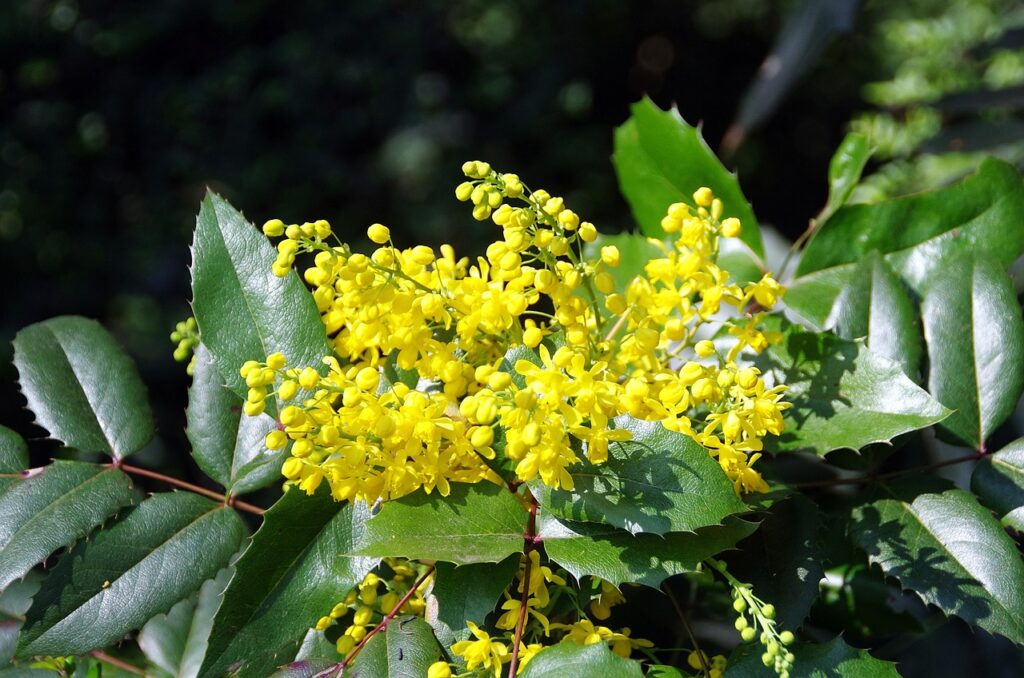
Mahonia is one of those plants that earns its keep through every season. Its architectural, spiky evergreen foliage provides structure and texture twelve months of the year, and then in the depths of winter it produces clusters of bright yellow, lily-of-the-valley-scented flowers at precisely the time when pollinators most need a food source. Mahonia x media ‘Winter Sun’ and ‘Charity’ are the varieties I use most in client gardens that receive some shade and need a reliable, low-input evergreen structure. They ask for very little in return beyond being planted in decent soil and left to get on with it.
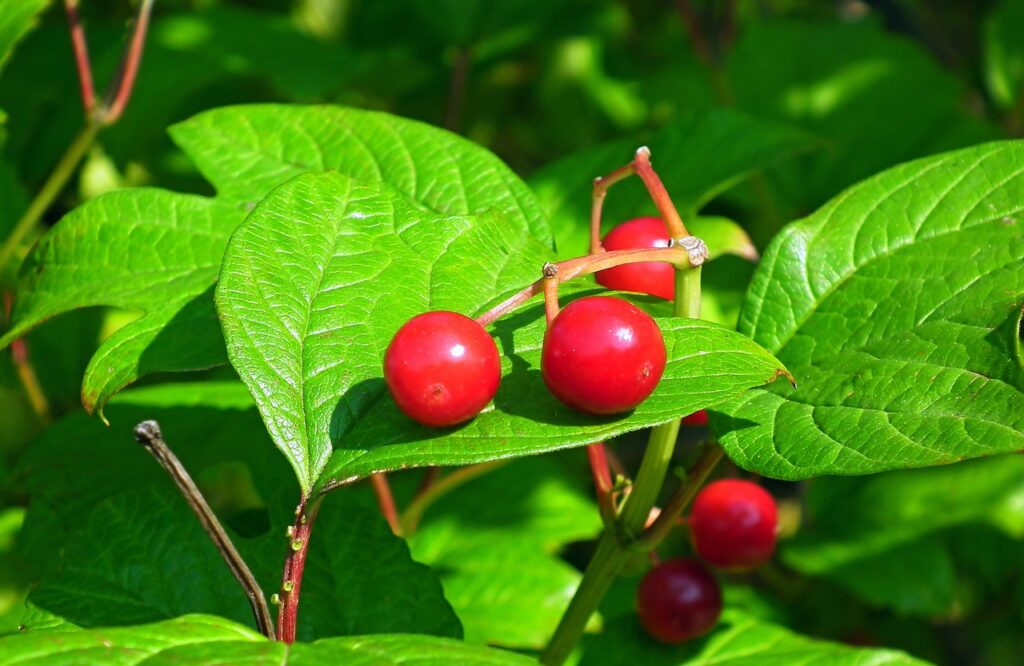
Viburnum tinus is a plant I consider a true foundation shrub for UK gardens. It is dense and evergreen, flowers from late autumn right through to spring in that distinctive pinkish-white bud-and-white-flower combination, and then follows up with metallic-blue berries that birds love. It tolerates shade, it tolerates clay, it tolerates neglect. It always surprises me that it isn’t in more gardens, and designers seem to snub it. Maybe because it’s a little too unassuming and often used as a car park shrub, but don’t let that put you off, Ninjas!
It also makes an excellent informal hedge or screening plant, earning it double points in my planting designs. ‘Eve Price’ is the most compact and floriferous variety if you want something neater and more manageable in a smaller space.
🛒 Buy Viburnum tinus from Amazon UK
Berberis is one of the most bulletproof shrubs in UK horticulture. The deciduous varieties such as Berberis thunbergii ‘Atropurpurea’ give you rich purple foliage all summer, brilliant orange-red autumn colour, and bright red berries through winter. The evergreen Berberis darwinii produces masses of tiny orange flowers in spring, followed by blue-purple berries, and its dense thorny growth makes it a formidable intruder-deterrent hedge as a bonus.
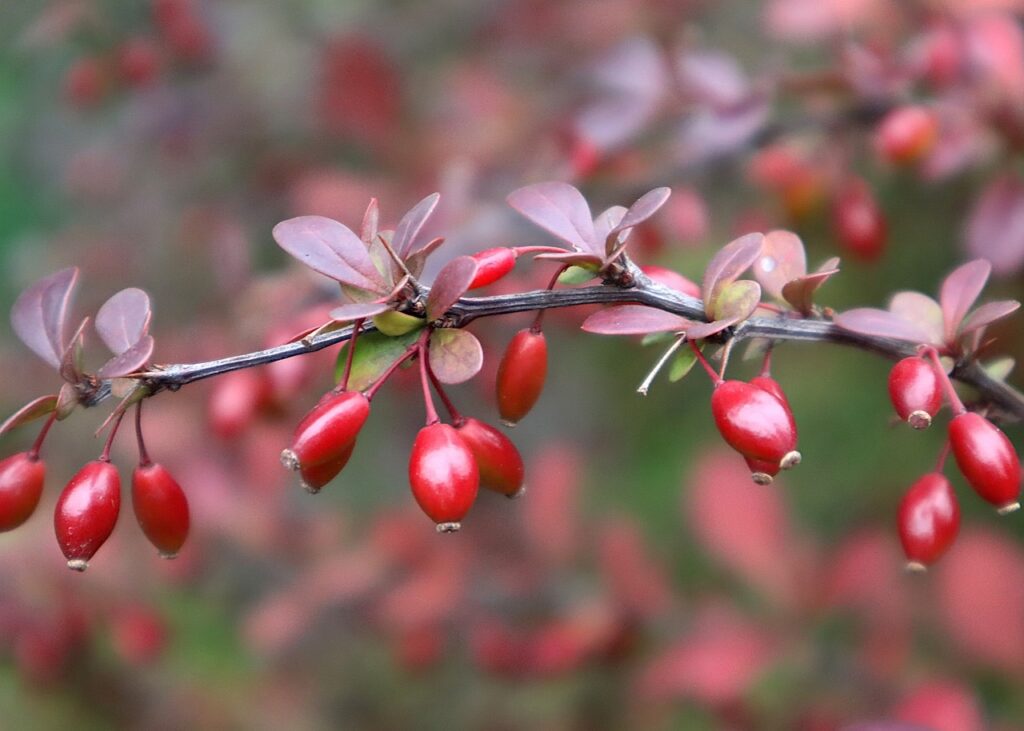
Neither type wants anything from you beyond an occasional tidy after flowering. Wear thick gloves when pruning, because the thorns are serious. That aside, there’s very little else to say about care requirements.
Skimmia is the plant I reach for in shady spots where something tidy, evergreen, and reliably low maintenance is needed. It holds its dome-shaped form without any pruning, produces sweetly scented white or pink flowers in spring from buds that develop through the winter months, and the female plants follow up with long-lasting red berries if a male plant is nearby for pollination.
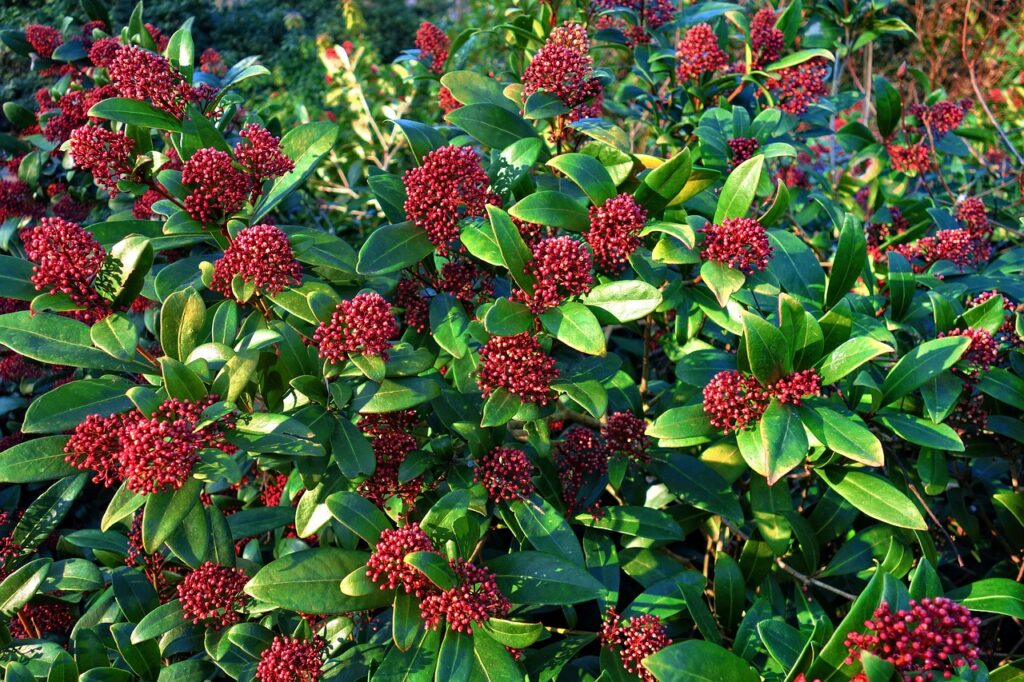
‘Rubella’ is the male form most commonly planted, with deep red buds that look handsome through the entire winter season, even before they open. Plant one male for every three or four female plants to ensure berries on your female skimmias. They do best in slightly acidic soil but are otherwise remarkably accommodating.
Few plants make quite the architectural statement of Euphorbia characias with so little effort. Its blue-grey evergreen foliage looks good all year, and from late winter through to early summer, those spectacular lime-green flower heads appear, holding their colour for months rather than weeks. It is drought-tolerant, deer-resistant, slug-resistant, and largely problem-free.
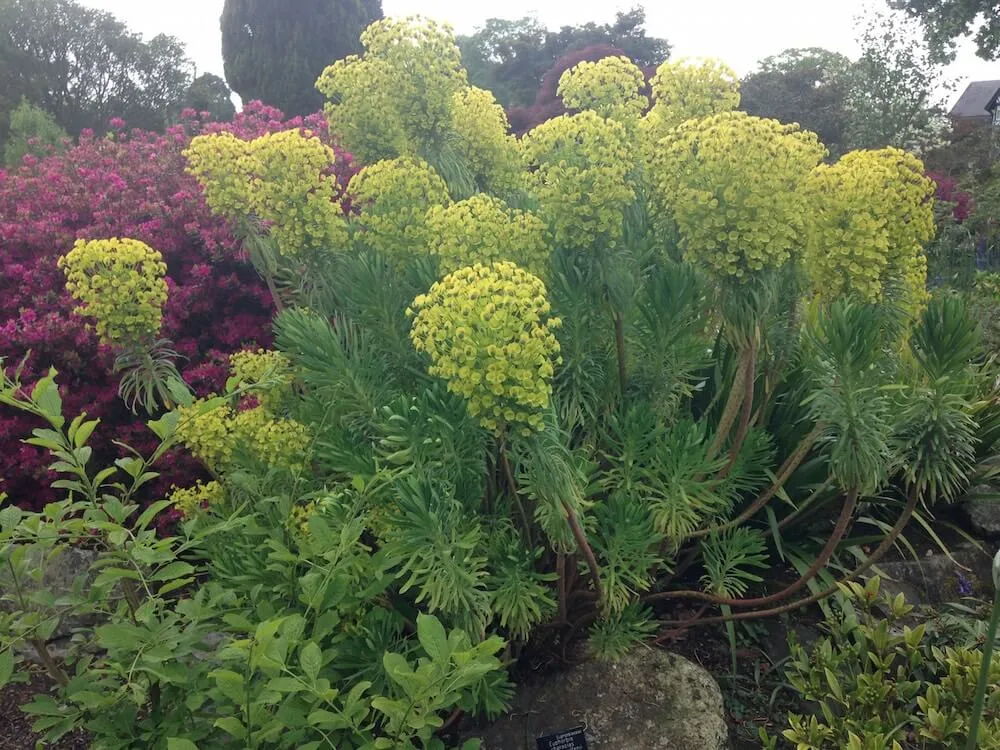
The one thing to be aware of is that the milky sap is a serious irritant, so always wear gloves and eye protection when cutting it back. Remove flowered stems at the base in summer, and fresh new growth will replace them. Beyond that, it simply gets on with the job.
⚠️ Warning
Euphorbia sap is a serious skin and eye irritant. Always wear gloves and safety glasses when pruning or handling cut stems, and wash your hands thoroughly afterwards. Keep children and pets away from cut plants.
🛒 Buy Euphorbia from Amazon UK
Pyracantha earns a place on this list because of its extraordinary versatility and resilience. It will grow in almost any aspect including north-facing walls where precious few plants will thrive, it produces clouds of white flowers in late spring that pollinators love, and then follows up with dense clusters of red, orange, or yellow berries from autumn through winter that provide food for birds at their most hungry. It can be trained flat against a wall, grown as a free-standing shrub, or clipped as a formal hedge.
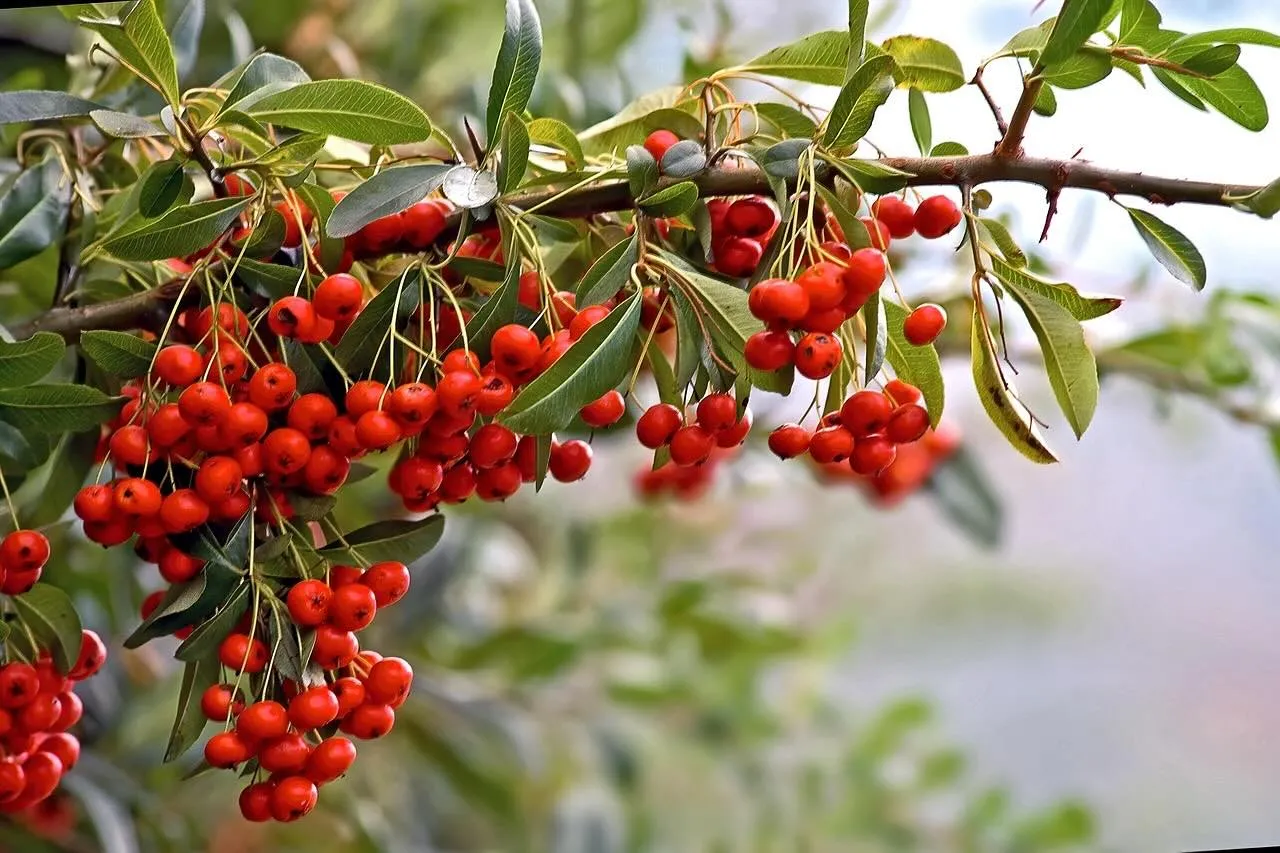
Prune it twice a year in spring and late summer, and it will stay exactly where you want it. ‘Saphyr Orange’ and ‘Saphyr Rouge’ are among the most disease-resistant modern varieties and the ones I recommend to clients most often.
🛒 Buy Pyracantha from Amazon UK
A well-chosen small tree does things that no shrub or perennial can: it provides vertical structure, dappled shade, seasonal drama, and year-round presence that anchors the whole garden. The three trees below have been chosen specifically because they deliver that impact without the constant pruning, disease battles, and size management that larger or more demanding trees create.
Sorbus ‘Joseph Rock’ is one of the finest small garden trees in cultivation, and I recommend it more often than almost any other tree in my design work. It earns its place through every single season. In spring, it produces clusters of creamy-white blossom that pollinators visit enthusiastically. Through summer, the ferny, pinnate foliage creates light, dappled shade. Then, in autumn, it delivers the full show: the leaves turn through orange, red, and purple, while the clusters of berries ripen from greenish-yellow to a rich, deep amber that practically glows in low autumn light.
Birds are drawn to the berries but, usefully, tend to leave them later into winter than the red-berried sorbus varieties, extending the display considerably.
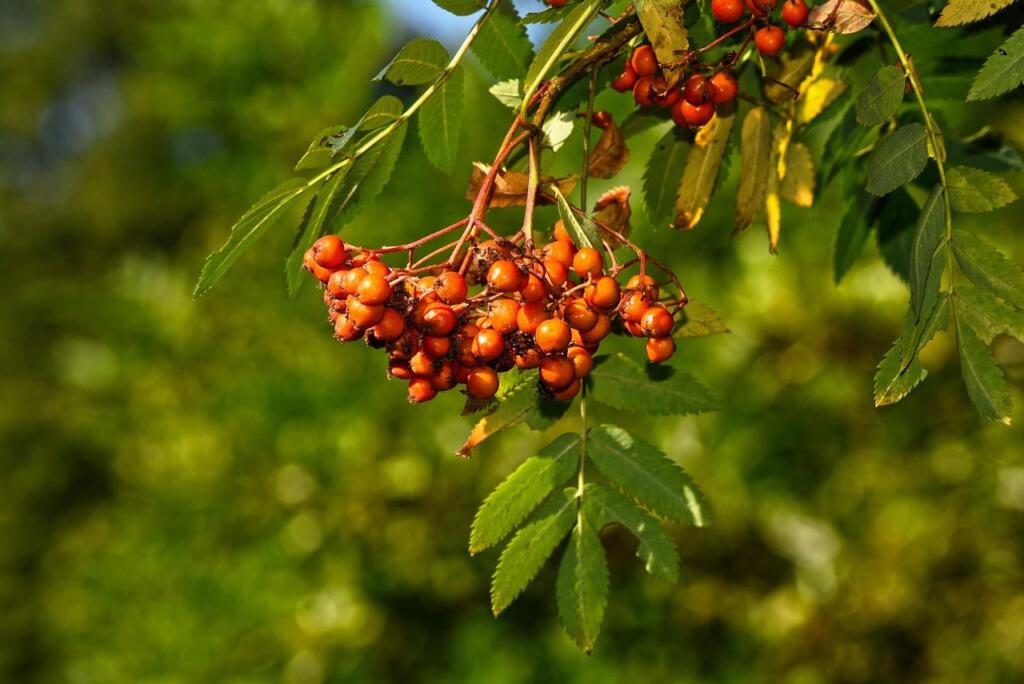
Its upright, fairly narrow habit makes it suitable for smaller gardens where a wide-spreading tree would be impractical. It asks for very little in the way of maintenance once established, requiring no regular pruning beyond removing any crossing or damaged branches. It is resistant to fireblight, which can trouble some other sorbus varieties, further reducing the care demands on you. Plant it in a position where the autumn light can catch those amber berries from behind, and it will stop you in your tracks every October.
🛒 Buy Sorbus ‘Joseph Rock’ from Amazon UK
Prunus serrula is the tree I recommend to clients who want something extraordinary for the winter garden. Its shining mahogany-red bark peels in horizontal strips to reveal fresh, polished-looking new bark beneath, and on a winter morning with low, raking light behind it, the effect is quite unlike anything else you will see in a UK garden.
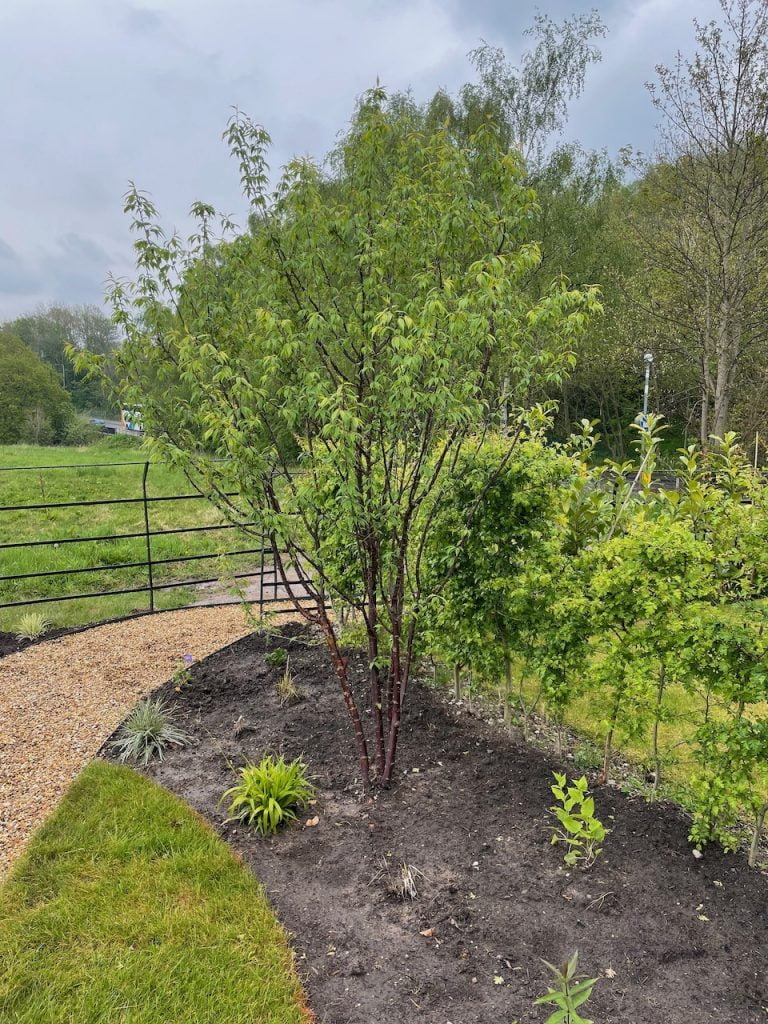
It is the tree that makes visitors ask, “What on earth is that?” in January when everything else is bare and grey. The small white blossom in April is delicate and pretty, and the narrow willow-like foliage turns yellow in autumn before dropping cleanly.
To keep the bark looking its best, polish it with a dry cloth in late winter, which removes dust and brings up the shine remarkably. Beyond that, very little pruning is required. Remove any dead or crossing branches if needed, always in dry weather to reduce disease risk, and do not prune in autumn or winter when silver leaf disease spores are most active. Plant it where the winter light can get behind the trunk: in front of a dark evergreen backdrop or against the sky rather than a wall, and it will reward you with a winter focal point that no other small tree matches.
🛒 Buy Prunus serrula from Amazon UK
An apple tree on a dwarfing or semi-dwarfing rootstock is one of the most rewarding things you can plant in a UK garden. The annual maintenance requirement is modest: a winter prune of about an hour each year to maintain an open goblet shape, and the removal of any obviously dead, diseased, or crossing wood. In return, you receive a spring blossom as beautiful as any ornamental tree, a living food source through the summer, a generous fruit crop in autumn, and a structural, bare framework through winter that has its own quiet dignity.
The rootstock is the key decision: M9 gives you a very compact tree to about 2.5m that needs a permanent stake, while M26 is slightly larger at 3 to 4m and more self-supporting once established.

Choose a self-fertile variety if you only have room for one tree, or plant two compatible varieties within 50m of each other to maximise cropping. ‘James Grieve’, ‘Sunset’, and ‘Cox’s Orange Pippin’ are all excellent choices for UK conditions. If scab is a concern in your area, ‘Redsleeves’ and ‘Discovery’ offer better resistance. I have an apple tree in my own garden that has been there for over a decade, and it asks for nothing more than that annual winter prune and occasional watering during the first couple of summers. The crop it returns in September is worth every minute of that effort many times over.
🛒 Buy Compact Apple Tree from Amazon UK
Perennials are the heart of a low-maintenance border, returning year after year and gradually spreading to fill gaps and suppress weeds. The ones below have been chosen because they perform reliably in UK conditions without demanding constant attention, staking, or intervention.
If I could only choose one plant for a low-maintenance garden, the hardy geranium would be a serious contender. Not the tender pelargonium you see in hanging baskets, but the true cranesbill geranium: completely hardy, drought-tolerant once established, and capable of flowering for months at a stretch. ‘Rozanne’ is the one I recommend most often in my design work.
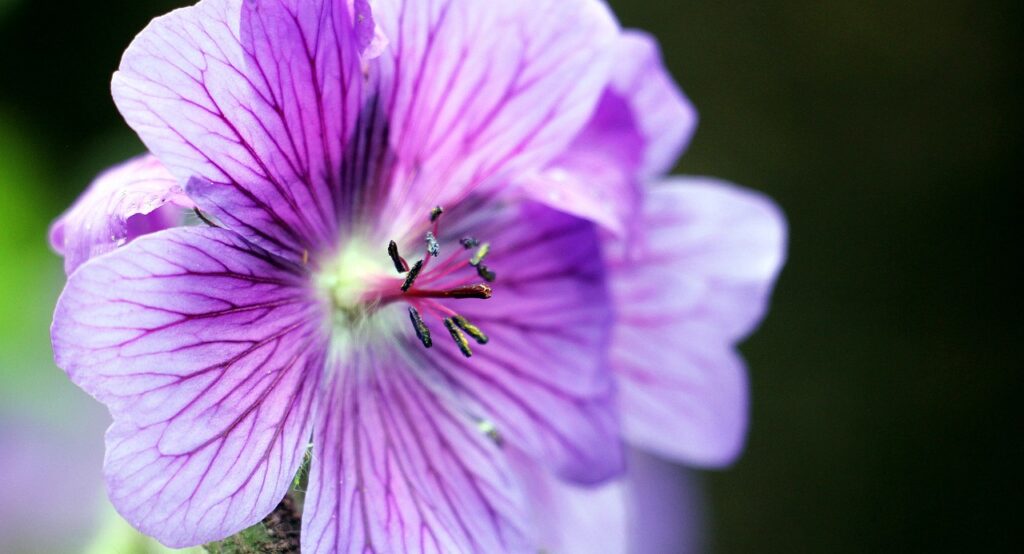
It produces violet-blue flowers from early summer right through to the first frosts and sprawls gently to cover ground and suppress weeds as it goes. Cut it back hard in midsummer if it starts to look tatty, and it will reward you with a second flush within weeks.
Other varieties worth considering are Geranium macrorrhizum for deep shade and difficult spots, and Geranium ‘Orion’ for rich violet flowers on a tidier, more upright plant. All of them are slug-resistant, which puts them streets ahead of many other perennials.
🛒 Buy Hardy Geranium from Amazon UK
Alchemilla mollis is one of those plants that earns its keep so quietly and so consistently that it is easy to take for granted. The soft, felted, scalloped leaves collect raindrops and morning dew in a way that is quite simply beautiful, and when those frothy sprays of lime-green flowers appear in June, they create one of the most versatile combinations in the border, complementing roses, alliums, geraniums, and almost everything else around them. It is the ultimate gap-filler and edge-softener, happily seeding itself into cracks between paving, at the base of walls, and along path edges to create that relaxed, established look that usually takes years to achieve.
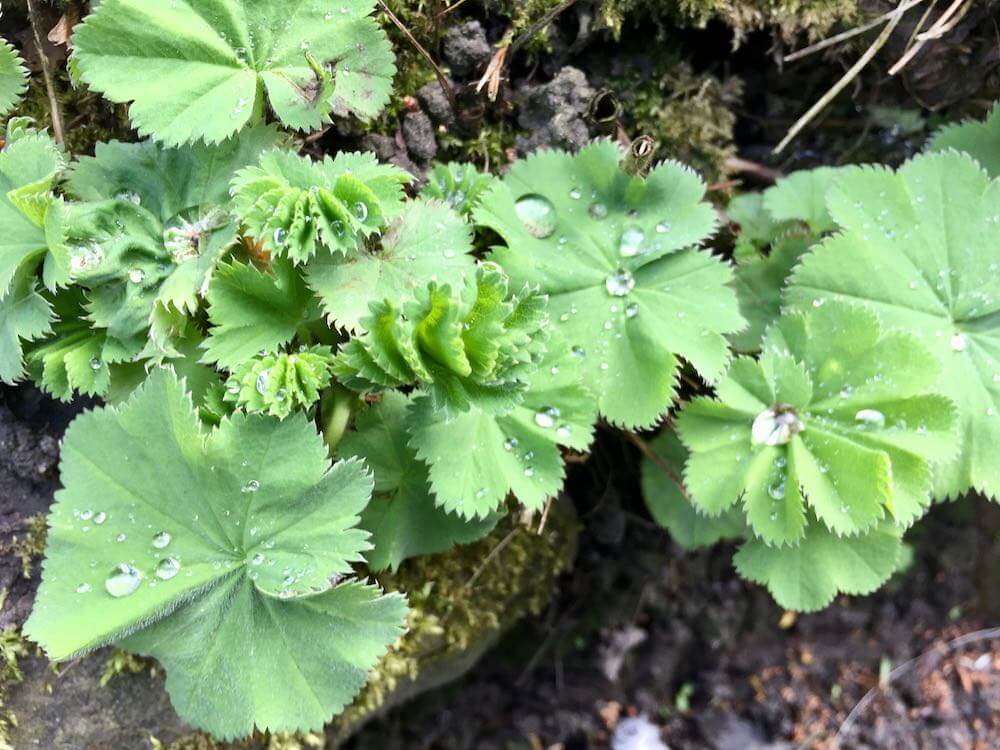
The one management task it requires is deadheading or cutting back after flowering if you want to prevent it from self-seeding prolifically. Cut the whole plant to the ground in midsummer, and it will produce a fresh flush of new leaves within weeks. It tolerates clay, drought once established, and partial shade with equal equanimity. In my experience, it is the single most useful edging and ground-cover perennial in the UK plant palette.
🛒 Buy Alchemilla mollis from Amazon UK
Geums are among the most cheerful and reliable early-season perennials available to UK gardeners. Their wiry, branching stems carry single or semi-double flowers in vivid shades of orange, red, yellow, and pale apricot from late spring into midsummer, and if you deadhead consistently, they will flower for weeks longer than you might expect. They form neat basal clumps of attractive crinkled foliage that look tidy through the seasons, and they are robust, slug-resistant, and unfussy about soil provided it does not become waterlogged in winter.
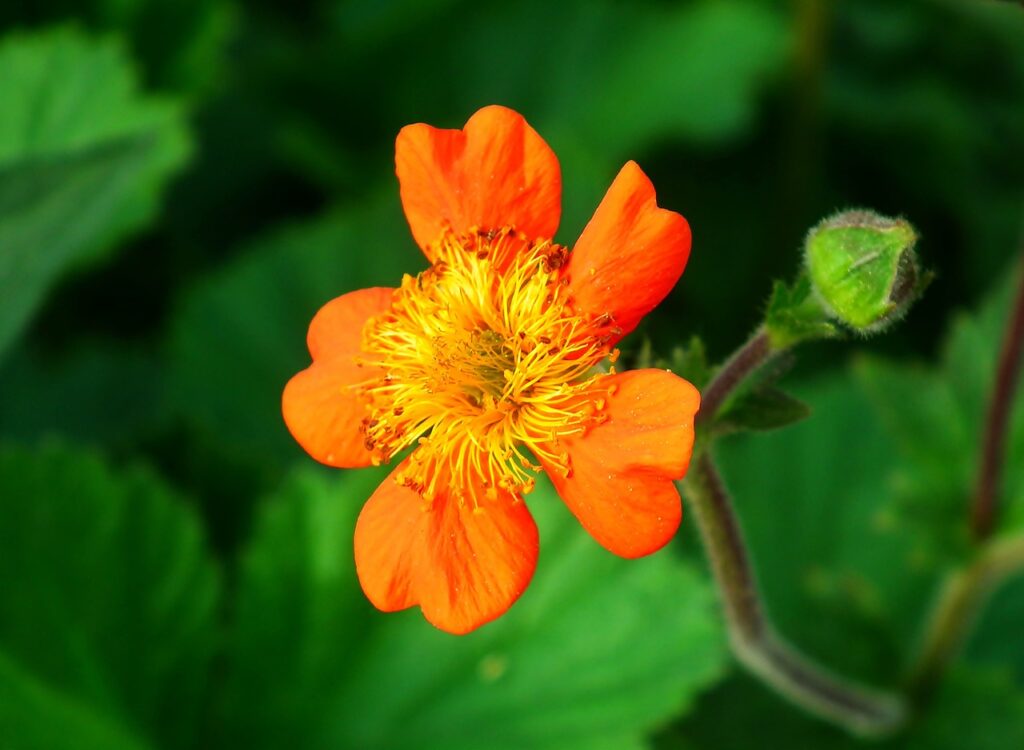
‘Totally Tangerine’ has become the go-to variety for its warm, peachy-orange flowers and exceptional longevity of bloom, regularly flowering from May right through into August in a good season. ‘Mrs J. Bradshaw’ in rich scarlet red is the classic cottage garden variety and equally dependable.
Divide the clumps every three years or so to keep them flowering strongly and to prevent the centre becoming congested. This is a ten-minute job that immediately revitalises the plant and gives you new divisions to spread through the border or share with other gardeners. Beyond that, geums ask for very little, making them ideal front-of-border plants that deliver a long season of colour without the drama some more demanding perennials create.
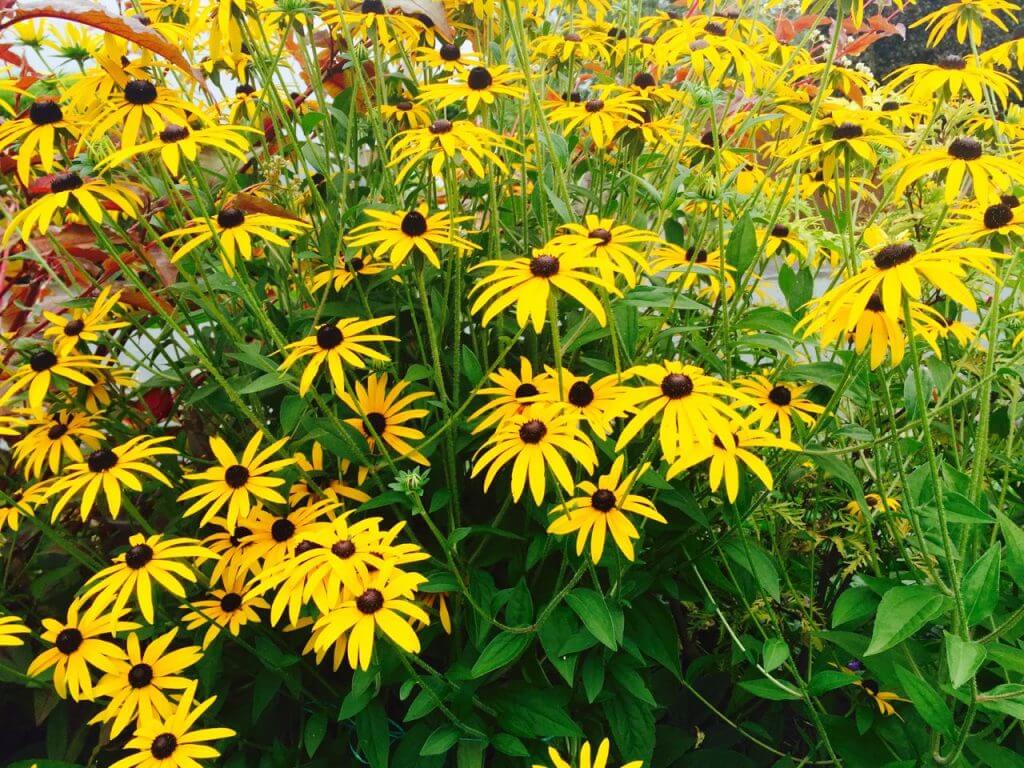
If you want a perennial that absolutely delivers in late summer with zero fuss, Rudbeckia fulgida ‘Goldsturm’ is the one. Rich golden yellow daisy flowers with dark centres cover the plant from August right through to October, at exactly the time of year when many borders are starting to look tired.
It holds itself upright without staking, spreads gently to form a weed-suppressing clump over time, and the seed heads that follow provide food for finches through the winter. I grew this in my own garden for years before I started designing with it professionally, and it has never let me down. Cut it back to the ground in late winter, and that is essentially your entire annual maintenance commitment.
🛒 Buy Rudbeckia from Amazon UK
Echinacea has become something of a design staple in naturalistic planting schemes, and rightly so. The large, daisy-like flowers with their prominent cones come in purple, white, pink, orange, and yellow depending on the variety, and they flower for weeks from midsummer. More importantly for our purposes, they are deeply taprooted once established, which makes them deeply drought-tolerant, and they’re robust enough to stand upright without any support.
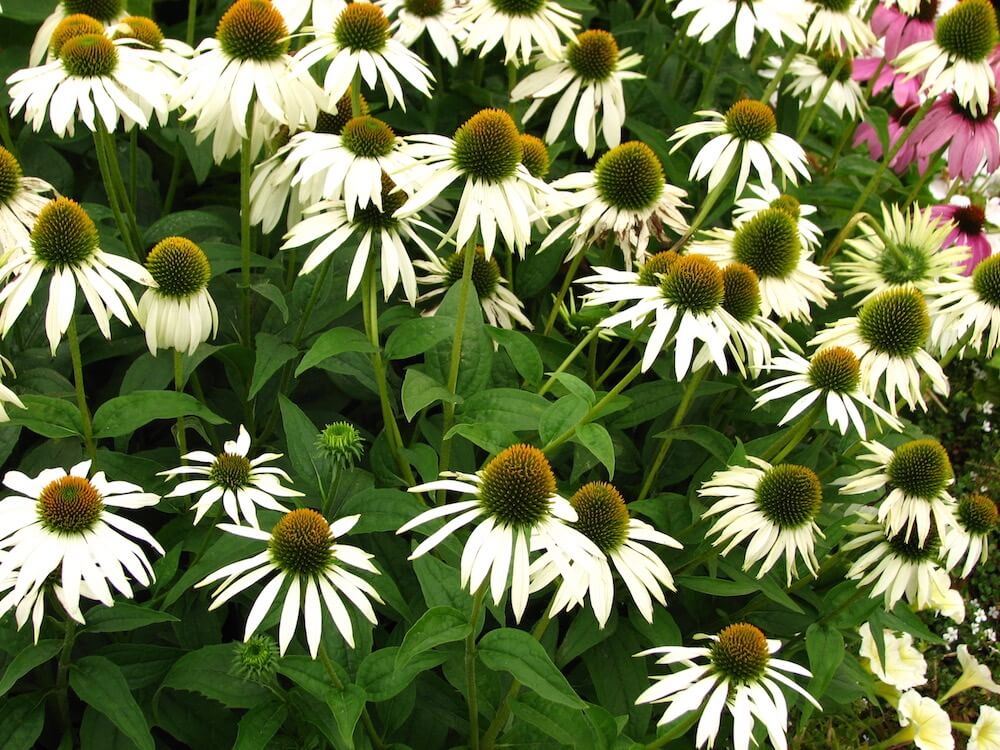
Leave the seed heads standing through winter rather than cutting them back immediately, and you’ll provide food for goldfinches while also gaining that lovely skeletal winter structure that good naturalistic planting delivers. I used White Swan extensively in the garden I designed at Hampton Court, and it remains one of my favourite reliable perennials.
🛒 Buy Echinacea from Amazon UK
Achillea thrives on neglect in a way that few other plants match. Give it poor, well-drained soil in full sun, and it will reward you with flat-headed flower clusters in shades of yellow, red, pink, white, and terracotta from June to September. It performs better in lean conditions than in rich, well-fed soil, where it tends to flop.
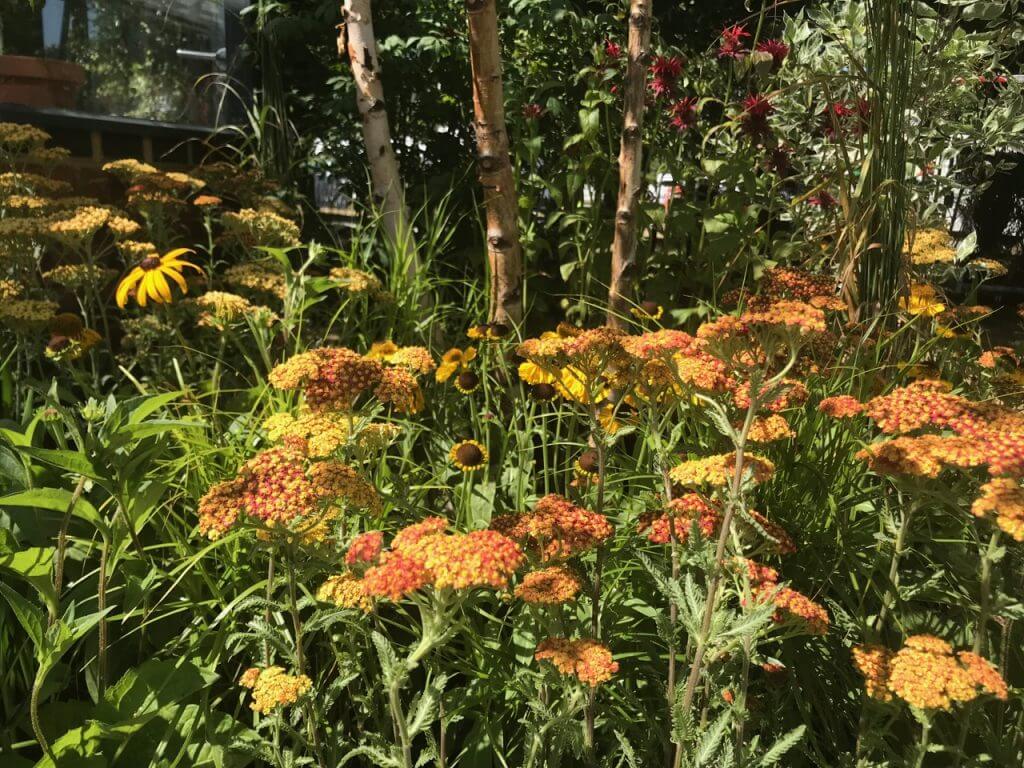
The feathery, aromatic foliage is slug and deer-resistant, and the flower heads dry beautifully on the plant through autumn and winter. ‘Terracotta’ is the variety I reach for most in garden designs because its warm, burnt-orange tones are so versatile with grasses, salvias, and dark-leaved plants. Divide clumps every three years to keep them flowering well and prevent the centre dying out.
Salvia nemorosa has become one of the defining plants of contemporary naturalistic garden design, and it has earned that status entirely on merit. The upright spikes of violet-blue flowers are produced in dense masses from June, bees absolutely swarm over them, and if you cut the whole plant back by about half once the first flush fades, it will produce a generous second flush in late summer.
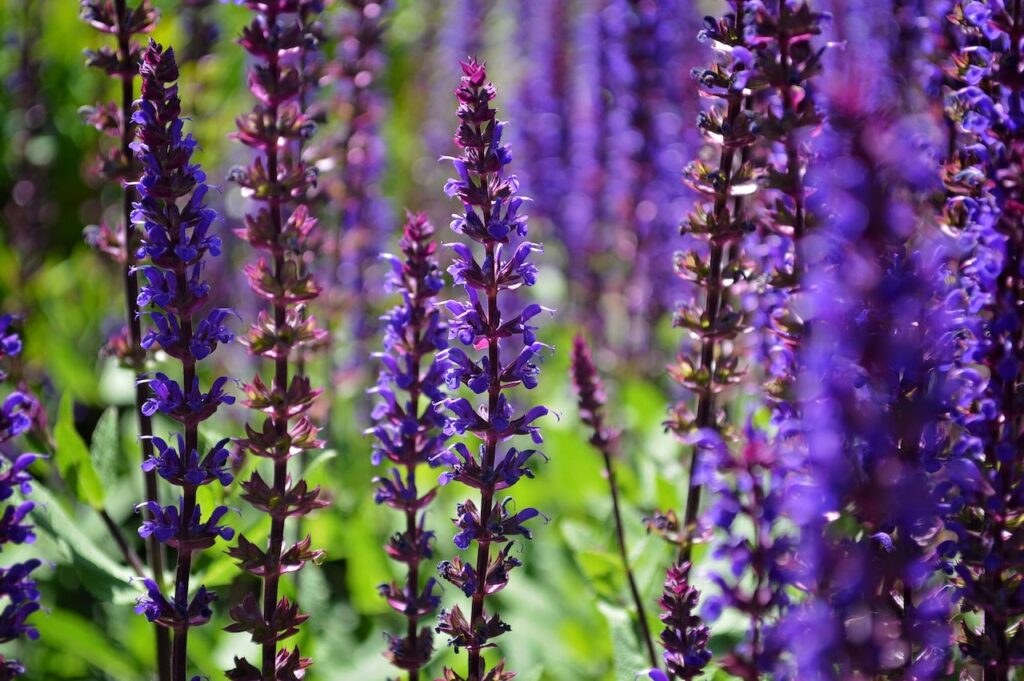
‘Caradonna’ is the outstanding variety, with near-black stems that make the violet flowers pop in a way that no other salvia quite matches. It is drought-tolerant, slug-resistant, and completely self-supporting. I have used this plant in almost every naturalistic design I’ve produced in the past decade.
🛒 Buy Salvia nemorosa from Amazon UK
Heuchera has transformed the options available to gardeners dealing with partial or dappled shade. The foliage comes in an extraordinary range of colours from deep burgundy and chocolate through to lime green, silver, and caramel, providing year-round interest that no other shade perennial quite matches.
However, do check their pots for vine weevils before you buy them at the garden centre, to save yourself heartache if they get infested. Great in container gardens for instant colour.
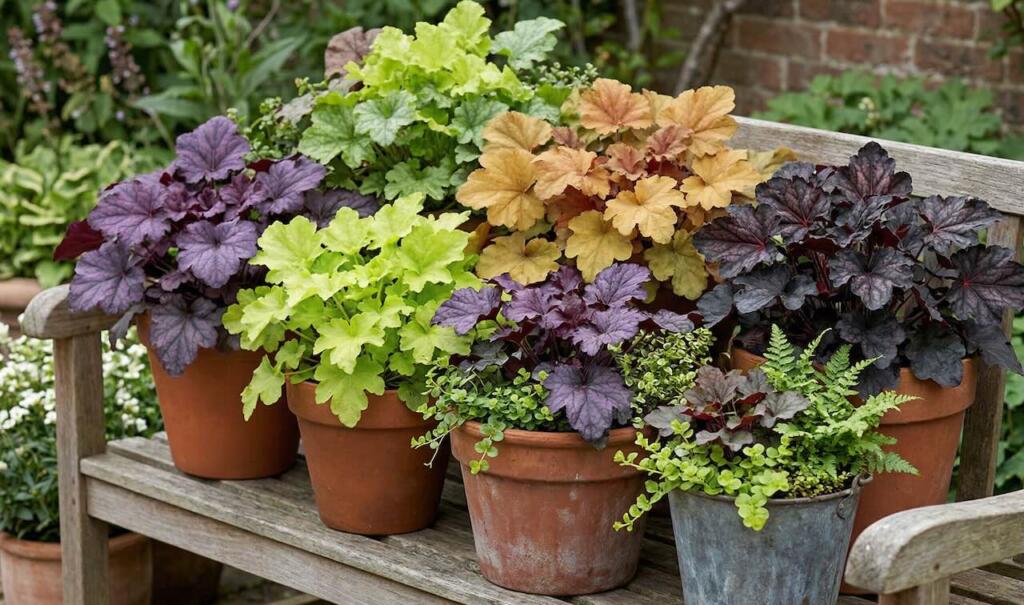
The delicate flower wands that appear in summer are a bonus rather than the main event. It is almost entirely maintenance-free once established, asking only for the occasional removal of older, woodier central growth every few years to keep the plant performing at its best. ‘Palace Purple’, ‘Obsidian’, and ‘Caramel’ are among my most frequently used varieties in shaded garden designs.
Nepeta is the soft, billowing, aromatic edging plant that formal and naturalistic gardens alike rely on. The silvery-green foliage is covered in lavender-blue flower spikes from late spring, bees treat it as an essential resource, and the whole plant smells wonderful when you brush past it. Cut it back by about a third after the first flush in midsummer, and it rebounds quickly with a fresh flush of flowers that carries on until the frosts.
I use this in nearly all my gardens as it’s completely foolproof, smells amazing and can be easily divided every few years to fill more gaps in flower beds.
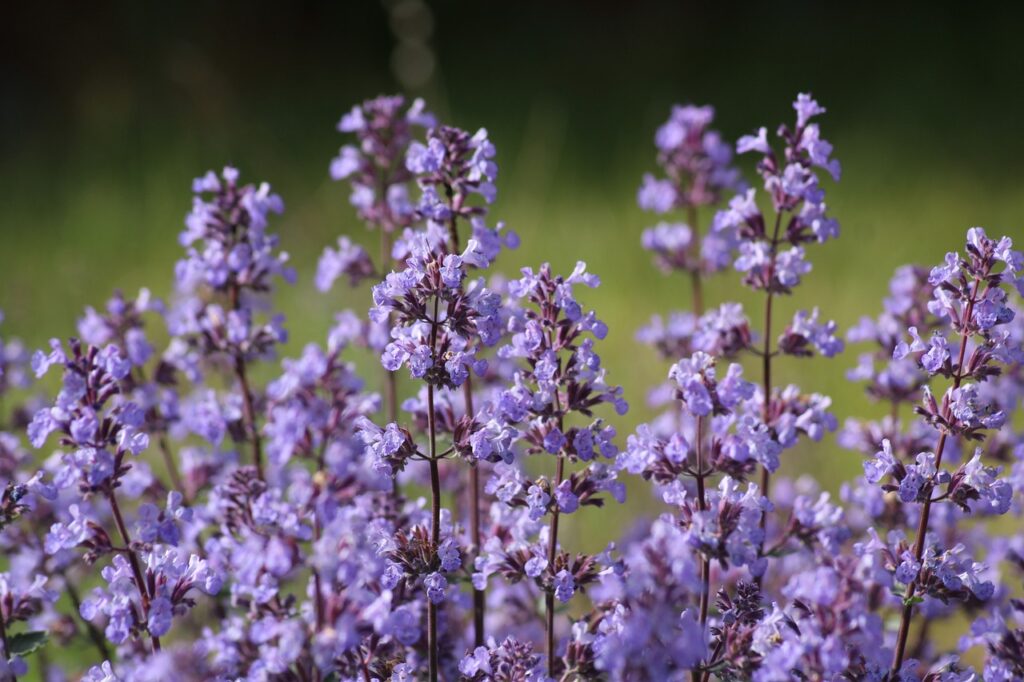
It is slug-resistant, drought-tolerant, and requires no staking whatsoever. ‘Walker’s Low’ is the most widely planted variety, reaching around 45cm and spreading to about 60cm, making it ideal for softening path edges and the front of borders. I’ve been growing it in my own garden for years, and it simply never causes me any bother.
The flat-topped pink flower heads of Hylotelephium spectabile (formerly and still widely sold as Sedum) are one of the finest late-season sights in the UK garden. They remind me of being a child and calling them ice plants because of their matte, squishy leaves that looked ice-cold! Pretty much impossible to kill in my experience!
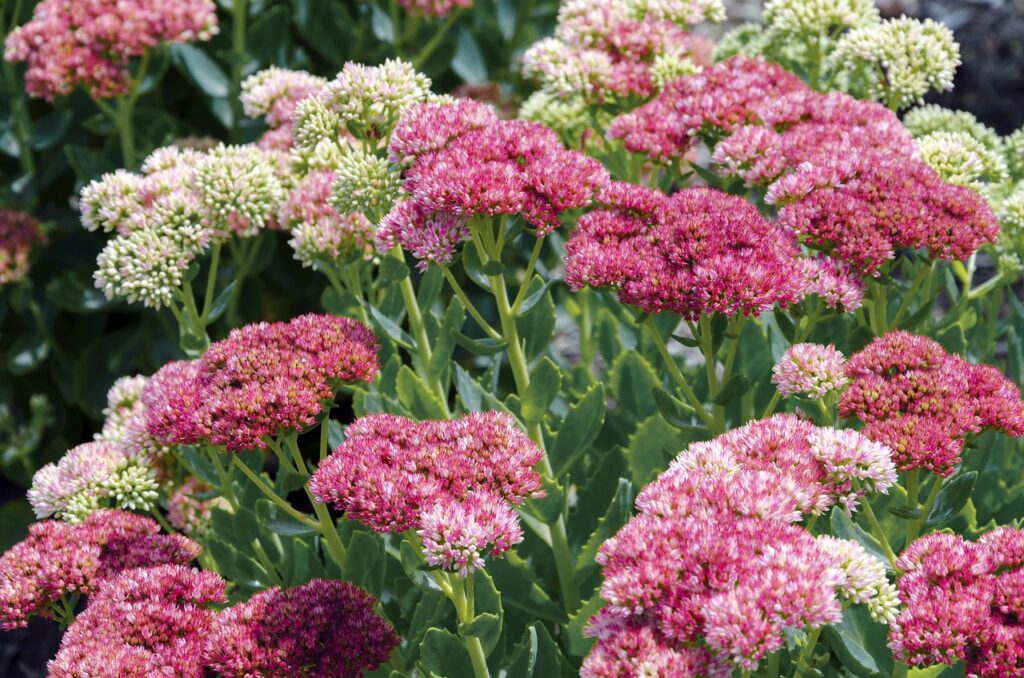
They open in August and persist right through to October, attracting red admirals, peacocks, and bumblebees in numbers that always draw comment from visiting clients. The thick, succulent foliage stores water efficiently, making this a truly drought-tolerant plant once it settles in.
Leave the seed heads standing through winter, and they catch frost and morning light in a way that adds genuine beauty to the dormant garden. ‘Autumn Joy’ is the classic variety; ‘Purple Emperor’ offers a darker, more contemporary twist with deep burgundy foliage. Cut it back to the ground in early spring, and that’s your full annual maintenance done.
Hellebores occupy a unique position in the garden: they flower in the bleakest months of winter, they thrive in shade that defeats most other flowering plants, they are tough, long-lived, and once established, they self-seed gently to fill gaps without becoming invasive.
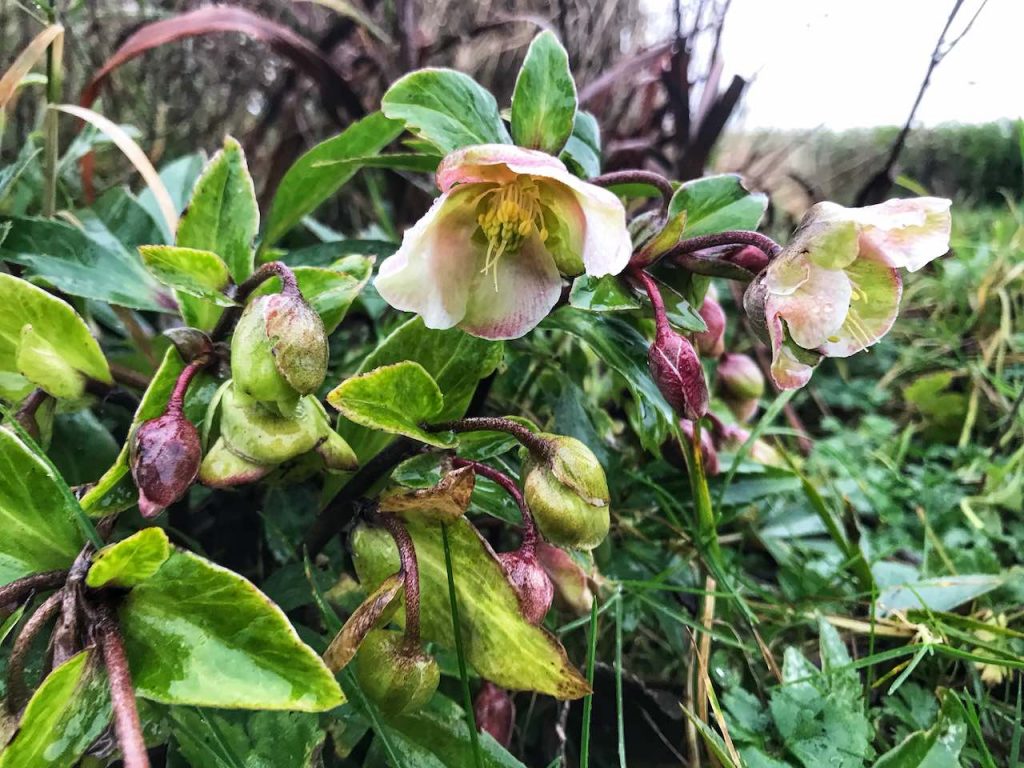
The flowers in Helleborus x hybridus come in an extraordinary range, including white, cream, pink, deep purple, slate-grey, and near-black, with many double and picotee forms now available. Remove the old leathery leaves in January before the flowers emerge, and you’ll show the flowers off properly while also removing potential disease reservoirs. Beyond that, they simply look after themselves for years on end.
🛒 Buy Hellebores from Amazon UK
Penstemon is one of the longest-flowering perennials available to UK gardeners, producing its tubular flowers in reds, pinks, purples, and whites from June right through to October with minimal deadheading required. It is robustly slug-resistant, which alone puts it head and shoulders above many other mid-border perennials for low-maintenance purposes.
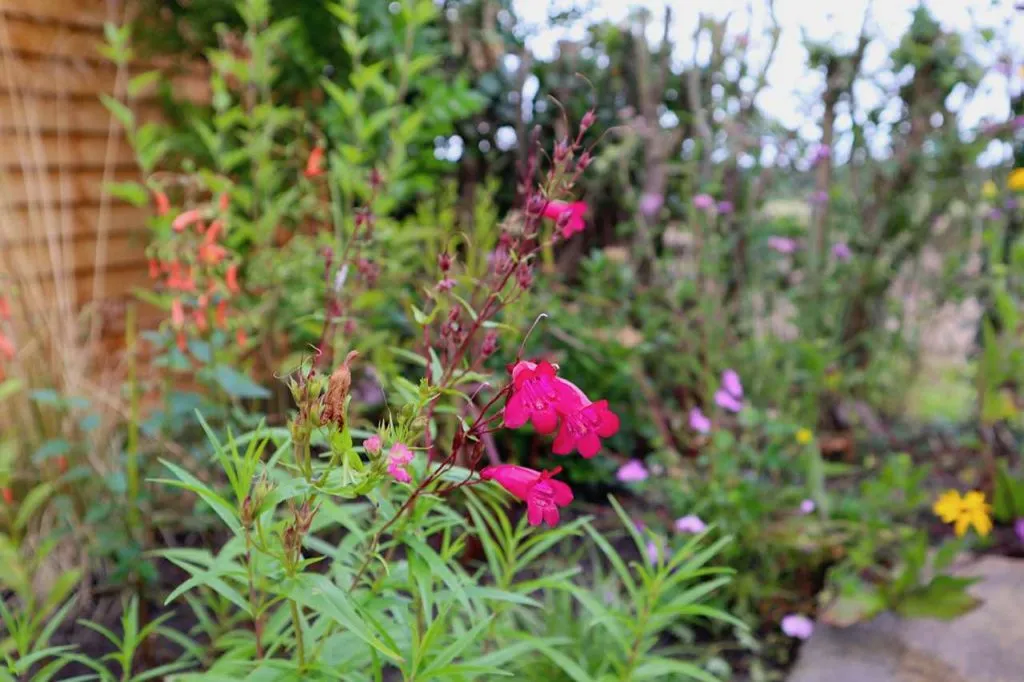
Leave the old stems standing over winter as the semi-evergreen foliage provides some frost protection to the crown, then cut back to fresh growth in late spring. ‘Garnet’, ‘Husker Red’, and ‘Sour Grapes’ are the three varieties I recommend most often because they are reliably hardy and have proven themselves over many seasons in UK gardens rather than simply performing well in a nursery pot.
🛒 Buy Penstemon from Amazon UK
Crocosmia is a plant that simply gets on with the job year after year. Plant the corms once, and they multiply steadily, producing arching sword-like foliage in summer followed by sprays of vivid orange, red, or yellow tubular flowers that hummingbird hawk-moths and bees adore.
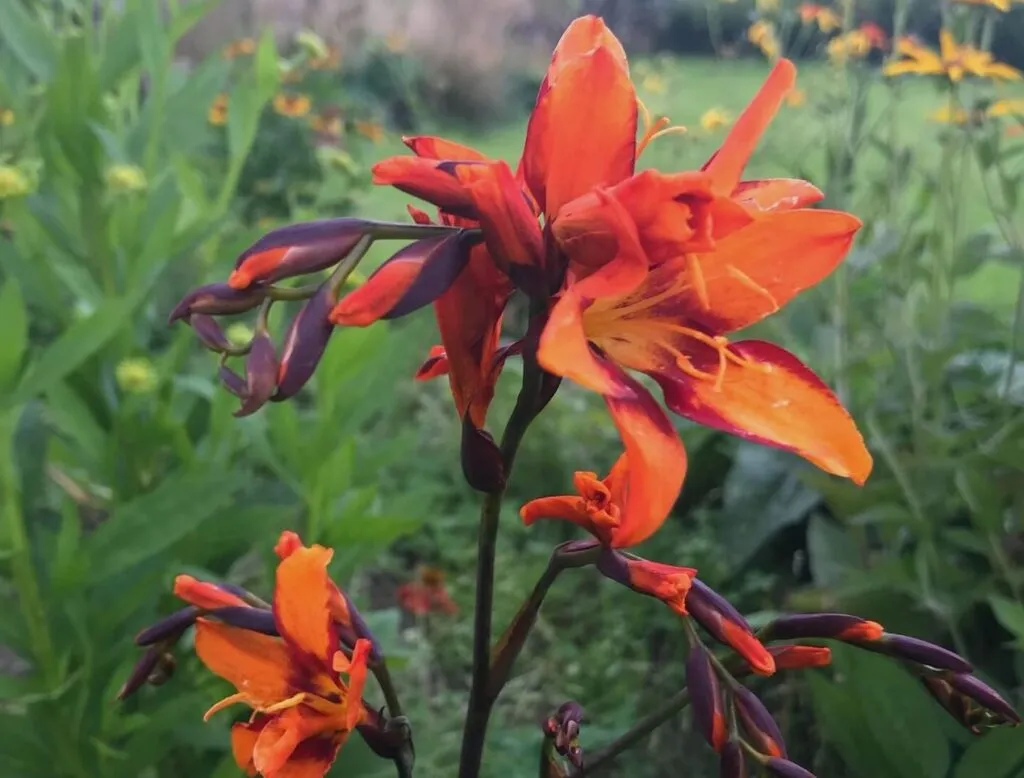
‘Lucifer’ is the showiest, with scarlet-red flowers on tall stems, but if you want something a little more restrained, then ‘Emily McKenzie’ in deep orange or ‘George Davison’ in pale yellow are excellent alternatives. Lift and divide the clumps every three or four years to prevent congestion and maintain good flowering, but that is the full extent of the maintenance commitment. Leave the foliage standing until spring, when it can be tidied away cleanly.
🛒 Buy Crocosmia from Amazon UK
Few summer-flowering plants create quite the same impact as agapanthus, with its bold globes of blue or white flowers held high on strong, architectural stems. The key with agapanthus in the UK context is to choose varieties that are reliably hardy for your area, rather than assuming all agapanthus will cope with a northern winter.
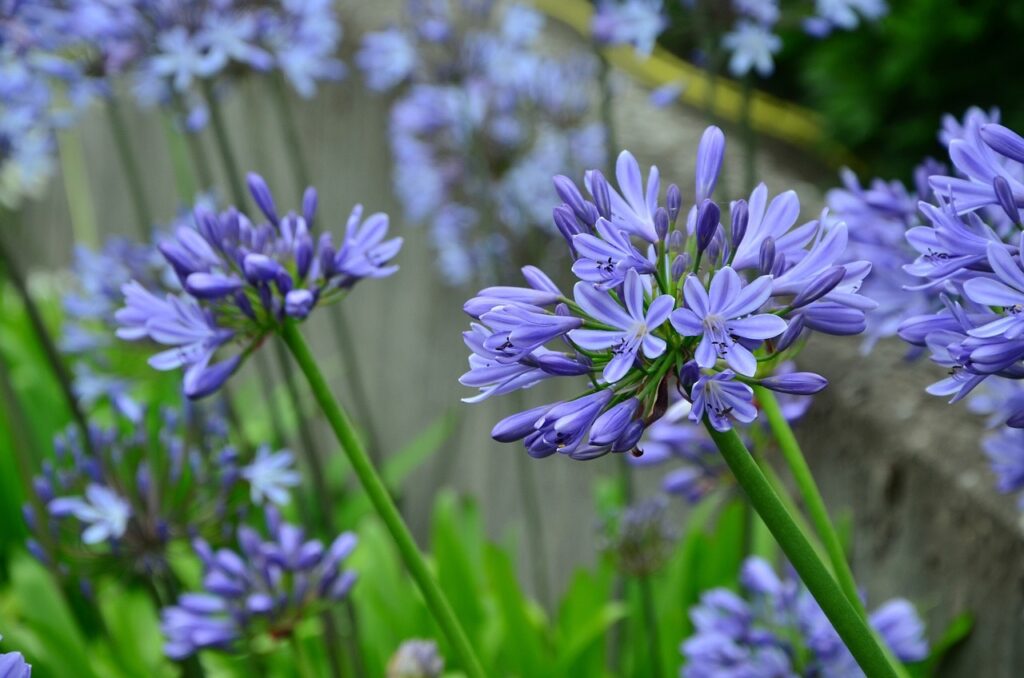
In mild coastal and southern gardens, the deciduous hardy varieties such as ‘Headbourne Hybrids’ will overwinter without protection in a free-draining border. In colder northern gardens, growing them in containers that can be moved under cover in winter is the more reliable approach. Agapanthus actually flowers best when slightly pot-bound, which makes container growing advantageous rather than a compromise. Feed with a high-potash fertiliser in summer, and they will reward you generously.
🛒 Buy Agapanthus from Amazon UK
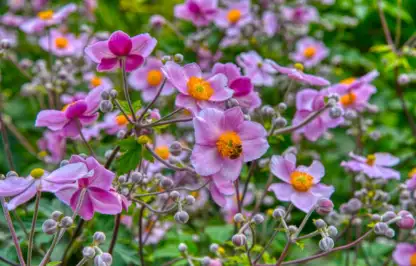
Japanese anemones are the unsung heroes of the autumn garden. They are slow to establish in their first year and can sometimes seem to sulk, but once settled, they spread reliably to form dense, weed-suppressing colonies that produce their cup-shaped flowers from August right through to October in shades of white, pale pink, and deep rose.
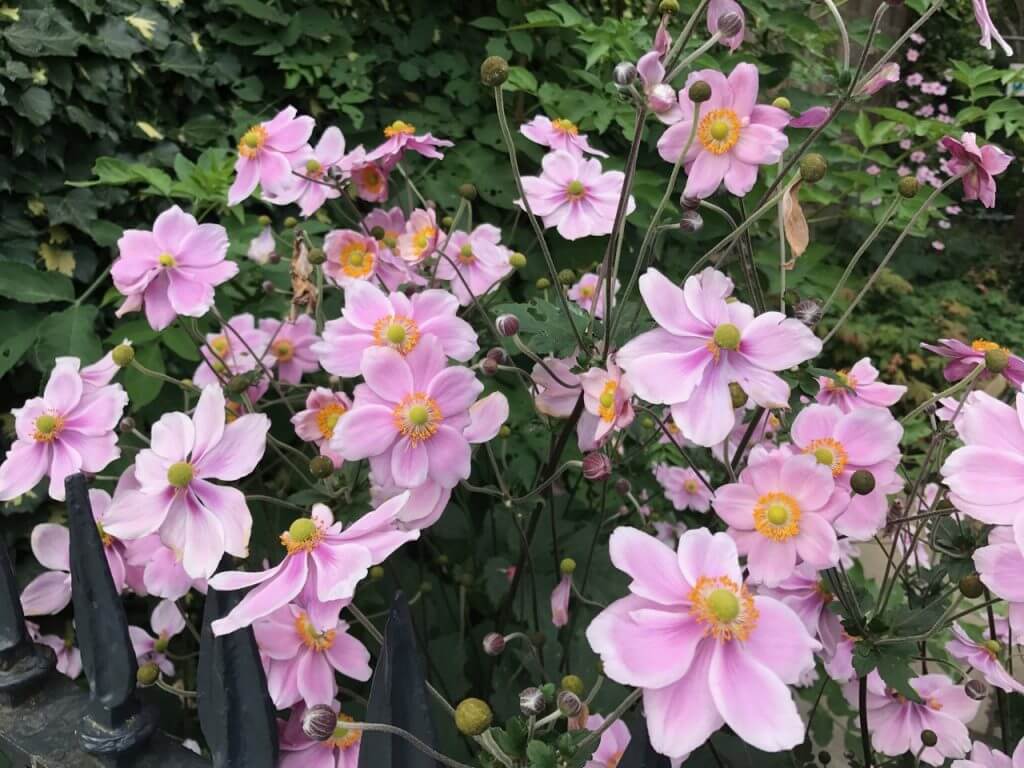
They are particularly valuable because they perform in partial shade where many other late-season perennials struggle. ‘Honorine Jobert’ in pure white and ‘Robustissima’ in soft pink are the two I use most. A word of warning: once established, they can spread assertively, so site them where there is room to expand or be prepared to dig back the edges each spring.
🛒 Buy Japanese Anemone from Amazon UK
Perovskia is one of those plants that photographs beautifully and performs even better in reality. The silver-grey stems and aromatic grey-green foliage look good from the moment it breaks into growth in spring, and then from July, the whole plant is clothed in long spires of tiny lavender-blue flowers that create an almost hazy, ethereal effect in the border. I have it here at Garden Ninja HQ in my modern cottage border. It’s far less fussy for pruning than lavender and is a good alternative!
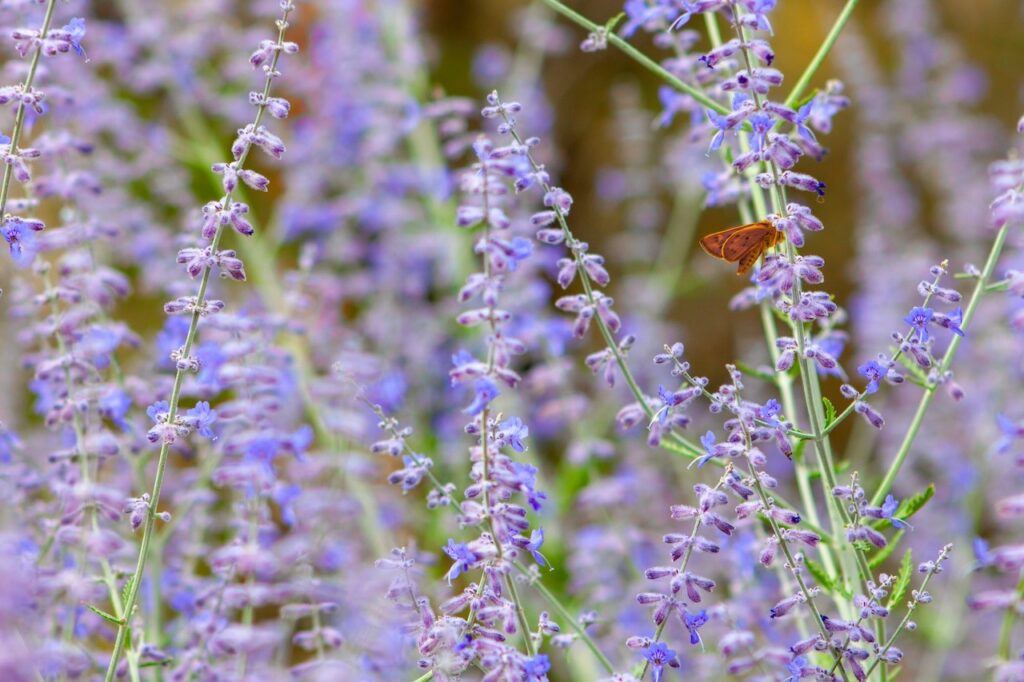
It is superbly drought-tolerant once established, thrives on poor, free-draining soil, and requires nothing more than being cut back to a low woody framework in spring. Grow it in good soil and feed it heavily, and you’ll actually get a worse plant, one that flops and produces more leaves than flowers. Treat it mean, and it will treat you well. ‘Blue Spire’ and ‘Little Spire’ are the varieties I use most.
🛒 Buy Perovskia from Amazon UK
The caveat with hostas in a low-maintenance context is slugs. If you garden in an area with high slug pressure, you’ll need to manage this or choose thick-leaved varieties such as ‘Sum and Substance’, ‘Halcyon’, or ‘Krossa Regal’ that offer better resistance. Deal with that one challenge, and hostas are among the most rewarding, easy plants in the garden.
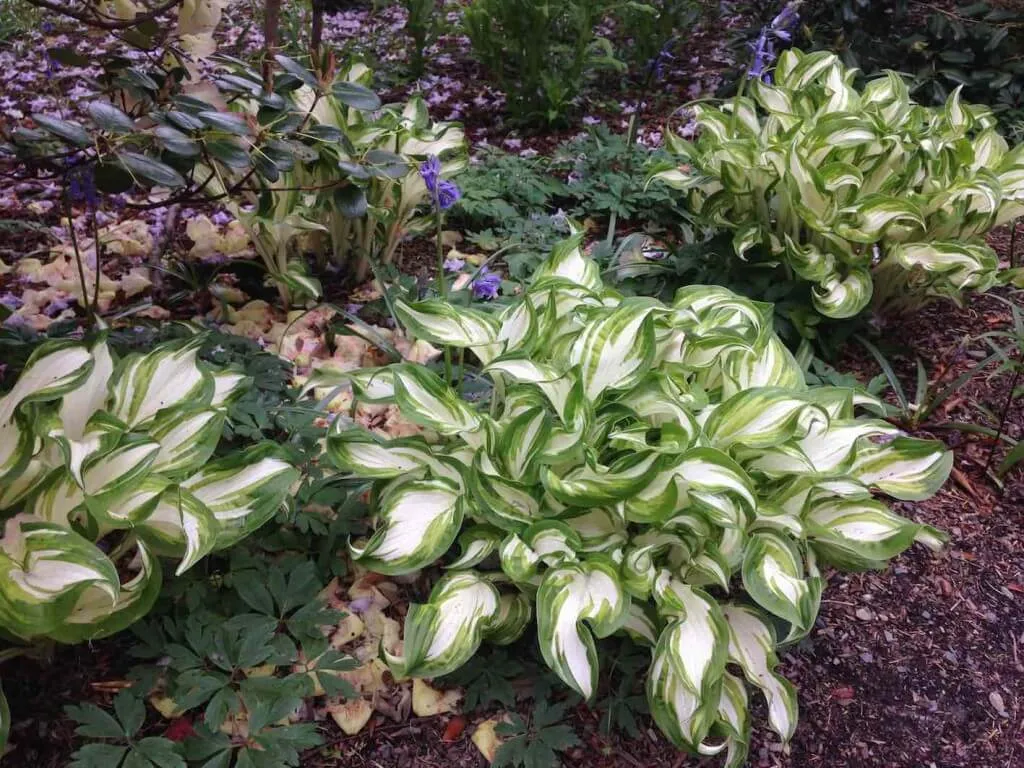
Hostas emerge reliably each spring, build into impressive architectural clumps of bold foliage that suppress weeds brilliantly, and die back cleanly in autumn with nothing more from you than a tidy-up of the dead leaves. In the right spot of moist, humus-rich partial shade, a well-chosen hosta will outlive the gardener who planted it. Nematode slug control applied in spring and autumn keeps the problem manageable without chemicals.
Ornamental grasses and architectural plants deserve their own section because they do something that no shrub or perennial can quite replicate: they bring movement. The way a grass shifts in the wind adds life and rhythm to a border that static plants simply cannot achieve. They are also, with very few exceptions, extremely low-maintenance once established.
Miscanthus is the backbone grass of large naturalistic planting schemes for good reason. It grows into substantial, upright clumps of arching foliage with feathery plumes that catch the low autumn and winter light in a way that is simply breathtaking on a frosty morning. It requires almost nothing from you: cut the whole clump down to about 15cm above the ground in late February, and new growth will emerge within weeks.
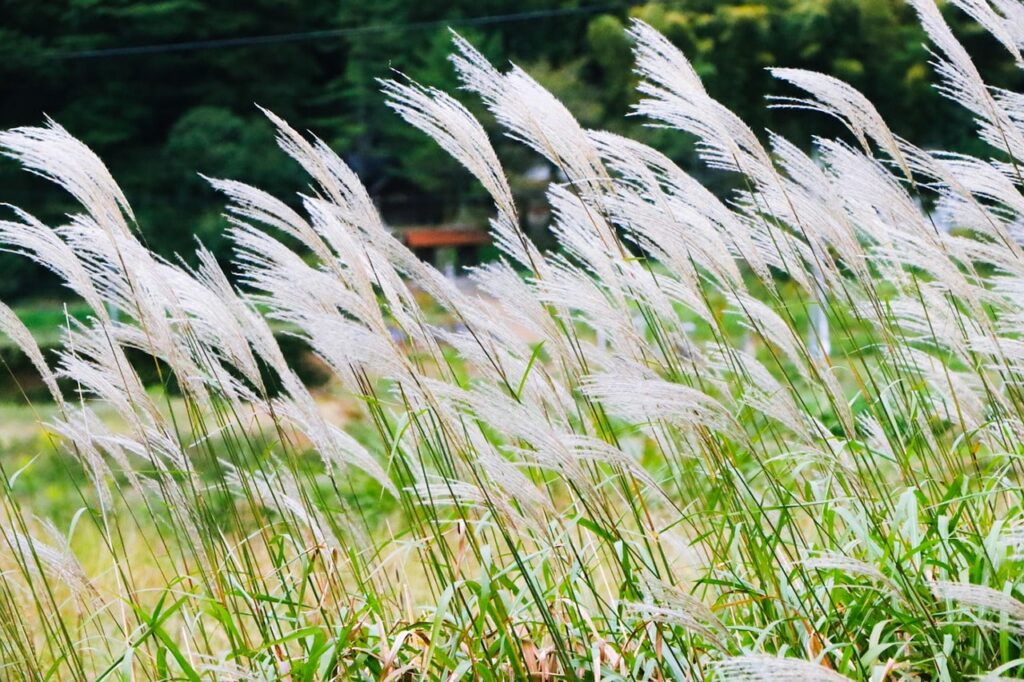
‘Morning Light’ is elegant and compact at around 1.5m; ‘Gracillimus’ is similarly refined. ‘Zebrinus’ offers striking horizontal gold banding on the leaves if you want something more dramatic. All of them earn their keep through twelve months of the year with a single annual cut as their only requirement.
🛒 Buy Miscanthus from Amazon UK
Stipa gigantea is one of those plants that stops people in their tracks when they see it working well in a garden. The compact, evergreen basal clump of narrow leaves is modest and unassuming through winter, but from early summer it sends up towering stems to 2m or more, topped with shimmering, oat-like flowers that turn golden as summer progresses.
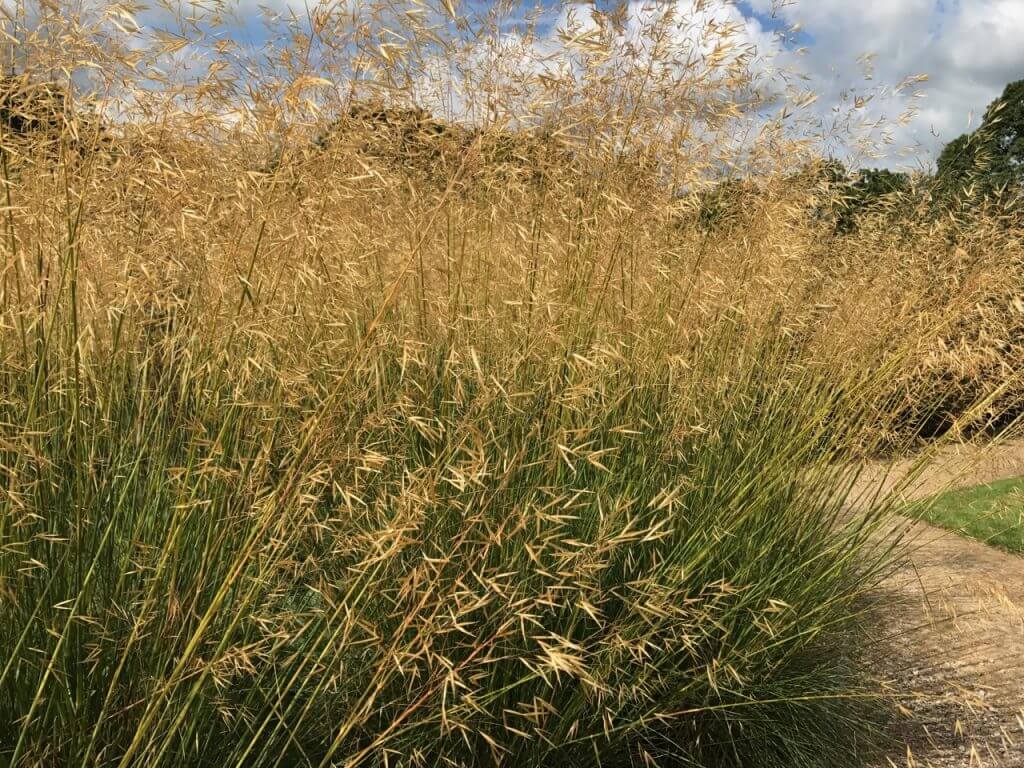
The effect is transparent, meaning you can plant through it and see other plants beyond, which makes it a brilliant mid-border grass rather than a back-of-border plant. It requires almost no maintenance beyond removing any dead outer leaves in spring and occasional removal of spent flower stems. Give it full sun and free-draining soil, and it will perform reliably for years.
🛒 Buy Stipa gigantea from Amazon UK
Dierama is a plant I include here with genuine affection because its beauty is quite unlike anything else in the summer border. The long, arching, wand-like stems carry pendant bells of pink, mauve, or white that sway in the lightest breeze, giving rise to its common name, Angel’s Fishing Rod. Once established, it requires almost nothing from you and will self-seed gently around its base.
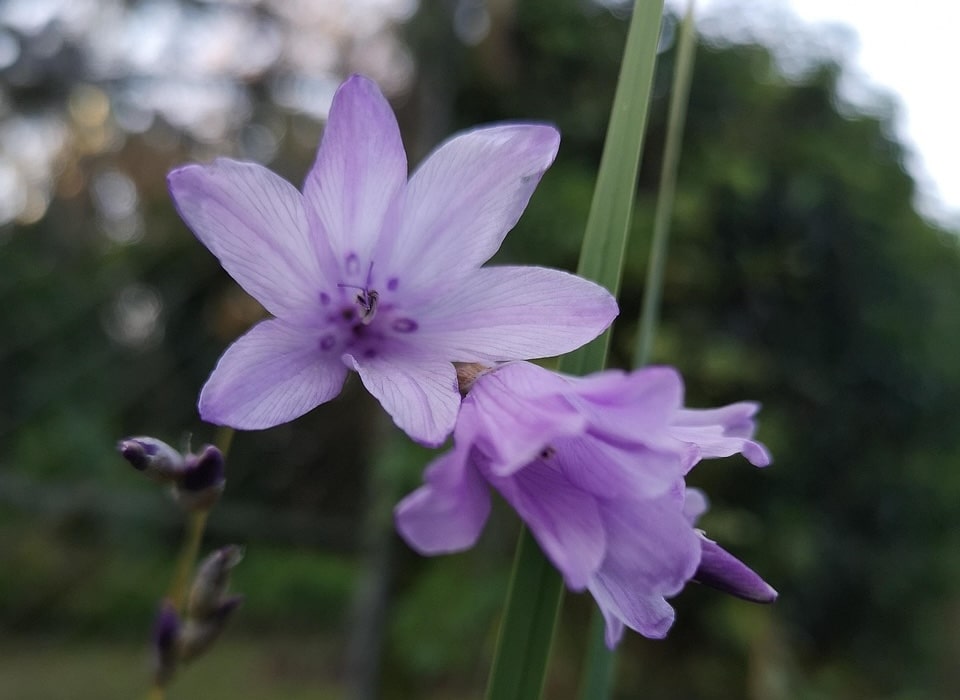
The evergreen grassy foliage is neat and architectural through winter. The main caveat is that it resents disturbance, so choose its position carefully and then leave it alone. It hates being moved once established, and transplanting often sets it back by two or three seasons. Site it in a sheltered, sunny spot with free-draining soil and it will reward you for years with a flowering display that never ceases to draw admiring comments.
The final section covers bulbs and a few outstanding late-season perennials that round out a truly low-maintenance planting scheme. Bulbs in particular offer exceptional value in a low-maintenance context: plant them once, and they return year after year, often multiplying as they go, with minimal intervention required from you.
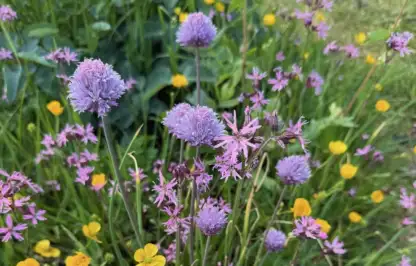
Alliums are close to the perfect low-maintenance bulb. Plant them in autumn, forget about them through winter, and by late May, they are producing their spectacular spherical flower heads in shades of purple, white, and pink. Bees adore them. The seed heads that follow are architecturally beautiful and last well into autumn when left in place.
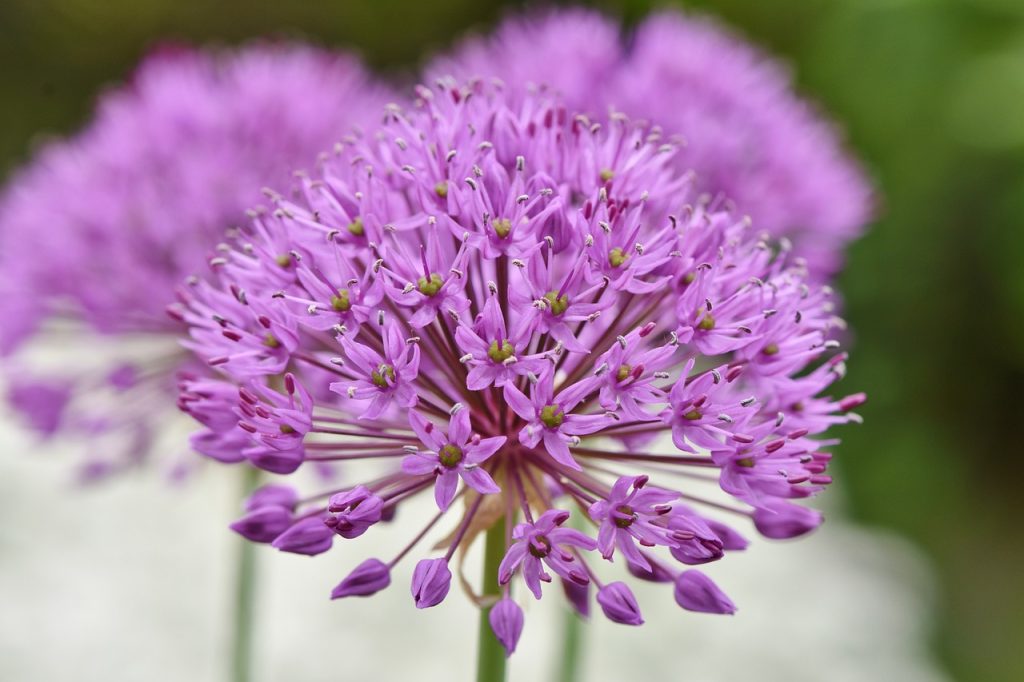
They naturalise readily in well-drained soil, gradually multiplying from year to year. ‘Purple Sensation’ in deep violet, ‘Gladiator’ for a slightly later, larger flower head, and ‘Mount Everest’ in clean white are the three varieties I use most often to create that floating globe effect, which works so well when woven through perennial plantings. The foliage dies back unattractively as the flowers develop, which is why I always plant them through lower-growing perennials that will mask the dying leaves.
🛒 Buy Allium Bulbs from Amazon UK
Kniphofia brings a boldness to the late summer border that very few other plants match. The upright torches of flowers in oranges, reds, yellows, and creams are architectural in the extreme, and long-tailed tits and bumblebees are drawn to them in numbers. You can even buy them cheaply as bare roots in late spring for that year’s foliage to take root!
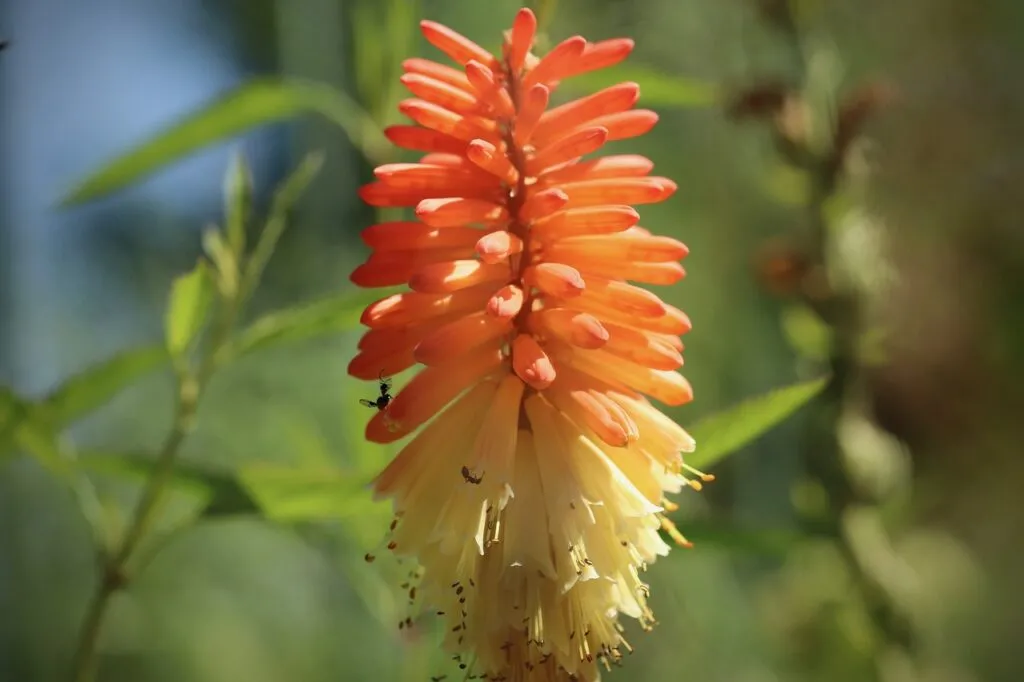
Despite their exotic appearance, the hardier varieties are tough, reliable UK garden plants that need little more than having the dead flower stems removed and the foliage tidied up in spring. In cold, wet areas, it is worth loosely tying the leaves over the crown in November to protect the growing point from waterlogging through winter. ‘Royal Standard’, ‘Fiery Fred’, and ‘Percy’s Pride’ in pale yellow are the three varieties I find most reliably hardy and free-flowering across a range of UK conditions.
🛒 Buy Kniphofia from Amazon UK
Verbena bonariensis is technically a short-lived perennial that may not survive a hard UK winter, but its ability to self-seed freely means that once you introduce it to a garden, it effectively maintains its own population year after year. The tall, branching, almost wireframe stems hold tiny clusters of vivid purple flowers that butterflies find irresistible, and the whole plant has a transparent quality that makes it work beautifully woven through other planting without blocking anything behind it.
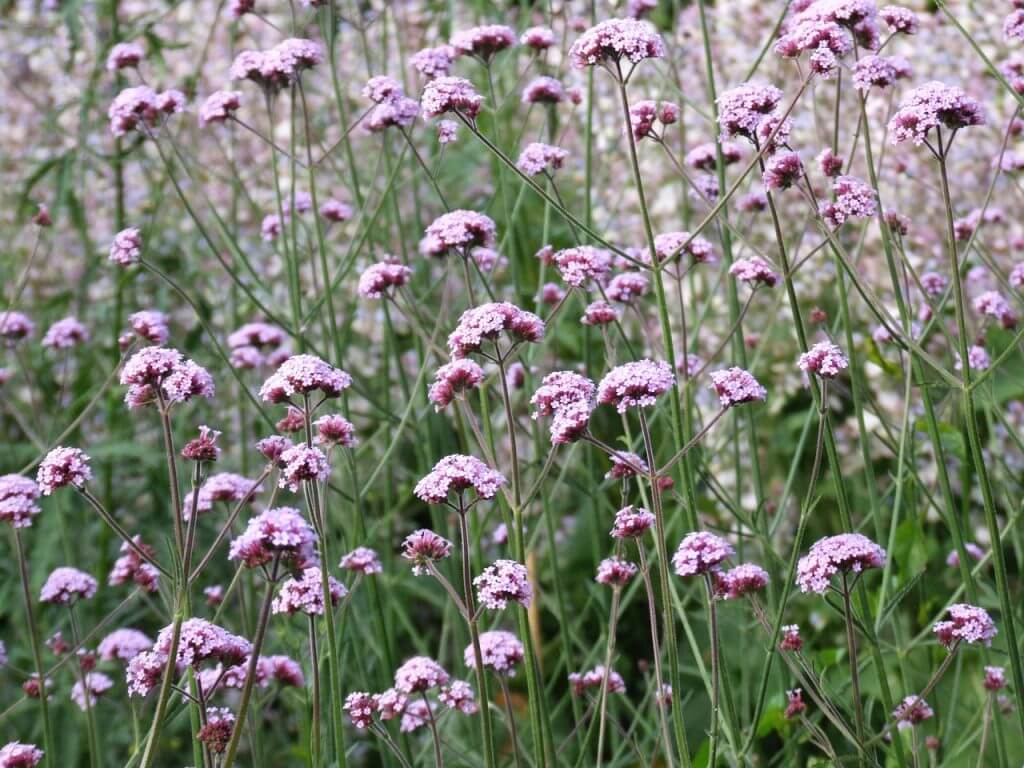
It is one of those plants that looks as though it has been there for years from the moment it flowers, which is a rare quality in any garden plant. Leave the stems standing over winter, collect a handful of seeds from the dried heads in autumn if you want to increase it in specific spots, and then simply cut the old stems to the ground in spring.
🛒 Buy Verbena bonariensis from Amazon UK
Camellia is one of the most spectacular low-maintenance shrubs available to UK gardeners, provided you get the growing conditions right from the start. It must have acidic soil, it dislikes morning sun on frosted buds (which causes the petals to brown), and it appreciates shelter from cold, drying winds. Meet those requirements, and it will reward you with an extraordinary display of flowers in late winter and early spring when barely anything else is in bloom, supported by year-round glossy evergreen foliage that looks handsome in every season.
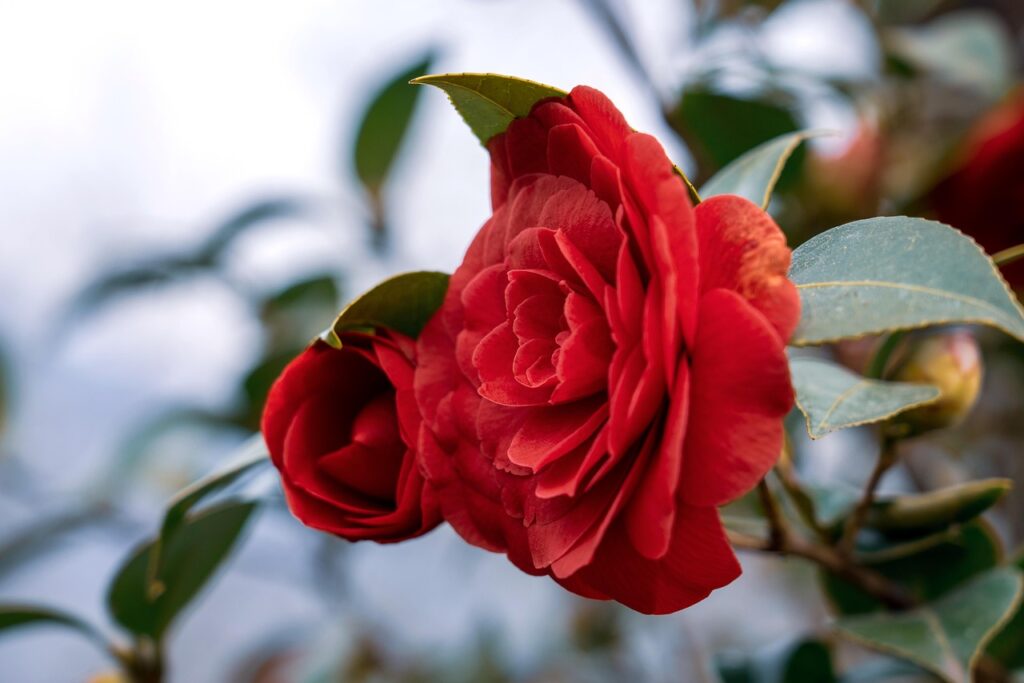
Very little pruning is ever needed beyond tidying the shape after flowering if it is outgrowing its space. Feed with an ericaceous fertiliser in spring and again in summer to keep it performing at its best, and water during dry spells in late summer when the following year’s flower buds are forming.
Lavender closes this list as the most immediately recognisable low-maintenance plant in the UK gardening lexicon. Its fragrance is unmatched, bees and butterflies treat it as an essential resource, and the silvery mound of evergreen foliage looks good for twelve months of the year. However, they are not zero-maintenance as many guides suggest; you must prune them at the end of each summer if you want them to last more than just 2-3 years.
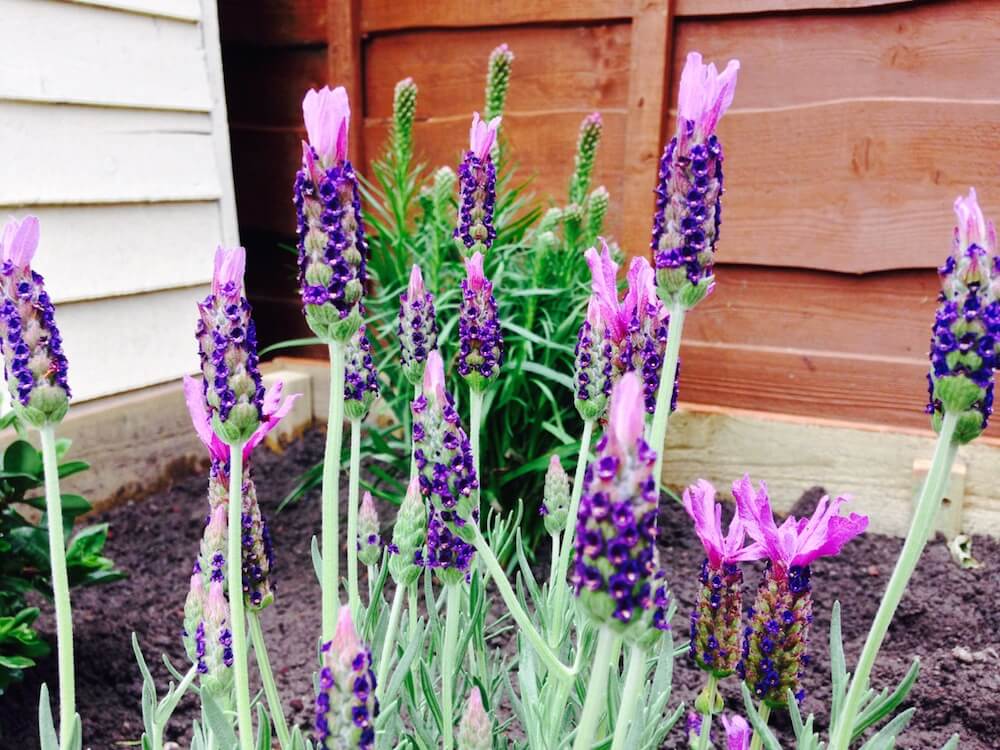
The key to long-lived lavender is the same as for perovskia: free-draining soil and full sun, with an annual trim after flowering to prevent the plant from becoming woody and open at the centre. Cut it back by about a third immediately after the flowers fade in late summer, never cutting into old brown wood, as it will not regenerate from that.
‘Hidcote’ is the most reliably compact and cold-hardy variety for UK gardens. ‘Munstead’ is slightly taller and equally dependable. Both will reward you with a decade or more of reliable performance from a single planting.
Choosing the right plants is only half the story. The way you put them together has an enormous bearing on how much work the garden will require of you in subsequent years. From designing hundreds of gardens across the North West and beyond, a few principles recur in low-maintenance planting design.
The first and most powerful tool is ground cover. A bare soil surface invites weeds, and weeding is the single biggest ongoing maintenance task in most gardens. Pack your planting densely enough that the foliage of neighbouring plants touches and shades the soil surface, and weeds simply cannot get established in any numbers. Geraniums, heucheras, hostas, nepeta, and sedum are all outstanding ground-covering plants that can be used to close the gaps between larger specimens. A 5cm layer of bark mulch applied to bare soil when planting establishes this principle instantly while the plants are still developing.
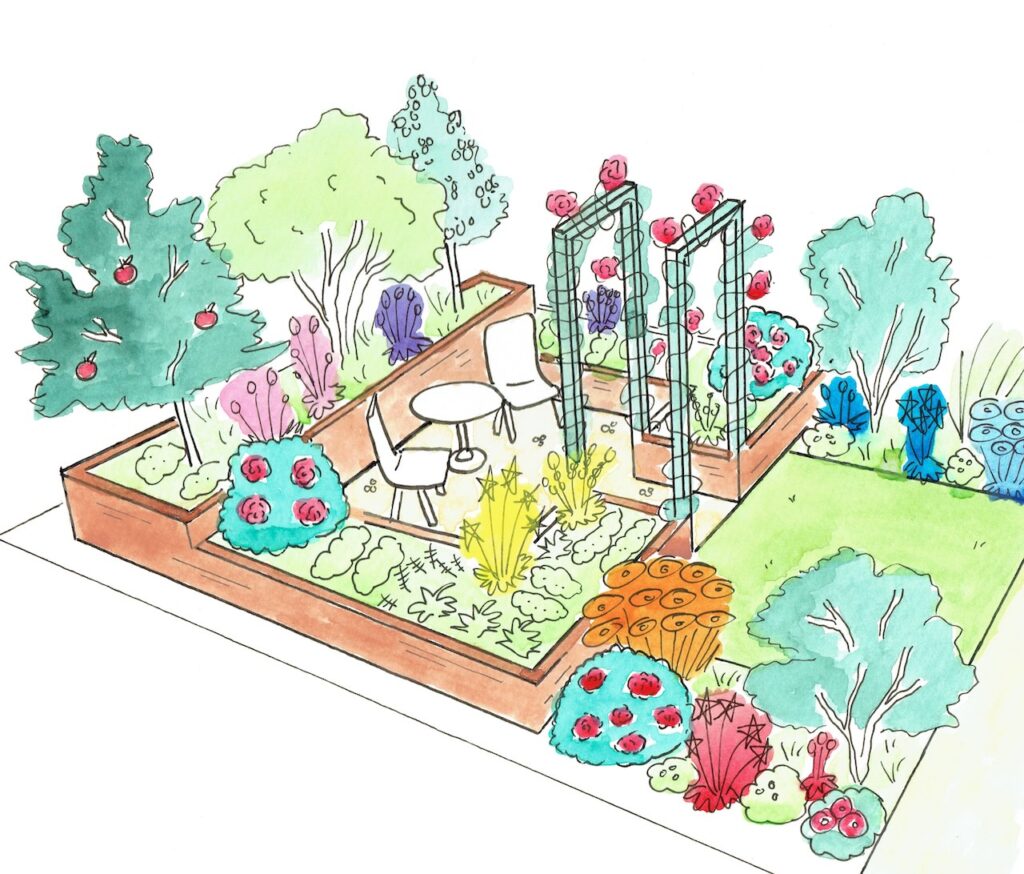
The second principle is structural plants. Shrubs like mahonia, viburnum, berberis, and skimmia provide the bones of the planting scheme, the permanent framework that gives the garden its form and structure through every season. Without them, a planting scheme tends to look tired and flat in winter and spring before the perennials get going. Aim for roughly 30 to 40 per cent of your planting being evergreen or structural shrubs, with perennials filling the spaces between them.
Third, choose plants that do multiple jobs. A plant that provides spring structure, summer flowers, autumn berries, and winter evergreen interest earns its place far more than a plant that performs brilliantly for three weeks and then disappears. Pyracantha, viburnum, and mahonia are all outstanding examples of this in the shrub world. In the perennial world, sedum and echinacea both have excellent seed-head interest through winter, extending their contribution well beyond their flowering period.
💡 Top Tip
Plant in groups of three, five, or seven of the same variety rather than single specimens. Grouped planting creates a bolder, more cohesive effect, covers ground more quickly, and looks more deliberate and designed than spotting single plants around a border. It also reduces weeding by closing gaps more efficiently.
Finally, think about the relationship between your plants and your soil. Matching plants to soil conditions is the single biggest predictor of success. All 30 plants on this list will struggle if planted in conditions they don’t suit. Put lavender in heavy clay, and it will sulk and rot. Plant hostas in dry, sunny soil, and they’ll scorch and stunt. Spend time improving your soil before planting, understand whether your garden drains freely or holds moisture, and choose accordingly. A plant thriving in the right conditions needs almost nothing from you. A plant fighting its environment needs constant intervention.
Hardy geraniums (cranesbill) are arguably the easiest perennial to grow in UK gardens. They tolerate sun or partial shade, most soil types, and drought once established, and they are both slug and deer-resistant. Varieties like ‘Rozanne’ flower from late spring right through to the first frosts with almost no attention required. For shrubs, viburnum tinus and berberis are equally reliable and very close to indestructible in most UK garden conditions.
The plants that require the least maintenance once established are those adapted to UK growing conditions and matched to your soil type. Top choices for perennials include hardy geraniums, nepeta, salvia nemorosa, rudbeckia, achillea, and sedum. For shrubs, mahonia, viburnum tinus, berberis, and skimmia stand out. All of these need little more than an annual cut or tidy to perform reliably year after year, which is as low-maintenance as gardening gets.
For shady gardens, hellebores, hostas, heucheras, skimmia, mahonia, and viburnum tinus are all excellent choices. Hellebores are particularly valuable because they flower in winter and early spring in full shade when little else is performing. Japanese anemones provide outstanding late summer colour in partial shade. Avoid sun-loving plants like lavender, achillea, and salvia in shade, as they will perform poorly regardless of how little attention they are said to need.
For near-continuous summer colour with minimal maintenance, nepeta flowers from May to September, hardy geraniums from late spring to the frosts, penstemon from June to October, and salvia nemorosa from June through to August with a second flush if cut back after the first. Combining these plants gives you overlapping colour from late spring right through to the first frosts with very little work required from you.
Most ornamental grasses are among the lowest-maintenance plants available. Miscanthus, Stipa gigantea, and Dierama all require very little beyond an annual cut to the base in late winter. They are drought-tolerant once established, disease-resistant, do not need staking, and provide year-round interest, including attractive seed heads and winter structure. They are a particularly good choice for anyone who wants high visual impact for minimal effort.
Lavender, perovskia, achillea, sedum, euphorbia characias, stipa gigantea, salvia nemorosa, and nepeta all thrive in lean, free-draining conditions and often perform better in poor soil than in rich, well-fed borders. Avoid the temptation to improve poor, dry soil with organic matter when planting these species, as it can encourage soft, floppy growth and shorten their lifespan.
Why not start shaping a garden that truly works for you? Level up your skills with one of my online gardening courses!
My Garden Design for Beginners course is the perfect next step. Whether you’re completely new to garden design or just need a more structured approach, this affordable online course guides you through the full process from blank canvas to brilliant layout.
I’m Lee Burkhill, award-winning garden designer and presenter on BBC1’s Garden Rescue, and I’ve packed this course with practical advice, insider tips, and easy-to-follow steps to help you design a garden that works in harmony with nature, and keeps ground elder firmly in its place!
Enrol now for just £199 and start your journey toward garden design mastery!
For the garden you’ve already got, not the one you’re starting from scratch. Seven checklists and video lessons from BBC Garden Rescue’s Lee Burkhill, designed to help you decide what’s worth keeping before you spend a penny.
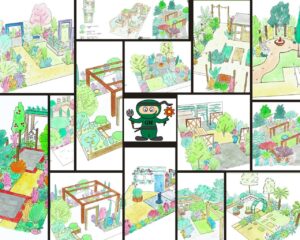
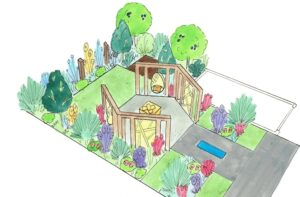
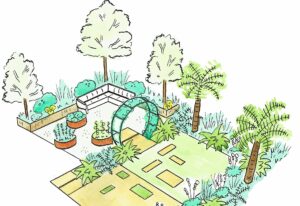
Garden Design Examples for Small Gardens: 30 Design Templates & Planting Plans: In this online gardening course, I’ll walk you through 30 fantastic garden designs, explaining the logic behind the layout and plant choices, plus take-home tips for applying them in your own garden.
Learn how to transform and design your garden with Lee Burkhill’s crash course in garden design. In over 5 hours, Lee will teach you how to design your dream garden. Featuring practical design examples, planting ideas and video guides. Learn how to design your garden in one weekend!
Garden Design for Beginners Online Course: Want to become a garden designer or design your own garden? This beginner course is for you. Join me, Lee Burkhill, an award-winning garden designer, as I train you in the art of beautiful garden design. Enjoy 20 hours of online study and video lessons, along with quizzes and a completion certificate.
Low-maintenance gardening is not about avoiding plants. It is about making better choices from the outset. The 35 plants in this guide are the ones I return to again and again in my design work because they deliver beautiful, wildlife-friendly gardens that do not demand constant attention.
Match your plants to your soil and conditions, plant densely to suppress weeds, include structural evergreen shrubs for a year-round framework, and invest in thorough soil preparation before planting. Do those things well, and your garden will reward you for years with minimal effort beyond an annual cut and tidy.
The plants on this list have all earned their place through real performance in real UK gardens. Start with the ones that suit your specific conditions best and build from there. A beautiful, relaxed garden that you can actually enjoy is well within reach.
Happy Gardening Ninjas!



Lee Burkhill, known as the Garden Ninja, is an award-winning garden designer and horticulturist with over 30 years of gardening experience and 15 years as a professional garden designer. A qualified RHS (Royal Horticultural Society) professional, Lee specialises in sustainable garden design and practical horticultural advice. He designs and presents on BBC1’s Garden Rescue and in leading gardening publications. Lee combines three decades of hands-on gardening knowledge with professional design qualifications to help gardeners create beautiful, functional outdoor spaces.
View all posts by Lee Burkhill






JOIN THE NINJAS

Be the first in line for new Guides, Discount codes and Offers