For the garden you’ve already got, not the one you’re starting from scratch. Seven checklists and video lessons from BBC Garden Rescue’s Lee Burkhill, designed to help you decide what’s worth keeping before you spend a penny.
69


With the right plant choices, they can host some of the most dazzling, naturalistic planting schemes imaginable. As an RHS-qualified garden designer with over twenty years of experience, including gardens on some of the driest, sandiest plots in the UK, I can tell you that the secret is simply working with what you have rather than trying to fight the soil. From sun-baked Mediterranean perennials and fragrant lavender hedges to structural grasses, architectural climbers and even a dedicated section on the trickiest combination of all, sandy soil in shade. This guide covers everything you need to know.

I have worked with sandy and free-draining soils on many private client projects over the years, and the transformation that is possible once you stop trying to make them behave like rich loam is remarkable. Whether your soil is the chalky, gritty, free-draining kind, a true coastal sand, or an East Anglian heath-style light soil, you will find plants in this guide that will genuinely love your conditions. I have organised this into clear sections covering full sun perennials, shrubs, trees, grasses, climbers, bulbs, and the much-overlooked world of plants for sandy soil in shade.
Quick Answer
The best plants for sandy and free-draining soil in the UK include lavender, Stipa gigantea, Echinacea, Echinops, Verbena bonariensis, Cistus, Buddleja, Ceanothus, Alliums and Nerine bowdenii. For sandy soil in shade, rely on Epimedium, Euphorbia amygdaloides var. robbiae, Geranium macrorrhizum, Cyclamen hederifolium and hardy ferns. Improve sandy soil annually by mulching with well-rotted organic matter and using slow-release fertiliser rather than quick-release feeds that wash straight through.
🌿 Jump To
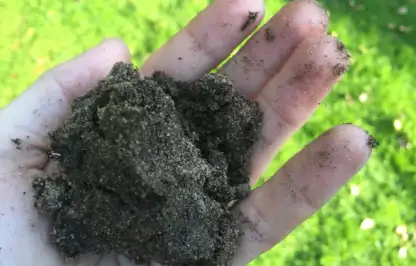
Sandy soil presents the opposite challenge to clay. Where clay holds on to water and nutrients with iron determination, sandy soil lets them slip through its fingers almost instantly. The large particle size means that water drains rapidly, nutrients leach out with every rainfall, and the soil can dry to a powdery, almost concrete-like crust in a warm dry spell. The single most important thing to understand about sandy soil improvement is that it requires a sustained, annual commitment to adding organic matter. There is no one-off fix. There is no shortcut, but the results are genuinely transformative over two to three seasons of consistent effort.
Well-rotted garden compost, leaf mould, spent mushroom compost and well-rotted manure are all excellent additions to sandy soil. The goal is to build up the soil’s humus content, which holds both moisture and nutrients in the root zone rather than allowing them to wash straight through. I always recommend spent mushroom compost specifically for UK sandy soils because it contains chalk, which counteracts the acidity that many light soils develop over time, while adding meaningful structure.
Apply at least two to three buckets per square metre and work it into the top 15–20cm, or simply lay it as a thick surface mulch and let worms incorporate it naturally.
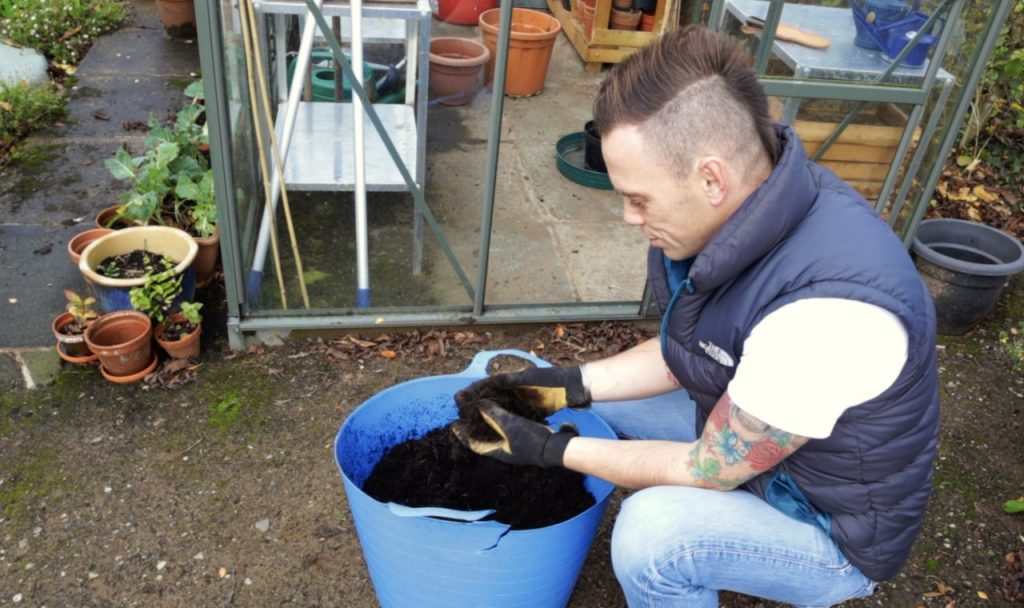
Mulching is even more critical on sandy soil than on clay, because without a protective layer the surface dries out within days of rain, forming a crust that actually repels subsequent water rather than absorbing it. Apply a generous 7.5–10cm layer of mulch every autumn, ideally in October or November before the ground dries out completely.
Garden compost, well-rotted bark, or leaf mould are all excellent choices, and the key difference from clay soil mulching is that you want to incorporate it lightly rather than simply leaving it as a surface layer. Sandy soil benefits from that extra organic matter being worked into the top layer by spring. Leave a 7.5cm gap around plant stems as always to prevent collar rot.
💡 Top Tip
Never use bark mulch under trees on sandy soil. Unlike on clay, bark forms a moisture-repellent cap on sandy soil that actually prevents rainfall from reaching roots. Use leaf mould or composted garden waste under trees instead, as this allows water through while gradually enriching the soil surface in exactly the way tree-root competition responds to best.
Quick-release, water-soluble fertilisers are largely wasted on sandy soil. They dissolve and wash straight through the root zone with the next rainfall, providing almost no lasting benefit and potentially polluting groundwater. Slow-release granular fertilisers, applied in spring, are far more effective on sandy ground., releasing nutrients gradually over the season in a way that plants can actually use. I always recommend a balanced slow-release fertiliser like Osmocote or a blood, fish and bone product worked into the soil around plants in March. Organic matter feeds soil biology, which in turn makes nutrients available slowly. This is another reason why that annual compost addition is so valuable.
Green manures are an underused tool in sandy soil gardens. Sowing a fast-growing cover crop in autumn and digging it in the following spring adds both organic matter and, in the case of legumes, fixed nitrogen. Bitter blue lupin is outstanding on light, acidic sandy soils. It fixes more nitrogen than most other green manures and its deep roots break up the sandy profile significantly.
Grazing rye is an excellent option for winter cover, protecting the bare sandy surface from wind erosion and nutrient leaching during the wet months. The cardinal rule with sandy soil is never to leave it bare. An uncovered sandy surface in winter will lose structure, nutrients and often topsoil itself.
The instinct with sandy soil is to water little and often, but this actually encourages shallow root systems that are even more vulnerable to drought. A better approach is to water deeply once or twice a week during dry periods, soaking the soil to a depth of 20–30cm so that roots follow the moisture downward into the cooler, slightly more moisture-retentive subsoil.
Once plants are established, typically after their first full growing season, the majority of well-chosen sandy-soil plants will not need supplementary watering at all, which is one of the great practical advantages of gardening on free-draining ground.
On clay soil I always recommend spring planting because of waterlogging risks. Sandy soil is the opposite. Autumn planting on free-draining soil gives plants the entire wet season to establish their root systems before facing their first dry summer, which dramatically improves survival rates and vigour. Shrubs, perennials, grasses and trees all benefit from an autumn planting window on sandy ground. The exception is borderline-hardy Mediterranean plants, which are better planted in late spring once frost risk has passed, as their main enemy on sandy soil is cold and wind rather than waterlogging.
💡 Top Tip
Check your sandy soil’s pH before buying acid-loving plants like heathers and azaleas. UK sandy soils are often naturally acidic (pH 5.5–6.5) in heathland areas like Surrey, Hampshire and Dorset, but coastal sandy soils can be neutral to slightly alkaline if there is shell content or underlying chalk. A simple soil test kit from any garden centre costs under £5 and will save you a lot of money in failed planting.
This is where sandy soil gardening really comes into its own. The world of drought-tolerant, sun-loving perennials is one of the most exciting and rapidly expanding areas of garden planting, inspired by designers like Piet Oudolf and Beth Chatto’s legendary dry garden in Essex. These plants have evolved for exactly the conditions your sandy soil provides: sharp drainage, warm soil, low fertility and plenty of sun. They are the plants that will genuinely thrive rather than merely survive.
If there is one plant that is almost synonymous with sandy, free-draining soil in the UK, it is English lavender. I have designed more lavender hedges and borders on light, sandy soils than I can count, and the results are always spectacular. One private client in Surrey had spent years trying to grow lavender in an improved bed with no success until we established it in the original sandy soil at the front of the house. Within one season it was billowing and fragrant.
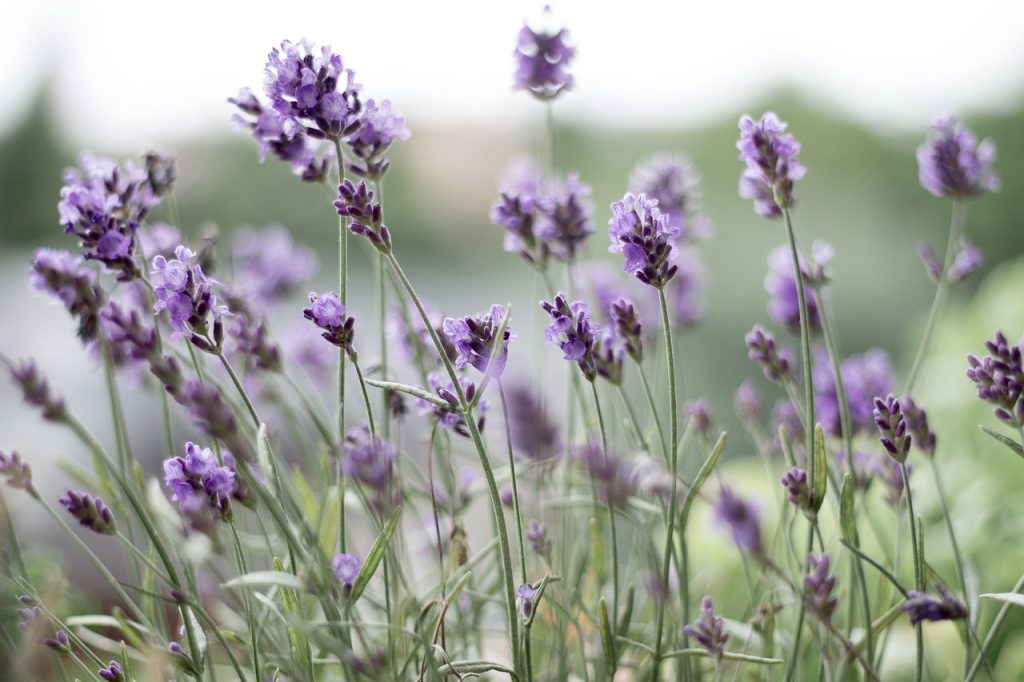
Lavender thrives because its Mediterranean origins mean it evolved in exactly the poor, sharply drained, sun-baked conditions that sandy soil provides. ‘Hidcote’ and ‘Munstead’ are the two most reliable UK varieties, both holding the RHS Award of Garden Merit. Clip immediately after flowering to prevent woodiness and your plants will last ten years or more.
🛒 Buy English Lavender from Amazon UK
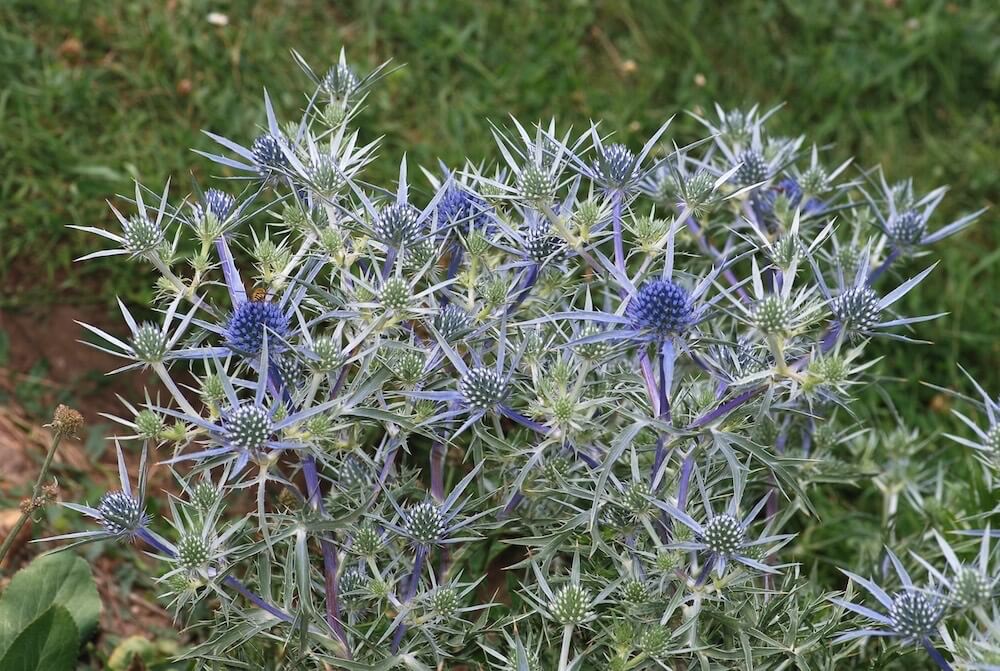
Sea holly is one of those plants that stops people in their tracks in a border. The steel-blue, teasel-like flower heads surrounded by spiny metallic bracts catch the light in a way that no other plant quite matches, and they are extraordinarily long-lasting both on the plant and as cut or dried flowers.
Eryngium is a plant I return to again and again in my design practice for free-draining soils because it delivers structure, drama and late-summer colour while asking almost nothing in return. It is fully drought-tolerant once established, requires no feeding, and the sculptural seedheads persist well into winter. The hybrid ‘Jos Eijking’ holds the RHS AGM and is particularly vivid. Plant in full sun and poor, gritty soil for the best intensity of colour, because rich soil produces lax, flopping plants.
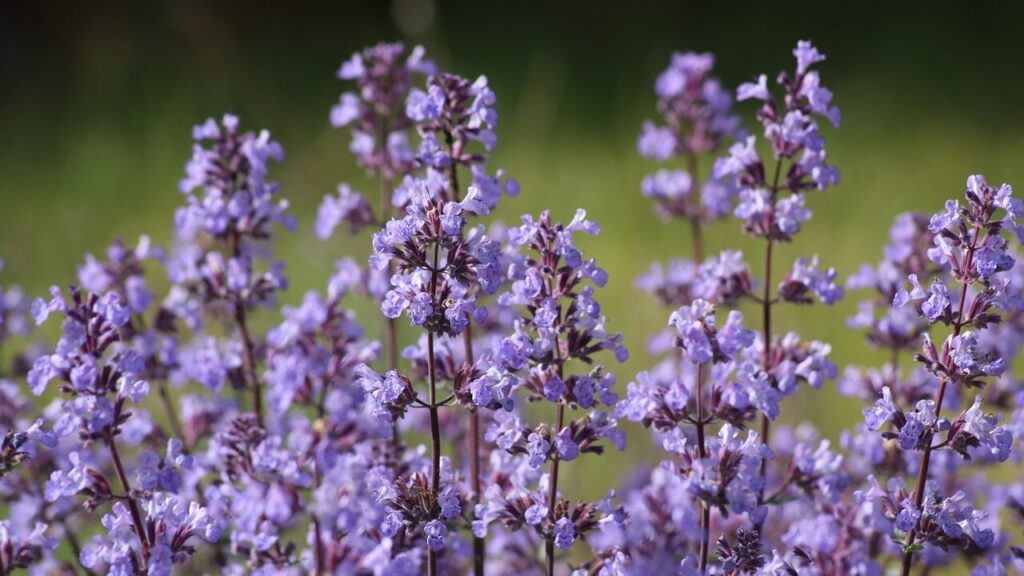
Catmint is one of the great workhorses of the dry garden. Soft, aromatic grey-green foliage and waves of lavender-blue flowers from May right through to September make it an outstanding front-of-border plant for sunny, free-draining positions. ‘Six Hills Giant’ is the most vigorous and floriferous form, reaching 90cm and producing a fountain of colour that works beautifully with roses, alliums and ornamental grasses.
Cut the whole plant back by half immediately after the first flush of flowers in late June, and it will produce a fresh, tight mound of foliage and a generous second flush of flowers within three weeks. Bees absolutely adore it. On a warm day, a well-established catmint in full flower will be alive with pollinators from morning to evening.
Verbena bonariensis is one of the RHS’s own top five recommendations for sandy free-draining soil, and it is easy to see why. The tall, wiry, almost invisible stems topped with tiny clusters of bright purple flowers create a magical floating effect in the border, allowing you to see through and between plants without losing the sense of colour and movement. It self-seeds prolifically on sandy and gravelly soils, meaning that once you have it established, you will have it forever, popping up in exactly the right cracks and crevices where it looks most natural.
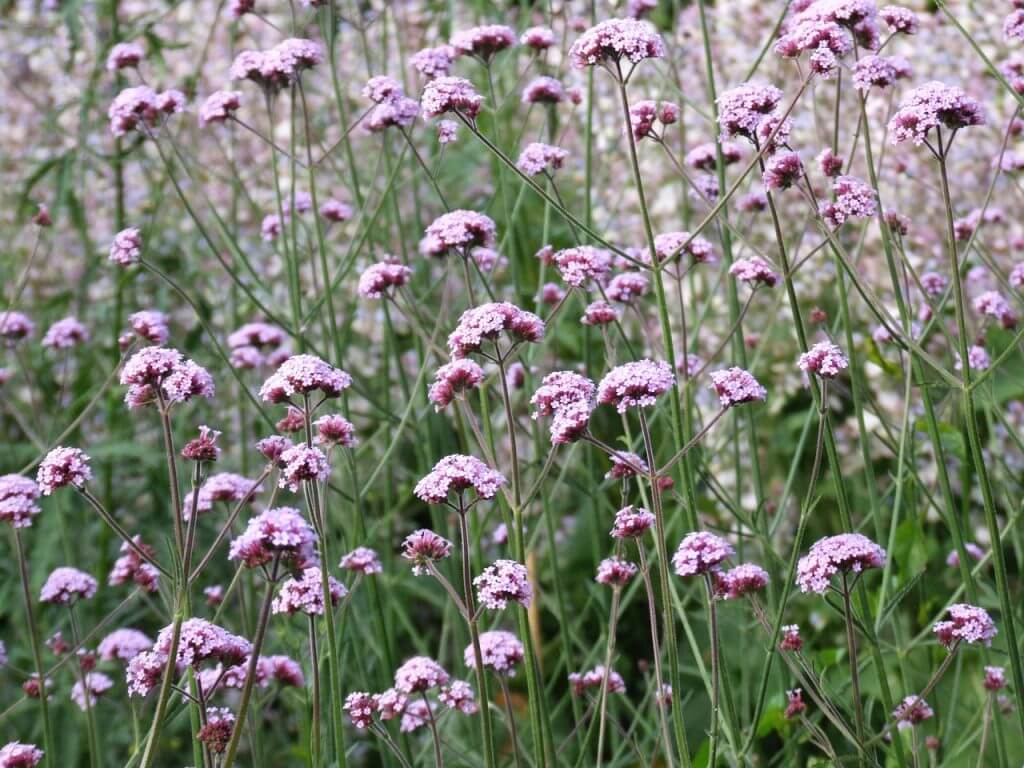
It flowers from June to October, providing nectar over an exceptionally long period. Butterflies, particularly red admirals and painted ladies, are drawn to it in huge numbers during the late summer migration season.
🛒 Buy Verbena bonariensis from Amazon UK
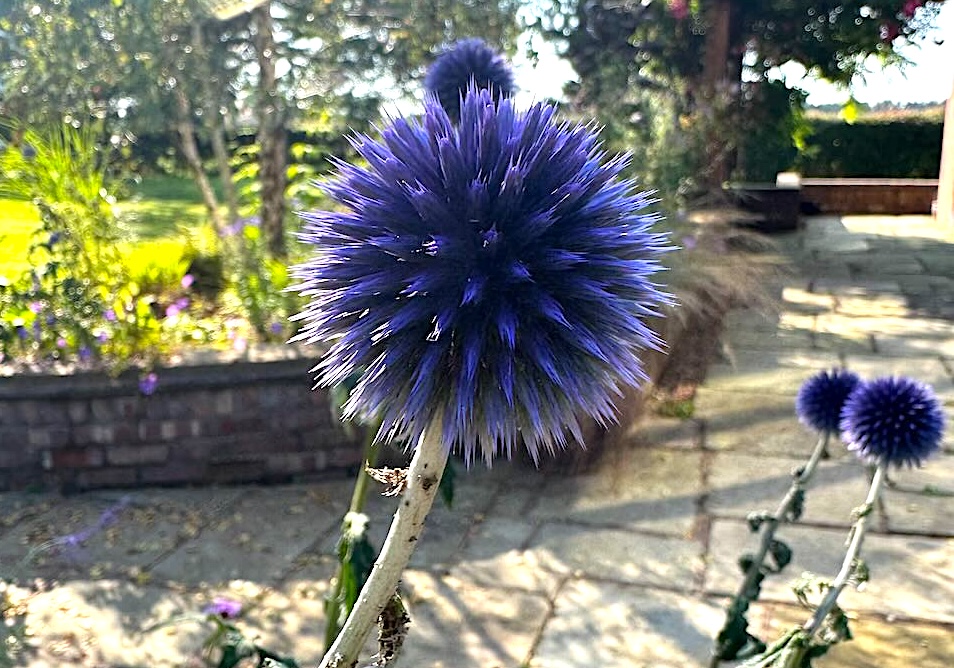
The globe thistle is one of the most architectural perennials you can grow on free-draining soil, and one of the easiest. The perfect steel-blue spheres, each one composed of dozens of tiny individual florets, appear on tall, whitish stems from July to September and are irresistible to bumblebees. I find that globe thistles genuinely look better in slightly impoverished, gritty, sandy soil than in rich soil. On poor sandy soil, the stems are stiff and upright, the flower colour is deeper and more intense, and the plants are self-supporting. This combination is hard to achieve on richer ground without staking. The RHS AGM variety ‘Veitch’s Blue’ is the most vividly coloured form available and the one I specify in virtually every dry garden planting scheme.
Salvia nemorosa ‘Caradonna’ is the most elegant of all the hardy salvias and an absolute star on free-draining sandy soil. The dark, almost black stems make the violet-purple flower spikes look as though they are floating above the border, and the combination with silver foliage plants or pale yellow achilleas is one of the most refined in dry garden planting. It repeats reliably if deadheaded promptly after each flush, often giving three distinct waves of colour between May and October.
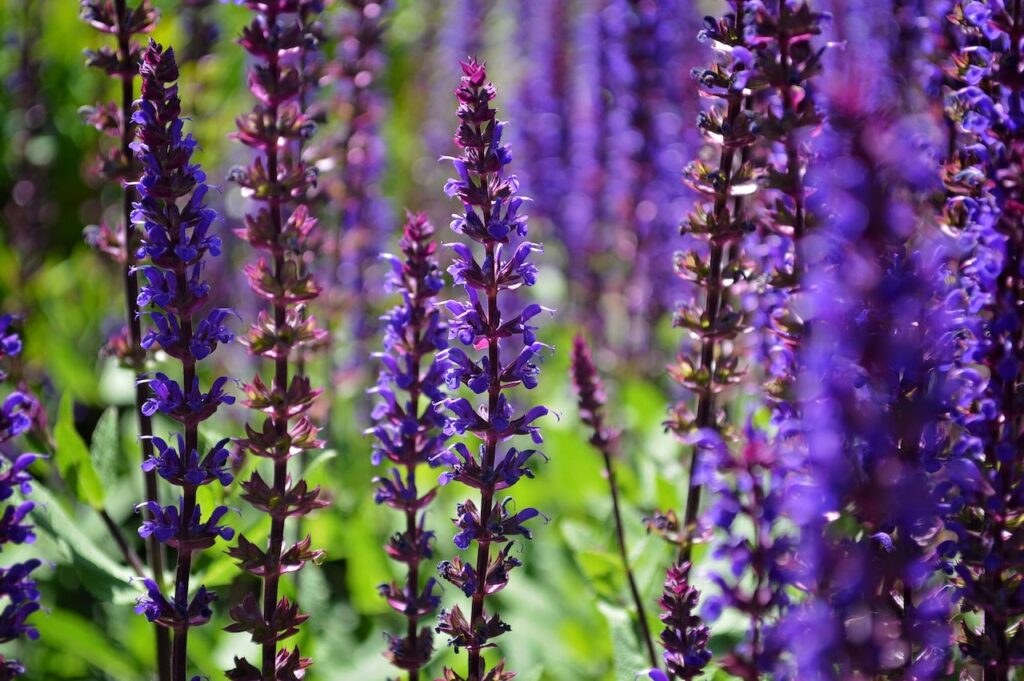
It is fully hardy, requires no staking on sandy soil, and is exceptionally drought-tolerant once established. I specified it on a large private garden project in Hampshire on extremely sandy, chalky, free-draining soil, and it performed outstandingly from the second season onwards, requiring no irrigation whatsoever.
🛒 Buy Salvia nemorosa from Amazon UK
Echinacea is a plant that admirably bridges the worlds of clay and sandy soil, performing well in both, but it is on free-draining soils that it truly earns its reputation as one of the great prairie perennials. The large, daisy-like flowers with their prominent, cone-shaped centres in shades of pink, white, orange, yellow and deep red flower from June through to September.
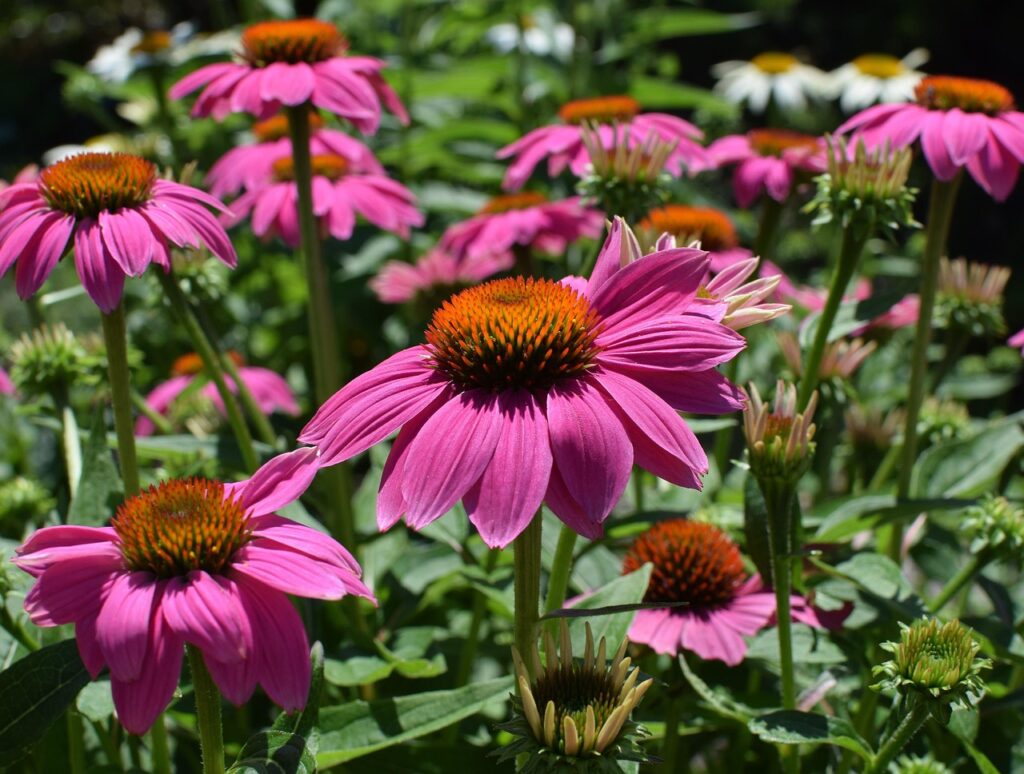
Leave the seedheads standing through winter, as they provide vital food for goldfinches and other seed-eating birds and look spectacularly architectural covered in frost. The white-flowered species forms and the original purple-pink cultivars are the most reliably perennial; the more exotic orange and red hybrids can be shorter-lived on poorly drained soils but thrive on well-drained sandy ground.
🛒 Buy Echinacea from Amazon UK
Russian sage is one of the most elegant plants for free-draining soil in late summer and early autumn. The intensely aromatic, finely cut silver-white stems carry branching spires of lavender-blue flowers from August through to October, creating a soft, hazy effect at the back of a sunny border that combines beautifully with grasses and late-flowering perennials. It’s a great alternative to Lavender if you don’t like the pruning regime required to keep English Lavender tidy.
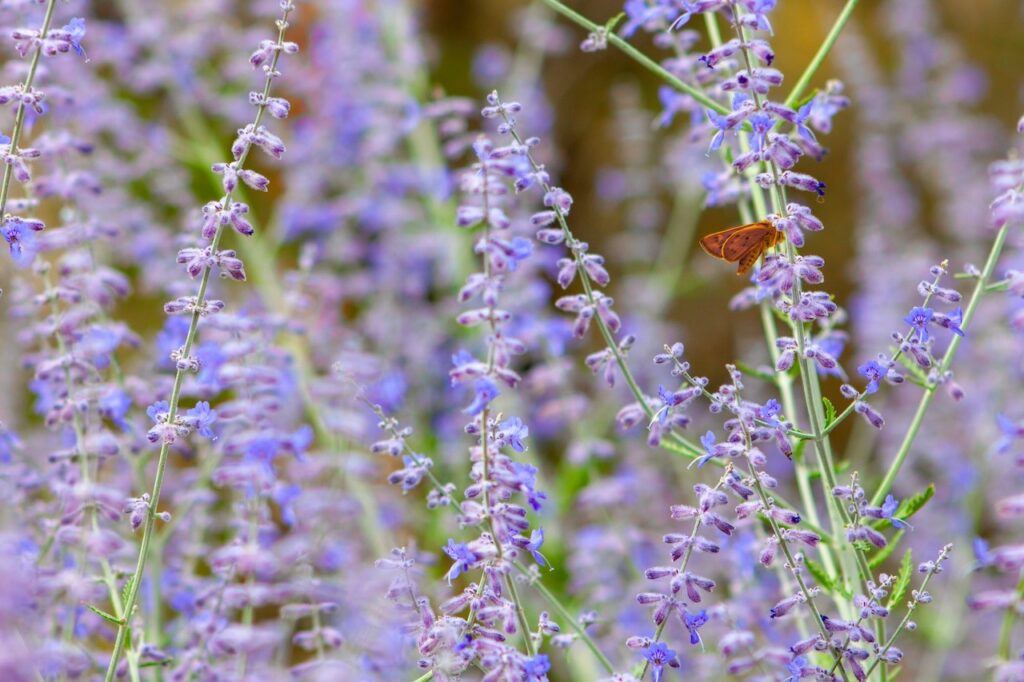
On sandy soil, Perovskia is one of those plants that seems to look after itself entirely once established. It is genuinely drought-proof, having evolved on the dry mountain slopes of Central Asia and Afghanistan, and it will thrive in conditions where most other plants are gasping for water. Cut it back to within 15cm of the base in early April, and it will push vigorous new growth that flowers perfectly every year.
🛒 Buy Perovskia from Amazon UK
Turkish sage is a plant I find myself specifying in almost every dry, free-draining design scheme I work on, because its value extends across all seasons. In summer, the large, hooded, butter-yellow flowers are arranged in whorls up sturdy square stems, loved by bumblebees. In Autumn the stems turn architectural and russet-toned. In winter, the seedhead whorls, still perfectly intact, look extraordinary, dusted with frost against low winter light.
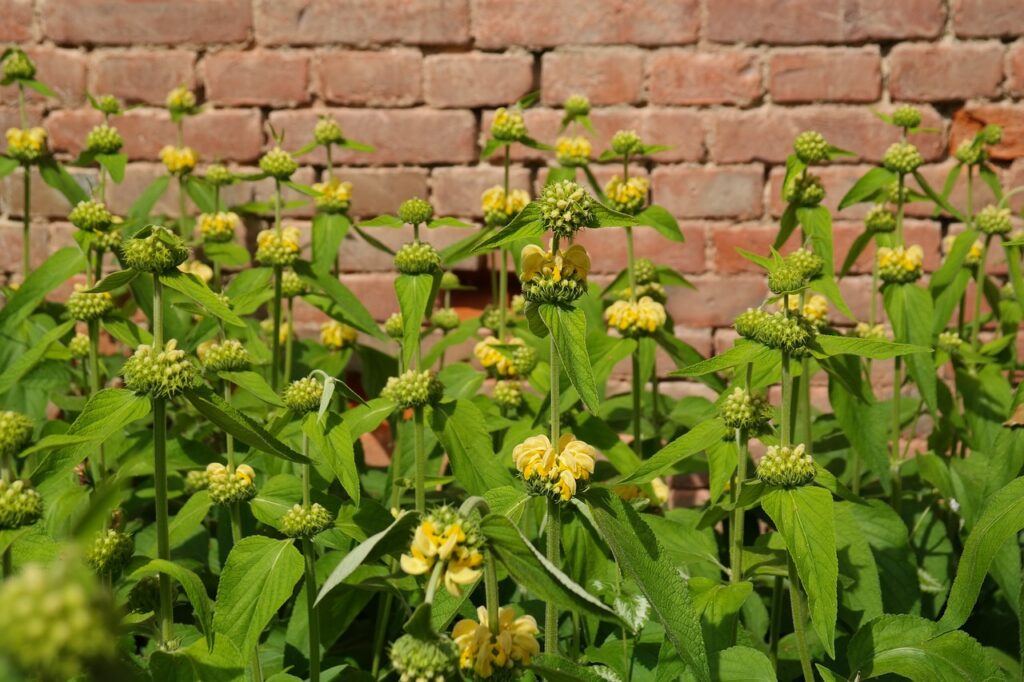
Phlomis russeliana is one of the very few perennials that offer genuinely outstanding four-season interest on sandy soil. The bold, deeply veined, sage-green leaves also form excellent ground-covering clumps that effectively suppress weeds. It is completely drought-tolerant, pest-resistant and needs no staking or support.
🛒 Buy Phlomis russeliana from Amazon UK
Red hot pokers are a plant that many people either love or are sceptical of, but on sandy free-draining soil, the more refined modern cultivars are genuinely magnificent. ‘Tawny King’ produces tall, elegant pokers in a soft combination of ivory, cream and warm amber from July through to October, far more sophisticated than the traditional traffic-light red-and-yellow forms. The strap-like leaves provide excellent architectural foliage when the plant is not in flower.
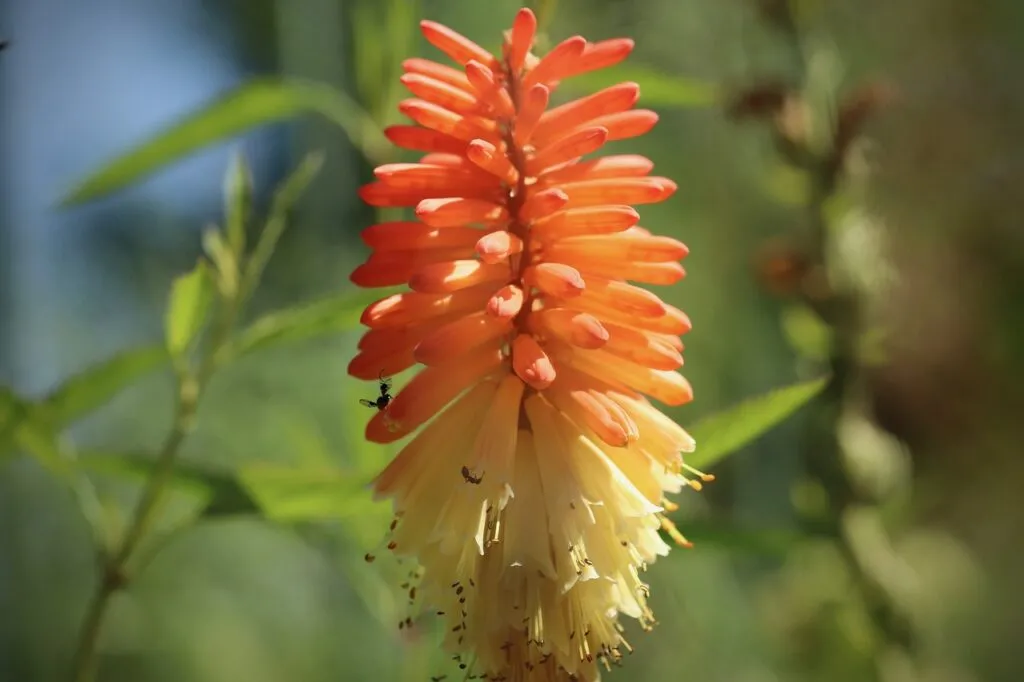
Kniphofia is completely at home on free-draining sandy soil, where its fleshy roots are protected from the winter waterlogging that can kill it on heavier ground. Give it a dry mulch of straw or bracken over the crown in its first winter in colder areas, after which it will be completely self-sufficient.
🛒 Buy Kniphofia from Amazon UK
Ornamental grasses and free-draining sandy soil are a match made in heaven. The great prairie and steppe grass plantings of Central Europe, including the work of designers like Piet Oudolf who brought this style to the UK, are built almost entirely on poor, free-draining soils. Grasses provide movement, transparency and year-round structure that no flowering perennial can match, and on sandy ground they achieve the upright, graceful habit that richer soils deny them.
Stipa gigantea is quite simply one of the most spectacular plants you can grow in a UK garden, and it is entirely at home on sandy, free-draining soil. The evergreen, arching basal clump of narrow leaves sends up towering stems to 2.5m in early summer, carrying loose, shimmering panicles of golden oat-like seed heads that catch every breath of wind and every ray of low sunlight from June through to the following spring. It combines extraordinary drama with complete self-sufficiency.
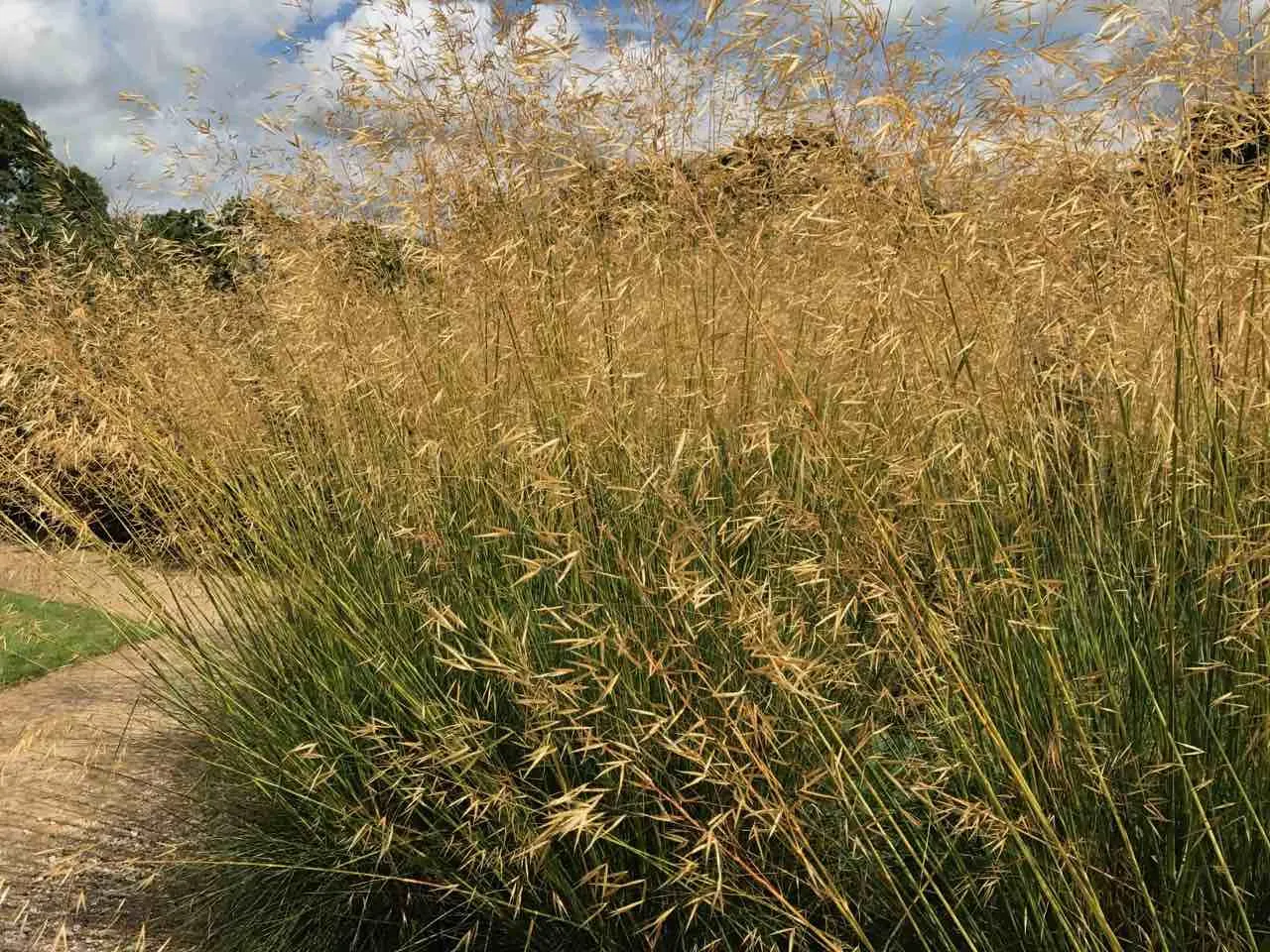
There is no staking, no dividing, no feeding, and no watering once established. A single specimen used as a structural focal point in a sunny border is genuinely breathtaking. Plant it where the afternoon sun can shine through the seed heads, and the effect is magical. I have this in my Exploding Atom Garden at Garden Ninja HQ and use it as a screening between a pagoda and a pathway, given it is semi-evergreen.
🛒 Buy Stipa gigantea from Amazon UK
Mexican feather grass is probably the most tactile plant in the world of ornamental grasses. It used to be called Stipa tenuissima, but it has since been renamed! The extraordinarily fine, hair-like leaves and flower plumes are a constant source of movement in even the lightest breeze, creating a fluid, softening effect in the border that is quite unlike anything else. It is perfectly suited to sandy, free-draining soil, self-seeding modestly into gravel and gaps between paving, where it looks completely natural.
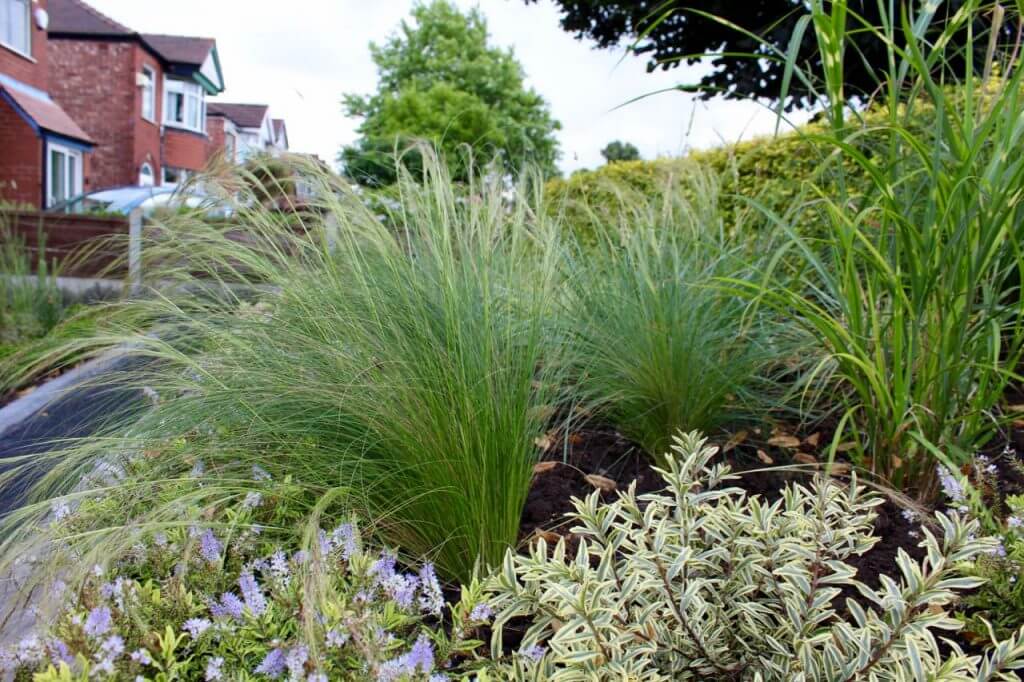
Plant it where it catches the low evening light and the golden-green shimmer is quite extraordinary. One word of caution: Nassella tenuissima is listed on Schedule 9 of the Wildlife and Countryside Act as an invasive non-native species in some regions, so check current guidance and always deadhead before seeds ripen if you are in a high-risk area.
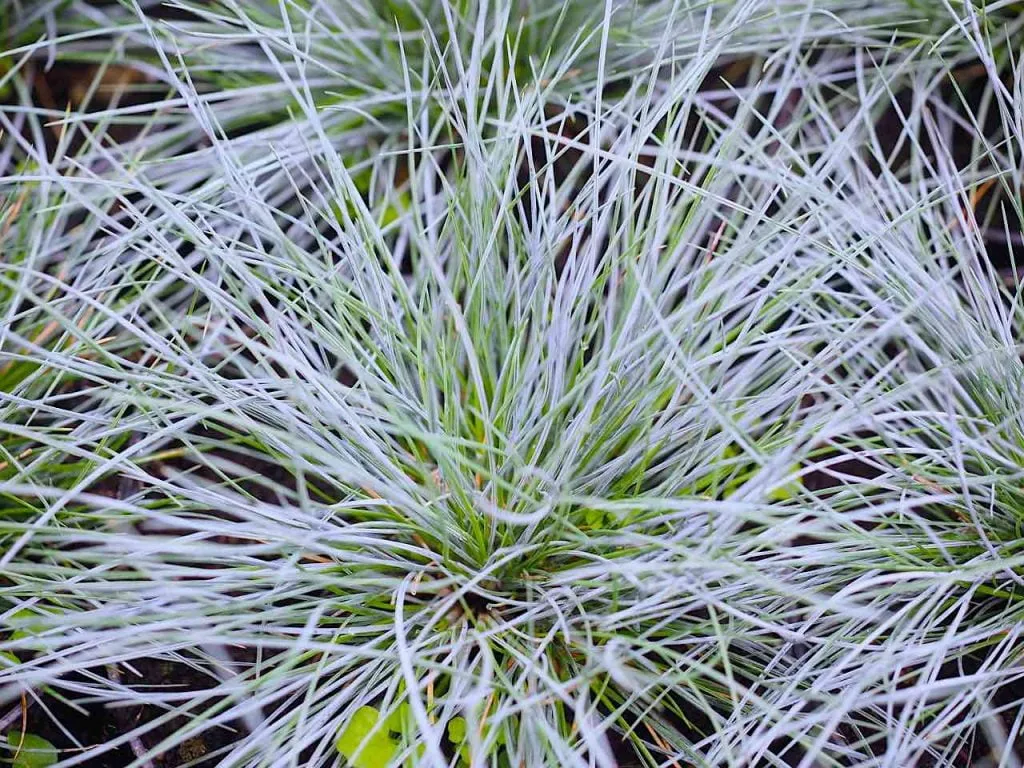
Blue fescue is one of the most useful edging and ground-covering grasses for hot, sunny, free-draining borders. The tight, spiky mounds of intensely blue-grey foliage are evergreen, drought-proof and completely weed-suppressing when planted in mass groups at the front of a border or between paving. One client of mine in Dorset had a steeply sloping front garden on pure sand and gravel where nothing would establish.
We planted blue fescue in groups of nine mixed with some Eryngiums at 30cm spacings, and within two seasons, it had knitted together into a seamless, blue-grey carpet that required absolutely no maintenance other than cutting back the sea holly in winter. It looks best when used in repeated drifts rather than as single specimens, creating a rhythm throughout the planting. Replace clumps every three to four years as they tend to die out in the centre.
🛒 Buy Festuca glauca from Amazon UK
Sandy soil is home to some of the most beautiful and fragrant shrubs available to UK gardeners. Many of the classic Mediterranean shrubs that give south European gardens their character thrive in the conditions that free-draining sandy soil provides, and several of the finest flowering shrubs in cultivation positively prefer poor, dry ground over rich, fertile borders.
Ceanothus is one of the great shrubs for free-draining soil, and ‘Concha’ is the finest variety in my view, an RHS AGM holder with arching branches smothered in deep blue flower clusters in May and June, simply breathtaking in full bloom. The performance difference between Ceanothus grown on clay and on free-draining sandy soil is remarkable. On light, sharply drained ground, it flowers abundantly, stays compact and shapely, and lives for twenty years or more.
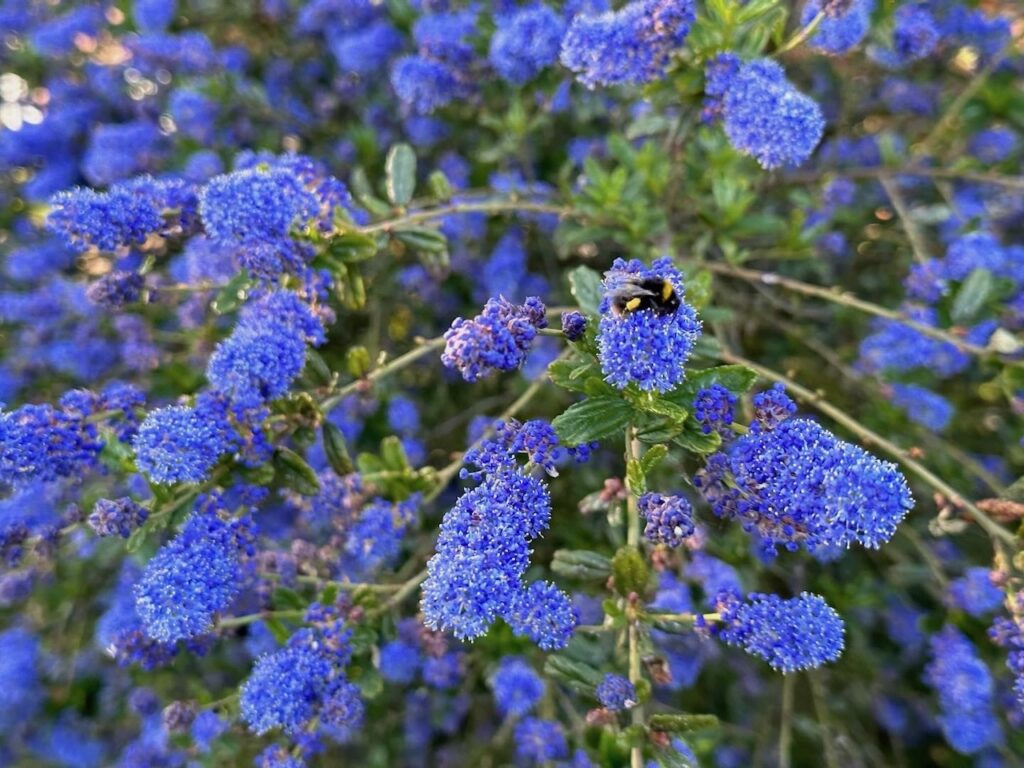
On heavy, poorly drained soil, it typically sulks and dies within three to five years. Train it against a sunny wall or fence for extra protection in colder areas, or let it grow as a free-standing shrub in sheltered, south-facing positions. However, I’ve also seen them live for 20 years plus in the most harshest free daining sites!
Do not prune into old wood. Clip the current season’s growth lightly immediately after flowering.
🛒 Buy Ceanothus from Amazon UK
Cistus is one of the most uncompromisingly Mediterranean shrubs available and one of the most rewarding on sandy, free-draining soil in sheltered UK gardens. The large, tissue-paper-like flowers, a rich rosy-purple with a dark chocolate blotch at the base of each petal, appear for several weeks in June and July, each bloom lasting only a single day but replaced instantly by dozens of fresh ones.
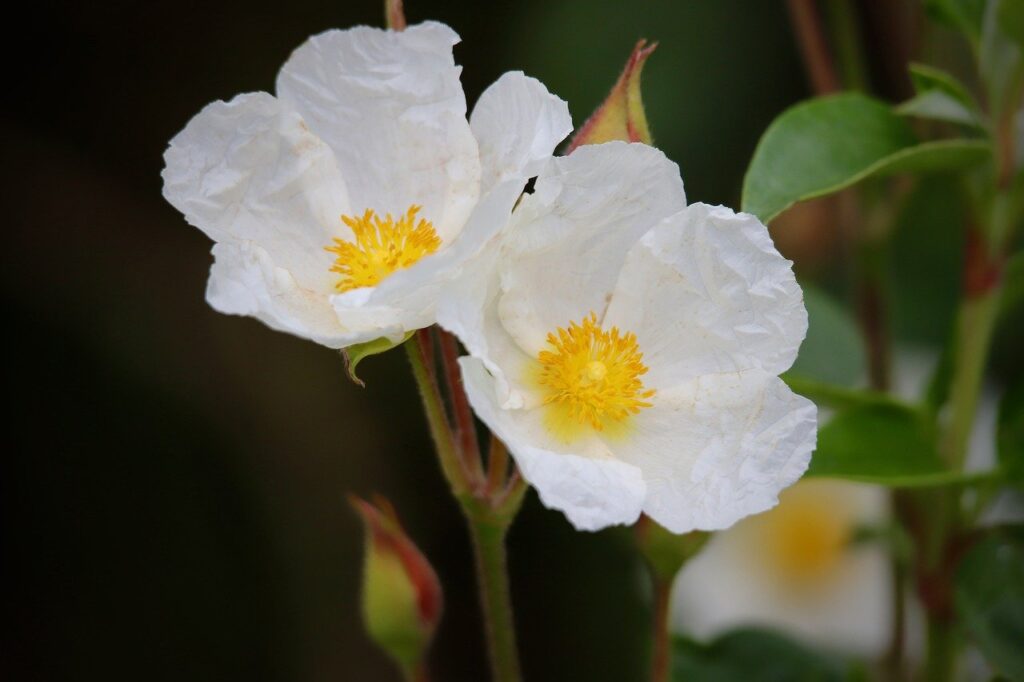
Cistus absolutely demands sharp drainage and full sun, and on sandy soil it grows into a beautifully compact, aromatic, sticky-leaved mound that asks almost nothing of the gardener in return. Do not prune into old wood, which does not regenerate. Simply tip-prune after flowering to keep it compact. A sheltered south-facing wall or fence as a backdrop considerably increases its hardiness.
Buddleja is one of the most obliging shrubs for free-draining sandy soil, and its attraction for butterflies is genuinely extraordinary. In late July and August, a well-grown Buddleja can host dozens of red admirals, painted ladies, peacocks, commas and tortoiseshells simultaneously. It is one of the most vivid wildlife spectacles available in a UK garden. It naturalises happily on thin sandy or stony ground, as anyone who has seen it colonise railway embankments and building sites will recognise.
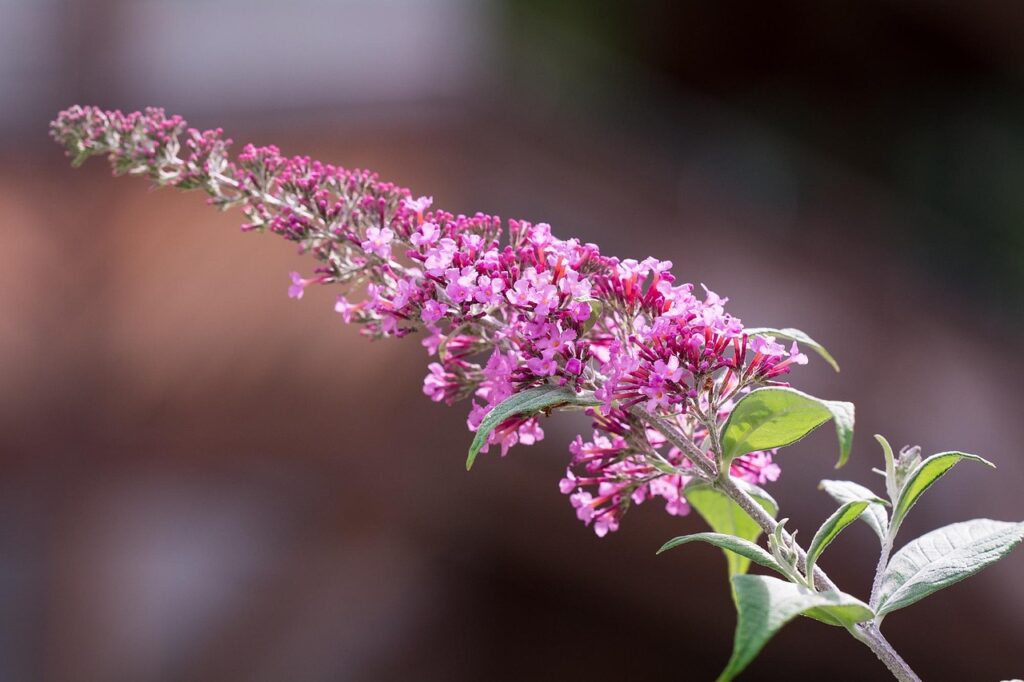
Cut the entire shrub back to 30–40cm from the ground in late February or early March, and it will push vigorous new growth that flowers spectacularly from July onwards. Without this annual hard pruning, it becomes a woody, poorly flowering shrub within a few years. Varieties ‘Black Knight’ (deep purple) and ‘White Profusion’ are particularly fine.
Caryopteris is one of the most underrated late-summer shrubs for free-draining soil, and a plant I am always pleased to rediscover when I specify it on client projects. The intensely aromatic, grey-green foliage is attractive all season, and from August to October the branches are smothered in clusters of brilliant blue flowers that are irresistible to bees seeking late-season nectar.
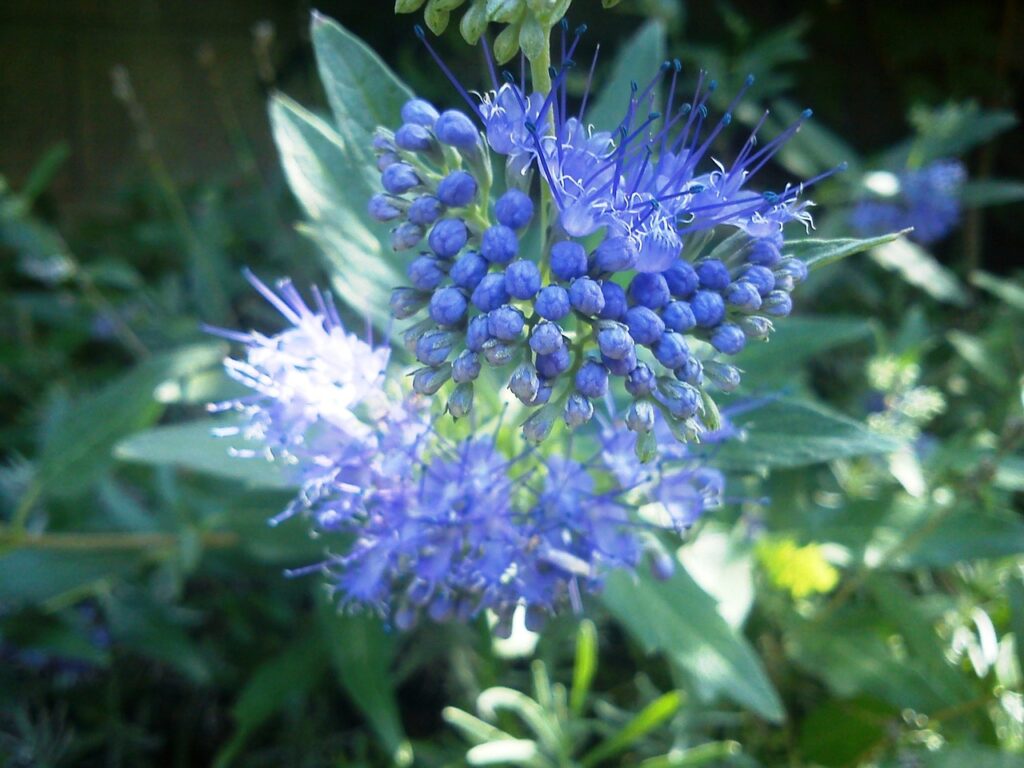
On sandy, free-draining soil and in full sun, Caryopteris achieves the compact, floriferous habit that it never quite manages on richer or heavier ground. Cut it back hard to 15–20cm in April, and it will flower reliably every year. The varieties ‘Heavenly Blue’ (RHS AGM) and the golden-leaved ‘Worcester Gold’ (RHS AGM) are both outstanding.
🛒 Buy Caryopteris from Amazon UK
Walls and fences in sandy soil gardens are a wonderful opportunity because the additional warmth and shelter they provide allow you to push into some genuinely exotic territory. Many of the most spectacular flowering climbers available to UK gardeners thrive in the combination of warm soil, good drainage and a sheltered, sunny aspect, conditions that sandy soil gardens in southern and eastern England are particularly well placed to offer.
Star Jasmine is one of the most seductive climbers available to UK gardeners, and on a warm, sheltered wall with free-draining soil it performs magnificently. The glossy, evergreen foliage provides year-round interest, and the pure white, propeller-shaped flowers in July and August carry one of the most intensely sweet fragrances of any climber.
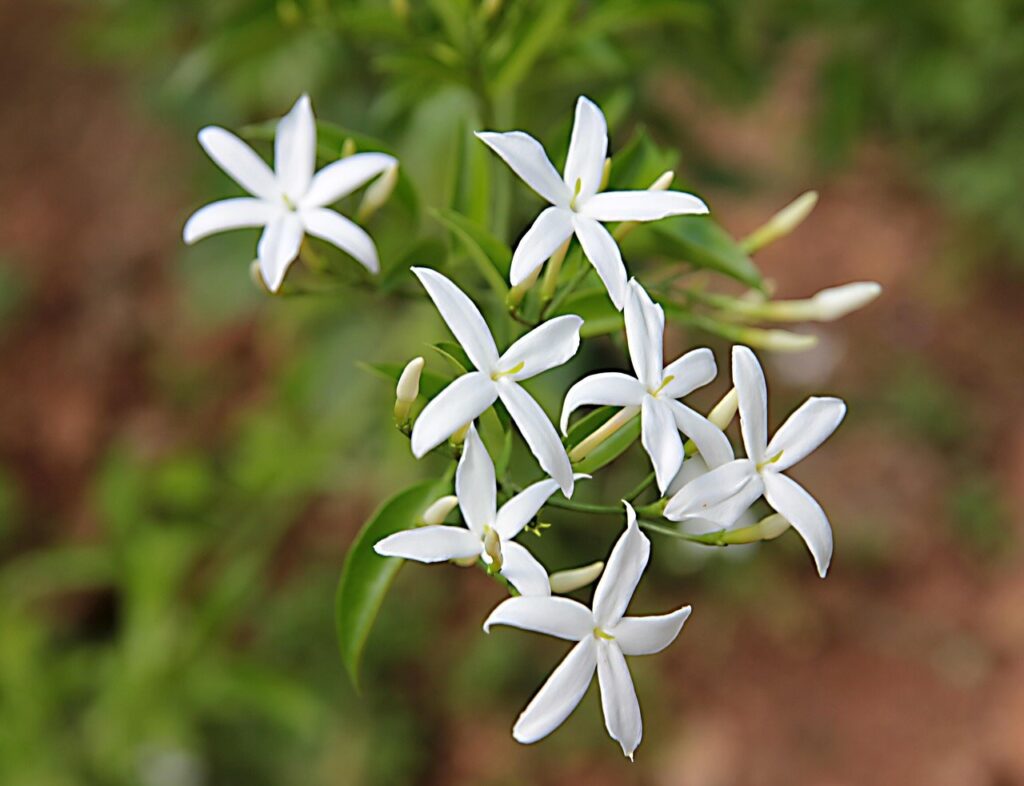
A rich, honeyed Jasmine scent fills the evening air. On sandy, free-draining soil, it establishes and spreads readily, clinging to its support and needing very little attention once established. I have seen it covering entire south-facing walls of houses in southern England on thin, gritty soil, where it has been untouched for decades and simply gets better every year. One client in Berkshire had tried and failed with wisteria on very free-draining sandy soil, so we switched to Star Jasmine, and within three seasons, it was covering the entire garden wall perfectly.
🛒 Buy Star Jasmine from Amazon UK
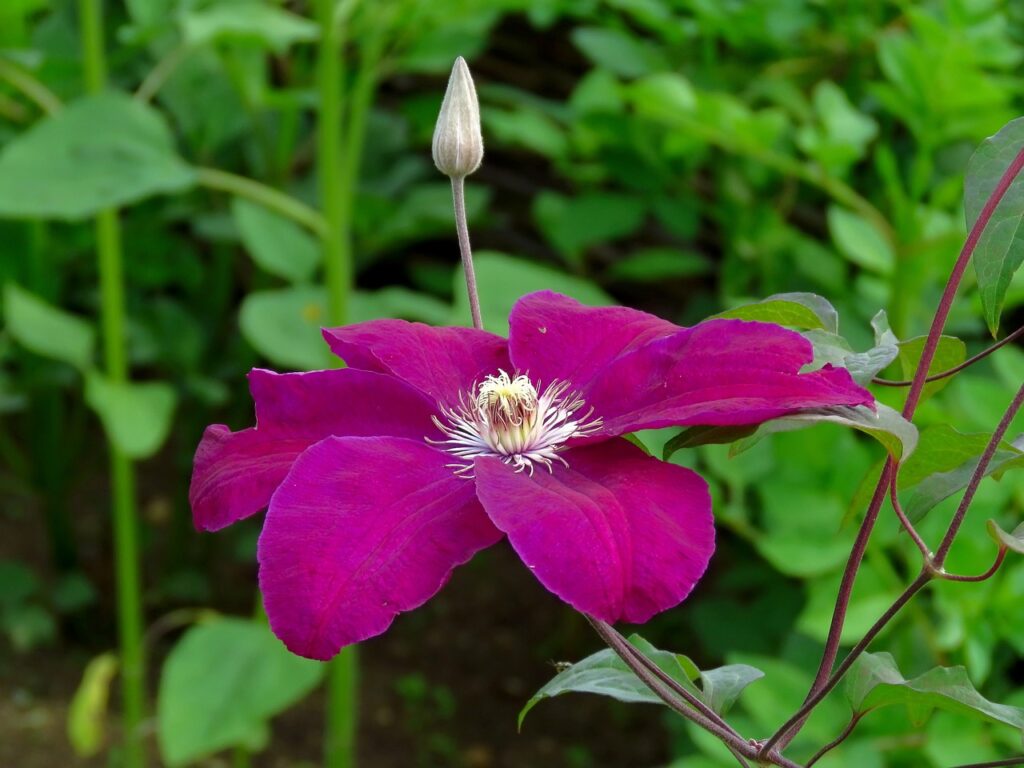
The viticella clematis group is the most reliable and disease-resistant of all clematis, and it performs beautifully on sandy, free-draining soil where its tough, fibrous root systems seek out moisture from depth. ‘Étoile Violette’ is one of the finest, producing an extraordinary abundance of nodding, deep violet-purple flowers on every stem from July to September.
Prune hard to 30cm in late February, and it will push vigorous new growth that flowers on the current season’s stems. It is a simple, foolproof pruning regime. Clematis prefer cool roots, so plant with the crown 5cm below soil level and mulch around the base, then let the stems scramble into full sun. It is outstanding growing through the silver stems of a mature Buddleja or Rosa ‘New Dawn’.
🛒 Buy Clematis viticella from Amazon UK
Choosing the right tree for a sandy soil garden is one of the most important and long-lasting decisions you will make. The good news is that some of the most beautiful trees available to UK gardeners actually prefer free-draining conditions, and several are UK native species that evolved on exactly the kind of healthy, sandy soils that are common in Surrey, Hampshire, Dorset and East Anglia.
Silver birch is the quintessential tree of UK sandy heathland and one of the most beautiful native trees available to British gardeners. Its elegant, white-barked trunk is the definitive backdrop to heath and moorland planting, and on sandy soil it grows with a grace and vigour that it rarely achieves on heavier ground. The delicate, triangular leaves shimmer in the breeze all summer and turn clear, buttery yellow in autumn before falling to reveal the spectacular tracery of white branches against the winter sky.
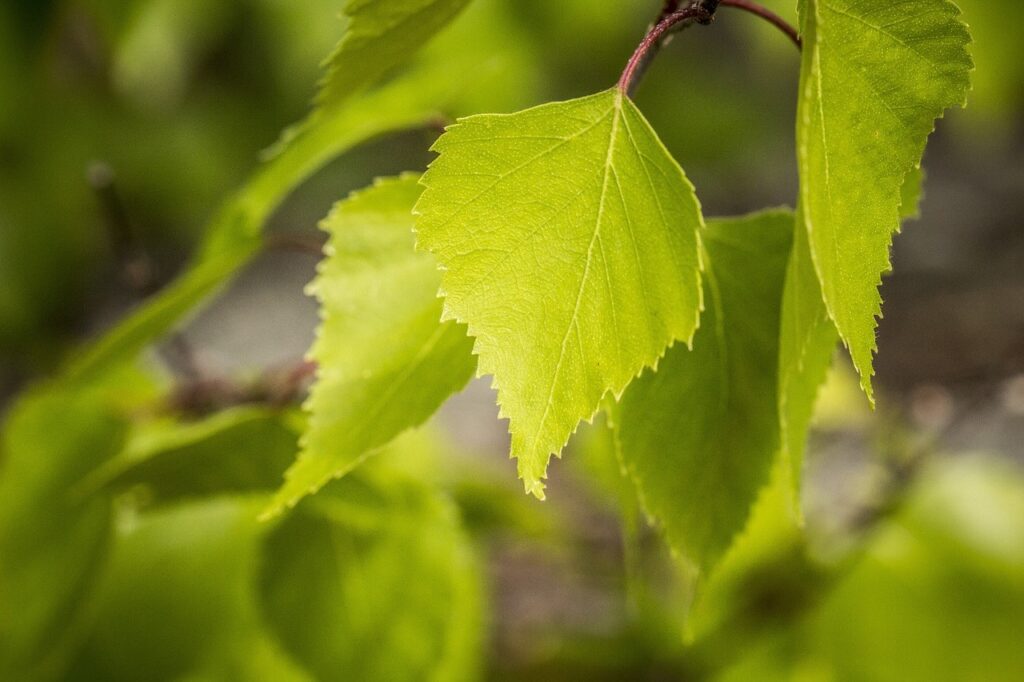
Silver birch supports over 300 species of insects, making it one of the most ecologically valuable trees you can plant. It is also a pioneer species that genuinely thrives on poor, thin, sandy soils. It was one of the first trees to colonise the UK after the last ice age, moving across exactly the kind of light, free-draining ground that covers much of lowland England.
🛒 Buy Silver Birch from Amazon UK
The Judas tree is one of the most spectacular flowering trees available for UK gardens on free-draining soil, and it is a plant I would specify far more widely if the UK climate were slightly more reliable. In a warm, sheltered spot on sandy or chalky free-draining ground, it grows into a beautifully rounded small tree, and every April produces an extraordinary display of clustered, rose-pink pea flowers that emerge directly from the bare branches and even from the trunk itself before the leaves appear.
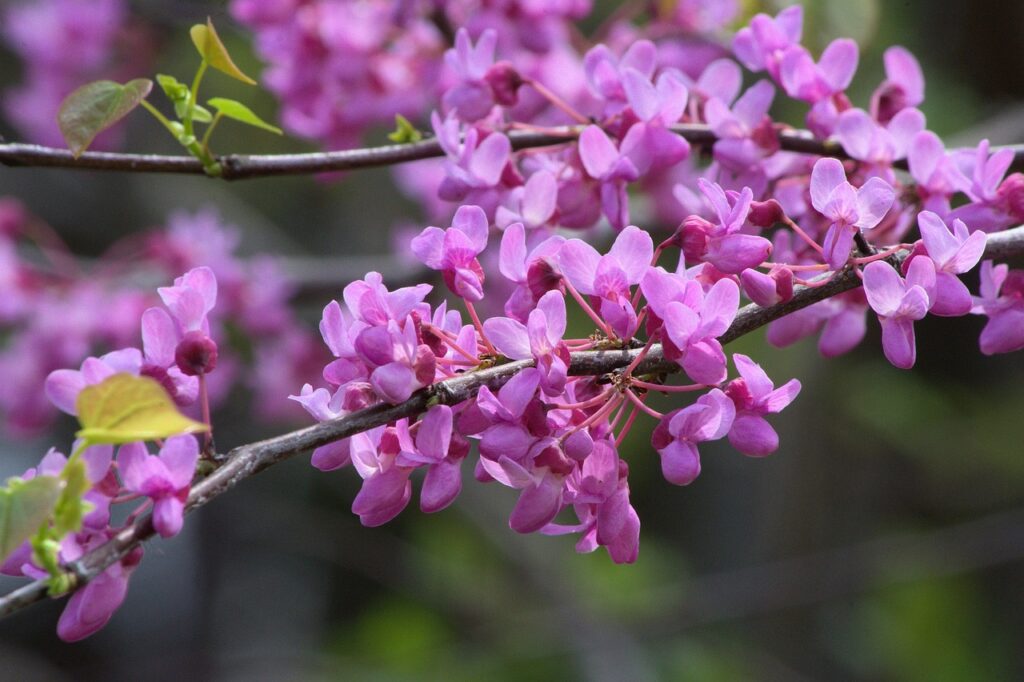
The visual impact of a Judas tree in full flower is almost unrivalled among small garden trees. It requires a sheltered, warm position, full sun, and sharply drained soil. These are conditions that a south-facing sandy soil garden in southern England provides perfectly. Patience is required as it can be slow to establish, but by its fifth or sixth year, the display begins in earnest and is worth every moment of waiting.
🛒 Buy Cercis siliquastrum from Amazon UK
Sandy and free-draining soil is actually the ideal environment for many of the most beautiful bulbs available to UK gardeners. While tulips and some of the more moisture-sensitive species struggle in heavy clay, they absolutely thrive in sandy, gritty, well-drained conditions where there is no risk of the waterlogging that causes bulb rot. This is the environment that most bulbs evolved in, on rocky, stony, free-draining hillsides in Turkey, Greece and the Mediterranean basin.
Alliums are absolutely at home on free-draining sandy soil, and ‘Purple Sensation’ is the finest large-flowered variety available, with perfect spheres of deep violet-purple flowers on straight, strong stems reaching 90cm in May and June. The combination of alliums with the emerging foliage of ornamental grasses or the silver mounds of catmint is one of the defining plant partnerships of contemporary naturalistic planting.
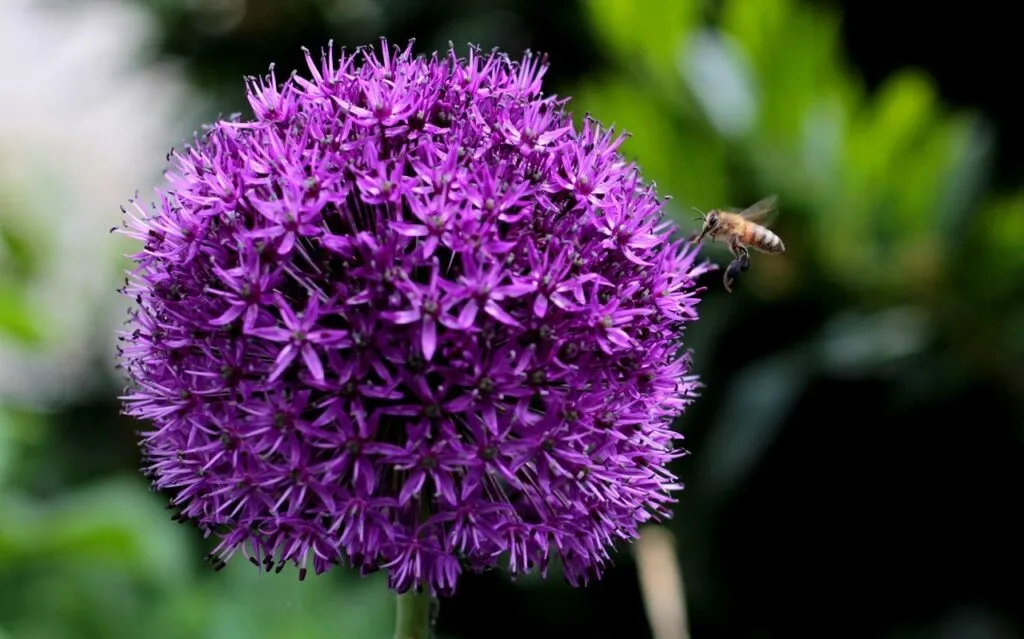
On sandy soil, alliums naturalise and self-seed far more readily than on clay, gradually building into generous, free-flowering drifts that require no lifting or dividing. Plant bulbs at three times their own depth in October or November, positioning them in informal groups of five, seven or nine for the most natural effect. The spent seedheads also provide excellent structural interest for several weeks after flowering.
🛒 Buy Allium bulbs from Amazon UK
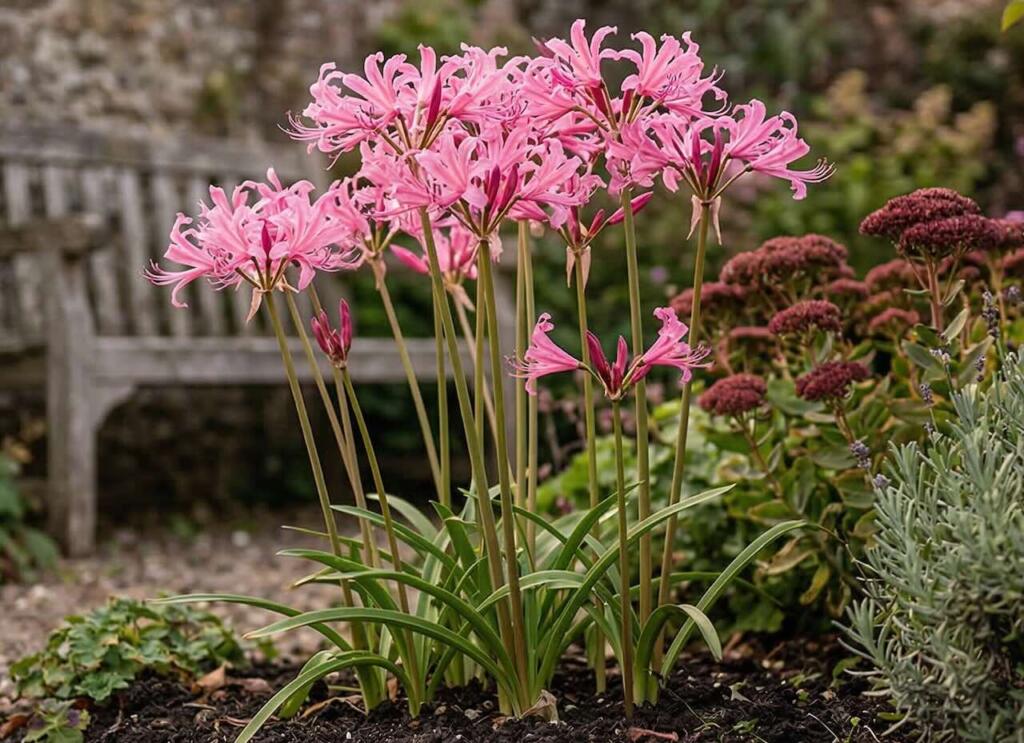
Nerine bowdenii is the great autumn surprise of the sandy soil garden. At a time when most other bulbs have long since finished, this South African beauty pushes up clusters of outstandingly elegant, strap-petalled pink flowers on bare, leafless stems in September and October.
It requires the one thing that sandy, free-draining soil at the base of a sunny wall provides better than almost anywhere else in the UK garden: the chance to bake dry over summer and receive no watering while dormant. Plant the bulbs with their necks at or slightly above soil level against a sunny south- or west-facing wall, where the roots will receive reflected warmth and the summer baking that triggers reliable Autumn flowering. Leave established clumps undivided for as long as possible. Nerines flower most freely when crowded.
🛒 Buy Nerine bowdenii from Amazon UK
Sandy or free-draining soil in shade is widely regarded as the most challenging combination in British gardening, and it receives almost no attention in mainstream plant guides. Most shade plants evolved in moisture-retentive woodland floors. Most drought-tolerant plants are sun-lovers. Finding the crossover, plants that genuinely tolerate both dry, sandy conditions and low light, requires experience and specialist knowledge.
This is the section I am asked about most frequently by private design clients, particularly those with gardens dominated by mature trees on light, sandy soil. The plants below are tried, tested and genuinely reliable in these difficult conditions.
Epimedium is the single most valuable plant for dry, sandy shade in the UK, and ‘Sulphureum’ is the most reliably vigorous and free-flowering variety. The delicate, heart-shaped leaves are borne on wiry stems and provide excellent, weed-suppressing ground cover year-round, taking on attractive bronze and red tints in winter.
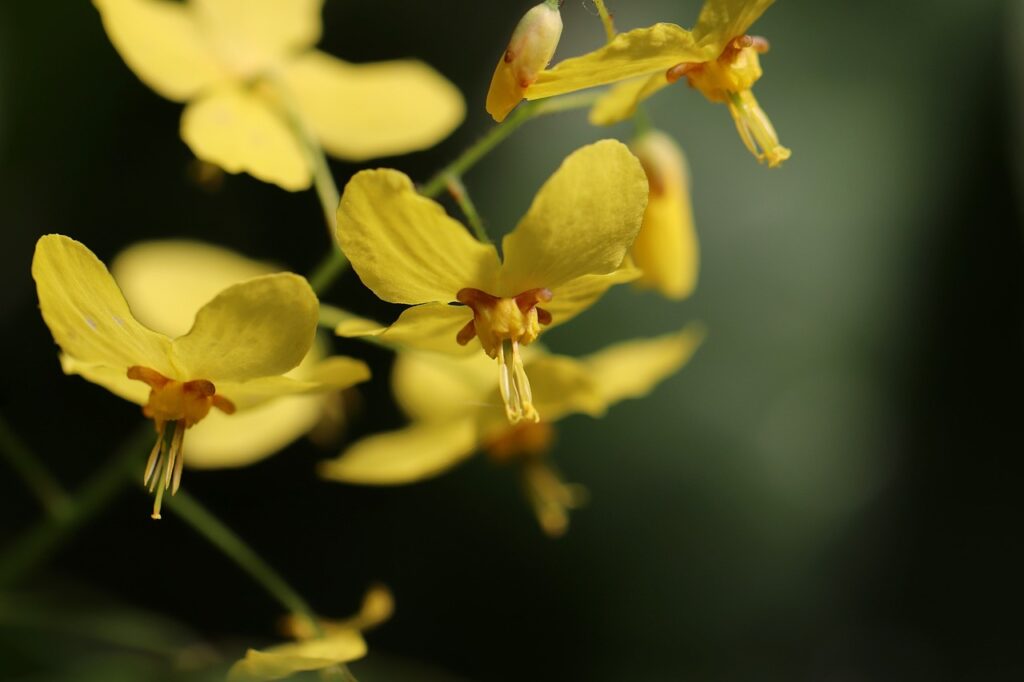
In April, small but perfectly formed pale yellow flowers appear above the foliage in their hundreds. Epimedium is the plant I specify without hesitation for every dry, shaded spot under trees on sandy ground. It genuinely thrives where almost nothing else will. It tolerates root competition from established trees, requires no watering, no feeding and no attention beyond cutting the old foliage back to the ground in late February to reveal the flowers. Every dry-shade garden should have it.
🛒 Buy Epimedium from Amazon UK
Euphorbia amygdaloides var. robbiae is widely regarded by experienced dry-garden gardeners as the most useful plant in existence for deep, dry shade under established trees, including on sandy soil. It spreads by underground runners to form dense, weed-proof colonies of deep, glossy, evergreen rosettes, topped from March to May with the acid lime-green flower heads that are the hallmark of the euphorbia family.
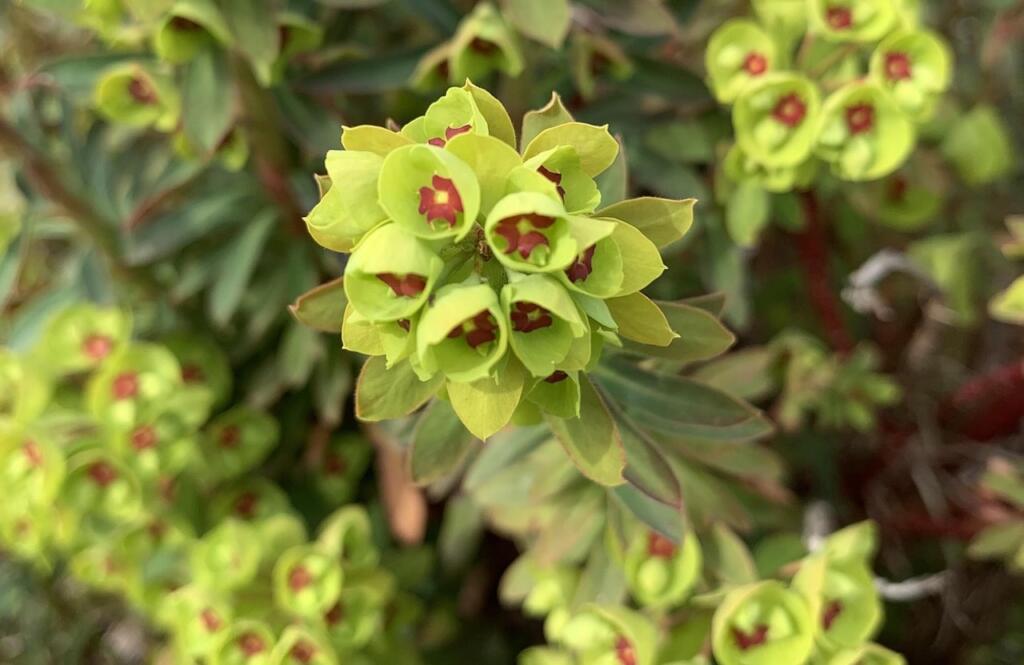
It will grow in conditions that would defeat virtually every other garden plant, including the dry, root-infested, deeply shaded ground under mature conifers that is almost universally regarded as ungrowable. It holds the RHS Award of Garden Merit and is a genuine workhorse. The one small precaution is to wear gloves when cutting it back, because like all euphorbias, the white latex sap is irritating to skin and eyes.
🛒 Buy Euphorbia robbiae from Amazon UK
Of all the hardy geraniums, Geranium macrorrhizum is the one most specifically suited to dry, shaded conditions on sandy or free-draining soil. Its thick, aromatic rhizomes hold moisture and anchor it firmly even in root-competitive, dry ground under trees, spreading steadily to form dense, fragrant, largely weed-proof mats of semi-evergreen foliage.
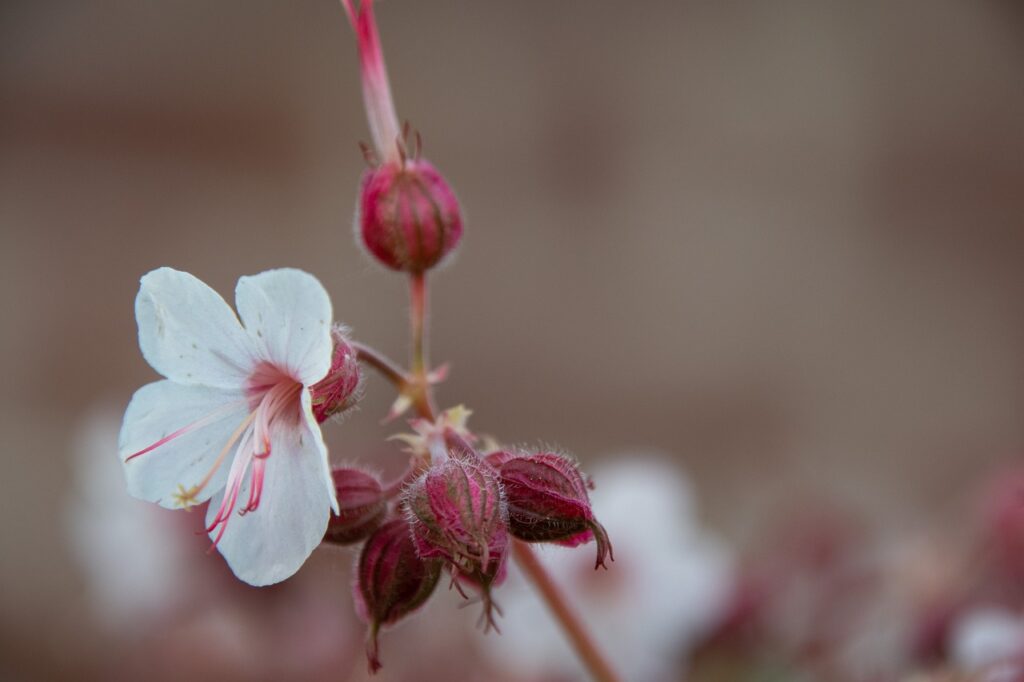
The sticky, deeply lobed leaves take on outstanding Autumn colour in shades of orange and red. The flowers, in pink, magenta or white depending on variety, appear in May and June. I have used Geranium macrorrhizum in almost every garden I have designed where dry shade under trees was a challenge, and it has never failed to perform. ‘Ingwersen’s Variety’ (RHS AGM) with its soft pink flowers is the most commonly available and most reliable form.

🛒 Buy Geranium macrorrhizum from Amazon UK
Cyclamen hederifolium is one of the great miracles of the dry shade garden. In August and September, just as the garden is at its most tired, small, perfectly formed pink or white flowers emerge from bare, dry soil beneath deciduous trees, sometimes even pushing through dry leaf litter without any visible soil at all. The flowers are followed by the most beautifully marbled, ivy-shaped leaves in silver and green that persist through autumn and winter, providing months of elegant ground cover.
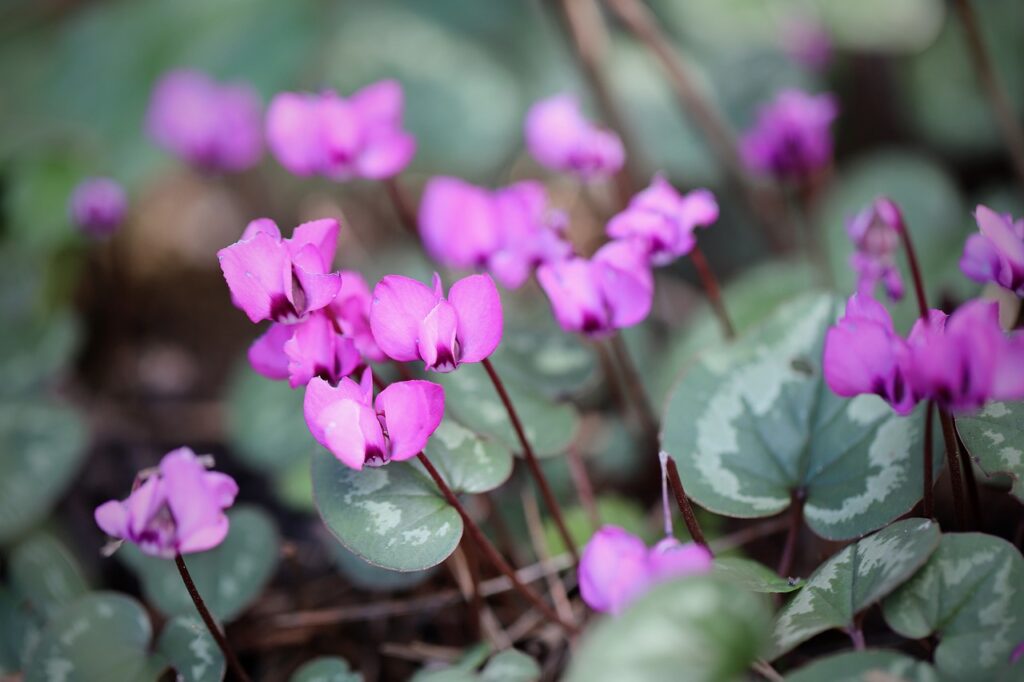
This plant is perfectly adapted to the conditions under deciduous trees on sandy soil, where it experiences full summer drought while baking dry, then benefits from Autumn rainfall to trigger flowering. Plant the flat corms just at or slightly below the soil surface in Autumn. Left undisturbed, they build into large, long-lived corms that flower with increasing freedom each year.
🛒 Buy Cyclamen hederifolium from Amazon UK
Liriope muscari is one of the most versatile and underused plants in UK gardening, capable of coping with some of the darkest and driest conditions while producing genuinely attractive spikes of violet-purple flowers in September and October. The evergreen, grass-like leaves form dense, tufted clumps that are virtually impenetrable to weeds and look immaculate in all seasons.
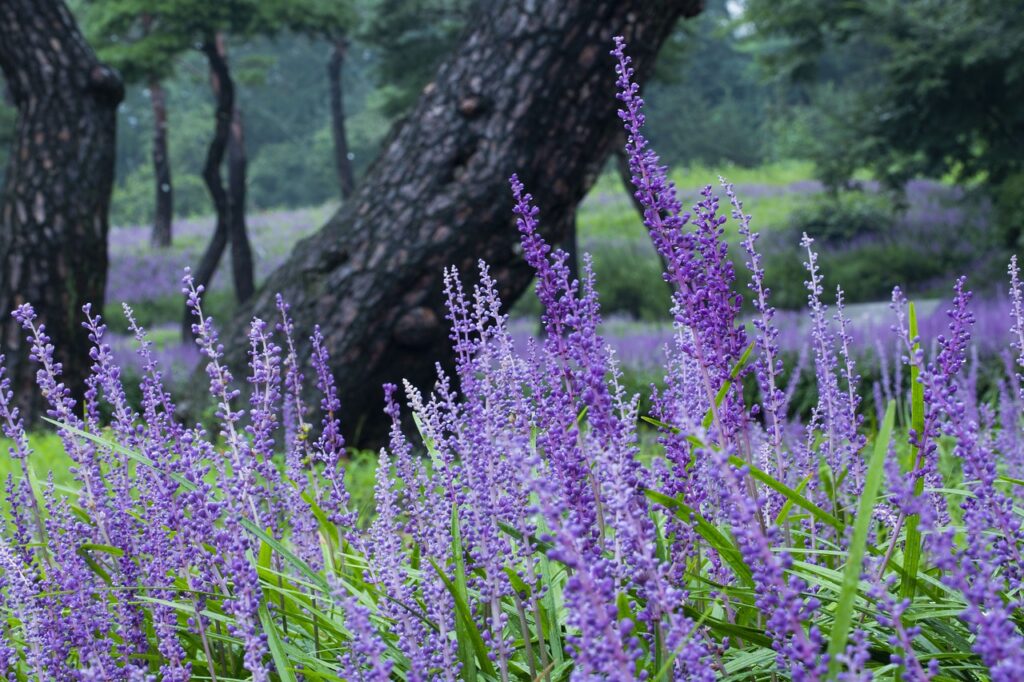
What sets Liriope apart in sandy shade is its tolerance of root competition from established trees. It will establish and spread steadily, even in nutrient- and moisture-depleted soil directly beneath a mature tree canopy. Use it as an alternative to box edging in dry, shaded gardens where conventional edging plants refuse to grow. The flowers are followed by small, black, glossy berries that persist well into winter.
🛒 Buy Liriope muscari from Amazon UK
Ferns and dry sandy shade are not a combination most gardeners immediately think of, but the right fern species can be genuinely tough on free-draining ground. Polystichum setiferum, the soft shield fern, is one of the hardiest and most beautiful, producing elegant, arching fronds of finely divided, dark green foliage up to 1.2m in length. It is largely evergreen, providing structure through the winter months when so little else offers interest in the shade garden.
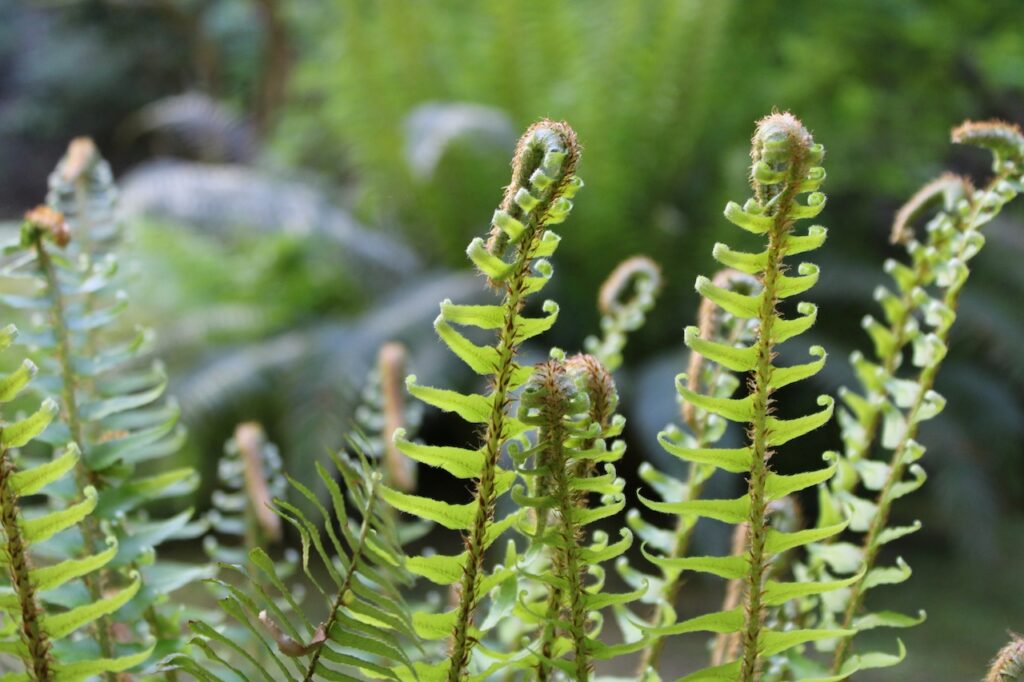
Polystichum setiferum is the fern that performs best under trees on sandy, dry soil because its fibrous root system allows it to establish without depending on consistent soil moisture. It holds the RHS Award of Garden Merit. Unlike the male fern, which can look a little coarse, the soft shield fern has an exceptionally refined, lacy quality that looks beautiful in combination with Epimedium and Cyclamen.
🛒 Buy Polystichum setiferum from Amazon UK
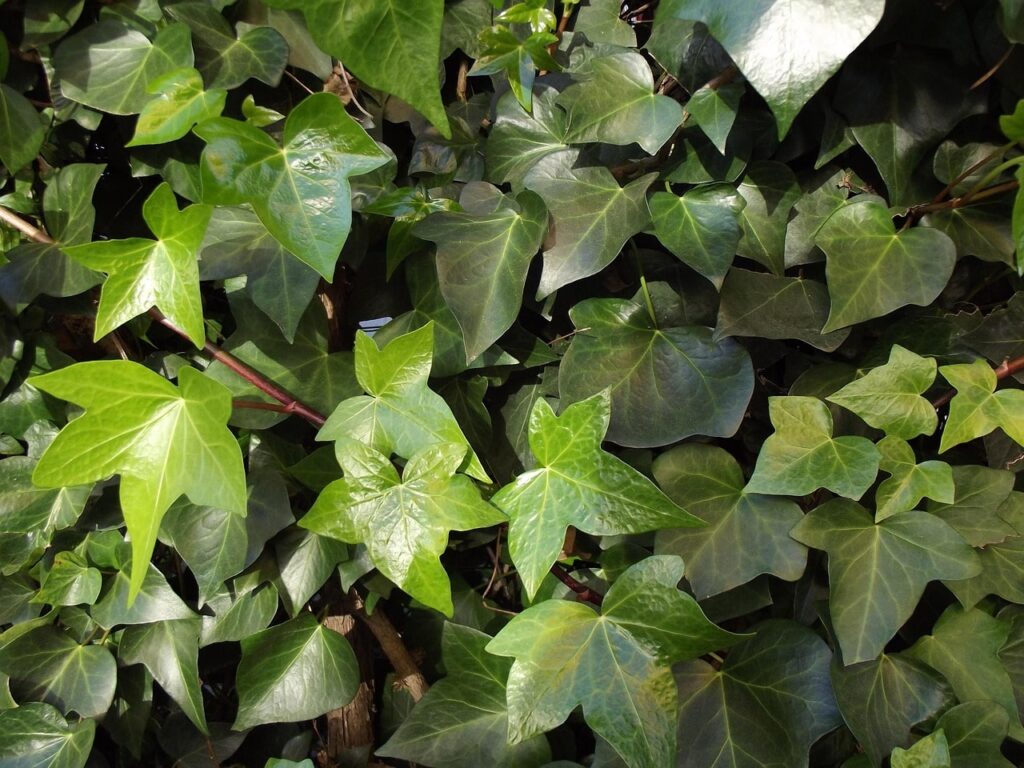
English ivy is the failsafe ground cover for dry, sandy shade, and while it is sometimes dismissed as too common or too vigorous, the truth is that in difficult conditions, it provides a service that no other plant quite replicates. As a native species, it supports an extraordinary range of wildlife. 51 species of invertebrates depend on it; its late-autumn flowers are among the last nectar sources of the year for ivy bees and other insects; and its dense evergreen growth provides essential winter roosting cover for wrens and other small birds.
For the most decorative effect, choose named small-leaved varieties rather than the plain wild type. ‘Glacier’ (silver-variegated), ‘Goldchild’ (gold-variegated) and ‘Parsley Crested’ (curled leaves, RHS AGM) all provide far more interest while sharing the same tough, dry-shade tolerance of the species.
🛒 Buy Hedera helix from Amazon UK
Sandy soil has a reputation as the problem child of UK gardening, but once you understand its genuine advantages, it becomes far easier to embrace and work with. Every soil type has its strengths and weaknesses. Clay’s strength is fertility and moisture retention; sandy soil’s strength is something equally valuable: workability, warmth, and the ability to grow a spectacular range of Mediterranean and drought-tolerant plants that are impossible on heavier ground.
Sandy soil warms up in spring several weeks before clay soil, meaning you can plant earlier, sow seeds earlier, and enjoy the garden earlier. On a bright March day when your neighbour with clay soil is still looking at waterlogged ground, your sandy border will already be workable, plantable and starting to show signs of spring growth. This early-season advantage is particularly valuable for vegetable gardeners, where getting early crops of carrots, radishes and salads into the ground ahead of schedule is a real practical benefit. Sandy soil is also far more pleasant to work with throughout the year, light and crumbly and easy to dig even in summer, compared to clay, which either sticks to everything in winter or sets like concrete in summer.
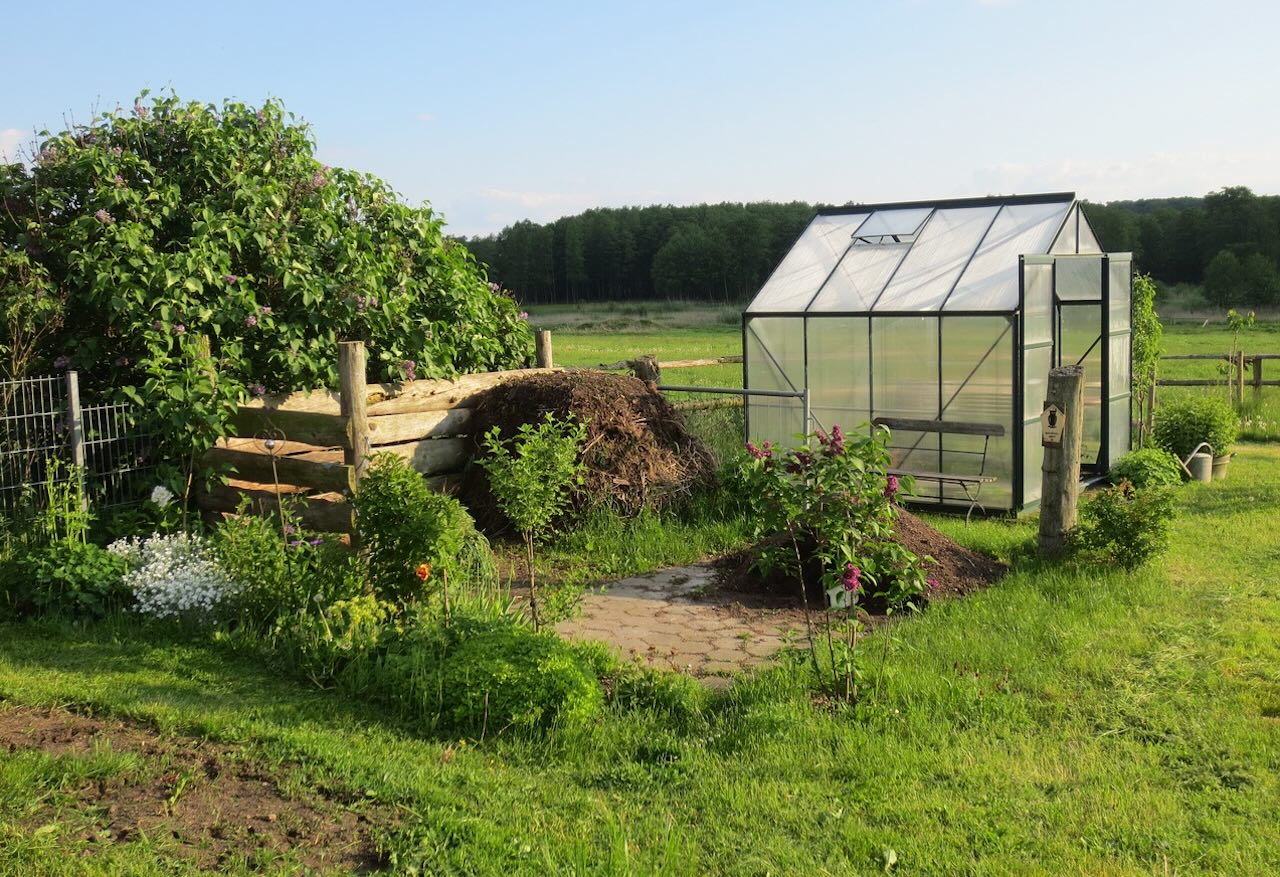
The loose, well-aerated structure of sandy soil allows plant root systems to penetrate easily and spread widely, seeking moisture from a larger volume of soil rather than being restricted to a small, compacted area. For trees and shrubs, this translates to better anchorage, greater drought resilience once established, and faster establishment overall. Root vegetables such as carrots, parsnips, beetroot and potatoes all thrive in the loose, stone-free conditions that sandy soil provides naturally.
Perhaps the greatest benefit of sandy, free-draining soil is access to the extraordinary world of Mediterranean, coastal and prairie plants that simply cannot be grown reliably on heavy, poorly drained ground. Lavender, Cistus, Ceanothus, Trachelospermum, Nerine, Kniphofia, Eryngium, Stipa, Verbena bonariensis and dozens of other outstanding plants all perform at their absolute best on free-draining sandy soil.
The naturalistic, gravel-garden style of planting that has become one of the most influential design movements of the past twenty years was built entirely around the opportunities that free-draining soil provides. Rather than seeing sandy soil as a limitation, I genuinely encourage my clients to see it as an invitation to explore one of the most exciting and distinctive planting styles available.
Never leave sandy soil bare: An uncovered sandy surface in winter loses structure, nutrients and potentially topsoil itself to wind and rain erosion. Always sow a green manure immediately after clearing crops, or apply a thick mulch before November to protect the soil surface through the wettest months.
Feed little and often with organic matter: Quick-release fertilisers are largely wasted on sandy soil as they wash through with the next rainfall. Build soil fertility the slow, sustainable way with annual additions of well-rotted organic matter, supplemented in spring with a slow-release granular fertiliser. Over three to five years of consistent organic matter additions, the soil’s structure, moisture retention and fertility will improve dramatically.
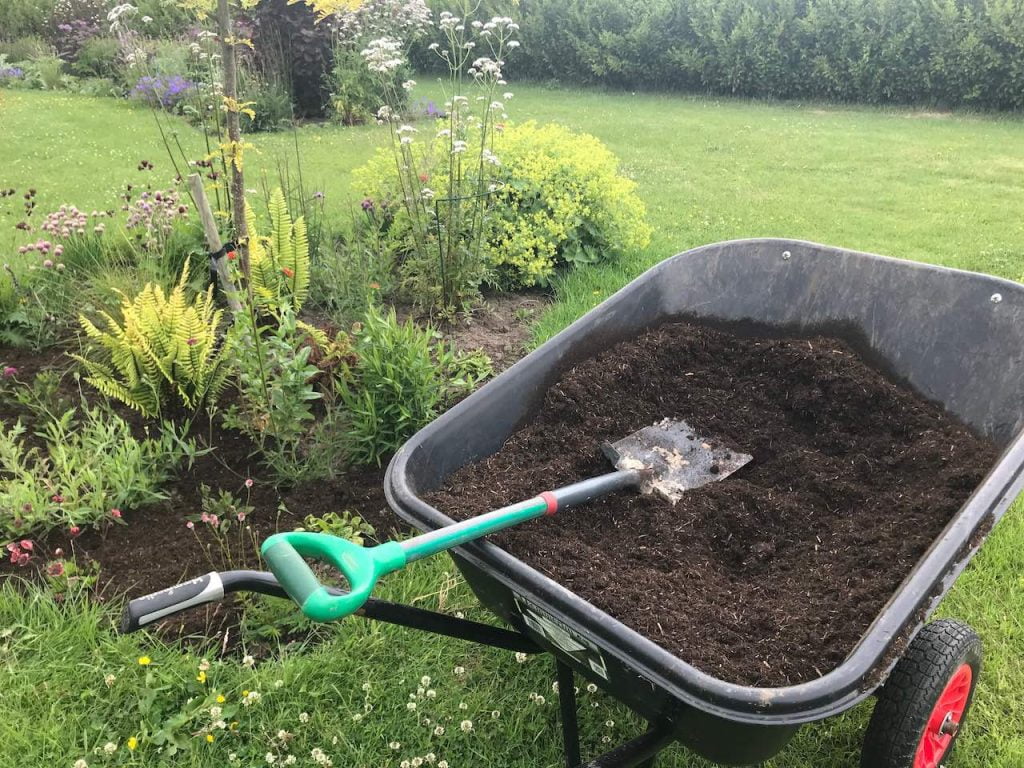
Choose plants for your soil rather than fighting it: The single biggest mistake I see in sandy-soil gardens is the attempt to grow plants that need moisture-retentive conditions by compensating with constant watering and feeding. This is both exhausting and ultimately futile. Choose plants from this guide that thrive in your conditions, and you will spend far less time maintaining them while achieving far better results.
Water deeply and infrequently when plants are young: Frequent, shallow watering on sandy soil encourages shallow root systems that are permanently dependent on supplementary irrigation. Water deeply and less often, soaking the soil to a depth of 20–30cm, to encourage roots to grow downward into the cooler, slightly more moisture-retentive subsoil where they become genuinely drought-resilient.
💡 Top Tip
Create a gravel garden on particularly free-draining, sandy ground. Lay a 5–10cm layer of gravel or grit over the soil surface (without membrane underneath, as plants need to self-seed) and plant directly through it. The gravel locks in soil moisture, regulates temperature, suppresses weeds, keeps foliage dry to reduce disease, and looks beautiful. Beth Chatto’s famous Essex gravel garden, never irrigated since establishment, is the definitive proof of concept.
The best plants for sandy, free-draining soil in the UK include lavender, Eryngium (sea holly), Verbena bonariensis, Salvia nemorosa, Stipa gigantea, Kniphofia, Ceanothus, Cistus, Buddleja, Alliums and Nerine bowdenii for full sun. For sandy soil in shade, rely on Epimedium, Euphorbia amygdaloides var. robbiae, Geranium macrorrhizum, Cyclamen hederifolium, Liriope muscari, Polystichum setiferum and Hedera helix. All these plants thrive in free-draining conditions, and most require minimal care once established.
The most effective way to improve sandy soil is to add well-rotted organic matter every year without exception. Apply two to three buckets per square metre of well-rotted compost, leaf mould, spent mushroom compost or well-rotted manure, either worked into the top 15–20cm or laid as a thick surface mulch. Use slow-release fertiliser in spring rather than quick-release feeds that wash straight through. Sow green manures over winter to protect bare soil and add organic matter. Consistent annual additions over three to five years will dramatically transform the soil’s moisture retention, fertility and structure.
Outstanding shrubs for sandy, free-draining soil include Ceanothus (California lilac), Cistus (rock rose), Buddleja (butterfly bush), Caryopteris (bluebeard), Lavandula (lavender), Salvia rosmarinus (rosemary), Phlomis fruticosa (Jerusalem sage), Choisya ternata (Mexican orange blossom), Cotinus coggygria (smoke bush) and Ceratostigma willmottianum. For sandy soil in shade, Sarcococca, Mahonia aquifolium, Aucuba japonica, Ruscus aculeatus and Euonymus fortunei are all reliable performers.
Sandy soil in the UK varies considerably by region. Heathland sandy soils in Surrey, Hampshire and Dorset are typically acidic (pH 4.5–6.0), suiting acid-loving plants like heathers, rhododendrons and camellias. Coastal sandy soils with shell content can be neutral to slightly alkaline (pH 7.0–7.5). East Anglian sandy soils over chalk are often neutral to slightly alkaline. Always test your soil pH with a simple pH kit before buying plants, as it will significantly influence what will thrive in your garden.
The best plants for sandy soil in shade are Epimedium (barrenwort), Euphorbia amygdaloides var. robbiae (Mrs Robb’s spurge), Geranium macrorrhizum, Cyclamen hederifolium, Liriope muscari (lily turf), Polystichum setiferum (soft shield fern), Hedera helix (ivy), Dryopteris filix-mas (male fern), Iris foetidissima, Vinca minor (lesser periwinkle) and Lamium maculatum. Sandy soil in shade is one of the most challenging combinations in UK gardening, but these plants are genuinely reliable in those conditions.
Sandy, free-draining soil is ideal for most bulbs because it prevents waterlogging that can cause bulb rot. Outstanding bulbs for free-draining soil include Allium hollandicum ‘Purple Sensation’, Nerine bowdenii, species tulips (Tulipa tarda, Tulipa sprengeri), Crocus chrysanthus, Allium cristophii, and Gladiolus communis subsp. Byzantinus, Amaryllis belladonna and Tulbaghia violacea. For sandy soil in shade, Cyclamen hederifolium, Cyclamen coum, snowdrops (Galanthus), Anemone nemorosa and Eranthis hyemalis (winter aconite) are all excellent.
Unlike clay soil, where spring planting is usually recommended, sandy soil is best planted in Autumn, typically September to November, for most trees, shrubs and hardy perennials. Autumn planting gives plants the entire wet season to establish their root systems before facing their first dry summer, dramatically improving drought survival rates. Tender Mediterranean plants like Cistus and Ceanothus are best planted in late spring, once the frost risk has passed. Always water newly planted plants in well, regardless of season, and mulch generously around them to retain moisture during establishment.
Roses can be grown in sandy soil, but they require more consistent feeding and watering than on richer ground, as the nutrients and moisture they need tend to leach quickly through sandy soil. Improve the planting area generously with well-rotted organic matter before planting and feed monthly with a specialist rose fertiliser during the growing season. Choose disease-resistant modern varieties rather than traditional old roses, which are more dependent on good soil fertility. On very light, sandy soils, growing roses in raised beds with improved, enriched growing medium is a more practical solution.
What if you would like to design your own garden? My Garden Design for Beginners course is the ideal starting point. With online courses ranging from £29 to £199, there is something for every aspiring garden designer.
Join me, Lee Burkhill, award-winning garden designer and BBC1’s Garden Rescue presenter, in my most comprehensive course. I will guide you step by step from a complete beginner to a confident garden designer, ready to create stunning outdoor spaces you can be genuinely proud of.

Design Principles: Understand the key elements that underpin exceptional garden design.
Planting Techniques: Discover how to choose and arrange plants for beautiful, sustainable gardens.
Design Styles and Layouts: Explore a variety of garden styles to suit every outdoor space and personal taste.
20 hours of in-depth study, flexible online learning at your own pace, engaging video lessons and interactive quizzes, real-world case studies to apply your knowledge, and a certificate upon completion. This comprehensive course is available now for just £199. Begin your garden design journey today and gain the skills to create breathtaking gardens confidently.
Why not level up your gardening skills? My Garden Design for Beginners course is the perfect place to begin. I offer several courses from £29 to £199 to help you learn the basics of garden design.
For the garden you’ve already got, not the one you’re starting from scratch. Seven checklists and video lessons from BBC Garden Rescue’s Lee Burkhill, designed to help you decide what’s worth keeping before you spend a penny.
Garden Design Examples for Small Gardens: 30 Design Templates & Planting Plans: In this online gardening course, I’ll walk you through 30 fantastic garden designs, explaining the logic behind the layout and plant choices, plus take-home tips for applying them in your own garden.
Learn how to transform and design your garden with Lee Burkhill’s crash course in garden design. In over 5 hours, Lee will teach you how to design your dream garden. Featuring practical design examples, planting ideas and video guides. Learn how to design your garden in one weekend!
Garden Design for Beginners Online Course: Want to become a garden designer or design your own garden? This beginner course is for you. Join me, Lee Burkhill, an award-winning garden designer, as I train you in the art of beautiful garden design. Enjoy 20 hours of online study and video lessons, along with quizzes and a completion certificate.
Gardening on sandy or free-draining soil is not the challenge it is sometimes made out to be. With the right plant choices and a commitment to annual additions of organic matter, sandy soil can host some of the most beautiful, naturalistic, and low-maintenance planting schemes possible. From the sun-baked Mediterranean drama of Eryngium, Stipa and Cistus through to the quiet elegance of Epimedium and Cyclamen in dry shade, the plant palette available to sandy-soil gardeners is genuinely extraordinary.
Embrace your soil type, choose plants that love what you have, and your garden will reward you with years of outstanding performance with minimal effort. Gradually, as the organic matter builds up season by season, your soil will become richer, more moisture-retentive and more productive with every passing year.
Make sure you visit my YouTube channel for more gardening guides, and follow me on Twitter, Facebook or Instagram for daily garden help and tips.
Happy gardening!



Lee Burkhill, known as the Garden Ninja, is an award-winning garden designer and horticulturist with over 30 years of gardening experience and 15 years as a professional garden designer. A qualified RHS (Royal Horticultural Society) professional, Lee specialises in sustainable garden design and practical horticultural advice. He designs and presents on BBC1’s Garden Rescue and in leading gardening publications.
View all posts by Lee Burkhill








JOIN THE NINJAS

Be the first in line for new Guides, Discount codes and Offers