For the garden you’ve already got, not the one you’re starting from scratch. Seven checklists and video lessons from BBC Garden Rescue’s Lee Burkhill, built to help you work out what’s worth keeping before you spend a penny.
69


The trouble is that March can be a bit of a deceiver. One week, it is mild and sunny, and you are convinced spring has landed. Next, it’s snowing, and you are wondering if winter ever actually left. This is completely normal in the UK, and the secret to March gardening success is knowing which plants can handle that unpredictability and which ones need a bit more cosseting under glass before they face the world outside. I will walk you through exactly that in this guide.
Whether you have a small courtyard garden in Manchester, a sprawling veg plot in Cheshire, or a series of raised beds on a terrace in Liverpool, March is a month when everyone can get growing. Let me show you how to make the most of every bit of it.
This page contains affiliate links for products I use and love. If you take action (i.e. msubscribe or make a purchase) after clicking a link, I may earn sagardening commission, which helps me keep the Garden Ninja Blog free for all.
If October is the end of the gardening year, then March is the glorious, chaotic, slightly unpredictable beginning. The days are noticeably lengthening by now, and soil temperatures across most of the UK are beginning to creep upward. Even in the north of England, where I garden, you start to feel that shift in the light and the air that tells you things are on the move.
What makes March particularly special is that it sits in this sweet spot where you can genuinely start doing serious work. February was still a month of preparation, planning, and the occasional impatient seed sowing indoors. March lets you open up that operation considerably.
Hardy crops can start going into the ground outside if conditions are right, a huge range of half-hardy and tender crops can be germinated safely under cover, and the whole rhythm of the growing year starts to build.

Garden Ninja Tip: Before you sow anything outside, do the soil readiness test. Grab a handful of your garden soil and squeeze it gently. If it crumbles apart when you open your hand, it is ready to work with. If it stays stuck together in a wet lump, it is still too cold and too wet. Give it another week or two and check again. Trying to sow seeds into cold, waterlogged soil is one of the most common March mistakes gardeners make, leading to poor germination and rotten seeds.
It is worth noting that March gardening depends heavily on where you are in the UK. Gardeners in Cornwall or Kent will be working with a warmer baseline than those of us in Yorkshire, Lancashire, or Scotland.
If you are further north or at a higher altitude, add two to three weeks onto the outdoor sowing timings I give here and use more fleece and cloche protection. There is no shame in that. It is just working with what Mother Nature gives you.
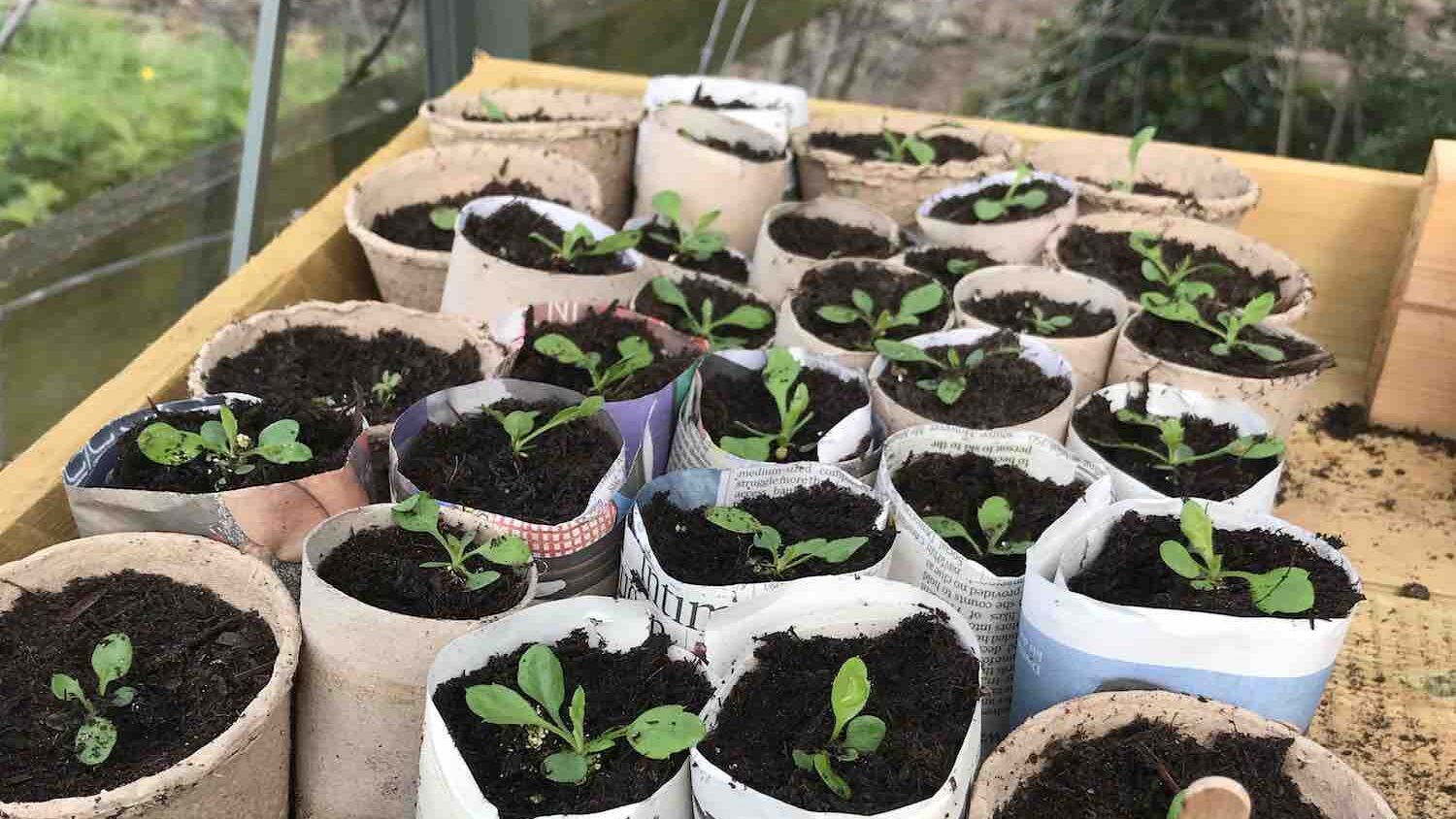
This is where March really comes alive, because under the protection of a greenhouse, cold frame, heated propagator, or even a warm windowsill, you can get an enormous number of crops and flowers underway this month. The key is providing enough warmth for germination without exposing tender seedlings to late frosts.
March is the month to get your tomatoes going if you haven’t already, and if you are growing them outdoors, they absolutely must be started now. Tomatoes need a long growing season to produce well in the UK climate, and sowing in March gives them the time they need.
Use a heated propagator set to around 18 -1 degrees Celsius, or place seed trays on a warm windowsill with good light. Varieties worth trying include Sungold for reliably sweet cherry fruits, Gardener’s Delight for a classic flavour, and Brandy Boy if you want a big, meaty beefsteak. Sow into modules filled with peat-free seed compost, covering lightly, and be patient as germination can take up to two weeks.
These are the ones that genuinely need to be started as early in the year as possible, as they have a very long growing season. 🛒 Chillies and sweet peppers sown now in a heated propagator will have enough time to ripen their fruits before the season ends. They need heat to germinate well, ideally around 21 to 25 degrees, so a heated propagator is worth its weight in gold here. Do not be disheartened if germination is slow; some chilli varieties can take three weeks or more.
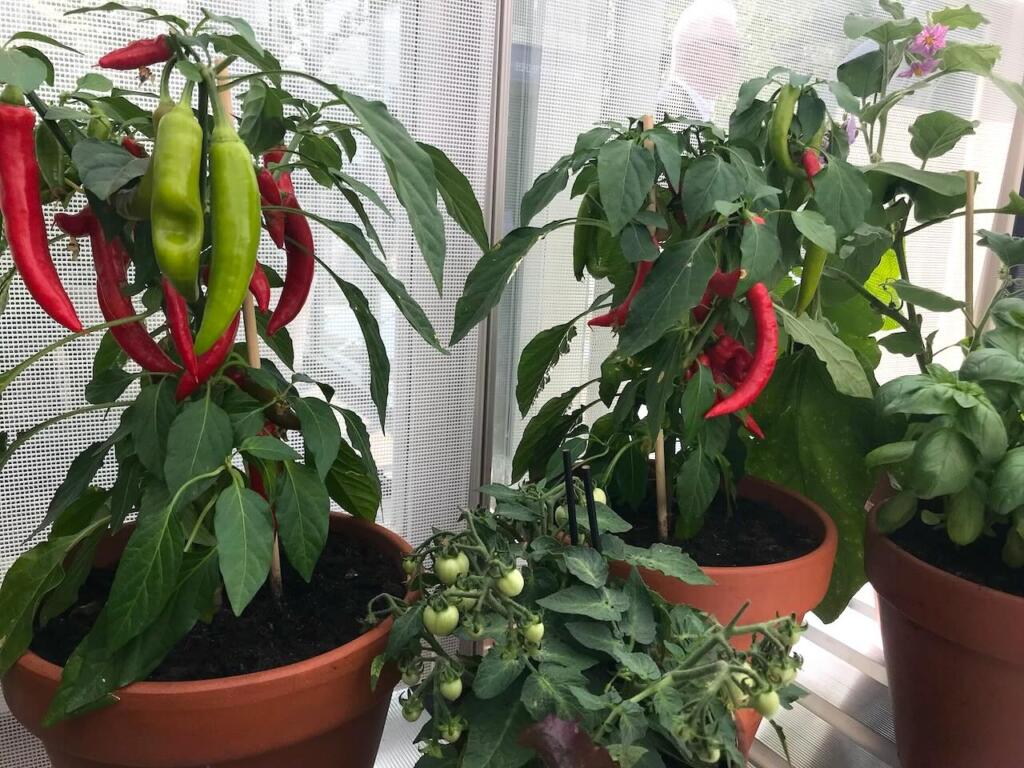
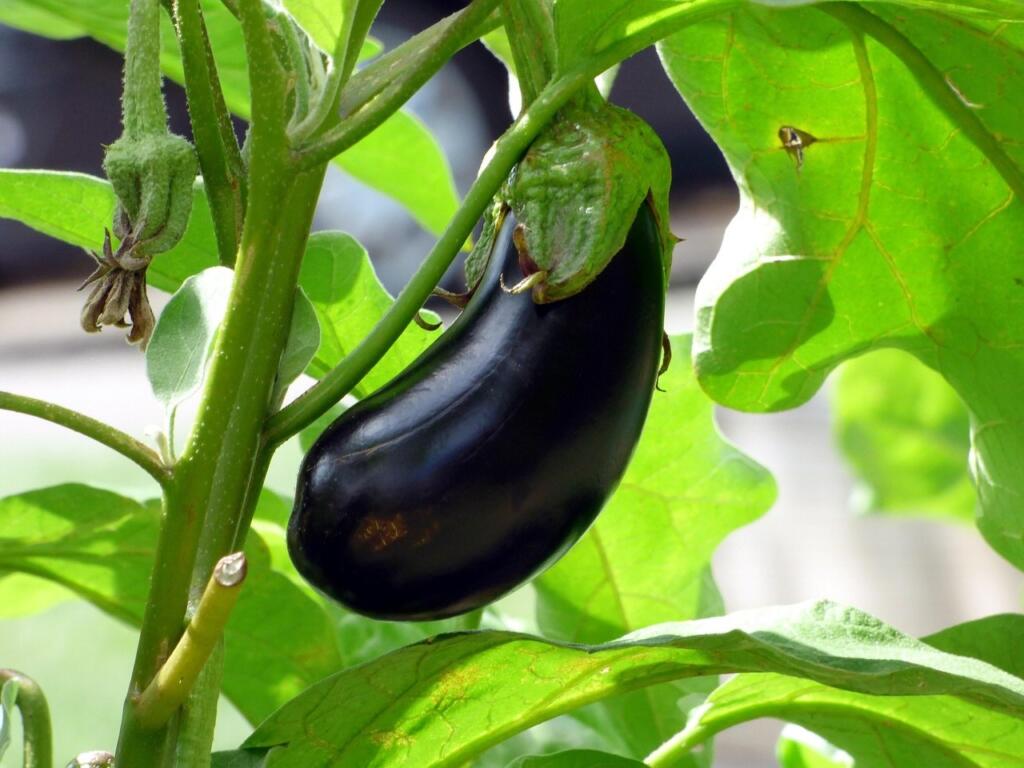
Another long-season crop that benefits from an early start under heat. Aubergines are among the plants that reward patience and warmth. Get them going now in a heated propagator, and they will be ready to transplant into the greenhouse or a sheltered sunny spot come late May or June.
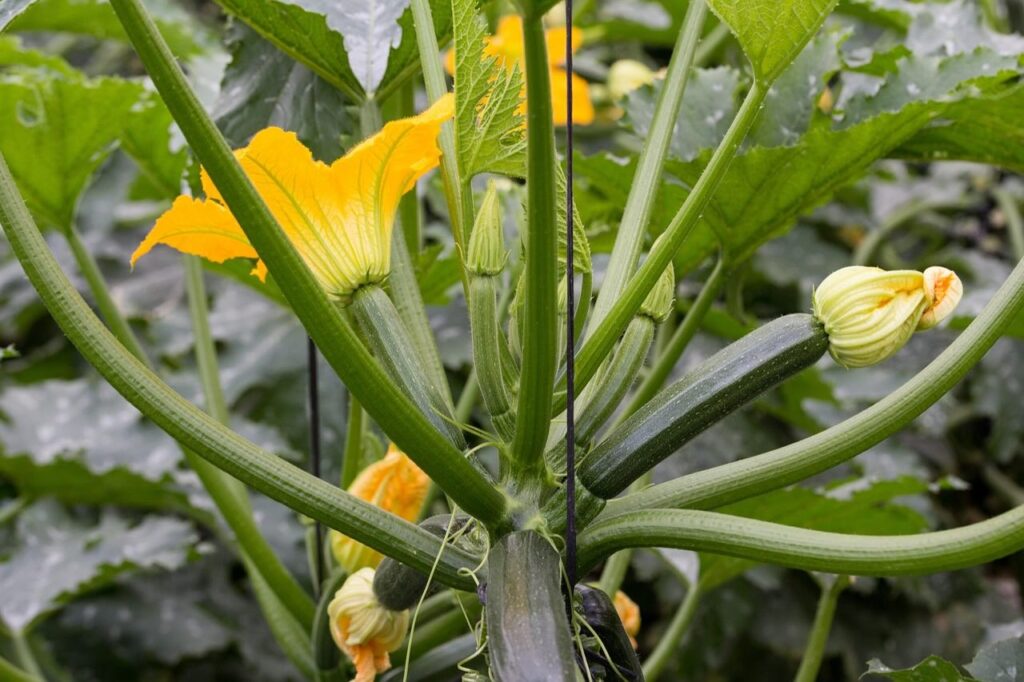
If you have greenhouse space, you can start cucumbers now under cover. For courgettes, which will ultimately live outside, I would suggest waiting until late March at the absolute earliest, and even then keeping them somewhere frost-free. Courgettes, like Goldena and Black Beauty, are very fast-growing once they get going, so there is no need to rush them. Sow one seed per small pot on its side (this helps prevent rotting) in peat-free compost.
Trust me when I say that a couple of Courgette plants is all you ever need, as they are prolific when they start to flower and fruit!
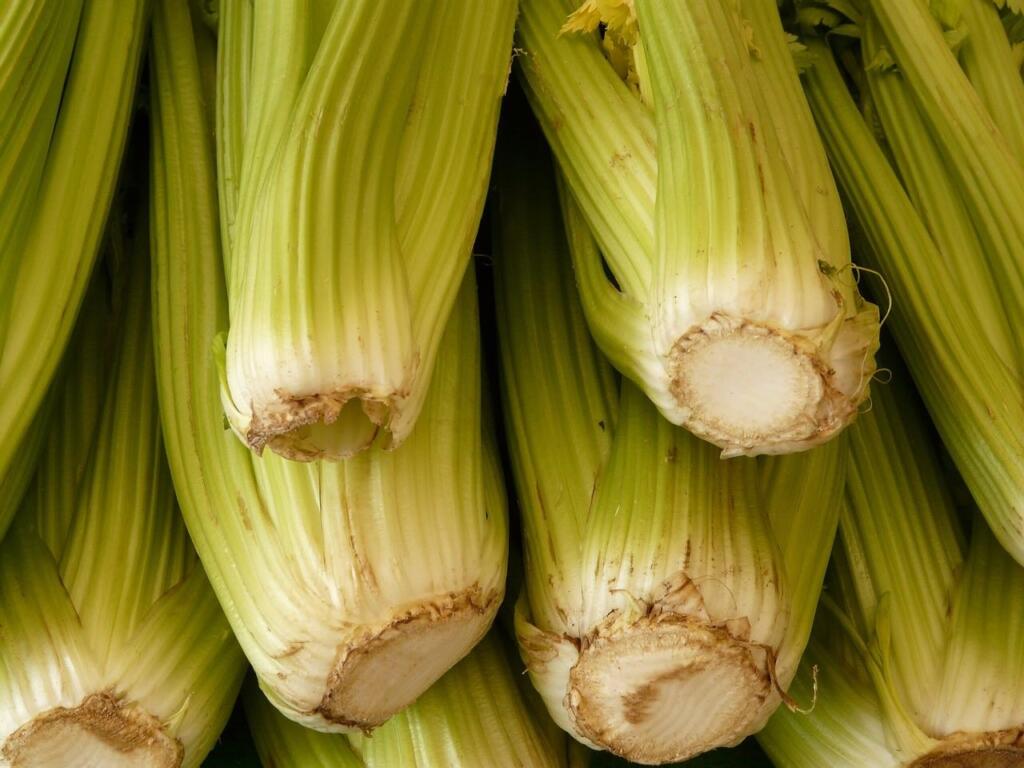
Both of these need to be started in March, as they have the longest growing season of almost any vegetable you are likely to grow. They are fussy germinators: celery seed needs light to germinate, so do not cover it, just press it onto the surface of moist compost and pop a propagator lid on top. Celeriac is slightly more forgiving. Both need consistent warmth and patience. So consider whether they are worth the effort or whether you want to grow something less readily available in supermarkets instead!
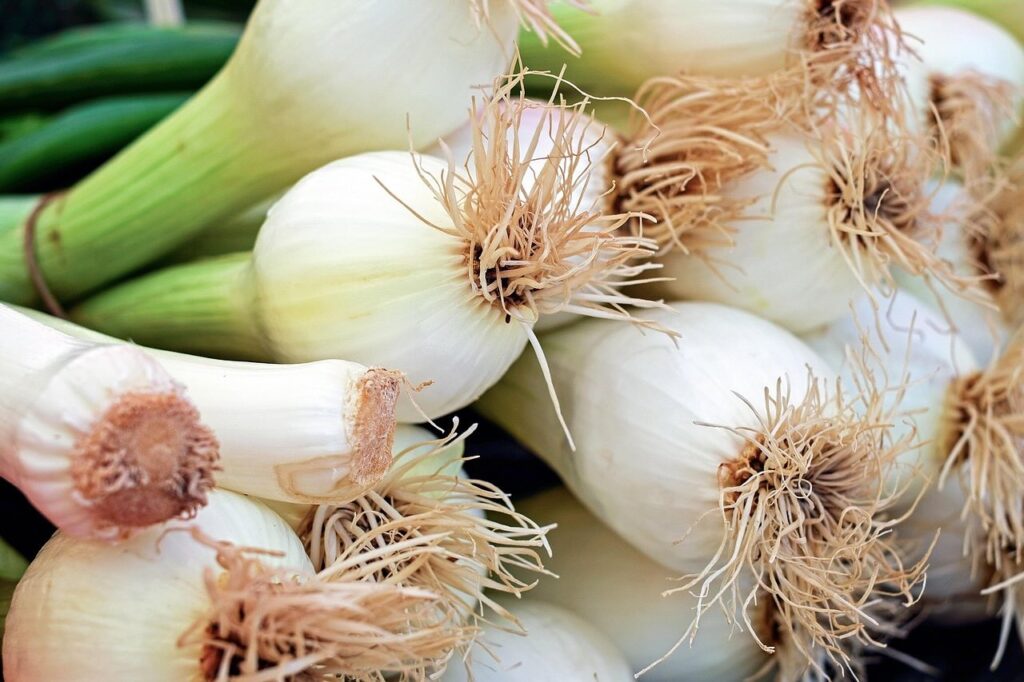
If you want to grow leeks and onions from seed rather than sets, March is the time to get them started under cover. Sow thinly into seed trays or modules in a greenhouse or cold frame, and they will be ready to transplant outside in late spring. Growing from seed gives you access to a far wider range of varieties than sets typically offer.
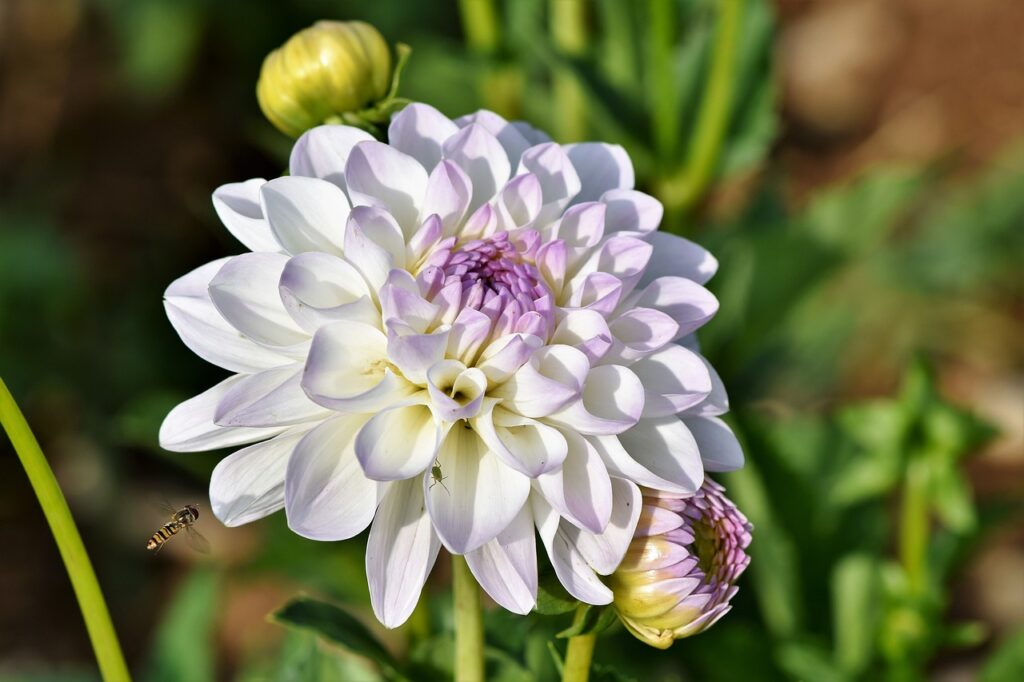
Growing dahlias from seed is underrated and remarkably good fun. You will not get the exact cultivars you see on specialist lists (those are from tubers or cuttings), but seed-grown dahlias produce an exciting mix, often flowering in their first year. Sow in March on a warm windowsill and pot on once large enough. They will flower from summer onwards and provide tubers you can lift and store at the end of the season.
Garden Ninja Tip: If you do not have a heated propagator, a warm windowsill above a radiator can work brilliantly for germinating seeds. Just make sure the pots are not sitting in direct hot air from the radiator itself. Once seeds have germinated, move them to the brightest windowsill you have to stop them from becoming leggy.
Provided the soil has warmed up and is workable, there is a good range of hardy crops you can sow directly outside in March. If conditions are borderline, use cloches or fleece to warm the soil for a week or two beforehand. This makes a real difference to germination rates and gives seedlings a much better start.
If you did not sow broad beans in autumn or February, March is your last main chance, and they will still do brilliantly. Broad beans are properly hardy and one of the easiest crops you can grow from seed. Push individual seeds about 5cm deep in rows, spacing them roughly 23cm apart with 45cm between rows.
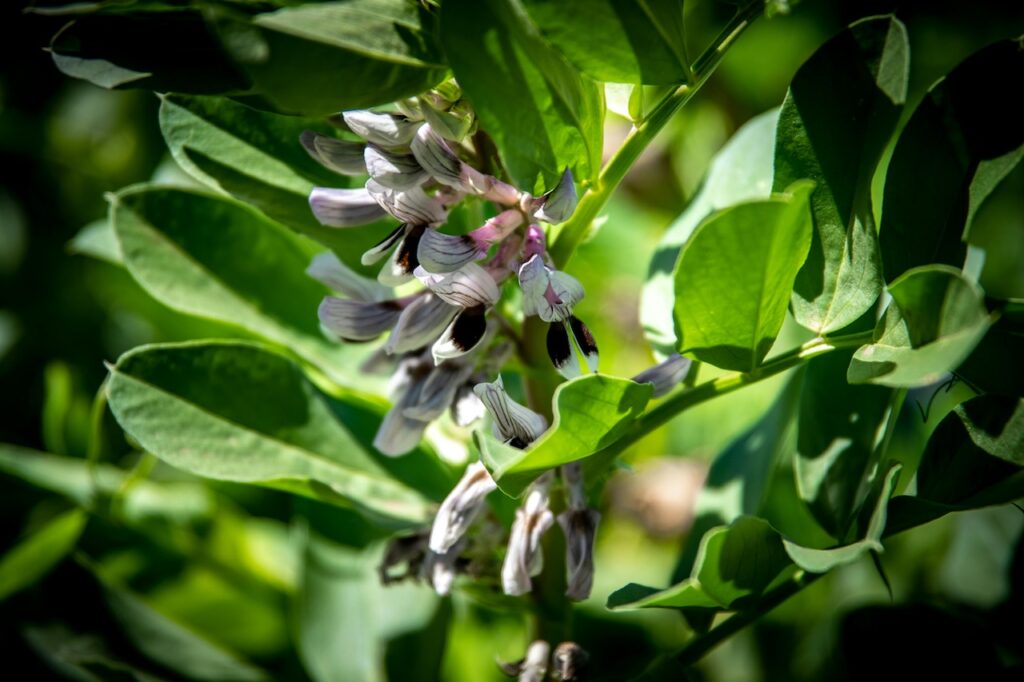
Garden pea varieties such as Aquadulce Claudia, Super Aquadulce, and Witkiem Manita are all reliable performers. If late frosts threaten after germination, cover the young plants with fleece overnight. They genuinely shrug off the cold, unlike most other vegetables.s
March is a brilliant time to get peas underway. They prefer cool conditions and will bolt to flower too quickly if they have to sit in summer heat without first establishing properly. Sow in drills about 5cm deep and 5 to 8cm apart, in double rows with 60cm between each pair.
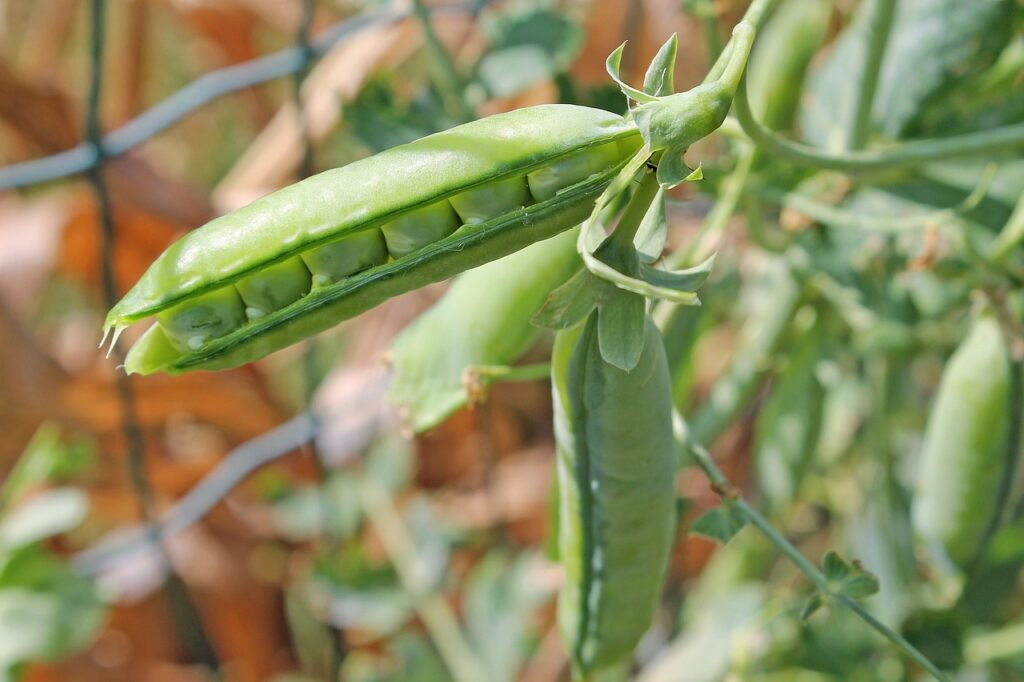
Round-seeded varieties are hardier than wrinkled-seeded varieties and better suited to early outdoor sowings. Kelvedon Wonder and Feltham First are both excellent early varieties. If slugs are a problem in your garden (and when are they not?), starting peas off in lengths of guttering filled with compost, then sliding them out into a trench, is a neat trick that gives them a head start before the slugs can get to them.
Spinach is a true March hero because it thrives in cooler conditions and bolts as soon as summer heat arrives. Getting it going now means you will have lovely, productive plants picking away before the weather turns warm.
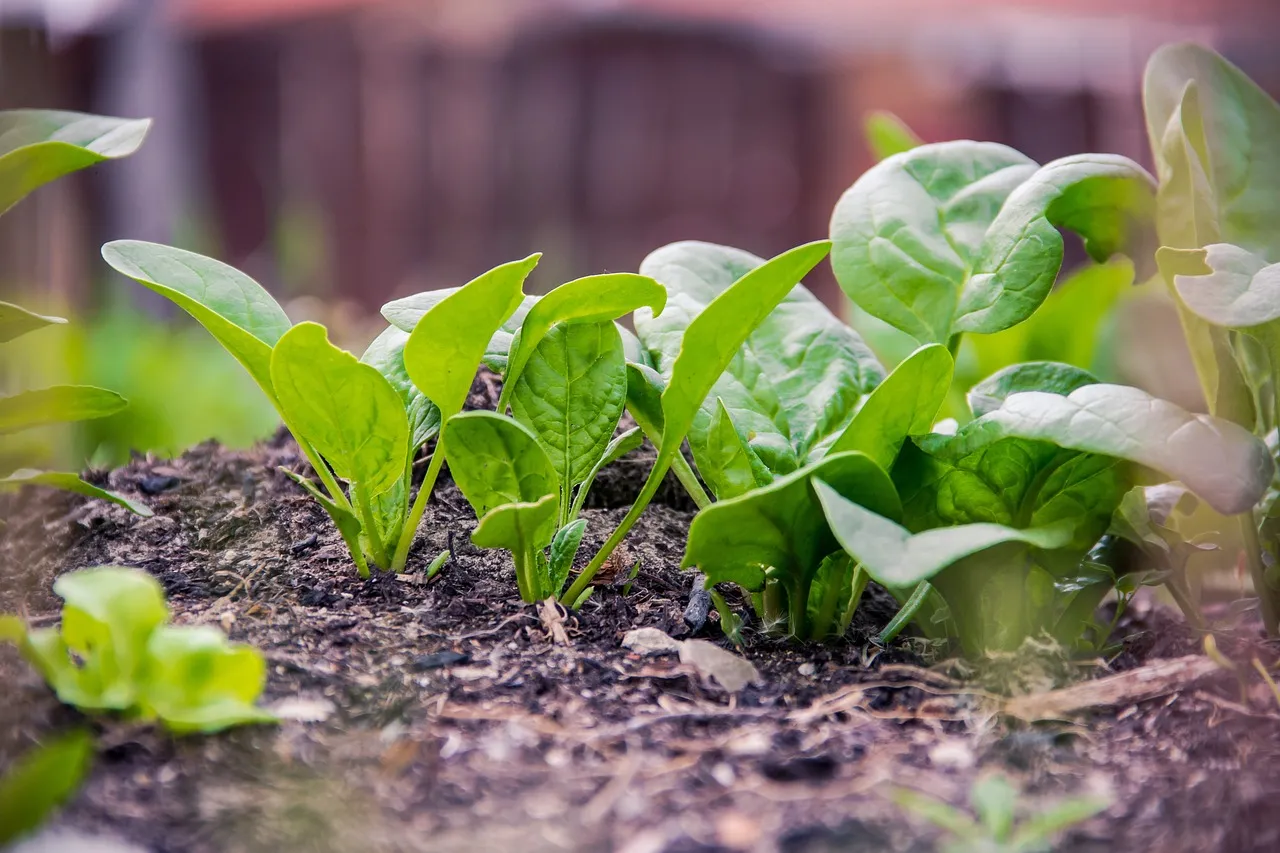
Spinach ‘Medania‘ is the RHS Award of Garden Merit variety to go for: slow to bolt, heavy cropping, and very reliable. Sow thinly in rows, thin to about 15cm apart, and sow every few weeks again through to May to extend the harvest. It genuinely is one of the simplest and most rewarding crops to get going at this time of year.
Beetroot is one of those crops that beginners often worry unnecessarily about. It is actually very straightforward: it germinates readily in cooler soil and can be sown outside from late March onwards once the ground is workable.
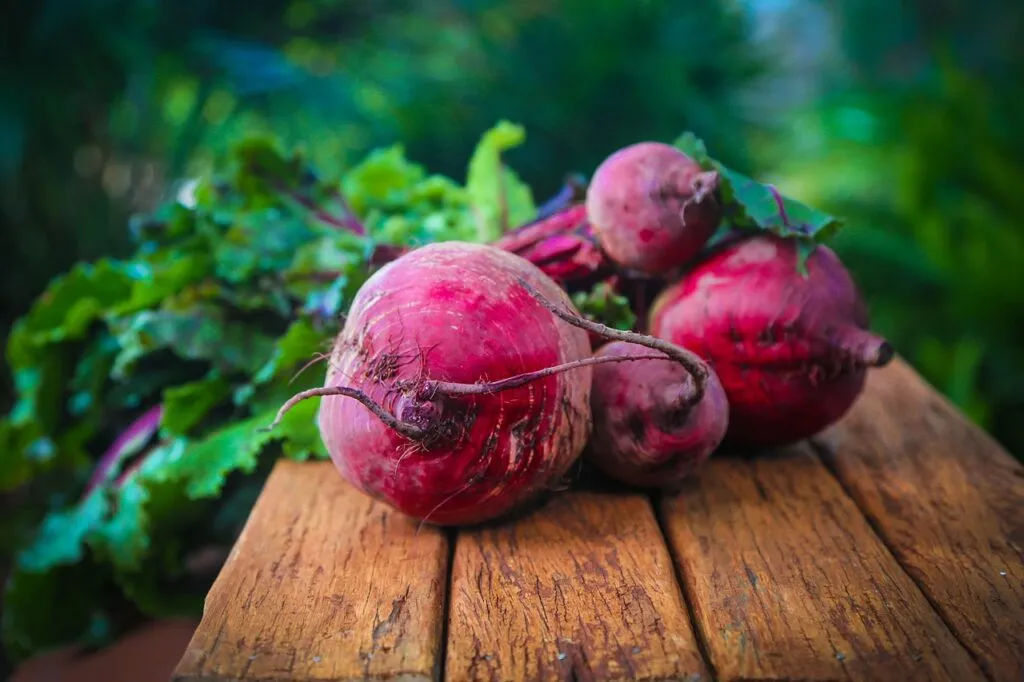
Each beetroot seed is actually a cluster of seeds, so you will need to thin the seedlings to about 10cm apart once they emerge. Beetroot Boltardy is the classic early variety and is extremely reliable. Chioggia gives you those beautiful candy stripe roots that are as much a pleasure to look at as they are to eat.
Carrots can be sown outside from late March in most parts of the UK, though in colder regions, it’s sensible to wait until April. The key with carrots is to sow into deeply worked, stone-free soil and to sow thinly to reduce the need for later thinning.
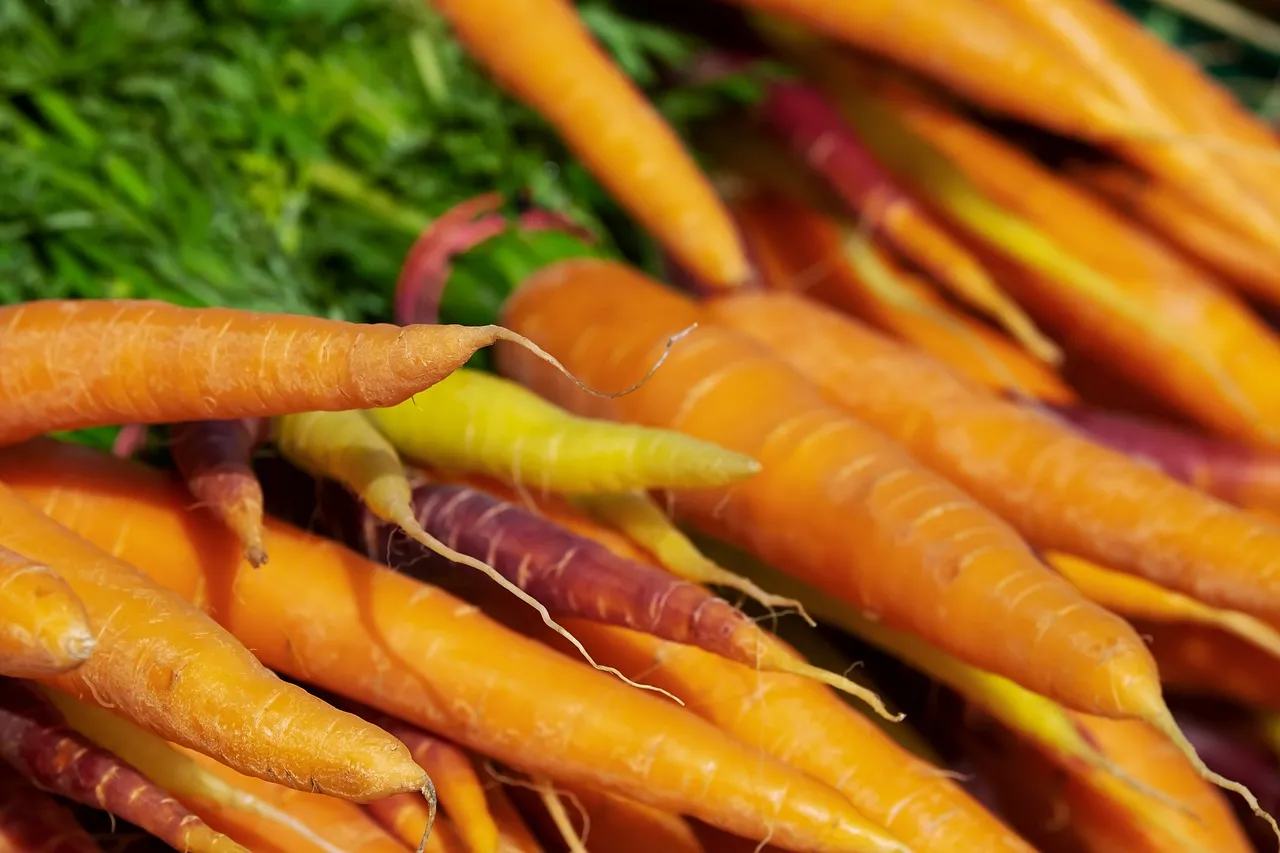
Sow in shallow drills about 1cm deep, cover lightly, and firm down. Carrot ‘Early Nantes’ and Amsterdam Forcing are both excellent varieties for an early outdoor sowing. A cloche over the row will help considerably in colder areas.
March is actually the ideal month to sow parsnips, as they need a long growing season to develop those big, sweet roots. Parsnip germination can be notoriously unreliable, particularly in cold soil, so it is worth sowing more thickly than you need and thinning later. Fresh seed performs much better than old seed, so buy new seed each year.

Gladiator F1 is the variety I keep coming back to: large, smooth, canker-resistant roots with excellent flavour. Sow in deep drills in a sunny, open position and be patient; germination can take up to a month.
Lettuce, rocket, lamb’s lettuce, and mixed salad leaves can all be sown outside from March, particularly in a cold frame or under a cloche. These are brilliant cut-and-come-again crops that give you a harvest very quickly and continue producing if you keep picking the outer leaves rather than pulling the whole plant.
🛒 This seed selection gives you a wide mix of easy-to-grow salad leaves. Sow a short row every two weeks rather than all at once to avoid a glut followed by nothing.
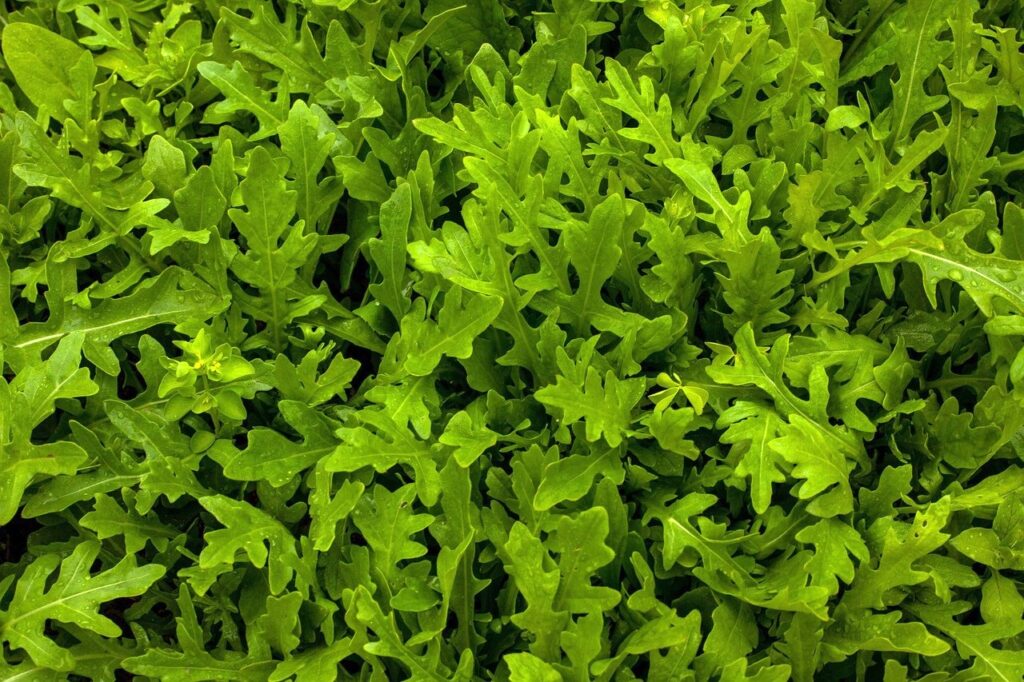
Both spring onions and radish can be sown outside from March, and they are excellent value because they grow quickly and can be slotted into gaps between slower-growing crops. Radish, in particular, can be ready to pull within four to six weeks of sowingnmaking itit one of the fastest-growing vegetables you can grow.
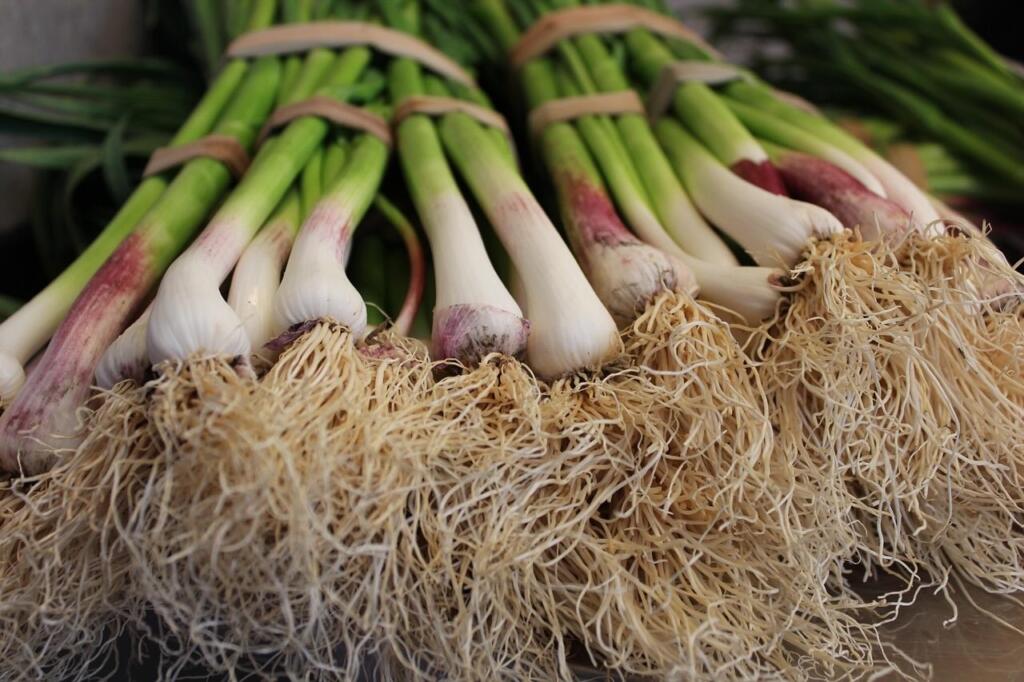
White Lisbon is the classic spring onion, an RHS Award of Garden Merit winner, and French Breakfast remains the benchmark radish for mild, reliable flavour.
| Crop | Sow Method | Depth | Spacing | Ready to Harvest |
|---|---|---|---|---|
| Broad Beans | Direct outside | 5cm | 23cm | June to July |
| Peas | Direct outside | 5cm | 5 to 8cm | June to July |
| Spinach | Direct outside | 1.5cm | 15cm (thin) | May to June |
| Beetroot | Direct outside (late March) | 2.5cm | 10cm (thin) | July to September |
| Carrots | Direct outside (late March) | 1cm | 5 to 7cm (thin) | June to August |
| Parsnips | Direct outside | 1.5cm | 15cm (thin) | October onwards |
| Salad Leaves | Direct outside or cold frame | 0.5cm | 15cm | 5 to 8 weeks |
| Spring Onions | Direct outside | 1cm | 1cm (thin to 2.5cm) | 8 to 12 weeks |
| Radish | Direct outside | 1cm | 2.5cm | 4 to 6 weeks |
Beyond sowing from seed, March is also the month when you can start setting out certain vegetable crops as young plants, sets, or crowns directly into the ground. These are tough, hardy characters that will take March conditions in their stride.
March is prime time for planting onion and shallot sets, and I would argue it is actually one of the most satisfying jobs you can do this month because the results are so reliable. Sets are simply small, part-grown onion bulbs that are far easier to deal with than seed-grown plants. Press them into well-prepared, fertile soil so that just the tip is visible above the surface, spacing them about 10cm apart in rows 25 to 30cm apart.
Sturon is a brilliant all-rounder, producing well-sized semi-round bulbs with great keeping qualities and an RHS Award of Garden Merit to boot. The only nuisance is birds, which will pull newly planted sets out of the ground out of sheer nosiness. Push them in a little deeper than you might think necessary, and birds will usually leave them alone.
If you missed the ideal autumn planting window for garlic, March is your second chance. Spring-planted garlic will not produce quite as large bulbs as autumn-planted garlic, but it still crops perfectly well. Choose a sunny, well-drained spot, split a bulb into individual cloves, and plant them, pointed end up, about 2.5cm below the surface, with 15cm between cloves.
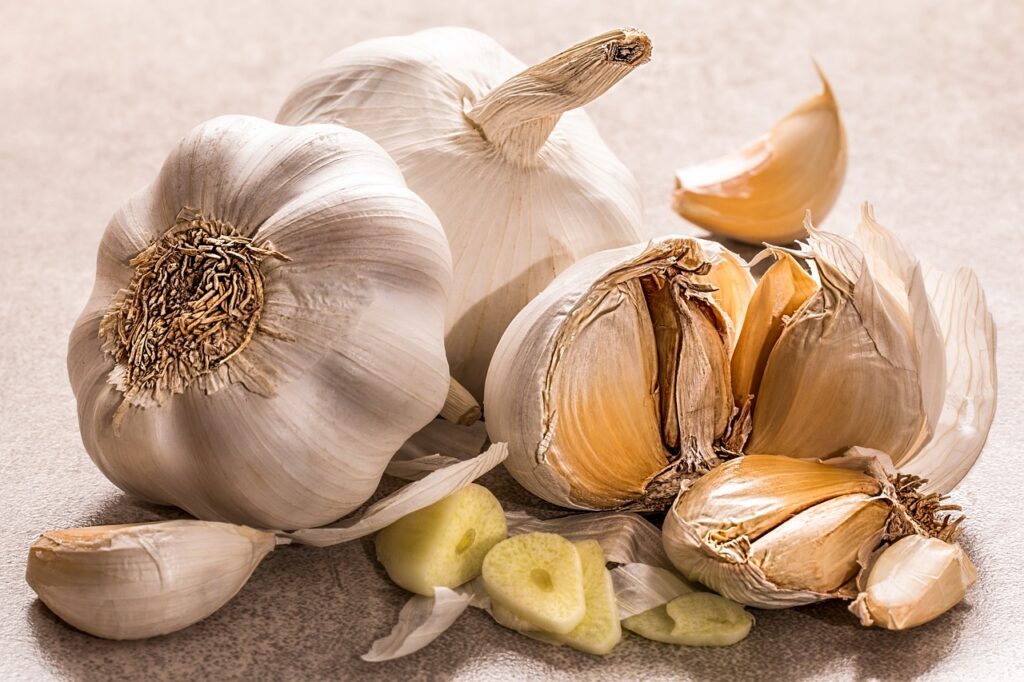
Solent Wight is one of the most popular UK varieties for spring planting, consistently producing large, flavoursome bulbs. Avoid using supermarket garlic as it is often treated to prevent sprouting and may not perform reliably. Proper seed garlic from a garden supplier will always serve you better.
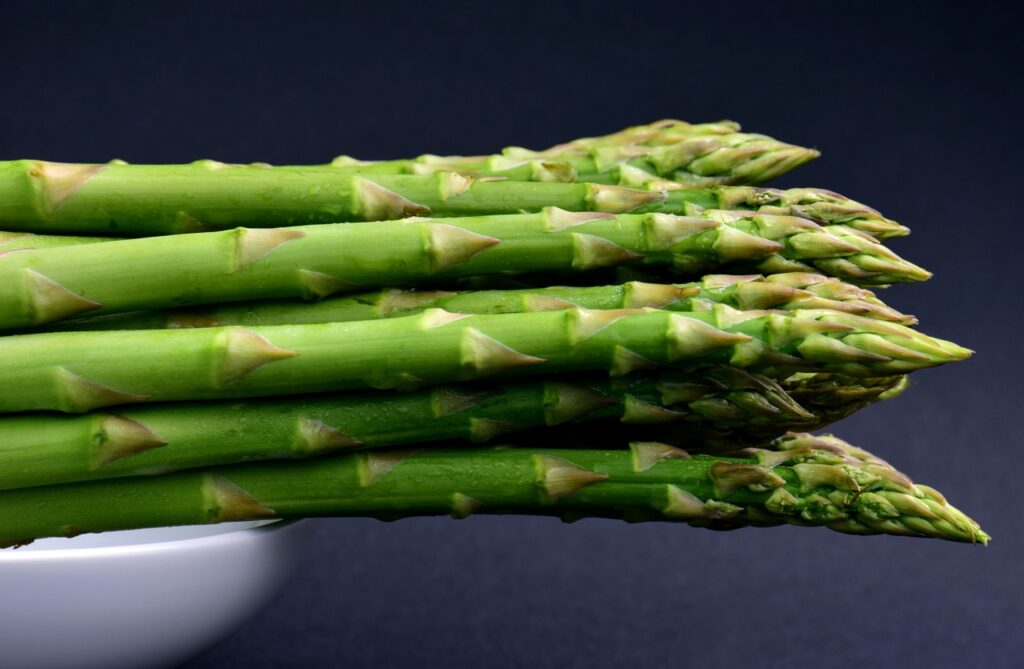
March is the perfect time to plant asparagus crowns, and if you have never grown asparagus before, I cannot recommend it highly enough as a long-term investment. Yes, you have to wait a couple of years before you can harvest properly, but once an asparagus bed is established, it will produce for 20 years or more with minimal effort.
Dig a trench about 30cm deep and 30cm wide, create a low ridge of soil along the bottom, and drape the crowns over this ridge so the roots hang naturally on either side. Cover with 5cm of soil and water well. Plant crowns 30 to 45cm apart in the row. Gijnlim is widely regarded as the best all-round UK variety, reliably cropping and consistently producing high yields.
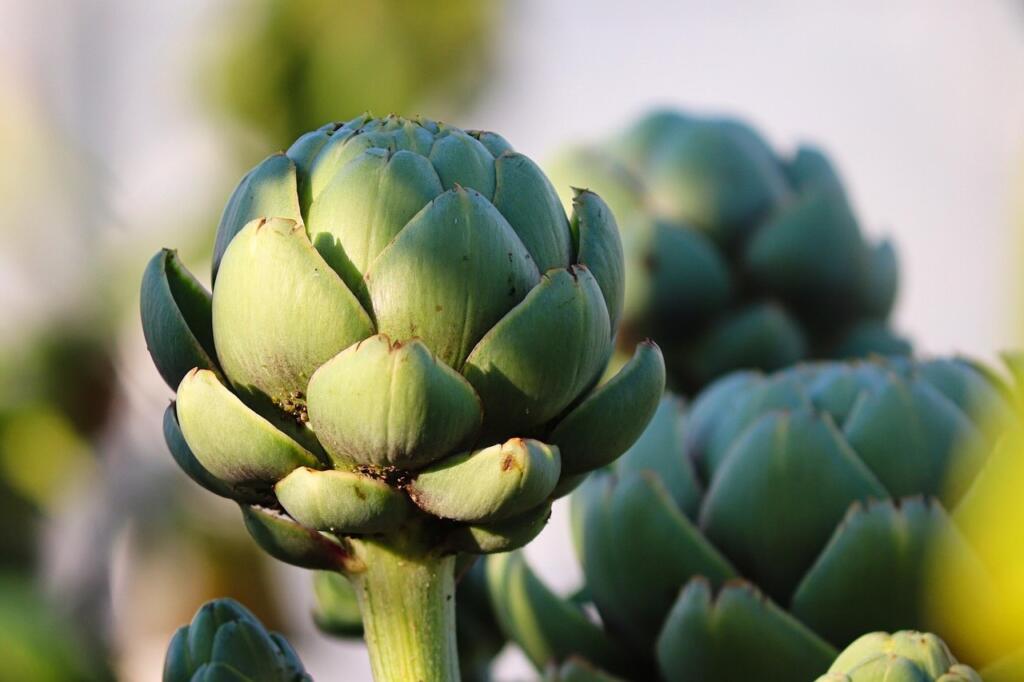
Plant Jerusalem artichoke tubers now for an almost indestructible crop that will produce prolifically with no effort whatsoever. Be warned, though: they are genuinely vigorous and can become invasive if left unchecked.
Plant tubers about 10 to 15cm deep and 30cm apart. They will grow tall over summer (up to 2.5 metres) and provide a good windbreak, and the tubers are ready to harvest from autumn onwards. They are wonderful roasted. Fuseau is the variety to go for if you want smoother, less knobbly tubers that are far easier to prepare in the kitchen.
March is an exciting month for flowers, as you can start laying the foundation for your summer display, both indoors and outdoors. The distinction to remember is hardy versus half-hardy. Hardy annuals can go outside now; half-hardy ones need warmth and frost-free conditions before they eventually go out in late May or June.
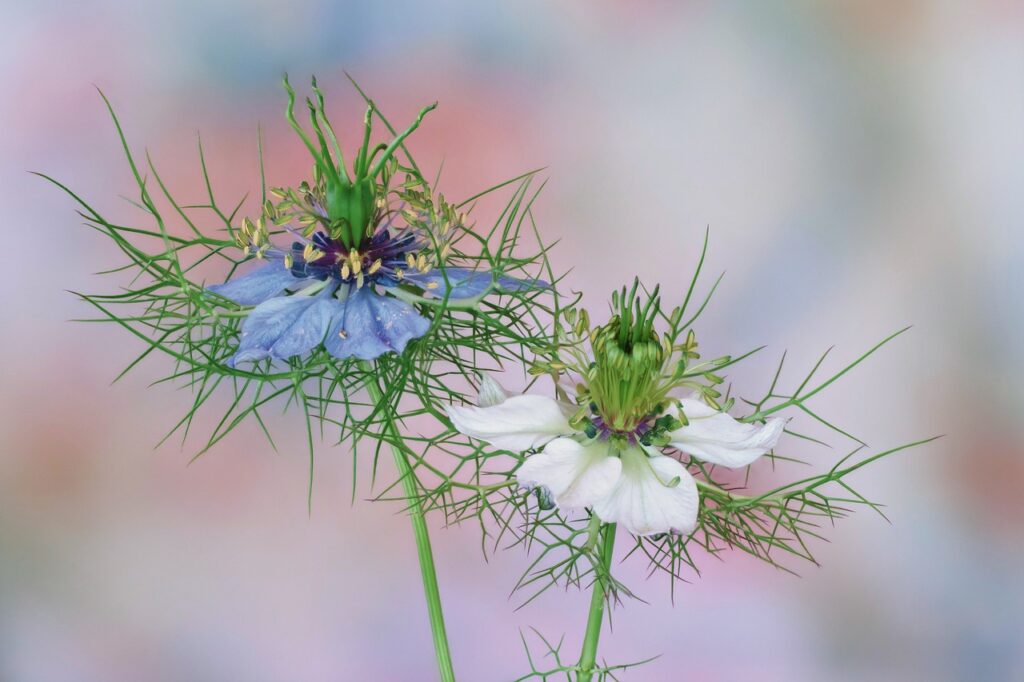
Cornflowers, California poppies (Eschscholzia), annual poppies, Nigella (love in a mist), Clarkia, and Larkspur can all be sown direct outside in March where you want them to flower. 🛒 These are genuinely foolproof flowers that actually perform better sown early in cool conditions than they do from later sowings.
Prepare a patch of ground, rake it to a fine tilth, scatter the seed thinly, and rake lightly to cover. Thin the seedlings as they develop, and you will have glorious colour from early summer. Do not overenrich the soil for these crops because they flower more freely on poorer ground.
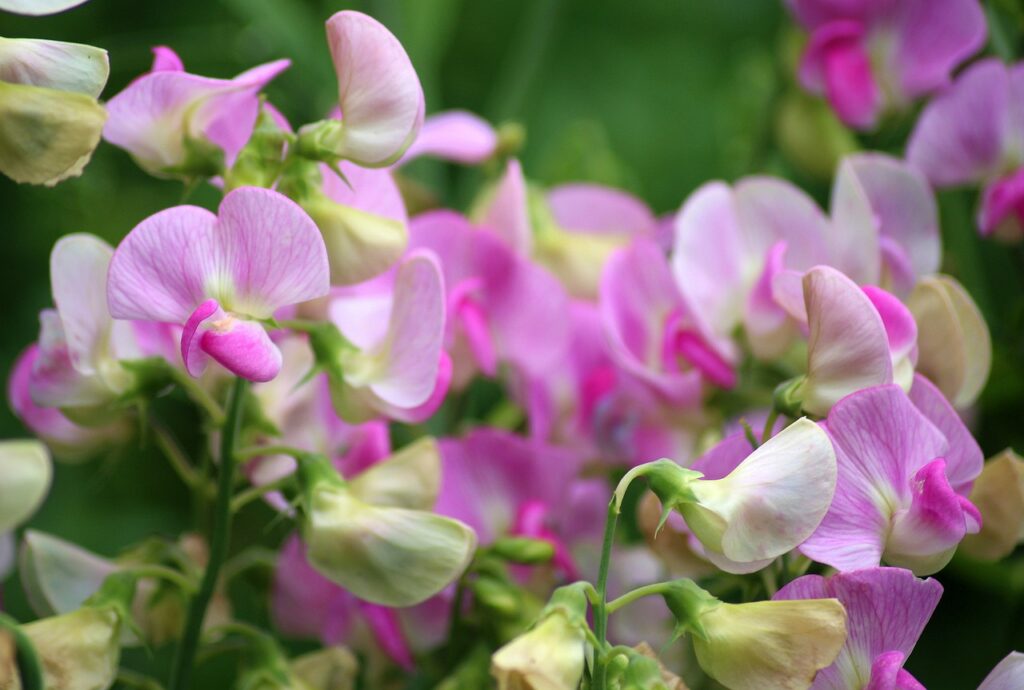
If you have not already got sweet peas going from autumn or February sowings, March is absolutely your moment to catch up. Sweet peas sown now will still flower beautifully from June onwards. Sow into deep modules or root trainers filled with peat-free compost, as sweet peas develop long taproots and resent any disturbance.
Soak the seed overnight before sowing to speed up germination. Varieties like Matucana, Cupani, and Lord Nelson offer incredible fragrance, whilst Spencer types give larger flowers. Keep them in a cool, frost-free place: a cold greenhouse is ideal. Do not coddle them with heat; cool, bright conditions are far better for sturdy young plants.
Now is the time to start the summer’s showstoppers in a heated propagator or on a warm windowsill. Cosmos, Zinnias, Ageratum, Statice, Petunias, Salvias, and Antirrhinums (snapdragons) can all be started this month.
A brilliant starting point is Cosmos Sensation Mixed, which is effortlessly easy and flowers for months. These will be planted out after the last frosts in late May or early June, filling your borders with colour from midsummer onwards. Sow into modules or small pots, cover lightly, and provide bottom heat if possible. Prick out into individual pots once the seedlings are large enough to handle.
If you are overwintering dahlia tubers, now is the time to get them growing on. Pot them up into large pots of peat-free compost, burying the tuber so the old stem is just above the surface, and place them in a frost-free greenhouse or polytunnel.
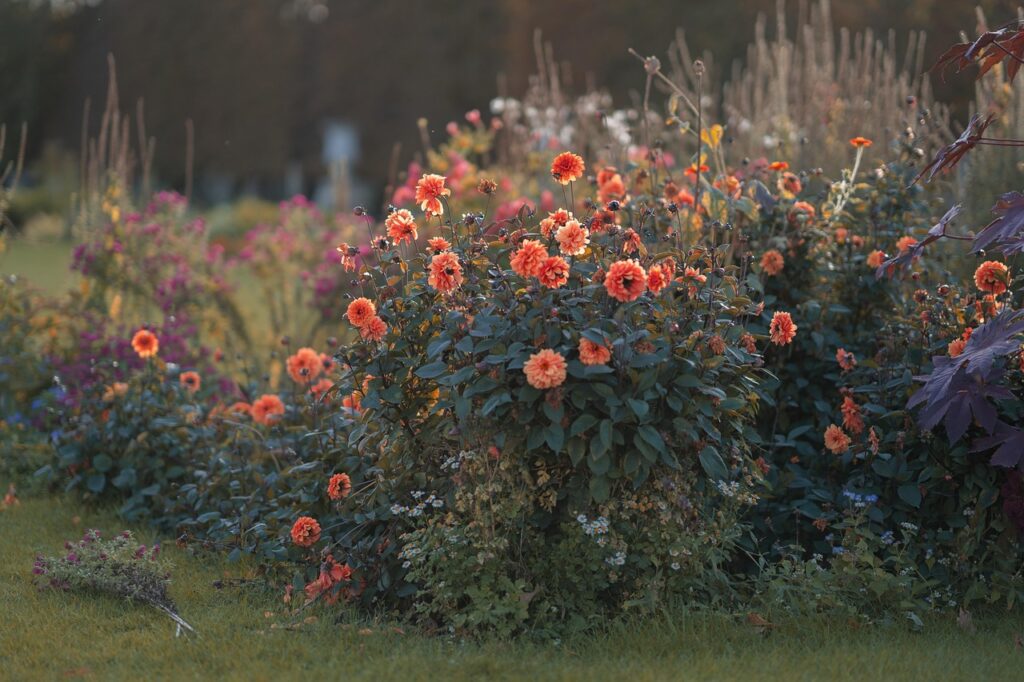
They will start producing shoots quickly and can be used as a source of cuttings (which is the best way to multiply your stock) or simply grown on to plant out whole in May. Do not rush them outside; dahlias hate frost, and a chilly night can wipe them out even in late spring. If you are starting from scratch, mixed dahlia tuber collections are available on Amazon and arrive ready to pot on.
These winter– and early-spring biennials will still be performing in March and deserve recognition. If you planted them last autumn, then they are likely still putting on a show and require nothing more than deadheading to keep the flowers coming. Once they finish, use them as green manure by digging them into the soil before planting your summer bedding. If you want to grow wallflowers from seed for next year’s display, sow this month in a seed tray and grow on outside through summer.
March represents one of the last opportunities to plant bare-root trees and shrubs before the growing season really gets underway, and plants leaf out. Once a tree breaks dormancy and starts to leaf out, bare-root planting becomes much more stressful for the plant, and you will lose the key advantage of the dormant season. If you have been procrastinating about planting a fruit tree, stop procrastinating and get it done this month.
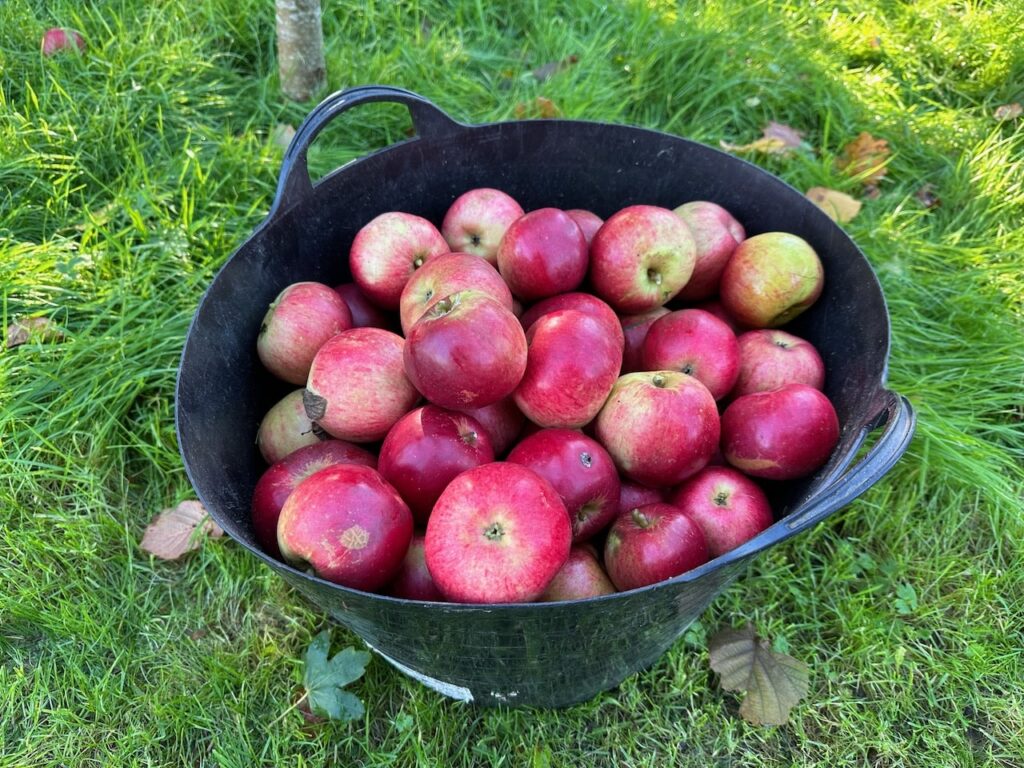
This is genuinely your last chance for bare-root apples and pears before the dormant window closes. Bare-root specimens are considerably cheaper than container-grown trees and establish brilliantly if planted promptly. Choose a sunny, sheltered position, dig a wide planting hole (wider is always more important than deeper), work in some well-rotted compost, and plant so that the graft union sits 5 to 10cm above soil level. Stake firmly to prevent wind rock during establishment.
Plums and cherries can also still be planted this month. Victoria plum remains the benchmark self-fertile variety for reliability and flavour. Stella is the equivalent of cherries. If you fancy something a little adventurous, an apricot trained against a warm, south-facing wall can work surprisingly well in the UK, particularly now that our summers are warming up slightly.

March is an excellent time to plant strawberry runners or pot-grown plants, and if you plant now, you can reasonably expect a modest first crop this summer, with much heavier cropping from year two onwards. Plant into well-prepared, fertile soil or raised beds, with the crown of the plant sitting at soil level (not buried).
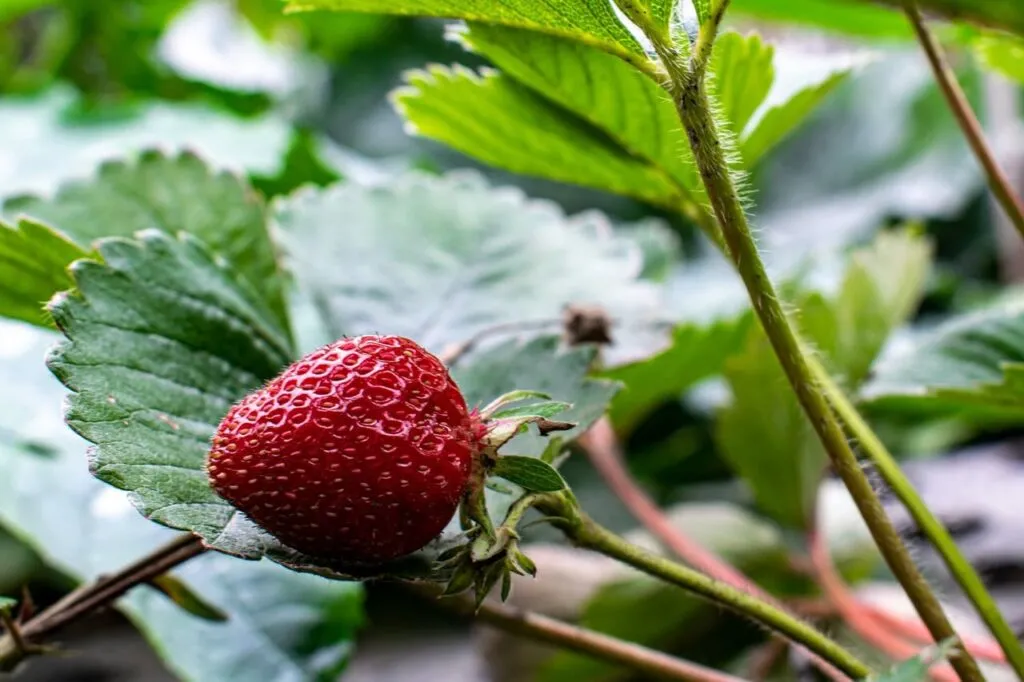
Cambridge Favourite is a reliable and flavourful variety available as bare root plants, whilst Honeoye offers an earlier crop. Growing in raised beds or containers significantly reduces slug damage, which is always worth considering if your garden has a slug population (and every UK garden does).
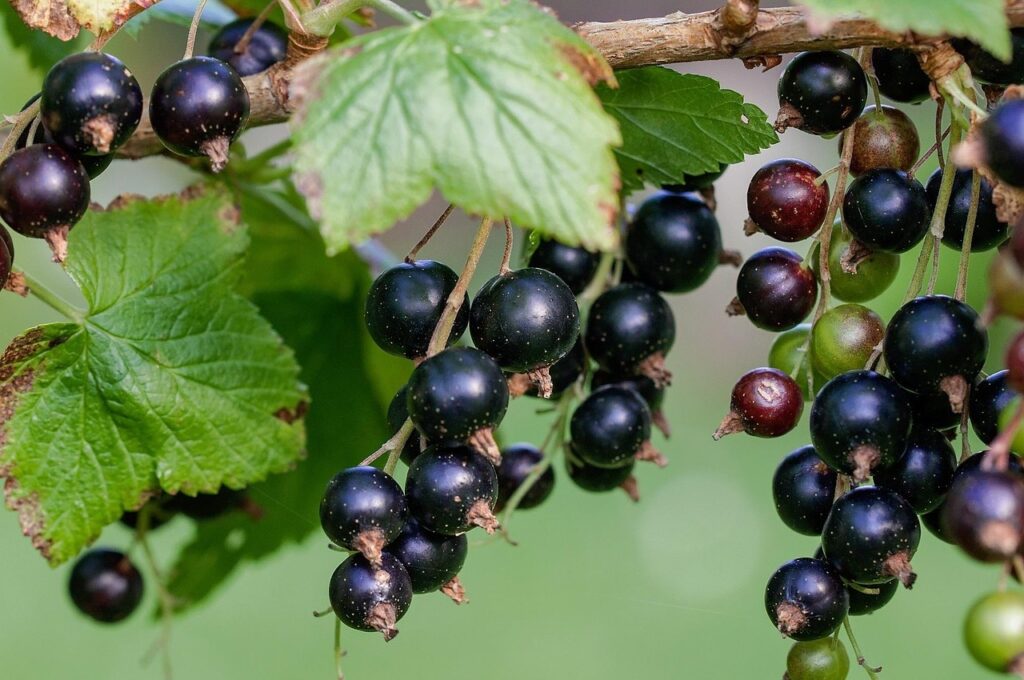
March is a good time to plant container-grown soft fruit bushes such as blackcurrants, redcurrants, whitecurrants, and gooseberries if you have not already done so earlier in the season. Look out for potted specimens at garden centres and online. Raspberry canes can also be planted now if they are still dormant.
All of these soft fruits are remarkably easy to grow and reward handsomely with very little ongoing effort once established. Ben Connan blackcurrant is a compact, high-yielding variety well suited to smaller gardens and containers.
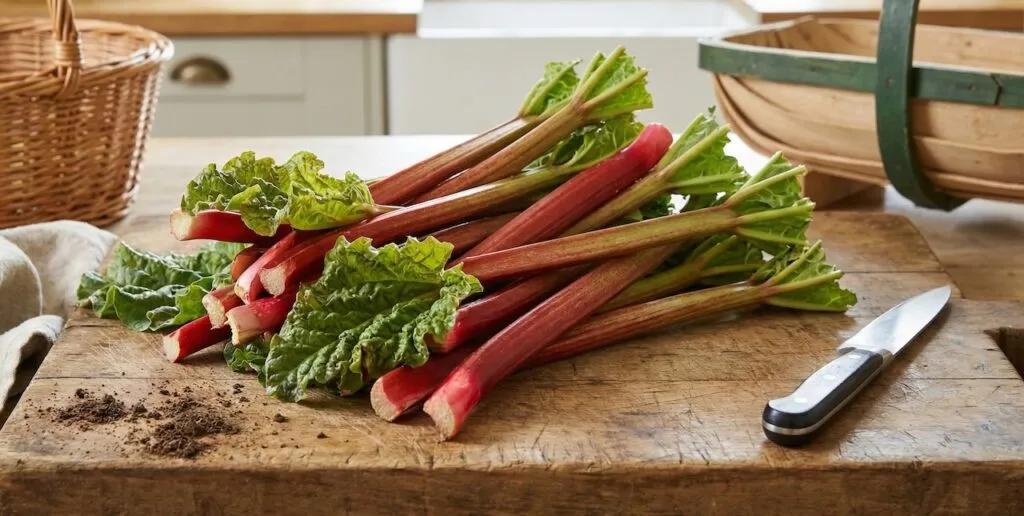
If you want to start a new rhubarb bed, March is an excellent time to plant crowns into rich, fertile soil. Rhubarb is one of the most low-maintenance edible crops you can grow and, once established, will produce reliably for decades.
Dig in plenty of well-rotted manure or compost before planting, as rhubarb is a hungry feeder. Plant with the growth buds just at or slightly above soil level. Do not pull any stems in the first year; let the plant build up its strength. Timperley Early is the variety I would always recommend first, cropping earlier than almost any other and producing beautiful pink stems with outstanding flavour. I have had this for years here at Garden Ninja HQ, and its namesake comes from Manchester, which is a double bonus for us northern garden designers!
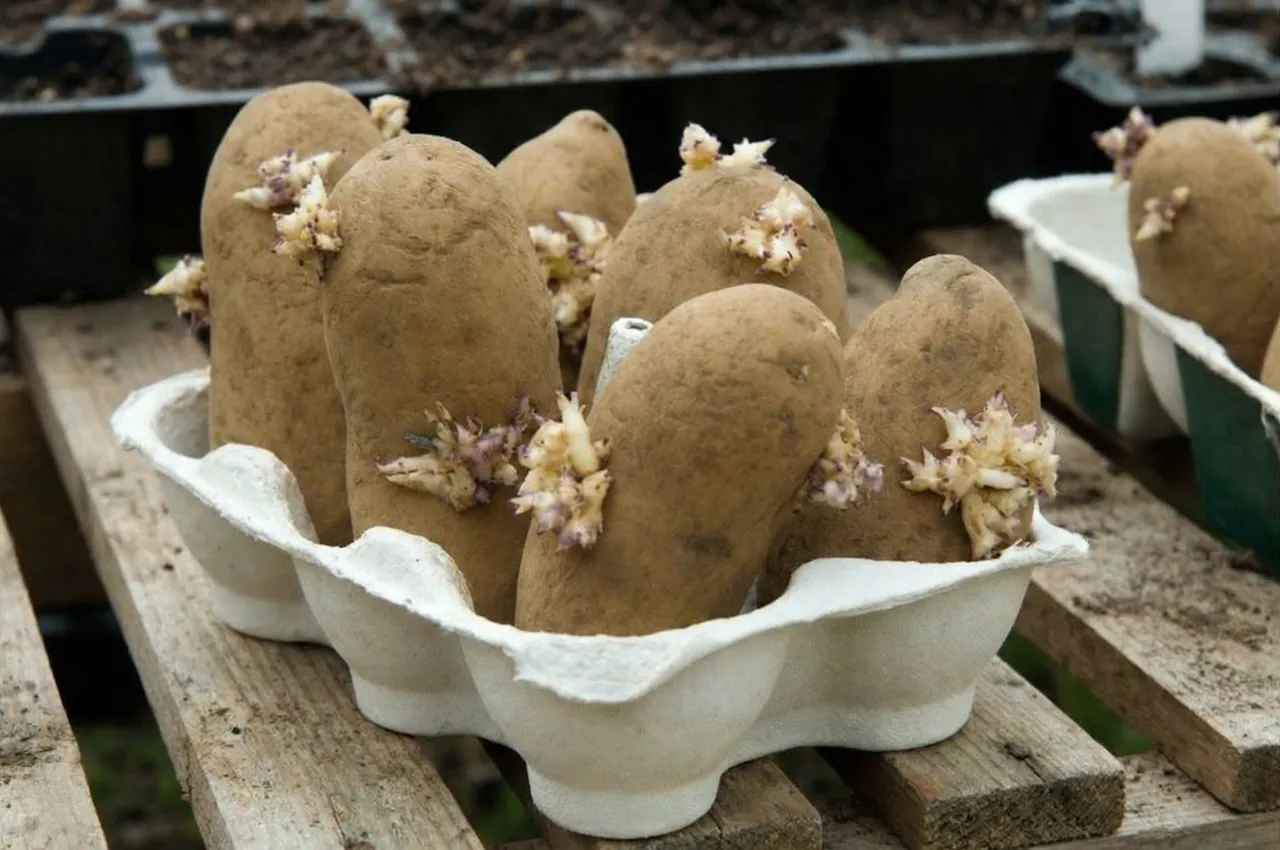
Potatoes deserve their own section in March because they are among the most exciting things on the growing calendar right now. If you have been chitting your seed potatoes since late January or February, they should by now have developed short, stubby, dark green or purple shoots, and they are ready to go into the ground.
Chitting simply means encouraging your seed potatoes to sprout before planting. You do this by placing them in a cool, light, frost-free location (an unheated spare room or porch works brilliantly) in egg boxes or seed trays, with the Rose end (the end with most eyes) facing upwards.
The short shoots that develop during chitting give the plant a head start when it goes into the ground, leading to earlier, often heavier harvests. It genuinely makes a difference and takes absolutely no effort beyond remembering to do it.
First early potatoes can gbe plantedin sheltered gardens in southern England. from mid March In the north of England or at higher altitudes, I would wait until late March or even early April. The soil needs to be workable and ideally 7 degrees Celsius or above.
If late frosts are forecast after planting (and in March they very often are), have some fleece on hand to throw over the emerging haulms if they poke through the soil before the cold spell passes. A hard frost can blacken young potato shoots, though it rarely kills the plant entirely,y as new shoots will emerge.
Garden Ninja Tip: Plant first early potatoes in a trench about 12cm deep with 30cm between tubers and 60cm between rows. Cover with soil and mound up slightly. As the shoots grow, draw soil up around them (earthing up) to protect them from frost and increase the yield. In containers, plant with 10 to 15cm of compost below the tuber and keep adding compost as the plant grows to maximise yield.
For first earlies, Duke of York, Foremost, and Casablanca are all reliable performers. If you want something with a bit more flavour and novelty, Arran Pilot or Charlotte give excellent results. Maincrop varieties like King Edward, Desiree, and Maris Piper can be chitted now if you have not started yet; they are ready for planting from April onwards.
March is a lovely month to get yourherbsb growiny, both under cover and, for the hardier ones, outside. Herbs are one of those crops that people underestimate from a growingperspectivew, but which reward handsomely once established and producing.
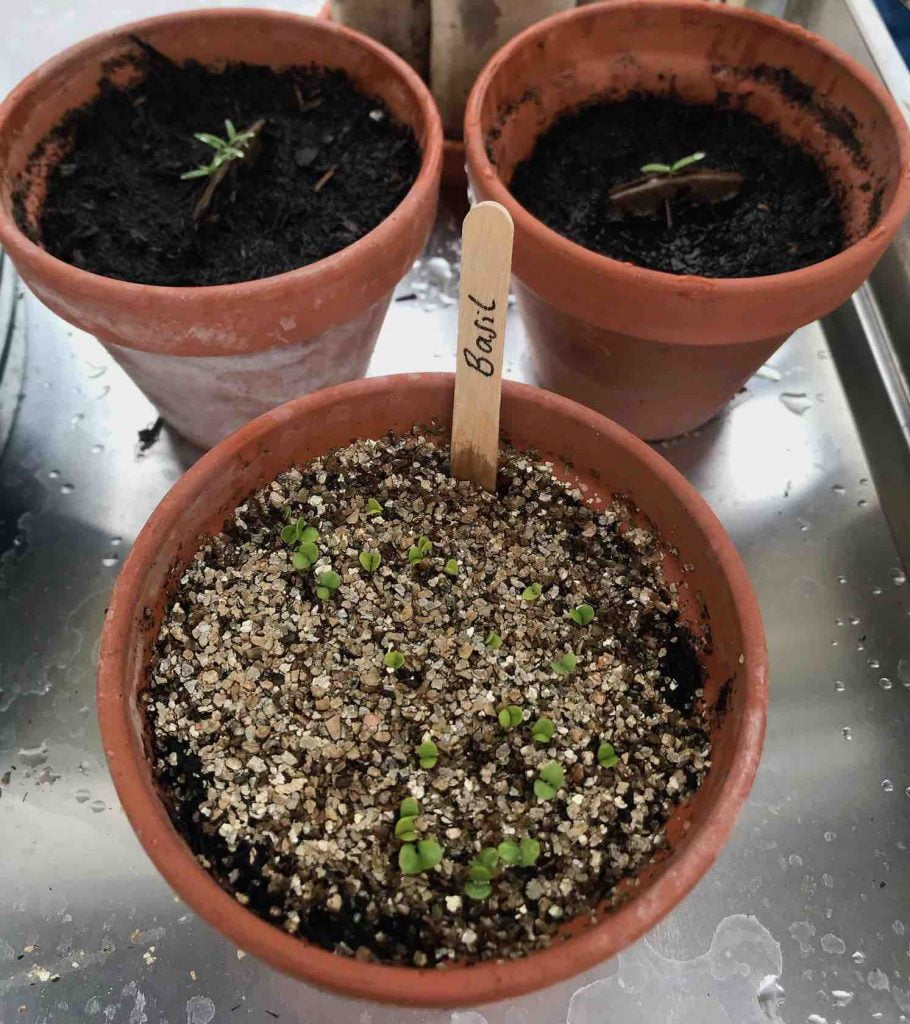
Basil is one of the most useful kitchen herbs imaginable. Still, it is fundamentally a tender plant that loathes cold and will sulk or die if temperatures drop below about 10 degrees. Start it now in a heated propagator or on a warm windowsill and keep it indoors or in a heated greenhouse until all risk of frost has well and truly passed.
Sow thinly in small pots or modules and thin or prick out once seedlings are large enough. Sweet Genovese is the classic Italian variety, and Lemon Basil is a wonderful alternative with a more citrussy fragrance.
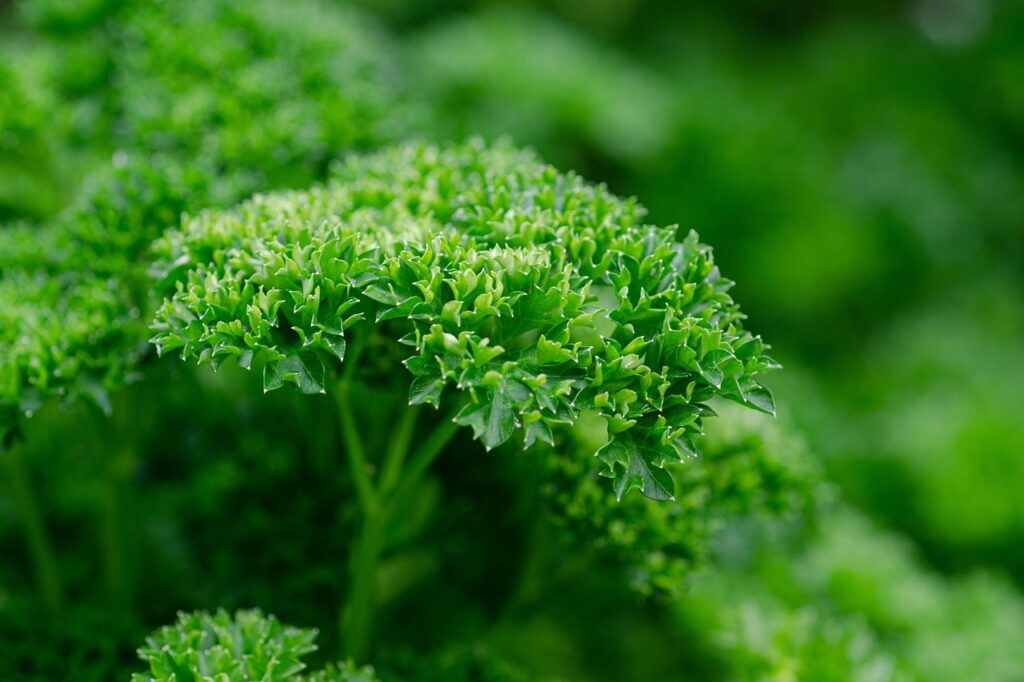
Parsley can be started indoors or in a cold greenhouse from March. It is famously slow to germinate (sometimes taking three to four weeks) but well worth the wait. Soaking the seed overnight in warm water before sowing can speed things up. Flat leaf parsley has better flavour; curly parsley is more ornamental but still perfectly useful. Once germinated, parsley is tough and can be planted outside from May onwards.
Chives are one of the most reliable herbs you can grow from seed and can be started indoors now or sown outside under a cloche from late March. Chive seeds are inexpensive, and a single sowing gives you a clump that comes back year after year.
Sow a pinch into a module filled with peat-free compost, keep moist, and do not bother thinning; they are perfectly happy growing in a clump. Chive flowers later in the season are loved by pollinators and are edible themselves. A pot of chives on a kitchen windowsill is one of the simplest things you can do to improve your cooking year-round.
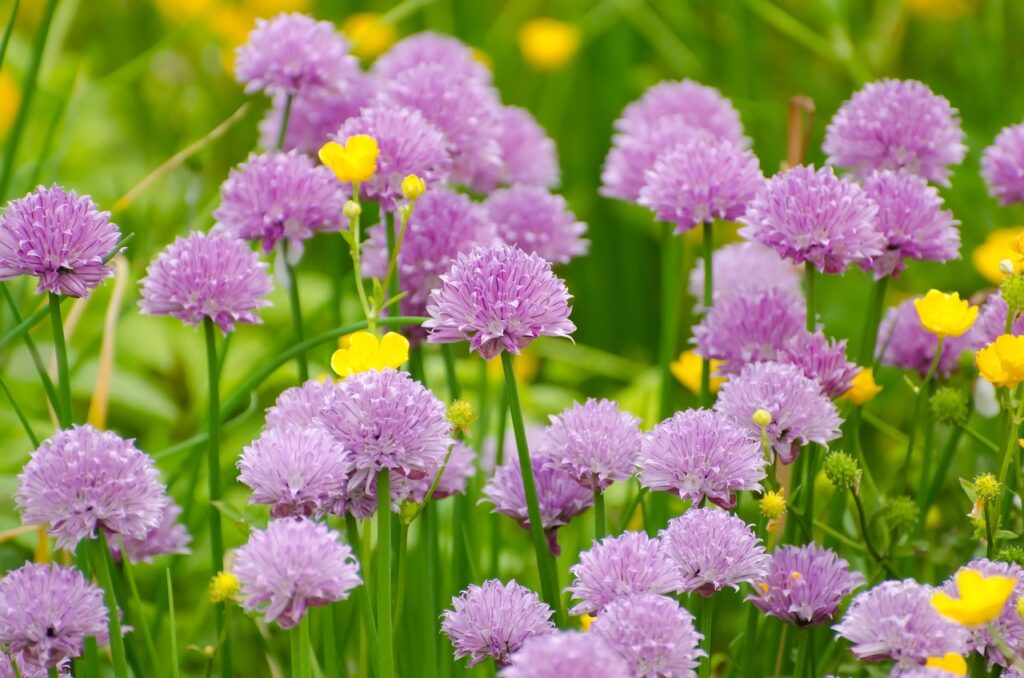
I have chives planted all through my cottage garden and Exploding Atom Garden. Not only are they cheap as chips, but they’re perennial, so they come back year after year, offering pops of pink pom pom flowers to the garden, nectar for bees, and edible stems for us!
Both can be started in March, though I would suggest starting them under cover initially and transplanting them outside in May. Dill Bouquet is a compact, slow-bolting variety well suited to UK growing, whilst Coriander Leisure is specifically bred to resist bolting and provides a longer, leafy harvest before it rushes to flower. Both tend to bolt to seed quickly in hot weather, so successional sowing every three to four weeks will give you a longer harvest period. Sow into modules rather than a seed tray, as both dislike root disturbance.
Established perennial herbs like rosemary, thyme, sage, and mint will be waking up now. Give them a light tidy, remove any dead or damaged material from winter, and feed with a general-purpose fertiliser. Mint is best divided now if it has become congested; dig up the clump, split it, and replant the vigorous outer sections. It will romp away through the growing season.
Beyond the sowing and planting, March is also a month for getting the garden infrastructure in order. These tasks pay dividends throughout the rest of the growing season.
If you are planning to sow directly outside, now is the time to prepare your seedbeds. Fork over the soil to break up compaction, remove any perennial weeds by hand (do not rotavate ground with established perennial weeds, as this simply chops them into pieces that each regrow), and rake to a fine crumbly tilth. Do not work the soil when it is wet and sticky; wait for it to dry out a little before raking. Adding a layer of well-rotted garden compost or manure before forking in is never wasted effort.

March is the month to prune your roses if you did not get to it in February. Cut Hybrid teas and floribundas hard back, removing dead, diseased, or crossing branches and reducing the remaining stems to roughly a third of their height. Prune to an outward-facing bud to encourage an open, well-ventilated shape. Climbing roses should have their oldest stems removed entirely and newer stems tied in. Feed with a Rose specific fertiliser once pruning is complete, and they will reward you with spectacular summer blooms.
March is genuinely your last chance to prune apple and pear trees before the buds break into leaf. Once a tree is in leaf, summer pruning rules apply. Use sharp, clean secateurs and loppers to remove crossing branches, dead wood, and any rubbing stems. The aim is to create an open, goblet-shaped structure that allows light and air to circulate through the canopy.
Do not be timid about it. A good hard prune now sets the tree up for a productive season.
If the weather and soil conditions allow, March is a good time to mow for the first time this year. Set the blades high (at least 4) for this first cut, as the grass is still waking up, and scalping it now will do more harm than good. You can also start scarifying, aerating, and topdressing if the lawn went through a hard winter. March is not the ideal month for lawn repairs, but any bare patches can be overseeded now with good results.
This is one March task I wish I could avoid mentioning, Ninjas, but here we are. As the soil warms up, slug and snail populations wake up with considerable enthusiasm, and they are particularly damaging at this time of year when there are lots of tender young seedlings around.
Set up physical barriers, such as copper tape, around raised beds; use biological controls (nematodes can be applied now when soil temperatures are above 5 degrees); or apply iron-based slug pellets, which are safer for wildlife and pets than older metaldehyde products. Going out at night with a torch and physically removing slugs is unglamorous but genuinely effective if you can face it.
March is a brilliant time to divide clumps of herbaceous perennials that have become congested or are flowering less freely than they used to. Hostas, Heleniums, Rudbeckias, Asters, and Sedums all benefit greatly from being lifted, split, and replanted ever3ee t4ur years. Dig up the entire clump, separate it into smaller pieces either by hand or using two forks back to back, and replant the vigorous outer sections in freshly improved soil. This is essentially free plants for nothing, and it is one of the most satisfying garden tasks going.
Any plants overwintered in a greenhouse or polytunnel, along with any perennials waking up in the garden, will benefit from a feed now that growth is resuming. A balanced general-purpose fertiliser, applied as a liquid feed or as slow-release granules scratched into the surface around plants, will help them grow strongly from the outset. Fruit trees, roses, and hungry feeders like dahlias will all appreciate the attention.
If you have not already cleaned your greenhouse from winter, March is an important time to do so before it fills up with seedlings. Wash down the glass or polycarbonate panels with dilute garden disinfectant to improve light transmission and remove any overwintering pests or diseases. Clean pots, seed trays, and propagators before use. A clean, well-organised greenhouse at the start of the season makes everything that follows much easier and more enjoyable.
Sowing and Planting
Garden Tasks
In the UK, particularly across the north of England and Scotland, frost can and does occur well into April and sometimes May. Always have horticultural fleece to hand in March and April to throw over vulnerable plants if a cold night threatens. Young potato haulms, tender seedlings, and newly planted strawberries are all vulnerable. A frost cloth stored in the shed is one of the most useful bits of kit a March gardener can have.
Ready to elevate your gardening beyond basic tasks and seed sowing this March? My comprehensive online courses provide the expertise to transform you from enthusiastic beginner to confident garden creator.
With courses starting from just £29, you gain access to award-winning design knowledge.
For the garden you’ve already got, not the one you’re starting from scratch. Seven checklists and video lessons from BBC Garden Rescue’s Lee Burkhill, built to help you work out what’s worth keeping before you spend a penny.
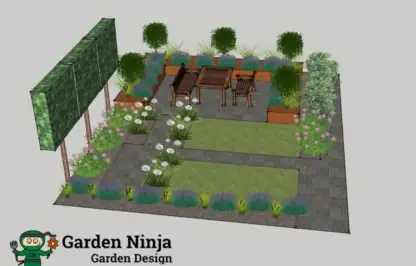
Garden Design Examples for Small Gardens: 30 Design Templates & Planting Plans: In this online gardening course, I’ll walk you through 30 fantastic garden designs, explaining the logic behind the layout, the plant choices, and take-home tips for applying them in your own garden.
Learn how to transform and design your own garden with Lee Burkhills crash course in garden design. Over 5 hours Lee will teach you how to design your own dream garden. Featuring practical design examples, planting ideas and video guides. Learn how to design your garden in one weekend!
Garden Design for Beginners Online Course: If you want to make the career jump to becoming a garden designer or to learn how to design your own garden, this is the beginner course for you. Join me, Lee Burkhill, an award-winning garden designer, as I train you in the art of beautiful garden design.
March is the month when gardening shifts from theory to practice. All that planning you did over winter, all those seed catalogues you pored over, all those notes you made, they all become real in March. There is something genuinely thrilling about the first seed tray of tomatoes sitting on the windowsill, or the first row of broad beans pushing up through the soil, or those potato shoots breaking the surface for the first time.
The key to a successful March is matching what you grow to the conditions you have available. If you have a heated greenhouse and propagator, you can get a huge amount underway. If you are working purely with outdoor space and a cold frame, you still have brilliant options. Work with your conditions rather than against them, and you will be amazed at what this month can deliver.
The garden is waking up, Ninjas. Let us make the most of every single day it gives us!
Happy Growing, Ninjas!



Lee Burkhill, known as the Garden Ninja, is an award-winning garden designer and horticulturist with over 30 years of gardening experience and 15 years as a professional garden designer. A qualified RHS (Royal Horticultural Society) professional, Lee specialises in sustainable garden design and practical horticultural advice. He designs and presents on BBC1’s Garden Rescue and in leading gardening publications. Lee combines three decades of hands-on gardening knowledge with professional design qualifications to help gardeners create beautiful, functional outdoor spaces.
View all posts by Lee Burkhill







JOIN THE NINJAS

Be the first in line for new Guides, Discount codes and Offers