For the garden you’ve already got, not the one you’re starting from scratch. Seven checklists and video lessons from BBC Garden Rescue’s Lee Burkhill, designed to help you decide what’s worth keeping before you spend a penny.
69


Quick Answer
A low maintenance, high impact garden comes from smart plant choices, generous spacing, evergreen structure and hard landscaping doing the heavy lifting, not from filling every gap with plants that need constant attention. Combine drought tolerant perennials, a thick mulch layer, and a proper maintenance schedule, and you get a garden that looks designed rather than merely tolerated.
Are you dreaming of a stunning garden that doesn’t require endless hours of toil and trouble? You’re not alone. Many garden enthusiasts are embracing the concept of low maintenance, high impact garden designs. Though most guides for a low maintenance garden only show boring, shrub heavy gardens that are less than inspiring for homeowners. I will spill the secrets of a low maintenance yet high impact garden with you in this guide.
I’ve been designing gardens professionally for over 15 years now, and low maintenance is by far the most requested brief I get from clients, whether they’re a young family with no spare weekends or someone downsizing later in life who simply wants to enjoy their garden rather than be enslaved by it. The good news is that low maintenance and high impact aren’t opposites. Some of the most striking gardens I’ve designed require barely more than a spring tidy and a couple of hours a month once established. The trick is front loading the thinking, choosing the right plants and structure at the design stage, so the garden looks after itself for the rest of the year.
These high impact gardens offer beauty, tranquillity, and a place to escape without demanding an all consuming commitment. In this blog post, we’ll unveil the secrets to creating a garden that looks incredible but won’t leave you exhausted. Let’s dive into the world of high impact garden design with minimal maintenance.
Jump To
This page contains affiliate links for products I use and love. If you take action (i.e. subscribe, make a purchase) after clicking a link, I may earn some gardening commission, which helps me keep the Garden Ninja Blog free for all.
Choosing the right plants is the first step in crafting a low-maintenance, high-impact garden. This is achieved with perennial plants that come back year after year and offer a long period of interest.
You’re looking for perennial plants that have:
Opt for native or drought-tolerant species that are well suited to your local climate and soil conditions. These plants have evolved to thrive in your area, which means they require less water, fertilisation, and care overall.
Choosing plants that are naturally suited to your region reduces the need for extensive maintenance, and it also means that wildlife is used to foraging on these plants. The honey bees and insects know how to get to the pollen and nectar. It’s less of a risk for a gardener, and you know that these plants will do well in your area.
An excellent way to find out what will thrive in your garden is to take a peek at neighbouring gardens. What flowers the longest? Are there plants you frequently see in local gardens that always do well? Take some pictures or make some notes to potentially include these in your garden.
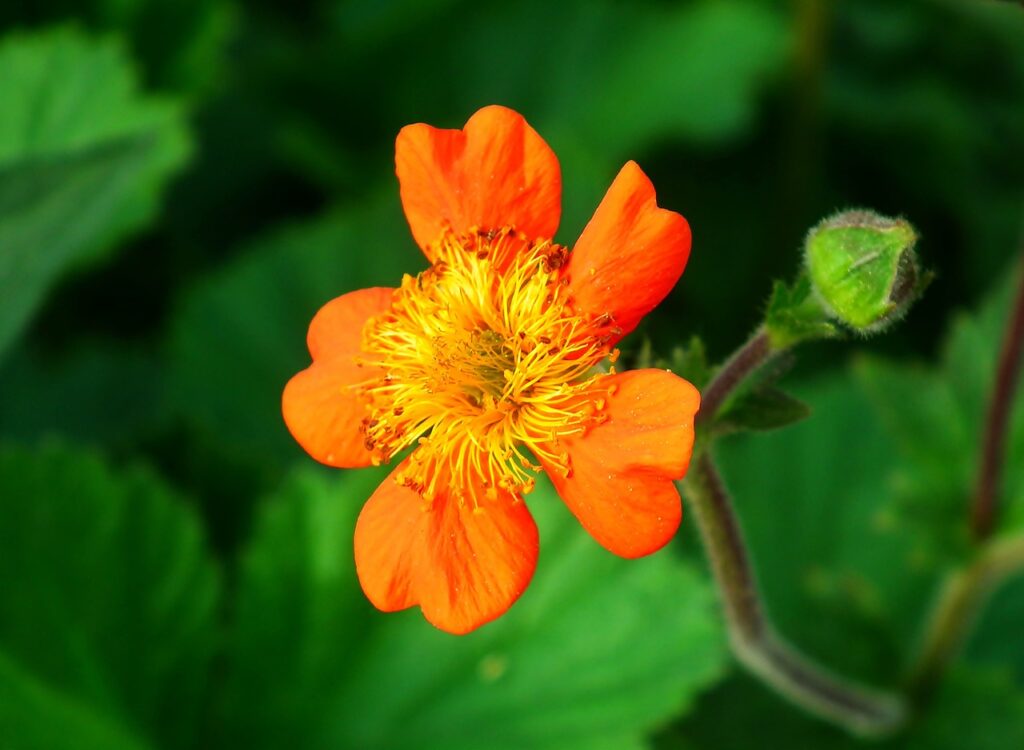
This is one I return to on client gardens constantly, and it’s a genuine low-maintenance workhorse. Geum ‘Totally Tangerine’ produces warm tangerine orange flowers on tall, wiry stems from May right through to October, one of the longest flowering windows of any hardy perennial I use. It’s an RHS Plants for Pollinators variety, so it’s earning its keep for the bees and looking good.
🛒 Buy Geum ‘Totally Tangerine’ from Amazon UK
Proper spacing is crucial for a low-maintenance garden. Many gardeners pack their gardens full of plants so that they look full straight away. This may be the fault of garden makeover shows.
The main issues with overplanting a garden are:
Overcrowding can increase competition for plant resources, such as sunlight, water, and nutrients. This can result in stunted growth and an increased risk of disease. Ensure you follow the recommended spacing guidelines for each plant, and consider the plants’ mature size when arranging them in your garden. Adequate spacing allows for healthy growth, good air circulation, and less maintenance in the long run.
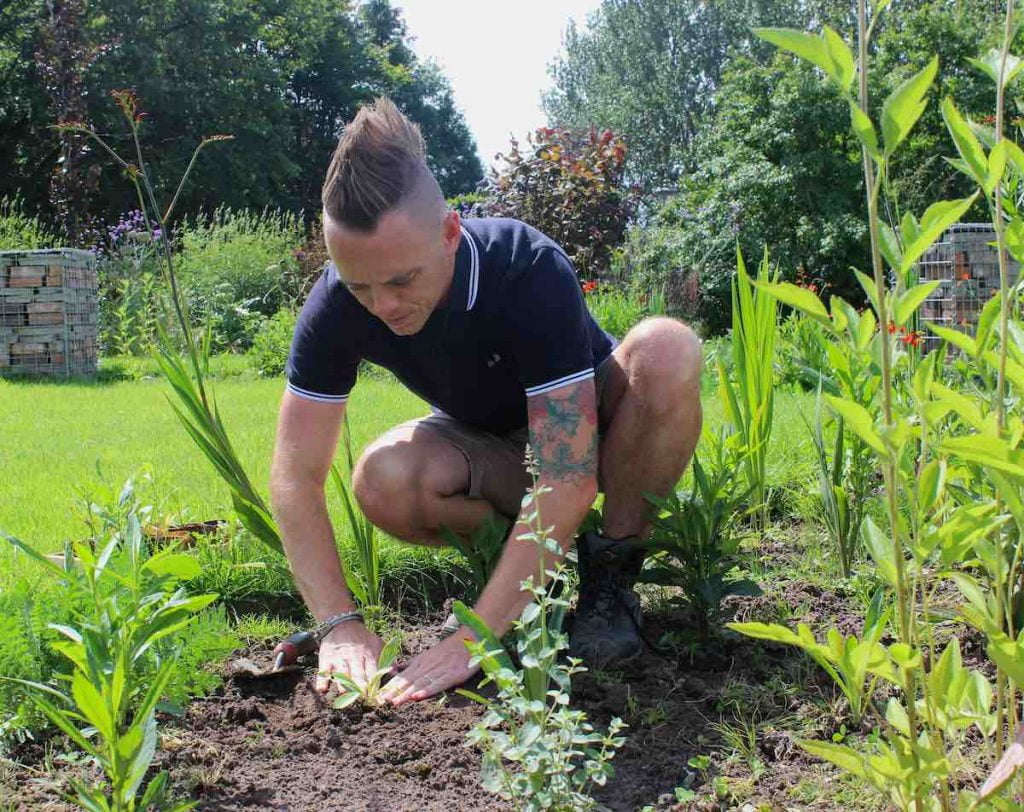
Always find out the ultimate height and spread of any plants you’re putting in and space them accordingly.
Hardscaping elements like pathways, patios, and retaining walls add structure and elegance to your garden and reduce the amount of green space that requires maintenance. These relatively low-maintenance features can help define different areas of your garden, creating a sense of order and design.
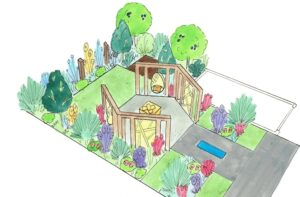
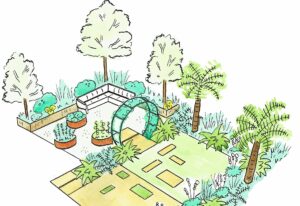
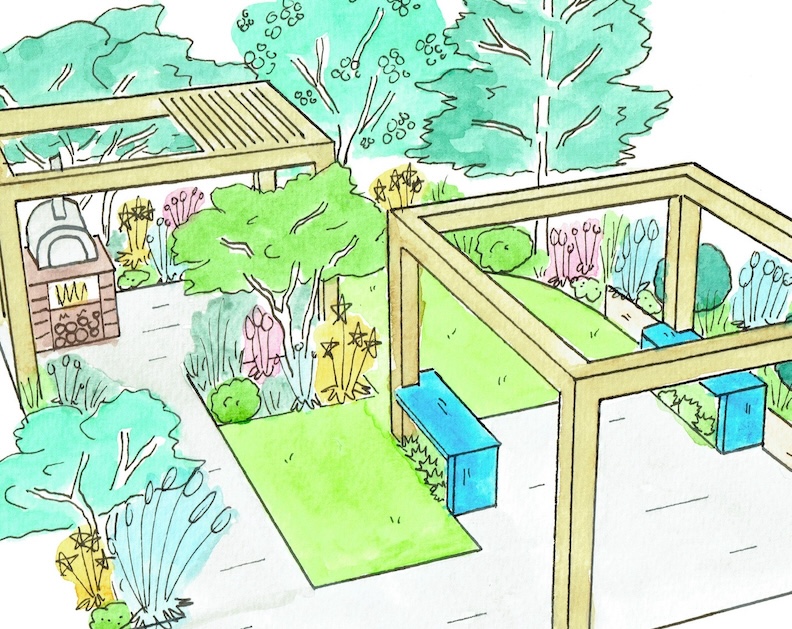
If you don’t have the time for a lawn or mowing it, then why not remove it altogether and have a patio or seating area there instead, surrounded by deep, lush borders? Look at my design below, using gravel, a rendered raised bed and a patio to keep maintenance to a minimum. It’s still full of plants for interest but far lower maintenance.
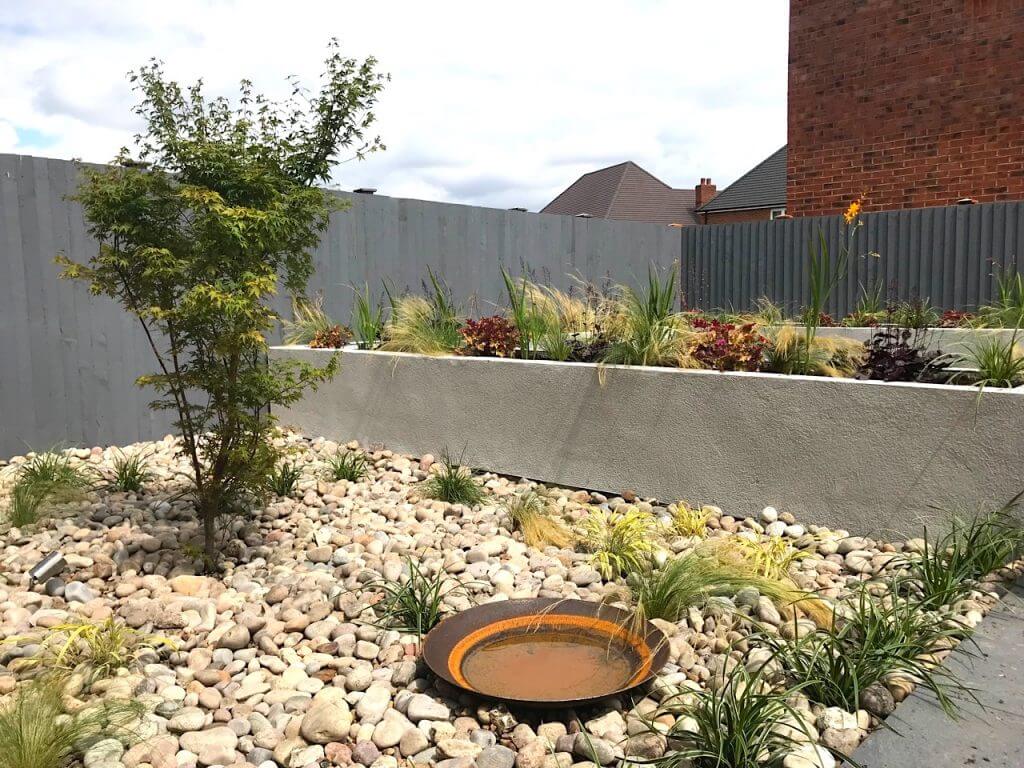
Hard landscaping can also add year-round structure to the garden so that even in the winter months, something is holding the design together. In comparison, a garden with only a lawn and skinny flower beds can soon look barren and messy in the winter.
One thing worth planning for now is drainage. Permeable paving, resin-bound gravel and open-jointed natural stone all let rainwater soak away naturally rather than running off into drains, which matters more each year as UK summers swing between drought and sudden downpours. It’s a small specification detail at the design stage that saves you dealing with puddling or a boggy patio further down the line.
Hard landscaping offers low-maintenance because:
The RHS has been championing gravel gardens for low-maintenance planting for years, and it’s a technique I use more and more on client projects, particularly on sunny, free-draining sites. Rather than digging individual planting holes into soil, you plant directly through a deep gravel mulch, which suppresses weeds, keeps roots cool, and gives that relaxed, self-seeded look that Mediterranean and prairie style gardens do so well.
Gravel gardens work as low-maintenance planting because:
The one job a gravel garden does need is an annual top-up, since the gravel layer thins over time as it settles and gets walked on, but that’s a far cry from a weekly weeding session on a traditional border.
Perennials are the backbone of low-maintenance gardens. These hardy plants return year after year without the need for replanting and often bulk up in the first 2 to 3 years, filling out in the garden. They offer a reliable source of colour and beauty, so you won’t have to dedicate time and effort to seasonal planting using annual plants that only live one year.
Herbaceous perennials also offer:
Select a mix of perennials that bloom in different seasons to ensure continuous visual interest and a thriving garden. This is also known as succession planting, where you plan your garden to have flowers that flower each month of the summer throughout the garden. So, as one finishes flowering, another one takes over.

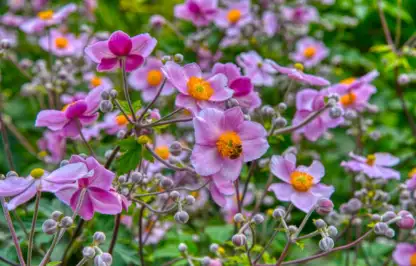
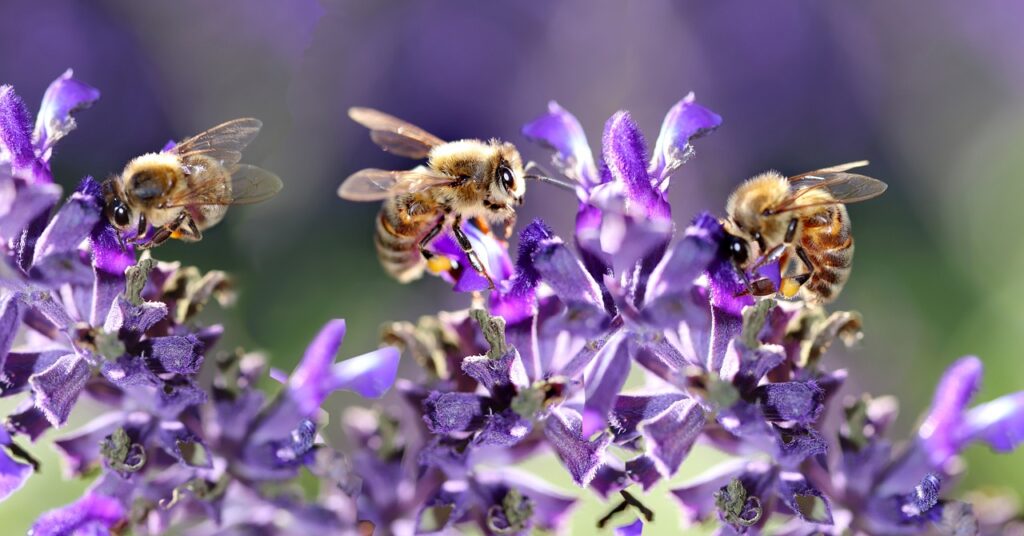
I’ve lost count of the number of client gardens I’ve planted this in; it’s one of the hardest-working perennials in my toolkit. Deep violet purple flower spikes rise from near black stems from early summer right through to autumn, and it’s an absolute bee magnet, which is exactly what you can see happening in the photo below on one of my own borders.
🛒 Buy Salvia nemorosa ‘Caradonna’ from Amazon UK
If you want to find 15 slug proof herbaceous perennials, the video below shows you what to pick for a low maintenance garden.
Ornamental grasses are one of the most underused tools for low-maintenance impact, and I say that as someone who uses them in nearly every design brief now. They add movement, sound in the wind, and texture that static shrubs simply can’t offer, and the vast majority need nothing more than a single cutback in late winter or early spring.
Ornamental grasses earn their place in a low-maintenance garden because:
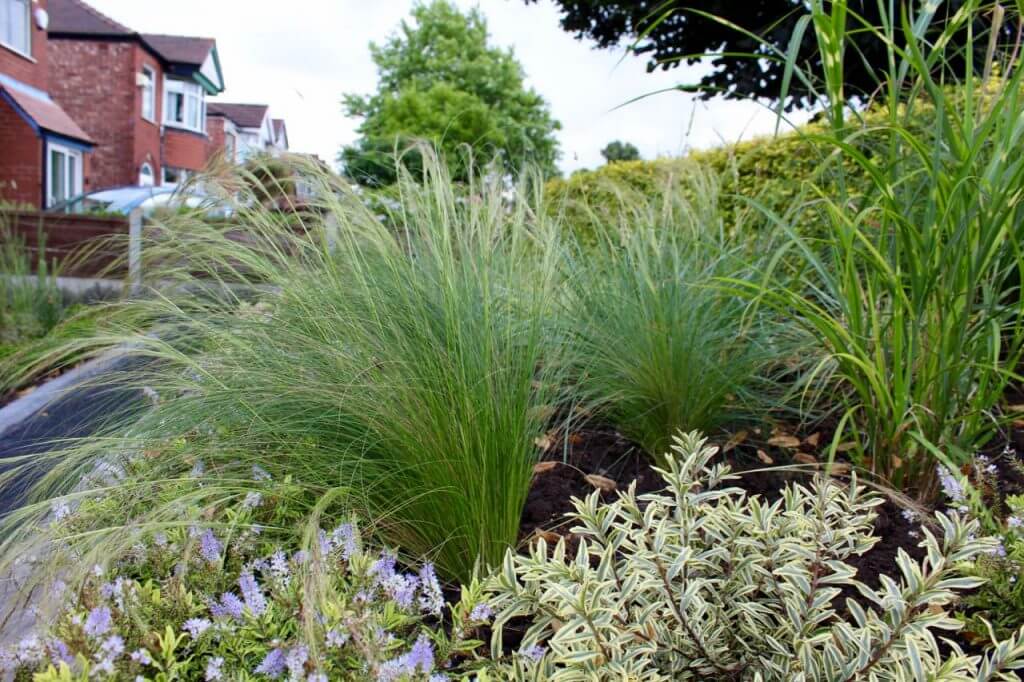
This is my go-to grass for softening hard landscaping and gravel gardens alike. Its fine, hair-like foliage moves in even the gentlest breeze, turning from fresh green in spring to a soft golden buff by late summer. It truly doesn’t need cutting back most years, just a gentle comb through with your fingers in spring to remove any dead growth.
🛒 Buy Stipa tenuissima ornamental grass from Amazon UK
Evergreen plants ensure that your garden maintains colour and visual interest, even during winter when deciduous trees and shrubs have shed their leaves. This year-round beauty is especially valuable in regions with cold winters, where gardens can otherwise appear barren and dull. These forms, whether shrubs or trees, will act as punctuation in the garden, bridging the gap between herbaceous perennials, fences, structures or paths.
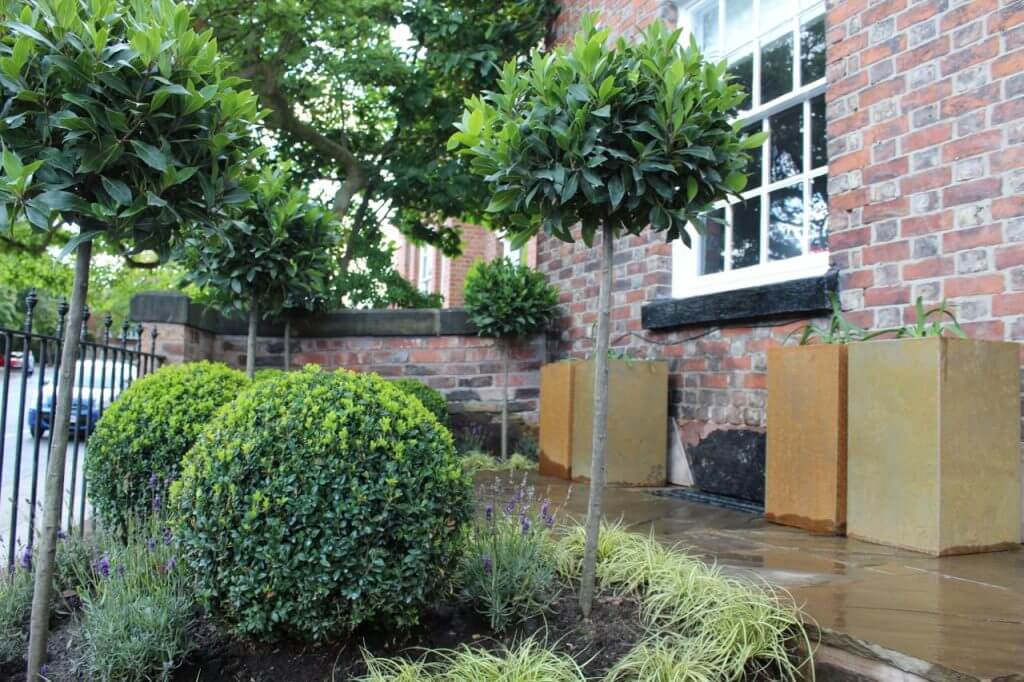
Evergreen shrubs and trees keep a garden low-maintenance because:
Evergreen trees and shrubs offer shelter and nesting sites for birds and other wildlife. They contribute to your garden’s biodiversity by attracting a variety of species, enhancing your overall gardening experience.
Many evergreen plants are super low maintenance, other than a clip or prune once or twice a year. They require less pruning and cleanup than deciduous plants that shed leaves in the autumn or need pruning three or four times a year in comparison. This can save you time and effort in garden maintenance.
Mulch is a gardener’s ally in the battle against weeds and the struggle to conserve moisture. A layer of organic mulch, such as peat free compost, wood chips or shredded bark, helps to suppress weeds by blocking sunlight and creating a physical barrier. It also reduces water evaporation from the soil, so you’ll spend less time watering. As the mulch decomposes over time, it enriches the soil with organic matter, improving its quality.
Mulching reduces maintenance by:
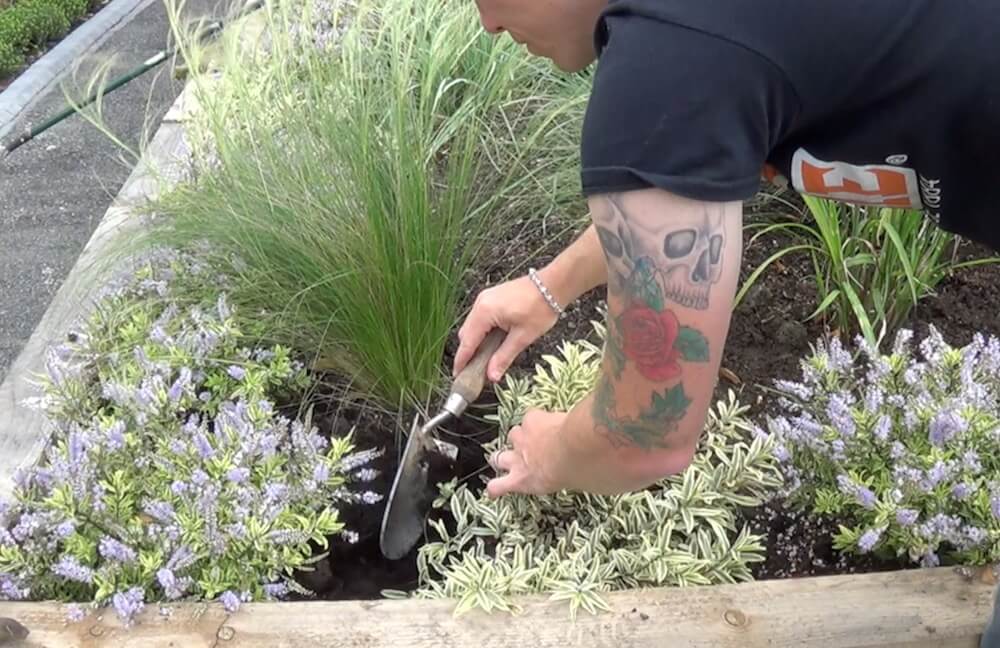
🛒 Buy peat free mulching compost from Amazon UK
Minimalist garden design not only provides an elegant and contemporary look but also reduces the need for intricate designs and complicated maintenance tasks. Simple lines, geometric shapes, and a restrained colour palette are hallmarks of minimalist garden design. This approach keeps the garden uncluttered, making it easier to maintain and enjoy without being overwhelmed by complex layouts and features.
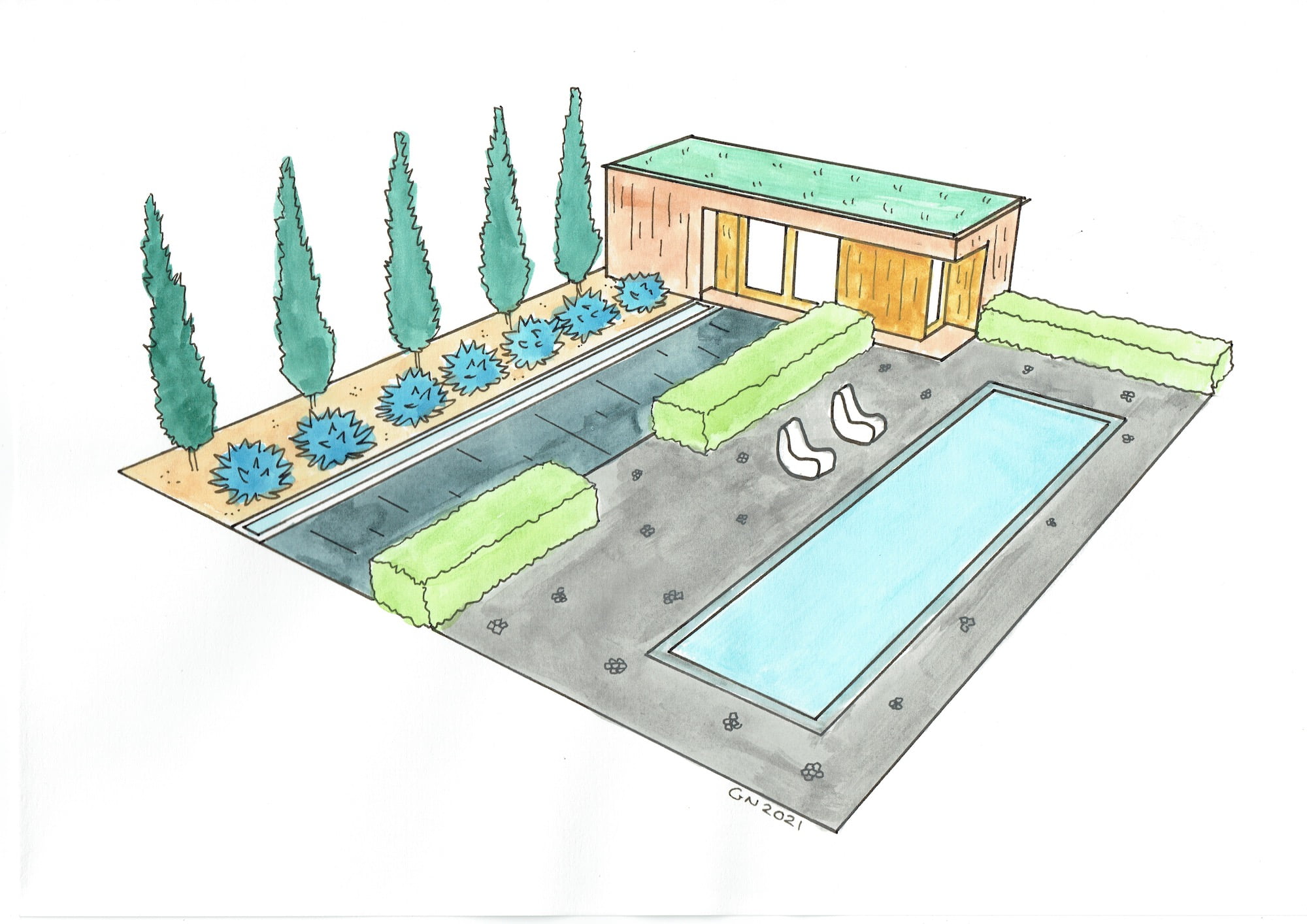
By doing a few things well in garden design, we can keep the look of the garden cleaner and also reduce maintenance. I always advise clients, even in small gardens, to go big with a few key features rather than lots of smaller ones. It makes the garden feel bigger and have more impact.
Minimalist garden design is achieved by:
High-quality organic soil is the foundation of a thriving, low-maintenance garden. By treating soil like you would your prize roses or plants, you can drastically reduce the amount of garden maintenance by reducing the need to water and feed your garden. The good news is it’s really simple to achieve.
Good quality soil includes:
Incorporate organic matter and compost into your soil to enhance its fertility, structure, and water holding capacity. Healthy soil results in healthier, more resilient plants that are better equipped to withstand environmental stressors.
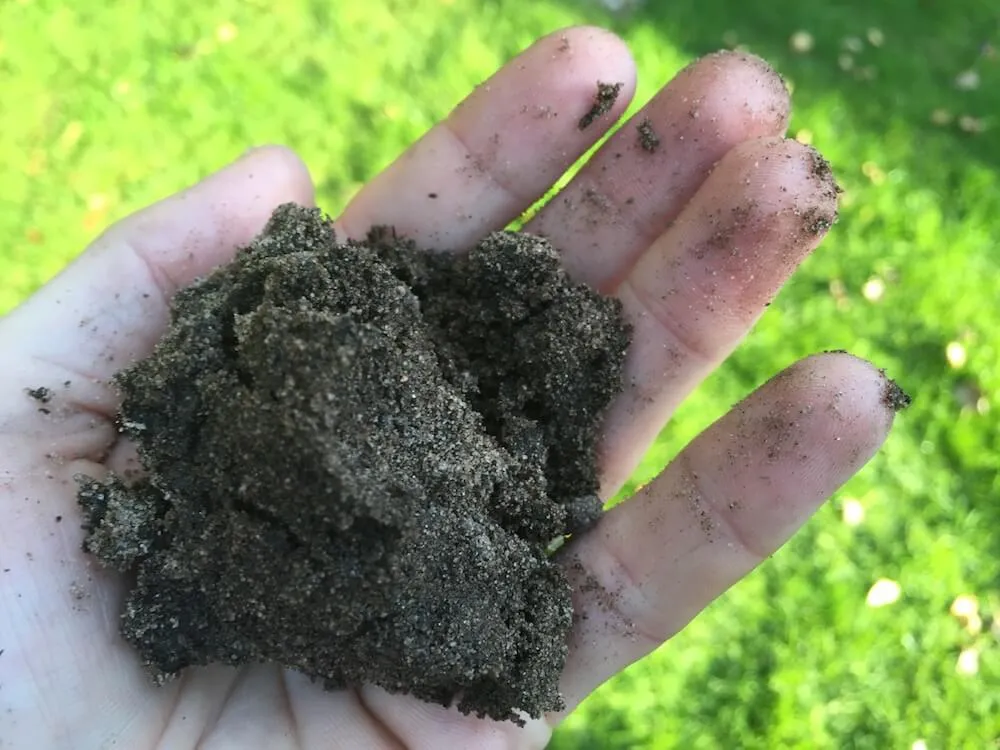
By applying a no-dig method other than to get the plants in, the soil will look after itself. All it needs is a yearly mulch of quality organic matter, and you can let the earthworms, bacteria and other soil life work it into the soil structure, opening up the soil, making it more moisture retentive and less fudgy to plant into.
Regular pruning and deadheading (removing spent flowers) are simple yet highly effective tasks in maintaining your garden’s visual appeal. Deadheading encourages new blooms and keeps the garden looking fresh by directing energy back into new flowers rather than the plant producing seeds.
Pruning controls plant size and shape while removing dead or diseased growth. When done routinely, these tasks are quick and easy, preventing the need for major, time-consuming garden overhauls. It’s always better to prune most plants in winter to keep them in good shape. Winter pruning also means you can see the structure of the plant and where to make the necessary cuts.
🛒 Buy Felco 2 secateurs from Amazon UK
Consider installing a drip irrigation system or soaker hoses to water your garden efficiently. These systems deliver water directly to the root zone of your plants, reducing water wastage and minimising manual watering. Automation ensures your garden receives the right amount of moisture consistently, taking the guesswork out of irrigation and saving you time and effort.
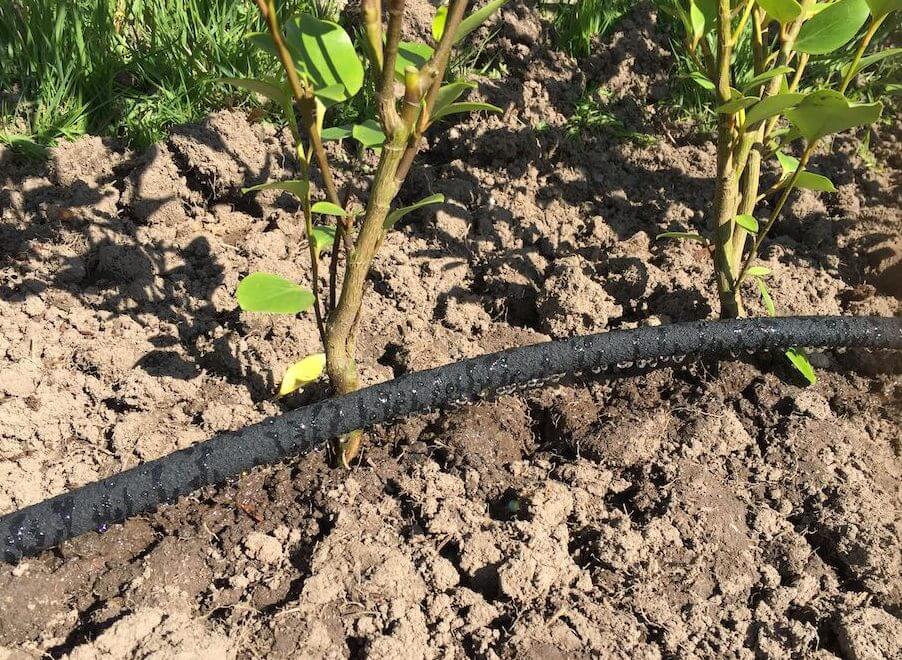
🛒 Buy a soaker hose drip irrigation kit from Amazon UK
It means you can spend less time out watering and more time enjoying the garden. For most gardens, outside hot countries or arid places, you only need irrigation for the first year or two until things become established. Smart irrigation controllers, which use soil moisture sensors or local weather data to decide when to water, are becoming properly affordable now too, and they take even more of the guesswork out by skipping a scheduled watering if it’s just rained.
Garden Irrigation tips:
Creating a maintenance schedule is essential for staying on top of garden care. This schedule should include regular tasks such as lawn cutting, mulching, weeding, and pruning. Regular, smaller efforts are easier to manage than sporadic, overwhelming garden overhauls. A well-planned schedule keeps your garden looking its best year-round with less stress. It’s better to do an hour of gardening a week than a full day once a month or an entire weekend every few months.
Reducing how often you mow is another simple win. The RHS have long recommended leaving areas of lawn to grow longer between cuts, or even leaving a strip unmown between spring and autumn, which cuts your mowing time while also giving pollinators somewhere to forage. It doesn’t need to be the whole lawn; mowing a path through longer grass gives it a deliberate, designed look rather than appearing neglected.
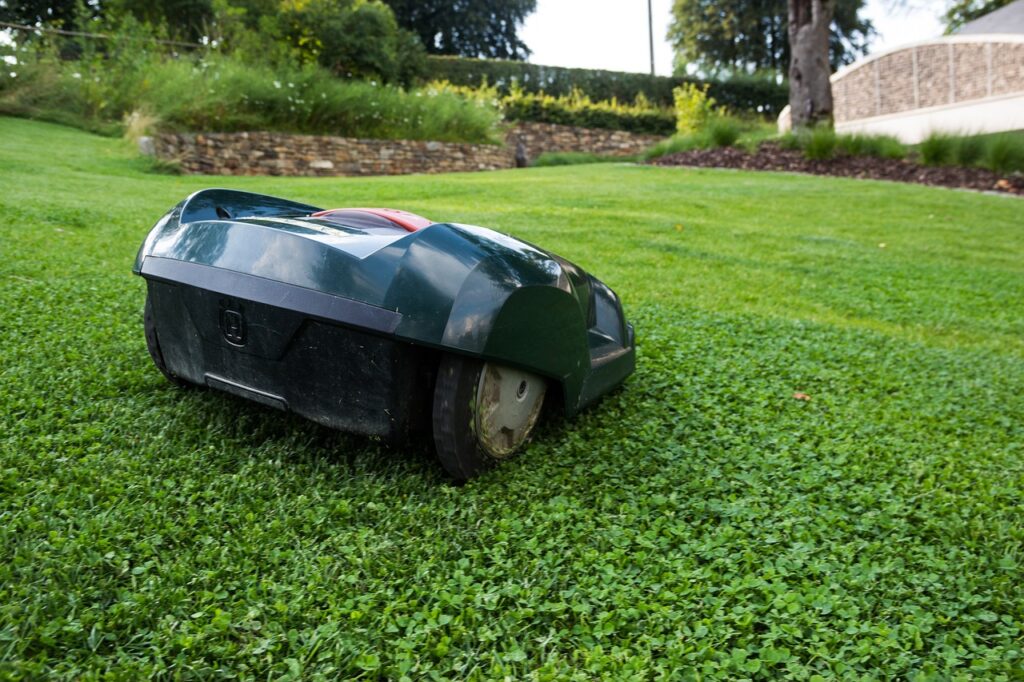
🛒 Buy a robot lawn mower from Amazon UK
By understanding which parts of the garden need the most maintenance, you can focus on them and allow other areas to naturally do their thing. Divide and conquer, Garden Ninjas.
Maintenance tips:
Preventing pests and diseases is far easier, and far less time-consuming, than dealing with an infestation once it takes hold. Choosing disease-resistant plant varieties from the outset, spacing plants properly for airflow, and encouraging natural predators all reduce how much intervention your garden needs.
Simple ways to reduce pest and disease pressure:
A truly low-maintenance garden doesn’t mean a low-impact one for wildlife either. Leaving a log pile in a quiet corner, letting a patch of lawn grow long, or including native hedging alongside your ornamental planting all support the birds and insects that, in turn, keep pest numbers naturally in check for you.
Stop dreaming about stunning gardens and start designing them. Lee Burkhill’s online garden design courses are your shortcut from complete beginner to confident designer, all from the comfort of your sofa.
For the garden you’ve already got, not the one you’re starting from scratch. Seven checklists and video lessons from BBC Garden Rescue’s Lee Burkhill, designed to help you decide what’s worth keeping before you spend a penny.
Garden Design Examples for Small Gardens: 30 Design Templates & Planting Plans: In this online gardening course, I’ll walk you through 30 fantastic garden designs, explaining the logic behind the layout and plant choices, plus take-home tips for applying them in your own garden.
Learn how to transform and design your garden with Lee Burkhill’s crash course in garden design. In over 5 hours, Lee will teach you how to design your dream garden. Featuring practical design examples, planting ideas and video guides. Learn how to design your garden in one weekend!
Garden Design for Beginners Online Course: Want to become a garden designer or design your own garden? This beginner course is for you. Join me, Lee Burkhill, an award-winning garden designer, as I train you in the art of beautiful garden design. Enjoy 20 hours of online study and video lessons, along with quizzes and a completion certificate.
Yes, and this is the biggest myth to dispel. A garden with strong hard landscaping, evergreen structure, and a handful of well chosen, long flowering perennials looks considered and designed, not stripped back. The impact comes from getting the bones of the design right, not from how many plants you cram in.
Gravel gardens combined with hard landscaping and evergreen structure require the least ongoing input. Drought tolerant plants grown through a gravel mulch suppress weeds themselves, need minimal watering once established, and largely maintain their own shape.
A well designed low maintenance garden can often get by on an hour or two a week during the growing season, plus a proper tidy in spring and autumn. This assumes the plant choices, spacing and hard landscaping have been thought through at the design stage rather than retrofitted later.
Not necessarily. Reducing how often you mow, letting sections grow longer, or mowing a path through a wilder area all cut maintenance without removing the lawn entirely. Full removal in favour of paving or gravel is only worth it if you honestly don’t use or want a lawn.
Drought tolerant perennials like Salvia and ornamental grasses like Stipa tenuissima, evergreen shrubs, and hardy geraniums are among the lowest maintenance options, needing little more than an annual cutback and occasional deadheading rather than regular attention.

Join over 100,000 gardeners on YouTube
Free gardening videos from the Garden Ninja, with 8 million views and counting.
Subscribe on YouTube, it’s freeCreating a low-maintenance, high-impact garden is entirely achievable with the right approach and a little planning at the outset. By selecting the right plants, embracing hardscaping, mulching effectively, and following a well planned maintenance schedule, you can enjoy a beautiful garden that requires less time and effort while still delivering that wow factor when you step outside.
None of the fourteen ideas in this guide needs doing all at once. If you’re starting from scratch, get the hard landscaping and structural evergreens right first, since everything else builds on that foundation. If you’re refining an existing garden, start with mulching and plant spacing; they’re the quickest wins for the least effort. Embrace these secrets, and you’ll be well on your way to a garden that’s not only visually stunning but also easy to maintain, giving you more time to savour the beauty of your outdoor sanctuary rather than being enslaved by it.
Make sure you visit my YouTube channel for more gardening guides. You can also check out my Tweet, Facebook or Instagram for more garden help and tips.
Happy Gardening.


Lee Burkhill, known as the Garden Ninja, is an award-winning garden designer and horticulturist with over 30 years of gardening experience and 15 years as a professional garden designer. A qualified RHS (Royal Horticultural Society) professional, Lee specialises in sustainable garden design and practical horticultural advice. He designs and presents on BBC1’s Garden Rescue and in leading gardening publications. Lee combines three decades of hands-on gardening knowledge with professional design qualifications to help gardeners create beautiful, functional outdoor spaces.
View all posts by Lee Burkhill






JOIN THE NINJAS
Be the first in line for new Guides, Discount codes and Offers