Lee Burkhill: Award Winning Designer & BBC 1's Garden Rescue Presenters Official Blog
Beginner level
When summer ends it can feel like your garden grinds to a sudden halt. Where did all the colour go? Have all the flowers finished? As a beginner gardener the sudden end to the gardening year can be disappointing. But did you know there are plenty of autumn flowering perennials and shrubs that can extend the gardening season? I show you my must have top 20 autumn plants to keep your garden looking amazing for longer!
As the summer fades and the days get shorter, your garden doesn’t have to lose its vibrancy or beauty. By using plant species that flower in late summer and autumn, you can extend the gardening season through what we designers call ‘succession planting’ into September, October, and even November. For beginner gardeners, it’s a perfect season to start learning how to extend your garden’s season beyond spring and summer. My expert guide is going to show you why autumn is a fantastic time to enjoy the beauty of late-flowering plants, with 20 fall favourites of mine.
With some Garden Ninja guidance, you can easily grow an autumn display of beautiful, coloured plants that keep your garden interesting well into the cooler months. So, let’s dive into the top 20 autumn flowering plants that are easy to grow and guaranteed to bring a burst of life to your garden, Ninjas!
1. Asters, now known as Symphyotrichum (Michaelmas Daisy)
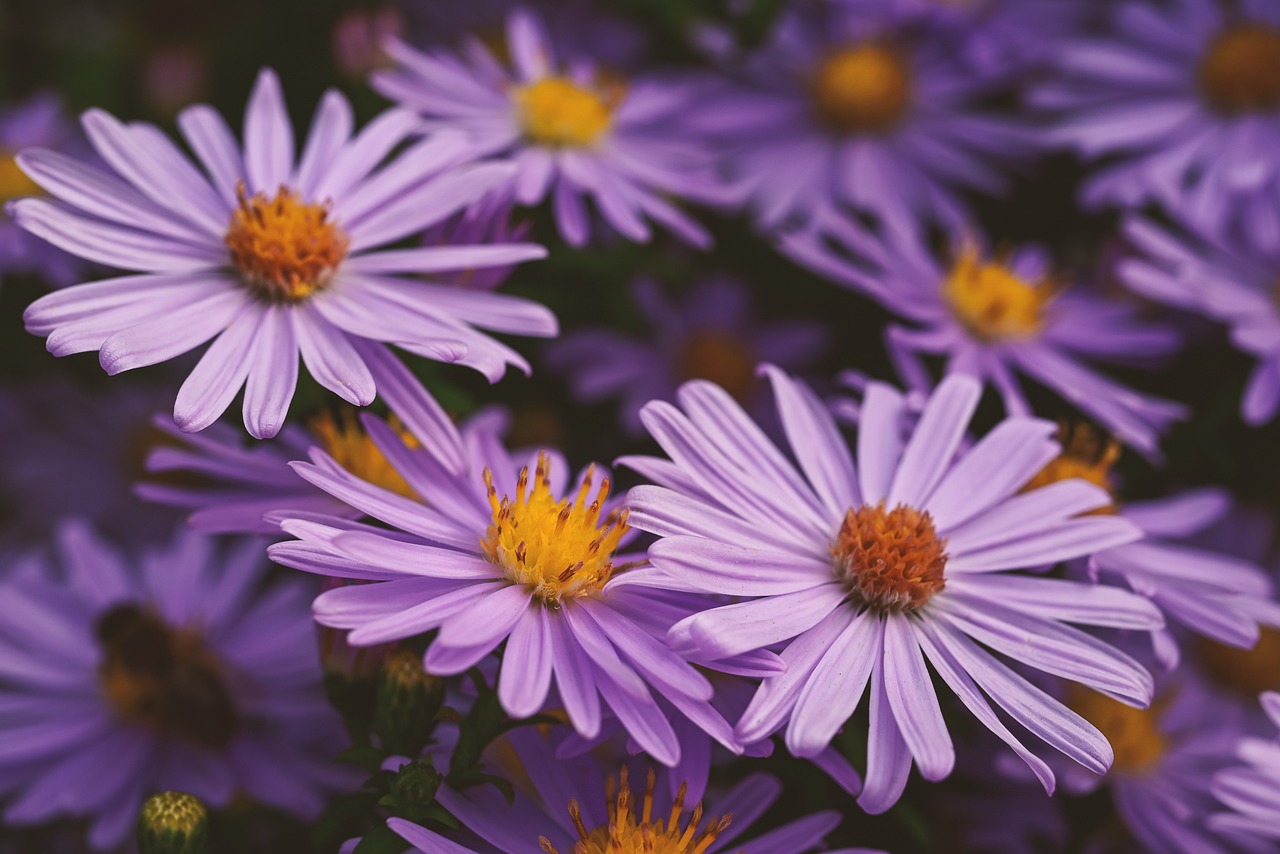
Asters are classic autumn bloomers and I have so many different types here at Garden Ninja HQ. With daisy-like flowers that add a pop of purple, blue, pink, or white to your garden, they bring one last hooray to the garden. They’re particularly loved by pollinators like bees and butterflies, to which they provide later-season nectar and pollen. Asters are great for any beekeeper to ensure their hives have enough stores to survive the winter.
Asters grow well in full sun to partial shade and prefer well-drained soil. Being a woodland plant, they can cope with being planted in shade near a wall or somewhere damp, too. So let their original native habitat guide you, especially in compact urban gardens where light levels and low drainage are tricky. These herbaceous perennials will work wonders for those September blooms! Their compact form and long flowering season make them a beginner-friendly plant that can brighten up any border or container. They are not fussy on the soil type, so why not give them a go?
Fully hardy (H7) — survives UK winters with no protection
Height & Spread
30–120cm x 30–60cm depending on variety
Flowering Period
August to November
Best Growing Conditions
Full sun to partial shade, well drained soil, avoid waterlogging
💡 Garden Ninja Top Tip
Divide asters every two to three years in spring to prevent the centre dying out — a common problem known as ‘donut’ habit. Simply dig up the clump, discard the woody middle, and replant the vigorous outer sections. You’ll get more plants for free and far better flowering.
2. Japanese Anemone (Eriocapitella hupehensis)
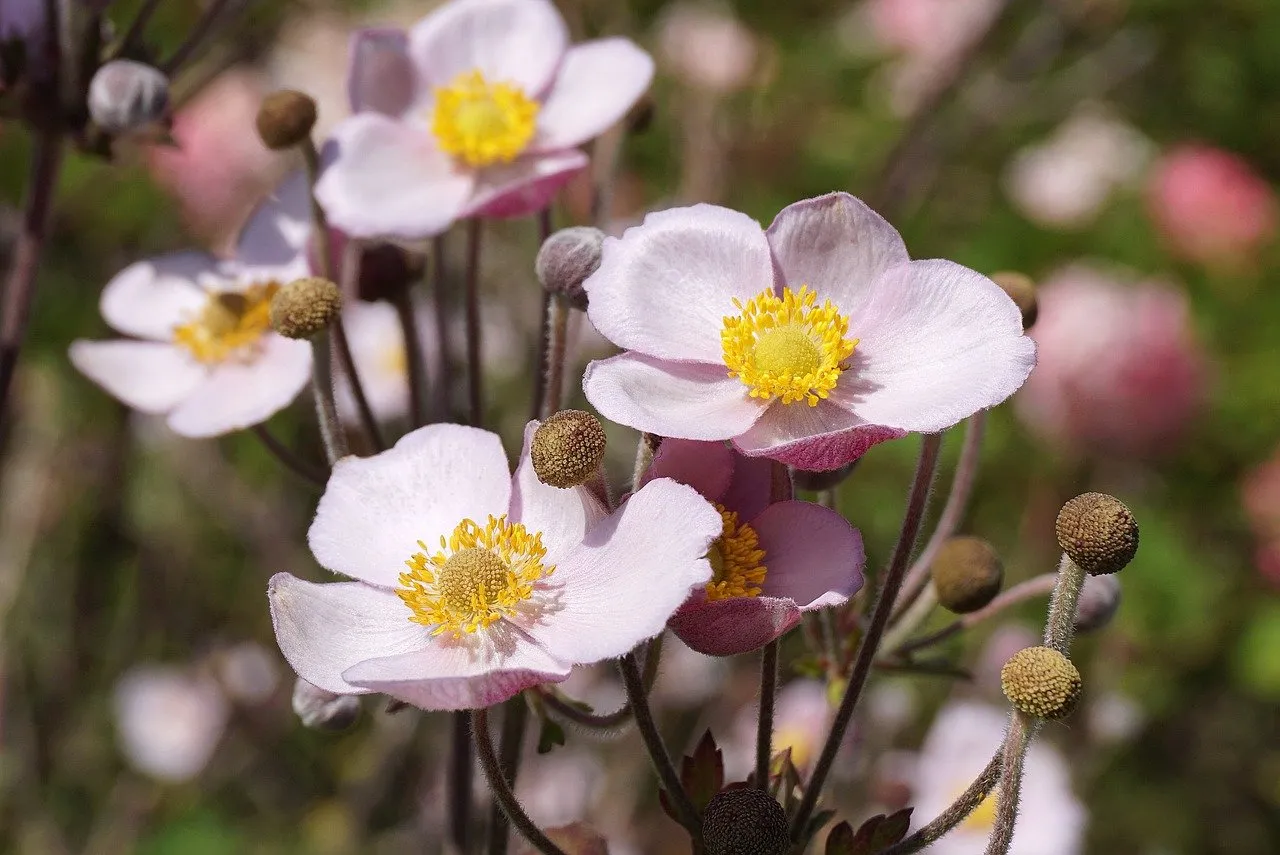
Known for their delicate, papery flowers in shades of pink and white, Japanese Anemones are the stars of the autumn garden. Whilst they look fragile, they are actually incredibly tough and slightly invasive if you’re not careful! Use this to your advantage; if you have a new build garden, heavy clay or poor soil, these plants will survive anywhere.
Japanese anemones originate from China, despite their name. They were first cultivated in Japan, which is how they got their common name. Native to central and western China, these hardy perennials were later introduced to Japan and then spread to gardens worldwide due to their resilience and beautiful autumn blooms.
Japanese Anemones thrive in partial shade, making them ideal for garden areas that might not get full sun. They are fairly low-maintenance once established, though they do prefer moist, well-drained soil. However, as I said, they will tolerate loads of abuse and neglect! My personal favourite variety is ‘Honorine Jobert’ — a stunning single white flower that blooms from August right through to October and gives real drama to a shady border.
Fully hardy (H5–H7) — reliable in all but the coldest UK gardens
Height & Spread
Up to 1.5m x 1m (spreads vigorously once established)
Flowering Period
August to October
Best Growing Conditions
Partial shade, moist well-drained soil, tolerates most conditions
⚠️ Garden Ninja Warning
Japanese Anemones spread by underground runners and can become very invasive in lighter soils. In a small garden, plant them in a buried pot or contained raised bed to prevent them taking over. I learned this the hard way in my own garden — beautiful but persistent!
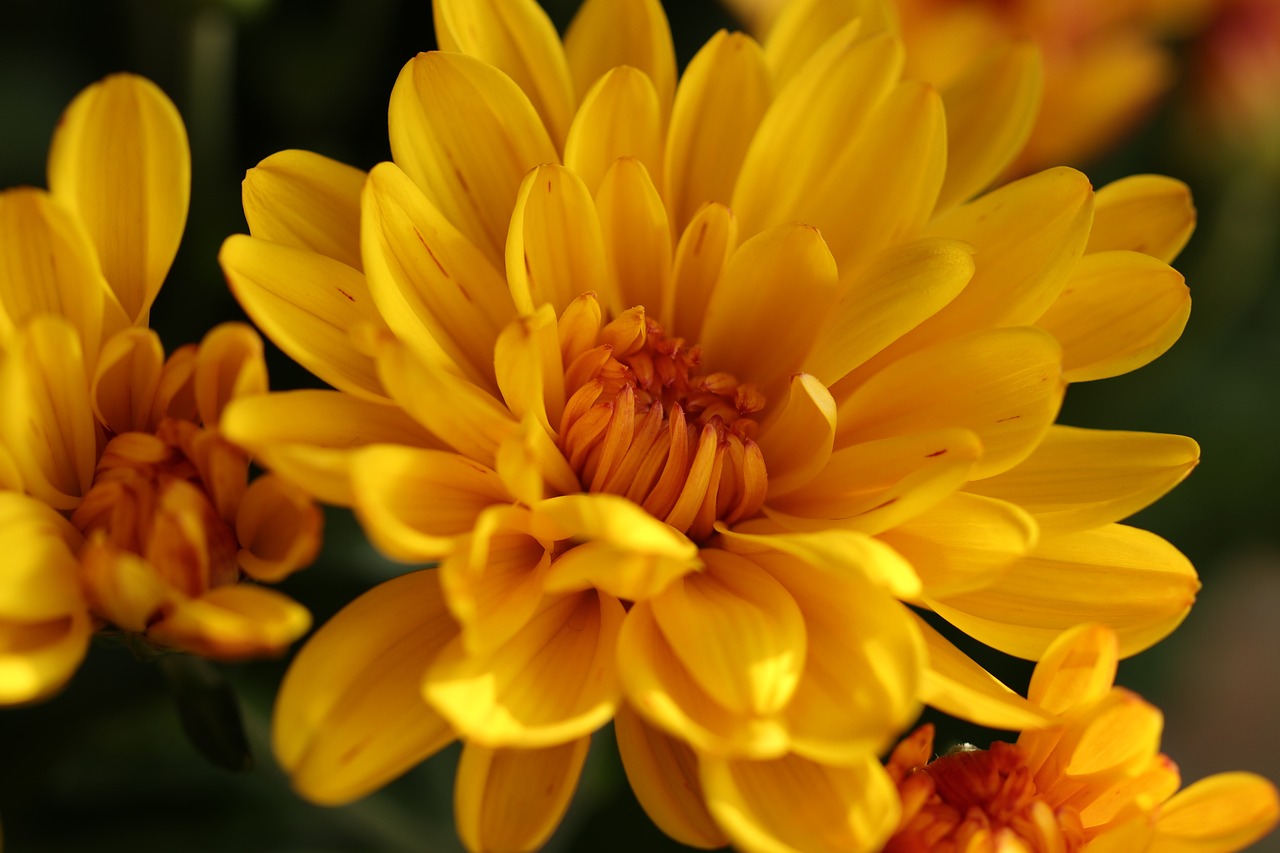
3. Chrysanthemums
Chrysanthemums, or “Mums,” are the quintessential autumn plant. They are ideal for autumn because they thrive in cooler temperatures and shorter days, making them one of the standout plants during the fall season. Chrysanthemum flowers are vibrant and varied, ranging from golds and oranges to deep purples, reds, and whites, providing a burst of colour when many other plants have finished flowering in the garden.
Chrysanthemums are also resilient, capable of withstanding early frosts, and are often long-lasting, maintaining their beauty well into late autumn. Their low maintenance requirements and ability to adapt to different soil types make them perfect for beginner and seasoned gardeners alike. Additionally, they attract pollinators like bees and butterflies, which can extend the life of your garden ecosystem as the season winds down, giving nature a helping hand.
Chrysanthemums are compact, making them great for pots. They prefer full sun and well-drained soil, which is perfect for container gardens. A bit of deadheading will keep them blooming for weeks!
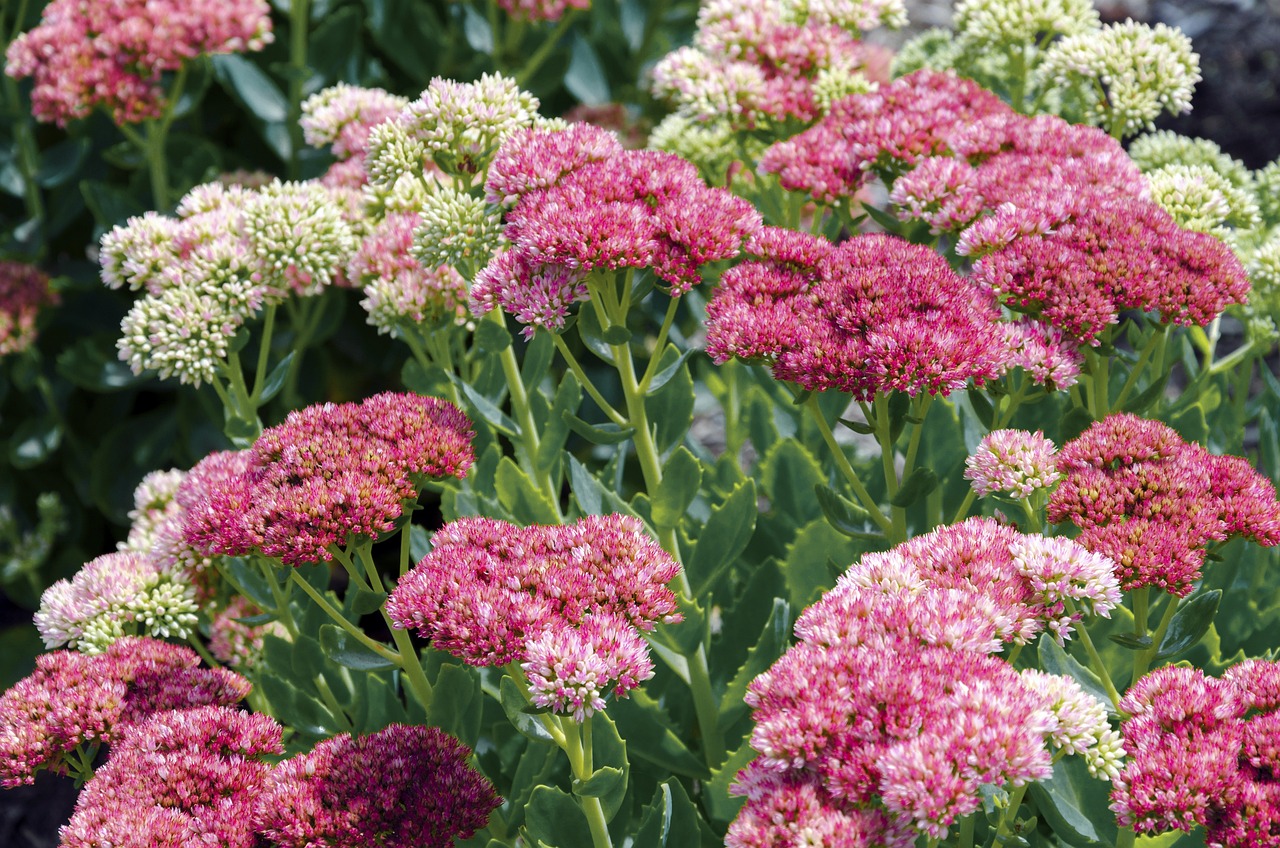
Sedum, also known as the Iceplant or Stonecrop, is a hardy perennial that offers striking pink, red, or white flowers in autumn. Its fleshy, drought-resistant leaves make it easy to care for, making it a go-to plant for beginners. Iceplants originate from East Asia, particularly China, Korea, and Japan. They thrive in rocky, well-drained soils and are well-suited to dry, temperate climates, which contributes to their popularity in gardens worldwide as a drought-tolerant, hardy succulent.
Super easy to propagate by divisions or splitting, this bulletproof plant will enable your garden to carry on showing off well into October. Its umbellifer flowers are also great for both bees and nighttime moths, making it a fab plant to help support wildlife as the gardening year winds down. The variety ‘Autumn Joy’ in particular was highlighted by wildlife expert Professor Dave Goulson as being especially attractive to butterflies fattening up for winter hibernation — a remarkable endorsement from someone who spends their career studying pollinator behaviour.
Sedums thrive in poor soil and need little maintenance, so if you’re new to gardening, this plant is a fantastic addition to your autumn display. Try Sedum ‘Autumn Joy’ seen below for a candy shop blush of pink flowers on icy green leaves.
Fully hardy (H7) — extremely tough, no winter protection needed
Height & Spread
45–60cm x 45–60cm
Flowering Period
August to October
Best Growing Conditions
Full sun, poor to average well-drained soil, drought tolerant once established
💡 Garden Ninja Top Tip
Don’t cut sedum back in autumn — leave the seedheads standing through winter. They look fantastic frosted on a cold morning and provide valuable cover and food for overwintering insects and birds. Cut them back hard to the base in February instead.
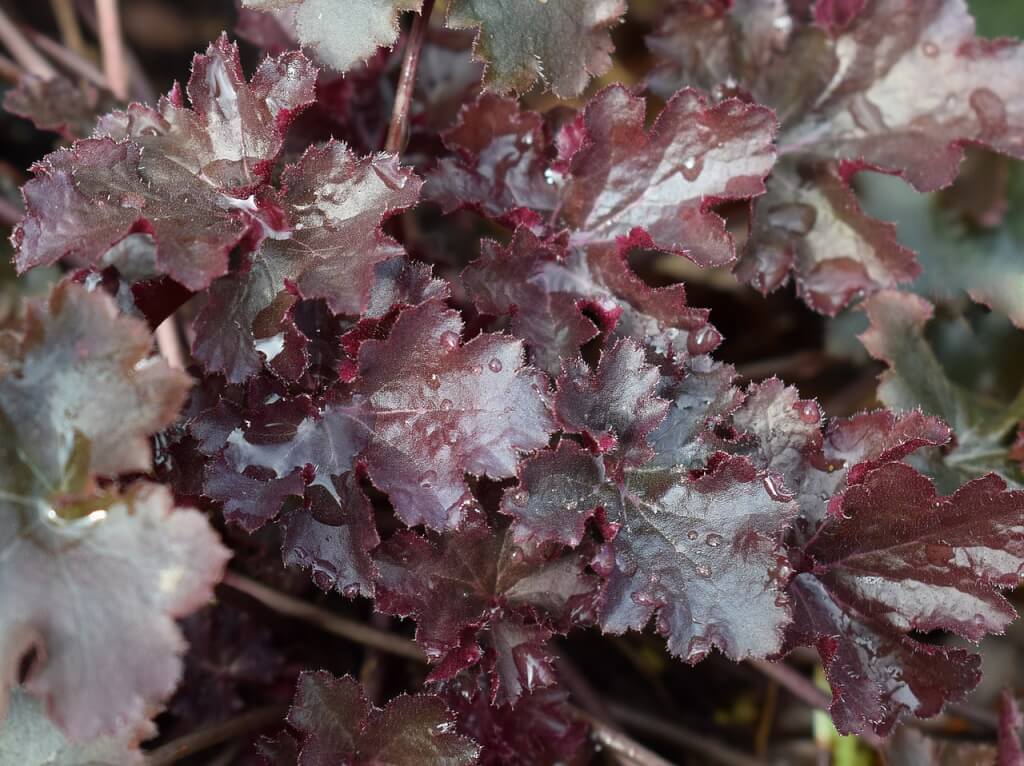
5. Heuchera (Coral Bells)
Heuchera is a fantastic foliage plant that provides year-round interest. Given its compact shape, it is a popular container plant. Often seen in glossy magazines as a good foliage plant, it works hard from spring through to late autumn.
Native to North America, most Heuchera species originate from woodland and rocky regions in the United States, particularly in the western parts. These plants thrive in environments that provide partial to full shade, making them well-suited for woodland gardens. Heucheras prefer well-drained soil with organic matter. While they can tolerate a range of soil conditions, they perform best in neutral to slightly acidic soil.
They are relatively low-maintenance and can withstand dry conditions once established, though they appreciate consistent moisture in warmer climates. Heucheras also enjoy protection from harsh afternoon sun, especially in hotter regions.
Some varieties, like Heuchera ‘Autumn Bride’, also produce delicate flower spikes in autumn, but it’s their foliage that steals the show. Heucheras have thousands of species to choose from in rich purples, reds, and even silver.
Heuchera is a versatile plant that thrives in both sun and shade. It’s ideal for beginners because it’s so easy to grow and adds colour to borders or containers. However, in my experience, the biggest drawback is the vine weevil, a pest that affects most Heucheras brought in from garden centres. They can be spotted as little white maggots in the pot, and once you have them, they are nearly impossible to get rid of. So my advice is to tap the plant out of the pot in the garden centre, if you see the little white grubs, put it back! (And tell a member of staff!)
Hardy (H5) — protect from severe prolonged frosts with a light mulch
Height & Spread
30–45cm x 30–45cm
Foliage Interest
Year-round in purples, reds, silvers and greens
Best Growing Conditions
Partial shade to full shade, moist well-drained soil, neutral to slightly acidic
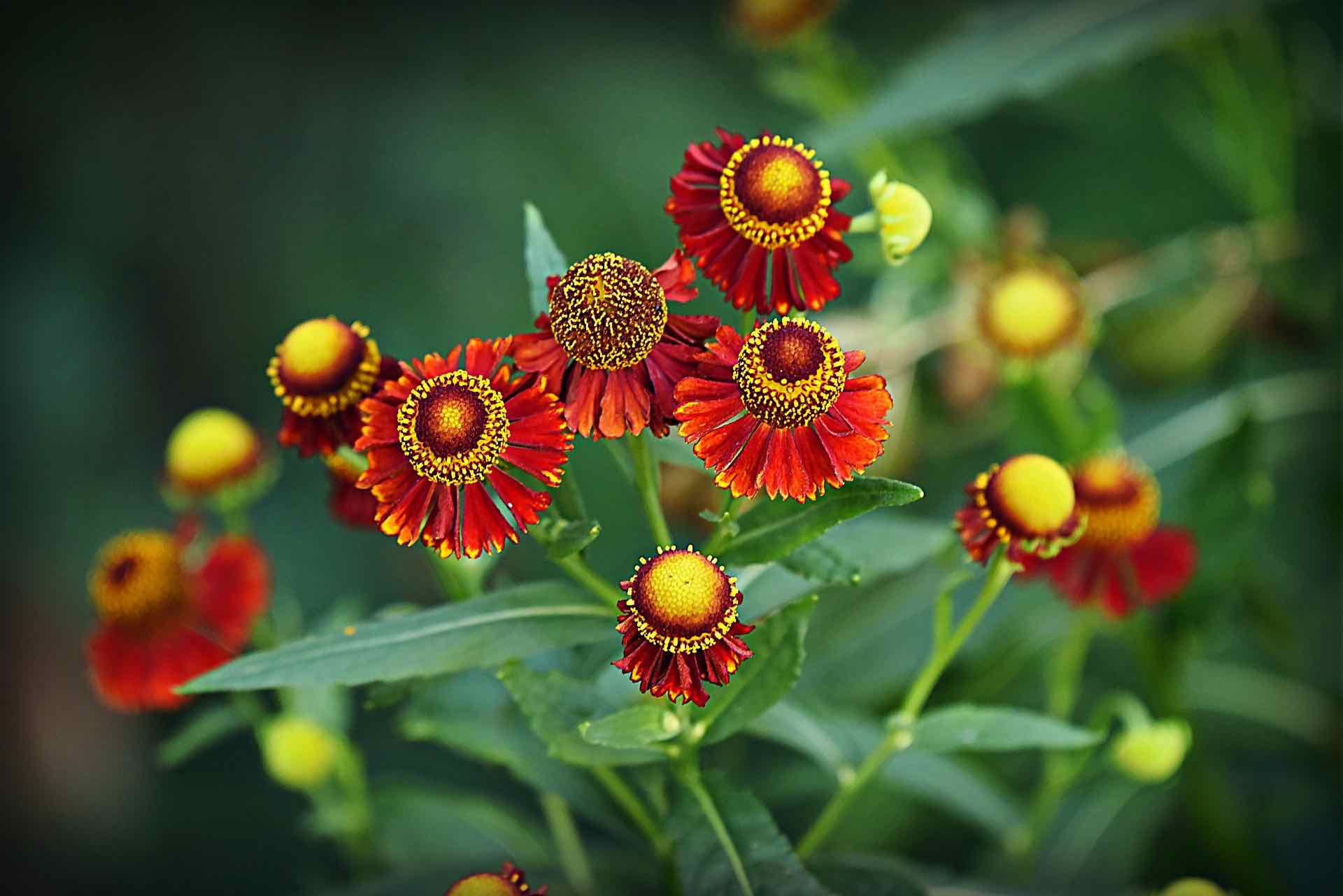
6. Helenium (Sneezeweed)
Heleniums are perfect for autumn colour, with their warm tones of yellow, orange, and red. They are the quintessential hot garden border flower and look like they are celebrating the middle of summer, not autumn. However, these flowers bloom from August right through to the end of September and are a favourite here at Garden Ninja HQ. In fact, I’ve got quite the collection, all grown from seed in the Exploding Atom Garden.
They love sunny spots and are perfect for attracting pollinators. Heleniums are low-maintenance and will keep blooming until the first frost. These tall perennials are a great choice for the back of borders, offering height and a late-season display. As a BBC Garden Rescue designer, I use Heleniums constantly on screen because they photograph so vibrantly and deliver instant impact — they’re one of those plants that genuinely stops people in their tracks at this time of year.
Full sun, moist fertile soil, divide every 2–3 years to maintain vigour
💡 Garden Ninja Top Tip
Pinch out the growing tips of Heleniums in May to create bushier, more compact plants that won’t need staking. Known as the ‘Chelsea chop’, this simple technique gives you more flowers on shorter stems — essential for windy gardens.
7. Caryopteris (Bluebeard)
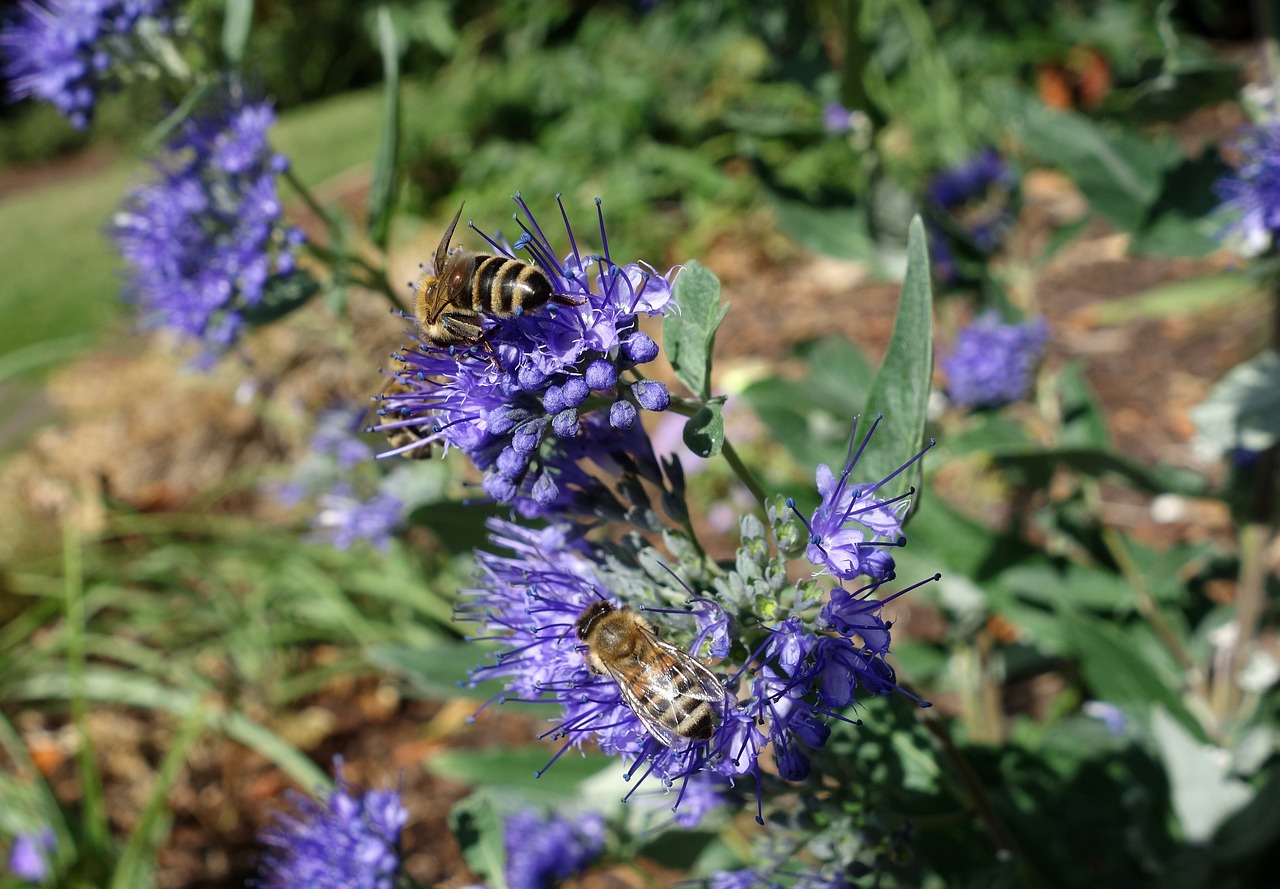
Caryopteris is a stunning late-season shrub that produces clusters of deep blue flowers in late summer and early autumn. It’s a magnet for bees and other pollinators, so again, it helps Mother Nature out in these challenging times of climate change. What I personally love about Caryopteris is that it’s one of the only true blue shrubs, apart from Ceonothus, which flowers far earlier in the season.
Gardens should always be a blend of herbaceous perennials, trees, and shrubs, so this shrub is a valuable addition to help give your garden design year-round form and structure!
Once established, Caryopteris is low maintenance and drought-tolerant, making it perfect for beginner gardeners. It prefers full sun and well-drained soil, and its compact form makes it ideal for smaller gardens or borders.
Fairly hardy (H4) — may die back in hard winters but usually regrows from the base
Height & Spread
60–100cm x 60–100cm
Flowering Period
August to October
Best Growing Conditions
Full sun, well-drained to dry soil, sheltered from cold winds
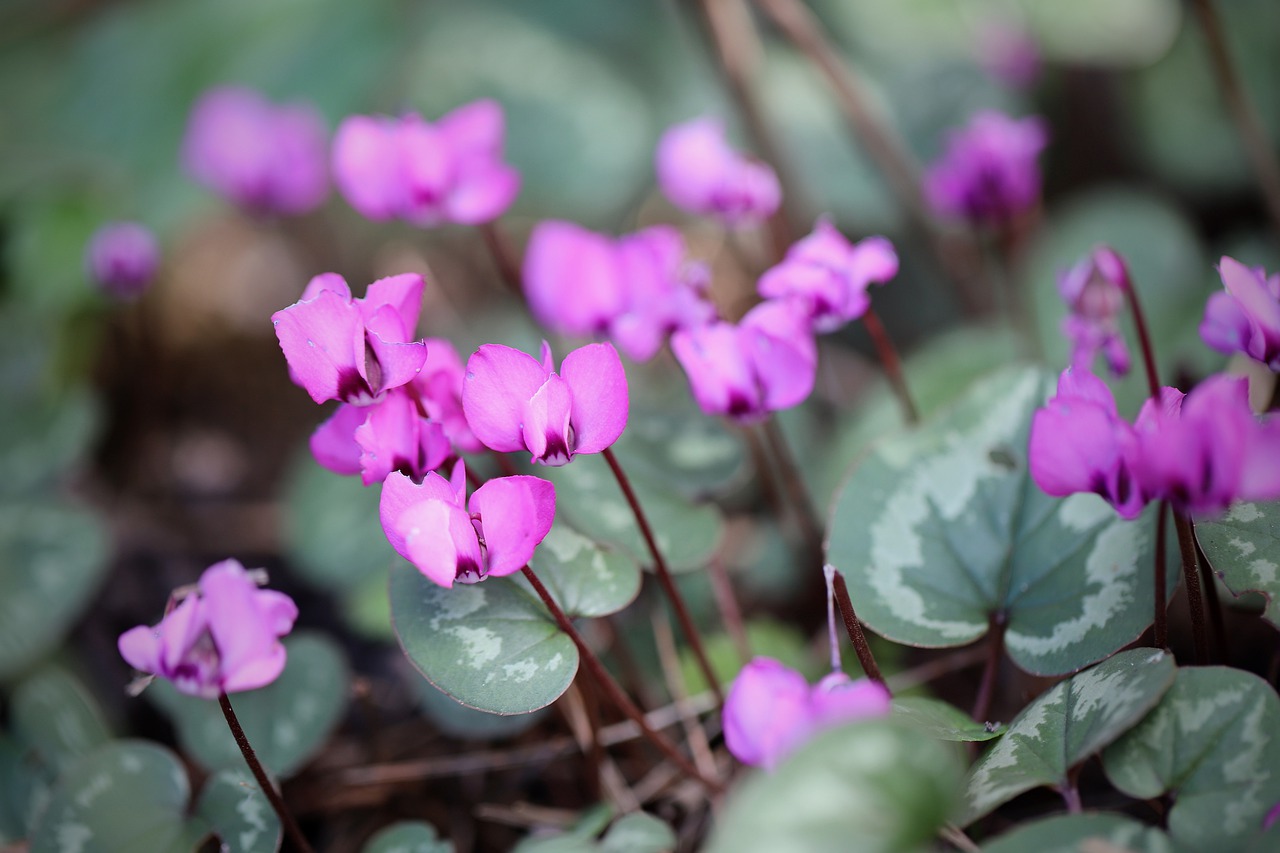
8. Cyclamen hederifolium (Ivy Leafed Cyclamen)
Cyclamen hederifolium is a favourite of garden centres and ‘winter pot plants’. However, this small, cutesy flower is happier when planted as a perennial, not a bedding plant! It also means you’re not increasing your carbon footprint by replacing them each year in your flower beds.
These dainty autumn bloomers with heart-shaped leaves and delicate flowers in shades of pink and white will provide a touch of detail to the garden, especially at the front of flower beds in the ‘ground cover‘ plant group. Cyclamen are perfect for adding charm to shady spots under trees or in woodland gardens. Cyclamen hederifolium requires little care once planted, as it will naturalise and come back year after year with minimal effort. Treat it like an autumn flowering bulb, and you’ll be fine! Unlike many bulbs, it even self-seeds gently around the garden, gradually building up into a beautiful carpet of pink and white beneath shrubs.
Fully hardy (H5–H6) — naturalises happily in UK conditions
Height & Spread
10–15cm x 15–20cm
Flowering Period
September to November
Best Growing Conditions
Partial to full shade, well drained soil, under trees and shrubs
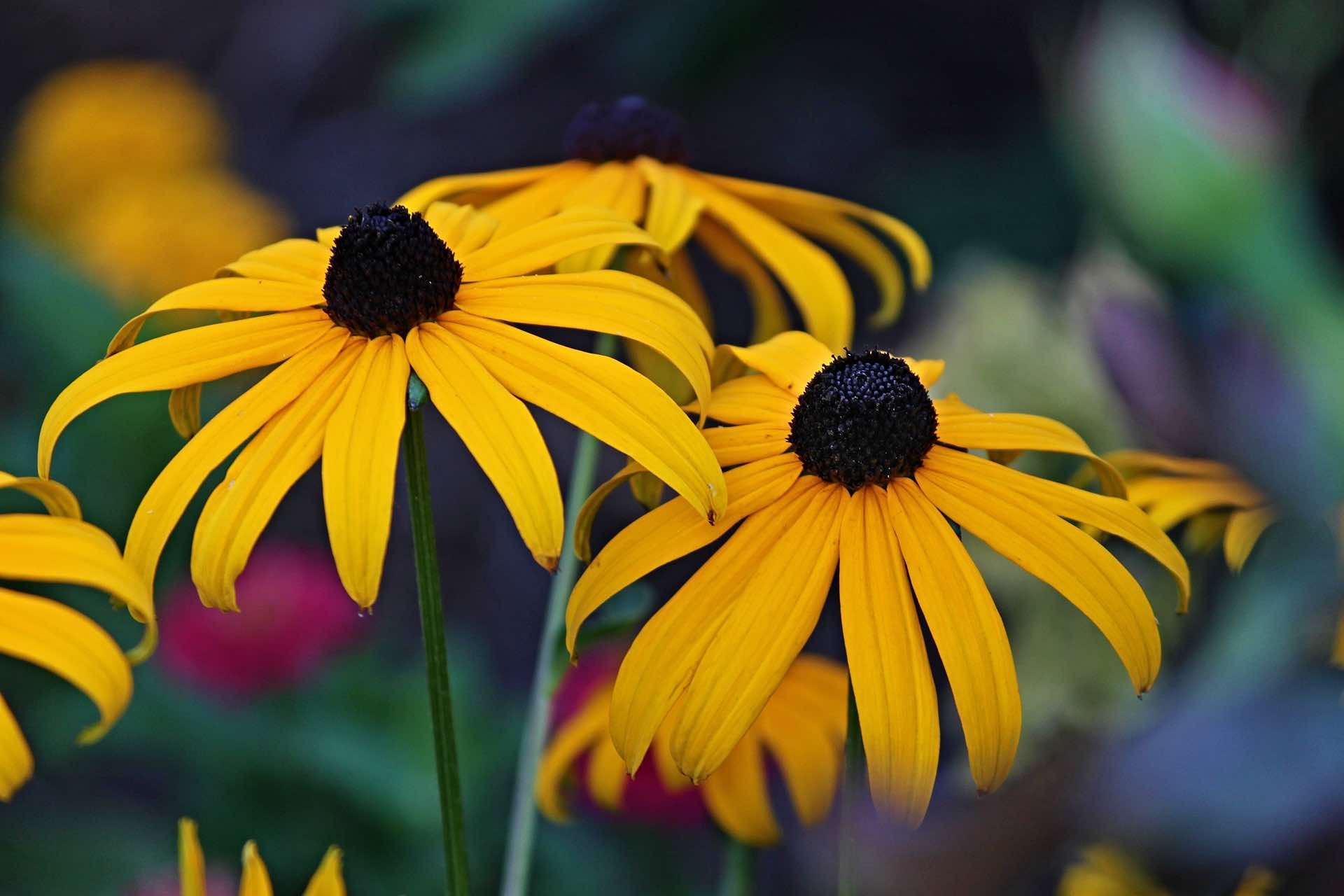
9. Rudbeckia (Black-eyed Susan)
Rudbeckia is a robust, cheerful plant that lights up the garden with its golden yellow petals and dark centres. I’d say it’s one of my all-time favourite plants. It’s incredibly easy to grow, thriving in full sun and well-drained soil. It is a real marmite plant with many gardeners either loving or hating it, but bear with me, there is no other herbaceous perennial that needs less care and gives more show than a Rudbeckia. Even gardeners with the ‘black thumb’ (the opposite of a green thumb) can grow this one!
Rudbeckia is a great plant for beginners because it’s drought-tolerant and will bloom late into the season, keeping your garden colourful until the first frost. Rudbeckia will happily divide in spring or after flowering to produce more plants for free, enabling you to share this with your neighbours easily.
Bees love it; it works well as a cut flower, and its sunburst yellow colouring will brighten even the darkest autumn weeks!
Herbaceous perennial (fulgida) or annual/biennial (hirta)
UK Hardiness
Fully hardy (H7) — very reliable overwinterer in UK gardens
Height & Spread
60–90cm x 45–60cm
Flowering Period
July to October
Best Growing Conditions
Full sun to partial shade, most soils, drought tolerant once established
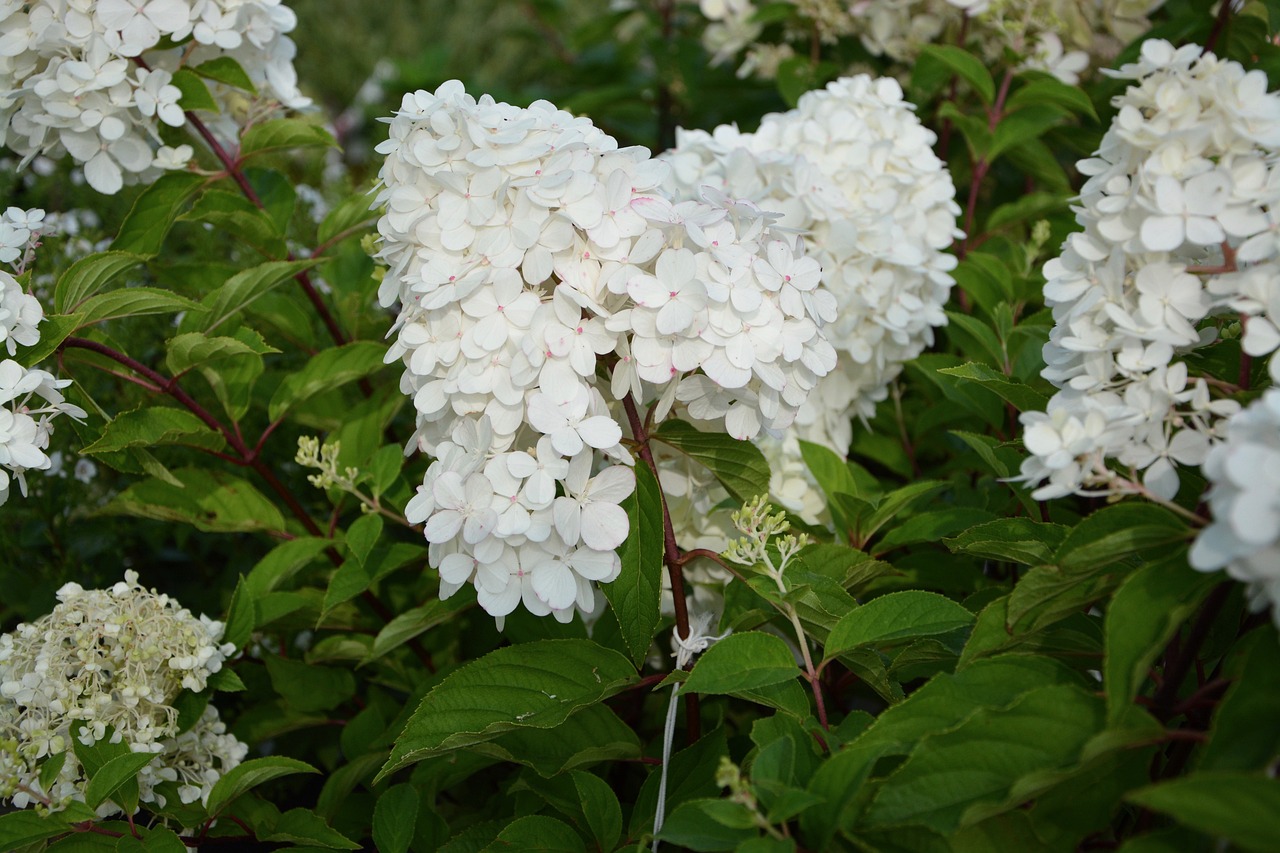
10. Hydrangea paniculata (Panicle Hydrangea)
It’s time for another shrub ninja to help bring some autumn cheer, and this time, it’s a fan favourite: the hydrangea. Panicle Hydrangeas are highly versatile and reliable autumn-flowering shrubs, choosing to flower in late August rather than May and June like most Hydrangeas. Unlike other hydrangea species, which may struggle in colder climates, Hydrangea paniculata is incredibly hardy, thriving in colder parts of the UK. This makes it perfect for gardeners in areas with harsh winters.
They produce large, conical flower heads that can grow up to 30–45cm long. The flowers start as white or pale green and often turn shades of pink or red as the season progresses, providing a striking contrast against the darkening autumn landscape.
These shrubs enjoy full sun to part shade and can adapt to a range of soil conditions, though they perform best in well-drained, moist soil. An added benefit is that they bloom on new wood, meaning even if harsh weather or improper pruning affects their growth early in the season, they can still produce stunning flowers by autumn. Regular pruning in late winter or early spring (see my guide here for Hydrangea pruning) will encourage vigorous growth and abundant flowering, making Hydrangea paniculata a low-maintenance yet rewarding choice for beginners.
Fully hardy (H6–H7) — the hardiest of all hydrangeas
Height & Spread
1.5–3m x 1.5–2.5m (varies greatly by variety)
Flowering Period
August to October
Best Growing Conditions
Full sun to partial shade, moist well-drained fertile soil
11. Viburnum bodnantense (Dawn Viburnum)
Viburnum bodnantense, also known as Dawn Viburnum, is a standout shrub that blooms from late autumn into winter, adding much-needed colour and a delicious fragrance during the colder months. This deciduous shrub can grow up to 2.5–3m tall and wide, forming an upright, bushy habit. Its delicate, sweetly scented flowers emerge in clusters on bare branches, starting as deep pink buds that open to reveal pale pink or white blossoms. Great for a focal point ‘blob’ in your flower beds. For most of the year, this green blob acts as a great filler plant and refuge for wildlife, such as birds, in the garden. However, in autumn, it puts on an amazing show of flowers!
This hardy shrub is incredibly resilient, tolerating various soil types and thriving in both full sun and partial shade. It is also frost-resistant, making it ideal for cold climates. With proper care, the shrub will provide years of colour and interest. Light pruning can be done in spring after flowering to maintain its shape and encourage new growth.
Full sun to partial shade, any reasonable well-drained soil
12. Nerines
Nerines, often called Guernsey lilies, are an underutilised choice for beginner gardens that want to add a burst of pink in autumn. Their slender stems and clustered flowers are striking additions to any garden. Nerines thrive in full sun and are relatively low maintenance, making them ideal for beginner gardeners looking for something more unusual. Planting them as bulbs couldn’t be simpler, Ninja!
The ideal time to plant them is late spring or early summer, although autumn planting is also possible in warmer climates. When choosing a spot for your Nerines, opt for a sunny and sheltered location. These bulbs thrive in well-drained soil, so a south-facing wall or a rockery is perfect, as it provides the warmth they love.
Planting Nerines in gritty, free-draining soil is essential to prevent waterlogging, which can cause root rot. Avoid planting them in heavy clay soils that retain too much moisture. When planting, place the bulbs with their necks just above the soil surface, spaced about 8–10cm apart. After planting, water sparingly, especially before foliage appears, as Nerines prefer drier conditions during their dormant phase.
Once established, Nerines don’t like being disturbed, so it’s best to leave them in place. After flowering, leave your Nerines foliage to die back and give a mulch or liquid plant feed to allow them to store up energy for next year. With these simple steps, your Nerines will reward you with stunning blooms year after year!
Fairly hardy (H3–H4) — needs a sheltered sunny wall, protect bulbs in cold winters
Height & Spread
45–60cm x 8–10cm
Flowering Period
September to November
Best Growing Conditions
Full sun, gritty free-draining soil, south-facing sheltered position
💡 Garden Ninja Top Tip
Nerines actually flower better when they’re overcrowded — so resist the urge to divide them! Plant them at the base of a warm, south-facing wall in a mass and leave them completely undisturbed. The congestion triggers better blooming every year.
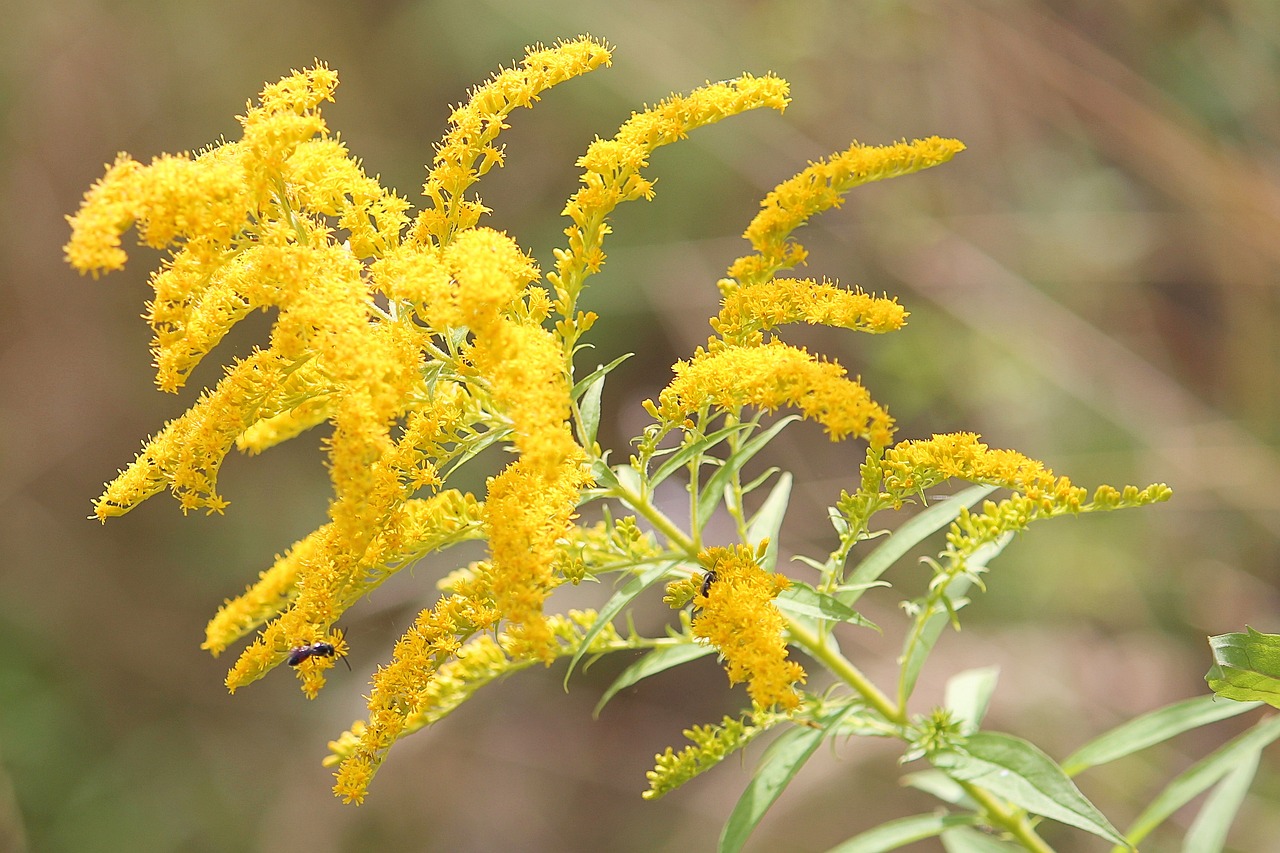
13. Solidago (Goldenrod)
Goldenrod is an interesting specimen that actually looks very much like a weed. A fan favourite for wildlife gardeners and those who have meadows, Goldenrod should not be overlooked for even urban gardens. Its bright yellow spires of flowers bring a blast of late-blooming colour to the garden, especially if you have awkward, poor soil. It can be a bit thuggish, but hybridised varieties like ‘Golden Fleece’ only spread 45cm and can be easily contained. It’s perfect for naturalising or adding to wildflower gardens, as it’s both hardy and easy to grow.
It prefers dry to moderately moist conditions but can tolerate a range of soil types, doing particularly well in sandy soils or dry meadows. This plant is drought-tolerant once established. Ideal growing conditions include a sunny location with around six hours of direct sunlight daily, though it can be managed in partial shade. Goldenrod is low-maintenance, making it perfect for beginner gardeners, and is commonly planted in borders, wildflower gardens, or as part of a meadow garden design. Regular deadheading encourages prolonged blooming.
60–150cm x 45–60cm (choose compact varieties for small gardens)
Flowering Period
August to October
Best Growing Conditions
Full sun, poor to average soil, sandy or dry conditions
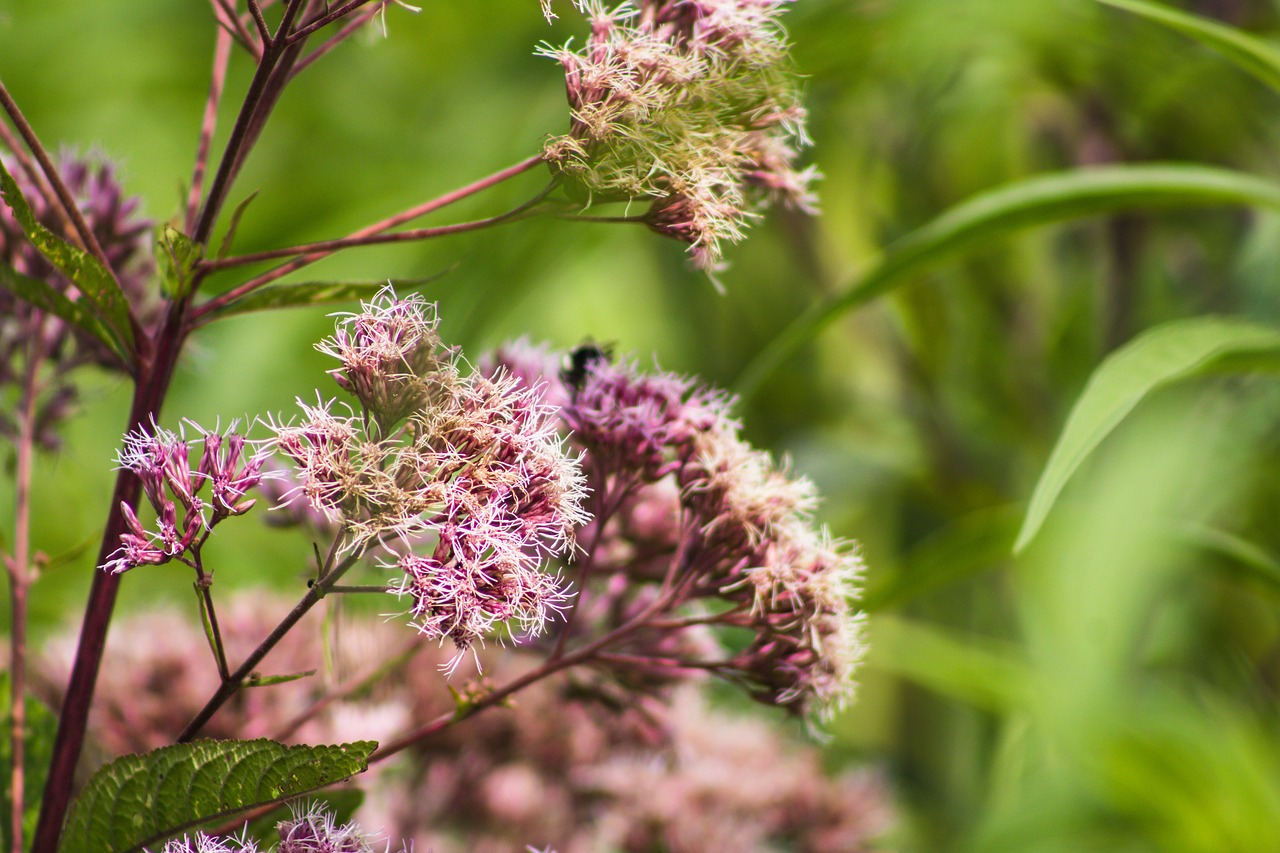
14. Eupatorium (Joe Pye Weed)
Eupatorium is a tall perennial with clusters of dusky pink or purple flowers that come into life later in summer. I absolutely love this plant — it’s tall, bold, and purple. Winner, winner! It’s easy to grow, thrives in moist soil, and is great for attracting butterflies in late summer and autumn.
Joe Pye Weed is an excellent plant for wildlife because it attracts a wide range of pollinators, including bees, butterflies, and other beneficial insects, thanks to its large clusters of nectar-rich flowers. It blooms in late summer and autumn, providing an essential food source for pollinators when many other plants have stopped flowering. Its tall, sturdy stems offer habitat and shelter for insects and small creatures, while birds are attracted to its seeds. Joe Pye Weed’s ability to thrive in moist soils, often near ponds or streams, makes it a versatile plant in supporting local ecosystems.
Full sun to partial shade, moist fertile soil, suits boggy areas
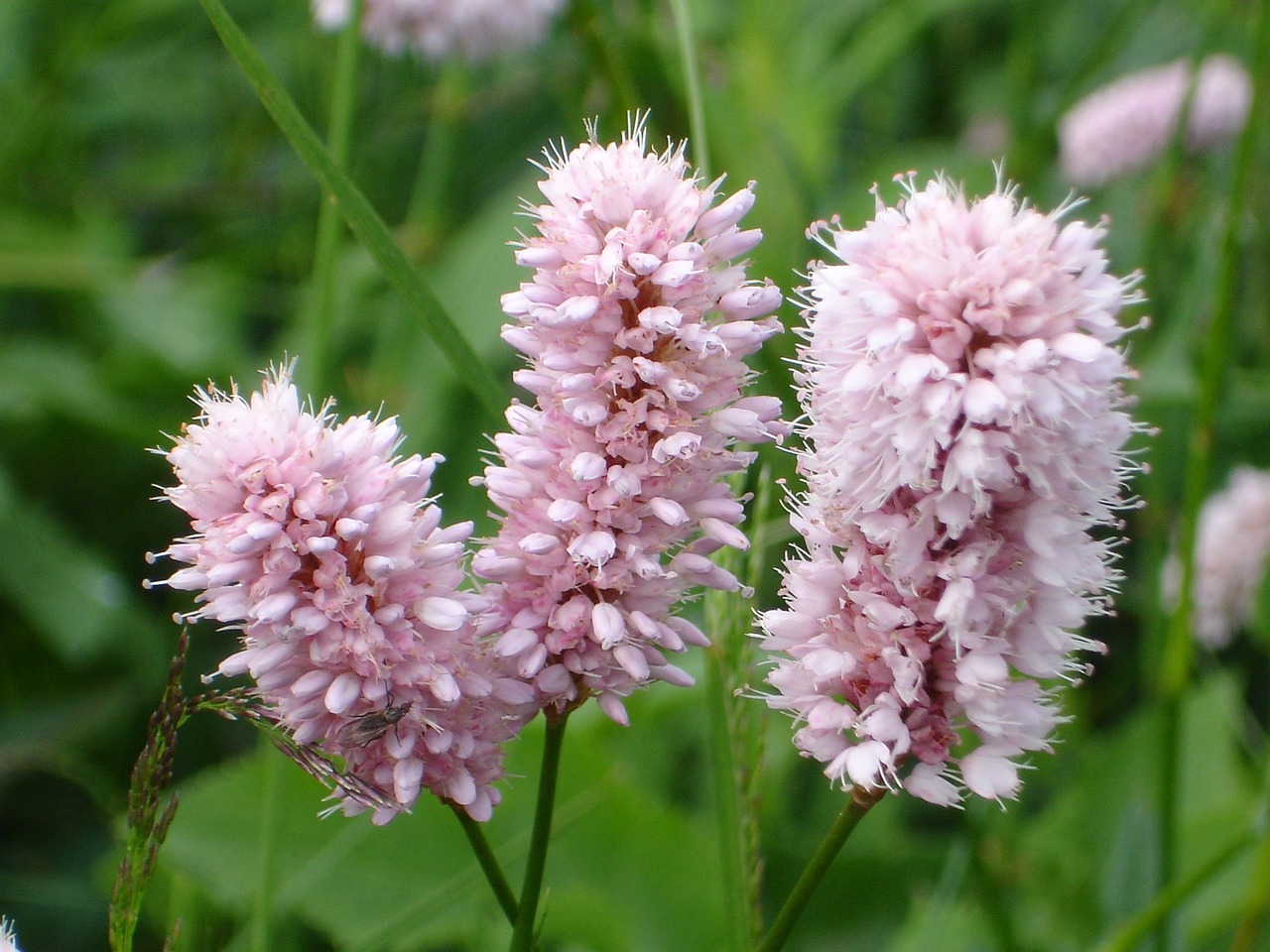
15. Persicaria amplexicaulis (Knotweed)
Persicaria amplexicaulis, commonly known as the Chinese knotweed or red bistort, is an excellent addition to autumn gardens for the slender, fluffy flower heads it brings. This perennial plant features vibrant spikes of tubular flowers that bloom from late summer into autumn, showcasing hues of pink, red, and white that brighten up the garden as other blooms fade. Its lush foliage, closely resembling Japanese Knotweed but without the invasive drama, remains attractive throughout the season, providing a rich backdrop for other plants.
This tough perennial brings long-lasting spires of red or pink flowers in the late summer through autumn. It’s hardy and low maintenance, ideal for planting in moist, well-drained soil.
Full sun to partial shade, moist well-drained fertile soil
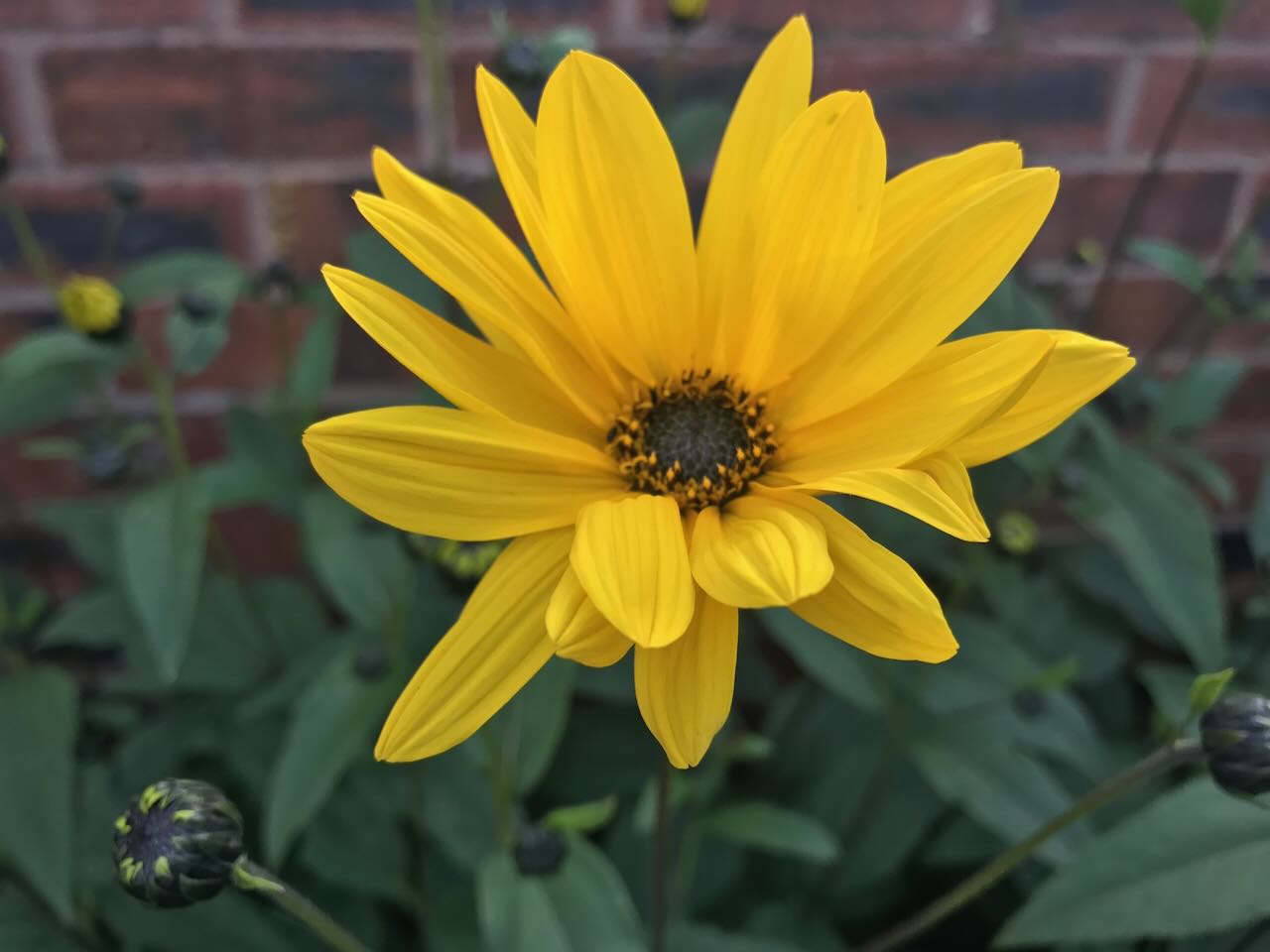
16. Helianthus (Perennial Sunflower)
A sunflower in autumn? Yes, you read that correctly — this plant species is related to the sunflower, but is a far daintier and later-flowering specimen. A sturdy plant that produces bright yellow flowers in late summer and autumn. These are low-maintenance and thrive in sunny spots, offering excellent pollinator support late into the season.
They are great for prairie borders as they give height with some late-season interest and work well with nearly all grasses. I plant them en masse here at Garden Ninja HQ, but they can be easily woven through all planting schemes. The foliage is light and delicate, and so it works well in smaller space gardens. These thrive in nearly all soil types apart from heavy clay. They also need full sun to flower properly — without it, you will just be left with foliage.
Fully hardy (H6–H7) — needs little or no winter protection
Height & Spread
1–1.5m x 45–60cm
Flowering Period
August to October
Best Growing Conditions
Full sun essential, most well-drained soils, avoid heavy clay
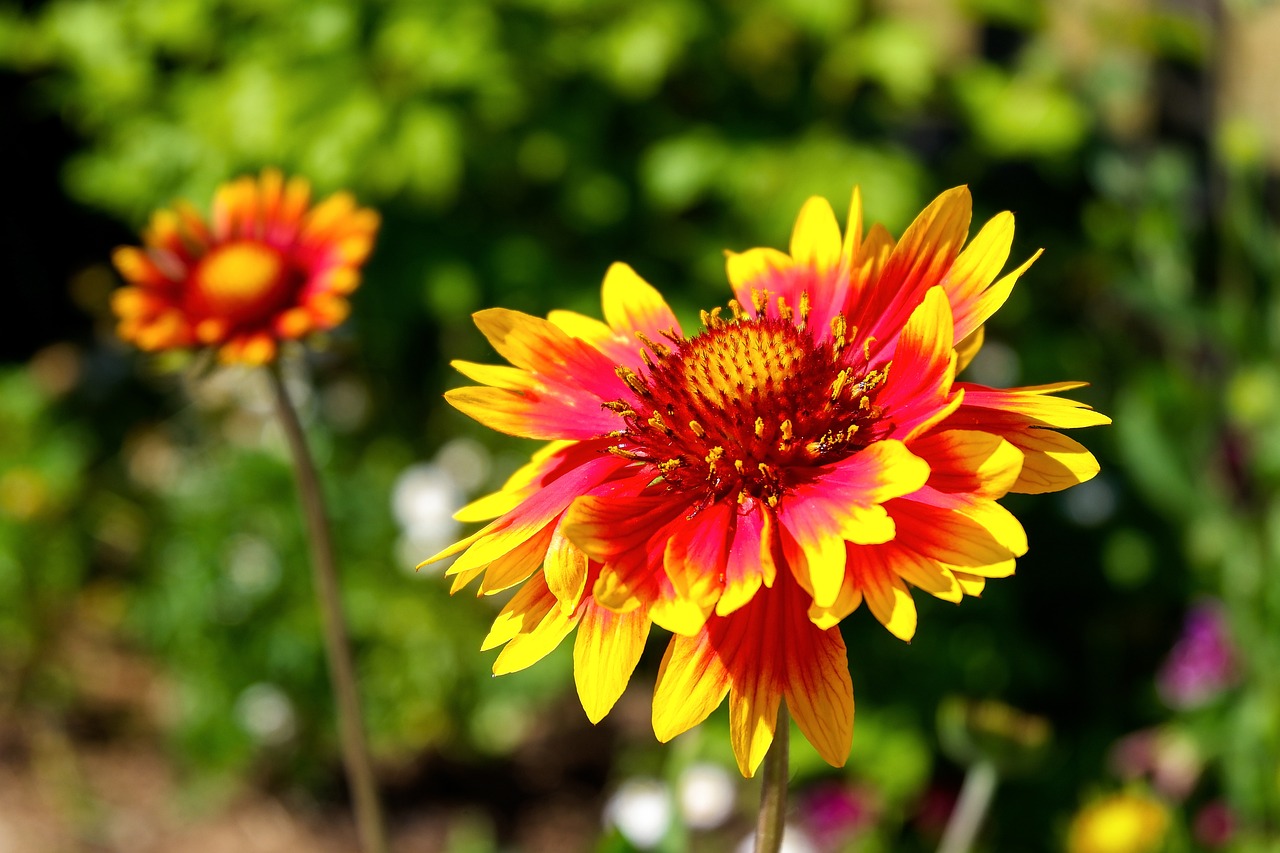
17. Gaillardia (Blanket Flower)
Fancy an autumn plant that looks like it’s from the middle of May? Well look no further than the Blanket flower for a pop of heat! Gaillardia’s bold red, orange, and yellow flowers bloom well into autumn, making them ideal for sunny borders. These hardy perennials are easy to grow and drought-tolerant. You can find both annual and perennial Gaillardias, both of which are easy to grow from seed or cuttings.
Growing Gaillardias from seed is easy, but it is best to start indoors — sow seeds on the surface of well-draining soil 6–8 weeks before the last frost, as they need light to germinate. Keep the soil moist and warm, around 20°C, and expect germination in 2–3 weeks. Once seedlings develop a few true leaves and the risk of frost has passed, transplant them into the garden in full sun. Alternatively, you can directly sow seeds in the garden after the frost has passed, pressing them lightly into the soil.
To grow Gaillardia from cuttings, take 7–10cm softwood cuttings from healthy, non-flowering stems in late spring or early summer. Remove the lower leaves and dip the cut ends in rooting hormone. Place the cuttings in a well-draining potting mix and keep them moist in indirect light until roots form, typically in 3–4 weeks.
Fairly hardy (H4) — may need protection in harsh winters, excellent drainage essential
Height & Spread
45–60cm x 30–45cm
Flowering Period
June to October
Best Growing Conditions
Full sun, very well-drained to dry soil — hates waterlogging
18. Miscanthus sinensis ‘Morning Light’
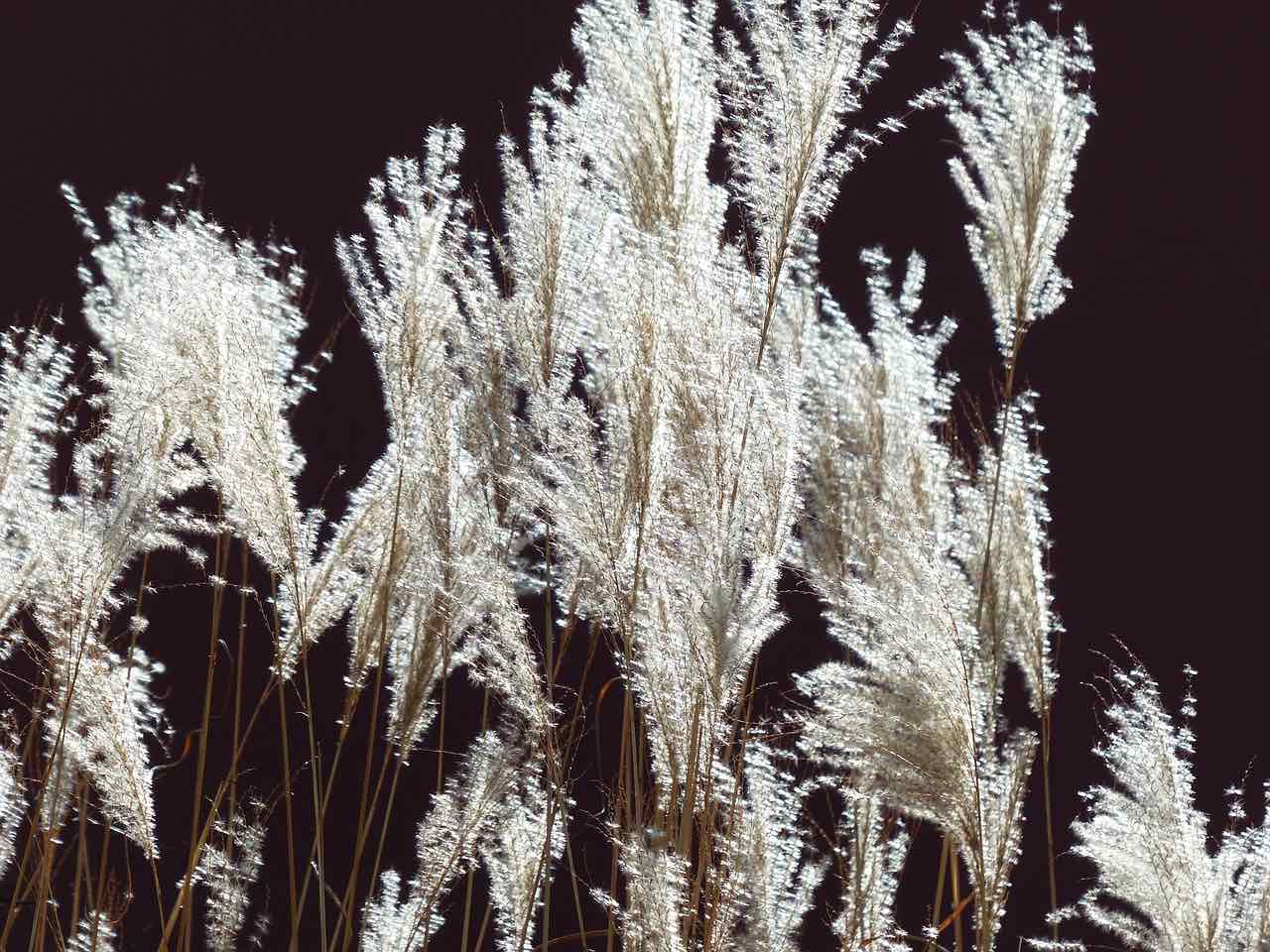
This grass is simply stirring when it comes to autumn interest in the garden, given its long slender silver-green foliage and beautiful white flower plumes. Its delicate, pinkish-silver flower plumes appear from late summer to autumn, creating graceful movement, especially when backlit by sunlight.
This grass thrives in full sun, although it tolerates light shade and prefers well-drained soil. Once established, it’s drought-tolerant but performs best with occasional watering during dry spells. It’s a low-maintenance option for adding height to borders, reaching up to 2m tall, and should be cut back in late winter around February, ready for next year’s growth. Follow my guide here on how to prune ornamental grasses.
Fully hardy (H6) — completely reliable across all UK regions
Height & Spread
Up to 2m x 60–90cm
Flowering / Interest Period
September to February (plumes persist through winter)
Best Growing Conditions
Full sun, well-drained soil, cut back to ground level in February
19. Panicum virgatum ‘Shenandoah’ (Switchgrass)
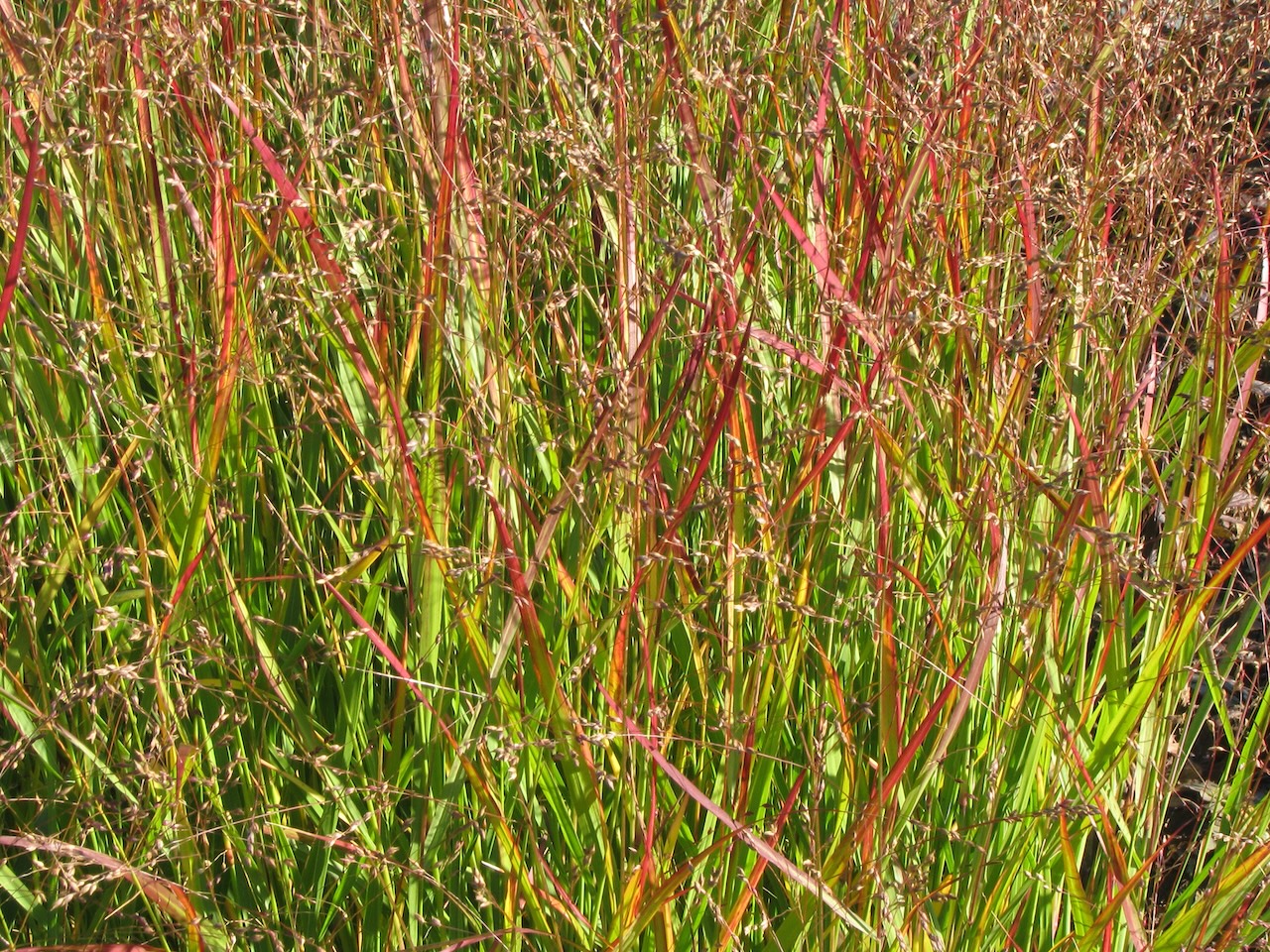
Panicums, or switchgrass, offer rich burgundy-red foliage that intensifies in autumn, complemented by reddish-purple flower panicles and is a real sizable specimen in the garden, giving oomph and impact, Ninjas! I use Panicums in a lot of my garden design planting plans as they add height without bringing shade or obstructing airflow. I also love the movement of ornamental grasses in the garden.
This tall yet clump-forming grass adds architectural structure to gardens, with its airy blooms appearing in late summer. It grows best in full sun but adapts well to a range of soil types, including poor or sandy soils. Hardy and drought-tolerant, it provides seeds for birds and shelter during colder months. Growing up to 1.2m tall, it is perfect for both formal borders and wildflower gardens, needing only an annual cutback in late winter.
Fully hardy (H6–H7) — very tolerant of cold and exposed positions
Height & Spread
90–120cm x 60–75cm
Foliage / Interest Period
Red foliage intensifies September to November, winter structure
Best Growing Conditions
Full sun, poor to average well-drained soil, drought tolerant
20. Clematis terniflora (Sweet Autumn Clematis)
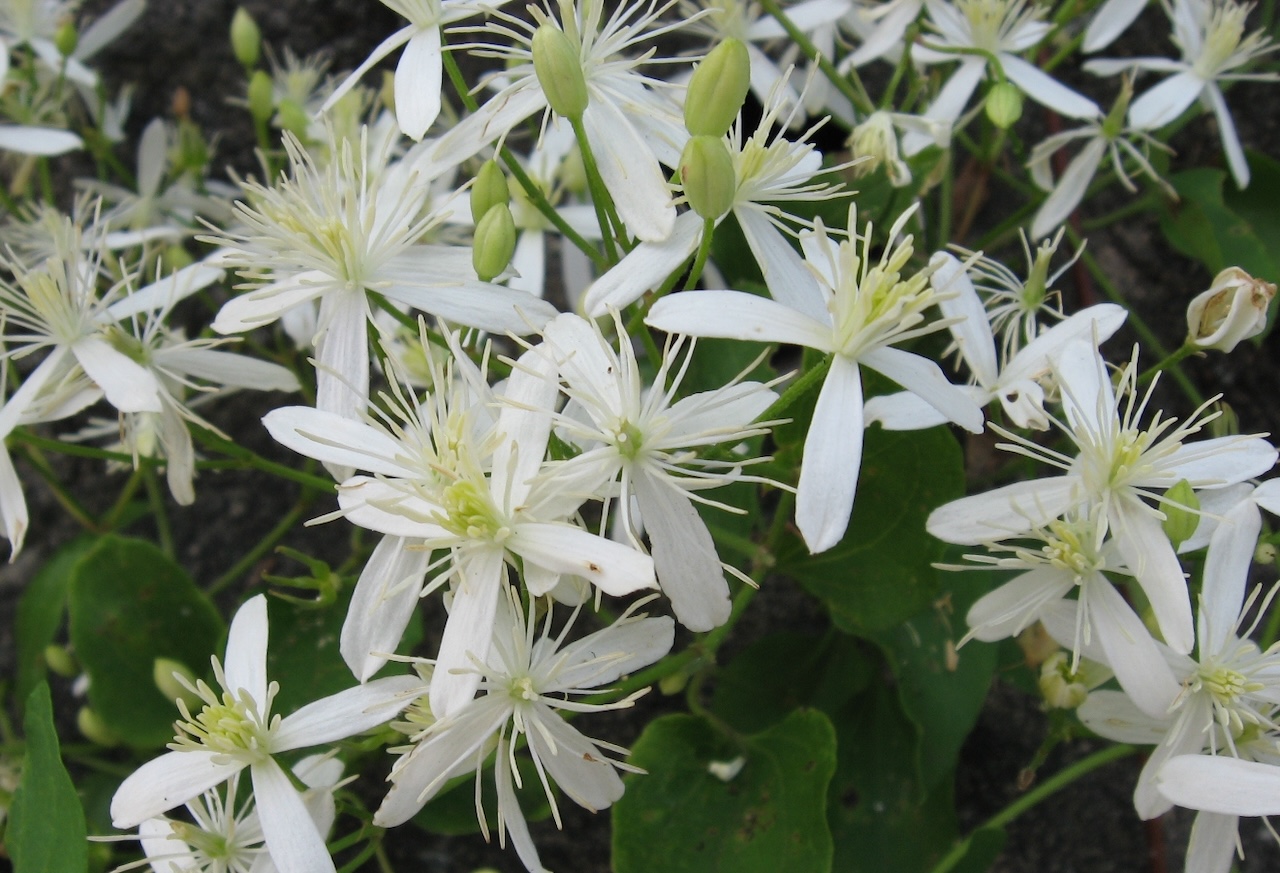
Clematis terniflora, commonly known as sweet autumn clematis, is an exceptional climbing plant that produces a blast of white flowers in late summer and autumn. As with most clematis, it is a fast-growing plant that will happily smother walls, arbours, obelisks, and trellis, so be warned if you have a small garden or tricky neighbours!
It features clusters of small, star-shaped white flowers that bloom from late summer into autumn, emitting a delightful fragrance that attracts pollinators. The lush green foliage provides a beautiful backdrop, and as autumn progresses, the leaves turn golden, enhancing the plant’s seasonal appeal. Sweet autumn clematis is relatively low-maintenance, thriving in a range of soil types and preferring full sun to partial shade. Its rapid growth and stunning floral display make it a fantastic choice for adding charm and fragrance to any garden in the autumn.
Fully hardy (H5–H6) — pruning group 3, cut back hard in late winter
Height & Spread
Up to 5–7m — vigorous climber, give it space
Flowering Period
August to October, with golden autumn foliage to follow
Best Growing Conditions
Full sun to partial shade, well-drained fertile soil, roots in shade, head in sun
⚠️ Garden Ninja Warning
Clematis terniflora is vigorous — very vigorous. In warm areas or larger gardens it can reach 7m in a season. It is also considered invasive in some parts of North America. In a UK garden it is perfectly manageable with a hard Group 3 prune every February, but do not plant it where space is tight.
When Should I Plant Autumn Flowering Plants in the UK?
One of the questions I get asked most often through the Garden Ninja forum is about timing — and it’s a genuinely important one because planting at the right time makes a real difference to establishment and first-year flowering.
The good news is that as an award-winning garden designer with 30 years of hands-on experience, I can tell you that autumn is actually one of the most forgiving times of year to plant, precisely because the soil is still warm from summer but the air temperatures have dropped, meaning new plants experience far less stress than if you’d plonked them in during a July heatwave.
For perennials such as Asters, Heleniums, Rudbeckia, Persicaria, and Heuchera, the ideal planting window in the UK is either early spring (March to April) or late summer to early autumn (August to September). Planting now means they’ll establish before winter and reward you with a proper display next season.
For bulbs such as Nerines and Cyclamen hederifolium, late spring through to late summer is the planting window, with the bulbs flowering that same autumn.
For shrubs such as Caryopteris, Viburnum, and Hydrangea paniculata, autumn planting (October to November) is actually ideal — the roots establish in the warm soil before winter dormancy sets in, giving them a fantastic head start in spring.
💡 Garden Ninja Top Tip
Whenever you plant anything in autumn, water it in thoroughly and then apply a 5–7cm mulch of bark chippings or garden compost around the base of the plant. This insulates the roots from frost heave — the process where freezing and thawing soil pushes young plants out of the ground. It’s one of the most common reasons newly planted shrubs and perennials die over winter, and it’s entirely preventable.
Autumn Flowering Plants for Pollinators and Wildlife
As someone who designs gardens professionally and presents on BBC Garden Rescue, one thing I hammer home to every client is the value of late-season planting for wildlife. By September, most of the big pollinator-friendly plants — the lavenders, the catmints, the salvias — have done their thing. Bees, butterflies, and moths are still active and desperately searching for late nectar sources to build up fat reserves before hibernation. Without these plants, that food simply doesn’t exist in most urban gardens.
The stars of the autumn pollinator garden are Sedum (particularly ‘Autumn Joy’, which is phenomenally attractive to butterflies), Asters, Heleniums, Rudbeckia, Solidago, and Eupatorium. Together, these plants create a proper banquet for wildlife right up until the first hard frosts. The ornamental grasses — Miscanthus and Panicum in particular — then provide winter structure and seed heads that birds like finches and sparrows will feed on through the darker months. Designing a garden that supports wildlife in autumn is one of the most impactful things you can do, and it costs no more than designing any other border.
The best autumn-flowering plants for UK gardens include Asters (Symphyotrichum), Japanese Anemones, Chrysanthemums, Sedum, Heleniums, Rudbeckia, Nerines, and ornamental grasses such as Miscanthus and Panicum. These plants are all fully or fairly hardy and reliably perform from September through to November. For gardens that want shrub structure alongside flowers, Caryopteris, Hydrangea paniculata, and Viburnum bodnantense are outstanding choices that require minimal maintenance.
Which autumn plants are best for shade?
Shady autumn gardens are brilliantly served by Japanese Anemones, Cyclamen hederifolium, and Heuchera. Japanese Anemones in particular thrive in partial shade and will colonise tricky dry, shady spots beneath trees where little else will grow. Cyclamen hederifolium is superb for deep shade under deciduous trees, gradually naturalising to form carpets of pink and white. Heuchera provides year-round foliage interest in shade and will produce delicate flower spikes in autumn too.
What are the best autumn flowering plants for pots and containers?
Chrysanthemums are the undisputed champions of the autumn container garden — compact, colourful, and long-lasting in pots. Heuchera works brilliantly in containers for foliage interest, and Asters can be grown in pots provided drainage is good. Nerines can also be grown in containers where you can give them the warm, sheltered conditions they need. For grasses in containers, the smaller varieties of Panicum and Miscanthus make striking seasonal displays when paired with late-flowering perennials.
How do I keep my garden colourful from September to November?
The secret, as any professional garden designer will tell you, is layering. Start with structural shrubs that provide form from late autumn right into winter — Viburnum bodnantense, Hydrangea paniculata, and Caryopteris all earn their place here. Then layer in mid-border perennials like Rudbeckia, Persicaria, Helenium, and Asters, which cover September and October brilliantly. Finally, add ground-level interest from Cyclamen hederifolium and Heuchera foliage to complete the picture right down at soil level. By thinking in layers across the height of the border rather than just planting in a random sweep, you create a three-dimensional display that looks designed and intentional, not just accidental.
When should I cut back autumn flowering perennials?
My strong advice, and something I advocate for on every BBC Garden Rescue episode where it’s relevant, is to resist cutting back autumn-flowering perennials in autumn itself. The seedheads, stems, and dead foliage provide overwintering habitat for beneficial insects, food for birds, and insulation for plant crowns against frost. Leave everything standing until late February or early March, then cut the whole lot back to the ground in one satisfying session. The only exception is if plants are diseased — then cut back immediately to prevent spreading, and do not compost the material.
Are autumn flowering plants deer resistant?
Deer pressure is increasingly common in the UK, particularly in rural and semi-rural gardens. Of the plants in this guide, Rudbeckia, Solidago, Heleniums, and ornamental grasses are considered less palatable to deer due to their texture or scent. Sedum, Japanese Anemones, and Chrysanthemums are more likely to be browsed. If deer are a significant problem in your garden, I’d focus on building the border around the grasses and Rudbeckia as a foundation, then use physical barriers or deer deterrent sprays to protect the more vulnerable plants.
What is the UK hardiness rating system?
The RHS UK hardiness ratings run from H1 (tender, frost-free greenhouse only) through to H7 (fully hardy, surviving temperatures of below minus 20°C). Most of the perennials in this guide sit at H5 to H7, meaning they are reliably hardy throughout virtually all of the UK with no special protection. Plants rated H3 or H4, such as Nerines and Gaillardia, need either a sheltered position, excellent drainage, or a light winter mulch in colder northern gardens. Always check the hardiness rating before buying and factor your own local climate into the decision — a garden in Cornwall can grow things that simply won’t survive a Pennine winter.
Elevate Your Garden with an Online Design Course
Unlock the full potential of your outdoor space with Lee Burkhill, The Garden Ninja! My online garden design courses allow you to craft your dream garden from the comfort of your home. You’ll discover the secrets to creating beautiful, personalised gardens that perfectly suit your style and space through:
Immersive video lessons
Interactive quizzes
Between 20 and 49 expert lessons & guidance
Accessible anywhere, anytime
No time limits to complete or revisit the course
Whether you’re just starting out or have years of experience, our courses are designed for all skill levels. You’ll learn practical techniques in garden layout, plant selection, and maintenance while benefiting from Lee Burkhill’s deep knowledge and passion for sustainable gardening.
29
Garden Design Examples for Small Gardens: 30 Design Templates & Planting Plans
Garden Design Examples for Small Gardens: 30 Design Templates & Planting Plans: In this online gardening course, I’ll walk you through 30 fantastic garden designs, explaining the logic behind the layout, the plant choices, and take-home tips for applying them in your own garden.
Weekend Garden Makeover: A Crash Course in Design for Beginners
Learn how to transform and design your own garden with Lee Burkhills crash course in garden design. Over 5 hours Lee will teach you how to design your own dream garden. Featuring practical design examples, planting ideas and video guides. Learn how to design your garden in one weekend!
Garden Design for Beginners: Create Your Dream Garden in Just 4 Weeks
Garden Design for Beginners Online Course: If you want to make the career jump to becoming a garden designer or to learn how to design your own garden, this is the beginner course for you. Join me, Lee Burkhill, an award-winning garden designer, as I train you in the art of beautiful garden design.
If you’re a beginner gardener, starting with these easy-care, autumn-flowering plants will give you a head start in creating a vibrant garden that extends well beyond summer. With minimal maintenance and maximum reward, these plants will keep your garden looking stunning while you learn the ropes of gardening. The plant info tables throughout this guide give you everything you need to know at a glance — from UK hardiness ratings to ideal growing conditions — so there’s no excuse not to get planting. So, grab your trowel, get out there, and watch your garden flourish through autumn and beyond!
Lee Burkhill, known as the Garden Ninja, is an award-winning garden designer and horticulturist with over 30 years of gardening experience and 15 years as a professional garden designer. A qualified RHS (Royal Horticultural Society) professional, Lee specialises in sustainable garden design and practical horticultural advice. He designs and presents on BBC1’s Garden Rescue and in leading gardening publications. Lee combines three decades of hands-on gardening knowledge with professional design qualifications to help gardeners create beautiful, functional outdoor spaces.