When to Plant Vegetables in the UK: Your Monthly Planting Calendar
Lee Burkhill: Award Winning Designer & BBC 1's Garden Rescue Presenters Official Blog
Beginner level
Knowing when to plant your vegetables harvest and I've helped thousands of beginner gardeners avoid the mistakes of planting too early or late. My speedy guide here will explain when exactly to sow seeds and grow vegetables and when to avoid wasting your time with this month by month guide!
After fifteen years designing gardens and presenting on BBC1’s Garden Rescue, the single question I’m asked more than any other is “when should I plant my vegetables?” It’s brilliant that so many people want to grow their own food, but getting the timing wrong is the fastest way to waste money and lose confidence in your gardening journey.
The short answer: Most vegetables are planted between March and June in the UK, but timing varies dramatically by crop and region. Frost-sensitive crops like tomatoes, courgettes and runner beans must wait until mid-May in the south and late May to early June in the north, whilst hardy vegetables like broad beans and onion sets can go in as early as February.
Let me walk you through exactly when to plant what, because mastering timing is honestly half the battle in successful vegetable growing.
This page contains affiliate links for products I use and love. If you take action (i.e. subscribe, make a purchase) after clicking a link, I may earn some gardening commission which helps me keep the Garden Ninja Blog free for all.
Why Timing Matters More Than You Think
I’ve lost count of the gardens I’ve visited where enthusiastic beginners have planted tomatoes in April only to watch them turn to mush after a late frost. The garden centres don’t help matters by stocking tender plants from March onwards, tempting you to buy before it’s safe to plant them outside.
Here’s what you need to understand: most vegetable seeds won’t even germinate if the soil temperature is below 7°C. You can have perfect soil, excellent compost and the best seeds money can buy, but if it’s too cold, nothing happens. Then gardeners assume they’ve done something wrong when actually, they’ve just jumped the gun.
The Quick Reference: What to Plant Right Now
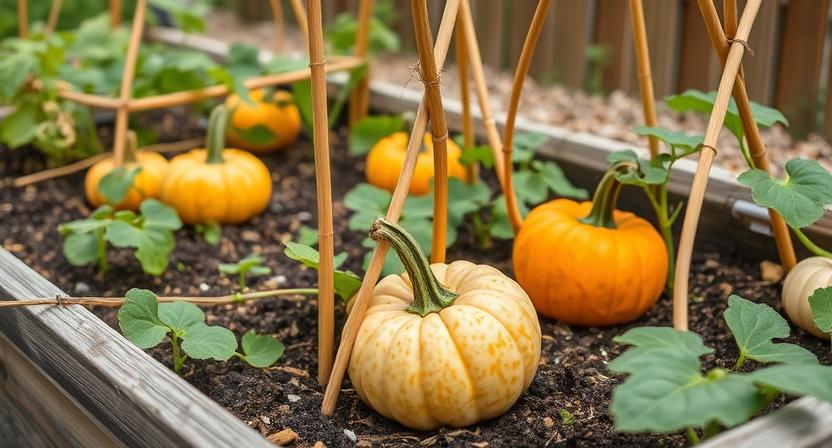
Spring (March – May) If you’re reading this in spring, focus on hardy crops first. Broad beans, onion sets, shallots, early potatoes, peas, radishes, lettuce, spinach and beetroot can all handle cooler soil temperatures. These are your confidence builders because they’re far more forgiving than the Mediterranean crops everyone gets excited about.
Early Summer (Late May – June) This is when the fun stuff goes in, but not a moment before mid-May in southern England. Tomatoes, courgettes, runner beans, French beans, sweetcorn and squash all need properly warm soil and absolutely no risk of frost. I tell people to think of the Chelsea Flower Show week (late May) as your green light for tender crops.
Summer (July – August) Don’t assume the planting season is over by July. This is perfect timing for fast-growing crops that will mature before winter. Sow more lettuce, spring onions, radishes and spinach for autumn harvests. In July, you can even plant calabrese and autumn cauliflowers for later in the year.
Autumn (September – October) Spring-planted garlic cloves go in during October and November. You can also plant overwintering onion sets and broad beans for an early crop next year. These are the gardeners’ secrets for getting ahead of the season.
Monthly Planting Guide for the UK
February: The Cautious Start
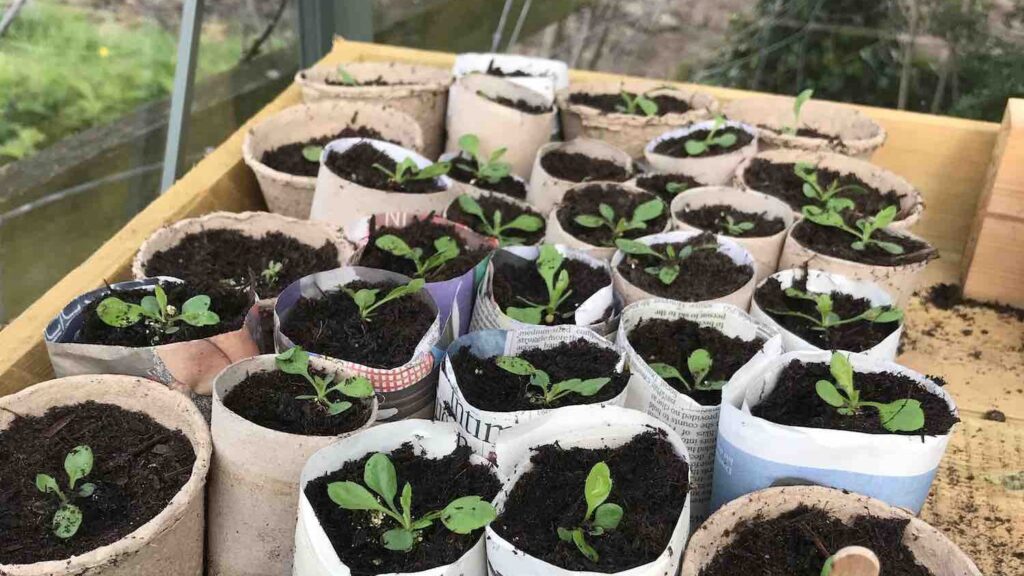
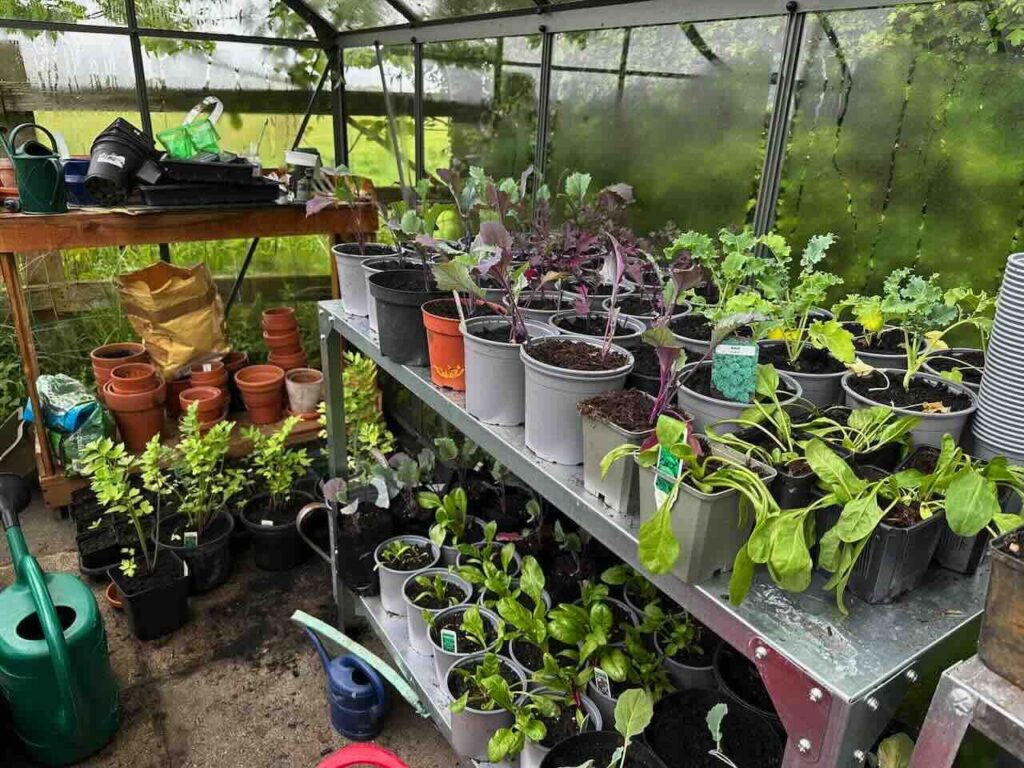
Honestly, February is still too early for most outdoor planting unless you’re in a particularly mild coastal area. However, you can start chitting (sprouting) your seed potatoes indoors on a windowsill. If you have a greenhouse or polytunnel, you can sow broad beans, early peas and onion sets in modules under cover.
What to plant outdoors: Only in very mild areas – shallots and onion sets What to start indoors: Chit seed potatoes; sow early tomatoes in a heated greenhouse
This is when things properly get going, though I’d still hold off on anything tender. The soil is starting to warm up, particularly if you’ve been covering beds with black plastic or horticultural fleece to capture what sun we get.
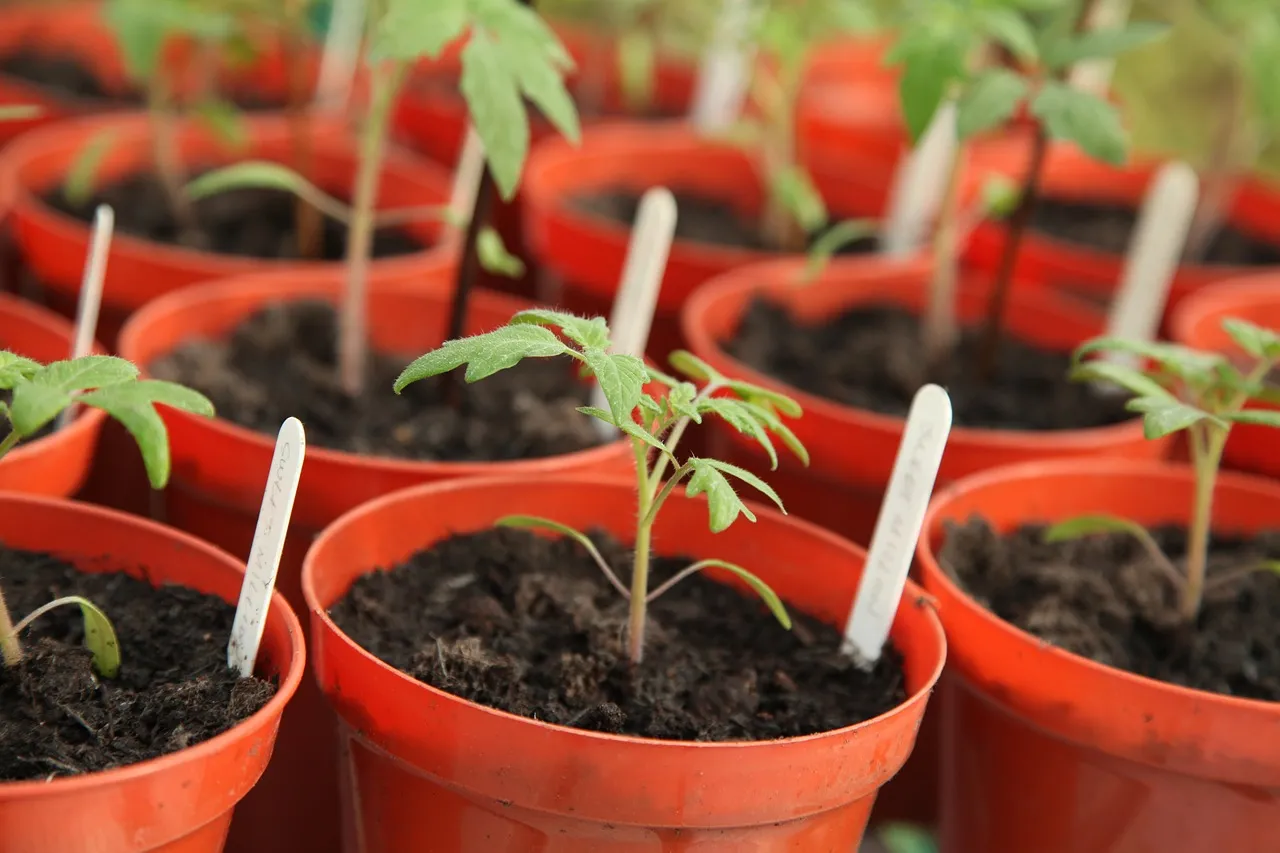
Direct sow outdoors: Broad beans, early peas, parsnips, spring onions, radishes, lettuce, rocket, spinach Plant outdoors: First early potatoes (end of the month), onion sets, shallots Sow indoors: Tomatoes, chillies, aubergines (in heated greenhouse or propagator)
April is glorious if you can resist the temptation to plant everything at once. Late frosts are still a real risk, so keep fleece handy for protection. I’ve seen entire vegetable plots wiped out by an unexpected cold snap in late April, so don’t let your guard down yet.
Direct sow outdoors: Carrots, beetroot, more lettuce, rocket, Swiss chard, spring onions, radishes, peas, broad beans Plant outdoors: Second early potatoes, onion sets Sow indoors: Courgettes, squash, cucumbers, runner beans (end of month)
Mid-May is the game-changer, particularly after the Chelsea Flower Show week. Once we’re past that, the risk of frost drops dramatically in most of southern England. Northern gardeners, you need to wait until late May or even early June, depending on your location.
Direct sow outdoors (after mid-May): Runner beans, French beans, courgettes, squash, sweetcorn Direct sow outdoors (anytime): More carrots, beetroot, lettuce, spring onions, radishes Plant outdoors (after mid-May): Tomatoes, courgettes, squash, runner beans, French beans, cucumbers, sweetcorn Plant outdoors (anytime): Maincrop potatoes (early May)
June is your final opportunity to get most vegetables in the ground for this year’s harvest. After June, you’re limited to fast-maturing crops for autumn picking.
Direct sow outdoors: More beetroot, carrots, lettuce, spring onions, radishes, French beans (early June), calabrese, kale Plant outdoors: Any remaining tender crops from indoor sowings
These months are about maintaining supply rather than major new plantings. The clever trick is succession sowing salads and quick crops every fortnight to avoid feast and famine.
Direct sow outdoors: Lettuce, rocket, spring onions, radishes, turnips, winter spinach (late summer)
Autumn planting is massively underrated. These crops overwinter and give you the earliest harvests next spring, often weeks before your neighbours, who wait until spring to plant.
Rather than blindly following dates, learn to read your garden’s signals. You’ll be amazed at how just taking a glance at your plant’s progress, the texture of the soil, and other indicators like the amount of sunlight can help you intuitively determine when to start planting.
Here’s what I check:
Soil temperature matters most: Push a soil thermometer 5cm into the ground. If it reads below 7°C, hold off on sowing seeds outdoors. Most tender crops want 10-15°C before they’ll germinate happily.
Check the forecast: Look ahead ten days. If frost is predicted, wait. It’s not worth the risk of losing plants you’ve nurtured for weeks.
The ground feels right: Squeeze a handful of soil. If water drips out, it’s too wet to work. If it crumbles into dust, it’s too dry. If it holds together, then breaks apart when you poke it, you’re good to go.
Local knowledge trumps national guidance: Pay attention to when your neighbours plant out tender crops. They’ll know the local microclimates better than any general guide.
Regional Differences in the UK
The UK is surprisingly varied in its growing conditions. What works in Cornwall won’t necessarily work in Cumbria.
Southern England and South Wales: Follow the main calendar above. You can often start a week or two earlier than the dates given.
Midlands and East Anglia: Use the calendar as written. You’re in the Goldilocks zone for UK vegetable growing.
Northern England, Scotland and Northern Ireland: Add 7-14 days to all the dates for tender crops. Your frost-free date might not arrive until early June in exposed areas.
Coastal areas: You get moderated temperatures year-round. Frosts are less severe but you may battle wind, so windbreaks become essential.
The Biggest Timing Mistakes I See
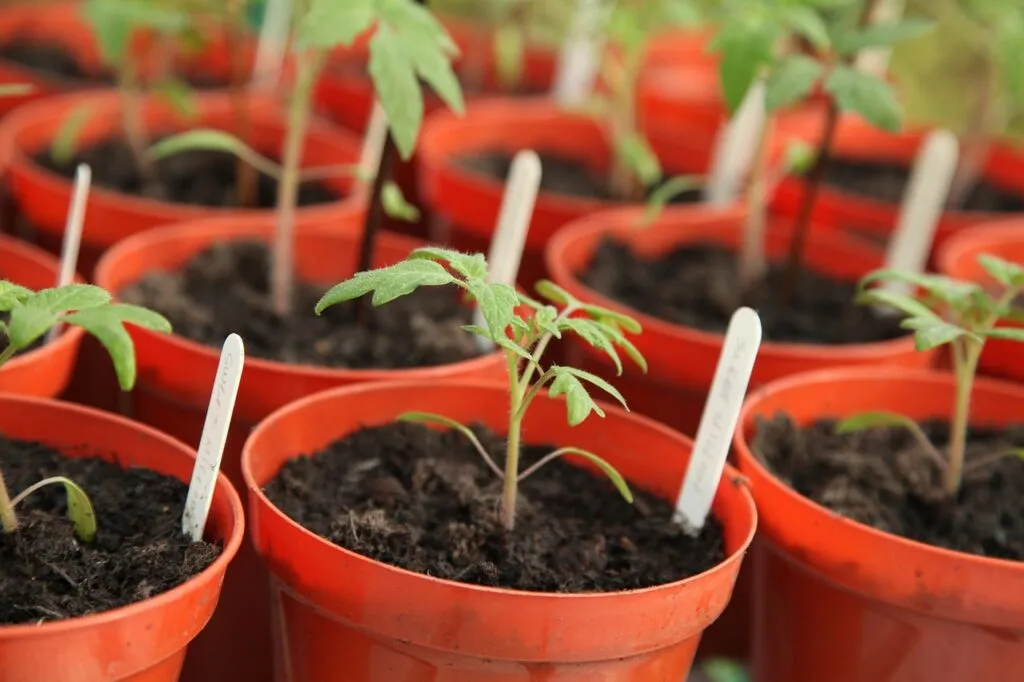
Starting tomatoes too early: I see people sowing tomatoes in January for unheated greenhouses. Don’t. They’ll languish on windowsills, getting leggy and weak for months. Mid-March to early April is plenty early enough for greenhouse tomatoes, and April for outdoor varieties.
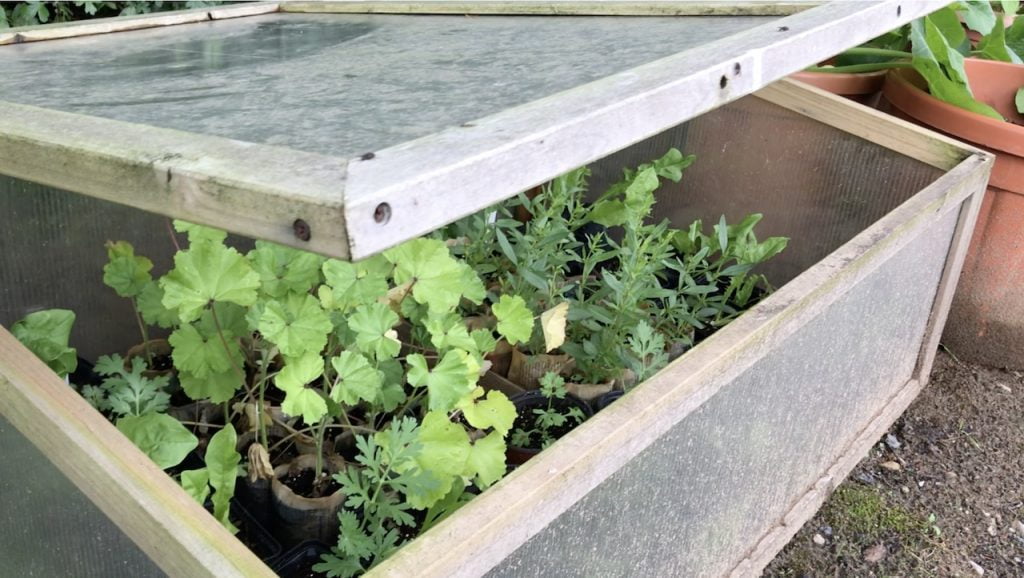
Planting before hardening off: Just because it’s warm enough doesn’t mean your mollycoddled indoor plants can go straight outside. Give them 7-10 days of gradual acclimatisation first.
Forgetting about succession planting: Planting all your lettuce on the same day means it all matures together, then bolts together, leaving you with nothing. Sow little and often instead.
Ignoring your own garden’s microclimate: Published dates are guidelines, not gospel. That south-facing wall might be warm enough weeks before the rest of your garden.
Your subscription could not be saved. Please try again.
Your subscription has been successful.
Growing Vegetables Without a Garden: Containers and Small Spaces
One of the most common things I hear from people who approach me after a Garden Rescue filming is “I’d love to grow my own vegetables but I haven’t got the space.” I understand the feeling, but I want to challenge the assumption behind it. You do not need a traditional vegetable plot, or even a garden, to grow a genuinely productive supply of fresh vegetables. Some of the most impressive edible growing I have seen has been on a south-facing balcony in Manchester and a terraced house backyard in Leeds, both of which produced more food than many people with full allotments.
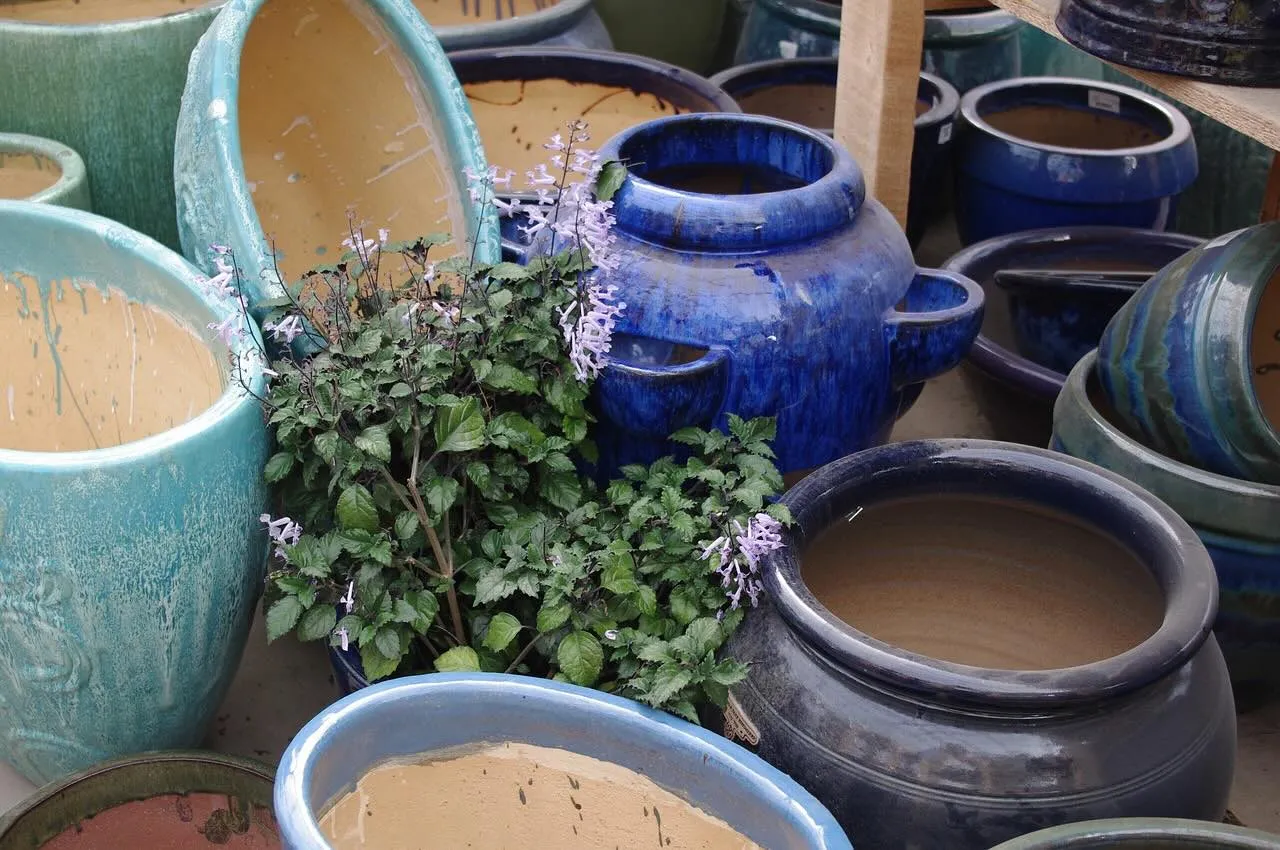
Containers warm up faster than open ground in spring, giving you a head start on the season. You also have complete control over your compost, drainage and positioning — you can chase the sun around a patio in a way that simply isn’t possible with a fixed bed. The trade-off is that pots dry out faster and need more attentive watering, particularly through June, July and August. The single biggest mistake container growers make is using pots that are too small. For anything beyond salad leaves and herbs, you want containers with a minimum depth and diameter of 40cm. Anything smaller, and you will be fighting a losing battle against drought stress and restricted root growth.
Compost choice matters enormously in containers. I always recommend a soil-based compost, such as John Innes No. 3, mixed with around 20% perlite or horticultural grit for drainage. Multi-purpose compost on its own tends to shrink away from the sides of the pot as it dries, creating channels where water runs straight through without reaching the roots. Add a slow-release fertiliser granule at planting time and then feed weekly with a liquid tomato feed once plants are flowering and fruiting. Container-grown crops are entirely dependent on you for nutrition in a way that in-ground plants simply are not.
The best crops for container growing are those with compact habits and high yields relative to the space they occupy. Tumbling or bush tomato varieties such as ‘Tumbling Tom’ or ‘Hundreds and Thousands’ perform brilliantly in hanging baskets and window boxes. Dwarf French beans, cut-and-come-again lettuce, radishes, spring onions, chillies and compact courgette varieties will all produce well in pots. Potatoes in grow bags or dedicated potato planters are one of the most rewarding things a beginner can try — there is something genuinely magical about tipping out a bag in August to find a pile of new potatoes you grew yourself on a 60cm square of patio.
🌿 Lee’s Expert Tip
The single most impactful thing you can do for container-grown vegetables is group your pots together rather than dotting them around. Grouped pots create a microclimate that retains humidity around the plants, reduces wind stress and actually slows moisture loss from the compost. It also means your watering is concentrated in one area, which takes far less time and makes it far easier to spot problems early. On small balconies, this approach also looks significantly more designed and intentional than scattered individual pots.
Crop Rotation: The Simple System That Prevents Most Veg Plot Problems
After timing, crop rotation is the second most important principle in vegetable growing — and the one that beginners most commonly skip in their first year, then desperately wish they had followed in their second. Crop rotation simply means not growing the same family of vegetables in the same patch of ground year after year. The reason is straightforward: different vegetable families are susceptible to different soil-borne diseases and pests, and those problems build up in the soil over time if you keep feeding them the same host plant in the same spot.
The classic example I use in Garden Rescue consultations is clubroot in brassicas. Club root is a soil-borne fungus that infects cabbage, kale, broccoli, Brussels sprouts, and cauliflowers, causing the roots to swell grotesquely and the plant to collapse. Once it is in your soil, it can persist for twenty years. Growing brassicas in a different bed each year starves the fungus of its host and dramatically reduces the risk of an outbreak. The same principle applies to potato blight, onion white rot and carrot fly — all of which are far easier to prevent through rotation than to cure once established.
The good news is that you do not need a complicated system. A simple four-bed rotation covers everything most home gardeners grow and is easy to remember and implement. Each of the four groups moves to a new bed each year, completing a full cycle every four years. In practice, even a rough three-year rotation is significantly better than growing in the same spot every year. If you only have space for two or three beds, still rotate what you can — an imperfect rotation is always better than none at all.
Potatoes and tomatoes share blight. Manure this bed generously in autumn — these heavy feeders love rich soil.
One further benefit of rotation that rarely gets mentioned is fertility management. Legumes — peas and beans — fix atmospheric nitrogen into the soil through nodules on their roots. Growing brassicas in the bed that followed legumes the previous year means those hungry, leafy crops are inheriting a nitrogen boost without you spending a penny on additional fertiliser. This is centuries-old agricultural wisdom that works just as well on a four-bed raised bed system as it does on a commercial farm.
Note that a few crops sit outside the standard rotation. Sweetcorn, courgettes and squash are often grouped with potatoes for practical convenience but do not share the same disease pressures, so their positioning is more flexible. Permanent crops such as asparagus, rhubarb and perennial herbs simply need their own dedicated bed that sits outside the rotation entirely. Salad leaves, radishes and spinach are fast-turnaround crops that slot into gaps throughout the rotation without disrupting the system.
🌿 Lee’s Expert Tip
The simplest way to remember your rotation is to keep a notebook or a photograph on your phone of which crop was in which bed each year. It sounds obvious, but after two or three seasons it becomes genuinely difficult to remember what went where, especially in a busy garden. I use a simple diagram — four boxes labelled Bed 1 to 4 with the group name and year written in — that I update each spring before I start planting. Five minutes of planning in February saves a lot of frustration in September.
Learn How to Design Your Own Garden
Now that you’re a pro at when to grow vegetables, why not consider the wider garden with some design training? My Garden Design for Beginners Course is here to help take your garden from average to amazing with an affordable online course, no matter how little your experience with plants.
Planting Techniques – Select and arrange plants like a pro.
Design Styles & Layout Options – Explore different styles to suit every garden.
Course Features:
20 Hours of Study Time
Flexible Online Learning
Engaging Video Lessons & Quizzes
Real-World Case Studies
Certification upon Completion
Taught by Award-Winning Designer Lee Burkhill
Enrol now for just £199 and start your journey toward garden design mastery!
29
Garden Design Examples for Small Gardens: 30 Design Templates & Planting Plans
Garden Design Examples for Small Gardens: 30 Design Templates & Planting Plans: In this online gardening course, I’ll walk you through 30 fantastic garden designs, explaining the logic behind the layout, the plant choices, and take-home tips for applying them in your own garden.
Weekend Garden Makeover: A Crash Course in Design for Beginners
Learn how to transform and design your own garden with Lee Burkhills crash course in garden design. Over 5 hours Lee will teach you how to design your own dream garden. Featuring practical design examples, planting ideas and video guides. Learn how to design your garden in one weekend!
Garden Design for Beginners: Create Your Dream Garden in Just 4 Weeks
Garden Design for Beginners Online Course: If you want to make the career jump to becoming a garden designer or to learn how to design your own garden, this is the beginner course for you. Join me, Lee Burkhill, an award-winning garden designer, as I train you in the art of beautiful garden design.
Start with the easy, forgiving crops first. Radishes, lettuce, spring onions and courgettes will build your confidence because they grow reliably and quickly. Once you’ve mastered those, move on to trickier crops like tomatoes and peppers, which demand precise timing and more attention.
The worst thing you can do is try to grow everything in your first year, get overwhelmed, and give up. Choose up to 5 crops for your first season. Get really good at growing those, then expand your repertoire next year.
Timing vegetables isn’t about being perfect; it’s about being observant. Watch your garden, learn from your mistakes (we all make them), and keep notes of what worked and when. I promise that by your third season, you’ll instinctively know when conditions are right.
Now get out there and start planting. Your future self will thank you when you’re eating homegrown vegetables all summer long.
Make sure you visit my YouTube channel for more gardening guides. You can also check out my Twitter, Facebook or Instagram for more garden help and tips.
Your subscription could not be saved. Please try again.
Your subscription has been successful.
Lee Burkhill
Lee Burkhill, known as the Garden Ninja, is an award-winning garden designer and horticulturist with over 30 years of gardening experience and 15 years as a professional garden designer. A qualified RHS (Royal Horticultural Society) professional, Lee specialises in sustainable garden design and practical horticultural advice. He designs and presents on BBC1’s Garden Rescue and in leading gardening publications. Lee combines three decades of hands-on gardening knowledge with professional design qualifications to help gardeners create beautiful, functional outdoor spaces.