Plants that love Silty or fine soil: 30 Easy to grow Plants in Light Soil
Lee Burkhill: Award Winning Designer & BBC 1's Garden Rescue Presenters Official Blog
Beginner level
Do you have silty or fine soil in your garden and feel unsure how to make the most of it? Silty soil is one of the most misunderstood and underappreciated soil types in UK gardening, and if you have it you may not even realise how lucky you are. This guide will show you the best plants to grow in finer soil!
Silty soil is one of the most fertile and productive growing mediums available, holding moisture and nutrients in a way that suits an enormous range of plants from bold perennials and structural grasses to productive fruit and vegetables.
Quick Answer
The best plants for silty soil in the UK include Iris sibirica, Astilbe, Rudbeckia, Phlox paniculata, Hemerocallis, Camassia, Fritillaria meleagris, Cornus alba, Hydrangea macrophylla, Amelanchier lamarckii and Calamagrostis. Silty soil is naturally fertile and moisture-retentive, making it excellent for both ornamental planting and vegetable growing. The key challenges to manage are compaction and surface crusting. Never work silty soil when it is wet, and mulch generously every autumn to protect the surface structure.
As an RHS-qualified garden designer who has worked with silty soils on river valley sites across the UK, I can tell you that with a few straightforward management principles, silty soil can be an absolute joy to garden on. This guide covers everything you need to know, from understanding why silty soil feels the way it does, through to a comprehensive plant-by-plant guide covering perennials, shrubs, trees, grasses, climbers and bulbs, all with affiliated Amazon links and At A Glance reference tables.
It is worth saying upfront that silty soil is actually quite rare in UK gardens compared to clay and sandy soils. If you do have it, you are most likely gardening in or near a river valley or flood plain. The Severn, Thames, or Humber corridors, the Vale of York, the Somerset Levels, or the Fens of Lincolnshire and Cambridgeshire.
Pure silt is relatively uncommon in purely domestic gardens, though silty loams are more widespread than many people realise. Whatever the proportion of silt in your soil, the guidance in this article will help you make the very most of it.
Silty soil lies between sand and clay in the soil particle-size spectrum. Sand particles measure 0.05–2mm, clay particles measure less than 0.002mm, and silt particles sit in the middle at 0.002–0.05mm, a size range sometimes described as fine-textured.
These fine particles are primarily broken-down grains of quartz and feldspar, eroded and deposited by water and wind over thousands of years. In the UK, silty soils are most commonly found in river valleys and ancient floodplains, where this kind of fine sediment has been deposited layer upon layer for millennia. The Fens, the Vale of York, the Severn Valley, the Somerset Levels and the Thames flood plain are all classic silt-bearing landscapes.
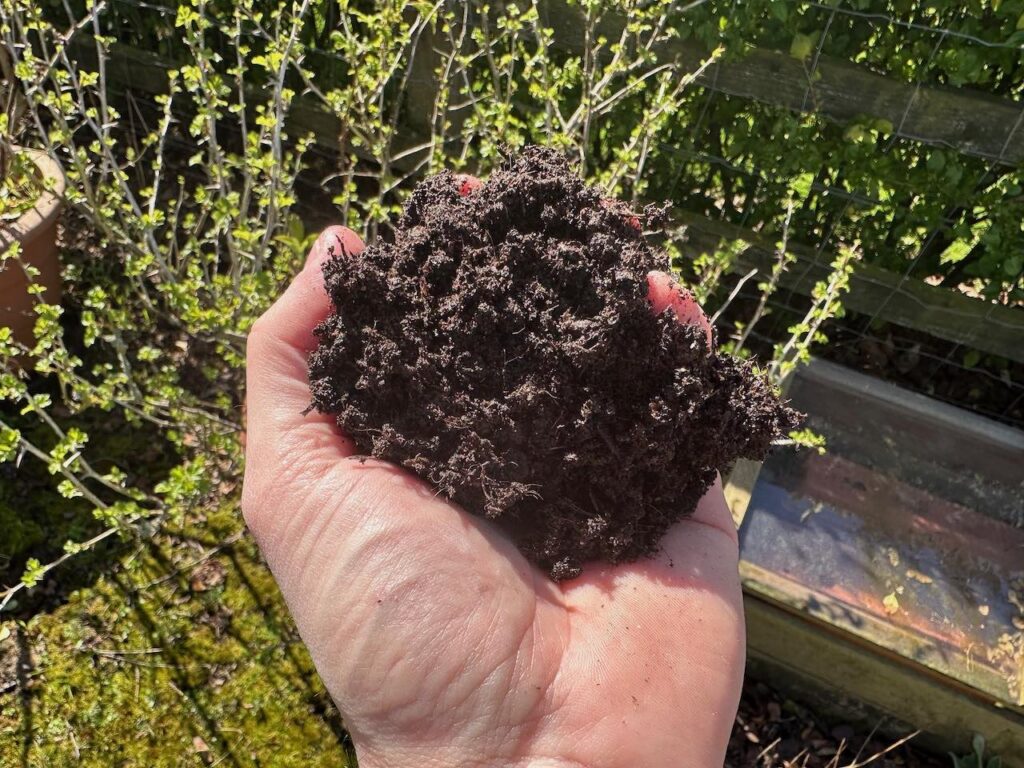
The characteristic soapy or silky feel of wet silt is one of the most distinctive features of this soil type, and it surprises many people the first time they encounter it. The soapy sensation is caused by how silt particles behave in water. Unlike sand, which feels gritty because the larger particles create friction between your fingers, silt particles are so fine that they act almost like ball bearings when wet, allowing surfaces to slide freely against each other with very little resistance.
The technical term for this is low surface friction due to particle size, and it is also why silt suspension in river water appears milky and opaque rather than gritty. When you rub wet silt between your fingers, it feels slippery and smooth, not sticky like clay (which has an entirely different electrostatic quality caused by its sheet-like mineral particles), but genuinely soapy and silky in a way that is unmistakable once you know what to look for.
💡 Top Tip
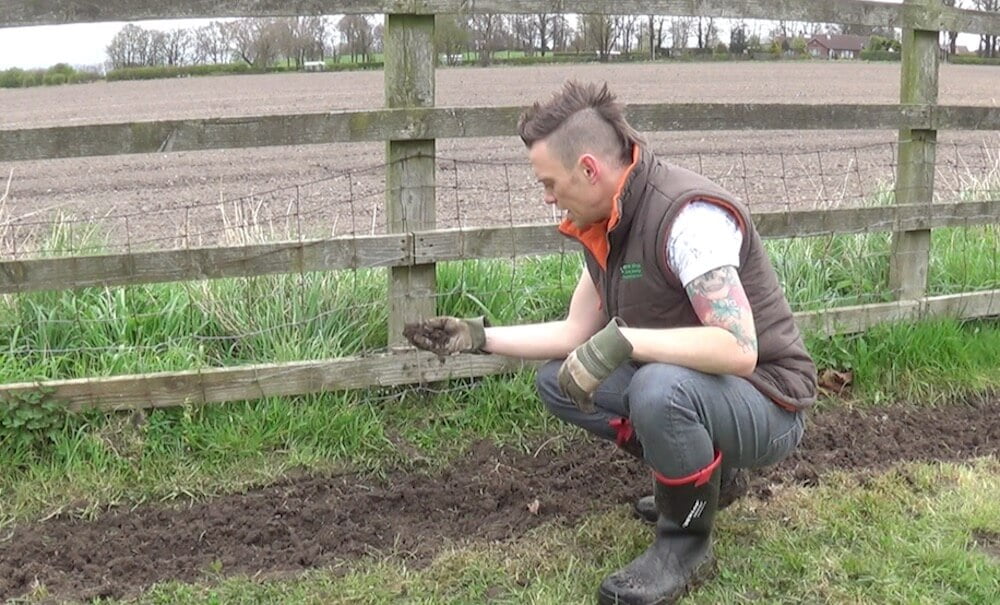
To test whether your soil is silty, take a small damp handful and rub it between your fingers. Silt feels smooth and soapy, not gritty (sand) and not sticky (clay). You can also try the ribbon test: squeeze a ball of moist soil between your thumb and forefinger. Sandy soil crumbles instantly, clay forms a long ribbon, but silt holds its shape briefly and then breaks apart relatively easily without the stickiness of clay. The soapy feel is the real giveaway.
Silty soil is also near-neutral in pH, typically sitting between 6.0 and 7.5, which suits the vast majority of garden plants without amendment. It holds nutrients reasonably well thanks to its fine particle surface area, and it retains moisture in a way that is genuinely beneficial to plant growth.
Of all the common soil types, silt arguably offers the best balance of moisture retention, drainage, and nutrient availability when well managed. That last phrase is the key. Silt requires careful management, particularly around compaction, and we will cover that in detail in the improvement section.
How to improve and manage silty soil
The great news about silty soil is that it does not need dramatic fixing in the way that either clay or sandy soil does. Its natural fertility and moisture retention are genuine assets that you should lean into rather than fight against. The management approach is more about protection and maintenance than transformation.
The single biggest risk with silty soil is compaction, and avoiding it is the most important thing you can do as a silt gardener. After that, the focus is on maintaining organic matter levels and protecting the surface from crusting and erosion.
i) Understand and avoid compaction: the number one priority
Compaction is the defining management challenge of silty soil, and it is one that catches many gardeners out precisely because silt looks and feels so workable when conditions are right. The problem is that silt’s fine, uniform particles pack together extremely tightly under pressure, especially when wet.
Walking on wet, silty soil even once can cause compaction damage that takes months to recover from. The particles are forced together into a dense, airless mass that root systems cannot penetrate, and water cannot drain through. I have seen silty borders that had been repeatedly walked on in wet conditions become as hard and impenetrable as tarmac by midsummer, with plants sitting yellow and stressed in the very soil that should have been supporting them brilliantly.
The practical solutions are straightforward. Design your beds no wider than 1.2m so you can always reach the centre from either side without stepping on the soil. Use wide boards or stepping stones to distribute your weight when you do occasionally need to step onto a bed.
Better still, adopt the no-dig approach: applying a 5cm layer of compost to the surface each autumn and letting worms and soil biology do the work of incorporating it, which eliminates most of the reasons you would need to tread on beds at all.
Never work silty soil when it is wet. Do the squeeze test first: take a handful and squeeze it. If it smears and holds a shiny surface, leave it well alone. If it crumbles apart with gentle pressure, you are good to go. This single habit will protect your silty soil’s structure more than any amendment you could add.
⚠️ Compaction Warning
Never add fine builder’s sand to silty soil to try to improve drainage. The fine sand particles combine with the silt particles to create a dense, concrete-like texture that is worse than either material alone. If you need to improve drainage in specific planting spots, use coarse horticultural grit (1–4mm particle size) worked into individual planting holes, not across entire beds.
ii) Add organic matter annually to maintain structure
While silty soil does not need the dramatic annual organic matter additions that sandy soil requires, a consistent annual mulch is still enormously beneficial. Organic matter binds silt particles into stable aggregates, or crumbs, which significantly improves drainage, aeration, and resistance to compaction. Apply 5–7.5cm of well-rotted garden compost, leaf mould or well-rotted manure as a surface mulch each autumn, ideally in October or November.
The no-dig approach works particularly well on silty soil because it eliminates foot traffic, allows worms to incorporate the soil naturally, and gradually builds the soil’s organic content and structural stability year on year without ever disturbing the particle arrangement that took years to form.
iii) Protect the surface from crusting and erosion
After heavy rain, silty soil particles can go into suspension in the water sitting on the surface, and when that water evaporates a hard, impermeable crust forms that prevents subsequent rainfall from penetrating and makes life difficult for emerging seedlings. This is called surface capping, and it is a specific problem of fine-textured soils.
The answer is to keep silty soil covered at all times, either with a mulch layer, a growing crop, or established plant foliage. Never leave silty soil bare over winter. Sow a green manure immediately after clearing autumn crops. Phacelia is outstanding on silt as its dense, fibrous root system holds particles together and its decomposition adds exactly the kind of fine organic matter that improves silt structure most effectively.
iv) Time your planting and cultivation carefully
Silty soil has a narrower workable window than sandy soil but a wider one than heavy clay. It warms up in spring more quickly than clay, typically becoming workable in late March or early April in most parts of the UK. Autumn planting is excellent for shrubs, trees and perennials, as the soil retains warmth from summer long enough for roots to establish before the first hard frosts.
Spring planting works well for most herbaceous plants and grasses, once the soil has dried enough to work without smearing. The key seasonal rule is always to wait for the soil to reach the crumble-not-smear condition before touching it.
v) Use raised beds for vegetables
If you are growing vegetables on silty soil (and silt is genuinely one of the finest vegetable-growing soils there is, as anyone familiar with the Fens will know) raised beds are a sensible investment. They eliminate compaction from the productive area entirely, allow you to enrich the growing medium with additional compost without affecting the surrounding soil, and provide the slightly improved drainage that most vegetables appreciate.
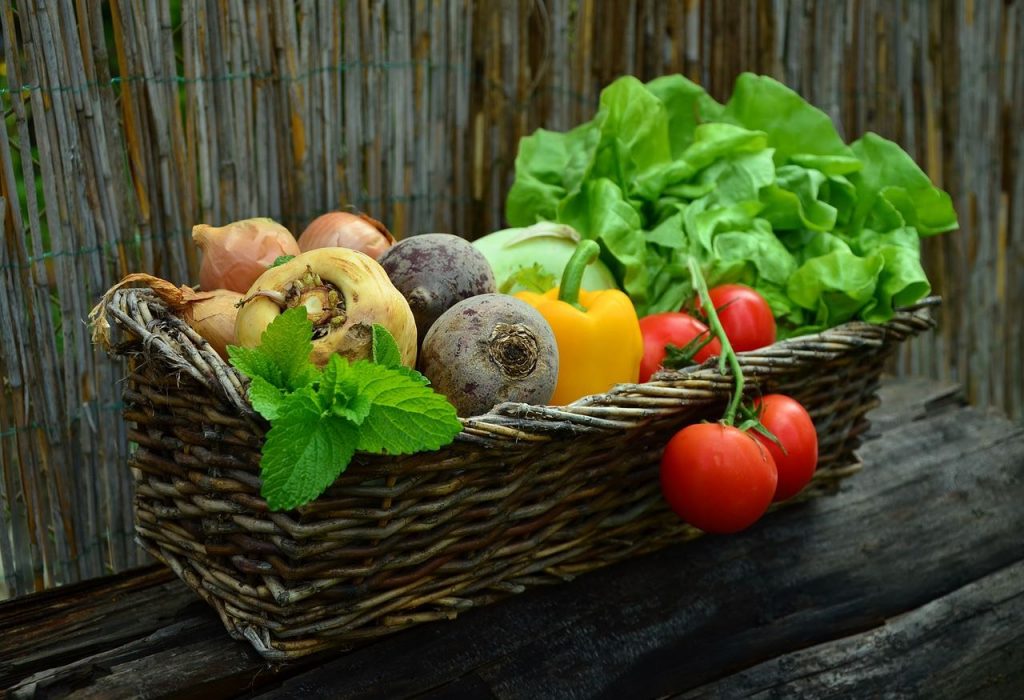
Fill raised beds with a mix of the existing silty soil and well-rotted compost at roughly 50:50, and you will have a growing medium that most professional market gardeners would envy. Carrots, parsnips, beetroot, lettuce, onions and brassicas all perform superbly in fine-textured, fertile, moisture-retentive silt.
💡 Top Tip
Phacelia is the outstanding green manure for silty soil. Sow it from March to September on any bare patches and it will germinate quickly, grow dense fibrous roots that bind silt particles together, and produce beautiful lavender-blue flowers beloved by pollinators before you dig it in. It is not frost-hardy, so an autumn sowing will be killed by the first hard frost, leaving a soft green mulch that rots down readily over winter.
Perennials for silty soil
Silty soil’s combination of good fertility, reliable moisture retention and near-neutral pH makes it suitable for a very wide range of perennials. Because you are not constrained to drought-tolerant Mediterranean plants on sandy soil, or to the heaviest clay-tolerant perennials, you can draw from a broader palette.
Plants that prefer what the RHS describes as “moist but well-drained, fertile” conditions, a phrase that appears in thousands of plant profiles, are essentially describing silty soil. The following plants will genuinely excel in these conditions.
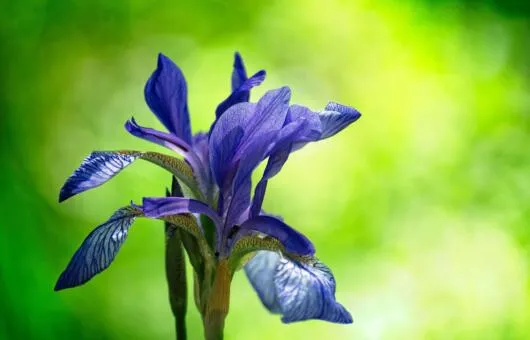
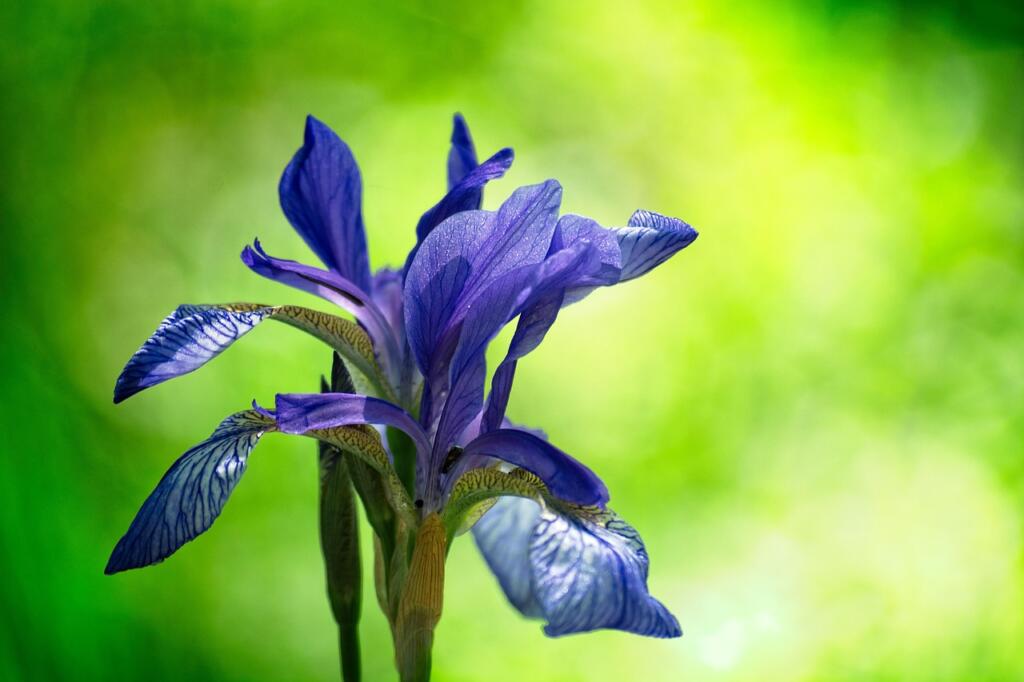
1. Iris sibirica ‘Tropic Night’ (Siberian Iris)
Siberian iris is one of the most elegant and long-lived perennials you can grow, and silty soil is genuinely close to its natural habitat. In the wild, Iris sibirica grows in moist, fertile grasslands and alongside streams, exactly the conditions that characterise the river-valley landscapes where silty soil is most common.
The upright, grass-like foliage provides excellent structure all season, and the flowers in May and June are simply exquisite: clear violet-blue with intricate veining in ‘Tropic Night’, hovering on slender stems like a flight of butterflies above the clump. Unlike bearded irises, Siberian irises never need lifting and dividing for years at a time, and on silty soil, it will slowly build into a generous, free-flowering clump that improves with every season. It also has outstanding Autumn foliage interest as the leaves turn rich golden-brown.
🌿 At A Glance
Botanical Name
Iris sibirica ‘Tropic Night’
Plant Type
Hardy herbaceous perennial (RHS AGM)
UK Hardiness
H7 (hardy to -20°C+)
Height / Spread
90cm / 50cm
Flowering Period
May to June
Best Conditions
Full sun to part shade, moist fertile silty or loamy soil
Border phlox is one of those perennials that is almost impossible to grow well on sandy, free-draining soil because it demands consistent moisture at its roots throughout the summer growing season. On silty soil, where reliable moisture is provided naturally, the results are spectacular.
Blue Paradise’ is the finest of the tall border phlox varieties in my view, producing large domed heads of richly violet-blue flowers with a sweet, penetrating fragrance from July to September. The fragrance of phlox on a warm summer evening is one of the great sensory pleasures of the garden. On silty soil where the plant is never stressed by drought, the flowers are larger, the fragrance stronger, and the display longer-lasting than on any other soil type. Divide clumps every three to four years to maintain vigour and choose mildew-resistant varieties to avoid the powdery mildew that can affect phlox in dry, stressed conditions.
🌿 At A Glance
Botanical Name
Phlox paniculata ‘Blue Paradise’
Plant Type
Hardy herbaceous perennial (RHS AGM)
UK Hardiness
H7 (hardy to -20°C+)
Height / Spread
90cm / 60cm
Flowering Period
July to September
Best Conditions
Full sun to part shade, fertile moist silty or loamy soil
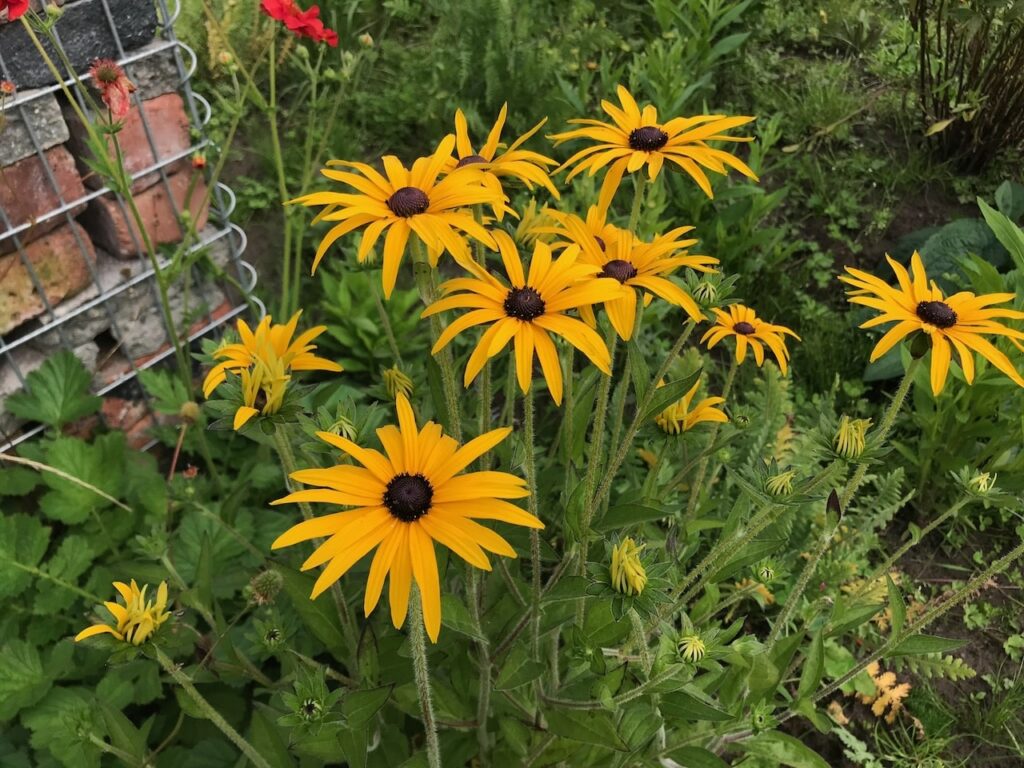
3. Rudbeckia fulgida var. sullivantii ‘Goldsturm’ (Black-Eyed Susan)
If you want a perennial that will perform reliably year after year on silty soil with virtually no intervention required, ‘Goldsturm’ is the one to reach for. This outstanding RHS Award of Garden Merit variety produces a continuous succession of bright golden-yellow daisy flowers with dark chocolate central cones from July through to October, providing some of the most cheerful colour in the late summer border.
On fertile, moisture-retentive silty soil, the plants build into generous, self-sustaining clumps that never need staking and rarely need dividing. I planted ‘Goldsturm’ in a riverside garden on silty loam a few years ago, and by the third season it had tripled in size without any attention whatsoever, flowering from late July right through to the first heavy frosts of November. Leave the seedheads standing over winter, and they will attract goldfinches and other seed-eating birds throughout the cold months.
🌿 At A Glance
Botanical Name
Rudbeckia fulgida var. sullivantii ‘Goldsturm’
Plant Type
Hardy herbaceous perennial (RHS AGM)
UK Hardiness
H6 (hardy to -20°C)
Height / Spread
75–90cm / 50cm
Flowering Period
July to October
Best Conditions
Full sun to part shade, fertile moist silty or loamy soil
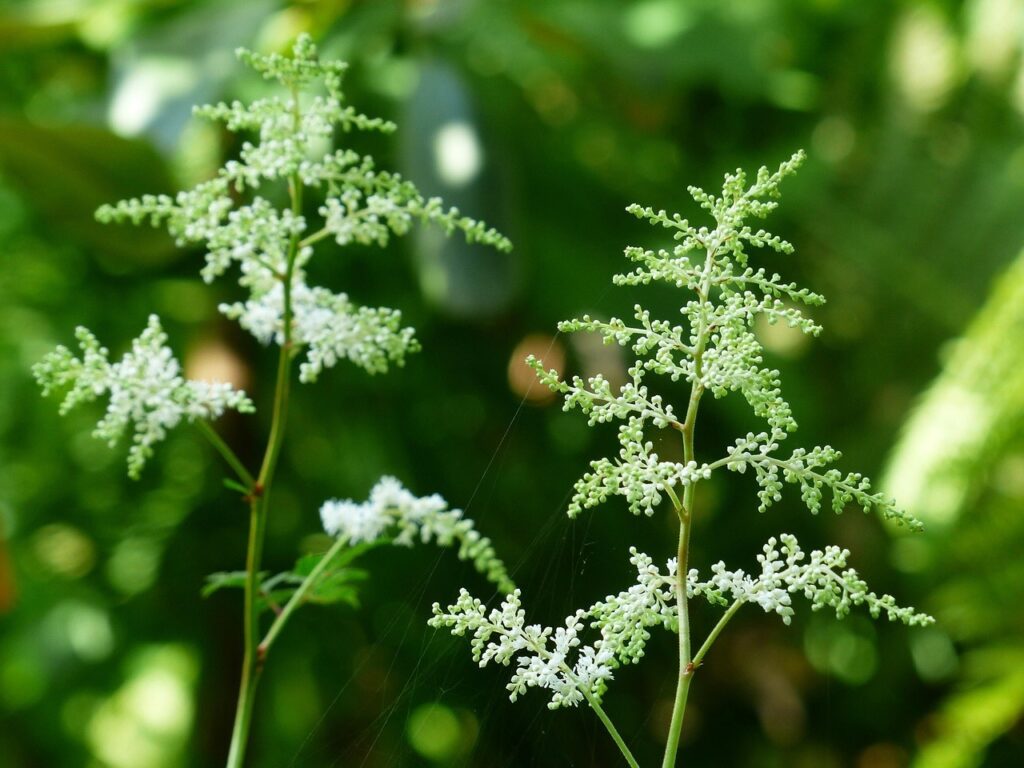
Astilbe is one of the plants I reach for most readily when designing gardens on silty or moisture-retentive soils, and ‘Fanal’ is the variety I specify most consistently. The deep crimson-red, feathery plumes appear in June and July above attractive, ferny, dark-tinted foliage, and the combination of flower colour with the rich texture of the leaves is genuinely beautiful.
Astilbe evolved in moist, lightly shaded woodlands in Asia, and the moisture retention of silty soil mimics those conditions almost perfectly. On silty soil in partial shade, ‘Fanal’ is one of the most reliable and long-lived perennials you can grow. One client of mine with a partially shaded riverside garden on silty loam planted a drift of seven plants of ‘Fanal’ alongside white-flowered ‘Deutschland’, and the contrast was breathtaking from the very first season. The dried seedheads also provide structural interest well into autumn.
🌿 At A Glance
Botanical Name
Astilbe × arendsii ‘Fanal’
Plant Type
Hardy herbaceous perennial (RHS AGM)
UK Hardiness
H7 (hardy to -20°C+)
Height / Spread
60cm / 45cm
Flowering Period
June to August
Best Conditions
Partial shade to full sun, moist fertile silty or loamy soil
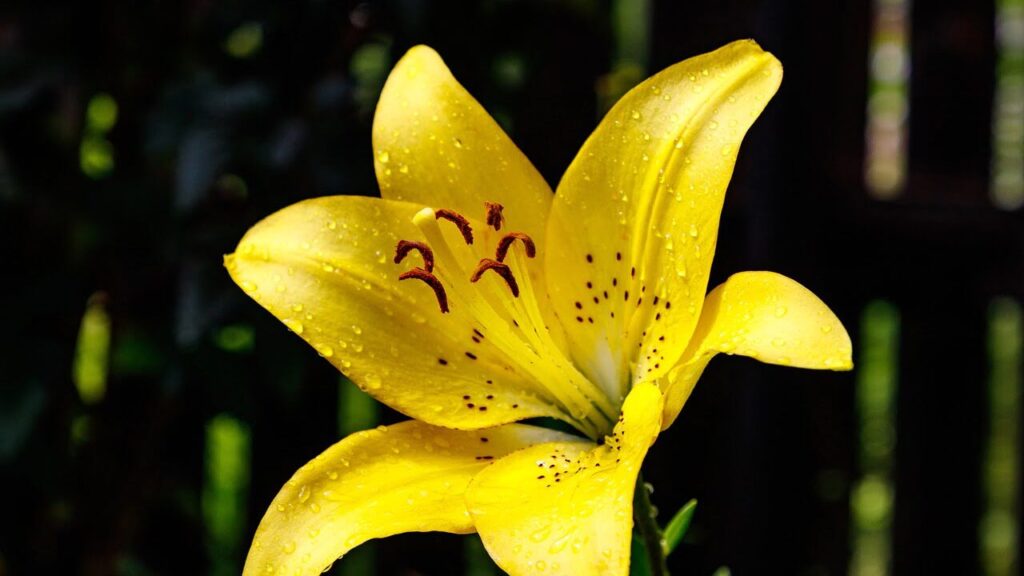
Daylilies are supremely adaptable perennials that perform well on a wide range of soils, but on fertile, moist, silty soil, they reach their full potential. ‘Corky’ is one of the most reliable and elegant of all the daylily varieties, producing a continuous succession of small, trumpet-shaped, clear lemon-yellow flowers with bronze backs from June through to August.
The grassy mounds of foliage are attractive even when the plant is not in flower, providing a good mid-border texture. On silty soil, daylilies develop strong, fleshy root systems that give them genuine drought resilience once established, drawing on the soil’s moisture-retentive nature as a buffer during dry spells. Plant in groups of three for the most natural effect, and divide every four to five years to maintain the vigour of the flowering display.
🌿 At A Glance
Botanical Name
Hemerocallis ‘Corky’
Plant Type
Hardy herbaceous perennial (RHS AGM)
UK Hardiness
H7 (hardy to -20°C+)
Height / Spread
70cm / 45cm
Flowering Period
June to August
Best Conditions
Full sun to part shade, fertile moist silty or loamy soil
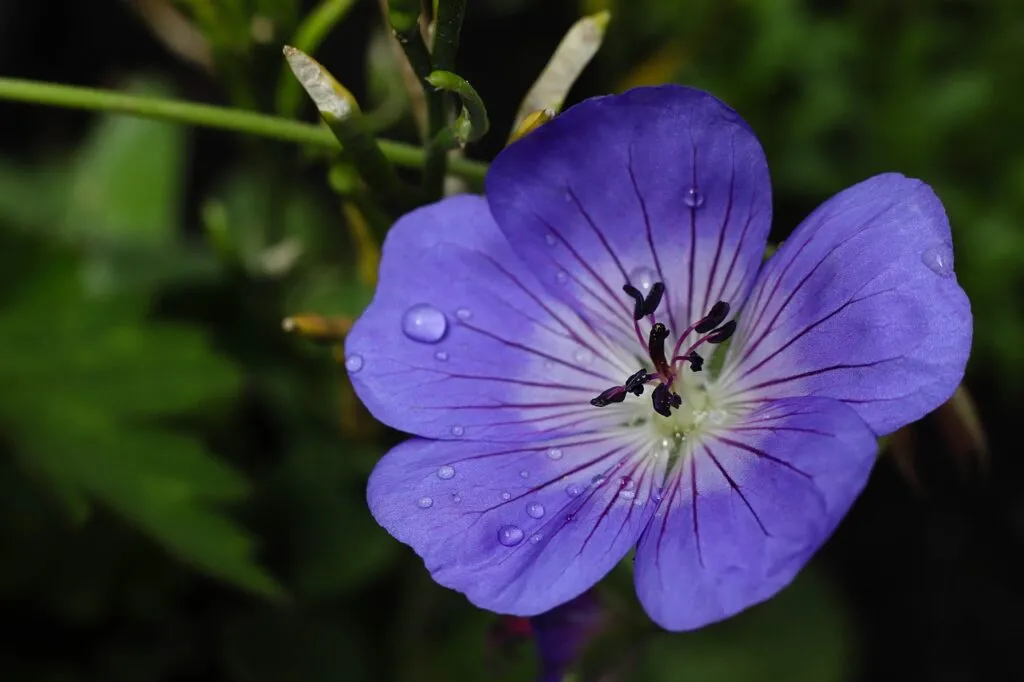
Geranium ‘Rozanne’ is arguably the most reliable and long-flowering herbaceous perennial available to UK gardeners, and it thrives on silty soil where the combination of consistent moisture and good fertility allows it to produce its exceptional display from June right through to the first frosts.
The large, clear violet-blue saucer-shaped flowers with white centres appear in an almost continuous succession on sprawling, mound-forming stems, weaving beautifully through neighbouring plants and softening any hard edges in the border.
‘Rozanne’ earned the RHS Award of Garden Merit and has been named Plant of the Centenary by the RHS, a recognition of its outstanding all-round performance across all soil types, but silty soil allows it to perform at its absolute best. Pair it with Phlox paniculata for a summer border combination of outstanding blue tones.
🌿 At A Glance
Botanical Name
Geranium ‘Rozanne’ (syn. ‘Gerwat’)
Plant Type
Hardy herbaceous perennial (RHS AGM)
UK Hardiness
H5 (hardy to -15°C)
Height / Spread
50cm / 60cm+
Flowering Period
June to October
Best Conditions
Full sun to part shade, fertile moist silty or loamy soil
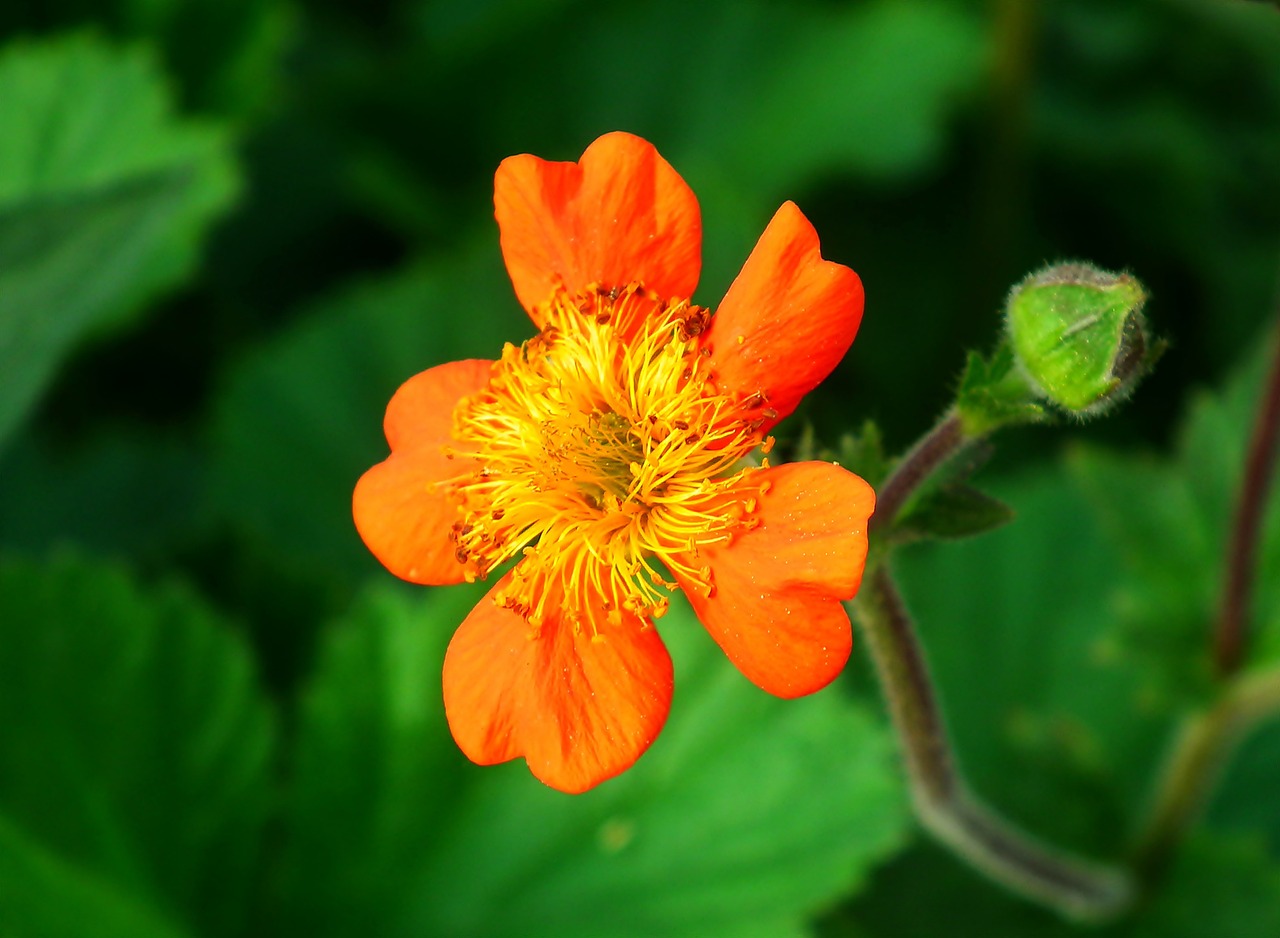
Geum ‘Totally Tangerine’ has become one of the most popular perennials in UK gardening over the past decade, and with very good reason. The long-stemmed, semi-double flowers in a warm peachy-orange with yellow stamens appear from May and, if deadheaded regularly, continue right through to October. A favourite of Chelsea Flower Show Gardens it’s for good reason, it has serious citric staying power!
This extraordinary flowering span makes it an exceptional value in the border, and on moist, fertile silty soil, the plants grow with particular vigour and flower with remarkable freedom. The native geum species from which cultivars like ‘Totally Tangerine’ are derived are plants of damp meadows, which gives you a clear indication of how naturally suited they are to silty, moisture-retentive conditions. Unlike many perennials, it performs well in partial shade, making it versatile for the shadier parts of a silty river valley garden.
🌿 At A Glance
Botanical Name
Geum ‘Totally Tangerine’
Plant Type
Hardy herbaceous perennial (RHS AGM)
UK Hardiness
H7 (hardy to -20°C+)
Height / Spread
75cm / 50cm
Flowering Period
May to October
Best Conditions
Full sun to part shade, moist fertile silty or loamy soil
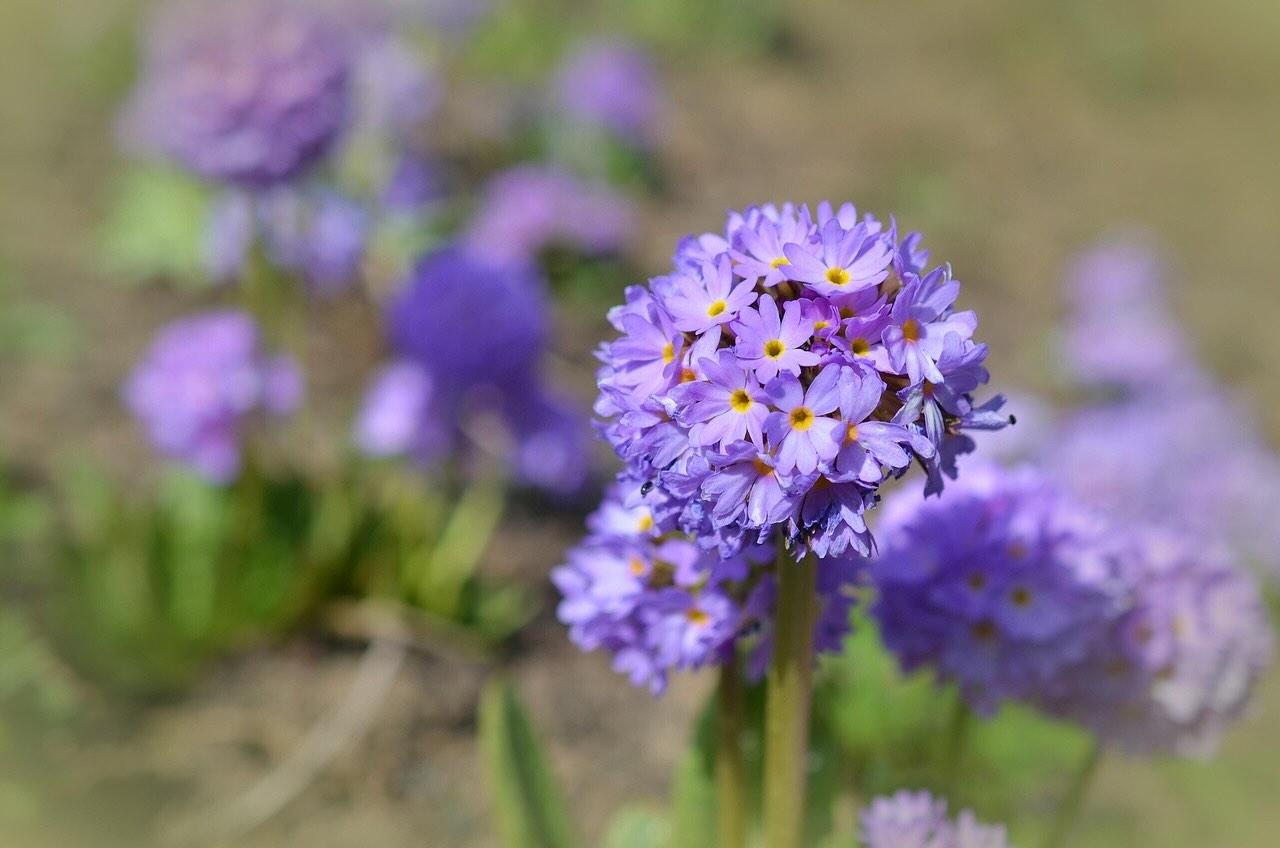
If your silty soil garden has even a hint of moisture or a partially shaded corner, candelabra primulas deserve a prominent place in it. These spectacular, tiered plants carry whorls of flowers arranged in distinct rings up tall stems to 50cm, producing a display in May, June and July that is genuinely breathtaking when planted in groups or drifts.
They come in shades of red, pink, white, and carmine, and when mixed together in a naturalistic planting beside water or in a damp, partially shaded border, they create exactly the kind of lush, romantic garden picture that is the hallmark of the finest river-valley gardens. Primula japonica is at home in silty soil because it evolved in damp, fertile habitats in Japan, and silt’s moisture retention and neutral pH closely replicate those conditions. Allow them to self-seed, and within three or four years, you will have a self-sustaining colony.
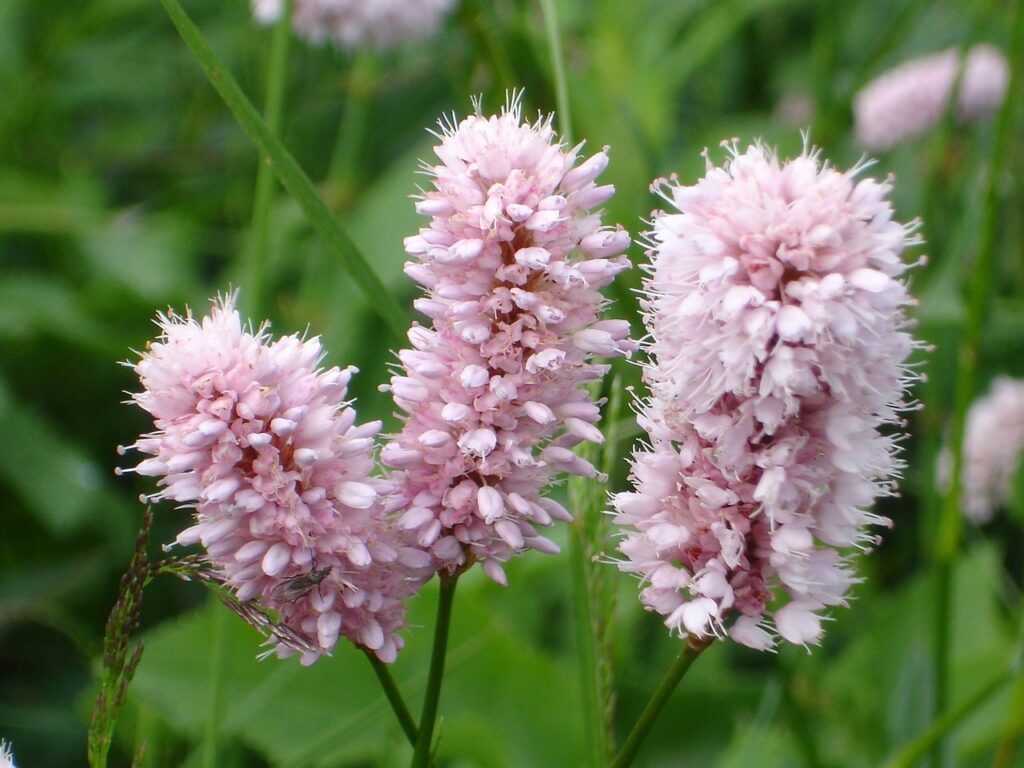
Persicaria amplexicaulis ‘Firetail’ is one of the longest-flowering perennials available to UK gardeners, producing slender spikes of vivid crimson-red flowers on tall, upright stems from June right through to October. It evolved in the moist, fertile woodland margins and streamside habitats of Asia, which immediately explains why silty, moisture-retentive soil suits it so well.
On rich, damp silt, the plants build into substantial, weed-suppressing clumps with impressive speed. I have used ‘Firetail’ on several riverside client gardens on silty loam where it has proved to be one of the most reliable and trouble-free perennials in the entire scheme, asking nothing in return beyond the naturally good conditions the soil already provides. It is fully hardy, completely slug-resistant and provides invaluable late-season colour and nectar when most other perennials are fading.
🌿 At A Glance
Botanical Name
Persicaria amplexicaulis ‘Firetail’
Plant Type
Hardy herbaceous perennial (RHS AGM)
UK Hardiness
H7 (hardy to -20°C+)
Height / Spread
120cm / 120cm
Flowering Period
June to October
Best Conditions
Full sun to part shade, moist fertile silty or loamy soil
10. Lobelia cardinalis ‘Queen Victoria’ (Cardinal Flower)
Lobelia cardinalis ‘Queen Victoria’ is one of the most dramatically coloured perennials available for moist, fertile soil conditions. The combination of deep burgundy-bronze foliage and vivid scarlet flower spikes reaching 90cm from August to October creates a genuinely electric effect in the late summer border.
This is emphatically not the modest bedding lobelia of hanging baskets, but a bold, architectural perennial that demands the moist, nutrient-rich conditions that silty soil naturally provides. Plant it near water features or at the front of a permanently moist border where the dark foliage can contrast with pale-flowered companions like Astilbe ‘Deutschland’ or the white plumes of Calamagrostis. Divide clumps every two to three years, as they can be short-lived if left too long without renewal.
🌿 At A Glance
Botanical Name
Lobelia cardinalis ‘Queen Victoria’
Plant Type
Hardy herbaceous perennial (RHS AGM)
UK Hardiness
H5 (hardy to -15°C)
Height / Spread
90cm / 30cm
Flowering Period
August to October
Best Conditions
Full sun to part shade, moist fertile silty or boggy soil
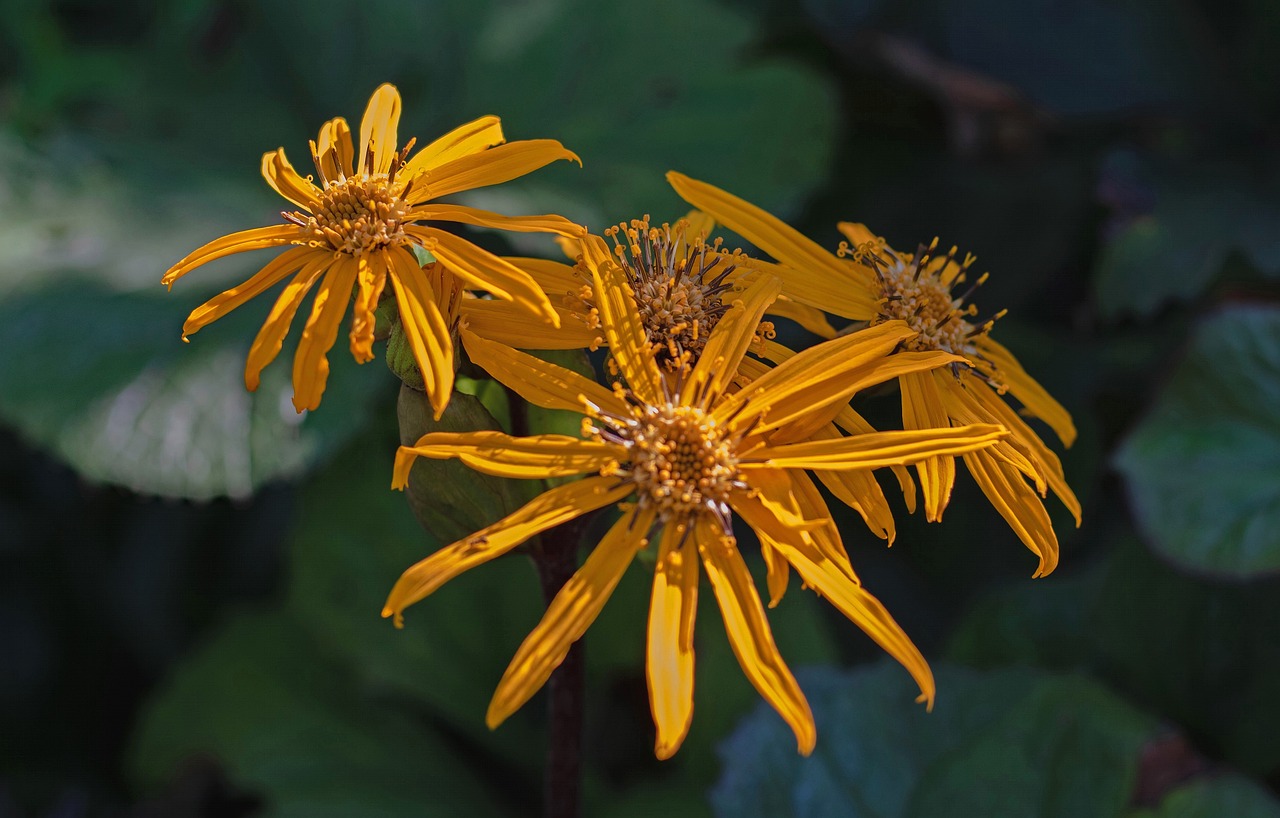
Ligularia ‘The Rocket’ is one of the most impressive perennials for partially shaded, moisture-retentive conditions, and silty soil in dappled shade is close to its ideal environment. The large, deeply toothed, rounded leaves are architecturally bold from the moment they emerge in spring, and in July and August the tall, black-stemmed spikes of bright yellow daisy flowers rise to 150cm above them, creating a dramatic vertical accent that no other shade-tolerant perennial quite matches.
This is a plant that wilts dramatically in dry conditions, a clear signal that it evolved for moisture-retentive soil, but on silty ground in partial shade, it stands proud and performs magnificently. I always site it where it will receive afternoon shade and where the soil never dries out completely.
Ornamental grasses that thrive in moist, fertile conditions are perfectly suited to silty soil, and they bring a completely different quality to the planting: movement, transparency, seasonal evolution, and year-round presence that no flowering perennial can quite replicate. The following grasses have all been selected because they specifically prefer or tolerate the moisture-retentive, fertile conditions that characterise well-managed silty soil.
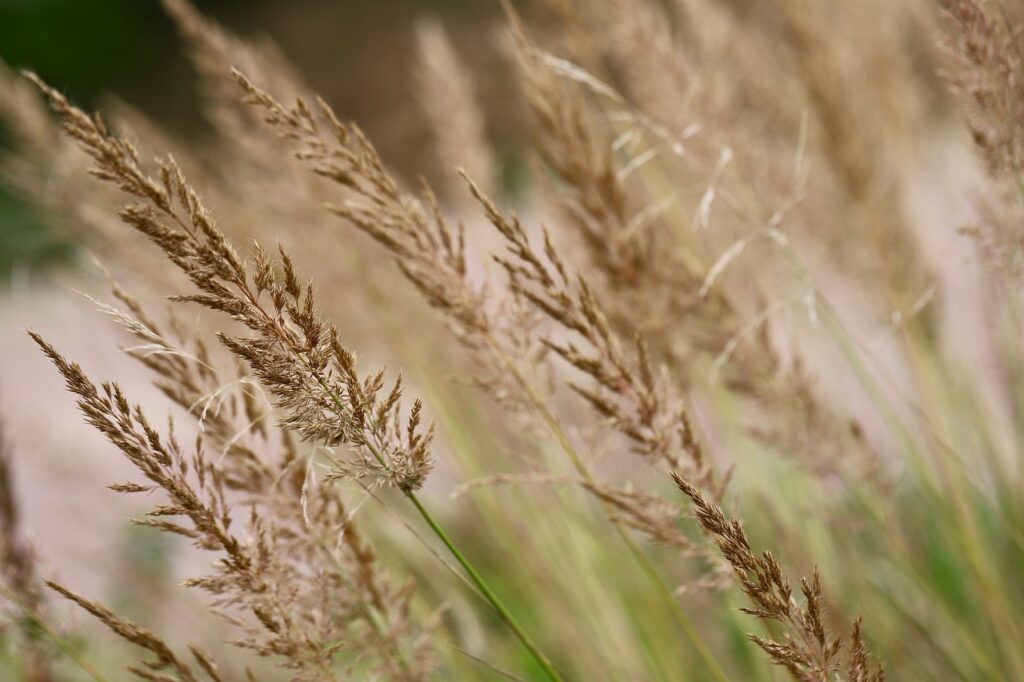
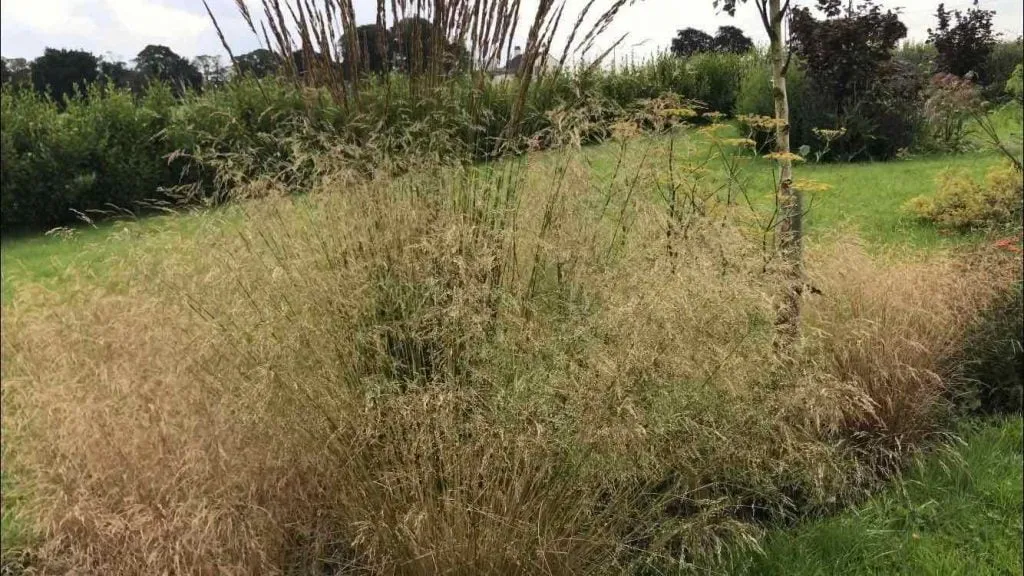
Karl Foerster feather reed grass is one of the most structural and architectural ornamental grasses available to UK gardeners, and it is outstanding on silty, fertile soil. The upright, almost vertical clumps of narrow foliage send up stiff, feathery flower plumes in June that turn a warm golden-buff by autumn and persist beautifully through winter. Unlike many ornamental grasses that demand sharply drained, impoverished conditions, ‘Karl Foerster’ specifically prefers moist, humus-rich, fertile soil, which is exactly what silty ground provides.
The RHS describes its ideal conditions as “moist, humus-rich, well-drained, fertile soils”, which is as close a description of well-managed silty soil as you could ask for. It is fully deciduous, so cut it back to the base in late February before new growth emerges, and divide clumps every four to five years to maintain vigour.
🌿 At A Glance
Botanical Name
Calamagrostis × acutiflora ‘Karl Foerster’
Plant Type
Hardy ornamental grass (RHS AGM)
UK Hardiness
H7 (hardy to -20°C+)
Height / Spread
1.8–2m / 60cm
Flowering Period
June to August (persists through winter)
Best Conditions
Full sun to part shade, moist fertile silty or loamy soil
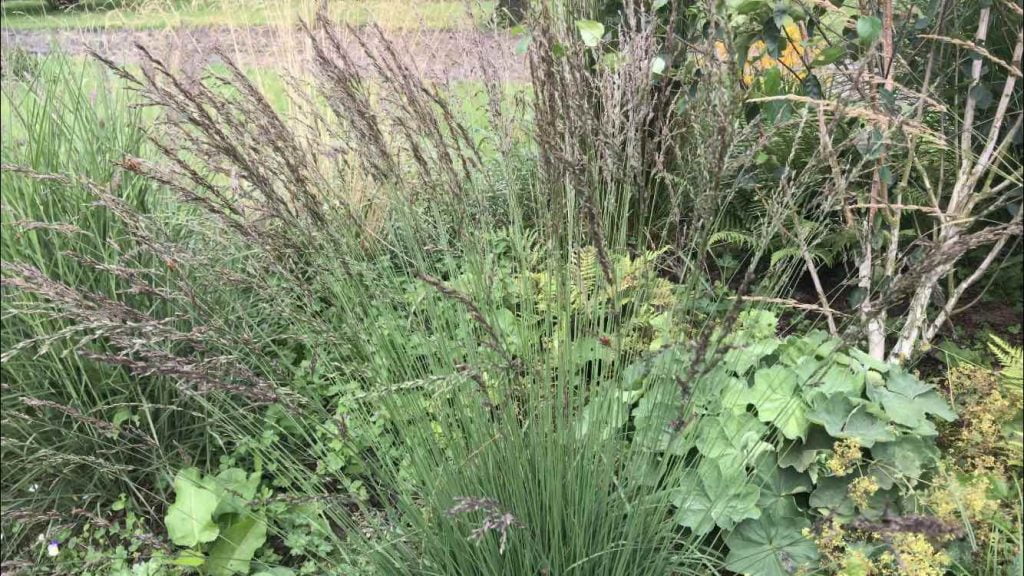
Tufted hair grass is a native UK grass of moist, fertile grassland and woodland edges, which tells you immediately that it is going to be supremely at home on silty soil. Goldtau’, which translates from German as ‘gold dew’, produces dense, arching clumps of evergreen, dark green foliage topped from June to August by clouds of tiny, glistening flower spikelets that catch the light and shimmer with every breath of wind.
As they mature through summer, the heads turn a warm gold, providing months of interest in a range of lighting conditions. Deschampsia is one of the few ornamental grasses that performs equally well in partial shade as in full sun, making it invaluable for the partially shaded silty garden that sits beneath a riverside canopy or in the shadow of boundary trees.
🌿 At A Glance
Botanical Name
Deschampsia cespitosa ‘Goldtau’
Plant Type
Hardy evergreen ornamental grass (RHS AGM)
UK Hardiness
H7 (hardy to -20°C+)
Height / Spread
60–75cm / 60cm
Flowering Period
June to August
Best Conditions
Sun or part shade, moist humus-rich silty or loamy soil
Purple moor grass is another native UK grass, and its common name gives a strong clue about its preferred conditions: the damp, peaty, moisture-retentive moorland soils of upland Britain. ‘Moorhexe’ is a compact, upright cultivar that is particularly valuable for smaller gardens, forming neat, tightly clumped columns of narrow foliage and slender flower stems from July to October.
The Autumn transformation of Molinia is one of the great spectacles of the grass garden: every part of the plant turns a brilliant golden yellow simultaneously, creating a warm glow that lasts for several weeks before the whole structure gracefully collapses in Autumn winds. On silty soil with good organic matter content, Molinia is completely self-sustaining and one of the most trouble-free plants in the garden. It is also fully deciduous, disappearing entirely below ground in winter.
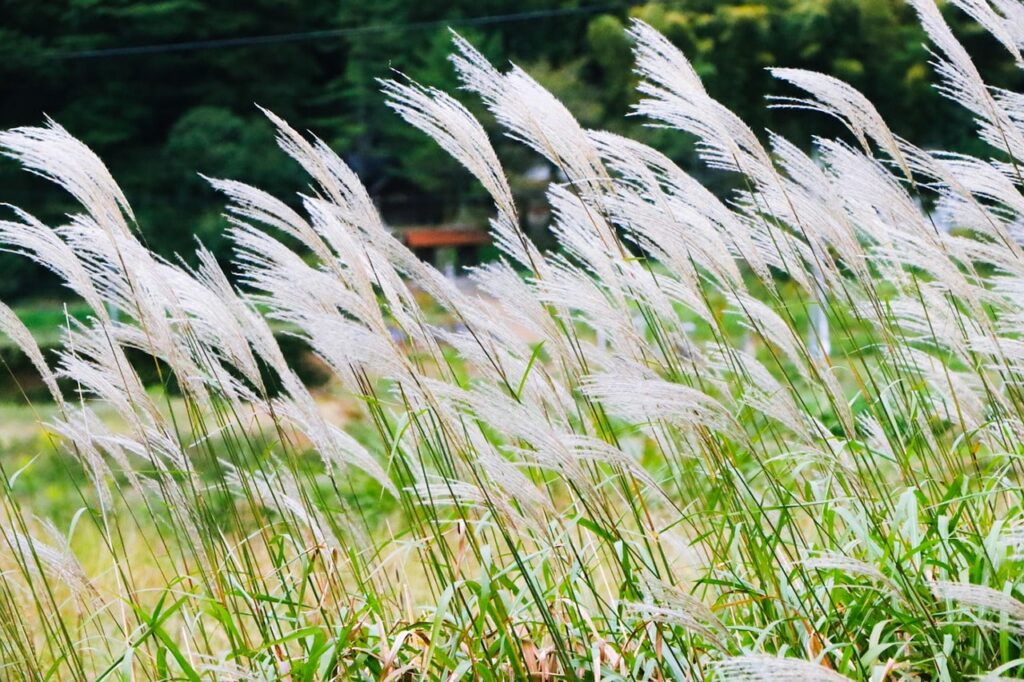
Miscanthus sinensis ‘Flamingo’ is one of the finest ornamental grasses for moist, fertile soil conditions and a plant that rewards generous, silty soil with an outstanding display from late summer through to the following spring. The arching, fountain-like habit is graceful and distinct from the more upright forms, and the large, feathery, pink-flushed flower plumes that emerge in September and October age to a warm silver-buff that persists magnificently through winter.
On fertile silty soil, Miscanthus establishes with satisfactory speed and forms generous clumps that provide year-round structural presence. Cut the whole plant back to around 20cm in late February before new growth begins. The dried winter stems are too valuable for wildlife and winter garden interest to be removed any earlier.
🌿 At A Glance
Botanical Name
Miscanthus sinensis ‘Flamingo’
Plant Type
Hardy deciduous ornamental grass (RHS AGM)
UK Hardiness
H5 (hardy to -15°C)
Height / Spread
1.5–2m / 1.2m
Flowering Period
September to October (persists through winter)
Best Conditions
Full sun to part shade, moist fertile silty or loamy soil
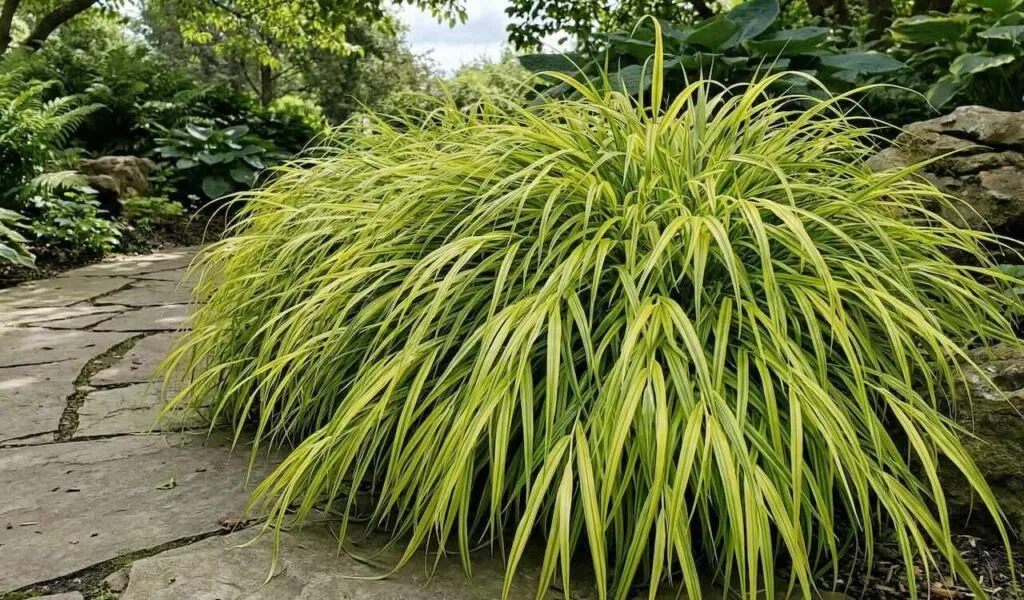
16. Hakonechloa macra ‘Aureola’ (Golden Japanese Forest Grass)
Hakonechloa macra ‘Aureola’ is the outstanding ornamental grass for partially shaded positions on moist, fertile soil, and it performs superbly in silty conditions. The arching, cascading mounds of bright gold-and-green-striped leaves glow with an almost luminous quality in shaded spots, lighting up corners of the garden that most other plants leave dull.
It is a slow-growing grass that builds in scale over several years, but the patience is absolutely worth it. A mature, established clump of ‘Aureola’ in a shaded, silty border is one of the most refined and beautiful effects available in UK gardening.
Silty soil’s fertility and moisture retention suit a wide range of shrubs extremely well. Many of the finest flowering and structural shrubs available to UK gardeners positively thrive in the balanced conditions of moist, nutrient-rich silt, and several of the native UK shrubs that are most naturally associated with river valley landscapes grow on exactly this kind of fine-textured, fertile soil.
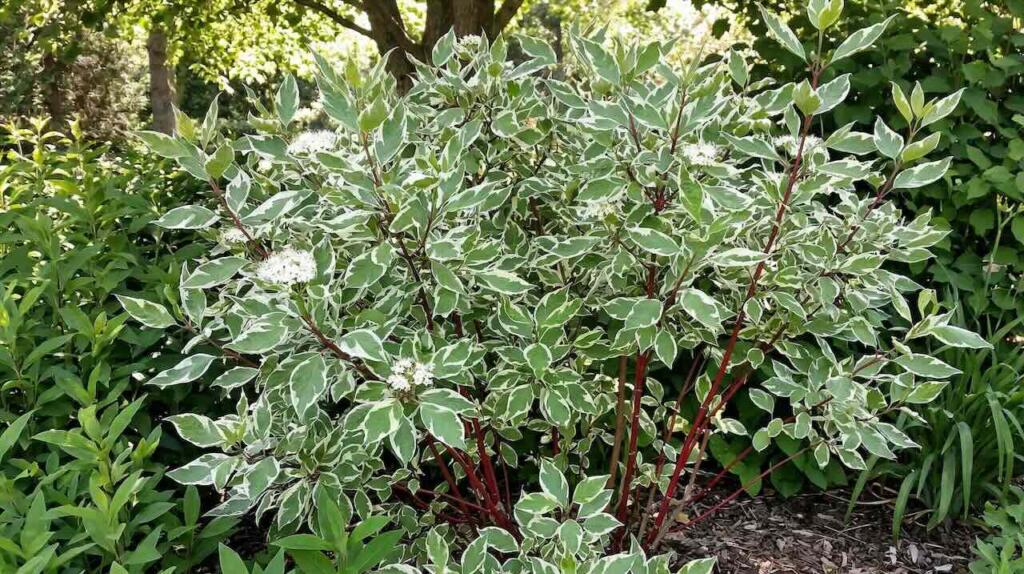
17. Cornus alba ‘Elegantissima’ (Variegated Dogwood)
Dogwood is one of the shrubs most naturally associated with river valleys and riparian landscapes in the UK, and it thrives on the fertile, moisture-retentive silty soils that characterise those habitats. ‘Elegantissima’ is a particularly elegant variety with attractive grey-green leaves edged in white throughout the growing season and brilliant scarlet-red stems that glow in winter light once the leaves fall. It tolerates periods of waterlogging better than almost any other ornamental shrub, which makes it invaluable for silty gardens in lower-lying positions that may experience brief flooding.
Cut all stems back hard to 15–20cm in late February every other year to encourage the vigorous young growth that carries the most intensely coloured winter stems. Left unpruned, the stems gradually lose their vivid red quality.
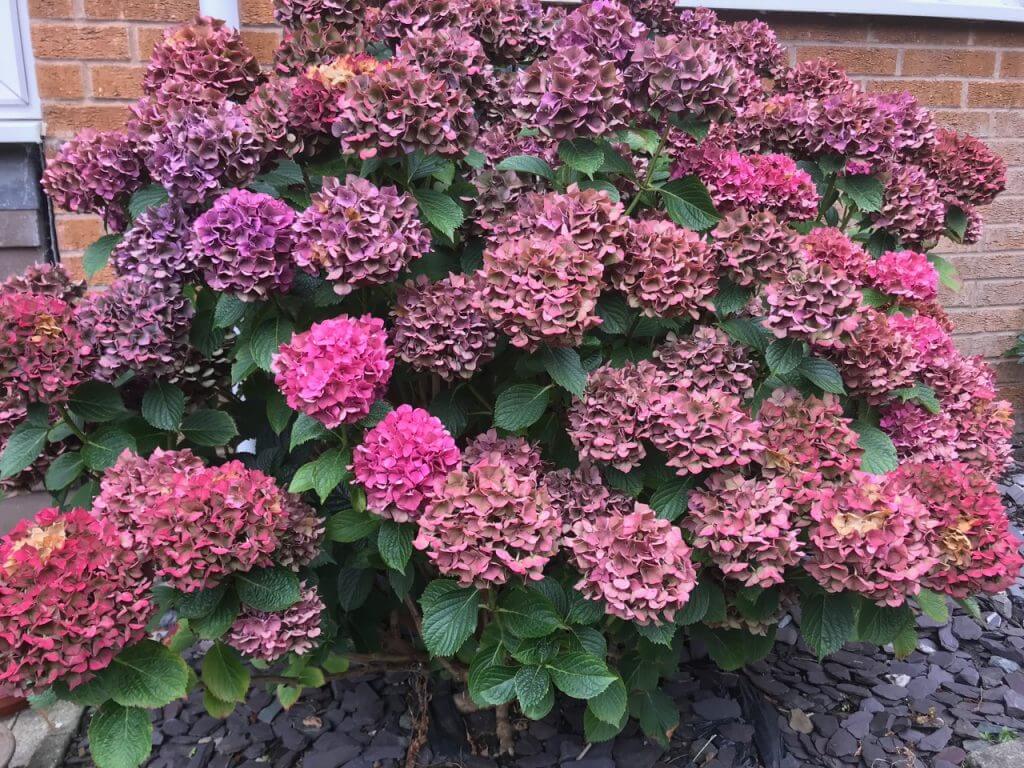
Mophead hydrangeas are among the most rewarding shrubs for silty soil, producing their spectacular, large dome-shaped flower heads in the rich, moist, fertile conditions that this soil type provides naturally. ‘Altona’ is a particularly striking variety with enormous, rounded heads of rose-pink flowers. On acid-to-neutral silt, they will be pink or red; achieving the characteristic blue requires a more acidic pH, though adding aluminium sulphate can shift the colour toward blue.
The flower heads are genuinely spectacular from July through to September, and if you leave them on the plant over winter, the dried papery remains provide valuable frost protection for the developing buds beneath. Prune in April, removing only the dead flower heads and any weak or crossing stems. Never prune hydrangeas hard in Autumn.
The guelder rose is a native UK shrub whose natural habitat tells you everything you need to know about its suitability for silty soil: it grows in damp hedgerows, woodland edges, and river valleys throughout Britain, thriving in the fertile, moisture-retentive, fine-textured soils that characterise these landscapes. ‘Roseum’ is the ornamental form with large, snowball-like globes of creamy white flowers in May and June that are quite extraordinarily beautiful. I have it here at Garden Ninja HQ, and it’s one of the best-value wildlife magnets among shrubs you can plant!
It is one of the most impressive native shrubs available to UK gardeners, and on silty soil it grows vigorously into a large, rounded shrub that provides excellent wildlife habitat, good autumn colour and structural presence in all seasons. Note that, unlike the wild species, ‘Roseum’ produces no berries as all the florets are sterile.
🌿 At A Glance
Botanical Name
Viburnum opulus ‘Roseum’
Plant Type
Hardy deciduous shrub (RHS AGM)
UK Hardiness
H7 (hardy to -20°C+)
Height / Spread
4m / 4m
Flowering Period
May to June
Best Conditions
Sun or part shade, moist fertile silty, clay or loamy soil
20. Rosa ‘Blanche Double de Coubert’ (Rugosa Rose)
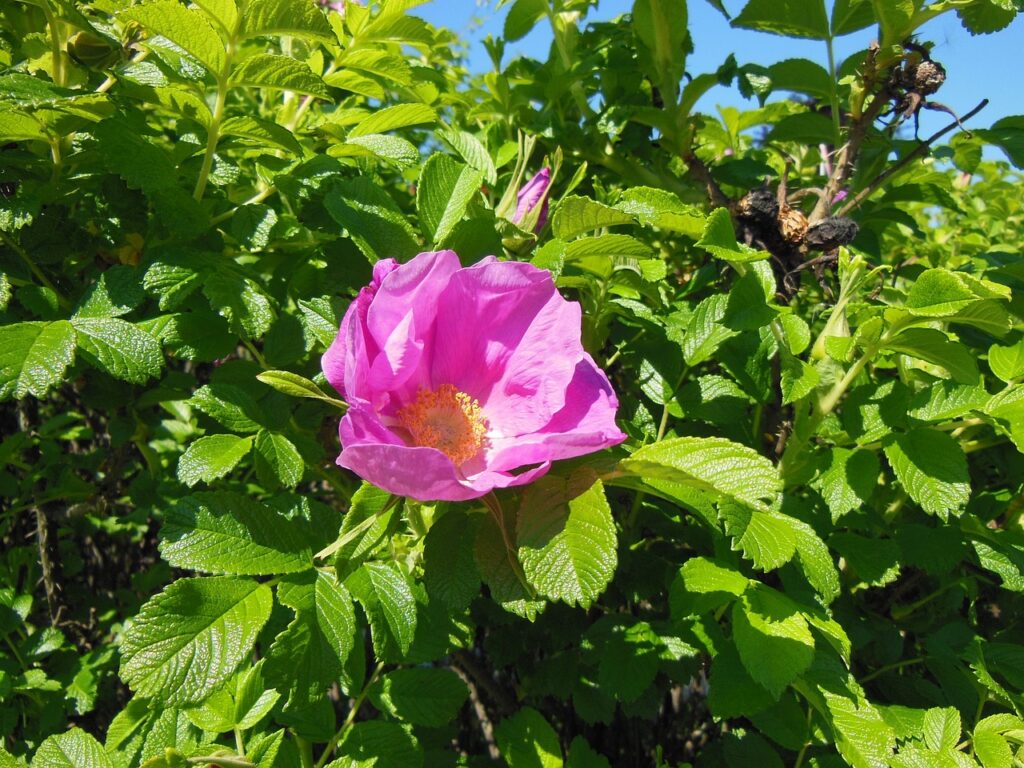
Rugosa roses are among the toughest and most self-sufficient shrubs available to UK gardeners, and ‘Blanche Double de Coubert’ is one of the finest. On fertile, moisture-retentive silty soil, rugosa roses grow with great vigour and flower with exceptional freedom, producing their large, semi-double, heavily fragrant white flowers from June through to October in repeat-flowering flushes.
The distinctive wrinkled, disease-resistant foliage is one of rugosa’s great qualities, requiring no spraying even in the moist conditions that some silty gardens experience. This RHS Award of Garden Merit rose is rated H7, meaning it is among the hardiest roses available, tolerating extreme cold, poor conditions and exposed positions without complaint. Large, decorative red hips follow the flowers in autumn, providing food for birds and extended ornamental interest well into winter.
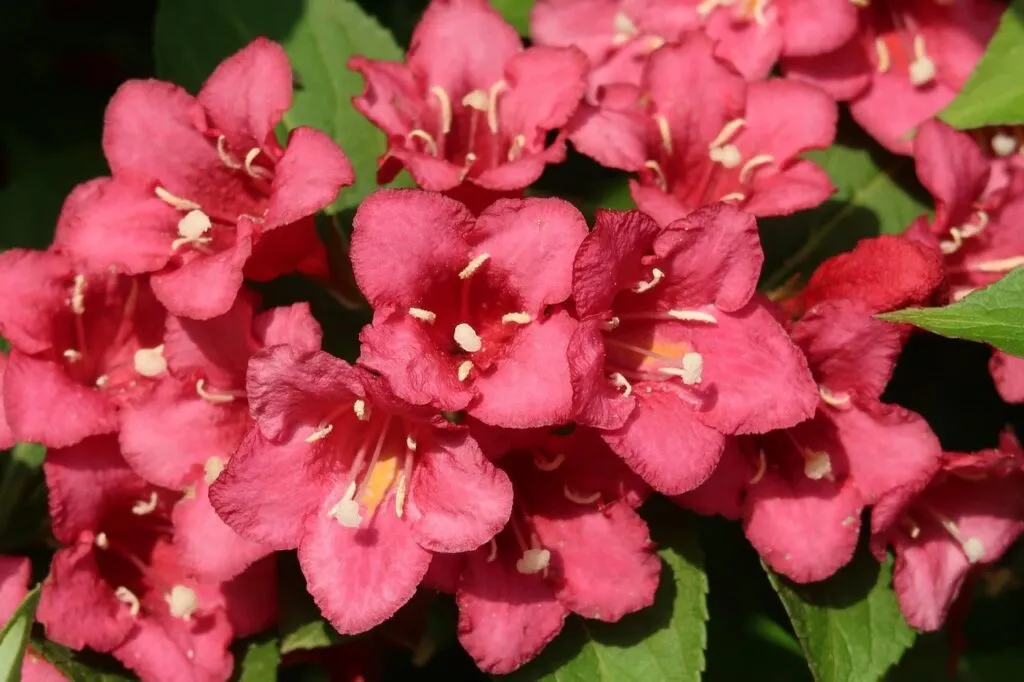
Weigela is listed by the RHS as performing well in wet and moist soils, and ‘Foliis Purpureis’ is the most attractive variety available, combining purple-bronze foliage that persists throughout the growing season with deep pink, funnel-shaped flowers in May and June. On silty soil, it grows into a compact, well-shaped shrub of around 1.5m that requires almost no maintenance beyond an occasional light tidying after flowering.
The foliage colour provides a valuable dark contrast against lighter-coloured companions such as Geum ‘Totally Tangerine’ or Geranium ‘Rozanne’. Weigela is one of the most reliably floriferous early-summer shrubs available, and on fertile silty soil, the flowering display is particularly generous. Prune immediately after flowering by removing up to a third of the oldest stems at the base.
🌿 At A Glance
Botanical Name
Weigela florida ‘Foliis Purpureis’
Plant Type
Hardy deciduous shrub (RHS AGM)
UK Hardiness
H6 (hardy to -20°C)
Height / Spread
150cm / 150cm
Flowering Period
May to June
Best Conditions
Full sun to part shade, moist fertile silty or loamy soil
The rich, moisture-retentive conditions of silty soil are ideal for vigorous flowering climbers, providing exactly the reliable moisture and fertility that the most floriferous climbing plants need to perform at their best. Walls and fences in silty gardens offer excellent growing conditions, and the improved drainage away from the wall’s foundations can even benefit some of the more vigorous climbers by reducing the risk of waterlogging at the base of the stems.
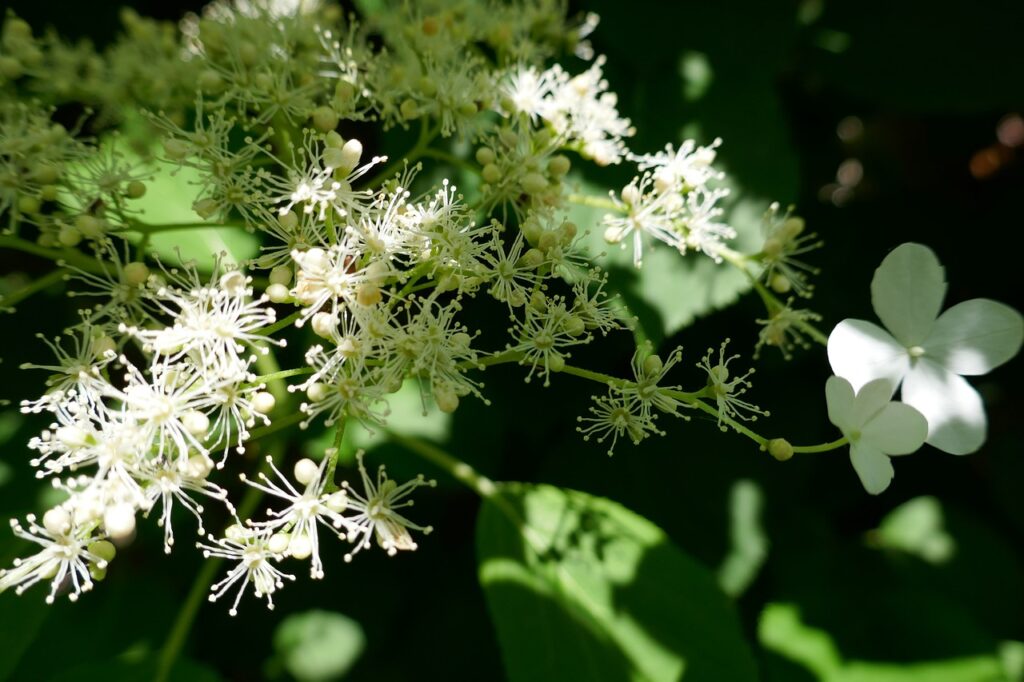
The climbing hydrangea is one of the finest wall plants available to UK gardeners, and it is at its very best on moist, fertile, silty soil. This self-clinging climber uses small adhesive pads to attach itself to walls and tree trunks without the need for any wire or support, eventually covering large surfaces with a living tapestry of rich green foliage. In June and July, it produces large, flat, lacecap flower heads in pure white that are extraordinarily beautiful against a shaded wall.
The climbing hydrangea is one of the few truly vigorous climbers that thrives in shade, making it invaluable for north and east-facing walls in the silty garden. One word of patience is required: it establishes slowly in its first two years, but by its third season it begins to grow strongly, and within ten years it will cover a substantial wall area magnificently and completely unaided.
🌿 At A Glance
Botanical Name
Hydrangea anomala subsp. petiolaris
Plant Type
Hardy deciduous self-clinging climber (RHS AGM)
UK Hardiness
H5 (hardy to -15°C)
Height / Spread
12–15m / 6–8m
Flowering Period
June to July
Best Conditions
Full shade to full sun, moist fertile silty or loamy soil
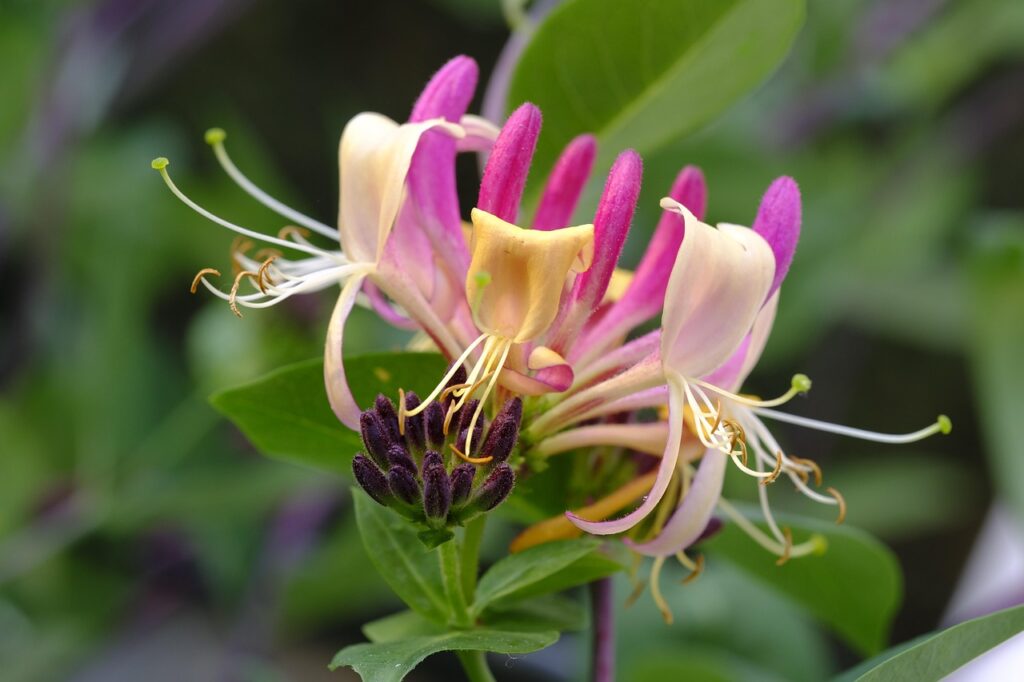
Common honeysuckle is a native UK climber of hedgerows and woodland edges, habitats that very frequently occur on silty, fertile river-valley soils. Graham Thomas’ is the finest cultivated form, producing large creamy-white flowers that age to yellow from July to September with a fragrance that is among the most intoxicating of any climbing plant in British gardens.
Honeysuckle grows naturally with its roots in cool, moist, fertile ground and its stems climbing into sunlight, which is precisely the position it should be given in the garden. Plant it where the roots are in cool, moist silt and the stems can grow into warmth and sunshine for the fullest fragrance and most abundant flowering. Avoid exposed, windy positions where the leaves will scorch, and the fragrance dissipates too quickly to enjoy.
🌿 At A Glance
Botanical Name
Lonicera periclymenum ‘Graham Thomas’
Plant Type
Hardy deciduous climber (RHS AGM)
UK Hardiness
H6 (hardy to -20°C)
Height / Spread
7m / 2m
Flowering Period
July to September
Best Conditions
Sun to part shade, moist fertile silty or loamy soil
The finest trees for silty soil are often native UK species that evolved in and alongside river-valley habitats, where silty soils are most common. Choosing a tree that is genuinely suited to moist, fertile, fine-textured soil will reward you with decades of performance and minimal input, while trying to grow trees that demand sharp drainage or impoverished conditions will be a constant battle.
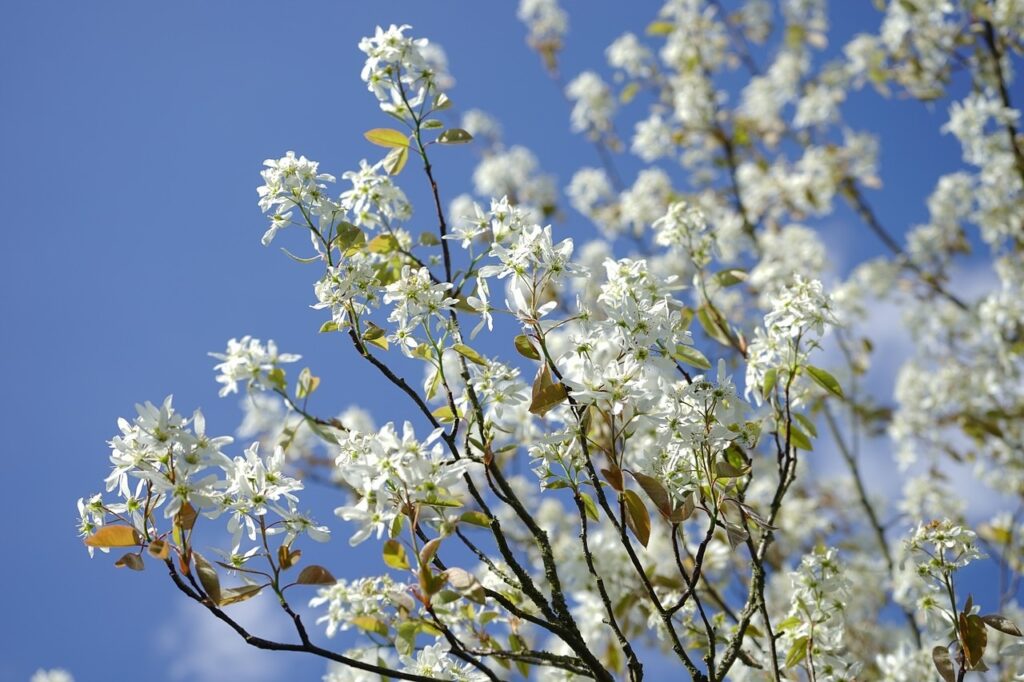
Amelanchier lamarckii is the tree I recommend more than almost any other for gardens where a small- to medium-sized ornamental tree is wanted, and it performs beautifully in silty, moist, fertile soil. The four seasons of interest that Amelanchier provides are genuinely exceptional. In April, the emerging copper-tinted foliage is simultaneously smothered in a haze of small white flowers that are among the most beautiful of any tree available at garden scale.
Edible, blueberry-like purple-black berries follow in June; the summer foliage is clean and disease-free; and in Autumn, the leaves turn spectacular shades of orange and scarlet. The RHS specifically lists Amelanchier lamarckii for moist soils and awards it the Award of Garden Merit, a reliable indicator of consistent UK performance. It is also a wonderfully wildlife-friendly tree, with blossom for early pollinators and berries for blackbirds and thrushes.
🌿 At A Glance
Botanical Name
Amelanchier lamarckii
Plant Type
Hardy small deciduous tree (RHS AGM)
UK Hardiness
H7 (hardy to -20°C+)
Height / Spread
6–10m / 8m
Flowering Period
April; berries June; autumn colour
Best Conditions
Full sun to part shade, moist fertile silty or loamy soil
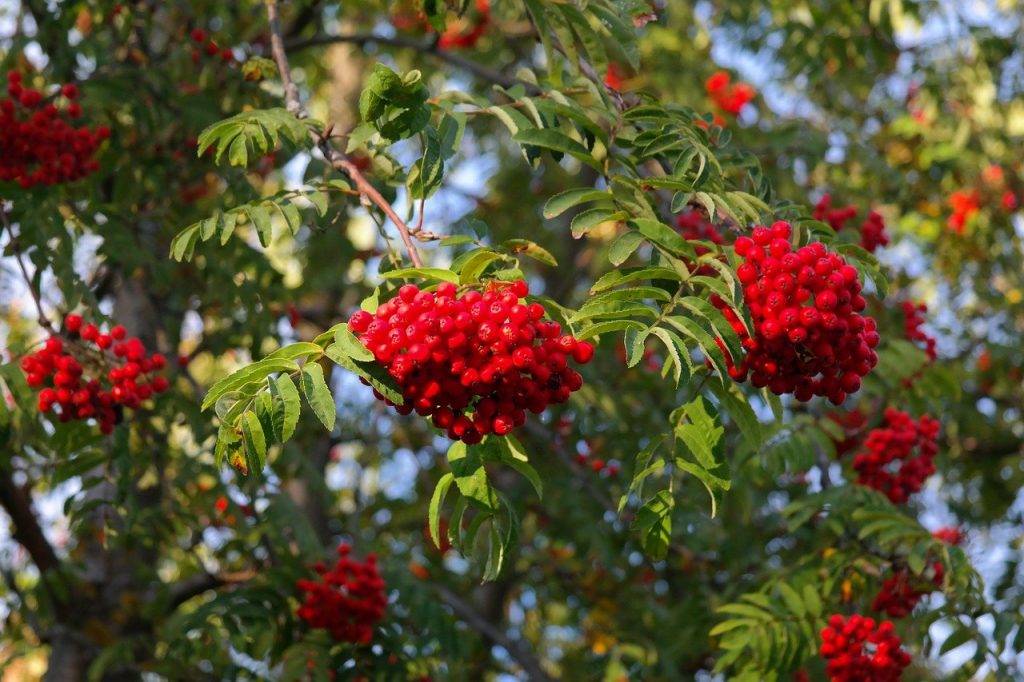
Rowan is one of Britain’s most beloved native trees, and its natural occurrence across a wide range of conditions, from rocky highland soils to lowland valley floors, demonstrates its adaptability. ‘Joseph Rock’ is an outstanding cultivar with creamy-white spring blossom, attractive pinnate foliage and, uniquely among rowans, yellow berries that deepen to amber in Autumn rather than the typical red.
The yellow berries are less popular with birds than red-berried forms, which means they stay on the tree well into November and December, providing extended ornamental value.
On fertile, moist silty soil, ‘Joseph Rock’ grows into a beautifully shaped tree of moderate size, reaching around 8m in maturity, and the combination of spring blossom, summer foliage and Autumn berry and leaf colour provides year-round interest that few trees of this scale can match.
🌿 At A Glance
Botanical Name
Sorbus aucuparia ‘Joseph Rock’
Plant Type
Hardy deciduous tree (RHS AGM)
UK Hardiness
H7 (hardy to -20°C+)
Height / Spread
8–10m / 5m
Flowering Period
May; yellow berries August to December; autumn colour
Best Conditions
Full sun to part shade, moist fertile silty or loamy soil
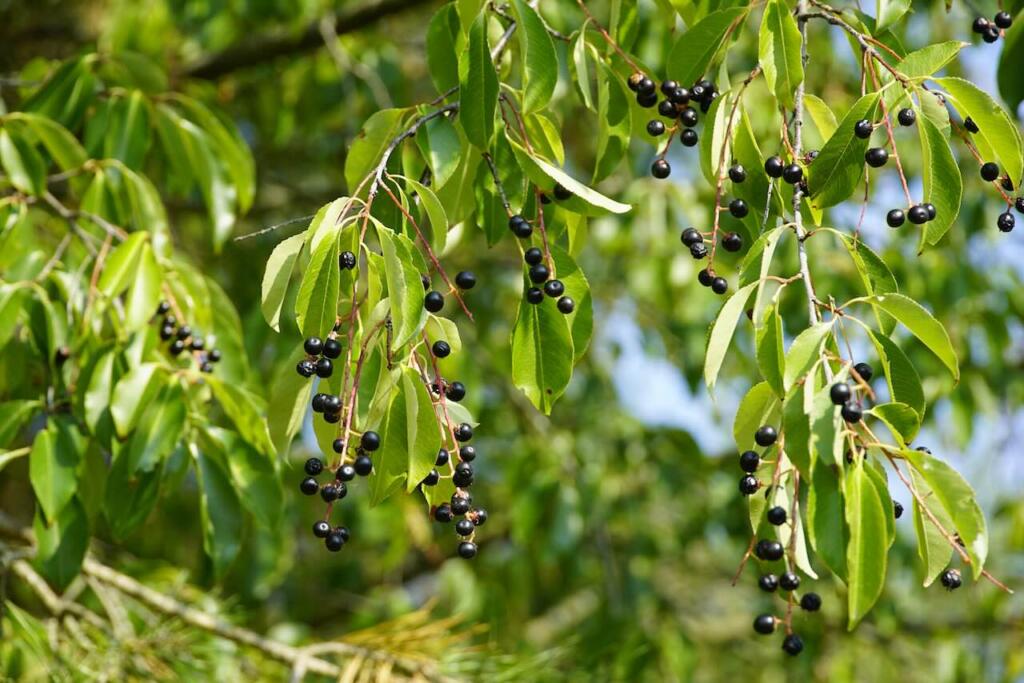
Bird cherry is one of Britain’s most beautiful native trees, and it naturally grows in exactly the damp, fertile valley habitats where silty soil is most common. ‘Watereri’ is the finest ornamental cultivar, producing extraordinarily long, drooping racemes of small, almond-scented white flowers in May that are unmatched in their delicate beauty among British native trees.
The flowers are followed by small black cherries that are irresistible to birds, making this one of the most valuable wildlife trees you can plant in a silty garden. On deep, fertile silty loam ‘Watereri’ grows with impressive vigour, reaching 10m or more in good conditions and forming a beautiful, broadly spreading crown. The foliage turns rich orange and red in autumn, adding a further season of interest to a tree that earns its space throughout the year.
🌿 At A Glance
Botanical Name
Prunus padus ‘Watereri’
Plant Type
Hardy deciduous tree (RHS AGM)
UK Hardiness
H7 (hardy to -20°C+)
Height / Spread
10–15m / 8m
Flowering Period
May; black cherries June; autumn colour
Best Conditions
Full sun to part shade, moist fertile silty or loamy soil
Common alder is one of the most silty-soil-specialist trees in the entire British flora. It grows naturally on riverbanks, beside streams and in damp valley bottoms throughout the UK, invariably on the kind of fine, fertile, moisture-retentive alluvial soils that characterise silty landscapes. If you garden in a river valley on deep silty soil, particularly in a wetter part of the garden or near a water feature, alder is the tree that has been growing in those conditions since before the last ice age.
It is one of the very few temperate trees that fix atmospheric nitrogen through root nodules, making it an active soil improver as well as a beautiful, fast-growing tree. The distinctive catkins appear in February and March before the leaves, providing vital early nectar, while the small woody cone-like fruits persist through winter and are loved by siskins and redpolls.
🌿 At A Glance
Botanical Name
Alnus glutinosa
Plant Type
Hardy deciduous tree (UK native)
UK Hardiness
H7 (hardy to -20°C+)
Height / Spread
18–25m / 8m
Flowering Period
February to March (catkins); persistent winter cones
Best Conditions
Full sun to part shade, moist silty, clay or waterlogged soil
Silty soil is excellent for many spring-flowering bulbs, particularly those that originate from meadow, woodland-edge or riverside habitats rather than the rocky, sharply drained mountain slopes that suit tulip species and many alliums. The key quality that makes silt good for bulbs is its balance of moisture retention and reasonable drainage. Most bulbs need moisture during active growth but resent waterlogged conditions when dormant. Well-managed silty soil provides exactly this balance.
28. Fritillaria meleagris (Snake’s Head Fritillary)
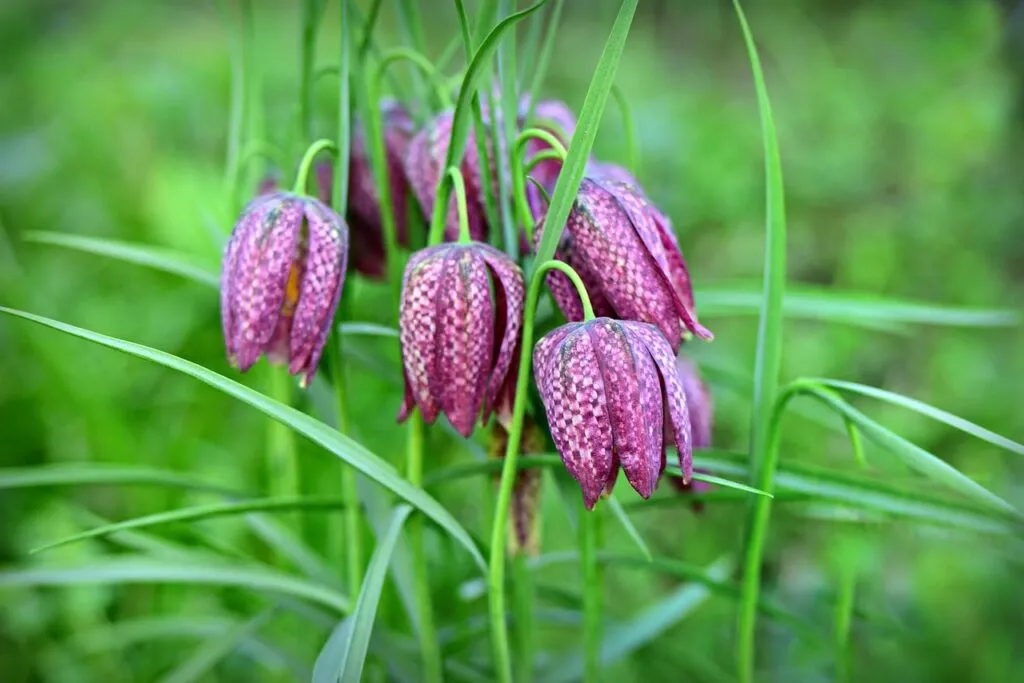
The snake’s head fritillary is one of the most exquisite native UK wildflowers, and its natural habitat could not make its suitability for silty soil clearer. It grows wild in damp, ancient floodplain meadows, most famously at Magdalen College meadow in Oxford and Cricklade in Wiltshire, on exactly the deep, fertile, moisture-retentive silty soils deposited by millennia of river flooding.
The nodding, chequered flowers in shades of purple, pink and white appear in April on slender stems, creating a display that is at once delicate and deeply striking. Naturalise bulbs in grass or between herbaceous perennials in Autumn, planting them at three times their own depth. In silty soil, they will multiply reliably over the years to form generous, self-sustaining colonies that require no intervention at all.
🌿 At A Glance
Botanical Name
Fritillaria meleagris
Plant Type
Hardy bulb (RHS AGM)
UK Hardiness
H6 (hardy to -20°C)
Height / Spread
25–30cm / 5–8cm
Flowering Period
April to May
Best Conditions
Full sun to part shade, moist fertile silty or loamy soil
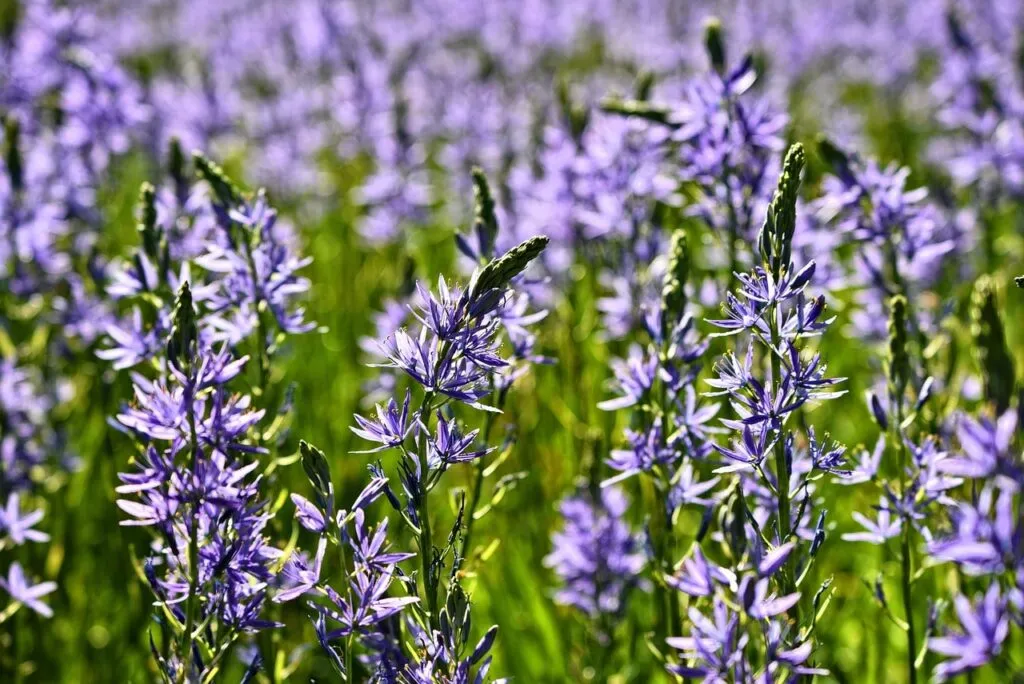
Camassia is, quite simply, the outstanding bulb for silty soil, and it is one of the few bulbs that actively prefers moisture-retentive ground rather than merely tolerating it. Native to the moist, fertile meadows and prairies of western North America, Camassia evolved in exactly the kind of deep, damp, silty conditions that UK river valley gardens provide, and it naturalises freely and reliably in those conditions year after year. The tall, elegant spikes of star-shaped flowers in clear blue-violet appear in May and June, bridging the gap between spring bulbs and early summer perennials.
Plant in groups of at least nine for the most natural and impactful display, at a depth of three times the bulb’s own diameter, in Autumn. In silty soil, they multiply steadily into generous, self-sustaining colonies that can remain undisturbed indefinitely.
🌿 At A Glance
Botanical Name
Camassia leichtlinii
Plant Type
Hardy bulb (RHS AGM)
UK Hardiness
H5 (hardy to -15°C)
Height / Spread
60–130cm / 10cm
Flowering Period
May to June
Best Conditions
Full sun to part shade, moist fertile silty or loamy soil
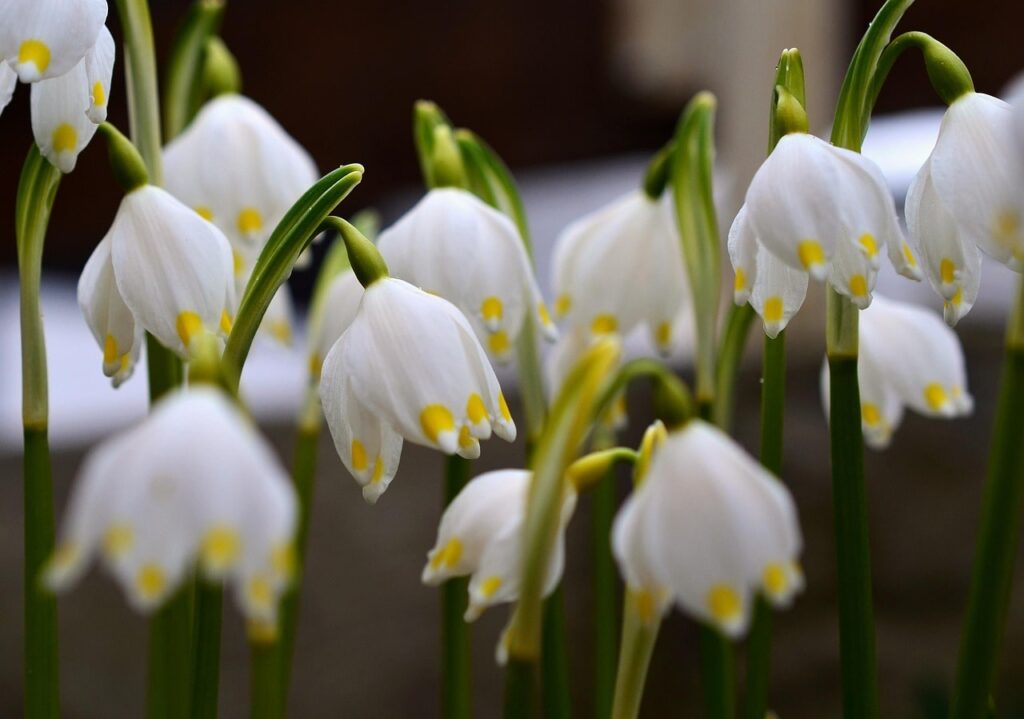
Leucojum aestivum ‘Gravetye Giant’ is native to the damp, ancient floodplain meadows and riverside habitats of England, which makes it perhaps the most authentically silty-soil-suited bulb in the entire guide. In the wild, it grows in exactly the deep, fertile, moisture-retentive alluvial soils that characterise river valley landscapes, and in those conditions, it naturalises into generous, long-lived colonies of great beauty.
The pendant, bell-shaped white flowers tipped with green appear on tall, strong stems in April and May, arriving alongside the snake’s head fritillaries with which it grows naturally in the finest UK flood-meadow habitats. ‘Gravetye Giant’ is the most vigorous and large-flowered cultivar, producing stems to 60cm and multiple flowers per stem. Plant bulbs in Autumn at twice their own depth in moist silt and leave them permanently undisturbed to build into ever-larger, free-flowering clumps.
🌿 At A Glance
Botanical Name
Leucojum aestivum ‘Gravetye Giant’
Plant Type
Hardy bulb (RHS AGM)
UK Hardiness
H6 (hardy to -20°C)
Height / Spread
50–60cm / 8cm
Flowering Period
April to May
Best Conditions
Full sun to part shade, moist fertile silty or loamy soil
Your subscription could not be saved. Please try again.
Your subscription has been successful.
The benefits of silty soil
Silty soil has an unfair reputation in some gardening circles as a problem soil type, and I think this comes from confusion with heavy clay, which it superficially resembles when wet. Once you understand its genuine qualities, you begin to see it very differently.
The world’s most productive agricultural civilisations, from ancient Egypt to Mesopotamia, were built on silty soils deposited by the annual flooding of major rivers. The Fens of Lincolnshire and Cambridgeshire, which produce a third of England’s vegetables, sit on exactly the kind of deep, fertile, fine-textured silty soil that UK river valley gardeners may have in their gardens.
Outstanding natural fertility
Silty soil holds nutrients far more effectively than sandy soil, while releasing them to plants more readily than the densest clays. The fine particle size creates a substantial surface area that binds cations such as calcium, magnesium and potassium, making them available to plant roots in a steady, sustained way that mimics the effect of slow-release fertiliser. This means that plants growing in well-managed silty soil often need significantly less supplementary feeding than those on sandy soil, and the results in terms of growth, flower size and plant health can be genuinely impressive. Many of the most productive vegetable plots in the UK sit on silty alluvial soils for exactly this reason.
The best balance of moisture and drainage
Of all the common soil types, silt offers the highest plant-available water capacity. It holds more of the water it receives in a form that plant roots can actually access, as opposed to either draining it straight through as sand does, or holding it so tightly that roots cannot extract it as the densest clays can. This gives silty soil an enormous advantage in dry summers, because plants are drawing on a genuine reservoir of accessible moisture rather than being dependent on supplementary irrigation. A well-mulched, organic-matter-rich silty soil can support plants through extended dry periods that would have sandy-soil gardens reaching for the hose within days.
Workable and productive for vegetables
When silty soil is managed well (kept covered, never worked when wet, and mulched annually) it is one of the most pleasant soils to garden on. It is lighter and more workable than clay, warms up earlier in spring, and has a fine, stone-free tilth that is ideal for sowing seeds directly. Root vegetables such as carrots, parsnips and beetroot produce outstandingly straight, smooth and well-formed roots in silty soil because there are no stones or heavy clay particles to cause forking or distortion. If you have silty soil and a desire to grow vegetables, you are working with one of the finest kitchen garden soils in existence.
Top tips for gardening on silty soil
Never walk on wet silty soil: This single rule will protect your soil’s structure more than any other action you take. Design beds to a maximum of 1.2m width so you can always reach the centre from the edge, lay stepping stones or boards for any beds you must step into, and adopt the no-dig approach to eliminate most of the need to tread on beds at all.
Keep the surface covered at all times: Surface crusting is silty soil’s second greatest enemy after compaction. Apply a 5–7.5cm mulch of well-rotted compost or leaf mould every autumn, and sow a green manure on any bare patches immediately after clearing crops. Phacelia is the finest green manure for silty soil, germinating quickly and producing a dense, fibrous root system that actively binds silt particles into a more stable structure.
Use raised beds for vegetables: Raised beds permanently eliminate compaction in your productive growing areas, allowing you to step around rather than on the soil while working. Fill them with a 50:50 mix of existing silty soil and well-rotted compost for a growing medium that will produce outstanding vegetable crops year after year.
Feed little but regularly with organic matter: Silty soil does not need the heavy annual additions of organic matter that sandy soil requires, but a consistent annual mulch maintains and improves the soil’s structure, organic matter content, and fertility over time. Aim for 5cm of well-rotted compost or manure applied as a surface mulch each Autumn, and let worms incorporate it naturally. This approach gradually transforms good silty soil into exceptional silty soil over three to five seasons of consistent application.
💡 Top Tip
If you are unsure whether you have silty or clay soil, the soapy feel test is definitive. Wet a handful of soil and rub it firmly between your thumb and fingers. If it feels slippery and soapy (almost like rubbing wet soap between your fingers) and does not stick stubbornly to your skin, you have silt or a silty loam. If it feels plasticky, sticky, and leaves a shiny smear on your skin that does not wash off easily, you have clay. The soapy quality of silt comes from the way the fine, rounded particles slide freely against each other and against skin, creating almost no friction at all.
Frequently asked questions about silty soil
What plants grow best in silty soil?
The best plants for silty soil include Iris sibirica, Phlox paniculata, Rudbeckia, Astilbe, Hemerocallis (daylilies), Geranium ‘Rozanne’, Geum ‘Totally Tangerine’, Primula japonica, Calamagrostis ‘Karl Foerster’, Deschampsia cespitosa, Cornus alba, Hydrangea macrophylla, Viburnum opulus, Hydrangea petiolaris, Lonicera periclymenum, Amelanchier lamarckii, Sorbus ‘Joseph Rock’, Fritillaria meleagris and Camassia. Silty soil’s balance of fertility and moisture retention makes it suitable for a very wide range of ornamental plants, as well as being outstanding for vegetables such as carrots, parsnips, beetroot, brassicas and salad crops.
Why does silty soil feel soapy?
Silty soil feels soapy when wet because of the way its fine, rounded particles behave under pressure. Silt particles (0.002–0.05mm) are too small to create the gritty friction of sand but too large and spherical to create the plasticky stickiness of clay. When wet, they act almost like tiny ball bearings, allowing surfaces to slide freely against each other with minimal resistance. This gives silt its distinctive silky, soapy feel that is entirely different from both sand and clay. It is also why silt particles remain in suspension in water for much longer than sand, giving silty rivers and floodwaters their characteristic milky, opaque appearance.
What is the biggest problem with silty soil?
Compaction is by far the biggest challenge with silty soil. The fine, uniform particles pack together extremely readily when pressure is applied, especially when the soil is wet. Even a single pass across wet silty soil on foot can cause compaction that takes months to resolve.
The result is an airless, impenetrable layer that water cannot drain through and plant roots cannot penetrate. The solutions are straightforward. Design narrow beds you can reach from the sides, never work the soil when wet, adopt the no-dig approach, and use stepping stones or boards when you must enter a bed. Surface crusting after heavy rain is a secondary but related problem, which is best prevented by keeping the soil covered with mulch or a growing green manure at all times.
How do I identify silty soil?
The most reliable way to identify silty soil is the feel test. Take a damp handful and rub it between your fingers. Silt feels distinctly smooth and soapy rather than gritty (sand) or sticky (clay). You can also try the ribbon test: squeeze a ball of moist soil between your thumb and forefinger. Sandy soil crumbles instantly, clay forms a long, shiny ribbon, and silt holds its shape briefly but breaks apart easily, with little stickiness. The jar sedimentation test is the most precise: shake soil and water in a glass jar, leave it to settle for 24 hours, and the layers will separate with sand at the bottom, silt in the middle, and any clay floating at the top.
How do I improve silty soil?
The most important actions to improve silty soil are preventing compaction and maintaining organic matter levels. Never work the soil when wet, design beds no wider than 1.2m, and consider the no-dig approach entirely. Add 5–7.5cm of well-rotted compost, leaf mould or manure as a surface mulch each Autumn, and sow green manures, particularly phacelia, on any bare patches immediately. Avoid adding fine sand, which creates a concrete-like mixture with silt particles. The improvement programme for silty soil is far less intensive than for sandy or clay soils because silty soil’s natural properties are close to ideal. The goal is to maintain and protect what you already have rather than fundamentally transform the soil.
Where in the UK is silty soil found?
Silty soil is most common in the UK in river valleys and ancient flood plains where fine sediment has been deposited over millennia. Major silt areas include the Fens of Lincolnshire and Cambridgeshire (home to some of England’s most productive agricultural land), the Vale of York and the Humber estuary, the Severn Valley and the Vale of Evesham, the Somerset Levels, and the Thames floodplain. Most UK river valleys contain at least some silty alluvial soil alongside the river course, and gardens situated in or near these landscapes are likely to have at least a proportion of silt in their soil profile.
Is silty soil good for growing vegetables?
Silty soil is excellent for vegetable growing. It is arguably the finest of all common soil types for a kitchen garden when well managed. Its combination of high natural fertility, good moisture retention and fine, stone-free texture produces outstanding results for virtually all vegetable crops. Root vegetables, including carrots, parsnips and beetroot, produce particularly fine, straight, smooth-skinned roots in silty soil because there are no stones or heavy particles to cause forking or deformation. Brassicas, salad crops, peas, beans and onions all thrive in silty conditions. The key management requirements are raised or narrow beds to prevent compaction and keeping the surface mulched to prevent crusting.
Learn More About Growing and Garden Design
A visit to Chelsea has a way of sparking a genuine hunger to know more about plants and design. Why not consider expanding your knowledge with one of my online gardening courses? My Garden Design for Beginners Course offers step-by-step guidance from me — Lee Burkhill, award-winning garden designer and presenter on BBC1’s Garden Rescue. In this course, you will go from a garden design novice to a confident designer equipped to tackle any outdoor space.
Planting Techniques — Select and arrange plants like a professional.
Design Styles and Layout Options — Explore different styles to suit every garden.
Course Features:
20 Hours of Study Time
Flexible Online Learning
Engaging Video Lessons and Quizzes
Real-World Case Studies
Certification upon Completion
Taught by Award-Winning Designer Lee Burkhill
Enrol now for just £199 and start your journey toward garden design mastery.
29
Garden Design Examples for Small Gardens: 30 Design Templates & Planting Plans
Garden Design Examples for Small Gardens: 30 Design Templates & Planting Plans: In this online gardening course, I’ll walk you through 30 fantastic garden designs, explaining the logic behind the layout, the plant choices, and take-home tips for applying them in your own garden.
Weekend Garden Makeover: A Crash Course in Design for Beginners
Learn how to transform and design your own garden with Lee Burkhills crash course in garden design. Over 5 hours Lee will teach you how to design your own dream garden. Featuring practical design examples, planting ideas and video guides. Learn how to design your garden in one weekend!
Garden Design for Beginners: Create Your Dream Garden in Just 4 Weeks
Garden Design for Beginners Online Course: If you want to make the career jump to becoming a garden designer or to learn how to design your own garden, this is the beginner course for you. Join me, Lee Burkhill, an award-winning garden designer, as I train you in the art of beautiful garden design.
Silty soil is rarer than clay or sandy soil in UK domestic gardens, but if you have it you are working with one of the most naturally fertile and productive soils available. The world’s greatest agricultural civilisations were built on silt, and England’s own Fens produce a third of the country’s vegetables on exactly the kind of deep, fine, moisture-retentive silty soils that some UK gardeners have in their own plots.
The keys to making the most of it are straightforward: prevent compaction by never working the soil when wet, keep the surface covered with mulch or green manures at all times, and add a modest annual dressing of well-rotted organic matter. Get those three habits right and silty soil will reward you with outstanding plant growth, exceptional vegetables and a garden that improves year on year, quietly, steadily and without the drama that either clay or sandy soil can require.
Your subscription could not be saved. Please try again.
Your subscription has been successful.
Lee Burkhill
Lee Burkhill, known as the Garden Ninja, is an award-winning garden designer and horticulturist with over 30 years of gardening experience and 15 years as a professional garden designer. A qualified RHS (Royal Horticultural Society) professional, Lee specialises in sustainable garden design and practical horticultural advice. He designs and presents on BBC1’s Garden Rescue and in leading gardening publications.