How to Grow Alliums: Varieties, Planting & the Best Companions for UK Gardens
Lee Burkhill: Award Winning Designer & BBC 1's Garden Rescue Presenters Official Blog
Beginner level
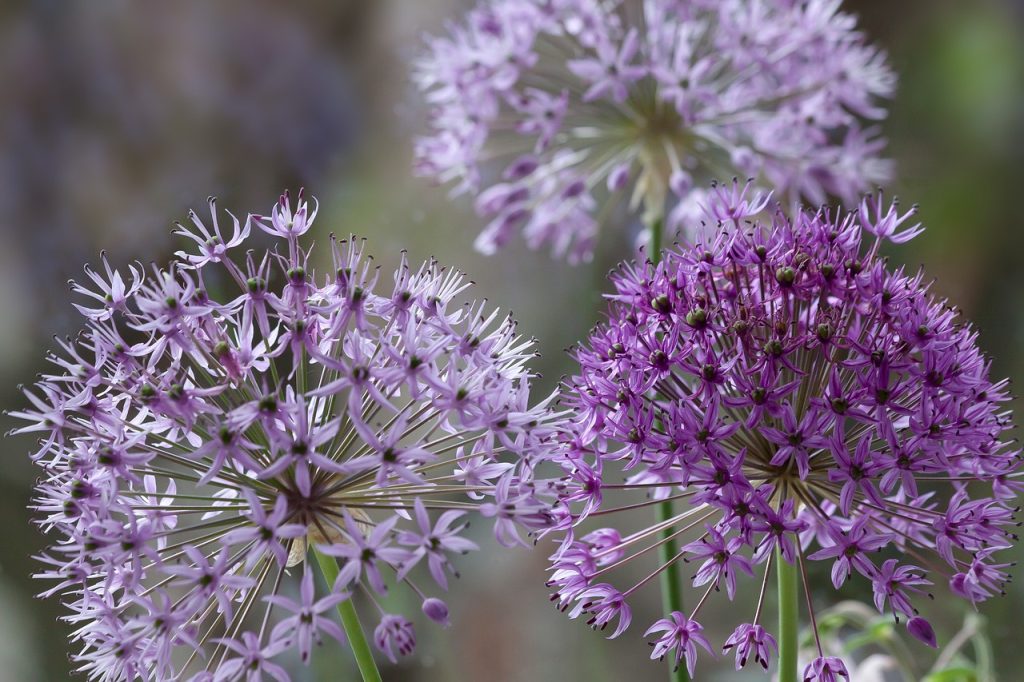
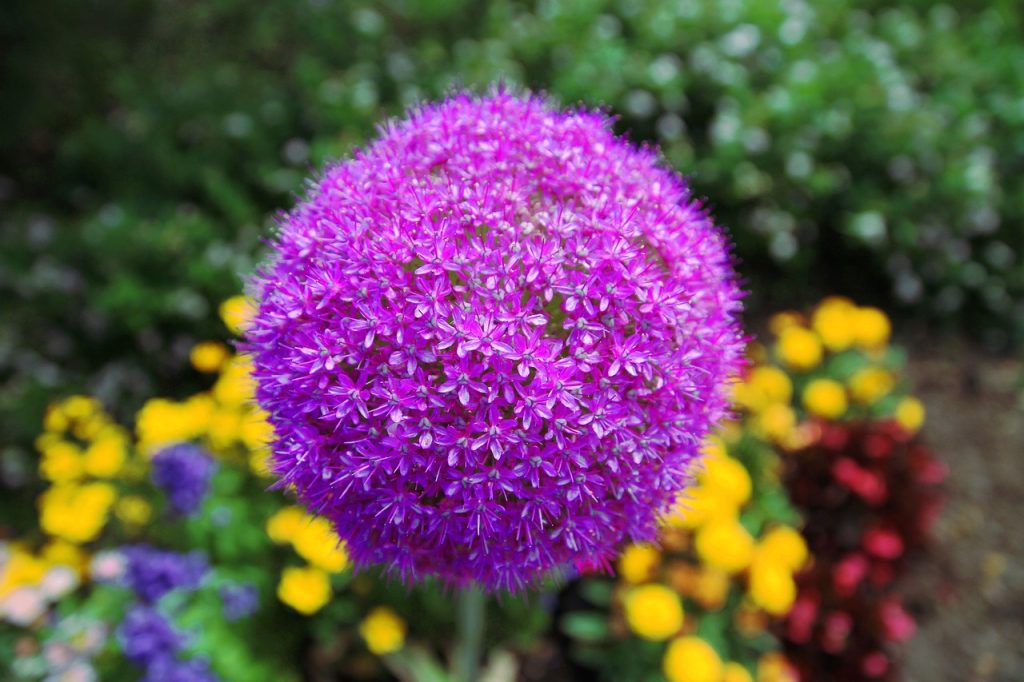
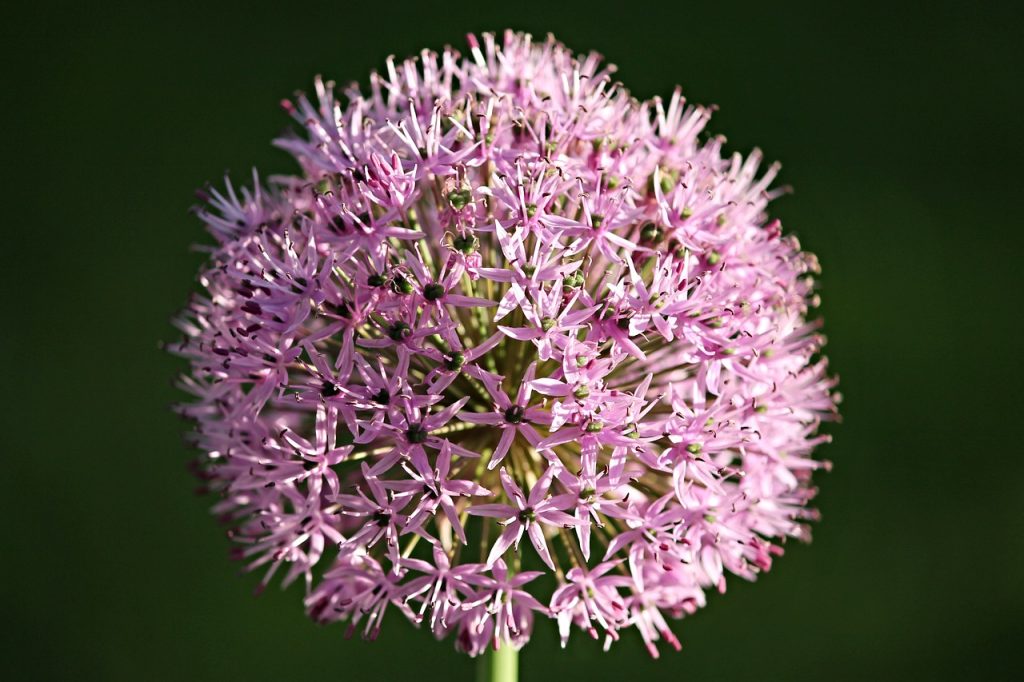
Planting Allium bulbs in your garden or containers is a great way to have bright purple bold flowers in your garden during the summer. These unmistakable plants, with their tall spherical flowers, are a mainstay of successful summer gardens. However, knowing when and how to plant alliums is essential for their survival. This guide will show you how to plant Alliums at any time of year!
Quick Answer
Plant allium bulbs in autumn, from September to November, in well-drained soil at a depth of four times the bulb’s diameter. Most alliums flower from May to June, though later varieties like Allium sphaerocephalon extend the display right into August. They are hardy throughout the UK, require very little attention once planted, and are excellent for bees and pollinators.
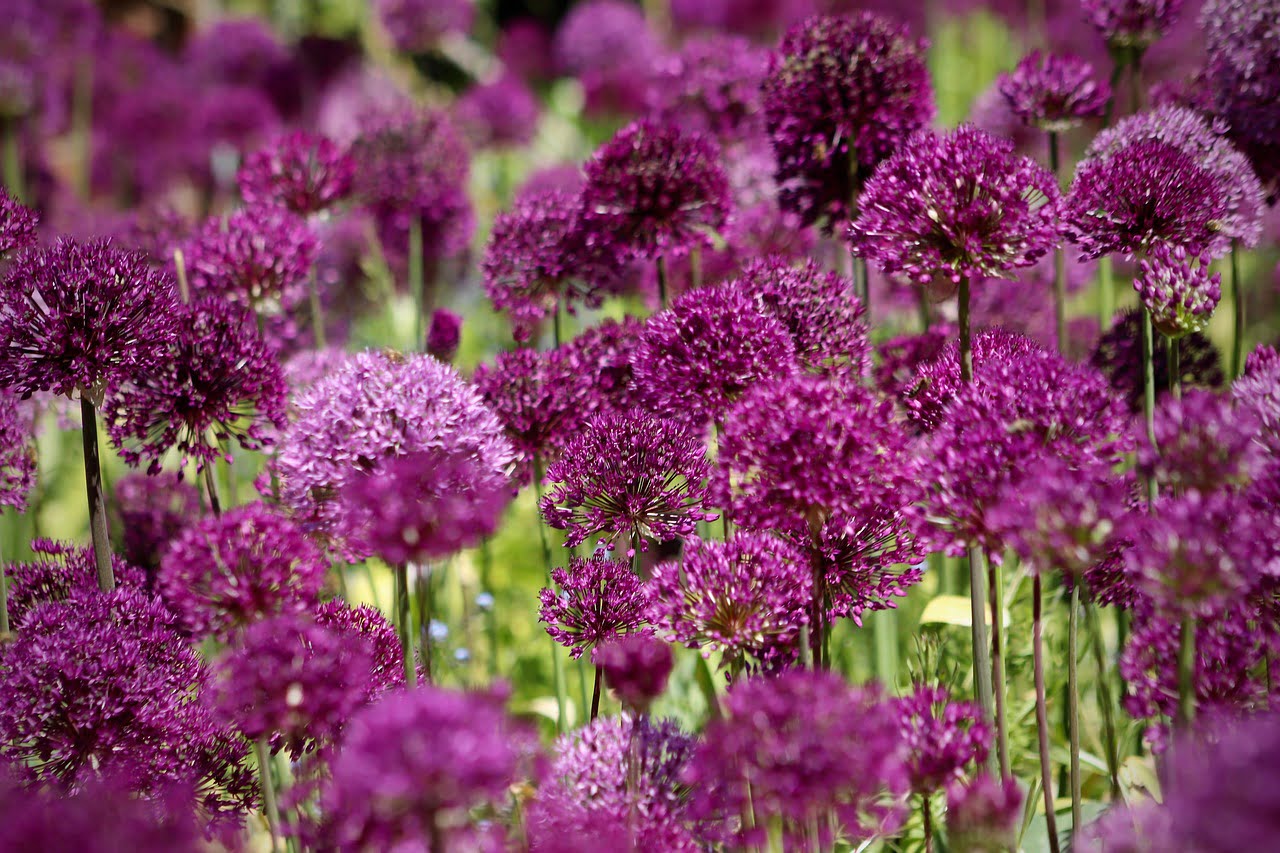
Planting Allium bulbs in your back garden, flower beds, containers, or balcony garden is a great way to add early-summer drama to your planting schemes and help the bees at the same time. These bright, architectural flowers stand tall and strong in our borders, often serving as a focal point as other spring plants fade.
Alliums reach for the sky just as tulips and wallflowers are fading, creating a real wow factor at a critical moment in the gardening calendar.
In over twenty years of designing gardens and presenting on BBC Garden Rescue, I have planted more allium bulbs than I can count. They are one of those rare plants that deliver enormous impact for very little effort, and they come back reliably year after year. Let me take you through everything you need to know.
This page contains affiliate links for products I use and love. If you take action (i.e., subscribe or make a purchase) after clicking a link, I may earn a gardening commission, which helps me keep the Garden Ninja blog free for all.
What are Alliums?
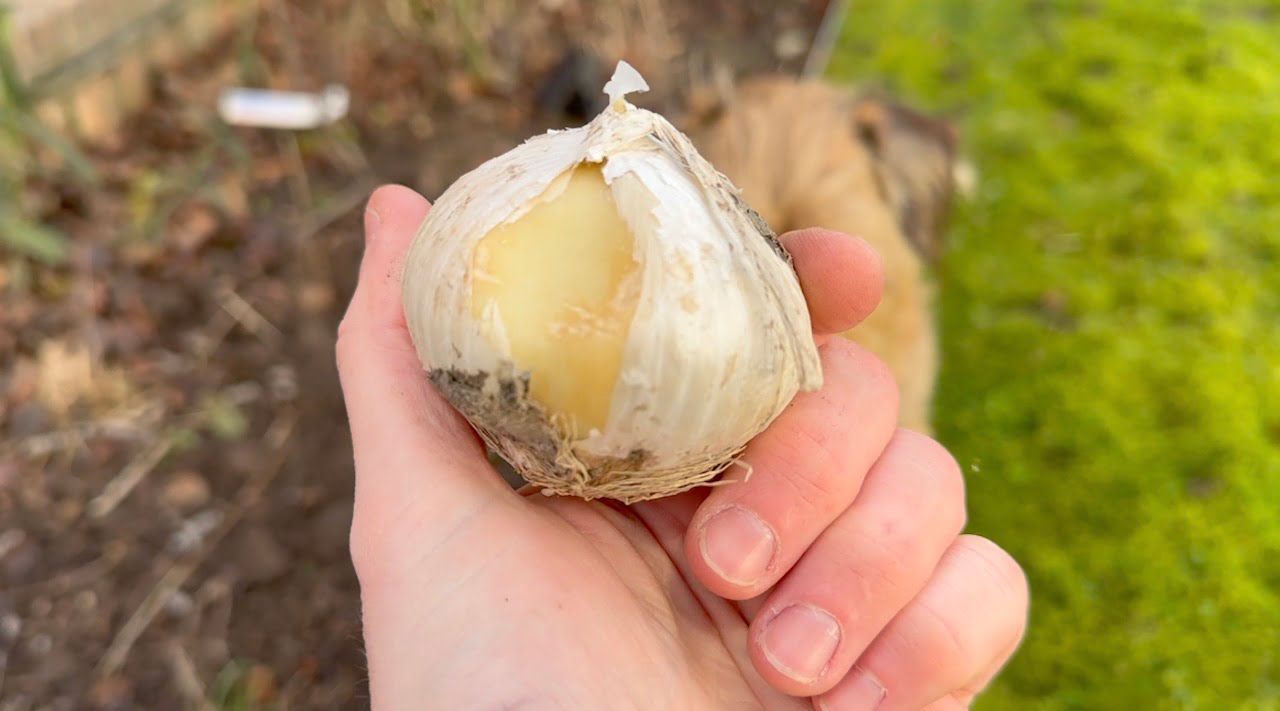
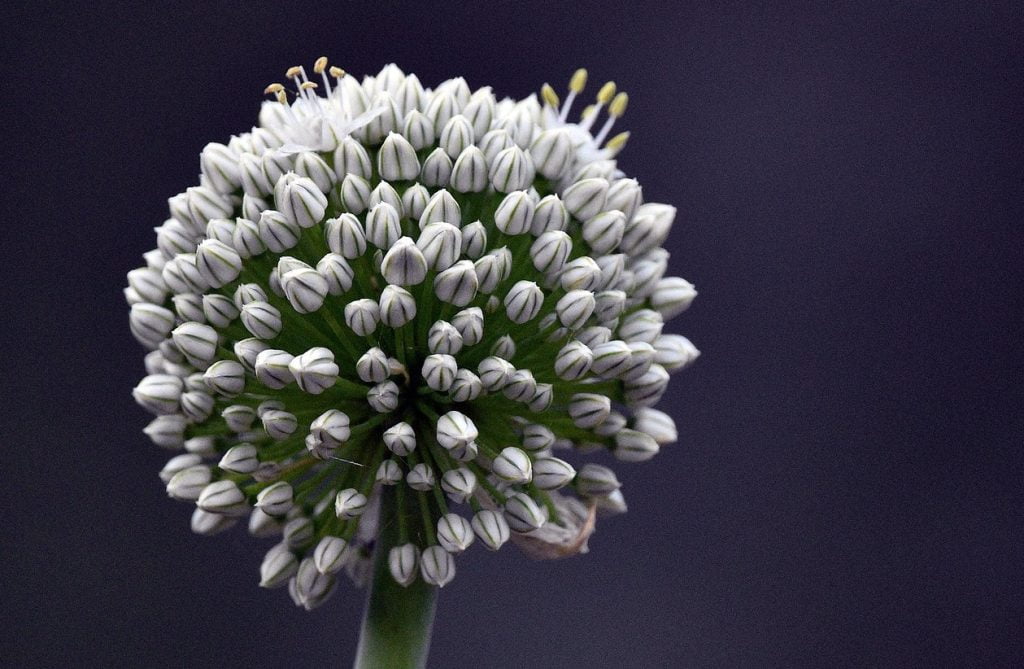
Alliums are ornamental flowering bulbs closely related to the onion family. When you open a bag of allium bulbs, you will get that distinctive onion smell. This is actually part of what makes them so useful in the garden, as it helps deter pests and even deters squirrels from digging them up.
The name Allium comes from the Latin for garlic, and the genus contains somewhere between 260 and 979 species, with the wide variation in numbers due in part to the sheer volume of cultivars bred each year by crossing two or more species to create even more vivid or architectural forms.
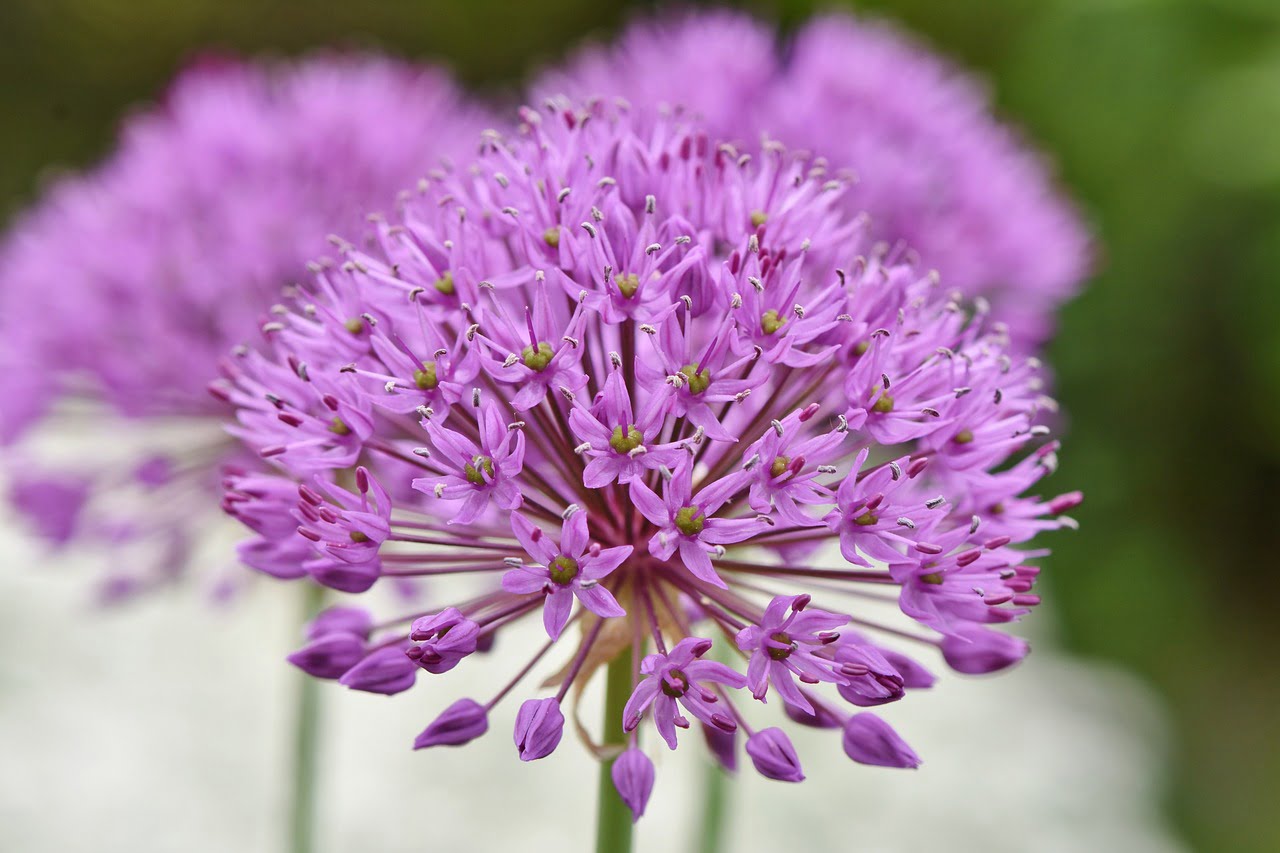
What sets alliums apart from almost every other flowering bulb is their architectural quality. Those perfectly spherical flower heads on tall, straight stems give borders a sculptural quality that nothing else quite replicates. They also work brilliantly in naturalistic planting schemes. I have used them at Chelsea and on Garden Rescue to add that sense of effortless abundance that clients always ask for.
When to plant Allium bulbs in the UK
Alliums are best planted in Autumn, from September to November. This gives the bulbs enough time to establish a good root system before the cold sets in, which is what fuels those spectacular blooms the following May and June. October is often the sweet spot, when the soil has cooled down from summer but is not yet frozen solid and is easy to work with.
That said, allium bulbs are sold pretty much year-round by online retailers, which can lead to some confusion about timing. The honest answer is that the best time to plant alliums is as soon as you buy them. Do not be tempted to leave them in a shed or in dark storage waiting for the “right” moment. The likelihood is you will forget about them, and they will dry out or rot. Plant them as soon as they arrive.
💡 Top Tip
If you miss the ideal autumn window, allium bulbs can still be planted as late as December or even January if the ground is not frozen and the bulbs are still firm. First-year flowers may be slightly smaller, but the plants will establish well and perform fully in subsequent years. A firm, healthy bulb planted late is always better than no bulb at all.
The only conditions you genuinely want to avoid are planting into frost-hardened ground, waterlogged soil, or snow. On any dry, mild day when the ground is workable, you are good to go. Alliums are remarkably forgiving as long as drainage is good and the soil is not waterlogged.
How to plant Alliums: a step-by-step guide
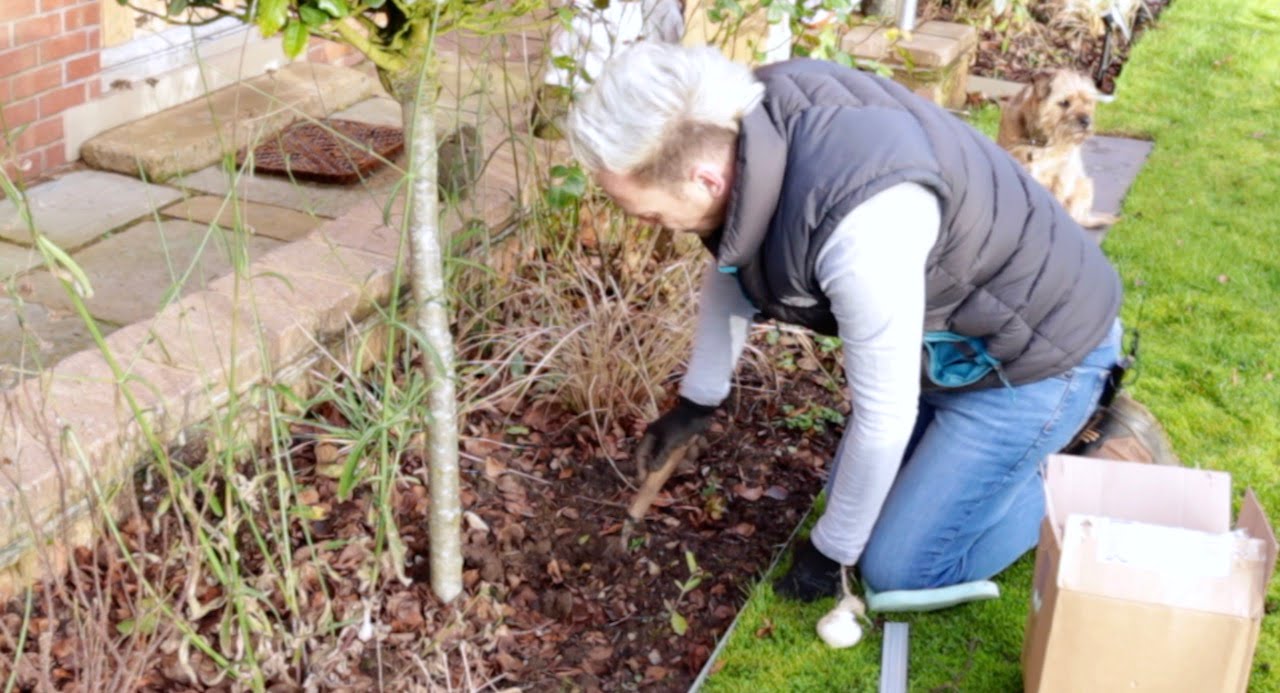
So you have your allium bulbs, and now it is time to get them into the ground, ready for spring. Choose a dry, mild day and gather the following before you start. You will need allium bulbs, a trowel or bulb planter, a kneeling mat to protect your knees, and a ruler to check depth on the first few bulbs until you get your eye in.
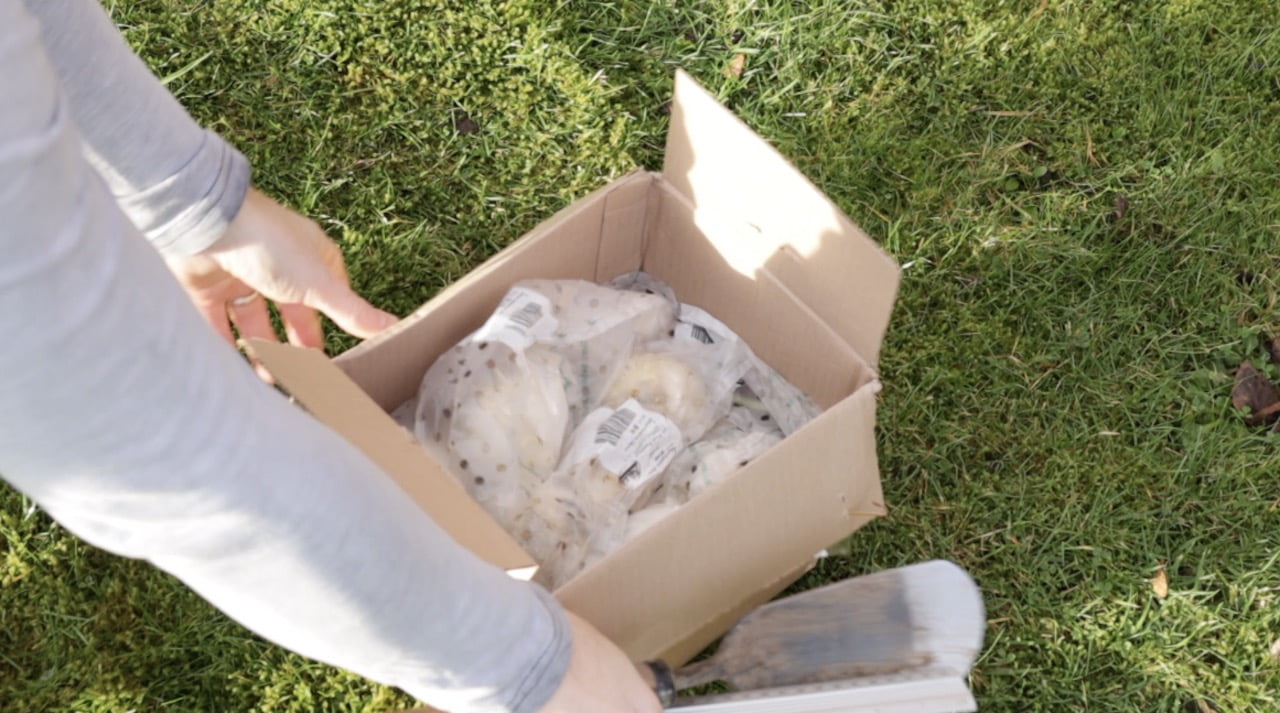
When your alliums arrive, unbox them immediately and check every bulb for damage, fungal rot, or softness. There is no point in planting a damaged or sickly bulb. It will not recover in the ground and risks spreading disease to healthy neighbours. Discard any bulbs that feel soft, smell excessively pungent beyond the normal onion scent, or show visible white mould. Those go in the compost bin, not the border.
Step 2: Dig a hole four times the depth of the bulb
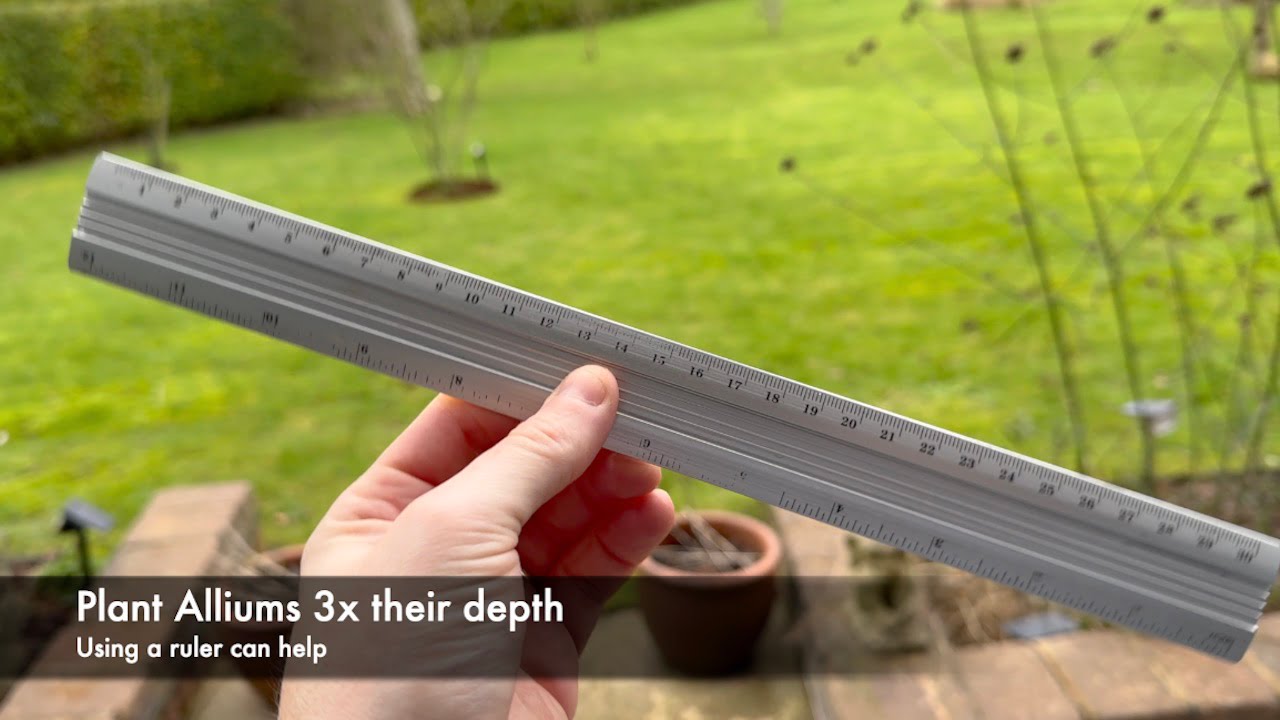
Using a trowel or bulb planter, dig a hole that is four times the bulb’s depth. Measure the bulb with a ruler, then multiply the measurement by 4 to get your planting depth. A bulb measuring 5cm across needs to be inserted to a depth of 20cm. This may seem like a lot, but it is the key to alliums standing upright without staking.
Step 3: Find the bottom of the bulb before planting
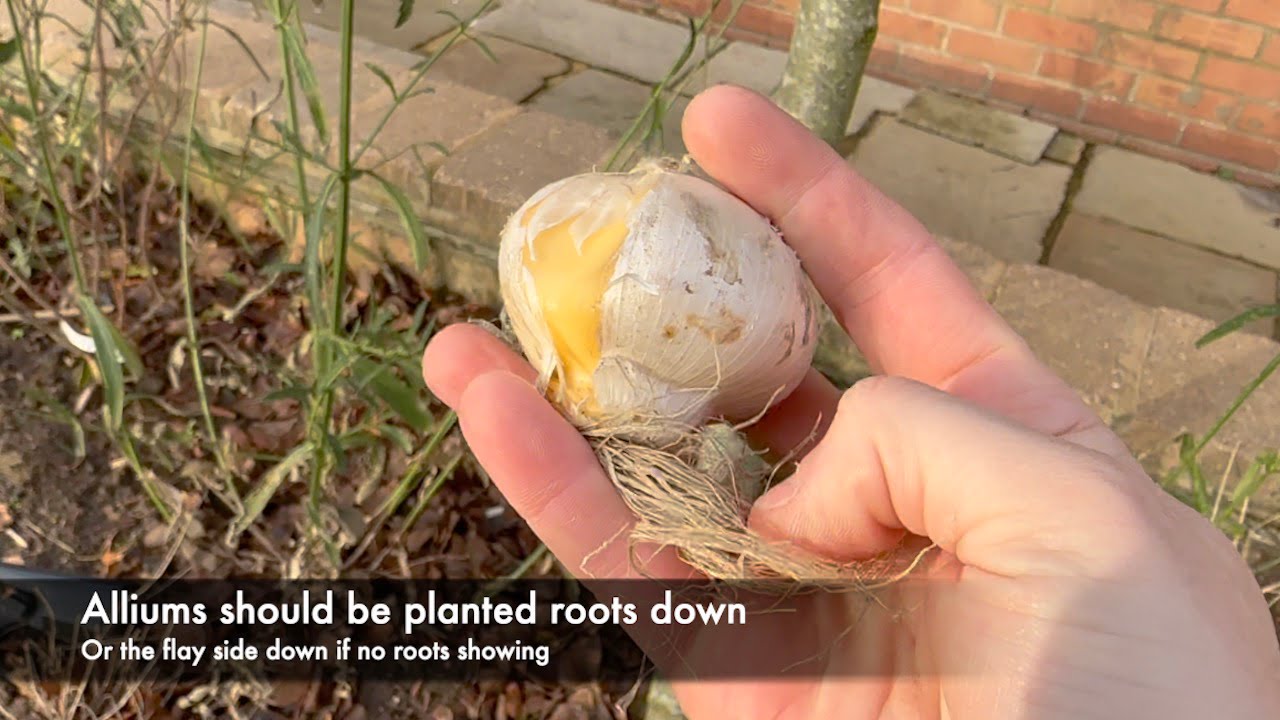
You need to plant the Allium with its base or root plate pointing down. For bulbs with visible roots, this is straightforward. For smooth bulbs without obvious roots, look for the flat side. That is the base. The top usually has a pointed tip or dried tunic scales at the point where the shoot will emerge. If you genuinely cannot tell, plant the bulb on its side to split the difference. Alliums are forgiving enough to find their way with a bit of help from gravity.
Step 4: Plant the Allium and backfill with soil
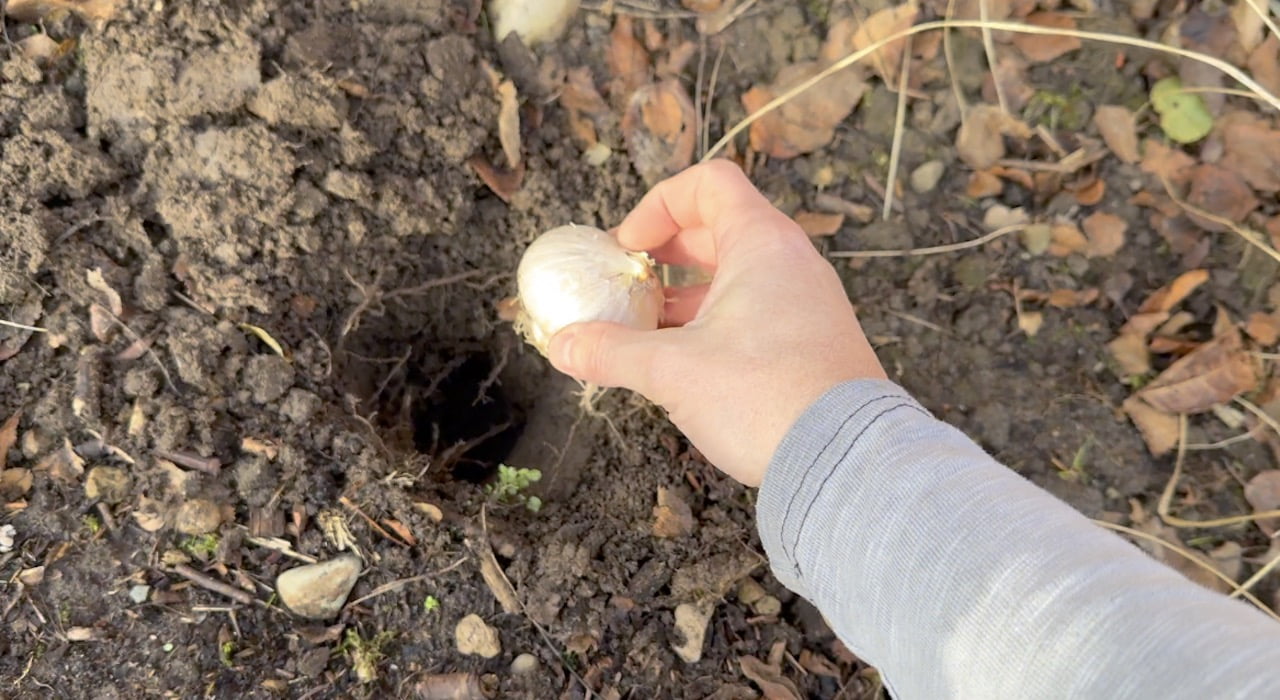
Push the bulb firmly into the hole and backfill with the original soil you removed. Do not be tempted to add feed or compost into the planting hole. The existing soil is best for initial establishment, and any compost should be used as a surface mulch after the plant has flowered. Unless the weather is exceptionally dry, I do not water alliums after planting and leave them to settle. Good Autumn rainfall provides them with more than enough moisture during their dormant period.
How deep to plant Allium bulbs
Alliums are tall plants carrying heavy flower heads on long, slender stems. That structure needs proper anchoring below ground to stay upright without staking. Alliums should be planted at a depth of four times the diameter of the bulb. So a bulb that measures 5cm across needs to go in at a depth of 20cm.
A larger bulb of 7cm needs to be planted at 28cm. On very heavy clay soil, you may want to drop a layer of horticultural grit in the bottom of the hole to improve drainage before placing the bulb.
The depth may seem excessive, but it serves two purposes. It anchors the stem so the plant can support that heavy globe without flopping, and it protects the bulb from surface frost. Alliums planted too shallowly almost always need staking and are far more vulnerable to a hard winter. Deep planting is the single most important thing you can do for long-term success.
When do Alliums flower?
Most alliums flower from May to June, arriving just as spring tulips are fading and providing that vital bridge into summer. This makes them one of the most strategically useful bulbs you can plant. The exact timing varies by variety, and with careful selection, you can extend the allium season from May right through to August or even September.
Can you divide Alliums?
Alliums propagate themselves naturally by producing small bulblets off the main bulb over time. These can be split to increase your stock at no cost. The best time to divide alliums is every three to five years, once flowering starts to decline or the clumps become congested.
How to divide Alliums:
In September, once the foliage has turned completely yellow and shrivelled, lift the allium clump carefully with a garden fork. Using your hands, gently twist the smaller offset bulbs away from the main bulb. Replant everything straight away at the correct depth rather than storing the offsets, and give the replanted clumps a liquid feed to help them establish before winter sets in. Small offsets may take a year or two to reach flowering size, so be patient with them.
What soil type do Alliums like?
Alliums need free-draining, reasonably fertile soil in full sun. They genuinely hate waterlogged or heavy clay soil, which keeps the bulbs wet and causes them to rot before they ever get the chance to flower. They also prefer a roughly neutral pH, so if your soil is very acidic, a light dressing of garden lime before planting can help. If you have heavy clay soil and want to grow alliums in the ground, improve the planting hole with a generous handful of horticultural grit before placing each bulb.
If you have very heavy clay soil and want to grow alliums, the most reliable solution I have found is to grow them in pots and then sink those pots into the border when the shoots emerge in April. This gives you the look of alliums growing in the border without the drainage problems that clay brings. When they finish flowering, lift the pots, let the foliage die back naturally, and overwinter them somewhere sheltered and dry.
How far apart to plant Alliums?
Alliums are among the few bulbs that look better when planted in drifts and at relatively close spacing. Unlike tulips, which need clear space around each bulb, alliums planted closely together create a more naturalistic, garden-designer look. As a general rule, give each bulb at least two to three times its own diameter of space on all sides.
For most medium-sized varieties like Purple Sensation, that means around 10-15cm apart. For giants like Gladiator or Mount Everest, space them at a minimum of 20cm. When planting in drifts for a naturalistic effect, I often plant in odd numbers, in groups of five, seven, or nine, and vary the spacing slightly so they do not look regimented.
Growing Alliums in containers and pots
Growing alliums in containers is something I recommend to almost every client with a small garden, a balcony, or difficult clay soil. Done well, a container of alliums is one of the most dramatic seasonal displays you can create, and it gives you complete control over the growing conditions. The key is to choose the right varieties and to get the compost mix correct from the outset.
For containers, choose compact and medium-height varieties that will not become top-heavy in a pot. My favourites for pots include Allium karataviense, which has stunning glaucous foliage and stays under 30cm; the vivid blue Allium caeruleum at around 60 to 80cm; Allium cristophii with its spectacular starburst heads; and the reliable Ping Pong with its dense white spheres in late summer.
Avoid the very tall varieties like Gladiator or Summer Drummer in containers, as they will become unstable and need staking, which rather defeats the point.
💡 Top Tip
For the best container compost mix, use equal parts peat-free John Innes No. 3, peat-free multipurpose compost, and horticultural grit. This is the RHS gold-standard recommendation and the mix I use on every container project. The grit is not optional. It is what prevents the waterlogging that kills allium bulbs in pots.
Plant at the same depth as you would in the ground, following the four-times-diameter rule. Add a generous top-dressing of horticultural grit after planting to keep moisture away from the neck of the bulb. In winter, move containers to a sheltered spot out of heavy rain. Alliums in pots are at greater risk of waterlogging than of frost, so protect them from excessive winter wet rather than worrying about frost. A well-cared-for container display will perform well for two to three years before it needs refreshing.
The best Alliums to grow in UK gardens.
With hundreds of allium species and cultivars available, choosing where to start can feel overwhelming. Over two decades of professional garden design, I have grown a great many of them, and these are the varieties I return to again and again. Whether you want big bold drama, late-season interest, white flowers to mix with purples, or something genuinely unusual, there is an allium for every situation.
1. Allium ‘Haarlem Superglobe’
This is a blend of different-sized Hybrid alliums rather than a single cultivar, which is worth knowing before you buy. The mix varies from purple and pink to white, creating a naturalistic drift effect that is perfect for planting in mass across a flower bed. Because it is a mixture, each bulb will be slightly different, which creates a more relaxed, naturalistic planting than using a single, uniform variety. I use blends like this on larger garden design projects where I want that meadow-style abundance without it looking too deliberate.
Gladiator is probably the most dramatic and boldest Allium you can grow in a UK garden. This cultivar reaches up to 1.5 metres tall with enormous, round flower heads up to 20cm across, and it holds an RHS Award of Garden Merit, an independent endorsement that a plant has been trialled and found to perform reliably in UK conditions. Plant Gladiator in groups of five or more for maximum impact, and pair it with lower-growing companions that will hide its rather untidy dying foliage as it comes into bloom.
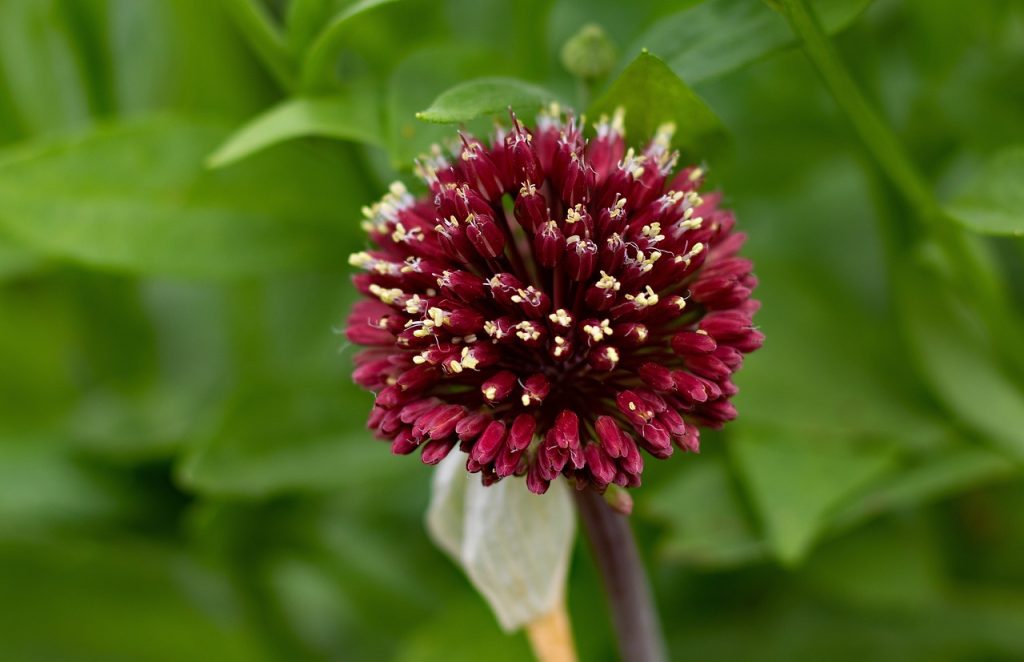
Red Mohican is the Allium for gardeners who want something genuinely different. It has a maroon-red drumstick-style flower with a distinctive Mohican-style tuft at the top, tipped with tiny white flowers. The stem actually bends like a shepherd’s crook before flowering, then straightens as the flower opens, which is a curious and charming habit that makes it a talking point in any border. It looks sensational mixed into a hot-coloured herbaceous planting with yellows and oranges, and the unusual form works well in contemporary and naturalistic garden styles alike.
The classic pink Allium, Allium stipitatum, stays compact at around 50cm and is one of my first choices for containers and smaller gardens where the tall, dramatic varieties simply cannot go. It flowers in May to June with delicate pinkish-white globes, and its modest height means it does not overshadow neighbouring plants. It is also one of the most reliable alliums for repeated flowering year after year without any intervention from you.
🌿 At A Glance
Botanical Name
Allium stipitatum
Plant Type
Hardy bulb
UK Hardiness
H5 (hardy to −15°C)
Height / Spread
30–50cm / 10–30cm
Flowering Period
May to June
Best Conditions
Full sun, well-drained soil; excellent in containers
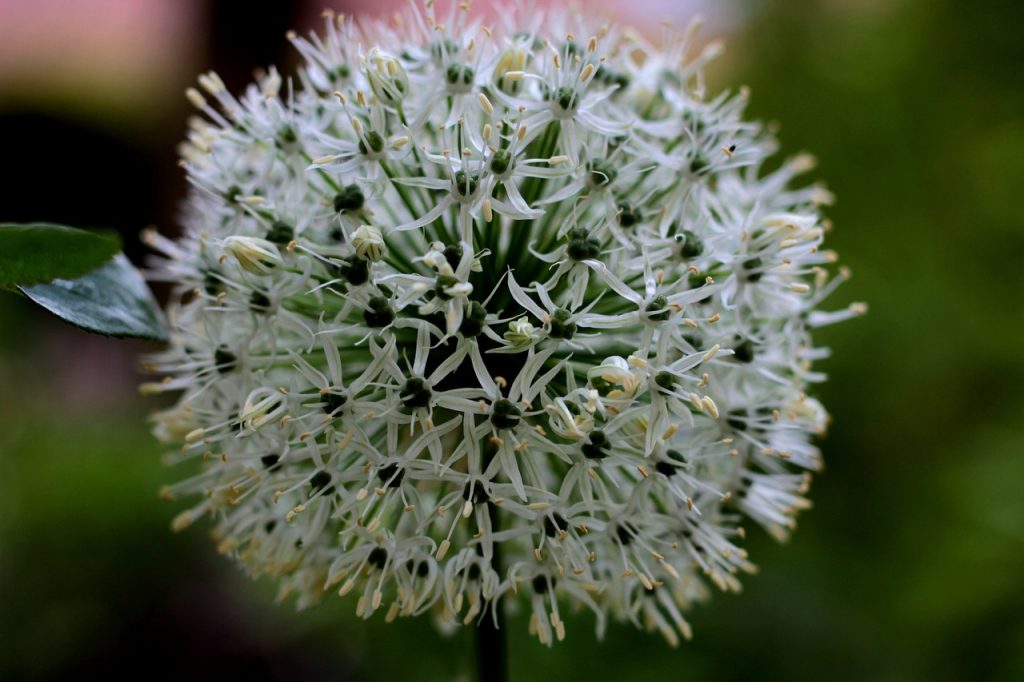
If you want to mix things up beyond the standard purple palette, Mount Everest is my answer every single time. It reaches up to 1.2 metres tall with pure bright white flowers that light up a border and make the surrounding purples and blues appear even more intense. It holds an RHS Award of Garden Merit and is one of the finest white alliums available to UK gardeners. It also makes a stunning cut flower and is excellent for drying.
🌿 At A Glance
Botanical Name
Allium ‘Mount Everest’
Plant Type
Hardy bulb
UK Hardiness
H5 (hardy to −15°C) ★ RHS AGM
Height / Spread
1–1.5m / 10–50cm
Flowering Period
Late spring to early summer
Best Conditions
Full sun, well-drained soil; excellent cut flower
Flower Colour
Pure white, heads up to 12cm across with 50+ florets
Ping Pong is similar to Mount Everest in colour, but with smaller, rounder, more compact flower heads and a completely different flowering period, which I think makes it even more useful. It flowers in mid to late summer, from July through to August, extending the allium season by several weeks after all the May-June varieties have gone over. Reaching up to 1 metre tall, it is excellent in both borders and containers. It is exceptionally hardy at H6, meaning even a severe UK winter is no problem for it whatsoever.
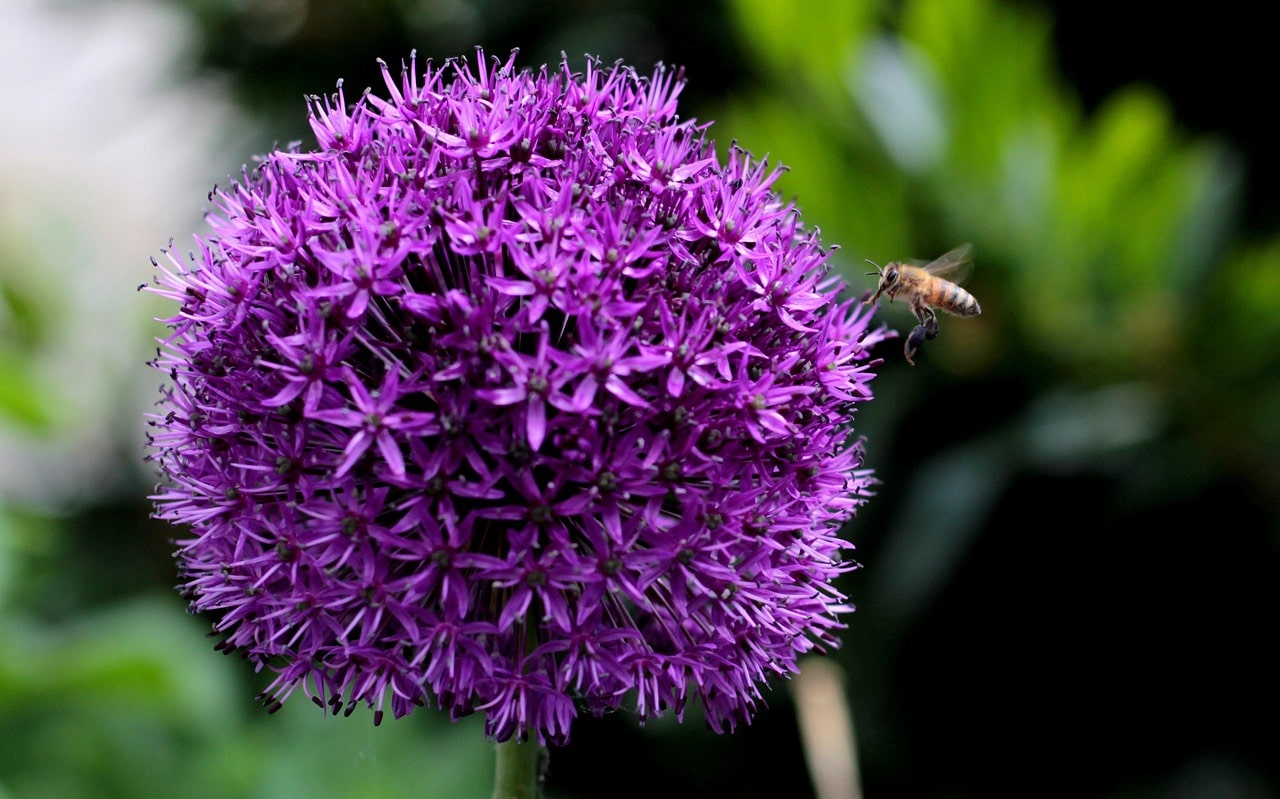
If I had to recommend just one Allium to a gardener starting out, it would be Purple Sensation every time. It is the most popular Allium in UK gardens for good reason. It holds an RHS Award of Garden Merit, is rated H6, so it is hardy even in severe winters, and the deep rosy-purple flowers are exactly the colour you see in those dreamy late spring border photographs. It also naturalises beautifully, returning each year reliably and gradually spreading to form an impressive clump. Plant it in generous drifts of fifteen or more for the best effect.
🌿 At A Glance
Botanical Name
Allium hollandicum ‘Purple Sensation’
Plant Type
Hardy bulb
UK Hardiness
H6 (hardy to −20°C) ★ RHS AGM
Height / Spread
50cm–1m / 10–30cm
Flowering Period
May to June
Best Conditions
Full sun, well-drained soil; excellent for naturalising
Full sun, very well-drained soil; excellent for drying
Flower Colour
Rosy-violet with metallic sheen; heads 20–30cm across
Allium cristophii, commonly called the Star of Persia, produces some of the most dramatic flower heads of any allium. Those enormous starburst globes can reach 20 to 30cm across, almost the size of a football, and they have a beautiful metallic sheen in the June light. They are shorter than most showstopper alliums at 30 to 60cm, which actually makes them more versatile in planting schemes, as they can sit in front of taller perennials without getting lost. The seedheads that follow are equally spectacular and last well into Autumn. They are one of the best alliums for cutting and drying.
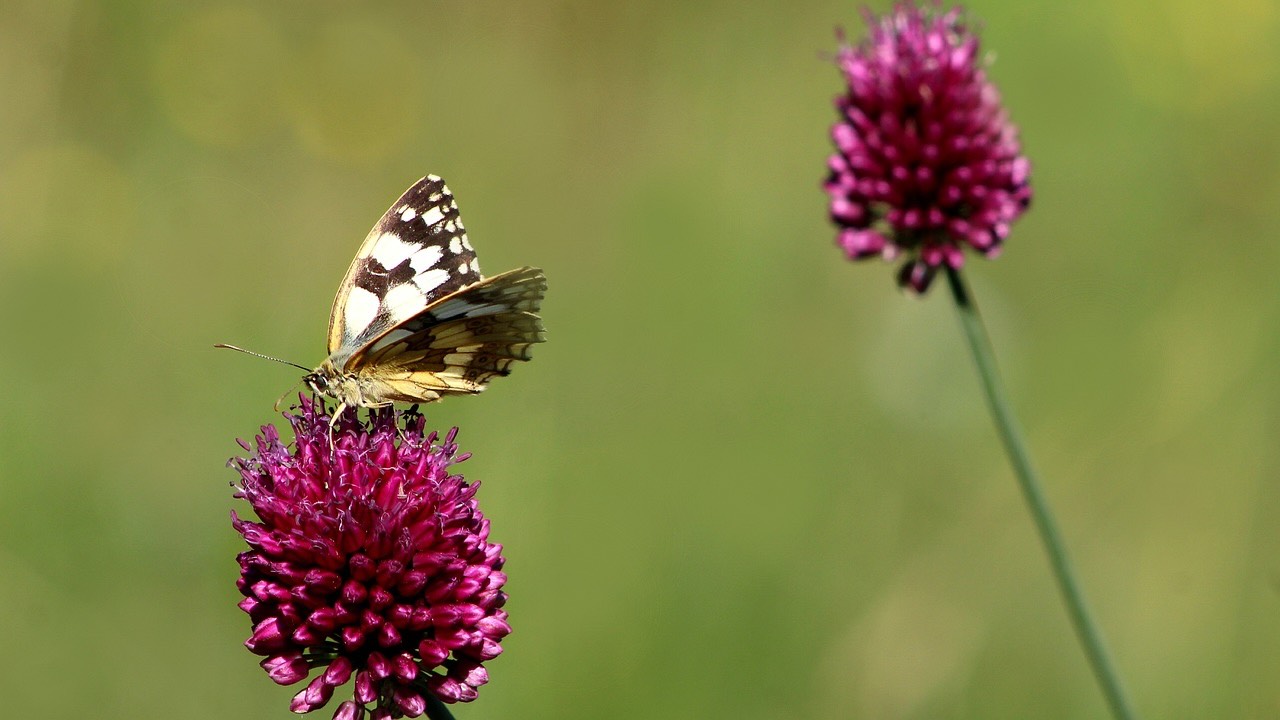
The drumstick allium is one of the most underused flowering bulbs in UK gardens, and I genuinely cannot understand why. It flowers in July and August when most other alliums are long finished, producing oval, egg-shaped heads in the most gorgeous claret-burgundy colour that deepens as the flowers open. It is also one of the few alliums native to Britain, making it a genuine wildlife plant that supports our native pollinators at a time when many early summer flowers have gone over. Plant it in drifts through ornamental grasses for that classic Piet Oudolf naturalistic effect. It is exceptionally cheap to buy and exceptionally easy to grow.
What to plant with Alliums: companion planting guide
One of the most important things to understand about alliums is that their foliage looks genuinely terrible at exactly the moment the flowers are at their most spectacular. The leaves begin to yellow and flop from the base upwards just as those globe-shaped flower heads are opening, which is one of nature’s more frustrating design choices. The solution is companion planting. You need plants whose foliage naturally expands upwards and outwards as your alliums come into flower, concealing the dying leaves while the globes steal all the attention above.
There is also a genuinely practical reason to grow alliums alongside other plants beyond aesthetics. Alliums release sulphur compounds through their roots that deter aphids and may help reduce fungal problems in neighbouring plants, which is why they have been grown alongside roses for centuries. Pairing deep purple alliums with soft yellow David Austin roses is one of my favourite combinations, and one I have returned to again and again on BBC Garden Rescue. The contrast is stunning, and the alliums are earning their keep twice over.
💡 Top Tip
The golden rule of allium companion planting is to choose plants that are already growing upwards or outwards as alliums come into flower. You want foliage that naturally expands to fill space at ground and mid-level from May onwards. Alchemilla mollis, hardy geraniums, and catmint all billow outwards at exactly the right time, covering the unsightly allium leaves without any effort on your part.
Below are my six favourite companion plants for alliums in UK borders, each one chosen because it solves the foliage problem while adding its own season-long contribution to the scheme. These are plants I use professionally and grow in my own garden, and every one of them is reliably available from UK suppliers.
1. Alchemilla mollis (Lady’s Mantle)
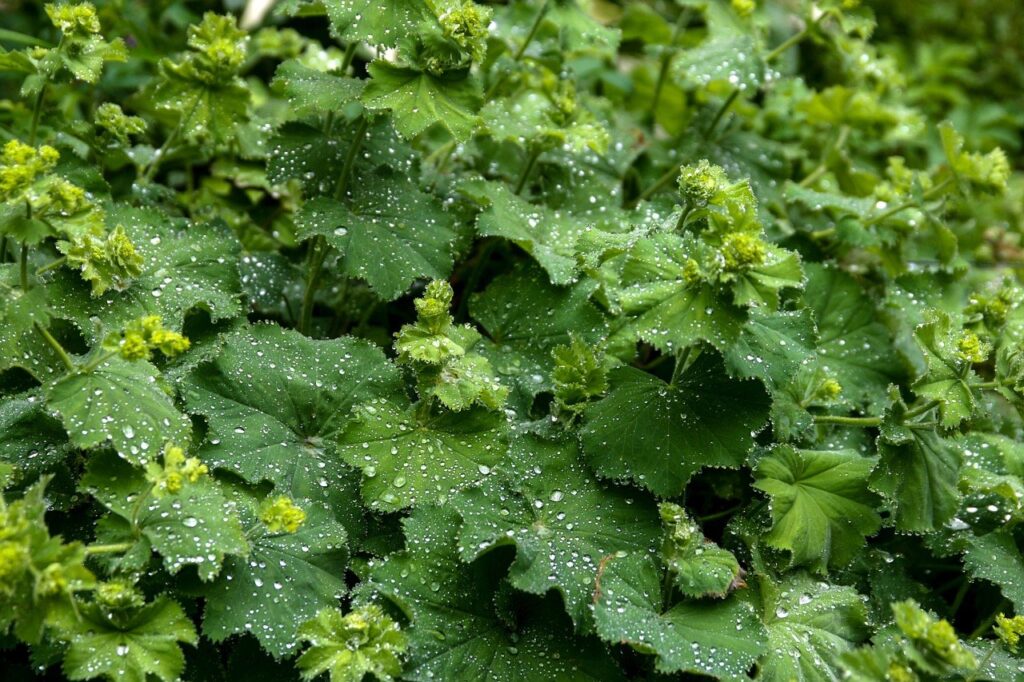
Alchemilla mollis is probably the single most useful companion plant you can grow with alliums in a UK garden, and it is the one I reach for most consistently in border designs. It forms a low mound of softly hairy, scalloped leaves at exactly the height needed to conceal allium foliage, and from June onwards it produces an extraordinary froth of tiny lime-green flowers that hover above the leaves like a cloud.
The colour combination of chartreuse Alchemilla flowers against deep purple allium globes is one of the classic pairings of the early-summer border, and it works whether you are going for a formal or naturalistic look. The leaves also have an enchanting quality after rain, holding perfect round droplets of water that catch the light. It holds the RHS Award of Garden Merit, tolerates almost any soil, including clay, and will grow in sun or partial shade.
The only management it needs is a hard shear after flowering to encourage fresh new foliage, which it produces willingly. It does self-seed freely, so remove spent heads if you want to keep it contained, though in naturalistic schemes that gentle spread is actually a benefit.
🌿 At A Glance
Botanical Name
Alchemilla mollis
Plant Type
Hardy herbaceous perennial
UK Hardiness
H7 (hardy below −20°C) ★ RHS AGM
Height / Spread
60cm / 75cm
Flowering Period
June to September
Best Conditions
Sun or partial shade; tolerates most soils including clay
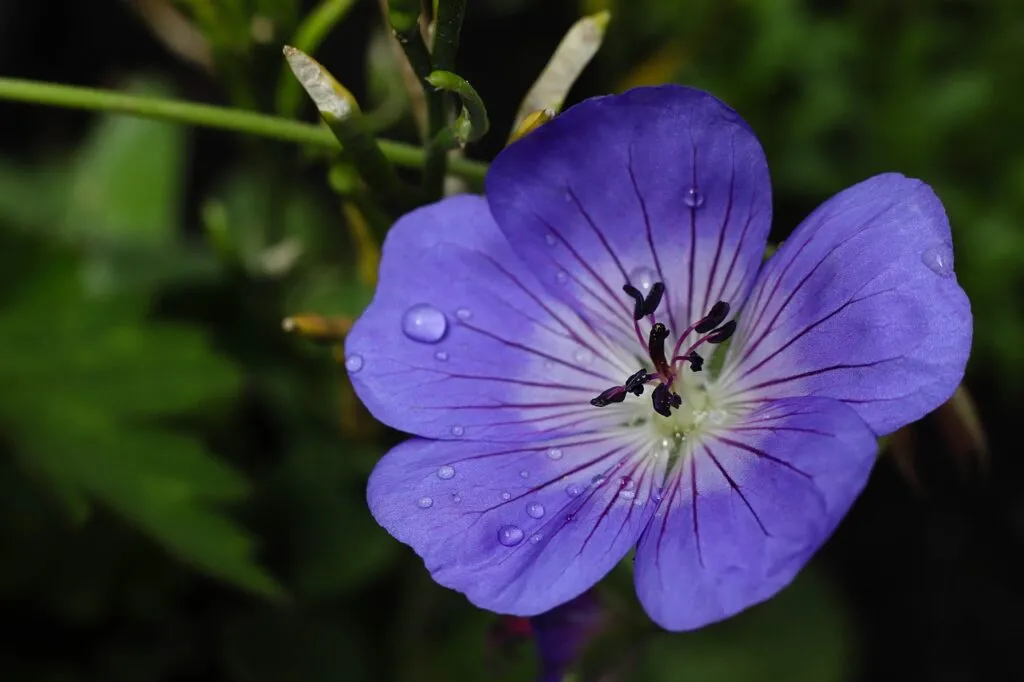
Geranium Rozanne was voted the RHS Chelsea Flower Show Plant of the Centenary in 2013, and it earned that title. It is one of the longest-flowering hardy perennials you can grow in the UK, producing saucer-shaped violet-blue flowers with a distinctive white eye and purple veining continuously from June all the way through to the first frosts in October.
For allium companions, this longevity is its greatest strength: it is still flowering long after your alliums have finished, extending the border season and providing ground-level coverage throughout summer and Autumn. The foliage is a marbled mid-green that expands naturally throughout the season, effectively hiding allium leaves without interference.
It holds the RHS Award of Garden Merit and an H7 hardiness rating, which means it is completely reliable across the UK. Plant it at the front or middle of a border, letting it flow between the Allium stems. Its sterile hybrid nature means it will not self-seed and take over, which makes it more manageable than some geraniums.
🌿 At A Glance
Botanical Name
Geranium ‘Rozanne’ (‘Gerwat’)
Plant Type
Hardy herbaceous perennial
UK Hardiness
H7 (hardy below −20°C) ★ RHS AGM
Height / Spread
60cm / up to 1m
Flowering Period
June to October
Best Conditions
Full sun to partial shade; moist, well-drained soil
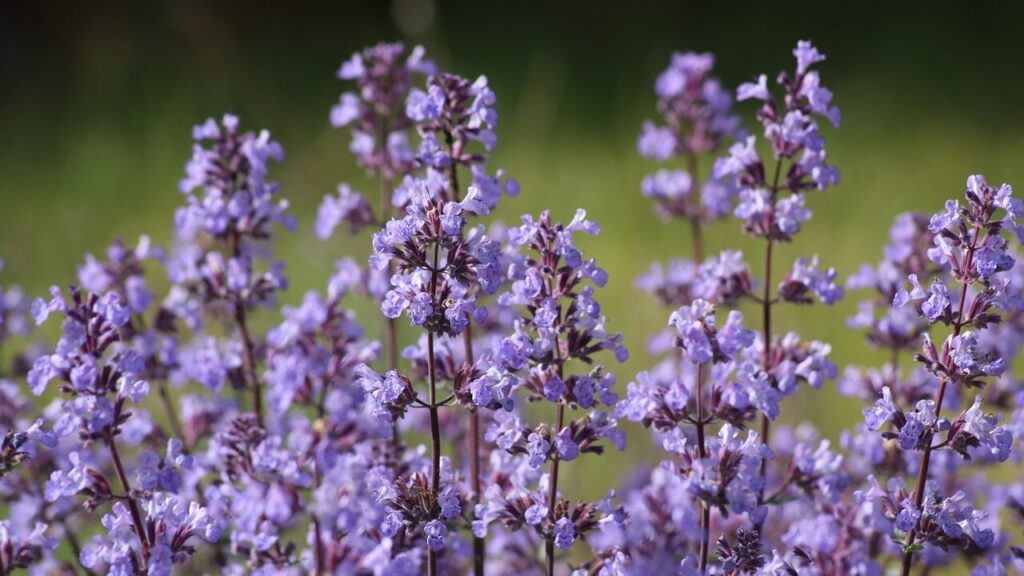
Catmint is one of the workhorses of the British summer border, and Nepeta ‘Six Hills Giant’ is the best variety to grow alongside alliums because its generous size creates a meaningful presence rather than a token edging. It forms dense, aromatic mounds of silver-grey foliage topped with long spikes of lavender-blue flowers from May through September, beautifully bridging the gap between allium season and the later-summer border.
The silvery-grey foliage is one of the finest foils for purple allium globes in the garden: the cool, dusty tones make the purple look richer and more vivid, much like a grey mount makes a painting pop. It is also extraordinarily useful for bees and pollinators throughout the season. After its first flush of flowers, shear it back by a third, and it will produce a second wave of blooms in late summer, keeping the border interesting long after the alliums have finished.
It grows in any well-drained soil in full sun and is fully hardy. Catmint has been used to underplant roses for generations, and for good reason: the blue-purple tones complement almost every Rose colour from soft pink through to deep red.
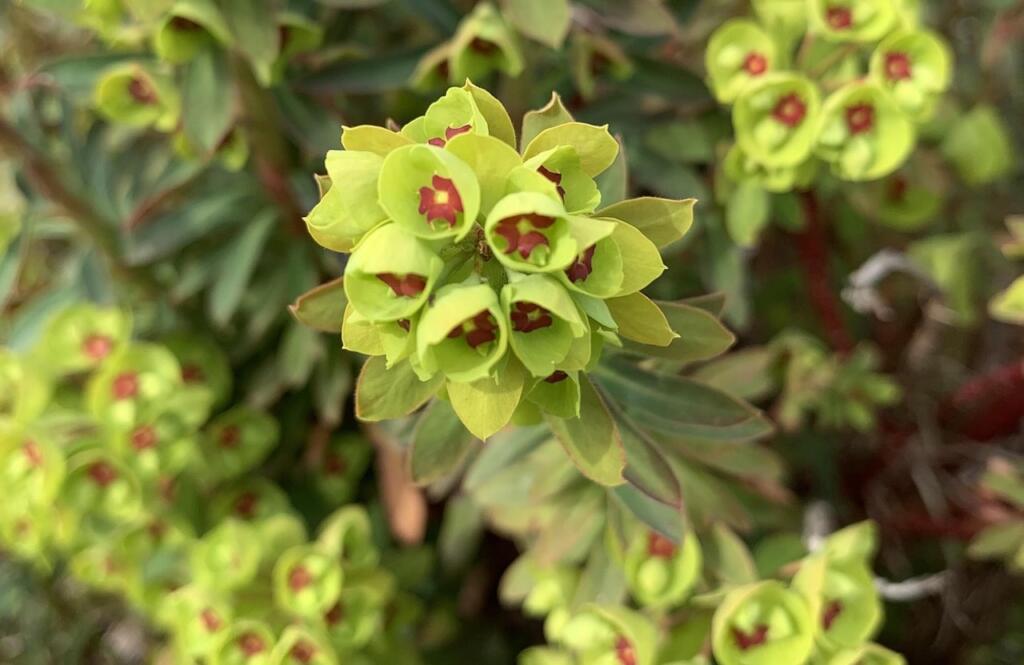
Euphorbia palustris is the companion plant choice that surprises people most, but once you have seen it growing alongside purple alliums, you will never plant them apart again. It produces large, flat-topped heads of vivid acid-yellow and lime-green bracts in May and June at exactly the moment most purple alliums are in their prime, and the combination of that acid yellow against deep rosy-purple is one of the most reliably electric colour contrasts in the early summer garden.
I have used this pairing on Garden Rescue multiple times because it works across garden styles: it is at home in a contemporary border, a cottage scheme, and a naturalistic prairie planting equally well. The plant itself forms generous clumps of bright green foliage that grow to around 75-90cm, providing the mid-height coverage needed to conceal allium leaves. It holds the RHS Award of Garden Merit and is rated H7, making it fully hardy throughout the UK.
One important note: all parts of euphorbia produce a milky sap that is an irritant to skin and eyes, so always wear gloves when handling it and wash your hands thoroughly afterwards. It is also harmful if eaten, so worth noting if you have young children or pets.
⚠️ Important
All parts of Euphorbia palustris produce a milky white sap that is a serious irritant to skin and eyes. Always wear gloves when pruning or dividing it and wash hands thoroughly. The plant is also harmful if eaten, so it is worth positioning it away from areas regularly used by young children or pets.
🌿 At A Glance
Botanical Name
Euphorbia palustris
Plant Type
Hardy herbaceous perennial
UK Hardiness
H7 (hardy below −20°C) ★ RHS AGM
Height / Spread
75–90cm / 60cm
Flowering Period
May to June
Best Conditions
Full sun; moist, fertile soil; tolerates clay
Flower Colour
Acid yellow-green bracts; foliage turns orange in autumn
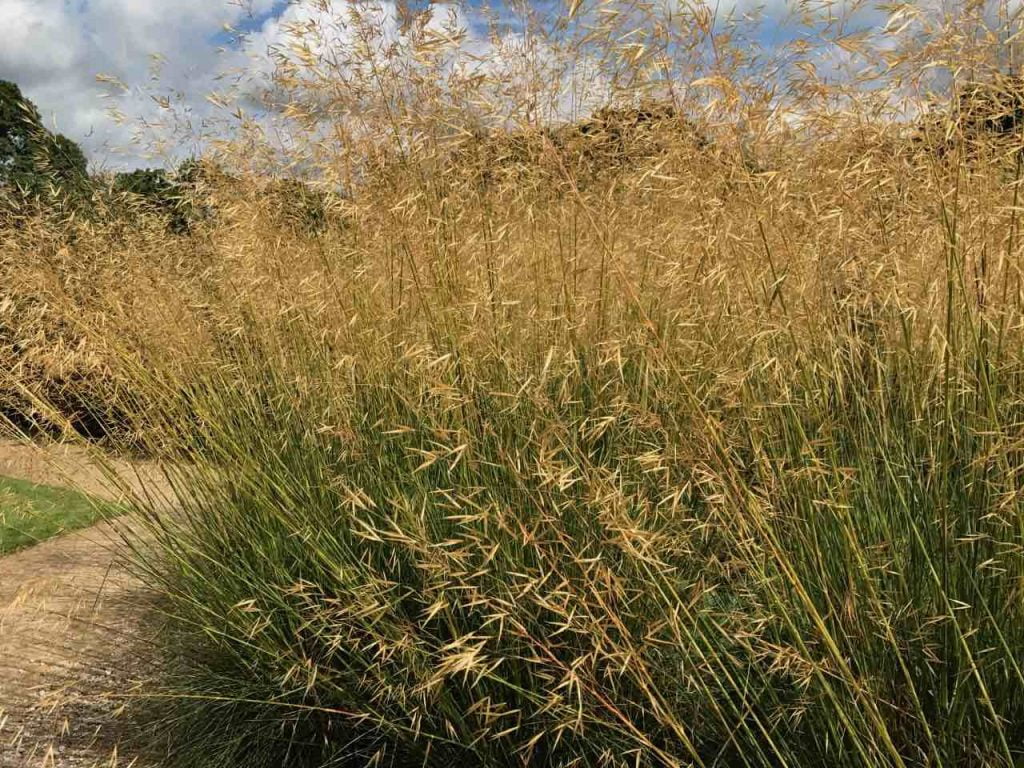
Stipa gigantea is the grass that makes a border look as if a professional designed it. Its low evergreen tussock of narrow leaves sits quietly at ground level for most of the year, and then, in June, it sends up tall, arching stems to two metres, topped with huge, oat-like flower heads that start purplish and ripen to shimmering gold.
Threading alliums through Stipa is the signature move of naturalistic planting design, and it is the technique that gives garden borders that open, airy, transparent quality you see at the best contemporary gardens and at Chelsea. The tall Allium stems rise through the Stipa flower heads, and the two plants complement each other perfectly in scale, texture, and colour. It is semi-evergreen, which means it provides structure and interest through winter when most of the border has died back. It holds the RHS Award of Garden Merit and is fully hardy.
Plant it in a sunny spot with well-drained soil and leave it largely undisturbed: Stipa dislikes being divided and moved once established, so choose its position carefully. Tidy the foliage in late winter before new growth begins, removing only dead material.
🌿 At A Glance
Botanical Name
Stipa gigantea
Plant Type
Semi-evergreen ornamental grass
UK Hardiness
H5 (hardy to −15°C) ★ RHS AGM
Height / Spread
Up to 2m in flower / 1–1.2m
Flowering Period
June to September
Best Conditions
Full sun; well-drained, moderately fertile soil
Flower Colour
Purple-tinted, maturing to shimmering gold oat heads
The Allium and Rose combination is not just a garden design cliché: there is genuine horticultural logic behind it that goes back centuries. Alliums release sulphur compounds from their roots and above-ground tissue that act as a natural aphid deterrent, and since aphids are among the most persistent problems on roses, planting alliums throughout a Rose border gives the roses a degree of natural protection. Beyond that practical benefit, the visual combination is one of the most enduring in garden design.
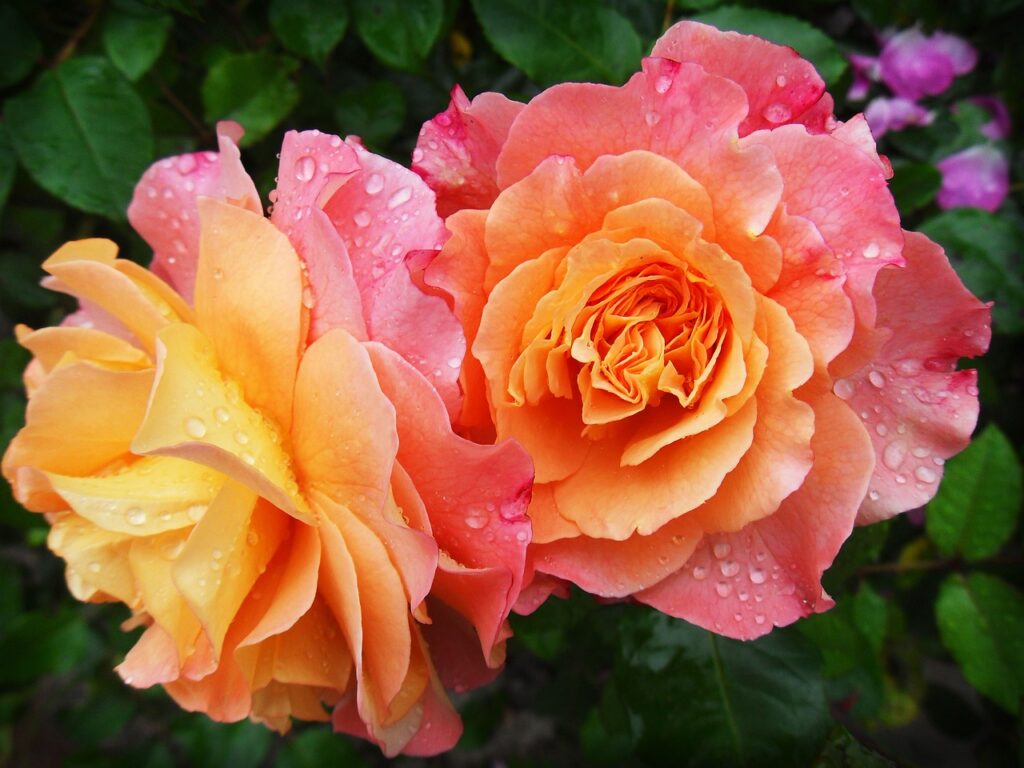
Deep purple alliums like ‘Purple Sensation’ or ‘Gladiator’ planted through the base of soft yellow roses like Rosa ‘Graham Thomas’ or the warm apricot tones of ‘Lady of Shalott’ create a combination I have used on Garden Rescue more times than I can count. The round, geometric allium heads contrast brilliantly with the soft, layered petals of an English Rose, and the two plants flower at the same time in late May and June. David Austin roses are bred to be tough, repeat-flowering, and disease-resistant, making them ideal partners for low-maintenance allium planting. Most modern English roses carry an H6 hardiness rating and will perform reliably throughout the UK.
💡 Top Tip
The best allium and rose combinations use contrast rather than matching colour. Purple alliums look extraordinary next to yellow, apricot, or cream roses. They can look heavy paired with pink, and they tend to cancel each other out next to red. Try Allium ‘Purple Sensation’ with Rosa ‘Graham Thomas’ (rich yellow), or Allium ‘Mount Everest’ (white) with any deep crimson or magenta rose for a more contemporary look.
🌿 At A Glance
Botanical Name
Rosa (English / David Austin varieties)
Plant Type
Deciduous flowering shrub
UK Hardiness
H6 (hardy to −20°C) for most modern varieties ★ many RHS AGM
Height / Spread
Varies by variety: typically 90cm–1.5m / 60cm–1m
Flowering Period
Late May to October (repeat-flowering)
Best Conditions
Full sun; fertile, moist but well-drained soil
Best with Alliums
Yellow, apricot, and cream varieties; ‘Graham Thomas’, ‘Lady of Shalott’, ‘Harlow Carr’
Once alliums have finished flowering, many gardeners are unsure what to do next. The answer is mostly: less than you think. The spent flower heads do not need to be removed; in my professional opinion, you should leave them standing as long as they look good. The dried globes of varieties like Allium cristophii and sphaerocephalon are genuinely beautiful through Autumn and into winter, providing structure and interest in the border when everything else has died back. They are also an important winter food for birds.
⚠️ Important
Never cut back green allium foliage. The dying leaves are feeding the bulb for next year’s flowering. Removing them before they have turned completely yellow and shrivelled is the primary reason alliums fail to flower in subsequent years. I know the leaves look untidy, but please be patient and let them die back fully before you tidy them away.
If you want to deadhead to prevent self-seeding, cut the heads off once they have fully dried. Do leave the stems in place until they turn brown. Only remove the foliage once it has completely yellowed and shrivelled, which typically takes six weeks or more after flowering finishes. Once the foliage has died back fully, you can pull it away gently by hand. It should come away cleanly at this stage without needing to cut it.
When and what to feed Alliums
Given the effort alliums put into producing those spectacular flower heads, a little feeding goes a long way. At the borders, apply a peat-free homemade compost mulch around September, after the leaves have completely died back, working it gently into the soil surface around where the bulbs are buried. In spring, as foliage emerges in March and April, a liquid feed rich in potassium, such as tomato fertiliser or comfrey tea, supports strong stem growth and good flowering.
I prefer to use homemade compost or comfrey tea, as they are both organic and help close the loop on garden recycling. For container alliums, a balanced granular feed like Growmore applied in early spring is worthwhile since pot-grown plants exhaust the available nutrients in the compost more quickly than those growing in open soil. Do not overdo the feeding. Alliums are from dry, rocky, sunny habitats in nature and do not need or want a rich diet.
Common problems with Allium bulbs
Whilst alliums are usually pretty bulletproof as far as flowering bulbs go, there are a few pests and diseases worth knowing about so you can spot them early and act accordingly.
Onion Fly (Delia antique)
Onion fly is most problematic during warm, dry spells in late spring and early summer. The adult flies lay eggs near the base of the plant, and the larvae burrow into the bulb, causing collapse. To deter onion flies, cover allium plants with fine mesh netting during the risk period. Remove and destroy any infested bulbs promptly and avoid planting alliums in areas where onion flies have been a problem in previous years.
Allium Leaf Miner (Phytomyza gymnostoma)
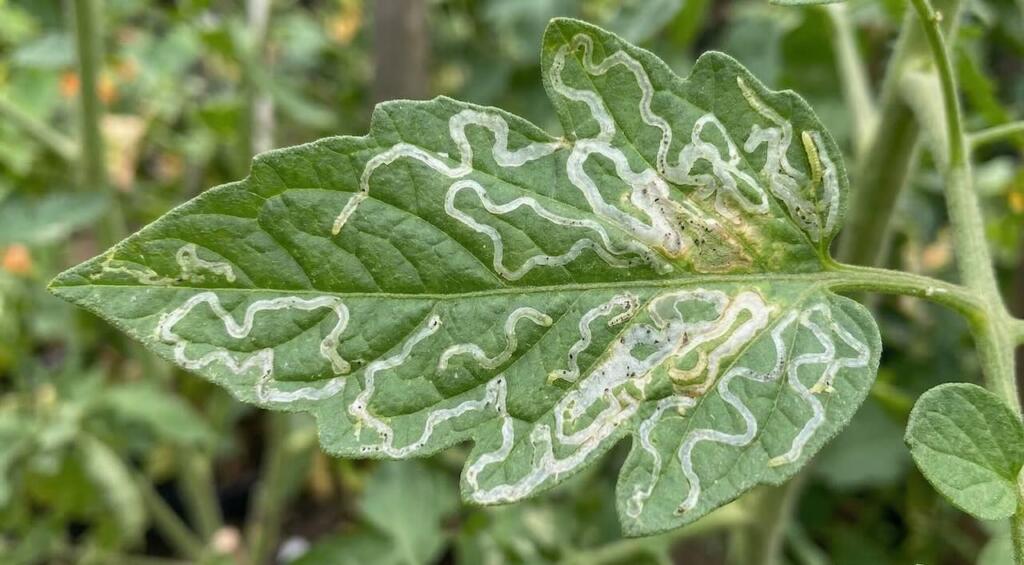
The allium leaf miner was first detected in Britain in 2002 and is now widespread across England and Wales. Adult females puncture the leaves, leaving rows of small pale marks, like stitching, and the larvae then bore into stems and bulbs. Peak activity occurs in March to April and again in September to November. Cover with insect-proof mesh during these periods as the most effective prevention. Crop rotation helps disrupt the pest’s lifecycle. You can see an example of what to look out for on a tomato leaf below.
Allium White Rot (Stromatinia cepivora)
White rot is the most serious allium disease and one of the most frustrating to deal with. It is a soil-borne fungus that causes yellowing foliage and white fluffy mould around the base of the bulb, with tiny black sclerotia visible in the mould. The critical thing to know is that the sclerotia remain viable in soil for up to 20 years, which makes this disease effectively impossible to eradicate once it is present. There are no amateur chemical treatments available. Prevention is everything: buy from reputable suppliers, never introduce soil from unknown sources, and avoid planting alliums where edible onions, garlic, or leeks have previously grown.
Allium Leaf Blotch and Downy Mildew
Both of these fungal conditions thrive in the mild, humid conditions that UK springs often provide. Downy mildew shows as yellowing patches on the upper leaf surface with a greyish mould on the underside. Leaf blotch produces brown spots with darker borders. Good air circulation is the most effective prevention for both. Avoid planting alliums too densely and do not overhead water. Remove and dispose of infected material promptly. No amateur fungicides are available for either.
Thrips
Control thrips by regularly spraying affected plants with insecticidal soap or neem oil. Introducing predatory insects like lacewings helps keep thrips populations in check. Ensuring adequate air circulation around plants reduces the humidity that thrips infestations favour.
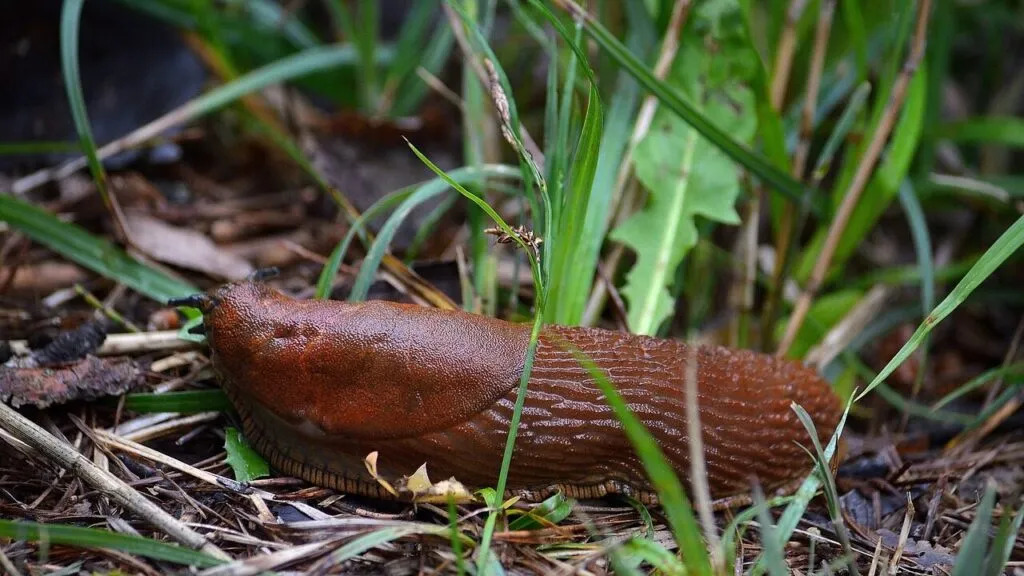
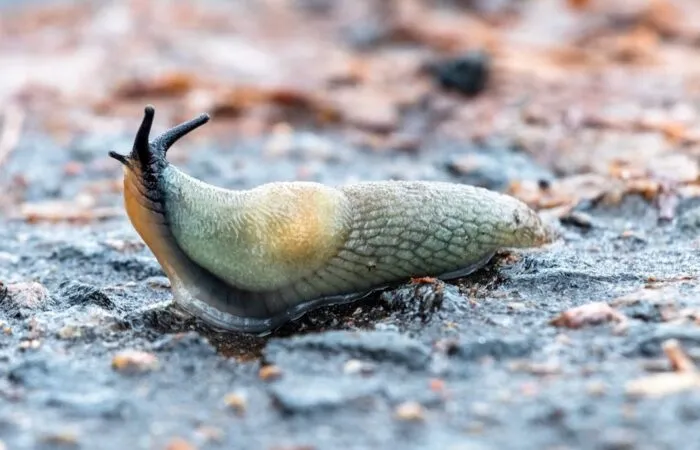
Slugs and Snails
Place barriers such as copper tape or diatomaceous earth around allium plants to deter slugs and snails. Handpick these pests in the evening or early morning when they are most active. Organic ferric phosphate pellets can be used sparingly when infestations are severe. The good news is that alliums are naturally squirrel-resistant. The sulphur compounds that give them their onion scent are deeply unappealing to squirrels, so your alliums are safe from the bulb-digging menace that ruins so many tulip displays.
Aphids
Control aphids by spraying affected plants with a strong jet of water to dislodge them. Introduce natural predators such as ladybirds or lacewings to help keep aphid populations in check. My preferred method is to use a small amount of washing-up liquid diluted in water and spray it directly onto the aphids. Simple, cheap, and surprisingly effective.
Botrytis Blight
Improve air circulation by spacing plants adequately and removing nearby congested growth. Remove and dispose of infected plant material promptly to prevent the spread of grey mould spores. Avoid overhead watering, particularly in damp spring conditions, as with most fungal problems in alliums, prevention through good planting practices is far easier than a cure.
Your subscription could not be saved. Please try again.
Your subscription has been successful.
Frequently asked questions about Alliums.
Do alliums come back every year?
Yes, alliums are perennial bulbs that return reliably each year when planted correctly in well-drained soil. Most varieties will naturalise over time, gradually increasing in number as the bulbs produce offsets. The key to ensuring they return is allowing the foliage to die back completely after flowering, as this feeds the bulb for next season. In very heavy, wet soil, alliums may not persist for more than a season or two.
Should you deadhead alliums?
Deadheading alliums is not necessary and in many cases is actively undesirable. The dried seedheads are genuinely beautiful, provide months of structural winter interest, and are an important food source for birds. Only deadhead if you want to prevent self-seeding, which can be useful if you are growing alliums in a formal scheme. If you do deadhead, wait until the head is fully dried before cutting, and always leave the stem until it has turned brown.
Why did my alliums not flower?
There are three main reasons alliums fail to flower. The most common is that the foliage was cut back before it had finished photosynthesising, which starves the bulb of the energy it needs for next year’s flower. The second is that the bulbs were planted too shallowly. The third is poor drainage. A waterlogged bulb will not flower and will eventually rot. If your alliums produced lush foliage but no flowers, check all three of these factors.
Are alliums toxic to pets?
All members of the Allium family are toxic to cats and dogs, including the ornamental varieties. The compounds that give alliums their characteristic scent can cause serious gastrointestinal problems and, in large quantities, damage red blood cells in both cats and dogs. If you have dogs that dig or chew plant material, take care when planting allium bulbs and ensure pets cannot access areas where bulbs have been newly planted.
Are alliums good for bees?
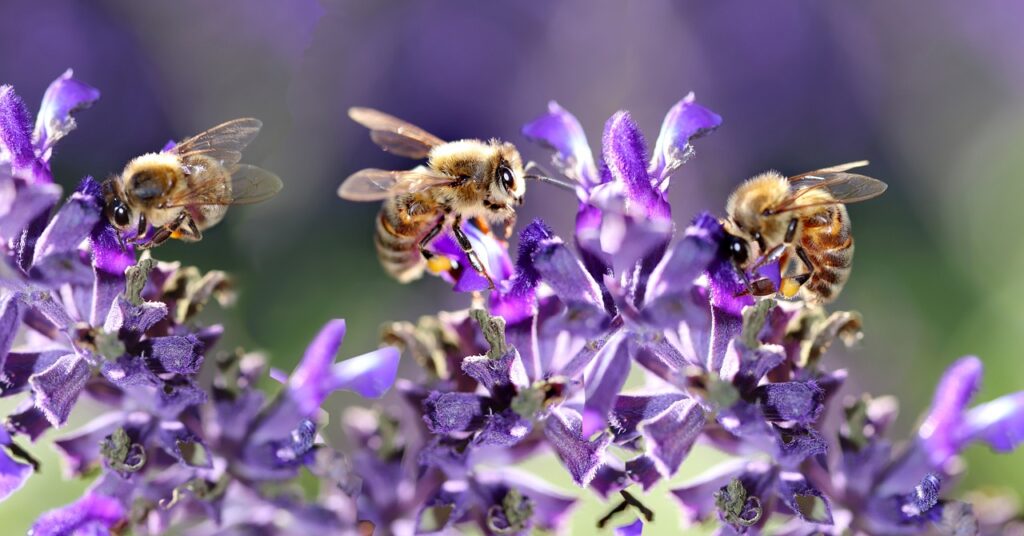
Alliums are outstanding plants for bees and other pollinators. Every ornamental Allium carries the RHS Plants for Pollinators designation. In late spring and early summer, you will often find dozens of bumblebees and honeybees on a single allium globe. The drumstick allium (sphaerocephalon) is particularly valuable because it flowers in July and August, when many other pollinator plants have finished flowering, providing a vital late-season food source.
Can you grow alliums from seed?
Yes, alliums can be grown from seed, but it is a slow process that requires patience. Most ornamental alliums will take three to five years to reach flowering size from seed. The more practical method of propagation is dividing the offset bulblets that form around established bulbs every three to four years, which produces flowering-sized bulbs much faster. Allow some seedheads to remain on the plant over winter, and you will often find self-seeded seedlings appearing nearby the following spring.
How long do allium flowers last?
Individual allium flowers typically last two to three weeks before the petals begin to drop. However, the structural seedhead remains attractive for several months after flowering, meaning the plant continues to earn its place in the border long after the colour has gone. Late-flowering varieties like Allium sphaerocephalon and Ping Pong can extend the overall allium display season from May right through to September.
Garden tools for planting Allium bulbs
You do not need much specialist equipment to plant alliums well, but having the right tools makes the job quicker and more comfortable, especially if you are planting a large number of bulbs along a border. Here are the tools I use and recommend.
A good quality hand trowel is essential. I use the Spear and Jackson Select Carbon Steel trowel, which has been making reliable garden tools since 1760 and holds up to serious use season after season. For planting large numbers of bulbs, a dedicated bulb-planter tool is a game-changer. The GARDENA model cleanly removes a plug of soil and has a depth scale printed on the side, so you do not need a ruler for every bulb. A kneeling mat is one of those purchases you think is a luxury until you have spent an afternoon without one. Your knees will thank you.
What if you are on a budget and would like to design your own garden? My Garden Design for Beginners course is the ideal starting point. With online courses ranging from £29 to £199, there is something for every aspiring garden designer.
Join me, Lee Burkhill, award-winning garden designer and BBC1’s Garden Rescue presenter, in my most comprehensive course. I will guide you step by step from a complete beginner to a confident garden designer, ready to create stunning outdoor spaces you can be genuinely proud of.
What You’ll Learn:
Design Principles: Understand the key elements that underpin exceptional garden design.
Planting Techniques: Discover how to choose and arrange plants for beautiful, sustainable gardens.
Design Styles and Layouts: Explore a variety of garden styles to suit every outdoor space and personal taste.
20 hours of in-depth study, flexible online learning at your own pace, engaging video lessons and interactive quizzes, real-world case studies to apply your knowledge, and a certificate upon completion. This comprehensive course is available now for just £199. Begin your garden design journey today and gain the skills to create breathtaking gardens confidently.
Why not level up your gardening skills? My Garden Design for Beginners course is the perfect place to begin. I offer several courses from £29 to £199 to help you learn the basics of garden design.
29
Garden Design Examples for Small Gardens: 30 Design Templates & Planting Plans
Garden Design Examples for Small Gardens: 30 Design Templates & Planting Plans: In this online gardening course, I’ll walk you through 30 fantastic garden designs, explaining the logic behind the layout, the plant choices, and take-home tips for applying them in your own garden.
Weekend Garden Makeover: A Crash Course in Design for Beginners
Learn how to transform and design your own garden with Lee Burkhills crash course in garden design. Over 5 hours Lee will teach you how to design your own dream garden. Featuring practical design examples, planting ideas and video guides. Learn how to design your garden in one weekend!
Garden Design for Beginners: Create Your Dream Garden in Just 4 Weeks
Garden Design for Beginners Online Course: If you want to make the career jump to becoming a garden designer or to learn how to design your own garden, this is the beginner course for you. Join me, Lee Burkhill, an award-winning garden designer, as I train you in the art of beautiful garden design.
Alliums are a fantastic addition to any-sized garden, from a small balcony container to a large naturalistic border. They are among the easiest bulbs to grow; they support pollinators at a critical time of year; they deter garden pests; and they provide structural interest long after the flowers have finished. Plant them in Autumnin well-drained soil at four times the depth of the bulb, leave the foliage to die back naturally, and they will reward you with magnificent displays year after year.
Have you got pictures or advice you would like to share with the Garden Ninja community? Then let me know on social media where you can tweet me, find me on Facebook or Instagram. Why not subscribe to my YouTube channel for even more garden design hints and tips?
Your subscription could not be saved. Please try again.
Your subscription has been successful.
Lee Burkhill
Lee Burkhill, known as the Garden Ninja, is an award-winning garden designer and horticulturist with over 20 years of professional experience. An RHS-qualified professional and Chelsea Flower Show award winner, Lee designs and presents on BBC1’s Garden Rescue and in leading gardening publications. Lee combines decades of hands-on knowledge with professional design qualifications to help gardeners create beautiful, functional outdoor spaces.