HI @buttercup
Thanks for getting in touch. It's a shame that so much basic gardening-growing information is so well hidden or restricted. But then I wouldn't be doing this if all the gardening info was easy to find, would I?! @Bob guidance on plant choices is very applicable, and he is a valued member of this gardening forum for his timely advic
I'm an absolute Scotland mega fan. I spend a lot of my spare time touring in my motorhome, visiting gardens and soaking up your gorgeous countryside, so you've come to the right place.
The first thing I'm going to do is give some advice for windy sites, which applies to all gardens anywhere in the world. There are a few key factors you need to consider before moving on to planting any grow-your-own or ornamentals in exposed gardens:
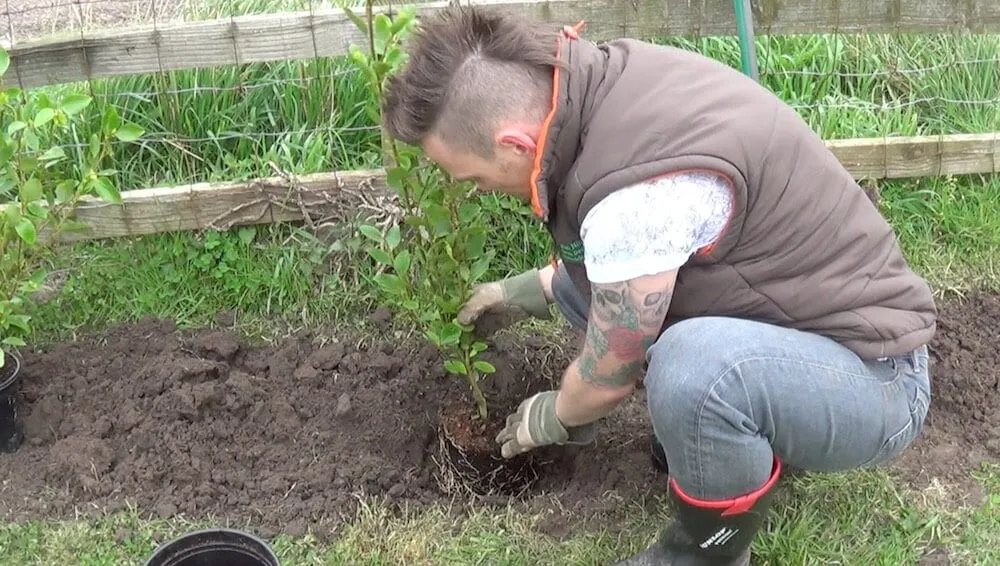
Without some form of protection, most edibles and ornamentals will struggle to establish. I've worked with many exposed gardens, including mine, and this shelter belt or hedge is essential. I've even used a few strategically placed tough shrubs to help diffuse direct wind if a full hedge is impossible.
https://youtu.be/1TNhzMjco2c
Also, using some permeable material fencing can help soften the wind effects on the garden. There are special fabrics you can use to soften exposure. Another idea is a more rustic Chesnut fence often seen on Scottish coastal beaches or ski slopes in Scotland to help reduce exposure and provide a break from soil erosion.
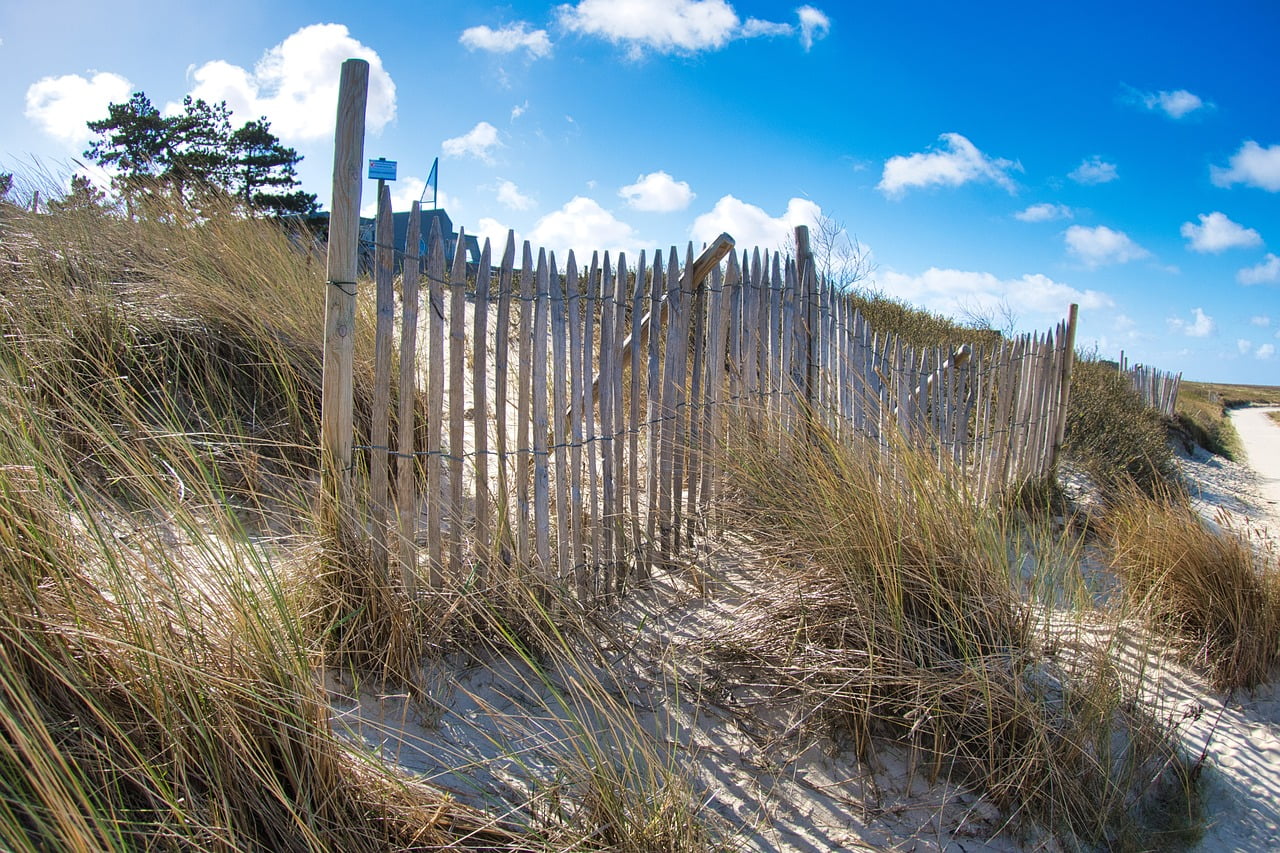
So that's the first step is to make it as hospitable as possible with some exposure protection. Hedges don't need to be huge. Even a 3 ft hedge will offer protection from the worst wind and create a warmer microclimate on the protected side. Even if planting or fitting a fence delays your grand plans, trust me, it's worth it.
Using Cordon or Step Over Fruit Trees as a Windbreak
I wouldn't use the Cordons as a windbreak in this situation as this will doubtfully be detrimental to any fruit. The cordons may help protect the veg but the wind will no doubt strip the blossom and make the fruit really difficult to pollinate by insects. So you really need the first protective measure before this.
Cordons or step-over apple trees for those who are scratching their heads are pruned to follow a set shape. Cordons usually are trained against a wall, and stepover cordons are trained as a low hedge framework with laterals being tied in horizontally so you can 'step over' the trees. They still fruit but require lots of pruning to establish.
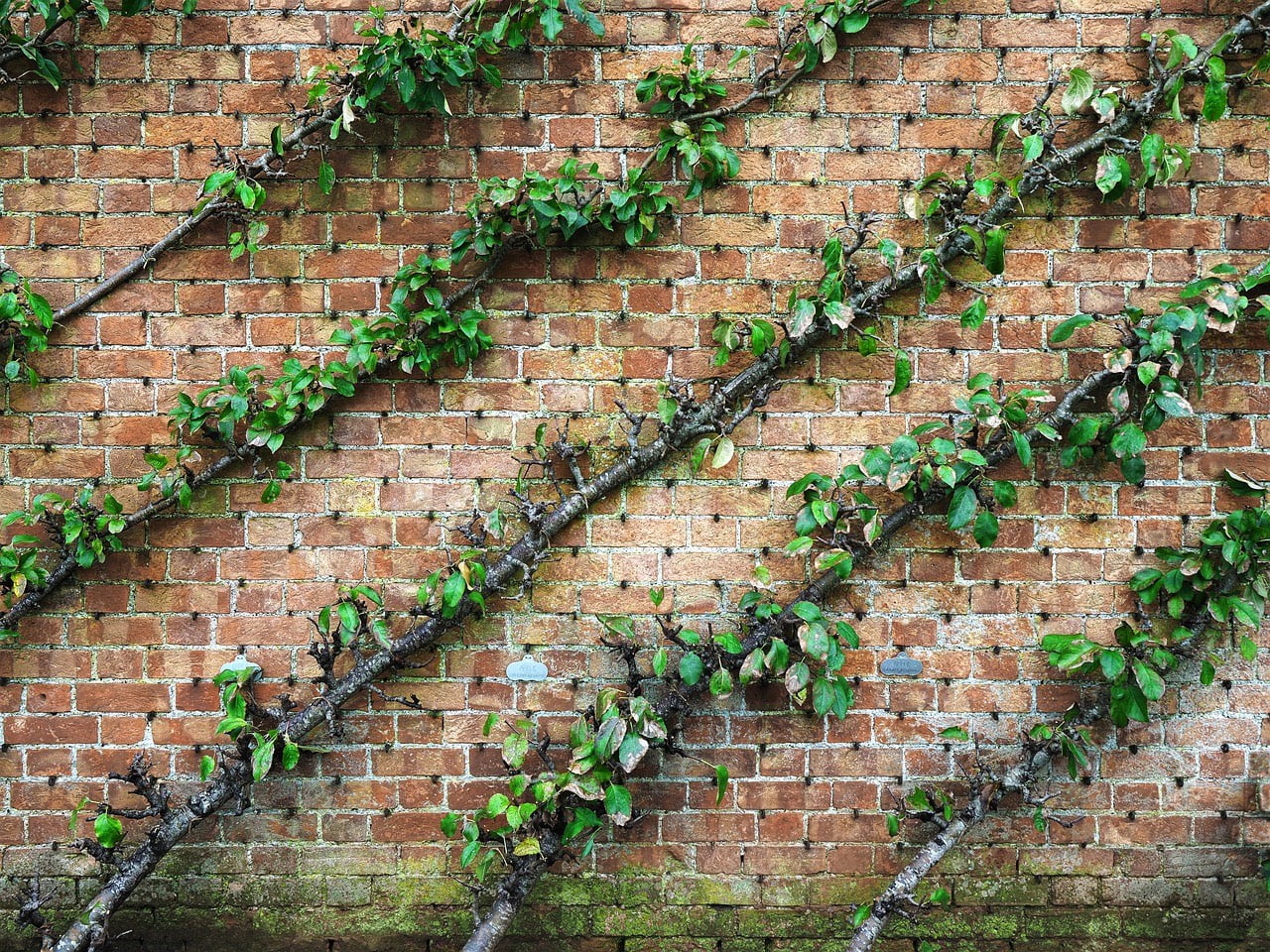
Cordons would make sense to help provide some structure and another microclimate for your veg. They do require some careful twice-yearly pruning to ensure they stay in the right shape and also fruit! Check out my pruning guide here for winter vs summer fruit tree pruning. You could train them from 2-year-old fruit tree whips in a few years, cutting them back and training the leaders horizontally, but it's quite advanced pruning, so I'd buy in young cordon-ready fruit trees. This will save you from battling against exposure and tying them in as young plants, which can be frustrating. It's worth the investment.
I'd look at later flowering and fruiting apple trees, given Scotland's climate is a few weeks behind the rest of the UK. The reason for this is that your winters carry on a bit longer so a later fruiting tree would help avoid it getting battered as much in early spring.
https://youtu.be/DFdcQU8sNx8
I hope that helps, and please enjoy all the detail on my site!
Happy gardening.
Lee
HI @buttercup
Thanks for getting in touch. It's a shame that so much basic gardening-growing information is so well hidden or restricted. But then I wouldn't be doing this if all the gardening info was easy to find, would I?! @Bob guidance on plant choices is very applicable, and he is a valued member of this gardening forum for his timely advic
I'm an absolute Scotland mega fan. I spend a lot of my spare time touring in my motorhome, visiting gardens and soaking up your gorgeous countryside, so you've come to the right place.
The first thing I'm going to do is give some advice for windy sites, which applies to all gardens anywhere in the world. There are a few key factors you need to consider before moving on to planting any grow-your-own or ornamentals in exposed gardens:
Without some form of protection, most edibles and ornamentals will struggle to establish. I've worked with many exposed gardens, including mine, and this shelter belt or hedge is essential. I've even used a few strategically placed tough shrubs to help diffuse direct wind if a full hedge is impossible.
Also, using some permeable material fencing can help soften the wind effects on the garden. There are special fabrics you can use to soften exposure. Another idea is a more rustic Chesnut fence often seen on Scottish coastal beaches or ski slopes in Scotland to help reduce exposure and provide a break from soil erosion.
So that's the first step is to make it as hospitable as possible with some exposure protection. Hedges don't need to be huge. Even a 3 ft hedge will offer protection from the worst wind and create a warmer microclimate on the protected side. Even if planting or fitting a fence delays your grand plans, trust me, it's worth it.
Using Cordon or Step Over Fruit Trees as a Windbreak
I wouldn't use the Cordons as a windbreak in this situation as this will doubtfully be detrimental to any fruit. The cordons may help protect the veg but the wind will no doubt strip the blossom and make the fruit really difficult to pollinate by insects. So you really need the first protective measure before this.
Cordons or step-over apple trees for those who are scratching their heads are pruned to follow a set shape. Cordons usually are trained against a wall, and stepover cordons are trained as a low hedge framework with laterals being tied in horizontally so you can 'step over' the trees. They still fruit but require lots of pruning to establish.
Cordons would make sense to help provide some structure and another microclimate for your veg. They do require some careful twice-yearly pruning to ensure they stay in the right shape and also fruit! Check out my pruning guide here for winter vs summer fruit tree pruning. You could train them from 2-year-old fruit tree whips in a few years, cutting them back and training the leaders horizontally, but it's quite advanced pruning, so I'd buy in young cordon-ready fruit trees. This will save you from battling against exposure and tying them in as young plants, which can be frustrating. It's worth the investment.
I'd look at later flowering and fruiting apple trees, given Scotland's climate is a few weeks behind the rest of the UK. The reason for this is that your winters carry on a bit longer so a later fruiting tree would help avoid it getting battered as much in early spring.
I hope that helps, and please enjoy all the detail on my site!
Happy gardening.
Lee

 Lee Burkhill: Award Winning Designer & BBC 1's Garden Rescue Presenters Official Blog