Propagating & Growing Plants
-

How to Plant Bulbs in Pots: Depths, Compost and What to Do After Flowering
Quick Answer Plant spring bulbs in pots from September to October, and Tulips in November, at three times the bulb’s height deep. Use a pot with drainage holes, at least 30cm deep, filled with peat-free compost mixed with about 30% grit. Pack the bulbs close together, water in, and leave the pot outside over winter. […]
Read more -
When to Plant Bulbs in the UK: A Month by Month Calendar and Depth Chart
Quick Answer Plant spring bulbs such as Daffodils, Crocus and Alliums from September to October, and Tulips in November. Summer bulbs like Lilies, Gladioli and Dahlias go in from March to May, and autumn bulbs in July and August. Plant every bulb at three times its own height, pointed end up, in well-drained soil. Every […]
Read more -
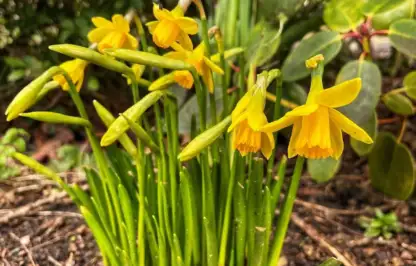
When to Plant Daffodil Bulbs in the UK: Timing, Depth and Late Planting
Quick Answer The best time to plant Daffodil bulbs in the UK is September and October, while the soil still holds enough warmth for the roots to establish before winter. November is fine, and you can plant as late as December as long as the ground isn’t frozen. Plant them 15cm deep, pointed end up, […]
Read more -
Heuchera (Coral Bells): How to Grow, Divide and Revive Them
Quick Answer Heucheras grow best in partial shade in free-draining soil, planted with the crown level with the surface. Plant in spring or early autumn, mulch without burying the crown, and divide every three to four years in spring. Revive woody, lifting plants by replanting them deeper, and check pot-grown plants for vine weevil grubs. […]
Read more -
Skimmia Japonica Care Guide: Pots, Berries & Yellow Leaves
Quick Answer Skimmia japonica is a compact evergreen shrub for shade that needs very little care. Plant it in light to full shade in moist, well-drained, humus-rich soil or a pot of ericaceous compost. Only female plants carry berries, and they need a male nearby, unless you choose the self-fertile Skimmia japonica subsp. reevesiana. Yellow […]
Read more -
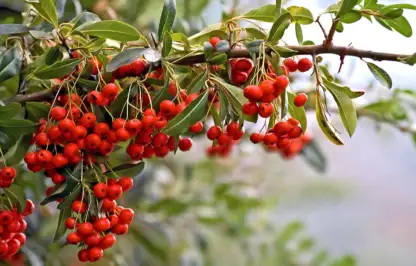
Pyracantha Care Guide: How to Grow, Prune & Train Firethorn
Quick Answer Pyracantha (firethorn) is a tough, thorny evergreen shrub that grows in sun or shade on almost any soil, flowers white in early summer and carries red, orange or yellow berries through autumn and winter. Prune it lightly after flowering, then shorten new growth in late summer to show off the berries, always checking […]
Read more -
Compost vs Mulch: The Difference, Costs and When to Use Each
Quick Answer Compost is decomposed organic matter you can mix into the soil to improve structure and feed plants but also be used as a mulch. Mulch is any material you spread on top of the soil to suppress weeds, retain moisture and protect the surface. They do different jobs and work brilliantly used together. […]
Read more -
Best Low Maintenance Indoor Plants: 20 Houseplants That Thrive on Neglect
Quick Answer The best low maintenance indoor plants are those that tolerate irregular watering, cope with typical UK home light levels, and bounce back from beginner mistakes. I have spent decades recommending specific plants on BBC Garden Rescue and to my design clients. In this guide I share my top 20 choices, ranked by how […]
Read more -

Winter Vegetables UK: What to Grow and When to Sow Them
Quick Answer The best winter vegetables to grow in the UK are kale, Brussels sprouts, leeks, parsnips, swede, turnips, celeriac, winter cabbage, purple sprouting broccoli, chard and hardy salad leaves such as lamb’s lettuce and land cress. Most need sowing between spring and late summer so they are fully grown before November. Garlic, onion sets […]
Read more -
UK Winter Garden Jobs: A Month-by-Month Calendar
🌿 Quick Answer Winter gardening in the UK runs from November through February, and the priorities shift each month. November is for clearing up and protecting tender plants before the first hard frosts. December and January are mostly about structural pruning while plants are dormant, tool care, and keeping an eye on anything in a […]
Read more