Lawn Care
-

How to Get Rid of Chafer Grubs in Lawns: Complete UK Guide
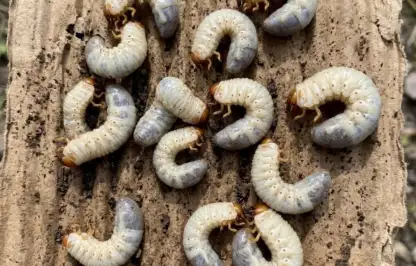
Quick Answer: Getting Rid of Chafer Grubs How do you get rid of chafer grubs? Water in nematodes of the species Heterorhabditis bacteriophora, sold as chafer grub killer, between late July and September while soil sits above 12°C. Keep the lawn moist for a fortnight afterwards. No chemical treatment is available to UK gardeners, so […]
Read more -
How to Get Leather Jackets Out of Lawns: Natural Methods That Actually Work
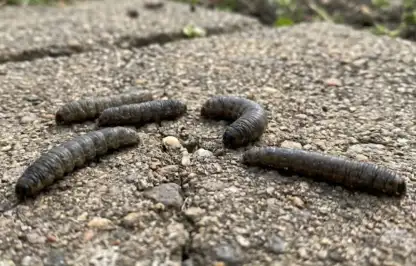
Quick Answer: Getting Rid of Leatherjackets and Chafer Grubs What kills leatherjackets and chafer grubs in lawns? Nematodes are the only effective control left to UK gardeners, but the two pests need different species. Leatherjackets are killed by Steinernema feltiae applied from September to October. Chafer grubs need Heterorhabditis bacteriophora applied from late July to […]
Read more -
Lawn Care: Month-by-Month Yearly Lawn Maintenance Planner
Quick Answer Lawn care changes with the seasons. Feed and aerate in spring, mow weekly through summer without cutting too short, scarify and feed again in autumn, then let the grass rest from November to January. Follow this month by month planner and your lawn will stay thick, green and far less work than the […]
Read more -
Should I Water My Lawn in a Heatwave and Why Is My Lawn Brown?
Quick Answer No, don’t water an established lawn during a heatwave or hosepipe ban. Browning grass is dormant, not dead, and recovers naturally once rain returns. With nine water companies under Temporary Use Bans across England in the summer of 2026 and more than half the country in drought, save your watering can for containers, […]
Read more -
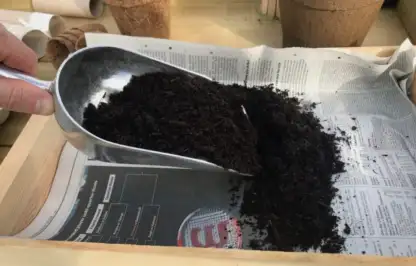
Reusing Compost: 5 Ways to Recycle It
Quick Answer Yes, spent compost can be reused. Sieve out old roots, mix with fresh compost or well-rotted manure to boost nutrients, then use it to mulch borders, top dress lawns, help lawn seed germinate, boost a compost heap, or refill pots for a second season. Avoid reuse only if the previous plants showed disease. […]
Read more -
How & when to cut a wildflower meadow
Quick Answer An established wildflower meadow needs cutting three times a year. Cut it short in March before growth gets going, cut it again in August once the flowers have set and dropped their seed, and give it a final tidy in October before winter. Always remove the cuttings rather than leaving them to rot […]
Read more -
How to Get Rid of Weeds in Your Garden: Complete UK Guide
BBC Garden Rescue designer Lee Burkhill explains how to get rid of garden weeds organically — which tools work, why homemade remedies fail, and how to stop weeds coming back.
Read more -
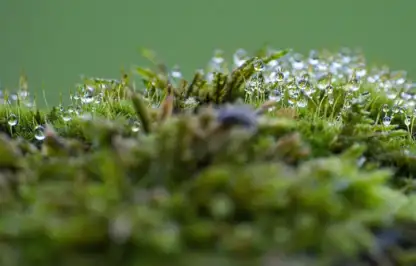
How to Get Rid of Moss in Your Lawn: The UK Complete Guide
Quick Answer Kill moss with an iron sulphate based moss killer applied in spring or autumn, wait seven to fourteen days for it to blacken, then scarify to remove the dead material and overseed any bare patches. Moss only thrives where grass is struggling, so the treatment will not last unless you also fix the […]
Read more -
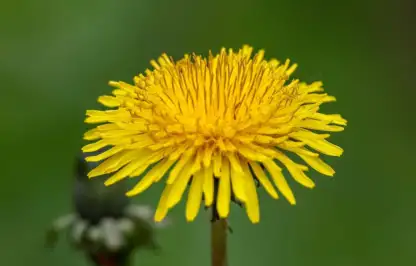
How to get rid of weeds in lawn: best turf weed removal techniques
Quick Answer The most effective way to remove lawn weeds is to combine hand weeding with a purpose-made tool such as a hori hori knife or dandelion weeder to remove the full root, then overseed the bare patch immediately. For large infestations, a selective lawn weedkiller applied during active growth in late spring gives the […]
Read more -
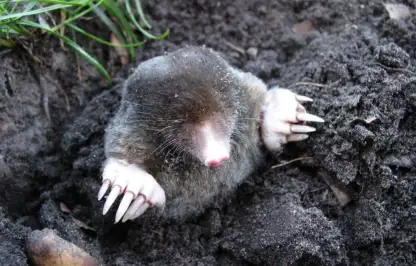
How to Get Rid of Moles: Organic Methods That Actually Work
Quick Answer The most effective organic way to get rid of moles is to make your garden less appealing to them rather than trying to kill them, since another mole will simply move into a vacant territory within weeks. Plant strong-scented bulbs like daffodils and alliums, use coffee grounds, castor oil or garlic granules along […]
Read more