Blog
-

How to cut, prune & trim hedges: the ultimate beginner guide
Quick Answer Cut hedges with sharp, clean tools working from the bottom upwards in a sweeping motion, keeping the sides slightly narrower at the top so light reaches the base. Most hedges need trimming twice a year, in spring and late summer, and UK law protects nesting birds, so always check the hedge for nests […]
Read more -
Types of Roses Explained: The beginner guide to choosing garden roses
Quick Answer UK gardens grow around a dozen distinct rose types, from hybrid teas and floribundas to climbers, ramblers, shrub roses, English roses and tiny patio varieties. Each has different height, flowering habits and maintenance needs, so the right choice depends on your space, your soil and how much pruning you fancy taking on. From […]
Read more -
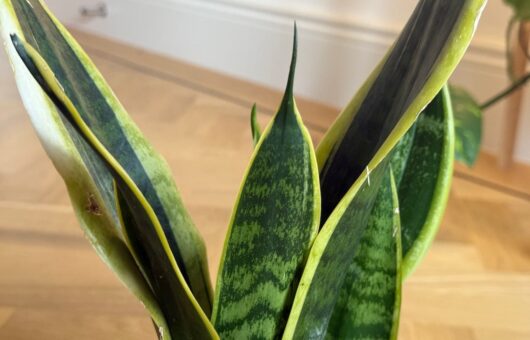
Help, Why Is My Snake Plant Drooping? Your Complete Rescue Guide
Quick Answer Snake plant drooping is almost always down to overwatering and root rot, underwatering, poor light, temperature stress, a rootbound pot, or occasionally pests. Check the soil first, then the roots. Correct the cause and firm new growth usually appears within weeks, since snake plants are tough succulents that recover well once the underlying […]
Read more -
How to Create a Balcony Garden: The Complete Guide for UK Gardeners
Quick Answer Yes, you can create a thriving garden on even the smallest, most exposed balcony. The secret is understanding your light, wind and weight conditions, choosing the right lightweight containers and compost, and editing your planting ruthlessly so each pot earns its place. With the right approach, herbs, vegetables, fruit and ornamental plants can […]
Read more -
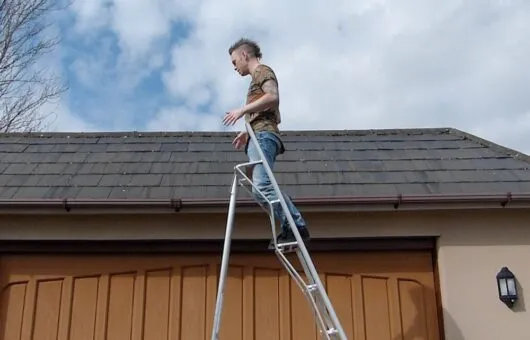
Henchman tripod ladders review; the most stable ladders ever?
Quick Answer Henchman tripod ladders are UK designed, EN131 certified ladders with a unique standing platform that lets you work hands free at height on sloping or uneven ground. In my testing, the extra stability made pruning, hedge trimming and tree work far safer and less tiring than a standard ladder, though they do come […]
Read more -
How to mulch your garden: reduce weeds & feed plants
Quick Answer Mulching means spreading a 5 to 7cm layer of organic material, such as compost, bark or leaf mould, over weed free, damp soil in April to May or September to October. Keep it clear of stems and trunks. Done properly, it cuts weeding by up to 80 percent, halves summer watering, and steadily […]
Read more -
How to Get Rid of Moss in Your Lawn: The UK Complete Guide
Quick Answer Kill moss with an iron sulphate based moss killer applied in spring or autumn, wait seven to fourteen days for it to blacken, then scarify to remove the dead material and overseed any bare patches. Moss only thrives where grass is struggling, so the treatment will not last unless you also fix the […]
Read more -
How and When to Prune Buddleja: The Complete Beginner’s Guide
Quick Answer Most garden buddlejas, Buddleja davidii and its hybrids, are pruned hard in late March to mid April, cutting back to 30 to 60cm above the ground since they flower on new wood. Buddleja alternifolia and Buddleja globosa flower on old wood instead, so prune these immediately after flowering finishes rather than in spring, […]
Read more -
How to get rid of weeds in lawn: best turf weed removal techniques
Quick Answer The most effective way to remove lawn weeds is to combine hand weeding with a purpose-made tool such as a hori hori knife or dandelion weeder to remove the full root, then overseed the bare patch immediately. For large infestations, a selective lawn weedkiller applied during active growth in late spring gives the […]
Read more -
How to Get Rid of Moles: Organic Methods That Actually Work
Quick Answer The most effective organic way to get rid of moles is to make your garden less appealing to them rather than trying to kill them, since another mole will simply move into a vacant territory within weeks. Plant strong-scented bulbs like daffodils and alliums, use coffee grounds, castor oil or garlic granules along […]
Read more