Blog
-

Should I Water My Lawn in a Heatwave and Why Is My Lawn Brown?
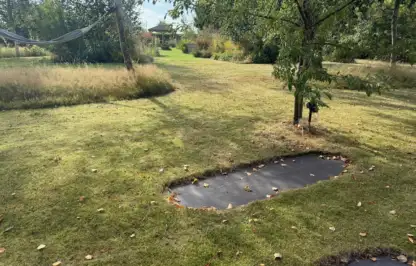
Quick Answer No, don’t water an established lawn during a heatwave or hosepipe ban. Browning grass is dormant, not dead, and recovers naturally once rain returns. With nine water companies under Temporary Use Bans across England in the summer of 2026 and more than half the country in drought, save your watering can for containers, […]
Read more -
How to build a fire pit: easy garden DIY Guide
Quick Answer To build your own fire pit, dig a circle in the lawn or lift paving, lay a fireproof gravel base over weed membrane, arrange reclaimed stone or bricks around a steel fire bowl, and dress with decorative gravel. The whole project takes a day, costs as little as £30 using salvaged materials, and […]
Read more -
Plants for Shade: 38 Shade Loving Plants for difficult borders
Quick answer: Shade-loving plants survive on less light thanks to larger leaves, higher chlorophyll levels, and slower growth. Good choices for deep shade include Hostas, Epimediums, and Pachysandra, while damp shade suits Astilbe, Ligularia, and Hydrangea. Match the plant to your exact type of shade, whether deep, dappled, dry, or damp, and most borders that […]
Read more -
16 Essential Evergreen Shrubs: for time poor low maintenance gardeners
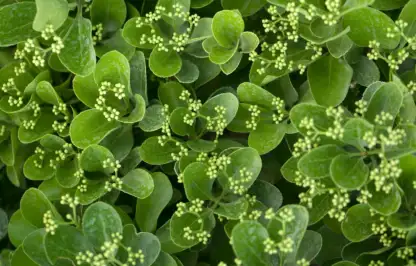
Quick answer: The best evergreen shrubs for a low maintenance UK garden include Sweet Box, Skimmia and Winter Daphne for small spaces, and Fatsia, Photinia and Pittosporum for bigger structural planting. All hold their leaves and shape year round, need very little pruning, and give a garden winter interest without the upkeep of a mixed […]
Read more -
Why Is My Rhododendron Dying? The Complete UK Diagnostic Guide
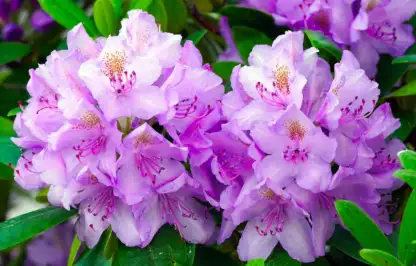
Quick Answer Rhododendrons most often die or decline in UK gardens because of alkaline soil, which stops the plant taking up iron even when nutrients are present, waterlogged ground that leads to phytophthora root rot, exposure to drying wind or strong winter sun that scorches the evergreen leaves, or bud blast fungal disease that turns […]
Read more -
Gardening for Beginners UK: Where to Start With an Inherited or Established Garden
Quick Answer If you have inherited a garden or never quite got round to your own, start by assessing aspect, drainage and soil, then audit what is worth keeping before you remove anything. Spend on safety and soil first, learn your garden’s seasonal rhythm, and buy the handful of tools that actually earn their place. […]
Read more -
How to remove mares tail: perennial garden weeds tips
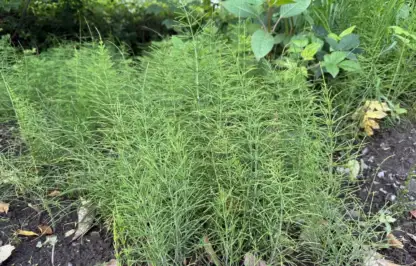
Quick Answer Mare’s tail, also called horsetail, cannot be eradicated in a single season. The most reliable organic approach is cutting or pulling shoots every one to two weeks to exhaust the root reserves, combined with smothering under cardboard or heavy duty membrane for at least a full growing season. Standard glyphosate struggles against the […]
Read more -
How to grow & care for Hostas
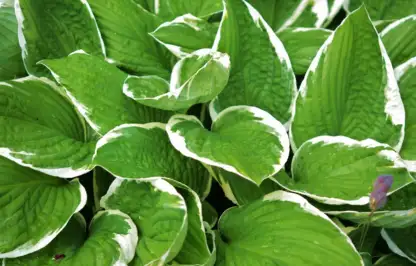
Quick Answer Hostas need moist, fertile soil and partial to full shade, with spring or early autumn the best time to plant them. Water consistently through the growing season, mulch each spring with peat free compost, and protect young shoots from slugs in April and May, since that’s when the vast majority of hosta damage […]
Read more -
No Dig Gardening Guide for Beginners: Charles Dowding & Garden Ninja
Quick Answer No dig gardening means covering weeds or grass with cardboard and a thick compost mulch instead of digging or tilling the soil. You plant straight into the compost, top it up once a year, and let worms and soil life do the cultivating for you. It is quicker to start, kinder to your […]
Read more -
How to Prune Conifers: Ultimate tree care guide for beginner gardeners
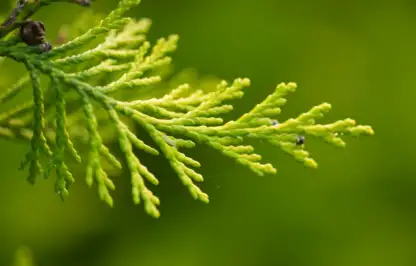
Quick Answer Prune most conifers between April and August while they’re actively growing, and only ever cut fresh green growth, never back into old brown wood, since it won’t regenerate. Yew and young Thuja are the main exceptions that can tolerate a hard prune. Always check for nesting birds first, use sharp, sanitised tools, and […]
Read more