For the garden you’ve already got, not the one you’re starting from scratch. Seven checklists and video lessons from BBC Garden Rescue’s Lee Burkhill, built to help you work out what’s worth keeping before you spend a penny.
69


Quick Answer
Plant spring bulbs in pots from September to October, and Tulips in November, at three times the bulb’s height deep. Use a pot with drainage holes, at least 30cm deep, filled with peat-free compost mixed with about 30% grit. Pack the bulbs close together, water in, and leave the pot outside over winter.
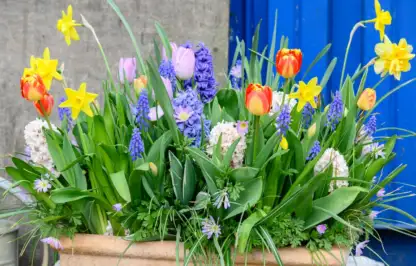
I use containers of bulbs in almost all of my small garden designs, particularly near seating areas and front doors where you want the most impact. It’s also one of the most common topics on the Garden Ninja forum, from which compost to use to what on earth to do with the bulbs once they’ve finished.
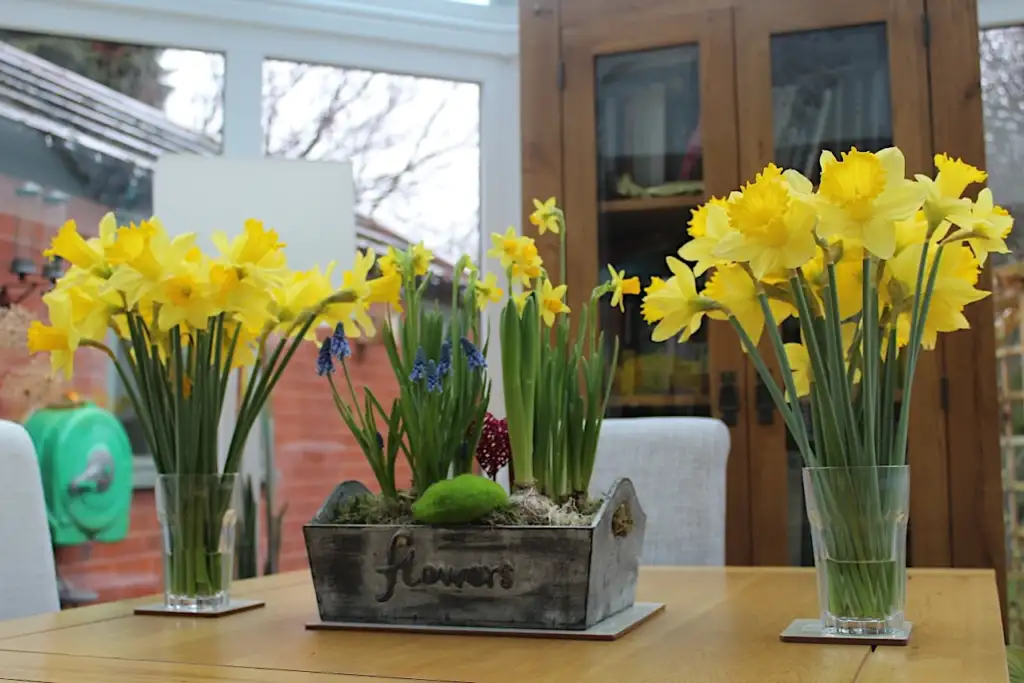
So in this guide, I’ll take you through when to plant bulbs in pots, the right pot and compost to use, and how deep and how close to plant them. I’ll also cover winter care and the part most guides skip: what to do with your bulbs after flowering so they’re not wasted.
Jump To
This page contains affiliate links for products I use and recommend. If you make a purchase after clicking a link, I may earn a small commission at no extra cost to you, which helps keep the Garden Ninja blog free for everyone.
For most bulb pots, a peat-free compost with added John Innes, like Melcourt Sylvagrow, mixed with grit is all you need.
Bulbs in pots follow the same timetable as bulbs in the ground. Spring bulbs such as Daffodils, Crocus, Hyacinths and Muscari go in from September to the end of October. Tulips go in during November, when the colder weather reduces the risk of Tulip fire.
October is my favourite month for potting up bulbs. The summer bedding has finished, so the pots are free, and there’s still enough warmth in the compost for the roots to get going before winter.
My rule of thumb is simple. When the Begonias and Petunias come out of the pots, the bulbs go in. It saves you buying extra containers, and the pots never sit empty.
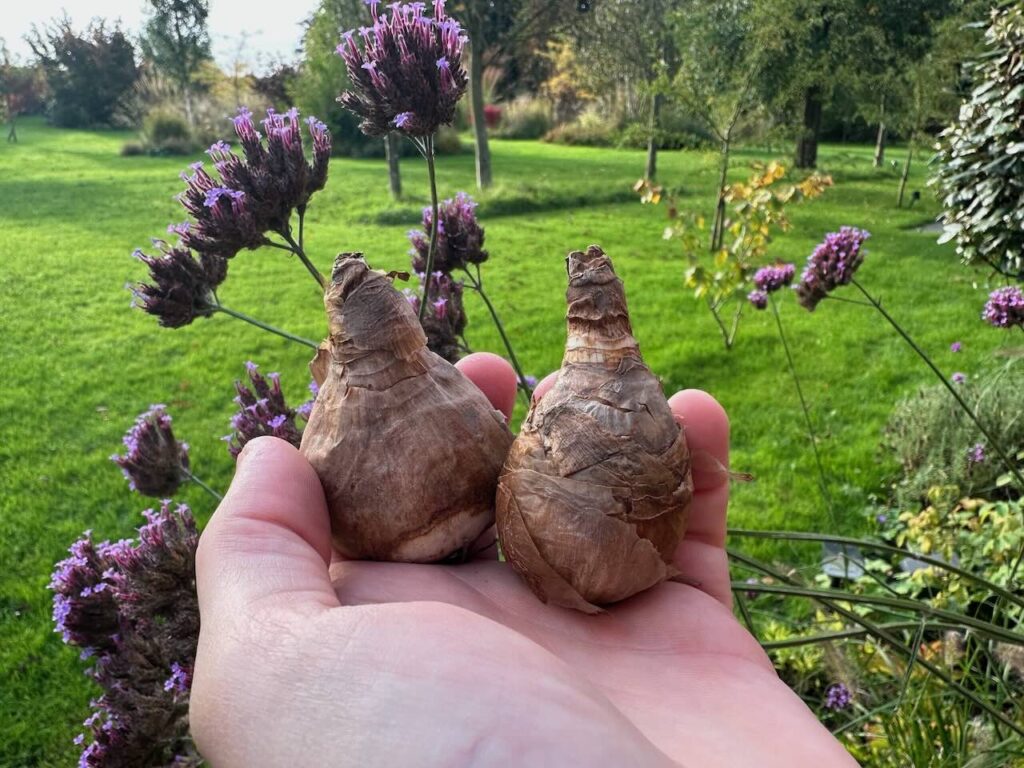
Missed the window? Don’t panic. Pots are more forgiving than borders, because you’re not waiting for the ground to thaw. I’d happily plant Tulips into pots in December, and a pot of late-planted bulbs will still give you a show, just a week or two later.
Summer bulbs such as Lilies and Dahlias go into pots in spring instead, which I’ve covered in my bulb planting calendar. Here’s a quick reference for the spring bulbs I use most in containers.
| Bulb | When to Plant | Depth in Pots | Bulbs per 30cm Pot |
|---|---|---|---|
| Tulips | November | 15 to 20cm | 10 to 12 |
| Daffodils (standard) | September to October | 15cm | 8 to 10 |
| ‘Tête-à-Tête’ Daffodils | September to October | 10cm | 15 to 20 |
| Hyacinths | September to October | 10 to 15cm | 5 to 7 |
| Alliums | September to October | 15cm | 5 to 7 |
| Crocus | September to October | 8 to 10cm | 25 to 30 |
| Iris reticulata | September to October | 8 to 10cm | 15 to 20 |
| Muscari | September to October | 8cm | 25 to 30 |
| Anemone blanda | September to October | 5 to 8cm | 15 to 20 |
The most important thing is drainage. Any container without holes will fill with water over winter and rot your bulbs, so choose pots with generous holes in the base, or drill some yourself.
When somebody on the forum tells me their bulbs have turned to mush over winter, the first thing I ask is whether the pot has holes. More often than not, that’s the culprit. A pretty glazed pot with no drainage is fine for a houseplant, but it’s a death trap for bulbs sitting out in a wet British winter.
Depth matters too. Aim for a container at least 30cm deep, and 40cm for Tulips and large Daffodils. Shallow pots leave bulbs exposed to hard frosts and dry out quickly. Wide, shallow bowls work well for dwarf bulbs like Crocus and ‘Tête-à-Tête’.
Pots that stay outside all winter need to be frost-resistant, since cheap terracotta and glazed pots can crack when wet compost freezes inside them. If you’re choosing new containers, my guide to alternatives to terracotta pots compares the options.
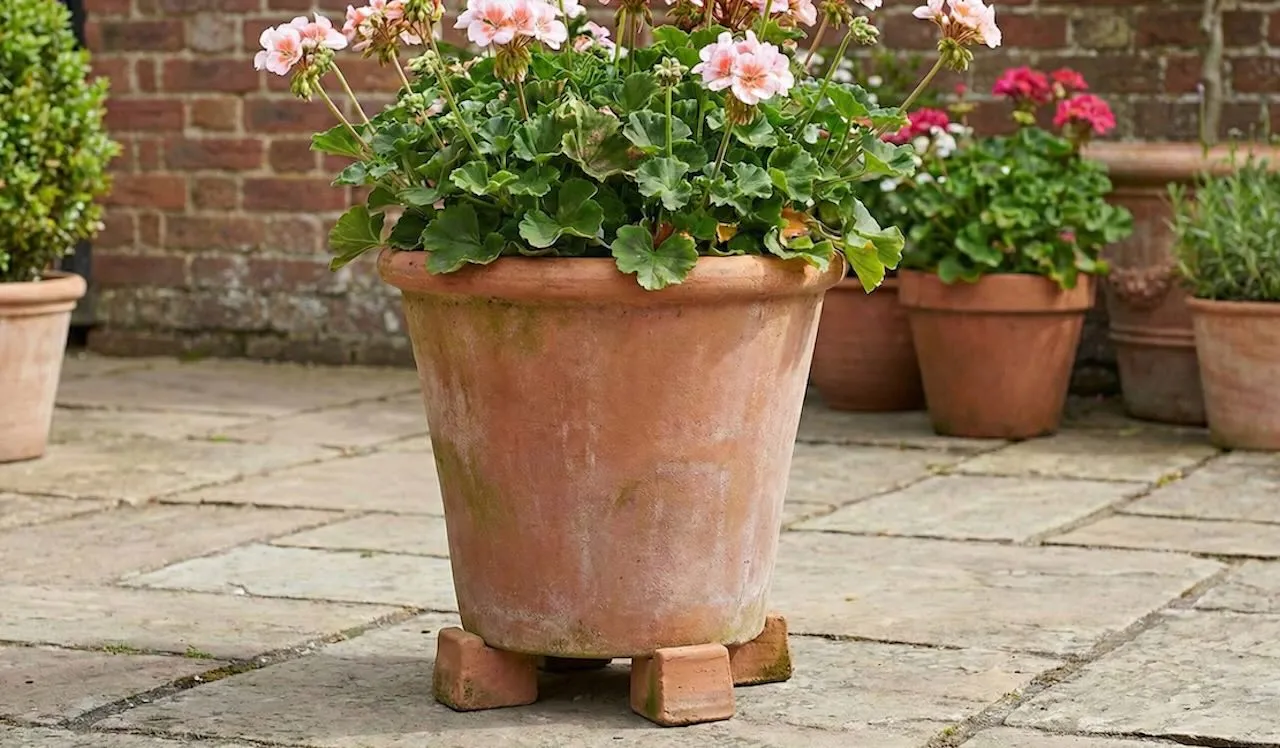
Terracotta looks the part and breathes, but it dries out quickly and cheaper pots can crack in a hard frost. Glazed pots hold moisture better and come in every colour, though they’re heavy once full.
Plastic and composite pots are light, cheap and frost resistant, which makes them ideal for the pot-in-pot method I explain below. Wooden troughs and half barrels work well too, as long as they have drainage holes and a liner that doesn’t block them.
Bigger is nearly always better. A large pot holds more compost, so it stays evenly moist, doesn’t freeze solid as quickly and gives the roots room. If you’re choosing between two sizes, go for the larger one.
My advice is to plant one type of bulb per pot. A pot full of a single variety looks far more striking than a mixture, and each bulb gets the depth and space it needs.
You’ll have seen the bulb lasagne videos going around on social media, with layer upon layer of bulbs crammed into one pot. I’m not a fan. You end up with horticultural sardines, fighting for food and space, and most give up the ghost after one year. I explain why in my guide on bulb lasagnes, and why I loathe them.
For a longer display, group three or four pots together instead, each planted with bulbs that flower at different times, and rotate them as each one goes over.
A simple schedule I use is one pot of Crocus or Iris reticulata for February, one of Daffodils for March and early April, one of Tulips for late April and May, and a fourth of Alliums to carry you into June.
As a garden designer, I’d also say this: a group of three pots in different heights and sizes looks far better than a line of identical ones. Odd numbers look natural, and you can move them around as each pot takes its turn in the spotlight.
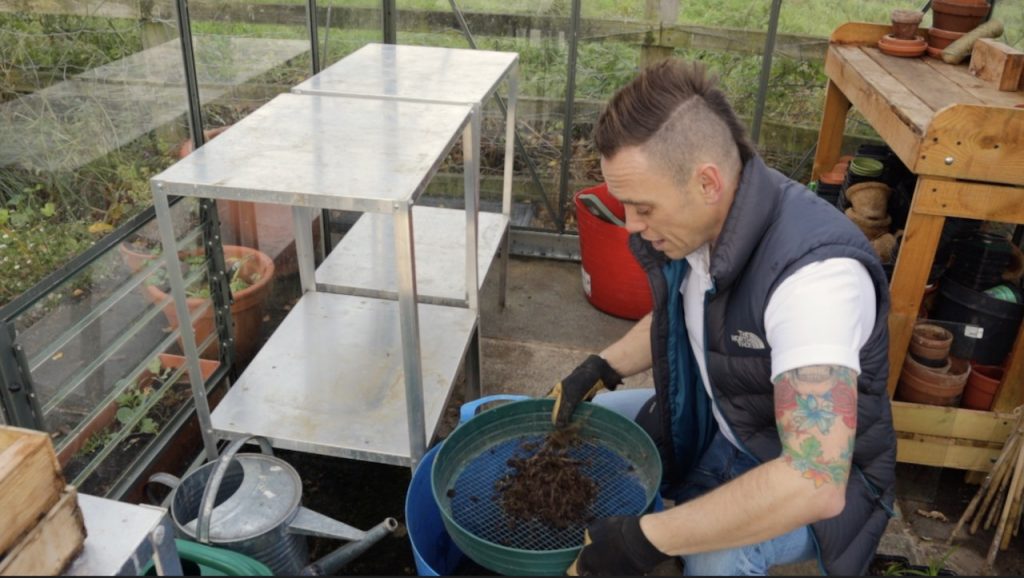
Bulbs are hungry before and after they flower, so use a good quality peat-free compost. Mix it with horticultural grit at roughly 70:30, which creates air pockets and stops the compost staying soggy over winter.
Don’t skimp here. Cheap bagged compost is often little more than bark and fibre, and it slumps into a wet, airless mush by February. Your bulbs will spend five months in that pot, so give them something decent to sit in.
For pots you’d like to leave planted for two or three years, a peat-free John Innes No.2 mixed with a third grit holds its structure and nutrients for longer than multi-purpose compost.
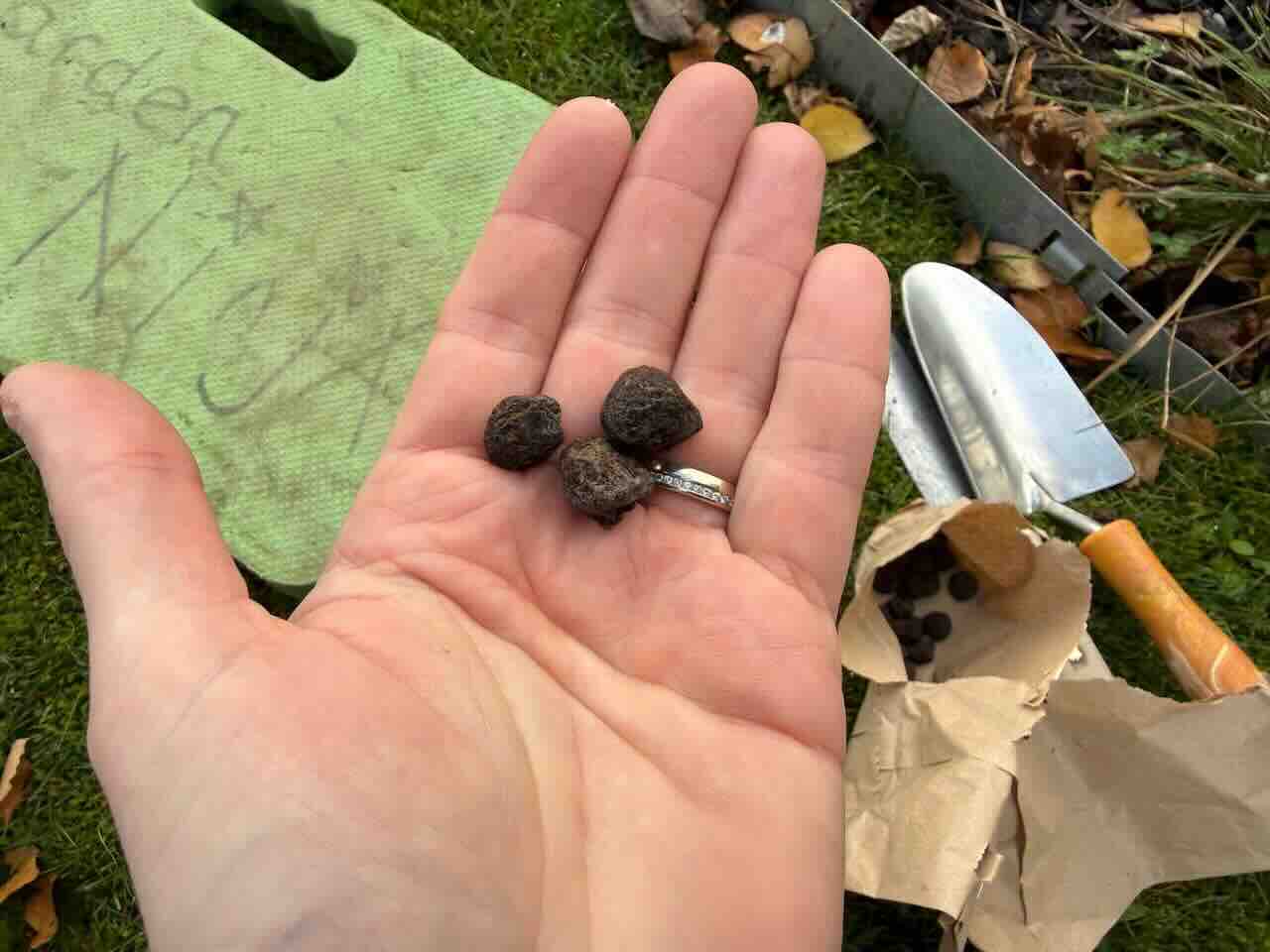
Forget adding crocks, broken terracotta or stones to the bottom of the pot. It’s one of those bits of old gardening advice that’s hard to shake, but it doesn’t improve drainage. What crocks actually do is create a perched water table, where water sits in the compost just above them instead of draining away.
Just make sure the pot has decent holes and raise it slightly on pot feet, so water can escape freely from the base.
🛒 Buy Melcourt Horticultural Potting Grit on Amazon UK
Plant bulbs in pots at the same depth as in the ground, which is three times their own height. A 5cm Tulip bulb goes in 15cm deep, measured from the base of the bulb.
Where pots differ is spacing. In a container you can plant bulbs much closer together, almost touching but not quite, for a full, dense display in their first spring. Think egg box rather than sardine tin. They need a little air between them, or any rot will spread from one bulb to the next.
Leave a gap of about 2 to 3cm between the top of the compost and the rim, so there’s room for watering. If a pot is too shallow for the full depth, choose dwarf varieties rather than planting large bulbs too near the surface.
1. Check the drainage. Make sure the pot has holes in the base, and stand it on pot feet in its final position before you fill it. Trust me, a pot full of wet compost and grit is no fun to shift.
2. Mix your compost. Combine peat-free compost with horticultural grit at about 70:30, and half fill the pot.
3. Set the bulbs. Place the bulbs pointy end up, the nose knows, close together but not touching. Check the depth by laying a cane across the rim. The tips should sit well below it.
4. Cover. Fill the pot with more compost, leaving 2 to 3cm below the rim, and firm gently with your fingers.
5. Water in well. Give the pot a thorough soaking until water runs from the base. This settles the compost and gets the roots moving. It’s the step most people forget.
6. Top it off. Plant winter bedding such as Violas or trailing Ivy on top for colour until the bulbs come through. The shoots will push up between them in spring. My winter container guide has plenty of ideas.
7. Label it. It sounds obvious, but a pot of bare compost in November all looks the same. Pop a label in so you don’t plant something else on top by mistake.
Almost any spring bulb will grow in a pot, but these are the ones I rely on for containers. By planting bulbs in pots, you can bring a blast of spring cheer to a garden of any size.
The beauty of containers is that once the bulbs have finished, you can move them out of the way. I do this a lot in very small gardens where the borders don’t have space for bulbs.
It’s also a clever trick for balcony gardens. Plant a few herbaceous perennials in the same container, and they’ll take over once the bulbs have finished.
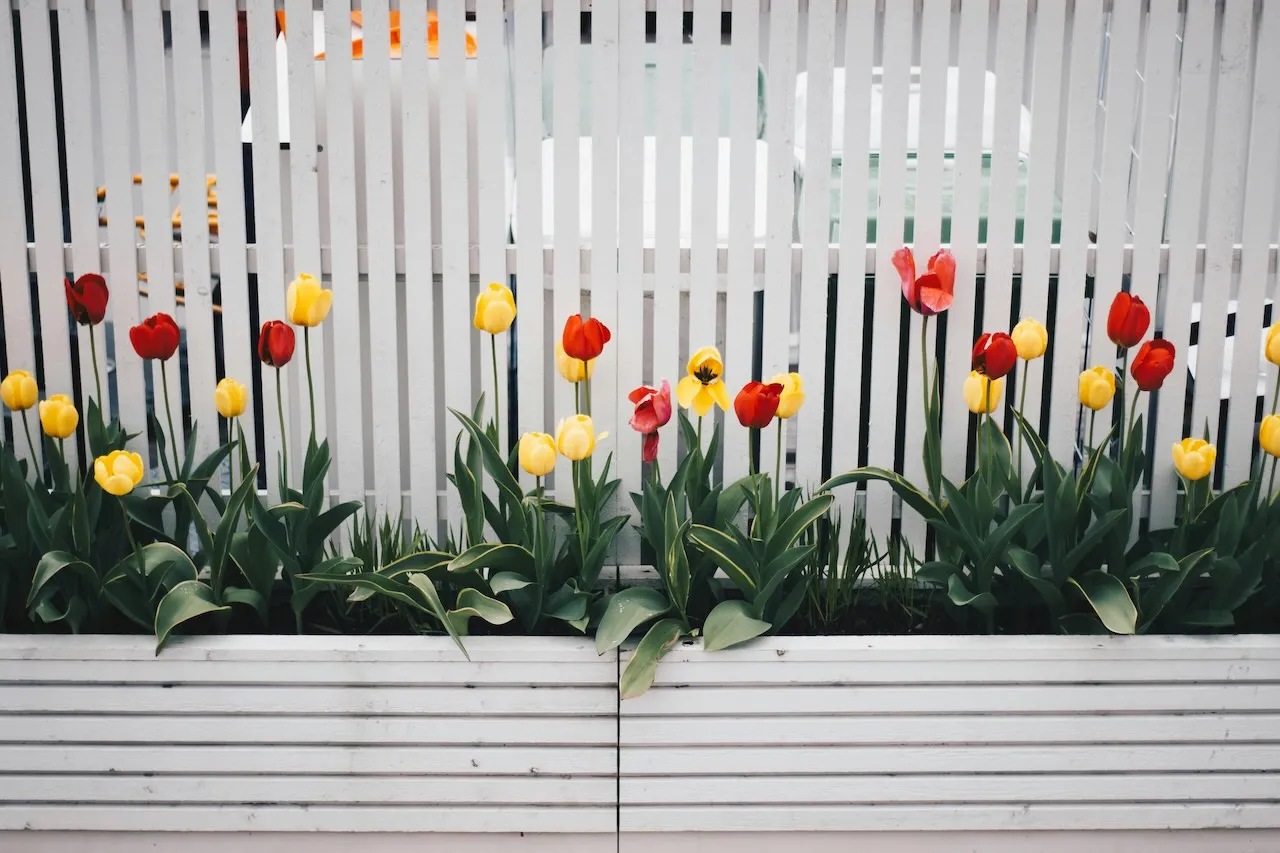
Tulips are the classic pot bulb, and a pot of a single variety, like 20 dark ‘Queen of Night’, is hard to beat. Plant them in November, 15 to 20cm deep.
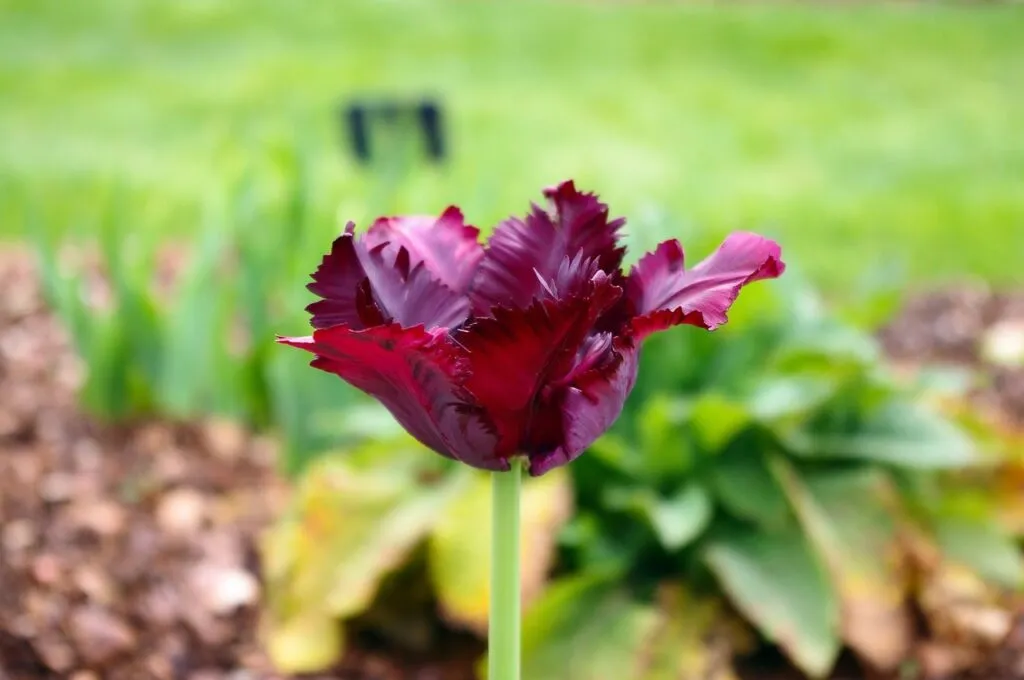
For pots, I’d go for varieties with strong stems that don’t need staking. Darwin hybrids such as ‘Apeldoorn’ stand up to wind and rain, and the scented orange ‘Ballerina’ is lovely by a door. The frilly Parrot types look spectacular, but they’re heavier headed and better in a sheltered spot.
Most Tulips won’t flower well a second year in a pot, so treat them as a one-season display or plant them out afterwards. My guide on how to plant Tulips covers the best varieties.
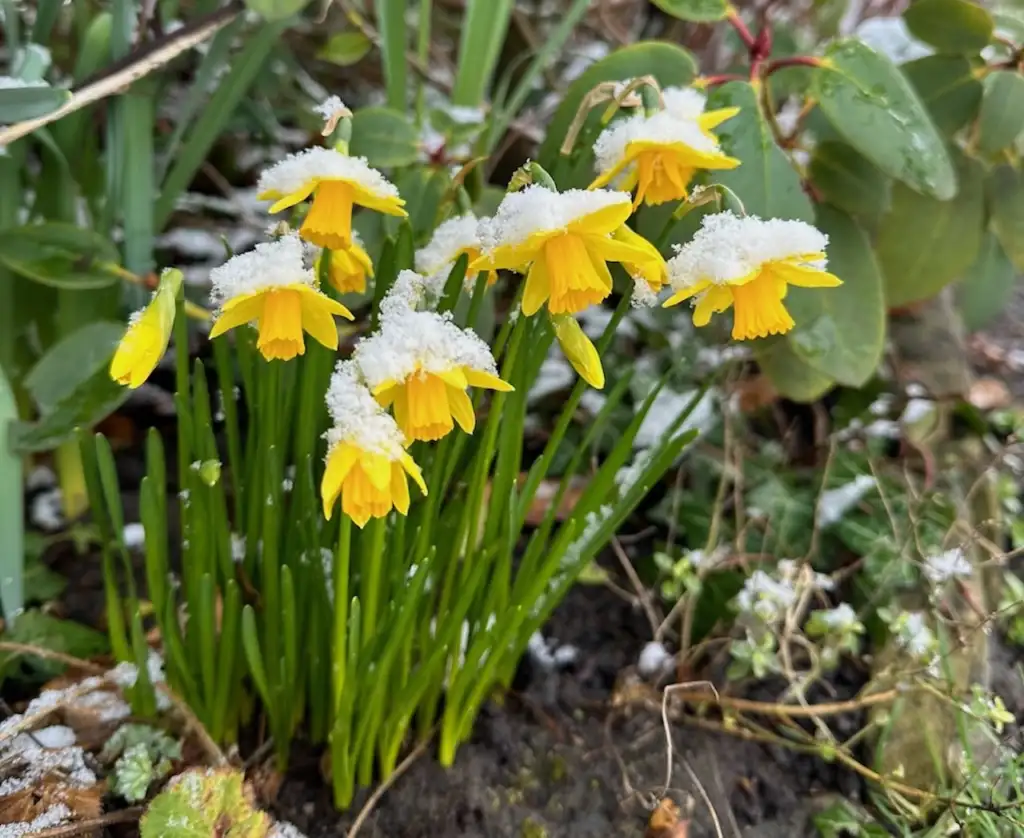
Dwarf Daffodils are the best choice for pots and window boxes, since they don’t flop over in the wind. A wide bowl packed with ‘Tête-à-Tête’ flowers from February, and brightens up even the gloomiest Manchester morning.
Unlike Tulips, they’ll flower again for a couple of years in the same pot with feeding. For scent, try the white, multi-headed ‘Thalia’ in a deeper pot. See my guide on when to plant Daffodil bulbs for more varieties.
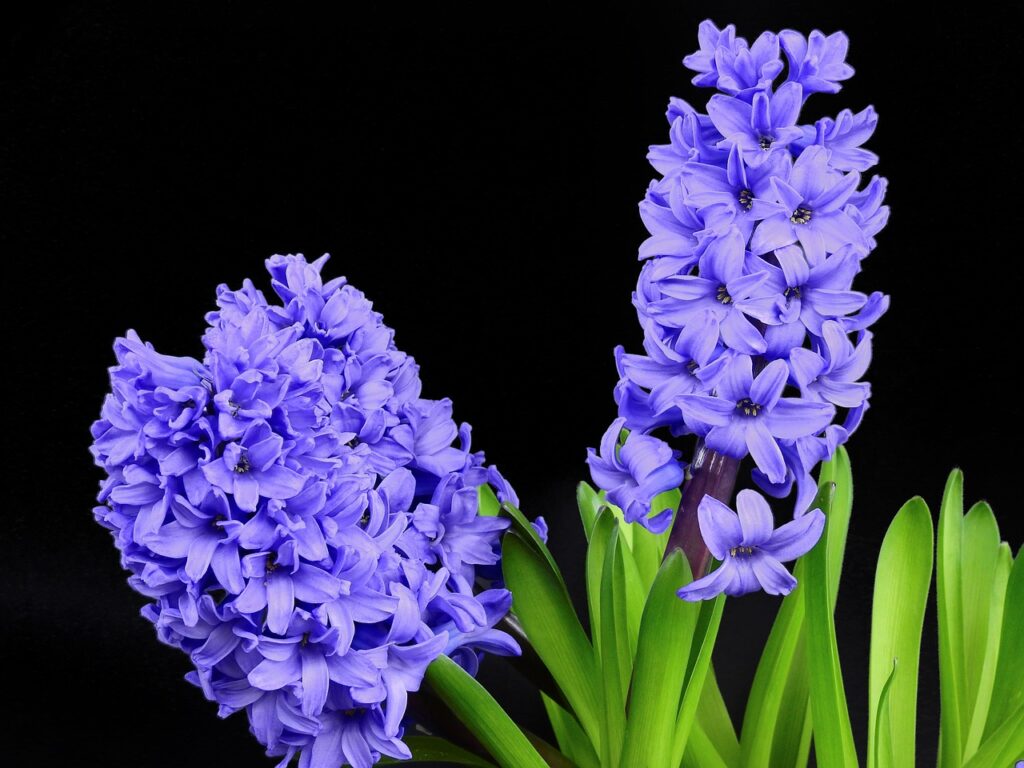
Hyacinths are made for pots by the front door, where you can enjoy the scent every time you walk past. It’s a bit of a love it or hate it perfume, so maybe don’t put them next to the back door if you’re in the second camp.
Five to seven bulbs fill a 30cm pot. ‘Delft Blue’ is the classic, while the dark ‘Woodstock’ and pure white ‘Carnegie’ look great together in neighbouring pots. Wear gloves when handling them, as the bulbs can irritate skin.
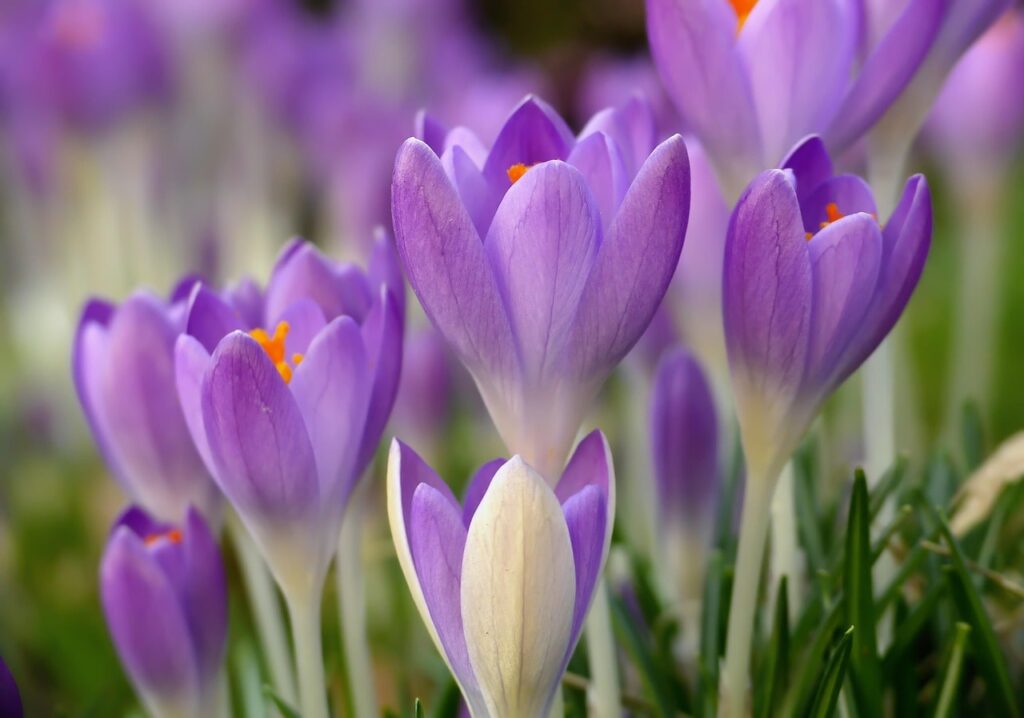
Small bulbs like Crocus and Iris reticulata ‘Harmony’ are perfect for shallow bowls you can put on a table or step, so you can see them up close in February and March.
Put them somewhere you’ll see from the house. On a cold February day, you’re far more likely to enjoy them from the kitchen window than by trudging down to the bottom of the garden. They’re also an early lifeline for bumblebees coming out of hibernation.
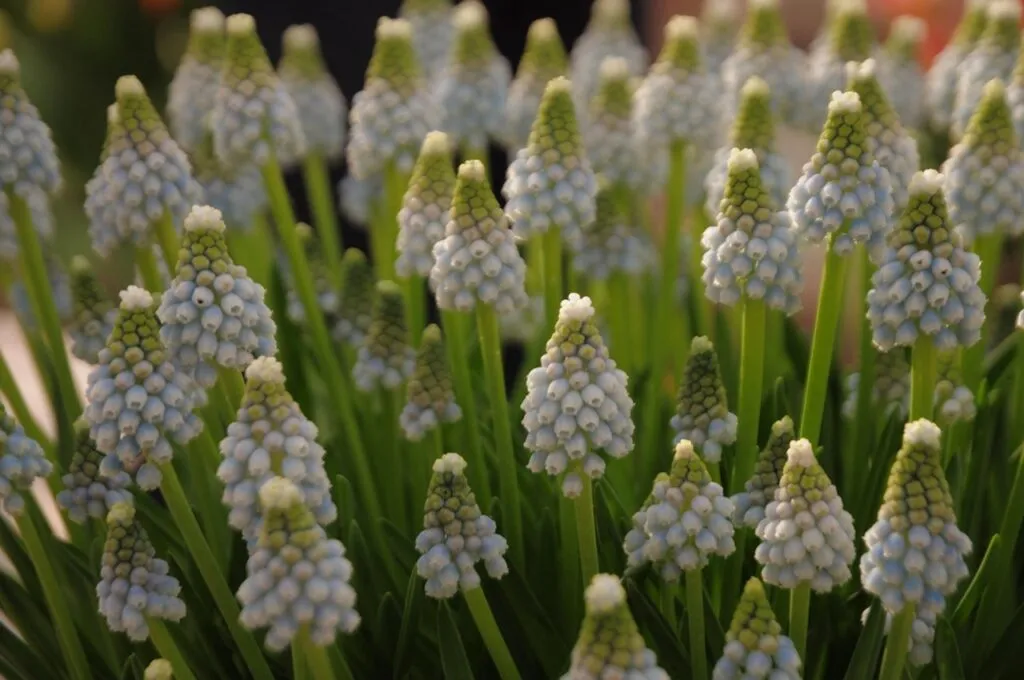
Grape Hyacinths and Anemone blanda are ideal for the edge of a pot, or planted under a small shrub. Soak Anemone blanda corms overnight before planting, as they go in bone dry and are slow to wake up otherwise.
A word of warning with Muscari. If you tip the pot out into a border afterwards, they’ll spread happily, and you’ll have them for life.
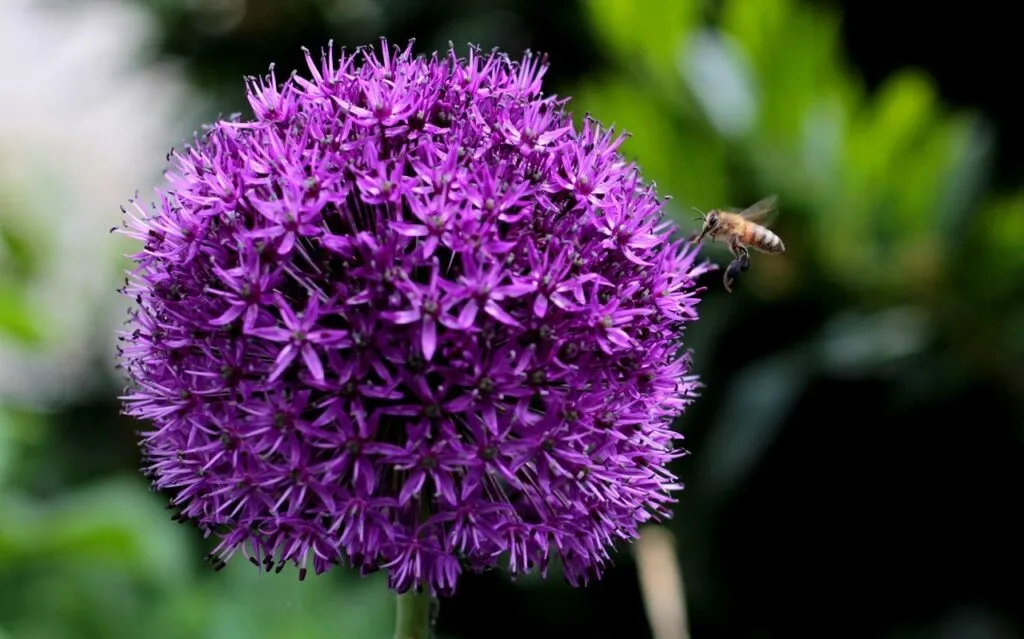
Allium ‘Purple Sensation’ works well in a deep pot, giving you height and bees in May and June when the spring bulbs have finished. Plant a few at the back of a pot of later perennials and the purple drumsticks will float above them.
Window boxes are shallower than most pots, so stick to dwarf bulbs. ‘Tête-à-Tête’ Daffodils, Crocus, Iris reticulata, Muscari and dwarf Tulips such as ‘Red Riding Hood’ all work well at 10 to 15cm deep.
Plant them in October with Violas or small evergreen Heucheras on top, and you’ll have colour from autumn right through to April.
Leave your pots outside over winter. Spring bulbs need a long spell of cold to develop their roots and trigger flowering, so never bring them into a heated greenhouse or the house.
Move the pots somewhere sheltered, against a house wall or out of the wind. They don’t need light until the shoots appear, so a spot behind the shed is fine until early spring. Then bring them out front and centre.
Here in Manchester, the problem with pots over winter is rarely too little water. It’s too much. That’s why the grit and the pot feet matter so much, as they let the rain drain straight through.
That said, pots under the eaves of a house or on a covered balcony can stay bone dry for weeks. Check them during dry spells and water if the compost feels dry a few centimetres down, but don’t let them sit wet.
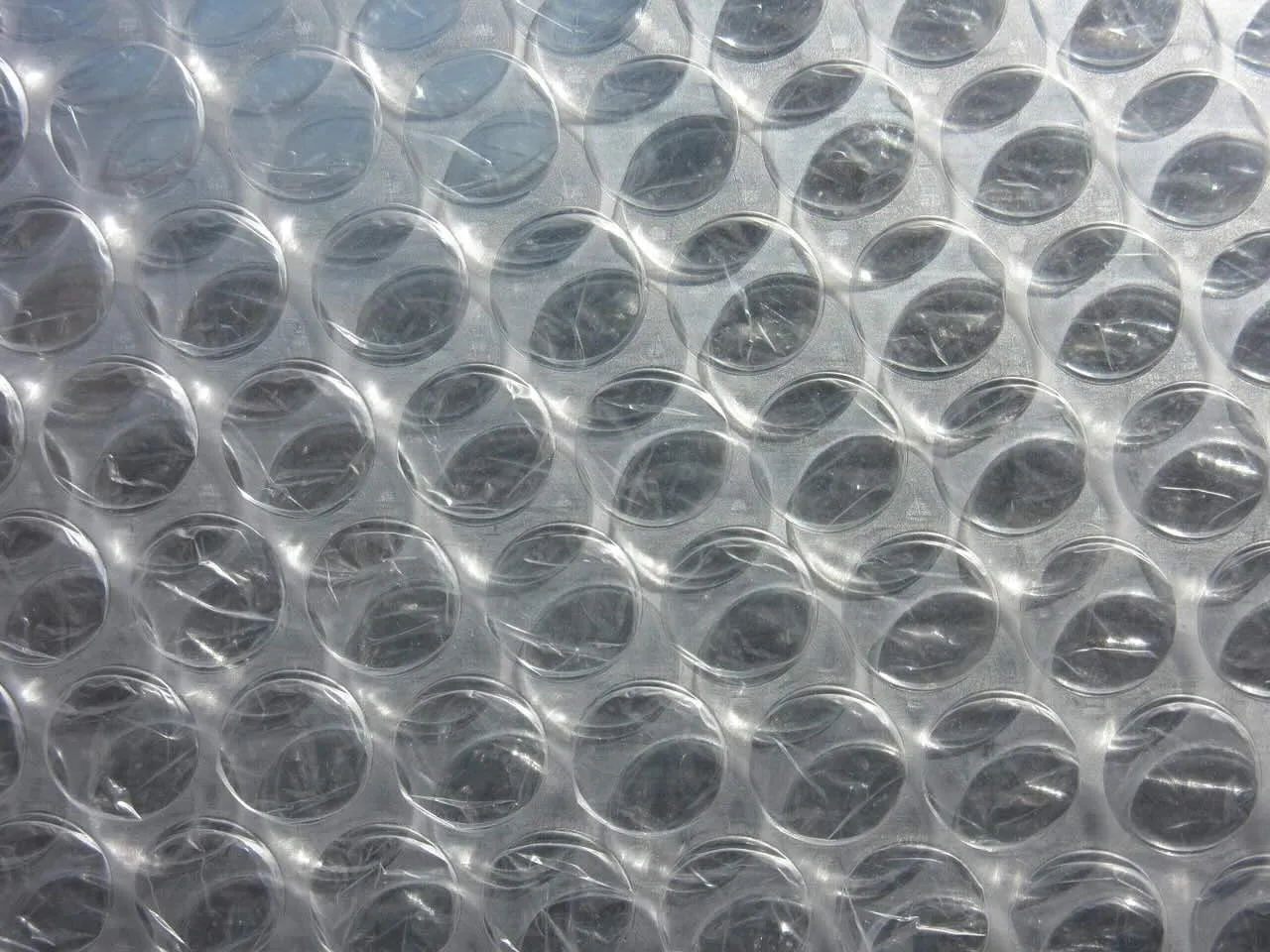
In a very cold spell, compost in pots can freeze solid. Group pots together against a wall, or wrap them in bubble wrap or hessian during a hard frost. My guide on protecting container plants from frost goes into more detail.
Squirrels love freshly planted pots, especially Tulips and Crocus. To them, a pot of soft, freshly dug compost is basically a buffet with a sign on it.
Lay a piece of chicken wire over the compost, pinned down at the edges, until the shoots are a few centimetres tall. Then remove it or cut holes for the shoots to grow through. Daffodils and Alliums are rarely touched, so they’re a good choice if squirrels are a problem where you live.
Once the shoots appear, pots need more water, as the leaves and flowers grow fast and the compost dries out quickly on sunny spring days. Check them every few days and water whenever the top few centimetres feel dry.
Turn pots every week or so if they’re against a wall, so the stems grow straight rather than leaning towards the light.
This is my favourite trick for decorative containers, and one I use in client gardens where a pair of smart pots flanks the front door. Plant your bulbs in a plain plastic pot, then drop it inside your ornamental container.
When the bulbs have finished flowering, lift out the whole inner pot and move it somewhere out of sight to die back. Then drop in a pot of summer bedding. Your best containers never sit looking tired, and the bulbs get the six weeks they need to recharge.
Choose an inner pot a couple of centimetres narrower than the outer one, so it lifts out easily, and hide the rim with a layer of moss or bark.
This is the question I get asked most about container bulbs, and it seems a waste to throw bulbs away when they can flower again.
One of our forum Ninjas asked me exactly this after her first go at layered pots. She’d had a lovely spring, wanted the pots back for summer, and couldn’t bear to bin the bulbs. Here’s the routine I gave her, and it’s the one I use myself.
Snap off the faded flower heads so the bulb doesn’t waste energy making seed. Then feed with a high potash liquid feed every week or two while the leaves are still green.
Tomato feed such as Tomorite is ideal, since it’s high in potassium. The compost in a pot runs out of nutrients far faster than garden soil, so this matters more than it does in a border.
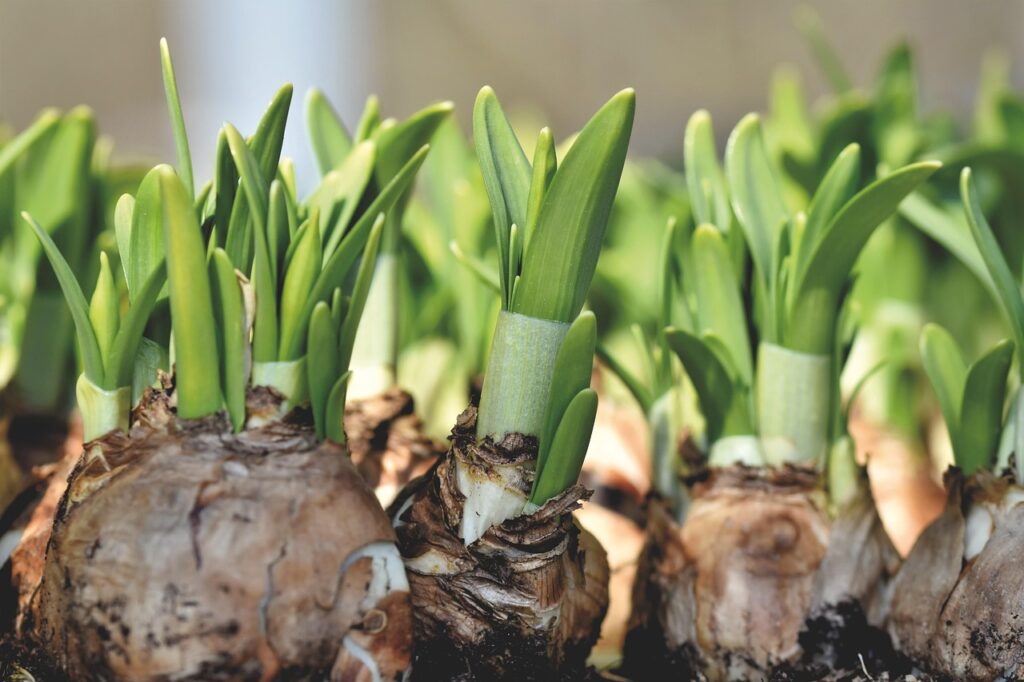
Don’t cut the foliage off until it has turned yellow and started to collapse, which takes around six weeks. The leaves are feeding the bulb for next year. Move the pot somewhere out of sight while they die back, or use the pot-in-pot method.
Once the leaves have yellowed, you’ve got three options, depending on the bulb and how much time you have.
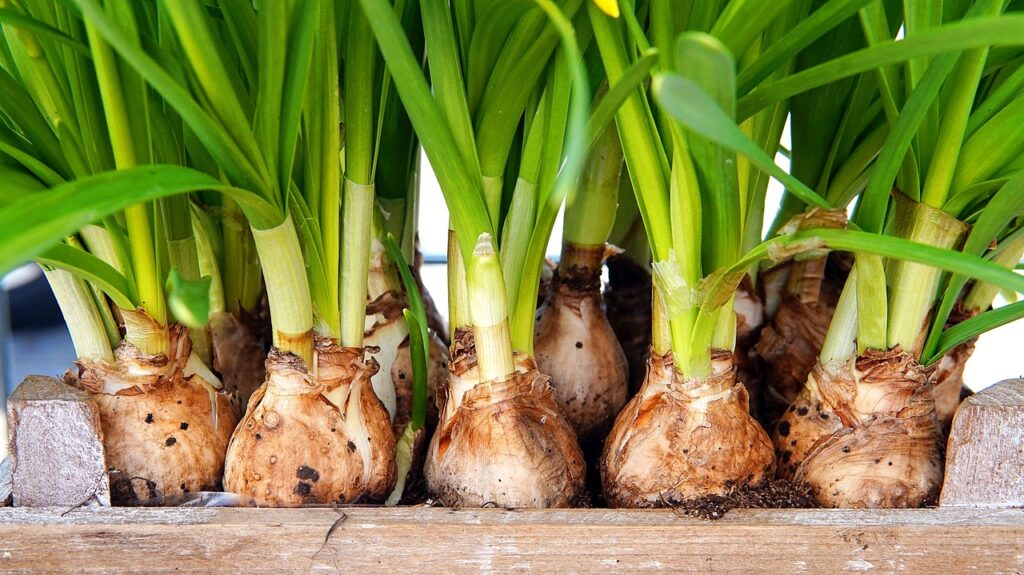
The first option is to plant them in the garden. Tip the pot out, tease the bulbs apart and plant them in a border at the normal depth. Daffodils, Crocus, Muscari and Alliums all settle in well and will flower for years.
The second is to lift and store them. Take the bulbs out, thin out any that have divided, and either store them dry in paper bags somewhere cool, or pot them into shallow seed trays of fresh compost, just covering the bulbs.
Stack the trays somewhere shady, like behind the shed, and check now and then that they haven’t dried out completely. Then replant them in autumn. You may need chicken wire over the trays if you’ve got squirrels.
The third is to leave them in the pot. Dwarf Daffodils, Crocus and Muscari will flower again in the same pot for a year or two. Scrape off the top few centimetres of compost in autumn and replace it with fresh compost to top up the nutrients.
Tulips are the exception. Most hybrid Tulips won’t flower well a second year in a pot. Either plant them into a sunny border, where some will carry on, or accept them as a one-season display and compost them. Species Tulips and Darwin hybrids are the most likely to come back, which I cover in my Tulip guide.
Hyacinths in pots can be planted into the garden once the leaves have died back. The flower spikes will be looser and smaller in the following years, which I think looks more natural anyway. Forced Hyacinths grown indoors rarely force well a second time, so plant them outside.
For more on splitting and storing bulbs, see my guide on when to lift and divide spring bulbs.
Yes, and it’s a good option if your borders aren’t ready in autumn, or you’ve bought bulbs before your garden is finished. A new gardener asked me this on the forum after buying bulbs before her garden was ready, and it’s more common than you’d think.
Plant them in pots of good quality peat-free compost and treat them exactly as you would any other container bulbs. Go easy on the numbers, though. You don’t need to cram them in if they’re only passing through.
The best time to move them is after they have flowered, once the foliage has started to yellow. If you transplant them in spring while they’re in full leaf, you’ll disturb the roots, and the bulbs can struggle or fail to flower the following year.
Once your spring bulbs have finished, the same pots can be planted with summer bulbs. These go in during spring rather than autumn, so one good container can give you two shows a year.
Lilies are one of the best summer bulbs for pots, and their scent on a warm evening is hard to beat. Plant three to five bulbs in a 30cm pot, 15 to 20cm deep, from February to April.
Keep an eye out for the bright red Lily beetle from spring onwards, and pick them off by hand. They drop to the ground when disturbed, so cup your other hand underneath.
Dwarf and patio Dahlias do well in large pots. Start the tubers indoors or in a greenhouse in March or April, then move them outside after the last frost. Feed them weekly with a high potash feed once they start flowering, and keep deadheading for flowers until the first frosts.
Shorter Gladioli varieties can be planted in deep pots from April, and tuberous Begonias are ideal for shady patios. Both are tender, so bring the corms and tubers in over winter.
The most common causes are planting too shallowly, using a pot that’s too small, or bulbs left in the same pot for years without feeding. Cutting the leaves off too early the previous year is another.
Gardeners call these blind bulbs. Check the depth, feed after flowering and replant into fresh compost, and most will flower again the following spring.
Rot is nearly always caused by waterlogging. Blocked drainage holes, pots standing in a saucer of water, or compost without enough grit are the usual culprits. Raise pots on feet and don’t stand them in saucers over winter.
Vine weevil grubs live in pots and eat roots and bulbs, and they’re a particular problem in containers. If plants collapse for no obvious reason, tip the pot out and look for small, C-shaped cream grubs. A biological nematode treatment in late summer or spring controls them without chemicals.
Stems that flop over are usually caused by too much warmth, too little light, or tall varieties in an exposed, windy spot. Keep pots outside in good light, and choose shorter varieties for windy balconies and roof terraces.
Forcing is how you get Hyacinths in flower for Christmas, or Paperwhites on the windowsill in the middle of winter. It works by giving the bulbs an artificial winter, then bringing them into the warm.
A bowl of forced Hyacinths also makes a lovely homemade Christmas present for a gardening friend, far better than another pair of novelty gloves.
Buy prepared Hyacinth bulbs, which have already been given a cold treatment, and pot them up by the end of September with the tips just above the compost. Keep them somewhere cold and dark, around 5 to 9°C, like a garage or shed, for about ten weeks.
When the shoots are around 5cm tall, bring them into a cool, bright room. They’ll flower within a few weeks. Keep them away from radiators, which make the stems flop.
Ordinary spring bulbs need a longer cold spell, of around 10 to 13 weeks at about 4°C, before being brought into a cool room at 15 to 20°C. Paperwhite Narcissus are the easiest of all, as they need no cold period and flower six to eight weeks after planting.
Plant spring bulbs such as Daffodils, Crocus, Hyacinths and Muscari in pots from September to the end of October, and Tulips in November. Summer bulbs such as Lilies and Dahlias go into pots in spring.
Use a peat-free multi-purpose compost mixed with horticultural grit at roughly 70:30. For pots that will stay planted for two or three years, a peat-free John Innes No.2 mixed with a third grit holds its structure and nutrients for longer.
Plant bulbs in pots at three times their own height, the same depth as in the ground. Tulips go 15 to 20cm deep, standard Daffodils 15cm, and small bulbs like Crocus and Muscari around 8cm. Leave 2 to 3cm between the compost and the rim.
In a 30cm pot, plant around 10 to 12 Tulips, 8 to 10 standard Daffodils, 5 to 7 Hyacinths or 25 to 30 Crocus or Muscari. In pots, bulbs can be planted almost touching for a full display.
Yes. Spring bulbs need winter cold to flower, so leave pots outside in a sheltered spot. Raise them on pot feet so they drain, water during dry spells, and wrap pots in bubble wrap or hessian during a hard frost.
Yes. Water pots thoroughly after planting until water runs from the base. Over winter, check them during dry spells and water only if the compost feels dry a few centimetres down.
Some bulbs can. Dwarf Daffodils, Crocus and Muscari will flower again in the same pot for a year or two if you feed them after flowering and top up the compost in autumn. Most Tulips won’t flower well a second year in a pot.
Deadhead them, feed with a high potash feed such as tomato feed, and leave the leaves to die back for around six weeks. Then plant the bulbs in the garden, lift and store them for autumn, or leave hardy types in the pot.
Winter bedding such as Violas and Pansies, small Heucheras or trailing Ivy can go on top of bulbs in pots. They give colour over winter, and the bulb shoots grow up through them in spring.
No. Crocks create a perched water table that holds water in the compost above them. Make sure the pot has good drainage holes, mix grit into the compost and raise the pot on pot feet instead.

Join over 100,000 gardeners on YouTube
Free gardening videos from the Garden Ninja, with 8 million views and counting.
Subscribe on YouTube, it’s freeA well-planted pot of bulbs is a small piece of garden design. If you’d like to learn how to plan planting that looks good in every season, from your containers to your borders, my online courses take you through my design process step by step.
Courses start from £29, and you can learn at your own pace from home.
For the garden you’ve already got, not the one you’re starting from scratch. Seven checklists and video lessons from BBC Garden Rescue’s Lee Burkhill, built to help you work out what’s worth keeping before you spend a penny.
Garden Design Examples for Small Gardens: 30 Design Templates & Planting Plans: In this online gardening course, I’ll walk you through 30 fantastic garden designs, explaining the logic behind the layout, the plant choices, and take-home tips for applying them in your own garden.
Learn how to transform and design your own garden with Lee Burkhills crash course in garden design. Over 5 hours Lee will teach you how to design your own dream garden. Featuring practical design examples, planting ideas and video guides. Learn how to design your garden in one weekend!
Garden Design for Beginners Online Course: If you want to make the career jump to becoming a garden designer or to learn how to design your own garden, this is the beginner course for you. Join me, Lee Burkhill, an award-winning garden designer, as I train you in the art of beautiful garden design.
Plant spring bulbs in pots in September and October, and Tulips in November, in peat-free compost with plenty of grit. Pack them close together at three times their height deep, skip the crocks, and leave them outside over winter.
After flowering, feed them and leave the leaves to die back before you plant them out or store them. That way the same bulbs will give you colour for several springs to come.
Keep it simple, one variety per pot, and you’ll have a doorstep that makes you smile every morning from February to May. If you get stuck, pop your question on the Garden Ninja forum and I’ll help you out.
Happy Gardening!


Lee Burkhill, known as the Garden Ninja, is an award-winning garden designer and horticulturist with over 30 years of gardening experience and 15 years as a professional garden designer. A qualified RHS (Royal Horticultural Society) professional, Lee specialises in sustainable garden design and practical horticultural advice. He designs and presents on BBC1’s Garden Rescue and in leading gardening publications. Lee combines three decades of hands-on gardening knowledge with professional design qualifications to help gardeners create beautiful, functional outdoor spaces.
View all posts by Lee Burkhill



JOIN THE NINJAS
Be the first in line for new Guides, Discount codes and Offers