-
Why Is My Lavender Not Flowering? UK Fixes That Work
 Lee Burkhill: Award Winning Designer & BBC 1's Garden Rescue Presenters Official Blog

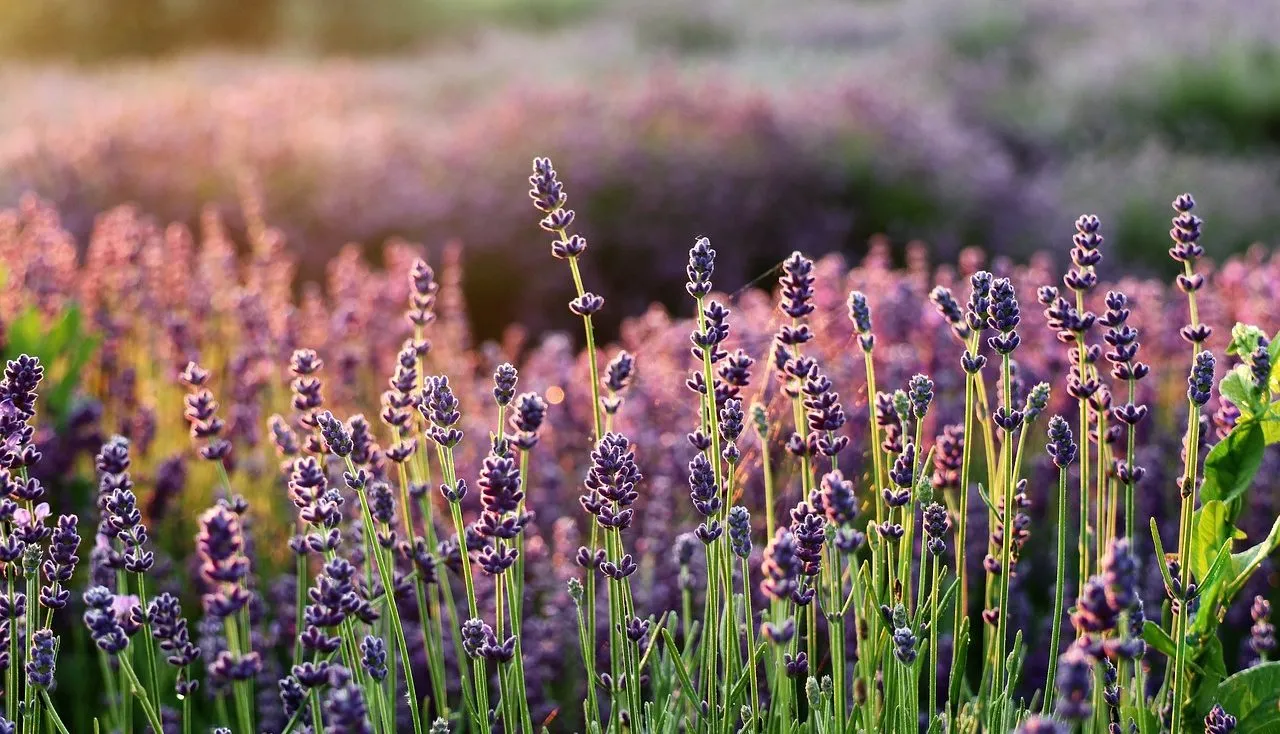
Green. Bushy. Healthy as anything. And not a single flower on it. If that's your lavender right now, you're not doing anything catastrophically wrong, you're just missing one or two things, and most of them take minutes to fix.
Quick Answer
Lavender usually fails to flower because of too much shade, soil that’s too rich or too wet, or a lack of annual pruning that has let it become woody. Check the season and variety first, then work through sunlight, soil, watering and pruning history. Most causes are fixable within a single growing season.
If you’ve ended up here, chances are your lavender looks perfectly healthy. It’s green, it’s bushy, it might even smell right when you brush past it, but there isn’t a single flower spike on it, or the ones you do have are sparse and disappointing. That’s actually a different problem to a lavender that’s browning or dying back, and it’s one I get asked about constantly, both in my forum and now on my YouTube channel, where I’ve just put together a video walking through exactly this. This guide expands on everything covered in that video, so watch it below and read on for the full detail on each cause.
Jump To
This page contains affiliate links for products I use and love. If you take action (i.e. subscribe, make a purchase) after clicking a link, I may earn some gardening commission which helps me keep the Garden Ninja Blog free for all.
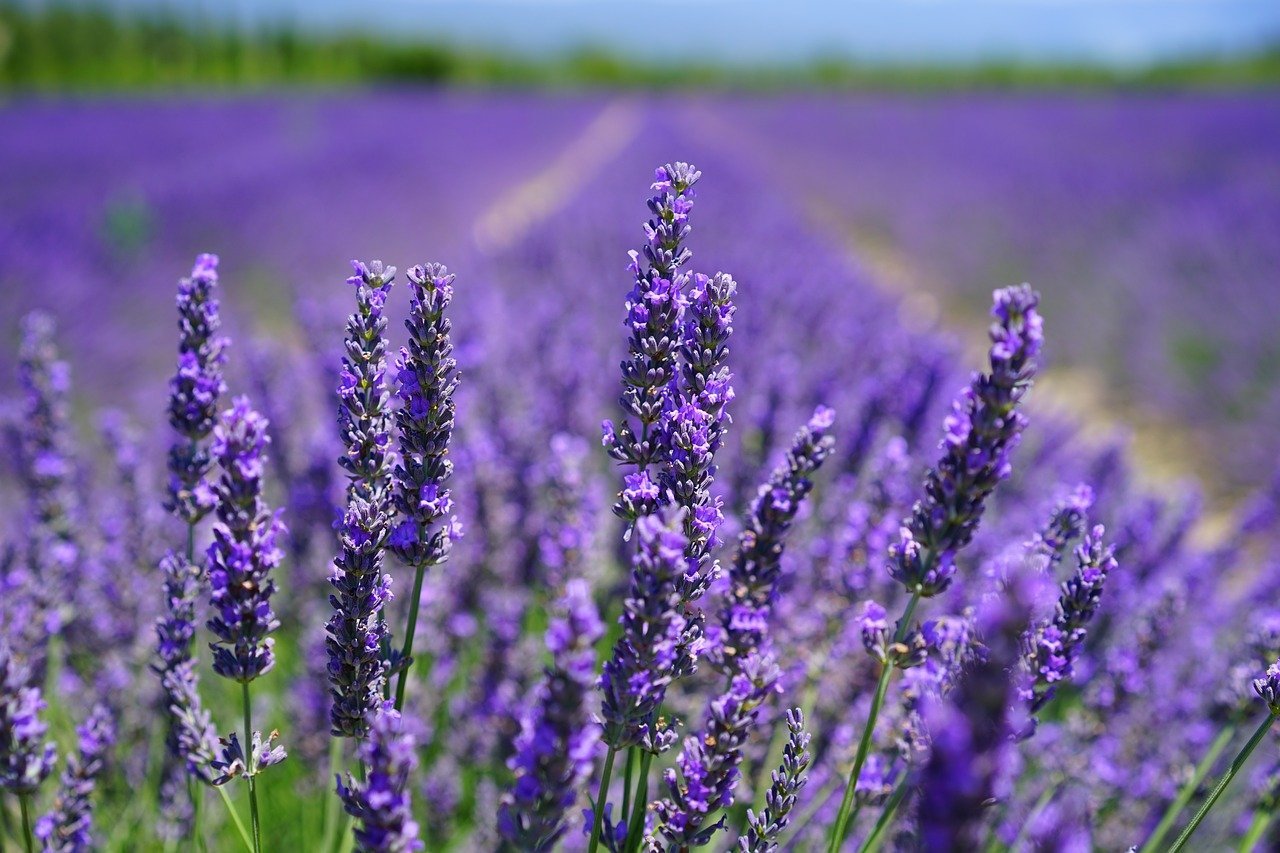
Before we get into the individual causes, it’s worth having a proper reference point for what English lavender, the variety grown in the vast majority of UK gardens, actually needs to perform well. I’ve drawn this together from over twenty years of designing gardens with lavender in them, including several Chelsea show gardens where getting it to flower reliably on cue was rather important.
1. Is It Simply Too Early, or the Wrong Variety?
The first thing to check is what time of year it actually is, and this catches out new gardeners more than anything else on this list. English lavender, Lavandula angustifolia, tends to flower between June and August in most of the UK, so a plant that’s all leaf and no flower in April or May isn’t failing; it simply hasn’t got there yet. If you’re reading this in early summer and panicking, take a breath first.
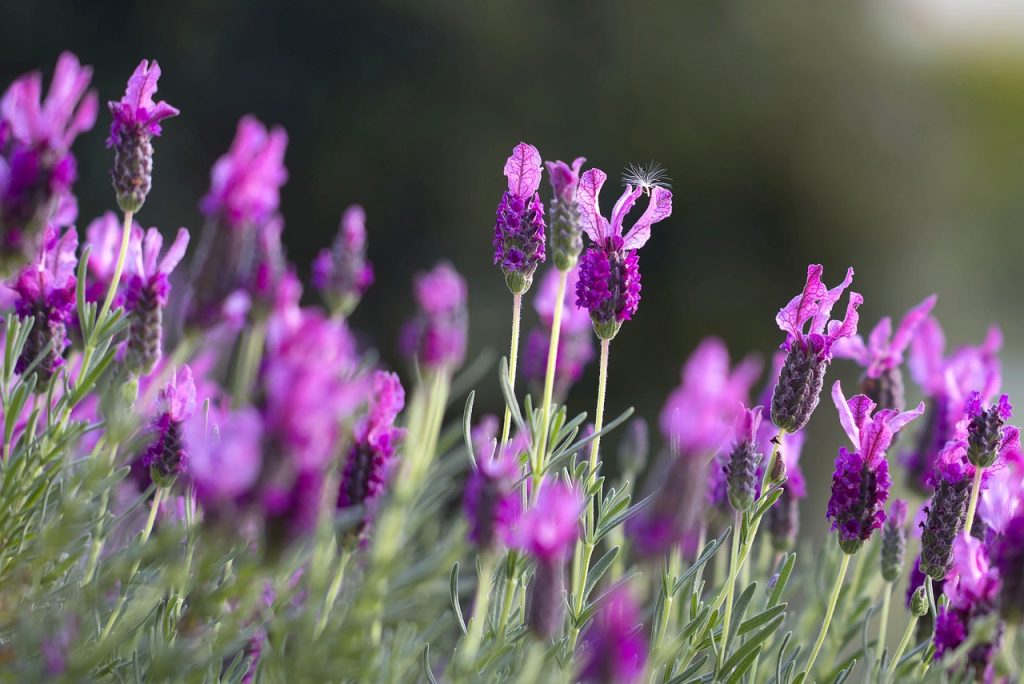
The second thing to check is which type of lavender you actually have, because it matters more than most people realise. French lavender, Lavandula stoechas, with its distinctive rabbit-ear petals on top of each flower head, has a much shorter flowering window than English lavender. Sometimes it will only put on a proper display for a couple of weeks in July, and it’s a shorter-lived plant altogether. If you bought a French or Spanish lavender expecting the same long summer display as an English variety, that mismatch in expectation is very often the entire problem.
Newly planted lavender also needs a season or two to establish before it flowers properly. I hear this constantly through my forum, gardeners who’ve planted young plug plants, often what the trade calls a P9, meaning a 9 centimetre pot, in spring and are disappointed when all they get that first year is growth rather than flowers. That’s completely normal. The plant is putting its early energy into building a root system rather than into flower production, and a young lavender that’s bulked up in size but hasn’t flowered yet is doing exactly what it should be doing. Give it a full second growing season before you start troubleshooting anything else on this list.
The same patience applies if you’ve recently moved a lavender, whether from a pot into the ground or from one part of the garden to another. Moving a plant disturbs its roots and can trigger transplant shock, in which the plant focuses entirely on recovery rather than flowering. Signs of this include a temporary check in growth and a complete absence of flowers for a season. As long as the foliage stays green and healthy, simply leave it be and let it settle in.
2. Not Enough Sunlight
This is, in my professional experience, the single biggest reason gardeners end up with a lavender that grows perfectly well but simply refuses to flower. Lavenders love full sun and free draining soil. If you’re planting it in heavy clay, in shade, or somewhere that only gets a few hours of direct light, what you’ll find is that the plant grows, sometimes quite happily, but doesn’t flower, and eventually starts to look sickly before dying out altogether.
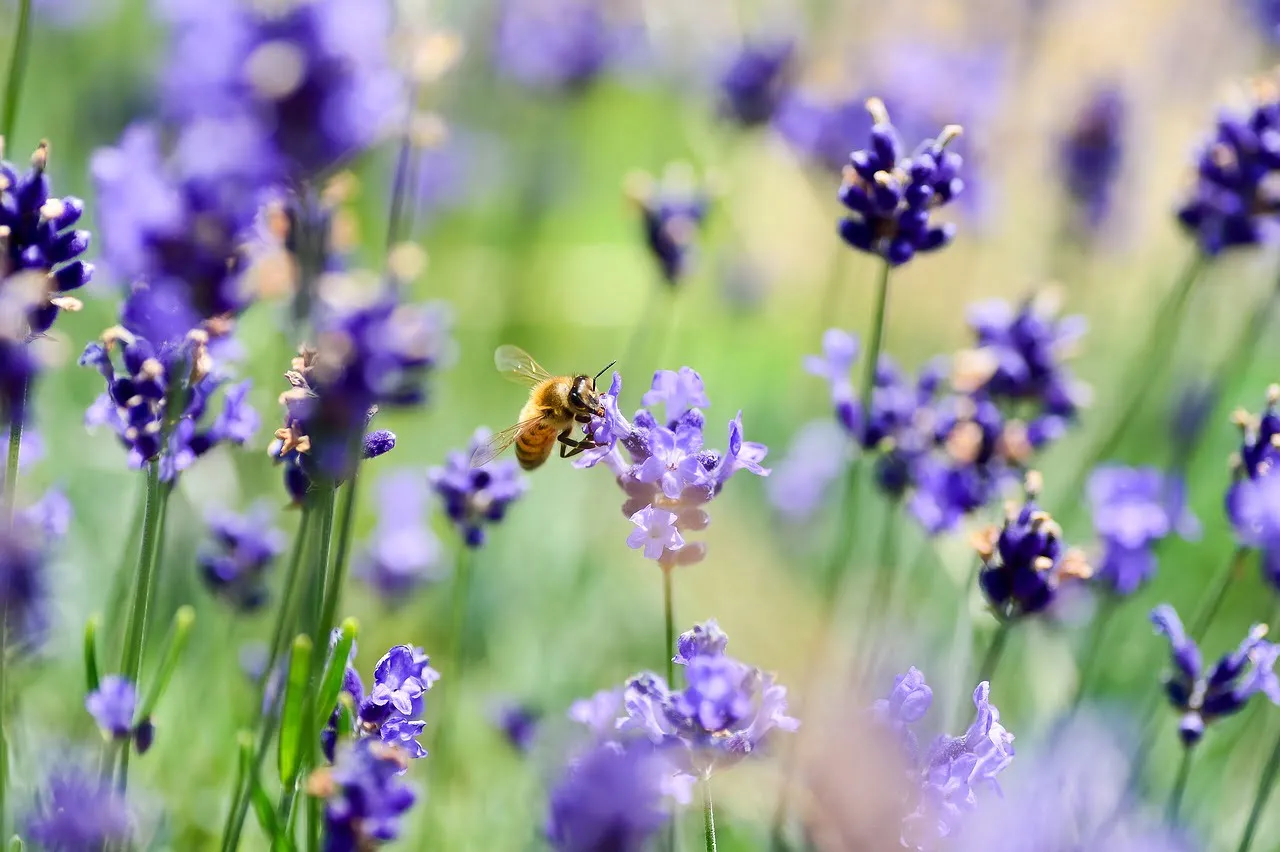
Lavender needs a genuine six hours or more of direct sun a day to flower well. That’s worth actually testing rather than assuming, because gardens change more than people realise. A fence panel gets replaced with a taller one, a neighbouring shrub grows up, a shed gets extended, and a spot that was full sun three summers ago has quietly slipped into part shade without anyone noticing until the lavender stops flowering. Walk out at a few different points during the day and watch how much direct sun actually reaches the plant. If it’s less than you assumed, that’s very likely your answer.
Wind matters too, though it’s less commonly the culprit. Lavender is used to still, hot Mediterranean summers, and a spot that gets a lot of direct sun but is also constantly buffeted by wind can still underperform. If you’ve got a sunny spot that’s also exposed and windy, a bit of shelter from a wall or hedge nearby can make a genuine difference.
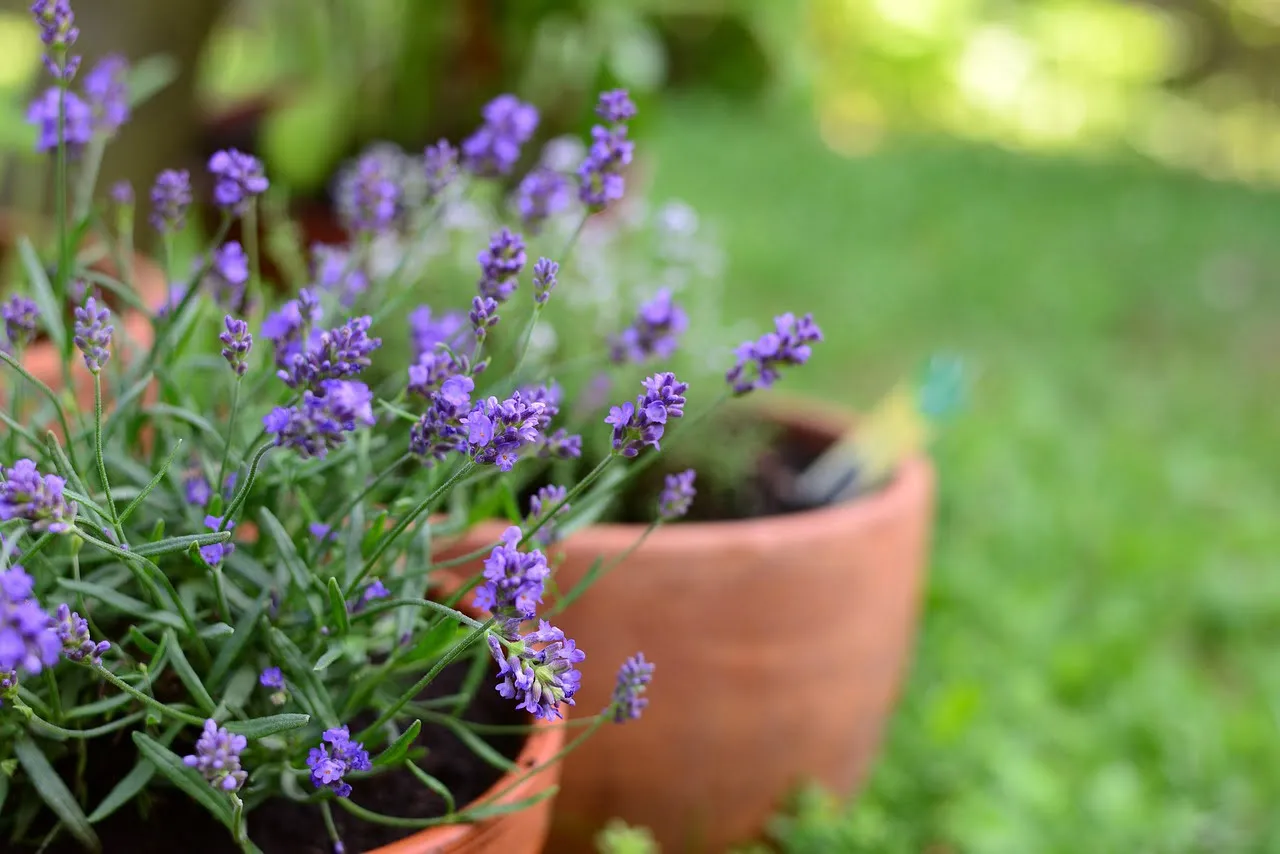
If your lavender is in a container, this is the easiest fix on the entire list. Simply move the pot to the sunniest spot you have, ideally against a south facing wall where it also benefits from reflected warmth. I do this constantly with clients on smaller courtyard gardens where the light moves significantly through the day, and it’s often the single change that gets a sulking container lavender flowering again the following summer.
3. Feeding It and Planting It in Rich Soil
This is the one that surprises people most, because the instinct with any plant that isn’t performing is to feed it. With lavender, that instinct is exactly backwards, and it’s an easy thing to fix today rather than something you have to wait months for.
Lavender wants poor to moderately fertile, free draining soil, mirroring the lean, rocky Mediterranean hillsides it evolved to grow on. A plant that’s been fed with general purpose fertiliser, or that’s sitting in a border that’s been generously enriched with compost and manure for its neighbours, will respond by putting on lush, leafy green growth at the expense of flowers. High nitrogen in particular pushes soft foliage growth, and that soft growth is also more vulnerable to frost and disease on top of producing fewer blooms. If you’ve been feeding your lavender, or it’s planted in a rich, recently improved bed, stopping is something you can do this afternoon, and it costs nothing.
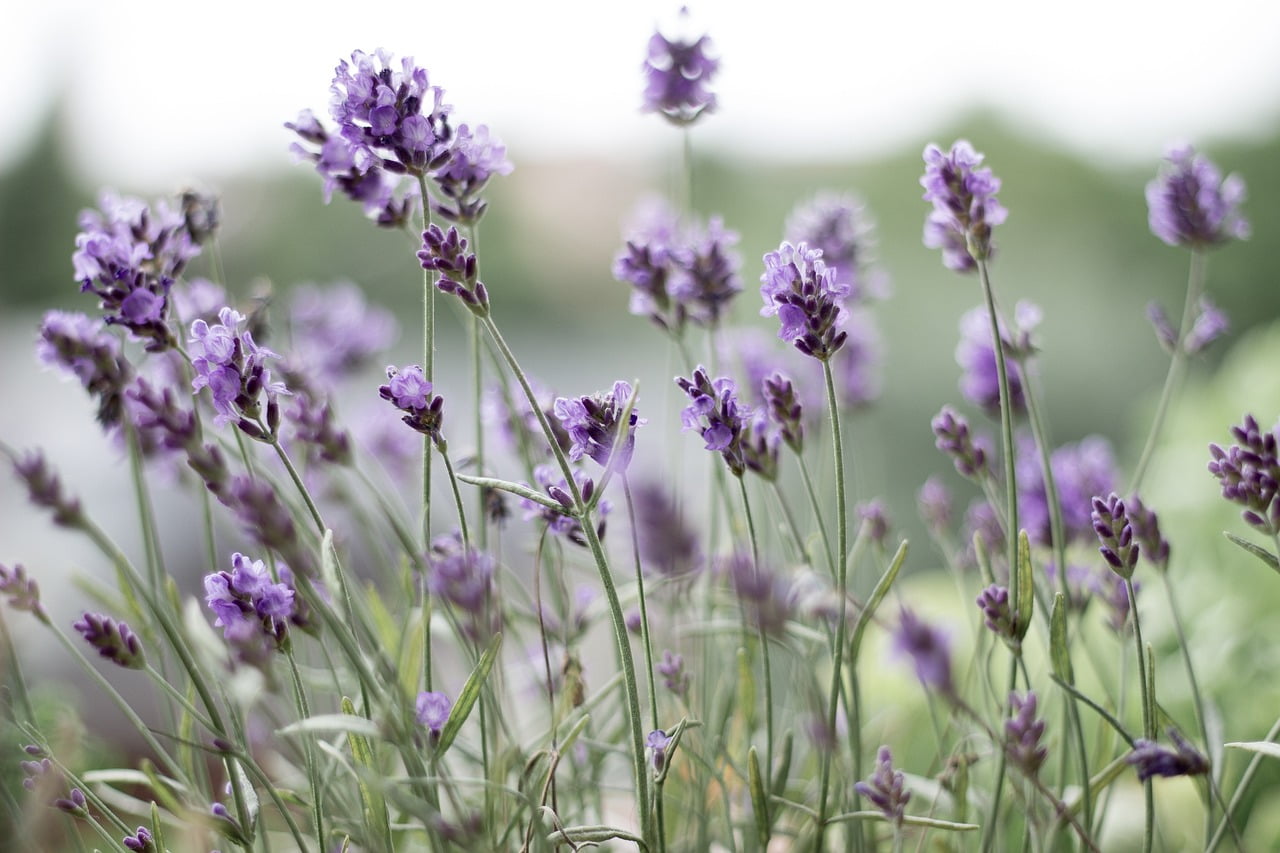
Soil type matters here too, beyond just fertility. Lavender does best in neutral to slightly alkaline soil, which is exactly why it thrives on chalky or thin soils where many other plants struggle. If your soil is naturally acidic, it’s not usually enough on its own to prevent flowering entirely, but combined with rich or waterlogged conditions it compounds the problem. A cheap soil pH testing kit will tell you where you stand in a few minutes if you’re not sure.
🛒 Find a soil pH testing kit on Amazon UK
4. Watering, Drainage and Frost Pockets
Waterlogging is the other major cause of poor flowering, and it very often travels together with the rich soil problem above, since a heavily improved bed tends to hold more moisture as well as more nutrients. Even lavenders growing in pots will rot and eventually die if you’re using rich, moisture retentive compost and watering them regularly. If you look at where lavender grows natively, it’s almost always in free draining, full sun positions where water never sits around the roots for long. Free draining soil and full sun are what lavender loves, and it hates sitting in waterlogged conditions.
In most UK gardens with average rainfall, an established, in ground lavender needs no supplemental watering at all once it’s through its first year. If you’ve been watering it on a schedule out of habit, stop, and only water newly planted lavender during a properly prolonged dry spell in its first summer. Container lavenders are the exception, since they dry out faster, but even then you should only water once the compost has gone properly dry, roughly every seven to ten days in summer and hardly at all through winter.
If your garden has heavy clay, you’ll usually see the signs clearly: water sitting on the surface after rain, soil that’s sticky and smears when you rub it between your fingers, and borders that stay squelchy underfoot for days after wet weather. Working plenty of horticultural grit into the planting hole, or raising the bed slightly, gives the roots the drainage they need even where the underlying soil is against you.
🛒 Find horticultural grit for lavender planting on Amazon UK
Container size is worth checking too. A pot that’s too small for the size of the plant restricts the root system, and a restricted root system tends to produce weaker, leggier growth with fewer flowers rather than more. If your container lavender has been in the same small pot for several years, moving it up a size with fresh, free draining compost mixed generously with grit is a straightforward fix.
Frost pockets are a less obvious cause, but one I see catch out gardeners who have done everything else right. If you plant lavender in an open, sunny position at the lowest point of the garden, cold air will pool there on winter nights, creating a frost pocket that can kill or badly weaken the plant even though the position looks perfect on paper. So even though a spot might look wonderfully sunny, check that it isn’t also the lowest elevation in the garden, because that’s exactly where frost will travel down to and settle in winter.
5. Not Deadheading for a Second Flush
This one is less about why your lavender isn’t flowering at all and more about getting a proper, long lasting display rather than one short burst. Once the first flush of flower spikes has gone over, nip off the spent flower heads promptly, taking them back to the next set of lateral leaves. On established plants, this deadheading can encourage a second, lighter flush later in the season, which is an easy win, since it gives you something practical to do with a pair of secateurs today rather than a diagnosis with no immediate action attached to it.
Do this little and often through the flowering period rather than leaving the whole plant to go over before you touch it. Five minutes with a pair of sharp, clean secateurs while you’re out in the garden anyway makes a real difference over the course of a summer.
6. Is It Simply Getting Old and Woody?
This is where the tone of this guide has to shift slightly, from things you can fix this afternoon to something that’s more about explanation and forward planning. Lavender is a relatively short lived shrub, and it isn’t a plant for life. Well managed English lavender typically lives around ten to fifteen years, while French and Spanish varieties are shorter lived again, often only five to eight years in UK conditions. If your lavender is towards the older end of that range, especially if it’s never been pruned annually, declining flowering can simply be a natural part of the plant’s lifecycle rather than a mistake you’ve made or a problem you can necessarily reverse.
The signs of age related decline are fairly specific. The base of the plant becomes heavily woody with very little green foliage low down; the centre of the plant can die back, leaving a ring of growth around the edges; flowering becomes sparse even in what should be a good year; and the overall shape turns open and untidy no matter how you prune it. A very old lavender sometimes dies back from the middle in a doughnut shape, which is characteristic of a plant that’s simply past its productive best.
If that sounds like your plant, the honest fix is propagation and replacement rather than trying to rescue it further. Take softwood cuttings from any green, leafy growth in late summer, or simply buy a new plant and position it correctly from the outset. Growing lavender from cuttings is straightforward and costs nothing, and if you want the full method, I’ve got a dedicated softwood cutting guide on my YouTube channel that walks through it step by step.
7. Pruning History, and What to Plan for This Winter
Pruning is the real key to making sure your lavender flowers reliably every year once you’ve got the position, soil and drainage right, and there are two opposite mistakes that both lead to the same disappointing result of fewer flowers.
The first, and by far the more common, is under pruning. Skip the annual prune for a few years and your lavender will gradually get leggy and woody, producing less and less flower each summer as more of the plant’s energy goes into stems that are past their productive life. This is the single most common cause of a lavender that used to flower well and has slowly tailed off over several seasons.
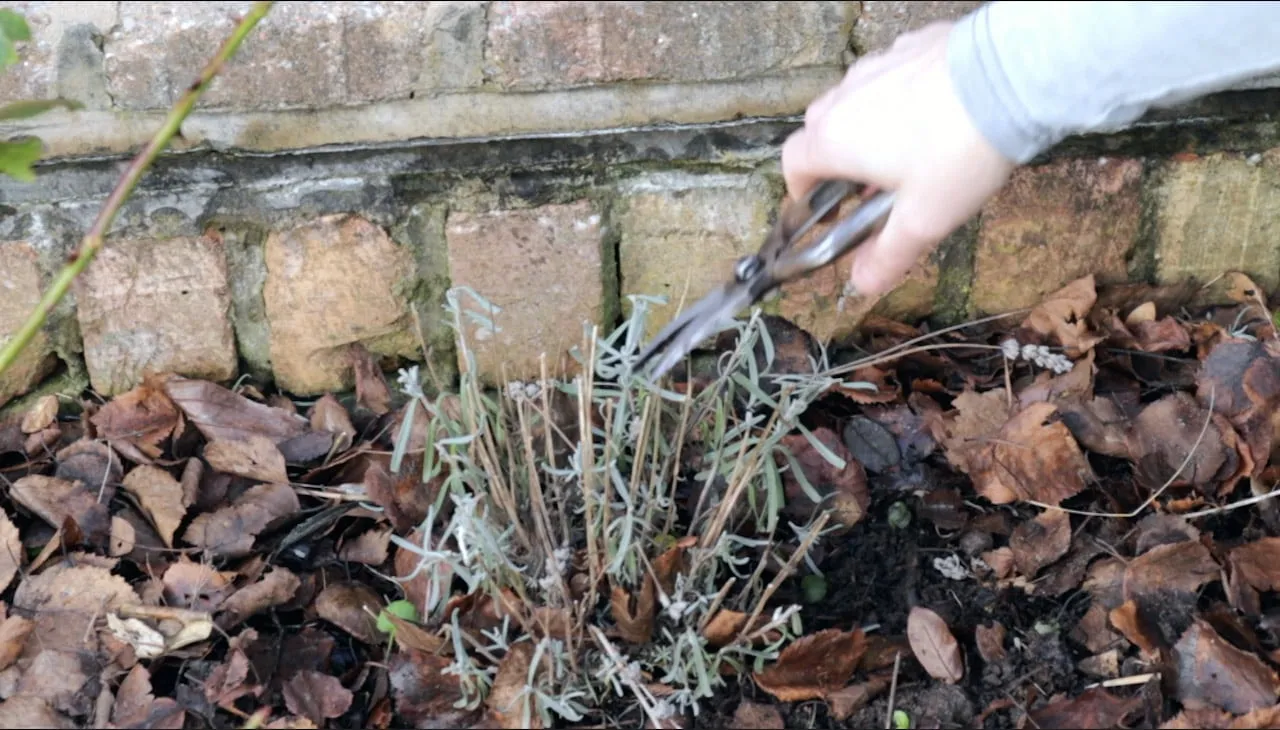
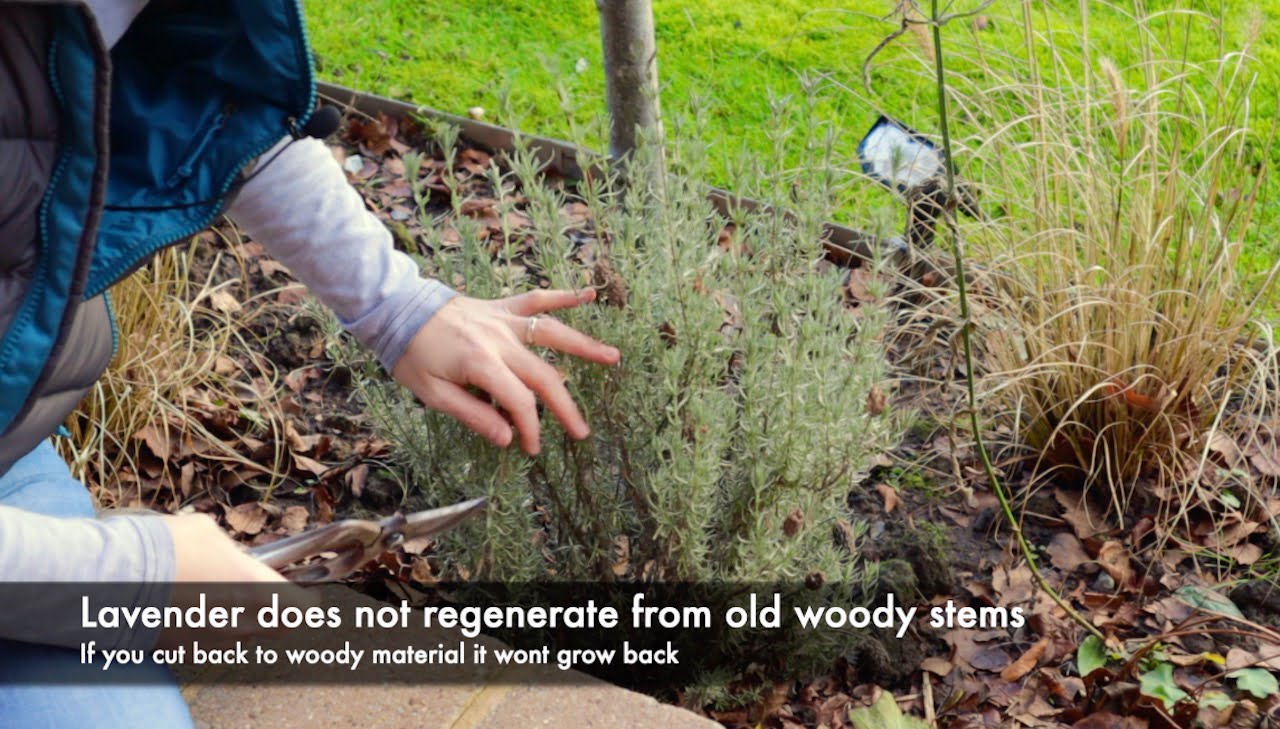
The second, less common but worth knowing about, is over pruning, and specifically pruning into old wood. Once your lavender has finished flowering, you need to nip off the spent flower spikes and remove around a third of the soft, leafy green growth. What you must never do is prune back into the old, hard, brown or grey woody stems, because lavender doesn’t regenerate from old wood the way a lot of other shrubs do. Cut into it and that stem is simply gone. This tends to happen either by accident during an ambitious attempt to renovate an overgrown plant, or when someone applies general shrub pruning advice that works fine for something like buddleja but is fatal for lavender.
If this has already happened to your plant, check the base of the affected stems before writing them off. If you can see any green growth emerging from the woody section, however small, that stem may still recover, so leave it alone and watch what develops over the following weeks. If there’s no green anywhere on it and the wood snaps rather than bends, that particular stem is dead and won’t regrow, though the rest of the plant can often still be saved.
So here’s what to actually do with that information, split between now and later in the year. If your lavender has just finished its main flowering flush, you can carry out a light trim right now, removing the spent flower spikes and around a third of the soft green growth, taking care to stay well clear of any woody stems. This is the one piece of pruning advice in this guide that’s a same season action rather than something to wait for.
The proper annual renovation prune, the one that keeps your lavender compact, bushy and flowering well for years to come, is a winter job, best done once flowering has fully finished for the season, typically late summer into early autumn depending on how far north you garden. That’s the piece of advice you’ll see repeated everywhere, and it’s correct, but it’s also the last thing on this list rather than the first, because it’s something to plan for rather than the reason your plant isn’t flowering right now. If your lavender missed last year’s prune and became woody as a result, that’s useful to know, but it explains this year’s poor display rather than something you can act on immediately. Make a note in your diary for late summer, and in the meantime, everything from full sun and free draining soil through to feeding, watering and deadheading is where your immediate attention should go.
🛒 Read my honest guide to the best secateurs for pruning lavender cleanly
8. Pests, Disease and Other Rarer Causes
Lavender is a tough, low fuss plant, and pests or disease are a smaller proportion of the “why isn’t it flowering” cases I see compared to position, soil and pruning. But for completeness, it’s worth knowing what to look out for.
Root rot, caused by exactly the waterlogged conditions covered earlier, is the most common disease issue and ties directly back to drainage. You’ll usually see yellowing leaves, soft or mushy stems near the base, and a general lack of vigour alongside the poor flowering. The fix is the same as above: improve drainage, stop watering, and if the plant is in a container, consider repotting into fresh, gritty compost.
Froghopper nymphs, the culprits behind the frothy “cuckoo spit” you sometimes see on lavender stems in late spring, rarely cause serious damage and don’t tend to be responsible for a lack of flowering on their own, though a heavy infestation combined with other stresses can compound the problem. A firm jet of water from the hose is usually all that’s needed if it bothers you.
Rosemary beetle, a small but strikingly metallic green and purple beetle, will occasionally feed on lavender foliage alongside its preferred rosemary and thyme. Again, it’s rarely the primary cause of a flowering failure, but worth ruling out if you notice chewed foliage alongside everything else.
Frequently Asked Questions
How long does it take for a newly planted lavender to start flowering?
Most lavenders need a full growing season, and sometimes two, to establish a root system before they flower well. A young plant that’s put on plenty of leafy growth but no flowers in its first summer is doing exactly what it should be doing. Be patient and judge it again the following year.
Should I feed my lavender to encourage more flowers?
No. Lavender flowers best in poor to moderately fertile soil, and feeding it, especially with a general purpose or high nitrogen fertiliser, tends to produce lush green growth at the expense of flowers. Stop feeding entirely and let the plant grow in lean conditions.
Can a lavender that’s been cut into old wood recover?
Sometimes. Check the base of the affected stems for any sign of green growth, however small. If you find some, leave the plant alone and see what develops over the following weeks. If a stem shows no green at all and snaps rather than bends, that stem is dead and won’t regenerate, though the rest of the plant can often still recover.
How often should I water an established lavender?
In most UK gardens, an established, in ground lavender needs no supplemental watering at all. Only newly planted lavenders in their first summer, or lavenders grown in containers, need occasional watering, and even then only once the soil or compost has gone properly dry.
Why has my French lavender only flowered for a couple of weeks?
That’s normal for French lavender, Lavandula stoechas, which has a much shorter flowering window than English lavender and is also a shorter lived plant overall. If you want a long summer long display, English lavender, Lavandula angustifolia, is the more reliable choice for UK gardens.
Can I prune my lavender now, or does it have to wait until winter?
Once the current flush of flowers has finished, you can carry out a light trim straight away, removing spent flower spikes and around a third of the soft green growth. The full annual renovation prune is best done once flowering has completely finished for the season, typically late summer into early autumn, and should never cut into old woody stems.
How do I know if my lavender is simply too old to flower well?
Look for heavy woodiness at the base with little green foliage, dieback in the centre of the plant leaving a ring of growth around the edges, and an open, untidy shape that pruning no longer improves. English lavender typically lives ten to fifteen years, French and Spanish varieties five to eight, so a plant towards or beyond that age showing these signs is likely in natural decline rather than suffering from a fixable problem.

Join over 100,000 gardeners on YouTube
Free gardening videos from the Garden Ninja, with 8 million views and counting.
Subscribe on YouTube, it’s freeSummary
A lavender that’s healthy but flowerless is almost always down to one of five things: too little sun, soil that’s too rich or too wet, feeding it when it needs none, a lack of annual pruning that’s let it go woody, or simply the wrong expectations around timing and variety. Work through this list in order, starting with what you can check and fix today, and save the winter renovation prune for what it actually is: forward planning for next year, not the answer to why this year went wrong.
Happy Gardening!




Lee Burkhill
Lee Burkhill, known as the Garden Ninja, is an award-winning garden designer and horticulturist with over 30 years of gardening experience and 15 years as a professional garden designer. A qualified RHS (Royal Horticultural Society) professional, Lee specialises in sustainable garden design and practical horticultural advice. He designs and presents on BBC1’s Garden Rescue and in leading gardening publications. Lee combines three decades of hands-on gardening knowledge with professional design qualifications to help gardeners create beautiful, functional outdoor spaces.
View all posts by Lee Burkhill





Categories
Other posts
-

How to learn Garden Design: most cost-effective learning methods Read more
-
Start here: to begin your gardening journey! Read more
-
What is Silverleaf Disease? How to Prevent and Treat It: A Beginner’s Guide Read more
-
How to grow yellow rattle: the meadow maker Read more
-
Compost vs Mulch: The Difference, Costs and When to Use Each Read more
-
How to create a wildlife Garden in the UK Read more
-
Artificial Turf Reviewed – is fake grass bad for the environment? Read more