For the garden you’ve already got, not the one you’re starting from scratch. Seven checklists and video lessons from BBC Garden Rescue’s Lee Burkhill, built to help you work out what’s worth keeping before you spend a penny.
69


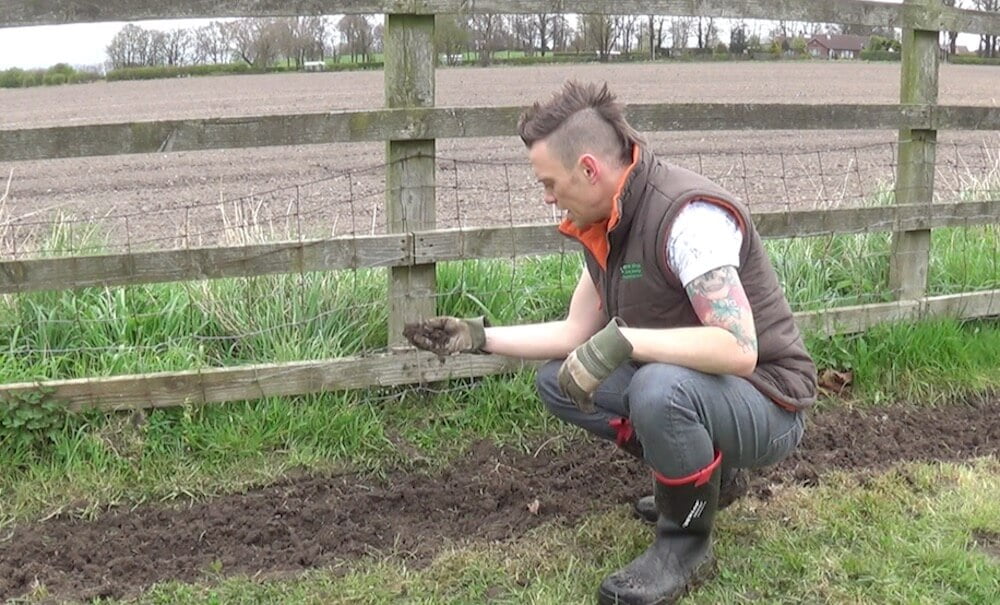
Every time I visit a new garden client for the first time, I do the same thing before I look at a single plant or design element. I pick up a handful of soil and feel it. I look at what is already growing there, both the plants people have chosen and the weeds that have arrived uninvited. I check the drainage. And nine times out of ten, before we discuss what to plant or how to design the space, the conversation turns to soil health.
Get the soil right, and the plants will largely look after themselves. Get it wrong and you will fight your garden every season.
This page contains affiliate links for products I use and trust. If you purchase after clicking a link, I may earn a small gardening commission at no extra cost to you, which helps keep the Garden Ninja blog free for everyone.
Quick Answer
The best soil improver for UK borders is a peat-free composted organic matter product such as Miracle-Gro Border Booster or RocketGro, dug in at 5 to 10kg per square metre in autumn or early spring. For containers, use a dedicated peat-free multipurpose compost. Always test your soil pH first so you choose the right product for your soil type and avoid wasting money on the wrong amendment.
This is the step that most gardeners skip and the one that makes the biggest difference to whether the products you buy actually work. Spending £30 on ericaceous compost and working it into a naturally alkaline border is a waste of money and effort. Adding lime to already chalky soil is counterproductive. A simple soil pH test kit costs between £5 and £15 and tells you within minutes whether your soil is acid, neutral, or alkaline.
Most UK garden plants prefer slightly acid to neutral soil, with a pH between 6.0 and 7.0. Acid-loving plants like rhododendrons, camellias, blueberries, and Japanese maples need a pH below 6.5. Vegetables generally prefer 6.5 to 7.0. Knowing your starting point means you spend money on the right products rather than guessing.
The Rapitest four-in-one soil test kit is what I recommend to clients who want to know their soil pH before we begin any planting work. It tests pH and three key nutrient levels: nitrogen, phosphorus, and potassium. It uses simple colour comparisons. Not laboratory accurate, but entirely adequate for making informed decisions about what your garden actually needs. Buy one of these before you buy anything else on this page.
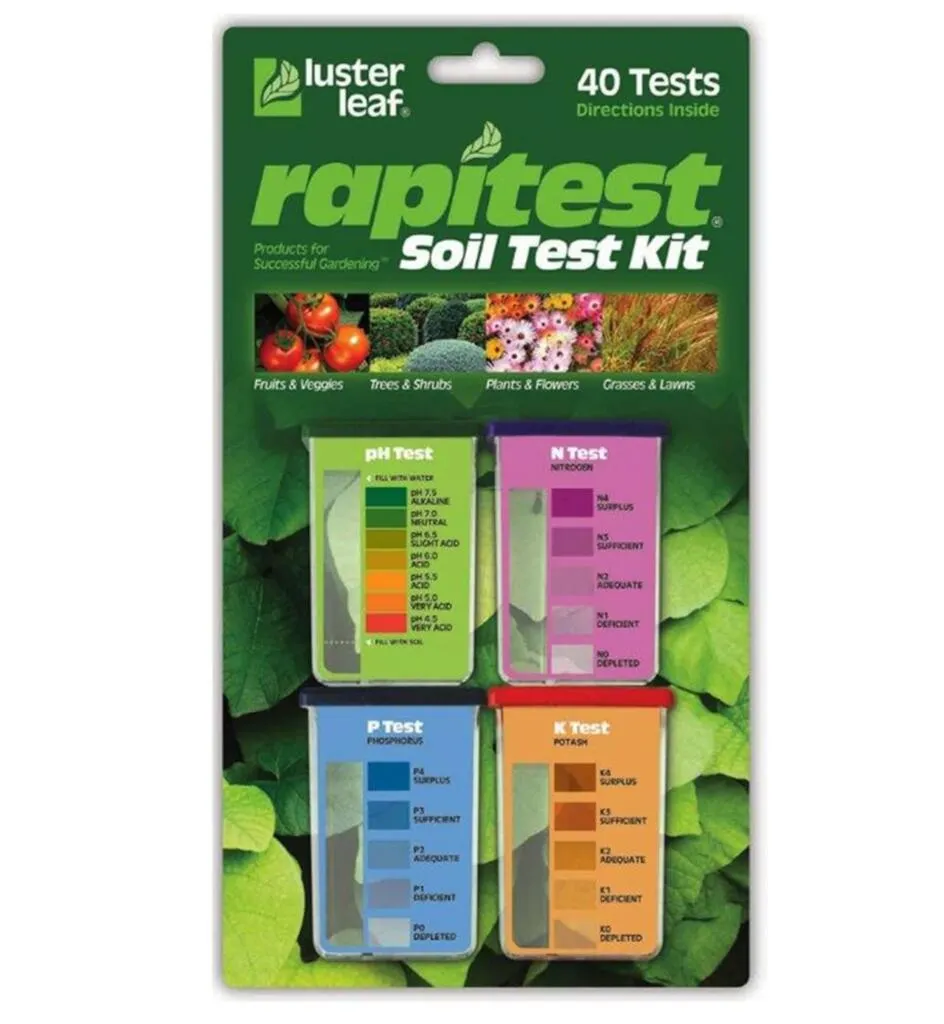
Essential first step: test before you spend on any soil amendment product.
🛒 Buy the Rapitest Soil pH Test Kit on Amazon UK
On almost every Garden Rescue garden we visit, the first thing we do before any planting is improve the soil. We typically dig in significant quantities of organic matter, often 40-litre bags per square metre on compacted, exhausted urban soil. The transformation this makes to plant establishment speed is remarkable, and it is the single most impactful thing you can do in a new or struggling garden.
These terms are used interchangeably in garden centres and online, but they are different products for different purposes and using the wrong one is a common and frustrating mistake. Understanding the distinction will save you money and give better results.
Soil improver is a bulky organic material, typically composted bark, green waste, or manure, designed to be dug into existing garden soil in large quantities. Its job is to change the structure and biology of your soil over time. It has limited nutrient content but high biological activity, and it improves drainage, aeration, and moisture retention simultaneously.
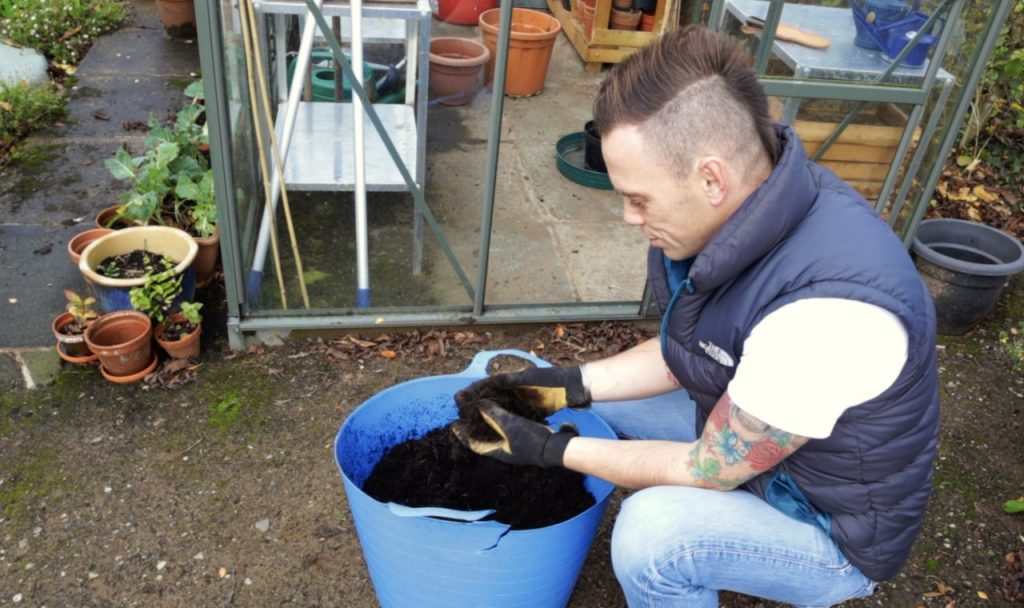
Potting compost, whether labelled multipurpose, John Innes, or ericaceous, is a growing medium designed to be used on its own in containers, seed trays, and raised beds. It has a specific nutrient balance for the purpose stated on the bag. Do not use potting compost as a soil improver. It is too expensive, too fine in texture, and not designed for that purpose. Do not use soil improver as potting compost either, as it lacks the nutrient profile plants in containers need.
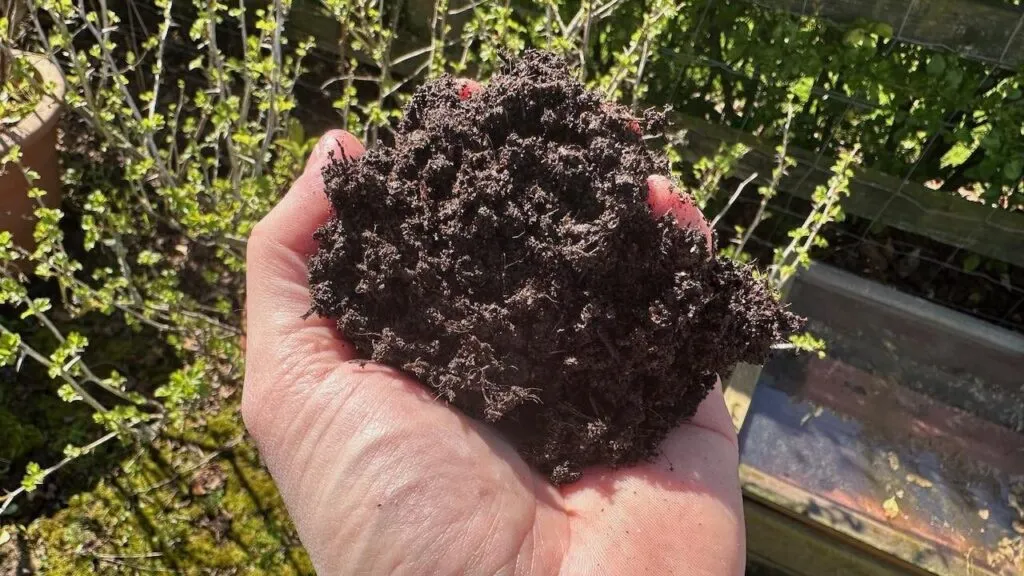
Miracle-Gro’s Border Booster is specifically formulated as a soil improver and not a potting compost, and that distinction matters enormously. It is designed to be incorporated into existing border soil at planting time or as an annual Autumn improvement.
The high organic matter content and consistent quality make it the most reliable, widely available soil improver for UK gardeners. It is sold at B&Q, Homebase, and garden centres nationally, meaning you can buy in volume without the delivery costs that make smaller bags uneconomical. I have used this product in client garden renovations, and the improvement in soil structure after a single season of incorporation is visible.
Best for
Border preparation, new garden planting, annual soil improvement, most UK soil types.
🛒 Buy Miracle-Gro Border Booster on Amazon UK
Clay soil is the most common challenging soil type in UK domestic gardens, particularly across the Midlands, London, and much of lowland England. The Westland Clay Buster is specifically formulated for this application, combining organic matter with perlite and grit to genuinely open up the structure of heavy clay.
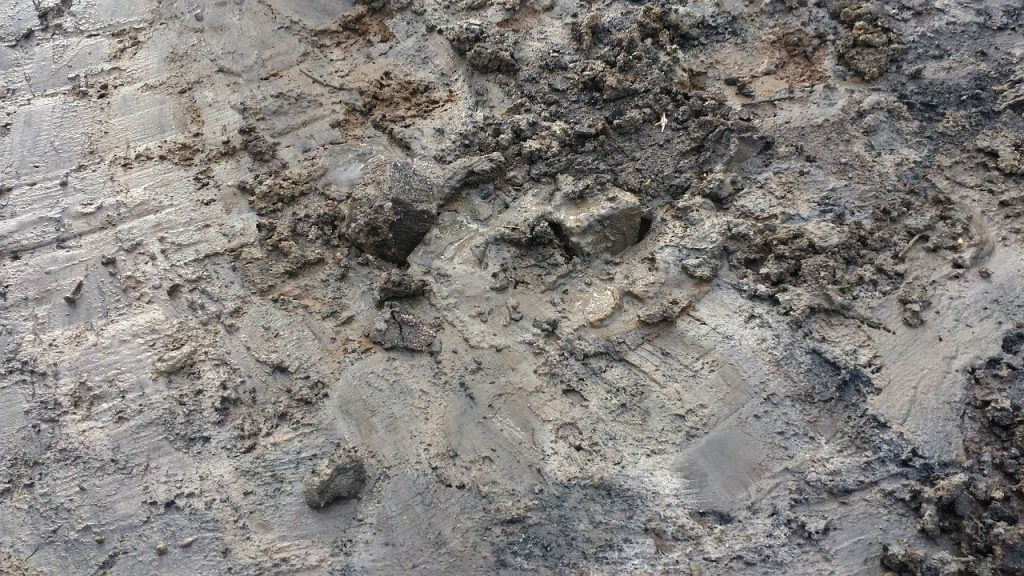
Used consistently over two to three seasons, it makes a measurable difference to drainage and workability. For gardens on heavy clay that bakes solid in summer and becomes waterlogged in winter, this product directly addresses the root cause of the problem.
Best for
Heavy clay soils, gardens with poor winter drainage, improving workability of compacted borders.
🛒 Buy Westland Clay Buster on Amazon UK
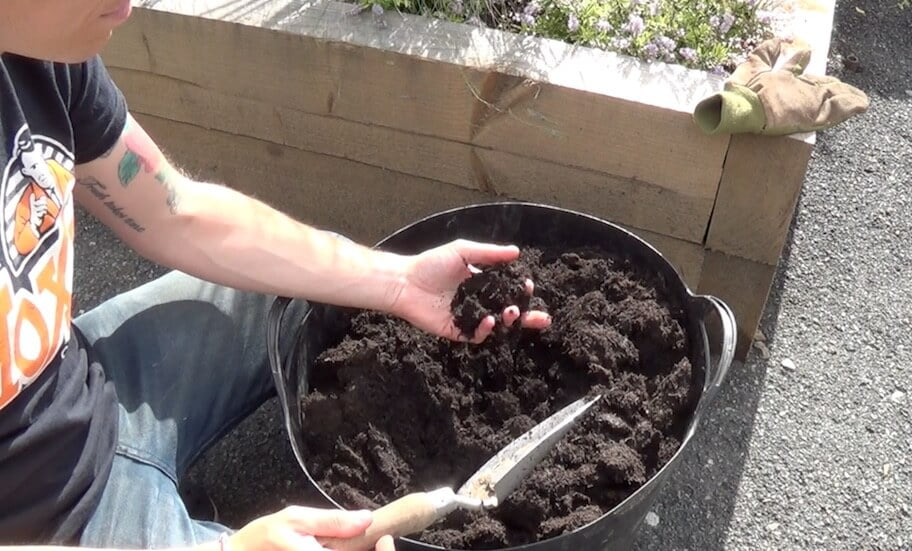
Made in Somerset from composted food waste, RocketGro Soil Improver is the organic alternative I recommend to clients who want to avoid synthetic additions and support soil biology in the most natural way possible. The composting process produces a genuinely rich, biologically active material. It smells wonderful, of good, well-made compost rather than the slightly chemical smell some products carry.
For gardeners committed to organic practice, this is the soil improver I would choose. Slightly more expensive per litre than mainstream brands, but the organic certification and quality of the material justify it.
Best for
Organic gardens, those wanting maximum biological activity, gardeners who care about provenance.
🛒 Buy RocketGro Soil Improver on Amazon UK
The shift to peat-free compost has been one of the most significant changes in UK gardening in recent years. Peat bogs are irreplaceable carbon stores and critical wildlife habitats. It takes thousands of years to form what we extract in months. The RHS is committed to being fully peat-free by the end of 2025, and major garden centre chains have been moving in the same direction.
Peat-free compost is the right choice for the environment, and modern formulations have improved significantly. Many now perform as well or better than their peat-containing predecessors. I’ve been using it for years in all my garden designs and here at Garden Ninja HQ.
Dalefoot’s wool compost is the most unusual product on this list and one of the most impressive. Made in the Lake District from locally composted sheep wool and bracken fern, it is 100% organic and peat-free, producing compost that is significantly lighter than conventional products. This makes it ideal for balcony containers and roof gardens where weight matters. I have used this as my go-to compost choice for years now. It’s wonderful stuff.
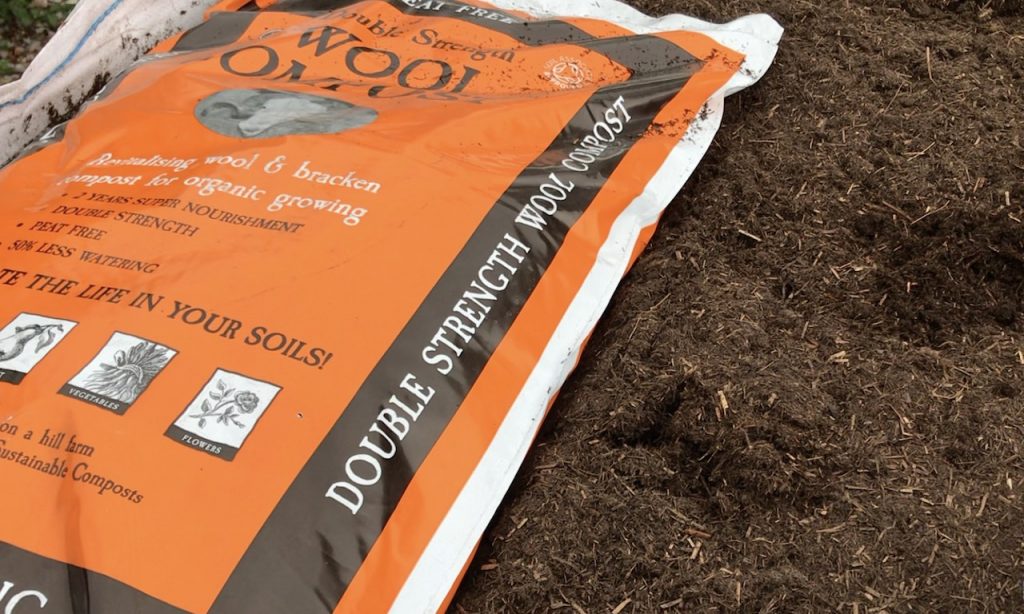
The wool fibres improve water retention considerably, meaning watering frequency in containers is noticeably reduced. Soil Association approved. More expensive per litre than mainstream alternatives, but the water retention benefit alone often justifies it for container-heavy gardens. If you have a balcony garden or extensive container planting, this is the compost I would buy.
Best for
Container-heavy gardens, balconies, anywhere weight matters, organic gardeners.
🛒 Buy Dalefoot Wool Compost on Amazon UK
With over 17,000 reviews on Amazon UK and a 4.6-star rating, the Miracle-Gro Premium Peat-Free compost has become the most-reviewed and trusted mainstream peat-free option in the UK market. The Fibre Smart Technology formula retains moisture while maintaining drainage, which is the balance that earlier peat-free composts often got wrong. It performs well for containers, hanging baskets, and general planting. Available in 40- and 75-litre bags. For a general-purpose compost that is widely available, peat-free, and genuinely well-performing, this is my first recommendation.
Best for
Containers, hanging baskets, general planting, most garden applications.
🛒 Buy Miracle-Gro Peat Free All Purpose Compost on Amazon UK
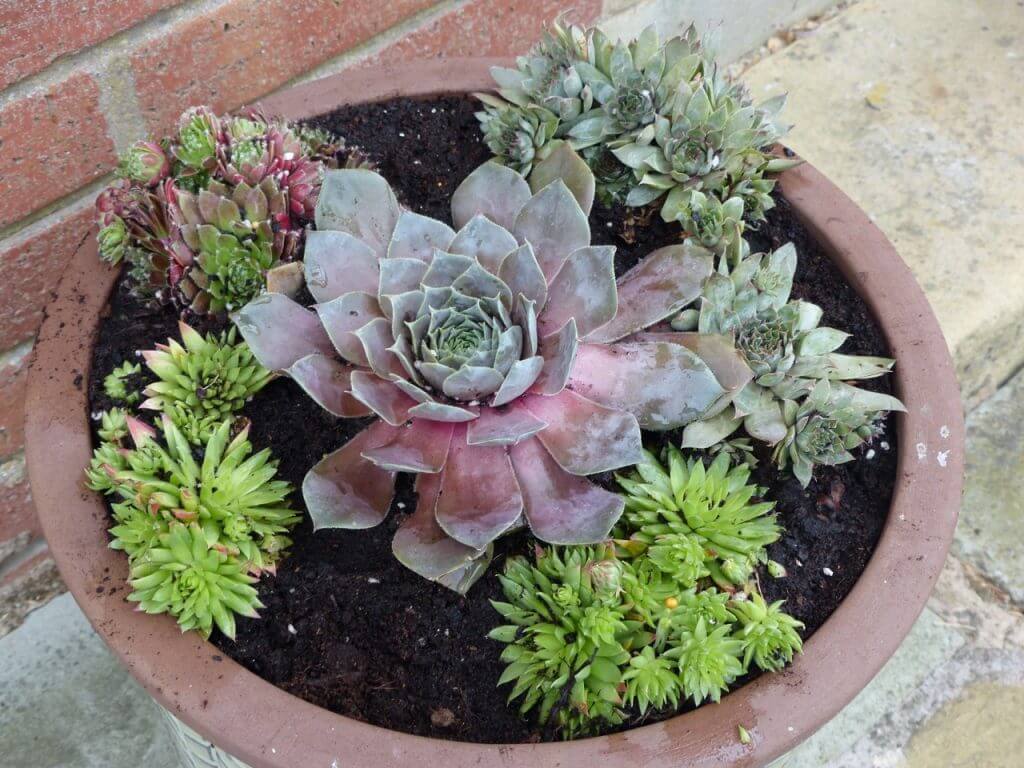
Westland’s multi-purpose compost, with added John Innes loam, is the budget-friendly compost I recommend for clients buying in volume, whether filling raised beds, potting up large containers, or improving multiple borders simultaneously.
The added loam improves structure compared to straight multipurpose compost, reducing the risk of waterlogging that can affect cheaper peat-free formulas. At this price per litre, it represents the best value quality compost currently available at UK garden centres and DIY stores. Over 5,200 reviews at 4.5 stars on Homebase confirm this is not just cheap but genuinely well reviewed by my gardener friends.
Best for
Budget-conscious buyers, volume purchases, raised bed filling, large container projects.
🛒 Buy Westland Multi-Purpose Compost with John Innes on Amazon UK
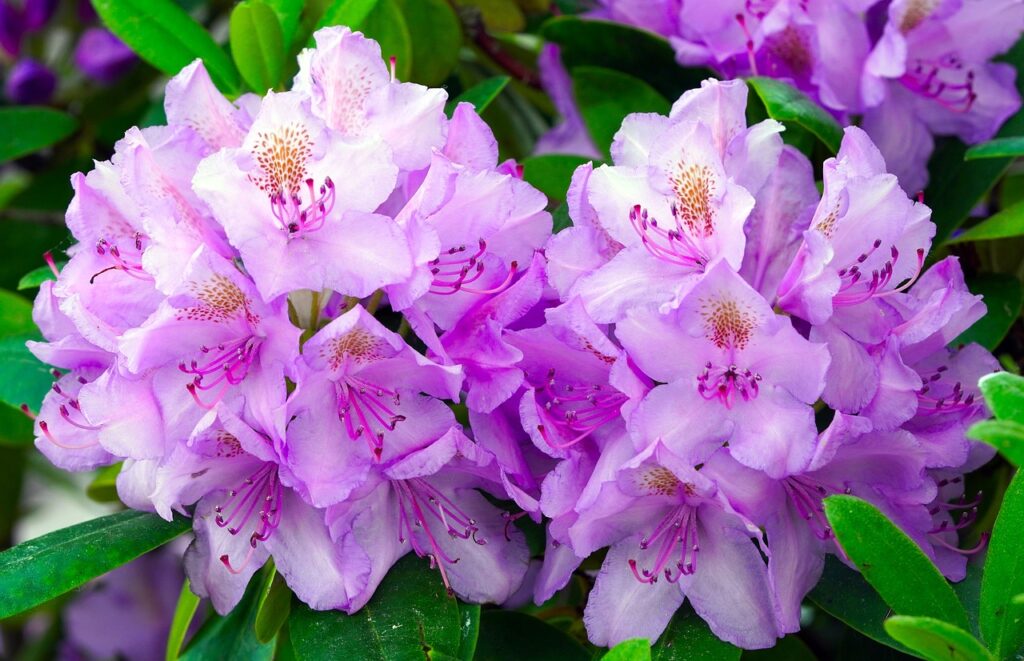
Rhododendrons, azaleas, camellias, blueberries, pieris, and Japanese maples all require acidic soil conditions, typically a pH between 4.5 and 6.0. If your garden soil is neutral to alkaline, as much of UK garden soil is, growing these plants in the open border is a losing battle.
The right approach is containers filled with a quality ericaceous compost, or dedicated raised beds on naturally acid soil. Using standard compost for acid-loving plants in containers will lead to chlorosis (yellowing leaves) within a single season.
Levington’s peat-free ericaceous compost delivers consistent acidic conditions for rhododendrons, blueberries, camellias, and all acid-loving plants without the environmental cost of peat extraction. With 4.6 stars from 380 reviews on Amazon UK, it is one of the most trusted ericaceous options in the UK market. The pH is reliably maintained in the correct range for the first growing season, and feeding with an ericaceous plant food from mid-spring maintains conditions thereafter. Widely available at garden centres and online.
Best for
Rhododendrons, azaleas, camellias, blueberries, all acid-loving plants in containers.
🛒 Buy Levington Peat Free Ericaceous Compost on Amazon UK
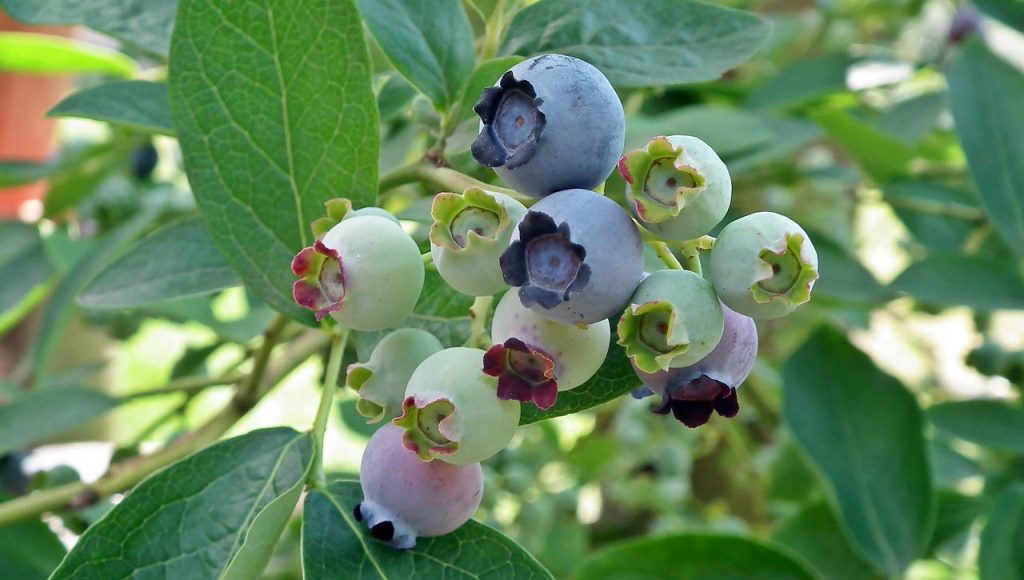
The Miracle-Gro ericaceous compost applies the same Fibre Smart Technology as their multipurpose range to acid-loving plants. Highly rated with 4.6 stars from over 1,200 Amazon reviews. Moisture retention is noticeably better than that of standard ericaceous composts, which is significant for blueberries and other plants that do not tolerate drying out. If you are growing blueberries, which are exceptionally rewarding in the UK when properly cared for, this is the compost I would use.
Best for
Blueberries, pieris, azaleas, anyone wanting reliable moisture retention in acid compost.
🛒 Buy Miracle-Gro Peat Free Ericaceous Compost on Amazon UK
Seed sowing compost is a distinct product that most gardeners overlook, and it is probably the one where using the wrong thing causes the most visible failures. Multipurpose compost is too coarse and too nutrient-rich for germinating seeds. The high nutrient levels that help established plants thrive can actually inhibit germination and scorch delicate seedling roots. A dedicated seed compost is finely milled, low in nutrients, and designed to hold just enough moisture to trigger germination without waterlogging the fragile emerging roots.
I have tried sowing directly into multipurpose compost many times over the years, and the results are always inferior to those from a proper seed compost. Germination rates are lower, seedling quality is more variable, and the risk of damping-off increases significantly. A bag of seed compost is not expensive, and the improvement in results is immediate and obvious.
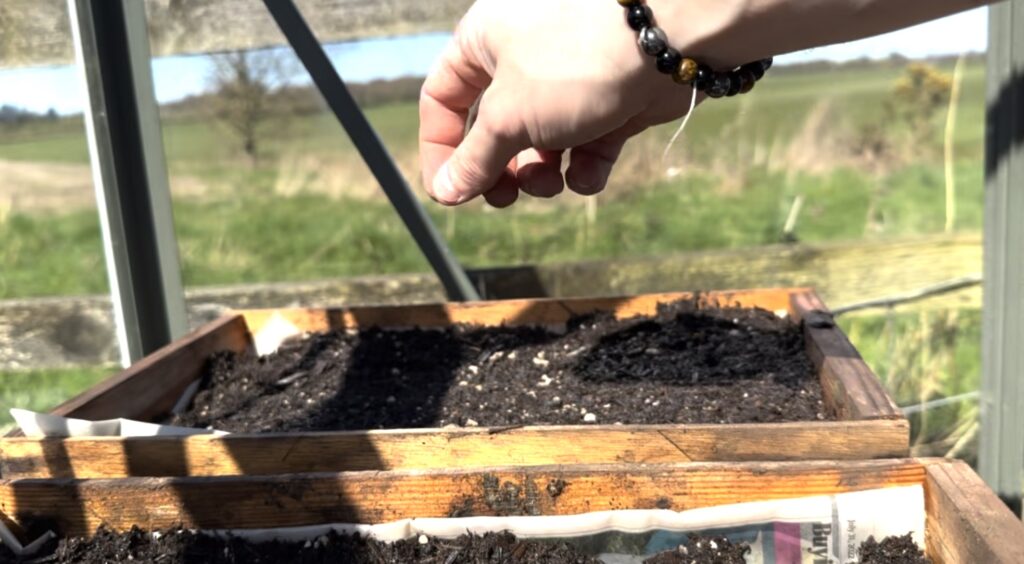
Levington’s seed and cutting compost is one of the most consistently well-performing seed composts available at UK garden centres and online. The fine texture provides ideal contact between the seed and the growing medium, and the low-nutrient formulation avoids scorching that can affect seedlings germinated in multipurpose media.
It performs equally well for cuttings, where the same principles apply: fine texture, good aeration, and low nutrients to encourage root development rather than top growth.
I have used this for seed sowing for years, and the germination rates have been consistently excellent.
Best for
All seed sowing, propagating cuttings, pricking out seedlings, starting annuals and vegetables from seed.
🛒 Buy Levington Seed and Cutting Compost on Amazon UK
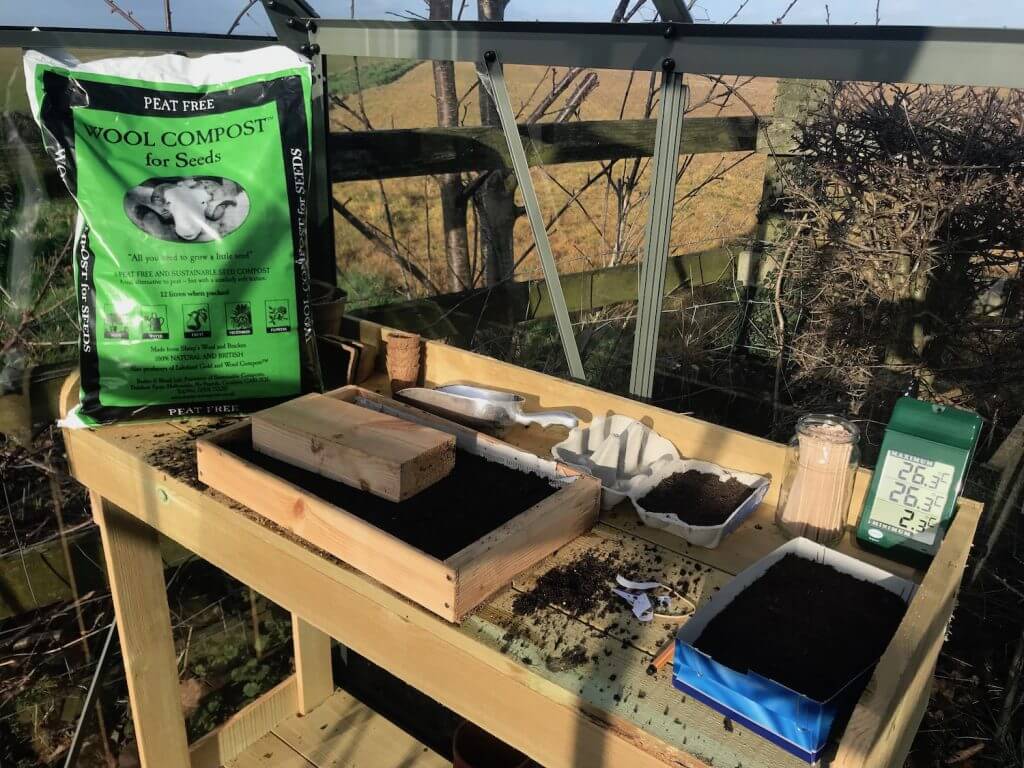
Westland’s seed sowing mix is the budget-friendly alternative that performs reliably without the premium price tag. Good germination rates, fine, consistent texture, and widely available at DIY stores and garden centres. If you are sowing in volume, whether you are running a greenhouse full of vegetable seedlings in spring or propagating lots of cuttings through summer, the Westland mix is the practical choice that keeps costs sensible without sacrificing results.
Best for
High-volume seed sowing, budget-conscious propagators, vegetable growing from seed.
🛒 Buy Westland Seed Sowing Compost on Amazon UK
Before bagged soil improvers existed, gardeners relied on well-rotted manure as their primary tool for improving soil structure and fertility, and it remains one of the most effective soil amendments available. The reason I still recommend it alongside branded products is straightforward: nothing else combines bulk organic matter, biological activity, and slow-release nutrients quite as effectively, and at a very competitive cost per volume when bought in bags.
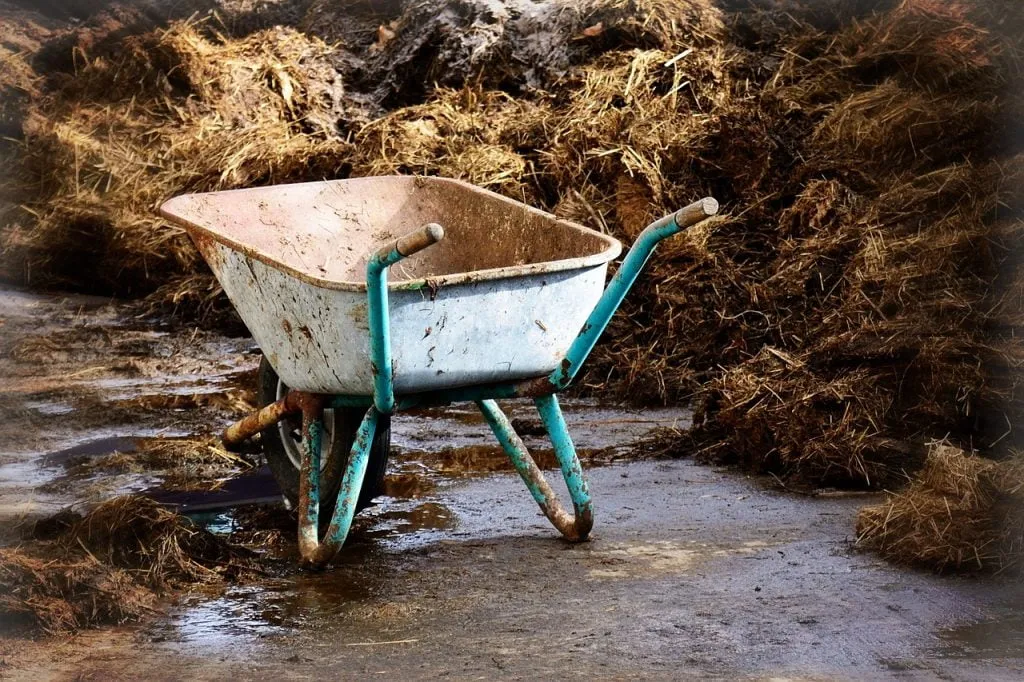
The single most important word when it comes to manure is “well-rotted.” Fresh manure contains high concentrations of soluble nitrogen and ammonia that will scorch plant roots and can introduce weed seeds and pathogens to your borders. Well-rotted manure, which has been composted for at least six months and ideally twelve, is dark, crumbly, and smells of earth rather than the farmyard. It is safe to dig in around established plants and incorporates beautifully into border soil.
Westland’s bagged farmyard manure is the most convenient way to buy well-rotted manure without sourcing it directly from a farm or stables. It is consistently processed, reliably weed-seed-free compared to farm-gate material, and available at most large garden centres and online.
At this price per litre, it is genuinely one of the best value soil improvers on the market. I recommend it without hesitation for Autumn border improvement, particularly on clay soils where the bulky organic matter helps break up the structure over winter.
Best for
Autumn border improvement, clay and sandy soils, vegetable beds, rose and shrub borders. Exceptional value for the volume.
🛒 Buy Westland Farmyard Manure on Amazon UK
Pelleted chicken manure is a concentrated, slow-release organic fertiliser that bridges the gap between a soil improver and a feed. It is significantly richer in nitrogen, phosphorus, and potassium than farmyard manure, making it particularly useful when you want both improved soil biology and a meaningful nutritional boost in the same application. Scatter it around established plants in spring or dig it lightly into border soil before planting. The pellet form makes application easy and eliminates the odour issues associated with fresh manure.
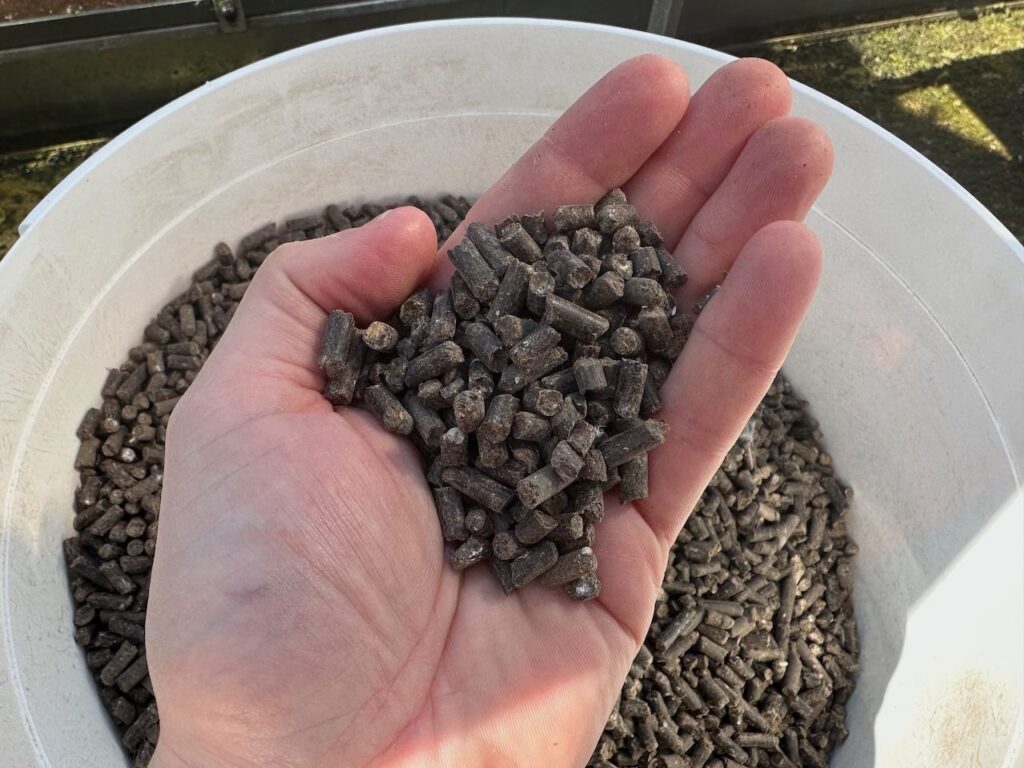
Best for
Spring feeding and soil improvement in one application, vegetable beds, rose borders, fruit trees and bushes.
🛒 Buy Vitax Pelleted Chicken Manure on Amazon UK
If you have moved into a new build property, you will almost certainly be dealing with a soil situation that goes beyond what a bag of soil improver can fix. Developers routinely strip the topsoil during construction and replace it with whatever subsoil, rubble, broken bottles, waste and compacted fill are available to basically dump there!
What looks like soil is often little more than grey clay, building waste, and compacted subsoil with almost no organic matter, no biological activity, and very little capacity to support plant growth.
In severe new build situations, adding soil improver to bad subsoil is like painting over bare plaster. You need topsoil first to create a viable growing medium, and then ongoing organic matter addition to build and maintain it. I cover this in detail in my new build gardens design guide, but the short version is: if your soil is genuinely poor subsoil rather than degraded topsoil, buy topsoil first.
For small to medium new build garden areas or for creating new raised beds from scratch, bagged topsoil is the practical starting point. Westland’s topsoil is screened, consistently high quality, and available at garden centres nationwide.
Use it at a minimum depth of 15 to 20cm for borders and beds, and always combine it with a generous quantity of soil improver or well-rotted manure mixed in at planting time. Topsoil alone is not enough. It gives you the starting medium, but organic matter is what brings it to life.
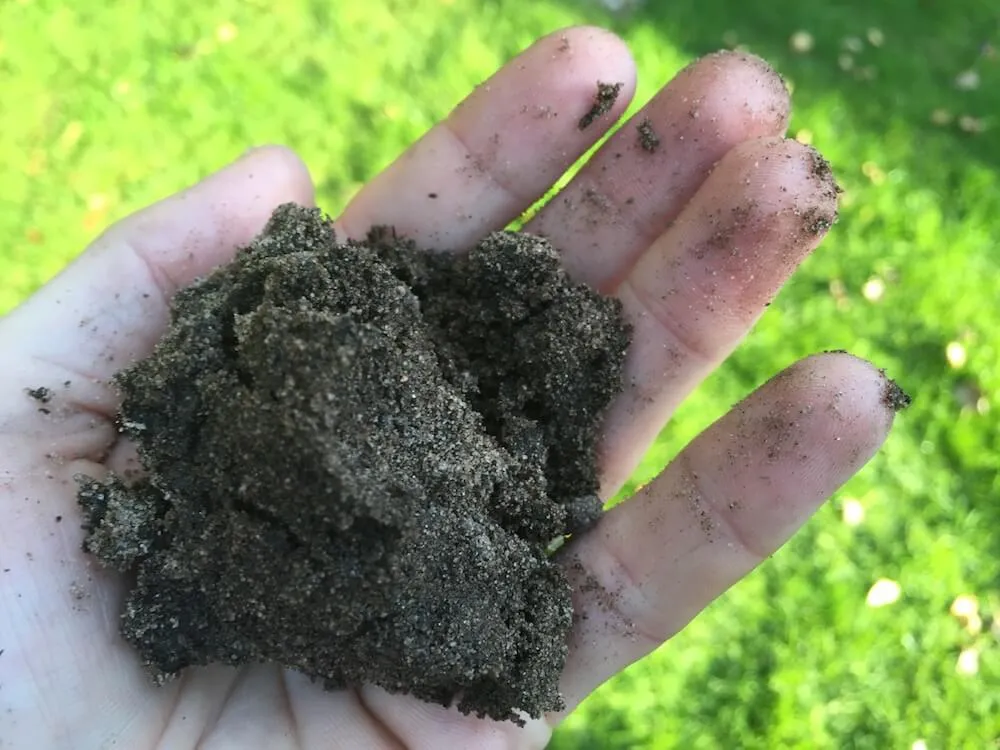
Best for
New build gardens, creating new beds and borders, filling raised beds as a base layer, repairing bare areas after building work.
🛒 Buy Westland Topsoil on Amazon UK
Not a compost but an essential soil amendment that most guides forget. Horticultural grit is coarse, washed grit and not builder’s sand, and it can open up heavy soil and dramatically improve drainage if used correctly with pots and containers. Add it generously when planting Mediterranean herbs, alpine plants, lavender, and any plant that requires sharp drainage.
However, don’t be duped into thinking adding grit to heavy clay will help break it up or add drainage, it won’t sadly. For that, you need lots of peat-free organic material or well-rotted manure (along with a French drain in particularly bad clay new build gardens).
But for pots and raised beds, grit can be used for plants that need very free-draining soil, as the inert nature of grit helps make the soil far faster to dry out. A typical application for a planting hole is to mix roughly equal volumes of grit and soil. A 25kg bag costs around £8 to £12 and goes a long way.
Coarse horticultural grit for improving drainage in heavy but not clay soils and for creating the perfect growing medium for alpines, lavender, and Mediterranean plants. Mix with soil or compost at planting time. Essential for raised herb beds and rockery plantings.
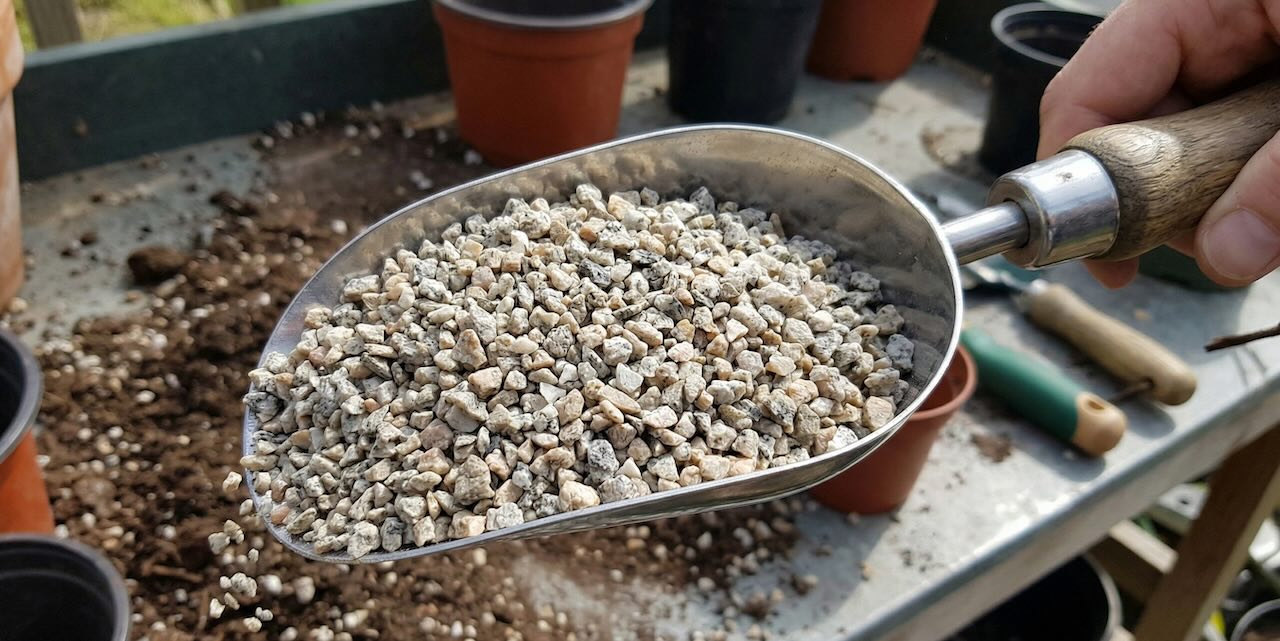
🛒 Buy Westland Horticultural Grit on Amazon UK
Biochar is produced by burning organic matter in low-oxygen conditions, a process called pyrolysis. The resulting material is a highly porous, carbon-rich substance that does something no conventional compost or soil improver can: it creates a permanent improvement to soil structure that does not break down over time. Where organic matter decomposes and needs replacing annually, biochar stays in the soil for hundreds of years, continuing to work. Early research is genuinely promising, and several professional horticulturalists I respect are adding it to their routine soil improvement approach.
Here is what biochar actually does when you incorporate it into your soil:
Carbon Gold produce the quality UK biochar product I recommend, and it is available on Amazon UK. Mix it into planting holes, raised bed growing media, or work it into border soil at around 5 to 10 percent by volume. It is not a replacement for organic matter but a complement to it, and the two work exceptionally well together.
🛒 Buy Carbon Gold Biochar on Amazon UK
The RHS recommends applying 5 to 10 kilograms of organic matter per square metre of border annually. In practical terms, a 40-litre bag typically covers 2 to 4 square metres, depending on how deeply you incorporate it. For new gardens or borders with poor soil, I would apply at the higher end of the rate and dig it in properly rather than simply laying it on the surface. In fact, you can’t really apply too much, in my experience. The heavier the soil, the more organic material you can add.
The best time to add soil improver to UK borders is late autumn through to late winter, approximately November to February. Incorporating it before the ground freezes on clay soils allows frost to help break up clods and work the organic matter in. On sandy soils, early spring application reduces the period during which nutrients can leach through the open soil structure before plants are actively growing.
If you’re filling raised beds, or top dressing (simply put 7.5cm in the height) then my soil calculator below can be handy to help you work out qualities!
Calculate exactly how much soil you need for your raised bed project
Enter your raised bed dimensions above to get personalised soil advice and money-saving tips!
For mulching, applying organic matter as a surface layer rather than digging it in requires a minimum depth of 5 cm to effectively suppress weeds. The RHS recommends 7.5cm for best results. Apply mulch to moist soil in late autumn or early spring, keeping it clear of plant stems to prevent rot. A good mulch layer applied in late February will retain soil moisture through the driest summer periods and gradually break down, feeding the soil below.
No. Soil improver lacks the nutrient balance and fine texture that potting compost provides. Plants in containers with soil improver will be nutrient-deficient and may have drainage issues. Use soil improver to improve border soil and potting compost for containers. They are different products for different jobs.
Modern peat-free composts have improved considerably, and the best formulations, particularly those using coir, composted bark, and added John Innes loam, now perform comparably to peat-containing products for most applications. Which? testing shows that specialist composts for seed sowing, young plants, and containers often outperform general multipurpose regardless of peat content. For environmental reasons, choose peat-free as a default. Then choose the right specialist product for your application rather than defaulting to multipurpose for everything.
Classic signs of poor soil include plants that establish slowly and struggle to thrive despite reasonable care, borders that become waterlogged after heavy rain or dry to the point of cracking in summer, and soil that is noticeably grey or pale with very little obvious structure when you pick up a handful. Healthy soil is dark, crumbly, has a pleasant earthy smell, and shows evidence of worm activity. If yours does not look or feel like that, organic matter is almost certainly the answer.
Compost is significantly cheaper to buy in winter, especially in January and February. Demand is low, garden centres are trying to shift stock, and online prices are at their lowest. Buy your year’s supply in January or February, store it in a dry location, and save 20 to 30% compared to buying in the spring rush.
Topsoil is the actual growing medium, the upper layer of mineral soil that contains organic matter and supports plant root growth. Soil improver is an additive you mix into existing soil to improve its structure, drainage, and biological activity. If your soil is genuinely poor subsoil with no organic matter content, you need topsoil first. If you have reasonable soil that simply needs enriching year on year, soil improver is the right product. In most new build situations, you need both: topsoil as the foundation and soil improver mixed in to bring it to life.
Yes, and in many ways it is the superior choice if you can source it. Well-rotted horse or cow manure is one of the most effective soil improvers available and provides a combination of organic matter, biological activity, and slow-release nutrients that most bagged products cannot match at equivalent cost. The key is ensuring it is genuinely well-rotted, dark, crumbly, and without a strong ammonia smell. If you live near a stables or farm, ask about buying in bulk. Bagged farmyard manure from garden centres is a reliable alternative if you cannot source it locally.
Now that you know how to keep your soil healthy, why not take your skills to the next level with some online design training? My Garden Design for Beginners Course is here to help take your garden from average to extraordinary with an affordable online course, no matter how little your experience with plants.
This course offers step-by-step guidance from me, Lee Burkhill, award-winning garden designer and presenter on BBC1’s Garden Rescue. In this course, you’ll go from a garden design novice to a confident designer equipped to tackle any green space.
Enrol now for just £199 and start your journey toward garden design mastery!
For the garden you’ve already got, not the one you’re starting from scratch. Seven checklists and video lessons from BBC Garden Rescue’s Lee Burkhill, built to help you work out what’s worth keeping before you spend a penny.
Garden Design Examples for Small Gardens: 30 Design Templates & Planting Plans: In this online gardening course, I’ll walk you through 30 fantastic garden designs, explaining the logic behind the layout, the plant choices, and take-home tips for applying them in your own garden.
Learn how to transform and design your own garden with Lee Burkhills crash course in garden design. Over 5 hours Lee will teach you how to design your own dream garden. Featuring practical design examples, planting ideas and video guides. Learn how to design your garden in one weekend!
Garden Design for Beginners Online Course: If you want to make the career jump to becoming a garden designer or to learn how to design your own garden, this is the beginner course for you. Join me, Lee Burkhill, an award-winning garden designer, as I train you in the art of beautiful garden design.
Good soil is the foundation of everything in your garden. Not the most exciting sentence you will read today, but after two decades of visiting gardens in every condition imaginable, I can tell you it is the truest one. The plants that perform, the borders that look effortless, the gardens that recover quickly from hard summers and harsh winters. They almost always sit on well-nourished, well-structured soil that has been consistently cared for over time.
The core principles from this guide are worth keeping in mind whenever you reach for a bag of something in the garden centre. Test your soil pH before you spend money on amendments. Use soil improver to change your border soil and potting compost for containers. They are not interchangeable. Choose peat-free as your default, and the environment will thank you.
Match the product to the problem rather than defaulting to a general multipurpose solution for every situation. And if you garden on clay, give it a few seasons of consistent addition of organic matter before you judge it too harshly. Clay soil, once improved, is genuinely one of the most rewarding soil types to garden on.
The single best investment you can make before buying any product on this page is the Rapitest soil test kit. Ten minutes and less than £12 tells you everything you need to know about your starting point. From there, every other decision becomes significantly easier and more likely to produce the results you are hoping for.
For more guidance on improving your garden from the ground up, take a look at these related articles on the Garden Ninja blog:
👉 Soil Types Explained: What Soil Type Do I Have?
👉 Garden Soil Testing for Beginners: Do You Really Need It?
👉 Best Plants for Heavy Clay Soil in Shade: UK Expert Guide
👉 How to Start No-Dig Gardening Beds on Top of Lawns and Grass
Happy gardening!



Lee Burkhill, known as the Garden Ninja, is an award-winning garden designer and horticulturist with over 30 years of gardening experience and 15 years as a professional garden designer. A qualified RHS professional, Lee specialises in sustainable garden design and practical horticultural advice. He designs and presents on BBC1’s Garden Rescue and in leading gardening publications.
View all posts by Lee Burkhill




JOIN THE NINJAS

Be the first in line for new Guides, Discount codes and Offers