For the garden you’ve already got, not the one you’re starting from scratch. Seven checklists and video lessons from BBC Garden Rescue’s Lee Burkhill, built to help you work out what’s worth keeping before you spend a penny.
69


Quick Answer
Dahlias are tender perennials grown from tubers that flower from July until the first frosts, giving you three to four months of colour. Plant outdoors after the last frost in late May, in full sun with well-drained fertile soil. Feed fortnightly, deadhead consistently, and lift tubers in autumn for frost-free winter storage. In containers, go large with the pot, water daily in summer, and switch to high-potash feed once buds appear.
Dahlias are the showstoppers of the late summer garden, delivering an explosion of colour just when everything else is starting to look tired. If you’ve ever wandered through a garden centre in spring and been tempted by those gnarly tubers promising dinner-plate-sized blooms, or felt slightly overwhelmed by the hundreds of varieties available, this guide is for you.
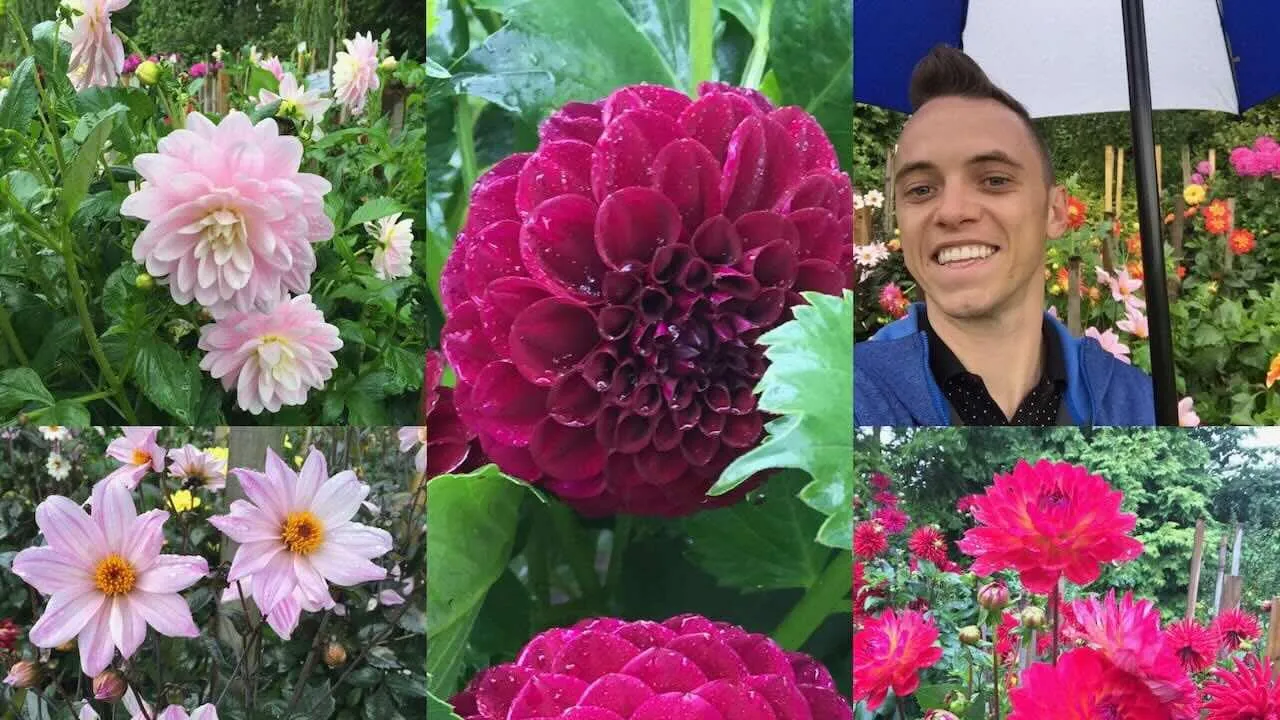
I’ll be honest, dahlias have a reputation for being a bit fussy, and in some ways, they are. They’re not the sort of plant you can stick in the ground and forget about, and often get ravaged by slugs or drought. But the payoff for a bit of extra care is absolutely spectacular, and once you understand their needs, they’re surprisingly straightforward to grow successfully. I’ve been growing dahlias professionally and in my own garden for over 20 years, and in that time, I’ve made all the mistakes so you don’t have to.
Jump To
This page contains affiliate links for products I use and love. If you take action (i.e. subscribe, make a purchase) after clicking a link, I may earn some gardening commission, which helps me keep the Garden Ninja Blog free for all.
Dahlias originated in Mexico, which immediately tells you something important about their preferences. They love warmth and hate frost. In the UK, this means treating them as tender perennials that need protection over winter, rather than hardy plants that can stay in the ground year-round.
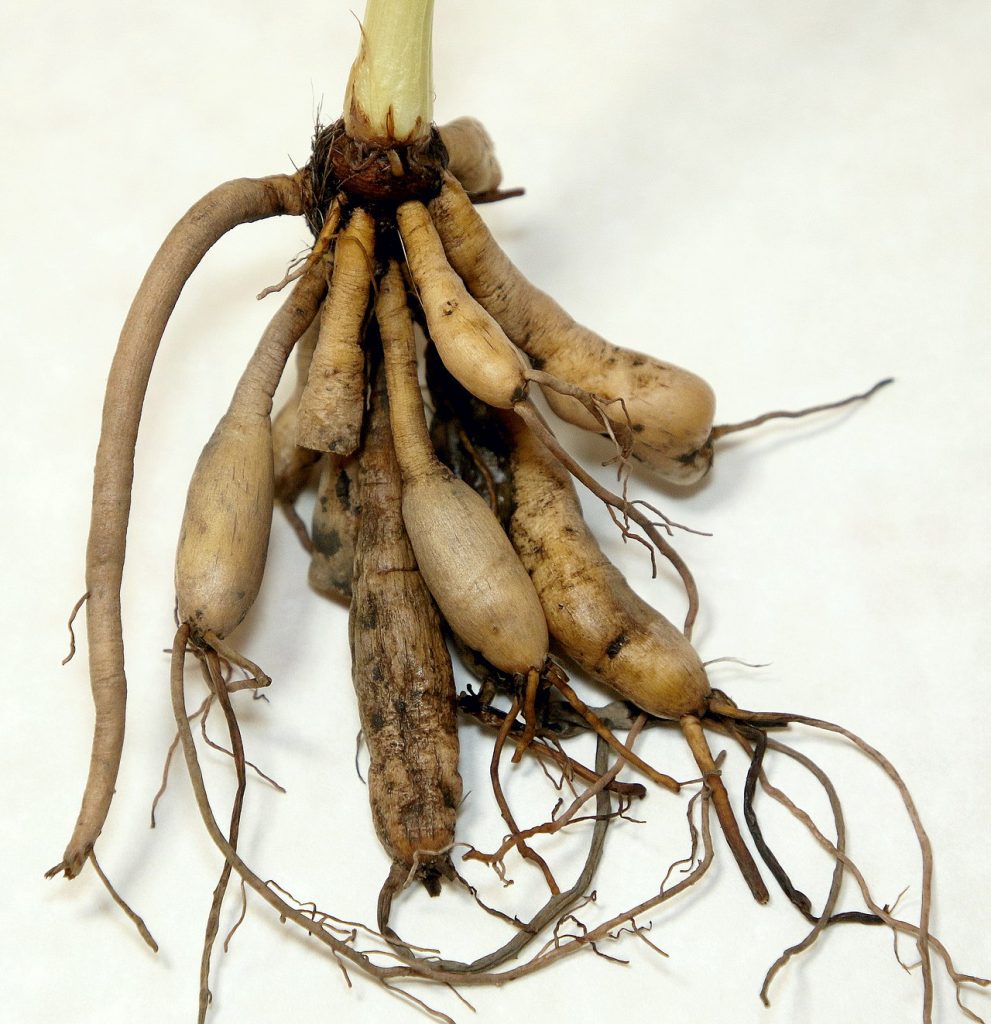
The “bulbs” you buy aren’t actually bulbs at all. They’re tubers, more like small potatoes with growing points called “eyes.” This distinction matters because it affects how you plant, store, and propagate them. A healthy tuber with at least one viable eye is everything. Without a growing eye, no amount of perfect conditions will produce a plant.
🛒 Buy Dahlia Tubers from Amazon UK
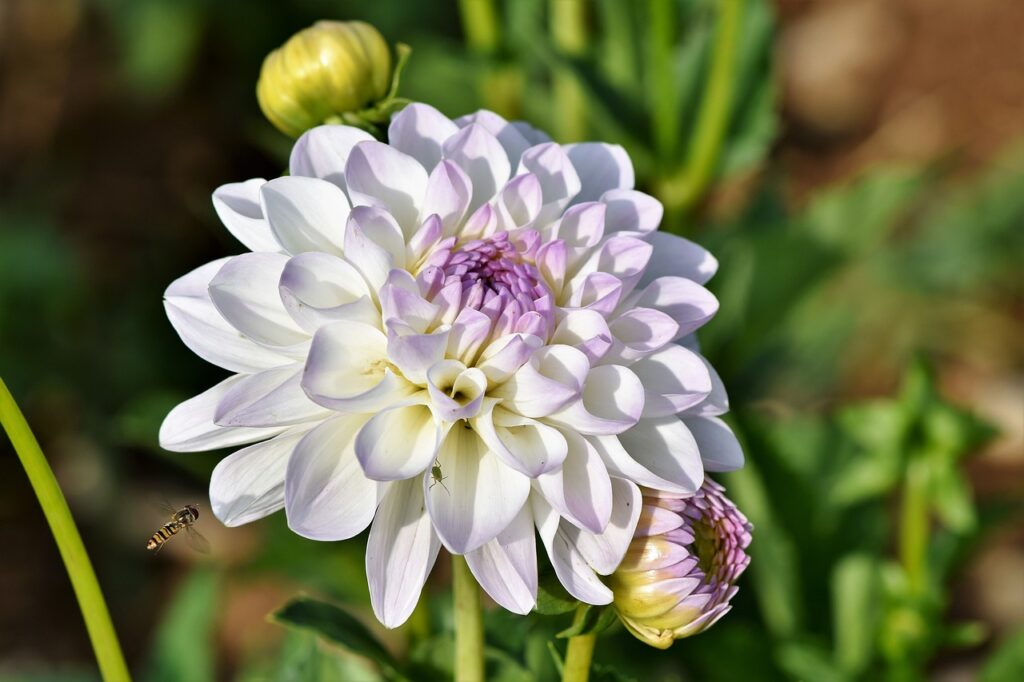
There are thousands of dahlia varieties, but they’re generally classified by flower form and size. Understanding the groups makes choosing far less overwhelming and helps you match the right plant to the right spot in your garden.
For beginners, I’d recommend starting with decorative or semi-double varieties in the 10 to 15cm flower size range. They’re reliable, forgiving, and still make a spectacular display without requiring the intensive staking that giant varieties need. For wildlife value, single and collerette types are far more accessible to bees than the fully double forms, so if you’re building a garden with biodiversity in mind, they’re worth including.
Before diving into the details, let’s establish the fundamentals. Get these right, and you’re already most of the way to spectacular results. Miss any one of them, and you’ll be fighting the plant all season.
Dahlias are completely intolerant of frost. Even a light touch will blacken foliage and kill plants instantly. In the UK this means a growing season from late May after the last frost until October or November when the first hard frost arrives. That’s roughly five to six months of active growth, which is plenty of time for a full and spectacular flowering cycle.
Dahlias are sun worshippers that produce their best displays in full sunlight. They’ll survive in partial shade but expect reduced flowering, weaker stems, and increased disease susceptibility. Morning sun is particularly important for drying dew from foliage and preventing the fungal problems that can devastate a dahlia display mid-season.
Waterlogged soil is the fastest way to kill dahlia tubers. They need moisture-retentive but free-draining conditions with plenty of organic matter. Heavy clay soils must be improved with grit and compost before planting, while sandy soils need organic matter to retain nutrients and moisture through the long growing season.
Those spectacular, large flowers and tall stems need shelter from battering winds. A location with natural protection from fences, hedges, or buildings is ideal. In exposed gardens, even compact varieties can suffer stem damage by August when the plant is carrying its full load of flowers. In very exposed situations, temporary windbreak netting is worth the effort.
Dahlias are notoriously hungry plants that respond dramatically to good nutrition. From planting through to first frost, they need regular feeding: initially with a balanced fertiliser to support establishment, then switching to high-potash feeds once the first buds appear. This switch is the single most impactful thing you can do to dramatically increase flower size and quantity.
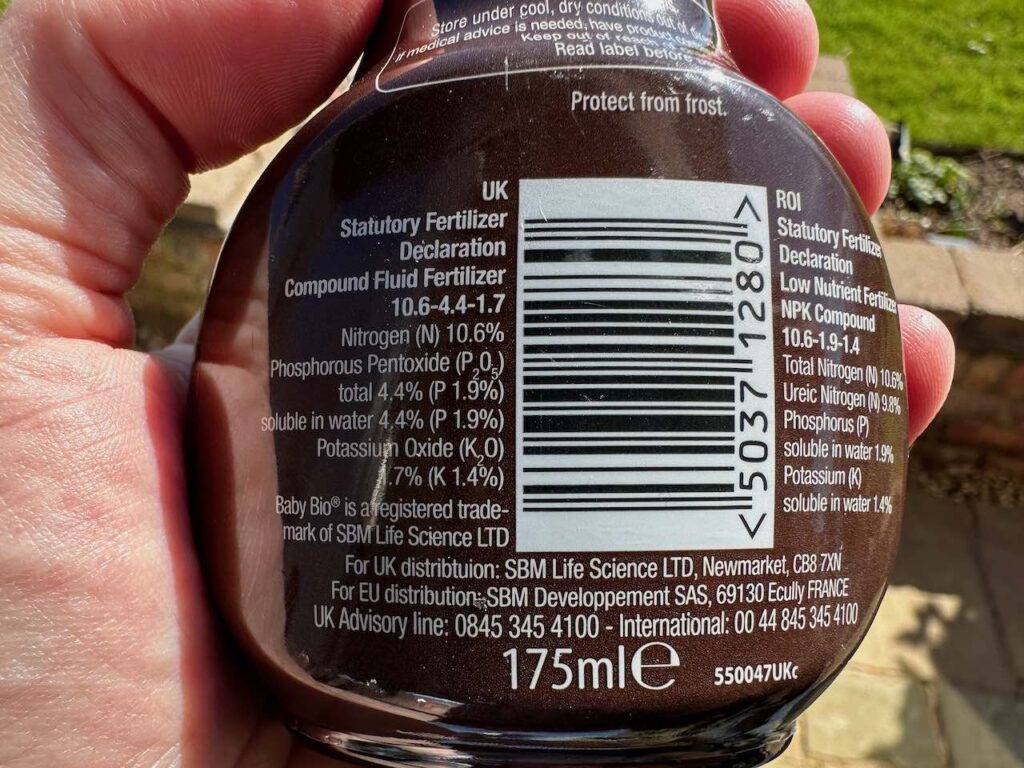
🛒 Buy High-Potash Tomato Fertiliser from Amazon UK
Most dahlia varieties begin flowering 8 to 12 weeks after planting, typically from mid-July onwards. Early varieties may start in late June, while slower types don’t hit their stride until August. This makes dahlias one of the fastest-flowering plants relative to their spectacular impact: you will see blooms in year one rather than waiting two or three years as you would with many herbaceous perennials grown from seed.
The duration of flowering is where dahlias really earn their reputation. They flower continuously from first blooms until killed by hard frost. In a typical UK season that means three to four months of non-stop colour from July or August through October or November. In mild autumns, they’ll push on into early December. At peak season, a single established tuber can produce two or three new flowers daily, with each bloom lasting four to seven days depending on conditions.
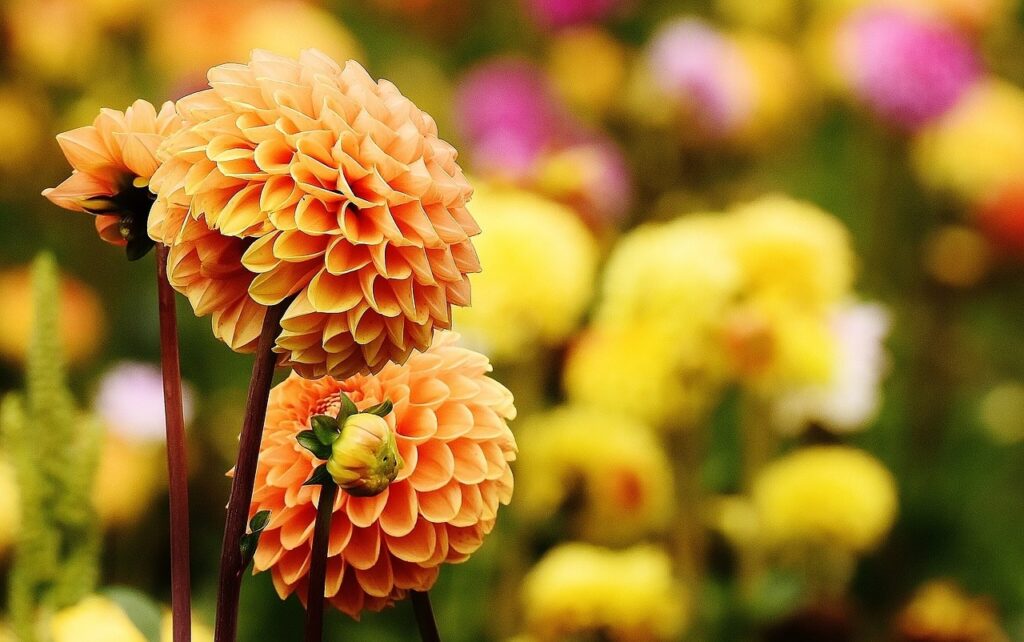
Variety selection is the first variable: some cultivars are naturally longer-flowering than others, and the RHS award winners (those with an AGM) are generally the most reliably prolific. Beyond variety, consistent deadheading is the single most impactful thing you can do to extend the season. Every spent flower left on the plant is energy that could have gone into the next bud. Feeding regime, weather conditions, and pest management all play a supporting role.
Timing is everything with dahlias. The golden rule is that they cannot tolerate any frost, so don’t plant outside until you’re confident the last frost has passed. In most of the UK this means late May to early June, though you might get away with mid-May in south-west England and sheltered coastal gardens. In the north and Scotland, early June is safer.
If you want to get a head start, begin tubers indoors in pots from March onwards, then transplant outside once temperatures are consistently above 10°C at night. This gives two to three weeks’ head start and noticeably earlier first flowers. Before planting, soaking tubers in tepid water for an hour helps rehydrate them after winter storage and gives a faster start.
Proper soil preparation makes the difference between adequate dahlias and show-stopping specimens. Start preparing your dahlia bed in autumn or early spring, well before planting time.
Dahlias prefer slightly acidic to neutral soil with a pH between 6.0 and 7.0. A simple soil test kit is worth the few pounds it costs. If your soil is more alkaline, incorporating generous amounts of well-rotted leaf mould or ericaceous compost will help bring the pH down over time.
This cannot be overstated. If water sits on the surface after heavy rain, you have a drainage problem that will kill tubers. Incorporate coarse grit, sharp sand, or perlite into heavy clay soils. In serious cases, create raised beds or mounded planting areas. Then dig in generous amounts of well-rotted manure or garden compost. A wheelbarrow load per square metre is not excessive for dahlias, which are among the most nutritionally demanding plants in the garden. Work the soil to a depth of at least 30cm, removing weeds, stones, and debris as you go.
🛒 Buy Well-Rotted Compost and Manure from Amazon UK
Before planting, examine your tubers carefully. Healthy tubers should be firm with visible growing points (eyes), which are small bumps or shoots on the crown where the old stems were. Discard any that are soft, mouldy, or obviously damaged. If they feel squishy or smell rotten, compost them immediately rather than hoping they’ll recover.
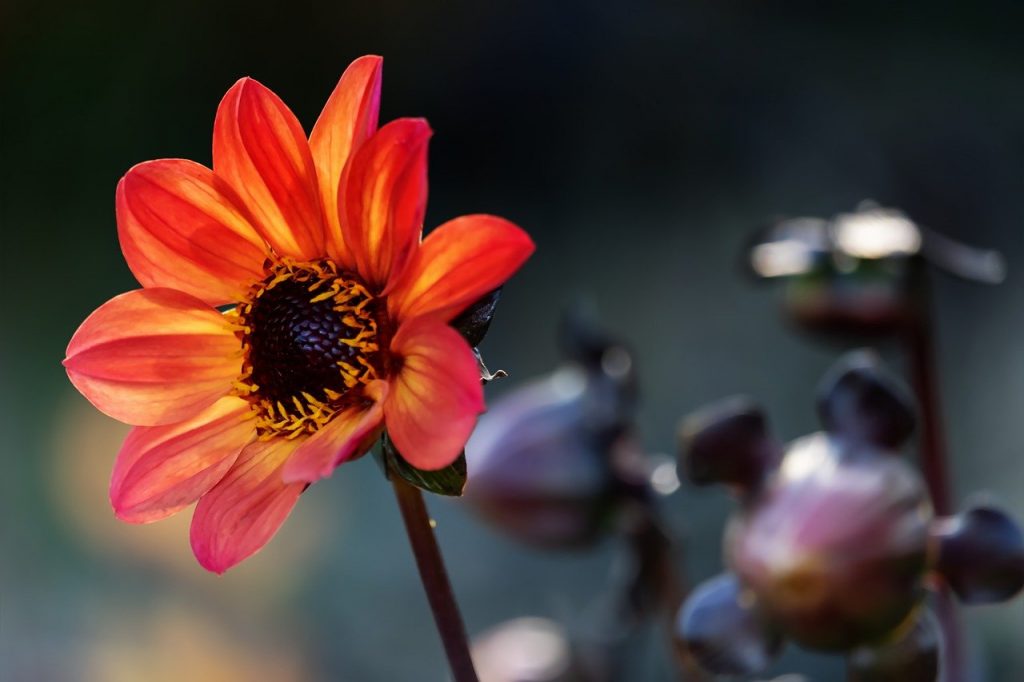
Start tubers in pots indoors four to six weeks before your intended outdoor planting date. Use multipurpose compost, plant with the crown just above soil level, and keep in a warm bright location. Water sparingly until growth appears, then increase gradually as shoots develop. This method gives noticeably earlier flowers and lets you check the tuber is viable before committing it to a border.
Wait until the soil has warmed and the last frost has passed. Dig holes 10 to 15cm deep and 30 to 60cm apart, depending on the variety size. Place tubers horizontally with the crown about 5cm below the soil surface. Cover with soil and water gently. Then leave it. Don’t be tempted to water again until you see shoots emerging: a freshly planted tuber in wet soil is at significant risk of rotting before it gets started.
Install stakes at planting time, before the dahlias establish. This is the advice I give every single client and forum member who asks about dahlias, because retrofitting support to a mature plant with an established root system almost always causes damage. Use sturdy canes or metal stakes at least 1.5m tall for medium to large varieties. Get them in now, tie in as the plant grows, and you’ll thank yourself in August.
🛒 Buy Garden Stakes and Plant Supports from Amazon UK
Once your dahlias are growing, the pace of development can genuinely surprise people. From a slow start in late spring, they accelerate quickly in warm weather, and by July, they need consistent attention to water, feed, and structure. This is what beginner gardeners sometimes find catches them off guard.
Young plants need regular watering to establish, but avoid overwatering before top growth appears as this causes tuber rot. Once established, water deeply but less frequently. This encourages deep root development rather than shallow roots that are vulnerable to drought. During hot dry spells in July and August, dahlias in the ground may need watering two or three times a week.
Start feeding two to three weeks after planting with a balanced fertiliser. Once flower buds appear, switch to a high-potash feed. Tomato fertiliser works brilliantly, as does liquid comfrey tea if you make your own. Feed every two weeks throughout the growing season without fail. This feeding switch from balanced to high-potash is the single change that makes the biggest difference to flower quality and quantity in my experience from designing and planting borders for clients.
Apply a 5cm layer of organic mulch around plants, keeping it away from the stems. This conserves moisture, suppresses weeds, and gradually improves soil structure as it decomposes. A well-mulched dahlia bed needs significantly less watering through a dry August.
Pinching Out: When plants reach about 40cm tall, pinch out the growing tip to encourage bushier growth and more flowering stems. This may delay first blooms by a week or two but the overall flower count through the season is substantially higher. Don’t skip this step.
Deadheading: Remove spent flowers regularly to encourage continuous blooming. Cut back to the first pair of leaves or side shoots. This prevents energy going into seed production and keeps plants flowering until frost. Consistent deadheading can extend your flowering season by four to six weeks compared to plants that are left undeadheaded.
Disbudding: For larger flowers, remove side buds, leaving only the terminal bud on each stem. This concentrates energy into fewer, larger blooms. It may feel counterintuitive but it’s exactly the technique used by exhibitors and anyone growing dahlias for cutting who wants stems with real impact in the vase.
Side Shooting: Remove shoots growing from leaf joints to maintain plant shape and direct energy into main stems and flowers. It’s similar to pinching out tomatoes and for the same reasons: better airflow, more energy to the flowers you want, and a cleaner plant overall.
Pest Management: Watch for aphids, slugs, earwigs, and red spider mites. Aphids are the most common problem: blast them off with water or use insecticidal soap. Slug damage is worst on young growth. Use your preferred slug control method from the moment you plant.
💡 Top Tip
Put slug protection in place before the tubers even emerge. Young dahlia shoots are irresistible to slugs and a newly emerged plant can be stripped overnight. Copper tape around pots, wildlife-friendly pellets, or beer traps placed around the planting area in May will save you a lot of frustration later.
🛒 Buy Organic Slug Pellets from Amazon UK
I answer dozens of questions about dahlias on the forum every summer and the same issues come up repeatedly. Here’s what’s most likely going wrong and what to do about it.
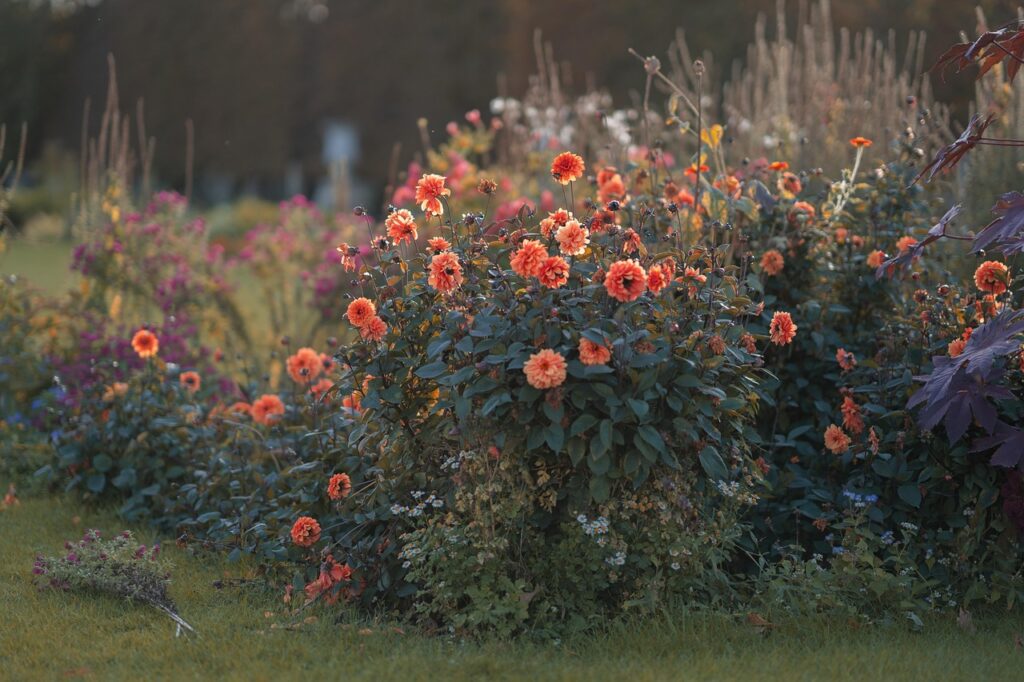
Usually caused by insufficient light, over-feeding with nitrogen, or plants that are too young to have built up a strong tuber. Ensure six-plus hours of daily sun and use high-potash fertiliser once buds appear. Avoid general-purpose fertilisers with high nitrogen once the plant is established. Tomato feed or liquid comfrey tea are the right tools from bud stage onwards.
Often indicates insufficient light, over-rich soil with too much nitrogen, or inadequate support installed too late. Ensure adequate staking and avoid high-nitrogen feeds once the plant is in growth. A plant that has stretched towards limited light will always be weaker-stemmed than one grown in full sun.
Can indicate poor drainage, compacted soil, or pest damage below ground. Check that tubers aren’t sitting in waterlogged conditions. Vine weevil larvae can also damage tubers in containers, producing sudden collapse of an otherwise healthy-looking plant.
Normal on lower leaves as the season progresses and the plant redirects energy upwards. Extensive yellowing on multiple levels can indicate overwatering, poor drainage, or viral infection. If the pattern is general rather than confined to lower leaves and progressing, remove affected foliage and consider whether drainage is adequate.
These pests love dahlia shoots, particularly when they first emerge. Use organic slug pellets, beer traps, or encourage natural predators like frogs, hedgehogs, and ground beetles. The critical window is from emergence to when the stem has toughened at around 30cm tall. After that, slugs are a nuisance rather than an existential threat.
These are my top recommendations based on reliability, ease of growth, garden performance, and whether they hold an RHS Award of Garden Merit, which is the most useful indicator of consistent performance in UK conditions.
🛒 Buy Mixed Dahlia Tubers from Amazon UK
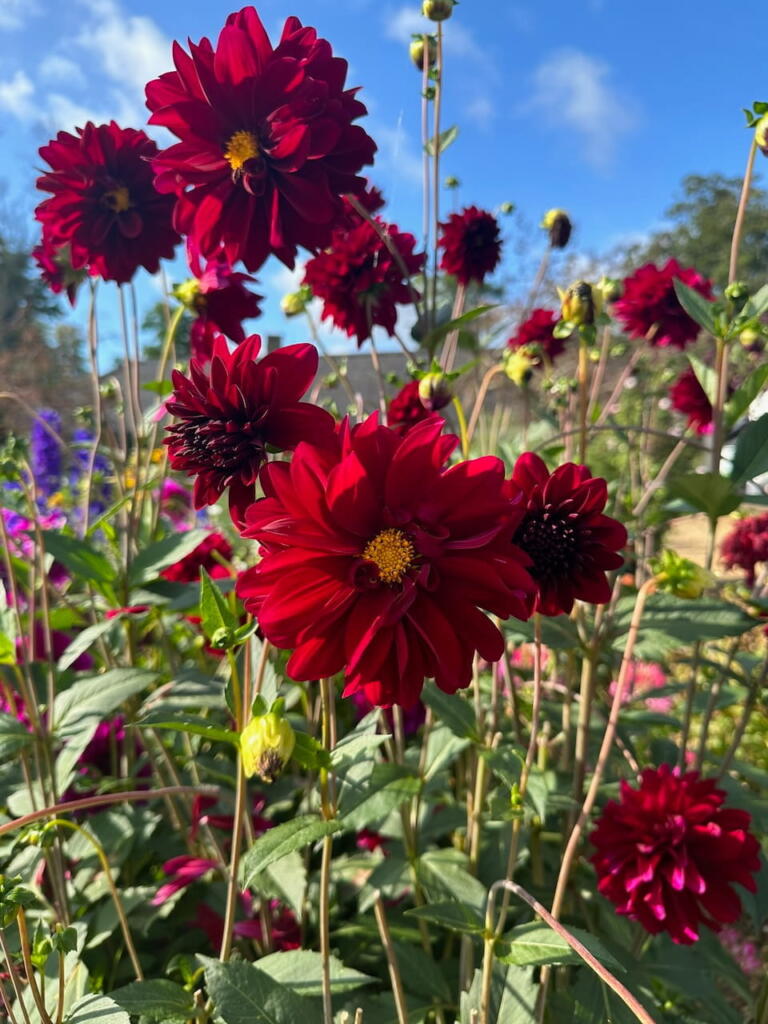
Container growing is one of the questions I get asked most on the forum, and for good reason. Growing dahlias in pots opens up the plant to balcony gardeners, renters, and anyone who wants spectacular late summer colour without committing a whole border to it. I’ve grown dahlias in containers for years and the results can be every bit as impressive as border-grown plants, provided you understand where the challenges lie and how to work around them.
Pot size is where most people go wrong with container dahlias, and it’s worth being direct: bigger is always better. The tubers need room to expand and the root system needs depth to anchor what can become a substantial plant by August. My minimum recommendations are a 40cm diameter and 40cm depth for compact dwarf varieties like Gallery or Labella series, and 50 to 60cm for anything in the medium range. For dinner plate varieties, nothing smaller than 60cm in any dimension.
Drainage holes are not optional. A waterlogged pot will rot tubers faster than almost any other problem. If you’re using a decorative pot without drainage, double-pot by dropping a plastic container with holes inside the decorative outer one. Raise pots on feet or bricks to ensure water flows freely from the base rather than pooling underneath.
💡 Top Tip
When in doubt about pot size, go one size up. A dahlia in a slightly too-large pot will thrive. A dahlia in a pot that’s too small will stall, produce few flowers, and dry out constantly. The cost of a larger pot is trivial compared to the frustration of a disappointing plant all summer.
Garden soil is the wrong choice for dahlia containers. It compacts, can introduce pests and disease, and drains poorly. Instead, use a quality peat-free multipurpose compost as your base. Mix in around 20% perlite or horticultural grit to improve drainage and aeration, because dahlia roots need oxygen as well as moisture.
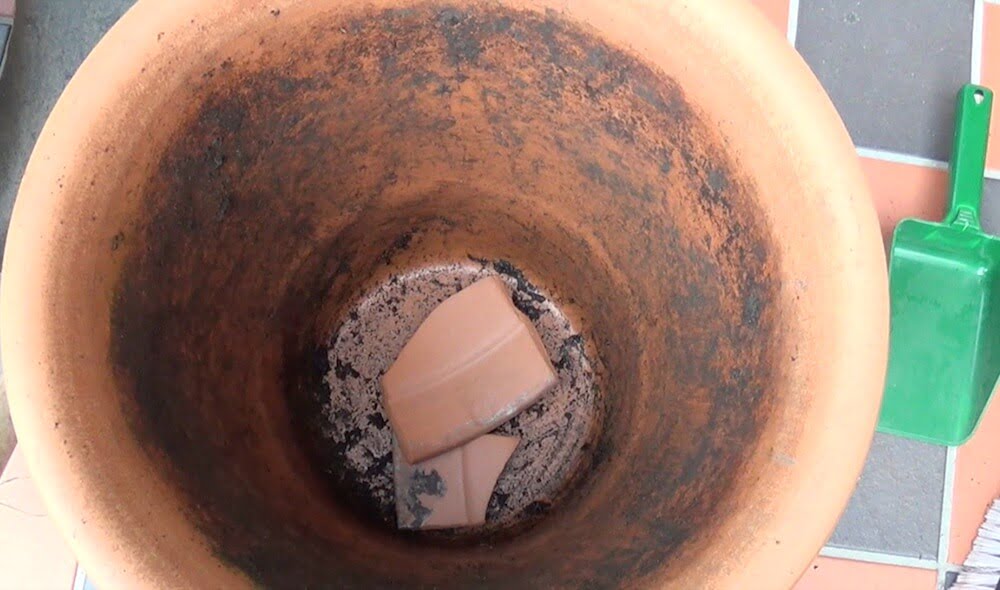
Add a layer of crocks, gravel, or broken pot shards to the base before filling. Then mix slow-release fertiliser granules into the top two thirds of the compost at the recommended rate. This gives the tuber a steady nutrient supply as it establishes without the risk of concentrated burning.
🛒 Buy Peat-Free Compost and Perlite from Amazon UK
Plant the tuber with the crown sitting approximately 5cm below the finished compost surface, growing eyes pointing upwards. Water gently after planting then hold back until the first shoots appear. Overwatering a freshly planted tuber before it has any top growth is one of the most reliable ways to cause rot.
Staking in a container is trickier than in open ground because canes can work loose in compost. Install your stake at planting time, pushing it to the base of the pot for maximum anchorage. For larger varieties, use three canes in a triangle with a string between them. Check and adjust ties every two weeks as the plant grows. A tie that fitted perfectly in June can be cutting into a thickened stem by August if ignored.
This is where container dahlias demand the most attention. A pot dries out far faster than open ground, and in a July or August heatwave, a large container can need watering daily, sometimes twice. The test is simple: push your finger 3 to 4cm into the compost. If it feels dry at that depth, water thoroughly until it runs from the drainage holes. If still moist, leave it.
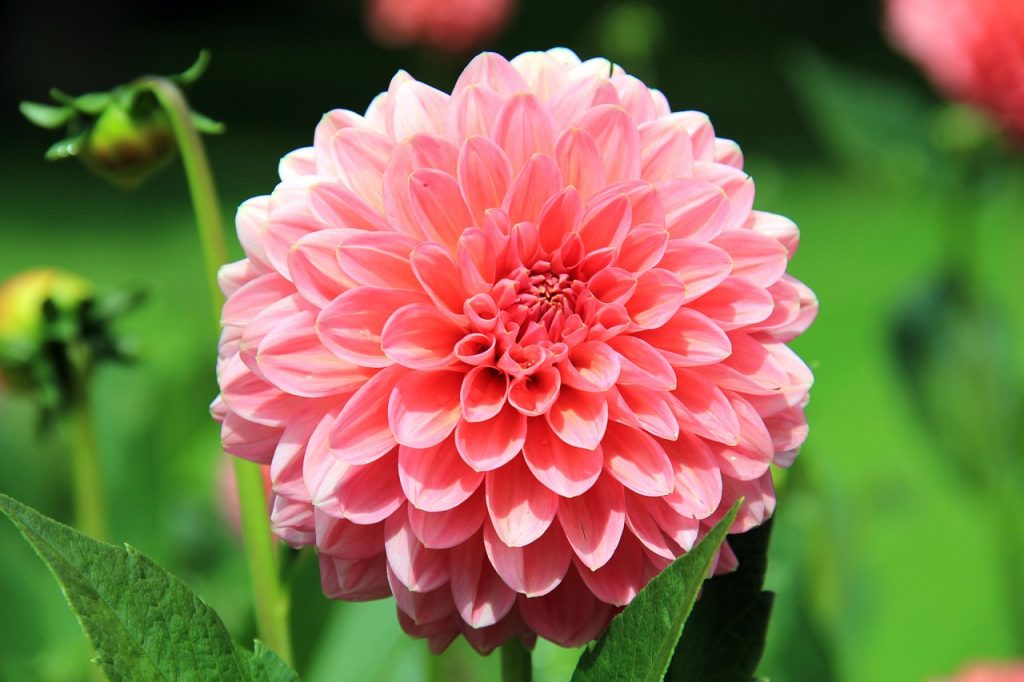
Feeding is more critical in containers than borders because nutrients wash out with each watering. Even with slow-release granules at planting, start liquid feeding every 10 to 14 days from June. Once the first flower buds form, switch to a high-potash feed. If you’re going away for more than a few days in summer, water deeply, move the pot into light shade, and ask a neighbour to water daily. A simple drip irrigation timer is a worthwhile investment if summer holidays are planned.
🛒 Buy Dahlia Tubers for Containers from Amazon UK
Containers give you a genuine advantage over border dahlias here: you can move the whole pot to a frost-free location rather than lifting and storing. After the first frost blackens the foliage, cut stems down to 15cm, move the pot into an unheated greenhouse, garage, or shed, and stop watering almost entirely. Just a small amount every four to six weeks prevents complete desiccation.
The better approach for valuable or large tuber clumps is to lift and store them properly. Tip the pot out in autumn, separate the tuber clump from the compost, dry for a week in a frost-free shed, then store in slightly damp vermiculite. This gives a clean start in spring in fresh compost, which container dahlias respond to significantly better than a second season in a depleted mix.
⚠️ Important
Do not leave container dahlias outside over winter in the UK, even in mild areas, unless the pot is in a very sheltered south-facing position. The combination of wet compost and frost kills tubers in pots far more reliably than the same conditions in open ground, because containers offer no insulating depth of soil around the tuber.
This is where many beginners come unstuck, but it’s straightforward once you understand the process. In most of the UK, dahlia tubers must be lifted and stored over winter. Only in the very mildest, most sheltered coastal spots in the south-west can you risk leaving them in the ground, and even then, a deep mulch is essential.
When to Lift: Wait until the first hard frost blackens the foliage, usually in October or November. Don’t rush: tubers continue developing until foliage dies back naturally, and lifting too early gives you smaller tubers with less energy stored for next season.
Cut stems down to 15cm above ground level, then carefully dig around the clump with a fork, starting 30cm away from the stems. Lift the entire clump, preserving as many tubers as possible. Gently shake off excess soil but don’t wash or scrub. Allow to dry in a sunny, well-ventilated place for one to two weeks.
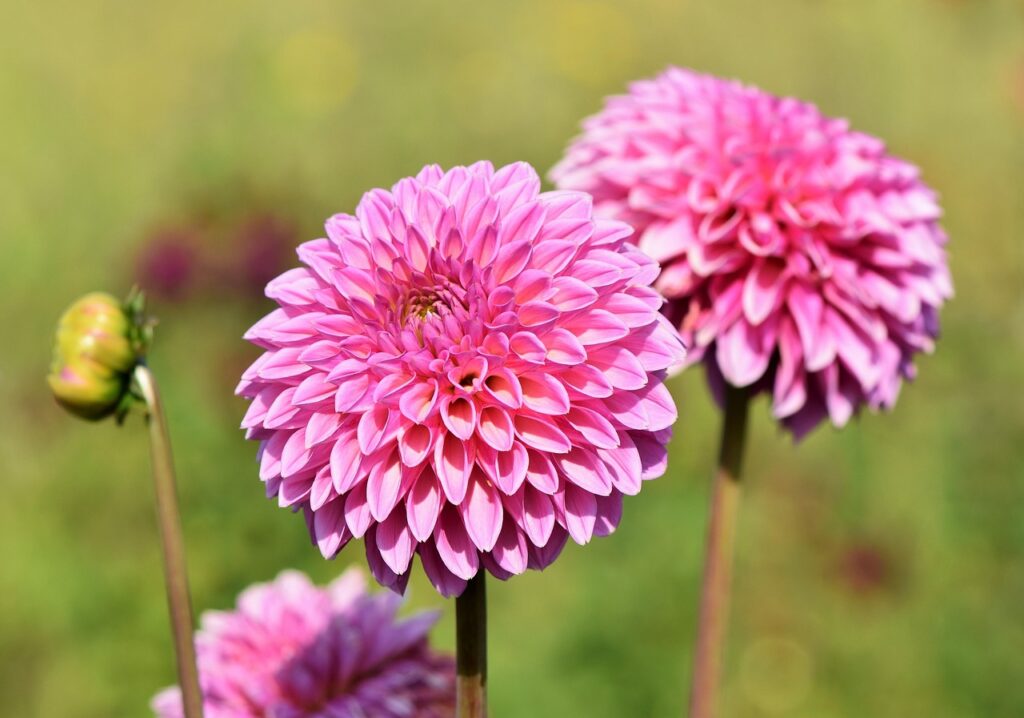
Preparing for Storage: Once dried, remove any remaining soil with a soft brush. Inspect each tuber, discarding any that are soft or showing signs of rot. Store in wooden boxes or paper sacks filled with slightly moist vermiculite or wood shavings. The medium should be barely damp, not wet or bone dry. Store at 5 to 10°C in a frost-free shed or garage. Inspect monthly through winter and remove any rotting tubers immediately.
🛒 Buy Horticultural Vermiculite for Tuber Storage from Amazon UK
In late February or March, check stored tubers and remove them from the storage material. Look for small shoots or swelling buds as signs that growth is ready to begin. Clean off storage material, inspect for damage, cut away any soft or rotten portions with a clean sharp knife, and dust cut surfaces with fungicide if available.
Place tubers in shallow trays of moist multipurpose compost with growing points just above surface level. Keep in a warm, bright location at 15 to 20°C and water sparingly until shoots appear. Once shoots are 10 to 15cm tall and outdoor temperatures are warming, begin hardening off by gradually exposing to outdoor conditions over seven to ten days before final planting.
Dahlias come in every colour except true blue, which gives you enormous scope for planting schemes. Hot colours (reds, oranges, and deep yellows) work powerfully together in late summer light. Cool combinations of pinks, purples, and whites suit a more relaxed cottage garden feel. The most common mistake I see is mixing too many varieties too randomly, which produces a restless, unfocused display. Three or four well-chosen varieties in a considered colour palette will always look more impressive than a dozen varieties in every colour.
Plant tall varieties at the back of borders, medium in the middle, and compact varieties at the front. Dahlias pair beautifully with late summer perennials like rudbeckia, asters, and ornamental grasses, and annuals like cosmos, zinnias, and marigolds extend the colour theme forwards into summer when the dahlias are still establishing. If you’re growing primarily for cutting, consider a dedicated cutting bed where you can plant in rows for easy access and maintenance.
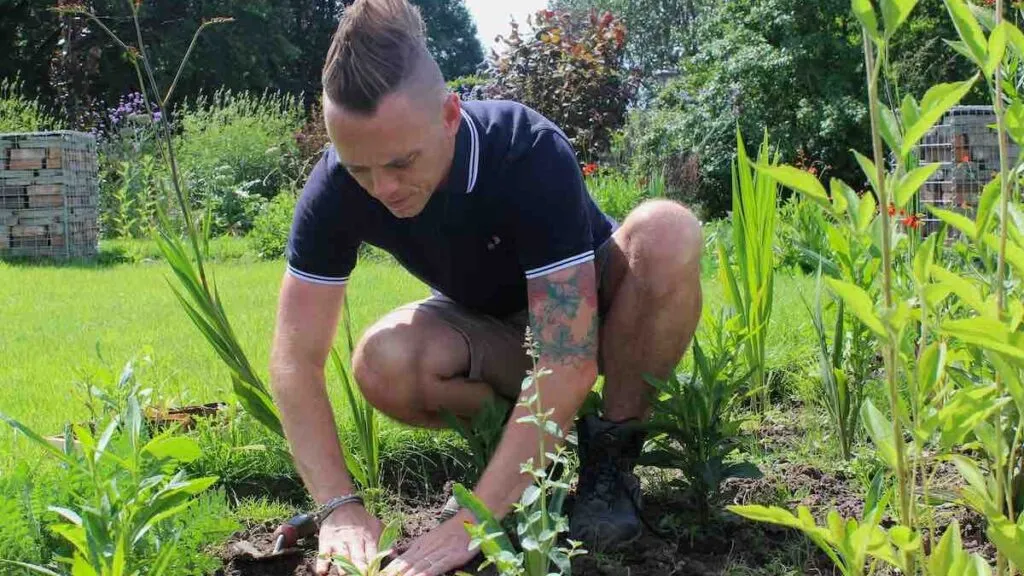
Plant dahlia tubers outdoors after the last frost has passed, which is late May to early June for most of the UK. You can start them indoors in pots from March onwards to get a head start, then transplant outside once overnight temperatures are consistently above 10°C. In the south-west you might get away with mid-May; in Scotland and the north, early June is safer.
Yes, if the tubers are lifted and stored correctly over winter. Dahlias are tender perennials, which means they can live for many years but cannot survive frost in the ground in most UK gardens. Lift the tubers after the first hard frost in autumn, store in frost-free conditions over winter, and replant the following spring. Left in the ground over a UK winter, tubers will almost certainly be killed by frost and wet.
Absolutely. Container growing is excellent for balconies, patios, and smaller gardens. The key rules are to use a large pot (minimum 40cm diameter and depth for dwarf varieties, 50 to 60cm for medium), use peat-free compost mixed with perlite, water daily in summer, and switch to high-potash liquid feed once buds appear. Choose compact varieties like Gallery, Labella, or Labyrinth for the best results in containers.
The most common reasons are insufficient sunlight (dahlias need six to eight hours daily), feeding with too much nitrogen rather than switching to high-potash once buds appear, or plants that are too young or were planted in cold wet soil. Ensure your dahlias are in full sun, switch to tomato fertiliser at bud stage, and make sure the soil or compost is well-draining and warm before planting.
Stake at planting time, before the dahlias get established. This is the most important staking advice I give. Use canes or metal stakes at least 1.5m tall for medium to large varieties, and tie in regularly as the plant grows using soft jute twine. Trying to retrofit supports to a mature plant risks root damage and the plant will continue to lean. For containers, use a triangle of three canes for better stability than a single central stake.
Wait until the first hard frost blackens the foliage, usually October or November depending on where you are in the UK. Don’t lift too early: tubers continue developing right until the foliage dies and early lifting gives you smaller, less vigorous tubers for next season. Cut stems to 15cm, lift carefully with a fork, and dry in a frost-free shed for one to two weeks before storing in slightly damp vermiculite.
A balanced fertiliser for the first few weeks after planting, then a switch to high-potash feed once the first buds appear. Tomato fertiliser works brilliantly and is widely available. Liquid comfrey tea is an excellent homemade alternative. Avoid high-nitrogen feeds once the plant is in growth as these promote lush green foliage at the expense of flowers.
Ready to elevate your gardening beyond basic tasks? My comprehensive online courses provide the expertise to transform you from enthusiastic beginner to confident garden creator.
With courses starting from just £29, you gain access to award-winning design knowledge.
For the garden you’ve already got, not the one you’re starting from scratch. Seven checklists and video lessons from BBC Garden Rescue’s Lee Burkhill, built to help you work out what’s worth keeping before you spend a penny.
Garden Design Examples for Small Gardens: 30 Design Templates & Planting Plans: In this online gardening course, I’ll walk you through 30 fantastic garden designs, explaining the logic behind the layout, the plant choices, and take-home tips for applying them in your own garden.
Learn how to transform and design your own garden with Lee Burkhills crash course in garden design. Over 5 hours Lee will teach you how to design your own dream garden. Featuring practical design examples, planting ideas and video guides. Learn how to design your garden in one weekend!
Garden Design for Beginners Online Course: If you want to make the career jump to becoming a garden designer or to learn how to design your own garden, this is the beginner course for you. Join me, Lee Burkhill, an award-winning garden designer, as I train you in the art of beautiful garden design.
Dahlias reward every bit of attention you give them. Get the fundamentals right: frost-free planting, full sun, well-drained, fertile soil, consistent feeding, and proper winter storage. Do that, and you’ll have one of the most spectacular displays in the garden from July through to the frosts.
Start with reliable, compact varieties if you’re new to them. Grow in containers if you’re short on space. Stake early, deadhead consistently, and make that switch to high-potash feed the moment you see the first buds. Those three habits alone will transform your results.
Each season brings new varieties to try and new combinations to explore. Once you’ve grown dahlias successfully, you’ll wonder how the late summer garden ever managed without them.
Happy Gardening, Ninjas!



Lee Burkhill, known as the Garden Ninja, is an award-winning garden designer and horticulturist with over 30 years of gardening experience and 15 years as a professional garden designer. A qualified RHS (Royal Horticultural Society) professional, Lee specialises in sustainable garden design and practical horticultural advice. He designs and presents on BBC1’s Garden Rescue and in leading gardening publications. Lee combines three decades of hands-on gardening knowledge with professional design qualifications to help gardeners create beautiful, functional outdoor spaces.
View all posts by Lee Burkhill







JOIN THE NINJAS
Be the first in line for new Guides, Discount codes and Offers