25 Best Plants to Grow from Seed for Beginners: UK Guide
Lee Burkhill: Award Winning Designer & BBC 1's Garden Rescue Presenters Official Blog
Beginner level
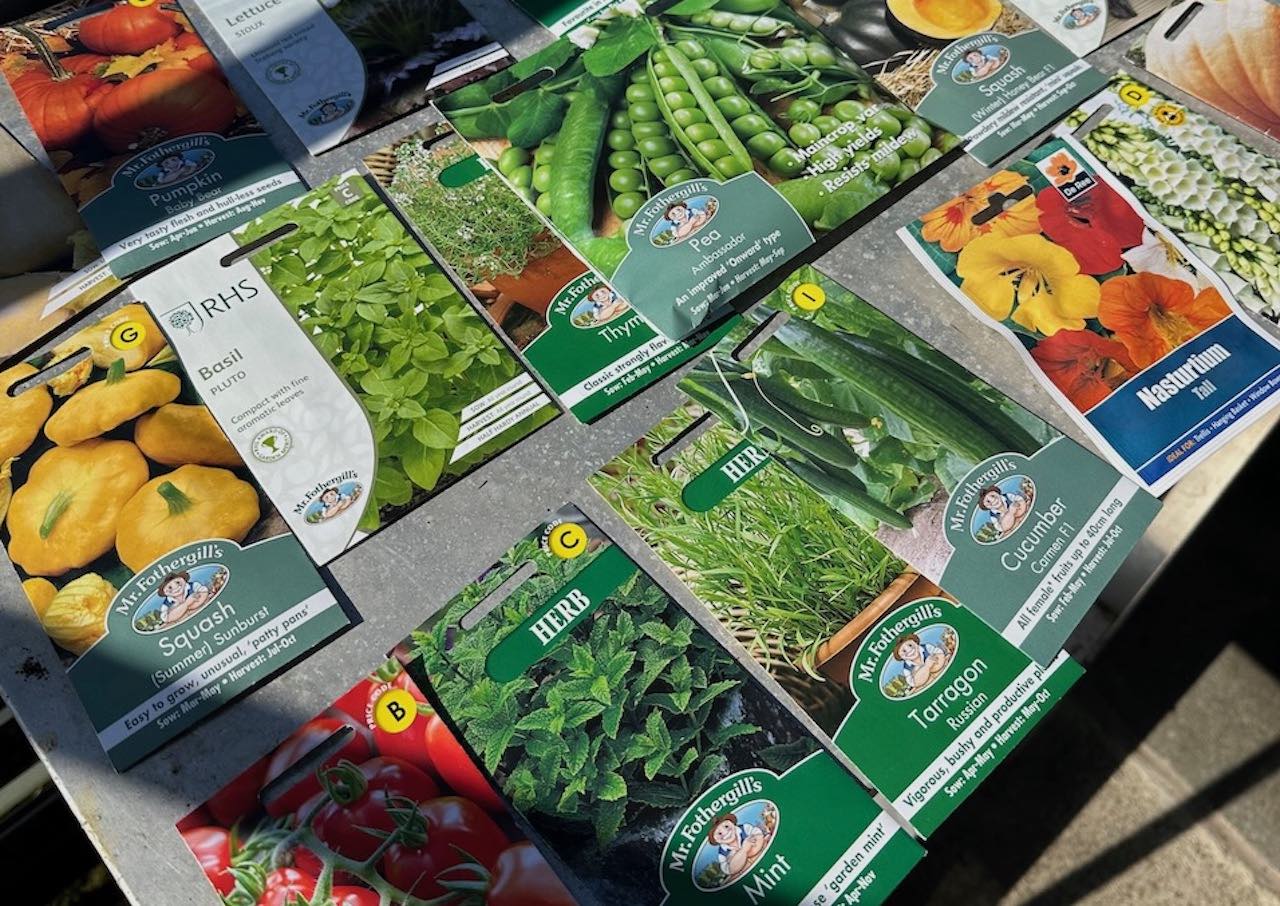
Growing plants from seed is the best way to learn how to garden, even as an absolute beginner. Best of all its easier than you think! By growing seeds into plants, you'll become far more aware of how your plants need to be treated, when to water them, and, almost instinctively, what they need. In contrast, buying them pre-grown in pots can leave you scratching your head. This beginner's guide shows you the easiest plants to grow from seed to start your gardening journey!
Once you’ve grown a few plants from seed, you suddenly open up your gardening skills. That knowledge builds quickly and sticks because you earned it by putting in the effort to really understand your plants. There is also the cost saving from growing your own. A single packet of seeds for a pound or two contains enough potential to fill a garden several times over. If something goes wrong, you sow again. The deal seeds offer a beginner one of the most generous in all of gardening.
Quick Answer
The best plants to grow from seed as a beginner are sunflowers, nasturtiums, radishes, runner beans, and sweet peas. These are fast to germinate, forgiving of beginner mistakes, and genuinely rewarding. You need very little equipment and no previous experience. A windowsill, a bag of seed compost, and a few packets of seeds are all it takes to get started.
The 25 plants below are my selection for complete beginners, drawn from decades of professional gardening and design. They are fast, forgiving, and genuinely rewarding. Every one of them wants to grow. Your job is simply not to stop them.
1. Why grow plants from seed? The magic of starting from scratch
I remember the first time I sowed a seed as a child and watched it push through the compost a week or so later at my grandads house. It sounds simple, perhaps even trivial, but it’s pure plant magic. You have taken something smaller than your thumbnail, given it warmth, water, and a little care, and it has rewarded you by then growing into a plant. That moment never gets stale, even after twenty years of doing it professionally.
I know from the hundreds of questions I answer on the forum that starting a garden for the first time feels overwhelming. Where do you begin? What tools do you need? Will you kill everything? The brilliant thing about seeds is that they strip all of that anxiety away. You are not investing in a mature plant that costs fifteen or twenty pounds and could die on you. A packet of seeds costs a pound or two and contains enough potential to fill a garden several times over. If something goes wrong, you sow again. That is the deal, and it is a very generous one.
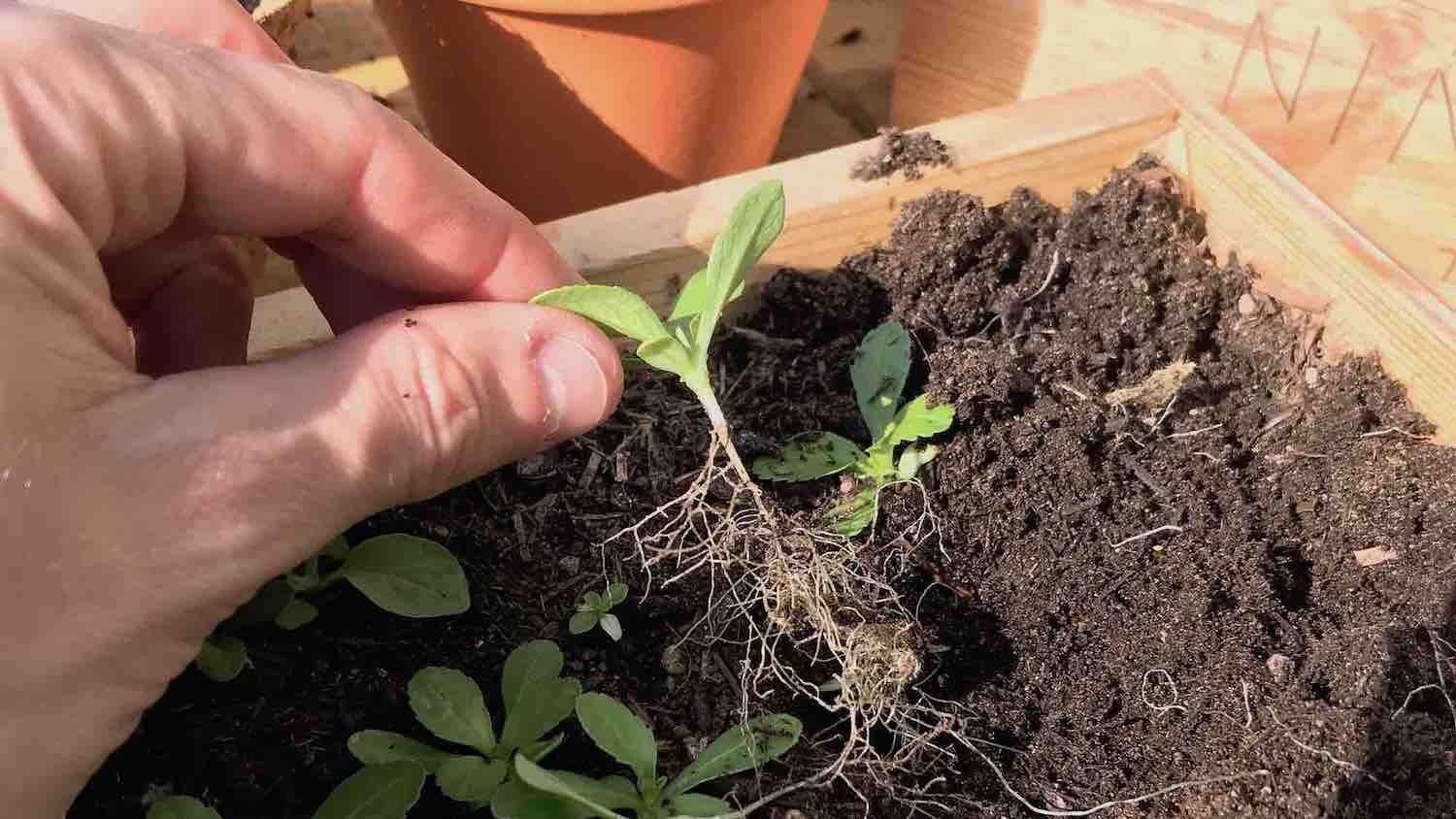
Growing from seed also teaches you things that buying a plant in a pot never can. You learn what a seedling actually looks like, which means you stop pulling up things you want and leaving things you do not. You understand germination temperatures, watering, potting on, and hardening off.
These skills stack up quickly, and before you know it, you are a gardener who genuinely knows their plants rather than someone who just buys them. That knowledge is worth far more than any plant you could put in a border.
The 25 plants I have chosen for this guide are specifically selected for complete beginners. They are fast, forgiving, rewarding, and in most cases cost-effective in a way that will make you wonder why you ever spent money at a garden centre. I have grown every single one of them over the course of my career and in my own garden, and they all share the same quality: they want to grow. Your job is simply not to stop them.
2. What you need to get started growing from seed
Before we get into the plants themselves, let us talk about what you actually need. The good news is that it is very little. You do not need a greenhouse, a propagator, or a potting shed. A windowsill facing south or west will do the job perfectly for most of the plants on this list from late February through to May.
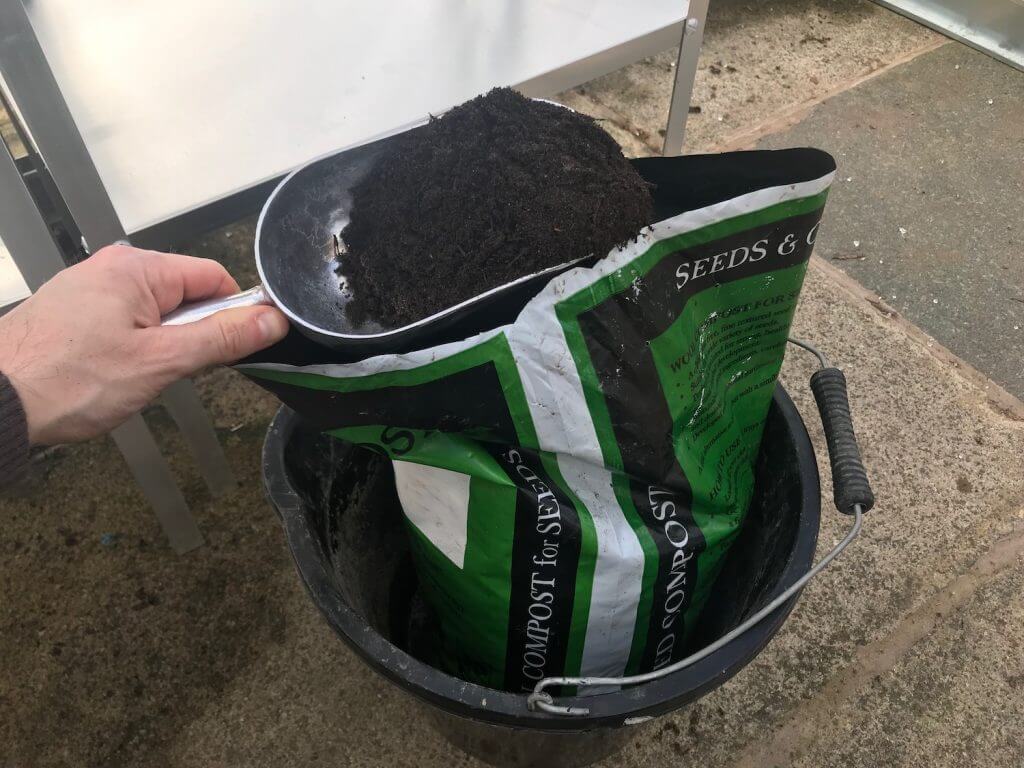
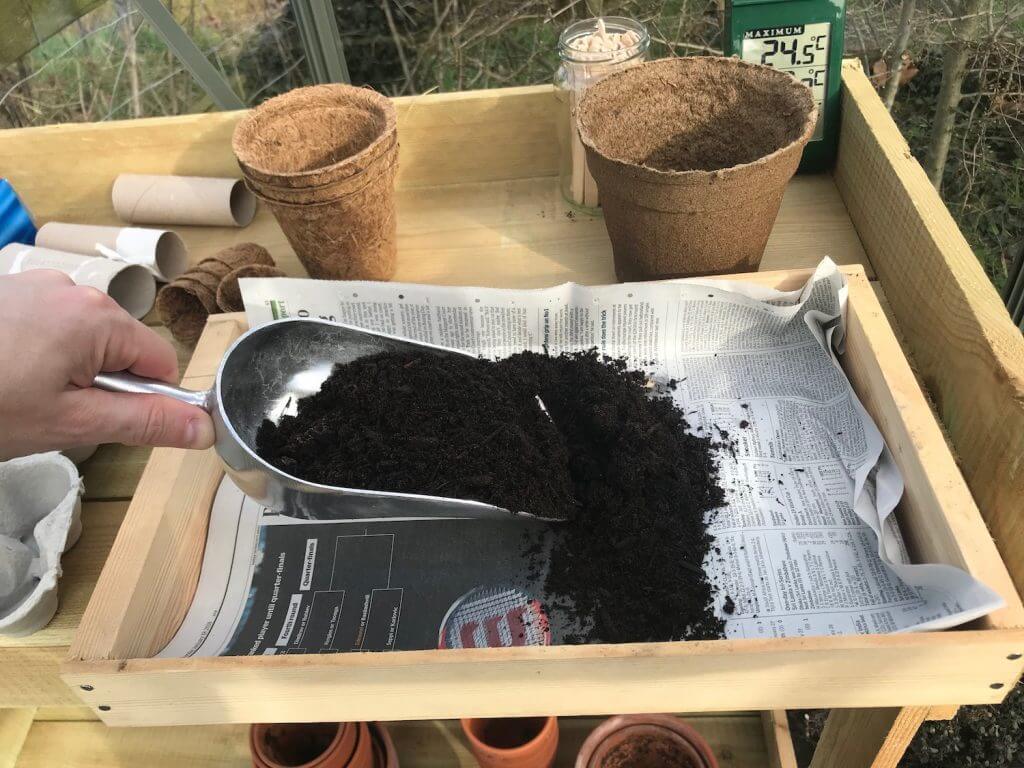
The single most important investment you can make is in a dedicated seed compost rather than general purpose multipurpose. Seed compost is lower in nutrients (seeds carry their own food supply until they germinate) and has a finer texture that allows delicate roots to push through easily. My long-term recommendation is Dalefoot Wool Compost for seeds, which is peat-free, UK-produced, and genuinely brilliant for germination.
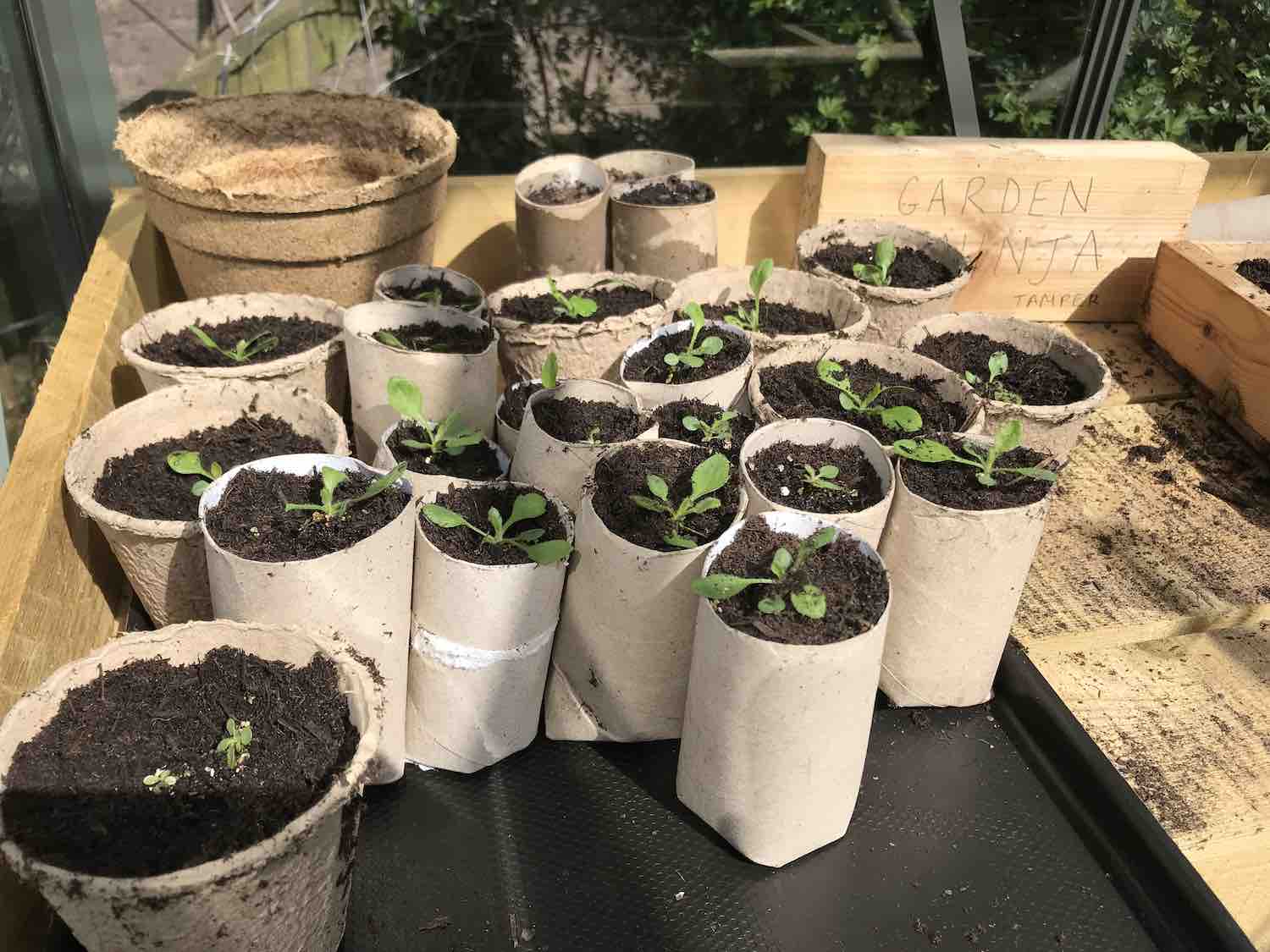
Beyond compost you need some containers. Seed trays are the most practical option for sowing large quantities, while small individual pots or modular cell trays work beautifully for larger seeds like beans and courgettes that you want to sow one per cell.
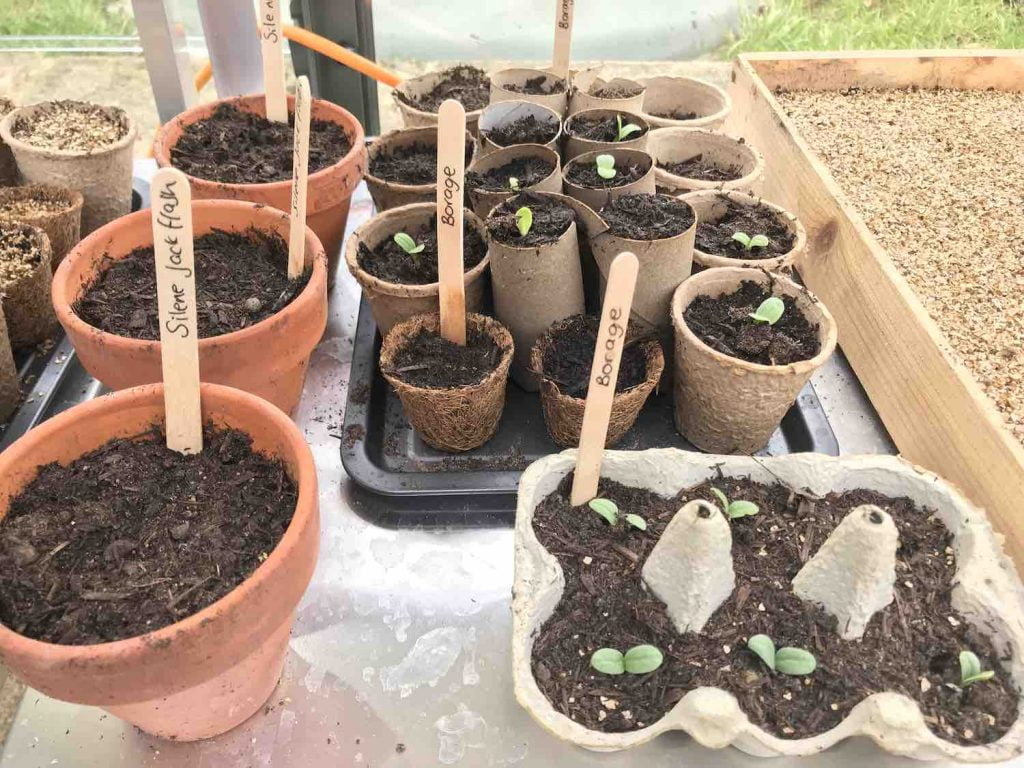
Labels are not optional. I have learned this the hard way more times than I care to admit. In the early weeks of spring, your potting bench will be covered in seedlings that look almost identical, and without a label, you will genuinely have no idea what is what.
A simple pencil on a plastic label is the most reliable system. A pencil does not fade in the sun or wash off in rain, unlike a permanent marker, which people use all the time and then deeply regret. Though lolly sticks or even recycled plastic containers cut into strips work, so use your innovation to help recycle!
Water seed trays from below rather than above. Place the tray in a shallow dish of water and allow it to soak up from the bottom for 20 minutes, then drain. This avoids washing seeds to one corner of the tray and prevents the damping-off disease that kills so many beginner seedlings.
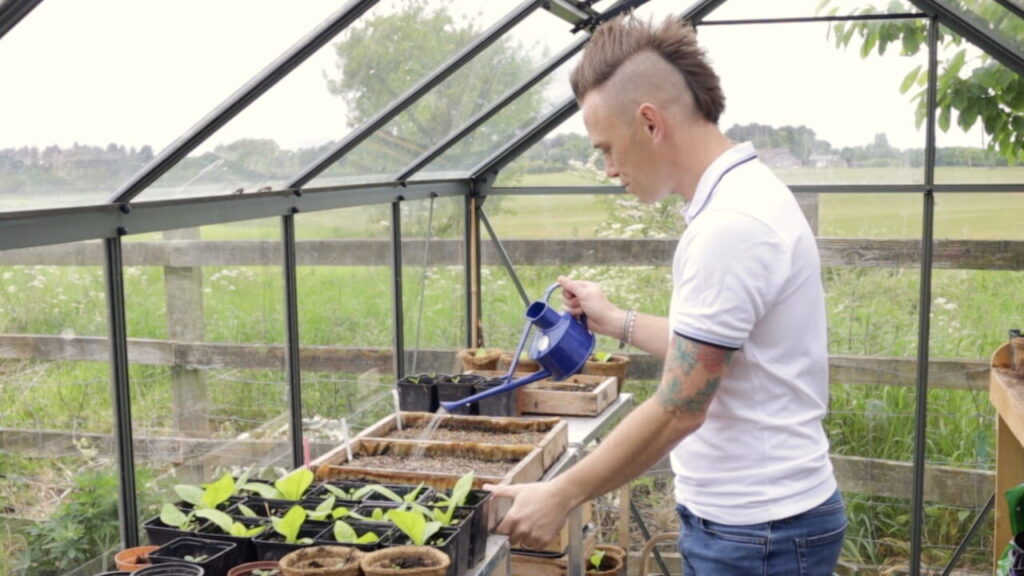
A watering can with a fine rose head is the other piece of kit worth getting early on. A forceful jet of water from a tap will disturb seeds and flatten fragile seedlings. A gentle rose delivers an even mist that settles the compost without causing damage.
That is genuinely all you need. Compost, containers, labels, a watering can, and the seeds themselves. Everything else is optional. Now, let us talk about the plants Ninjas!
3. Sunflower (Helianthus annuus)
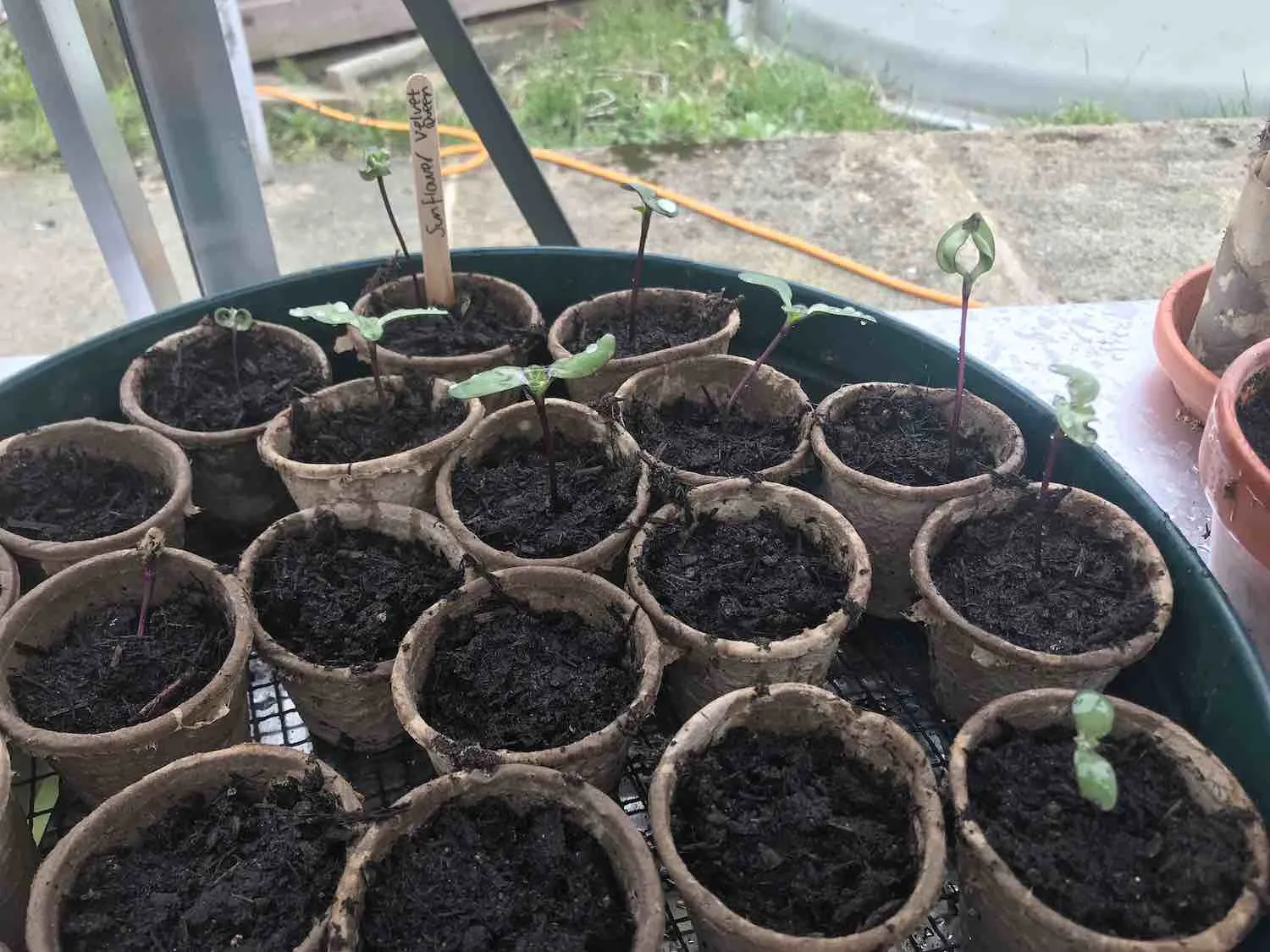
If I could only recommend one plant to a complete beginner, it would be a sunflower. The seeds are large enough to handle easily, they germinate quickly and visibly, and they grow at a speed that keeps you engaged and excited. Within a fortnight of sowing you will have a proper seedling with distinctive oval leaves, and within a couple of months you could have a plant taller than you. There is a reason sunflowers are the plant that school children grow in pots and take home on the last day of term. They are practically guaranteed to succeed.
Sow sunflower seeds on their edge (not flat) about 2 cm deep in a small pot of seed compost. Water gently, place on a warm windowsill, and wait. Once the seedling has produced its first true leaves and is about 10 cm tall, you can pot it on into a larger pot or plant it outside after the last frost. They are hungry plants, so give them a sunny spot and a weekly liquid feed once they start flowering.
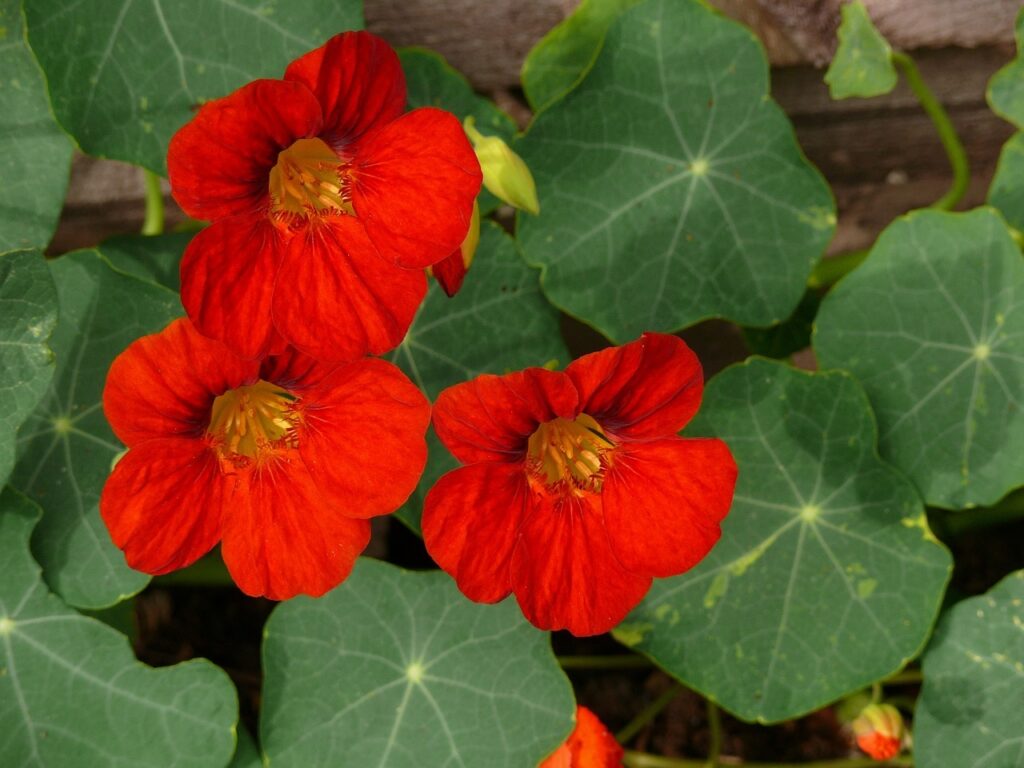
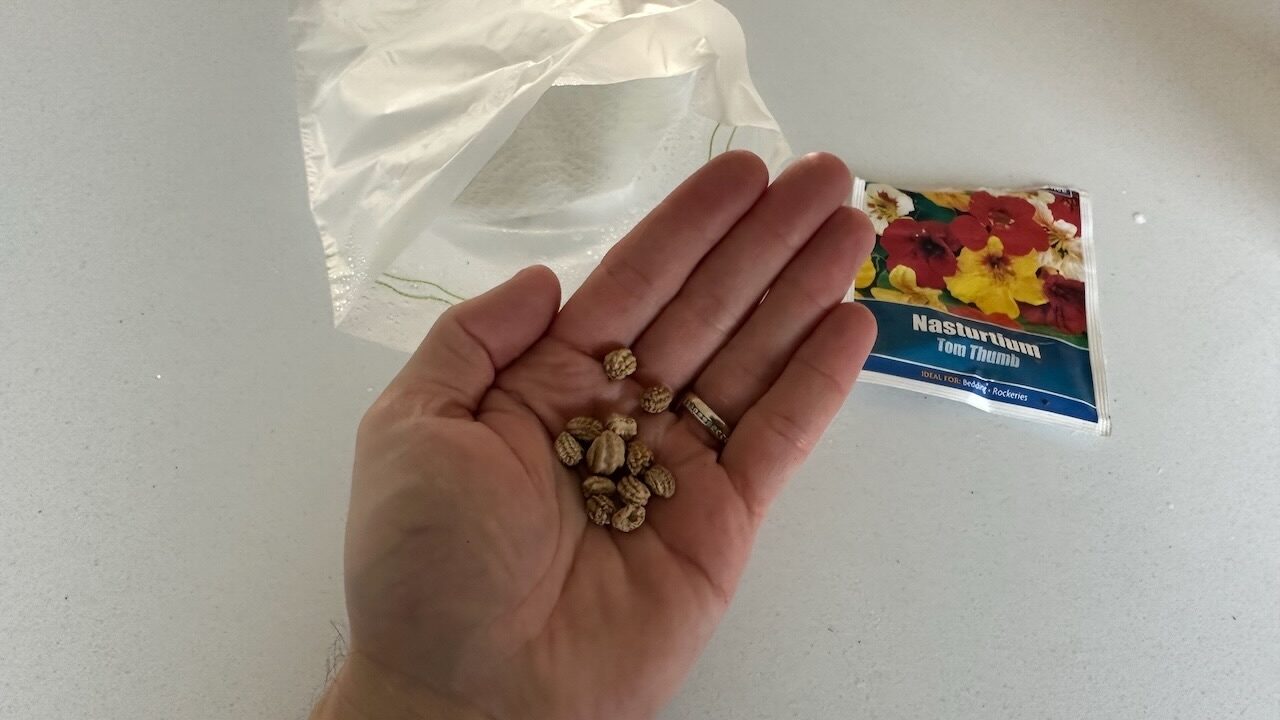
Nasturtiums are one of those plants I recommend to absolutely every beginner without hesitation. They are fast, they are bold, and they are almost impossible to kill. The seeds are the size and texture of a dried pea, which makes them easy to handle and sow exactly where you want them. Unlike many annuals that need warmth and coddling, nasturtiums will push through compost with very little encouragement and then romp away with cheerful abandon.
🌿 At A Glance
Botanical Name
Tropaeolum majus
Plant Type
Half-hardy annual
Sow Indoors
April
Sow Outdoors
May to June (direct)
Germination Time
7 to 14 days
Difficulty Rating
⭐ Very easy
One thing that surprises new growers is that nasturtiums actually perform better in poor soil. If you give them rich compost and lots of feed, they produce lush leaves at the expense of flowers. Sow them directly into the ground where they are to flower after the last frost, cover with about 1.5 cm of soil, and they will largely look after themselves. The flowers are edible with a peppery flavour, which makes them a crowd-pleasing addition to summer salads and impresses anyone you have for dinner.
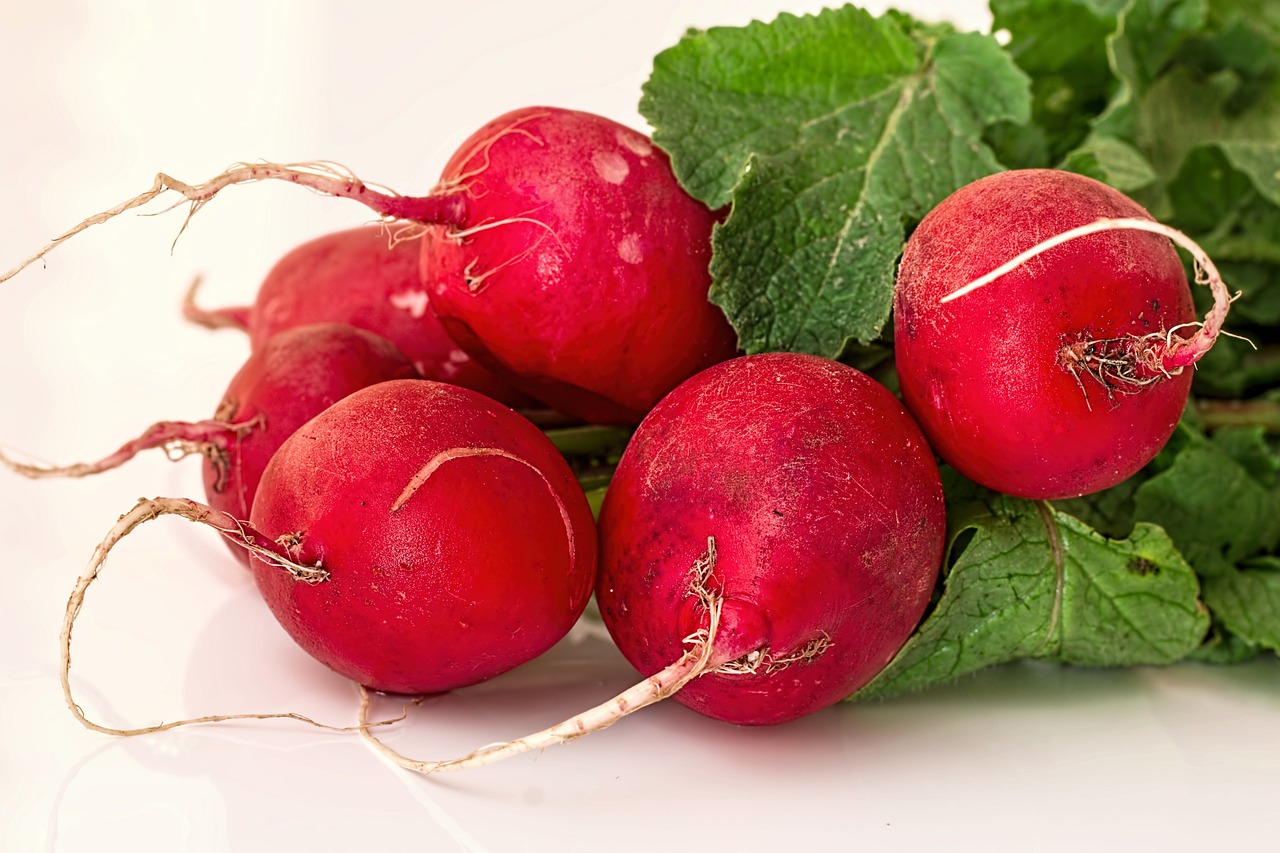
For the sheer gratification of speed, nothing beats a radish. Sow radish seeds directly into the ground in March and you can be eating them by late April. That turnaround is extraordinary, and it is what makes radishes the perfect beginner vegetable. When you are first starting out, waiting months to see results can be disheartening. Radishes give you feedback fast, which builds confidence and keeps you motivated to try more.
🌿 At A Glance
Botanical Name
Raphanus sativus
Plant Type
Hardy annual vegetable
Sow Outdoors
March to August (direct)
Germination Time
3 to 7 days
Ready to Harvest
4 to 6 weeks from sowing
Difficulty Rating
⭐ Very easy
Sow them in shallow drills about 1 cm deep and 15 cm apart in rows, cover with soil and water well. Thin the seedlings once they appear, so plants are about 2.5 cm apart. Do not let the soil dry out, or the roots become woody and peppery rather than crisp and mild. Sow a new row every fortnight for a continuous harvest rather than a glut all at once.
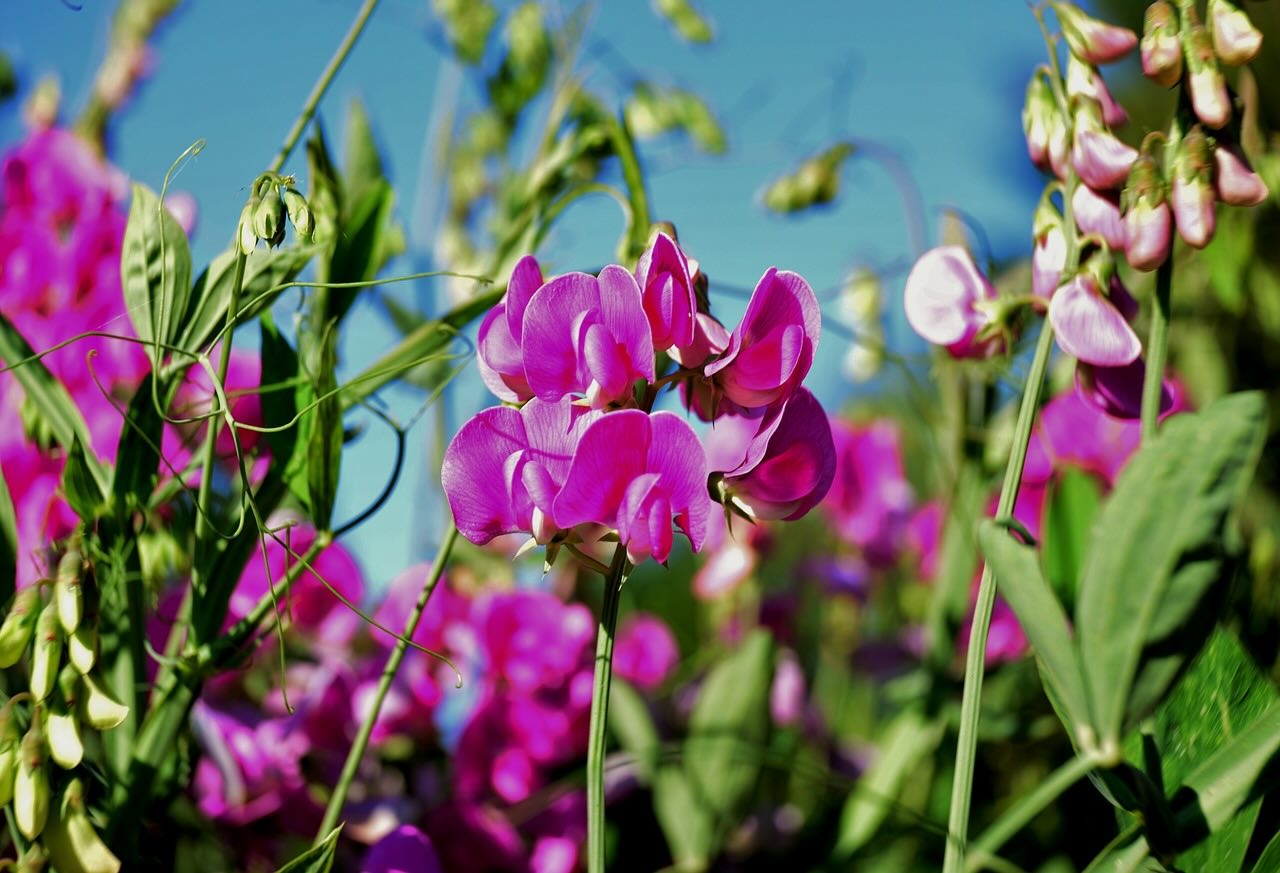
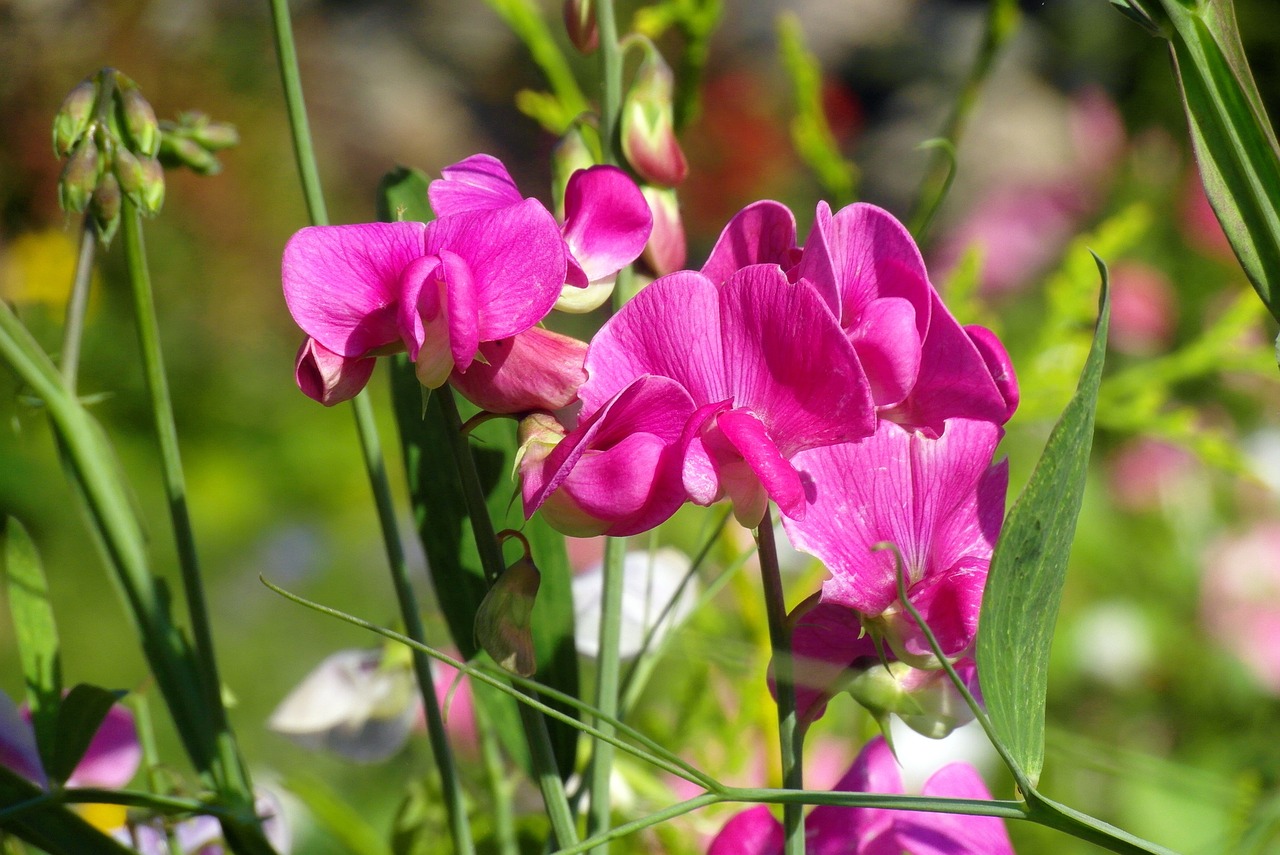
Sweet peas are one of those quintessentially British summer plants that feel like a milestone in any new gardener’s journey. The scent alone is worth growing them for. On a warm summer evening with a vase of sweet peas on the table, you will feel like you have properly arrived as a gardener, and the fact that you grew them from a seed the size of a BB pellet makes it all the more satisfying.
🌿 At A Glance
Botanical Name
Lathyrus odoratus
Plant Type
Hardy annual climber
Sow Indoors
October to November or February to March
Sow Outdoors
March to April
Germination Time
10 to 21 days
Difficulty Rating
⭐⭐ Easy
The seeds have a hard coat so it helps to either nick them gently with a knife or soak them in water overnight before sowing. Sow in deep pots or root trainers as they have long roots and hate being cramped. They can be sown in autumn for stronger spring plants or in late winter for early summer flowers. Once they are outside, pinch out the growing tip when the plant has four pairs of leaves to encourage bushier, more floriferous growth. Pick the flowers regularly because once the plant sets seed it stops producing more blooms.
Root trainers are worth the small investment for sweet peas. They are deep narrow cells that allow the long tap root to develop without coiling. A coiled root gives you a stressed plant that struggles to establish. The difference in plant quality at planting out time is immediately obvious.
7. Runner bean (Phaseolus coccineus)
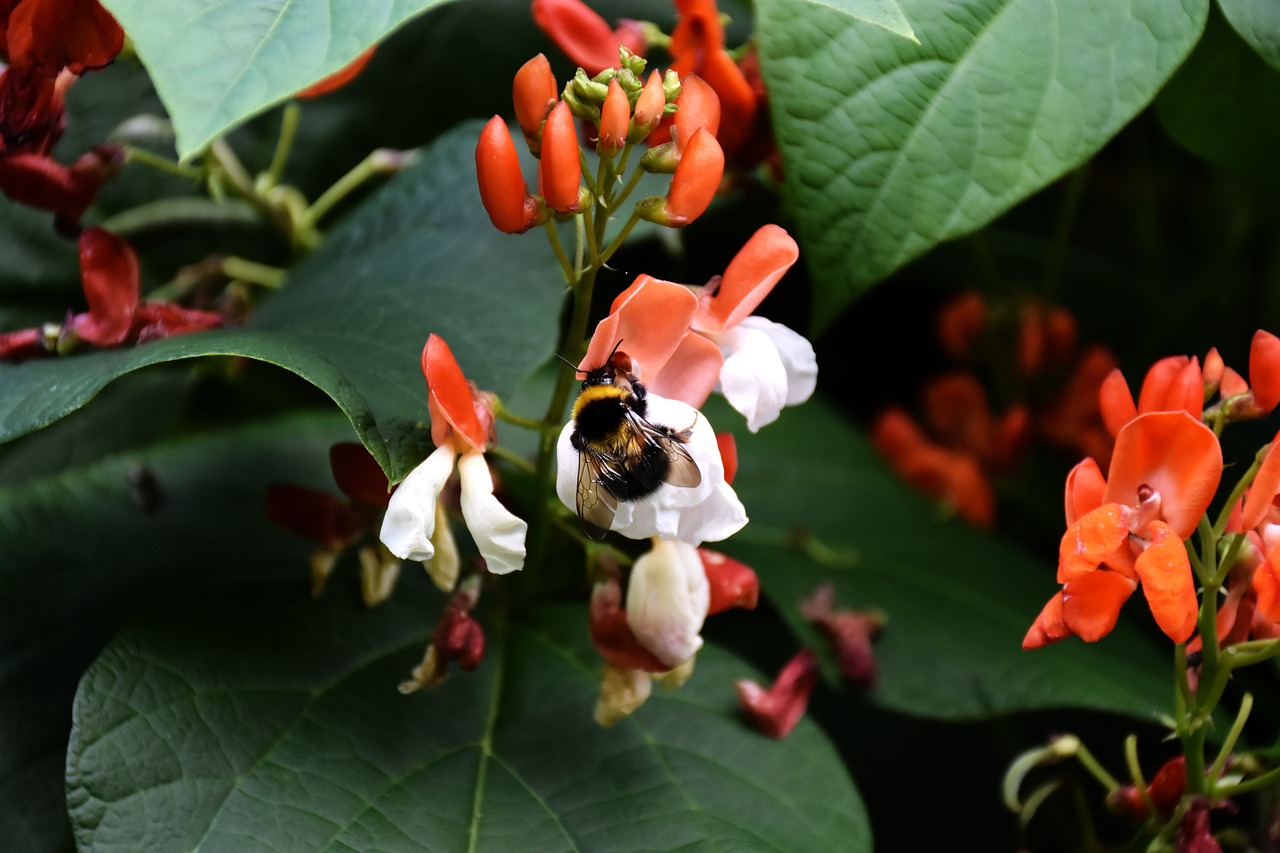
Runner beans are one of those vegetables that deliver in every possible way. They are spectacular to look at with their bright scarlet flowers, they produce prolifically, they are genuinely delicious picked young and eaten fresh, and they grow quickly enough to keep any beginner hooked. A single packet of seeds contains enough to fill a vegetable bed and keep a family fed through the summer.
🌿 At A Glance
Botanical Name
Phaseolus coccineus
Plant Type
Half-hardy annual climber
Sow Indoors
April to May
Sow Outdoors
May to June (direct)
Germination Time
7 to 14 days
Difficulty Rating
⭐ Very easy
Sow runner beans individually in small pots about 5 cm deep and keep them somewhere warm, a heated propagator is brilliant but a warm airing cupboard works well too. Once germinated, move them to a bright windowsill and plant them outside after the last frost in late May or June. They need support from day one once planted out, so have canes or a wigwam structure ready. Pick the beans before they get too large for the most tender results and to keep the plant producing.
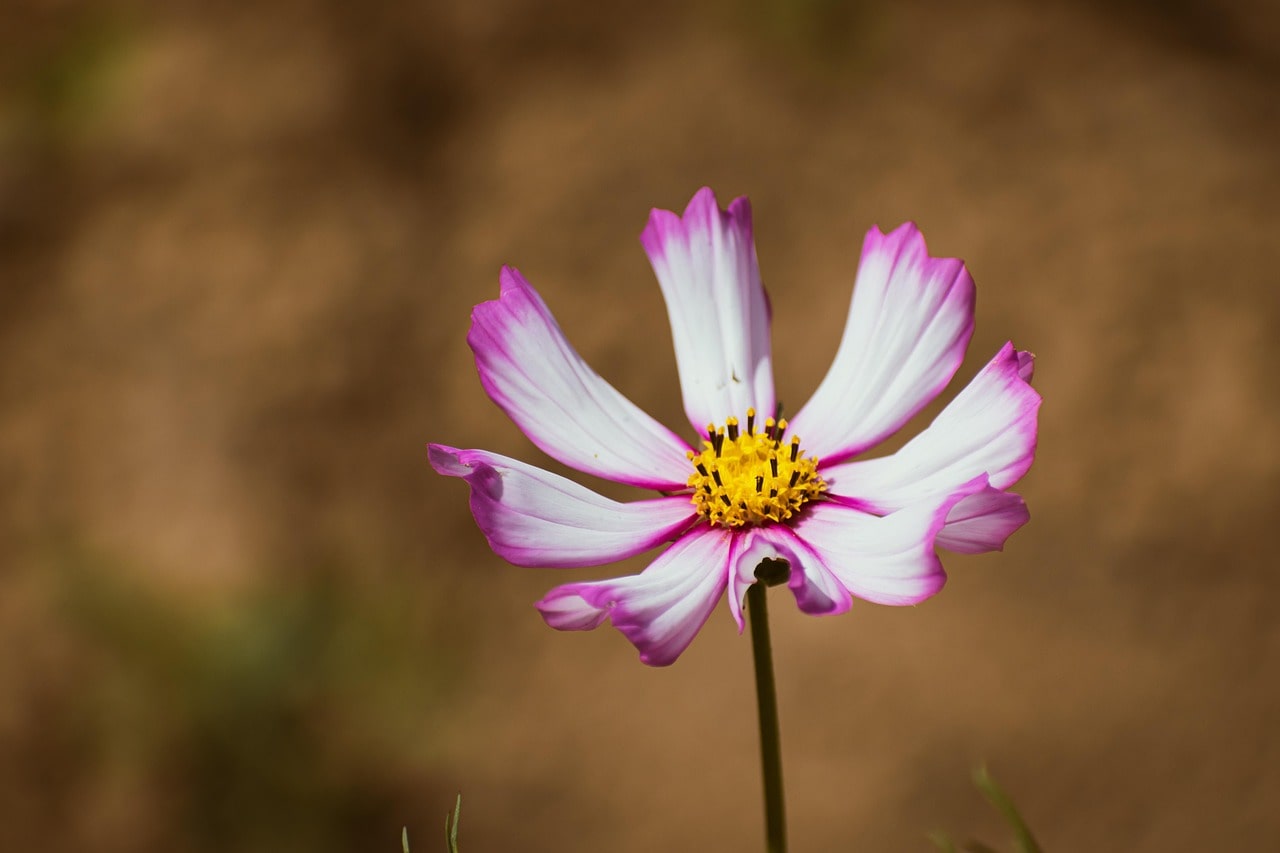
Cosmos is the plant that turns a new gardener into a lifelong one. The feathery foliage is beautiful even before the plant flowers, and from midsummer through to the first frosts it produces a continuous succession of daisy-like blooms in shades of white, pink, and deep crimson. It is one of the best plants for pollinators in the garden, and it has a light, airy quality that works beautifully in any planting style from cottage gardens to modern schemes.
🌿 At A Glance
Botanical Name
Cosmos bipinnatus
Plant Type
Half-hardy annual
Sow Indoors
March to April
Sow Outdoors
May (direct after frost)
Germination Time
7 to 10 days
Difficulty Rating
⭐ Very easy
Sow cosmos seeds on the surface of moist seed compost and cover very lightly with a fine layer of vermiculite. They germinate quickly in warmth, and the seedlings are easy to handle when pricking out. Plant outside after the last frost in a sunny spot. Like nasturtiums, they flower more freely in poorer soil than in rich, fertile ground. Deadheading regularly extends the display for months.
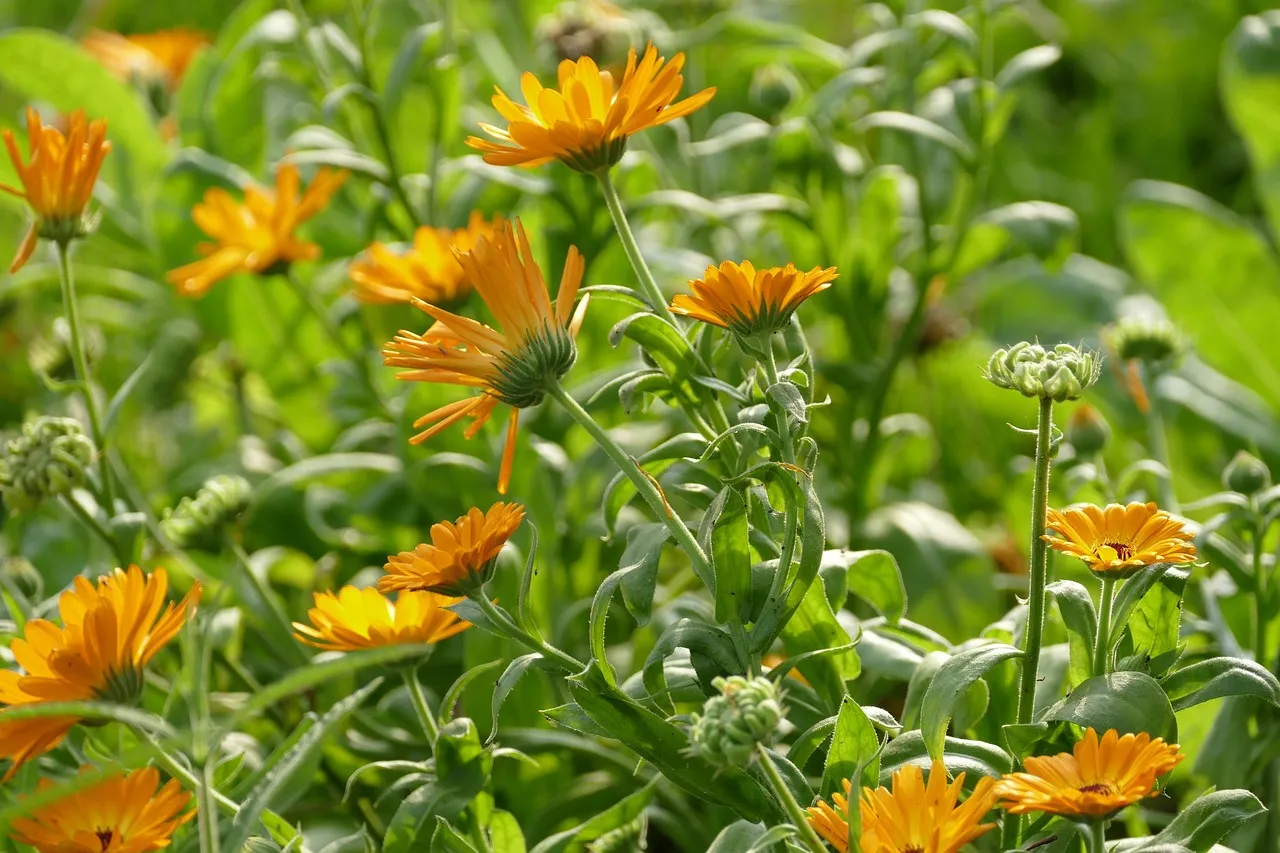
Calendula (pot marigold) is one of the hardiest and most accommodating annuals you can grow. It is a true hardy annual, which means you can sow it directly into the ground in early spring, even when there is still a risk of light frosts, and it will not mind in the least. The seeds are distinctive, curved hooks that are easy to handle and sow individually. They germinate reliably in cool conditions, which gives them a head start over many summer-flowering annuals that need warmth.
🌿 At A Glance
Botanical Name
Calendula officinalis
Plant Type
Hardy annual
Sow Outdoors
March to May (direct); September for overwinter
Germination Time
7 to 14 days
Difficulty Rating
⭐ Very easy
The flowers are produced in abundance from late spring through to autumn, and they are edible, commonly used as a saffron substitute to add colour to rice and pasta dishes. They are also one of the most important companion plants in a vegetable garden, attracting aphid-eating hoverflies and deterring whiteflies from tomatoes and beans. Sow a drift of them alongside your vegetables, and they earn their keep twice over.
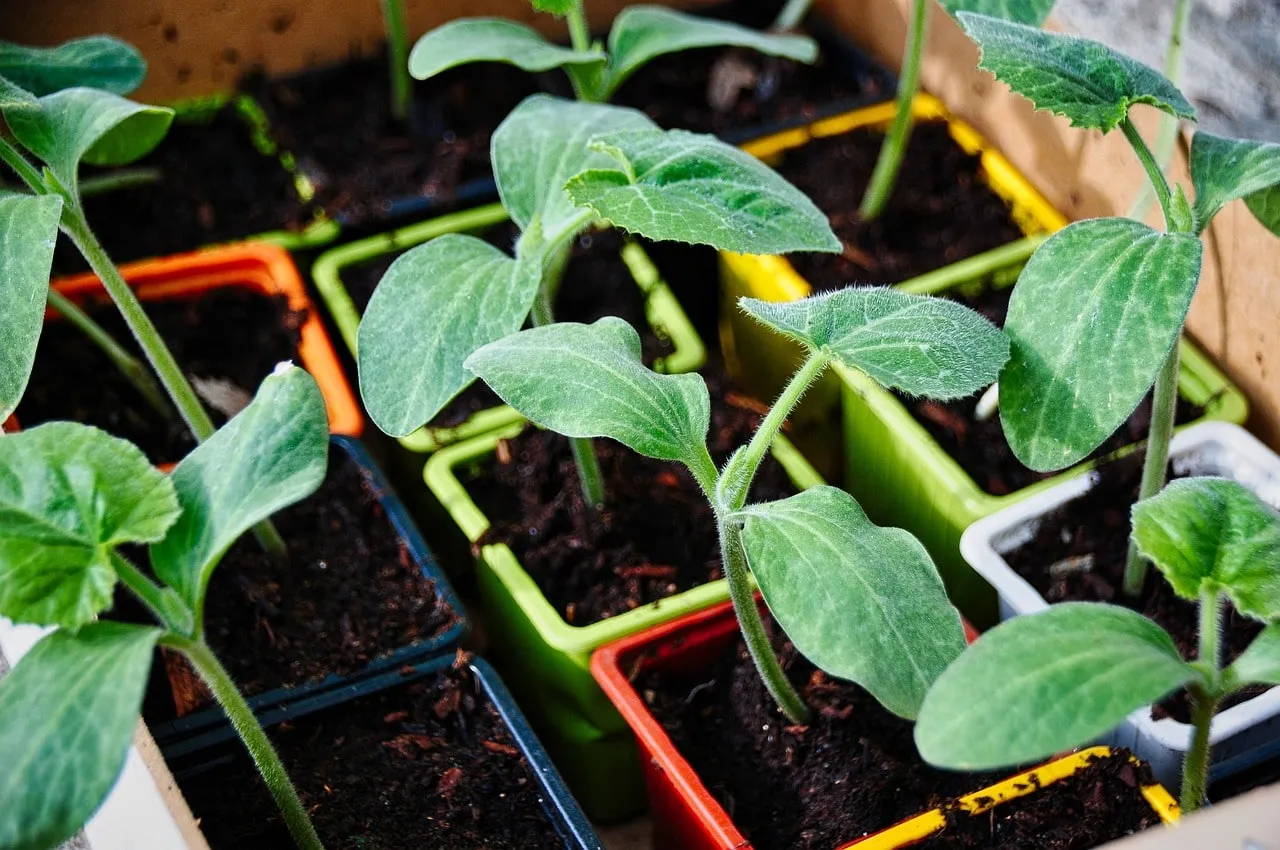
Courgettes sow beautifully from seed, and they grow so fast that the process feels almost theatrical. Sow the seed on its side (not flat, which can cause rotting) in a small pot of compost, cover with about 2 cm of compost, water well and place somewhere warm. Within a week, you will typically have a seedling pushing through with its seed leaves (cotyledons) looking like a pair of rounded paddles. The plant then expands rapidly and produces large architectural leaves that make it one of the most impressive plants in any kitchen garden.
🌿 At A Glance
Botanical Name
Cucurbita pepo
Plant Type
Half-hardy annual
Sow Indoors
April to May
Plant Outside
Late May to June (after last frost)
Germination Time
5 to 10 days
Difficulty Rating
⭐ Very easy
The key thing to understand about courgettes is that they are space-hungry. Each plant needs roughly a square metre once fully established, so plan accordingly. They reward feeding generously once flowering begins, and the most important thing to remember is to harvest the fruits regularly when they are 10 to 15 cm long. Leave a courgette for a week, and you have a marrow. The plants will carry on producing from midsummer through to autumn frosts if you keep picking and feeding.
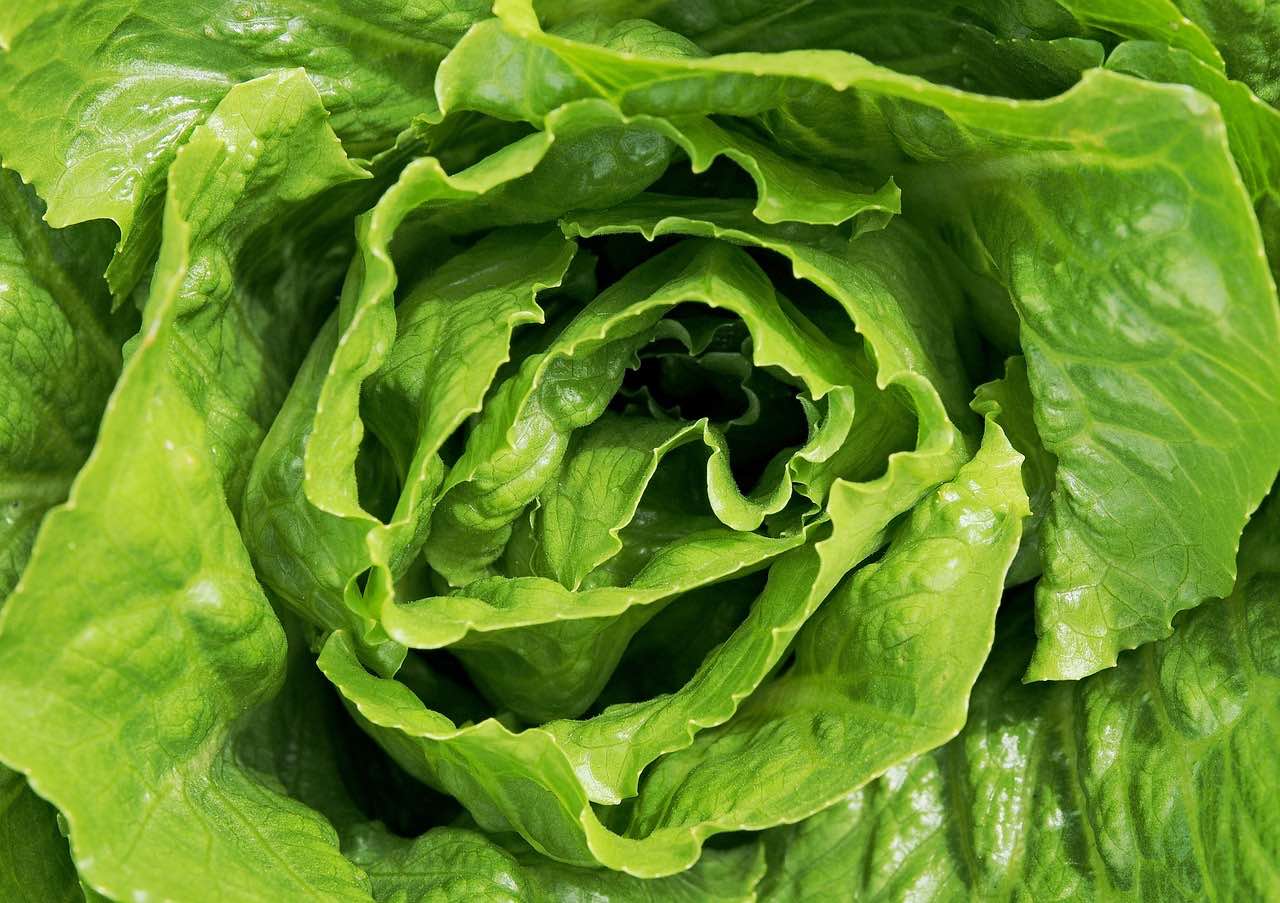
Lettuce is one of the most practical things a beginner can grow because you will use everything you produce, the seeds are tiny but germinate reliably, and you can sow them from March right through to September for a near year-round supply. The key to success is the cut-and-come-again approach, where you harvest outer leaves rather than the whole plant. The plant then continues to produce new growth from the centre for weeks or even months.
🌿 At A Glance
Botanical Name
Lactuca sativa
Plant Type
Hardy annual vegetable
Sow Outdoors
March to September (direct)
Germination Time
7 to 14 days
Difficulty Rating
⭐ Very easy
Sow lettuce thinly in shallow drills or scatter the seeds across the surface of a pot of compost and cover with the thinnest possible dusting of soil. They need light to germinate so burying them too deep will prevent them from emerging. Thin to about 15 to 20 cm apart once seedlings are large enough to handle. Water consistently because lettuce that dries out and then gets watered will bolt (run to seed) rapidly, making the leaves bitter. Keeping it in semi-shade during the hottest summer months extends the harvest considerably.
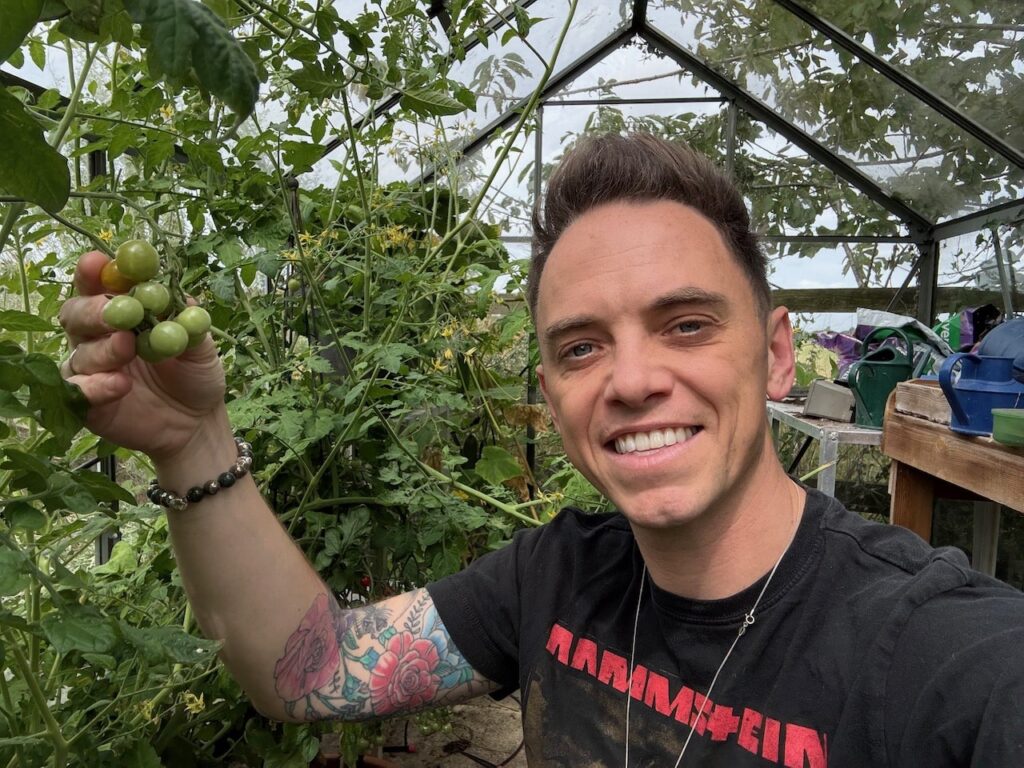
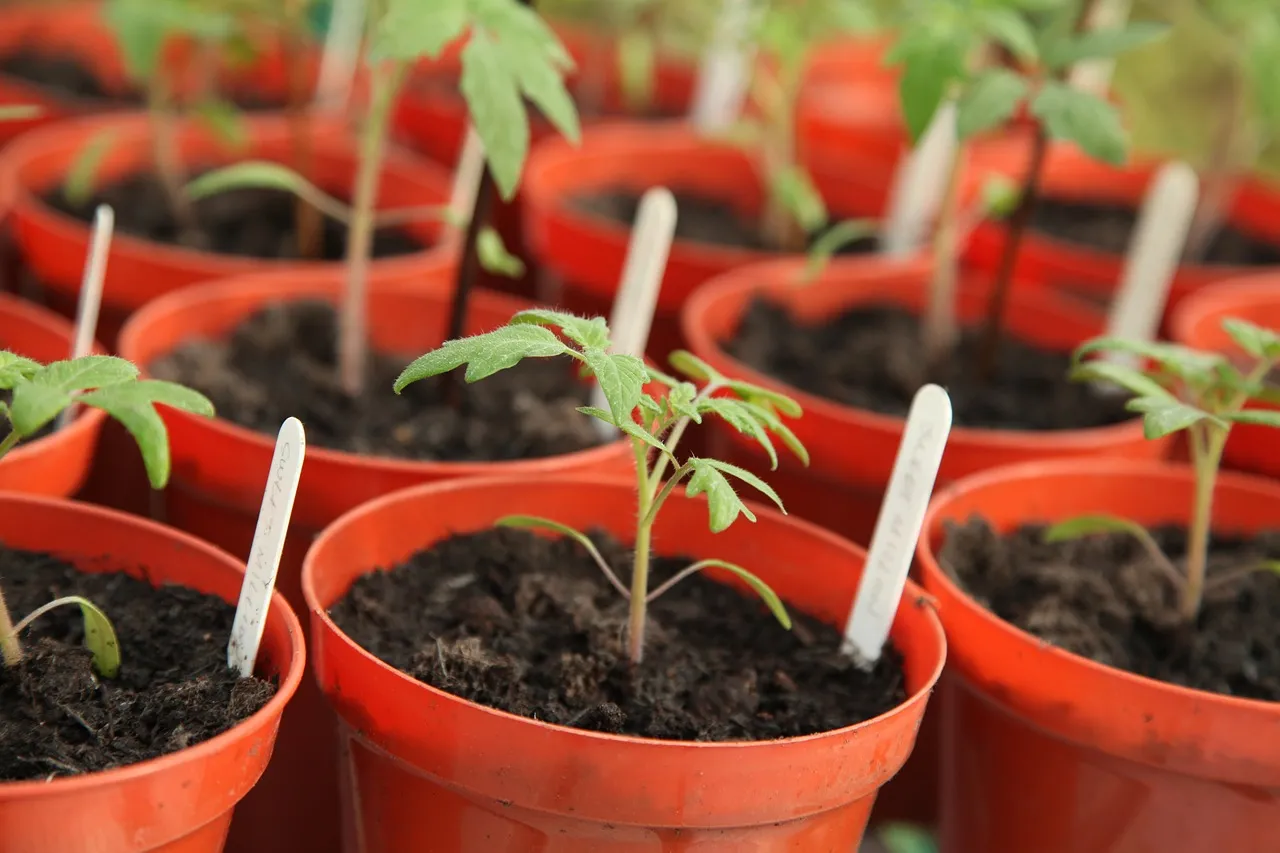
Tomatoes are slightly more involved than the other vegetables on this list, but I have included them because they are one of the most rewarding things you can grow from seed. A tomato picked from your own plant and eaten still warm in the garden in August bears absolutely no resemblance to a supermarket tomato, and once you have tasted the difference, you will never want to go back. For beginners, I strongly recommend a cherry variety such as ‘Gardeners Delight’ or ‘Sweet Million’, which are more reliable in British summers and produce abundantly from compact plants.
🌿 At A Glance
Botanical Name
Solanum lycopersicum
Plant Type
Half-hardy annual
Sow Indoors
Late February to April
Germination Time
7 to 14 days
Difficulty Rating
⭐⭐ Easy (with the right variety)
Sow tomato seeds thinly in a tray or individually in small pots from late February indoors in warmth (a propagator helps here, but a warm windowsill works too). Prick out the seedlings when they have their first true leaves into individual 9 cm pots and keep potting on as they grow. Remove side shoots on cordon varieties (the single-stem types) regularly and feed with a high-potash liquid feed once the first flowers open. My tomato seed growing video below is a great place to start when growing toms from seed!
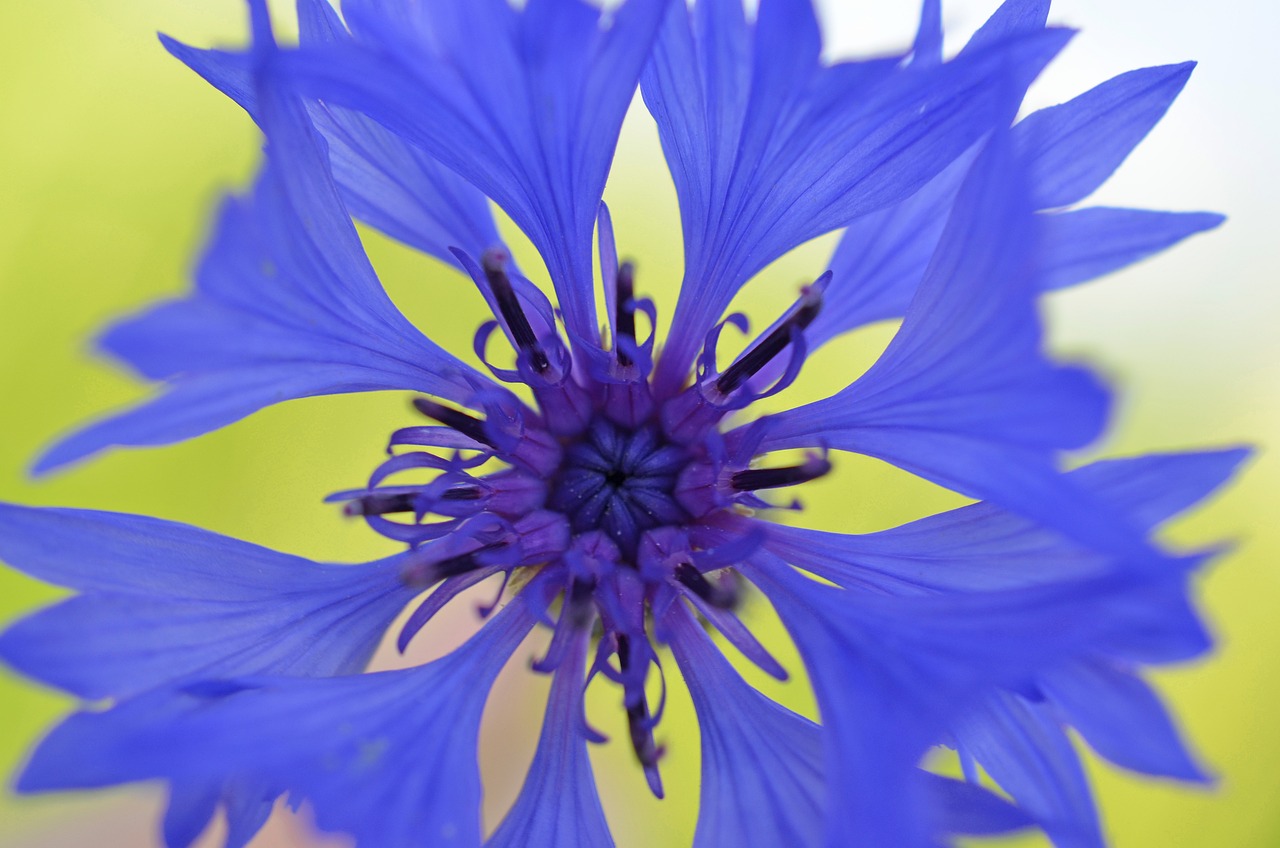
Cornflowers are one of my favourite hardy annuals for several reasons. The colour is extraordinary, a true, vivid, electric blue that is genuinely rare in the flower world, and they are one of the most important plants you can grow for pollinators, particularly bees. They are also one of the easiest to grow. Being a hardy annual means you can sow them directly into the ground in spring or autumn and they will look after themselves with minimal intervention.
🌿 At A Glance
Botanical Name
Centaurea cyanus
Plant Type
Hardy annual
Sow Outdoors
March to May or September to October
Germination Time
7 to 14 days
Difficulty Rating
⭐ Very easy
Sow cornflowers directly where they are to flower, first raking the soil to a fine tilth, then scattering the seeds thinly and raking lightly again to cover. Thin seedlings to about 30 cm apart once they are a few centimetres tall. They do not transplant well, so direct sowing is always preferable to raising them in pots. An autumn sowing will give you earlier flowers the following spring, which extends the season considerably and gives you a jump on the bees.
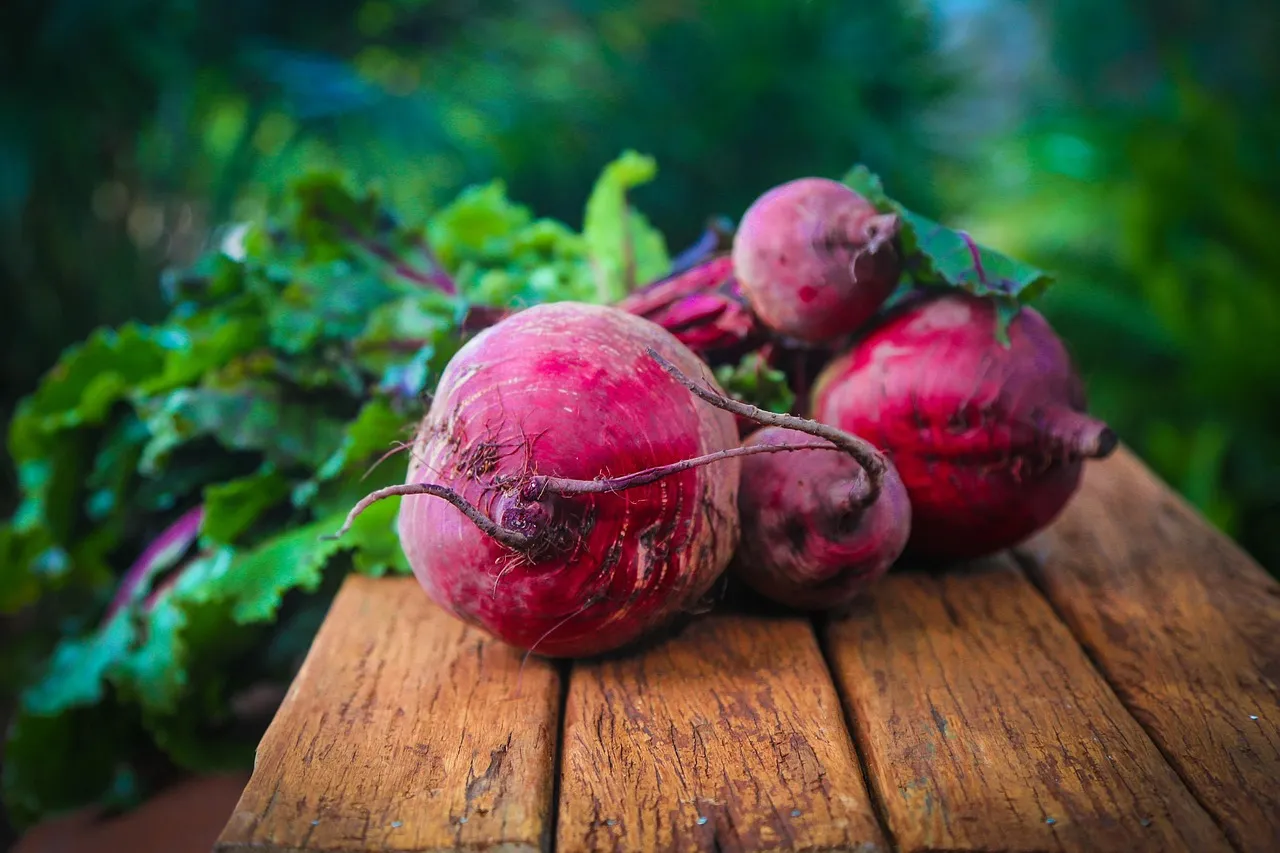
Beetroot is one of those vegetables that people who hate supermarket beetroot love growing themselves. Fresh beetroot pulled from the ground is sweet, earthy, and nothing like the vinegary product in jars. The seeds are actually corky clusters (each one contains two or three seeds) so you will often get multiple seedlings from a single sowing point, which need thinning. Some varieties now come as monogerm seeds that produce a single seedling, which makes spacing easier.
Sow beetroot directly into the ground from April onwards in shallow drills about 2 cm deep, spacing clusters 10 cm apart in rows 30 cm apart. Soak the seeds in water for an hour before sowing to soften the coat and speed germination. Harvest baby beetroot at golf-ball size from July onwards for the sweetest, most tender roots. Larger roots left in the ground become woody at the centre. The leaves are also edible as a spinach substitute when young.
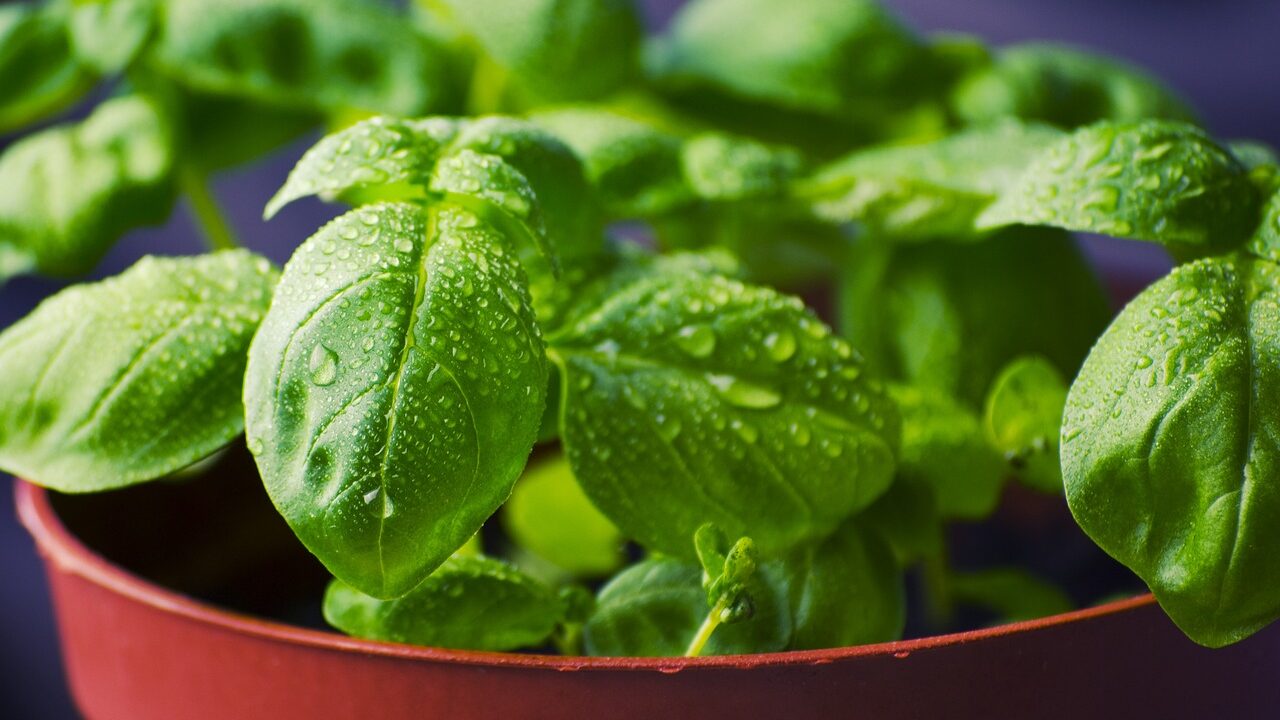
Basil is the herb that everyone buys in a supermarket pot and struggles to keep alive on a windowsill. The secret is that supermarket basil pots are massively overcrowded, stressed, and grown for a short shelf life rather than long-term health. Growing your own basil from seed gives you a properly spaced, healthy plant that can thrive for months. The difference in flavour between a well-grown homegrown basil and a supermarket pot is significant.
🌿 At A Glance
Botanical Name
Ocimum basilicum
Plant Type
Half-hardy annual herb
Sow Indoors
April to June
Germination Time
5 to 10 days
Difficulty Rating
⭐⭐ Easy with warmth
Sow basil seeds thinly on the surface of moist compost in a small pot, cover with the thinnest possible layer of vermiculite, and place somewhere warm, above 18°C is ideal. They germinate quickly but are sensitive to cold and should not go outside until temperatures are reliably above 15°C at night. Pinch out the flower heads as they form to prevent the plant from going to seed, which makes the leaves bitter and stops production. Harvest regularly from the top to keep the plant bushy and productive.
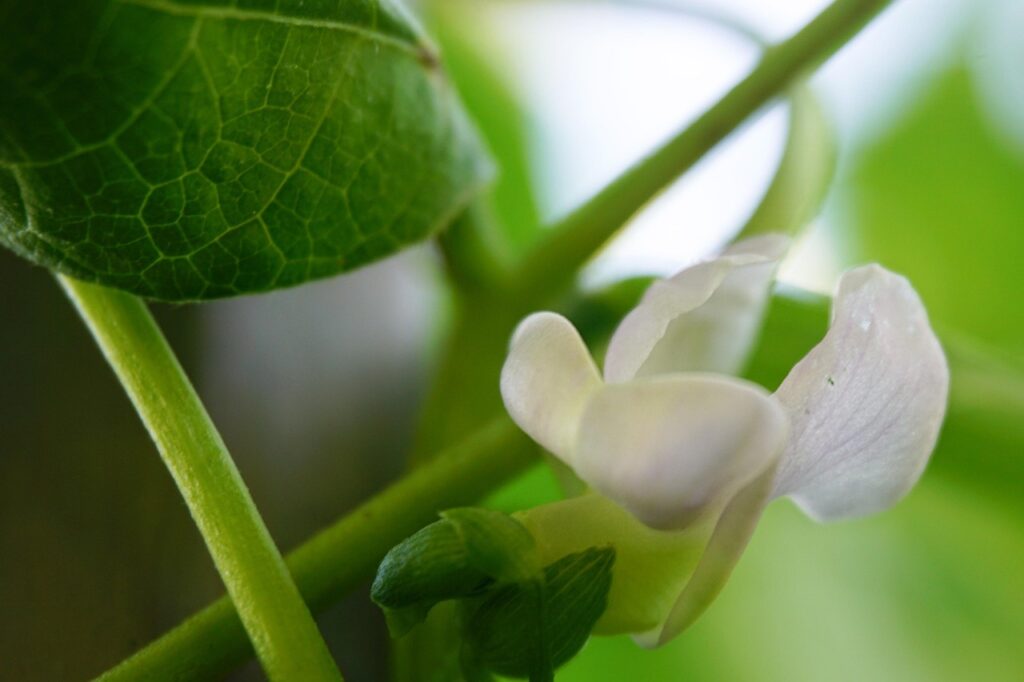
There is a very good reason that peas eaten straight from the pod in the garden are one of the most celebrated food experiences in British growing culture. The sugar in a freshly picked pea begins converting to starch the moment it is harvested, which means the peas you grow yourself and eat within minutes of picking taste entirely different to anything you can buy. That quality difference is one of the most compelling reasons to start growing from seed, and peas deliver it in spades.
🌿 At A Glance
Botanical Name
Pisum sativum
Plant Type
Hardy annual vegetable
Sow Outdoors
March to June (direct)
Germination Time
7 to 14 days
Difficulty Rating
⭐ Very easy
Sow peas directly into the ground in a flat-bottomed drill about 5 cm deep, spacing seeds about 5 to 7 cm apart in a double row. They need support from early on as the tendrils look for something to grab. A network of twiggy sticks, pea netting, or a simple wire frame all work well. Water at the roots rather than overhead to reduce mildew risk. Pick pods as soon as they are plump and full rather than leaving them to overfill, which signals the plant to stop producing.
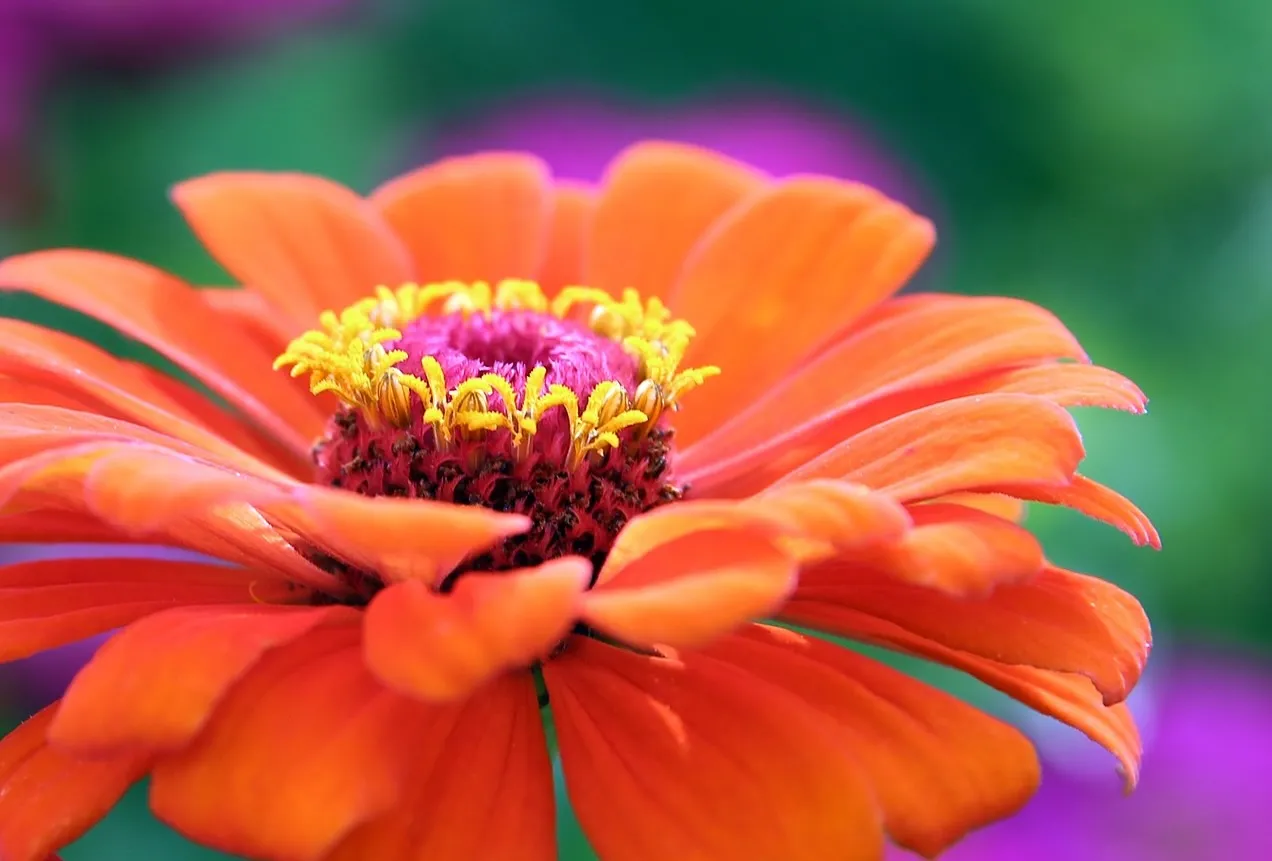
Zinnias have had something of a renaissance in UK gardening in recent years, and it is entirely deserved. They produce some of the most vivid, cheerful flowers of any annual, in a range of colours from white through yellow, orange, coral, red, and deep burgundy. They are also incredibly prolific cut flowers. Grow a row of zinnias, and you can cut armfuls for the house all summer without making a dent in the display in the garden.
🌿 At A Glance
Botanical Name
Zinnia elegans
Plant Type
Half-hardy annual
Sow Indoors
April to May
Germination Time
5 to 10 days
Difficulty Rating
⭐⭐ Easy
Zinnias need warmth to thrive in the UK, so sow indoors in April and do not plant outside until temperatures are reliably warm, usually late May in the south and early June further north. They hate being pot-bound, so pot on promptly and plant out before roots become congested. Unlike many flowers, zinnias actually prefer to be planted directly in their final spot from a small pot rather than being started in trays and pricked out. Handle the roots gently at planting.
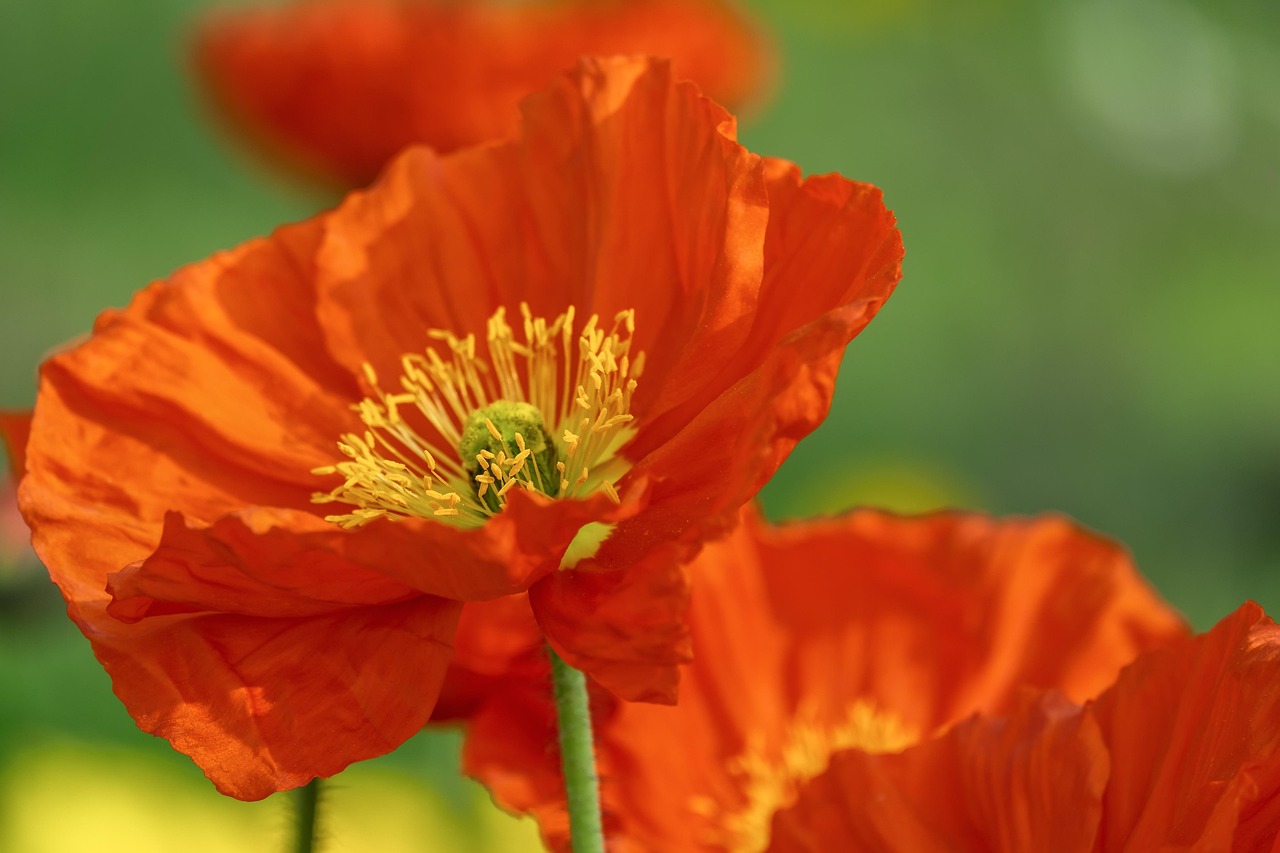
Annual poppies are among the simplest flowers in the entire seed catalogue to grow. The seeds are tiny and dust-like, which can feel daunting, but the trick is simply to mix them with a little dry sand before scattering, which helps you see where you have sown and achieve a more even distribution. They need no covering as they require light to germinate, and they resent being transplanted, so direct sowing into their final flowering position is always the approach to take.
🌿 At A Glance
Botanical Name
Papaver rhoeas
Plant Type
Hardy annual
Sow Outdoors
March to May or September
Germination Time
14 to 21 days
Difficulty Rating
⭐ Very easy
The Shirley poppy strains with their tissue-paper petals in shades of white, pink, salmon, and red are the classic choice, but there are also double-flowered types, black-centred varieties, and the opium poppy (Papaver somniferum) with its glaucous blue-green foliage and spectacular seedheads that dry beautifully for arrangements. Once established in a garden, poppies will self-seed reliably and return year after year with minimal intervention.
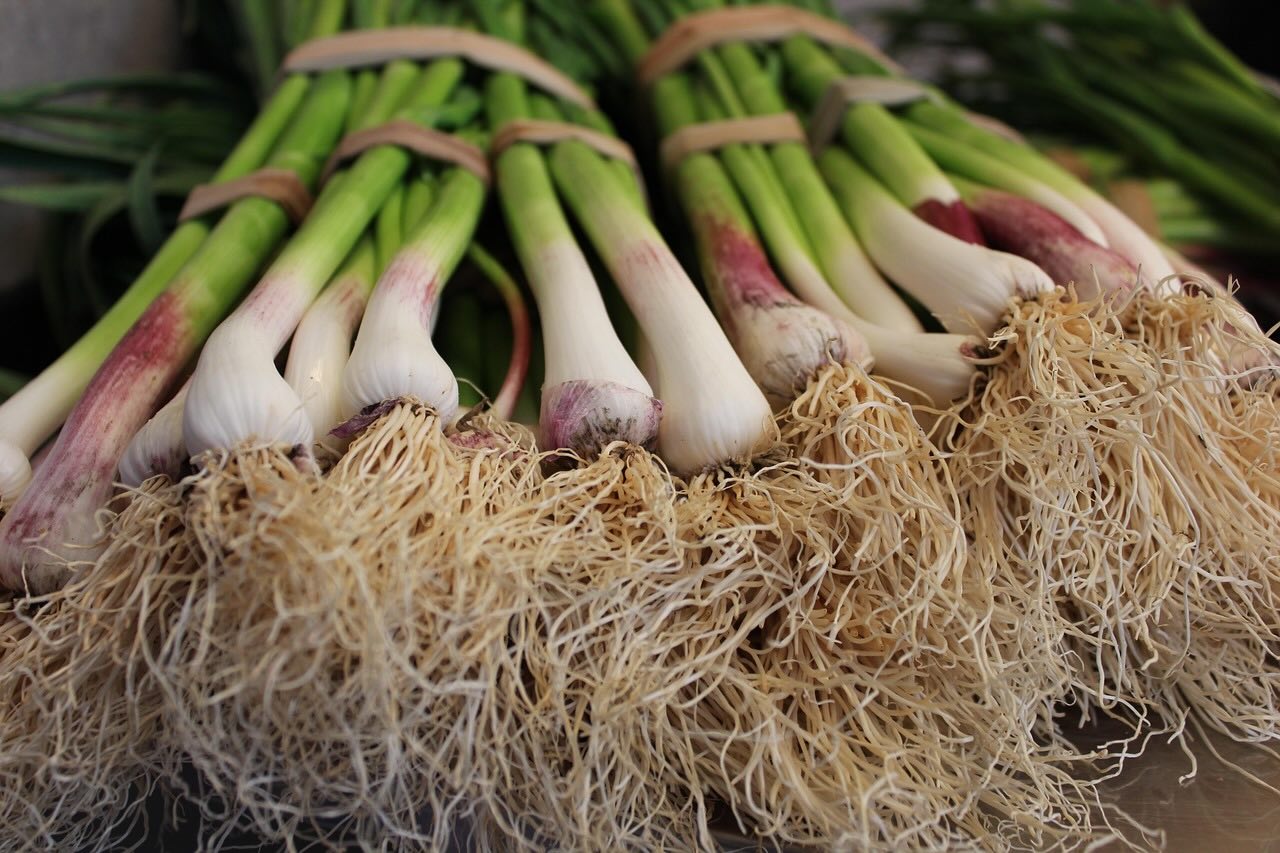
Spring onions are one of the most practical crops a beginner can grow because they take up almost no space, they are ready to harvest in eight to twelve weeks, and you use them in so many dishes that you will always have a purpose for them. They grow equally well in containers as in the ground, which makes them accessible even to gardeners with only a balcony or windowbox to work with.
🌿 At A Glance
Botanical Name
Allium fistulosum
Plant Type
Hardy annual vegetable
Sow Outdoors
March to August (direct)
Germination Time
10 to 14 days
Difficulty Rating
⭐ Very easy
Sow spring onion seeds in shallow drills 1 cm deep directly into the ground or into a deep pot of compost. Sow thinly and there is no need to thin the seedlings, as they actually grow better when slightly crowded. Sow a new batch every three to four weeks from March onwards for a continuous supply through the summer. The variety ‘White Lisbon’ is the classic choice and genuinely reliable for UK conditions.
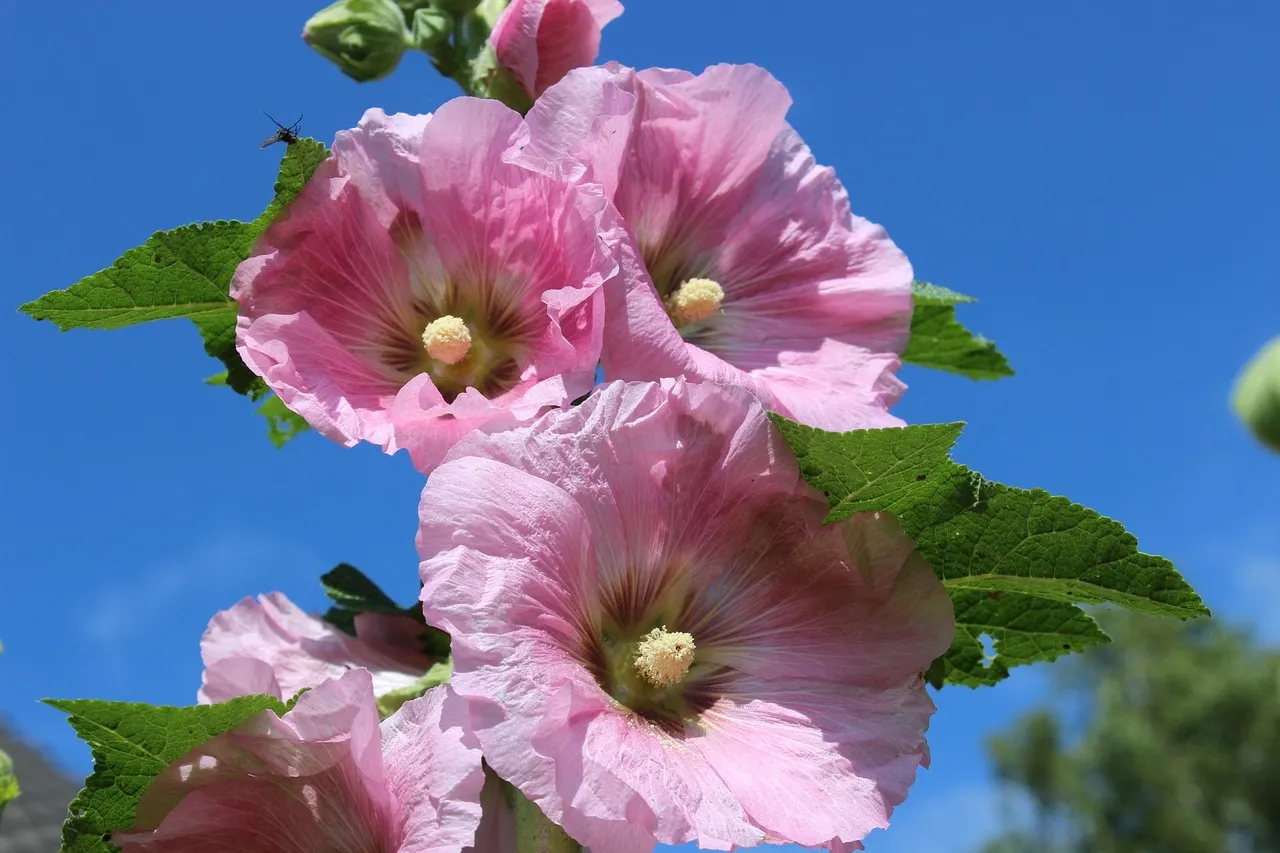
Few plants say cottage garden as eloquently as a hollyhock. Those towering spires of flowers in July, leaning against a warm wall, are one of the great sights of the British summer garden. The good news for beginners is that hollyhocks are biennial, meaning they grow from seed in their first year and then flower prolifically in their second before usually self-seeding and continuing the cycle. Sow them in May or June and you will have flowers the following summer with minimal effort.
Whilst you have to wait a year, a bit like Foxgloves, they are well worth the wait and mean you are committed to gardening for at least another year, Ninjas! It also gives you time to get used to looking after plants and to learn how to stake them. Support is something Hollyhocks always need as they grow big and bold!
🌿 At A Glance
Botanical Name
Alcea rosea
Plant Type
Biennial or short-lived perennial
Sow Outdoors
May to June or February to March indoors
Germination Time
10 to 21 days
Difficulty Rating
⭐⭐ Easy
Sow hollyhock seeds individually in small pots or cell trays from May to June, about 0.5 cm deep. Grow on in pots through the summer and plant out in their final position in autumn or the following spring. They prefer a sunny, sheltered spot and can get tall (up to 2 metres in good conditions) so position them at the back of a border or against a wall. Hollyhock rust can be an issue in wet summers, but otherwise, they are trouble-free and genuinely spectacular.
French beans are more compact and arguably more productive than runner beans, making them an excellent choice for smaller gardens and containers. Dwarf varieties in particular form neat bushes about 45 cm tall that need no staking and produce abundantly from midsummer. The seeds are large and easy to handle, germination is fast and reliable, and the plants are straightforward to grow once they are in the ground.
🌿 At A Glance
Botanical Name
Phaseolus vulgaris
Plant Type
Half-hardy annual vegetable
Sow Indoors
April to May
Sow Outdoors
Late May to June (direct)
Germination Time
7 to 14 days
Difficulty Rating
⭐ Very easy
Sow French beans, one per cell, in modular trays or small pots, about 4 to 5 cm deep, indoors in warmth from April. They hate cold soil, so do not rush to plant outside. Once outside in a sunny position, they need little attention beyond watering and harvesting. Pick regularly to keep the plant producing, and do not let pods become old and stringy. French beans can also be left to fully dry on the plant for dried haricot beans that store through winter. So great for lazy or forgetful gardeners!
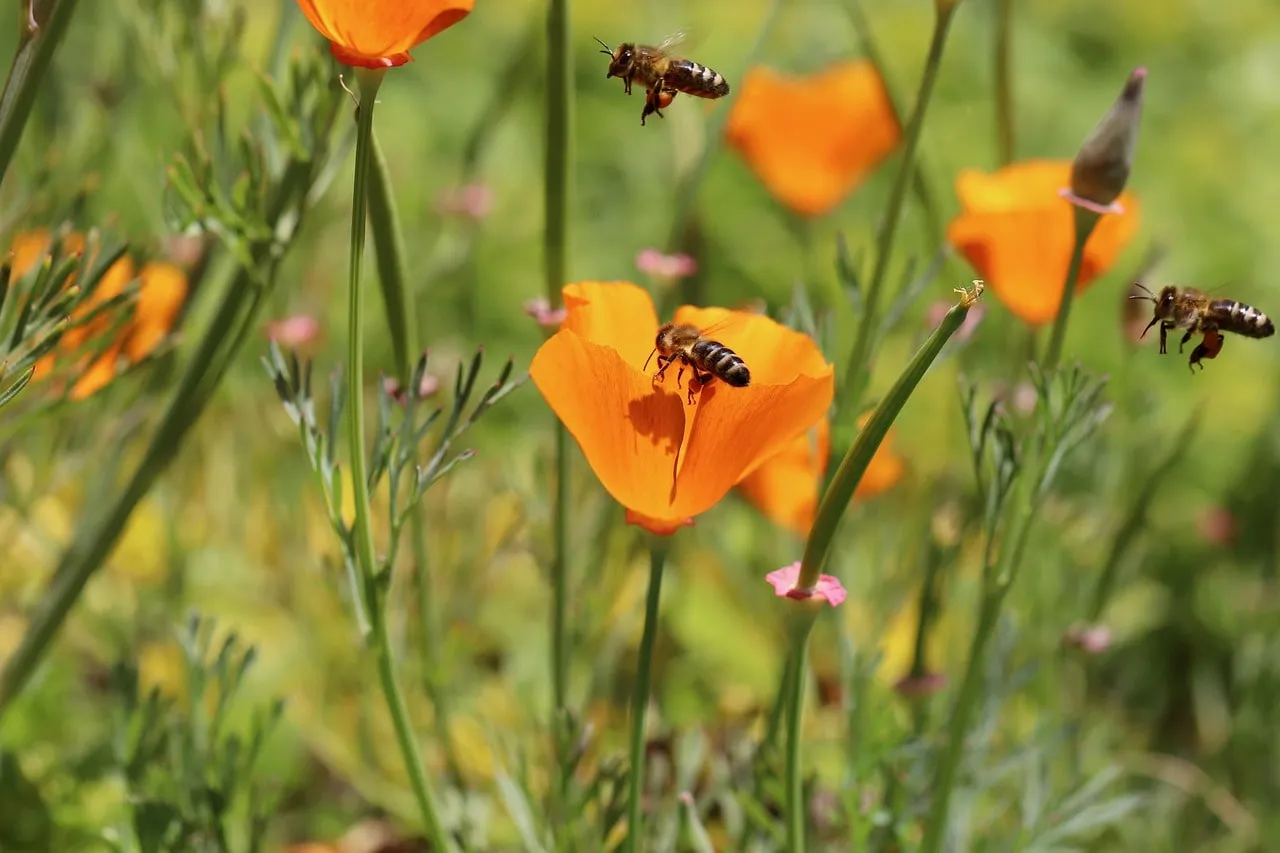
The Californian poppy is one of those plants that thrive on neglect, making it the perfect beginner annual. It is at its best in poor, dry, free-draining soil in full sun, conditions that many other plants struggle in. The flowers are bowl-shaped and satiny, most commonly in brilliant orange but available in cream, yellow, pink, and bicoloured forms. The blue-green ferny foliage is attractive even when the plant is not in flower.
🌿 At A Glance
Botanical Name
Eschscholzia californica
Plant Type
Hardy annual (naturalises as short-lived perennial)
Sow Outdoors
March to May or September
Germination Time
14 to 21 days
Difficulty Rating
⭐ Very easy
Sow directly into the ground where the plants are to flower, as they resent transplanting. Scatter the seeds thinly and rake lightly to cover. They will self-seed freely once established and will return year after year in a warm, sunny border with excellent drainage. In my experience, they perform best when effectively ignored after sowing. In rich, damp soil, they tend to produce plenty of foliage at the expense of flowers. Be warned, once you have them, you will NEVER get rid of them!
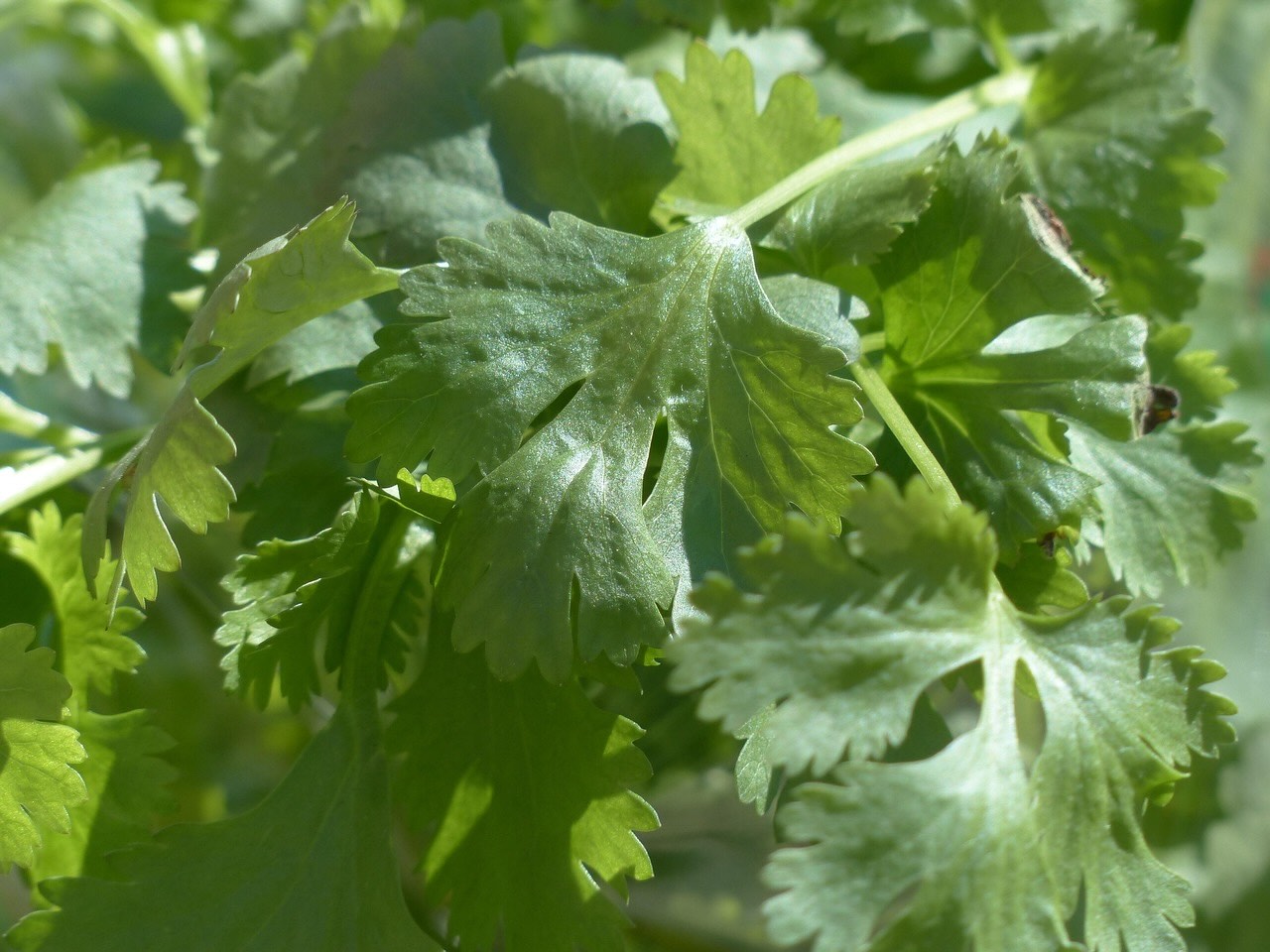
Coriander is one of those herbs that almost everyone uses in cooking, but few people realise it is so straightforward to grow from seed. The key to success with coriander is sowing it where it is to grow rather than transplanting it, as any root disturbance encourages the plant to bolt and run to seed before you have harvested anything useful. The seeds are actually two seeds fused together inside a hard husk, so you may find two seedlings emerging from each sowing point. I always grow coriander in containers or large pots, so I don’t need to transplant it.
🌿 At A Glance
Botanical Name
Coriandrum sativum
Plant Type
Hardy annual herb
Sow Outdoors
March to July (direct, successional)
Germination Time
7 to 14 days
Difficulty Rating
⭐ Very easy
Sow thinly in shallow drills in a sunny or lightly shaded spot, and thin to about 10 cm apart. Sow a new batch every three weeks from March onwards to maintain a continuous supply rather than having a flush and then nothing. The seeds that the plant produces when it bolts are themselves a spice and can be harvested and dried, so a bolted coriander plant is not entirely wasted. Choose a ‘slow bolt’ variety such as ‘Leisure’ for the longest leaf harvest season.
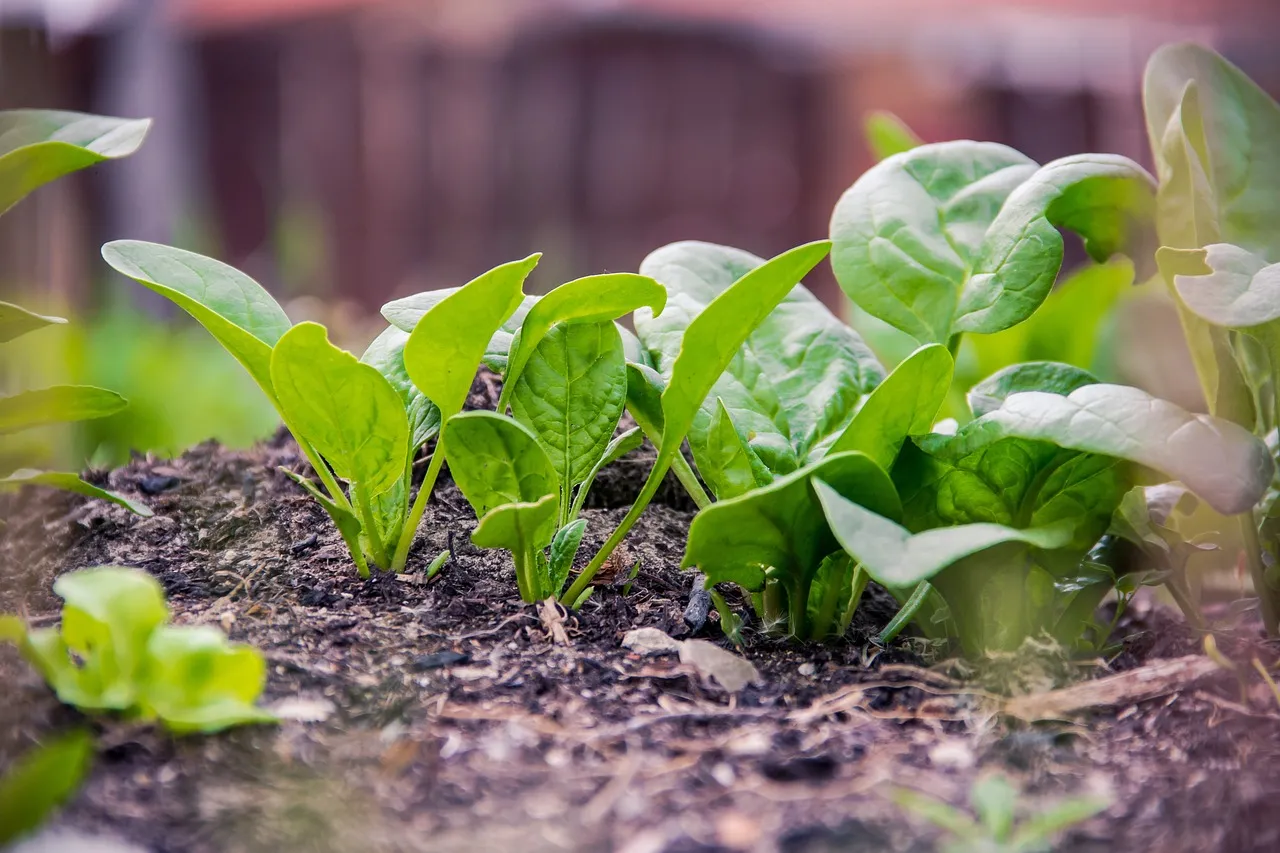
Spinach is one of those vegetables that rewards a beginner generously and quickly. It grows fast, thrives in the cool shoulder seasons when many other crops are struggling, and provides a harvest of dark, nutritious leaves from as little as six to eight weeks after sowing. The real magic of spinach is that it fills the hungry gap in spring and autumn when the kitchen garden is at its quietest. It is also one of the few vegetables that actively performs better with a little shade, making it genuinely useful in gardens that do not face full south.
🌿 At A Glance
Botanical Name
Spinacia oleracea
Plant Type
Hardy annual vegetable
Sow Outdoors
March to May and August to September (direct)
Germination Time
7 to 14 days
Ready to Harvest
6 to 8 weeks from sowing
Difficulty Rating
⭐ Very easy
Sow spinach directly into the ground in shallow drills about 2.5 cm deep, spacing seeds 2 to 3 cm apart in rows 30 cm apart, then thin to around 15 cm once seedlings emerge. It bolts readily in hot, dry summer conditions, so avoid sowing in June and July and instead focus on the cooler months at either end of the season. Water consistently to keep the soil moist because dry conditions accelerate bolting. Pick individual outer leaves regularly rather than cutting the whole plant to keep it producing for weeks. The cut-and-come-again approach works beautifully here, just as with lettuce.
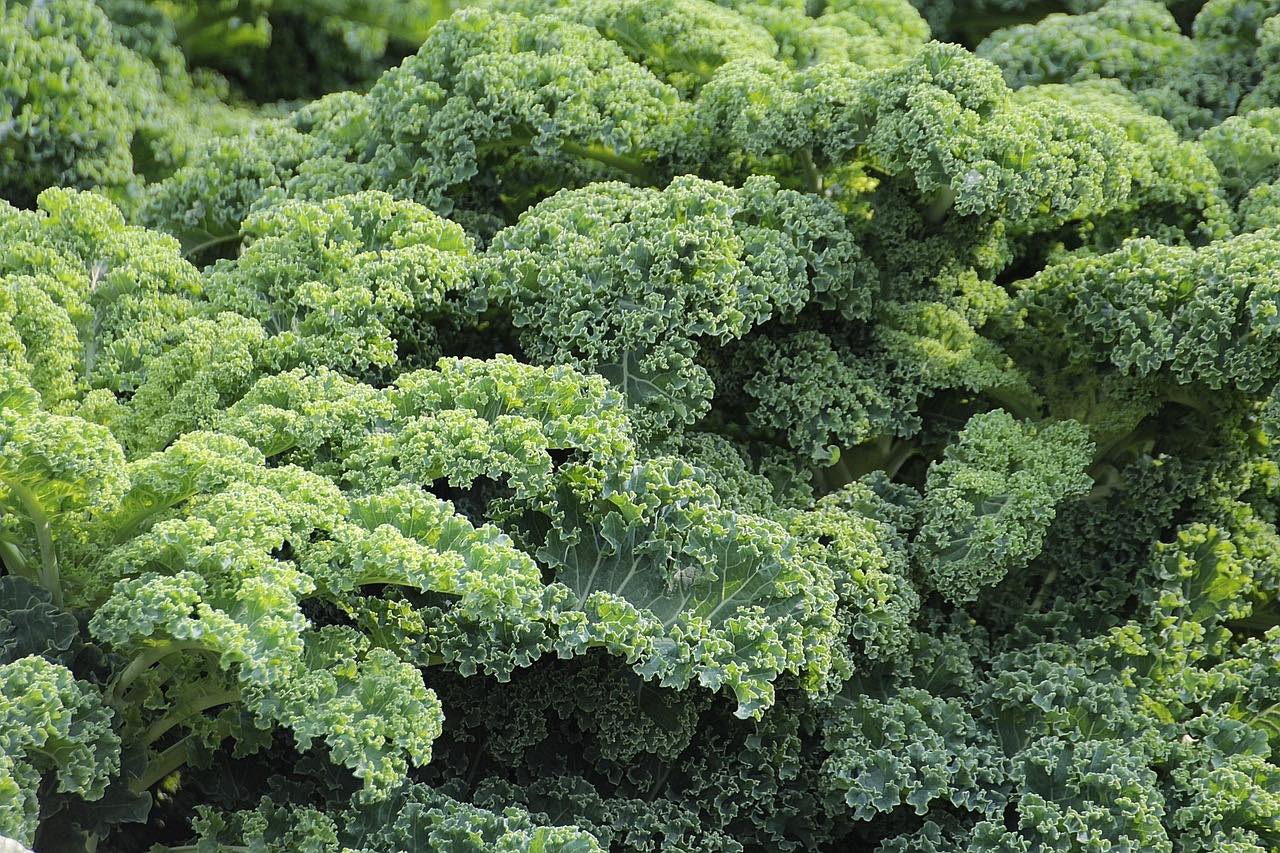
Kale is the toughest, most resilient vegetable on this entire list. It shrugs off frost, laughs at cold, and will stand in the garden producing fresh leaves throughout autumn and winter when almost everything else has given up. For a beginner looking to extend their harvest beyond summer, kale is the answer. A single sowing in May or June will keep you in leaves from September right through to March with virtually no attention required.
🌿 At A Glance
Botanical Name
Brassica oleracea Acephala Group
Plant Type
Hardy biennial vegetable
Sow Indoors
April to May
Sow Outdoors
May to June (direct or in a seedbed)
Germination Time
5 to 10 days
Difficulty Rating
⭐ Very easy
Sow kale seeds thinly in a small pot or a dedicated seedbed outdoors from May, then transplant to their final position once seedlings are about 10 cm tall. Space plants generously, around 45 cm apart, as they become substantial. Firm the soil around the base well at planting as kale can rock in wind, which damages the roots. Varieties like ‘Cavolo Nero’ (black Tuscan kale) and ‘Redbor’ are both reliable and genuinely beautiful plants in the garden. Pick young leaves from the top and side shoots from autumn onwards for the most tender harvest, and the plant will keep producing through the coldest months.
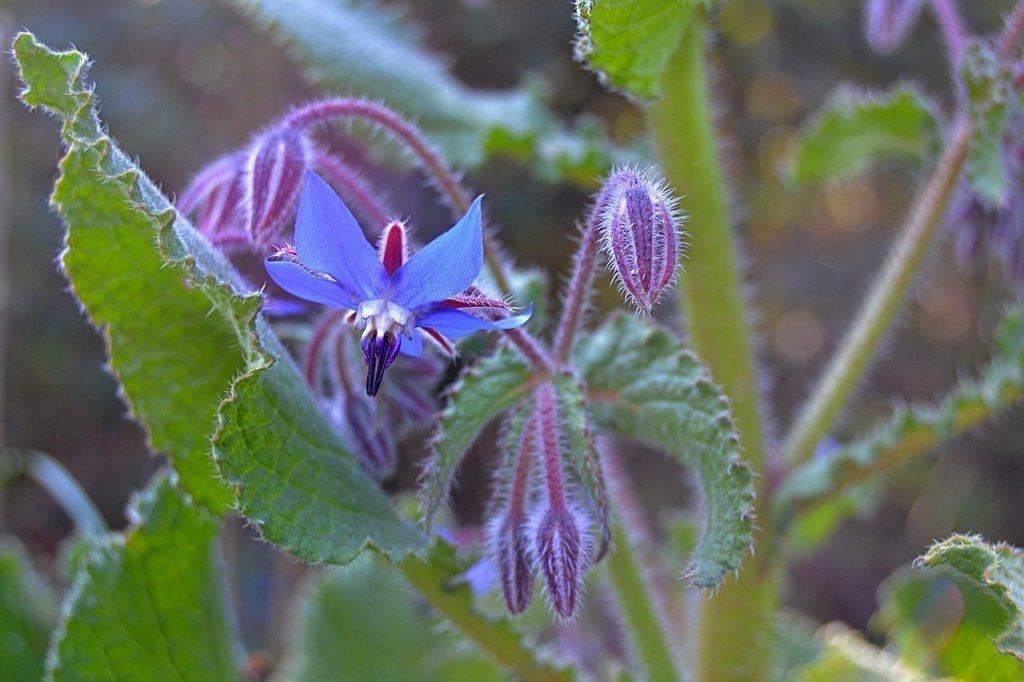
Borage is perhaps the most underrated plant on this entire list. It grows quickly, requires no attention whatsoever, produces beautiful, nodding, star-shaped flowers in the most vivid blue from midsummer, and it is one of the single most valuable plants in the garden for bumblebees. In designing hundreds of client gardens over the years I have always looked for plants that do multiple jobs well, and borage does several. It is beautiful, it feeds bees, it is edible (the flowers taste of cucumber and are stunning frozen into ice cubes), and it self-seeds without becoming invasive.
Sow borage seeds directly where they are to grow from March onwards. The seeds are large enough to place individually about 30 cm apart, or scatter and thin later. They prefer full sun and are remarkably drought-tolerant once established. Do not be alarmed when the plant gets large, up to a metre tall and wide, and develops a slightly rough, hairy texture. Allow a few plants to self-seed, and you will have borage coming back reliably every year with no further effort.
I have them here at Garden Ninja HQ in my Exploding Atom Garden, and I adore them. The flowers are also beautiful in a Gin and Tonic and taste like Cucumber! They are true edimentals!
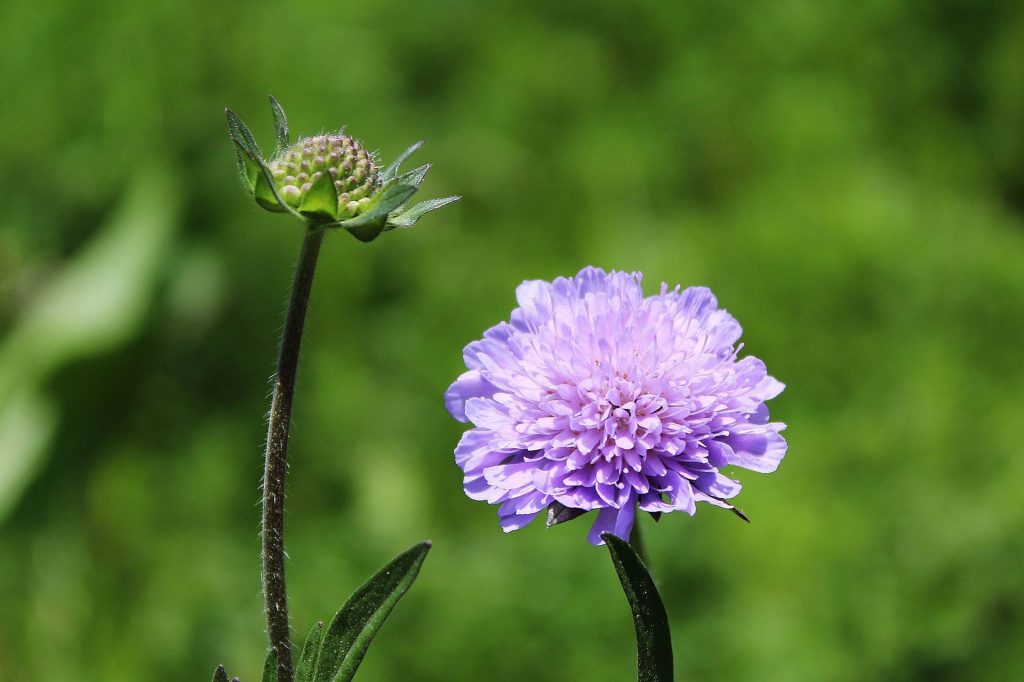
I have a soft spot for sweet scabious because it is one of those plants that looks wildly expensive and complicated but is actually grown from a fairly straightforward annual seed. The pincushion flowers on long, wiry stems in shades of deep purple, mauve, white, and crimson are long-lasting, incredibly attractive to butterflies and bees, and brilliant as cut flowers.
🌿 At A Glance
Botanical Name
Scabiosa atropurpurea
Plant Type
Hardy annual (sweet scabious)
Sow Indoors
February to April
Sow Outdoors
April to May (direct)
Germination Time
14 to 21 days
Difficulty Rating
⭐⭐ Easy
In fifteen years of planting them in client gardens, I have never once had a failure when the seeds have been sown in good conditions.
Sow scabious seeds indoors in February to April in seed compost, just covering with a fine layer of vermiculite. They germinate at around 18°C, and the seedlings grow well in cooler conditions once they are established. Prick out into individual pots when large enough to handle and plant outside from late April in the south, May further north. They flower from midsummer, and deadheading keeps the display going until the first frosts.
Frequently asked questions about growing plants from seed
What month should I start sowing seeds in the UK?
Most seeds can be started indoors from late February onwards on a warm windowsill. Hardy annuals and vegetables that tolerate cool temperatures can be sown outdoors from March once the soil has begun to warm. Half-hardy plants that need warmth should not go outside until after the last frost, which in most of the UK falls between late April in the south and late May further north. If in doubt, check the seed packet, which will give you specific timing for that variety.
Do I need a greenhouse to grow plants from seed?
Not at all. A south or west-facing windowsill is perfectly adequate for starting the vast majority of seeds on this list. The key requirements are warmth (above 15°C for most seeds), reasonable light, and consistent moisture. A cold greenhouse without heating is actually less useful than a warm windowsill for early spring sowing because temperatures inside an unheated greenhouse can drop well below freezing overnight in February and March.
Why are my seeds not germinating?
The three most common reasons seeds fail to germinate are incorrect temperature (too cold for half-hardy plants in particular), compost that is either too wet or has dried out completely, and seeds that are past their use-by date. Check the temperature your specific seeds require and make sure the compost is consistently moist but not waterlogged. Hardy annuals that you sow outside in cold, wet soil in February will often simply sit dormant until the soil warms in April, so patience is sometimes the answer.
What is damping off and how do I prevent it?
Damping off is a fungal disease that causes seedlings to collapse at the base of the stem, as though they have been pinched. It spreads rapidly in wet, poorly ventilated conditions. Prevent it by watering from below rather than overhead, using fresh seed compost rather than reusing old compost, not overcrowding seedlings, and ensuring good airflow around your trays. A propagator lid should be removed once seedlings emerge to prevent the stagnant, humid conditions that damping off thrives in.
When should I pot on my seedlings?
Pot on when the seedling has produced its first true leaves (the leaves that appear after the seed leaves) and when you can see roots beginning to emerge from the drainage holes of the current pot. Do not pot on too early as a tiny seedling in a large pot of wet compost is vulnerable to damping off. Move up one pot size at a time rather than jumping to a very large container, which will similarly hold too much moisture around fragile young roots.
What does hardening off mean and why does it matter?
Hardening off is the process of gradually acclimatising seedlings that have been grown indoors to outdoor conditions. Plants grown on a windowsill are not used to wind, direct sun, temperature fluctuations, or rain. If you move them straight outside without any transition, the shock can set them back significantly or kill them. The process involves placing plants outside in a sheltered spot for a few hours each day over one to two weeks, gradually increasing their exposure until they are ready to stay out permanently. It sounds fussy but it genuinely makes a significant difference to plant establishment.
Design the Garden You’ve Always Wanted
Ready to stop guessing and start designing with confidence? My Garden Design for Beginners online course takes you from blank canvas to brilliant layout, step by step.
I’m Lee Burkhill, award-winning garden designer and BBC1’s Garden Rescue presenter, and I’ve built this course around the same principles I use for every client garden — practical, honest, and designed to actually work in the real world.
In 20 hours of flexible online study you’ll cover:
Design principles that make any garden work
How to select and arrange plants like a professional
Styles and layouts to suit every size and shape of space
Video lessons, real-world case studies, quizzes, and a certificate on completion — all for just £199.
Enrol today and start designing your dream garden.
29
Garden Design Examples for Small Gardens: 30 Design Templates & Planting Plans
Garden Design Examples for Small Gardens: 30 Design Templates & Planting Plans: In this online gardening course, I’ll walk you through 30 fantastic garden designs, explaining the logic behind the layout, the plant choices, and take-home tips for applying them in your own garden.
Weekend Garden Makeover: A Crash Course in Design for Beginners
Learn how to transform and design your own garden with Lee Burkhills crash course in garden design. Over 5 hours Lee will teach you how to design your own dream garden. Featuring practical design examples, planting ideas and video guides. Learn how to design your garden in one weekend!
Garden Design for Beginners: Create Your Dream Garden in Just 4 Weeks
Garden Design for Beginners Online Course: If you want to make the career jump to becoming a garden designer or to learn how to design your own garden, this is the beginner course for you. Join me, Lee Burkhill, an award-winning garden designer, as I train you in the art of beautiful garden design.
Summary: 25 Best Plants to Grow from Seed for Beginners
Growing from seed is genuinely one of the most rewarding things you can do as a new gardener. Start with sunflowers, nasturtiums, and radishes for guaranteed success in your first season, then build confidence with sweet peas, cosmos, and courgettes. The investment is minimal, the learning is enormous, and the satisfaction of eating something you grew from a tiny seed is one that never gets old regardless of how many years you have been gardening. Seed compost, containers, labels, and a gentle watering can are all you need. Everything else follows naturally from there.
Your subscription could not be saved. Please try again.
Your subscription has been successful.
Lee Burkhill
Lee Burkhill, known as the Garden Ninja, is an award-winning garden designer and horticulturist with over 30 years of gardening experience and 15 years as a professional garden designer. A qualified RHS (Royal Horticultural Society) professional, Lee specialises in sustainable garden design and practical horticultural advice. He designs and presents on BBC1’s Garden Rescue and in leading gardening publications. Lee combines three decades of hands-on gardening knowledge with professional design qualifications to help gardeners create beautiful, functional outdoor spaces.