-
How to Get Rid of Moss in Your Lawn: The UK Complete Guide
 Lee Burkhill: Award Winning Designer & BBC 1's Garden Rescue Presenters Official Blog
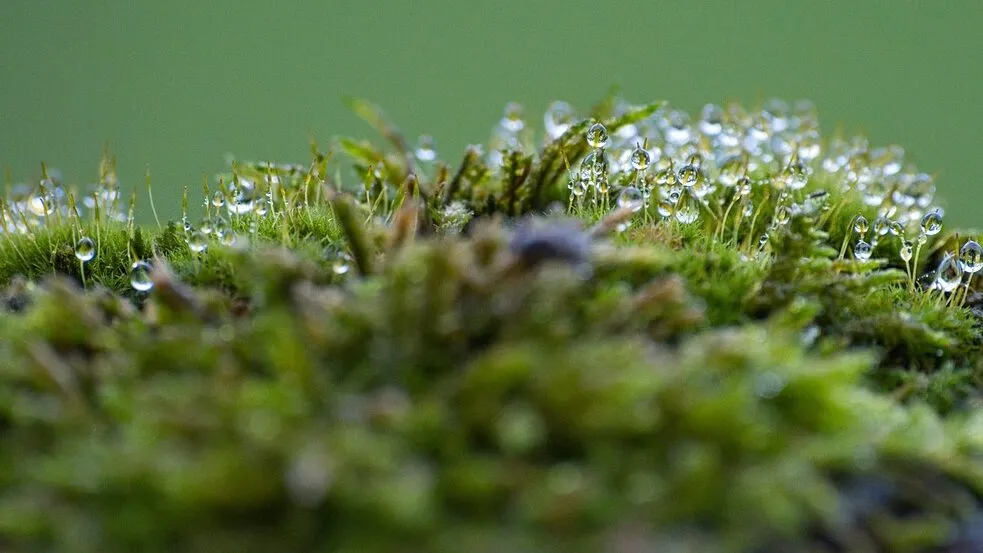
If you've noticed your lawn looking more like a green carpet of moss than actual grass, you're not alone. Moss in lawns is the single biggest problem I encounter with UK gardens, and our damp climate means practically every lawn will face this issue at some point. I'm going to show you how to get rid of moss in lawns!
Here’s the reality I share with every garden design client who asks about their mossy lawn: simply killing the moss without addressing the underlying cause is like bailing out a sinking boat without fixing the hole. You’ll be fighting the same battle every single season, spending money on moss killers whilst the underlying problems remain completely untouched.
I’ve lost count of how many gardeners tell me they’ve tried everything to get rid of moss, yet it keeps returning like an unwelcome houseguest who refuses to leave.
The good news? Once you understand what’s actually causing moss to thrive in your lawn, you can tackle both the immediate problem and apply permanent moss-killing solutions that will transform your turf. I’m going to walk you through exactly why moss appears, when to treat it, and most importantly, how to stop it coming back for good.
This page contains affiliate links for products I use and love. If you take action (i.e. subscribe, make a purchase) after clicking a link, I may earn some gardening commission, which helps me keep the Garden Ninja Blog free for all.
When Is the Best Time to Treat Lawn Moss in the UK?
The best time to treat moss in UK lawns is early spring (March to April) or early autumn (September to October) when grass is actively growing and can recover quickly from scarification. Spring treatment deals with moss that has spread over winter, whilst autumn treatment prevents moss taking hold before the dormant season.
Avoid treating moss during summer drought or winter dormancy when grass cannot compete effectively.
Timing your moss treatment correctly makes an enormous difference to results.
In spring, moss is usually at its worst after thriving through the damp winter months, making it the ideal time for aggressive removal through scarification. The warming soil and increasing daylight hours mean your grass will recover quickly and fill in the bare patches before weeds can establish. I always recommend spring treatment as the primary intervention for heavily moss-infected lawns.
Autumn presents a second opportunity, particularly if you’ve had a wet summer that has encouraged moss growth. Treating in September or early October allows you to prepare your lawn for winter in the best possible condition. The soil is still warm, grass roots are actively growing, and you have time to overseed successfully before temperatures drop. Whatever you do, avoid treating moss in midsummer when grass is stressed from heat and drought, or in deep winter when everything has ground to a halt.
Why Does Moss Invade UK Lawns?
Understanding why moss appears is absolutely essential if you want to solve the problem permanently.
Moss doesn’t kill grass or push it out through some aggressive takeover. Instead, moss is an opportunist that colonises spaces where grass cannot grow properly. Think of moss as nature’s way of telling you something is seriously wrong with your lawn’s growing conditions. After 35 years working with gardens across the UK, I can tell you that moss problems almost always point to one or more of these underlying issues.
A) Soil Compaction
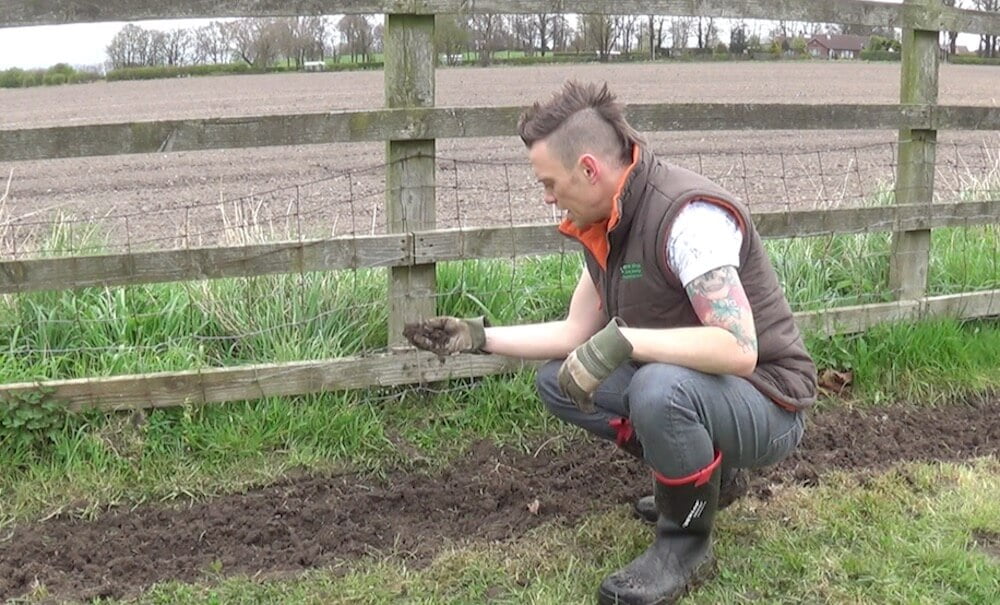
Compacted soil is the single most common cause of moss in UK lawns. When soil becomes compressed, whether from heavy foot traffic, construction equipment, or simply years of use without aeration, grass roots cannot penetrate effectively.
Compaction prevents air, water and nutrients reaching the root zone, causing grass to thin out and creating perfect conditions for shallow rooted moss to establish. I’ve seen lawns where you literally cannot push a fork more than a few centimetres into the ground. That’s not soil anymore, it’s practically concrete, and no amount of moss killer will solve it.
The compaction problem creates a vicious cycle.
Poor drainage means water sits on the surface, which moss absolutely loves. The grass weakens further, more moss appears, and before you know it, you’re looking at a lawn that’s 60% moss. If your lawn feels spongy when you walk on it, or water pools after rain rather than draining away, compaction is almost certainly your primary issue.
B) Excessive Shade
Shade is the second major culprit behind moss invasion. Whilst certain grass varieties tolerate some shade, none can cope with deep, permanent shade the way moss can. This is especially true in New build gardens where properties, garages and other structures are close by and cast lots of shade.
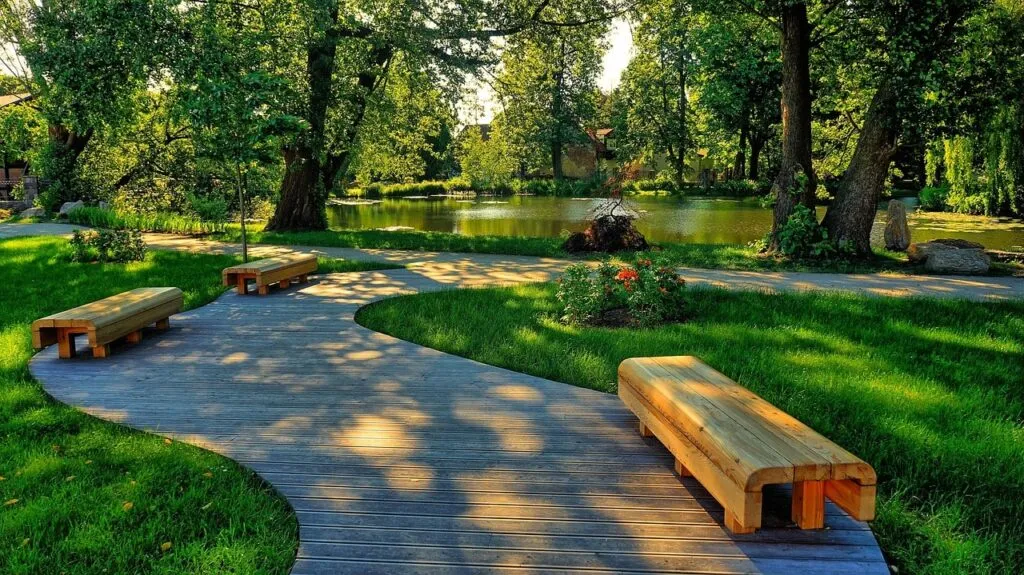
I’ve worked on gardens where mature trees have gradually created such dense shade that grass simply cannot photosynthesise enough energy to survive. The grass thins, moss moves in, and suddenly you’re maintaining a moss lawn whether you intended to or not.
Here’s what many gardeners don’t realise: shaded areas also stay damp far longer after rain or dew, creating a double whammy of conditions that favour moss over grass.
Even if you manage to get grass growing in shade, it will be weak and unable to compete effectively. Some of my clients have made the difficult decision to remove lower branches or even entire trees to restore enough light for grass. Others have embraced the shade and created beautiful woodland garden areas instead. For more ideas on shade-tolerant alternatives, check out my guide on alternatives to lawns in the garden.
C) Poor Drainage
Waterlogged soil suffocates grass roots but provides ideal conditions for moss. In heavy clay soils, which are common across much of the UK, drainage problems are practically inevitable without intervention.
I’ve encountered lawns where water literally sits on the surface for days after heavy rain, and the grass roots are essentially drowning. Meanwhile, moss thrives because it has no true roots and can absorb water directly through its leaves.
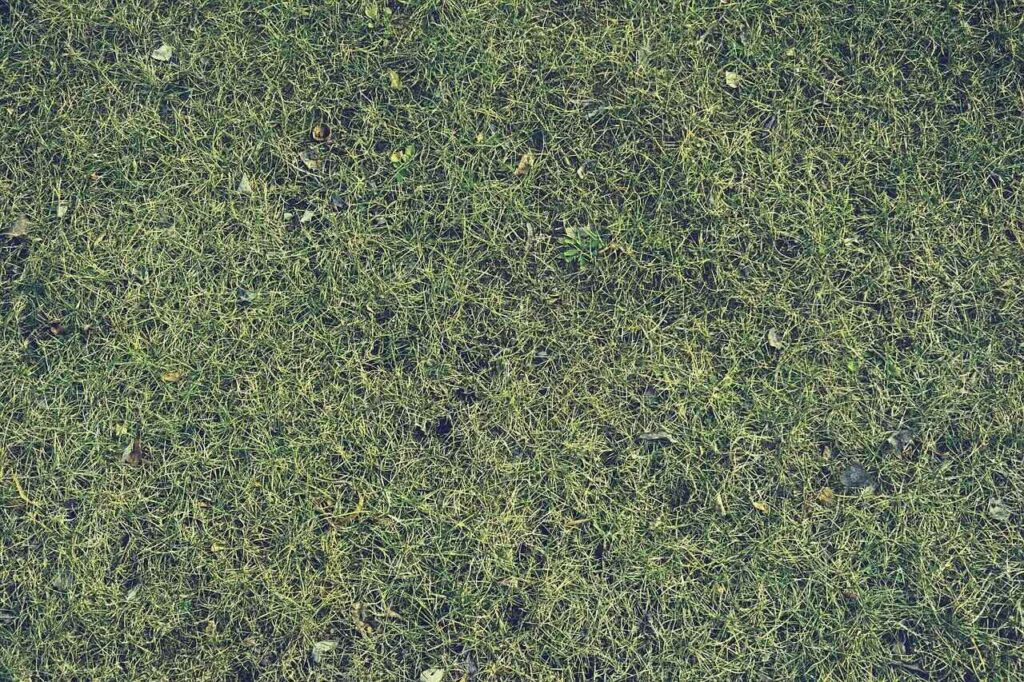
Poor drainage often goes hand in hand with compaction, creating a particularly stubborn moss problem. The soil cannot absorb water, so it sits on the surface. The constant moisture weakens the grass whilst encouraging moss. Improving drainage through aeration and possibly installing proper drainage systems is often the only real solution for seriously waterlogged lawns.
D) Acidic Soil
There’s a persistent myth that moss only grows in acidic soil and that lime is the magic solution. Let me be absolutely clear about this from my experience: whilst moss does prefer acidic conditions, I’ve seen moss growing happily in alkaline soils across the UK.
The lime myth persists because adding lime to genuinely acidic soil can help grass grow more vigorously, which then outcompetes the moss. However, if your soil isn’t actually acidic, lime won’t solve the problem and might even create new ones.
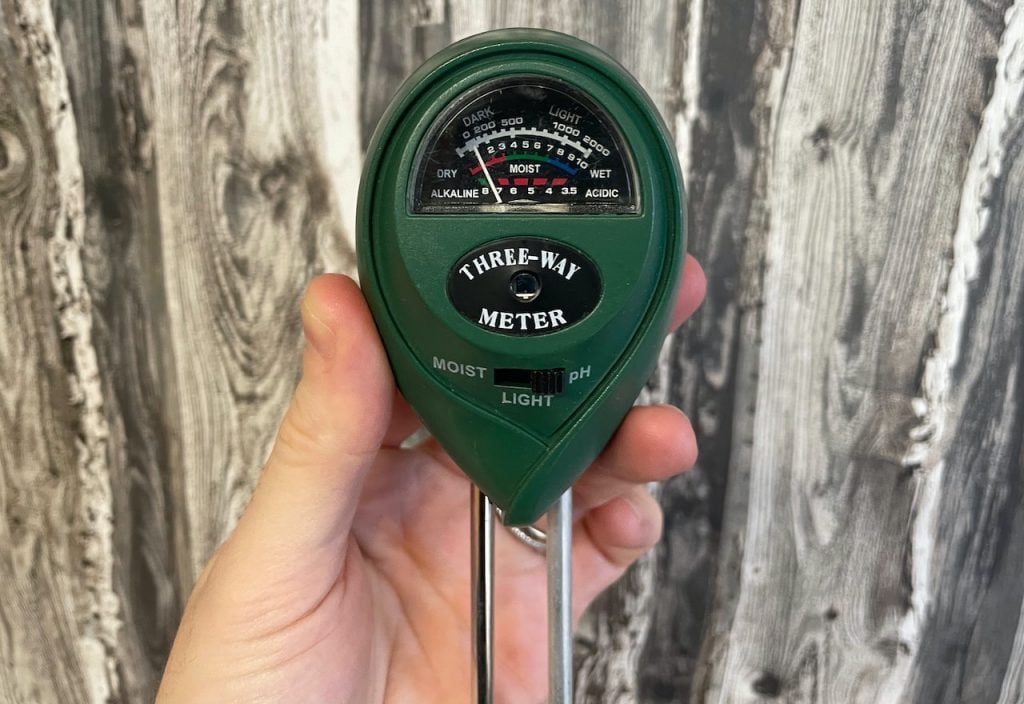
The only way to know if soil pH is contributing to your moss problem is through proper soil testing. Most UK lawns prefer a pH between 6.0 and 7.0.
If your soil tests below 5.5, then yes, lime may help. But if you’re at pH 7.0 and still battling moss, soil acidity isn’t your problem; you need to look at other factors.
E) Low Fertility
Weak, undernourished grass cannot compete with anything, including moss. If you never feed your lawn, the grass will gradually thin out as it struggles to maintain itself. This creates bare patches that moss colonises effortlessly.
Regular feeding with appropriate fertiliser helps keep grass thick and vigorous enough to naturally crowd out moss. However, feeding alone won’t solve moss problems if compaction, shade or drainage issues are present. It’s one piece of the puzzle, not the complete solution.
Immediate Solutions: Removing Existing Moss
Right, you understand why the moss appeared. Now let’s deal with what’s already there before we move on to permanent fixes. Removing moss involves a two-step process: killing it, then physically removing the dead material.
1) Applying Moss Killer
Moss killers typically contain ferrous sulphate (iron sulphate), which is highly effective at killing moss whilst also providing iron that grass loves.
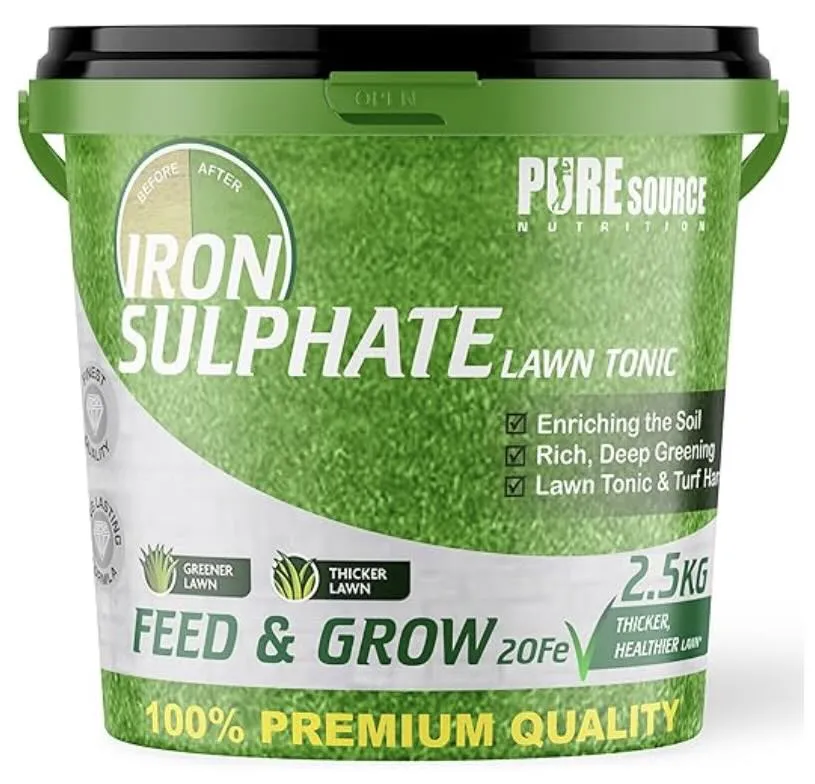
You can buy moss killer as either a granular or a liquid product. Both work well, though I find granules easier to apply evenly across larger lawns.
Apply moss killer when the weather is mild and damp, ideally after rain or when heavy dew is present. This helps the product penetrate effectively. Avoid applying before heavy rain, as it will simply wash away before it can work.
🛒 Buy Moss Killer on Amazon UK
Within 7 to 14 days, the moss will turn black or dark brown, indicating it’s dead. Don’t be alarmed by how dramatic this looks. The blackened moss is exactly what you want to see before moving to the next stage. During this waiting period, avoid walking on the lawn more than necessary and definitely don’t mow until you’ve completed the scarification process.
2) Scarifying to Remove Dead Moss
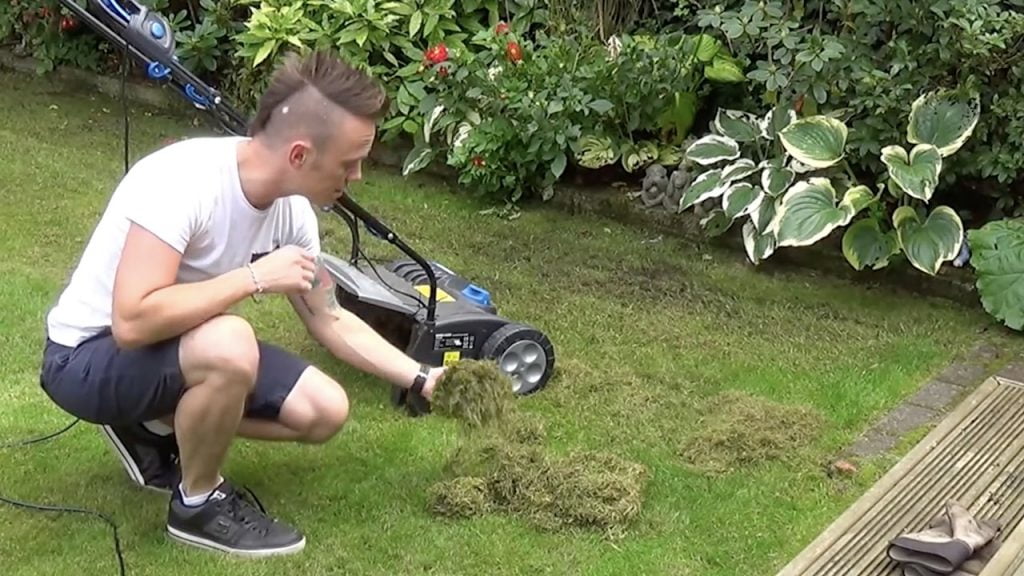
Once the moss is properly dead, you need to scarify the lawn to physically remove it. Scarification involves using a machine with vertical blades that slice into the lawn surface, pulling out dead moss, thatch and debris.
For small areas, a spring tine rake will work, though it’s hard graft. For anything larger than a postage stamp, hire or buy a powered scarifier. It’s worth every penny, and this electric scarifier will save you so much time and bring your lawn back to life!
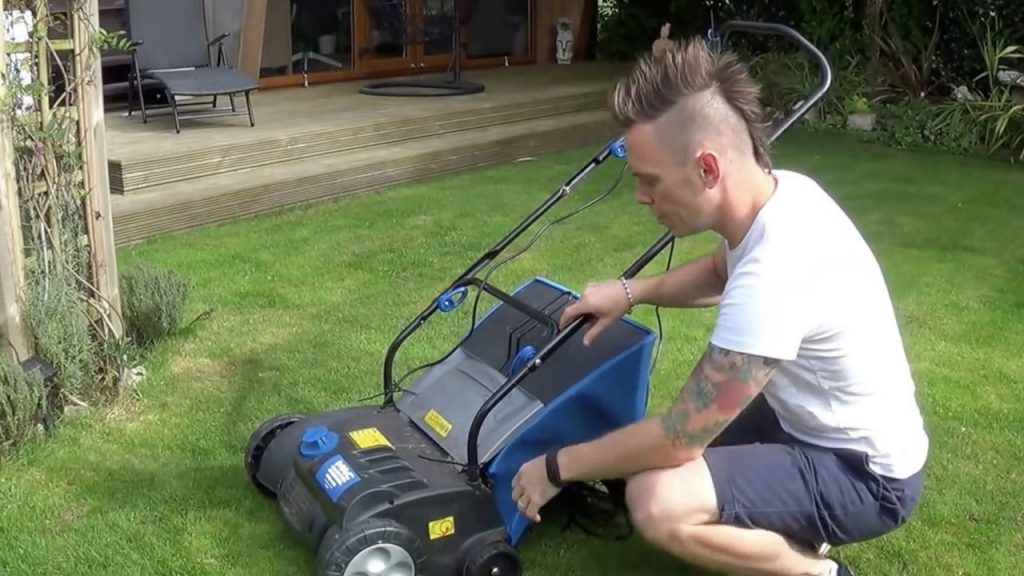
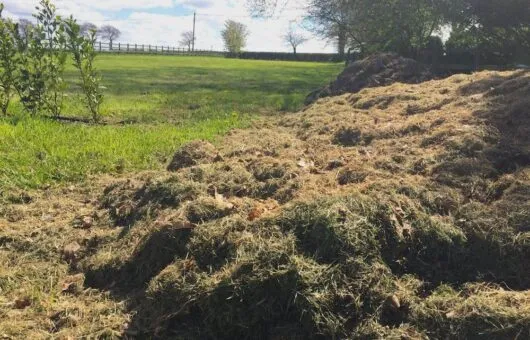
Scarifying looks brutal. Your lawn will appear absolutely devastated afterwards, looking more like a ploughed field than a lawn. This is completely normal and exactly what should happen. You’re removing all the dead material and creating space for grass to grow properly. I cover the complete scarification process in detail in my guide to scarifying lawns, which shows you exactly what to expect.
🛒 Buy Electric Lawn Scarifiers on Amazon UK
After scarifying, collect all the moss you’ve removed. You can compost it, though moss breaks down very slowly, so add it gradually, mixed with other materials. Alternatively, bag it up for council green waste collection. Don’t leave it lying on the lawn, as some species can recolonise from fragments.
Timeline for Removing Moss from a Lawn
| Treatment Stage | Timing | What to Expect |
|---|---|---|
| Apply moss killer | Day 1 | Lawn looks unchanged initially |
| Moss dies | Days 7-14 | Moss turns black or dark brown |
| Scarify lawn | Day 14-21 | Lawn looks devastated but this is normal |
| Overseed bare patches | Day 21-28 | Fresh grass seed applied to thin areas |
| Visible recovery | Weeks 4-8 | New grass fills in, lawn improves dramatically |
Permanent Solutions: Stopping Moss Returning
Killing and removing moss is satisfying, but it’s only a temporary relief unless you fix the underlying problems. Here’s how to address each cause permanently.
i) Relieve Soil Compaction
Core aeration is the single most effective long-term solution for compacted lawns. Use a hollow tine aerator that physically removes plugs of soil, creating channels for air, water and nutrients to reach grass roots.
For seriously compacted lawns, you may need to aerate annually for several years. After aerating, brush sharp sand into the holes to improve drainage long-term. This is hard work, but it transforms compacted soil over time. The improvement in grass health after proper aeration is remarkable.
ii) Improve Drainage
If your lawn stays waterlogged, you have three options. For mild problems, regular aeration combined with topdressing using sandy loam helps improve surface drainage gradually.
For moderate issues, consider installing French drains or land drains beneath problem areas. For severe waterlogging, you may need to regrade the entire area or accept that a traditional lawn simply isn’t viable and explore alternatives.
iii) Manage Shade
If mature trees cast heavy shade, you face a difficult choice: keep the trees and accept moss, remove or heavily prune trees to restore light, or replace grass with shade-tolerant ground covers.
There’s no middle ground here. Grass needs roughly four hours of direct sunlight daily to thrive. Less than this and you’re fighting a losing battle. I’ve helped many clients make this decision, and whilst removing trees feels drastic, it’s sometimes the only realistic solution for a decent lawn.
iv) Test and Adjust Soil pH
Get your soil tested before adding lime. Seriously. Guessing your pH and chucking lime about randomly achieves nothing except wasting money. If testing reveals acidic soil below pH 6.0, apply lime according to test recommendations. If pH is fine, forget about lime entirely and focus on the real problems.
v) Feed Your Lawn Properly
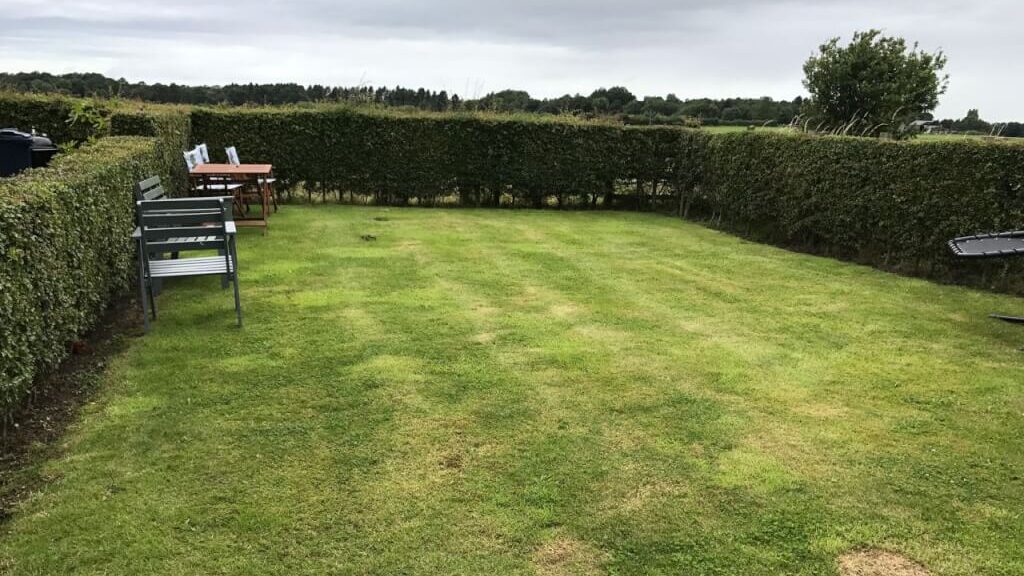
Establish a regular feeding programme with appropriate lawn fertiliser. Feed in spring to promote growth, use a summer feed during the growing season, and apply an autumn feed high in potassium to strengthen grass before winter.
Well-fed grass stays thick and vigorous, naturally resisting moss colonisation. For guidance on feeding and maintaining your lawn through winter, see my article on winter lawn care.
vi) Overseed After Treatment
After removing moss, your lawn will have bare patches that need filling. Overseeding introduces fresh grass that fills these spaces before weeds or moss recolonise.
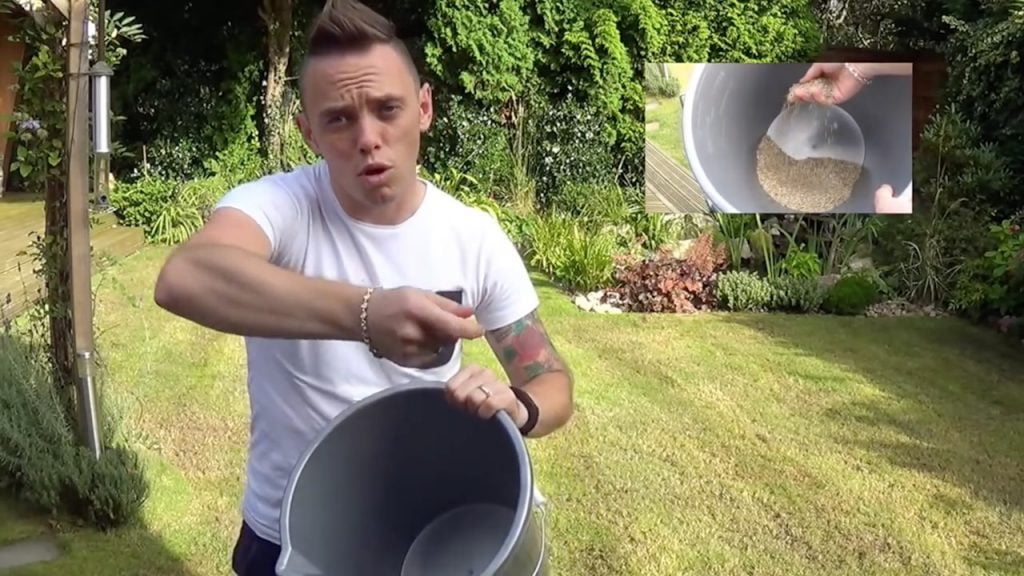
Choose grass seed varieties suited to your conditions. For shaded areas, use shade-tolerant grass mixes. For heavy-wear areas, opt for hard-wearing varieties. Preparation and aftercare when overseeding make all the difference to establishment. My complete guide to laying turf covers seed germination care that applies equally to overseeding.
🛒 Buy The Best Lawn Seed on Amazon UK
Common Moss Removal Mistakes to Avoid
Over my years helping gardeners tackle moss problems, I’ve seen the same mistakes repeated countless times. Here’s what not to do.
- Don’t scarify before killing the moss. Scarifying live moss just spreads it around your lawn, making the problem worse.
- Always apply moss killer first, wait for it to die, then scarify. Don’t treat moss in summer when grass is dormant and stressed. The grass cannot recover properly and you risk damaging your lawn further.
- Don’t expect moss killer alone to solve the problem. Unless you improve growing conditions for grass, moss will return within months.
- Don’t forget to overseed after removing moss. Those bare patches need filling quickly.
- Don’t mow too short. Scalping your lawn weakens the grass and encourages moss. Raise your mower blades and cut only the top third of the grass height.
For more guidance on proper lawn maintenance, see my complete lawn mower buying guide, which covers cutting heights and mowing best practices.
When to Accept Moss as Ground Cover
Here’s something controversial that many lawn purists hate hearing: sometimes moss actually makes a better ground cover than grass. In deep shade under mature trees, or in constantly waterlogged areas where drainage improvement isn’t feasible, moss provides attractive, maintenance-free ground cover that stays green year-round.
You don’t mow it, feed it, or water it. It simply exists, providing soft green coverage where grass would struggle and die.
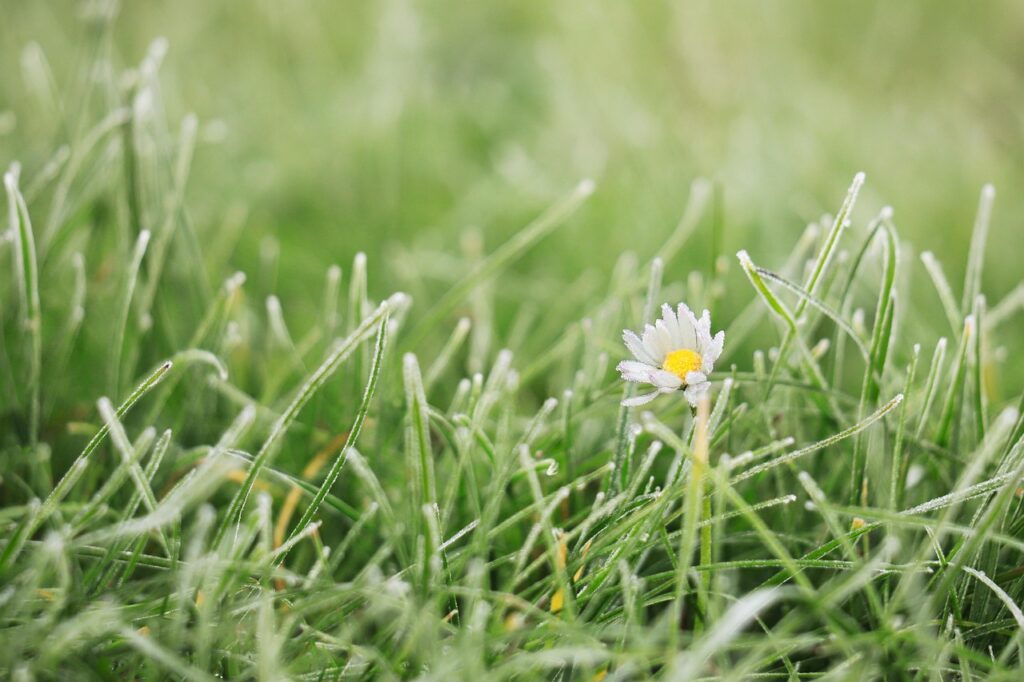
I’ve designed gardens where we deliberately encouraged moss in shady woodland areas, creating beautiful naturalistic spaces that work with the site conditions rather than fighting against them. If you’re spending more time, money and effort fighting moss than you’d spend enjoying a healthy lawn, it might be time to embrace the moss and create something different instead.
The Bottom Line on Moss Removal
Getting rid of moss permanently requires understanding and addressing the root causes, not just treating the symptoms. Spring or autumn are your windows for treatment when grass can recover effectively.
Kill the moss with iron sulphate-based products, remove it through thorough scarification, then fix the underlying problems through aeration, drainage improvement, appropriate feeding and overseeding. For lawns suffering from compaction and poor drainage, these interventions will transform not just your moss problem but overall lawn health.
Remember that moss is simply nature’s way of filling a gap where grass cannot thrive. Fix the conditions, strengthen the grass, and moss loses its foothold naturally. It takes more effort than just buying moss killer, but it’s the only approach that delivers lasting results. I’ve seen countless moss ridden lawns transformed into thick, healthy turf through properly addressing the causes rather than just treating the symptoms.




Lee Burkhill
Lee Burkhill, known as the Garden Ninja, is an award-winning garden designer and horticulturist with over 30 years of gardening experience and 15 years as a professional garden designer. A qualified RHS (Royal Horticultural Society) professional, Lee specialises in sustainable garden design and practical horticultural advice. He designs and presents on BBC1’s Garden Rescue and in leading gardening publications. Lee combines three decades of hands-on gardening knowledge with professional design qualifications to help gardeners create beautiful, functional outdoor spaces.
View all posts by Lee Burkhill





Categories
Other posts
-

Start here: to begin your gardening journey! Read more
-
What Are Poinsettias and How to Care for Them: The Complete Guide Read more
-
How to Grow Agapanthus UK: Containers, Winter Care & the Best Hardy Varieties Read more
-
Green waste bin charges scandal Read more
-
Edimentals: Beautiful Plants You Can Actually Eat Read more
-
The Fastest Way to Plant Bulbs: How to Use a Bulb Planter Read more