How to Choose the Right Lawn Mower: Complete 2026 Buying Guide
Lee Burkhill: Award Winning Designer & BBC 1's Garden Rescue Presenters Official Blog
Beginner level
Choosing a lawn mower can feel like a minefield. Do you go for a petrol lawn mower, electric or even robotic? How big does your lawn need to be before you need a ride on? Budgets vary from £99 up to £5,000 for a residential lawn mower. How much should you spend? This guide is going to give you the low down on all you need to know before buying a new lawn mower.
Quick Answer
The right lawn mower depends on your lawn size. For small lawns under 300m², an electric or battery mower is ideal. Medium lawns up to 600m² suit a self-propelled petrol or cordless mower. Large lawns over 1,000m² need a ride-on. Cylinder mowers give the finest finish; rotary mowers handle everyday British lawns best.
I have been mowing lawns since I was barely tall enough to reach the handles of my grandads old Qualcast, and across 20 years of professional garden design on BBC1’s Garden Rescue and hundreds of client gardens, I have used almost every type of mower on the market. Petrol, electric, battery, robotic, cylinder, ride-on, zero-turn. I have pushed, ridden, or wrestled with it. That experience is what I want to pass on here, because choosing the wrong mower is one of the most common and costly mistakes I see gardeners make.
The good news is that once you understand a handful of key factors about your own lawn: its size, its terrain, and how you want to use it. The right mower choice becomes much clearer. This guide walks you through every decision you need to make, in the right order, so you can spend your time actually enjoying your garden rather than fighting with a machine that was never suited to it.
This page contains affiliate links. If you purchase after clicking one of my links, I may earn a small commission at no extra cost to you. This helps keep the Garden Ninja blog free for everyone.
1. What size lawn mower do I need?
The single most important factor when buying a mower is the size of your lawn, and it is also the factor people most often get wrong. I regularly meet gardeners who have bought a small corded electric mower for a large suburban garden, or who have invested in a petrol ride-on for what is essentially a large patio with a grass border. Both situations are frustrating, expensive, and entirely avoidable.
Before you look at a single model or read a single review, measure your lawn. Use a measuring tape for simple shapes, or break an irregular garden into rectangles and triangles and add the areas together. Subtract any non-grass areas such as patios, paths, and flower beds. The number you end up with determines almost everything else.
Small lawns: under 300m²
A small lawn is anything up to 300m², which is roughly the size of a tennis court. If your garden falls into this category, you have the most options available to you. A corded electric mower will handle this size without any difficulty, as will a battery cordless model or a lightweight petrol push mower. Robotic mowers also perform well at this scale if you want a hands-off approach. For a typical small British garden, my recommendation is a quality cordless battery mower because it gives you the freedom of petrol without the noise, fumes, or annual servicing.
💡 Top Tip
For small lawns with lots of flower beds and tight corners, prioritise manoeuvrability over cutting width. A narrow 32cm mower that turns on a sixpence will leave a better result than a wide 46cm model that leaves uncut strips around every obstacle.
Medium lawns are where many gardeners struggle with their mower choice, because corded electric models become impractical and underpowered, but a full ride-on feels excessive. For this size, a self-propelled petrol mower is the classic choice and still one of the best. You benefit from the power to cut through thicker grass and the self-propulsion to handle gentle slopes without exhausting yourself. Alternatively, a high-capacity cordless mower with a spare battery will cover this area in two charges, which is perfectly manageable for most gardening schedules.
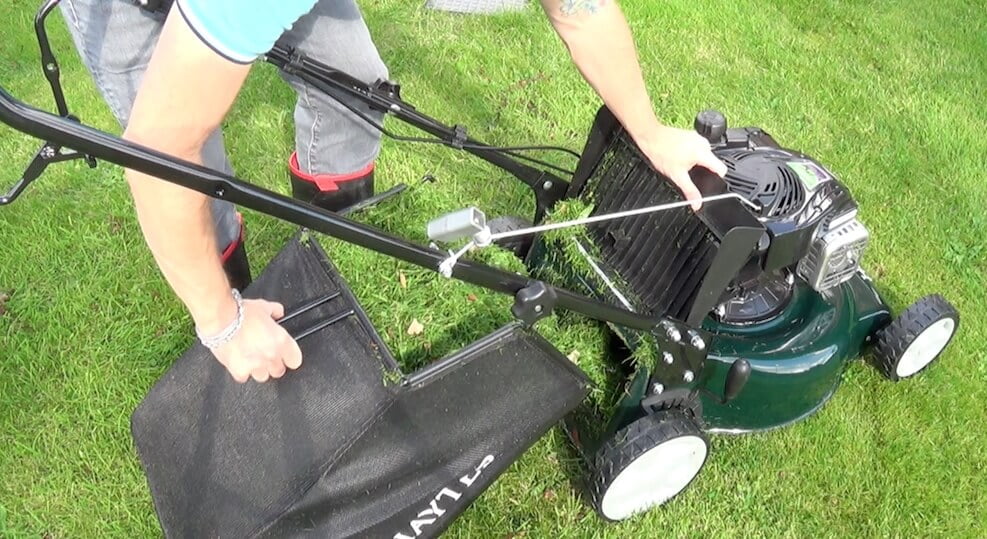
In my experience, the medium lawn is also where people underestimate how much time they will spend emptying the grass collection box. Think carefully about bag capacity. A 50 to 60 litre box will get you significantly further before you need to stop and empty it compared to a 35 litre model.
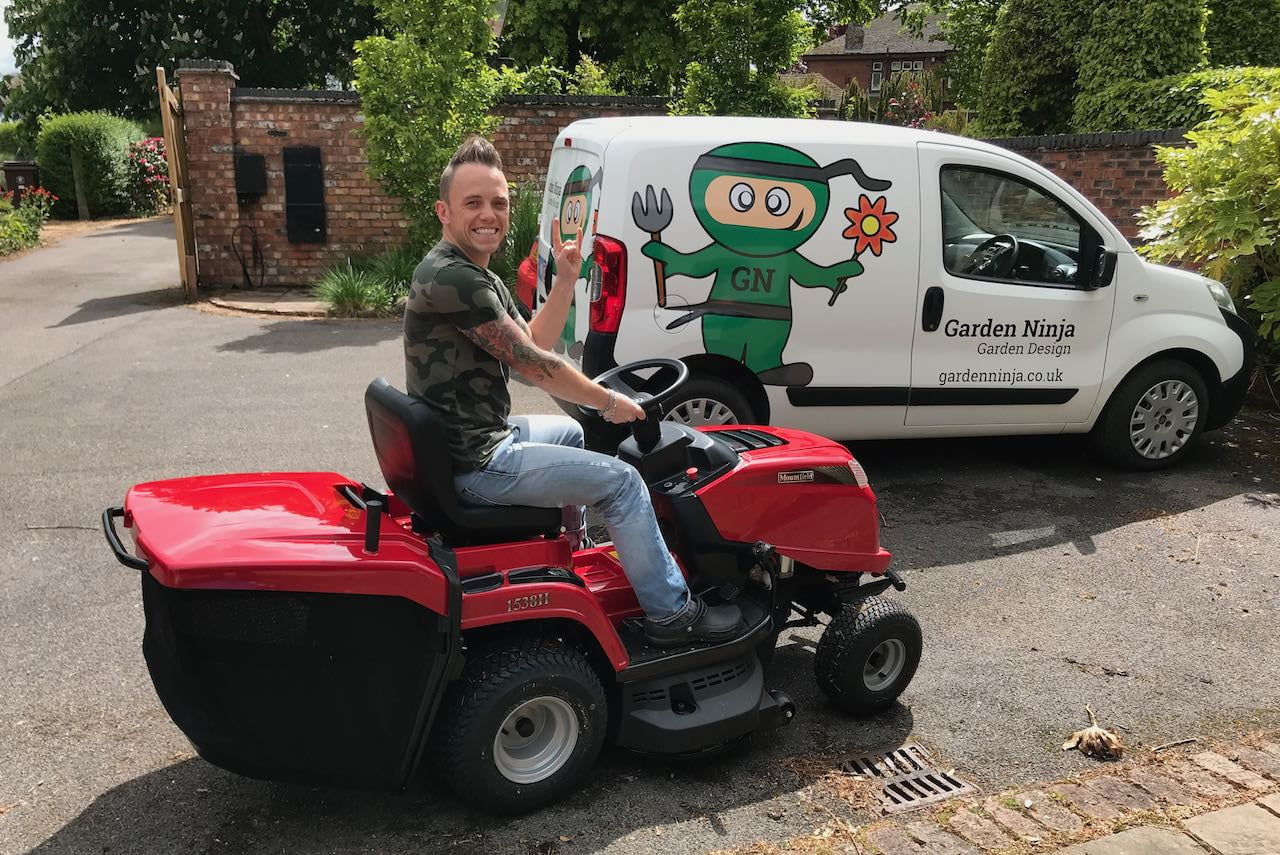
Once your lawn exceeds 600m², a push mower of any kind starts to feel like hard work, and anything over 1,000m² (roughly a third of an acre) really does require a ride-on or lawn tractor. I own a ride-on for the larger garden spaces I maintain professionally, and the difference in time and physical effort compared to a large petrol push mower is considerable. A job that takes an hour and a half on foot takes twenty minutes on a ride-on.
For large lawns, pay close attention to the cutting deck width on any ride-on you consider. A 60cm deck will cover ground significantly faster than a 45cm one over the same area, and for lawns in excess of 2,000m², a zero-turn mower or a tractor with a wide deck will save you an enormous amount of time over a season.
Personally selected by Lee Burkhill — BBC Garden Rescue presenter and professional garden designer with 20 years of hands-on mowing experience.
Best Budget
Webb WEER33 Classic 33cm Corded Electric
Up to 250m²1,300W33cm cut35L box3yr guarantee
★★★★★
4.6/5 • BBC Gardeners’ World Best Buy
The best entry-level mower in the UK right now, full stop. The Webb WEER33 punches well above its price point: a 1,300W motor that handles thicker grass without labouring, a proper 35L mesh collection box that fills evenly, and a 10m cord that reaches across most small gardens without an extension. British-designed, three-year guarantee, and named Best Buy Budget Mower by BBC Gardeners’ World. If you have a lawn under 250m² and want something reliable that costs under £120, this is it.
Bosch has refined the Rotak 34R over many years and the result is one of the most consistently well-reviewed small garden mowers on the market. The GrassCombs let you cut right up to borders and walls, the rear roller produces genuine lawn stripes, and the 1,300W PowerDrive motor handles damp grass without complaint. Lightweight at 11kg, easy to fold for storage, and backed by Bosch’s reliable customer support. For a small, well-kept garden lawn, this is my go-to recommendation at this price point.
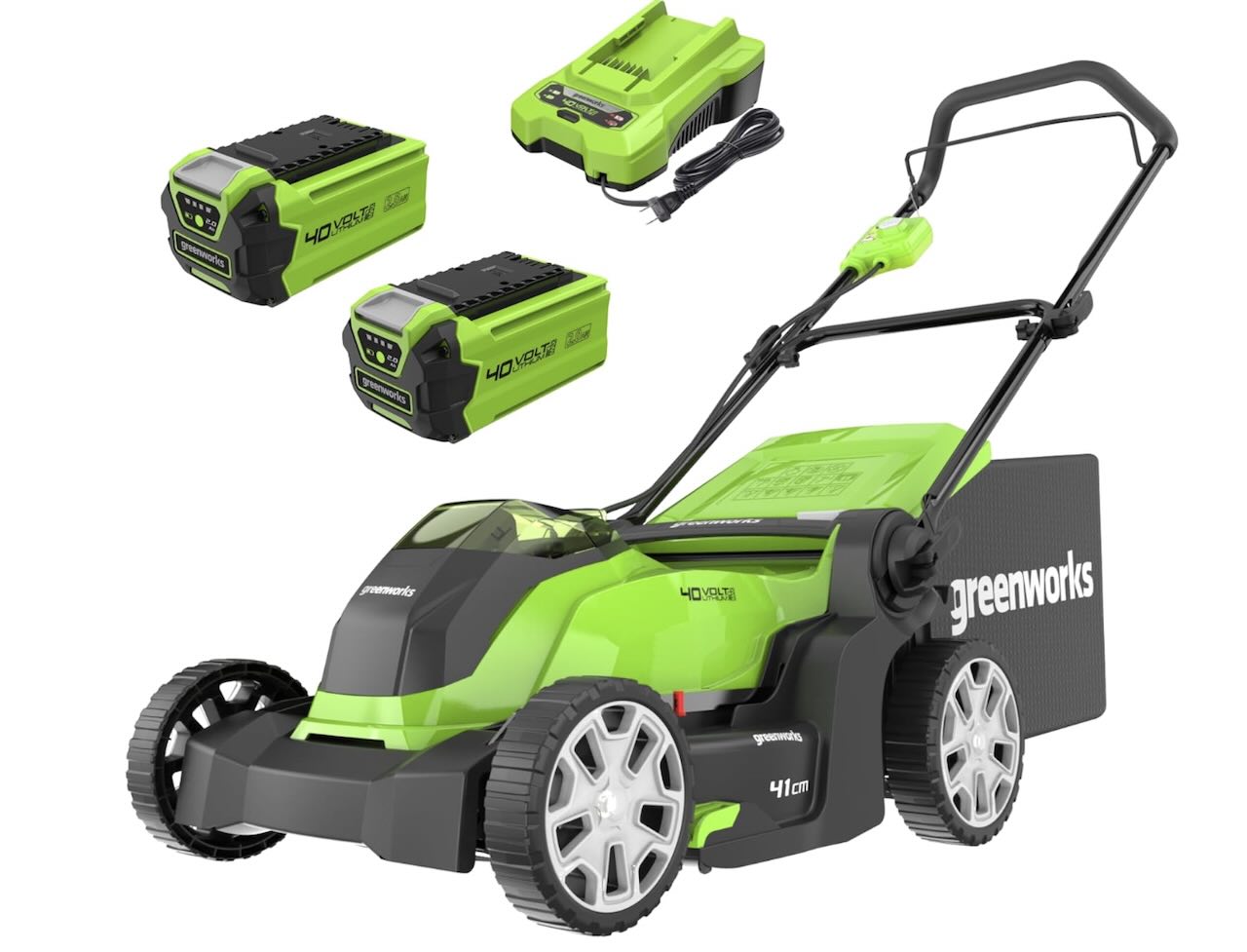
Greenworks G40LM41K2X 40V Cordless with 2 Batteries
Up to 500m²40V 2x2Ah41cm cut50L boxMulch & collect
★★★★★
4.4/5 • 1,100+ Amazon UK reviews
This is where cordless now rivals petrol for most British gardens. Two 40V 2Ah batteries are included in the box, giving you coverage of up to 500m² across two charges, and the batteries are compatible with Greenworks’ wider 40V tool range. The 41cm cutting width, 50L collection bag, and five cutting heights cover everything a medium-sized garden needs. Over 1,100 UK Amazon reviews and a three-year guarantee make this one of the best-evidenced cordless choices on the market. No fumes, no pull cord, no winter fuel draining.
Up to 500m²Variable speed41cm cutRear rollerReadyStart
★★★★★
Consistently top-rated by UK press
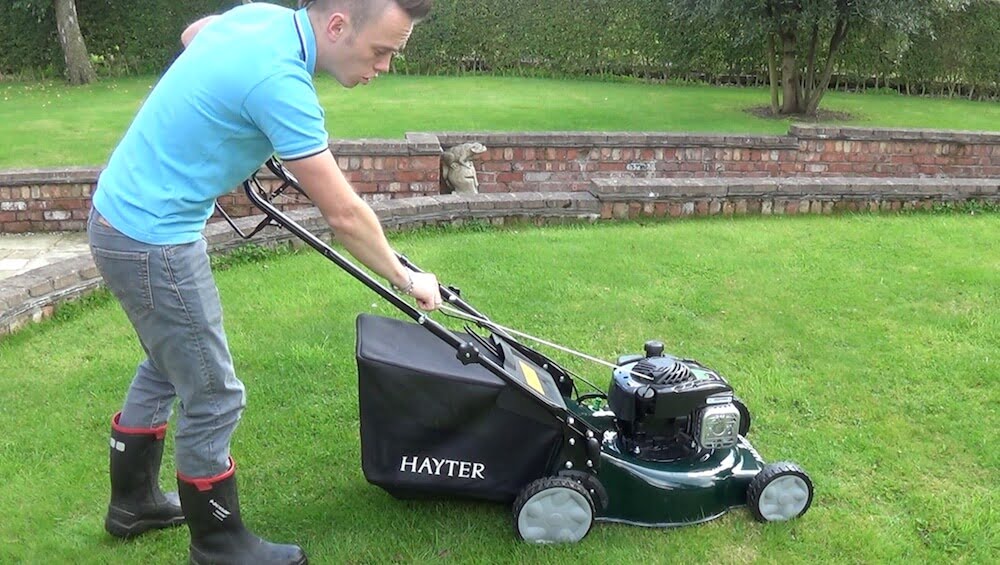
I have been recommending Hayter to clients for years and the Harrier 41 is the model I point to when someone wants a proper British-built petrol mower with long-term reliability. The ReadyStart button means no pull cord frustration, the variable speed drive lets you match pace to conditions, and the two-piece rear roller produces excellent lawn stripes while protecting turf at the turns. The aluminium deck and UK dealer network mean spare parts and servicing are never an issue. Petrol done properly, for gardens up to 500m².
EGO’s 56V ARC Lithium platform is the most advanced battery system in domestic mowing right now, and the LM1702E-SP is where that technology really shows its capabilities. The self-propelled drive runs smoothly and adjusts automatically to your walking speed, the 55L collection bag rarely needs emptying mid-cut, and the 56V battery offers 40% more power than a standard 40V system under load. Named best self-propelled cordless mower by BBC Gardeners’ World, with a five-year domestic warranty. This is the battery mower I would buy if petrol were not an option.
Up to 500m²No boundary wireRTK + AI VisionGPS anti-theft58dB quiet
★★★★★
4.4/5 • 2,200+ reviews • BBC GW Best Buy
The biggest frustration with older robot mowers was always the perimeter wire, an afternoon of cable-pinning that foxes and spades would undo within a season. The Navimow i105E does away with all of that. RTK satellite positioning combined with AI Vision cameras maps your lawn boundaries automatically via the app in a single guided walk-round, taking around fifteen minutes from unboxing to first cut. Named BBC Gardeners’ World Best Buy, rated 4.4/5 from over 2,200 Amazon reviews, and voted the best entry-level wire-free mower by multiple independent UK tests in 2026. It runs on a schedule you set, returns to dock automatically to recharge, and keeps the grass at a consistent height day after day. For a flat or gently sloping suburban lawn, this is the most hassle-free mowing you will ever do.
⚠️ Affiliate disclosure: links above are Amazon UK affiliate links using the gardenninja-21 tag. If you buy after clicking, I earn a small commission at no extra cost to you. I only recommend products I would use myself or that have outstanding independently verified reviews.
2. How much should I spend on a lawn mower?
Lawnmowers range in price from under £100 to well over £20,000 for professional-grade ride-ons, and everything in between. The honest advice I give every client and reader is the same: buy the best quality you can reasonably afford within your budget, because the cost-per-cut of a £500 mower that lasts twelve years is far lower than a £120 mower you replace every two seasons.
The components that separate cheap mowers from good ones are blade quality, wheel and axle durability, and the build of the chassis. A cheap pressed-steel body with plastic wheels will flex and warp over years of use. A heavier-gauge steel or aluminium deck with ball-bearing wheels will give you consistent, even cuts for much longer. Look for mowers with replaceable parts (blades, belts, spark plugs) available from UK stockists, because a mower you cannot get spare parts for is effectively disposable.
In terms of brand reliability, Japanese manufacturers such as Honda are consistently rated highly for petrol engine longevity. British manufacturers such as Hayter and Atco produce excellent machines with good parts availability through UK dealers. For battery mowers, brands that share battery platforms across a range of garden tools (such as STIHL or EGO) offer much better long-term value, since your investment in the battery system extends across hedge trimmers, strimmers, and blowers.
Rough cost guide by mower type
These are indicative ranges for a decent mid-market model rather than the cheapest available option in each category.
Mower Type
Budget Range
What to Expect
Manual push reel
£80 to £300
Silent, no running costs, excellent cut on fine grass
Electric corded
£100 to £400
Reliable for small gardens, no battery fade
Battery cordless
£200 to £800
The fastest-improving category; excellent at £350+
Petrol push
£350 to £800
Workhorse reliability, annual servicing needed
Self-propelled petrol
£450 to £1,200
Worth the extra for slopes or lawns over 500m²
Ride-on/lawn tractor
£1,500 to £8,000
Budget end is functional; mid-range is very capable
3. Petrol, electric, battery, or robotic?
The power source is the second big decision after size, and it is one that is changing faster than any other aspect of lawn care. Battery technology has improved dramatically in the past five years, and the gap between cordless and petrol performance has narrowed considerably for domestic gardens. Here is an honest assessment of each type.
Petrol lawn mowers
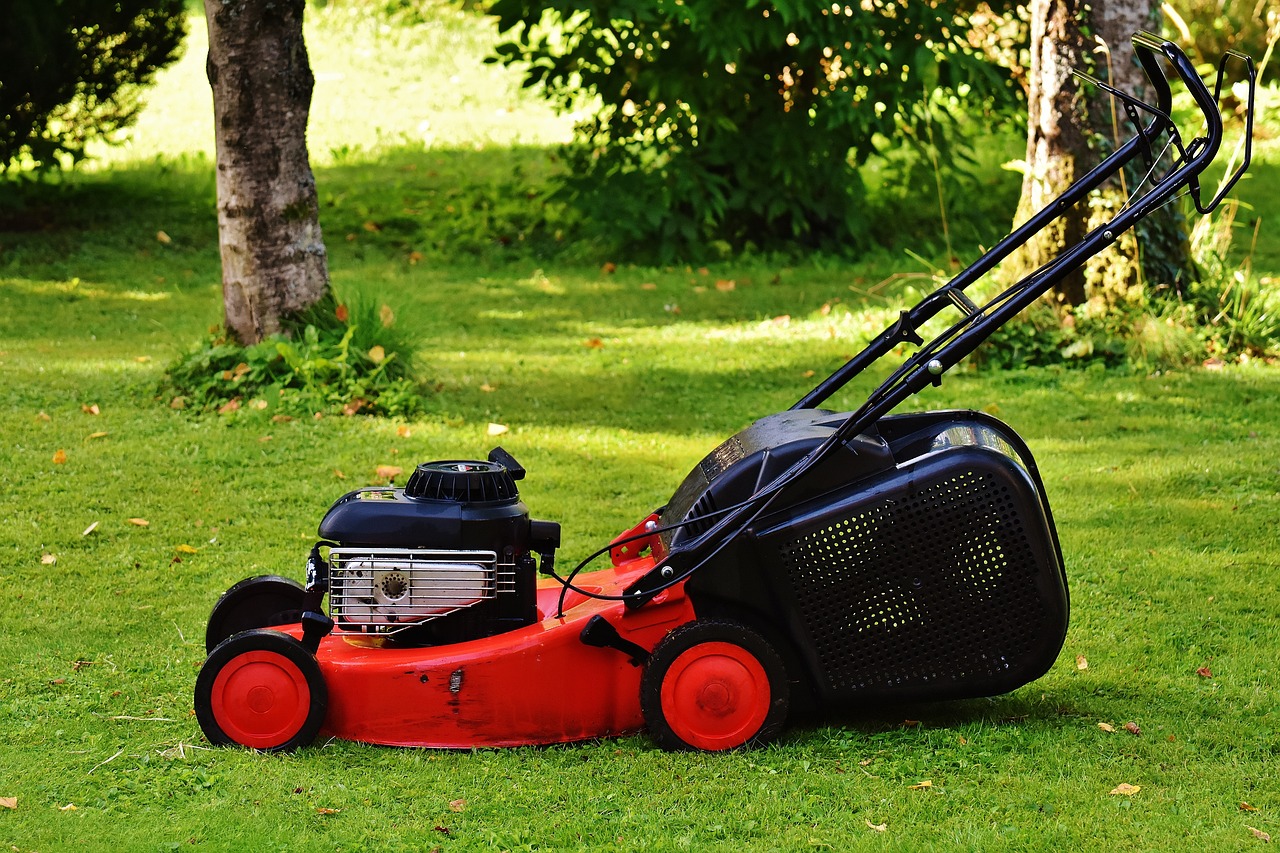
Petrol mowers remain the most powerful option for domestic use, and they are still my recommendation for large gardens, steep terrain, and anyone who needs to cut long, wet, or thick grass regularly. A good petrol mower will run for an hour or more on a single tank, and the torque from a 160cc or 190cc engine handles conditions that would drain a battery mower’s charge in half the time.
The downsides are real though. Petrol mowers need an annual service: oil change, spark plug, air filter, and blade sharpen. They need the fuel drained before winter storage, or the carburettor gums up over the cold months, which is a miserable problem to deal with in March when you want to get the lawn cut. They are noisier than any other type, and they emit fumes that make prolonged use in an enclosed space unpleasant. For most British gardens under 500m² with a reasonably flat terrain, a good battery mower is now a perfectly sensible alternative.
Corded electric mowers are the lightest, quietest, and most affordable powered option. They never run out of power mid-cut, which is a real advantage over battery models for larger areas, but the cord is a constant constraint. In practice, once your lawn exceeds about 200m², the cord management becomes tedious, and the risk of accidentally cutting through it becomes real. I would only recommend a corded electric mower for small, regularly cut, straightforward lawns where the power socket is close to the cutting area.
Battery mowers are now my default recommendation for most British domestic gardens, and that is a change from even five years ago. The technology has improved enormously. A quality 40V or 56V lithium-ion mower will cut a 300m² lawn on a single charge, starts instantly every time, needs no servicing beyond blade maintenance, and is quiet enough to use on a Sunday morning without annoying the neighbours. The best models now have brushless motors that maintain cutting power even as the battery depletes, which was a real weakness of earlier cordless mowers.
The main limitation remains runtime. If you need to cut a 600m² lawn in a single session, you will likely need a spare battery or a high-capacity model rated for that area. Always buy from a brand with a strong battery ecosystem: STIHL’s AK and AP systems, EGO’s 56V platform, and Greenworks’ 40V and 60V ranges all let you share batteries across multiple tools, which makes the initial battery investment much better value.
💡 Top Tip
When comparing battery mowers, look at voltage and amp hours together, not voltage alone. A 40V 5Ah battery has more total energy than a 56V 2Ah battery. The runtime you get in your garden is determined by watt-hours (V x Ah), not voltage alone.
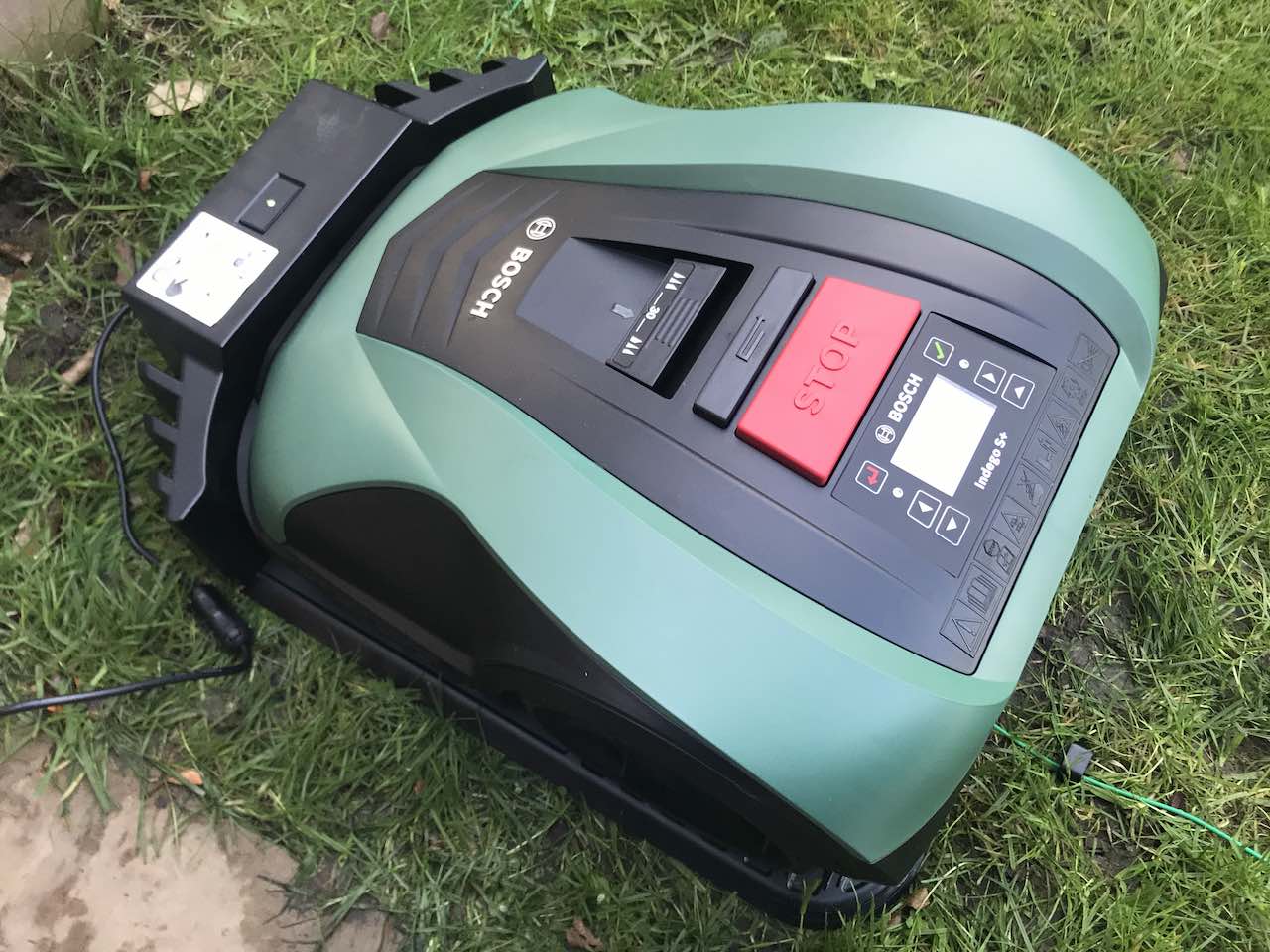
Robotic mowers are the most interesting development in domestic lawn care in decades, and they work extremely well, for the right garden. I tested a Bosch Indego extensively in my own garden, and the results impressed me on a flat, simple lawn shape. The mower ran on a schedule, kept the grass consistently short, and needed virtually no input from me beyond emptying the odd leaf off the charging dock.
The limitations are significant though. Most robotic mowers work best on flat, obstacle-free lawns without tight corners or narrow passages. Setting up the perimeter wire (required by most models) takes an afternoon and involves burying cable around the edge of your lawn. They mulch rather than collect, which means the clippings return to the lawn, which is fine for most lawns but not ideal if you want a pristine collection box result. Complex or heavily sloped gardens will frustrate a robot mower. And they are vulnerable to theft, which is worth considering if your garden is not fully enclosed.
4. Cylinder mower vs rotary mower: which is right for your lawn?
This is the question I am asked surprisingly often, and the answer makes a difference to the quality of your lawn. Most people in the UK have a rotary mower and have never thought about cylinder mowers, but if you care about the appearance of your lawn, understanding the difference is worth five minutes of your time.
Rotary mowers
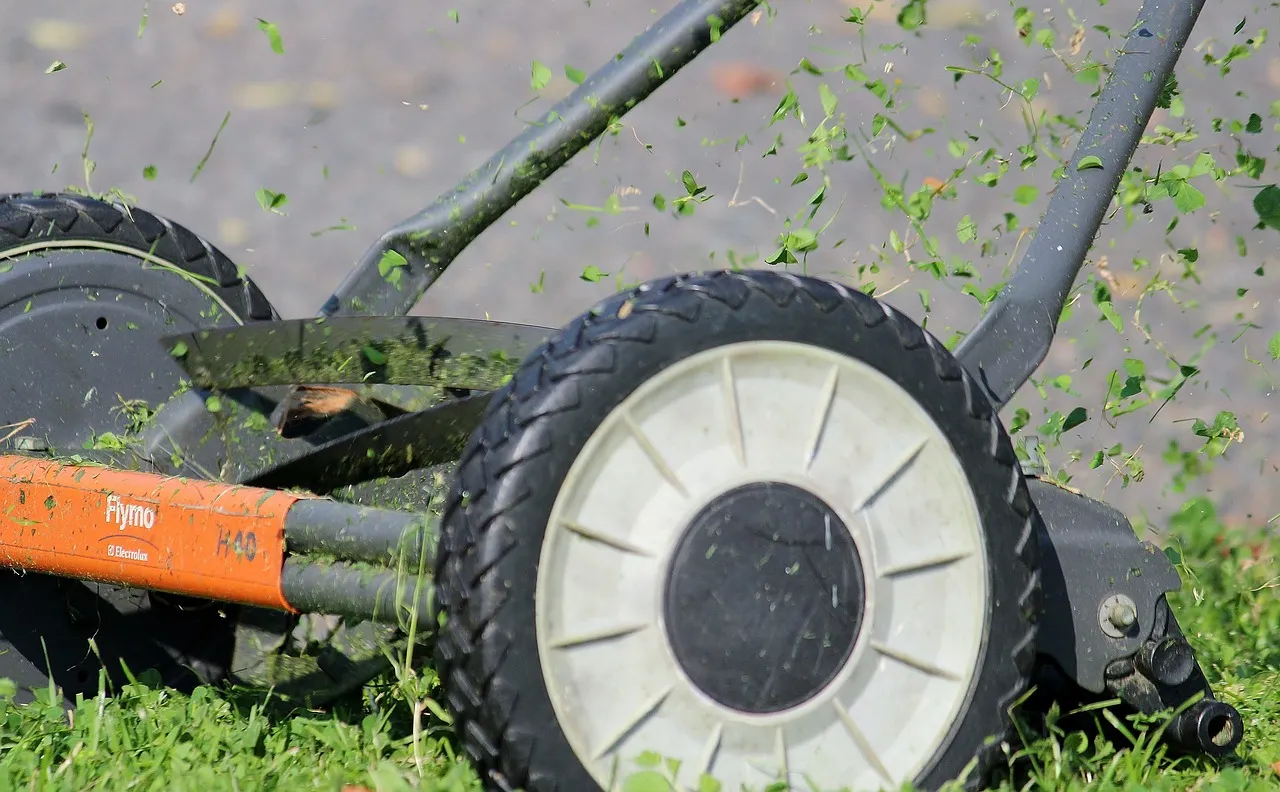
A rotary mower uses a single spinning horizontal blade that cuts grass by impact, much like a strimmer scaled up. The blade rotates at high speed and slices through the grass as the mower moves forward. Rotary mowers are the most common type in UK gardens because they handle a wide range of conditions: long grass, wet grass, rough terrain, and mixed grass types, all without complaint. They are robust, easy to maintain, and available at every price point. For the average British family lawn that gets mowed once a week in summer, a rotary mower is the sensible choice.
Cylinder mowers
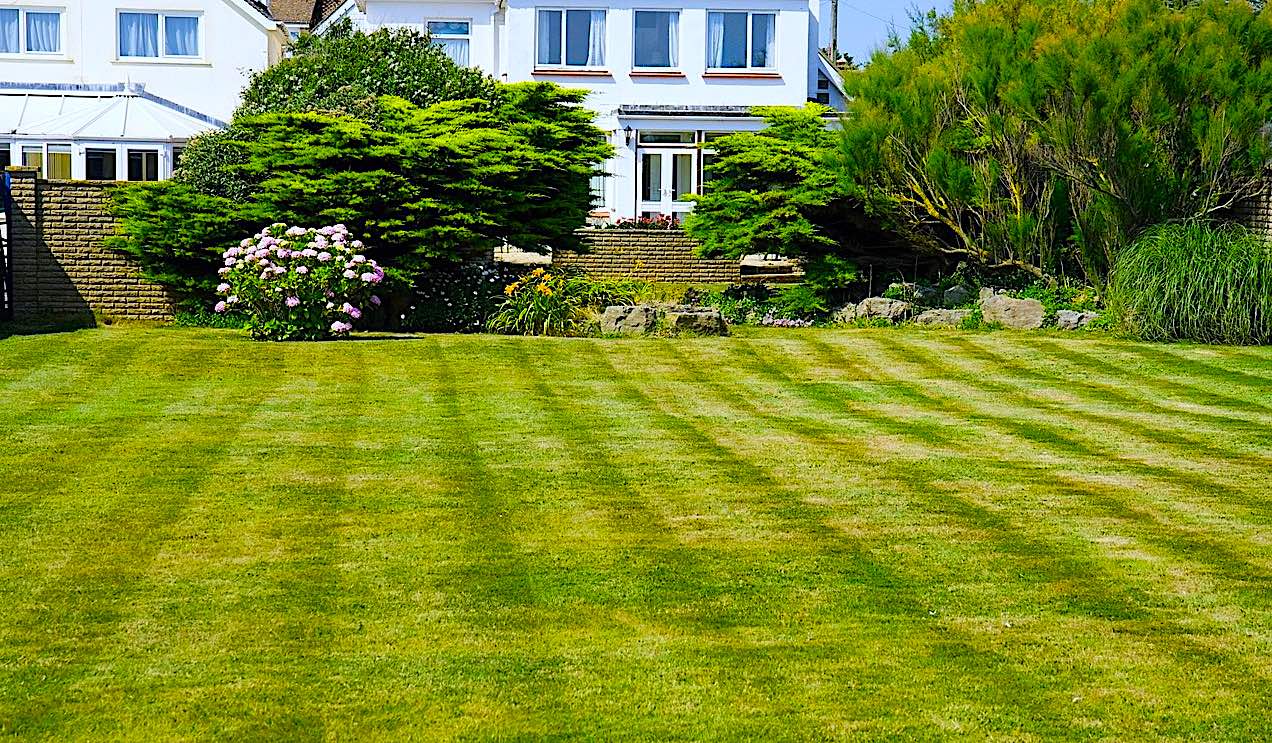
A cylinder mower uses a rotating reel of blades that cut against a fixed bottom blade in a scissor action. This produces an exceptionally clean, precise cut that rotary mowers simply cannot replicate. If you want the striped bowling-green finish of a formal ornamental lawn, a cylinder mower is the only tool that will get you there. The cut is so clean that it actually encourages finer, denser grass growth over time.
The trade-off is that cylinder mowers are unforgiving. They struggle with long, wet, or rough grass. Most cylinder mowers cannot handle grass over 5cm without clogging. They need to be used regularly (two or three times a week for a formal lawn) and they are generally heavier and more expensive than an equivalent rotary model. For a utility family lawn that gets played on, a cylinder mower is the wrong choice. For a dedicated ornamental lawn where appearance is everything, it is the right one.
💡 Top Tip
You can get lawn stripes from a rotary mower too. Just add a rear roller. Many mid-range to premium rotary mowers include a rear roller as standard, which creates the alternating light and dark stripe effect without the commitment of a full cylinder mower.
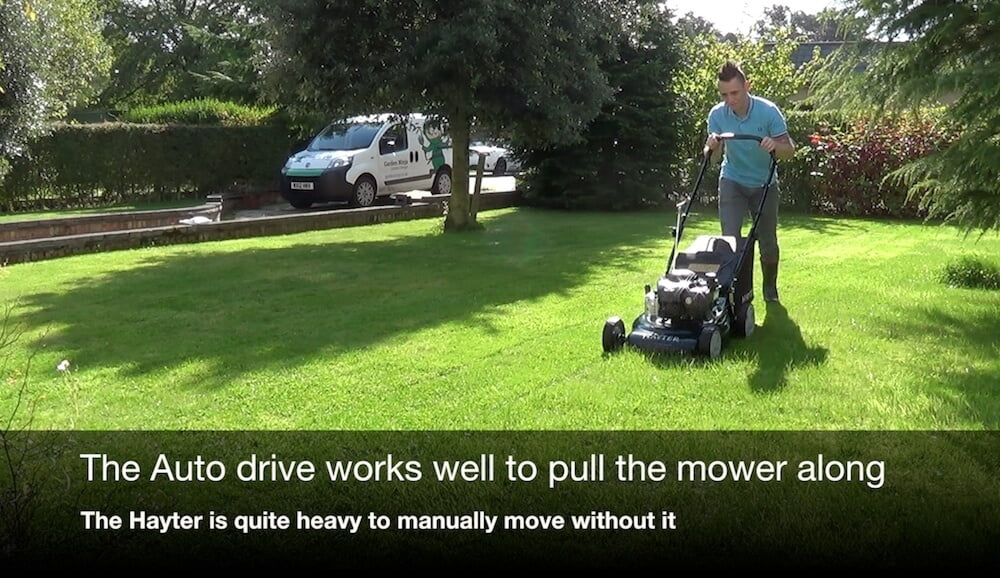
A self-propelled mower drives its own rear (or sometimes all four) wheels, so you guide it rather than push it. This sounds like a minor feature until you are mowing a half-acre on a warm July afternoon, at which point it feels like a significant quality-of-life decision. For petrol mowers in particular, which can weigh 35 to 45kg, self-propulsion removes a substantial amount of physical effort from the job.
The variable-speed self-propelled system found on better petrol mowers (where a thumb lever controls your walking pace from 0 to full speed) is in my view one of the most underrated features in mowing. You can match the mower speed to conditions, slow down around corners, and speed up on open straight runs without any physical effort. For anyone with a large garden, slopes, or any physical limitations, this is worth paying for.
For small, flat lawns under 200m², a push mower is perfectly adequate and saves you money that would be better spent on blade quality or a higher-capacity battery. The calculus changes as soon as your lawn gets bigger, or as soon as there is any significant slope involved. Pushing a heavy petrol mower uphill repeatedly is exhausting and unnecessary when self-propelled models are readily available.
Mowing frequency affects which mower you need more than most people realise. A formal ornamental lawn mowed twice a week needs a different machine to a utility family lawn mowed every ten days, and that in turn is different to a wildflower meadow cut twice a year with a ride-on. Think honestly about how often you will actually cut the grass, because buying a high-end mower for a lawn you neglect most of the summer is wasted money.
Formal ornamental lawn: two to three times per week
A true ornamental lawn is a serious commitment, and the mower needs to match that commitment. You need a cylinder mower or a high-quality rotary with a rear roller, capable of precise height adjustment to 15 to 25mm, and robust enough to handle that frequency of use without wearing out prematurely. A robotic mower is actually a very good fit here too because the near-daily mulching keeps the grass dense and even, which is exactly what a formal lawn needs.
Family utility lawn: every seven to fourteen days
This is the majority of British gardens, and almost any mid-range mower will serve you well. The important consideration here is that a lawn left for two weeks in June will have grown considerably, and you need a mower with enough power to handle longer, thicker grass without bogging down. For this reason, I lean slightly towards petrol or high-voltage battery mowers for fortnightly cutting compared to smaller electric models.
Low maintenance or wildflower lawn: monthly or twice-yearly
If you are maintaining a wildflower meadow or a more naturalistic lawn, you are typically cutting once or twice a year with a high cut setting, and the grass may be 30 to 50cm tall by the time you cut it. A standard rotary mower will not handle this. The engine will labour and the blades will clog. You need either a petrol mower with a mulching function and a high-cut setting, a ride-on with a wide deck, or a scythe (and for smaller wildflower areas, a scythe is excellent). Do not attempt to cut a full meadow with a £150 battery mower unless you enjoy pulling clumps of wet grass out of the collection box every five minutes.
7. Grass collection bag size: why it matters more than you think
The capacity of the grass collection box is one of those specifications that looks like a minor detail in a brochure but has a significant impact on how enjoyable the mowing experience is. Too small, and you are constantly stopping to empty it. Too large, and it becomes heavy and unwieldy to carry to the compost bin, particularly when the clippings are wet.
As a rough guide, I would suggest a minimum 50 litre capacity for a 300m² lawn, and 60 to 70 litres for anything larger. Some premium mowers have compression features in the bag that compact the clippings and effectively double the usable capacity before emptying. This is a super useful feature rather than a marketing gimmick. Fresh cut grass is surprisingly dense and heavy, and a 70 litre bag full of wet spring clippings will require both hands and a strong back to carry comfortably.
If you prefer to mulch (returning the clippings to the lawn rather than collecting them), you do not need a collection box at all, but you do need a mulching-capable mower with the appropriate blade fitted. Mulching keeps moisture and nutrients in the lawn and is good practice for lawn health. The only time I would advise against mulching is in spring, when heavy clippings can smother the grass and in very wet conditions when clumps form rather than dispersing evenly.
8. Cutting width: balancing speed against manoeuvrability
The cutting width determines how wide a strip you cut with each pass, which directly affects how long it takes to mow your lawn. A 50cm mower will cut your lawn significantly faster than a 35cm model on the same area, but a wider mower is harder to turn, harder to fit through garden gates and alongside walls, and heavier to handle.
The maths is straightforward: a 35cm mower requires about 40% more passes to cover the same area as a 50cm model. On a 400m² lawn, that is a meaningful difference in time. But if your garden has lots of intricate borders, tight corners, and narrow passages, a wide mower becomes more frustrating than helpful, because you spend so much time manoeuvring around obstacles that the theoretical efficiency advantage disappears.
Lawn Size
Recommended Cutting Width
Notes
Up to 200m²
32 to 38cm
Prioritise manoeuvrability
200m² to 500m²
38 to 46cm
Good balance of speed and agility
500m² to 1,000m²
46 to 53cm
Speed matters more at this scale
Over 1,000m²
53cm and above / ride-on
Consider ride-on for time savings
9. Cutting height settings explained
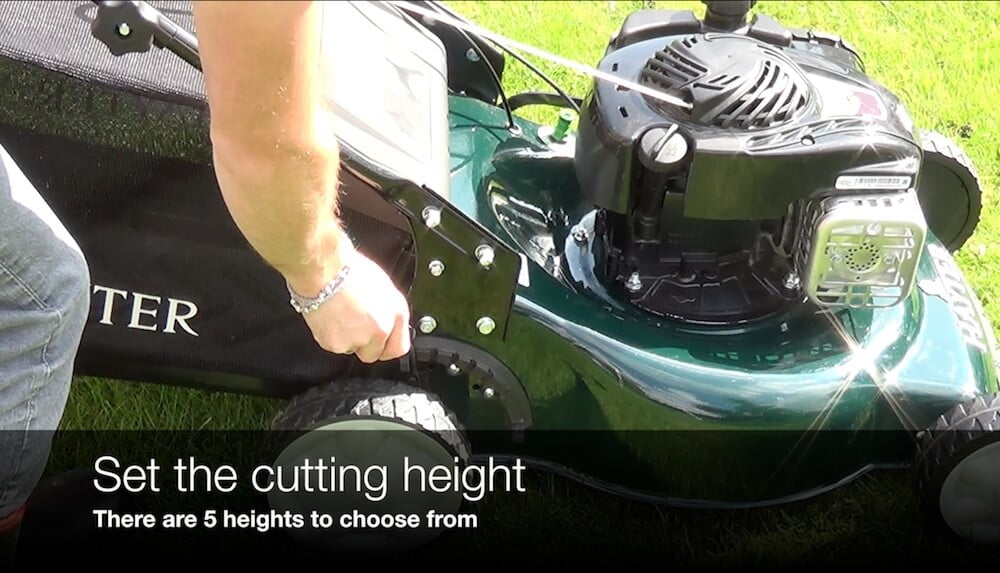
All modern mowers offer adjustable cutting height, typically controlled by a lever on the side of the deck or on each wheel. The numbers on the lever correspond to grass height after cutting, with lower numbers meaning a closer cut. Getting the cutting height right matters considerably more than most people realise. Scalping a lawn too short is one of the most common causes of patchy, brown, stressed grass in UK gardens.
The golden rule is to never remove more than a third of the grass blade in a single cut. If your lawn has grown long (after a holiday, or through a wet fortnight in April when you could not get out to cut it), start with a high setting and work down in stages over successive cuts. Trying to cut from 15cm back to 4cm in one pass puts the grass under serious stress and leaves you with a yellow lawn for a fortnight.
Recommended cutting heights for UK lawns
Ornamental/formal lawn: 10 to 25mm. This very fine cut requires regular mowing (two to three times per week in summer) and a high-quality cylinder mower or rotary with a precision height adjustment. Not suitable for family or utility lawns. Stressed grass at this height will show every period of drought, wear, or neglect.
General utility/family lawn: 35 to 50mm. This is the sweet spot for most British gardens. The grass is kept tidy but not overly short, the root system stays healthy, and the lawn recovers quickly from foot traffic, play, and the occasional drought. This is what I maintain in my own garden.
First cut of spring: Set the deck high (50 to 60mm) for the first cut of the season. The grass is often uneven after winter and you want to take it down gradually. Cutting too aggressively in March will set the lawn back significantly.
Final cut of autumn: Set the deck slightly higher than your summer setting, around 40 to 50mm. Leaving the grass a little longer going into winter helps protect the root system from frost and reduces the severity of any winter moss invasion.
10. Mowers that cut lawn edges
Edge-cutting capability is a feature that has improved significantly on modern mowers, and it is worth considering if you currently spend a lot of time edging with a half-moon or strimmer after every cut. Some mowers feature offset blades or inset front wheels that allow the blade to cut right up to a fence, wall, or border edge, eliminating the strimming step entirely, or at least substantially reducing it.
In practice, no mower completely eliminates the need for edge work on a formal or well-maintained lawn. But a mower with good edge access can reduce your post-mow tidying from twenty minutes to five. If this matters to you, look for models specifically marketed with “edge cutting” capability and check the front wheel position relative to the blade in the product images.
My preferred solution for clean edges is to install a permanent lawn edging strip, and metal edging in particular is excellent. Once it is in place, the mower can run over it cleanly and the edge stays crisp without constant re-cutting. I installed EverEdge metal edging around all the borders in my own garden several years ago and it has transformed the maintenance routine. The time saved on edge work alone has paid for the edging many times over.
One of the most common questions I get asked is simply: when should I mow, and how often? The honest answer is that it depends entirely on the time of year and the weather in your region of the UK, but the following calendar gives you a reliable framework to work from. Grass in Manchester (where my own garden is) behaves differently to grass in Surrey or Aberdeen, but the broad seasonal pattern holds across the country.
Month
Mowing Frequency
Height Setting
Notes
January to February
None or once if mild
High (50 to 60mm)
Only mow if grass is actively growing and dry underfoot
March
Once or twice
High (50mm) to start
First cut of the year. Go high and take off little
April
Weekly
40 to 50mm
Growth accelerates rapidly. Do not miss a week
May to June
Weekly or twice weekly
35 to 45mm
Peak growth season. The lawn needs consistent attention
July to August
Weekly; pause in drought
40 to 50mm
Raise the height in dry spells to reduce stress on roots
September to October
Every 10 to 14 days
40 to 50mm
Growth slowing. Keep height on the higher side
November
Once or twice if needed
40 to 50mm
Final tidy cut before winter
December
None
N/A
Let the lawn rest. Avoid walking on frosted grass
💡 Top Tip
Never mow a frosted lawn. Walking on frost-covered grass breaks the cell walls of the grass blades, leaving footprint-shaped brown patches that take weeks to recover. Wait until the frost has fully thawed, which usually means waiting until mid-morning rather than heading out first thing.
12. Lawn assessment checklist before buying
Before you buy a mower, walk your lawn and answer these questions. They will make your final choice much more straightforward.
Measuring your lawn accurately
Use a measuring tape or a smartphone app with satellite imagery to calculate your total grass area. For simple rectangular lawns, this is straightforward: length multiplied by width. For irregular shapes, break the area into triangles and rectangles and add the totals. Subtract any non-grass areas such as patios, driveways, ponds, and flower beds. The resulting figure in square metres determines your mower type and required power source more than any other factor.
Garden Ninja Lawn Size Calculator
🌿 Garden Ninja Lawn Size Calculator
Calculate your lawn area and get a personalised mower type recommendation.
Terrain and access assessment
Walk the full perimeter of your lawn and note any slopes. Gradients over 15 degrees benefit from self-propulsion; anything over 25 degrees requires specialist slope mowers or a hover mower (which floats above the surface and handles steep banks that would be impossible with a conventional wheeled mower). Count the number of obstacles (trees, raised beds, garden furniture legs, play equipment) that you need to manoeuvre around. A garden with twelve obstacles and tight corners needs a more agile mower than a lawn with open runs.
Also check your access points. If the garden gate is only 60cm wide, a 56cm mower just barely fits through. It sounds trivial until you have bought a mower that physically cannot get into your garden. Measure the narrowest point your mower needs to pass through before you buy.
Grass type assessment
Most UK domestic lawns are a mixture of ryegrass (Lolium perenne), meadow grass (Poa pratensis), and fescues, which together produce a robust, hard-wearing surface that handles a rotary mower well. If you have a fine ornamental lawn seeded exclusively with fescues and bents, it deserves a cylinder mower. If your lawn is more field than garden (heavy ryegrass, mixed with clover, self-healed, and daisy), a sturdy rotary with a powerful engine is what you need.
13. Lawn mower maintenance: keeping your machine running well
The maintenance requirements of a lawn mower are one of the factors people overlook when choosing between petrol and battery, and they deserve honest attention. A petrol mower that is not maintained properly will cost you more in frustration and repair bills than the savings you made buying it. A battery mower that has its battery properly cared for will give you years of reliable service.
Petrol mower maintenance
Service a petrol mower annually, ideally at the end of the mowing season before winter storage. The service checklist covers: engine oil change, spark plug replacement (they wear faster than most people expect), air filter clean or replacement, blade sharpen or replacement, and a general check of all nuts, bolts, and wheel fixings for tightness. Many garden machinery dealers in the UK will do a full service for £60 to £100, which is well worth it compared to the cost of a seized engine from neglect.
Fuel management is critical for winter storage. Stale petrol left in the tank and carburettor over winter is the single most common cause of mowers that fail to start in spring. You have two options: run the engine until the tank is completely dry at the end of the season, or add a fuel stabiliser product to the tank before storage. I run mine dry because the stabiliser products have given me mixed results over the years, and the run-dry approach is completely reliable.
Battery mowers need considerably less maintenance than petrol, but they are not maintenance-free. Blade condition matters just as much as with a petrol mower. A blunt blade tears the grass rather than cutting it, leaving the tips brown and ragged and making the lawn susceptible to disease. Check and sharpen blades at the start of each season, and replace them every two to three years depending on use.
Battery care determines how long your investment lasts. Lithium-ion batteries degrade if stored fully discharged. Store batteries at 40 to 60% charge over winter, in a cool dry location (a garage is fine; a shed that dips below -10°C is not). Do not leave batteries on the charger indefinitely. Charge to full and remove. Most modern smart chargers handle this automatically, but older models do not. With proper care, a quality lithium-ion battery should give you four to six years of service before capacity degrades noticeably.
Never mow over stones, gravel, or hard debris because it chips and notches the blade edge far faster than cutting grass does. Always clear large sticks, stones, and debris from the lawn before mowing. A damaged blade not only cuts poorly but creates an imbalance in the rotating mechanism that causes vibration, which stresses the bearings and, on petrol models, the engine mounts over time.
14. How to stop a lawn mower overheating
Mower overheating is most common with petrol models in hot weather, particularly when cutting long or wet grass. Most petrol mowers can run for 45 to 60 continuous minutes before needing a short rest, and pushing them past this point risks damaging the engine. The symptoms of overheating include a loss of power, rough running, and in serious cases, the engine stopping entirely with a safety shut-off.
The common causes of overheating are a dirty engine with blocked air vents (clean after each use), cutting long or wet grass that places extra demand on the engine, running with low or old oil (change it annually), and using a mower that is undersized for the task. A small 140cc engine asked to cut 600m² of thick summer grass will overheat every time, and the solution is a more capable machine rather than shorter working intervals.
Battery mowers can also overheat in very hot weather, though the symptom here is that the battery management system throttles the motor to protect the cells, rather than the motor itself overheating. If your battery mower suddenly loses power dramatically on a hot day, let both the battery and motor cool in the shade for fifteen minutes before continuing.
15. Advanced mower features worth knowing about
Starting systems
Electric start petrol mowers are a worthwhile upgrade for anyone who finds pull-cord starting physically difficult, and they are now standard on most mid-range and above petrol models. The ignition works like a car key or a push button, and the engine starts first time every time, provided the battery that powers the starter motor is charged, which means an additional maintenance consideration (check the starter battery every spring). If you are young, fit, and have no issues with a pull cord, the additional complexity and cost of electric start is not necessary. If you have any shoulder or arm limitations, it is worth the extra money.
Rear-wheel vs front-wheel drive on self-propelled mowers
Front-wheel drive self-propelled mowers are easier to manoeuvre in tight spaces because lifting the front wheels disengages the drive momentarily, allowing you to pivot around obstacles. Rear-wheel drive models provide better traction on slopes and give superior straight-line tracking, particularly when the collection box is full and the rear of the mower is heavier. For a flat garden with lots of obstacles, front-wheel drive is often easier to use. For a garden with slopes, rear-wheel drive gives you more confidence and control.
Mulching, bagging, and side discharge
Most modern mowers offer all three options: mulching (clippings returned to the lawn), bagging (collected in the box), and side discharge (ejected to the side in a row). Each has a specific use case. Mulching is my preferred option for regular weekly cuts in summer because it returns nutrients to the lawn and saves the time of emptying the box. Bagging is better for autumn cuts when you want to remove all the clippings and prevent them smothering the grass over winter. Side discharge is useful for cutting very long grass in large areas where the engine would struggle to mulch or bag the volume of material.
Personal recommendation: the Hayter Osprey 46
I have been using and recommending the Hayter Osprey 46 for medium to large British gardens for several years now, and it remains one of the best mid-range petrol mowers available in the UK. The self-propelled drive is smooth and variable, the 46cm cut width is a sensible balance for suburban gardens, the EasyWash port on the deck makes cleaning a matter of minutes rather than a scraping session, and Hayter's UK-based dealer network means parts and servicing are straightforward. For a British garden of 400 to 800m² with any degree of slope, this is the mower I would choose.
What size lawn mower do I need for 500 square metres?
For 500m², a self-propelled petrol mower with a 46 to 50cm cutting width is the most practical choice. A premium battery cordless model with a spare battery will also cover this area, though you may need to swap batteries mid-cut. A 46cm cutting deck at average walking pace will take approximately 40 to 50 minutes to cut 500m².
Is electric or petrol better for a UK lawn?
For most UK domestic gardens under 500m² with no serious slopes, a battery cordless electric mower is now an equal to petrol for cutting performance, with lower noise, no fumes, and no fuel management. Petrol remains the better choice for larger lawns, frequent cutting of long or thick grass, or where consistent power over 60-plus minutes of continuous use is needed.
How often should I service my lawn mower?
Petrol mowers should be serviced annually: oil change, spark plug, air filter, and blade check as a minimum. Battery mowers need their blades checked and sharpened each season and their battery health monitored. Most quality lithium-ion batteries last four to six years before capacity degrades noticeably.
Can robotic mowers handle slopes?
Most domestic robotic mowers handle slopes up to 25 degrees, and some premium models manage 35 degrees. Steeper banks and very complex gardens with multiple levels are still beyond most robotic mowers. Always check the manufacturer's specified maximum gradient before purchasing.
What is the best cutting height for a UK lawn?
For a general utility lawn, 35 to 50mm is the ideal year-round height. Never cut more than a third of the blade in a single pass. Raise the height to 50 to 60mm for the first spring cut and the final autumn cut. Lower the height to 35mm for summer maintenance cuts if the grass is growing strongly. Ornamental lawns can be cut to 15 to 25mm but need a cylinder mower and much more frequent attention.
What is the difference between cylinder and rotary cutting?
A cylinder mower uses a rotating reel of blades that cut against a fixed blade in a scissor action, giving the cleanest possible finish. A rotary mower uses a single spinning horizontal blade that cuts by impact. Cylinder mowers produce a superior result for fine ornamental lawns; rotary mowers are more versatile and handle the range of conditions typical of a British family garden much better.
Do I need a self-propelled mower?
Self-propulsion is most worthwhile for lawns over 400m², for anyone with a garden that has slopes, or for anyone who finds pushing a heavy machine physically demanding. For small, flat lawns, the added cost and complexity of a self-propelled mechanism does not justify itself. For medium to large gardens, it is one of the best investments you can make in your mowing experience.
How long do battery lawn mower batteries last?
A well-maintained lithium-ion battery from a reputable brand will typically give four to six years of service. Avoid storing fully discharged, avoid leaving on the charger indefinitely, and keep batteries in a cool dry location over winter. Replacing the battery when it degrades is usually cheaper than replacing the entire mower, so choose brands that sell replacement batteries as separate products.
Should I buy a mulching mower?
Mulching is recommended for lawn health. Returning the finely chopped clippings to the surface feeds the lawn and retains moisture. The key is to mulch on regular short cuts, not when the grass is long. Most modern mowers offer mulching as an option alongside collection and side discharge. A dedicated mulching blade (sometimes called a tornado blade) chops more finely than a standard blade and gives better results if you mulch regularly.
Enjoyed this lawn mower guide? My Garden Design for Beginners course will help you design the whole space with confidence. Step-by-step video lessons, real-world case studies, and a design certificate at the end, all taught by me, Lee Burkhill, award-winning designer and BBC1's Garden Rescue presenter.
29
Garden Design Examples for Small Gardens: 30 Design Templates & Planting Plans
Garden Design Examples for Small Gardens: 30 Design Templates & Planting Plans: In this online gardening course, I'll walk you through 30 fantastic garden designs, explaining the logic behind the layout, the plant choices, and take-home tips for applying them in your own garden.
Weekend Garden Makeover: A Crash Course in Design for Beginners
Learn how to transform and design your own garden with Lee Burkhills crash course in garden design. Over 5 hours Lee will teach you how to design your own dream garden. Featuring practical design examples, planting ideas and video guides. Learn how to design your garden in one weekend!
Garden Design for Beginners: Create Your Dream Garden in Just 4 Weeks
Garden Design for Beginners Online Course: If you want to make the career jump to becoming a garden designer or to learn how to design your own garden, this is the beginner course for you. Join me, Lee Burkhill, an award-winning garden designer, as I train you in the art of beautiful garden design.
Choosing the right lawn mower comes down to four things: your lawn size, the terrain, your mowing frequency, and your budget. For most British gardens under 500m², a quality battery cordless mower is now the practical choice: quiet, low-maintenance, and increasingly powerful. For larger gardens or steep terrain, petrol or a ride-on remains the best option. Whatever you buy, invest in blade maintenance, look after your battery, and match the cutting height to the season. A well-chosen mower that is properly looked after will serve your lawn for a decade or more.
If you have a question about your specific garden, come and ask in the Garden Ninja forum and I reply personally to every post.
Your subscription could not be saved. Please try again.
Your subscription has been successful.
Lee Burkhill
Lee Burkhill, known as the Garden Ninja, is an award-winning garden designer and horticulturist with over 30 years of gardening experience and 15 years as a professional garden designer. A qualified RHS (Royal Horticultural Society) professional, Lee specialises in sustainable garden design and practical horticultural advice. He designs and presents on BBC1's Garden Rescue and in leading gardening publications. Lee combines three decades of hands-on gardening knowledge with professional design qualifications to help gardeners create beautiful, functional outdoor spaces.