Growing Strawberries: From Containers to Ground Guide for UK Gardens
Lee Burkhill: Award Winning Designer & BBC 1's Garden Rescue Presenters Official Blog
Beginner level
Learn how to grow strawberries in UK gardens with this complete beginner's guide with Lee Burkhill! Discover the best varieties for containers and ground, when to plant, feeding schedules, protecting crops from pests, and harvesting tips. Everything you need for bumper strawberry harvests from spring through autumn.
After all my years of gardening and teaching others how to grow things, I can tell you that strawberries are absolutely one of the most rewarding plants you can grow at home. There is something magical about picking a sun-warmed strawberry straight from your own garden and eating it there and then. The taste is incomparable to those anaemic-looking shop-bought ones that have been flown halfway around the world.
Quick Answer
Strawberries are one of the most rewarding fruits to grow in the UK, whether you have a large garden, a patio, or just a few pots. Plant bare root runners in late summer or early autumn for the best first-year crop. Choose Cambridge Favourite or Honeoye for a June and July glut, or Mara des Bois if you want fruit right through to October. Feed with a high-potassium liquid fertiliser once flowers appear, protect from birds with netting, and replace plants every three to four years to keep harvests strong.
I have helped hundreds of beginners on my Garden Ninja strawberry growing guide get started, and the brilliant news is that strawberries are genuinely one of the easier fruits to crack once you understand a few key principles. Whether you have a massive garden, a small patio, or just a sunny windowsill, you can grow strawberries successfully.
This guide will show you exactly how to grow strawberries in UK conditions, whether you are planting them in containers, grow bags, raised beds, or directly in the ground. I will share the mistakes I have made so you do not have to repeat them, and the techniques that have worked brilliantly for my clients and me over the decades.
This page contains affiliate links for products I use and love. If you take action (i.e. subscribe, make a purchase) after clicking a link, I may earn some gardening commission which helps me keep the Garden Ninja Blog free for all.
Understanding Strawberry Types: Summer Fruiting vs Perpetual Varieties
Before you rush out and buy the first strawberry plants you see, you need to understand the three main types available. This is where a lot of beginners come unstuck because they do not realise there is a fundamental difference in how these plants fruit, and choosing the wrong type for your situation can lead to disappointment even when you have done everything else right.
Summer fruiting varieties produce one large crop over about two to three weeks, usually in June and July here in the UK. These are the workhorses of the strawberry world, producing larger, sweeter fruits in abundance and giving you that one glorious period where you are genuinely inundated. If you want to make jam, fill the freezer, or simply sit in the garden with a bowl of something spectacular, this is your starting point.
Top varieties include Cambridge Favourite (disease-resistant and reliable), Honeoye (early season and heavy cropping), Elsanta (the commercial favourite with brilliant flavour), and Royal Sovereign (an old heritage variety with unbeatable taste). They are bombproof in British gardens and give you that satisfying glut all at once. For most beginners, I would suggest starting with a summer fruiting variety simply because they are more forgiving and give you that satisfying harvest to show for your efforts.
Perpetual strawberries, sometimes called everbearing varieties, fruit throughout the growing season from June right through to the first frosts in October. Rather than one big harvest, you get smaller flushes of fruit continuously, which is brilliant if you want a steady supply for eating fresh rather than a single glut. The fruits are often slightly smaller than summer varieties, but picking strawberries across four months rather than two weeks has its own considerable appeal.
Try Mara des Bois for incredible alpine-like flavour, Albion for large fruits with excellent disease resistance, or Flamenco for consistent production right through autumn. Once you have got the hang of your summer fruiting plants, adding a few perpetual varieties is an easy way to extend the season considerably.
3. Alpine strawberries
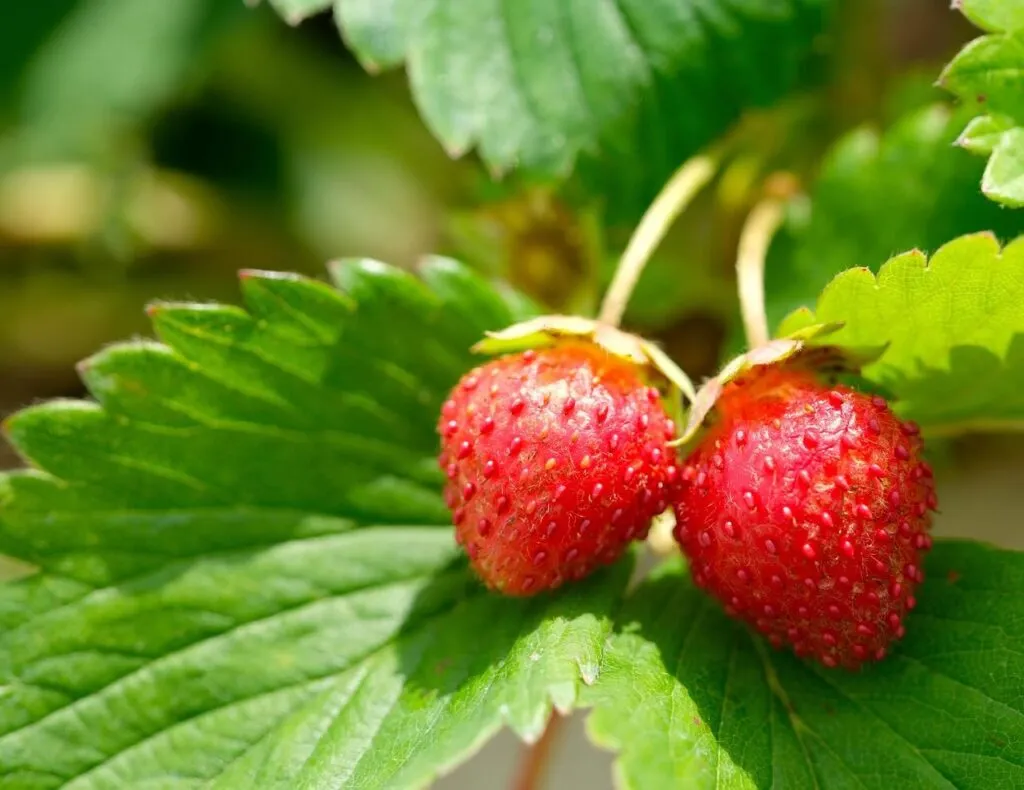
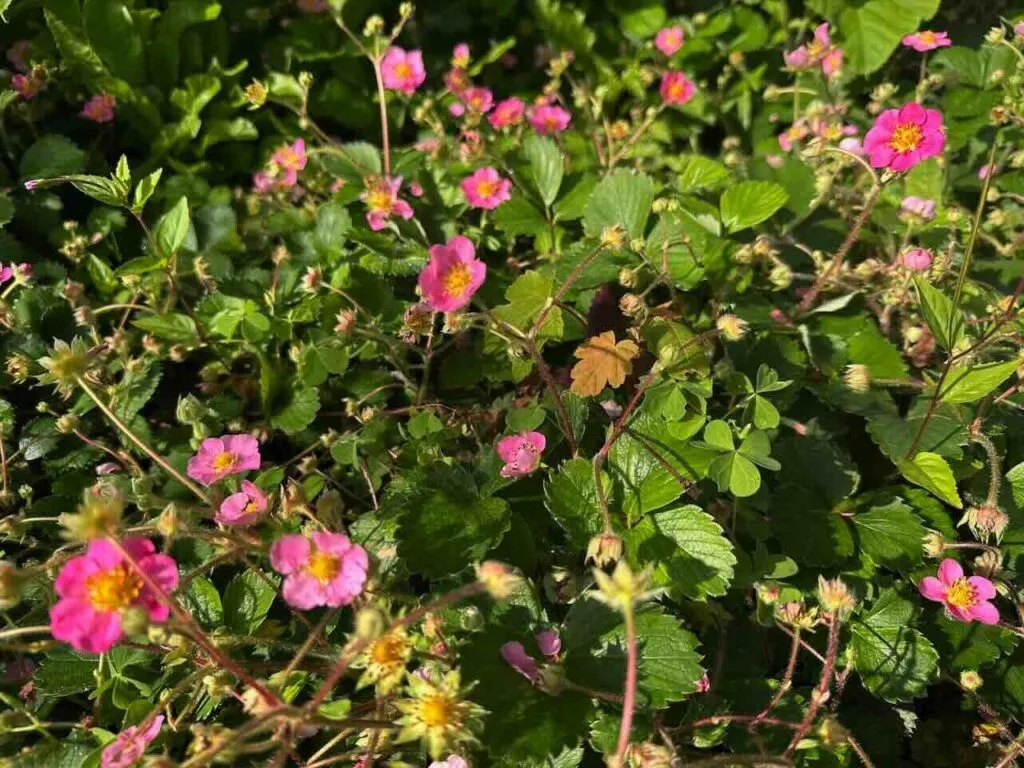
Alpine strawberries are the tiny gourmet option, producing small, intensely flavoured fruits continuously from June to October. They are more shade-tolerant than other types and have a distinctive wild strawberry taste that is genuinely delicious. Varieties like Mignonette and Alexandria are perfect for edging paths or growing in partial shade where other strawberries would struggle. The fruits are fiddly to pick because they are so small, but the flavour more than compensates. If a shady spot is all you have to work with, alpine strawberries are the answer.
Containers or Ground: Where Should You Grow Your Strawberries?
This is the question I get asked most often, and the honest answer is that both methods work brilliantly. The right choice depends on your space, your soil, and how much daily attention you can give your plants. I use both in my own garden: a dedicated strawberry bed for the main summer crop and several large containers dotted around the patio for perpetual varieties I can easily keep an eye on.
Growing strawberries in containers gives you complete control and keeps the fruits up off the ground, away from slugs and soil-borne diseases. I have had brilliant success with strawberries in everything from traditional terracotta pots to grow bags, hanging baskets, and even old colanders with drainage holes drilled in the bottom. The key advantage is that you can move containers around to follow the sun and bring them under cover if late frosts threaten your flowers. You can also control the compost mix entirely, which matters because strawberries are particular about drainage.
Growing strawberries in the ground or in raised beds, on the other hand, gives your plants access to a much larger reservoir of nutrients and moisture. This means they are more self-sufficient once established, require less daily watering, and can produce larger yields with less intervention. The downside is that you need to manage runners more carefully to prevent them from taking over your entire bed, and fruits sitting on wet soil can rot or attract slugs before you get to them. A layer of straw mulch around the plants deals with both problems neatly.
When to Plant Strawberries in the UK
Timing is everything with strawberries, and getting this right makes the difference between a productive first year and a frustrating one. The best time to plant strawberries in the UK is either late summer to early autumn, between August and September, or in early spring between March and April.
Autumn planting is my preferred method. Plants put in the ground between August and September have time to establish their root systems over winter, which means they fruit properly in their very first summer.
Spring planting between March and April also works, but the plants are often too busy establishing themselves to produce a significant crop in the same year, so you are effectively waiting until the following summer for a proper harvest. Cold-stored runners, planted in late spring or early summer, will give you a modest crop the same year, with the main harvest coming the following season.
💡 Top Tip
Never plant strawberries when the ground is waterlogged or frozen solid. The roots need to establish quickly after planting, and putting them into hostile conditions simply stresses the plant from the start. If your soil is heavy clay, plant into raised beds or containers instead rather than fighting the drainage problem every season.
How to Grow Strawberries in Containers: The Complete Method
Container growing is probably the easiest way to start with strawberries, and the results can be excellent if you get the basics right. The two things that trip beginners up most often are choosing containers that are too small and using a compost mix that holds too much water.
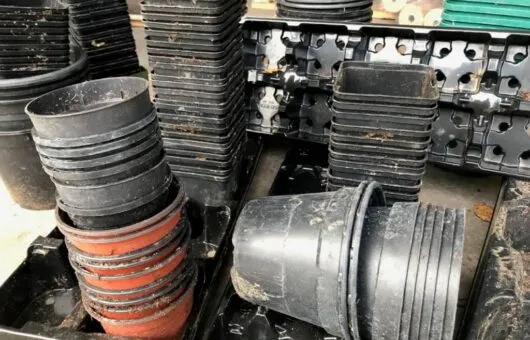
Choose containers at least 30 to 45cm deep with plenty of drainage holes in the base. Large terracotta pots, wooden half barrels, and grow bags all work brilliantly. Avoid the traditional strawberry tower planters with side planting pockets, as these are notoriously difficult to water evenly, with the plants at the top getting plenty and those lower down drying out. Fill your containers with a high-quality, peat-free, multi-purpose compost mixed with around 25% perlite or sharp sand to improve drainage. This free-draining mix is what separates productive container strawberries from disappointing ones.
💡 Top Tip
I always mix around 20 to 25% perlite into my container strawberry compost. It keeps the mix free-draining without drying out too quickly, and I have found strawberries do noticeably better with it than in straight compost alone. A large bag lasts for several seasons and works equally well for tomatoes, chillies, and other container crops.
Plant your strawberries so the crown, the point where the leaves emerge from the roots, sits exactly at soil level. Bury it too deep, and it will rot; plant it too shallow, and the roots dry out. Space plants around 20cm apart in larger containers, or use one plant per 20cm pot. Position containers in the sunniest spot you have available. Strawberries need at least six to eight hours of direct sunlight to fruit well and will produce noticeably fewer and smaller fruits in partial shade.
Watering is the biggest daily challenge with container strawberries. Check daily during hot weather by pushing a finger a couple of inches into the compost. Water thoroughly when the top layer feels dry, until water runs freely from the drainage holes.
In peak summer heat, you may need to water twice a day. Underwatering causes small, dry fruits. Overwatering rots the roots and invites fungal problems. It is a balancing act, but you will get the feel for it quickly. Consistency matters far more than perfection.
Growing Strawberries in the Ground: Setting Up for Success
If you are planting directly in the ground, site preparation makes all the difference. Strawberries prefer fertile, well-draining, slightly acidic soil with a pH of around 5.5 to 6.5. They will tolerate most soil types but genuinely struggle in heavy waterlogged clay or very chalky conditions. If your soil is heavy clay, as mine was in parts of my old Manchester garden, the most practical solution is to plant into raised beds or to dig in significant quantities of organic matter and sharp grit before planting.
Choose a full sun position, ideally south-facing, that is sheltered from strong winds but with reasonable air circulation around the plants. Space plants 30 to 40cm apart with 75cm between rows so you can move between them easily when harvesting. Prepare the bed a few weeks before planting by digging in well-rotted compost or farmyard manure at around a bucketful per square metre. Strawberries are hungry plants and a well-prepared bed pays dividends for three to four years of cropping.
When planting, dig a hole slightly wider than the root ball, gently spread the roots, and firm the soil back around them, with the crown sitting exactly at soil level. Water in thoroughly and apply a 5cm layer of straw or biodegradable mulch matting around the plants. The mulch keeps moisture in the soil, suppresses weeds, stops developing fruits from sitting on wet ground, and provides a clean, dry surface for fruits to rest on. For a productive strawberry bed, mulch is not optional.
Feeding Your Strawberry Plants for Maximum Harvest
Strawberries are greedy feeders, especially once they are producing flowers and fruit. Get the feeding regime right, and you will notice a clear difference in both crop size and flavour. The principles are the same whether you are growing in containers or the ground, though container plants need more intensive attention because they cannot reach beyond the compost in their pot for additional nutrients.
For ground-grown plants, apply a good mulch of well-rotted compost or manure in early spring as a slow-release feed, then switch to a liquid feed high in potassium from May onwards, applied every two weeks. Homemade comfrey tea works brilliantly and costs nothing if you have comfrey growing in the garden. A shop-bought tomato or strawberry feed is a perfectly good alternative. Continue feeding until fruiting finishes, and stop completely through winter when the plants are dormant.
Container-grown strawberries need more intensive feeding because they cannot access nutrients from the surrounding soil. Start feeding with a potassium-rich liquid feed once the first flowers appear and continue every seven to ten days until fruiting finishes. The golden rule is to avoid nitrogen-heavy feeds, as these produce masses of leafy growth at the direct expense of flowers and fruits.
💡 Top Tip
The Vitax Organic Strawberry Feed is one I recommend regularly because it is 100% organic, high in potash, and specifically formulated for soft fruit. For container-grown strawberries in particular, the difference between a proper strawberry-specific feed and a generic fertiliser is noticeable in both fruit size and crop weight.
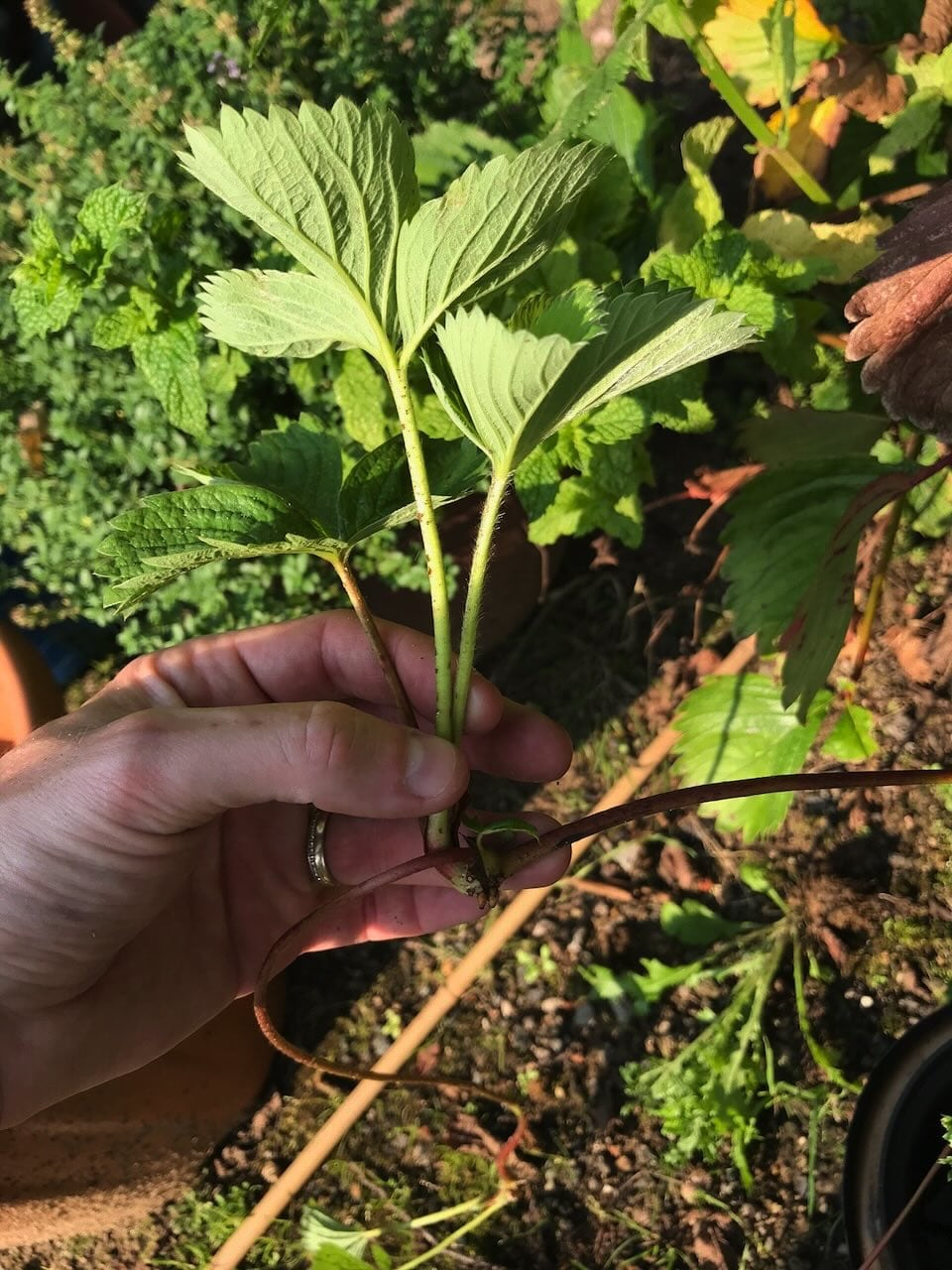
This is where beginners often get confused, and it is one of the questions I answer most frequently. Strawberry plants send out long stems called runners that produce baby plantlets at intervals along their length. These runners are the plant’s natural way of propagating itself, and left unchecked, they will turn a tidy strawberry bed into an impenetrable jungle within a season or two.
If maximum fruit production is your priority, remove all runners as soon as they appear by snipping them off at the base with clean secateurs. This focuses all the plant’s energy into producing flowers and fruits rather than sending out new plantlets. If you want to propagate new plants for free, allow a few runners to develop, then peg the plantlets down into small pots of compost sunk into the ground next to the parent plant. Once rooted, usually within four to six weeks, cut them free from the parent and pot them on.
My own approach is to keep a few runners each year, specifically to replace the oldest plants in the bed. Strawberries lose vigour after three to four years, and the runners give you a constant supply of free, healthy replacements. Move propagated plants to a fresh location each time, as strawberries should not be grown in the same soil year after year due to disease buildup in the ground. This crop rotation principle is important for maintaining productive plants and strong harvests over the long term.
Protecting Your Crop: Birds, Slugs and Other Challenges
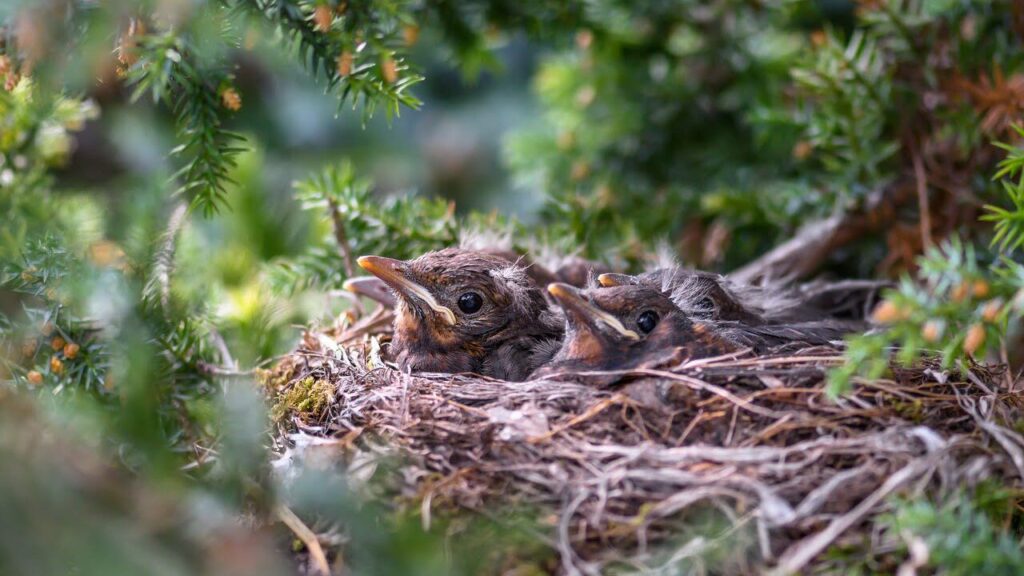
If you do not protect your strawberries, you will be feeding the local wildlife rather than yourself. Birds will strip ripe strawberries from the plant with remarkable speed and efficiency. I have gone out to pick what looked like a promising row of nearly-ripe fruit and found the blackbirds had got there first. Netting is not optional if you want to actually eat your harvest.
Drape netting over hoops or canes, keeping the netting off the plants themselves so birds cannot peck through the mesh at fruits pressed against it. Use netting with around 20mm mesh, which keeps birds out while still allowing pollinators in to set your fruit. Secure the netting at ground level so birds cannot simply walk underneath it. Put it on as soon as the first fruits begin to colour up. For a small container setup or a single raised bed, a proper cage with built-in access doors is much more convenient than struggling with loose netting every time you want to harvest.
Slugs and snails are the other major pests, particularly troublesome for ground-grown strawberries. I am a firm advocate of organic pest control. Encouraging natural predators into the garden, frogs, toads, and ground beetles in particular, is the most effective long-term approach. Provide log piles and a small wildlife pond if you can. Copper tape around containers creates an effective barrier for container-grown plants. Straw mulch around ground-grown plants keeps the fruits off wet soil and reduces the damp conditions slugs love.
Aphids can occasionally cluster on new growth, and strawberry leaves can develop powdery mildew if air circulation is poor. Both are usually minor and manageable through good plant spacing and garden hygiene. Remove any diseased leaves promptly and do not compost them. Vine weevil larvae are particularly fond of strawberry roots in containers. If you spot the telltale notching on leaf edges, which is the adult weevil feeding at night, use a biological control nematode drench to target the grubs in the compost.
Harvesting and Enjoying Your Strawberries
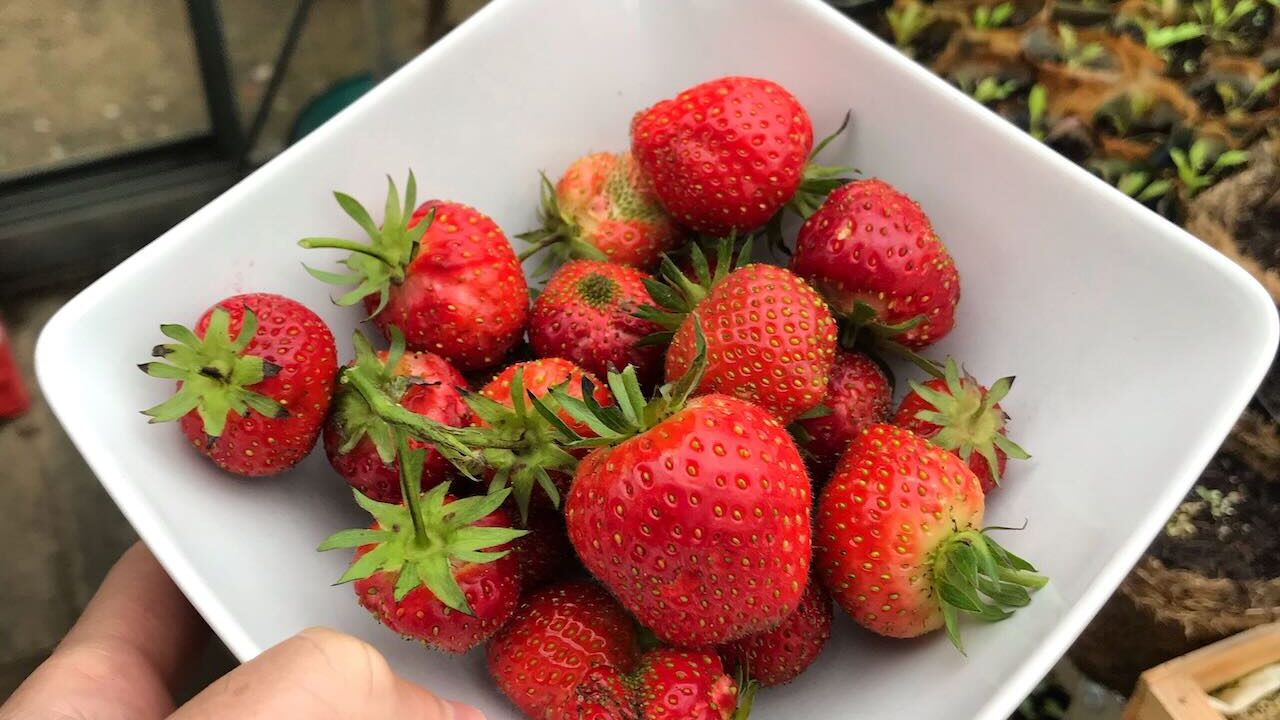
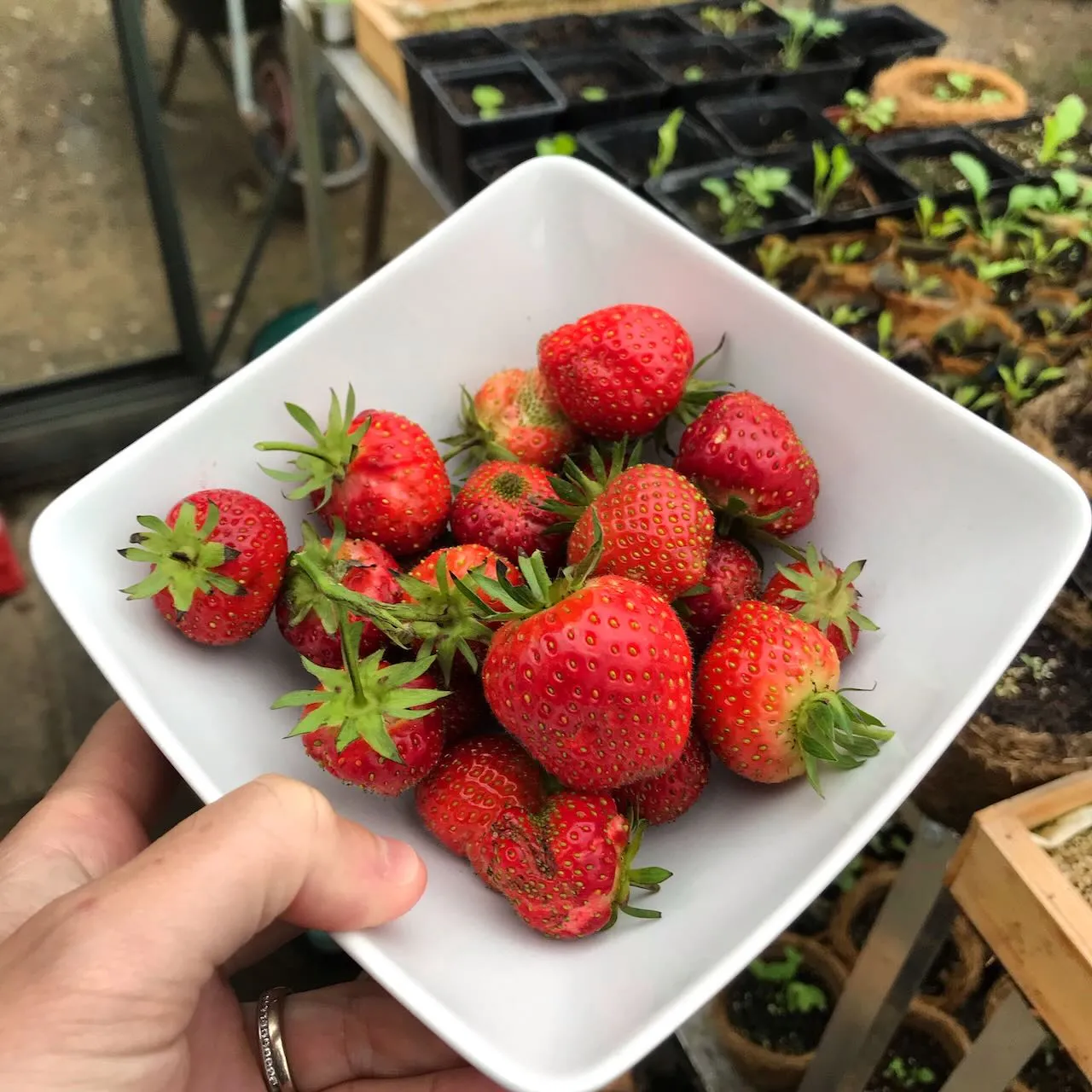
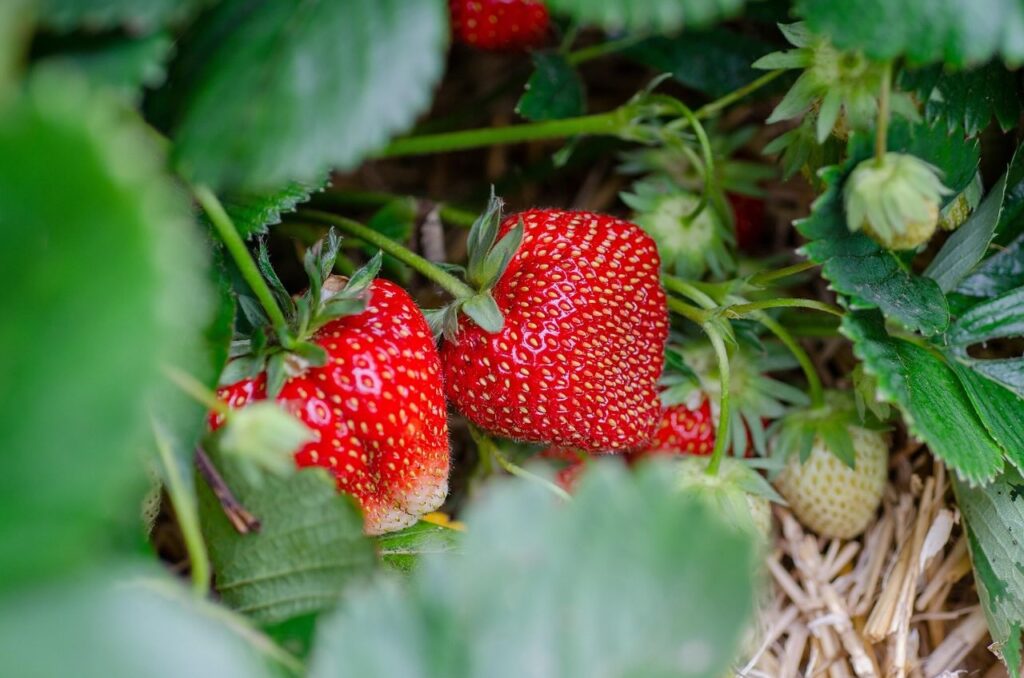
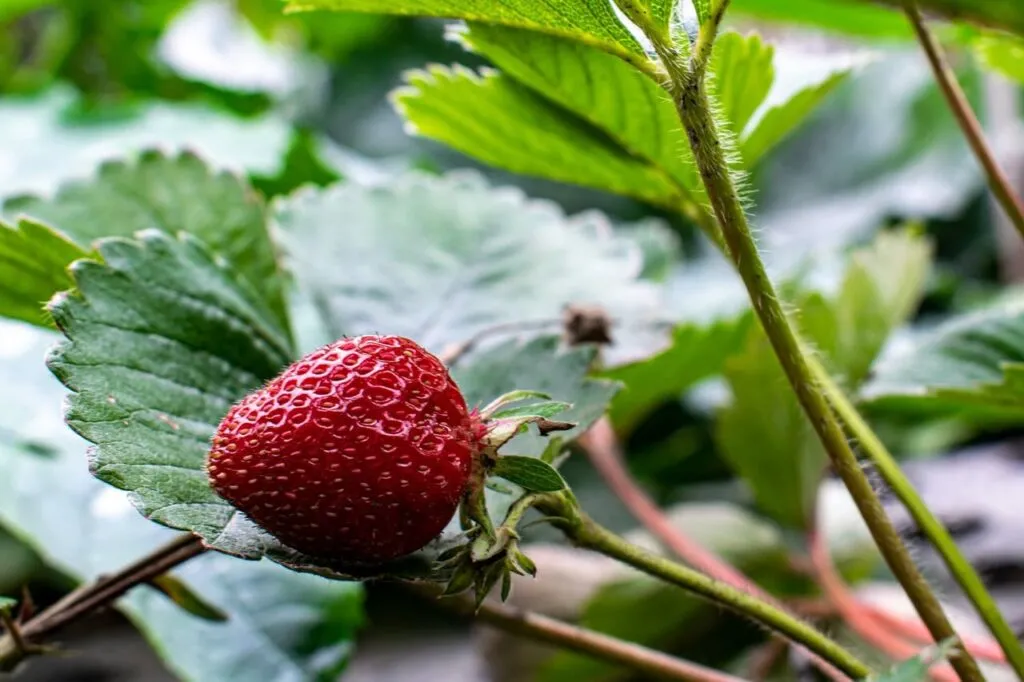
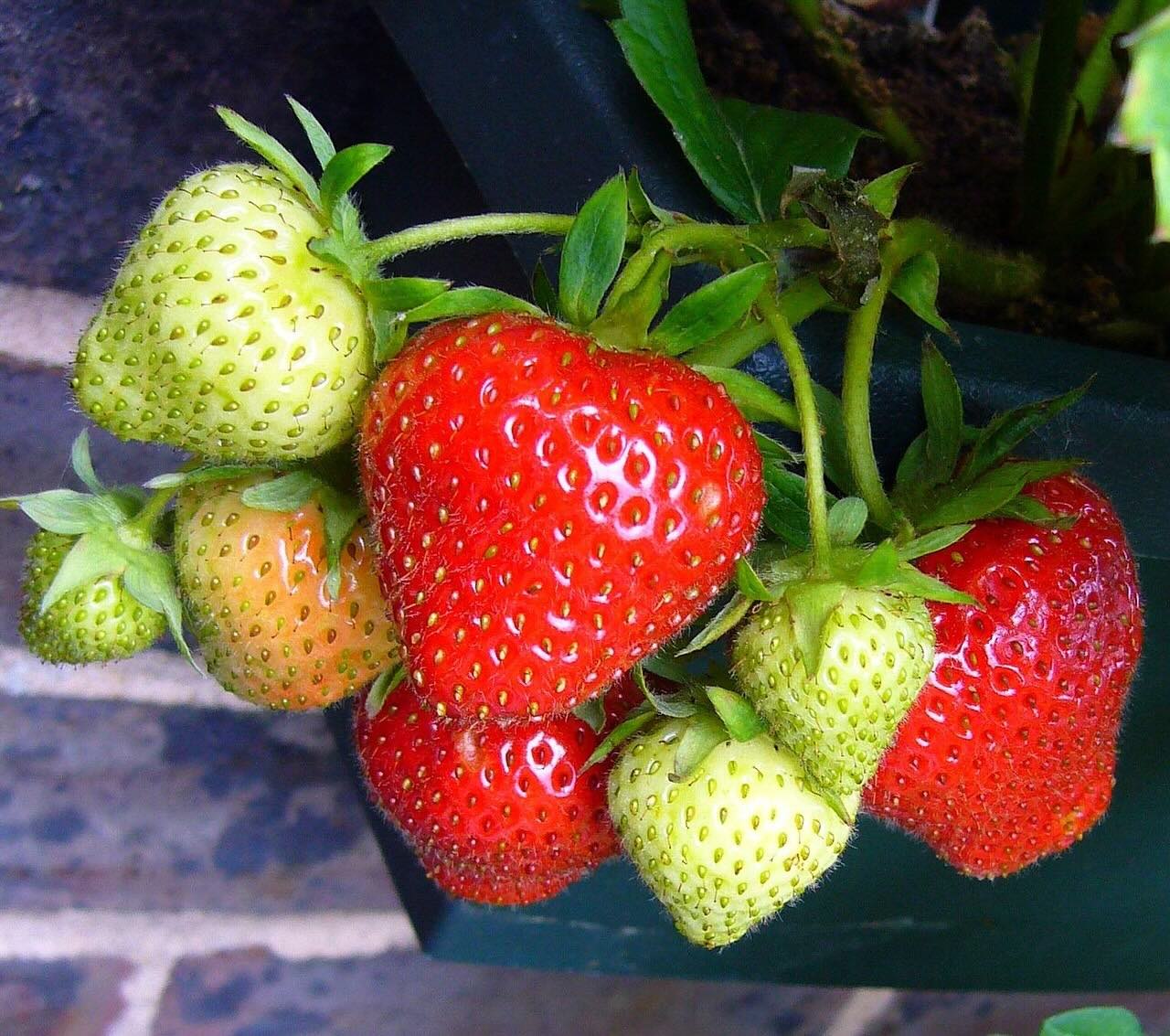
Strawberries are ready to pick when they are fully coloured red all over with no white or green patches remaining. Pick them in the morning once the dew has dried but before the midday heat. This is when they are at their sweetest and most flavourful. Gently twist each berry off with a short length of stalk still attached rather than pulling the fruit directly. Check plants every day or two during peak season and remove any mouldy or damaged fruits immediately to prevent the rot from spreading to neighbouring berries.
A well-grown strawberry plant will produce anywhere from six to twenty good-sized fruits, depending on variety and growing conditions. Summer fruiting varieties give you that glut all at once, perfect for jam, freezing, or simply having strawberry everything for a fortnight.
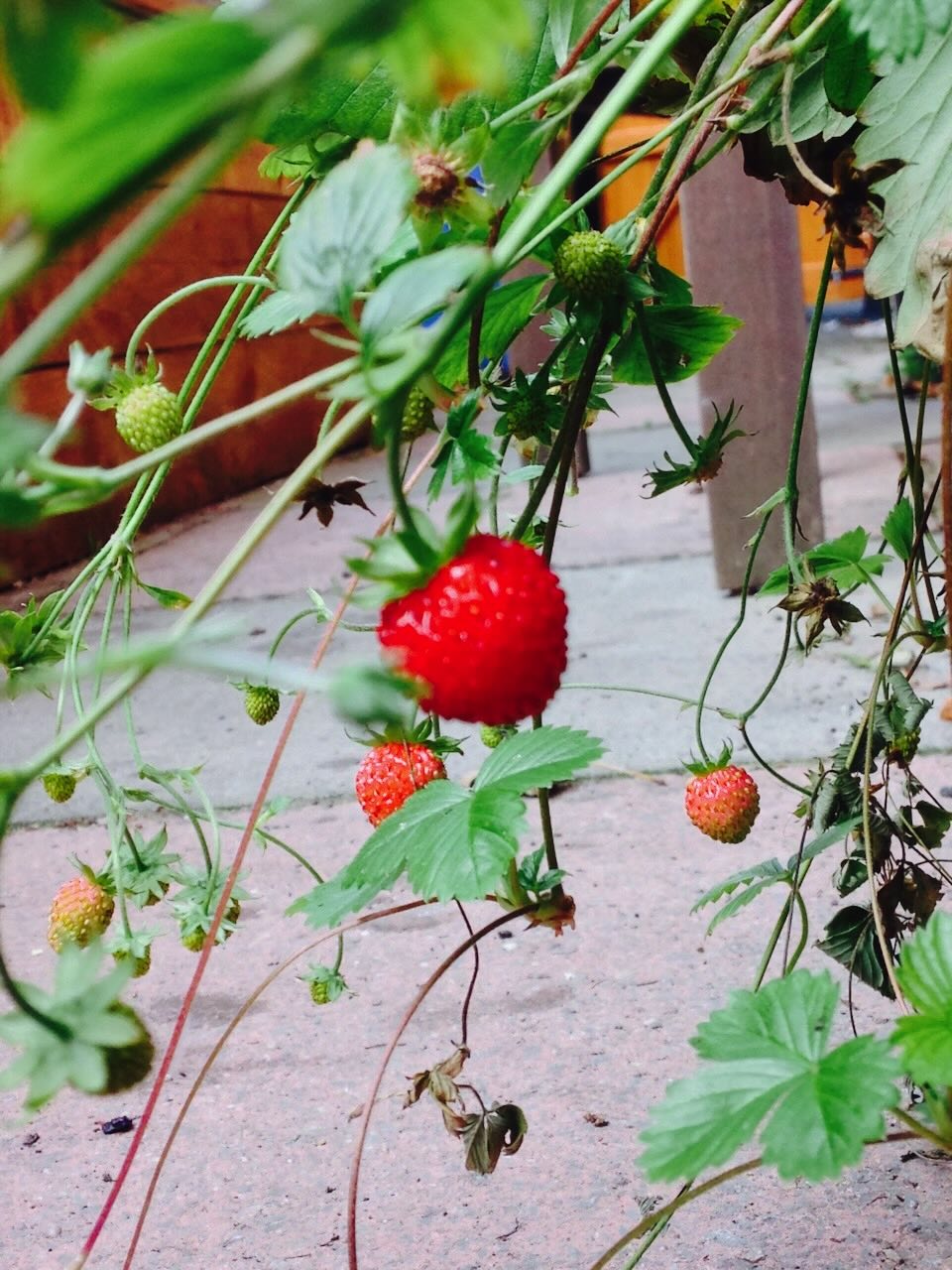
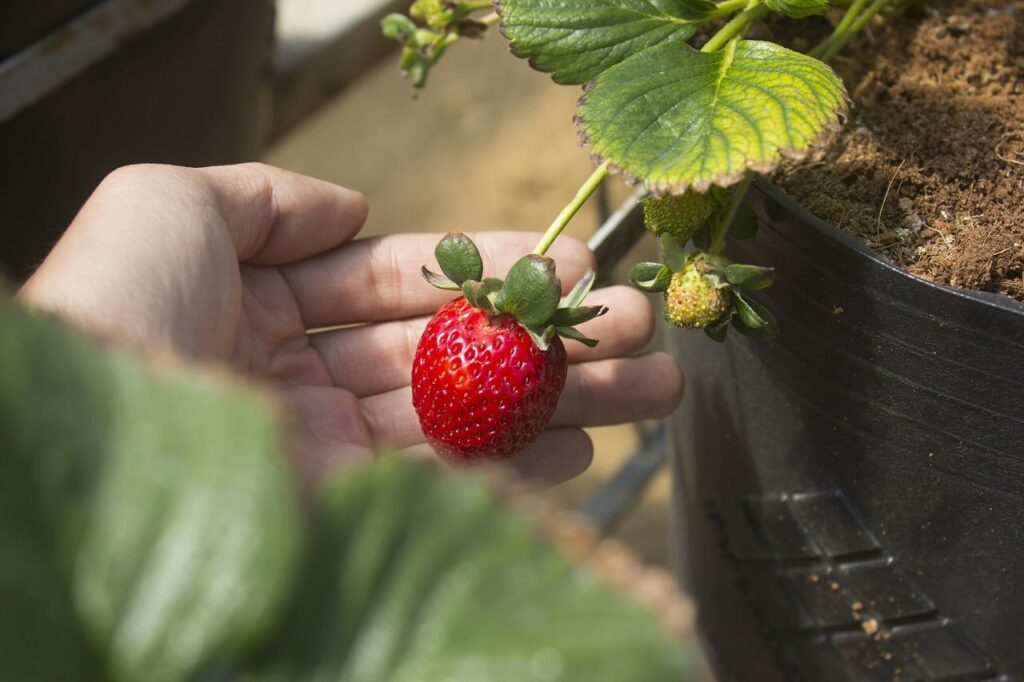
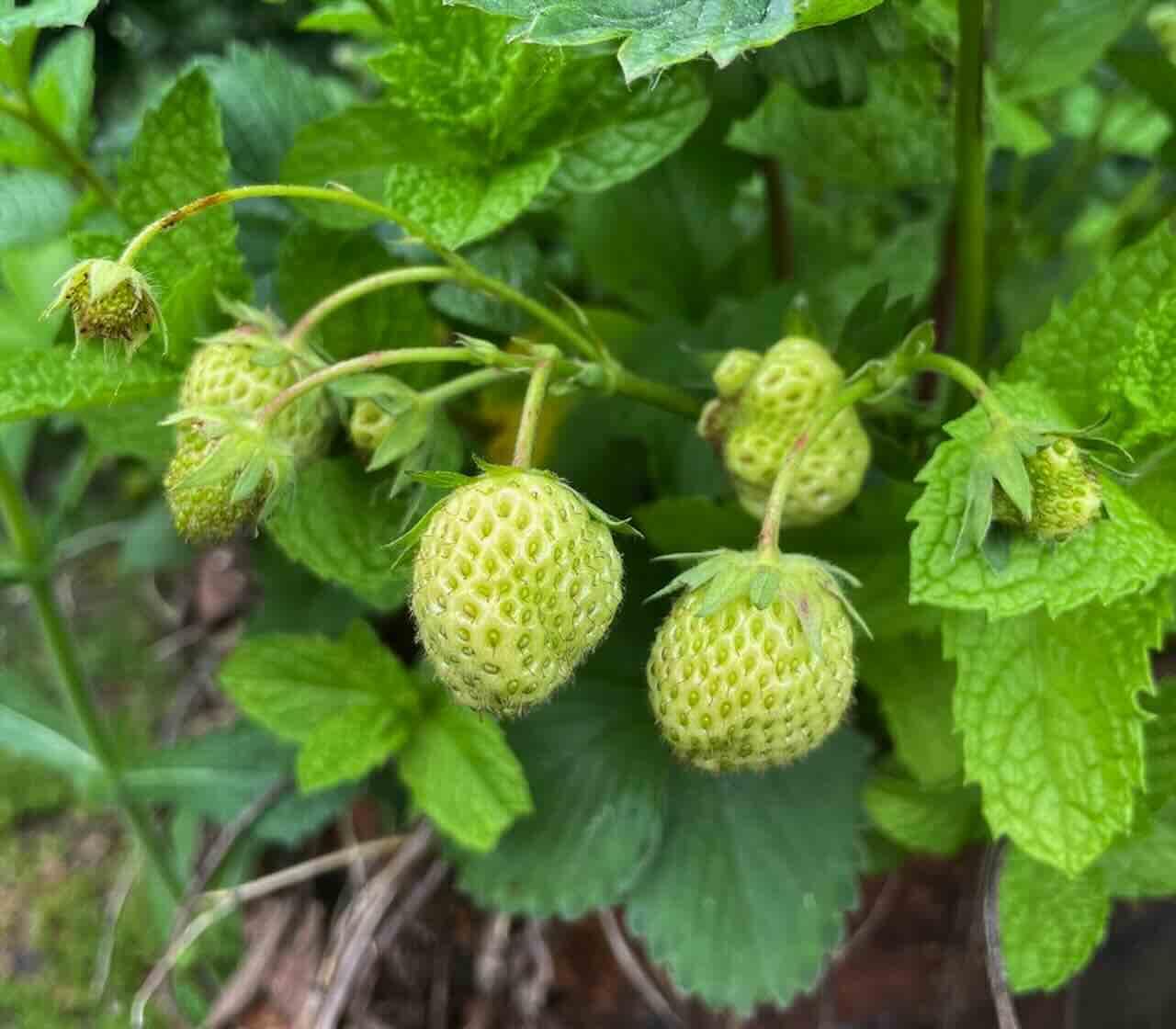
The image below shows a bunch of unripe strawberries still on the plant. These will be tart and unusable, so always wait until the fruit turns fully bright red before picking.
After three to four years, strawberry plants start to lose vigour and produce smaller crops. This is when you replace them with young plants propagated from runners or buy in fresh stock, planting them in a different location to avoid soil disease problems. Read my guide on crop rotation for more on managing this effectively.
Your subscription could not be saved. Please try again.
Your subscription has been successful.
Frequently Asked Questions About Growing Strawberries
Can I grow strawberries from seeds?
You can, but it is far slower and more fiddly than buying plants or propagating from runners. Strawberry seeds take weeks to germinate, the seedlings are tiny and delicate, and they will not fruit in their first year. Most shop-bought strawberries are F1 hybrids, which will not come true from seed anyway. For beginners, buying certified disease-free plants or propagating from runners is always the better starting point.
Do strawberries come back every year?
Yes, strawberries are perennial plants that will return year after year. They are fully hardy in UK winters and need no special protection. Their productivity does decline after three to four years, so you will need to replace them with fresh plants to maintain strong crops. Think of them as medium-term perennials rather than permanent fixtures.
How many strawberry plants do I need?
Three to five plants will give a family of four enough fresh strawberries throughout the season. If you want enough for jam making or freezing, plant ten to twenty summer fruiting plants. Start small and expand once you have seen how much you actually harvest and use. It is much easier to add a few runners next season than to manage an oversized bed from the start.
Can strawberries grow in shade?
Strawberries will tolerate partial shade, but fruiting will be significantly reduced. They need at least six hours of direct sunlight daily for good crops. In heavy shade they will produce plenty of leaves but very few flowers or fruits. If shade is your only option, alpine varieties such as Mignonette are more tolerant, though the fruits will be much smaller than standard varieties.
Why are my strawberry leaves turning yellow?
Yellow leaves on strawberries usually indicate either a watering problem or a nutrient deficiency. Both overwatering and underwatering cause yellowing, so check your watering regime first. It could also be a nitrogen deficiency if you have not fed the plants recently, or simply the natural ageing of older leaves. Remove yellow leaves and adjust your care accordingly.
Should I remove flowers in the first year?
If you planted in autumn, leave the plants to flower and fruit normally the following summer. If you planted in spring, some gardeners recommend removing the first-year flowers to encourage stronger root establishment. Personally, I let spring-planted strawberries fruit lightly in their first year because beginners need to see results to stay motivated. The main crop will come in year two regardless, and the flowers are genuinely gorgeous, so there is no reason to waste them.
Can I reuse compost from strawberry containers?
As long as your plants were healthy with no diseases, yes. Strawberries are hungry feeders and will have depleted most of the nutrients, so refresh the compost by mixing it with new material and adding a slow-release fertiliser before replanting. I have a comprehensive guide to reusing old compost that covers this in more detail.
What is the best time to plant strawberries in the UK?
Late summer to early autumn, between August and September, is the best time to plant strawberries in the UK. Plants established over winter will fruit properly in their first summer. Spring planting between March and April also works but plants often will not produce a significant crop until the following year as they concentrate on establishing roots through the first season.
What is the best strawberry variety for beginners?
Cambridge Favourite is the most reliable choice for beginners in the UK. It is disease-resistant, produces heavy crops consistently, and tolerates a wide range of soil conditions. Honeoye is an excellent alternative if you want an early-season crop. For a perpetual variety that fruits from June right through to October, Mara des Bois has outstanding flavour and a track record of reliable productivity in British gardens.
Taking Your Strawberry Growing Further
Growing strawberries successfully is one of those gardening milestones that builds confidence and gets you hooked on growing your own produce. Once you have mastered the basics in this guide, you will find yourself expanding your strawberry patch, experimenting with new varieties, and probably boring your friends with tales of your harvest. If you are feeling inspired to grow more of your own food, check out my guide to growing tomatoes from seed. They pair beautifully with strawberries for a proper summer abundance.
If you want to get to grips with garden design and create a productive garden that grows food alongside beautiful ornamental plants, my Garden Design for Beginners online course covers everything from planning beds to plant selection. You can find out more about my online garden design courses here.
29
Garden Design Examples for Small Gardens: 30 Design Templates & Planting Plans
Garden Design Examples for Small Gardens: 30 Design Templates & Planting Plans: In this online gardening course, I’ll walk you through 30 fantastic garden designs, explaining the logic behind the layout, the plant choices, and take-home tips for applying them in your own garden.
Weekend Garden Makeover: A Crash Course in Design for Beginners
Learn how to transform and design your own garden with Lee Burkhills crash course in garden design. Over 5 hours Lee will teach you how to design your own dream garden. Featuring practical design examples, planting ideas and video guides. Learn how to design your garden in one weekend!
Garden Design for Beginners: Create Your Dream Garden in Just 4 Weeks
Garden Design for Beginners Online Course: If you want to make the career jump to becoming a garden designer or to learn how to design your own garden, this is the beginner course for you. Join me, Lee Burkhill, an award-winning garden designer, as I train you in the art of beautiful garden design.
Strawberries are a fantastic beginner fruit to grow, whatever size garden you have. Start with Cambridge Favourite for reliability; plant in late summer or early autumn for the best first-year results; use a free-draining compost mix in containers; feed with a high-potassium liquid fertiliser once flowers appear; and protect your crop with netting the moment the fruits start to colour. Propagate runners each year to keep your plants young and productive, and rotate the bed every three to four years to prevent disease buildup.
Once you start growing strawberries, you will almost certainly never stop. I know I have not.
Your subscription could not be saved. Please try again.
Your subscription has been successful.
Lee Burkhill
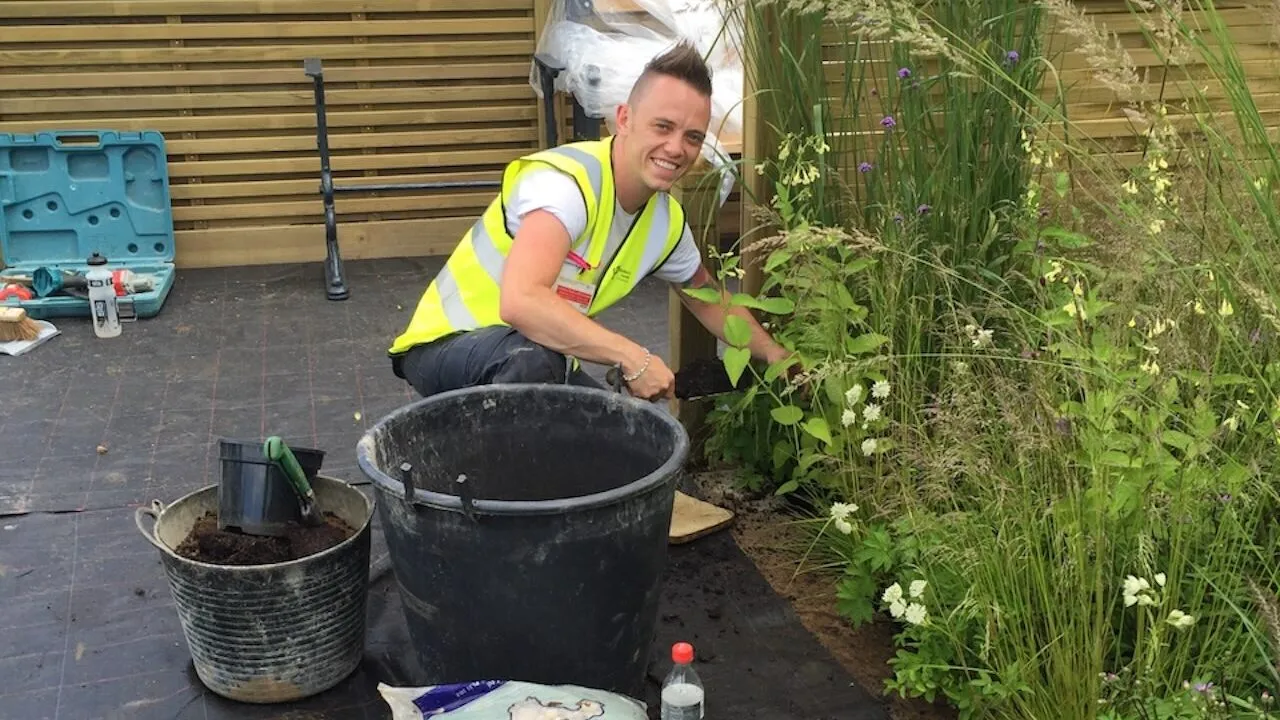
Lee Burkhill, known as the Garden Ninja, is an award-winning garden designer and horticulturist with over 30 years of gardening experience and 15 years as a professional garden designer. A qualified RHS (Royal Horticultural Society) professional, Lee specialises in sustainable garden design and practical horticultural advice. He designs and presents on BBC1’s Garden Rescue and in leading gardening publications. Lee combines three decades of hands-on gardening knowledge with professional design qualifications to help gardeners create beautiful, functional outdoor spaces.