Hi @sunseeker
First off, don't feel hopeless! I've tackled countless waterlogged clay borders over the years, and whilst yours sounds challenging, it's definitely not impossible to transform. It just takes more preparation than normal free-draining soil. You've already done the hardest bit by removing all that plastic and rubble, so well done for that mammoth task!
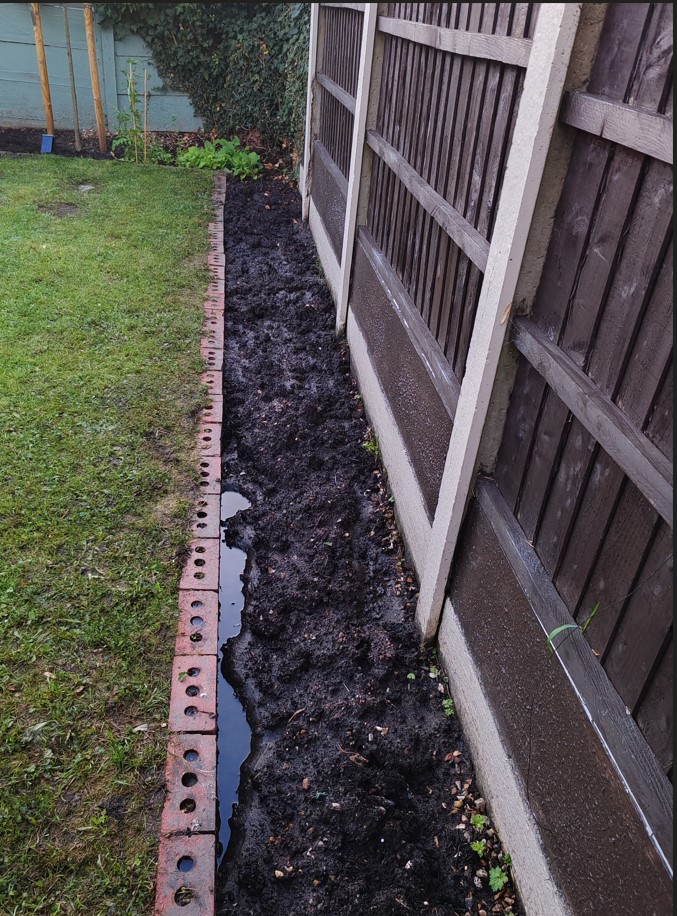
Your standing water issue is classic clay soil behaviour, made worse by years under plastic sheeting. Here's my budget friendly battle plan:
Step 1: Create some temporary relief channels Using a garden fork, create shallow channels (about 10cm deep) that lead away from your border towards a drain, lower ground, or even just the main garden. Think of these as emergency escape routes for the water. It's not pretty, but it works while you're building up the soil.
Step 2: Add organic matter in layers I know you've added some soil improver, but clay soil is greedy and needs more! Add whatever organic matter you can get your hands on: leaf mould (make your own for free!), well rotted compost, even bagged compost from the garden centre when it's on offer. Work this in gently with a fork, don't dig deeply as you'll just create a clay pan underneath.
Step 3: Consider a French drain DIY style If the waterlogging is really severe, dig a trench about 50cm deep along the length of your lawn next to the border, fill it with rubble or broken bricks (sounds like you've got plenty!), then cover with landscape fabric and soil. It's not glamorous but it'll help move water away.
Your Skinny Border Dilemma
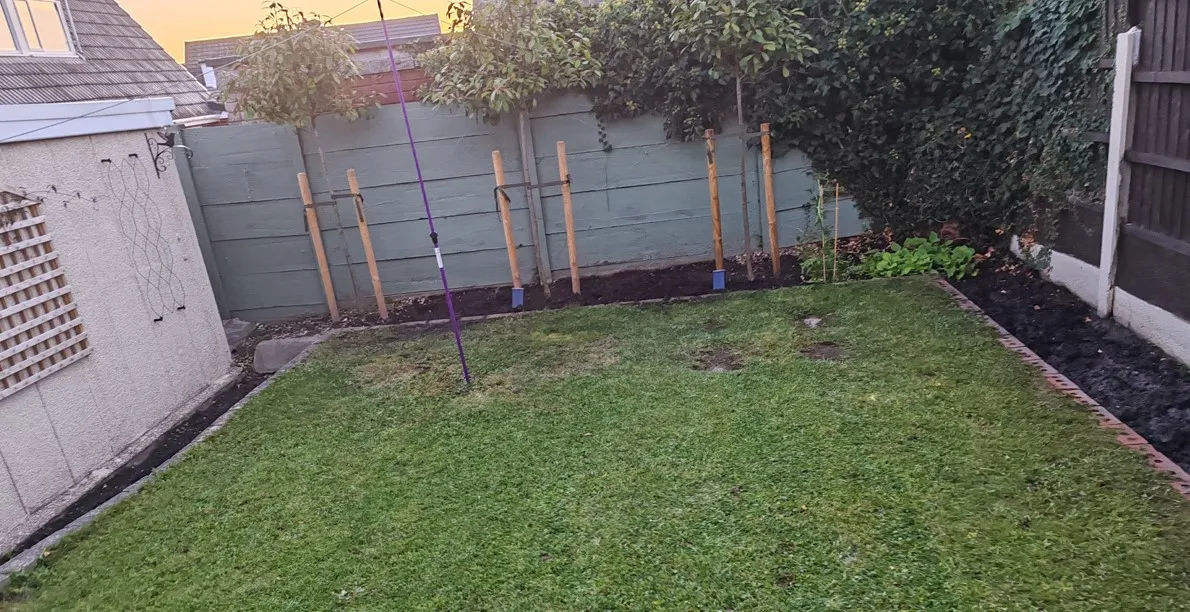
Here's some tough love: 45cm is really too narrow for most plantings to thrive properly, especially with your challenging conditions. Ideally, borders need to be at least 1m wide to create proper planting depth and root space. I know that's not what you want to hear when you're on a budget, but consider whether you could sacrifice some lawn or paving to widen even one section to create a deeper planting pocket. If not, you're just going to end up with a row of awkward plants, even if they do tolerate the heavy waterlogged conditions. It will never look inviting.
Plant Heroes for Your Tricky Spot
For waterlogged, shady, borders, you need proper tough cookies:
Shrubs that won't give up:
- Cornus (dogwood) - fantastic winter stem colour
- Viburnum tinus - evergreen with winter flowers
- Skimmia - compact, shade loving, year round interest
- Mahonia - architectural leaves, winter flowers
Perennials that love a soggy bottom:
- Astilbe - feathery plumes in summer
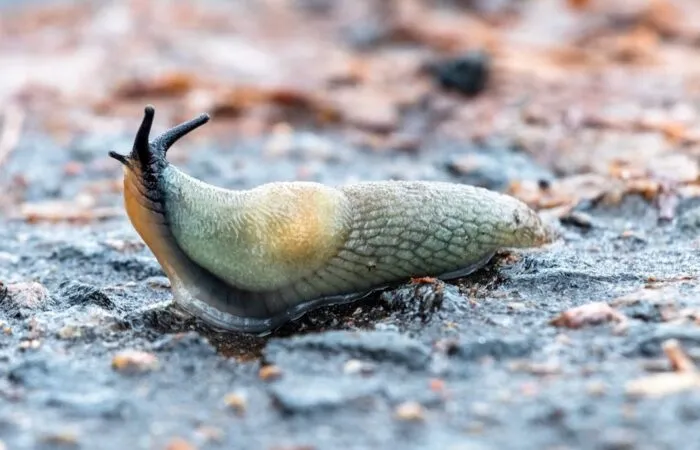
- Hosta - dramatic foliage (watch for slugs!)
- Heuchera - coloured leaves, compact size
- Brunnera - heart shaped leaves, spring flowers
Ground covering superstars:
- Ajuga reptans - purple leaves, blue spikes
- Pachysandra - evergreen carpet
- Vinca minor - trailing with blue flowers
The key is to plant in spring when the soil is warming up but still moist, and mulch heavily each autumn to keep building that soil structure. Check out my bog garden plant list here for more.
Karolina, transformation is possible, but it'll take 2-3 years of patient soil building. The drainage will gradually improve as you add organic matter and the plants establish themselves. Don't expect miracles in year one, but by year three, you should have a completely different space.
If budget or your effort allows, seriously consider widening that border or creating fewer, deeper planting areas instead. Skinny borders are always challenging, even in perfect conditions.
Keep at it, and remember that gardening is a marathon, not a sprint!
Lee 🥷
Hi @sunseeker
First off, don't feel hopeless! I've tackled countless waterlogged clay borders over the years, and whilst yours sounds challenging, it's definitely not impossible to transform. It just takes more preparation than normal free-draining soil. You've already done the hardest bit by removing all that plastic and rubble, so well done for that mammoth task!
Your standing water issue is classic clay soil behaviour, made worse by years under plastic sheeting. Here's my budget friendly battle plan:
Step 1: Create some temporary relief channels Using a garden fork, create shallow channels (about 10cm deep) that lead away from your border towards a drain, lower ground, or even just the main garden. Think of these as emergency escape routes for the water. It's not pretty, but it works while you're building up the soil.
Step 2: Add organic matter in layers I know you've added some soil improver, but clay soil is greedy and needs more! Add whatever organic matter you can get your hands on: leaf mould (make your own for free!), well rotted compost, even bagged compost from the garden centre when it's on offer. Work this in gently with a fork, don't dig deeply as you'll just create a clay pan underneath.
Step 3: Consider a French drain DIY style If the waterlogging is really severe, dig a trench about 50cm deep along the length of your lawn next to the border, fill it with rubble or broken bricks (sounds like you've got plenty!), then cover with landscape fabric and soil. It's not glamorous but it'll help move water away.
Your Skinny Border Dilemma
Here's some tough love: 45cm is really too narrow for most plantings to thrive properly, especially with your challenging conditions. Ideally, borders need to be at least 1m wide to create proper planting depth and root space. I know that's not what you want to hear when you're on a budget, but consider whether you could sacrifice some lawn or paving to widen even one section to create a deeper planting pocket. If not, you're just going to end up with a row of awkward plants, even if they do tolerate the heavy waterlogged conditions. It will never look inviting.
Plant Heroes for Your Tricky Spot
For waterlogged, shady, borders, you need proper tough cookies:
Shrubs that won't give up:
- Cornus (dogwood) - fantastic winter stem colour
- Viburnum tinus - evergreen with winter flowers
- Skimmia - compact, shade loving, year round interest
- Mahonia - architectural leaves, winter flowers
Perennials that love a soggy bottom:
- Astilbe - feathery plumes in summer
- Hosta - dramatic foliage (watch for slugs!)
- Heuchera - coloured leaves, compact size
- Brunnera - heart shaped leaves, spring flowers
Ground covering superstars:
- Ajuga reptans - purple leaves, blue spikes
- Pachysandra - evergreen carpet
- Vinca minor - trailing with blue flowers
The key is to plant in spring when the soil is warming up but still moist, and mulch heavily each autumn to keep building that soil structure. Check out my bog garden plant list here for more.
Karolina, transformation is possible, but it'll take 2-3 years of patient soil building. The drainage will gradually improve as you add organic matter and the plants establish themselves. Don't expect miracles in year one, but by year three, you should have a completely different space.
If budget or your effort allows, seriously consider widening that border or creating fewer, deeper planting areas instead. Skinny borders are always challenging, even in perfect conditions.
Keep at it, and remember that gardening is a marathon, not a sprint!
Lee 🥷
 Lee Burkhill: Award Winning Designer & BBC 1's Garden Rescue Presenters Official Blog