Hi @littlemissgardener
Thanks for your question about fruit trees. I'm a huge fan of fruit trees and grow about 40 different varieties and sizes here at Garden Ninja HQ!
Growing Fruit Trees in a Narrow North-Facing Garden
Your garden sounds like it has loads of potential, and the fact that you're already mapping out the sun patterns shows you're thinking about this in exactly the right way. A narrow, north-facing plot definitely presents some challenges for fruit trees, but it's absolutely not impossible. Let me talk you through what you need to consider and how to make this work.
Yes, Fruit Trees Can Work in Containers
The short answer to your question is yes, you can absolutely grow fruit trees in large containers in your garden. In fact, for a narrow space like yours, containers might actually be the smarter choice because they give you flexibility to move things around as you refine your design and work out where everything needs to go. Container-grown fruit trees can definitely bear fruit, but success depends on choosing the right rootstock and properly caring for them.
The key with container-grown fruit trees is selecting a rootstock suited to restricted growth. You cannot just buy any fruit tree and stick it in a pot, hoping it will stay small. The rootstock determines the ultimate size and vigour of your tree, and for container growing, you need a dwarfing or very dwarfing rootstock. For apples, that typically means M27 or M9 rootstocks. For pears, you're looking at Quince C. For cherries, Gisela 5 keeps them compact. Plums on Pixy rootstock work well in pots, too.
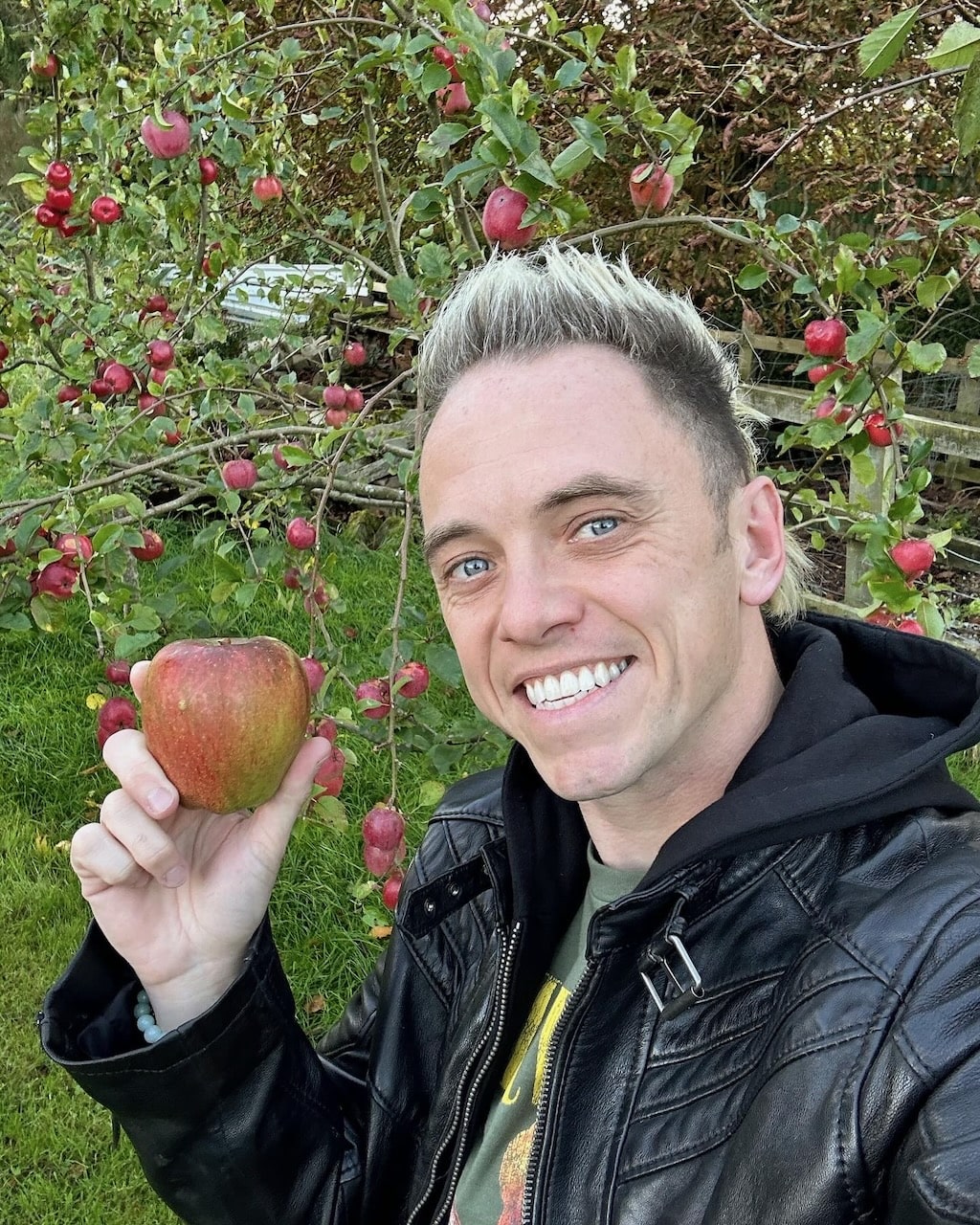
I've actually written a comprehensive guide to understanding rootstocks and how big different trees will get, which you'll find really helpful as you're planning this out. You can read it here: Tree Rootstock Sizes Guide. It breaks down all the different rootstock codes and helps you choose the right size for your space, whether that's in the ground or in containers.
Container Size and Care Requirements
When I say large containers, I really do mean large. You're looking at pots that are at least 45 to 50 centimetres in diameter, and ideally closer to 60 centimetres for anything you want to keep long term. The pot needs excellent drainage holes, and you should use a good-quality soil-based compost like John Innes Number 3 rather than multipurpose compost. Soil-based compost weighs more, which helps stability, and it holds nutrients better over time.
Feeding is essential with container fruit trees because they cannot send roots out into the surrounding soil to find nutrients. You'll need to feed them once or twice a year with a balanced fertiliser in spring, and again in early summer if they look hungry. I'd also recommend top dressing the compost every spring, scraping away the top few centimetres and replacing it with fresh compost mixed with some well-rotted manure or good compost if you have it.
https://youtu.be/5BhGtCjT2TQ
Watering is the other critical factor. Container trees dry out much faster than those in the ground, and fruit trees need consistent moisture when they're flowering and fruiting. In summer, you might be watering daily during hot spells. Miss this, and you'll get poor fruit set, fruit drop or stressed trees that struggle to recover.
The Pollination Question
You're right that some fruit trees need a pollination partners, while others don't. This gets quite detailed depending on which fruits you're considering. Apples and pears generally need another compatible variety nearby for good pollination, though a few varieties are self-fertile. Cherries can be self-fertile or require a partner, depending on the variety. Plums vary too, with some, like Victoria, being self-fertile and others needing a pollination buddy.
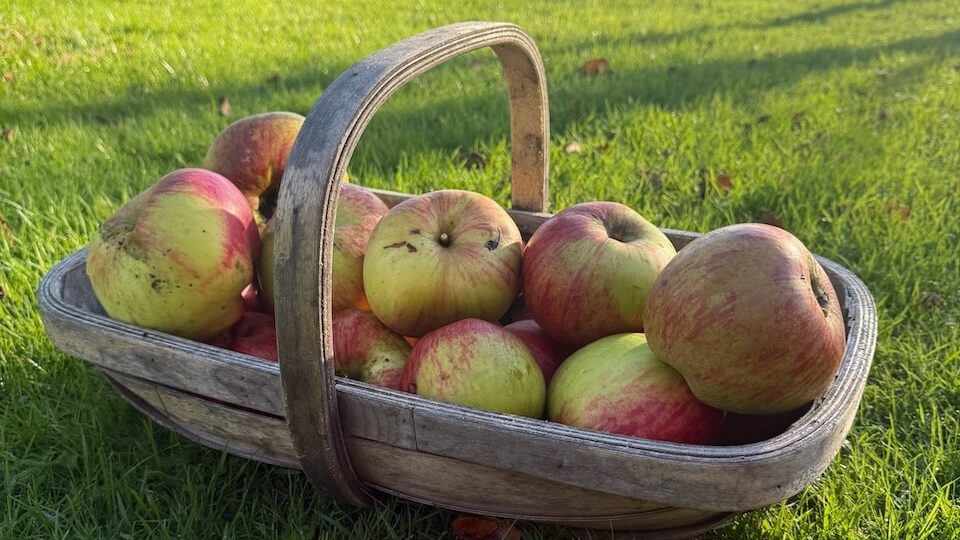
The good news is that if your neighbours have fruit trees or there are gardens nearby with flowering fruit trees, you might already have pollination partners without needing to plant two trees yourself. Bees and other pollinators can travel quite far. However, if you have the space and want to be sure, planting two compatible varieties is the safest approach. When you're buying trees, the nursery or supplier should be able to tell you which pollination group each variety belongs to and which partners work together.
North Facing Challenges and Sun Requirements
Here's where I need to be realistic with you about your north-facing aspect. Most fruit trees are sun lovers. They evolved in sunny climates and produce the best crops when they receive at least 6 hours of direct sunlight during the growing season. A north-facing garden with trees at the far end is going to be quite shaded, especially during spring when fruit trees are flowering and setting fruit.
That sun mapping exercise you're doing is going to be absolutely crucial. Pay particular attention to where the light falls during April, May and June, because that's when fruit trees need the most sun. You might find that even though your garden faces north, there are spots that catch morning or evening sun, or areas that get bright indirect light for much of the day. These are your best bets for fruit trees.
If you're finding that most of your garden is quite shaded, you might want to consider shade-tolerant fruit options. Morello cherries are the champions here because they actually fruit well on north-facing walls and in partial shade. Alpine strawberries tolerate shade well and produce tiny, intensely flavoured fruit. Rhubarb isn't technically a fruit, but it grows brilliantly in shade and gives you that fruity harvest for cooking. Blackcurrants and redcurrants tolerate shade better than most tree fruits, too.
https://youtu.be/bDn1o0Dztcw
Making the Most of Your Space
Given that your garden is only 5.75 metres wide, you need to think carefully about how fruit trees will affect the rest of your space. Even dwarf trees on the smallest rootstocks will eventually reach 1.8 to 2.5 metres tall and about the same across. In a narrow garden, three trees could start to dominate and cast quite a bit of shade over your pottager and seating areas.
My suggestion would be to start with one or two trees maximum, positioning them thoughtfully so they add height and structure without overwhelming the space. You could train them as cordons or espaliers against a sunny fence line if you have one, which keeps them really narrow and makes brilliant use of vertical space. Cordons are single-stemmed trees grown at an angle, while espaliers have horizontal branches trained along wires. Both are perfect for narrow gardens,s and they look absolutely beautiful.
Another option is to use stepover apples, which are trained to form a low-fruiting hedge only about 40 centimetres tall. These could edge your pottager beds beautifully without taking up much space.
Getting Your Garden Design Right
I can tell from your message that you're still working through the layout and trying to figure out how everything fits together. That's completely normal, but it's also where many people get stuck or make decisions they later regret. You're juggling a pottager, seating areas, possibly fruit trees, and all of this in a narrow north-facing plot with specific light challenges.
If you're finding the design side tricky or you want to make sure you get the layout right before you start planting and building, I'd really recommend checking out my online garden design courses. They walk you through exactly how to plan a garden from scratch, working with difficult shapes and aspects, and help you make decisions about what goes where and why. You can find details of the courses on my website. They're specifically designed for people who want to design their own gardens but need some structure and guidance to do so confidently.
Additional Reading and Resources
I've written quite a bit about fruit trees and growing your own over the years. Here are some articles from my blog that you might find helpful as you're planning this:
Keep doing that sun mapping, because that information is gold when you're planning any garden, but especially one with challenging aspects like yours. Once you know where your sunny spots are, you can make much better decisions about whether fruit trees are viable and where they should go. And don't be afraid to start small with one tree and see how it performs before committing to more. Gardening is always a process of learning what works in your specific space.
Good luck with your planning, and feel free to come back with questions once you've worked out your sun patterns and thought more about the layout. We're all here to help!
Lee Garden Ninja
Hi @littlemissgardener
Thanks for your question about fruit trees. I'm a huge fan of fruit trees and grow about 40 different varieties and sizes here at Garden Ninja HQ!
Growing Fruit Trees in a Narrow North-Facing Garden
Your garden sounds like it has loads of potential, and the fact that you're already mapping out the sun patterns shows you're thinking about this in exactly the right way. A narrow, north-facing plot definitely presents some challenges for fruit trees, but it's absolutely not impossible. Let me talk you through what you need to consider and how to make this work.
Yes, Fruit Trees Can Work in Containers
The short answer to your question is yes, you can absolutely grow fruit trees in large containers in your garden. In fact, for a narrow space like yours, containers might actually be the smarter choice because they give you flexibility to move things around as you refine your design and work out where everything needs to go. Container-grown fruit trees can definitely bear fruit, but success depends on choosing the right rootstock and properly caring for them.
The key with container-grown fruit trees is selecting a rootstock suited to restricted growth. You cannot just buy any fruit tree and stick it in a pot, hoping it will stay small. The rootstock determines the ultimate size and vigour of your tree, and for container growing, you need a dwarfing or very dwarfing rootstock. For apples, that typically means M27 or M9 rootstocks. For pears, you're looking at Quince C. For cherries, Gisela 5 keeps them compact. Plums on Pixy rootstock work well in pots, too.
I've actually written a comprehensive guide to understanding rootstocks and how big different trees will get, which you'll find really helpful as you're planning this out. You can read it here: Tree Rootstock Sizes Guide. It breaks down all the different rootstock codes and helps you choose the right size for your space, whether that's in the ground or in containers.
Container Size and Care Requirements
When I say large containers, I really do mean large. You're looking at pots that are at least 45 to 50 centimetres in diameter, and ideally closer to 60 centimetres for anything you want to keep long term. The pot needs excellent drainage holes, and you should use a good-quality soil-based compost like John Innes Number 3 rather than multipurpose compost. Soil-based compost weighs more, which helps stability, and it holds nutrients better over time.
Feeding is essential with container fruit trees because they cannot send roots out into the surrounding soil to find nutrients. You'll need to feed them once or twice a year with a balanced fertiliser in spring, and again in early summer if they look hungry. I'd also recommend top dressing the compost every spring, scraping away the top few centimetres and replacing it with fresh compost mixed with some well-rotted manure or good compost if you have it.
Watering is the other critical factor. Container trees dry out much faster than those in the ground, and fruit trees need consistent moisture when they're flowering and fruiting. In summer, you might be watering daily during hot spells. Miss this, and you'll get poor fruit set, fruit drop or stressed trees that struggle to recover.
The Pollination Question
You're right that some fruit trees need a pollination partners, while others don't. This gets quite detailed depending on which fruits you're considering. Apples and pears generally need another compatible variety nearby for good pollination, though a few varieties are self-fertile. Cherries can be self-fertile or require a partner, depending on the variety. Plums vary too, with some, like Victoria, being self-fertile and others needing a pollination buddy.
The good news is that if your neighbours have fruit trees or there are gardens nearby with flowering fruit trees, you might already have pollination partners without needing to plant two trees yourself. Bees and other pollinators can travel quite far. However, if you have the space and want to be sure, planting two compatible varieties is the safest approach. When you're buying trees, the nursery or supplier should be able to tell you which pollination group each variety belongs to and which partners work together.
North Facing Challenges and Sun Requirements
Here's where I need to be realistic with you about your north-facing aspect. Most fruit trees are sun lovers. They evolved in sunny climates and produce the best crops when they receive at least 6 hours of direct sunlight during the growing season. A north-facing garden with trees at the far end is going to be quite shaded, especially during spring when fruit trees are flowering and setting fruit.
That sun mapping exercise you're doing is going to be absolutely crucial. Pay particular attention to where the light falls during April, May and June, because that's when fruit trees need the most sun. You might find that even though your garden faces north, there are spots that catch morning or evening sun, or areas that get bright indirect light for much of the day. These are your best bets for fruit trees.
If you're finding that most of your garden is quite shaded, you might want to consider shade-tolerant fruit options. Morello cherries are the champions here because they actually fruit well on north-facing walls and in partial shade. Alpine strawberries tolerate shade well and produce tiny, intensely flavoured fruit. Rhubarb isn't technically a fruit, but it grows brilliantly in shade and gives you that fruity harvest for cooking. Blackcurrants and redcurrants tolerate shade better than most tree fruits, too.
Making the Most of Your Space
Given that your garden is only 5.75 metres wide, you need to think carefully about how fruit trees will affect the rest of your space. Even dwarf trees on the smallest rootstocks will eventually reach 1.8 to 2.5 metres tall and about the same across. In a narrow garden, three trees could start to dominate and cast quite a bit of shade over your pottager and seating areas.
My suggestion would be to start with one or two trees maximum, positioning them thoughtfully so they add height and structure without overwhelming the space. You could train them as cordons or espaliers against a sunny fence line if you have one, which keeps them really narrow and makes brilliant use of vertical space. Cordons are single-stemmed trees grown at an angle, while espaliers have horizontal branches trained along wires. Both are perfect for narrow gardens,s and they look absolutely beautiful.
Another option is to use stepover apples, which are trained to form a low-fruiting hedge only about 40 centimetres tall. These could edge your pottager beds beautifully without taking up much space.
Getting Your Garden Design Right
I can tell from your message that you're still working through the layout and trying to figure out how everything fits together. That's completely normal, but it's also where many people get stuck or make decisions they later regret. You're juggling a pottager, seating areas, possibly fruit trees, and all of this in a narrow north-facing plot with specific light challenges.
If you're finding the design side tricky or you want to make sure you get the layout right before you start planting and building, I'd really recommend checking out my online garden design courses. They walk you through exactly how to plan a garden from scratch, working with difficult shapes and aspects, and help you make decisions about what goes where and why. You can find details of the courses on my website. They're specifically designed for people who want to design their own gardens but need some structure and guidance to do so confidently.
Additional Reading and Resources
I've written quite a bit about fruit trees and growing your own over the years. Here are some articles from my blog that you might find helpful as you're planning this:
Keep doing that sun mapping, because that information is gold when you're planning any garden, but especially one with challenging aspects like yours. Once you know where your sunny spots are, you can make much better decisions about whether fruit trees are viable and where they should go. And don't be afraid to start small with one tree and see how it performs before committing to more. Gardening is always a process of learning what works in your specific space.
Good luck with your planning, and feel free to come back with questions once you've worked out your sun patterns and thought more about the layout. We're all here to help!
Lee Garden Ninja
 Lee Burkhill: Award Winning Designer & BBC 1's Garden Rescue Presenters Official Blog