Hi @tankboy74
Hi, what a wonderful problem to have and what an exciting delivery to be looking forward to. Asters, dahlias, echinacea, and astrantias are a brilliant combination and a large order like this is going to make a real impact on your borders.
The Short Answer
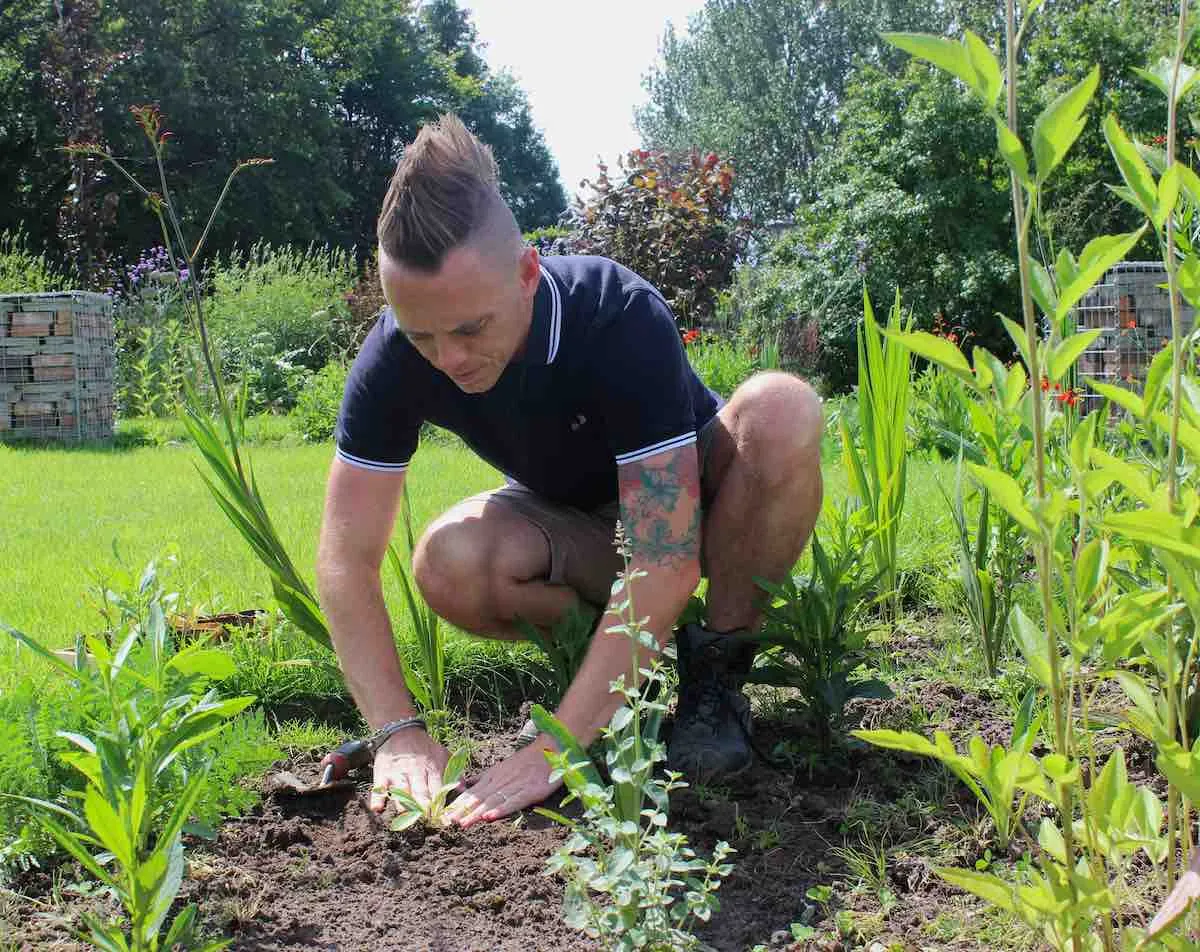
You absolutely do not need to pot them all on first. Mid May is a perfectly good time to plant bare root perennials directly into prepared ground, and with eighty plants to deal with the thought of sourcing, filling, and managing that many pots is frankly exhausting before you’ve even started. Save yourself the time, the expense, and the considerable amount of compost and go straight into the border.
The guidance on the label to pot on first is genuinely sound advice for earlier in the season when soil temperatures are still low and frost is still a risk, but by mid May in most parts of the UK the soil is warm, the worst of the cold is behind us, and your prepared ground will actually give those root systems more room to establish than a 2 or 3 litre pot ever could. The plants will thank you for it.
Soaking is key
Do follow the soaking advice before planting, and take it seriously. Bare root plants arrive in a dehydrated state after transit and giving the roots a thorough soak of several hours, or even overnight for larger root systems like dahlias, rehydrates the plant tissue and gives you a much stronger start. Use a bucket or trug of plain water and fully submerge the roots. You’ll often see the roots visibly plump up during soaking which is a satisfying sign that it’s working. Don’t skip or rush this step even if you’re eager to get planting.
Labelling is Absolutely Essential
This is the piece of advice I’d urge you most strongly not to overlook with a large mixed order. Bare root perennials in the ground look essentially identical for the first several weeks, and without clear labels you will very quickly lose track of what is planted where. This matters because different plants in your list have different spacing requirements, different eventual heights, and different needs in terms of neighbouring plants. Asters and astrantias are relatively compact while some echinacea varieties can reach a metre or more, and getting those positions muddled up will cause you real headaches later in the season.
Use weatherproof labels and a permanent marker, write clearly, and push them in firmly right next to each planting hole as you go rather than trying to label afterwards. A simple sketch or photo of your planting plan on your phone as you go is also worth doing, particularly for a planting of this scale.
Watering After Planting
This is where you need to put in some effort over the first few weeks. Bare root plants going directly into the ground in May are establishing their root systems during what can be a dry and warm period, and consistent moisture in those first few weeks is critical to getting them away well. Water each plant in thoroughly after planting and then keep a close eye on moisture levels through the first month especially.
For a planting of eighty plants, a deep hose or soaker hose laid along the border is going to save you a huge amount of time compared to hand watering individually. A deep slow watering two or three times a week in dry conditions is far more effective than a light daily sprinkle, as it encourages the roots to chase moisture downwards into the soil rather than staying shallow. Deep rooted plants establish far better and cope with dry spells much more confidently in subsequent seasons.
Enjoy the planting. A border filled with that combination of plants is going to be an absolute joy come late summer.
Lee Garden Ninja
Hi @tankboy74
Hi, what a wonderful problem to have and what an exciting delivery to be looking forward to. Asters, dahlias, echinacea, and astrantias are a brilliant combination and a large order like this is going to make a real impact on your borders.
The Short Answer
You absolutely do not need to pot them all on first. Mid May is a perfectly good time to plant bare root perennials directly into prepared ground, and with eighty plants to deal with the thought of sourcing, filling, and managing that many pots is frankly exhausting before you’ve even started. Save yourself the time, the expense, and the considerable amount of compost and go straight into the border.
The guidance on the label to pot on first is genuinely sound advice for earlier in the season when soil temperatures are still low and frost is still a risk, but by mid May in most parts of the UK the soil is warm, the worst of the cold is behind us, and your prepared ground will actually give those root systems more room to establish than a 2 or 3 litre pot ever could. The plants will thank you for it.
Soaking is key
Do follow the soaking advice before planting, and take it seriously. Bare root plants arrive in a dehydrated state after transit and giving the roots a thorough soak of several hours, or even overnight for larger root systems like dahlias, rehydrates the plant tissue and gives you a much stronger start. Use a bucket or trug of plain water and fully submerge the roots. You’ll often see the roots visibly plump up during soaking which is a satisfying sign that it’s working. Don’t skip or rush this step even if you’re eager to get planting.
Labelling is Absolutely Essential
This is the piece of advice I’d urge you most strongly not to overlook with a large mixed order. Bare root perennials in the ground look essentially identical for the first several weeks, and without clear labels you will very quickly lose track of what is planted where. This matters because different plants in your list have different spacing requirements, different eventual heights, and different needs in terms of neighbouring plants. Asters and astrantias are relatively compact while some echinacea varieties can reach a metre or more, and getting those positions muddled up will cause you real headaches later in the season.
Use weatherproof labels and a permanent marker, write clearly, and push them in firmly right next to each planting hole as you go rather than trying to label afterwards. A simple sketch or photo of your planting plan on your phone as you go is also worth doing, particularly for a planting of this scale.
Watering After Planting
This is where you need to put in some effort over the first few weeks. Bare root plants going directly into the ground in May are establishing their root systems during what can be a dry and warm period, and consistent moisture in those first few weeks is critical to getting them away well. Water each plant in thoroughly after planting and then keep a close eye on moisture levels through the first month especially.
For a planting of eighty plants, a deep hose or soaker hose laid along the border is going to save you a huge amount of time compared to hand watering individually. A deep slow watering two or three times a week in dry conditions is far more effective than a light daily sprinkle, as it encourages the roots to chase moisture downwards into the soil rather than staying shallow. Deep rooted plants establish far better and cope with dry spells much more confidently in subsequent seasons.
Enjoy the planting. A border filled with that combination of plants is going to be an absolute joy come late summer.
Lee Garden Ninja
 Lee Burkhill: Award Winning Designer & BBC 1's Garden Rescue Presenters Official Blog