Hi @mahmuda123
I love the passion in that sign-off, and I promise we are going to do everything we can to keep them alive!
The Good News First
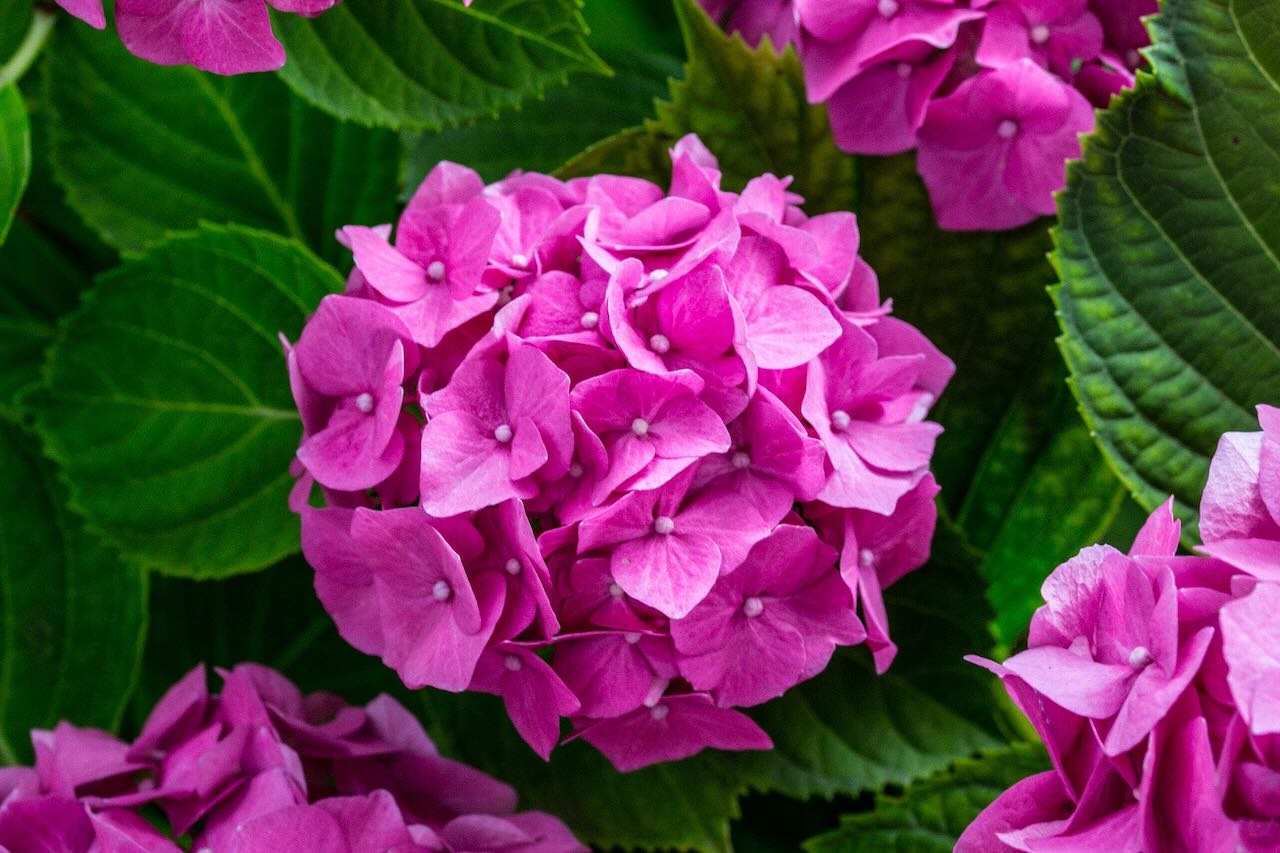
Hydrangeas are remarkably dramatic when they are unhappy, and they will wilt in a way that looks absolutely terminal when in reality they are far from it. The wilting you are seeing is the plant's stress response to waterlogged roots rather than a sign of permanent damage, and the fact that they were doing well and starting to bloom before this happened tells you the underlying plants are healthy and vigorous. That is genuinely the most important thing to know right now.
The Wait and Watch Approach
The advice you have read about waiting before watering again is broadly right, but a week is probably too rigid a timeframe to apply without checking the actual soil condition. Rather than counting days, push your finger or a small stick about five centimetres into the soil around the base of each plant. If it still feels wet or cold at that depth, leave them alone entirely regardless of how hot the day is.
If it feels barely damp or starting to dry at that depth, a modest drink in the early morning is appropriate. You are looking for consistently moist but never wet or soggy as your target condition.
On the Hot Sun Question
This is the part that causes most people to panic and reach for the watering can too early, because the visual cues of wilted leaves in hot sunshine look identical whether the cause is overwatering or underwatering. The key distinction is what the soil is doing, not what the plant looks like. Hydrangeas will wilt on very hot afternoons even when the soil moisture is perfect, simply because the rate of transpiration through the leaves temporarily outpaces the rate of water uptake through the roots. This is completely normal and does not mean they need water. A plant that wilts in afternoon heat but recovers and looks more upright by morning is managing perfectly well. A plant that looks wilted and remains wilted even in the cool of the morning is genuinely struggling and may need intervention.
What to Do Right Now
Move them into light shade if they are in pots, and you can move them physically, even temporarily, during the hottest part of the day. If they are in the ground, a light mulch of bark or compost around the base will help regulate soil temperature and prevent the surface from drying and cracking while the deeper soil is still recovering from the excess water. Do not feed them at all while they are under stress, as feeding pushes growth the plant cannot currently support.
My complete hydrangea care guide covers all the seasonal care in detail and is worth a read while you are nursing them back, and if you want to understand why they do or do not flower after a difficult period, my why is my hydrangea not flowering guide covers that specifically and will help you set realistic expectations for the rest of this season.
They are going to be fine. Check the soil, trust what it tells you rather than what the leaves are doing in the afternoon heat, and resist the urge to water until the conditions call for it.
All the best
Lee Garden Ninja
Hi @mahmuda123
I love the passion in that sign-off, and I promise we are going to do everything we can to keep them alive!
The Good News First
Hydrangeas are remarkably dramatic when they are unhappy, and they will wilt in a way that looks absolutely terminal when in reality they are far from it. The wilting you are seeing is the plant's stress response to waterlogged roots rather than a sign of permanent damage, and the fact that they were doing well and starting to bloom before this happened tells you the underlying plants are healthy and vigorous. That is genuinely the most important thing to know right now.
The Wait and Watch Approach
The advice you have read about waiting before watering again is broadly right, but a week is probably too rigid a timeframe to apply without checking the actual soil condition. Rather than counting days, push your finger or a small stick about five centimetres into the soil around the base of each plant. If it still feels wet or cold at that depth, leave them alone entirely regardless of how hot the day is.
If it feels barely damp or starting to dry at that depth, a modest drink in the early morning is appropriate. You are looking for consistently moist but never wet or soggy as your target condition.
On the Hot Sun Question
This is the part that causes most people to panic and reach for the watering can too early, because the visual cues of wilted leaves in hot sunshine look identical whether the cause is overwatering or underwatering. The key distinction is what the soil is doing, not what the plant looks like. Hydrangeas will wilt on very hot afternoons even when the soil moisture is perfect, simply because the rate of transpiration through the leaves temporarily outpaces the rate of water uptake through the roots. This is completely normal and does not mean they need water. A plant that wilts in afternoon heat but recovers and looks more upright by morning is managing perfectly well. A plant that looks wilted and remains wilted even in the cool of the morning is genuinely struggling and may need intervention.
What to Do Right Now
Move them into light shade if they are in pots, and you can move them physically, even temporarily, during the hottest part of the day. If they are in the ground, a light mulch of bark or compost around the base will help regulate soil temperature and prevent the surface from drying and cracking while the deeper soil is still recovering from the excess water. Do not feed them at all while they are under stress, as feeding pushes growth the plant cannot currently support.
My complete hydrangea care guide covers all the seasonal care in detail and is worth a read while you are nursing them back, and if you want to understand why they do or do not flower after a difficult period, my why is my hydrangea not flowering guide covers that specifically and will help you set realistic expectations for the rest of this season.
They are going to be fine. Check the soil, trust what it tells you rather than what the leaves are doing in the afternoon heat, and resist the urge to water until the conditions call for it.
All the best
Lee Garden Ninja
 Lee Burkhill: Award Winning Designer & BBC 1's Garden Rescue Presenters Official Blog