Hi @lindypops
Great question and one I've been asked numerous times over the years!
Hard Pruning Oleanders: Understanding the Damage and What Happens Next
I completely understand your concern, and honestly, your instincts are absolutely spot-on. What's happened to your oleanders is unfortunately a classic case of well-meaning but misguided management combined with a gardener who clearly doesn't understand the specific needs of these Mediterranean beauties. Let me break down what's likely going on and what you can realistically expect.
Understanding Oleanders: Where They Come From and How They Grow
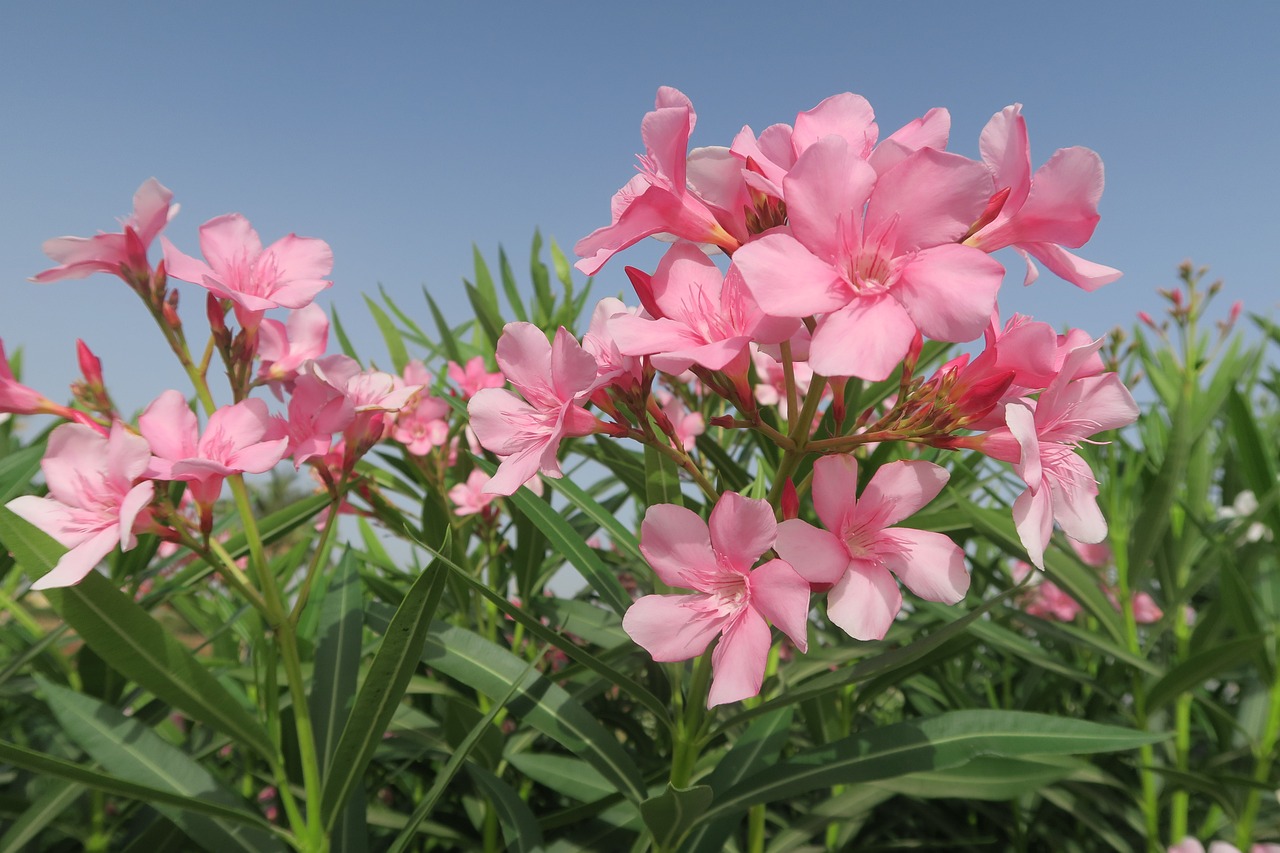
Before we get into the pruning disaster, it helps to understand what oleanders actually are and where they come from. Oleanders are native to the Mediterranean region and parts of Asia, where they've evolved to cope with specific growing conditions:
- They thrive in hot, dry climates with plenty of sunshine and can tolerate drought once established
- They prefer well drained soil and actually struggle in heavy, waterlogged conditions
- They're incredibly tough when it comes to heat, salt spray and coastal exposure
- Despite this toughness, they're relatively slow growing compared to many other shrubs
- They build their structure gradually over years, which is why training them into tree forms takes decades rather than seasons
- They respond best to light, regular pruning rather than severe cutbacks.
This slow, steady growth habit is exactly why your previous gardeners' careful work over 20 to 30 years was so valuable. You cannot rush an oleander into a mature tree form, and you definitely cannot hack one back and expect it to bounce back quickly as a fast-growing hedge plant might.
The Problem with Hard Pruning Oleanders
Oleanders are not trees, despite being trained to look like them over those 20 to 30 years. They're actually large shrubs that can be shaped into standard or tree forms through careful, consistent pruning. The keyword here is careful. When you completely defoliate an oleander by removing every single branch, you're essentially starving the plant of its ability to photosynthesise and produce energy.
Your point about leaving foliage is absolutely correct. Even when hard pruning most woody plants, you should always leave some green growth so the plant can continue producing food through its leaves. Complete defoliation puts massive stress on any plant, but oleanders are particularly sensitive to this kind of brutal treatment. They're tough plants in many ways, coping brilliantly with heat, drought and coastal conditions. Still, they've evolved in the Mediterranean, where they're adapted to light and regular trimming rather than severe cutbacks.
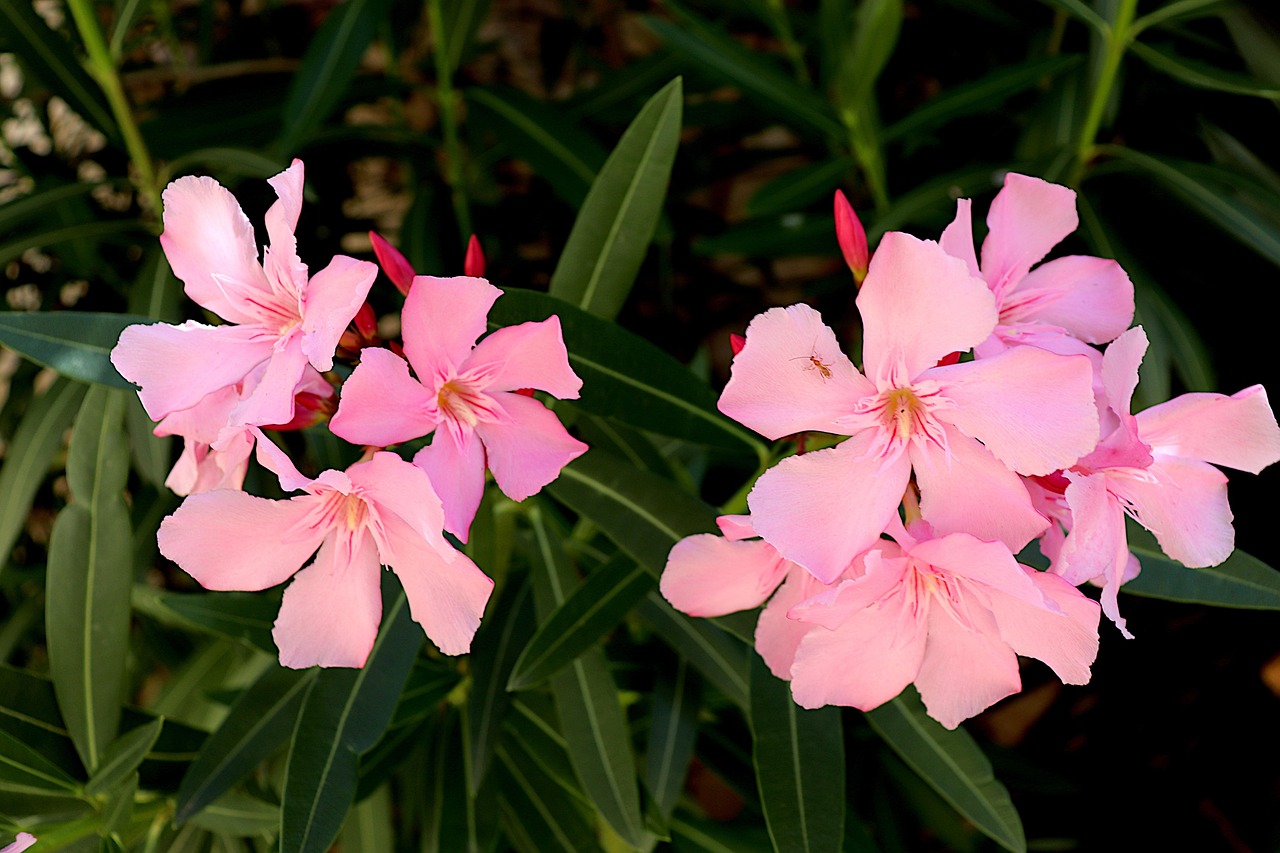
The training your previous gardeners did over decades gradually created those lovely tree shapes, working with the plants' natural growth habits. Removing all that structure in one go doesn't "reset" the plant. Instead, it shocks it and forces it to divert all its energy into survival mode rather than steady regrowth.
What You're Likely to See Happen
Now, here's where I need to be realistic with you, rather than sugar-coating things. Oleanders can sometimes recover from hard pruning, but it depends on how severe the cuts were, the time of year, and the plants' overall health beforehand. Spring is actually a better time than autumn would have been, as the plants have the growing season ahead of them to recover. However, you may see several possible outcomes across your community's oleanders.
Some plants may send up vigorous new shoots from the base and lower stems. These won't look like the elegant tree forms you had before. Instead, you'll get bushy, multi-stemmed growth that will take years to retrain into standards if that's even possible.
Other plants may struggle, producing weak, sparse growth that never fully recovers its former vigour. Unfortunately, some oleanders may die, especially older specimens or those with incorrect cuts, leaving stubs or damaging the main structure.
The really frustrating part is that even if the plants survive, you've lost those decades of careful training. Those tree forms represented years of knowledge and patient work by your previous gardeners who understood these plants. You can't shortcut that kind of horticultural artistry, and certainly not by hacking everything back to stumps.
The Broader Issue with This Approach
What concerns me most about your situation is the management's blanket instruction to prune everything hard. That's not professional horticulture. That's convenience gardening. Different plants need different approaches at different times. Your oleanders needed light shaping in spring, not renovation pruning. The fact that your new gardener followed this instruction without apparently questioning it or explaining the consequences suggests they're either inexperienced with these specific plants or they're simply doing what they're told regardless of horticultural best practice.
Being a professional gardener doesn't mean you automatically know the right approach for every plant in every situation. It means you should have the knowledge to recognise when an instruction will cause harm and the professional integrity to say so. Your management might have asked for hard pruning, but a truly knowledgeable gardener would have explained why that's inappropriate for oleanders and suggested alternatives.
What You Can Do Now
Right now, there's not much you can do to reverse what's happened, but you can document everything. Take those photos once you figure out how to attach them, and keep a record of the plants' condition now and over the coming months. If plants do die or fail to recover, you'll have evidence that this was a direct result of inappropriate pruning rather than other factors.
I'd also suggest putting your concerns in writing to your management, keeping it factual rather than emotional. Explain that oleanders are shrubs trained as standards over decades, that complete defoliation contradicts standard horticultural practice, and that you're documenting the situation. You might refer to the Royal Horticultural Society's guidance on oleander care, which recommends light pruning to maintain shape rather than heavy renovation work.
Beyond that, you're unfortunately at the mercy of time and the plants' resilience. Keep an eye on them through spring and summer. Water them during dry spells if possible, as they'll need all the help they can get to recover. If you see new growth appearing, that's encouraging, even if it looks nothing like what you had before.
I really feel for you in this situation. It's heartbreaking to watch decades of careful work destroyed in a matter of hours, especially when you knew it was wrong and tried to prevent it. Your gardening instincts were absolutely correct, and I hope your management eventually recognises that professional credentials mean nothing without the judgement to apply them appropriately.
Do let us know how you get on, and you can use this page to resize your photos (they have to be under 2mb in size for this forum) so you can upload them for further guidance! https://compressjpeg.com/
All the best and do let us know how you get on!
Lee Garden Ninja
Hi @lindypops
Great question and one I've been asked numerous times over the years!
Hard Pruning Oleanders: Understanding the Damage and What Happens Next
I completely understand your concern, and honestly, your instincts are absolutely spot-on. What's happened to your oleanders is unfortunately a classic case of well-meaning but misguided management combined with a gardener who clearly doesn't understand the specific needs of these Mediterranean beauties. Let me break down what's likely going on and what you can realistically expect.
Understanding Oleanders: Where They Come From and How They Grow
Before we get into the pruning disaster, it helps to understand what oleanders actually are and where they come from. Oleanders are native to the Mediterranean region and parts of Asia, where they've evolved to cope with specific growing conditions:
- They thrive in hot, dry climates with plenty of sunshine and can tolerate drought once established
- They prefer well drained soil and actually struggle in heavy, waterlogged conditions
- They're incredibly tough when it comes to heat, salt spray and coastal exposure
- Despite this toughness, they're relatively slow growing compared to many other shrubs
- They build their structure gradually over years, which is why training them into tree forms takes decades rather than seasons
- They respond best to light, regular pruning rather than severe cutbacks.
This slow, steady growth habit is exactly why your previous gardeners' careful work over 20 to 30 years was so valuable. You cannot rush an oleander into a mature tree form, and you definitely cannot hack one back and expect it to bounce back quickly as a fast-growing hedge plant might.
The Problem with Hard Pruning Oleanders
Oleanders are not trees, despite being trained to look like them over those 20 to 30 years. They're actually large shrubs that can be shaped into standard or tree forms through careful, consistent pruning. The keyword here is careful. When you completely defoliate an oleander by removing every single branch, you're essentially starving the plant of its ability to photosynthesise and produce energy.
Your point about leaving foliage is absolutely correct. Even when hard pruning most woody plants, you should always leave some green growth so the plant can continue producing food through its leaves. Complete defoliation puts massive stress on any plant, but oleanders are particularly sensitive to this kind of brutal treatment. They're tough plants in many ways, coping brilliantly with heat, drought and coastal conditions. Still, they've evolved in the Mediterranean, where they're adapted to light and regular trimming rather than severe cutbacks.
The training your previous gardeners did over decades gradually created those lovely tree shapes, working with the plants' natural growth habits. Removing all that structure in one go doesn't "reset" the plant. Instead, it shocks it and forces it to divert all its energy into survival mode rather than steady regrowth.
What You're Likely to See Happen
Now, here's where I need to be realistic with you, rather than sugar-coating things. Oleanders can sometimes recover from hard pruning, but it depends on how severe the cuts were, the time of year, and the plants' overall health beforehand. Spring is actually a better time than autumn would have been, as the plants have the growing season ahead of them to recover. However, you may see several possible outcomes across your community's oleanders.
Some plants may send up vigorous new shoots from the base and lower stems. These won't look like the elegant tree forms you had before. Instead, you'll get bushy, multi-stemmed growth that will take years to retrain into standards if that's even possible.
Other plants may struggle, producing weak, sparse growth that never fully recovers its former vigour. Unfortunately, some oleanders may die, especially older specimens or those with incorrect cuts, leaving stubs or damaging the main structure.
The really frustrating part is that even if the plants survive, you've lost those decades of careful training. Those tree forms represented years of knowledge and patient work by your previous gardeners who understood these plants. You can't shortcut that kind of horticultural artistry, and certainly not by hacking everything back to stumps.
The Broader Issue with This Approach
What concerns me most about your situation is the management's blanket instruction to prune everything hard. That's not professional horticulture. That's convenience gardening. Different plants need different approaches at different times. Your oleanders needed light shaping in spring, not renovation pruning. The fact that your new gardener followed this instruction without apparently questioning it or explaining the consequences suggests they're either inexperienced with these specific plants or they're simply doing what they're told regardless of horticultural best practice.
Being a professional gardener doesn't mean you automatically know the right approach for every plant in every situation. It means you should have the knowledge to recognise when an instruction will cause harm and the professional integrity to say so. Your management might have asked for hard pruning, but a truly knowledgeable gardener would have explained why that's inappropriate for oleanders and suggested alternatives.
What You Can Do Now
Right now, there's not much you can do to reverse what's happened, but you can document everything. Take those photos once you figure out how to attach them, and keep a record of the plants' condition now and over the coming months. If plants do die or fail to recover, you'll have evidence that this was a direct result of inappropriate pruning rather than other factors.
I'd also suggest putting your concerns in writing to your management, keeping it factual rather than emotional. Explain that oleanders are shrubs trained as standards over decades, that complete defoliation contradicts standard horticultural practice, and that you're documenting the situation. You might refer to the Royal Horticultural Society's guidance on oleander care, which recommends light pruning to maintain shape rather than heavy renovation work.
Beyond that, you're unfortunately at the mercy of time and the plants' resilience. Keep an eye on them through spring and summer. Water them during dry spells if possible, as they'll need all the help they can get to recover. If you see new growth appearing, that's encouraging, even if it looks nothing like what you had before.
I really feel for you in this situation. It's heartbreaking to watch decades of careful work destroyed in a matter of hours, especially when you knew it was wrong and tried to prevent it. Your gardening instincts were absolutely correct, and I hope your management eventually recognises that professional credentials mean nothing without the judgement to apply them appropriately.
Do let us know how you get on, and you can use this page to resize your photos (they have to be under 2mb in size for this forum) so you can upload them for further guidance! https://compressjpeg.com/
All the best and do let us know how you get on!
Lee Garden Ninja
 Lee Burkhill: Award Winning Designer & BBC 1's Garden Rescue Presenters Official Blog