Hi @rizwan
Thanks for getting in touch, and I can hear the stress in your message, so let me get straight to the point with you. The good news is that I don't think this is beyond saving at all. The not-so-good news is that the problem is almost certainly the watering itself, and your proposed schedule for the next few days is unfortunately going to make things considerably worse rather than better!!
You Are Drowning Your Lawn
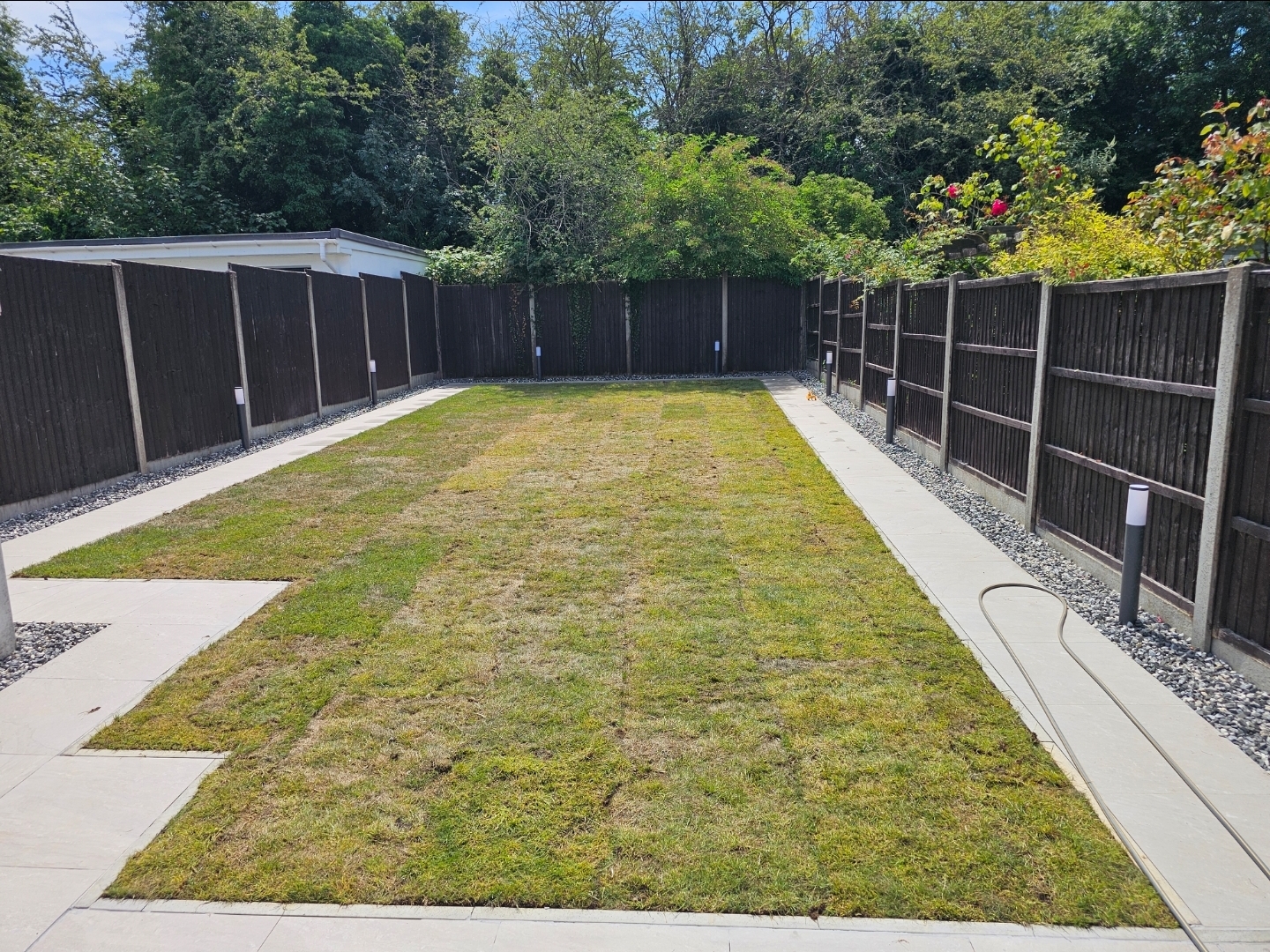
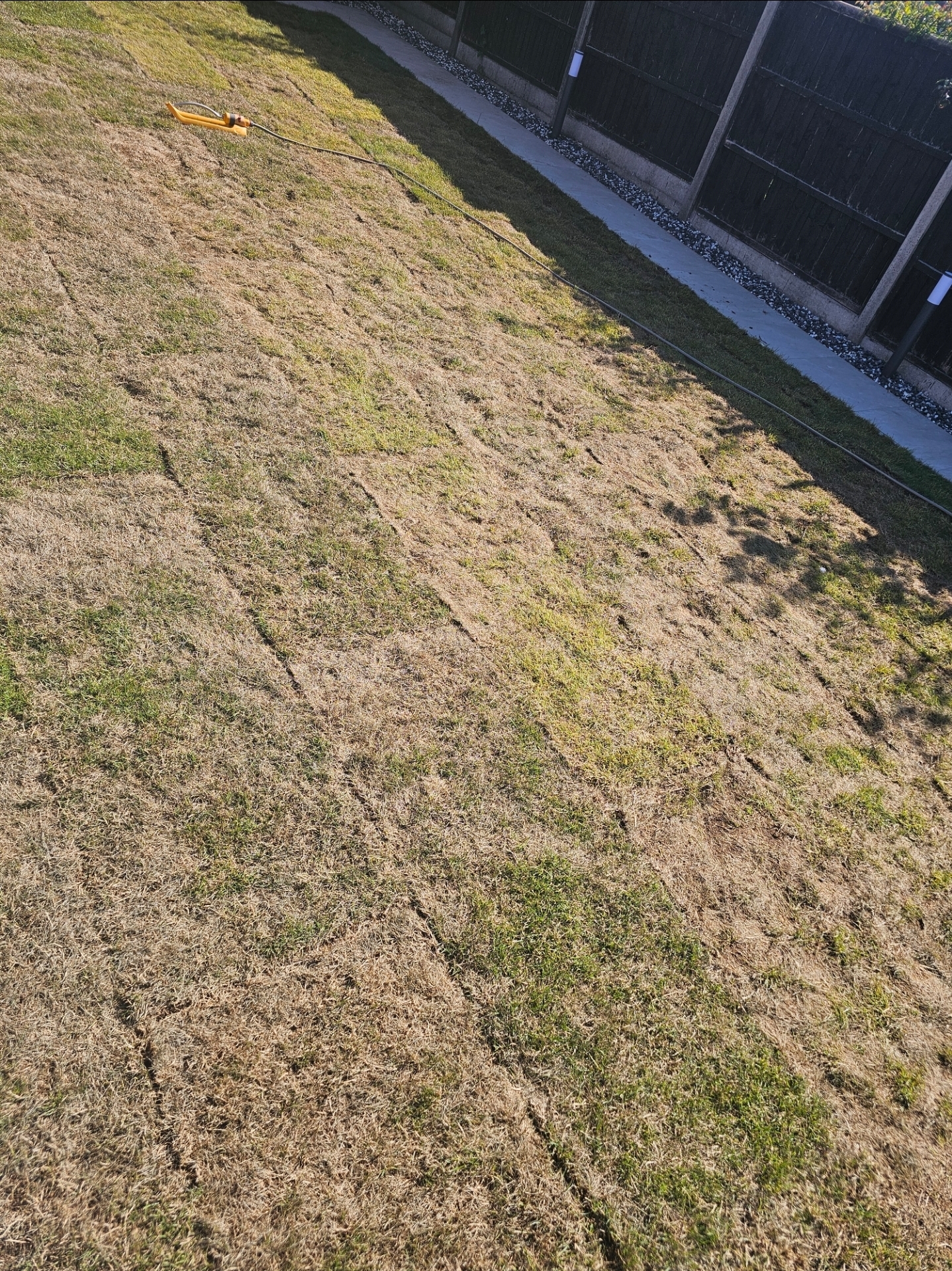
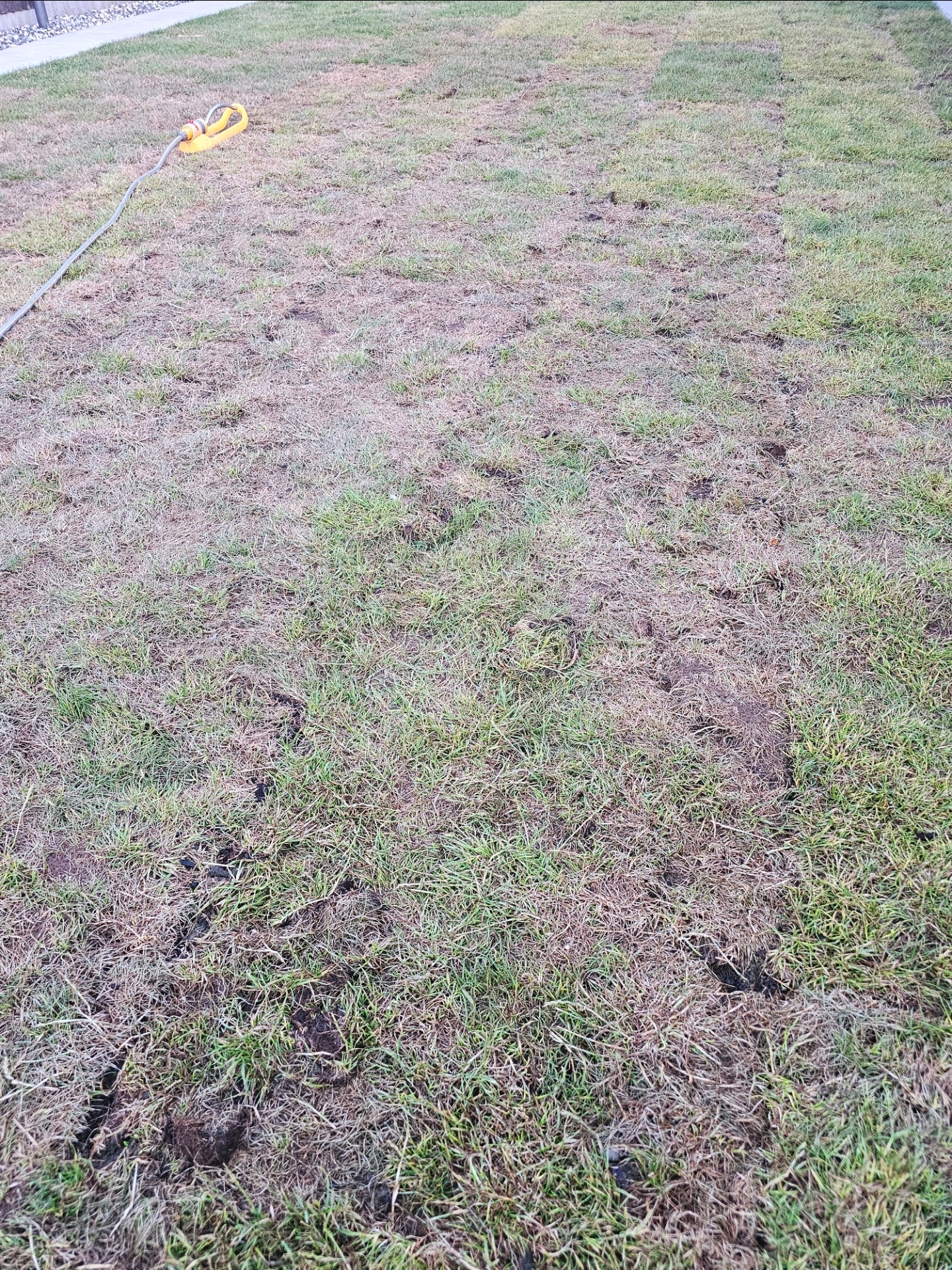
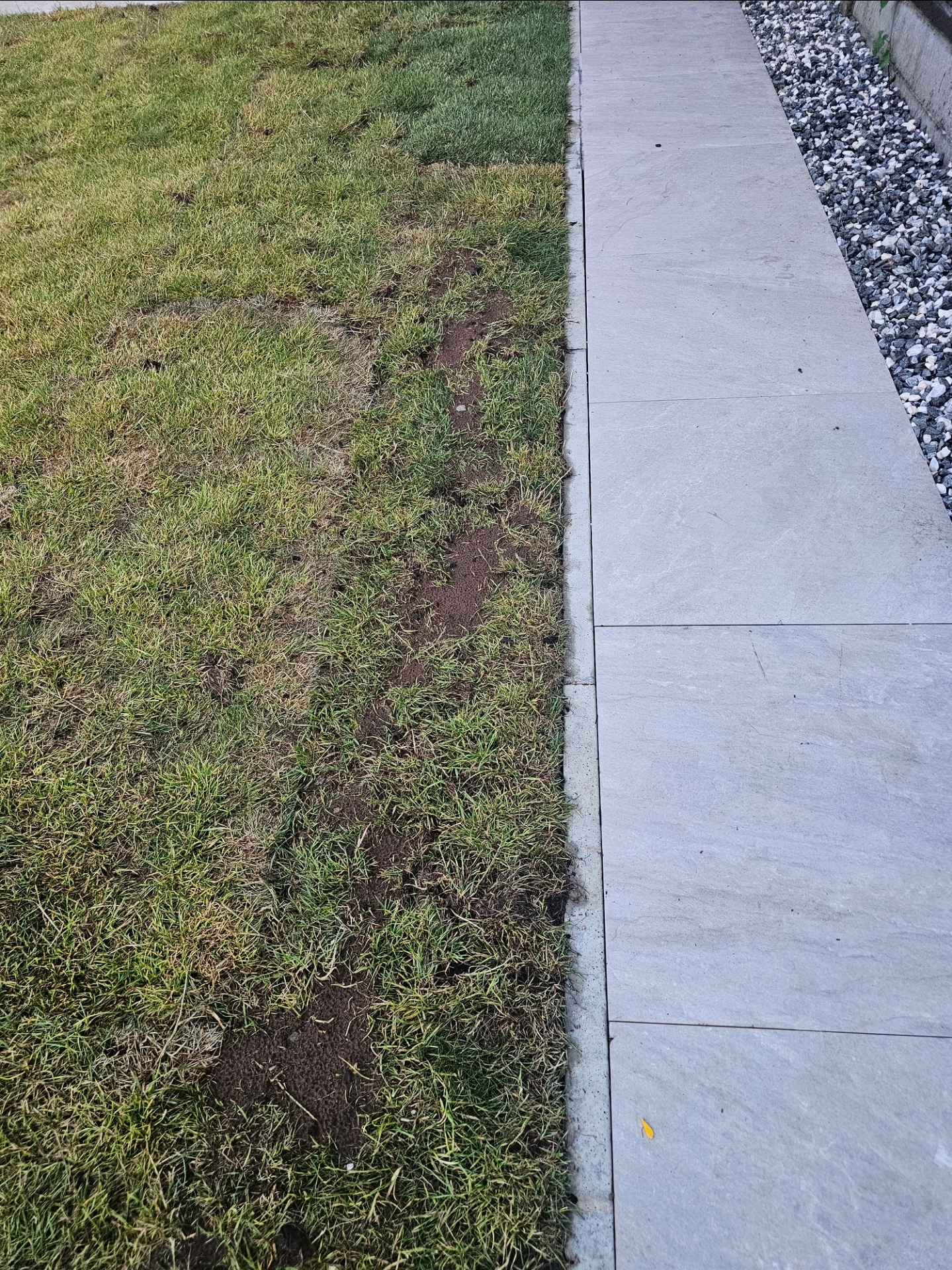
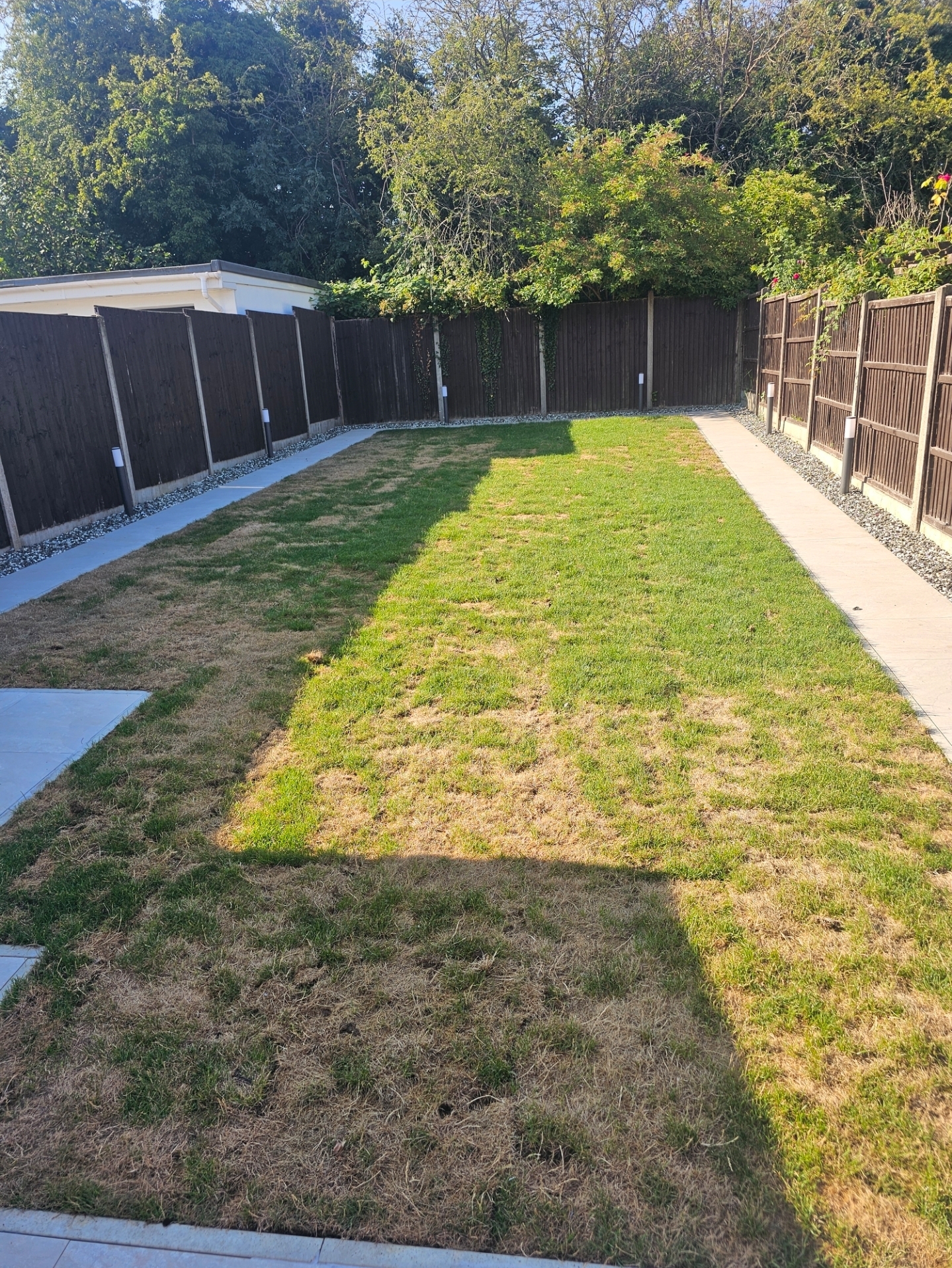
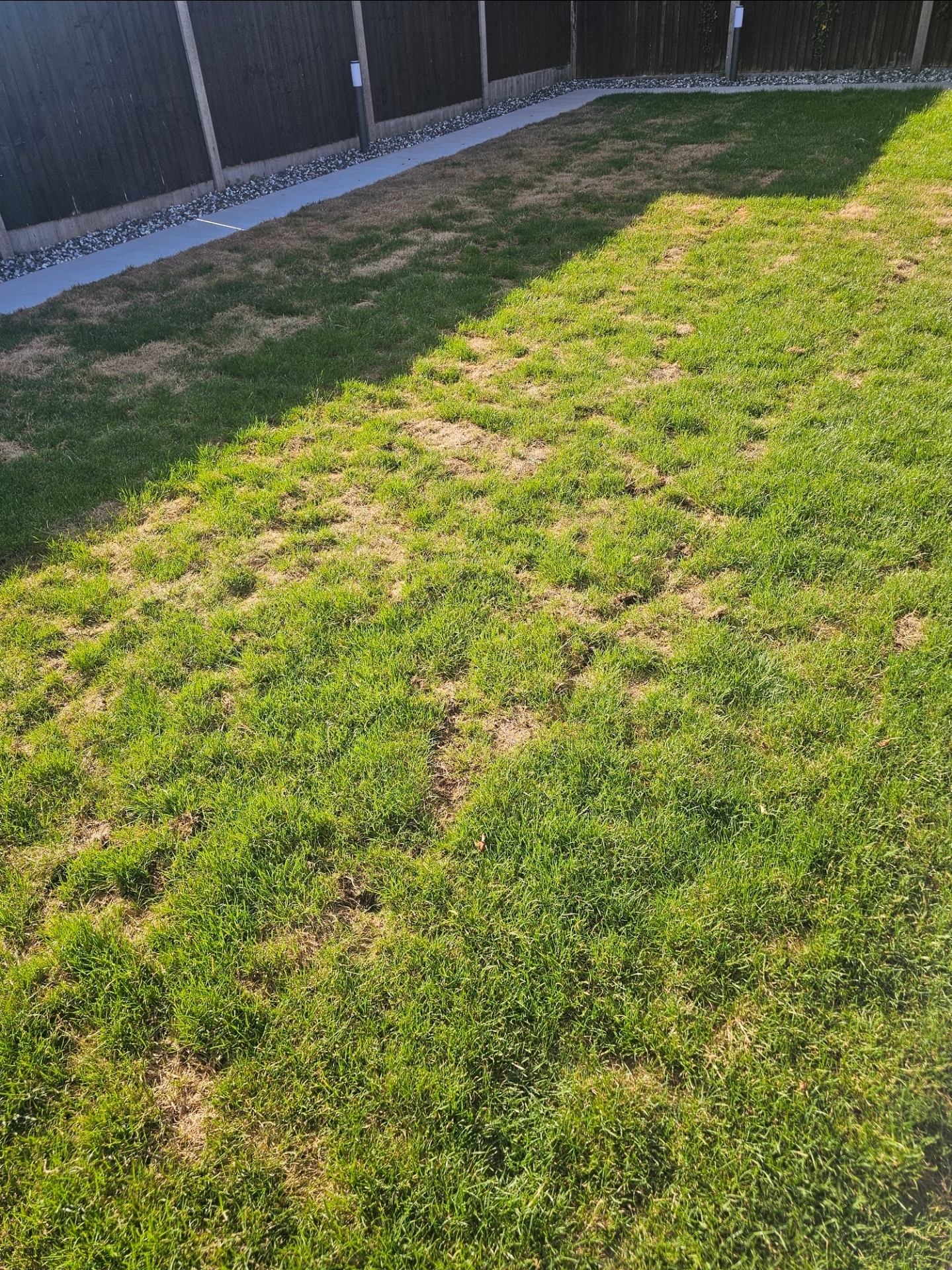
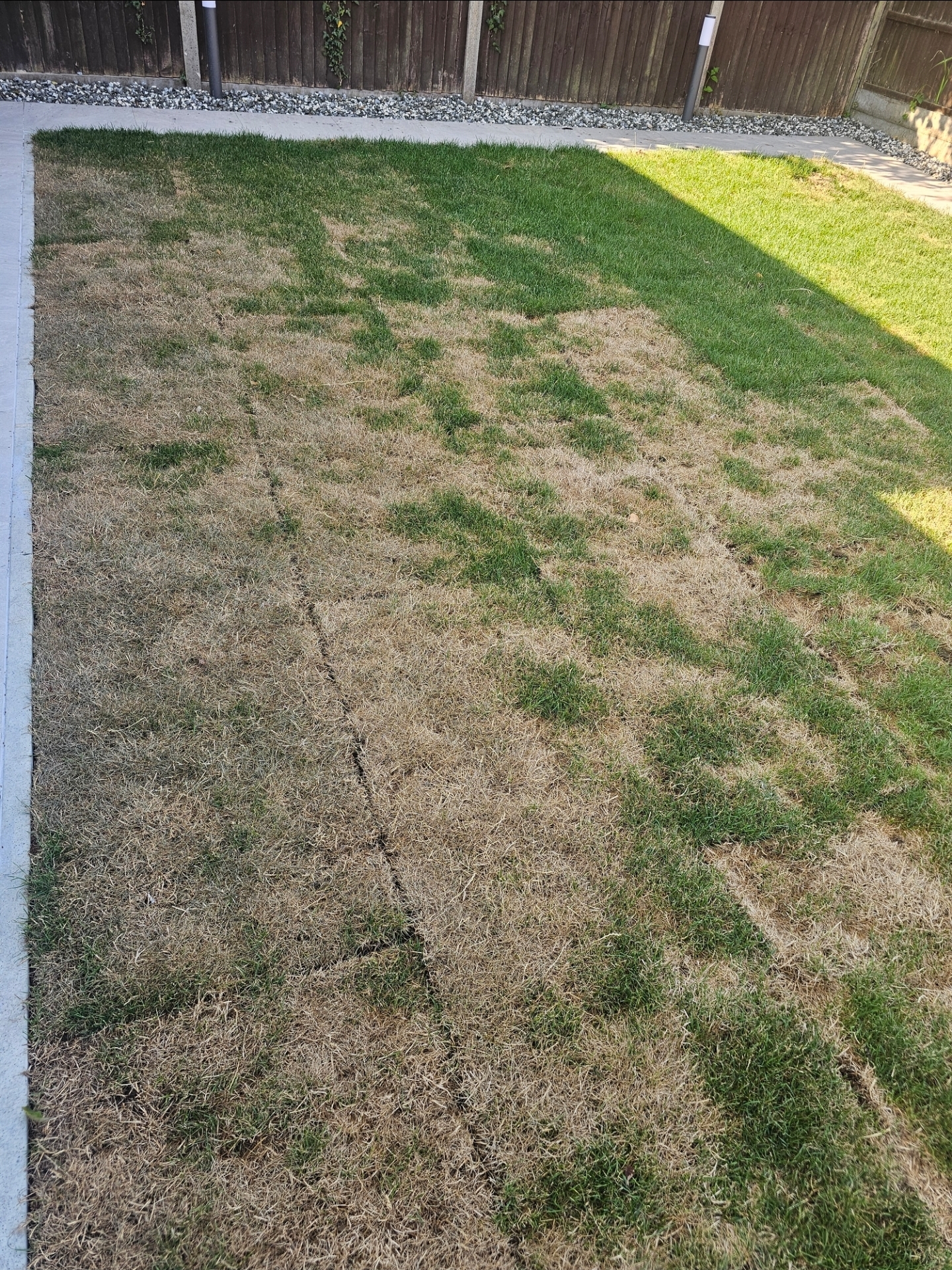
I know that sounds counterintuitive when you're looking at brown patches and thinking the turf needs more water, but look at what you've told me. You can feel the ground sink when you walk on it. That is waterlogged soil. Turf sitting in saturated ground cannot breathe; the roots are being suffocated rather than encouraged to grow downward, and the grass plant itself begins to deteriorate rapidly when the root zone is consistently anaerobic. The browning you're seeing is not drought stress, it is the symptom of a lawn that is being pushed beyond its capacity to absorb and drain water.
Why the Schedule You've Planned Will Cause More Damage
Three watering sessions totalling three hours of irrigation per day on turf that has only been down for two days, in soil that is already sinking underfoot, is a significant amount of water by any measure. New turf needs moisture to establish contact between the roots and the soil beneath, but it does not need to be kept permanently wet. The widening of the joins is also a classic sign of oversaturation, as individual turf rolls swell with moisture and then contract as excess moisture begins to leach away, pulling the edges apart in the process.
What to Do Right Now
Stop watering entirely for at least 24 to 48 hours and let the soil begin to drain. I know this feels completely wrong when you're worried about a heatwave, but a saturated lawn will deteriorate faster than a lawn that is allowed to dry back to simply moist rather than wet. Once you resume watering, one thorough session in the early morning is what you are aiming for, long enough to wet the soil to a depth of a few centimetres but not so prolonged that water is pooling or the ground is sinking again. If the soil still feels spongy from the previous watering, hold off entirely and reassess the following morning.
On the Heatwave
Water in the early morning before the temperature builds and leave the lawn alone for the rest of the day. Evening watering on already saturated soil is one of the most common mistakes with new turf because the water has nowhere to go overnight and the roots sit in cold, wet, airless conditions for hours. Morning watering gives the excess chance to drain or evaporate through the day while keeping the root zone cool during the hottest period.
The Bigger Picture
New turf is more resilient than it looks, and it has almost certainly not reached the point of no return after two days. Give it the chance to drain, ease back on the water significantly, and resist the urge to compensate for the brown patches you can see by adding more. Those patches are very likely to green up again once soil conditions improve and the roots make proper contact with the ground beneath.
Do let me know how it looks in a week or so and we can reassess from there.
Lee Garden Ninja
Hi @rizwan
Thanks for getting in touch, and I can hear the stress in your message, so let me get straight to the point with you. The good news is that I don't think this is beyond saving at all. The not-so-good news is that the problem is almost certainly the watering itself, and your proposed schedule for the next few days is unfortunately going to make things considerably worse rather than better!!
You Are Drowning Your Lawn
I know that sounds counterintuitive when you're looking at brown patches and thinking the turf needs more water, but look at what you've told me. You can feel the ground sink when you walk on it. That is waterlogged soil. Turf sitting in saturated ground cannot breathe; the roots are being suffocated rather than encouraged to grow downward, and the grass plant itself begins to deteriorate rapidly when the root zone is consistently anaerobic. The browning you're seeing is not drought stress, it is the symptom of a lawn that is being pushed beyond its capacity to absorb and drain water.
Why the Schedule You've Planned Will Cause More Damage
Three watering sessions totalling three hours of irrigation per day on turf that has only been down for two days, in soil that is already sinking underfoot, is a significant amount of water by any measure. New turf needs moisture to establish contact between the roots and the soil beneath, but it does not need to be kept permanently wet. The widening of the joins is also a classic sign of oversaturation, as individual turf rolls swell with moisture and then contract as excess moisture begins to leach away, pulling the edges apart in the process.
What to Do Right Now
Stop watering entirely for at least 24 to 48 hours and let the soil begin to drain. I know this feels completely wrong when you're worried about a heatwave, but a saturated lawn will deteriorate faster than a lawn that is allowed to dry back to simply moist rather than wet. Once you resume watering, one thorough session in the early morning is what you are aiming for, long enough to wet the soil to a depth of a few centimetres but not so prolonged that water is pooling or the ground is sinking again. If the soil still feels spongy from the previous watering, hold off entirely and reassess the following morning.
On the Heatwave
Water in the early morning before the temperature builds and leave the lawn alone for the rest of the day. Evening watering on already saturated soil is one of the most common mistakes with new turf because the water has nowhere to go overnight and the roots sit in cold, wet, airless conditions for hours. Morning watering gives the excess chance to drain or evaporate through the day while keeping the root zone cool during the hottest period.
The Bigger Picture
New turf is more resilient than it looks, and it has almost certainly not reached the point of no return after two days. Give it the chance to drain, ease back on the water significantly, and resist the urge to compensate for the brown patches you can see by adding more. Those patches are very likely to green up again once soil conditions improve and the roots make proper contact with the ground beneath.
Do let me know how it looks in a week or so and we can reassess from there.
Lee Garden Ninja

 Lee Burkhill: Award Winning Designer & BBC 1's Garden Rescue Presenters Official Blog