Hi @pansy-pants
Don't panic, and please don't feel you're in as much of a catch-22 as it might seem right now. What you're describing is actually a very recognisable situation, and the crows, frustrating as they are to watch, are doing something genuinely useful even if the lawn doesn't look like it right now.
What the Crows Are Actually Doing
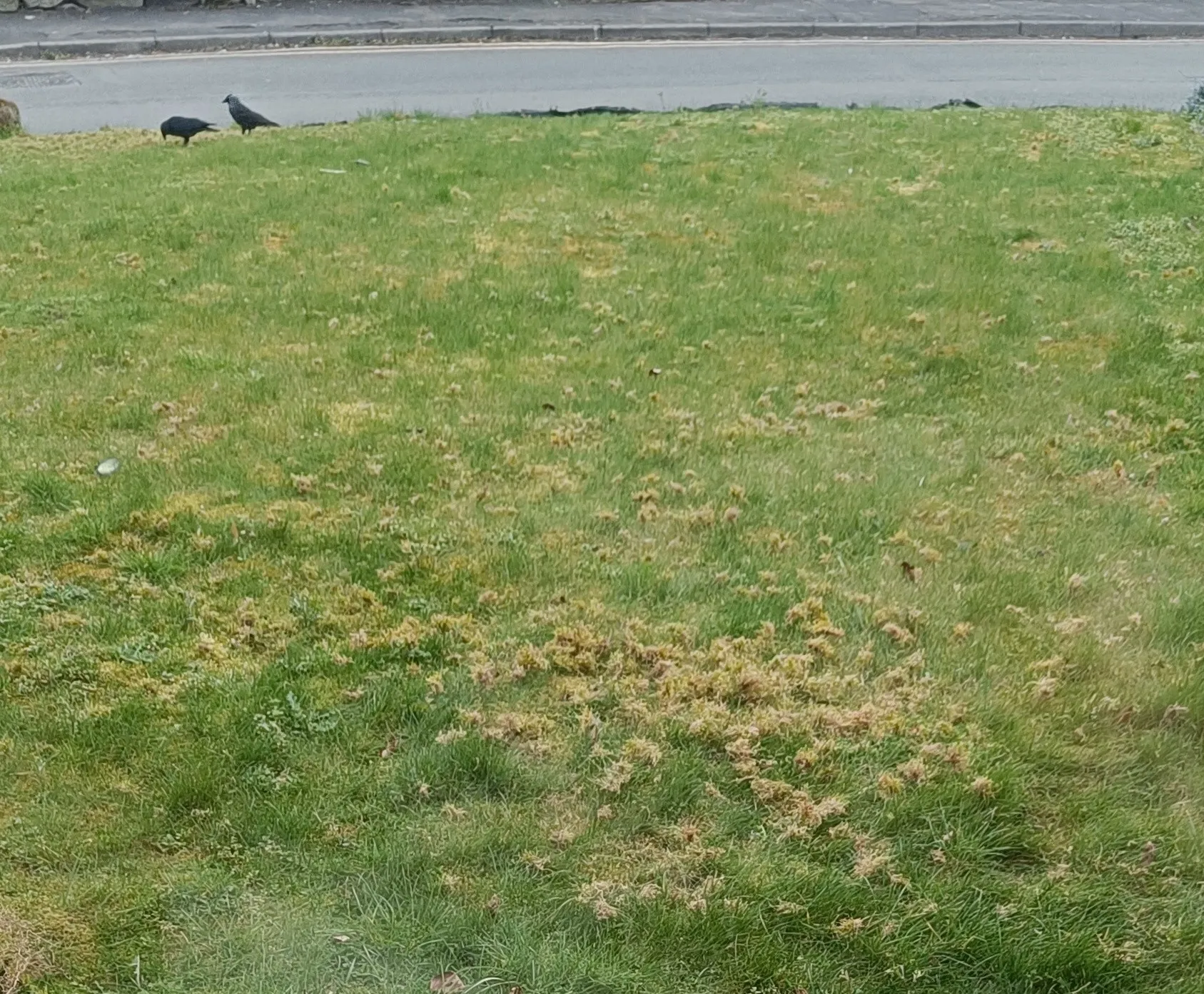
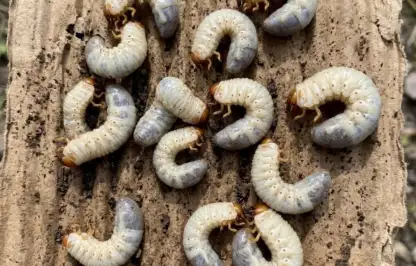
Those crows are almost certainly feeding on chafer grubs living in the soil beneath your front lawn. The fact that they're ignoring the back garden entirely is a strong sign that the infestation is concentrated at the front, because crows are remarkably good at locating exactly where the grubs are.
In a way, they're acting as a free biological survey of your lawn, showing you precisely where the problem lies. The grubs they're pulling out and eating are the very things that have been damaging your grass roots from below, so while the surface looks terrible right now, the crow activity is actually reducing the population of the pest that's causing the underlying damage. The lawn looks worse before it looks better, but the crows are on your side, here, even if it doesn't feel that way.
Why Now Is Not the Right Time to Treat
Your instinct to use nematodes is absolutely the right one, but your research has also led you to the correct conclusion about timing. Nematodes need soil temperatures of at least 10-12°C to be active and effective, and applying them now in spring, when the grubs are already maturing and moving deeper in the soil profile, would largely be a waste of money.
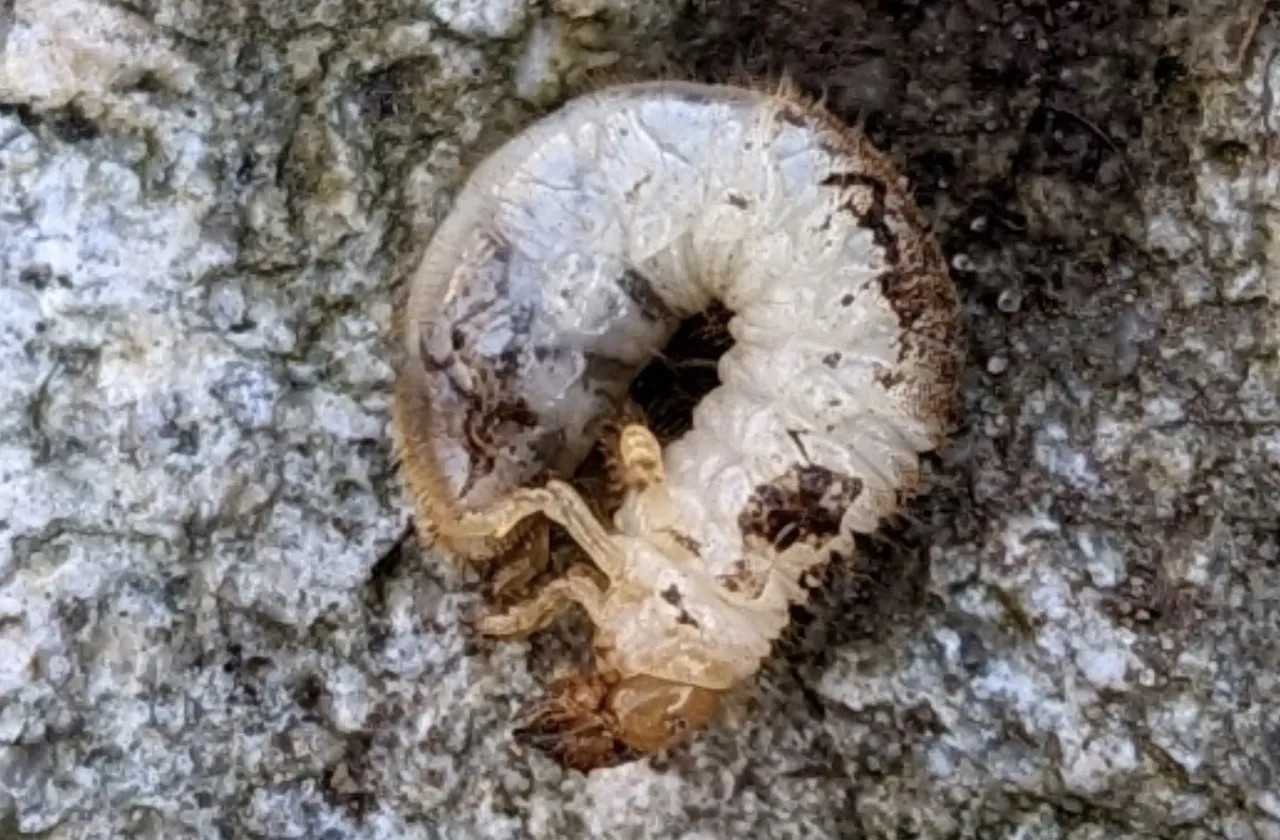
The chafer grubs at this stage of the year are approaching the end of their larval cycle and will soon pupate, so they're less vulnerable to nematode treatment and less actively feeding near the surface. You'd be spending money on a treatment that the pest's biology is working against. My full guide to dealing with lawn grubs covers the timing and application in detail. It is worth a read before you buy anything: "Grubs in Lawn: What Are They?" and my leatherjacket guide cover the nematode application process thoroughly, much of which applies equally to chafer grubs.
The Plan I'd Follow
My honest advice is to let the crows do their work for now. They're providing free pest control, and every grub they remove is one less beetle laying eggs in your lawn come summer. Resisting the urge to reseed right now is also wise, exactly as you've suspected, because fresh seed will simply attract more disturbance before the grub activity settles.
Once the crow activity naturally subsides, as the grubs pupate and the adult beetles emerge, you can lightly rake over the disturbed patches and give them a little time to settle. Then, in late August, plan a proper nematode treatment timed for when the new generation of young, vulnerable larvae has just hatched and is feeding near the surface.
That is your golden window, and September is typically ideal across most of the UK. Follow the nematode treatment with your overseeding and scarification programme in Autumn when the soil is still warm, and Autumn rains remove the watering burden you're quite rightly mindful of, given your water meter.
The Full Autumn Plan
Autumn is genuinely the best time to tackle all of this together in one coordinated effort. Nematode treatment in late August to September, followed by moss killer, scarification once the moss is dead, overseeding into the freshly prepared surface, and a light dressing of compost over the seed. That sequence done once properly in Autumn will achieve far more than anything you could do right now in a reactive rush.
These guides will help you plan that programme:
How to Overseed a Lawn | How to Scarify a Lawn | How to Get Leatherjackets Out of Lawns | How to Get Rid of Moss in Your Lawn
Hang in there. The lawn will look rough for a while, but you have a clear plan, and Autumn will be here before you know it.
Lee Garden Ninja
Hi @pansy-pants
Don't panic, and please don't feel you're in as much of a catch-22 as it might seem right now. What you're describing is actually a very recognisable situation, and the crows, frustrating as they are to watch, are doing something genuinely useful even if the lawn doesn't look like it right now.
What the Crows Are Actually Doing
Those crows are almost certainly feeding on chafer grubs living in the soil beneath your front lawn. The fact that they're ignoring the back garden entirely is a strong sign that the infestation is concentrated at the front, because crows are remarkably good at locating exactly where the grubs are.
In a way, they're acting as a free biological survey of your lawn, showing you precisely where the problem lies. The grubs they're pulling out and eating are the very things that have been damaging your grass roots from below, so while the surface looks terrible right now, the crow activity is actually reducing the population of the pest that's causing the underlying damage. The lawn looks worse before it looks better, but the crows are on your side, here, even if it doesn't feel that way.
Why Now Is Not the Right Time to Treat
Your instinct to use nematodes is absolutely the right one, but your research has also led you to the correct conclusion about timing. Nematodes need soil temperatures of at least 10-12°C to be active and effective, and applying them now in spring, when the grubs are already maturing and moving deeper in the soil profile, would largely be a waste of money.
The chafer grubs at this stage of the year are approaching the end of their larval cycle and will soon pupate, so they're less vulnerable to nematode treatment and less actively feeding near the surface. You'd be spending money on a treatment that the pest's biology is working against. My full guide to dealing with lawn grubs covers the timing and application in detail. It is worth a read before you buy anything: "Grubs in Lawn: What Are They?" and my leatherjacket guide cover the nematode application process thoroughly, much of which applies equally to chafer grubs.
The Plan I'd Follow
My honest advice is to let the crows do their work for now. They're providing free pest control, and every grub they remove is one less beetle laying eggs in your lawn come summer. Resisting the urge to reseed right now is also wise, exactly as you've suspected, because fresh seed will simply attract more disturbance before the grub activity settles.
Once the crow activity naturally subsides, as the grubs pupate and the adult beetles emerge, you can lightly rake over the disturbed patches and give them a little time to settle. Then, in late August, plan a proper nematode treatment timed for when the new generation of young, vulnerable larvae has just hatched and is feeding near the surface.
That is your golden window, and September is typically ideal across most of the UK. Follow the nematode treatment with your overseeding and scarification programme in Autumn when the soil is still warm, and Autumn rains remove the watering burden you're quite rightly mindful of, given your water meter.
The Full Autumn Plan
Autumn is genuinely the best time to tackle all of this together in one coordinated effort. Nematode treatment in late August to September, followed by moss killer, scarification once the moss is dead, overseeding into the freshly prepared surface, and a light dressing of compost over the seed. That sequence done once properly in Autumn will achieve far more than anything you could do right now in a reactive rush.
These guides will help you plan that programme:
How to Overseed a Lawn | How to Scarify a Lawn | How to Get Leatherjackets Out of Lawns | How to Get Rid of Moss in Your Lawn
Hang in there. The lawn will look rough for a while, but you have a clear plan, and Autumn will be here before you know it.
Lee Garden Ninja

 Lee Burkhill: Award Winning Designer & BBC 1's Garden Rescue Presenters Official Blog