Hi @mahmuda123,
I completely understand the frustration, and you are absolutely allowed to vent here. Coming out to find a beautiful lavender snapped in half and carefully tended plants flattened is disheartening, especially when you've put so much work into getting everything looking lovely.
That said, I want to offer a slightly different perspective alongside some practical advice, because I think working with the foxes rather than against them is both kinder and ultimately more effective in the long run.
Foxes Are Part of the Garden Ecosystem
Foxes, particularly urban and suburban ones, are a completely natural part of our shared green spaces and they have as much right to be here as we do. This time of year, the young cubs are learning to explore and play, which unfortunately means your garden becomes an adventure playground for a few weeks. The good news is that this is a temporary and seasonal problem. As the cubs mature through summer the intensity of the disturbance reduces considerably. Knowing it will pass doesn't fix a broken lavender today, but it does mean you're not looking at a permanent situation.
I'd never recommend trapping, poisoning, or any method designed to harm or frighten foxes severely. Beyond the ethical considerations, urban fox populations are self regulating and removing individuals from a territory simply results in new foxes moving in to fill the vacancy. You'd be causing harm without solving the problem.
Choosing Plants That Work With Nature
The most sustainable long term approach is to make thoughtful planting choices that can withstand a bit of wildlife activity rather than fighting a losing battle to protect vulnerable specimens.
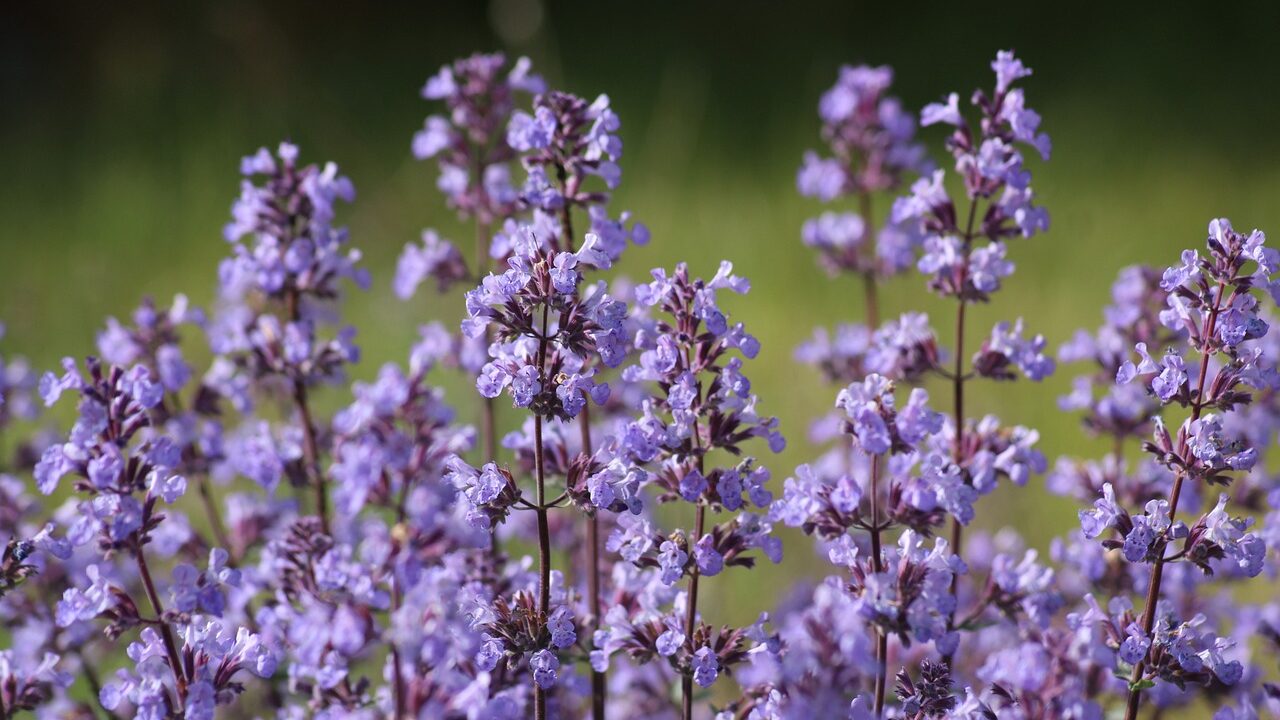
Nepeta (catmint) is a brilliant example of a plant that shrugs off being trampled and bounces back remarkably quickly. It's also fantastic for pollinators, incredibly low maintenance, and the silvery foliage and purple flowers look wonderful through summer. A fox cub can flatten it on a Tuesday and by Friday it's largely recovered.
🛒 Buy Nepeta from Amazon UK
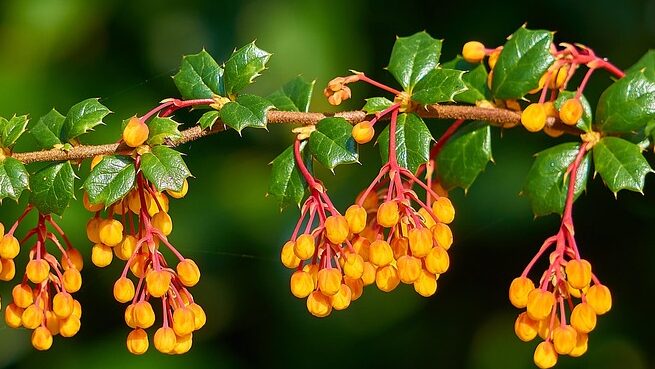
Berberis along a boundary edge is worth serious consideration if foxes are entering from a particular direction. The dense, thorny stems of most berberis varieties create an effective natural barrier that foxes, cats, and most other wildlife will learn to avoid without being harmed. Berberis thunbergii and its wide varieties give you excellent autumn colour as a bonus, and Berberis darwinii carries beautiful orange flowers in spring. It works with nature rather than against it by simply making one route less appealing than another.
🛒 Buy Berberis from Amazon UK
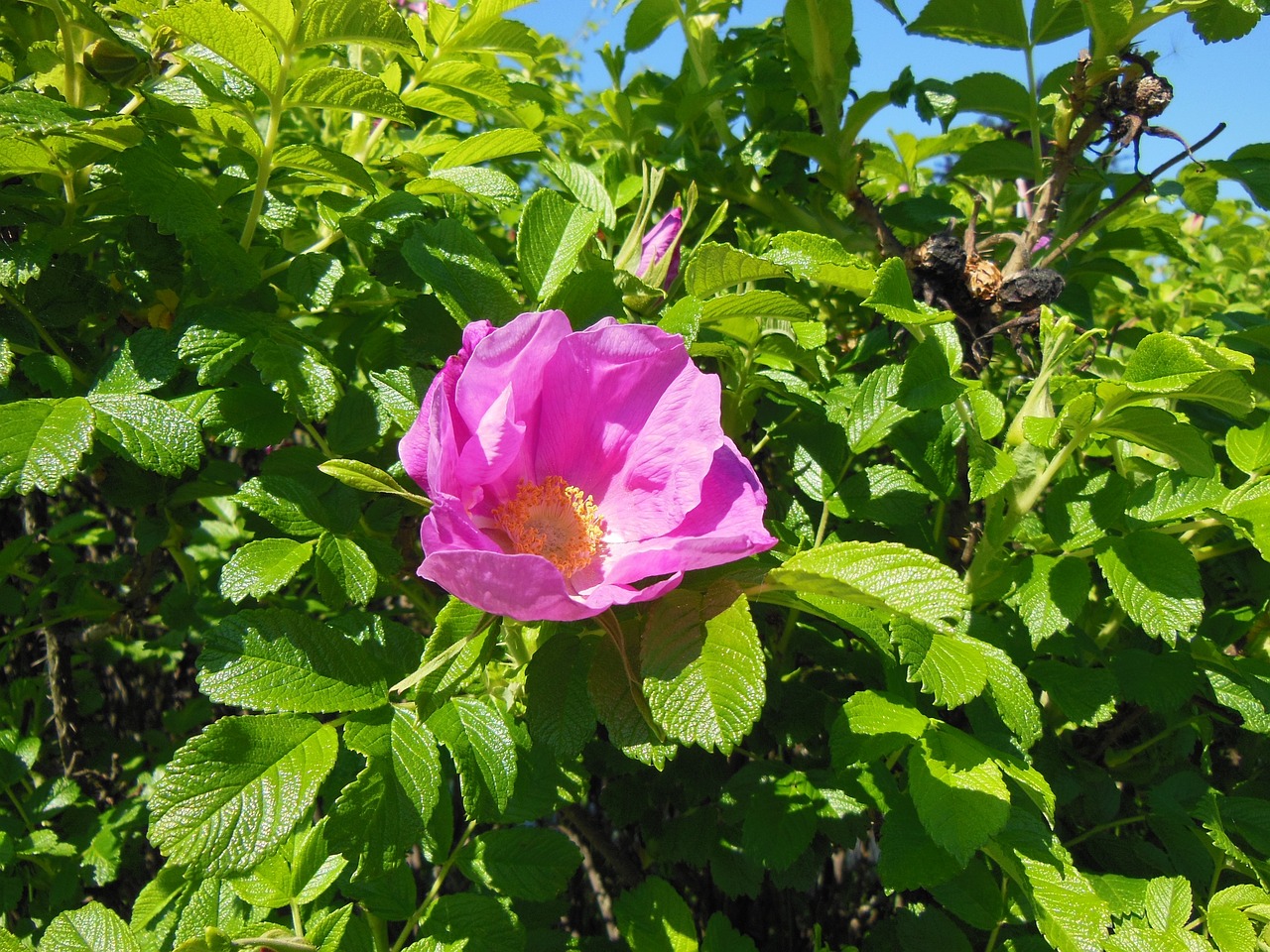
Rosa rugosa along a boundary is another excellent choice for exactly the same reason. The stems are extraordinarily thorny, it flowers prolifically through summer with beautiful fragrant single blooms, and the large orange-red hips provide food for birds well into winter. It's tough, wildlife friendly, salt tolerant, and a fox will choose a different path once it has encountered rugosa stems a couple of times. A plant that deters while simultaneously feeding birds and bees is exactly the kind of solution Mother Nature would design herself.
🛒 Buy Rosa Rugosa from Amazon UK
Protecting What You Already Have
For the existing lavender, if the break is not at the base of the plant and some green woody stem remains below the snap point, cut it back cleanly just below the damage to a point where you can see healthy green growth. Lavender can recover well from damage if the woody base is intact. It won't look wonderful this season but it should come back next year.
For other vulnerable plants that are currently exposed, a few strategically placed larger stones or a low border of clipped box or similar dense low hedging around a planting area can make foxes less likely to run straight through it. They generally follow the path of least resistance, so making one route slightly less convenient is often enough to redirect them.
The Bigger Picture
A garden that attracts foxes is also a garden that attracts the prey species foxes feed on, including rats, mice, and other rodents. In that sense, foxes are doing quiet but valuable pest control work in your neighbourhood, whether you see it or not. Mother Nature's systems tend to be more interconnected than they first appear, and the fox family next door is part of a broader ecosystem that includes the birds, insects, and soil life that make your garden thrive.
Hang in there. The cub season passes, the garden recovers, and with a few resilient planting choices, you can significantly reduce the impact next year.
Lee - Garden Ninja
Hi @mahmuda123,
I completely understand the frustration, and you are absolutely allowed to vent here. Coming out to find a beautiful lavender snapped in half and carefully tended plants flattened is disheartening, especially when you've put so much work into getting everything looking lovely.
That said, I want to offer a slightly different perspective alongside some practical advice, because I think working with the foxes rather than against them is both kinder and ultimately more effective in the long run.
Foxes Are Part of the Garden Ecosystem
Foxes, particularly urban and suburban ones, are a completely natural part of our shared green spaces and they have as much right to be here as we do. This time of year, the young cubs are learning to explore and play, which unfortunately means your garden becomes an adventure playground for a few weeks. The good news is that this is a temporary and seasonal problem. As the cubs mature through summer the intensity of the disturbance reduces considerably. Knowing it will pass doesn't fix a broken lavender today, but it does mean you're not looking at a permanent situation.
I'd never recommend trapping, poisoning, or any method designed to harm or frighten foxes severely. Beyond the ethical considerations, urban fox populations are self regulating and removing individuals from a territory simply results in new foxes moving in to fill the vacancy. You'd be causing harm without solving the problem.
Choosing Plants That Work With Nature
The most sustainable long term approach is to make thoughtful planting choices that can withstand a bit of wildlife activity rather than fighting a losing battle to protect vulnerable specimens.
Nepeta (catmint) is a brilliant example of a plant that shrugs off being trampled and bounces back remarkably quickly. It's also fantastic for pollinators, incredibly low maintenance, and the silvery foliage and purple flowers look wonderful through summer. A fox cub can flatten it on a Tuesday and by Friday it's largely recovered.
🛒 Buy Nepeta from Amazon UK
Berberis along a boundary edge is worth serious consideration if foxes are entering from a particular direction. The dense, thorny stems of most berberis varieties create an effective natural barrier that foxes, cats, and most other wildlife will learn to avoid without being harmed. Berberis thunbergii and its wide varieties give you excellent autumn colour as a bonus, and Berberis darwinii carries beautiful orange flowers in spring. It works with nature rather than against it by simply making one route less appealing than another.
🛒 Buy Berberis from Amazon UK
Rosa rugosa along a boundary is another excellent choice for exactly the same reason. The stems are extraordinarily thorny, it flowers prolifically through summer with beautiful fragrant single blooms, and the large orange-red hips provide food for birds well into winter. It's tough, wildlife friendly, salt tolerant, and a fox will choose a different path once it has encountered rugosa stems a couple of times. A plant that deters while simultaneously feeding birds and bees is exactly the kind of solution Mother Nature would design herself.
🛒 Buy Rosa Rugosa from Amazon UK
Protecting What You Already Have
For the existing lavender, if the break is not at the base of the plant and some green woody stem remains below the snap point, cut it back cleanly just below the damage to a point where you can see healthy green growth. Lavender can recover well from damage if the woody base is intact. It won't look wonderful this season but it should come back next year.
For other vulnerable plants that are currently exposed, a few strategically placed larger stones or a low border of clipped box or similar dense low hedging around a planting area can make foxes less likely to run straight through it. They generally follow the path of least resistance, so making one route slightly less convenient is often enough to redirect them.
The Bigger Picture
A garden that attracts foxes is also a garden that attracts the prey species foxes feed on, including rats, mice, and other rodents. In that sense, foxes are doing quiet but valuable pest control work in your neighbourhood, whether you see it or not. Mother Nature's systems tend to be more interconnected than they first appear, and the fox family next door is part of a broader ecosystem that includes the birds, insects, and soil life that make your garden thrive.
Hang in there. The cub season passes, the garden recovers, and with a few resilient planting choices, you can significantly reduce the impact next year.
Lee - Garden Ninja

 Lee Burkhill: Award Winning Designer & BBC 1's Garden Rescue Presenters Official Blog