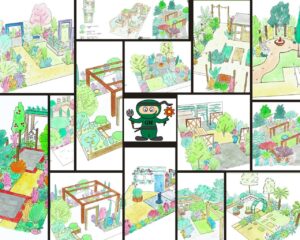
For the garden you’ve already got, not the one you’re starting from scratch. Seven checklists and video lessons from BBC Garden Rescue’s Lee Burkhill, designed to help you decide what’s worth keeping before you spend a penny.
69


Quick Answer
Gardening is one of the most evidence-backed forms of therapy available to anyone with access to outdoor space. Studies consistently show that regular gardening reduces cortisol (the stress hormone), improves mood, lowers anxiety, and builds a measurable sense of purpose. You do not need expertise, a large garden, or expensive tools to benefit. Even 20 minutes of gentle planting or pottering outdoors has a positive effect on mental health.
Jump To
In our 21st-century world, everything seems to be expected bigger, faster and more pressured than ever before. You shouldn’t eat this. You must avoid that. You ought to be thinner, more productive, more connected. I think most of us can relate to that relentless noise. This is precisely where gardening steps in and quietly changes everything.
I have been designing gardens professionally for over 20 years, and I have watched the therapeutic power of outdoor space transform people’s lives more times than I can count. Clients who came to me overwhelmed by busy careers, struggling through grief, or simply exhausted by modern life have found something genuinely restorative in the act of growing, tending, and nurturing a garden. It is not magic. It is biology, psychology, and the deeply human need to be connected to the natural world.
The good news is that the scientific evidence now firmly backs what gardeners have known for centuries. Visiting gardens and actively gardening have a proven, measurable effect on increasing wellbeing, reducing stress and lifting mood. There are no prescriptions required, no gym memberships needed, and no prior experience necessary. You simply need to start, however small that beginning might be.
Gardening is unusual among stress-relief activities because it simultaneously engages the body, the mind, and the senses. When you are weeding, pruning, sowing seeds, or simply sitting among plants, several things are happening at once. You are getting light physical exercise, which triggers endorphin release. You are absorbing natural light, which regulates serotonin production. You are engaging your senses with textures, scents, and colours that research confirms have a measurable calming effect on the nervous system. And you are completely present in a task that demands just enough attention to quieten anxious thoughts.
From designing hundreds of client gardens, I have noticed that the people who engage most with their outdoor space, even in a modest back garden or on a balcony, consistently report a greater sense of calm and control in their lives. That is not anecdote. It matches a growing body of clinical evidence. Cortisol, the hormone most strongly associated with chronic stress, drops measurably after even short periods of gardening activity. The Karolinska University Hospital in Stockholm tracked participants over more than a decade and found that those engaging in regular non-exercise physical activity, including gardening, had a 27% reduced risk of cardiovascular events and a 30% reduced risk of early death over 12.5 years of follow-up.
The garden also offers something rarer than we might expect in modern life: a sense of agency. When everything else feels chaotic or out of your control, the garden is a place where your decisions genuinely matter. You choose where a plant goes. You decide when to water, when to prune, when to feed. The garden responds to your care with tangible, visible results. That feedback loop, between effort and outcome, is enormously powerful for mental health.
💡 Top Tip
You do not need a large garden or any prior knowledge to get the mental health benefits of gardening. A single pot of lavender on a windowsill, a tray of herb seedlings on a kitchen table, or a morning spent pottering in a friend’s allotment all count. Start where you are.
The NHS has been actively exploring what it calls “green social prescribing” as a treatment option for a wide range of mental health conditions, including depression, anxiety, and social isolation. The UK government invested £5.77 million in green social prescribing trials, recognising that nature-based interventions offer a cost-effective and accessible pathway to improved mental health. This is not a fringe idea. It is becoming embedded in mainstream healthcare thinking.
The British Psychological Society published a detailed review of gardening and mental health in 2025, confirming that horticultural therapy, which involves structured planting and growing activities with therapeutic goals, is effective in treating patients with clinical depression, schizophrenia, and substance abuse disorders. Crucially, the mental health improvements observed in patients continued for at least three months after the therapy ended. That durability is something that is hard to achieve with many other interventions.
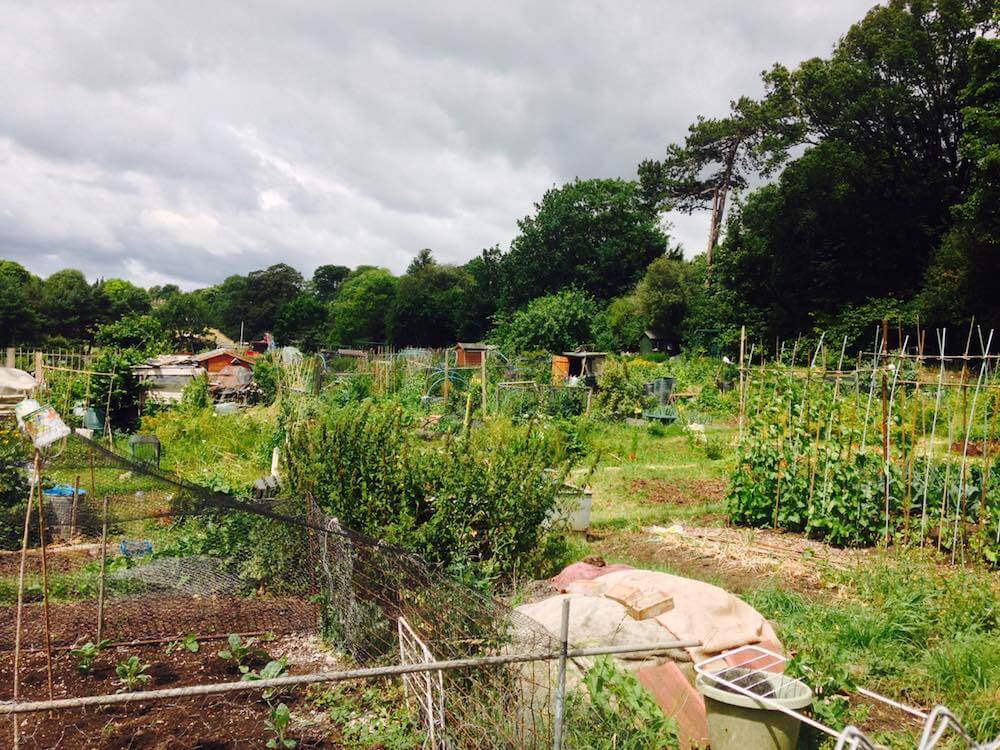
Dr William Bird, a GP with 30 years of experience, has made the case that GPs should actively prescribe gardening to help prevent the onset of dementia. Dr Matilda van den Bosch, a medical doctor and researcher at the Swedish University of Agriculture, put it plainly: gardening, plants, and horticultural activities are excellent tools for creating a healthier society where the costs of healthcare and human suffering can be substantially reduced. That was said in 2014 at the RHS Lindley Hall. A decade later, the evidence has only strengthened.
The RHS announced in early 2026 that it is delivering a Blueprint for Wellbeing Gardens, a set of evidence-based principles for designing outdoor spaces that actively support human wellbeing. This is the scientific and horticultural establishment finally catching up with what gardeners have known instinctively for generations. The garden is not just a pretty space. It is a place of restoration.
💡 Top Tip
If you are working with a GP or therapist on anxiety or depression, it is worth specifically asking about green social prescribing or nature-based referrals. Many GP surgeries now have social prescribing link workers who can connect you with local therapeutic gardening programmes.
It is worth being specific about the mental health benefits of gardening, because they operate through several distinct mechanisms, and understanding them can help you choose the right type of gardening activity for your own needs.
Physical engagement with soil and plants triggers measurable reductions in cortisol. Some researchers believe this is partly connected to Mycobacterium vaccae, a naturally occurring soil bacterium that appears to stimulate serotonin production when you come into contact with it. This might be part of why simply getting your hands in the soil, digging a bed, potting up plants, or turning compost, feels instinctively calming. The physical rhythm of repetitive garden tasks such as weeding, raking, or watering also produces a meditative state similar to what mindfulness practitioners deliberately cultivate.
Anxiety thrives in the gap between where we are and where we think we should be. Gardening closes that gap by anchoring you completely in the present moment. When you are watching whether a seed is germinating, noticing which buds are swelling, or working out why a plant is looking stressed, you cannot simultaneously be catastrophising about work or replaying an uncomfortable conversation. The garden demands presence, and that presence is one of the most effective natural antidotes to anxiety I know.
Depression often strips away the sense of purpose and reward that makes daily life feel meaningful. Gardening restores both. Plants need you. They grow because of choices you make. They flower because you fed the soil, chose the right position, or protected them through winter. That chain of cause and effect, stretched over weeks and seasons, builds a genuine, earned sense of accomplishment. Even the simplest acts, such as successfully growing a tomato from seed to fruit or watching an overwintered plant return to life in spring, carry a disproportionate emotional reward that people living with depression often find surprisingly powerful.
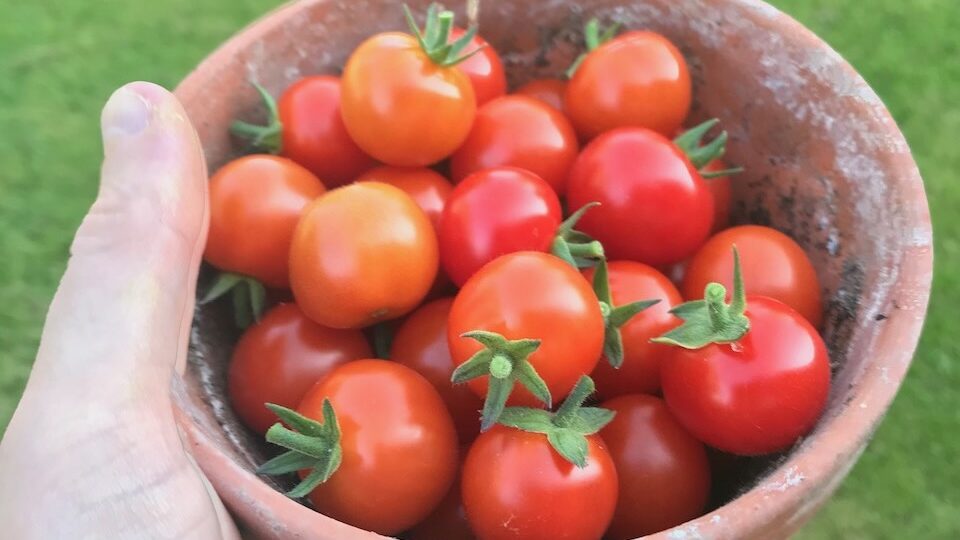
Gardening can be a deeply solitary activity when you need it to be, but it also opens doors to community in ways that few other hobbies do. Allotment sites, gardening clubs, community growing projects, and online gardening forums create a natural framework for social connection around shared interests.
Research into therapeutic community gardening consistently highlights how working side by side with others, without the pressure of face-to-face conversation, allows people who might struggle with traditional social settings to open up naturally. Men in particular have been identified in multiple studies as benefiting from the shoulder-to-shoulder nature of gardening, where connection happens through doing rather than through talking.
Gardening is moderate physical exercise in disguise. Digging, carrying compost, pushing a mower, kneeling to plant, and stretching to tie in climbers all contribute to physical fitness without feeling like a workout. The connection between physical activity and improved mental health is one of the most robust findings in psychology. Exercise increases endorphin and serotonin production, reduces inflammation, and improves sleep quality, all of which directly support better mental health. Gardening delivers these benefits while engaging you in a purposeful, absorbing activity rather than the self-conscious effort of a gym visit.
The NHS and Mind both promote a framework called the Five Ways to Wellbeing, developed from research by the New Economics Foundation. It identifies five evidence-based actions that have the greatest positive impact on mental health: connect, be active, take notice, learn, and give. What makes gardening so unusual as a therapeutic activity is that it satisfies all five simultaneously, in a single afternoon in the garden.
1) Connect through sharing plants, talking to neighbours over a fence, joining a community growing project, or even posting your first tomato harvest online.
2) Be active through digging, pruning, carrying compost, and mowing.
3) Take notice by paying close attention to what is changing in the garden week by week, which buds are swelling, which birds are visiting, which plants are about to flower.
4) Learn through developing new horticultural skills, understanding plant behaviour, and working out what suits your specific soil and aspect.
5) And give by sharing cuttings, growing food for others, or volunteering at a community garden. Every time you garden with intention, you are working through all five of these actions at once. Very few activities manage that.

💡 Top Tip
If you want to maximise the wellbeing value of your time in the garden, try doing one task that ticks each of the five ways. Water something (be active), notice one thing that has changed since you last looked (take notice), learn the name of a plant you do not recognise (learn), pot up a cutting to give to a friend (give), and drop a message to a fellow gardener about what you are growing (connect). That is a complete wellbeing session in under an hour.
This is the finding that stopped me in my tracks when I first read it, and I think it deserves to be said plainly. A study by researchers at the University of York, involving more than 220 participants across Humber and North Yorkshire, found that the mental health improvements seen in people who gardened, tended allotments, and engaged in care farming were comparable to those seen in short-term cognitive behavioural therapy (CBT). The team used the hospital anxiety and depression scale (HADS) and the Office for National Statistics personal wellbeing measures to assess participants before and after. The improvements were statistically significant and meaningful.
Professor Peter Coventry, Director of Mental Health Research at the University of York, was clear that this was not simply about being passive in a green space. It is the active engagement, the tending, the growing, and the doing, that drives the therapeutic effect. That is an important distinction. Sitting near a park bench does not produce the same results as getting your hands in the soil and taking responsibility for something living. The active, purposeful nature of gardening is precisely what makes it therapeutically powerful, and it is also what makes it genuinely enjoyable rather than feeling like treatment.
I find this finding genuinely exciting, not because gardening should replace professional mental health support when that is what someone needs, but because it opens the door to a much wider conversation about how we treat and prevent mental ill-health in the UK. Gardening is free or near-free, accessible to almost everyone, sustainable indefinitely, and enjoyable. Very few therapeutic interventions can say all four of those things.

Choosing plants deliberately for their therapeutic qualities is something I have done in sensory garden designs for many years. The right plants can engage all five senses, calm the nervous system, provide the satisfaction of visible growth and change, and reward you at multiple points through the season. Here are some of the plants I recommend most highly for people specifically interested in gardening for mental health and wellbeing.
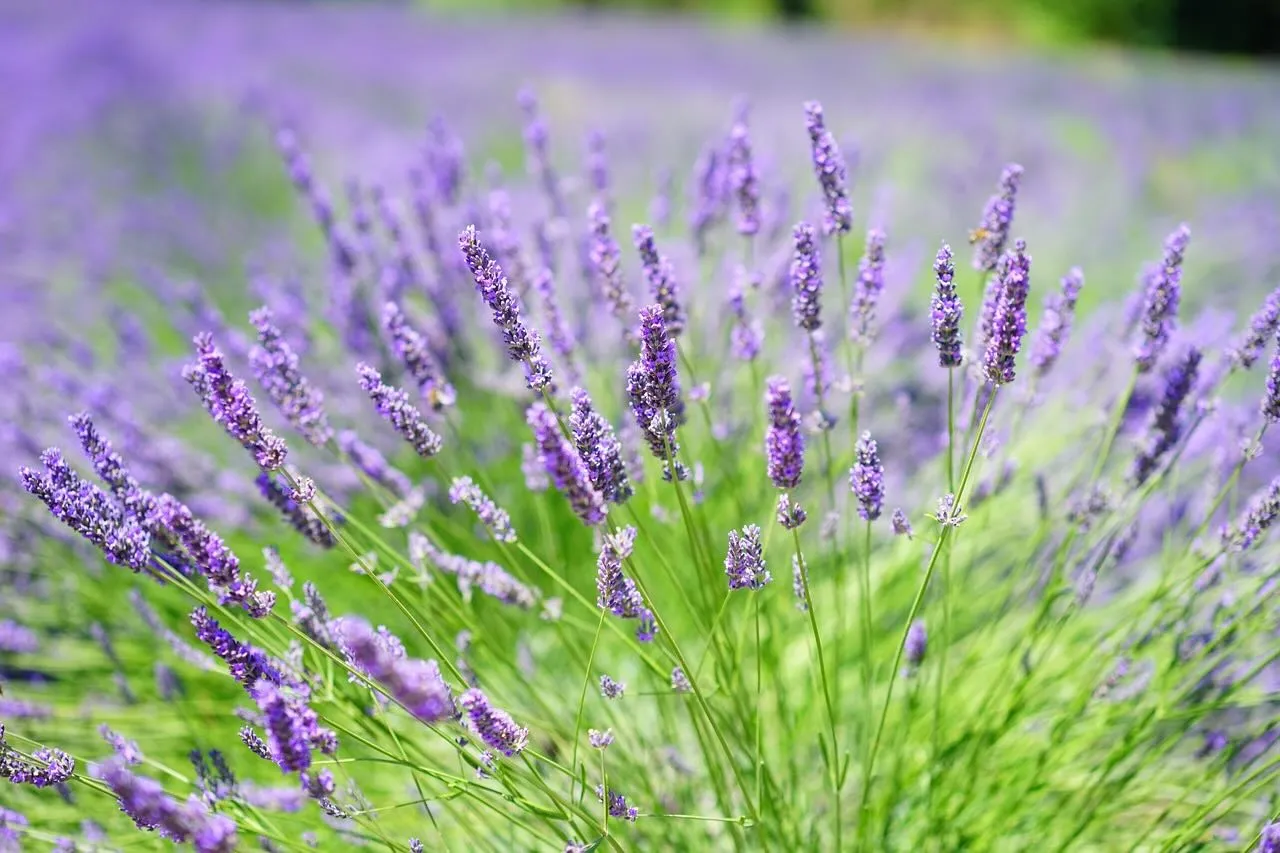
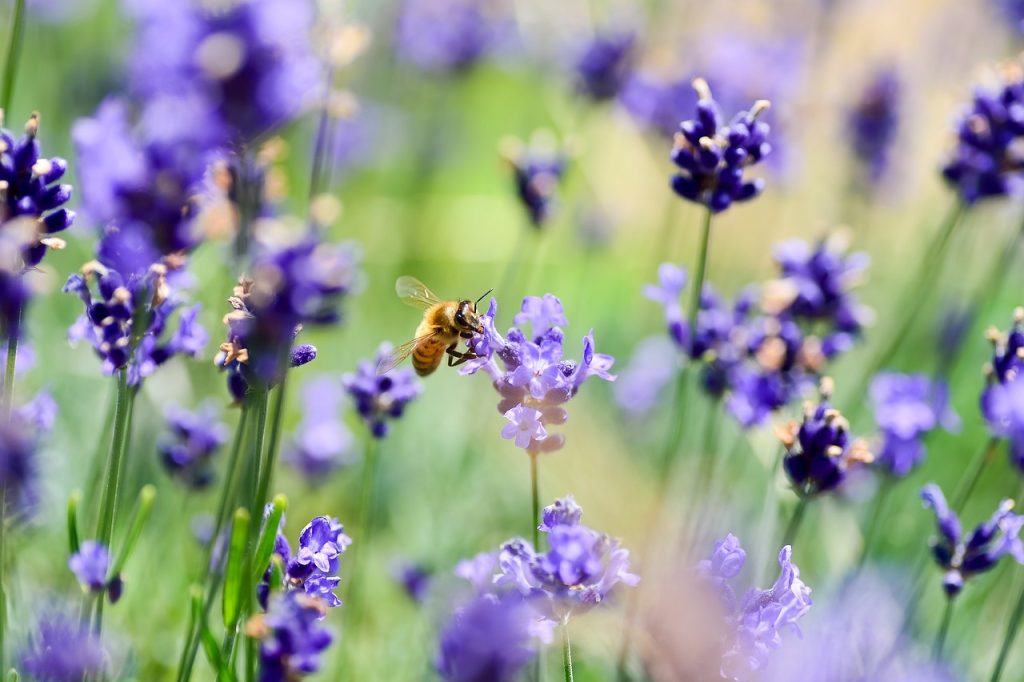
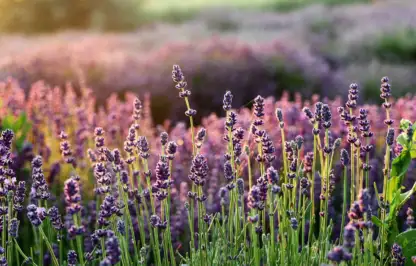
Lavender is, without question, the single most therapeutic plant in the garden. The scent of linalool, the primary compound in lavender essential oil, has been shown in multiple clinical studies to reduce anxiety and promote a state of calm. Simply brushing your hand through a lavender plant as you pass it in the garden triggers that release. It requires very little effort to grow, rewards you with months of colour and fragrance, and is an outstanding plant for pollinators, which adds the pleasure of watching bees work through it on warm days.
🛒 Buy lavender plants from Amazon UK
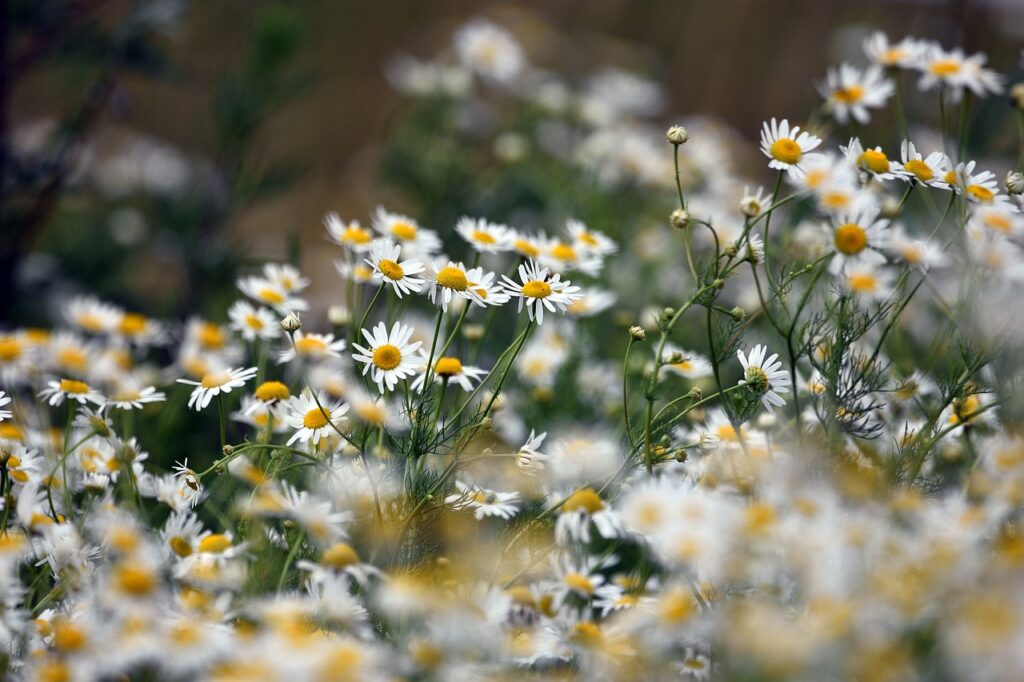
Roman chamomile is a plant I always try to include in sensory and therapeutic garden designs. It releases a warm, apple-like fragrance when brushed or walked on, making it ideal as a low ground cover along paths where you will naturally disturb it as you move through the garden. The act of crouching down, running your fingers through it, and inhaling that scent is an instinctively grounding, calming experience. Growing chamomile and harvesting the flowers to make your own tea at home is a wonderfully satisfying project that connects the garden directly to your daily wellbeing routine.
🛒 Buy chamomile plants or seeds from Amazon UK
Rosemary has been associated with memory and mental clarity since ancient Greece, and modern research has found genuine evidence for its cognitive effects. The aroma of 1,8-cineole, a compound in rosemary essential oil, has been linked to improved memory performance and increased alertness. In a therapeutic garden context, growing rosemary near a seating area or along a frequently walked path means you absorb those benefits simply by being in the garden. It is also one of the most forgiving shrubs you can grow in the UK, thriving in poor, well-drained soil with minimal input.
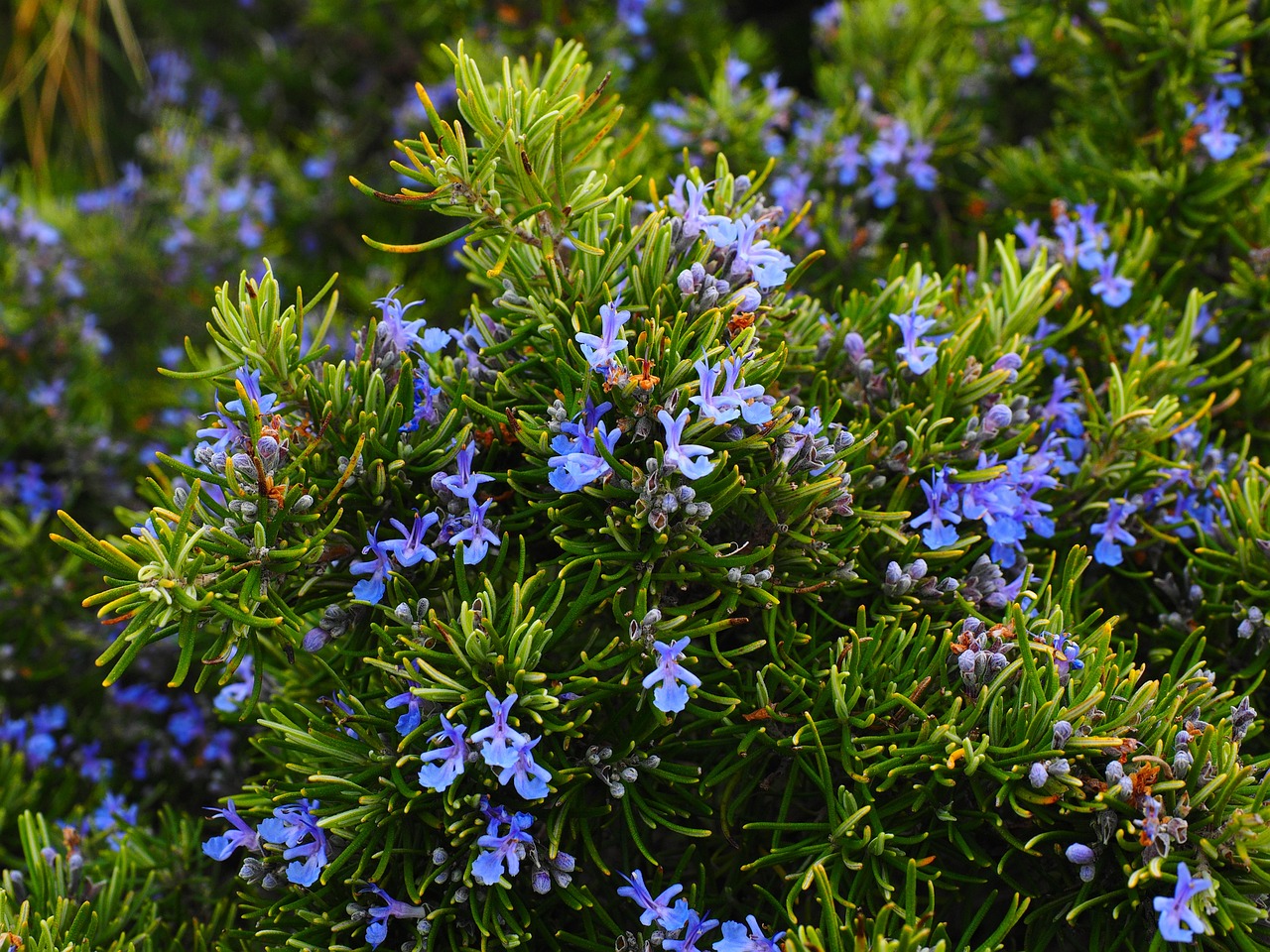
🛒 Buy rosemary plants from Amazon UK
Echinacea is a plant that delivers on every level for therapeutic gardening. The bold, daisy-like flowers in shades of pink, purple, and white bloom from midsummer right through into autumn, providing colour when many other perennials are fading. As a cut flower, it brings the garden indoors. The seedheads are equally beautiful over winter and provide essential food for goldfinches. The act of watching wildlife interact with a plant you have grown is one of the quiet, unexpected joys of gardening that contributes enormously to a sense of connection and wellbeing.
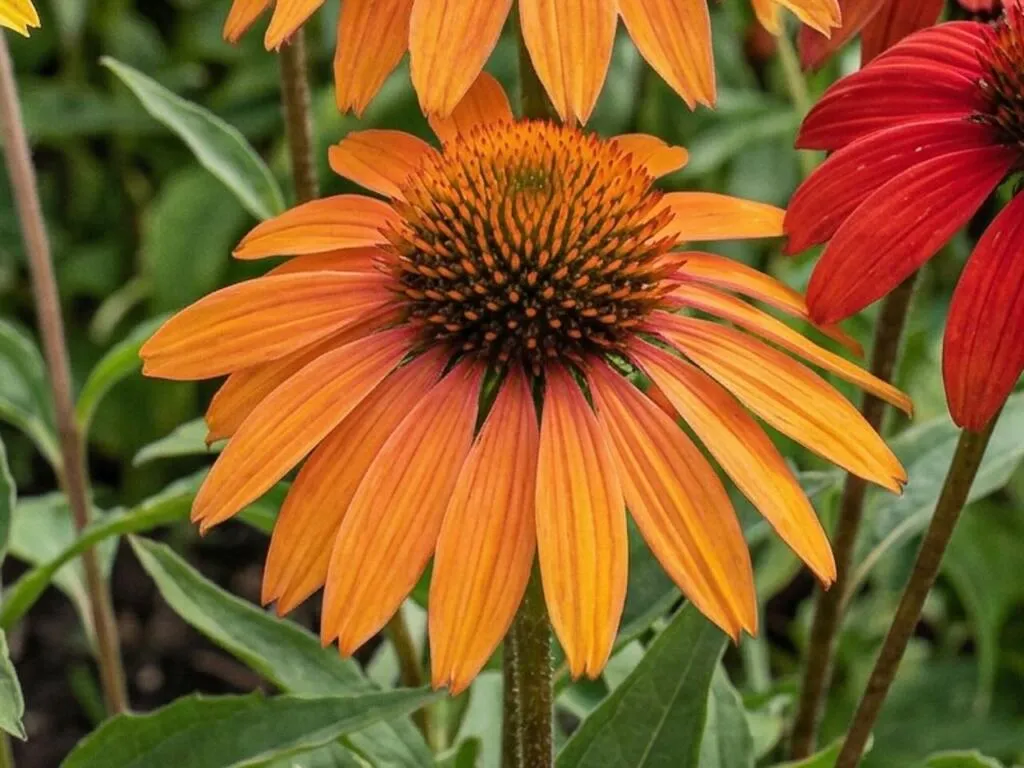
🛒 Buy echinacea plants from Amazon UK
Mint is the ideal starter plant for therapeutic gardening because it is virtually unkillable, grows in almost any conditions, provides an immediate sensory reward every time you brush against it, and connects gardening to everyday pleasures like making a cup of fresh mint tea. I always recommend growing it in a container sunk into the ground or placed on a patio, as its rhizomatous roots will travel aggressively if left unchecked in open beds. Spearmint, peppermint, and chocolate mint each offer subtly different aromas and add a note of discovery to the experience of growing your own herbs.
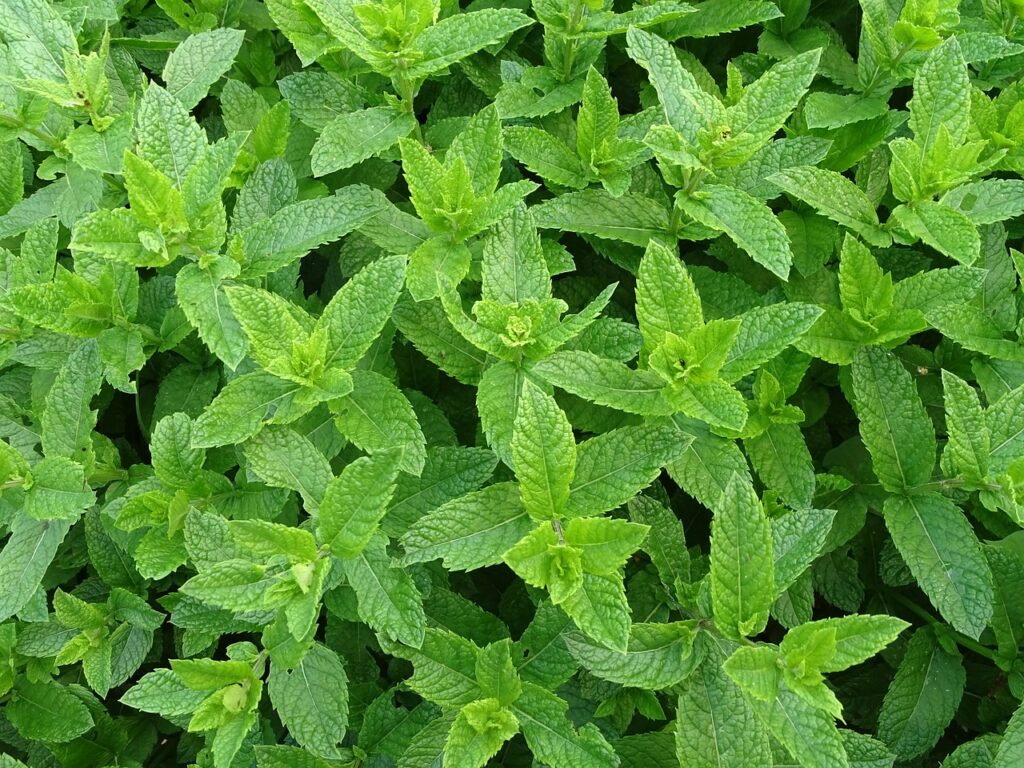
🛒 Buy mint plants from Amazon UK
The camellia flowers in late winter and early spring, precisely when many people’s mental health is at its lowest ebb after months of grey, cold weather. Seeing the first perfectly formed blooms appear in February can feel genuinely uplifting in a way that is hard to overstate. Growing a camellia is a long-term commitment that rewards patience, and that patience is itself a form of therapeutic practice. Plant it in ericaceous compost in a sheltered spot facing west or north, away from east-facing walls where early morning sun can damage frosted buds. The glossy evergreen foliage looks good year-round, so this plant earns its space in every season.
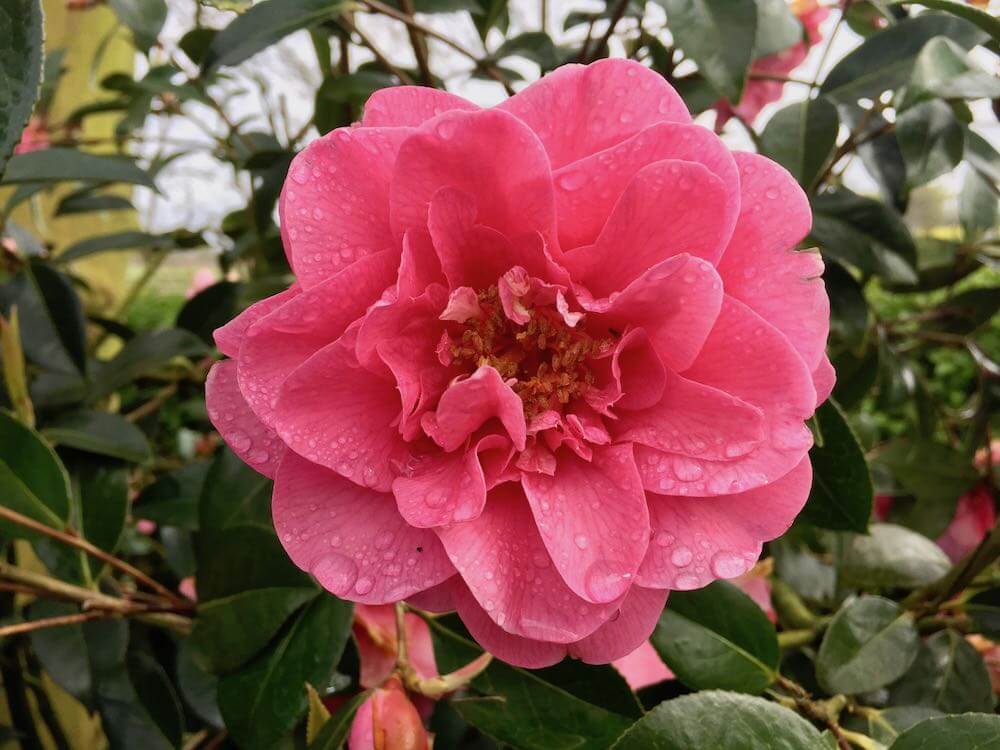
🛒 Buy camellia plants from Amazon UK
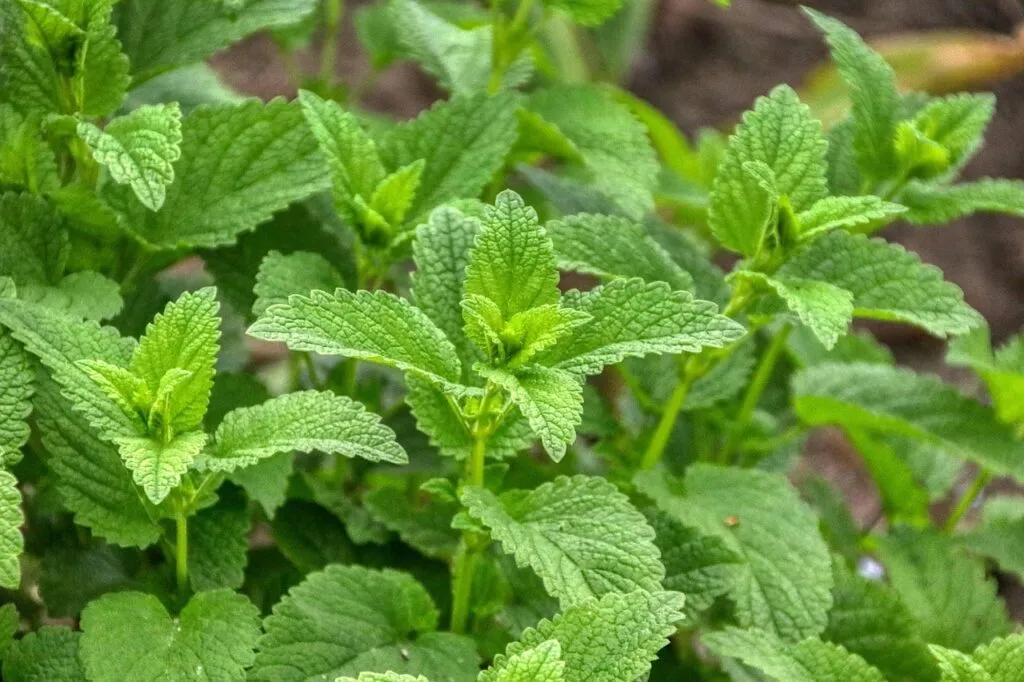
Lemon balm has been used as a calming herb since medieval times, and clinical research supports a genuine anxiolytic effect from rosmarinic acid, one of its primary active compounds. The leaves have a beautiful fresh lemon fragrance when crushed, and this is one of the easiest herbs you can grow from seed. It self-seeds readily, so once established you will always have plants to share with neighbours or friends, which itself provides a lovely social dimension to your gardening. The fresh leaves make an excellent calming tea.
🛒 Buy lemon balm plants from Amazon UK
One of the most common things I hear from people who want the mental health benefits of gardening is that they do not know how to begin. They worry about doing it wrong, killing plants, or not having the right knowledge. I want to be direct about this: there is no wrong way to start, and the therapeutic benefits do not require horticultural expertise. They require only your presence and a willingness to engage with growing things.
The best starting point is to remove the pressure of perfection entirely. Do not start with ambitious projects or rare plants that demand specific conditions. Start with something simple, fast-growing, and forgiving. A tray of salad leaves on a windowsill, a pot of mint on the patio, a packet of sunflower seeds scattered in a sunny bed. These early experiences of watching something grow because of your care build the confidence and momentum to go further.
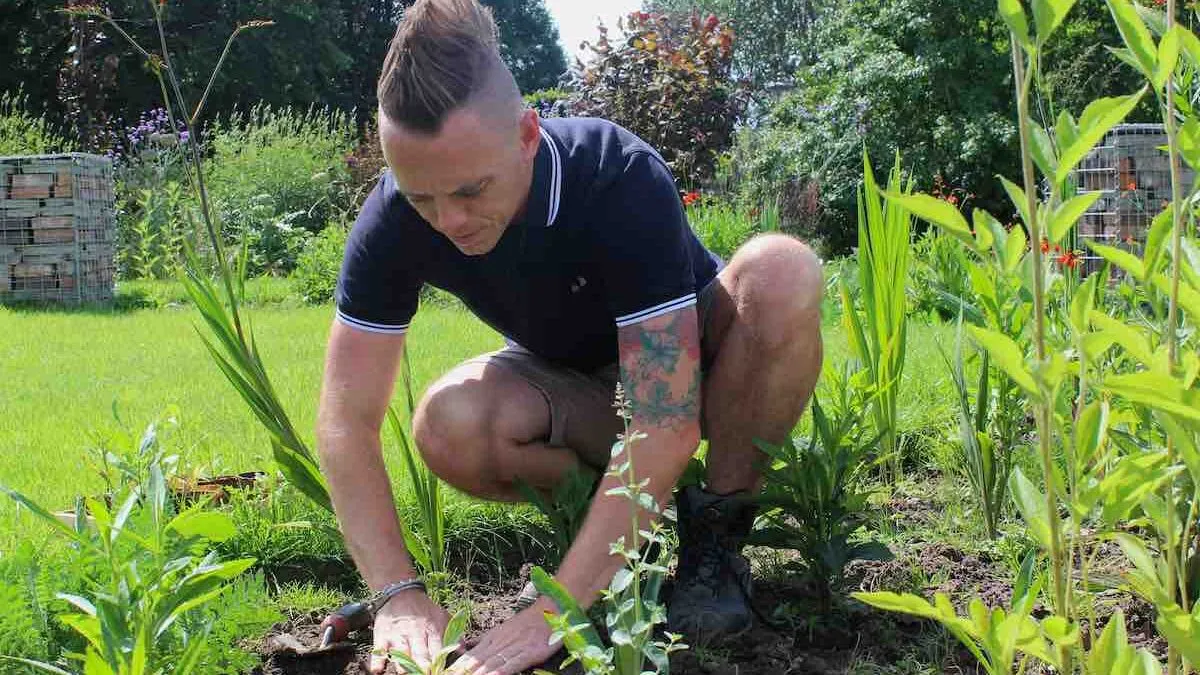
Routine matters enormously for mental health, and gardening is one of the few activities that naturally builds a seasonal, purposeful routine without feeling like a chore. Even ten minutes each morning to water your containers, check on seedlings, or simply walk around the garden and notice what has changed provides a gentle, consistent anchor to the day. Over weeks and months, that anchor becomes genuinely stabilising.
💡 Top Tip
Keep a simple garden journal. You do not need to be a writer. Just note what you planted, when you planted it, and how it looked each week. Looking back through a journal of a growing season is one of the most satisfying and mood-lifting things a gardener can do. It makes progress visible in a way that daily gardening sometimes obscures.
I am a passionate advocate for the idea that everyone should have access to growing space, regardless of their housing situation. The therapeutic benefits of gardening do not require a large outdoor plot. A south-facing windowsill, a small balcony, a shared courtyard, or access to a community growing space is all you need to begin.
Window boxes and container gardening offer everything the therapeutic garden provides in miniature. Herbs in pots on a balcony are as rewarding to tend as a large herb border. A single pot of bulbs coming through in late winter can lift a dark morning in exactly the same way as a full spring garden border. The scale of the garden is entirely irrelevant to its therapeutic potential. What matters is your engagement and presence within it.
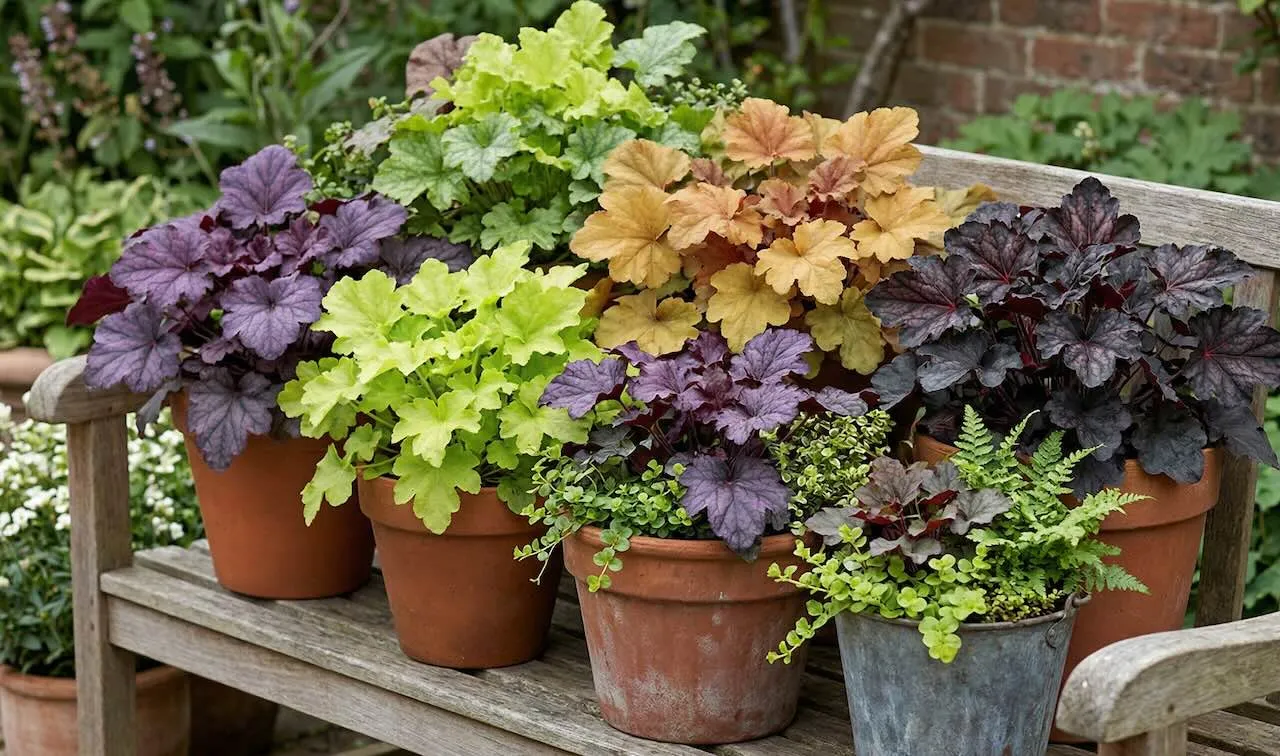
If you have no outdoor space at all, community gardening projects and allotments are worth seeking out. Many UK councils maintain allotment waiting lists, but local community gardens, social prescribing projects, and therapeutic horticulture programmes often welcome volunteers and participants with no waiting period. The charity Thrive has been running therapeutic horticulture programmes across the UK since 1979 and can help connect you with a suitable local project.
💡 Top Tip
Indoor plants count. Snake plants, peace lilies, and pothos all improve indoor air quality and provide the wellbeing benefit of nurturing something living. If outdoor space is not available to you right now, building a small collection of indoor plants is a genuinely therapeutic starting point.
I am often asked whether gardening really works for children and teenagers, or whether it is an activity that only resonates with adults. The research gives a clear answer: it works remarkably well, and often better for younger people than many traditional interventions precisely because it does not feel like therapy. It feels like doing something interesting outside.
Researchers at Essex University have shown that green exercise, which includes gardening, produces reductions in stress and depression alongside increases in self-esteem, mood, and wellbeing in children and adolescents. Even five minutes of contact with nature improves self-esteem and mood in young people. For children who do not excel in traditional academic settings, gardening is particularly valuable because it offers a different kind of mastery and a different kind of reward. Growing something from seed to harvest is a concrete, tangible achievement that does not depend on exam results or social status.
Practically speaking, the best way to get a reluctant young person into the garden is to give them complete ownership of a small space. A raised bed, a few pots on a windowsill, or even a single grow-bag of tomatoes works perfectly. Let them choose what to grow, let them make the decisions, and resist the urge to correct them when they do something differently from how you would do it. The point is not a perfect crop. The point is engagement, ownership, and the quiet confidence that comes from watching something you grew yourself succeed.
💡 Top Tip
For teenagers in particular, fast-growing crops are the key to keeping engagement going. Radishes are ready in 25 days. Salad leaves can be cut within three weeks of sowing. Cherry tomatoes go from flower to fruit in around eight weeks. Quick results keep motivation alive while the deeper habit of gardening has time to form.
Nearly one million people in the UK are living with some form of dementia, and this number is expected to reach 1.4 million by 2040. Gardening is one of the most widely recommended non-pharmacological activities for people living with dementia, and the evidence for why is compelling.
A 2024 study by the University of Edinburgh, published in the Journal of Environmental Psychology, showed measurable cognitive improvement from ages 11 to pension age among individuals who gardened frequently. Community gardening has also been shown to delay the onset and progression of dementia symptoms through a combination of physical activity, sensory stimulation, social engagement, and purposeful routine.
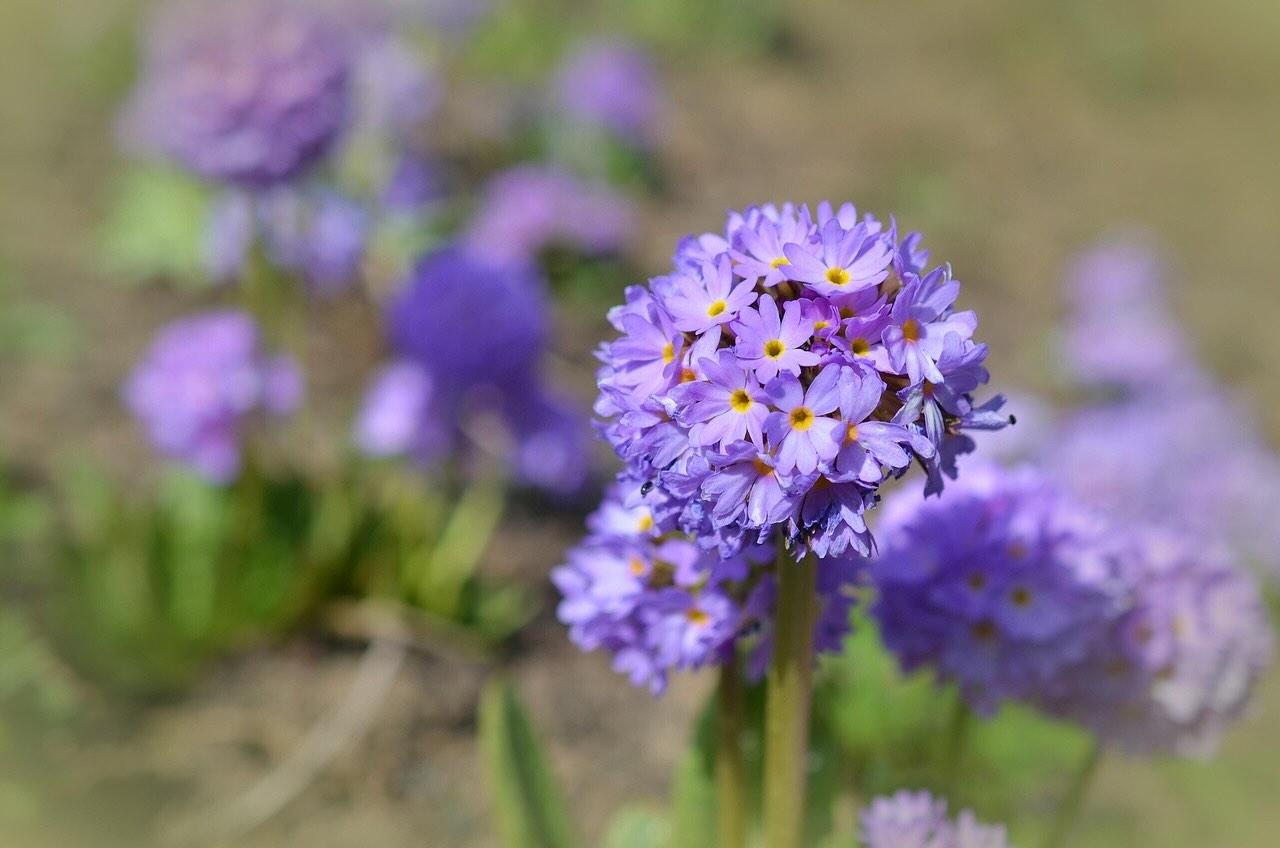
From a design perspective, I have found that sensory planting is particularly powerful for people living with dementia. Familiar fragrances, especially lavender, rosemary, and sweet peas, can trigger strong positive memories and spark conversations that other activities do not. The garden engages the senses in a way that remains accessible even when other cognitive functions are becoming more difficult. The sound of wind in tall grasses, the texture of lamb’s ear leaves, the scent of chocolate cosmos on a warm afternoon. These are experiences that reach people at a level that goes beyond conscious thought.
Practically, if you are gardening with someone living with dementia, the most important adjustments are simplicity and repetition. Familiar, manageable tasks such as watering, deadheading, harvesting, and potting work well. Raised beds reduce the physical demands of bending and kneeling.
Clear paths and good seating allow someone to be present in the garden and benefit from it even when active gardening is not possible on a particular day. The Thrive charity has specific resources and programmes for people living with dementia and their carers, and many GP social prescribing pathways now include therapeutic gardening referrals.
💡 Top Tip
If you are supporting someone with dementia in the garden, focus on sensory plants with strong positive associations. Lavender, rosemary, sweet peas, and old-fashioned roses tend to trigger the warmest memories. Avoid plants with thorns in easily accessed areas, and make sure any paths are wide, level, and clearly defined.
Mindfulness is the practice of being fully present in your life and work rather than caught up in anxious thought about what has been or what might come. It has a substantial evidence base for reducing stress, depression, and anxiety. What most people do not realise is that gardening, done with intention, is one of the most naturally mindful activities available. You do not need a meditation cushion or a special app. You need a garden, five minutes, and a willingness to slow down.
Try this simple activity, which I have used with clients who are new to both gardening and mindfulness practice.
Make your way to your garden space and, when you are ready, take a few slow, deep breaths to settle yourself. Find a seat near a border, planter, tree, or shrub that you particularly like. Pick a leaf from the plant nearby, find one that has fallen, or simply hold one that is still attached to the stem. Close your eyes and continue to breathe slowly. Now pay close attention to the feel of the leaf. Is it smooth, textured, waxy, or ridged? Are the edges serrated or soft? Spend a moment breathing and simply noticing the sensation. If your mind wanders, that is completely normal. Gently bring it back to the leaf in your hand.
After a minute, begin to visualise the leaf in your mind. Build the image gradually, the shape, the colour variations, the texture you are feeling. Then slowly expand the image outward to take in the whole plant. Consider it there, stationary, completely at ease with the world passing around it. That plant does not worry about yesterday or tomorrow. It simply grows, adapts, and is exactly where it needs to be. Spend a little time with that thought before gently returning to awareness of your body, taking a stretch, and coming back to the world.
Most people who try this report that whatever anxious thought or pressure was occupying them before they sat down has either dissolved or shifted in perspective. The garden has a remarkable ability to do that, if you let it.
Gardening is a powerful tool for mental health, but it is not a replacement for professional support when that is what you need. If you or someone you know is struggling with mental health, please do reach out. The following UK organisations offer help and can also connect you with therapeutic gardening programmes if that is something you would like to explore.
Mental health support and therapeutic gardening resources
Mind | 0300 123 3393 | mind.org.uk | information, support, and local Mind services across England and Wales
Mental Health Foundation | mentalhealth.org.uk/get-help | comprehensive directory of support services
Thrive | thrive.org.uk | the UK’s leading therapeutic horticulture charity; programmes in London, Birmingham, and Reading, plus resources for finding local projects
Samaritans | 116 123 (free, 24 hours) | samaritans.org | available any time if you need to talk
Your GP | ask specifically about green social prescribing or nature-based referrals; many surgeries now have social prescribing link workers who can connect you with local therapeutic gardening programmes
Yes, there is a substantial and growing body of peer-reviewed research confirming that gardening and horticultural therapy improve mental health. Studies have found measurable reductions in cortisol (the stress hormone), improvements in mood, reductions in anxiety and depression symptoms, and improved quality of life in both general populations and clinical groups including people with depression, anxiety disorders, and schizophrenia. The British Psychological Society, the NHS, and the RHS all recognise the mental health benefits of gardening.
Horticultural therapy is a structured, clinically guided programme of gardening activities delivered by a trained practitioner, usually in partnership with health or care specialists. It is specifically designed to address defined health goals for individuals with mental or physical health conditions. Gardening for wellbeing, by contrast, is simply the everyday practice of growing things for your own enjoyment and mental health, without clinical supervision. Both are valuable, but horticultural therapy is a specific therapeutic intervention rather than a hobby.
Research suggests that even short bursts of gardening activity, as little as 20 to 30 minutes, can produce measurable improvements in mood and reductions in stress. However, the deeper benefits, including improved sleep, reduced anxiety over time, and a greater sense of purpose, come from regular, consistent engagement rather than occasional longer sessions. Even a daily ten-minute routine of tending plants or simply spending time in a garden space accumulates significant wellbeing benefits over weeks and months.
Gardening can be a valuable complementary activity alongside professional treatment for depression, though it is not a replacement for medical advice or prescribed therapy. Research has found that gardening addresses several of the core symptoms of depression, including low mood, lack of purpose, social isolation, and physical inactivity. The British Psychological Society notes that horticultural therapy has shown effectiveness in treating clinical depression, with improvements persisting at least three months after programmes end. If you are experiencing symptoms of depression, please also speak with your GP.
Lavender, chamomile, and lemon balm all have evidence-based calming properties and are excellent choices for a therapeutic garden. Beyond their chemical properties, any plant that engages your senses and rewards your care is beneficial for anxiety. Fragrant plants in general (roses, jasmine, sweet peas, rosemary) are particularly effective because the olfactory system has a direct neural connection to the amygdala, the part of the brain responsible for the anxiety response. Surrounding yourself with pleasant fragrance is a straightforward and evidence-backed way to calm the nervous system.
A physical garden space is not a requirement for therapeutic gardening. Indoor plants, window boxes, balcony containers, and community gardening spaces all provide the same fundamental connection to growing things. The charity Thrive runs therapeutic horticulture programmes across the UK and welcomes participants regardless of their outdoor space situation. Many GP surgeries also now have social prescribing link workers who can connect you with local community growing projects as part of green social prescribing.
Yes, gardening is one of the most widely recommended activities for people living with dementia. A 2024 University of Edinburgh study found measurable cognitive improvement in regular gardeners across the lifespan, and community gardening has been shown to delay dementia symptoms. The sensory richness of a garden, particularly fragrant plants with positive memory associations, can be deeply calming and communicative even in later stages. Simple, repetitive tasks such as watering, deadheading, and potting work particularly well.
Research from Essex University confirms that green exercise including gardening produces measurable reductions in stress and depression alongside increases in self-esteem and wellbeing in children and adolescents. Even five minutes of contact with nature improves mood and self-esteem in young people. Gardening is particularly effective for children who struggle in traditional academic settings, as it offers a different kind of mastery and reward that does not depend on exam results.
Ready to stop guessing and start designing with confidence? My Garden Design for Beginners online course takes you from blank canvas to brilliant layout, step by step.
I’m Lee Burkhill, award-winning garden designer and BBC1’s Garden Rescue presenter, and I’ve built this course around the same principles I use for every client garden. Practical, honest, and designed to actually work in the real world.
In 20 hours of flexible online study you’ll cover:
Video lessons, real-world case studies, quizzes, and a certificate on completion. All for just £199.
Enrol today and start designing your dream garden.
For the garden you’ve already got, not the one you’re starting from scratch. Seven checklists and video lessons from BBC Garden Rescue’s Lee Burkhill, designed to help you decide what’s worth keeping before you spend a penny.
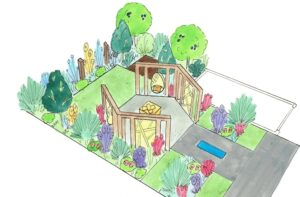
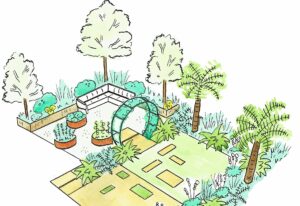
Garden Design Examples for Small Gardens: 30 Design Templates & Planting Plans: In this online gardening course, I’ll walk you through 30 fantastic garden designs, explaining the logic behind the layout and plant choices, plus take-home tips for applying them in your own garden.
Learn how to transform and design your garden with Lee Burkhill’s crash course in garden design. In over 5 hours, Lee will teach you how to design your dream garden. Featuring practical design examples, planting ideas and video guides. Learn how to design your garden in one weekend!
Garden Design for Beginners Online Course: Want to become a garden designer or design your own garden? This beginner course is for you. Join me, Lee Burkhill, an award-winning garden designer, as I train you in the art of beautiful garden design. Enjoy 20 hours of online study and video lessons, along with quizzes and a completion certificate.
Gardening is one of the most accessible, affordable, and evidence-backed ways to support your mental health available to anyone in the UK. Research confirms it reduces cortisol and anxiety, lifts mood, builds purpose, and supports recovery from depression. University of York research found improvements comparable to short-term CBT. You do not need expertise, a large garden, or expensive equipment. Start small, start simply, and let the garden do the rest.
The best therapeutic plants include lavender, chamomile, rosemary, lemon balm, mint, echinacea, and camellia. Even ten minutes daily in contact with growing things makes a difference. If you have no outdoor space, indoor plants, balcony containers, and community growing projects all deliver the same core benefits. Gardening also benefits children, young people, and those living with dementia, with evidence showing it delays cognitive decline and builds resilience across every age group.
If this guide has helped you reconnect with the idea that your garden can be as good for your mind as it is beautiful to look at, I would love to hear from you. Share your thoughts on Instagram, Facebook, or YouTube. Happy Gardening!



Lee Burkhill, known as the Garden Ninja, is an award-winning garden designer and RHS-qualified horticulturist with over 20 years of professional garden design experience. He presents on BBC1’s Garden Rescue and has won multiple awards at the Chelsea Flower Show. Lee combines hands-on horticultural expertise with a genuine passion for accessible, evidence-based gardening advice.
View all posts by Lee Burkhill






JOIN THE NINJAS
Be the first in line for new Guides, Discount codes and Offers