
For the garden you’ve already got, not the one you’re starting from scratch. Seven checklists and video lessons from BBC Garden Rescue’s Lee Burkhill, designed to help you decide what’s worth keeping before you spend a penny.
69


QUICK ANSWER
A dying ceanothus is usually down to waterlogged roots, frost or wind damage, hard pruning into old wood, or simply old age, since most varieties live only ten to fifteen years. Scratch a stem with your thumbnail: green tissue underneath means the plant can likely be saved, brown and dry means it has died back to that point. Honey fungus and scale insects are less common but worth ruling out.
I hear this worry from gardeners constantly, and it arrives in my forum week after week without fail. The good news is that a dying ceanothus is rarely a mystery if you know what to look for. The less welcome news? Some ceanothus problems can be fixed, and some simply cannot. My job in this guide is to tell you what type of garden conditions ceanothus loves and when it’s time to switch out an old, tired, dying shrub for something permanent!
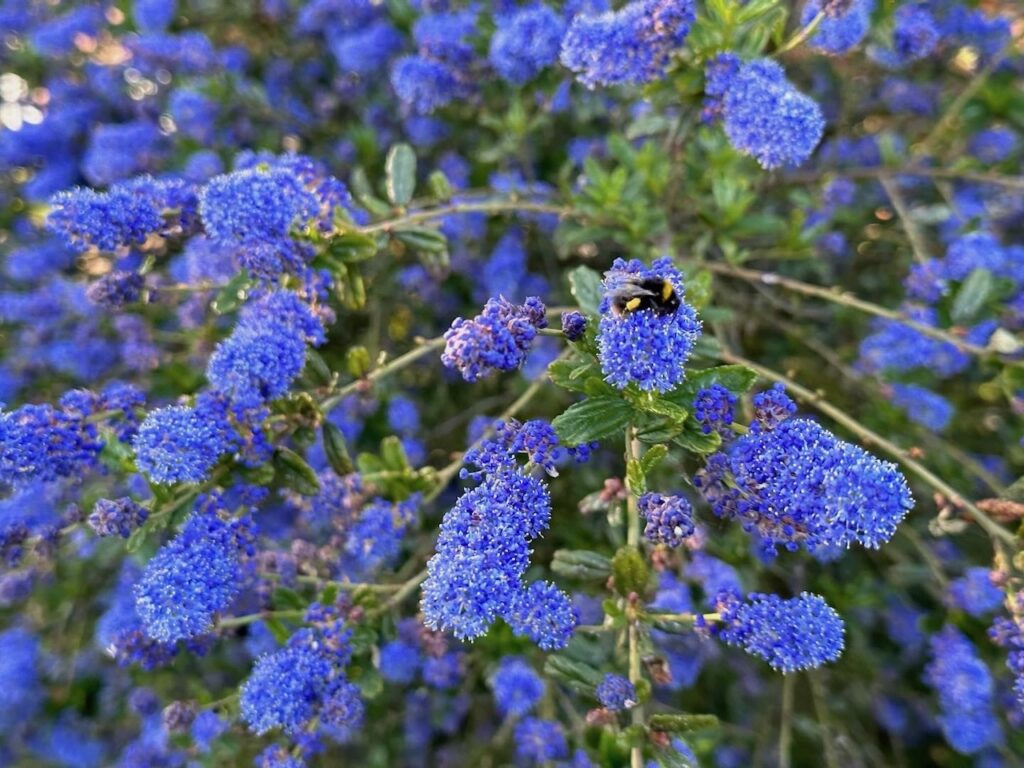
As an award-winning garden designer and BBC Garden Rescue presenter with over twenty years of designing and planting gardens across the UK, I have dealt with more struggling ceanothus than I care to count. They are truly magnificent plants when they are thriving,
That electric blue blossom in late spring is one of the best shows any British garden can put on, and the bees love them, but they are also shrubs with a personality of their own, and they will make their displeasure felt if their growing conditions are not right.

This guide covers every possible cause of a dying ceanothus, how to diagnose what is actually happening in your garden, a simple test you can do with just your thumbnail right now, and the honest answer to the question every gardener eventually asks: Is it worth trying to save, or is it time to replace it?
| 🌿 Ceanothus (California Lilac) At A Glance | |
|---|---|
| Botanical name | Ceanothus spp. |
| Common name | California lilac |
| Plant type | Evergreen or deciduous shrub (depending on variety) |
| UK hardiness | Varies by variety: most are H3 to H4 (partially hardy) |
| Typical lifespan | 10 to 15 years in ideal conditions; often less in cold or wet UK gardens |
| Best growing conditions | Full sun, free-draining soil, sheltered from cold winds |
| Flowering time | Late spring to early summer (most varieties) |
| Height and spread | Up to 3m height and spread at maturity (variety dependent) |
Jump to a section
This page contains affiliate links for products I use and love. If you take action (i.e. subscribe, make a purchase) after clicking a link, I may earn some gardening commission which helps me keep the Garden Ninja Blog free for all.
Before we get into the diagnosis, I want to share something that I wish every gardener knew when they bought their first ceanothus. It might be the single most useful piece of information in this entire guide.
Ceanothus is a short-lived shrub. It is, in horticultural terms, what we sometimes call a “live fast, die young” plant. As this shrub is native to the north coast of America, it likes super sunny, warm climates with well-draining soil and lots of sunlight. Knowing where ceanothus comes from, you can work out where in your garden it would like to live and maybe assess whether there’s a better shrub for your garden’s aspect!
In a warm, sunny position with freely draining soil and decent shelter from cold north and east winds, a well-chosen ceanothus might give you fifteen years of glorious blue blossom. In a cold, exposed, or clay-heavy British garden, which let’s be honest describes a substantial portion of the gardens I visit, you might get considerably less, or the shrub will struggle and die in a few years.

Why does this matter when diagnosing a sick plant? One of the most common reasons I see gardeners panic about their ceanothus is that the plant is simply approaching the end of its natural life.
It is not your fault. It is not a problem you can solve by adding more feed or reducing water. It is biology. Understanding the difference between a ceanothus that is dying because something has gone wrong and one that is completing its natural lifespan is half the battle, and it will save you significant time, money, and heartache.
With that said, let’s get on with the diagnosis.
Whatever you think is wrong with your ceanothus, start here. This takes about 30 seconds and will immediately tell you whether the plant still has any viable life left.
Use your thumbnail to scrape a very small section of bark from one of the stems.
You only need to remove a tiny sliver to expose what lies beneath. If the tissue under the bark is green or greenish-white and moist-looking, there is still life in that branch. If it is brown, grey, and dry, that branch is dead. Work your way across the plant, testing branches from the outer tips right back to the main woody framework.
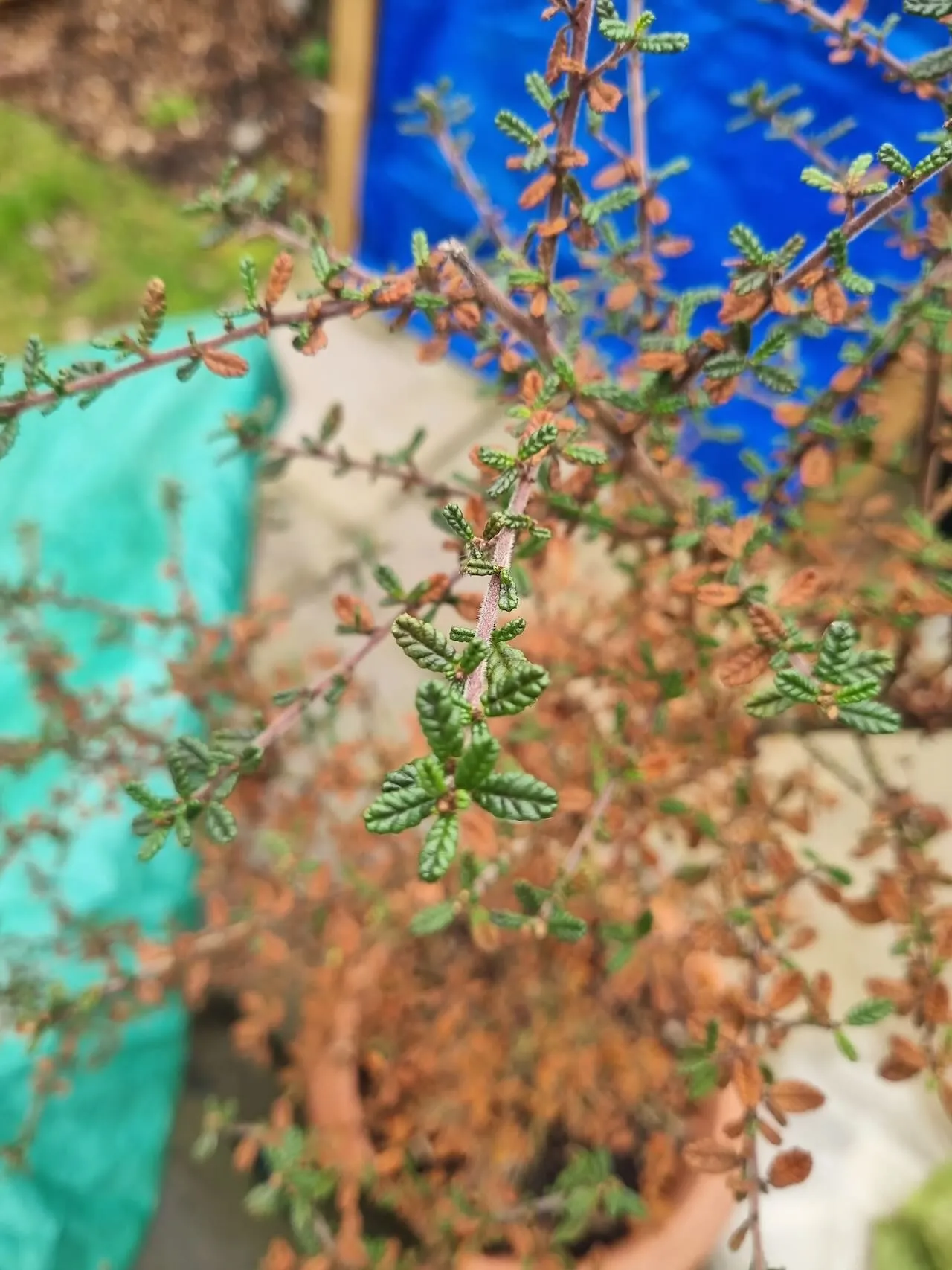
A plant with every branch producing brown, dead tissue under the bark is beyond rescue, regardless of what caused the problem. A plant where at least some branches still show green tissue has potential, and the rest of this guide will help you decide whether it is worth acting upon.
This test sounds almost too simple to be useful. I promise you it is not. I have seen experienced gardeners spend weeks feeding, watering, and fussing over a ceanothus that was completely dead above the roots. The scratch test gives you the honest answer quickly so you can make the right decision and move on if needed.
This is, in my experience, the single most common cause of a dying ceanothus in a British garden, and it is the one that catches the most people out because it is counterintuitive. Ceanothus comes originally from the drier regions of California and the western United States. It is a plant that evolved in conditions of sharp drainage, summer drought, and well-aerated sandy or rocky soils. Put that plant into a heavy clay garden border in the north of England and give it a wet British winter, and you are asking for trouble.
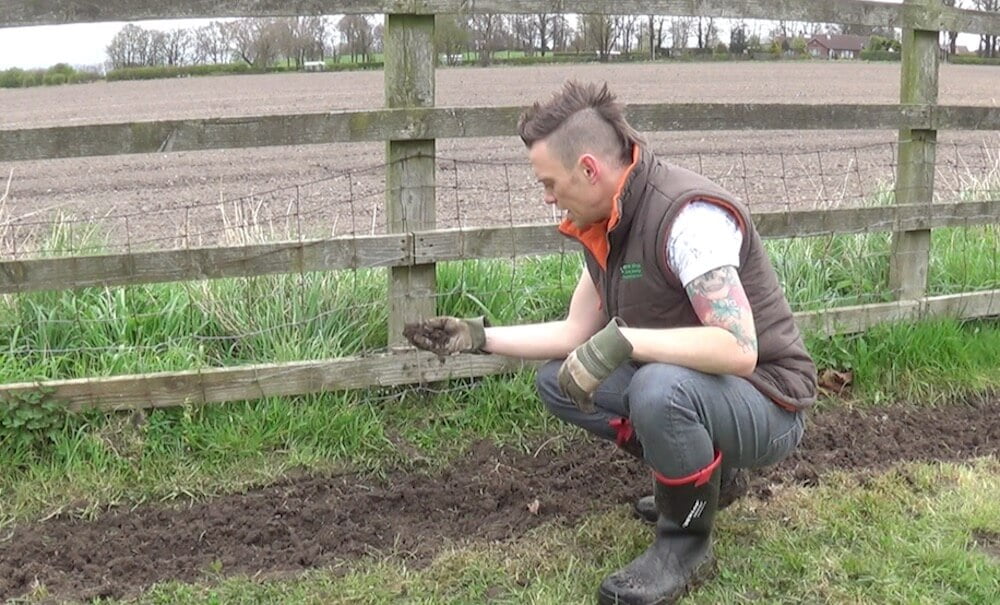
The problem with wet roots is particularly treacherous because it does not show up immediately. A newly planted ceanothus in poorly drained soil will often look fine for its first season or even two, because the roots have not yet had time to explore the surrounding soil fully and encounter truly waterlogged conditions. The dieback that follows can feel sudden and inexplicable, even though it represents months of quiet root damage finally becoming visible above ground.
The symptoms to look for are a general browning and wilting of the foliage, often starting at the branch tips before working inwards, combined with a general loss of vigour. The leaves may look dull and lifeless before they brown rather than showing the crisp, scorched appearance you would associate with frost damage or wind burn. If you dig down to inspect the roots of a plant suffering from waterlogged conditions, you will often find they look dark, slimy, and have an unpleasant smell rather than the pale, firm, healthy appearance of a thriving root system.
In a container, this is both easier to diagnose and easier to address. Tip the plant out of its pot and look at the compost. If it is dark, soggy, and heavy, it has been holding far too much moisture. Refresh the compost with a significant proportion of horticultural grit, ensure the container has multiple drainage holes (not just one), and elevate the pot on pot feet to prevent it from sitting in standing water.
In the ground, if your soil is truly heavy clay throughout, a ceanothus will always be a gamble unless you have substantially improved the drainage at planting time by incorporating grit and organic matter.
Frost damage is the most frequently cited cause of ceanothus problems. It is a real issue, but it is often misdiagnosed as more severe than it actually is. The key distinction is between superficial frost damage to soft new growth and deep frost injury that has killed the plant’s woody framework.
Superficial frost damage presents as browning or blackening of the current season’s soft growth, particularly any new shoots that emerged during a mild spell and were then caught by a hard late frost.
The branch tips will look crispy and brown; the damage will be concentrated on younger, softer growth rather than the established woody framework, and if you do the scratch test on the stems behind the damage, you will still find green tissue underneath. This is recoverable.
Once the risk of further frost has passed, cut back to healthy wood (as indicated by your scratch test), and the plant will usually regenerate from the remaining healthy framework.
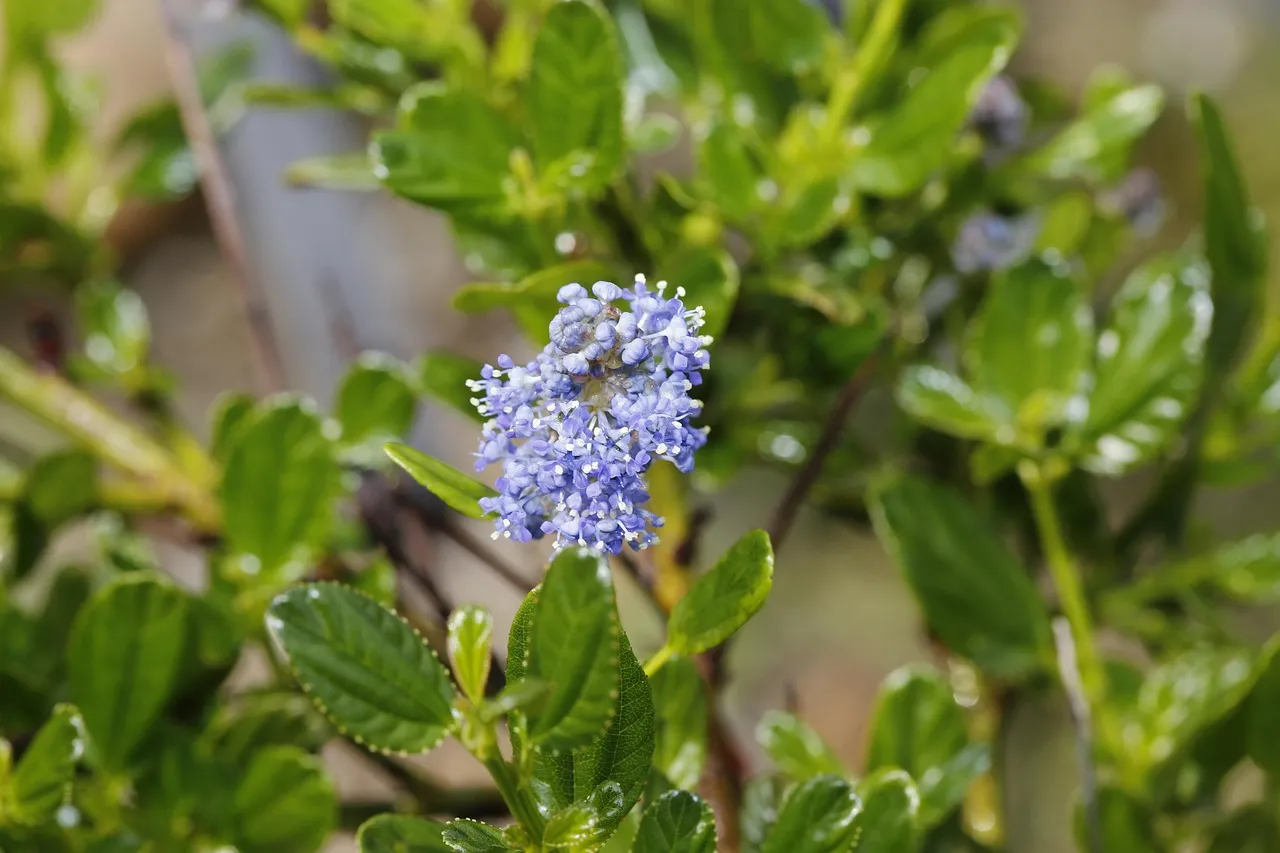
Severe frost damage, by contrast, kills not just the soft growth but also penetrates the woody stems and even the root zone. This is more common in the north of England and Scotland, in open, exposed positions, and in varieties that sit at the less hardy end of the ceanothus spectrum. Evergreen varieties, in particular, are vulnerable because their leaves continue to transpire moisture on cold, sunny, windy winter days even when frozen, and cannot replenish the water they lose. The result is a combination of physical freeze damage and drought stress that can kill large sections of the plant or the entire shrub.
If you are gardening in a colder part of the UK or in a naturally exposed position, your variety choice matters enormously. The deciduous varieties, namely Ceanothus ‘Gloire de Versailles’ with its soft powder-blue flowers, and Ceanothus ‘Autumnal Blue’, are significantly more cold-tolerant than the evergreen spring-flowering types like Dark Star or Concha. If frost repeatedly damages your ceanothus, switching to a hardier deciduous variety planted against a sunny south or west-facing wall will give you a much more resilient plant.
Ceanothus planted in a cold, exposed, or persistently windy position will deteriorate even without heavy frost. The mechanism is the same as severe frost damage: the leaves continue to lose moisture through transpiration while cold or drying winds remove it faster than the roots can replace it. The result is a characteristic scorching of the foliage, turning leaves brown from the edges inwards, often with a papery, dried texture rather than a soft, wilting one.
Wind damage is often most pronounced on the side of the plant facing the prevailing wind, which gives you a useful diagnostic clue. If all the damaged growth is on one side and the sheltered side of the plant looks relatively healthy, wind exposure is almost certainly a major factor. A plant damaged primarily by wind rather than wet roots has a better prognosis than one suffering root damage, because addressing the environment around the plant can give it a chance to recover.
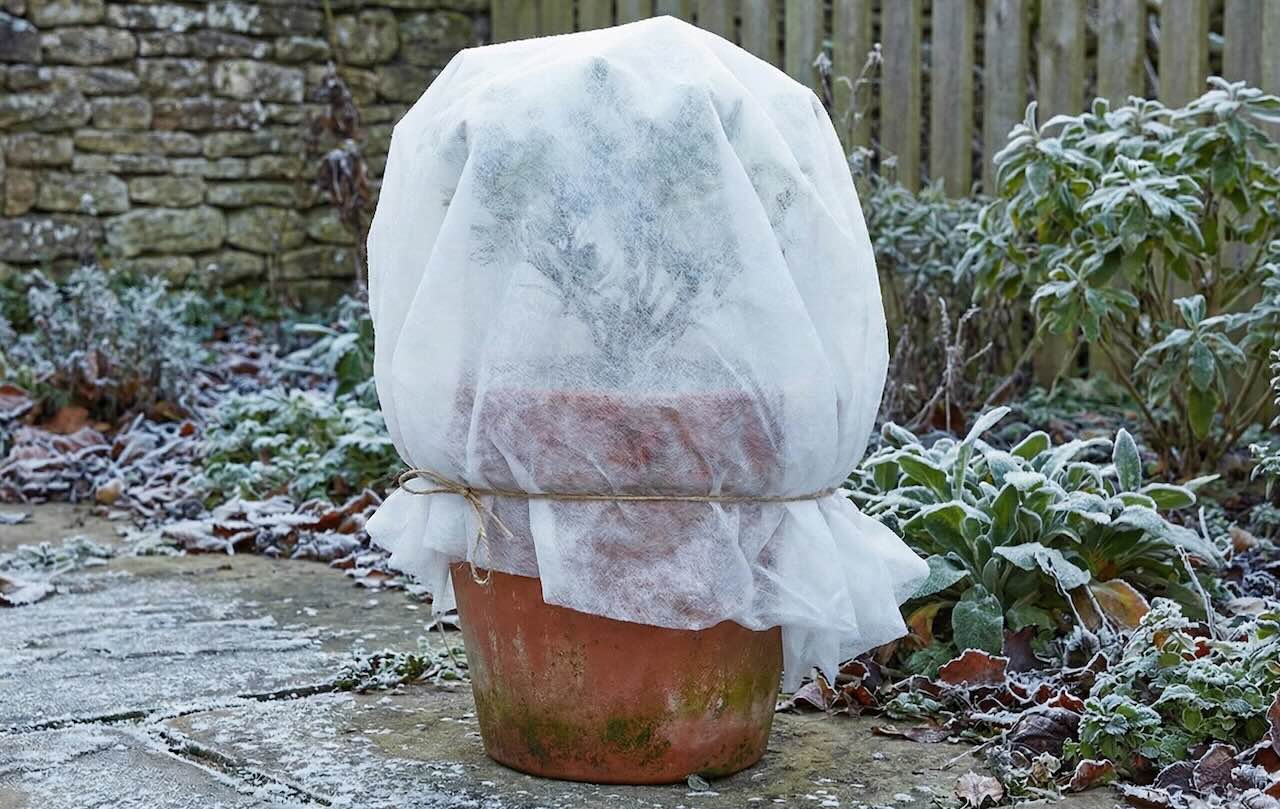
Installing a windbreak, whether a garden fence, a shelter planting of more robust shrubs, or even a temporary horticultural fleece screen during the first few winters after planting, as in the example above, can make a transformative difference to a ceanothus on a marginally exposed site.
The classic planting position for ceanothus in the UK is against a sunny, south or west-facing wall precisely because the wall provides thermal mass, reflects warmth onto the plant, and creates a sheltered microclimate that the open garden simply does not offer.
It feels contradictory to say this about a plant that is clearly struggling, but one of the most common mistakes I see when someone has a sick ceanothus is watering it more in an attempt to revive it. Unless your plant is showing specific signs of drought stress in a hot, dry spell, this will almost always make things worse rather than better.
Established ceanothus (a plant that has been in the ground for more than one full growing season) is truly drought-tolerant. It needs very little supplementary watering in a typical British summer. The deep, spreading root system it develops once established is perfectly capable of finding moisture in the surrounding soil without your intervention. What the root system cannot tolerate is constantly sitting in waterlogged or persistently moist conditions.
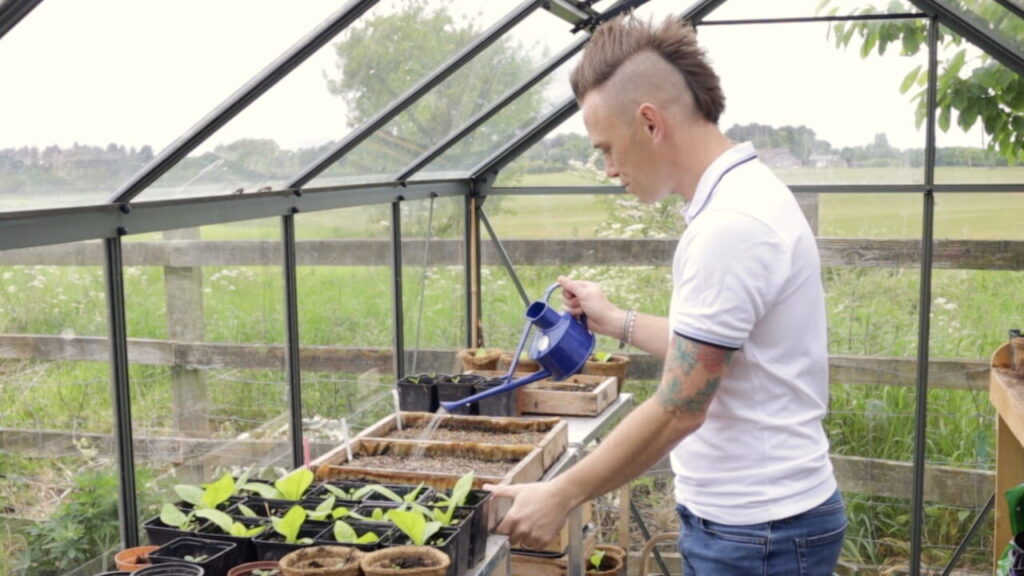
This is particularly relevant for container-grown ceanothus. I see it frequently: a gardener with a pot-grown ceanothus that looks unhappy waters it more; the compost stays wet, the roots deteriorate further, the plant looks worse, and the gardener waters it more again.
If your ceanothus is in a container and showing signs of poor health, the first thing to do is pick the pot up and assess its weight. A container that feels very heavy for its size is holding excess moisture. Check the drainage holes, as they can become partially or completely blocked by compacted compost or roots. Always use a free-draining, gritty compost mix for a container ceanothus rather than a standard, peat-free multipurpose compost, which tends to hold far more moisture than this plant wants.
I want to address this separately from waterlogging because even clay soil that does not become visibly waterlogged in winter can still cause long-term problems for ceanothus. Clay soil tends to compact around the root zone, reducing the air spaces roots need to function properly, and even in dry summers, it can stay relatively moist compared to the free-draining conditions ceanothus evolved to thrive in.
If you are on heavy clay and your ceanothus has declined despite no obvious frost damage, exposure, or overwatering, the soil itself is likely the underlying issue. When you eventually replace the plant, and on heavy clay replacement will probably be necessary at some point, significantly improving the planting area first will give any new shrub a better chance. Dig a planting hole two to three times wider than the rootball, and incorporate a generous quantity of horticultural grit throughout the replaced soil. If the clay is very heavy, consider raising the planting position slightly above the surrounding soil level, so the crown of the plant sits at the point with the best drainage.
Ceanothus has a somewhat unforgiving attitude to pruning, particularly the evergreen spring-flowering types, which represent the most popular varieties sold in UK garden centres.
The key rule that every ceanothus owner should know is this: evergreen ceanothus should never be pruned hard back into old, brown woody growth. Unlike many other garden shrubs, such as roses, buddleja, or hardy fuchsias, evergreen ceanothus does not reliably regenerate from old, thick, leafless wood. Just like conifers cannot regenerate from old brown wood, ceanothus is the same!
Cut it back hard to the bare brown stems, and the plant will frequently respond not by producing new shoots but simply by dying from those cut points inwards.
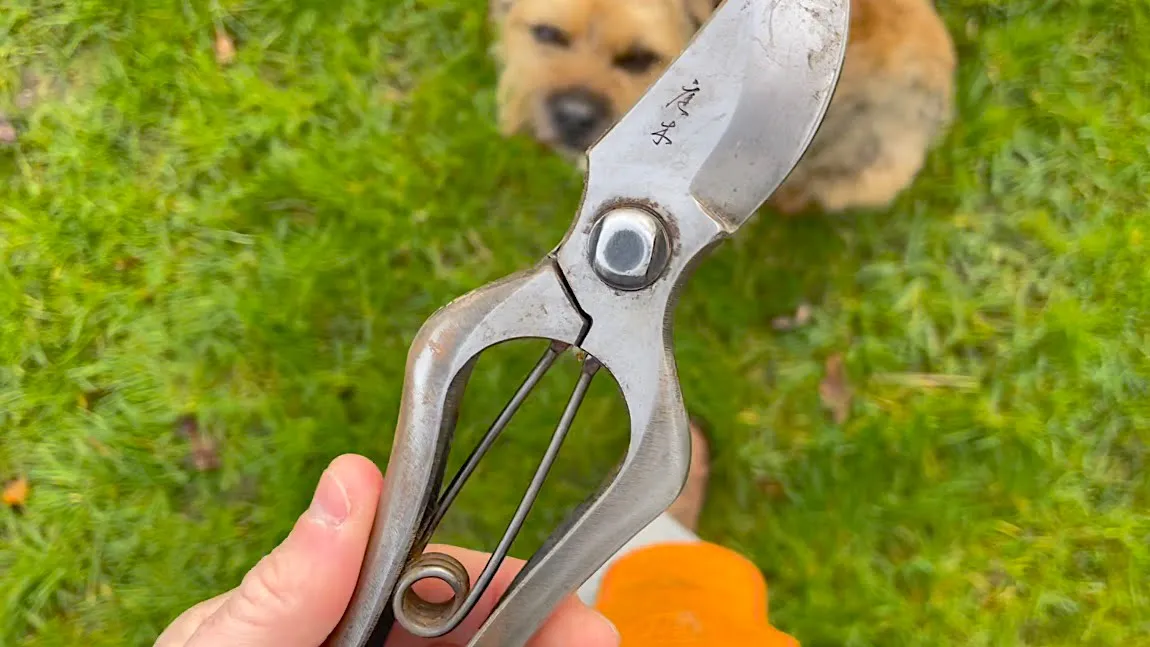
The correct approach for evergreen ceanothus is a light, annual trim immediately after flowering (typically in early summer), which removes the spent flower spikes and tidies the overall shape while staying within the current season’s green growth. Always use super-sharp, clean secateurs, such as the Felco 2 secateurs, which stay sharp longer and give a much cleaner cut than a bargain pair. My secateurs guide here will help you if you’re new to pruning or snips.
You should be able to see leaves and green shoots on everything you are trimming, never cutting back further than where there is clearly live, leafy growth behind your cut.
Deciduous ceanothus varieties, such as Gloire de Versailles and Autumnal Blue, respond much better to pruning and can be cut back more substantially in early spring before growth begins, which is a helpful distinction to keep in mind when choosing varieties for a garden that needs controlled plants rather than naturally spreading ones.
If you have recently pruned an evergreen ceanothus hard back into old wood and it is now failing to produce new growth, there is unfortunately a real possibility that the pruning itself has triggered or accelerated decline. The bark scratch test will tell you what is still alive; if green tissue is still present, you can try feeding with a balanced granular fertiliser and giving the plant time, but recovery from hard pruning is uncertain.
I promised to be honest with you, and this is where honesty matters most. If your ceanothus is more than 10 years old and has started to show widespread dieback, particularly if it was previously healthy and well-sited, the most likely explanation is that it has simply reached the end of its natural lifespan.
Ceanothus is not an oak tree. It is not a wisteria that will still be flowering a century from now with the right care. It is more analogous to a lavender or a cistus in the sense that it has a finite life that is relatively short by the standards of garden shrubs, and the older it gets, the more prone to disease, dieback, and general deterioration it becomes, regardless of how well you look after it.
This is not a reflection of anything you have done wrong, Ninja. It is simply the nature of the plant.
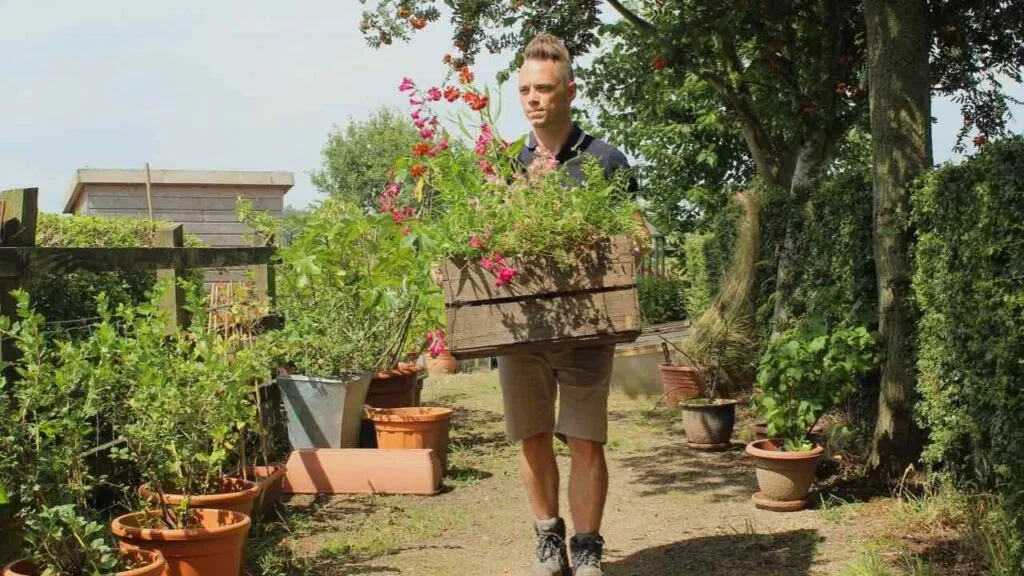
There is one particularly interesting phenomenon worth knowing about here. Occasionally, a ceanothus that is in serious decline will produce an unusually abundant flowering display, almost as if the plant is making a final effort to set seed and perpetuate itself before dying. It sounds sentimental to describe it that way, but it is a genuine biological response. If your long-established ceanothus flowered spectacularly last spring and has since gone into steep decline, that extraordinary flowering display may actually have been a sign of stress rather than health. I have seen this several times in gardens I have worked in, and it catches people off guard because they assume a plant that flowered so well cannot be about to die.
Honey fungus (Armillaria) is a topic that understandably causes alarm when it comes up, because it is properly one of the most serious plant diseases in the UK garden, difficult to eradicate and capable of spreading through the soil to affect other plants. The good news is that ceanothus is not particularly susceptible to honey fungus compared to many other garden plants. The less good news is that it can occasionally be the cause of a ceanothus that appears to die suddenly or unexpectedly despite appearing healthy.
The symptoms to look for are a general wilting and dieback of the whole plant that seems disproportionate to any visible above-ground cause, combined with the characteristic signs of honey fungus: honey-coloured toadstools appearing at the base of the plant in autumn, flat black shoestring-like rhizomorphs visible in the soil around the roots, and a white, fan-shaped fungal growth between the bark and wood just above soil level with a distinctive mushroomy smell.
If you identify honey fungus, the correct course of action is to remove and destroy the entire plant, roots and all as far as is practical, and not to compost the material. Do not replant with another susceptible species in the same spot without first removing as much of the infected root material as possible. There is no chemical control for honey fungus available to amateur gardeners in the UK.
Ceanothus is a properly tough plant when it comes to pests, and the RHS, BBC Gardeners’ World, and every other authority I trust all agree that it rarely suffers from anything beyond honey fungus and one other culprit: scale insects. It’s worth knowing what these look like, because they are easily mistaken for dirt or a natural mark on the bark rather than a living pest.
Scale insects show up as small, brown, waxy bumps clustered on the underside of leaves and along stems, where they sit still and suck sap from the plant. A sticky residue on the leaves or on the ground beneath the shrub, sometimes with a black sooty mould growing on it, is often the first sign a gardener notices, before they ever spot the insects themselves.
The good news is that a mature, otherwise healthy ceanothus can generally tolerate a light infestation without any real harm, and natural predators such as ladybirds and garden birds usually keep the population in check on their own. Encouraging these predators into your garden is often all the intervention a light case needs.
Where an infestation is heavier, or you have a young or already stressed plant that cannot spare the sap loss, treat with a product such as BugClear Ultra following the label instructions, or wipe the scale off by hand with a soft cloth for a small, accessible plant. Scale insects on their own are rarely the reason a ceanothus dies. They are far more often a secondary issue on a plant that is already under stress from the causes covered above, so if you find scale, it is worth checking the growing conditions too rather than treating the pest in isolation.
Based on everything above, here is how I would approach the decision about whether to persist with a struggling ceanothus or accept that it is time to move on. I use this same thought process when I encounter struggling shrubs in my garden design work.
| 🌿 Ceanothus: Save It or Replace It? | ||
|---|---|---|
| Situation | Verdict | Action |
| Frost or wind damage but green tissue in scratch test, plant under 5 years old | Worth saving | Cut back to healthy wood, improve shelter, wait |
| Root damage from wet soil; some green tissue remaining; drainage can be improved | Try to save | Improve drainage, reduce watering, wait: recovery not guaranteed |
| Plant over 10 years old, widespread dieback, all branches showing brown in the scratch test | Replace | Remove and replace with improved planting conditions |
| Pruned hard into old wood, showing dieback | Uncertain | Wait to see if any new growth emerges, but prepare to replace |
| Signs of honey fungus confirmed | Remove immediately | Remove entire plant and roots, do not compost |
| On heavy clay with no drainage improvement, repeated decline | Replace with something better suited | Ceanothus not suited to your conditions: choose an alternative |
If your scratch test has revealed that there is still viable green growth in the plant and the cause is something correctable, primarily frost or wind damage rather than root rot or old age, here is the recovery process I would follow.
Wait until all risk of further frost has passed before doing anything significant. For most of the UK, this means holding back until at least mid to late April, and in the north or at altitude, May is safer. I know it is tempting to start cutting back and tidying up as soon as you can bear to look at the plant, but pruning a stressed ceanothus in cold weather is another stress on top of the one it is already managing.
Once the risk of frost has passed, perform a thorough scratch test across the whole plant to determine exactly how far back the dead wood extends. Then cut back cleanly to where you can see live green tissue beneath the bark, making your cuts at a slight angle with clean, sharp secateurs or a pair of loppers for thicker stems. Do not leave long stubs of dead wood above the cut, as these provide entry points for further disease.
After cutting back, apply a balanced granular fertiliser such as blood, fish, and bone at the recommended rate around the base of the plant, working it lightly into the soil surface rather than into the root zone. Give the plant a thorough but not excessive watering if conditions are dry, then leave it alone. New growth from a recovering ceanothus can be slow to appear, and it requires patience. Do not assume the plant is still dying simply because nothing visible is happening in the first few weeks after cutting back.
If the plant is in a container and the soil has been waterlogged, refresh the compost entirely rather than trying to dry out and reuse the existing material. Use a mix of quality, peat-free compost with around one third horticultural grit by volume, ensure excellent drainage at the base of the pot, and consider top-dressing the surface with grit to reduce moisture retention around the stem and crown.
If you have decided the time has come to replace your plant, or if you are reading this before your first purchase and want to get the variety choice right, this section is for you. Not all ceanothus are equally well-suited to UK conditions, and choosing the right variety from the start will dramatically reduce the risk of a disappointing experience.
For the most reliable performance in UK gardens, the varieties I most often specify in my design work are as follows. Ceanothus ‘Concha’ is one of the finest evergreen spring-flowering types available, producing dense clusters of deep blue flowers in late spring. It is reasonably hardy for an evergreen ceanothus and benefits from a sheltered, sunny wall. Ceanothus ‘Puget Blue’ is similarly reliable, with rich blue flowers and a naturally compact, dense habit. For something slightly different, Ceanothus ‘Dark Star’ produces exceptionally deep, almost indigo blue flower clusters and has a gracefully spreading habit that is beautiful against a warm stone wall.
For colder gardens or more exposed conditions, the deciduous varieties are almost always the more sensible choice. Ceanothus ‘Gloire de Versailles’ is the classic, with powder blue flowers from midsummer well into autumn, reliable even in northerly gardens, and capable of being pruned back reasonably hard in spring, which gives you much more control over its size and shape than you have with most evergreen types. Ceanothus ‘Henri Desfosse’ is another excellent deciduous option with deeper blue flowers than Gloire de Versailles.
Whatever variety you choose, the single most important factor in long-term success is the position. A warm, south or west-facing wall with good drainage at its base will keep a ceanothus happier than the best variety in an exposed or shaded position. If you do not have a suitable wall, consider whether ceanothus is truly the right plant for your garden rather than persisting with a shrub that your conditions will never truly suit.
One of the things I am always honest with clients about in my garden design work is that the right plant for the right place will always outperform an unsuitable plant that you love. If your garden is truly too cold, too wet, too exposed, or too shaded for ceanothus, some outstanding alternatives can, in some cases, deliver more spectacular results without the same vulnerability to our British climate.
For a similar intense blue flower colour, Ceratostigma willmottianum (Chinese plumbago) is a revelatory shrub that flowers from late summer into autumn, tolerates a wider range of soils, and is hardier than most ceanothus. It dies back to the ground in cold winters but returns reliably and enthusiastically each spring.

For wall coverage with long seasonal interest, Buddleja ‘Blue Chip’ or the more compact newer buddleja varieties offer long-season flowers, extraordinary wildlife value, and a tolerance of difficult conditions that ceanothus cannot match. If it is evergreen structure you are after, rather than the flow, or colour specifically, Pittosporum tenuifolium varieties provide excellent year-round interest in a sheltered position with a professionalism of habit that works beautifully in contemporary garden designs.
Why has my ceanothus died suddenly? Sudden apparent death in an otherwise healthy ceanothus is almost always caused by root system failure, either waterlogging, root rot, or honey fungus. What appears sudden has typically been developing invisibly beneath the soil surface for months. The bark scratch test will confirm whether any life remains.
Can I cut back dead ceanothus and will it regrow? This depends entirely on where the dead wood ends. If your scratch test reveals live, green tissue lower down the stems, cutting back to that point gives the plant a chance to regenerate. If all the branches are dead to the base, recovery is extremely unlikely for most evergreen varieties. Deciduous varieties are somewhat more capable of regenerating from low down.
Why is my ceanothus turning brown after the winter? A combination of frost damage and wind desiccation most commonly causes winter browning. Check the stems with the scratch test. If there is green tissue behind the browning, wait until late April and cut back to the healthy wood. The plant will likely regenerate well.
Why are my ceanothus leaves turning yellow rather than brown? Yellowing is a different signal to browning and is usually less urgent. A small amount of yellowing and leaf drop is simply part of the plant’s natural cycle and nothing to worry about. Persistent yellowing across the whole shrub is more often a sign of nutrient deficiency on thin or chalky soil than of the root or frost problems that cause browning, so a balanced feed in spring is usually the right first step rather than reaching for the secateurs.
How long should a ceanothus live? In ideal conditions, a sheltered, sunny, free-draining position in a mild UK climate, between ten and fifteen years. In a cold, exposed, or clay-heavy garden, you may get considerably less. A ceanothus that gives you eight to ten years of good performance before declining has done its job well.
Should I feed my ceanothus to help it recover? A light application of a balanced fertiliser such as blood, fish and bone in spring can support a recovering plant, but do not over-feed. Ceanothus is not a hungry plant, and excessive nitrogen, in particular, can cause lush, soft growth that is more vulnerable to frost damage.
Can I move a ceanothus to a better position? Established ceanothus does not transplant well. The root system is relatively sensitive, and the stress of transplanting a shrub that is already struggling is more likely to finish it off than save it. If the current position is truly unsuitable, it is usually better to remove the plant and start again in a better spot with a new plant.

Join over 100,000 gardeners on YouTube
Free gardening videos from the Garden Ninja, with 8 million views and counting.
Subscribe on YouTube, it’s freeReady to elevate your gardening beyond basic tasks? My comprehensive online courses provide the expertise to transform you from enthusiastic beginner to confident garden creator.
With courses starting from just £29, you gain access to award-winning design knowledge.
For the garden you’ve already got, not the one you’re starting from scratch. Seven checklists and video lessons from BBC Garden Rescue’s Lee Burkhill, designed to help you decide what’s worth keeping before you spend a penny.
Garden Design Examples for Small Gardens: 30 Design Templates & Planting Plans: In this online gardening course, I’ll walk you through 30 fantastic garden designs, explaining the logic behind the layout and plant choices, plus take-home tips for applying them in your own garden.
Learn how to transform and design your garden with Lee Burkhill’s crash course in garden design. In over 5 hours, Lee will teach you how to design your dream garden. Featuring practical design examples, planting ideas and video guides. Learn how to design your garden in one weekend!
Garden Design for Beginners Online Course: Want to become a garden designer or design your own garden? This beginner course is for you. Join me, Lee Burkhill, an award-winning garden designer, as I train you in the art of beautiful garden design. Enjoy 20 hours of online study and video lessons, along with quizzes and a completion certificate.
🌿 More Plant Care & Diagnostic Guides
Struggling with a different plant, or want to make sure yours never gets to this stage? These are my other complete UK care and rescue guides.
If you’ve got specific questions about your ceanothus or have run into problems, you’re not alone! The Garden Ninja community forum is full of fellow Ninjas who’ve been there and got the t-shirt. Here are some of the most popular ceanothus discussions from the forum that you might find useful.
Ceanothus best time to prune and how to do it? One of the most common questions I get asked about ceanothus is when and how to prune them safely. This forum thread covers what to do when a branch needs removing and why timing your pruning after flowering is so important for keeping your shrub happy and healthy.
How and when to prune ceanothus shrubs A detailed forum discussion covering the golden rules of ceanothus pruning, including why you should never cut back into old wood and how flowering time dictates exactly when you should get your secateurs out.
Ceanothus shrub is brown and losing leaves. Is it a lost cause? Frost damage and waterlogged roots are the two most common reasons a ceanothus starts to look sorry for itself. This thread walks through how to assess whether your shrub can be saved and what steps to take to give it the best chance of recovery.
Ceanothus Victoria tree: spider mite and leaves turning brown Spider mites can be a real nuisance on ceanothus, and this thread covers what to look for, why those fine cobweb like webs are such a telltale sign, and how to manage an infestation organically before it gets out of hand.
Over the course of my career designing gardens for clients across the UK and appearing on BBC Garden Rescue, I have developed a deep affection for ceanothus despite its quirks and limitations. There is nothing quite like the spectacle of a large, well-grown evergreen ceanothus in full blue flower against a warm stone wall in late May. It is one of those moments in the British garden that justifies every minute of effort.
In fact, there is one down the road from me here near Liverpool thats always covered in flowers and bees each year, and it’s about 30 years old. So there is always an exception to the rule!
I have also helped many gardeners come to terms with losing a ceanothus they loved, and I want to be clear: if your plant has died or is clearly dying beyond the point of rescue, that is not a verdict on your ability as a gardener. Ceanothus is properly challenging in many UK conditions. It is sold in garden centres with an optimism that does not always reflect the reality of what it requires. And even when you do everything right, its natural lifespan means you will eventually need to replace it regardless.
If you have questions about your specific ceanothus situation that this guide hasn’t covered, head over to the Garden Ninja forum, where I answer gardening questions regularly. Sometimes a photo says more than a thousand words of description, and seeing your plant is often the quickest way to a definitive diagnosis.
Happy Growing, Ninjas!


Lee Burkhill, known as the Garden Ninja, is an award-winning garden designer and horticulturist with over 30 years of gardening experience and 15 years as a professional garden designer. A qualified RHS (Royal Horticultural Society) professional, Lee specialises in sustainable garden design and practical horticultural advice. He designs and presents on BBC1’s Garden Rescue and in leading gardening publications. Lee combines three decades of hands-on gardening knowledge with professional design qualifications to help gardeners create beautiful, functional outdoor spaces.
View all posts by Lee Burkhill









JOIN THE NINJAS
Be the first in line for new Guides, Discount codes and Offers