For the garden you’ve already got, not the one you’re starting from scratch. Seven checklists and video lessons from BBC Garden Rescue’s Lee Burkhill, designed to help you decide what’s worth keeping before you spend a penny.
69


Quick Answer
Choose raised beds if your soil is heavy clay, compacted or poor, or if you want less bending and earlier spring growth. Choose in-ground growing if your soil is already good, your budget is tight or you grow deep-rooted crops such as sweetcorn and fruit trees. Many gardens use both.
The short answer is that neither approach is universally better. What suits your garden depends on your soil, budget, mobility, the plants you want to grow, and frankly, how much effort you’re willing to put in upfront. Let me explain why you would choose a raised bed or growing directly in the ground so that you can make an educated choice, Ninjas!
| Choose raised beds if… | Choose in-ground growing if… |
|---|---|
| Your soil is heavy clay, compacted or poor. You want better drainage. You have back or knee problems. You need to grow acid-loving plants in alkaline soil. You want quicker results with less initial digging. | Your soil is already good. You have a large plot to fill. Budget is tight. You’re growing deep-rooted plants like sweetcorn or large fruit trees. You’re happy to spend time improving soil over the long term. |
Jump To
If you decide raised beds suit your plot and would rather not build one, my best raised beds to buy guide compares the kits I would consider, including the Conka Garden wooden raised bed kits.
In-ground growing is exactly what it sounds like: you dig over the existing soil in your garden, improve it if needed, and plant directly into it. It’s the traditional allotment approach and how most kitchen gardens have worked for centuries. Your plants’ roots as deep as they like into the earth below, accessing a vast reservoir of water and nutrients. It’s less resource-intensive on your part if you have good soil.
Raised bed growing means you build a frame above the existing ground level and fill it with your own chosen growing medium. The plants sit in that controlled environment rather than whatever your garden naturally provides. Think of it as creating a tailor-made home for your plants rather than asking them to adapt to what’s already there. But you need to spend more time on the soil, compost and irrigation to begin with.
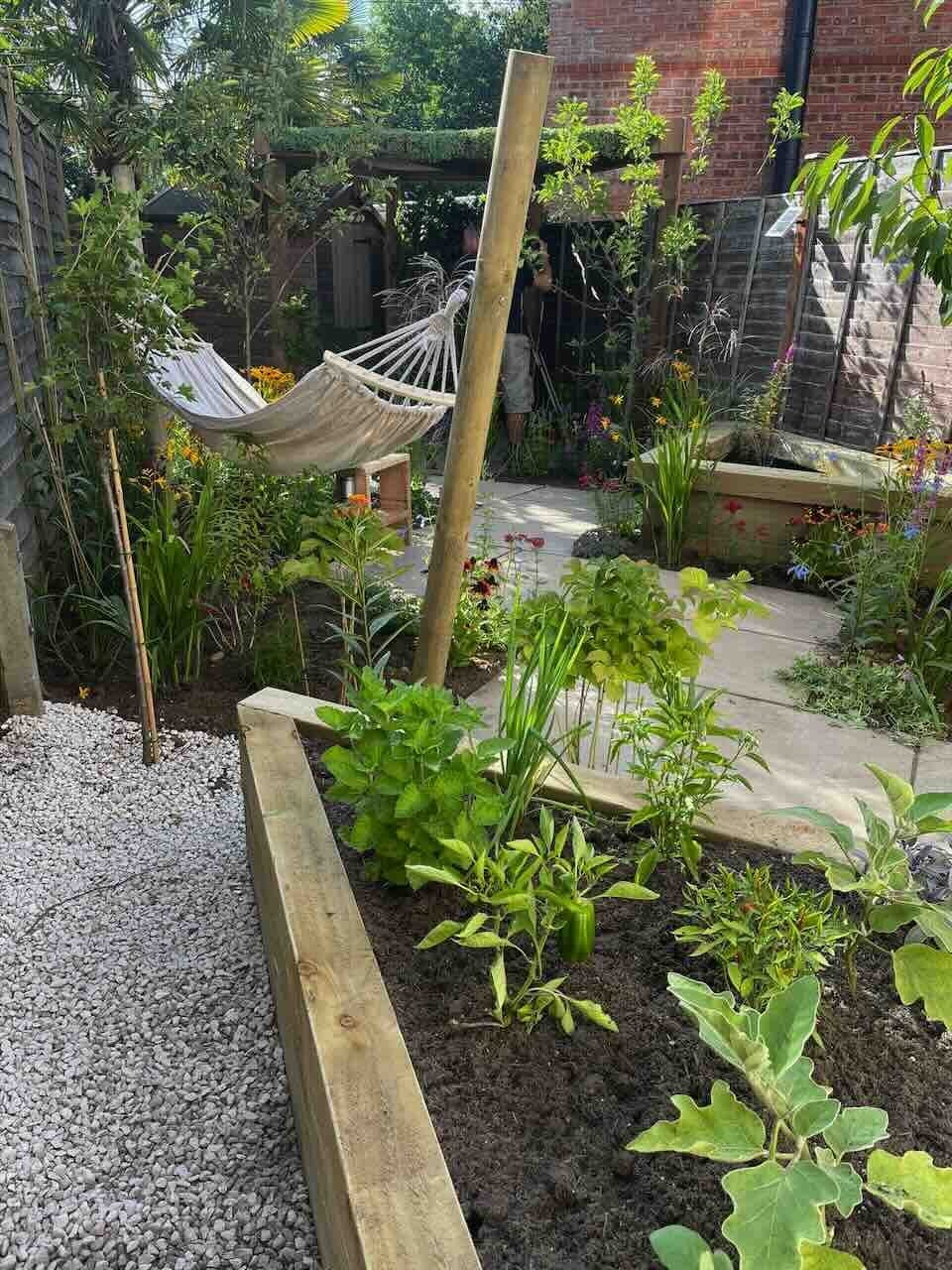
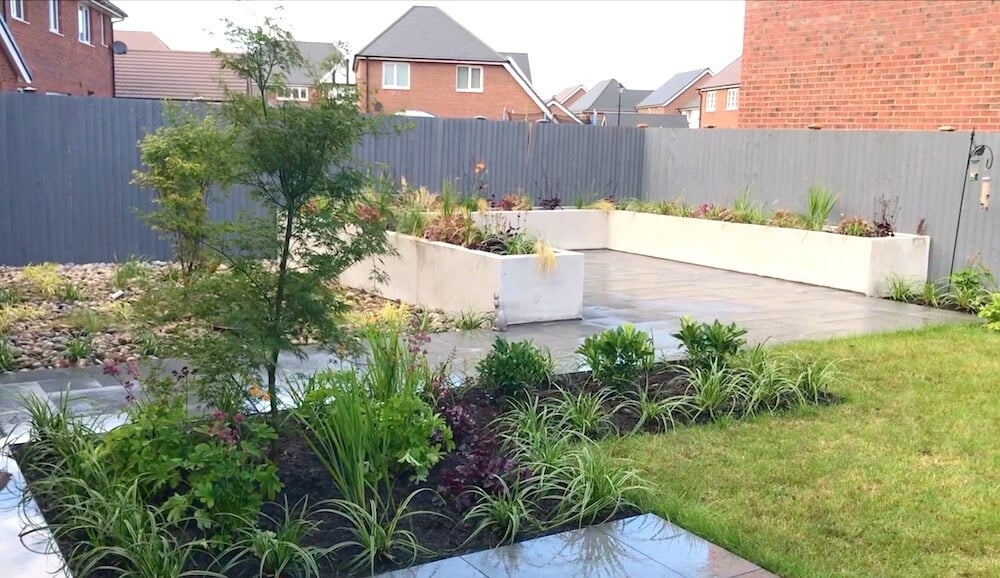
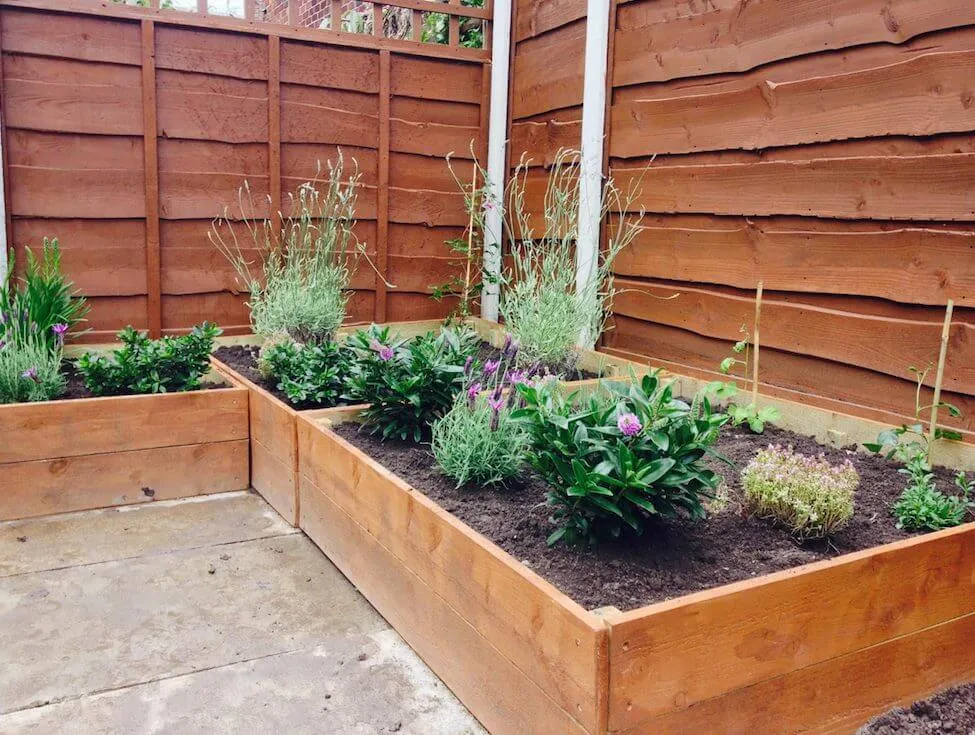
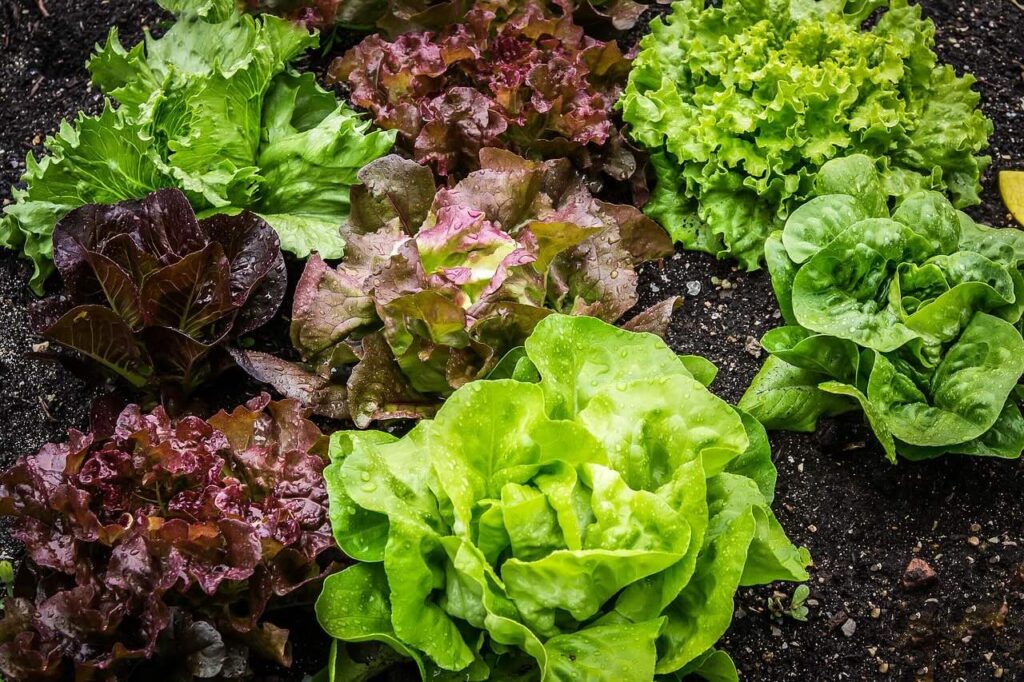
Both methods can produce good results, and the picture above shows a mix of both in one garden. The question is which fits your situation best.
You control the soil completely. This is the biggest advantage, and it’s most useful if you’re gardening on heavy clay, thin chalky soil, or compacted ground from builders. Rather than spending years trying to improve what you’ve got, you fill the bed with the soil type you need right from the start.
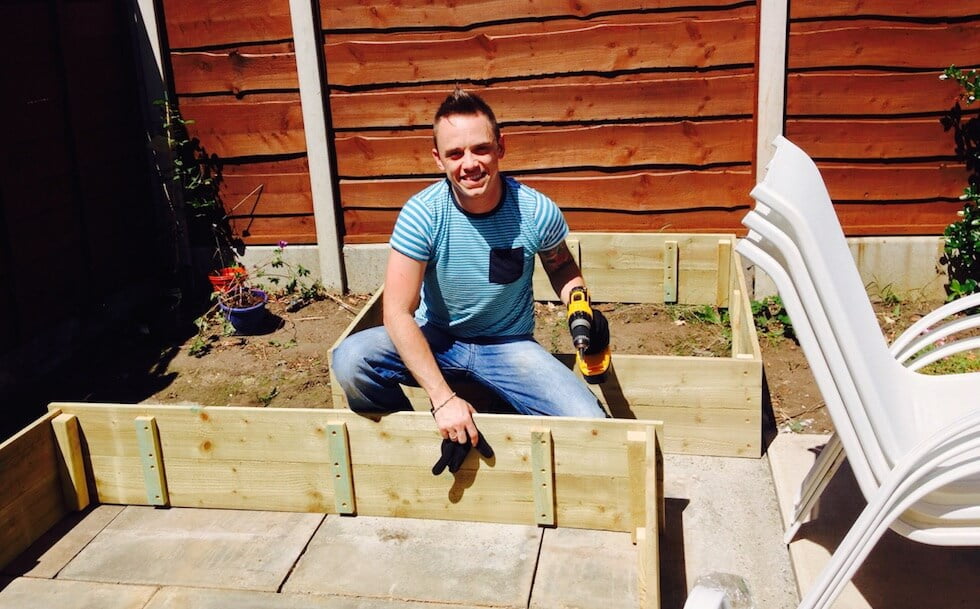
For growing veg, that usually means a good quality loam mixed with well-rotted organic matter. Bob’s your uncle. You can even fit them on top of broken paving flags, as shown in the example below!
Drainage is better. Raised beds drain freely because the soil is elevated above the surrounding ground. This matters enormously for crops like carrots, root vegetables, and anything that hates sitting in waterlogged soil over winter. If your garden sits in a natural dip or has impermeable clay underneath, in-ground growing can leave your plants effectively drowning. Raised beds sidestep this problem entirely.
They warm up faster in spring. Raised bed soil is exposed on more sides than in-ground soil, which means it warms up earlier. In the UK, this can give you a head start of two to four weeks on the growing season, which is significant when you’re trying to get early crops of salad, radishes or spinach before the summer glut begins.
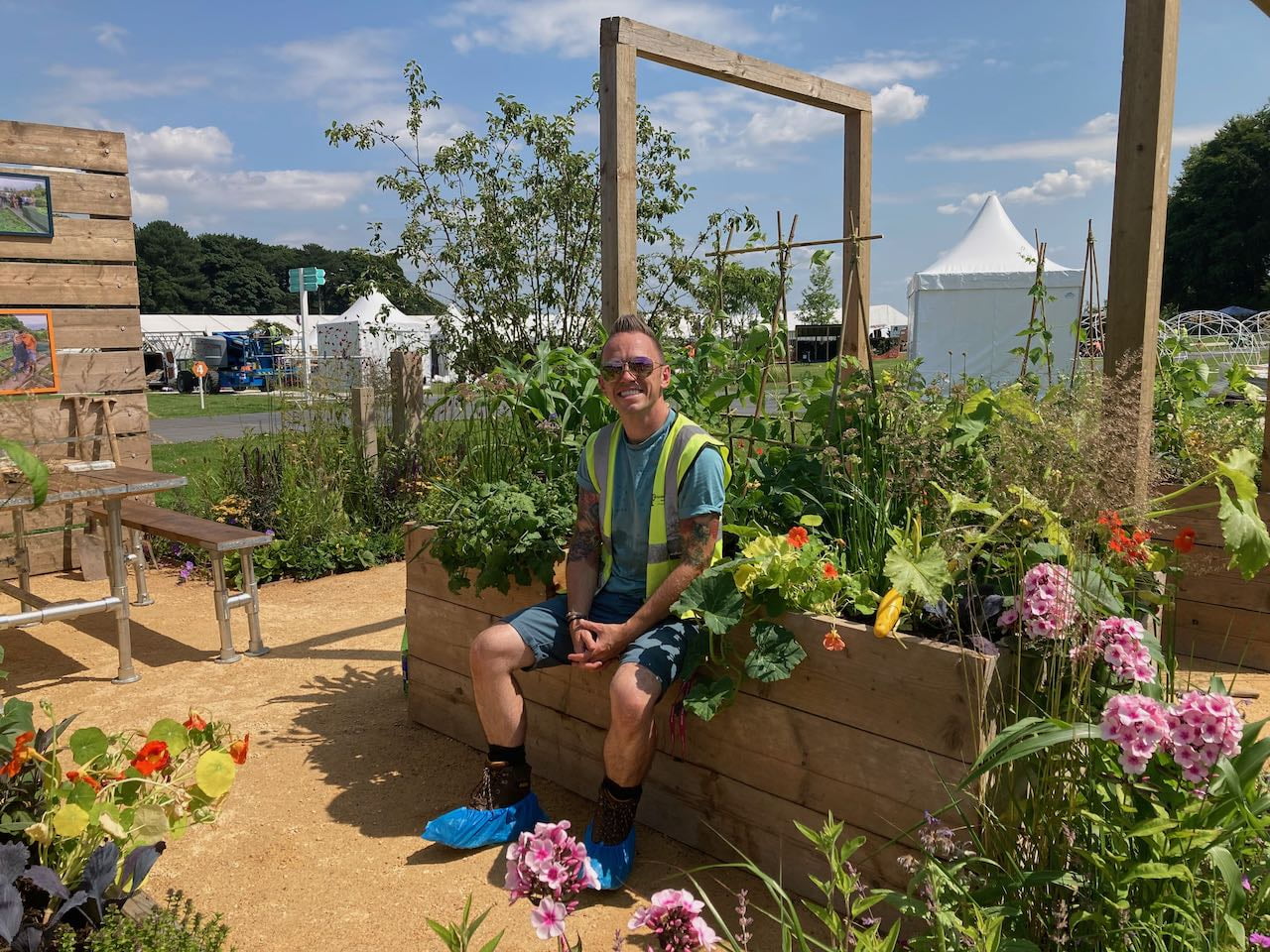
Far kinder on your back and knees. A raised bed at 40cm to 60cm high means you’re gardening at a much more comfortable level. For anyone with mobility issues, older gardeners, or people who’ve learned the hard way what kneeling on cold, wet soil does to your joints, this is not a minor consideration. It transforms gardening from an ordeal into something you look forward to.
Less soil compaction. Because you’re never walking on the growing surface, the soil stays light and aerated. In-ground beds can suffer from compaction every time you step on them, particularly in clay soil, where footprints can create a hardpan that roots struggle to push through.
Weeding is reduced. Starting with fresh weed-free growing medium means you’re not fighting the existing seed bank in your soil. Weeds will still arrive via wind and birds, but you’ll be managing far fewer of them than in a well-established in-ground bed.
Upfront cost. This is the big one. A decent raised bed, the timber or materials to build it, and the soil to fill it can easily cost £150 to £300 for a standard 8ft x 4ft bed. If you’re covering a large growing area, costs multiply quickly. In-ground growing requires only time, a fork, and perhaps a bag or two of compost. You can bring that down a lot by building the bed yourself and filling the bottom with free material, which I cover step by step in my raised bed build guide.
They dry out faster. The same drainage that helps in wet conditions works against you in a dry summer. Raised beds can lose moisture rapidly, meaning you’ll need to water more frequently than in-ground growing, where roots can chase moisture deeper into the earth. A good mulch on top helps considerably, but it’s still a real consideration.
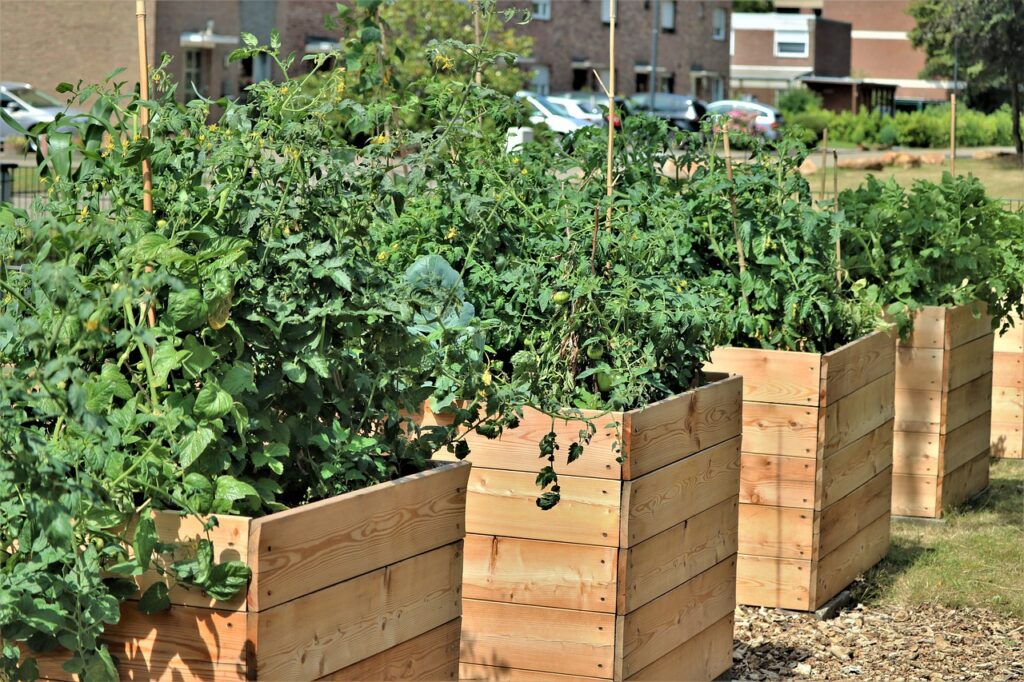
Limited root depth for some plants. If you build shallow raised beds of 20cm or less, deep-rooted crops like parsnips, beetroot, and larger brassicas may struggle. You need at least 30cm of growing depth for most vegetables, and ideally 40cm or more.
Timber needs replacing eventually. Wooden raised beds will rot over time. Pressure-treated timber can last 15 to 20 years, but cheaper untreated pine might only manage 5 to 6, so budget for this from the outset.
Lower cost. If your soil is reasonable, in-ground growing is almost free. Hire a rotavator for the weekend, add some well-rotted manure or compost, and you’re away. Over a large plot, the cost savings versus raised beds are substantial.
Virtually unlimited rooting depth. Plants can push their roots as deep as needed to find water and nutrients. This matters most for large plants like globe artichokes, perennial herbs, fruit trees, and sprawling squash or pumpkin plants, which perform better with the freedom to root deeply and widely.
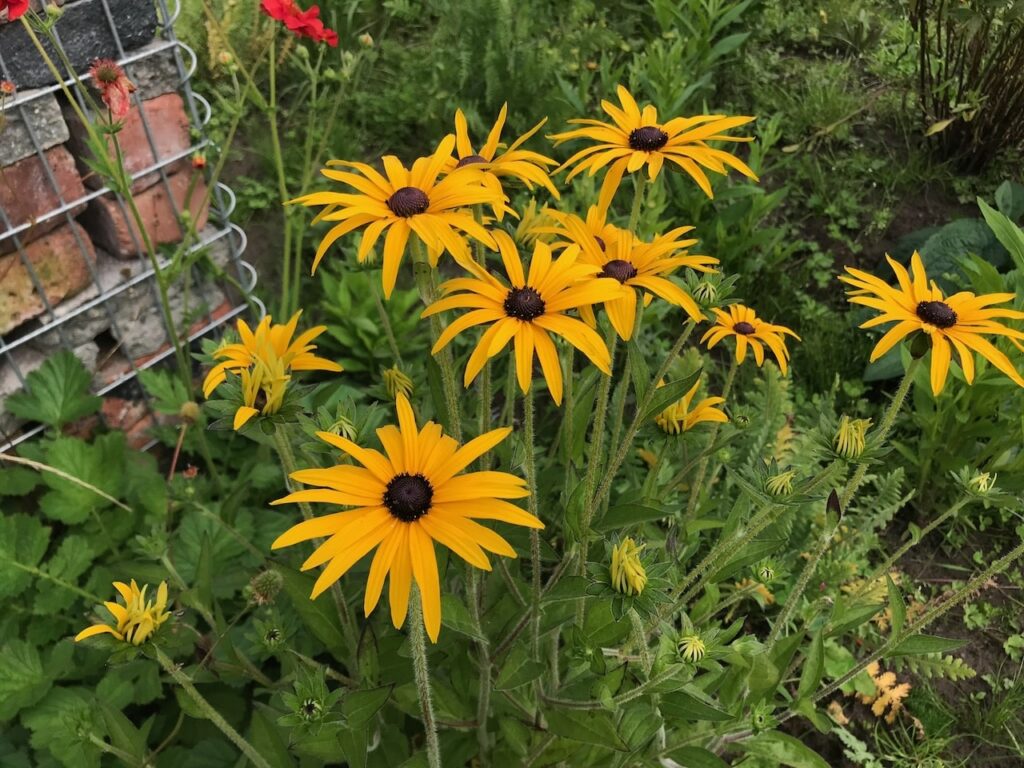
Better moisture retention in dry summers. In-ground soil retains moisture more reliably than raised beds because it’s in thermal contact with the earth below. In a hot, dry spell, deep roots can chase moisture down beyond the reach of surface drying.
More natural ecosystem. In-ground growing connects your plants to the wider soil ecosystem: earthworms travelling up from depth, beneficial fungi networks, and microbial communities that have established over the years. Raised beds can develop similar life over time, but in-ground soil has a head start.
Poor soil is your enemy. If your garden has heavy clay, compacted subsoil, rocky ground, or soil that’s been chemically contaminated (common in some older urban plots), in-ground growing is hard work. You can improve it over several years, but that requires patience and effort that raised beds bypass.
Weeds are a constant battle. Established weed seed banks in garden soil mean you’ll be fighting persistent weeds like couch grass, bindweed, and ground elder for years. Even with regular weeding and mulching, in-ground beds in weedy gardens demand far more time.
Drainage problems can be bombproof obstacles. If your garden has impermeable clay or sits in a hollow, waterlogging will kill or stress your crops regardless of how much organic matter you add. You can install drainage, but that’s an expensive and disruptive job.
Soil compaction is an ongoing issue. In-ground beds require careful management to avoid soil compaction from walking on them. You need permanent paths between beds and the discipline to never step on the growing surface, which is easier said than done when you’re harvesting.
Here’s a side-by-side breakdown to help you decide at a glance:
| Factor | Raised Beds | In-Ground Growing |
|---|---|---|
| Upfront cost | £150 to £300 per bed | Low (labour + compost) |
| Soil quality control | Complete control | Limited to existing soil |
| Drainage | Free draining | Depends on native soil |
| Weed pressure | Low initially | High (established seed bank) |
| Back-friendly | Yes (if 40cm+ high) | No |
| Moisture retention | Can dry out quickly | Better in dry spells |
| Rooting depth | Limited to bed depth | Unlimited |
| Warm-up speed (spring) | Faster | Slower |
| Soil compaction risk | None (no walking on bed) | Risk if not managed |
| Best for | Clay/poor soils, small spaces, veg | Large plots, good soil, fruit trees |
Not all plants care equally which method you use, but some have strong preferences. Here’s a rough guide based on my experience.
Salad crops, radishes, spring onions, herbs, strawberries, blueberries (in ericaceous mix), alpine plants, and most annual vegetables all do well in raised beds. Carrots and parsnips do well too, provided your bed is at least 40cm deep. These plants benefit from the light, well-drained, warm soil that a good raised bed provides.
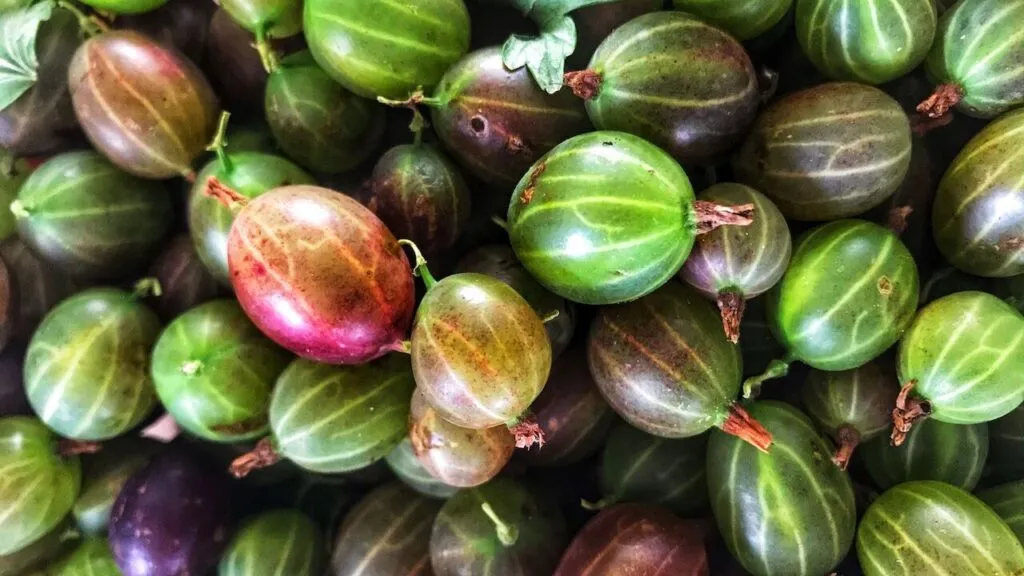
Large brassicas like Brussels sprouts, cauliflower, and purple sprouting broccoli prefer the stability of in-ground soil. Sweetcorn needs space and depth. Perennial fruit like raspberries, blackcurrants, gooseberries, and most fruit trees benefit from the unrestricted root run that in-ground growing provides. These plants will tolerate raised beds but tend to be more productive when given the run of the ground.
Courgettes, beans, peas, tomatoes (given support), beetroot, garlic, onions, leeks, and most herbs will perform well in either setting with appropriate soil preparation. If you’ve got good in-ground soil and a warm, sheltered spot, there’s no pressing reason to go for raised beds for these.
Worth mentioning because it sits interestingly between the two approaches. No-dig gardening is a method in which you apply thick layers of compost directly to the existing ground surface without turning or disturbing the soil. Over time, the compost feeds the soil ecosystem and improves structure from the top down.
It’s cheaper than raised beds and less labour-intensive than traditional digging, but it requires patience because the improvements are gradual. If your soil is very poor or waterlogged, no-dig alone won’t solve the problem as quickly as raised beds. However, used alongside raised beds, it’s a way to improve the areas between and around your beds over time.
Let’s be specific about costs because this is where most guides get vague. These are approximate 2025 UK prices for a comparable growing area of roughly 7 square metres.
| Item | Raised Bed (2 x 8ft x 4ft) | In-Ground (7m² plot) |
|---|---|---|
| Materials / timber | £80 to £150 | £0 |
| Topsoil / compost fill | £60 to £120 | £20 to £40 (bag compost) |
| Tools (if needed) | £20 to £40 | £20 to £40 |
| Annual maintenance soil top-up | £20 to £30 | £15 to £25 |
| Total Year 1 | £180 to £340 | £40 to £105 |
| Total Year 3 (amortised) | £100 to £160/yr | £35 to £65/yr |
Ninja Tip: If budget is tight, start with one raised bed in the spot with the worst soil or poorest drainage, and grow everything else in-ground. You can always expand once you’ve seen the difference for yourself.
After fifteen years designing gardens and growing my own, here’s the truth: I use both, and I recommend most gardeners do the same. Raised beds for the intensive kitchen garden area, where you want the absolute best growing conditions and minimum weeding. In-ground growing for larger plants like fruit bushes, perennial herbs, and any climbers or sprawling crops that benefit from an unrestricted root run.
If you’re starting from scratch on a new build with compacted, rubble-filled soil, raised beds are pretty much essential. You cannot grow decent vegetables in the ground most builders leave behind without years of improvement work.
If you’ve inherited a decent allotment or an older garden with established, well-worked soil, in-ground growing can produce equally good results for a fraction of the cost. Don’t build raised beds just because they look good on Instagram. Build them because your situation calls for them.
And if you’re not sure which category your soil falls into, take a fork and dig a hole. If the first 30cm is dark, crumbly, and full of worms, in-ground growing will suit you well. If you hit solid clay, rubble, or waterlogged ground within the first spade’s depth, raised beds are going to transform your growing.
Yes, and most productive kitchen gardens use exactly this combination. Use raised beds for intensive cropping of salads, herbs and root veg, and in-ground beds for larger permanent plants like fruit bushes and brassicas.
A minimum of 30cm suits most vegetables, and 40cm or more is better for deep-rooted crops such as Parsnips and Carrots. My raised bed build guide covers heights, sizes and how to fill a deep bed cheaply.
Generally, yes, because you control the soil from day one, weeds are fewer, and the results in the first season are often more rewarding. That early confidence is worth a lot when you’re learning.
Ready to elevate your gardening beyond basic tasks? My comprehensive online courses provide the expertise to transform you from enthusiastic beginner to confident garden creator.
With courses starting from just £29, you gain access to award-winning design knowledge.
For the garden you’ve already got, not the one you’re starting from scratch. Seven checklists and video lessons from BBC Garden Rescue’s Lee Burkhill, designed to help you decide what’s worth keeping before you spend a penny.
Garden Design Examples for Small Gardens: 30 Design Templates & Planting Plans: In this online gardening course, I’ll walk you through 30 fantastic garden designs, explaining the logic behind the layout and plant choices, plus take-home tips for applying them in your own garden.
Learn how to transform and design your garden with Lee Burkhill’s crash course in garden design. In over 5 hours, Lee will teach you how to design your dream garden. Featuring practical design examples, planting ideas and video guides. Learn how to design your garden in one weekend!
Garden Design for Beginners Online Course: Want to become a garden designer or design your own garden? This beginner course is for you. Join me, Lee Burkhill, an award-winning garden designer, as I train you in the art of beautiful garden design. Enjoy 20 hours of online study and video lessons, along with quizzes and a completion certificate.
Raised beds suit poor, compacted or waterlogged soil, paved areas and anyone who wants less bending, at a cost of £150 to £300 per bed. In-ground growing costs less, gives roots unlimited depth and suits good soil and large plots. If you are unsure, start with one or two raised beds and keep the rest of the plot in the ground.
If you’ve decided raised beds are the route for you, check out my complete guide to building raised beds, where I cover materials, sizing, build steps, and soil calculators in detail. If you’re going in-ground, my guide to improving garden soil organically will set you up properly before you plant a thing.
And if you want proper hand-holding through the whole process of designing and planning your growing space, my Garden Design for Beginners course covers exactly this kind of decision-making alongside everything else you need to create a garden you’re proud of.
Happy Gardening!


Lee Burkhill, known as the Garden Ninja, is an award-winning garden designer and horticulturist with over 30 years of gardening experience and 15 years as a professional garden designer. A qualified RHS (Royal Horticultural Society) professional, Lee specialises in sustainable garden design and practical horticultural advice. He designs and presents on BBC1’s Garden Rescue and in leading gardening publications. Lee combines three decades of hands-on gardening knowledge with professional design qualifications to help gardeners create beautiful, functional outdoor spaces.
View all posts by Lee Burkhill





JOIN THE NINJAS
Be the first in line for new Guides, Discount codes and Offers