For the garden you’ve already got, not the one you’re starting from scratch. Seven checklists and video lessons from BBC Garden Rescue’s Lee Burkhill, built to help you work out what’s worth keeping before you spend a penny.
69


Quick Answer
The best raised beds for most UK gardeners are galvanised steel (longest lifespan at 20 to 30 years), pressure-treated timber kits (10 to 15 years, most affordable), or composite WPC beds (15 to 20 years, minimal maintenance). For vegetables, aim for at least 30cm depth; for root crops, 40cm minimum. Fill with a 60/30/10 blend of topsoil, peat-free compost, and horticultural sharp sand.
Raised beds are quite simply the game-changer for modern gardening, especially in smaller gardens or where the soil is poor. Whether you’re struggling with rocky or sticky soil, want easier access to your plants, or simply fancy a more organised approach to growing your own, raised beds offer the perfect solution for easier garden growing and fuss-free soil. After helping countless gardeners transform their outdoor spaces on BBC1’s Garden Rescue, I can tell you that raised beds are one of the best investments you can make in your gardening journey.
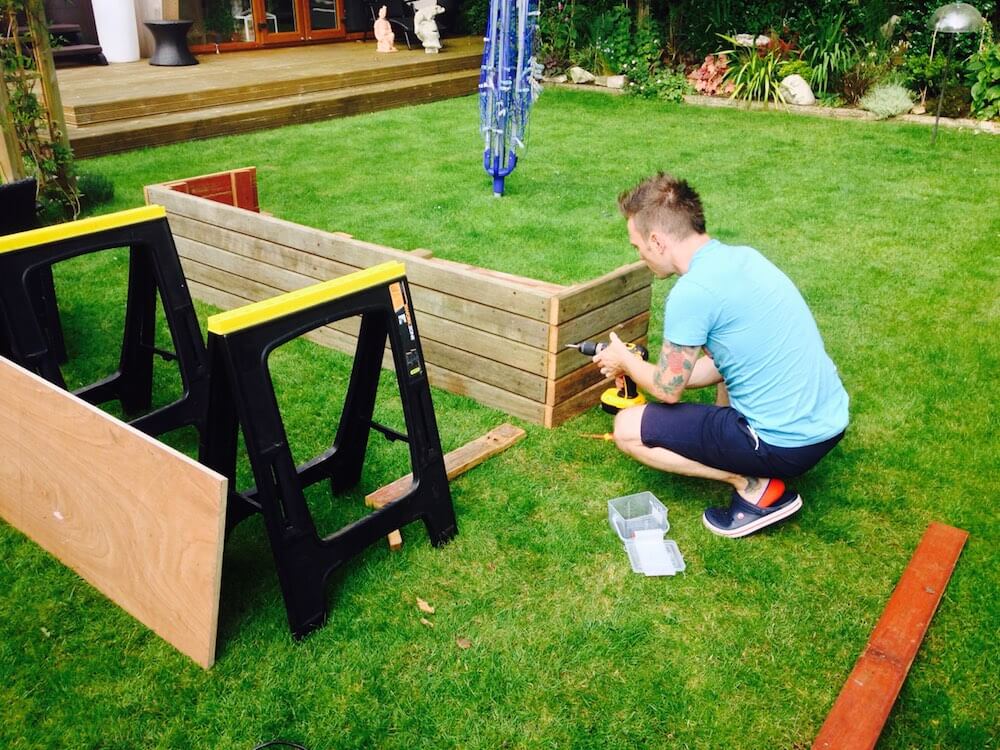
This comprehensive guide will walk you through the best raised bed kits you can buy and build at home, covering everything from budget-friendly options to premium solutions that’ll last for decades. I’ll share which materials work best, where to find the top-rated options on Amazon, and most importantly, how to choose the perfect raised bed for your garden’s needs.
Jump To
Before we dive into the best products available, let me quickly remind you why raised beds are such brilliant additions to any garden. Having designed gardens for over a decade, I’ve seen firsthand how raised beds can transform even the most challenging spaces.
Better soil control means you’re not stuck with whatever Mother Nature has given you. Heavy clay that turns to concrete in summer? Poor sandy soil that drains like a sieve? With raised beds, you choose the perfect growing medium for your plants. This control over soil quality is especially valuable when growing vegetables that need specific conditions.
Improved drainage prevents the dreaded waterlogged roots that can kill even the hardiest plants. The elevated design naturally drains excess water whilst retaining just enough moisture for healthy growth. This is particularly brilliant in areas prone to heavy rainfall or where you’re dealing with compacted soil.
Easier access means less backache and strain when tending your plants. At a comfortable working height, you can plant, weed, and harvest without constantly bending over. This accessibility makes gardening more enjoyable for people of all ages and abilities.
An extended growing season comes from the soil warming up more quickly in spring, giving you a head start on the growing season. Raised-bed soil warms 2 to 3 weeks faster than ground-level soil, which makes a real difference in the UK. The improved drainage also means you can work the soil earlier when ground-level beds might still be too wet.
Better pest control is achieved because raised beds create a physical barrier that makes it harder for ground-dwelling pests to reach your plants. The vertical sides are also much easier to line with copper tape against slugs, and at 60cm height they can deter carrot fly, which struggles to fly above that level. You can also easily add protective barriers like netting or cloches when needed.
The material you choose for your raised bed will affect everything from longevity to appearance to cost. Let me break down the main options, having tested most of these in my own garden design projects. The most important thing to understand upfront is the cost-per-year calculation: a cheaper bed replaced twice is more expensive than a quality one that lasts decades.
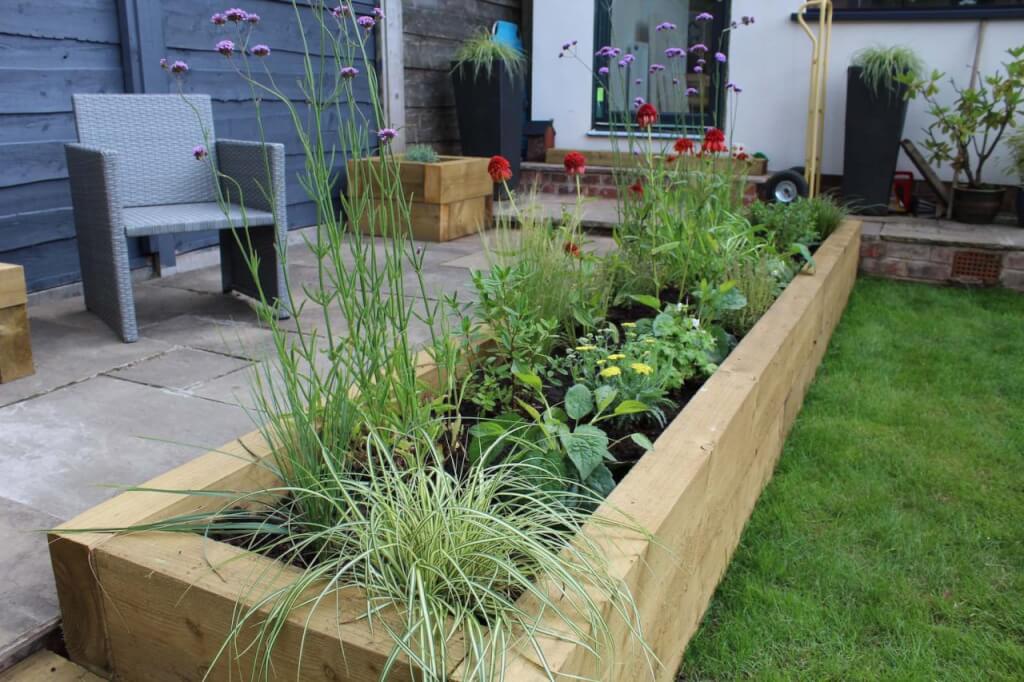
Wood remains the most popular choice for raised beds, and for good reason. It’s natural, relatively affordable, and blends beautifully with most garden styles. However, not all wood is created equal. Pressure-treated FSC softwood is the budget-friendly choice at 10 to 15 years. Cedar is naturally rot-resistant and lasts 15 to 20 years with proper care. Oak is incredibly durable and lasts 25 to 30 years with no treatment at all, but comes at a premium price.
Galvanised steel raised beds have surged in popularity, and I can see why. They offer a clean, contemporary look whilst being incredibly durable. No more painting, staining or splinters either! I adore the corrugated powder-coated metal raised beds as you can choose a colour to match your garden design. One consideration worth noting is that metal conducts heat, so in extreme summer conditions the soil near the edges can warm slightly more than in a timber bed, though this is rarely a significant problem in the UK climate.
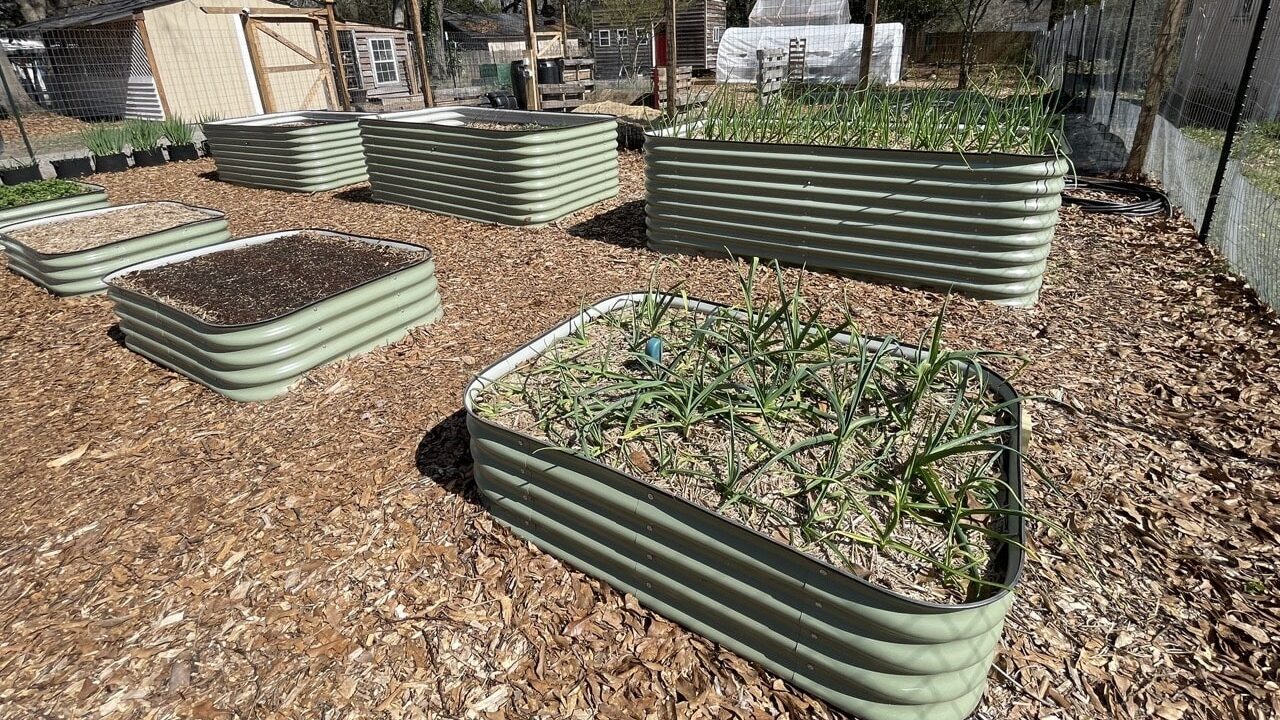
Composite materials made from recycled plastics and wood fibres offer a modern alternative, whilst basic plastic options provide budget-friendly solutions. Composite materials are incredibly durable, and recycled models are the best option as they give single-use plastic a second life. There’s virtually no maintenance required with these beds, but they can sometimes appear a bit artificial compared to timber.
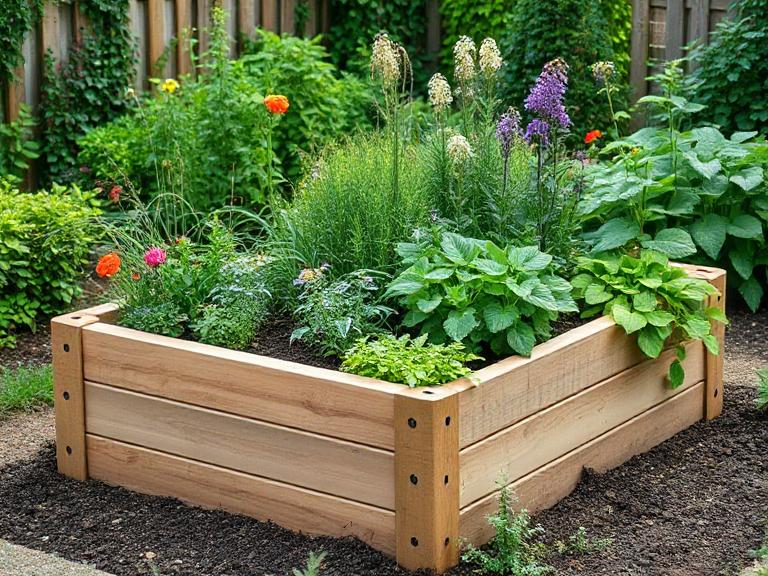
Let’s start with the classics. These wooden options offer excellent value and will look fantastic in most gardens.
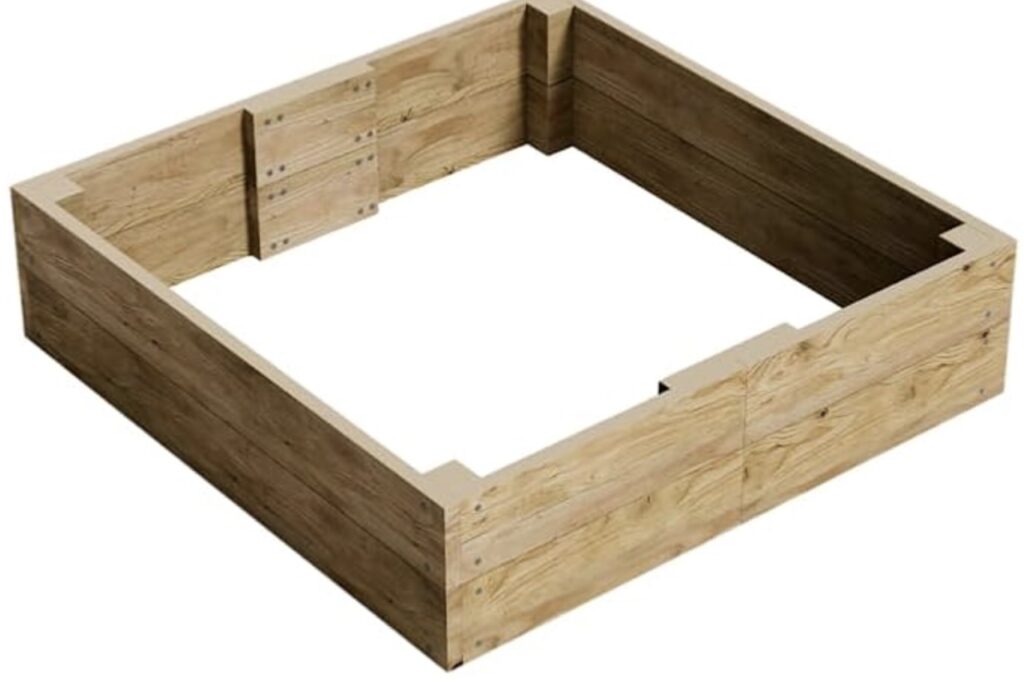
Conka Garden’s raised bed kits are made from FSC treated timber and come in various sizes with heights ranging from 15cm to 75cm. They’re well-made and substantial, offering good value for money, though assembly experiences can vary. The smaller timber sizes make building them easy if you’re on your own or are not the strongest of gardeners!
🛒 Buy Conka Garden Raised Bed Kit on Amazon UK
Key Features:
Best for: Gardeners wanting a traditional wooden look with good longevity at a reasonable price point.
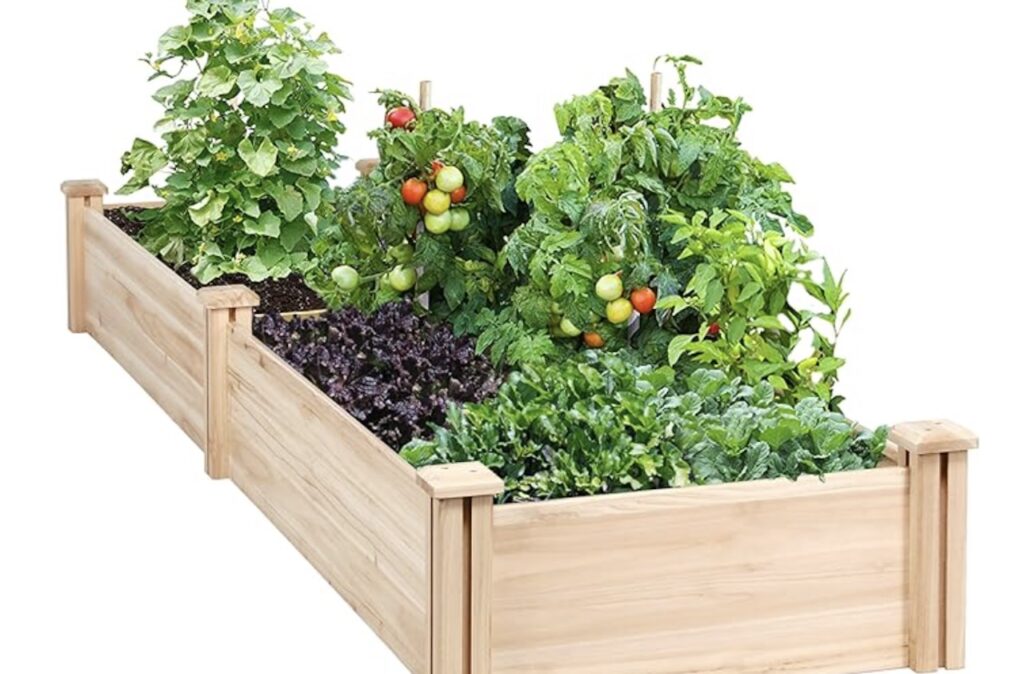
This popular option on Amazon offers good value for money, thanks to its fir wood construction and practical size. I really like the final finishing touches on these beds, which elevate them from a wooden box to something quite beautiful.
🛒 Buy Yaheetech Raised Beds on Amazon UK
Key Features:
Best for: Budget-conscious gardeners who want a decent-sized wooden raised bed without breaking the bank.
Metal raised beds have really come into their own, offering durability and contemporary style. Here are my top picks.
Harbour Housewares raised beds are forged from galvanised steel, providing an economical alternative to wood that won’t rot, warp, or suffer from insect infestation. They’re available in multiple colours, including silver, anthracite, green, and ivory.
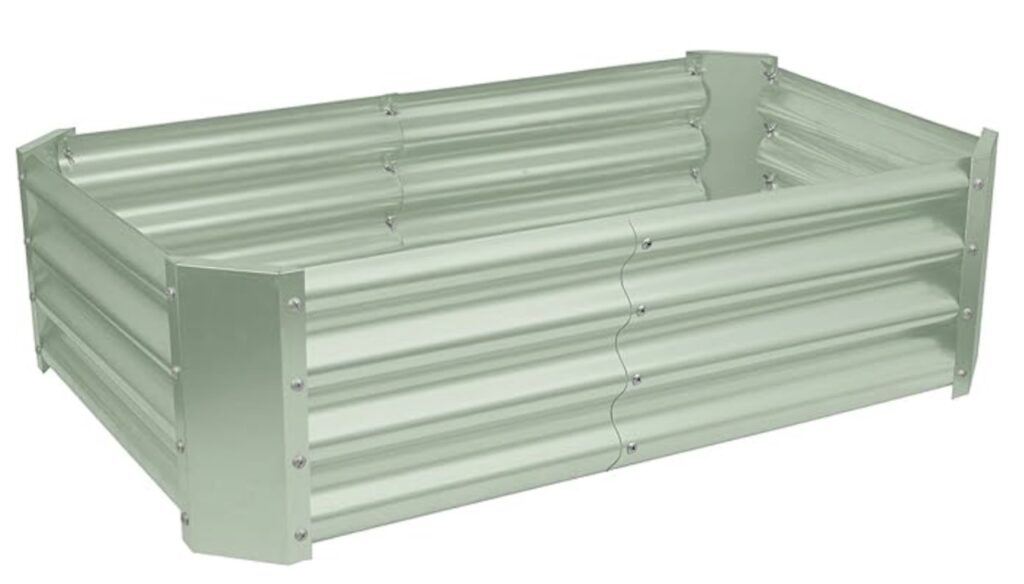
🛒 Buy Harbour Housewares Raised Beds on Amazon UK
Popular sizes:
Key Features:
Best for: Gardeners wanting a contemporary look with excellent durability at a reasonable price.
DKIEI raised beds are made from powder-coated steel with reinforcement rods. They offer good value for money and are considered sturdy once assembled, though some customers note the nuts and bolts are quite small.
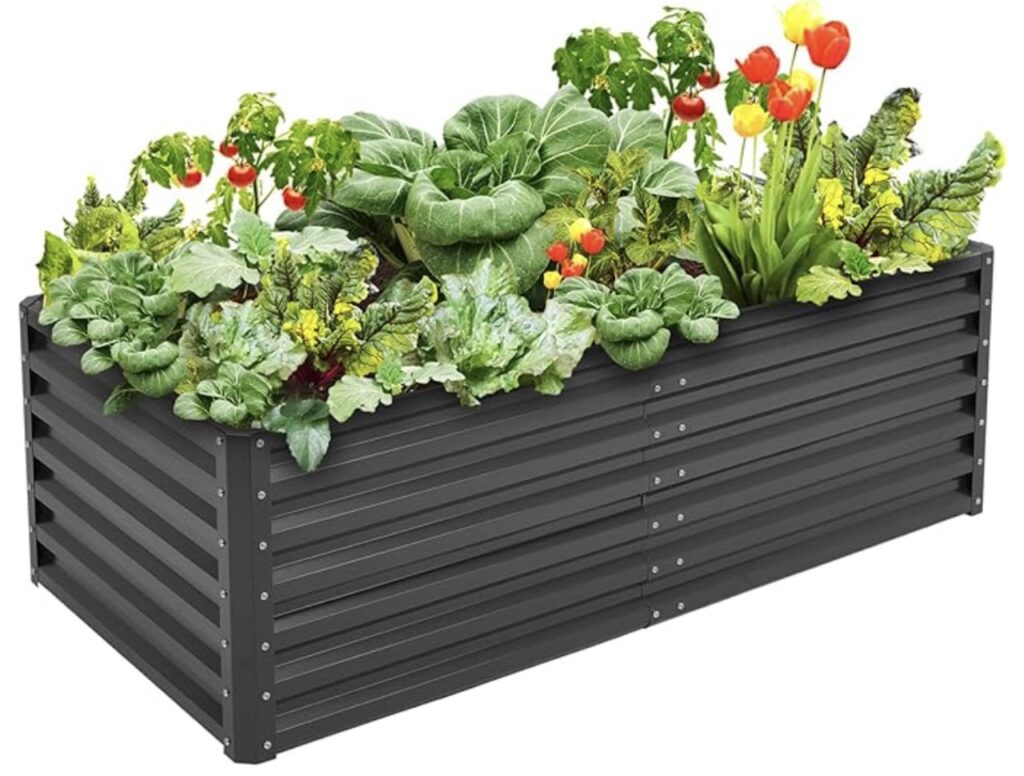
🛒 Buy DKIEI Raised Beds on Amazon UK
Popular options:
Best for: Budget-conscious gardeners who want metal durability without the premium price tag.
Outsunny offers a comprehensive range of galvanised steel raised beds with powder-coated finishes for outdoor use. They feature extra-deep sides and open bottoms for quick drainage. I love the fact these are much taller than most raised bed options and can add a real statement look to your garden.
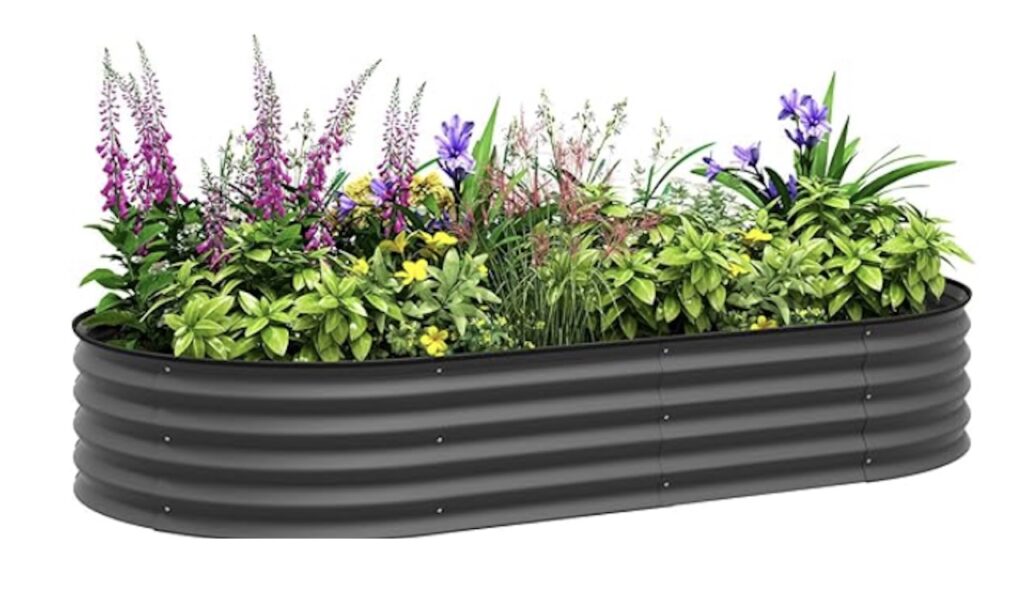
🛒 Buy Outsunny Raised Beds on Amazon UK
Best for: Gardeners wanting reliable quality with plenty of size options to choose from.
Composite raised beds offer the perfect middle ground between natural aesthetics and modern durability. Made from wood-plastic composite (WPC), these beds combine recycled wood fibres with plastic to create a material that resembles natural wood but performs like high-quality plastic.
The vidaXL range represents some of the most reliable composite raised beds available on Amazon UK. Made from weather-resistant wood plastic composite, these beds offer the natural appearance of wood with superior durability and minimal maintenance requirements. I’ve used their products for years now, and they never disappoint with their build quality or finish.
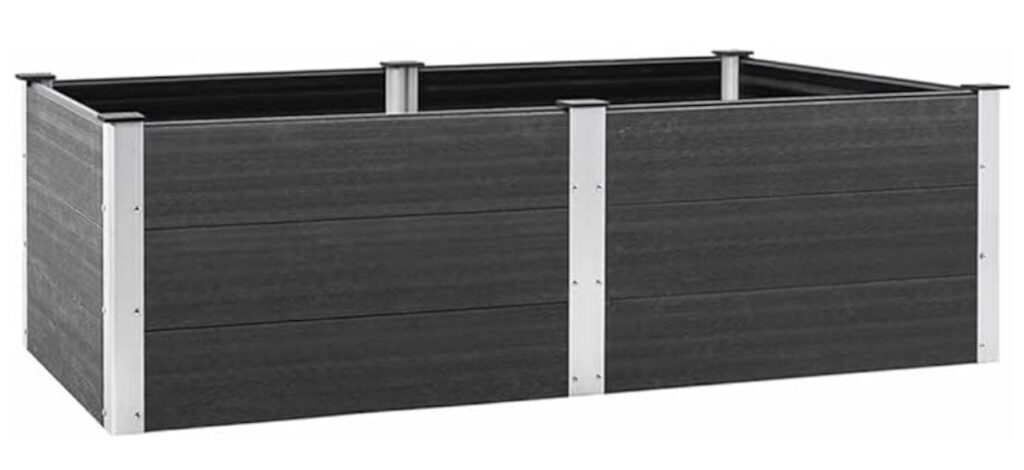
🛒 Buy VidaXL WPC Raised Beds on Amazon UK
Popular sizes:
Key Features:
Best for: Gardeners wanting the natural aesthetic of wood combined with the durability of modern materials, without ongoing maintenance costs.
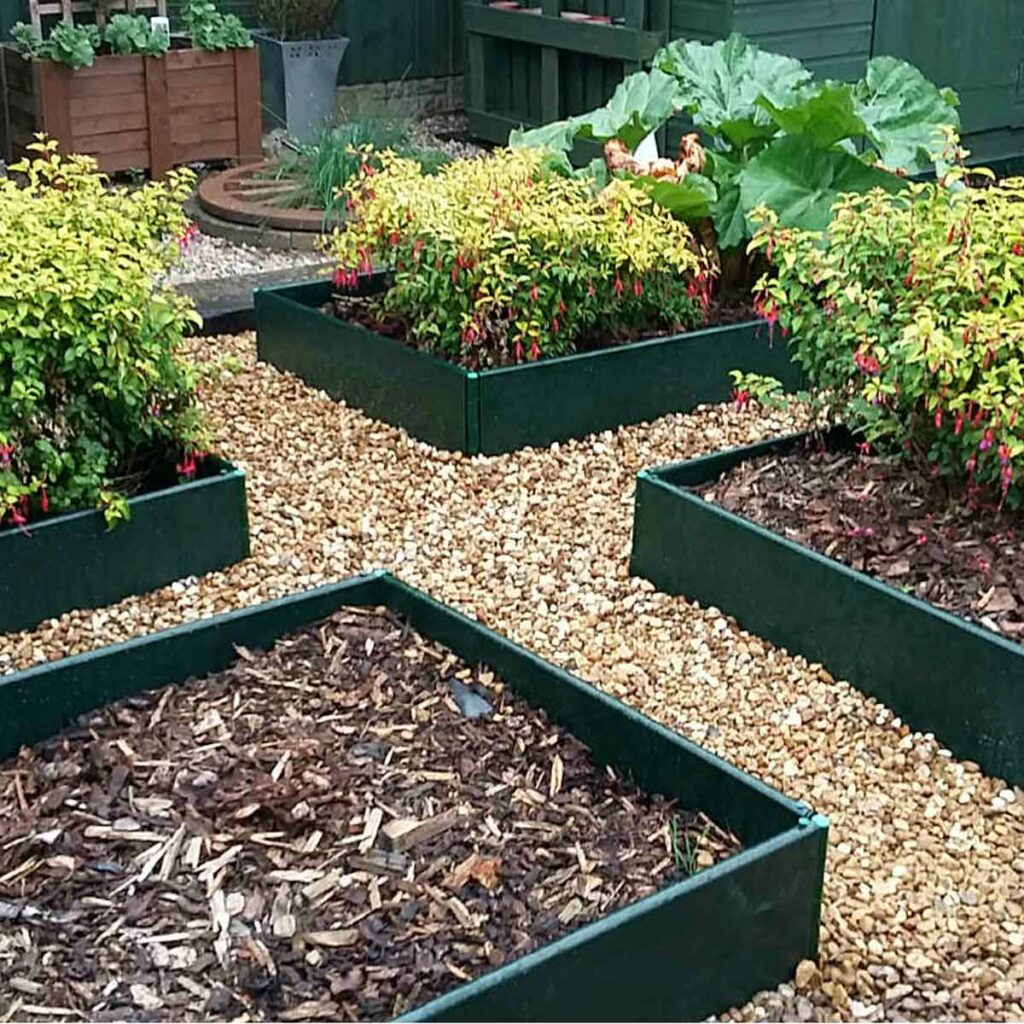
The GardenSkill system features unique curved-edge planks for extra stability and a modular design that can be extended upwards and outwards. Assembly takes just minutes with no tools needed.
🛒 Buy GardenSkill Modular Raised Bed on Amazon UK
Best for: Gardeners who want maximum flexibility and easy installation with no tools required.
This is often the most important and most overlooked decision when buying a raised bed. Filling it with the wrong material will undermine all the benefits that raised beds offer. Never simply use garden soil on its own: it is often too heavy, may contain weed seeds or pathogens, and will compact over time. Here is my tried and tested approach after many years of kitchen garden design.
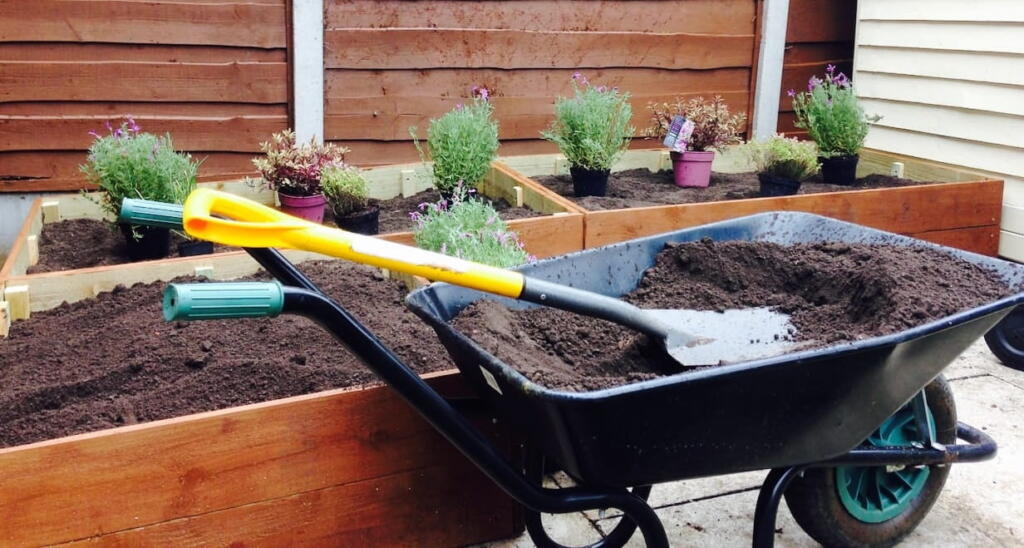
The BBC Gardeners’ World soil mix recommendation for most plants is a 7:2:3 ratio of topsoil, organic matter, and sharp sand. For beds deeper than 50cm, a layer of rubble or stones at the very base can improve drainage before your growing mix goes in. Always leave a 5 to 7cm gap at the top of the bed to prevent soil washing over the sides in heavy rain, and bear in mind that soil will settle by around 10 to 15% after the first few waterings.
🛒 Buy peat-free compost for raised beds on Amazon UK
🛒 Buy horticultural sharp sand on Amazon UK
💡 Top Tip
Top dress your raised beds each spring with a 5cm layer of peat-free compost or well-rotted manure. Do not dig it in. Simply spread it on the surface and let worms and rain incorporate it naturally. This keeps your soil biology healthy and maintains fertility without disturbing root systems.
Getting the dimensions right before you buy saves a lot of frustration. Here are the key principles I use when designing kitchen garden layouts for clients.
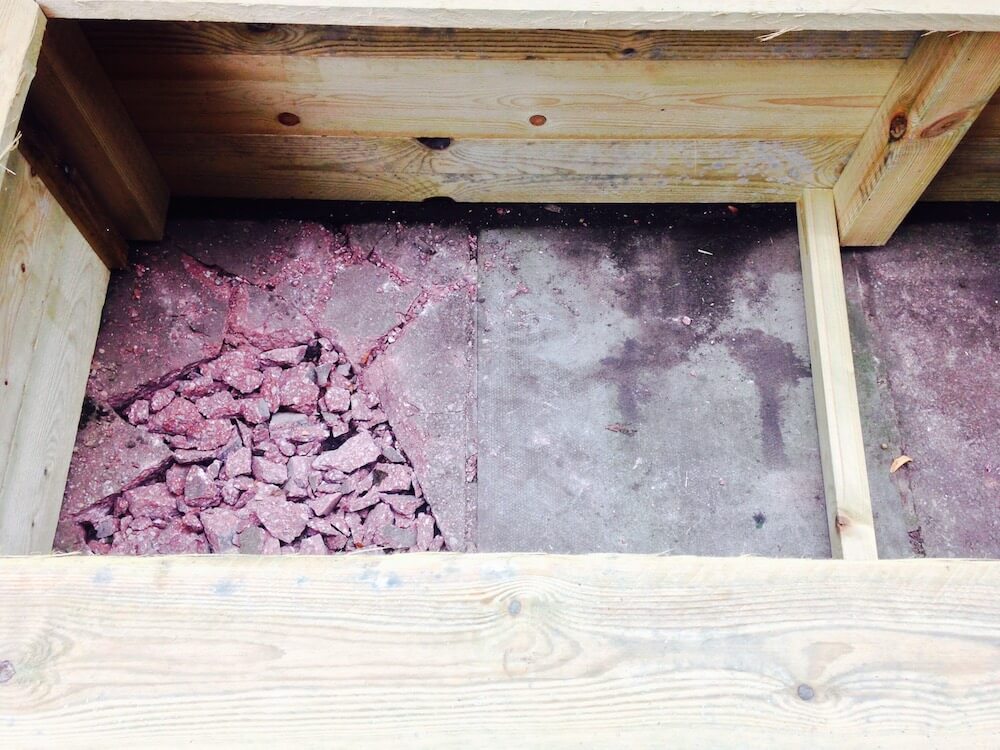
Beds against a wall or fence should be no more than 60cm wide, as you can only access from one side. Choose a spot with at least 6 hours of direct sunlight per day for vegetable growing. If you are building on tarmac or paving, break through one or two flags inside the bed footprint before filling, to create drainage channels and prevent water pooling at the base.
With so many options available, here is my tried-and-tested approach from years of garden design.
A contemporary metal bed might look fantastic in a modern garden but seem out of place in a traditional cottage garden. Similarly, rustic wooden beds work beautifully in informal settings but might not suit a minimalist design. Match the material and finish to your garden’s overall aesthetic. If you have existing timber features like decking or fencing, wooden raised beds will naturally complement them. For modern gardens with metal features, galvanised steel beds provide the perfect contemporary touch.
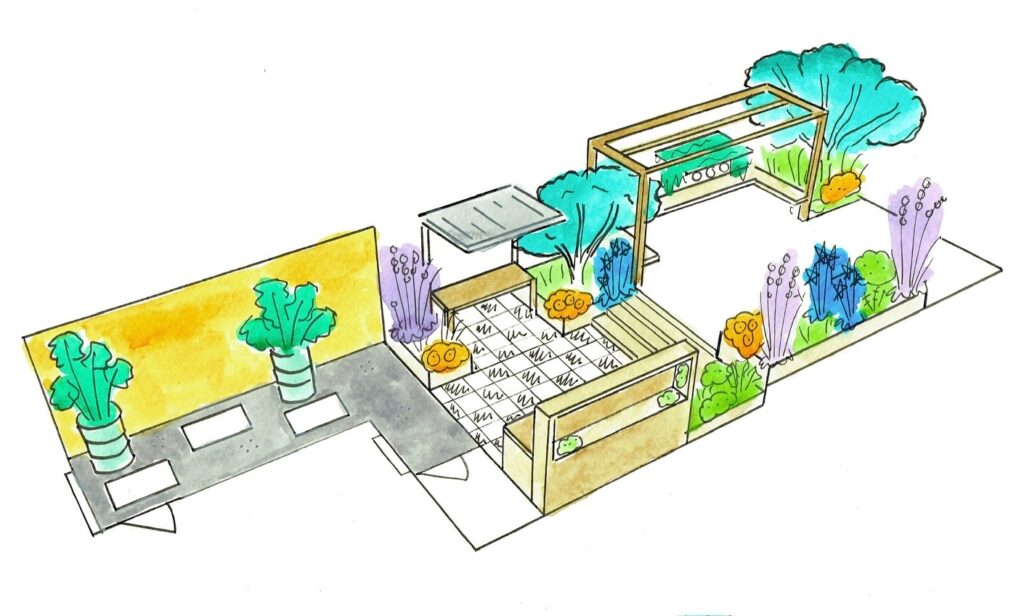
Think in decades, not days. A cheap timber bed replaced twice over 20 years costs more than a quality galvanised steel or composite bed that outlasts both. A pressure-treated softwood bed at around £80 may need replacing in 10 to 12 years. That same bed bought twice costs £160. A galvanised steel bed at £120 that lasts 25 years works out at under £5 per year and is likely still standing when a wooden equivalent would be on its third replacement. If you are committed to growing your own long-term, invest in the most durable material your budget allows.
This is often overlooked, but can be the most expensive part of your raised bed project. A 2m x 1m x 30cm bed needs around 600 litres of soil. Budget around £80 to £150 for quality topsoil and compost to fill a standard bed. Plan your soil strategy before buying your beds and consider starting with one or two to spread the cost. The soil calculator in my separate how to build a raised bed guide will give you an exact volume for any size bed.
Having assembled countless raised beds in my design work, here are my top tips for getting it right first time.
Choose your location carefully and prepare the ground properly. The area should be level and, ideally, receive at least six hours of sunlight daily for vegetable growing. You can place raised beds directly on grass without removing the turf, as it will break down over time. If placed on hard surfaces, ensure proper drainage by breaking through pavers beneath the bed first.
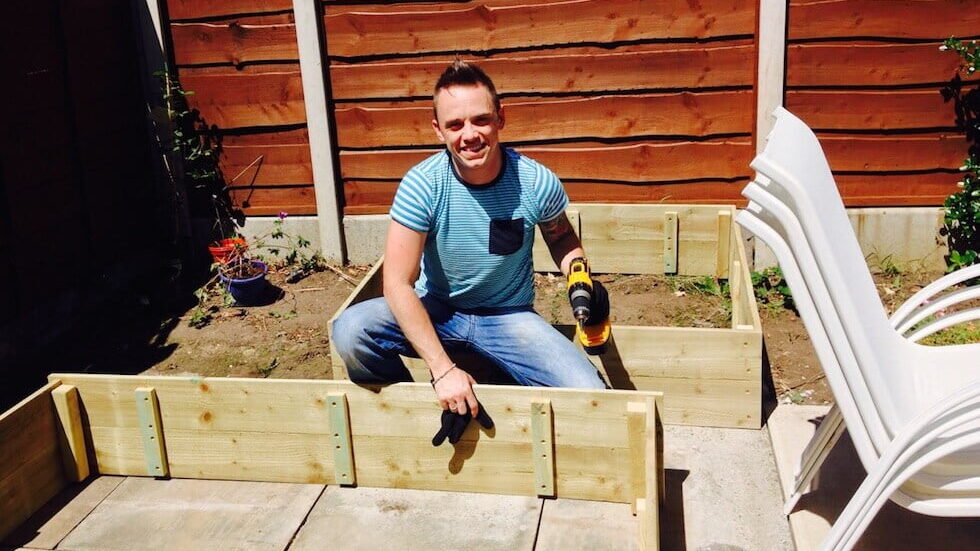
Take your time with assembly. I always recommend having a helper for larger beds, as holding panels in place whilst securing them can be tricky single-handed. Check measurements twice and ensure everything is square before tightening all fixings. For wooden beds, pre-drill pilot holes to prevent splitting. For metal beds, be careful of sharp edges and wear gloves. Check out my detailed step-by-step guide to building raised beds for the full DIY process, including a cut list.
It depends on your priorities. Wood looks more natural and suits traditional gardens, but metal outlasts it by 10 to 15 years with no maintenance. If you are gardening long-term and want to avoid replacing the bed, galvanised steel or composite WPC is the better investment. If budget is tight and you want something natural, a quality pressure-treated timber bed will give you 10 to 15 years of service at lower upfront cost.
Aim for at least 30cm for most vegetables. For root crops like carrots, parsnips, and beetroot, go to 40cm minimum. At 40cm you also significantly reduce the bending required, which makes the whole growing experience more enjoyable. If you are building on a hard surface, the RHS recommends a minimum of 45cm depth.
Yes. The zinc coating on galvanised steel is food-safe and does not leach into soil in harmful quantities under normal garden conditions. The concern sometimes raised relates to old-style galvanising processes, but modern powder-coated galvanised steel raised beds are widely considered safe for food growing. If you are concerned, a simple polythene lining along the inner base is sufficient peace of mind.
Yes, but you need at least 45cm of depth and should break through the surface beneath the bed for drainage. Drill or break out an area within the bed footprint to prevent water pooling at the base. On a hard surface, drip irrigation or a soaker hose is highly advisable as the bed will drain faster and warm up more in summer, increasing moisture loss.
Multiply length x width x height (all in metres) to get the volume in cubic metres. A standard 240cm x 121cm x 40cm bed needs approximately 1.16 cubic metres, which is roughly 58 x 20kg bags or one to two bulk bags depending on the supplier. Order slightly more than your calculation suggests as soil settles after the first watering. My full how-to guide has a soil calculator tool built in.
Maximum 1.2m (4ft) if accessible from both sides, or 60cm if accessible from one side only. The rule is simple: you should never need to step into the bed to reach any part of it. Most people find 90cm to 121cm the most practical width for a kitchen garden bed, allowing two generous rows of plants without stretching.
Timber raised beds on soil or grass do not need drainage holes as water drains through the base naturally. On hard surfaces, break through the underlying material or drill drainage holes in the lower boards. Never use a solid base without drainage as waterlogged compost will rot both roots and the base of your timber very quickly.
Once you’ve installed and filled your raised beds, here’s how to get the most from them.
Mix loam with good organic matter for the best results. Opt for a more sandy, free-draining soil rather than heavy clay, and mix in peat-free compost to improve texture. Top up your beds annually with fresh compost as organic matter breaks down over time, so regular additions keep your plants happy and productive.
Raised beds are ideal for intensive gardening using techniques such as square-foot gardening or succession planting. Multiple beds also allow simple crop rotation: growing the same vegetables in the same soil year after year depletes nutrients and allows soil-borne diseases to build up. Rotate brassicas, legumes, roots, and alliums around your beds each season to keep everything healthy. For comprehensive guidance, check out my crop rotation guide.
In winter, cover empty beds with compost or well-rotted manure. This is known as mulching. It protects the soil structure and adds nutrients ready for the next growing season. Empty raised beds can also be used for winter crops like kale, Brussels sprouts, or winter salads rather than leaving them bare.
For comprehensive guidance on building your own raised beds from scratch, including a full cut list, step-by-step assembly guide, and soil calculator, visit my complete guide to how to build raised beds. For crop planning and rotation, take a look at my crop rotation guide. For sustainable growing methods, my no-dig gardening guide shows how to grow more with less effort.
Why not consider expanding your plant and garden design knowledge with one of my online gardening courses? My Garden Design for Beginners Course offers step-by-step guidance from me, Lee Burkhill, award-winning garden designer and presenter on BBC1’s Garden Rescue. Enrol now for just £199 and start your journey toward garden design mastery.
For the garden you’ve already got, not the one you’re starting from scratch. Seven checklists and video lessons from BBC Garden Rescue’s Lee Burkhill, built to help you work out what’s worth keeping before you spend a penny.
Garden Design Examples for Small Gardens: 30 Design Templates & Planting Plans: In this online gardening course, I’ll walk you through 30 fantastic garden designs, explaining the logic behind the layout, the plant choices, and take-home tips for applying them in your own garden.
Learn how to transform and design your own garden with Lee Burkhills crash course in garden design. Over 5 hours Lee will teach you how to design your own dream garden. Featuring practical design examples, planting ideas and video guides. Learn how to design your garden in one weekend!
Garden Design for Beginners Online Course: If you want to make the career jump to becoming a garden designer or to learn how to design your own garden, this is the beginner course for you. Join me, Lee Burkhill, an award-winning garden designer, as I train you in the art of beautiful garden design.
Raised beds truly are game-changers for modern gardening. Whether you’re dealing with poor soil, limited mobility, or simply want a more organised approach to growing your own, the right raised bed can transform your gardening experience.
The key is choosing quality materials that suit your garden’s style and your long-term growing ambitions. Don’t be tempted by the cheapest option if it means replacing everything in a couple of years. Similarly, don’t feel you need to buy the most expensive option if a mid-range choice meets your needs perfectly. Start with one or two beds, get a feel for raised bed gardening, then expand as your confidence develops. Before you know it, you’ll be harvesting fresh vegetables and herbs right outside your back door.
Happy Gardening!



Lee Burkhill, known as the Garden Ninja, is an award-winning garden designer and horticulturist with over 30 years of gardening experience and 15 years as a professional garden designer. A qualified RHS (Royal Horticultural Society) professional, Lee specialises in sustainable garden design and practical horticultural advice. He designs and presents on BBC1’s Garden Rescue and in leading gardening publications. Lee combines three decades of hands-on gardening knowledge with professional design qualifications to help gardeners create beautiful, functional outdoor spaces.
View all posts by Lee Burkhill




You must be logged in to post a comment.





JOIN THE NINJAS

Be the first in line for new Guides, Discount codes and Offers





On building raised beds out of tanalised boards I rest the walls on a foundation layer of old bricks, laid end-to-end in a rectangle, to keep the wood out of contact with the damp soil. I’ve found it extends the life of the base layer of board by several years.
I’ve also made raised beds for use on paving and here place gravel grids, flipped upside down and covered in weed membrane (edges heat sealed to prevent fraying), as a base. This combination aids drainage, keeps the soil in and the slugs out.