Lee Burkhill: Award Winning Designer & BBC 1's Garden Rescue Presenters Official Blog
Welcome to the Garden Ninja Gardening Forum! If you have a gardening question that you can't find answers to then ask below to seek help from the Garden Ninja army! Please make your garden questions as specific and detailed as possible so the community can provide comprehensive answers in the online forum below.
Welcome to the ultimate beginner gardening and garden design forum! Where no gardening question is too silly or obvious. This online gardening forum is run by Lee Burkhill, the Garden Ninja from BBC 1’s Garden Rescue and a trusted group of experienced gardeners.
Whether you are a beginner or an expert gardener, it’s a safe place to ask garden-related questions for garden design or planting. If you have a problem in your garden or need help, this is the Garden Forum for you! (See forum rules & moderation policy here)
Posting Rules: This space is open for all garden-related questions. Please be polite, courteous and respectful. If you wouldn’t say it to your mum’s face, then don’t post it here. Please don’t promote, sell, link spam or advertise here. Please don’t ask for ‘cheeky’ full Garden redesigns here. They will be deleted.
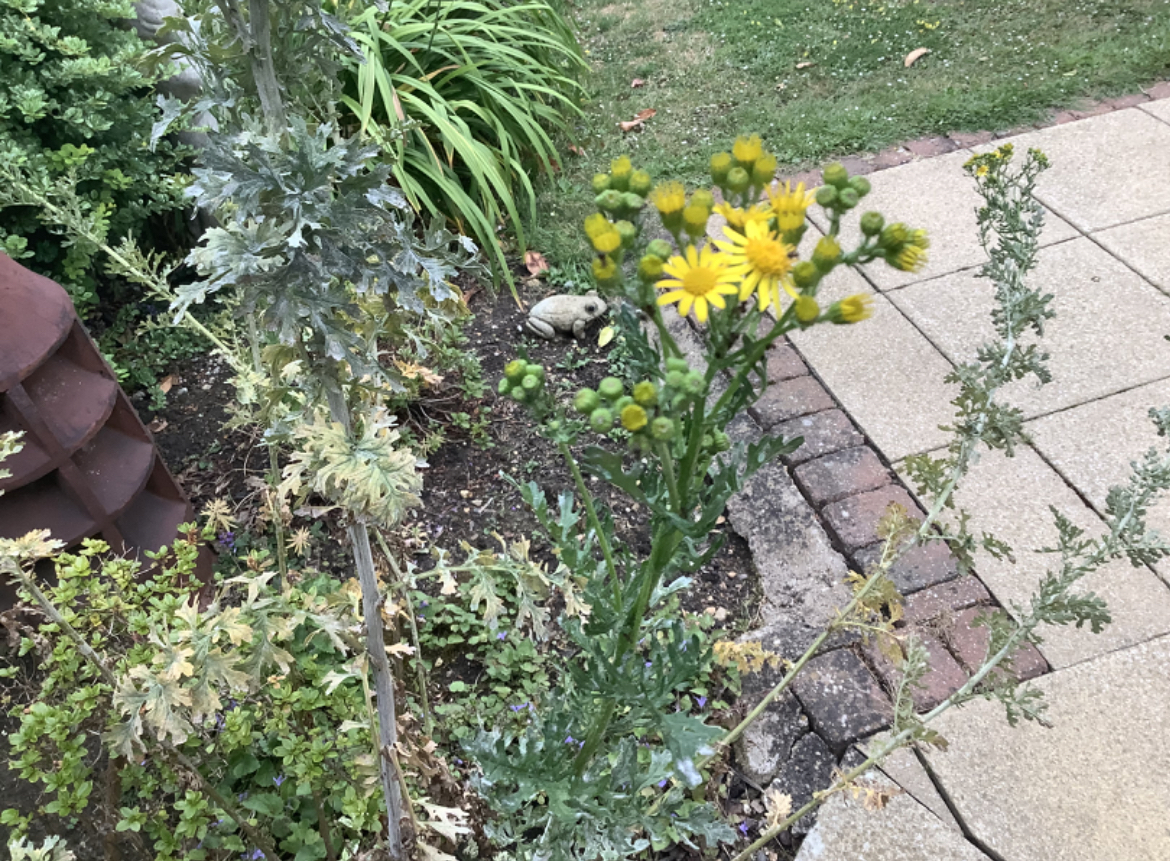
Hi, could someone please tell me what this plant is? Appeared in my garden about a month ago and seems very healthy, growing fast, also can I move it to another part of garden and if so, when? Thanks everyone!
https://ibb.co/G2w06CH
Hi, could someone please tell me what this plant is? Appeared in my garden about a month ago and seems very healthy, growing fast, also can I move it to another part of garden and if so, when? Thanks everyone!
That yellow tall flower with crinkly leaves is Ragwort. Considered a poisonous weed for cattle if eaten when dried. Though in reality cattle have to be absolutely starved to even touch it in most cases.
Its considered dangerous by some as contains toxic compounds known as pyrrolizidine alkaloids when ingested in large amounts. Bare in mind many plants are toxic. Foxgloves tulips and Yew are all considered toxic and potentially fatal when ingested!
That being said, ragwort does have some ecological benefits:
Pollinator habitat: Ragwort flowers are attractive to a variety of pollinators, including bees, butterflies, and hoverflies. The nectar and pollen produced by the flowers serve as a food source for these insects, supporting their populations and promoting biodiversity.
Soil stabilization: Ragwort has a taproot that helps to stabilize soil, particularly in areas with poor soil quality or disturbed habitats. The plant can grow in a wide range of soil types and is often found in disturbed areas, such as roadsides or abandoned fields, where it helps prevent erosion.
Wildlife habitat: Despite its toxicity to livestock, ragwort can provide habitat and food for certain insects and invertebrates. The plant's leaves can serve as food for the caterpillars of some moth species, the cinnabar moth as one, which in turn can be a food source for birds and other animals.
Ecological succession: Ragwort is often considered a pioneer species, meaning it is one of the first plants to colonize bare or disturbed areas. By establishing itself in such areas, ragwort can contribute to the process of ecological succession, paving the way for other plant species to eventually establish themselves and promote a more diverse ecosystem.
If I were you I’d keep it. Enjoy the butterflies bees and moths but just don’t eat it. 😉
That yellow tall flower with crinkly leaves is Ragwort. Considered a poisonous weed for cattle if eaten when dried. Though in reality cattle have to be absolutely starved to even touch it in most cases.
Its considered dangerous by some as contains toxic compounds known as pyrrolizidine alkaloids when ingested in large amounts. Bare in mind many plants are toxic. Foxgloves tulips and Yew are all considered toxic and potentially fatal when ingested!
That being said, ragwort does have some ecological benefits:
Pollinator habitat: Ragwort flowers are attractive to a variety of pollinators, including bees, butterflies, and hoverflies. The nectar and pollen produced by the flowers serve as a food source for these insects, supporting their populations and promoting biodiversity.
Soil stabilization: Ragwort has a taproot that helps to stabilize soil, particularly in areas with poor soil quality or disturbed habitats. The plant can grow in a wide range of soil types and is often found in disturbed areas, such as roadsides or abandoned fields, where it helps prevent erosion.
Wildlife habitat: Despite its toxicity to livestock, ragwort can provide habitat and food for certain insects and invertebrates. The plant's leaves can serve as food for the caterpillars of some moth species, the cinnabar moth as one, which in turn can be a food source for birds and other animals.
Ecological succession: Ragwort is often considered a pioneer species, meaning it is one of the first plants to colonize bare or disturbed areas. By establishing itself in such areas, ragwort can contribute to the process of ecological succession, paving the way for other plant species to eventually establish themselves and promote a more diverse ecosystem.
If I were you I’d keep it. Enjoy the butterflies bees and moths but just don’t eat it. 😉
Your subscription could not be saved. Please try again.
Your subscription has been successful.
Lee Burkhill
Lee Burkhill, known as the Garden Ninja, is an award-winning garden designer and horticulturist with over 30 years of gardening experience and 15 years as a professional garden designer. A qualified RHS (Royal Horticultural Society) professional, Lee specialises in sustainable garden design and practical horticultural advice. He designs and presents on BBC1’s Garden Rescue and in leading gardening publications. Lee combines three decades of hands-on gardening knowledge with professional design qualifications to help gardeners create beautiful, functional outdoor spaces.
 Lee Burkhill: Award Winning Designer & BBC 1's Garden Rescue Presenters Official Blog